
Issue published February 16, 2026 Previous issue

- Volume 136, Issue 4
Go to section:
On the cover: Predicting chronic graft-versus-host disease
Martens et al. report the development of BIOPREVENT (BIOmarkers PREVENTion), a tree-based machine learning algorithm using data from 1,310 recipients of hematopoietic cell transplants, incorporating 7 plasma proteins measured on day 90 after transplant and 9 clinical variables. In the cover image, the blue lines represent input clinical and proteomics data, the green leaves represent the markers selected from the tree-based machine learning approaches, and the red sky represents active chronic graft-versus-host disease. Image generated using OpenAI’s DALL-E 2 and edited in Adobe Illustrator.

-
Review Series
×
Abstract
GLP-1 receptor agonist (GLP-1RA) medications have transformed the treatment of type 2 diabetes (T2D) and obesity, with robust evidence for cardiovascular and renal benefits. Nevertheless, GLP-1RA therapy is associated with a pattern of adverse events affecting their safety and tolerability. Here, we delineate mechanisms potentially leading to adverse responses to GLP-1RAs, describe the impact of side effects on treatment persistence, discuss potential mitigation strategies, and identify areas requiring further studies. Concerns that GLP-1RAs raise the risk for acute pancreatitis and pancreatic cancer have been dispelled by long-term clinical trials. However, GLP-1RAs may confer an increased risk for thyroid cancer. Sight-threatening eye complications resulting from rapid reductions in glycemia may be avoided by retinal screening and ophthalmologic treatment before GLP-1RA initiation. The slowing of gastric emptying with GLP-1RA treatment increases the propensity for retained gastric contents, which could increase the risk of aspiration during upper gastrointestinal endoscopy or general anesthesia. These risks may, however, be elevated in individuals with long-standing T2D even in the absence of GLP-1RA treatment. Improved pharmacovigilance and a more standardized, quantitative assessment of adverse events in clinical trials, particularly in the assessment of gastrointestinal symptoms, would facilitate definition of the benefit-risk relationship for individual medications and indications.
Authors
Ryan J. Jalleh, Nicholas J. Talley, Michael Horowitz, Michael A. Nauck
×Abstract
Glucagon-like peptide-1 receptor agonists (GLP-1RAs), established therapies for type 2 diabetes and obesity, are increasingly recognized for their potential in neurodegenerative diseases. Preclinical studies across diverse neurodegenerative conditions consistently demonstrate neuroprotective effects of GLP-1RAs, including reduced protein aggregation, enhanced autophagy, improved mitochondrial function, suppression of neuroinflammation, and preservation of synaptic integrity. Epidemiological analyses further suggest reduced incidence of dementia, Parkinson disease, and multiple sclerosis among long-term GLP-1RA users. Early human trials provide signals of target engagement, such as preserved cerebral glucose metabolism, altered inflammatory biomarkers, and slowed brain atrophy, although clinical outcomes to date remain mixed and trials in rarer disorders are sparse. Translation is constrained by uncertainty around optimal molecule choice, CNS penetrance, tolerability, adherence, and heterogeneity of response. Furthermore, next-generation dual and triple agonists may offer enhanced efficacy but remain untested in neurodegeneration. Conceptually, GLP-1RAs share pleiotropic effects with exercise — one of the few interventions with proven disease-modifying potential — by enhancing insulin signaling, stabilizing mitochondria, reducing inflammation, and promoting synaptic plasticity. This overlap highlights their promise as “pharmacological analogues of exercise,” and underscores the need for biomarker-driven, disease-specific trials to establish whether GLP-1RAs can deliver durable disease modification across the spectrum of neurodegenerative diseases.
Authors
Dilan Athauda, Nigel H. Greig, Wassilios G. Meissner, Thomas Foltynie, Sonia Gandhi
×Abstract
The incretin hormone glucagon-like peptide-1 (GLP-1) exerts potent effects on glucose metabolism, prompting the development of therapeutic strategies that enhance activity of the GLP-1 receptor (GLP-1R) pathway. Inhibitors of dipeptidyl peptidase 4 (DPP-4) prolong the half-life of endogenous GLP-1 and typically achieve reductions in HbA1c of 0.5%–0.8%. However, large-scale cardiovascular (CV) outcomes trials (CVOTs) with DPP-4 inhibitors demonstrated CV safety but did not show a reduction in CV events. A second incretin-based therapeutic approach was the development of GLP-1R agonists (GLP-1RAs). Various GLP-1RAs, including liraglutide, semaglutide, and dulaglutide, demonstrated a reduction in CV outcomes in large CVOTs. Initially, these medications were only available as injectable agents for subcutaneous administration, but recent technological advancements have enabled the development of orally available GLP-1RAs. A third incretin-based approach is tirzepatide, a dual agonist of GLP-1R and glucose-dependent insulinotropic polypeptide receptor (GIPR), which achieves greater HbA1c reduction and weight loss compared with GLP-1RAs alone. Ongoing large-scale CVOTs will determine its effects on hard cardiovascular endpoints. This Review summarizes the effects of GLP-1 and GLP-1RAs in the CV system as well as clinical data of GLP-1RAs in individuals with CV disease or high CV risk.
Authors
Florian Kahles, Andreas L. Birkenfeld, Nikolaus Marx
-
Commentaries
×
Abstract
Comparative biology approaches have produced foundational discoveries in the mechanisms underlying thrombosis and hemostasis. In this issue of the JCI, work by Dahlgren and colleagues continues in this tradition using an approach that integrated a multispecies investigation of conserved function with genomic exploration and discovery. Dahlgren et al. describe the identification of pathogenic variants in the ER-associated degradation pathway protein SEL1L in a rare platelet disorder affecting horses. After establishing a conserved role for SEL1L in zebrafish, mouse, and human platelet function, the study found evidence for SEL1L variants in association with bleeding phenotypes in human GWAS. Altogether, the findings elucidate a previously unrecognized component of platelet function, laying the groundwork for mechanistic explanation of a subset of human bleeding phenotypes and providing a powerful endorsement of integrative, collaborative research.
Authors
Caitlin D. Schneider, James P. Luyendyk
×Abstract
Chronic stress triggers a range of physiological responses that could dysregulate the immune system and metabolic processes, thereby increasing susceptibility to various diseases. In this issue of the JCI, Wu et al. identified a metabolic bridge between chronic stress and liver cancer progression. Chronic stress–induced glucocorticoids promoted aminopeptidase N (ANPEP) expression and subsequent reprogramming of amino acid metabolism, leading to increased liver cancer growth and metastasis. ANPEP facilitated stabilization of the cystine-glutamate transporter system Xc– and increased l-cystine influx, thereby enhancing cellular antioxidant capacity to prevent ferroptosis. Silencing ANPEP in combination with sorafenib treatment showed a synergistic inhibitory effect on liver cancer progression. These findings uncover ANPEP as a valuable target for therapeutic interventions to treat patients with liver cancer experiencing chronic stress.
Authors
Maowu Luo, Weibo Luo
×Abstract
Checkpoint inhibitor–associated autoimmune diabetes (CIADM) is a life-altering and potentially life-threatening complication of immune checkpoint inhibitor (ICI) treatment in patients with cancer. Risk factors and predictors of this complication remain largely unknown. In this issue of the JCI, Wu et al. examined serum and PBMCs from 14 ICI-treated patients who developed CIADM and 28 matched controls. They identified several variables that were present prior to ICI treatment, including reduced pancreatic volume, islet autoantibodies, and biomarkers indicating immune cell activation, that together are highly predictive of development of CIADM. These findings could have profound clinical implications including treatment decisions, monitoring, and potential future prevention strategies.
Authors
Kevan C. Herold, Ana Luisa Perdigoto
×Abstract
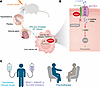
Germline variants in the gene encoding succinate dehydrogenase subunit B (SDHB) occur in around 10% of all patients with pheochromocytomas and paragangliomas (PPGLs). Diagnosis of these variants has profound implications not only for the patient but also their first-degree relatives in terms of risk for PPGLs and other SDHB-associated tumors (renal cell cancer and gastrointestinal stromal tumors). Appropriate surveillance of SDHB variant carriers is associated with reduced mortality from these cancers. Curation of disease-causing (pathogenic) variants from benign variants is therefore crucial; however, this task is often difficult for missense variants when their impact on biological function is unclear. In this issue of the JCI, Lee et al. have described a newly developed cellular complementation assay for SDHB function that may assist variant curation in clinical practice and thereby improve outcomes for patients inheriting these cancer-risk variants.
Authors
Roderick Clifton-Bligh



-
Research Articles
×
Abstract
Muscle cell fusion is critical for the formation and maintenance of multinucleated myotubes during skeletal muscle development and regeneration. However, the molecular mechanisms directing cell-cell fusion are not fully understood. Here, we identified platelet-derived growth factor receptor β (PDGFRβ) signaling as a key modulator of myocyte function in adult muscle cells. Our findings demonstrated that genetic deletion of Pdgfrb enhanced muscle regeneration and increased myofiber size, whereas Pdgfrb activation impaired muscle repair. Inhibition of PDGFRβ activity promoted myonuclear accretion in both mouse and human myotubes, whereas PDGFRβ activation stalled myotube development by preventing cell spreading to limit fusion potential. Furthermore, PDGFRβ activity cooperated with TGF-β signaling to regulate myocyte size and fusion. Mechanistically, PDGFRβ signaling required STAT1 activation, and blocking STAT1 phosphorylation enhanced myofiber repair and size during regeneration. Collectively, PDGFRβ signaling acts as a regenerative checkpoint and represents a potential clinical target to improve skeletal muscle repair.
Authors
Siwen Xue, Abigail M. Benvie, Jamie E. Blum, Benjamin D. Cosgrove, Anna E. Thalacker-Mercer, Daniel C. Berry
×Abstract
SEL1L is a well-known protein in the ER-associated degradation (ERAD) pathway. While it is known to be expressed in platelets, SEL1L has never been shown to play an active role. Here, we present evidence that SEL1L regulates platelet function. We first identified SEL1L through the study of Atypical Equine Thrombasthenia (AET), an autosomal recessive platelet disorder found in thoroughbred horses. A missense variant in SEL1L (c.1810A>G p.Ile604Val) was found in AET-affected horses, which we show is associated with decreased protein expression. SEL1L is intracellular in equine platelets and localizes to the surface upon activation with thrombin. Platelets from homozygous horses exhibited substantially decreased spreading on immobilized collagen. Human megakaryocytes were found to have 2 SEL1L protein isoforms that increase in expression during megakaryopoiesis, although only 1 isoform was delivered to mature platelets. Studies using inducible mouse and constitutive zebrafish KOs demonstrated that SEL1L is necessary for efficient platelet or thrombocyte (fish equivalent) adhesion to sites of endothelial injury. These data reveal a previously undescribed and conserved role for the ERAD pathway in the etiology of AET and platelet function, and GWAS data suggest that it may play a role in human platelet disorders as well.
Authors
Anna R. Dahlgren, Francesca Careddu, Jeffrey W. Norris, Christian A. Di Buduo, Livia Stanger, Reheman Adili, Erin M. Kropp, Qing Li, Michael Holinstat, Ida Biunno, Alessandra Balduini, Fern Tablin, Jordan A. Shavit, Carrie J. Finno
×Abstract
BACKGROUND Infection is an important complication of implanted devices and prosthetics. Identifying infections sufficiently early to salvage implants and avoid reconstructive failure is a persistent medical challenge.METHODS Two cohorts of women 21 years and older undergoing breast implant reconstruction were recruited. Seroma fluid (82 breasts, 70 patients) was collected upon implant removal for infectious or noninfectious causes. Postimplantation drain fluid (100 samples, 44 breasts, 32 patients) was collected at routine visits prior to implant removal. A liquid chromatography/mass spectrometry–based metabolomic approach was used to identify infection correlates.RESULTS In seroma fluid specimens, infection was associated with a diverse set of small molecules, including acetylated polyamines, defensins, glucosyl-sphingosine, and several peptide-like features (all P < 0.001, diagnostic areas under the receiver operating curve 0.82–0.93). Notably, a subset of these markers were significantly elevated (P < 0.05) in postimplantation drain fluid before recorded infection symptoms and diagnosis. Pseudomonas aeruginosa and its specialized exometabolites in drain specimens were also associated with subsequent P. aeruginosa infections.CONCLUSION Tissue fluid from infected patients has a distinctive metabolome reflecting human and bacterial physiologic processes that often precede clinical diagnoses. A diagnostic based on these findings has potential to improve patient outcomes through early recognition of infection.FUNDING This work was supported by U54CK000609 from the CDC and by an unencumbered research gift from Sientra. Metabolomic approaches were supported by NIH grants R01 DK125860 and R01 DK111930.
Authors
John A. Wildenthal, Margaret A. Olsen, Hung D. Tran, John I. Robinson, Terence M. Myckatyn, David K. Warren, Keith E. Brandt, Marissa M. Tenenbaum, Joani M. Christensen, Thomas H. Tung, Justin M. Sacks, Rachel A. Anolik, Katelin B. Nickel, Hideji Fujiwara, Peter J. Mucha, Jeffrey P. Henderson
×Abstract
Anaphylaxis is a life-threatening hypersensitivity reaction. Clinical observations suggest heightened susceptibility during viral infections, yet the mechanisms remain poorly defined. Here, we show that both active and passive IgG-mediated anaphylaxis were exacerbated in the setting of acute viral infection. In mice, this enhancement was driven predominantly by FcγRIV, the homolog of human FcγRIIIa. FcγRIV crosslinking induced anaphylactic symptoms selectively in infected animals, with no effect in naive conditions. Among leukocytes, inflammatory monocytes emerged as the principal drivers of this lethal reaction. Viral infection triggered a strong upregulation of FcγRIV on inflammatory monocytes, an effect absent in type I IFN receptor–deficient (Ifnar1-deficient) mice. Extending these findings, we observed increased frequencies of CD16-expressing classical monocytes in patients with acute COVID-19, and murine SARS-CoV-2 infection recapitulated this phenotype. Mechanistically, FcγRIV crosslinking during infection promoted the production of platelet-activating factor, the key mediator of mortality, in a type I IFN–dependent (IFN-I–dependent) manner. Together, these findings indicate that viral infection creates an immune milieu that heightens monocyte sensitivity to Fcγ receptor engagement, positioning these cells as major effectors of IgG-mediated hypersensitivity in the infected host. They further suggest that Fc receptor pathway modulation merits further investigation in contexts with heightened IFN-I responses, such as in systemic lupus erythematosus.
Authors
Abdelrahman Elwy, Hossam Abdelrahman, Julia Specht, Gina M. Ewert, Justa Friebus-Kardash, Swati Dhiman, Julia Falkenstein, Theresa Charlotte Christ, Elisa Wiebeck, Arzoo Shamoon, Nils B. Leimkühler, Thomas Gramberg, Alina Russ, Ulrich Kalinke, Fei Kuang, Kathrin Sutter, Manfred Kopf, Matthias Mack, Wiebke Hansen, Falk Nimmerjahn, Karl S. Lang
×Abstract
BACKGROUND Checkpoint inhibitor–associated autoimmune diabetes mellitus (CIADM) is a rare but life-altering complication of immune checkpoint inhibitor (ICI) therapy. Biomarkers that predict type 1 diabetes (T1D) are unreliable for CIADM.AIM In the present study, we sought to identify biomarkers for the prediction of CIADM.METHODS From our prospective biobank, we identified 14 patients with CIADM who had metastatic melanoma treated with anti–programed antibody death 1 (anti–PD-1) with or without anti–cytotoxic T lymphocyte–associated antibody protein 4 (anti-CTLA4). Controls were selected from the same biobank, matched 2:1. Pretreatment, on-ICI, and post-CIADM serum and PBMCs were analyzed. Serum was analyzed for T1D autoantibodies, C-peptide, glucose, and cytokines. PBMCs were profiled using flow cytometry. Pancreatic volume was measured using CT volumetry.RESULTS Before treatment, patients with CIADM had smaller pancreatic volume (27% reduction, P = 0.044) and higher anti–glutamic acid decarboxylase autoantibody (anti-GAD) titers (median 2.9 vs. 0, P = 0.01). They had significantly higher baseline proportions of Th17 cells (P = 0.03), higher CD4+ central memory cells (P = 0.04), and lower naive CD4+ T cells (P = 0.01). With ICI treatment, greater declines in pancreatic volume were seen in patients with CIADM (P < 0.0001). Activated CD4+ T cell subsets increased significantly in CIADM and controls with immune-related adverse effects (IRAEs) but not in controls without IRAEs. Using only pretreatment results, we found that pancreatic volume, anti-GAD antibody titers, and the baseline immune flow profile were highly predictive of CIADM development, with an AUC of greater than 0.96.CONCLUSIONS People who develop CIADM are immunologically predisposed and have antecedent pancreatic and immunological changes that accurately predict disease with excellent sensitivity. These biomarkers could be used to guide ICI use, particularly when planning treatment for low-risk tumors.FUNDING National Health and Medical Research Council (NHMRC) Investigator grants 2033228, 2009476, and 2007839.
Authors
Linda Wu, John M. Wentworth, Christopher Liddle, Nicole Fewings, Matteo Carlino, David A. Brown, Roderick Clifton-Bligh, Georgina V. Long, Richard A. Scolyer, Nicholas Norris, Sarah C. Sasson, Venessa H.M. Tsang, Alexander M. Menzies, Jenny E. Gunton
×Abstract
PP2A B55α, a regulatory subunit of protein phosphatase 2 (PP2A), is underexpressed in greater than 40% of non–small cell lung cancer (NSCLC) cases due to loss of heterozygosity of PPP2R2A, the gene encoding this protein. Given that low PPP2R2A expression correlates with poor prognosis, treating PPP2R2A-deficient NSCLC represents an unmet medical need. Here, we show that PPP2R2A knockdown or its heterozygosity (PPP2R2A+/–) increases cytosolic DNA, leading to cGAS-STING-type I IFN pathway activation. PPP2R2A deficiency results in elevated expression of immune checkpoint protein PD-L1 via GSK-3β- and STING-dependent mechanisms. PPP2R2A+/– cancer cells have enhanced sensitivity to PD-L1 blockade in a mouse model of lung cancer due to modulation of the tumor immune microenvironment, resulting in increased NK cells and reduced infiltration and function of Tregs. Consequently, PD-L1 antibody treatment increases CD8+ T infiltration and activity, especially in tumors with PPP2R2A heterozygosity. Furthermore, systemic or Treg-specific IFNAR1 blockade reduces the efficacy of PD-L1 blockade in PPP2R2A+/– tumors. Patients with NSCLC with a low PPP2R2A/PD-L1 ratio respond better to immune checkpoint blockade (ICB). These findings underscore the therapeutic potential of ICB in treating PPP2R2A-deficient NSCLC and suggest that PPP2R2A deficiency could serve as a biomarker for guiding ICB-based therapies.
Authors
Zhaojun Qiu, No-Joon Song, Anqi Li, Deepika Singh, Chandra B. Prasad, Chunhong Yan, David P. Carbone, Qi-en Wang, Xiaoli Zhang, Zihai Li, Junran Zhang
×Abstract
Vessels encapsulating tumor clusters (VETC), a distinct vascular pattern in hepatocellular carcinoma (HCC), facilitates noninvasive metastasis in whole clusters. The interaction between VETC and the tumor microenvironment requires exploration. Here, we found that, compared with human non-VETC-HCCs, VETC-tumors exhibited more PD1+CD8+ T cells and Tregs, especially TNFRSF4+ Tregs and Ki67+ Tregs, which showed increased immunosuppressive and proliferative activity. Such immunosuppressive status was also detected in tumor emboli of VETC-HCCs, and Treg density in emboli was positively associated with metastatic cell proliferation. VETC-HCCs revealed abundance correlation, closer spatial proximity, and stronger immunosuppressive ligand-receptor interactions between TNFRSF4+ Tregs/Ki67+ Tregs and PD1+CD8+ T cells. Depleting Tregs in mice reduced PD1+CD8+ T cells in primary lesions, tumor emboli, and metastatic foci of VETC-allografts, and attenuated allograft metastasis. TGF-β1 levels were upregulated in endothelial cells of VETC-HCCs and associated with TNFRSF4+ Tregs/Ki67+ Tregs enrichment. Disrupting VETC formation decreased endothelial TGF-β1 expression and reduced TNFRSF4+ Tregs, Ki67+ Tregs, PD1+CD8+ T cells, and Treg/CD8+ T cell ratios. Collectively, VETC may enhance Treg activity via TGF-β1, while Tregs promote and sustain CD8+ T cell exhaustion through immune inhibitory ligand-receptor interaction, thereby shaping the immunosuppressive microenvironment and enabling tumor clusters to retain such niche to disseminate. These findings disclose mechanisms of tumor immune microenvironment formation and provide rationales for precision medicine.
Authors
Bi-Yu Huang, Zheng-Qi Mi, Xiao-Yu Zhang, Yu-Chen Ji, Meng-Zhi Wu, Zi-Feng Cheng, Chen Xie, Shuai He, Jing Zhu, Jian-Hong Fang, Chong Wu, Bin-Kui Li, Yun-Fei Yuan, Limin Zheng, Shi-Mei Zhuang
×Abstract
Broadly neutralizing antibodies (bnAbs) are evaluated as possible alternatives to standard antiretroviral treatment (ART) for maintaining control of HIV-1 replication and may enhance immune responses to reduce or control the viral reservoir. However, the immunological and virological effects of bnAbs in infants and children are unknown. We conducted a detailed analysis of proviral reservoir dynamics and antiviral immune responses in a unique group of young children from Botswana who started ART at birth and then stopped standard ART while receiving the bnAbs 10-1074 and VRC01-LS in a subsequent clinical trial. No quantitative changes in frequencies of proviral sequences were observed during bnAb treatment, but selection of genome-intact proviruses in transcriptionally repressive heterochromatin regions occurred in some study participants. Faster viral rebound following standard ART cessation was linked to elevated proportions of KIR2DL1-positive NK cells. In contrast, delayed viral rebound and more limited viral reservoir size were associated with elevated proportions of NKG2A-positive NK cells and with the HLA-B-21M signal peptide polymorphism. HIV-specific T cell responses were low in all study participants and unrelated to viral reservoir sizes or clinical outcomes following ART interruption. These results suggest that, in young children, specific NK cell subsets and KIR-HLA interactions might be linked to HIV-1 rebound kinetics after substitution of standard ART with bnAbs.
Authors
Aischa Niesar, Melanie Lancien, Seohyun Hong, Chloe Naasz, Gbolahan Ajibola, Kenneth Maswabi, Maureen Sakoi-Mosetlhi, Oganne Batlang, Sikhulile Moyo, Terence Mohammed, Comfort Maphorisa, Leah Carrere, Isabelle Roseto, Ciputra Adijaya Hartana, Toong Seng Tan, Ce Gao, Elizabeth Parsons, Renee Hua, Molly Pretorius Holme, Shahin Lockman, Kathleen M. Powis, Mary Carrington, Joseph Makhema, Xu G. Yu, Daniel R. Kuritzkes, Roger L. Shapiro, Mathias Lichterfeld
×Abstract
Germline loss-of-function folliculin (FLCN) gene mutations cause Birt-Hogg-Dubé (BHD) syndrome, in which pulmonary cysts are present in up to 90% of the patients. The pathogenic mechanisms underlying lung cyst development in BHD are almost entirely unknown because of the limited availability of BHD patient lung samples and the lack of authentic BHD lung disease models. We generated lung mesenchyme–specific and lung epithelium–specific Flcn-knockout mice using a Cre/loxP approach. We found that deletion of Flcn in lung mesenchymal cells, but not in lung epithelial cells, resulted in alveolar enlargement starting from early postnatal life, with evidence of cyst formation in adult mice, resembling the pulmonary disease in human BHD. These changes were associated with increased mechanistic target of rapamycin complex 1 (mTORC1) activity in the lungs of both patients with BHD and Flcn-knockout mice. Attenuation of mTORC1 activity by knocking out Raptor gene (Rptor) or pharmacologic inhibition using rapamycin substantially rescued the pulmonary pathology caused by Flcn deletion in mice. Taken together, these human and mouse data support a model in which mTORC1 hyperactivation drives pulmonary cystic pathology in BHD.
Authors
Ke Cao, Hui Chen, Ling Chu, Hong-Jun Wang, Jianhua Zhang, Yongfeng Luo, Joanne Chiu, Damir Khabibullin, Nicola Alesi, Matthew E. Thornton, Brendan H. Grubbs, Ali Ataya, Nishant Gupta, Francis X. McCormack, Kathryn A. Wikenheiser-Brokamp, Elizabeth P. Henske, Wei Shi
×Abstract
Mitochondrial fission is mediated by dynamin-related protein 1 (gene name DNM1L) and fusion by mitofusins (MFN1 and MFN2) and optic atrophy 1. The role of mitochondrial dynamics in liver disease and cancer remains poorly understood. We analyzed single, double, and triple liver-specific KO mice lacking mitochondrial fission and fusion proteins using systematic analyses of mitochondrial morphology, untargeted metabolomics, RNA-seq, hydrodynamic tail vein injection of oncogenes, and human hepatocellular carcinoma samples. Liver-specific Dnm1l-KO (L-Dnm1l–KO) mice showed increased alanine aminotransferase levels and hepatic fibrosis, with spontaneous liver tumors developing by 12 to 18 months of age. L-Mfn1– and L-Mfn2–KO mice showed no significant liver damage or tumor development, although a small percentage of L-Mfn1, Mfn2 double KO mice developed tumors. Dnm1l, Mfn1, and Mfn2 triple KO (TKO) mice experienced significantly reduced liver injury and fibrosis, along with decreased spontaneous and oncogene-induced tumorigenesis. L-Dnm1l–KO mice showed increased activation of the cGAS/STING/interferon pathway and pyrimidine metabolism, which were significantly normalized in TKO mice. Deletion of hepatic cGas reduced both basal and oncogene-induced liver injury and tumor development in L-Dnm1l–KO mice. These findings indicate that mitochondrial dynamics are crucial for maintaining hepatic pyrimidine metabolism and regulating the cGAS/STING-mediated immune response to prevent liver tumorigenesis.
Authors
Xiaowen Ma, Xiaoli Wei, Mengwei Niu, Chen Zhang, Zheyun Peng, Wanqing Liu, Junrong Yan, Xiaoyang Su, Lichun Ma, Shaolei Lu, Wei Cui, Hiromi Sesaki, Wei-Xing Zong, Hong-Min Ni, Wen-Xing Ding
×Abstract
Non–small cell lung cancer exhibits the highest rates of brain metastases (BMs) among all solid tumors, presenting a major clinical challenge. The development of novel therapeutic strategies targeting BMs is clearly needed. We identified a significant enrichment of MET amplification in lung adenocarcinoma (LUAD) BMs compared with primary LUAD and extracranial metastases in oncogene driver–negative patients. Of note, MET-amplified BMs were responsive to MET inhibitors in vivo, including models with acquired MET amplification at the time of metastasis. MET alterations (amplifications and/or mutations) were also more frequently detected in circulating tumor DNA from patients with LUAD BMs than in those without BMs. MET-altered BMs also demonstrated unique genomic features compared with non–MET-altered BMs. Transcriptomic analyses revealed that in contrast to MET WT BMs, MET-amplified BMs exhibited a more inflamed tumor microenvironment and displayed evidence of metabolic adaptation, particularly a reliance on glycolysis in contrast to OXPHOS in MET WT BMs. Furthermore, MET-amplified BMs demonstrated evidence of epithelial-mesenchymal transition signaling, including increased expression of TWIST1. Patients with MET-amplified BMs had significantly shorter overall survival. These findings highlight MET amplification as a critical driver of LUAD BMs, emphasizing its potential as a therapeutic target.
Authors
Timothy F. Burns, Sanja Dacic, Anish Chakka, Ethan Miller, Maria A. Velez, Ashwin Somasundaram, Saveri Bhattacharya, Autumn Gaither-Davis, Princey Devadassan, Jingxiao Jin, Vinod Kumar, Arjun Pennathur, Joanne Xiu, Matthew Oberley, Michael J. Glantz, Sonikpreet Aulakh, Uma R. Chandran, Riyue Bao, Curtis Tatsuoka, Laura P. Stabile
×Abstract
Mechanistic target of rapamycin complex 1 (mTORC1) is a master controller of cell growth, and its dysregulation is associated with cancer. KICSTOR, a complex comprising KPTN, ITFG2, C12orf66, and SZT2, functions as a critical negative regulator of amino acid–induced mTORC1 activation. However, the regulatory mechanisms governing KICSTOR remain largely unclear. In this study, we identify F-box only protein 2 (FBXO2) as a key modulator of amino acid–dependent mTORC1 signaling. Mechanistically, FBXO2 colocalizes and directly interacts with KPTN via its F-box–associated domain, promoting K48- and K63-linked polyubiquitination of KPTN at lysine residues 49, 67, 262, and 265. FBXO2-mediated KPTN ubiquitination disrupted its interaction with ITFG2 and SZT2, while enhancing its interaction with C12orf66, thereby impairing the ability of KICSTOR to recruit the GATOR1 complex — comprising DEPDC5, NPRL2, and NPRL3 — to the lysosomal surface. Notably, FBXO2 protein levels were substantially upregulated in patients with liver cancer, and FBXO2-mediated KPTN ubiquitination facilitated the progression of hepatocellular carcinoma (HCC). These results reveal a key regulatory mechanism of mTORC1 signaling and highlight FBXO2 and KPTN ubiquitination as therapeutic targets for HCC treatment.
Authors
Jianfang Gao, Jina Qing, Xianglong Li, Yuxuan Luo, Lingwen Huang, Hongxia Li, Huan Zhang, Jiao Zhang, Pei Xiao, Jinsong Li, Tingting Li, Shanping He
×Abstract
BACKGROUND Chronic graft-versus-host disease (cGVHD) is a major contributor to nonrelapse mortality (NRM) following hematopoietic cell transplantation (HCT). Whether machine-learning (ML) models with biomarkers improve the accuracy for predicting future cGVHD/NRM is not established.METHODS We developed BIOPREVENT (BIOmarkers PREVENTion), a ML algorithm using data from 1,310 HCT recipients, incorporating 7 plasma proteins measured at Day 90/100 post-HCT and 9 clinical variables. Patients were divided into training and validation datasets. ML models — including CoxXGBoost, Group SCAD, Adaptive Group Lasso, Random Survival Forests, and Bayesian Additive Regression Trees (BART) — were used to estimate time-varying Area Under the ROC Curve (AUCt) at Days 180, 270, 360, and 540. Deep learning models were also evaluated.RESULTS ML models with biomarkers outperformed clinical-only models for predicting cGVHD, with BART and CoxXGBoost achieving AUCt greater than 0.65 at 1 year. For NRM, models with biomarkers achieved AUCt ranging from 0.75–0.91. Deep learning did not outperform other ML approaches. BART consistently demonstrated high predictive accuracy and was selected for the final BIOPREVENT model. Calibration curves aligned with observed values. Variable importance analysis identified MMP3 and CXCL9 as key for cGVHD prediction and IL1RL1 and sCD163 for NRM. Cumulative incidences of cGVHD and NRM differed significantly based on BIOPREVENT-defined cutpoints.CONCLUSION BIOPREVENT accurately predicts individual risk of future cGVHD and NRM using biomarkers at 3 months post-HCT. A publicly available R Shiny web application supports its clinical use. Further studies are needed to explore its role in guiding preemptive therapy.TRIAL REGISTRATION BMTCTN 0201, BMTCTN 1202, and NCT02194439.FUNDING R01CA264921, U10HL069294, U24HL138660, R01HD074587, and P01HL158505.
Authors
Michael J. Martens, Debjani Dutta, Yongzi Yu, Lisa E. Rein, Jerome Ritz, Brent R. Logan, Sophie Paczesny
×Abstract
Fanconi anemia (FA) confers a high risk (~700-fold increase) of solid tumor formation, most often head and neck squamous cell carcinoma (HNSCC). FA germline DNA repair defects preclude administration of most chemotherapies, and prior hematopoietic stem cell transplantation limits the use of immunotherapy. Thus, surgery and judicious delivery of radiation offer the only treatment options, with most patients dying from their cancers. A paucity of preclinical models has limited the development of new treatments. Here, we report what to our knowledge are the first patient-derived xenografts (PDXs) of FA-associated HNSCC (FA-HNSCC) and highlight the efficacy of FDA-approved EGFR-targeted therapies in tumors with high EGFR and phosphorylated EGFR levels and the activity of the FDA-approved B-cell lymphoma 2 (Bcl-2) inhibitor venetoclax in a FA-HNSCC PDX overexpressing Bcl-2. These findings support the development of precision medicine approaches for FA-HNSCC.
Authors
Jennifer R. Grandis, Hua Li, Benjamin A. Harrison, Andrew L.H. Webster, Joanna Pucilowska, Austin Nguyen, Jinho Lee, Gordon B. Mills, Jovanka Gencel-Augusto, Yan Zeng, Steven R. Long, Mi-Ok Kim, Rex H. Lee, David I. Kutler, Theresa Scognamiglio, Margaret Brandwein-Weber, Mark Urken, Inna Khodos, Elisa de Stanchina, Yu-Chien Lin, Frank X. Donovan, Settara C. Chandrasekharappa, Moonjung Jung, Mathijs A. Sanders, Agata Smogorzewska, Daniel E. Johnson
×Abstract
Recent studies suggest prediabetes is an independent risk factor for cardiovascular thrombotic events. However, the mechanisms that may promote platelet activation and thrombosis in prediabetes remain elusive. To determine mechanisms linking prediabetes and thrombosis as a function of age, we recruited military veterans with prediabetes and veterans who were normoglycemic, in young and middle-age groups. Compared with normoglycemic participants, platelets from those with prediabetes exhibited increased activation, mitochondrial oxidant load, mitochondrial membrane hyperpolarization, and greater thrombus formation ex vivo regardless of age. Preincubation of platelets with mitochondria-targeted antioxidants, such as SOD mimetic or mitoquinol (MitoQ), rescued this prothrombotic phenotype. These phenotypes were recapitulated in C57BL6/J mice exhibiting early onset of glucose intolerance when fed a high-fat (HF) diet for 2 weeks. Treatment of HF-fed mice with a SOD mimetic or MitoQ, or genetic overexpression of catalase within mitochondria, not only lowered mitochondrial oxidants, hyperpolarization, Ca2+ levels, and platelet activation but also protected against increased potential for carotid and pulmonary thrombosis. We also observed a bidirectional regulation of platelet activation by Ca2+ and mitochondrial oxidants. These findings support the idea that mitochondrial oxidant–dependent platelet activation induces a prothrombotic state in clinical prediabetes and preclinical models of short-term glucose intolerance and can be reversed by mitochondria-targeted antioxidants.
Authors
Azaj Ahmed, Pooja Yadav, Melissa Jensen, Katharine Geasland, Jagadish Swamy, Douglas R. Spitz, E. Dale Abel, Diana Jalal, Sanjana Dayal
×Abstract
Emerging evidence demonstrates that chronic stress alters immunological, neurochemical, and endocrinological functions, thereby promoting tumor progression. However, the underlying metabolic mechanism of chronic stress in tumor progression is still elusive. Using multiomics analysis, we found that aminopeptidase N (ANPEP) was upregulated in tumors with chronic restraint, associating with the reprogramming of amino acid metabolism. Functional assays revealed that ANPEP promoted liver cancer growth and metastasis. Knockdown of ANPEP blocked chronic stress–induced liver cancer progression. Chronic stress–induced glucocorticoids promoted nuclear receptor subfamily 3 group C member 1 nuclear translocation to activate ANPEP transcription by directly binding to its promoter. Furthermore, ANPEP promotes glutathione synthesis, subsequently inhibiting ROS-induced ferroptosis. Mechanistically, ANPEP interacted with solute carrier family 3 member 2 (SLC3A2) to block membrane associated ring-CH-type finger 8–mediated lysosome-dependent degradation of SLC3A2, promoting intracellular l-cystine transport, thereby increasing glutathione synthesis. The combination of ANPEP silencing and sorafenib treatment showed a synergistic effect in inhibiting liver cancer progression. Finally, clinical data and mouse models demonstrated that chronic stress drove liver tumor progression via ANPEP-regulated SLC3A2. These findings reveal unanticipated communication between chronic stress and metabolic reprogramming during liver cancer progression, providing potential therapeutic implications for liver cancer.
Authors
Yongkang Wu, Yankun Zhang, Xiaojia Shi, Mengting Wu, Min Sun, Ying Feng, Wenmeng Ma, Xiule Jiang, Dingqi Fei, Mingjian Zhao, Zhuanchang Wu, Chunyang Li, Xiaohong Liang, Lifen Gao, Chunhong Ma, Xuetian Yue
×Abstract
Type 1 diabetes mellitus (T1D) is a chronic disease caused by an unremitting autoimmune attack on pancreatic β cells. This autoimmune chronicity is mediated by stem-like progenitor CD8+ T cells that continually repopulate the pool of β cell–specific cytolytic effectors. Factors governing the conversion of progenitors to effectors, however, remain unclear. T1D has been linked to a chromosomal region (Xp13-p11) that contains the epigenetic regulator UTX, which suggests a key role for UTX in T1D pathogenesis. Here, we show that T cell–specific UTX deletion in NOD mice protects against T1D development. In T cells of NOD mice and patients with T1D, UTX ablation resulted in the accumulation of CD8+ progenitor cells with a concomitant decrease of effector cells, suggesting a key role for UTX in poising progenitors for transition to effectors. Mechanistically, UTX’s role in T1D was independent of its inherent histone demethylase activity but instead relied on binding with transcription factors (TCF1 and STAT3) to coregulate genes important in the maintenance and differentiation of progenitor CD8+ T cells. Together, these findings identify a critical role for UTX in T1D and the UTX:TCF1:STAT3 complex as a therapeutic target for terminating the long-lived autoimmune response.
Authors
Ho-Chung Chen, Madison F. Bang, Hsing-Hui Wang, Karl B. Shpargel, Lisa A. Kohn, David Sailer, Shile Zhang, Ethan C. McCarthy, Maryamsadat Seyedsadr, Satchel Stevens, Caitlyn L.H. Pham, Zikang Zhou, Xihui Yin, Nicole M. Wilkinson, Esther M. Peluso, Christian Bustillos, Jessica G. Ortega, Lixin Yang, Ashlyn A. Buzzelli, Reina C. Capati, Dennis J. Chia, Steven D. Mittelman, Christina M. Reh, Jason K. Whitmire, Melissa G. Lechner, Willy Hugo, Maureen A. Su
×Abstract
Human gastrointestinal (GI) tissues are a major site of HIV-1 viral persistence, but the nature of the GI reservoir remains poorly described. To characterize the GI HIV reservoir, we profiled cells from GI tissue and matched PBMCs from 10 people with HIV on antiretroviral therapy using single-cell RNA sequencing. We identified distinct compartment-specific patterns of gene expression, highlighting key differences between blood and colon CD4+ T cell populations. vRNA+ cells from both blood and GI tissue were heterogeneous and found in multiple subtypes of CD4+ T cells, although vRNA+ cells were particularly enriched in cells with Th17 or Treg17 phenotypes. Transcriptomic comparison of HIV vRNA+ and vRNA– T cells revealed 116 differentially expressed genes that were associated with HIV infection, including ZBED2, MAF, and IL17F. These data provide what we believe to be new information regarding the GI-resident HIV reservoir and suggest that compartment-specific patterns of gene expression are associated with HIV infection.
Authors
Jackson J. Peterson, Shipra Chandel, Katherine James, Elizabeth S. Bennett, Vincent Wu, Cory H. White, Brigitte Allard, Matthew Clohosey, Taylor Whitaker, Caroline Baker, Susan Pedersen, Anne F. Peery, Cynthia L. Gay, Michael R. Betts, David M. Margolis, Nancie M. Archin, Edward P. Browne
×Abstract
The approval of sotorasib and adagrasib as the first KRAS G12C inhibitors has made the RAS oncogene a druggable target. However, they have modest objective response rates and short response durations. Therefore, strategies for improving RAS-targeted cancer therapy are urgently needed. Here, we found that both sotorasib and adagrasib promoted topoisomerase IIα (Topo IIα) proteasomal degradation in KRAS G12C–mutant cancer cells and induced DNA damage and apoptosis. In cell lines with acquired resistance to sotorasib, elevated Topo IIα levels were detected. TOP2A overexpression in sensitive KRAS G12C–mutant cells conferred resistance to sotorasib, whereas TOP2A knockdown in sotorasib-resistant cell lines sensitized the cells to sotorasib. Moreover, the combination of a KRAS G12C inhibitor such as sotorasib with a Topo II inhibitor such as VP-16 synergistically decreased the survival of sotorasib-resistant RAS G12C–mutant cells with augmented induction of DNA damage and apoptosis, effectively inhibited the growth of sotorasib-resistant tumors, and delayed or prevented the emergence of acquired resistance to sotorasib in vivo. Collectively, our results reveal an essential role of Topo IIα inhibition in mediating the therapeutic efficacy of RAS-targeted cancer therapy, providing a strong scientific rationale for targeting Topo II to improve RAS-targeted cancer therapies.
Authors
Rongzhong Xu, Dongsheng Wang, Guangzhi Ma, Xun Yuan, Qian Chu, Songqing Fan, Rener Zhang, Pan Du, Shidong Jia, Ticiana A. Leal, Suresh S. Ramalingam, Zhen Chen, Shi-Yong Sun
×Abstract
Hereditary pheochromocytoma and paraganglioma (hPPGL) is caused by pathogenic mutations in succinate dehydrogenase (SDH) genes, commonly SDHB. However, over 80% of SDHB missense variants are classified as variants of uncertain significance (VUS), limiting clinical interpretation and diagnostic utility of germline testing. To provide functional evidence of SDHB allele pathogenicity or benignity, we developed a cellular complementation assay that quantifies intracellular succinate/fumarate ratios as a readout of SDH enzymatic activity. This assay reliably distinguished pathogenic from benign alleles with high fidelity, outperforming and complementing computational predictions. Functional assessment of patient-derived VUS alleles supported reclassification of 87% of tested variants and revealed that mutations in the iron-sulfur cluster domain were amorphic, while those at or beyond the C-terminal residue Tyr273 retained function. Variants associated with Leigh syndrome retained activity, consistent with their biallelic inheritance and distinct pathogenic mechanisms from SDHB-related tumorigenesis. Notably, hypomorphic pathogenic SDHB variants correlated with increased head and neck paraganglioma occurrence, revealing a genotype-phenotype relationship. Functional characterization of SDHB missense variants supports clinical classification, informs hPPGL risk stratification, and has immediate diagnostic impact.
Authors
Sooyeon Lee, Leor Needleman, Julie Park, Rebecca C. Schugar, Qianjin Guo, James M. Ford, Justin P. Annes
×Abstract
Radiation therapy (RT) is the standard of care for glioblastoma but is not curative. Triggering the cGAS/stimulator of interferon genes (STING) pathway with potent agonists, such as 8803, exerts activity across high-grade glioma preclinical models. To determine if the combination of 8803 with RT warrants consideration in the up-front treatment setting and to clarify the underlying mechanisms of therapeutic activity, C57BL/6J mice harboring intracerebral CT-2A or QPP8v gliomas were treated with RT, intratumoral 8803, or both. The treatment with the combination resulted in 80% long-term survival in the CT-2A model but not in the radiation-resistant QPP8v model. This therapeutic effect was maintained in Sting–/– CT-2A cells, highlighting the direct role of the immune system in mediating the survival benefit. Single-cell RNA-Seq identified increased nitric oxide synthase 2 (Nos2) in inflammatory tumor-associated macrophages; however, the therapeutic effect was maintained in Nos2–/– mice. Additionally, 8803 reprogrammed the blood-brain barrier (BBB) by altering the Pecam and Cd147 pathways in endothelial cells; intracranial injection of 8803 induced bihemispheric BBB opening for up to 24 hours. Sting activation was visualized longitudinally using 3’-deoxy-3’-[18F]-fluorothymidine ([18F]-FLT) PET, which peaked 72–96 hours after 8803 administration. In summary, 8803 combined with RT triggers distinctive antiglioma immune reactivity, facilitates BBB opening, and warrants consideration for up-front clinical trials in glioblastoma, where treatment effects can be monitored using [18F]-FLT PET imaging.
Authors
Shashwat Tripathi, Hinda Najem, Lisa Hurley, Ruochen Du, Crismita Dmello, Heba Ali, Kathleen McCortney, Karl J. Habashy, Peng Zhang, Craig M. Horbinski, Lara Leoni, Ryan J. Avery, Rimas V. Lukas, Timothy L. Sita, David R. Raleigh, Sean Sachdev, Roger Stupp, Maciej S. Lesniak, David M. Ashley, Daniele Procissi, Michael A. Curran, Irina Balyasnikova, Amy B. Heimberger







In-Press Preview - More
Abstract
Osteofibrous dysplasia (OFD) is a skeletal RASopathy presenting with periosteal bone lesions that may progress to fracture and delayed healing (pseudarthrosis). MET gene mutations reducing ubiquitin-mediated protein degradation via loss of the juxtamembrane domain (METΔJMD) were previously identified in OFD patients, resulting in ligand-dependent gain-of-function. The impact of METΔJMD expression on skeletal progenitor cell differentiation and the potential efficacy of targeted therapies remain unclear. We engineered MetΔJMD mice and showed that MetΔJMD expression inhibited osteogenic differentiation of skeletal progenitor cells in vitro and impaired cortical bone development and reduced bone stiffness in vivo. In contrast, conditional deletion of Met enhanced osteogenic differentiation of periosteal progenitor cells. Inhibition of MAPK signaling with MEK inhibitors restored osteogenic differentiation of mouse MetΔJMD skeletal progenitor cells and promoted activation of transcriptional signatures associated with skeletal development and osteoblast differentiation in OFD patient pseudarthrosis-derived primary cells. With this preclinical support, we treated with the MEK inhibitor mirdametinib a pediatric OFD patient suffering from a 3-year history of persistent pseudarthrosis, resulting in fracture union. Our findings demonstrate a bi-directional role for MET in regulating osteogenic differentiation of skeletal progenitor cells and a therapeutic avenue to improve clinical outcomes for this, and potential other, skeletal RASopathies.
Authors
Aysha Khalid, Kristin Denton, Nandina Paria, Ila Oxendine, Meghan Wassell, Reuel Cornelia, Sasidhar Uppuganti, Jeffry S. Nyman, G. Jayashree Jagadeesh, Carlos R. Ferreira, Simon J. Conway, Robert E. Hammer, John O. Ritter, Mylinh Nguyen, David A. Podeszwa, Laura J. Klesse, Carol A. Wise, Jonathan J. Rios
Abstract
Metabolic syndrome and excessive alcohol consumption (MetALD) result in liver injury and fibrosis, which is driven by increased collagen production by activated hepatic stellate cells (HSCs). Our previous studies demonstrated that LARP6, an RNA-binding protein, may facilitate collagen production. However, the expression and function of LARP6 as a regulator of fibrosis development in a disease-relevant model remain poorly understood. We demonstrated that LARP6 was upregulated in human activated HSCs in metabolic dysfunction-associated steatohepatitis (MASH) and MetALD. By using snRNA/ATAC-sequencing, we showed that JUNB upregulated LARP6 expression in activated HSCs. Moreover, LARP6 knockdown in human HSCs suppressed fibrogenic gene expression. By integrating eCLIP analysis and ribosome profiling in HSCs, we showed that LARP6 interacted with mature mRNAs comprising over 300 genes, including RNA structural elements within COL1A1, COL1A2, and COL3A1 to regulate mRNA expression and translation. IP-MS analysis demonstrated LARP6 protein–protein interactions with mRNA translation components and the actin cytoskeleton. Furthermore, dsiRNA-based HSC-specific gene knockdown or pharmacological inhibition of LARP6 attenuated fibrosis development in human MASH and MetALD liver spheroids. Our results suggest LARP6 plays a key role in fibrogenic gene regulation and that targeting LARP6 in human HSCs may represent a therapeutic approach for liver fibrosis.
Authors
Hyun Young Kim, Orel Mizrahi, Wonseok Lee, Sara B. Rosenthal, Cuijuan Han, Brian A. Yee, Steven M. Blue, Jesiel Diaz, Jyotiprakash P. Jonnalagadda, Lena A. Street, Kanani Hokutan, Haeum Jang, Charlene Miciano, Chen-Ting Ma, Andrey A. Bobkov, Eduard Sergienko, Michael R. Jackson, Marko Jovanovic, Branko Stefanovic, Tatiana Kisseleva, Gene W. Yeo, David A. Brenner
Abstract
Neonatal life is marked by rapid antigen exposure, necessitating establishment of peripheral immune tolerance via conversion of naïve CD4+ T cells into regulatory T cells (Tregs). Here, we demonstrated heightened capacity for FOXP3 expression and tolerogenic function among cord blood versus adult blood naive CD4+ T cells and showed that this is linked to their unique metabolic profile and elevated expression of the NADase, CD38. Early-life naïve CD4+ T cells demonstrated a metabolic preference for glycolysis, which directly facilitated their differentiation trajectory. We revealed an age-dependent gradient in CD38 levels on naïve CD4+ T cells and showed that high CD38 expression contributes to both the glycolytic state and tolerogenic potential of neonatal CD4+ T cells, effects that were mediated at least in part via the NAD-dependent deacetylase SIRT1. Thus, the early-life window for peripheral tolerance in humans is critically enabled by the immunometabolic state of the naïve CD4+ compartment.
Authors
Laura R. Dwyer, Andrea M. DeRogatis, Sean Clancy, Victoire Gouirand, Charles Chien, Elizabeth E. Rogers, Scott P. Oltman, Laura L. Jelliffe-Pawlowski, Theo van den Broek, Femke van Wijk, Susan V. Lynch, Rachel L. Rutishauser, Allon Wagner, Alexis J. Combes, Tiffany C. Scharschmidt
Abstract
Dominant-inactivating mutations in the colony stimulating factor-1 receptor (CSF1R) cause CSF-1R related leukoencephalopathy (CRL), an adult-onset neurodegenerative disease that is modeled in the Csf1r+/– mouse. CRL is caused by microglial dysfunction. However, the primary microglial deficit, is unknown. To address this question, we employed single-nucleus RNA sequencing of brains from young Csf1r+/– mice without pathological or behavioral alterations. Reduction of CSF-1R signaling caused metal ion accumulation in brain macrophages, with concomitant activation of cell death and stress response pathways in oligodendrocytes and neuronal subpopulations. Reduction of metallothionein 1 (Mt1) and 3 (Mt3) gene expression was a common feature in glial and neuronal cells of Csf1r+/– mice. Overexpression of Mt1 restored metal ion homeostasis, normalized ROS production in microglia, and prevented the development of behavioral deficits, while Mt3 deletion had disease-enhancing effects. These findings demonstrate CSF-1R regulation of metal ion homeostasis via metallothioneins in the brain.
Authors
Violeta Chitu, Julia Alvarenga, Wenna Chen, David Reynolds, Yang Liu, Daqian Sun, Anders Sandell, Virginjia Danylaite Karrenbauer, Per Uvdal, Iran A.N. da Silva, Christophe Sandt, Oxana Klementieva, Ulf Johansson, Kavitha Subramanian Vignesh, Zbigniew K. Wszolek, Dennis W. Dickson, Jennifer Aguilan, Simone Sidoli, Deyou Zheng, E. Richard Stanley
Abstract
Aortic aneurysms are age-linked aortic dilations that progress silently and carry high rupture mortality. Immune cells are recognized drivers of aneurysm pathogenesis. Clonal hematopoiesis is an age-related expansion of somatically mutated hematopoietic stem cells that reshapes immune function and contributes to diverse age-associated diseases. However, its contribution to aneurysm pathogenesis remains unclear. In this study, targeted ultradeep sequencing of patient specimens revealed a high prevalence of clonal hematopoiesis-associated mutations that correlated with faster aneurysm expansion. Thus, we modeled clonal hematopoiesis by competitively transplanting Tet2-deficient bone marrow into ApoE-knockout mice and induced aneurysms with angiotensin II. Tet2-clonal hematopoiesis mice developed significantly greater aortic dilation than controls. Interestingly, Tet2-deficient macrophages adopted an ACP5-positive, osteoclast-like state and produced more MMP9. Both genetic and pharmacological inhibition of osteoclast-like differentiation suppressed the Tet2-mediated aneurysmal growth in vivo. Thus, Tet2-driven clonal hematopoiesis accelerates aortic aneurysm progression through MMP9-producing osteoclast-like macrophages and therefore represents a tractable therapeutic axis.
Authors
Jun Yonekawa, Yoshimitsu Yura, Junmiao Luo, Katsuhiro Kato, Shuta Ikeda, Yohei Kawai, Tomoki Hattori, Ryotaro Okamoto, Mari Kizuki, Emiri Miura-Yura, Keita Horitani, Kyung-Duk Min, Takuo Emoto, Hiroshi Banno, Mikito Takefuji, Kenneth Walsh, Toyoaki Murohara
View more articles by topic:
Sign up for email alerts
Review Series - More
Series edited by Daniel J Drucker
Clinical innovation and scientific progress in GLP-1 medicine
Series edited by Daniel J Drucker
Therapies targeting the glucagon-like peptide 1 (GLP-1) receptor have revolutionized the treatment of obesity and diabetes. This series of reviews, curated by Dr. Dan Drucker, describes the latest research in this fast-moving in field, from our evolving understanding of the mechanism of GLP-1 receptor signaling to the medicines’ impact on inflammation and the consequences for heart, kidney, and brain health. The reviews also explore the impact of these medicines on conditions beyond their initial indications, including cancer and neurodegenerative disease risk.
×


Copyright © 2026 American Society for Clinical Investigation
ISSN: 0021-9738 (print), 1558-8238 (online)