
Advertisement
Research ArticleCell biologyImmunology
Open Access |  10.1172/JCI193354
PPP2R2A insufficiency enhances PD-L1 immune checkpoint blockade efficacy in lung cancer through cGAS-STING activation
Zhaojun Qiu,1 No-Joon Song,2,3 Anqi Li,2,3 Deepika Singh,1 Chandra B. Prasad,1 Chunhong Yan,4 David P. Carbone,5 Qi-en Wang,1 Xiaoli Zhang,6 Zihai Li,2,3 and Junran Zhang1,3,7
1The Department of Radiation Oncology, The Ohio State University Comprehensive Cancer Center and College of Medicine, Columbus, Ohio, USA.
2College of Medicine, and
3The James Comprehensive Cancer Center, Pelotonia Institute for Immuno-Oncology, The Ohio State University, Columbus, Ohio, USA.
4Georgia Cancer Center, Augusta University Medical College, Augusta, Georgia, USA.
5James Comprehensive Cancer Center, The Ohio State University, Columbus, Ohio, USA.
6USF Health, University of South Florida, Tampa, Florida, USA.
7The James Comprehensive Cancer Center, Center for Metabolism, Columbus, Ohio, USA.
Address correspondence to: Junran Zhang, Department of Radiation Oncology at The Ohio State University, Biomedical Research Tower, Room 418, 460 W 12th Avenue, Columbus, Ohio 43210, USA. Phone: 614.293.2826; Email: Junran.Zhang@osumc.edu. Or to: Zihai Li, Pelotonia Institute for Immuno-Oncology, Pelotonia Research Center, Room 3123, 2255 Kenny Rd, Columbus, Ohio 43210, USA. Phone: 614.293.9966; Email: Zihai.Li@osumc.edu.
Authorship note: ZQ, NJS, and AL contributed equally to this work.
Find articles by Qiu, Z. in: PubMed | Google Scholar
1The Department of Radiation Oncology, The Ohio State University Comprehensive Cancer Center and College of Medicine, Columbus, Ohio, USA.
2College of Medicine, and
3The James Comprehensive Cancer Center, Pelotonia Institute for Immuno-Oncology, The Ohio State University, Columbus, Ohio, USA.
4Georgia Cancer Center, Augusta University Medical College, Augusta, Georgia, USA.
5James Comprehensive Cancer Center, The Ohio State University, Columbus, Ohio, USA.
6USF Health, University of South Florida, Tampa, Florida, USA.
7The James Comprehensive Cancer Center, Center for Metabolism, Columbus, Ohio, USA.
Address correspondence to: Junran Zhang, Department of Radiation Oncology at The Ohio State University, Biomedical Research Tower, Room 418, 460 W 12th Avenue, Columbus, Ohio 43210, USA. Phone: 614.293.2826; Email: Junran.Zhang@osumc.edu. Or to: Zihai Li, Pelotonia Institute for Immuno-Oncology, Pelotonia Research Center, Room 3123, 2255 Kenny Rd, Columbus, Ohio 43210, USA. Phone: 614.293.9966; Email: Zihai.Li@osumc.edu.
Authorship note: ZQ, NJS, and AL contributed equally to this work.
Find articles by Song, N. in: PubMed | Google Scholar
1The Department of Radiation Oncology, The Ohio State University Comprehensive Cancer Center and College of Medicine, Columbus, Ohio, USA.
2College of Medicine, and
3The James Comprehensive Cancer Center, Pelotonia Institute for Immuno-Oncology, The Ohio State University, Columbus, Ohio, USA.
4Georgia Cancer Center, Augusta University Medical College, Augusta, Georgia, USA.
5James Comprehensive Cancer Center, The Ohio State University, Columbus, Ohio, USA.
6USF Health, University of South Florida, Tampa, Florida, USA.
7The James Comprehensive Cancer Center, Center for Metabolism, Columbus, Ohio, USA.
Address correspondence to: Junran Zhang, Department of Radiation Oncology at The Ohio State University, Biomedical Research Tower, Room 418, 460 W 12th Avenue, Columbus, Ohio 43210, USA. Phone: 614.293.2826; Email: Junran.Zhang@osumc.edu. Or to: Zihai Li, Pelotonia Institute for Immuno-Oncology, Pelotonia Research Center, Room 3123, 2255 Kenny Rd, Columbus, Ohio 43210, USA. Phone: 614.293.9966; Email: Zihai.Li@osumc.edu.
Authorship note: ZQ, NJS, and AL contributed equally to this work.
Find articles by Li, A. in: PubMed | Google Scholar
1The Department of Radiation Oncology, The Ohio State University Comprehensive Cancer Center and College of Medicine, Columbus, Ohio, USA.
2College of Medicine, and
3The James Comprehensive Cancer Center, Pelotonia Institute for Immuno-Oncology, The Ohio State University, Columbus, Ohio, USA.
4Georgia Cancer Center, Augusta University Medical College, Augusta, Georgia, USA.
5James Comprehensive Cancer Center, The Ohio State University, Columbus, Ohio, USA.
6USF Health, University of South Florida, Tampa, Florida, USA.
7The James Comprehensive Cancer Center, Center for Metabolism, Columbus, Ohio, USA.
Address correspondence to: Junran Zhang, Department of Radiation Oncology at The Ohio State University, Biomedical Research Tower, Room 418, 460 W 12th Avenue, Columbus, Ohio 43210, USA. Phone: 614.293.2826; Email: Junran.Zhang@osumc.edu. Or to: Zihai Li, Pelotonia Institute for Immuno-Oncology, Pelotonia Research Center, Room 3123, 2255 Kenny Rd, Columbus, Ohio 43210, USA. Phone: 614.293.9966; Email: Zihai.Li@osumc.edu.
Authorship note: ZQ, NJS, and AL contributed equally to this work.
Find articles by Singh, D. in: PubMed | Google Scholar
1The Department of Radiation Oncology, The Ohio State University Comprehensive Cancer Center and College of Medicine, Columbus, Ohio, USA.
2College of Medicine, and
3The James Comprehensive Cancer Center, Pelotonia Institute for Immuno-Oncology, The Ohio State University, Columbus, Ohio, USA.
4Georgia Cancer Center, Augusta University Medical College, Augusta, Georgia, USA.
5James Comprehensive Cancer Center, The Ohio State University, Columbus, Ohio, USA.
6USF Health, University of South Florida, Tampa, Florida, USA.
7The James Comprehensive Cancer Center, Center for Metabolism, Columbus, Ohio, USA.
Address correspondence to: Junran Zhang, Department of Radiation Oncology at The Ohio State University, Biomedical Research Tower, Room 418, 460 W 12th Avenue, Columbus, Ohio 43210, USA. Phone: 614.293.2826; Email: Junran.Zhang@osumc.edu. Or to: Zihai Li, Pelotonia Institute for Immuno-Oncology, Pelotonia Research Center, Room 3123, 2255 Kenny Rd, Columbus, Ohio 43210, USA. Phone: 614.293.9966; Email: Zihai.Li@osumc.edu.
Authorship note: ZQ, NJS, and AL contributed equally to this work.
Find articles by Prasad, C. in: PubMed | Google Scholar
1The Department of Radiation Oncology, The Ohio State University Comprehensive Cancer Center and College of Medicine, Columbus, Ohio, USA.
2College of Medicine, and
3The James Comprehensive Cancer Center, Pelotonia Institute for Immuno-Oncology, The Ohio State University, Columbus, Ohio, USA.
4Georgia Cancer Center, Augusta University Medical College, Augusta, Georgia, USA.
5James Comprehensive Cancer Center, The Ohio State University, Columbus, Ohio, USA.
6USF Health, University of South Florida, Tampa, Florida, USA.
7The James Comprehensive Cancer Center, Center for Metabolism, Columbus, Ohio, USA.
Address correspondence to: Junran Zhang, Department of Radiation Oncology at The Ohio State University, Biomedical Research Tower, Room 418, 460 W 12th Avenue, Columbus, Ohio 43210, USA. Phone: 614.293.2826; Email: Junran.Zhang@osumc.edu. Or to: Zihai Li, Pelotonia Institute for Immuno-Oncology, Pelotonia Research Center, Room 3123, 2255 Kenny Rd, Columbus, Ohio 43210, USA. Phone: 614.293.9966; Email: Zihai.Li@osumc.edu.
Authorship note: ZQ, NJS, and AL contributed equally to this work.
Find articles by Yan, C. in: PubMed | Google Scholar
1The Department of Radiation Oncology, The Ohio State University Comprehensive Cancer Center and College of Medicine, Columbus, Ohio, USA.
2College of Medicine, and
3The James Comprehensive Cancer Center, Pelotonia Institute for Immuno-Oncology, The Ohio State University, Columbus, Ohio, USA.
4Georgia Cancer Center, Augusta University Medical College, Augusta, Georgia, USA.
5James Comprehensive Cancer Center, The Ohio State University, Columbus, Ohio, USA.
6USF Health, University of South Florida, Tampa, Florida, USA.
7The James Comprehensive Cancer Center, Center for Metabolism, Columbus, Ohio, USA.
Address correspondence to: Junran Zhang, Department of Radiation Oncology at The Ohio State University, Biomedical Research Tower, Room 418, 460 W 12th Avenue, Columbus, Ohio 43210, USA. Phone: 614.293.2826; Email: Junran.Zhang@osumc.edu. Or to: Zihai Li, Pelotonia Institute for Immuno-Oncology, Pelotonia Research Center, Room 3123, 2255 Kenny Rd, Columbus, Ohio 43210, USA. Phone: 614.293.9966; Email: Zihai.Li@osumc.edu.
Authorship note: ZQ, NJS, and AL contributed equally to this work.
Find articles by Carbone, D. in: PubMed | Google Scholar
1The Department of Radiation Oncology, The Ohio State University Comprehensive Cancer Center and College of Medicine, Columbus, Ohio, USA.
2College of Medicine, and
3The James Comprehensive Cancer Center, Pelotonia Institute for Immuno-Oncology, The Ohio State University, Columbus, Ohio, USA.
4Georgia Cancer Center, Augusta University Medical College, Augusta, Georgia, USA.
5James Comprehensive Cancer Center, The Ohio State University, Columbus, Ohio, USA.
6USF Health, University of South Florida, Tampa, Florida, USA.
7The James Comprehensive Cancer Center, Center for Metabolism, Columbus, Ohio, USA.
Address correspondence to: Junran Zhang, Department of Radiation Oncology at The Ohio State University, Biomedical Research Tower, Room 418, 460 W 12th Avenue, Columbus, Ohio 43210, USA. Phone: 614.293.2826; Email: Junran.Zhang@osumc.edu. Or to: Zihai Li, Pelotonia Institute for Immuno-Oncology, Pelotonia Research Center, Room 3123, 2255 Kenny Rd, Columbus, Ohio 43210, USA. Phone: 614.293.9966; Email: Zihai.Li@osumc.edu.
Authorship note: ZQ, NJS, and AL contributed equally to this work.
Find articles by Wang, Q. in: PubMed | Google Scholar
1The Department of Radiation Oncology, The Ohio State University Comprehensive Cancer Center and College of Medicine, Columbus, Ohio, USA.
2College of Medicine, and
3The James Comprehensive Cancer Center, Pelotonia Institute for Immuno-Oncology, The Ohio State University, Columbus, Ohio, USA.
4Georgia Cancer Center, Augusta University Medical College, Augusta, Georgia, USA.
5James Comprehensive Cancer Center, The Ohio State University, Columbus, Ohio, USA.
6USF Health, University of South Florida, Tampa, Florida, USA.
7The James Comprehensive Cancer Center, Center for Metabolism, Columbus, Ohio, USA.
Address correspondence to: Junran Zhang, Department of Radiation Oncology at The Ohio State University, Biomedical Research Tower, Room 418, 460 W 12th Avenue, Columbus, Ohio 43210, USA. Phone: 614.293.2826; Email: Junran.Zhang@osumc.edu. Or to: Zihai Li, Pelotonia Institute for Immuno-Oncology, Pelotonia Research Center, Room 3123, 2255 Kenny Rd, Columbus, Ohio 43210, USA. Phone: 614.293.9966; Email: Zihai.Li@osumc.edu.
Authorship note: ZQ, NJS, and AL contributed equally to this work.
Find articles by Zhang, X. in: PubMed | Google Scholar
1The Department of Radiation Oncology, The Ohio State University Comprehensive Cancer Center and College of Medicine, Columbus, Ohio, USA.
2College of Medicine, and
3The James Comprehensive Cancer Center, Pelotonia Institute for Immuno-Oncology, The Ohio State University, Columbus, Ohio, USA.
4Georgia Cancer Center, Augusta University Medical College, Augusta, Georgia, USA.
5James Comprehensive Cancer Center, The Ohio State University, Columbus, Ohio, USA.
6USF Health, University of South Florida, Tampa, Florida, USA.
7The James Comprehensive Cancer Center, Center for Metabolism, Columbus, Ohio, USA.
Address correspondence to: Junran Zhang, Department of Radiation Oncology at The Ohio State University, Biomedical Research Tower, Room 418, 460 W 12th Avenue, Columbus, Ohio 43210, USA. Phone: 614.293.2826; Email: Junran.Zhang@osumc.edu. Or to: Zihai Li, Pelotonia Institute for Immuno-Oncology, Pelotonia Research Center, Room 3123, 2255 Kenny Rd, Columbus, Ohio 43210, USA. Phone: 614.293.9966; Email: Zihai.Li@osumc.edu.
Authorship note: ZQ, NJS, and AL contributed equally to this work.
Find articles by
Li, Z.
in:
PubMed
|
Google Scholar
|

1The Department of Radiation Oncology, The Ohio State University Comprehensive Cancer Center and College of Medicine, Columbus, Ohio, USA.
2College of Medicine, and
3The James Comprehensive Cancer Center, Pelotonia Institute for Immuno-Oncology, The Ohio State University, Columbus, Ohio, USA.
4Georgia Cancer Center, Augusta University Medical College, Augusta, Georgia, USA.
5James Comprehensive Cancer Center, The Ohio State University, Columbus, Ohio, USA.
6USF Health, University of South Florida, Tampa, Florida, USA.
7The James Comprehensive Cancer Center, Center for Metabolism, Columbus, Ohio, USA.
Address correspondence to: Junran Zhang, Department of Radiation Oncology at The Ohio State University, Biomedical Research Tower, Room 418, 460 W 12th Avenue, Columbus, Ohio 43210, USA. Phone: 614.293.2826; Email: Junran.Zhang@osumc.edu. Or to: Zihai Li, Pelotonia Institute for Immuno-Oncology, Pelotonia Research Center, Room 3123, 2255 Kenny Rd, Columbus, Ohio 43210, USA. Phone: 614.293.9966; Email: Zihai.Li@osumc.edu.
Authorship note: ZQ, NJS, and AL contributed equally to this work.
Find articles by Zhang, J. in: PubMed | Google Scholar
Published December 18, 2025 - More info
J Clin Invest. 2026;136(4):e193354. https://doi.org/10.1172/JCI193354.
© 2025 Qiu et al. This work is licensed under the Creative Commons Attribution 4.0 International License. To view a copy of this license, visit http://creativecommons.org/licenses/by/4.0/.
Received: March 13, 2025; Accepted: December 16, 2025

-
Results
PPP2R2A deficiency leads to the accumulation of cytosolic DNA, activating the cGAS-STING pathway in mouse and human NSCLC cells. Results from our previous study suggest that PPP2R2A KD in the human NSCLC cell lines A549 and H1299 leads to increased RS and DSBs (10). To further determine the potential pathways affected by PPP2R2A deficiency, we conducted bulk RNA-Seq analysis in the A549 cells with or without PPP2R2A KD (12) (Supplemental Figure 1A; supplemental material available online with this article; https://doi.org/10.1172/JCI193354DS1). GSEA analysis of this dataset suggested that IFN-α response, inflammatory response, and IFN-γ response were enriched in PPP2R2A KD cells (Supplemental Figure 1B).
Given that the cGAS-STING-IFN pathway is activated by small DNA fragments in the cytoplasm induced by RS (20) and is important for the activation of inflammatory and IFNs signaling, we hypothesized that PPP2R2A deficiency activates the cGAS-STING-IFN pathway via cytosolic DNA. To test our hypothesis, we generated PPP2R2A heterozygote (PPP2R2A+/–) cell lines using both mouse and human lung cancer models, because The Cancer Genome Atlas (TCGA) analysis shows that 53.3% of NSCLC cases have shallow PPP2R2A deletion, whereas approximately 4% exhibit deep deletion, and PPP2R2A loss correlates with reduced expression (12). In addition, PPP2R2A shallow deletion is associated with an increased tumor mutational burden (TMB) (Supplemental Figure 2, A–C) that is often associated with genomic instability because of damaged DNA and RS. Furthermore, patients with NSCLC with shallow PPP2R2A deletions have poorer prognoses (Supplemental Figure 2, D and E).
It is worth noting that the analysis of TCGA-based data suggests TMB is not associated with patient survival (i.e., disease-specific survival and disease-free interval). After we controlled for the level of TMB in the Cox proportional hazard regression model, the association between PPP2R2A shallow deletion and patient survival in Supplemental Figure 2 was slightly changed, but the difference did not reach statistical significance (for disease-free interval and disease-specific survival, P = 0.15 and 0.06, respectively, after controlling for TMB level) (Supplemental Table 1). Therefore, PPP2R2A deficiency, instead of TMB, might directly drive poor prognosis.
We next generated PPP2R2A+/– cells by targeting exon 3 of the gene, using a CRISPR/Cas9 approach. PCR primers flanking exon 3 were used for characterizing the gene editing results in the transduced and selected cells. Deletion of exon 3 of both mouse Ppp2r2a and human PPP2R2A resulted in the expected frameshifts, leading to the degradation of full-length mRNA by nonsense-mediated mRNA decay (Supplemental Figure 3). For mouse cells, genotyping results showed that single clones of Ppp2r2a heterozygous KO were successfully generated in the mouse lung tumor cell lines CMT167 and LLC (Figure 1A). However, no clones with homozygous depletion (Ppp2r2a–/–) were generated, suggesting that Ppp2r2a is essential for mouse lung cancer cell survival, which is consistent with a previous report that complete loss of Ppp2r2a results in embryonic cell death (21). By immunoblotting, we further confirmed the successful heterozygous KO of Ppp2r2a and revealed an increase in the levels of the DSB marker γH2AX in the 2 mouse lung cancer cells (Figure 1B). Using neutral comet assays, we further observed that the degree of DSBs was significantly elevated in CMT167 Ppp2r2a+/– cells. Representative results of the comet assay are shown in Figure 1C, with quantifications of Olive Tail presented in Figure 1D. Furthermore, we measured the levels of cytosolic DNA using a SpectraMax Quant AccuClear Nano dsDNA Assay Kit and found greater accumulation of DNA in the cytoplasm in the heterozygous KO of Ppp2r2a compared with wild-type controls (Figure 1E). This finding was further verified by an upregulation of histone H3 protein in the cytoplastic fraction (Figure 1, F and G). We next stained for cytosolic DNA by PicoGreen and DAPI in Ppp2r2a+/– CMT167 cells and found a greater percentage of cells with micronuclei (MN), which are an important source of cell-intrinsic immunostimulatory DNA via promotion of cGAS-STING-IFN (22), compared with Ppp2r2a+/+ cells (Figure 1, H and I).
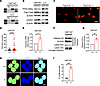 Figure 1
Monoallelic PPP2R2A KO leads to cytosolic DNA accumulation. (A and B) Genotyping and representative Western blot of Ppp2r2a+/+ and Ppp2r2a+/– CMT167 and LLC cells. (C and D) Neutral comet assays showing DNA DSBs. Data are presented as mean ± SEM from 3 biological repeats (n = 300) in D. (E–I) Quantification of cytosolic DNA, cytosolic histone H3, and MN in CMT167 cells. Data are presented as mean ± SEM (n = 3). *P < 0.05, **P < 0.01, ***P < 0.001, ****P < 0.0001 by Student’s t test. Scale bars: 200 μm in C and 30 μm in H.
We also generated human NSCLC cells with heterozygous (PPP2R2A+/–) and homogeneous (PPP2R2A–/–) deletion (Supplemental Figure 4, A and B), which is different than what we observed in mouse cells where only Ppp2r2a+/– cells were able to be generated. In these PPP2R2A KO A549 cells, there was a markedly greater degree of DSBs compared with control cells (Supplemental Figure 4, C and D). Furthermore, we observed enhanced levels of cytosolic DNA and MN in both the heterozygous and homozygous deletion A549 cells compared with the control cells (Supplemental Figure 4, E–G).
To validate the results observed in cells of the PPP2R2A KO clones, we conducted additional validations using pooled population cells with PPP2R2A KD in both mouse and human cells. In mouse cells, stable KD of Ppp2r2a in CMT167 and LLC cells led to increased RS, compared with controls (Supplemental Figure 5A). In CMT167 cells with Ppp2r2a KD, we observed a significant increase in DSBs (Supplemental Figure 5, B and C) and cytosolic DNA accumulation, compared with controls (Supplemental Figure 5D). Additionally, histone H3 was notably upregulated in the cytoplasmic fraction (Supplemental Figure 5, E and F), and we observed an increased percentage of cells with MN (Supplemental Figure 5, G and H). Similarly, PPP2R2A KD in our 2 human lung cancer cell lines resulted in elevation of RS (Supplemental Figure 6A), as we previously reported (10). In A549 cells with low PPP2R2A expression (10), we noted an increase in DSBs (Supplemental Figure 6, B and C), higher cytosolic DNA levels (Supplemental Figure 6D), and a greater percentage of cells with MN (Supplemental Figure 6, E and F). Additionally, we further examined cytosolic DNA levels in 4 NSCLC cell lines: A549, H838, SK-MES-1, and H1437. Among them, SK-MES-1 and H1437 exhibited higher levels of cytosolic DNA (Supplemental Figure 7, A and B), which correlates with their lower PPP2R2A expression resulting from LOH (8). Therefore, PPP2R2A deficiency causes cytosolic DNA accumulation, activating the cGAS-STING pathway in mouse and human NSCLC cells
PPP2R2A /Pppp2r2a downregulation activates the cGAS-STING pathway to trigger type I IFN production in lung cancer cells. To investigate whether the accumulation of cytosolic DNA in cells with PPP2R2A deficiency activates the cGAS-STING-IFN pathway, we first measured the phosphorylation (p) status of the key components of the cGAS-STING pathway. We found higher p-STING, p-STAT, p-TBK, and p-IRF3 levels in Ppp2r2a+/– CMT167 and LLC cells than in Ppp2r2a+/+ cells (Figure 2, A and B). In line with these results, we found significant upregulation of IFN-α, IFN-β, and several other downstream factors of IFNs assessed by quantitative PCR (qPCR) in CMT167 (Figure 2C). In contrast, PPP2R2A deficiency in LLC cells resulted in no obvious increase in type I IFN. Similarly, we observed increased expression levels of key markers of cGAS-STING pathway activation in PPP2R2A+/– and PPP2R2A–/– A549 and H1299 cells (Figure 2, D and E). Also, we found an elevation of type I IFN expression in A549 PPP2R2A+/– and PPP2R2A–/– but not in H1299 PPP2R2A+/– and PPP2R2A–/– cells compared with their respective controls (Figure 2F).
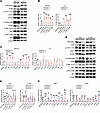 Figure 2
PPP2R2A KO activates type I IFN signaling. (A) Representative Western blot of cGAS-STING pathway proteins in CMT167 and LLC cells. (B) Quantification of protein levels from A. (C) qPCR of cGAS-STING– and IFN-related genes in CMT167 and LLC cells. (D) Representative Western blot of cGAS-STING pathway proteins in A549 and H1299 cells. (E) Quantification of protein levels from D. (F) qPCR of cGAS-STING– and IFN-related genes in A549 and H1299 cells. Data are presented as mean ± SEM (n = 3). *P < 0.05, **P < 0.01, ***P < 0.001, ****P < 0.0001 by Student’s t test or 1-way ANOVA with Bonferroni post hoc test.
To further confirm these observations in cell clones with Pppp2r2a KO, we next investigated the effects of stable Ppp2r2a KD on cGAS-STING-IFN pathway activation in CMT167 and LLC cells. We found that lower expression of Ppp2r2a achieved by 2 different shRNAs resulted in higher levels of cGAS-STING pathway proteins in both CMT167 and LLC cells, along with elevated cGAS and STING expression, as compared with control cells (Supplemental Figure 8, A and B). These results align with those of previous reports showing that both STING and cGAS are downstream factors of cGAS-STING (23, 24). Notably, although we observed increased expression of type I IFN in CMT167 Ppp2r2a KD cells, almost none of the tested IFNs and downstream factors, except for Mx1, were higher in LLC Ppp2r2a KD cells compared with control cells (Supplemental Figure 8C). Thus, the activation of the cGAS-STING pathway may not necessarily lead to the production of IFN signaling. Simply detecting the phosphorylation status of downstream cGAS-STING factors without assessing IFN generation may lead to an underestimation of the complete activation of the cGAS-STING-IFN pathway.
Like mouse CMT167 cells, PPP2R2A KD in the human cell line A549 resulted in activation of the cGAS-STING (Supplemental Figure 8, D and E) and type I IFN pathways and the latter’s downstream factor expression (Supplemental Figure 8F). Furthermore, by ELISA, we found that both PPP2R2A/Pppp2r2a KD and KO significantly increased the secretion of IFN-β and/or IFN-α in human A549 cells (Supplemental Figure 9, A and B) and mouse CMT167 cells (Supplemental Figure 9, C–F), as measured in in vitro culture supernatants. Consistent with these results, we found elevated levels of IFN-β and/or IFN-α in the serum of Ppp2r2a+/− tumor-bearing mice (Supplemental Figure 9, G and H).
Taken together, our results suggest PPP2R2A deficiency induces RS and cytosolic DNA accumulation, which subsequently activates the cGAS-STING-IFNs pathway, suggesting a potential mechanistic link between genetic loss of PPP2R2A, cytosolic DNA accumulation and immune signaling pathway activation. However, it is context dependent: no significant increase in type I IFN was detected in PPP2R2A-deficient LLC and H1299 cells.
PPP2R2A deficiency results in increased PD-L1 expression via GSK-3β– and cGAS-STING–dependent mechanisms. PD-L1 (B7-H1) is a 33 kDa transmembrane protein, but in tumor cells it is typically detected at approximately 45 kDa due to glycosylation, which stabilizes PD-L1 by preventing GSK3β-mediated phosphorylation and degradation (25). To assess PD-L1 glycosylation, we treated cells with PNGase F, which reduced the approximately 45 kDa band to 33 kDa, confirming that the predominant form of PD-L1 in our cancer cell lines is glycosylated (Supplemental Figure 10, A–D).
Findings in our previous report suggested that PPP2R2A KO leads to an increase in the inhibitory phosphorylation of GSK-3β (p-GSK-3β-ser9) (12), and here we also found that PPP2R2A deficiency leads to cGAS-STING pathway activation (Figure 2). Thus, we next determined the status of PD-L1 expression in PPP2R2A+/– cells and also investigated whether both mechanisms (elevations of p-GSK-3β-ser9 and activation of cGAS-STING) are involved in regulation of PPP2R2A deficiency-induced PD-L1 expression. In heterozygous CMT167 and LLC cells, we found higher PD-L1 protein expression, along with higher levels of p-GSK-3β-ser9, especially in CMT167 heterozygous cells, compared with wild-type controls (Figure 3, A and B). Additionally, in pooled Ppp2r2a KD populations, we found higher PD-L1 and p-GSK-3β-ser9 levels in both CMT167 and LLC mutant cells, compared with controls (Supplemental Figure 11, A and B).
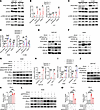 Figure 3
PPP2R2A deficiency increases PD-L1 expression. (A–D) Representative Western blot analysis showing increased PD-L1 protein levels in mouse (CMT167, LLC) and human (A549, H1299) cells after PPP2R2A KO, with quantification from biological replicates. (E–G) PD-L1 induction by PPP2R2A KD is dependent on GSK-3β phosphorylation. (H–I) qPCR of PD-L1 mRNA in human and mouse cells. (J–M) PD-L1 upregulation by PPP2R2A KD requires STING in CMT167 and A549 cells. *P < 0.05, **P < 0.01, ***P < 0.001, ****P < 0.0001. Data are reported as mean ± SD (n = 3). (B and H) A Student t test was used for the data analysis. (D, I, K and M) Statistical analysis was conducted using 1-way ANOVA followed by Bonferroni post hoc test for multiple comparisons. shcon, short hairpin RNA control.
Supporting these mouse data, we found similar results in human cells. In particular, the protein levels of PD-L1 were higher in PPP2R2A+/– and PPP2R2A–/– A549 and H1299 cells than in their respective controls (Figure 3, C and D). The levels of p-GSK-3β-ser9 were also higher in the heterozygous and homozygous PPP2R2A KO cells compared with the control cells (Figure 3, C and D). We found that PPP2R2A deficiency leads to an upregulation of PD-L1. PD-L1 protein expression, as well as p-GSK-3β-ser9 were elevated at the protein level in PPP2R2A KD A549 and H1299 cells (Supplemental Figure 11, D and E). PD-L1 mRNA levels were also increased in PPP2R2A KD A549 cells (Supplemental Figure 11F). Together, these results suggest PPP2R2A deficiency leads to increased PD-L1 expression, which is associated with increased p-GSK-3β-ser9 expression. Thus, GSK-3β, especially p-GSK-3β-ser9, may be involved in the PPP2R2A deficiency-induced elevation of PD-L1 expression.
To directly test this hypothesis, we next determined if phosphorylation of GSK-3β is required for PPP2R2A deficiency–induced PD-L1 expression. Stable KD of the gene encoding GSK-3β reduced the Ppp2r2a deficiency–induced upregulation of PD-L1 in CMT167 cells (Figure 3E), with the same effect observed in A549 cells with GSK-3β KD (Figure 3F). In addition, in A549 cells, stable overexpression of the GSK-3β-S9A phosphorylation-defective mutant increased PD-L1 protein levels, whereas PPP2R2A KD had no further effect on PD-L1 expression in these cells (Figure 3G). Moreover, the expression of exogenous PPP2R2A in H1437 cells, which have PPP2R2A deficiency due to LOH, led to lower levels of p-GSK-3β-ser9 (Supplemental Figure 11, G and H). Furthermore, transient KD of GSK3β in both A549 PPP2R2A+/– and PPP2R2A–/– (Supplemental Figure 12, A and B) and CMT167 Ppp2r2a+/– (Supplemental Figure 12, C and D) cell lines resulted in a reduction of PPP2R2A deficiency–induced PD-L1 expression, compared with cells with intact GSK-3β. Together, these results support the notion that GSK-3β (p-GSK-3β-ser9) is required for PPP2R2A deficiency–induced PD-L1 upregulation.
Additionally, PPP2R2A deficiency–induced PD-L1 can also be regulated at the transcriptional level by the activation of cGAS-STING-type I IFN pathway (26–28). Activation of the cGAS-STING pathway upregulates PD-L1 expression (28). Given the increased cGAS-STING pathway activation in cells with PPP2R2A deficiency (Figure 2), we first determined how PPP2R2A deficiency affects PD-L1 expression at the mRNA level. We found that Ppp2r2a heterozygosity led to the increased expression of PD-L1 mRNA level in CMT 167 cells; however, the increased expression of PD-L1 mRNA level was not observed in LLC cells (Figure 3H and Supplemental Figure 11C), suggesting the upregulation of PD-L1 in cells with PPP2R2A deficiency could be due to protein and/or transcriptional regulation. Similarly, PD-L1 expression was elevated at the mRNA level in PPP2R2A KO and KD A549 and H1299 cells, though it was much less significant was observed in H1299 cells than in A549 cells (Figure 3I and Supplemental Figure 11F). In LLC cells, transcriptional regulation may not be involved.
To directly test if the cGAS-STING pathway is involved in PD-L1 expression, we next investigated whether STING KO diminishes PD-L1 expression in cells with low PPP2R2A or Ppp2r2a expression. We generated a cell clone with STING KO using CRISPR/cas9. We found that PD-L1 protein upregulation triggered by Ppp2r2a KD was decreased in Sting KO CMT167 cells (Figure 3J and Supplemental Figure 13A). The KD of Ppp2r2a failed to upregulate PD-L1 mRNA in Sting-KO CMT167 cells (Figure 3K and Supplemental Figure 13B). Similar results were also observed in STING KO A549 cells (Figure 3, L and M, and Supplemental Figure 13, C–E). Therefore, it is likely that the cGAS-STING pathway–mediated PD-L1 expression also contributes to the increased PDL-1 expression observed in PPP2R2A-deficient cells. Flow cytometric analysis further revealed that cell surface PD-L1 expression was elevated in Ppp2r2a+/− CMT167 cells in vitro (Supplemental Figure 14, A–C). Together, these data suggest PPP2R2A deficiency leads to increased PD-L1 expression at the protein and/or mRNA levels. The inactivation of GSK-3β, along with the activation of the cGAS-STING-type I IFN pathway, could contribute to the increase in PD-L1 expression induced by PPP2R2A deficiency.
In summary, PPP2R2A deficiency induces PD-L1 expression through 2 mechanisms: inhibitory phosphorylation of GSK3β (Ser9), which increases PD-L1 at the protein level across all tested cells, and activation of the cGAS–STING pathway, which upregulates PD-L1 at the mRNA level in a cell context–dependent manner. For example, both mechanisms operate in CMT167 and A549 cells, whereas only GSK3β (Ser9) acts in LLC cells. Despite these differences, PPP2R2A deficiency consistently increases PD-L1 expression.
Ppp2r2a deficiency enhances PD-L1 blockade efficacy. We next examined the effect of Ppp2r2a heterozygosity on tumor growth and responses to an antibody against PD-L1 in syngeneic host C57BL/6J mice, from which CMT167 and LLC cells originated. We first treated mice bearing Ppp2r2a+/+ and Ppp2r2a+/– CMT167 tumors with control antibodies or anti–PD-L1 antibodies (100 μg, 3 doses) (Figure 4A). In mice with control tumors (Ppp2r2a+/+), we found no significant antitumor response following PD-L1 blockade. In addition, Ppp2r2a heterozygous KO alone did not affect tumor growth in the presence of control antibodies (Figure 4B). However, within 1 week, we did observe substantial tumor regression in the mice bearing Ppp2r2a+/– tumors that were treated with PD-L1 blockade. They remained the lowest among the 4 groups (Figure 4, B and C). The growth curves of each group are demonstrated in Figure 4, D–G. Additionally, PD-L1 blockade significantly improved the survival of mice bearing Ppp2r2a heterozygous KO CMT167 cells (Figure 4H). The dosage of control and anti–PD-L1 antibodies did not affect the body weight of C57BL/6 mice. Body weights for each group, recorded on day 0 and at the cutoff date, are shown in Figure 4, I and J. Thus, we conclude that Ppp2r2 heterozygous depletion potentiates the efficacy of PD-L1 blockade in vivo in our CMT167 cell line model of NSCLC.
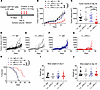 Figure 4
Ppp2r2a heterozygosity sensitizes CMT167 tumors to PD-L1 blockade in vivo. (A) Treatment schedule in mice bearing Ppp2r2a+/+ or Ppp2r2a+/– tumors. (B–G) Tumor growth curves and individual tumor volumes with control or anti–PD-L1 antibody. (H) Kaplan–Meier survival analysis. ****, P < 0.0001, Kaplan-Meier analysis was used for overall survival. (I–J) Mouse body weights on day 0 and day 25. Data are presented as mean ± SEM. ***P < 0.001, ****P < 0.0001 by 1- or 2-way ANOVA with Bonferroni post hoc test.
It is worth noting that, consistent with our observation that PPP2R2A deficiency leads to increased PD-L1 expression in vitro (Figure 3, Supplemental Figure 11, and Supplemental Figure 14, A–C), flow cytometric analysis further revealed that cell surface PD-L1 expression was elevated in Ppp2r2a+/− CMT167 tumors in vivo (Supplemental Figure 14, D and E).
We next determined the impact of Ppp2r2a heterozygosity on PD-L1 antibody treatment in LLC cells, a cell line showing no obvious upregulation of IFNs (Supplemental Figure 15A). Ppp2r2a heterozygous KO significantly suppressed LLC tumor growth (Supplemental Figure 15, B and C); however, PD-L1 blockade failed to sensitize Ppp2r2a+/– cells to the effects of the PD-L1 antibody, which is similar to what we saw in Ppp2r2a+/+ cells (Supplemental Figure 15, B, and D–G). Expectedly, given these results, PD-L1 blockade did not prolong the survival of the mice bearing LLC tumors (Supplemental Figure 15H). Body weight data for each group are presented in Supplemental Figure 15, I and J. This result aligns well with the failure to activate IFN signaling despite increased RS in LLC cells (Figure 2C and Supplemental Figure 8C), further supporting our hypothesis that cGAS-STING-IFN signaling plays a crucial role in the response to ICB.
Thus, our results suggest that cGAS-STING-IFN activation, instead of merely cGAS-STING activation, is important to the antitumor immune response. In LLC cells, although activation of the cGAS-STING pathway was evidenced by increased phosphorylation of key signaling components (Figure 2, A and B, and Supplemental Figure 8, A and B), the expression of the tested type I IFN-related genes did not appear to increase, for reasons that are not yet clear (Figure 2C and Supplemental Figure 8C). Consequently, PPP2R2A deficiency–induced PD-L1 mRNA levels in these cells do not increase to the same extent as observed in CMT167 cells. Therefore, in CMT167 cells, PPP2R2A deficiency induces cGAS-STING-IFN activation and increases sensitivity to PD-L1 antibody, whereas in LLC cells, cGAS-STING activation occurs without a substantial increase in type I IFN and dramatic impact on PD-L1 antibody sensitivity.
Lastly, in support of the result showing that PPP2R2A deficiency or low expression increases PD-L1 expression and enhances the efficacy of anti–PD-L1 ICB (Figures 3 and 4), we found that patients with a low PPP2R2A/PD-L1 ratio in their cancer had improved overall survival when treated with immune checkpoint inhibitors, including antibodies targeting PD-L1 (Supplemental Figure 16A), PD1 (Supplemental Figure 16B), and CTLA4 (Supplemental Figure 16C). Similarly, by progression-free survival analysis, we found that patients with a low PPP2R2A/PD-L1 ratio demonstrated enhanced therapeutic efficacy to PD-L1 antibodies (Supplemental Figure 16D), PD-1 antibodies (Supplemental Figure 14E), and CTLA4 antibodies (Supplemental Figure 16F). Together, these results indicate that PPP2R2A deficiency or low expression, particularly accompanied by increased PD-L1 expression, enhances the response to ICB.
Deficiency in Ppp2r2a in tumor cells enhances the efficacy of PD-L1 blockade by modifying the TME via increasing NK cell infiltration and reducing Treg infiltration. We next determined the cellular mechanisms underlying the enhanced antitumor efficacy for the PD-L1 blockade in Ppp2r2a+/– CMT167 tumors via multispectral flow cytometry according to the regimen described in Figure 5A. One day after administering the third antibody dose, tumors were harvested and tumor infiltrating lymphocytes were isolated using Percoll gradient separation, followed by extensive phenotypic analyses using multispectral flow cytometry (CyTek) with a comprehensive immune panel comprising 26 markers to define myeloid and lymphoid lineages. These antibodies included markers to identify T cells, B cells, DCs, and macrophages. The panel included antibodies against CD45, CD3, CD4, CD8, B220, CD11b, CD11c, NK1.1, Ly6C, F4/80, MHC class II, PD-1, CD24, CD103, Foxp3, CD64, CD206, Arg1, CD25, PD-L1, TCRb, CD38, CD172, XCR1, Ly6G, and CD19. The gating strategy used in this research is shown in Supplemental Figure 17.
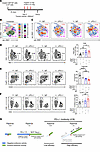 Figure 5
Ppp2r2a heterozygosity enhances anti–PD-L1 efficacy in CMT167 tumors by modulating immune cells. (A) Treatment schedule for control antibody or anti–PD-L1 therapy followed by immune profiling. (B–C) Flow cytometry of CD45+ tumor-infiltrating immune cells with opt-SNE and FlowSOM clustering. (D–F) Representative plots and quantification of NK, Treg, CD4+, and CD8+ T cell populations. Data are presented as mean ± SEM (n = 10). *P < 0.05, **P < 0.01, ***P < 0.001, ****P < 0.0001 by 1-way ANOVA with Bonferroni post hoc test. (G) Schematic summary of TME reprogramming in PPP2R2A-deficient NSCLC under PD-L1 blockade.
To visualize tumor-infiltrating immune cell populations, we gated live CD45+ immune cells, performed opt_SNE dimension reduction and FlowSOM clustering, and we annotated key populations (Figure 5B). To compare population dynamics across the experimental groups, we generated contour plots and observed increased accumulation of NK cells along with decreased Treg accumulation in Ppp2r2a+/– tumor samples (Figure 5C). To validate our observations, we generated 2D flow cytometry plots to identify NK cells (CD3- NK1.1+), Tregs (FoxP3+ CD25+), and CD8+ T cells (CD8+ CD4–). Statistical analysis and representative figures indicate that Ppp2r2a+/– tumors were associated with greater NK cell infiltration (Figure 5D) and less Treg infiltration (Figure 5E) even before PD-L1 antibody treatment. These results suggest Ppp2r2a heterozygosity in tumors reshapes the TME. PD-L1 antibody treatment caused a significant increase in the proportion of cytotoxic CD8+ cells among Ppp2r2a+/– cells (Figure 5F), compared with tumors with intact Ppp2r2a. Given that PPp2r2a heterozygosity also leads to increased PD-L1 expression, which has a potential to suppress T cell activity, it is most likely that Ppp2r2a heterozygosity causes a double-edged impact on the TME. Namely, on 1 hand, it has a positive impact on antitumor activity by increasing NK cell infiltration and decreasing Treg infiltration, but on the other hand, it has a negative impact on antitumor activity by triggering increased PD-L1 expression. But overall, the impact appears to be positive, because such heterozygosity appears to potentiate anti–PD-L1-based therapy (Figure 5G).
Next, we evaluated the phenotype of CD8+ T cells using the same experimental schedule (Supplemental Figure 18A). We gated live CD45+CD3+CD8+ cells from 4 groups and applied Uniform Manifold Approximation and Projection (UMAP) dimension reduction and FlowSOM clustering to identify clusters with distinct marker expression patterns (Supplemental Figure 18B). Naive-like CD8+ T cells (CD44– CD62L+) is a type of T cell that has not yet been fully activated, and the proportion of this subset was lower in the Ppp2r2a+/– group than in the Ppp2r2a+/+ group, with a trend that PD-L1 blockade further decreased their proportion by activating this subset (Supplemental Figure 18B).
Further analysis of multiple suppressive markers revealed that the suppressive phenotype of Tregs was diminished in the Ppp2r2a+/– group, compared with Ppp2r2a+/+ (Supplemental Figure 18, C–G). This result suggests that the Tregs have an impaired function. To further address this point, we co-cultured Tregs derived from Ppp2r2a+/− or Ppp2r2a+/+ tumors, with wild-type CD8+ T cells to assess Treg suppressive capacity. CD8+ T cell proliferation, measured by CellTrace Violet–based flow cytometry, was significantly higher in the Ppp2r2a+/− group compared with the Ppp2r2a+/+ group (Supplemental Figure 18, H and I). Therefore, Treg activity is suppressed in Ppp2r2a+/− tumors. Altogether, Ppp2r2a heterozygosity enhances the efficacy of PD-L1 blockade tumors by reshaping the TME, particularly through stronger suppression of Tregs induced by Ppp2r2a deficiency.
CD8+ T cells, CD4+ T cells, and NK cells are required for the Ppp2r2a deficiency–induced increase in PD-L1 antibody efficacy. Based on our findings that Ppp2r2a heterozygosity in tumors leads to an increased infiltration of NK cells while reducing Treg infiltration and that Ppp2r2a heterozygosity combined with PD-L1 blockade results in tumor regression in mice and an increase in the proportion of CD8+ T cells, we hypothesized that CD8+ T cells, CD4+ T cells, and NK cells are necessary for the antitumor efficacy induced by Ppp2r2a deficiency and PD-L1 blockade. To test this hypothesis, Ppp2r2a+/– tumor-bearing mice were treated with control or PD-L1 antibodies, and NK cells and CD4+, CD8+, and CD4/8+ T cells were depleted using depletion antibodies (Figure 6A). Among all the treatment groups, the PD-L1 antibody-alone group had the slowest tumor growth. However, depletion of these immune cell types abolished the inhibitory effect on tumor growth observed in the PD-L1 blockade monotherapy group (Figure 6B). Tumor growth curves for each group are demonstrated in Figure 6, C–H. The reductions in tumor volume (Figure 6I) and weight (Figure 6J) observed in the PD-L1 blockade group were reversed when CD8+ T cells, CD4+ T cells, and CD4/8+ were depleted. These results demonstrate that CD8+ T cells, CD4+ T cells, and NK cells are required for the efficacy of PD-L1 blockade in mice bearing Ppp2r2a+/– tumors. Of note, both helper T cells (CD4+ T cells) and Tregs express CD4 on their surface. Thus, CD4 depletion by this antibody approach depletes both types of immune cells.
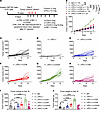 Figure 6
CD8+ T cells, CD4+ T cells, and NK cells are required for Ppp2r2a heterozygosity–mediated synergy with PD-L1 blockade. (A) Experimental design for immune cell depletion in CMT167 Ppp2r2a+/– tumors treated with control or PD-L1 antibodies. (B–H) Tumor growth curves showing loss of therapeutic efficacy upon depletion of CD4+, CD8+, or NK cells. (I–J) Quantification of tumor volumes and weights on day 16. Data are presented as mean ± SEM (n = 10). *P < 0.05, **P < 0.01, ****P < 0.0001 by 1-way or 2-way ANOVA with Bonferroni post hoc test.
Blocking IFN signaling by IFNAR1 neutralization abolishes the antitumor efficacy of a PD-L1 antibody in Ppp2r2a+/– KO CMT167 tumors. To determine whether type I IFN signaling contributes to Ppp2r2a deficiency–induced sensitivity to PD-L1 antibody treatment, we blocked type I IFN signaling using an anti-IFNAR1 antibody and assessed its impact on PD-L1 antibody efficacy in treating Ppp2r2a+/– tumors (Figure 7A). The abrogation of type I IFN signaling by the IFNAR antibody reversed the antitumor efficacy of PD-L1 blockade in Ppp2r2a+/– CMT167 tumors (Figure 7B). The growth curves for individual tumors of each group are presented in Figure 7, C–J. Moreover, the reductions in tumor volume (Figure 7K) and weight (Figure 7L) observed in the PD-L1 blockade group on the cutoff day were also abolished when IFNAR1 was simultaneously blockaded. Thus, in support of the role of type I IFNs in the Ppp2r2a heterozygosity-induced potentiation of PD-L1 efficacy, IFNAR1 neutralization abrogates Ppp2r2a heterozygosity-related PD-L1 antibody sensitivity.
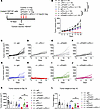 Figure 7
IFNAR1 neutralization abrogates PD-L1 blockade–induced regression in Ppp2r2a+/– tumors. (A) Treatment schedule in mice bearing Ppp2r2a+/+ or Ppp2r2a+/– CMT167 tumors. (B–J) Tumor growth curves with control or anti–PD-L1 antibody ± IFNAR1 neutralization. (K–L) Quantification of tumor volumes and weights at endpoint. Data are presented as mean ± SEM. (n = 10). **P < 0.01, ****P < 0.0001 by 1-way or 2-way ANOVA with Bonferroni post hoc test.
To further evaluate the role of type I IFN signaling in Tregs, we adoptively transferred either wild-type or Ifnar-deficient Tregs into diphtheria toxin–pretreated Foxp3-DTR mice. Briefly, we modified this Treg replacement protocol in which Foxp3-DTR mice were treated daily with diphtheria toxin to deplete endogenous Tregs and then reconstituted the mice with Tregs from either wild-type or Ifnar1–/– donors. We then implanted Ppp2r2a+/– cells into the host, and followed with treatment with the PD-L1 antibody (Supplemental Figure 19A). Compared with the group with wild-type Treg reconstitution, the group with Ifnar1–/– Treg reconstitution exhibited blunted PD-L1 antibody’s antitumor activity, suggesting that without the IFNAR signal in Tregs, Tregs had more of an inhibitory effect, which promoted the tumor growth (Supplemental Figure 19B, left panel), and, as a feedback loop, there were more Tregs infiltrating into the TME (Supplemental Figure 19B, right panel). This suggests that type I IFN signaling in Tregs contributes to the efficacy of anti–PD-L1 in eliminating Ppp2r2a-deficient tumor cells.
To further illustrate the phenotype of tumor infiltrating Tregs, we performed a high-dimensional flow cytometry analysis on the tumor infiltrating Tregs and displayed the data in 2 dimensions by performing dimension reduction using the UMAP approach (Supplemental Figure 19C). Unsupervised clustering analysis with FlowSOM enabled differential expression analysis between groups, identifying 17 distinct clusters. The percentages of clusters 12 and 13 were significantly enriched in mice reconstituted with Ifnar1–/– Tregs and bearing Ppp2r2a+/– tumors (Supplemental Figure 19C, left). These 2 clusters shared the characterization of increased CD39, ICOS, CLTA-4, CD44, and GITR, indicating that this subset of Tregs exhibited more suppressive phenotype (Supplemental Figure 19D).
The CD8+ T cell phenotype of PD-L1 antibody–treated mice bearing Ppp2r2a+/– tumors in the presence and absence of blocking IFNs signaling by IFNAR1 neutralization. Lastly, we investigated the role of type I IFN signaling in the therapeutic efficacy of PD-L1 blockade in mice bearing Ppp2r2a+/– tumors, particularly in relation to that of CD8+ T cells, because we detected differences in Treg phenotype. To address this, mice were implanted with either Ppp2r2a+/– or Ppp2r2a+/+ tumors and treated with the anti–PD-L1 antibody (aPD-L1), an anti-IFNAR1 antibody (aIFNAR1), or a combination of both antibodies (aPD-L1 plus aIFNAR1) (Figure 8A). We gated live CD8+ T cells, followed by UMAP dimension reduction and FlowSOM clustering, to define distinct subpopulations (Figure 8B). The heatmap of the clusters displayed in Figure 8B is shown in Supplemental Figure 20. Key marker expression patterns were overlaid onto the UMAP space to characterize each cluster (Figure 8C). Contour plots were generated to visualize population dynamics, revealing a notable increase in CD44+Cx3cr1+CD8+ T cells exclusively in the aPD-L1–treated Ppp2r2a+/– tumor-bearing mice, highlighted by the blue dotted line in Figure 8D. This subset exhibited intermediate PD-1 expression along with no or low expression of other inhibitory markers, suggesting that they are effector/activated cells (29–32). The increase of cytotoxic CD8+ T cells (CD44+Cx3cr1+CD8+ T) after aPD-L1 antibody treatment suggests that a highly developed and strongly activated subset of cytotoxic T cells was increased only in PD-L1 antibody–treated Ppp2r2a+/– tumors. In support of this observation, we measured IFN-γ and TNF-α expression in re-stimulated single-cell suspensions from Ppp2r2a+/+ and Ppp2r2a+/– tumor samples by intracellular staining (Supplemental Figure 21A). CD8+ T cells from Ppp2r2a+/– tumors produced higher levels of both cytokines. Additionally, IL-2– perforin+ T cell numbers were also dramatically increased in the PD-L1 antibody–treated Ppp2r2a+/– tumors (Supplemental Figure 21, B–D). These results indicate enhanced polyfunctionality of CD8+ T cells, especially in the PD-L1 antibody–treated group. Notably, this expansion of cytotoxic CD8+ T cells in aPD-L1–treated mice with Ppp2r2a+/– tumors was abolished upon IFNAR1 blockade, underscoring the critical role of type I IFN signaling in the formation of this subset (Figure 8, E and F).
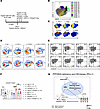 Figure 8
Type I IFN signaling drives cytotoxic CD8+ T cell expansion and the antitumor efficacy of PD-L1 blockade in Ppp2r2a+/– tumors. (A) Treatment schedule. (B) Visualization of CD8+ T cell flow cytometry data obtained from day 7 tumor samples. Tumor samples were collected from indicated groups, and UMAP dimension reduction and FlowSOM clustering were applied to identify clusters with distinctive marker expression patterns. (C) Key marker expressions were overlaid onto UMAP space. (D) Contour plots were generated to display population dynamics across the groups. (E) Representative flow cytometry plot showing CX3CR1 and CD44 expression levels in CD8+ T cells. (F) Representative quantification of CD44+ CX3CR1+ CD8+ T cells. (G) Working model of PPP2R2A deficiency in ICB response. Data are presented as mean ± SEM. **P < 0.01, ****P < 0.0001 by Tukey’s multiple comparison test.
In summary, our findings support a model where PPP2R2A deficiency in NSCLC enhances the efficacy of PD-L1 ICB through activation of the cGAS-STING-IFNs pathway. Tumor PPP2R2A deficiency reprograms the TME by increasing NK cell infiltration, reducing Treg infiltration, and upregulating PD-L1 expression. These changes in the TME make PPP2R2A-deficient tumors more responsive to PD-L1 blockade therapy (Figure 8G).


Copyright © 2026 American Society for Clinical Investigation
ISSN: 0021-9738 (print), 1558-8238 (online)