
Advertisement
Research ArticleCell biologyGastroenterologyHepatology
Open Access |  10.1172/JCI195685
Chronic stress–induced ANPEP drives liver cancer progression by increasing glutathione synthesis and inhibiting ferroptosis
Yongkang Wu,1 Yankun Zhang,1 Xiaojia Shi,1 Mengting Wu,1 Min Sun,1 Ying Feng,1 Wenmeng Ma,1 Xiule Jiang,1 Dingqi Fei,1 Mingjian Zhao,1 Zhuanchang Wu,2 Chunyang Li,3 Xiaohong Liang,2 Lifen Gao,2 Chunhong Ma,2 and Xuetian Yue1
1Department of Cellular Biology, School of Basic Medical Sciences;
2Key Laboratory for Experimental Teratology of Ministry of Education and Department of Immunology, School of Basic Medical Sciences; and
3Key Laboratory for Experimental Teratology of the Ministry of Education, Department of Histology and Embryology, School of Basic Medical Sciences, Cheeloo Medical College, Shandong University, Jinan, China.
Address correspondence to: Xuetian Yue, No. 44 Wenhua West Road, Jinan, Shandong Province, China. yuexu@sdu.edu.cn.
Find articles by Wu, Y. in: PubMed | Google Scholar
1Department of Cellular Biology, School of Basic Medical Sciences;
2Key Laboratory for Experimental Teratology of Ministry of Education and Department of Immunology, School of Basic Medical Sciences; and
3Key Laboratory for Experimental Teratology of the Ministry of Education, Department of Histology and Embryology, School of Basic Medical Sciences, Cheeloo Medical College, Shandong University, Jinan, China.
Address correspondence to: Xuetian Yue, No. 44 Wenhua West Road, Jinan, Shandong Province, China. yuexu@sdu.edu.cn.
Find articles by Zhang, Y. in: PubMed | Google Scholar
1Department of Cellular Biology, School of Basic Medical Sciences;
2Key Laboratory for Experimental Teratology of Ministry of Education and Department of Immunology, School of Basic Medical Sciences; and
3Key Laboratory for Experimental Teratology of the Ministry of Education, Department of Histology and Embryology, School of Basic Medical Sciences, Cheeloo Medical College, Shandong University, Jinan, China.
Address correspondence to: Xuetian Yue, No. 44 Wenhua West Road, Jinan, Shandong Province, China. yuexu@sdu.edu.cn.
Find articles by Shi, X. in: PubMed | Google Scholar
1Department of Cellular Biology, School of Basic Medical Sciences;
2Key Laboratory for Experimental Teratology of Ministry of Education and Department of Immunology, School of Basic Medical Sciences; and
3Key Laboratory for Experimental Teratology of the Ministry of Education, Department of Histology and Embryology, School of Basic Medical Sciences, Cheeloo Medical College, Shandong University, Jinan, China.
Address correspondence to: Xuetian Yue, No. 44 Wenhua West Road, Jinan, Shandong Province, China. yuexu@sdu.edu.cn.
Find articles by Wu, M. in: PubMed | Google Scholar
1Department of Cellular Biology, School of Basic Medical Sciences;
2Key Laboratory for Experimental Teratology of Ministry of Education and Department of Immunology, School of Basic Medical Sciences; and
3Key Laboratory for Experimental Teratology of the Ministry of Education, Department of Histology and Embryology, School of Basic Medical Sciences, Cheeloo Medical College, Shandong University, Jinan, China.
Address correspondence to: Xuetian Yue, No. 44 Wenhua West Road, Jinan, Shandong Province, China. yuexu@sdu.edu.cn.
Find articles by Sun, M. in: PubMed | Google Scholar
1Department of Cellular Biology, School of Basic Medical Sciences;
2Key Laboratory for Experimental Teratology of Ministry of Education and Department of Immunology, School of Basic Medical Sciences; and
3Key Laboratory for Experimental Teratology of the Ministry of Education, Department of Histology and Embryology, School of Basic Medical Sciences, Cheeloo Medical College, Shandong University, Jinan, China.
Address correspondence to: Xuetian Yue, No. 44 Wenhua West Road, Jinan, Shandong Province, China. yuexu@sdu.edu.cn.
Find articles by Feng, Y. in: PubMed | Google Scholar
1Department of Cellular Biology, School of Basic Medical Sciences;
2Key Laboratory for Experimental Teratology of Ministry of Education and Department of Immunology, School of Basic Medical Sciences; and
3Key Laboratory for Experimental Teratology of the Ministry of Education, Department of Histology and Embryology, School of Basic Medical Sciences, Cheeloo Medical College, Shandong University, Jinan, China.
Address correspondence to: Xuetian Yue, No. 44 Wenhua West Road, Jinan, Shandong Province, China. yuexu@sdu.edu.cn.
Find articles by Ma, W. in: PubMed | Google Scholar
1Department of Cellular Biology, School of Basic Medical Sciences;
2Key Laboratory for Experimental Teratology of Ministry of Education and Department of Immunology, School of Basic Medical Sciences; and
3Key Laboratory for Experimental Teratology of the Ministry of Education, Department of Histology and Embryology, School of Basic Medical Sciences, Cheeloo Medical College, Shandong University, Jinan, China.
Address correspondence to: Xuetian Yue, No. 44 Wenhua West Road, Jinan, Shandong Province, China. yuexu@sdu.edu.cn.
Find articles by Jiang, X. in: PubMed | Google Scholar
1Department of Cellular Biology, School of Basic Medical Sciences;
2Key Laboratory for Experimental Teratology of Ministry of Education and Department of Immunology, School of Basic Medical Sciences; and
3Key Laboratory for Experimental Teratology of the Ministry of Education, Department of Histology and Embryology, School of Basic Medical Sciences, Cheeloo Medical College, Shandong University, Jinan, China.
Address correspondence to: Xuetian Yue, No. 44 Wenhua West Road, Jinan, Shandong Province, China. yuexu@sdu.edu.cn.
Find articles by Fei, D. in: PubMed | Google Scholar
1Department of Cellular Biology, School of Basic Medical Sciences;
2Key Laboratory for Experimental Teratology of Ministry of Education and Department of Immunology, School of Basic Medical Sciences; and
3Key Laboratory for Experimental Teratology of the Ministry of Education, Department of Histology and Embryology, School of Basic Medical Sciences, Cheeloo Medical College, Shandong University, Jinan, China.
Address correspondence to: Xuetian Yue, No. 44 Wenhua West Road, Jinan, Shandong Province, China. yuexu@sdu.edu.cn.
Find articles by Zhao, M. in: PubMed | Google Scholar
1Department of Cellular Biology, School of Basic Medical Sciences;
2Key Laboratory for Experimental Teratology of Ministry of Education and Department of Immunology, School of Basic Medical Sciences; and
3Key Laboratory for Experimental Teratology of the Ministry of Education, Department of Histology and Embryology, School of Basic Medical Sciences, Cheeloo Medical College, Shandong University, Jinan, China.
Address correspondence to: Xuetian Yue, No. 44 Wenhua West Road, Jinan, Shandong Province, China. yuexu@sdu.edu.cn.
Find articles by
Wu, Z.
in:
PubMed
|
Google Scholar
|

1Department of Cellular Biology, School of Basic Medical Sciences;
2Key Laboratory for Experimental Teratology of Ministry of Education and Department of Immunology, School of Basic Medical Sciences; and
3Key Laboratory for Experimental Teratology of the Ministry of Education, Department of Histology and Embryology, School of Basic Medical Sciences, Cheeloo Medical College, Shandong University, Jinan, China.
Address correspondence to: Xuetian Yue, No. 44 Wenhua West Road, Jinan, Shandong Province, China. yuexu@sdu.edu.cn.
Find articles by
Li, C.
in:
PubMed
|
Google Scholar
|
1Department of Cellular Biology, School of Basic Medical Sciences;
2Key Laboratory for Experimental Teratology of Ministry of Education and Department of Immunology, School of Basic Medical Sciences; and
3Key Laboratory for Experimental Teratology of the Ministry of Education, Department of Histology and Embryology, School of Basic Medical Sciences, Cheeloo Medical College, Shandong University, Jinan, China.
Address correspondence to: Xuetian Yue, No. 44 Wenhua West Road, Jinan, Shandong Province, China. yuexu@sdu.edu.cn.
Find articles by
Liang, X.
in:
PubMed
|
Google Scholar
|
1Department of Cellular Biology, School of Basic Medical Sciences;
2Key Laboratory for Experimental Teratology of Ministry of Education and Department of Immunology, School of Basic Medical Sciences; and
3Key Laboratory for Experimental Teratology of the Ministry of Education, Department of Histology and Embryology, School of Basic Medical Sciences, Cheeloo Medical College, Shandong University, Jinan, China.
Address correspondence to: Xuetian Yue, No. 44 Wenhua West Road, Jinan, Shandong Province, China. yuexu@sdu.edu.cn.
Find articles by
Gao, L.
in:
PubMed
|
Google Scholar
|
1Department of Cellular Biology, School of Basic Medical Sciences;
2Key Laboratory for Experimental Teratology of Ministry of Education and Department of Immunology, School of Basic Medical Sciences; and
3Key Laboratory for Experimental Teratology of the Ministry of Education, Department of Histology and Embryology, School of Basic Medical Sciences, Cheeloo Medical College, Shandong University, Jinan, China.
Address correspondence to: Xuetian Yue, No. 44 Wenhua West Road, Jinan, Shandong Province, China. yuexu@sdu.edu.cn.
Find articles by Ma, C. in: PubMed | Google Scholar
1Department of Cellular Biology, School of Basic Medical Sciences;
2Key Laboratory for Experimental Teratology of Ministry of Education and Department of Immunology, School of Basic Medical Sciences; and
3Key Laboratory for Experimental Teratology of the Ministry of Education, Department of Histology and Embryology, School of Basic Medical Sciences, Cheeloo Medical College, Shandong University, Jinan, China.
Address correspondence to: Xuetian Yue, No. 44 Wenhua West Road, Jinan, Shandong Province, China. yuexu@sdu.edu.cn.
Find articles by
Yue, X.
in:
PubMed
|
Google Scholar
|
Published December 2, 2025 - More info
J Clin Invest. 2026;136(4):e195685. https://doi.org/10.1172/JCI195685.
© 2025 Wu et al. This work is licensed under the Creative Commons Attribution 4.0 International License. To view a copy of this license, visit http://creativecommons.org/licenses/by/4.0/.
Received: May 15, 2025; Accepted: November 25, 2025

Related article:
Abstract
Chronic stress triggers a range of physiological responses that could dysregulate the immune system and metabolic processes, thereby increasing susceptibility to various diseases. In this issue of the JCI, Wu et al. identified a metabolic bridge between chronic stress and liver cancer progression. Chronic stress–induced glucocorticoids promoted aminopeptidase N (ANPEP) expression and subsequent reprogramming of amino acid metabolism, leading to increased liver cancer growth and metastasis. ANPEP facilitated stabilization of the cystine-glutamate transporter system Xc– and increased l-cystine influx, thereby enhancing cellular antioxidant capacity to prevent ferroptosis. Silencing ANPEP in combination with sorafenib treatment showed a synergistic inhibitory effect on liver cancer progression. These findings uncover ANPEP as a valuable target for therapeutic interventions to treat patients with liver cancer experiencing chronic stress.
Authors
Maowu Luo, Weibo Luo

-
Results
Chronic stress reprograms amino acid metabolism associated with ANPEP upregulation in liver cancer. To examine the impact of chronic stress upon tumorigenesis in vivo, a chronic restraint mouse model was used (Figure 1A). Chronic restraint caused anxiety-like behavior, which manifested as diminished total locomotion and exploration in the central area of the open field test (Figure 1B). Mouse body weights were reduced in stressed mice (Supplemental Figure 1A; supplemental material available online with this article; https://doi.org/10.1172/JCI195685DS1). Serum corticosterone levels, TG levels, and free fatty acid levels were elevated, whereas glucose levels remained unchanged in mice subjected to chronic restraint (Figure 1C and Supplemental Figure 1, B and C). As expected, chronic restraint promoted liver cancer progression, displaying as higher tumor growth rate and lung metastatic ability in mice with chronic restraint than those in control mice (Figure 1, D and E). Similarly, chronic restraint promoted orthotopic liver tumor growth (Figure 1, F and G). To investigate the systemic metabolic changes, the sera of allograft tumor models and orthotopic liver tumor models were collected for metabolomics (Supplemental Tables 1–4). The principal component analysis (PCA) showed that the metabolites from both models were well separated in chronic restraint and control groups (Supplemental Figure 1, D and E). The metabolite set enrichment analysis (MSEA) revealed that many amino acid metabolic pathways, such as cysteine and methionine metabolism; alanine, aspartate, and glutamate metabolism; and arginine biosynthesis, were commonly enriched in both models with chronic restraint (Figure 2A and Supplemental Table 5). These data suggest that chronic restraint promotes liver cancer progression associated with systemic amino acid metabolic reprogramming.
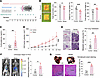 Figure 1
Chronic stress promotes the progression of liver cancer. (A–D) Primary H22 allograft tumors in control and stressed mice. Schematic diagram of the workflow (A); representative locomotion tracks and quantification of track length, center distance (%), and edge time (s) of open field test (n = 9) (B); serum corticosterone levels (n = 10) (C); and growth curves of tumors (n = 10) (D). (E) Lung metastasis burden in control and stress-preconditioned mice after tail vein injection of H22 cells, assessed as representative H&E images and quantification of metastatic area/lung area (%) (n = 5). (F and G) Orthotopic Hepa1-6–luciferase tumors in control and stressed mice after 3 weeks’ inoculation. Presented as representative bioluminescence imaging and quantification of radiance (n = 4) (F), representative liver and H&E images, and quantification of tumor area/liver area (%) (n = 4) (G). Data are presented as mean ± SD. Significance was assessed by 2-way ANOVA with Šidák’s multiple comparisons test (D) or 2-tailed unpaired Student’s t test (B, C, and E–G). *P < 0.05; **P < 0.01; ***P < 0.001. HCC, hepatocellular carcinoma.
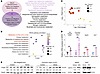 Figure 2
Chronic stress reprograms amino acid metabolism and upregulates ANPEP expression in liver cancer. (A) Venn diagram displayed intersecting pathway enrichment analysis of differential metabolites in serum of mice with H22 allograft tumor (n = 3) and in liver of mice with orthotopic Hepa1-6 tumor (n = 5). (B) The bubble chart of stress-upregulated genes in metabolic signaling pathways, as identified by KEGG pathway analysis. (C) The bubble plot of stress-upregulated genes in amino acid–associated pathways. (D and E) ANPEP mRNA and protein levels in primary H22 (n = 4) and Hepa1-6 tumors from control and stressed mice (n = 5) and in Huh7/HepG2 cells after dexamethasone (DEX; 1 μM) for 48 hours (n = 3). Data are presented as mean ± SD. Significance was assessed by 2-tailed unpaired Student’s t test (D). **P < 0.01; ***P < 0.001.
To identify a key regulator involved in amino acid metabolic reprogramming in liver cancer with chronic stress, the allograft tumor samples were collected for RNA sequencing (RNA-Seq). RNA-Seq identified a total of 889 differentially expressed genes (DEGs) (|log2FC| ≥ 1.00, adjusted P ≤ 0.05) (Supplemental Figure 1F and Supplemental Table 6). Kyoto Encyclopedia of Genes and Genomes (KEGG) enrichment analysis of upregulated DEGs showed that amino acid metabolism–related pathways were among the most substantially altered metabolic pathways in tumors from mice exposed to chronic stress (Figure 2B). Further analysis demonstrated that ANPEP, a gene related to amino acid metabolism, was the most strongly upregulated gene in tumors from mice subjected to chronic restraint (Figure 2C). The elevated ANPEP mRNA and protein levels were confirmed in mouse tumors with chronic restraint (Figure 2, D and E). Dexamethasone (DEX), a synthetic glucocorticoid receptor (GR) agonist, upregulated ANPEP expression in both HepG2 and Huh7 cells (Figure 2, D and E). Furthermore, analysis of publicly available single-cell datasets of liver cancer showed that high ANPEP mRNA levels in malignant cell populations were observed in 3 of 4 datasets (Supplemental Figure 1G) (http://tisch.compbio.cn). Notably, ANPEP upregulation can also be induced in colon cancer by chronic stress (Supplemental Figure 1, H–J). Therefore, ANPEP, regulating amino acid metabolism, is elevated in tumors induced by chronic stress.
Chronic stress drives liver cancer progression via ANPEP. To explore the role of ANPEP in liver cancer, we analyzed the clinical relevance of ANPEP using patient-derived liver tumor samples. As shown in Figure 3A, the protein levels of ANPEP were higher in liver cancer tissues than those in adjacent nontumor tissues. High expression of ANPEP was positively associated with tumor size and tumor grade. We got similar results by analyzing publicly available liver cancer datasets (TCGA and GTEx, GSE1898, and GSE39791) (Supplemental Figure 2A) (27, 28). High level of ANPEP was associated with a poor prognosis of patients with liver cancer (Supplemental Figure 2B). Subsequently, we established liver cancer cells with stable overexpression or knockdown of ANPEP (Supplemental Figure 2, C and D). In vitro functional assays showed that ANPEP overexpression promoted proliferation and migration of liver cancer cells, whereas knockdown of ANPEP inhibited these functions (Supplemental Figure 2, E–H). Transfection of shRNA-resistant ANPEP reversed the inhibitory effect of ANPEP knockdown in cell proliferation and migration (Supplemental Figure 2, F and H). Further in vivo experiments demonstrated that overexpression of ANPEP promoted xenograft tumor progression and lung metastasis, displaying as increased tumor growth, tumor weight, Ki67-positive cells, and lung tumor areas (Figure 3, B–E). Together, these results suggest that ANPEP is an oncogene in liver cancer.
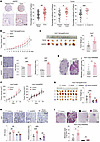 Figure 3
ANPEP mediates chronic stress–induced liver cancer progression. (A) Representative immunohistochemical images of tumor tissues and adjacent nontumor tissues stained with anti-ANPEP antibody in patients with HCC. ANPEP-positive staining was quantified using ImageJ (NIH) and statistically analyzed (n = 60 per group). Subgroup analyses based on tumor diameter (<6 cm, n = 34; ≥6 cm, n = 30) and pathological grade (I ≤ grade ≤ II, n = 47; II < grade ≤ III, n = 16). (B–D) Xenograft models established with Huh7-Vector or Huh7-ANPEP cells. Tumor growth curves (n = 10) (B), tumor images and weights (n = 7) (C), and Ki67-positive cells (n = 5) (D) are shown. (E) Lung metastasis models established by tail vein injection of Huh7-Vector or Huh7-ANPEP cells. Representative H&E-stained lung sections and quantification of metastatic area are shown (n = 5). (F–I) Huh7 control shRNA (Huh7-shNC) and Huh7-shANPEP xenograft tumors and lung metastatic nodes in nude mice with or without restraint stress. Tumor growth (n = 9) (F), tumor images and weights (n = 8) (G), Ki67 staining (n = 5) (H), and lung metastases (n = 5) (I) were analyzed. Data are presented as mean ± SD. Statistical significance was determined by 2-way ANOVA with Šidák’s multiple comparisons test (B and F), 1-way ANOVA with Tukey’s multiple comparisons test (G–I), and 2-tailed unpaired Student’s t test (A and C–E). *P < 0.05; **P < 0.01; ***P < 0.001.
To examine the role of ANPEP in chronic stress driving liver cancer development, we subcutaneously injected chronic restraint nude mice with ANPEP-silenced or control Huh7 cells. As shown in Figure 3F, chronic stress promoted xenograft tumor growth in mice injected with control Huh7 cells. Notably, silencing of ANPEP almost completely abolished chronic stress–induced increase in tumor growth. Similarly, chronic stress–induced increases in mouse tumor weight and Ki67-positive cell numbers were also eliminated by ANPEP knockdown (Figure 3, G and H). In addition, knockdown of ANPEP clearly abolished chronic stress–induced increase in lung metastasis (Figure 3I). Consistently, in vitro Transwell assay verified that knockdown of ANPEP abolished DEX-induced increase in migrated cell numbers (Supplemental Figure 2I). All these data demonstrate that chronic stress drives liver cancer progression via ANPEP.
Chronic stress induces NR3C1 nuclear translocation to promote ANPEP transcription. The stress hormone cortisol and synthetic glucocorticoids transcriptionally activate target genes via the GR, encoded by NR3C1 (29). To determine whether glucocorticoids upregulate ANPEP transcription via NR3C1, we manipulated NR3C1 expression in liver cancer cells with DEX treatment (Supplemental Figure 3A). As shown in Figure 4A, overexpression of NR3C1 upregulated ANPEP mRNA levels, whereas knockdown of NR3C1 downregulated ANPEP mRNA levels in liver cancer cells with DEX treatment. Consequently, the protein levels of ANPEP were positively correlated with NR3C1 levels (Figure 4B). Furthermore, DEX treatment induced NR3C1 nuclear translocation (Supplemental Figure 3B). DEX-induced increase in ANPEP expression was abolished by NR3C1 knockdown (Figure 4, C and D). These data indicate that chronic stress promotes ANPEP transcription via NR3C1.
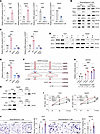 Figure 4
Chronic stress promotes ANPEP transcription through NR3C1 activation. (A and B) ANPEP mRNA and protein levels in Huh7 and HepG2 cells with indicated manipulations after 48 hours of DEX treatment (A, n = 3). (C and D) ANPEP mRNA and protein levels in control and NR3C1-knockdown Huh7 and HepG2 cells after 48 hours of DEX treatment (C, n = 3). (E) ANPEP promoter activity in HEK293 with or without NR3C1 knockdown after DEX treatment (n = 3). (F) A schematic of NR3C1 binding regions on the ANPEP promoter based on the ENCODE database. Corresponding truncations of the ANPEP promoter were constructed, and biotin-labeled DNA probes were designed. (G) Luciferase activity of ANPEP promoter truncations in HEK293 cells with or without NR3C1 overexpression, followed by 48 hours of DEX treatment (n = 3). (H) Biotin-labeled DNA probes were incubated with nuclear extracts from HepG2 cells with or without DEX treatment, followed by streptavidin pull-down and Western blotting. (I and J) Cell proliferation (I) and Transwell assays (J) in Huh7 and HepG2 cells with indicated manipulations, after 48 hours of DEX treatment (I, n = 5; J, n = 6). Data are presented as mean ± SD. Statistical significance was determined by 2-way ANOVA with Šidák’s multiple comparisons test (I), 1-way ANOVA with Tukey’s multiple comparisons test (C, E, and J) and 2-tailed unpaired Student’s t test (A and G). *P < 0.05; **P < 0.01; ***P < 0.001.
To decipher the mechanism by which NR3C1 regulates ANPEP transcription, the luciferase reporter containing ANPEP promoter was constructed. DEX treatment increased luciferase activity of ANPEP promoter (Supplemental Figure 3C). Similarly, overexpression of NR3C1 enhanced ANPEP promoter activity, whereas NR3C1 knockdown reduced it in HEK293 cells with DEX treatment (Supplemental Figure 3D). Notably, knockdown of NR3C1 completely abolished DEX-induced increase in ANPEP promoter activity (Figure 4E). Furthermore, we identified 2 putative NR3C1 binding sites on ANPEP promoter by analyzing a ChIP-Seq dataset obtained from ENCODE (GSE170210) (30). A series of ANPEP promoter luciferase reporters were constructed according to the location of NR3C1 binding sites (Figure 4F). As shown in Figure 4G and Supplemental Figure 3E, deletion of the 2 NR3C1 binding sites abolished the reporter activation induced by NR3C1 overexpression or DEX treatment, respectively. Further pull-down assay demonstrated that biotin-labeled probes specifically interacted with nuclear NR3C1, which was extracted from HepG2 cells with or without DEX treatment (Figure 4H). In vitro function assays found that knockdown of NR3C1 inhibited cell migration and proliferation. Overexpression of ANPEP rescued the effect of NR3C1 knockdown in inhibiting cell migration and proliferation (Figure 4, I and J, and Supplemental Figure 3F). Therefore, glucocorticoids promote ANPEP transcription through direct binding of NR3C1 to its promoter.
ANPEP enhances GSH synthesis to inhibit ferroptosis in liver cancer. To further explore how ANPEP regulates amino acid metabolism, targeted amino acid metabolomics was performed in Huh7 cells with ANPEP manipulation. The PCA revealed a clear separation in metabolite profiles between vector- and ANPEP-transfected Huh7 cells (Supplemental Figure 4A). The MSEA demonstrated that glutathione metabolism, and its related metabolic pathways including glutamate metabolism and cysteine metabolism, were among the top changed metabolic pathways (Figure 5A). GSH/GSSG is the main redox pair that determines the antioxidative capacity of cells (12, 20). Here, overexpression of ANPEP increased GSH levels and GSH/GSSG ratio in Huh7 cells (Figure 5B). Knockdown of ANPEP decreased GSH levels and GSH/GSSG ratio, which were reversed by transfection of shRNA-resistant ANPEP in HepG2 cells (Figure 5C). Subsequently, ANPEP levels were negatively associated with total ROS levels in liver cancer cells (Supplemental Figure 4, B and C). Interestingly, ANPEP overexpression reduced ROS-induced lipid peroxidation (Figure 5D), whereas ANPEP knockdown enhanced lipid peroxidation, which was reversed by shRNA-resistant ANPEP (Figure 5E). In addition, silencing ANPEP reduced GSH levels and GSH/GSSG ratio, and increased total ROS levels and lipid peroxidation in HepG2 cells, with or without DEX treatment (Supplemental Figure 4, D and E). Collectively, ANPEP upregulates GSH levels to reduce ROS levels and lipid peroxidation.
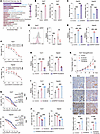 Figure 5
ANPEP enhances GSH levels to reduce sorafenib sensitivity of liver cancer. (A) Targeted amino acid metabolomic profiling of Huh7 cells with or without ANPEP overexpression, followed by KEGG pathway enrichment analysis of differential metabolites. (B and C) GSH levels and GSH/GSSG ratios in liver cancer cells with ANPEP manipulation (B, n = 5; C, n = 3). (D and E) Lipid peroxide levels were labeled by C11-BODIPY in Huh7 and HepG2 cells with ANPEP manipulation (D: Huh7, n = 4; HepG2, n = 5. E: Huh7, n = 4; HepG2, n = 6). (F and G) IC50 of ANPEP-manipulated Huh7 and HepG2 cells with 24 hours of sorafenib treatment (0, 1, 2, 4, 8, 16, 32, 64 μM) (n = 3). (H and I) Lipid peroxides in liver cancer cells treated with sorafenib alone or sorafenib plus ANPEP manipulation, quantified by C11-BODIPY intensity (n = 4). (J) Cell viability of Huh7 and HepG2 cells stably expressing shNC or shANPEP after 24 hours of treatment with sorafenib (10 μM) and/or ferrostatin-1 (2 μM) (n = 4). (K and L) Xenograft tumor model established by subcutaneous injection of ANPEP-manipulated Huh7 cells into nude mice, followed by treatment with sorafenib or vehicle. Tumor growth (K) and MDA and 4-HNE levels (L) were assessed (K, n = 8; L, n = 5). Data are presented as mean ± SD. Statistical significance was determined by 2-way ANOVA with Šidák’s multiple comparisons test (K), 1-way ANOVA with Tukey’s multiple comparisons test (C, E, H–J, and L), and 2-tailed unpaired Student’s t test (B, D, F, and G). **P < 0.01; ***P < 0.001.
Sorafenib is the first FDA-approved drug for liver cancer treatment, which induces lipid peroxidation–dependent ferroptosis (31–33). Therefore, the synergistic therapeutic effect of ANPEP knockdown and sorafenib combination was tested. As shown in Figure 5, F and G, overexpression of ANPEP decreased the sensitivity of liver cancer cells to sorafenib, while knockdown of ANPEP increased the sensitivity of liver cancer cells, which was reversed by transfection of shRNA-resistant ANPEP. Further examinations demonstrated that ANPEP overexpression attenuated sorafenib-induced ROS levels and lipid peroxidation increasing, whereas ANPEP knockdown enhanced them (Figure 5, H and I, and Supplemental Figure 4, F and G). Importantly, silencing ANPEP increased sorafenib cell-killing effects, which were reversed by treating with ferroptosis inhibitor ferrostatin-1 (Figure 5J), indicating ANPEP blocks sorafenib-induced ferroptosis. In addition, ANPEP regulated GSH metabolism, redox balance, and lipid peroxidation depending on its aminopeptidase activity (Supplemental Figure 4, H and I). Furthermore, a xenograft tumor model showed that ANPEP silencing enhanced the tumor-inhibitory effect of sorafenib. This was evidenced by greater reduction in tumor growth, tumor weight, and number of Ki67-positive cells in the combination group than sorafenib treatment alone (Figure 5K and Supplemental Figure 4, J and K). Notably, the sorafenib-induced increase in 4-hydroxynonenal (4-HNE) and malondialdehyde (MDA), lipid peroxidation markers detected by IHC, was more pronounced in ANPEP-silenced tumors than with sorafenib treatment alone (Figure 5L), indicating that the combination induces higher lipid peroxidation.
ANPEP promotes GSH synthesis via SLC3A2-mediated intracellular transport of l-cystine. To identify the downstream targets responsible for ANPEP-mediated elevation of GSH levels, differential metabolite analysis was performed. As shown in Figure 6A, the levels of l-cystine were strongly increased in ANPEP-overexpressed Huh7 cells. Consistently, intracellular l-cystine levels were positively associated with ANPEP expression in liver cancer cells (Figure 6B). In addition, overexpression of ANPEP increased levels of l-glutamine and l-glutamic acid in Huh7 cells (Supplemental Figure 5A). l-cystine converts to l-cysteine, the precursor for GSH synthesis (19). Thus, intracellular l-cysteine levels were also positively associated with ANPEP expression (Supplemental Figure 5B). Notably, ANPEP silencing reduced l-cysteine in HepG2 cells with or without DEX treatment (Supplemental Figure 5C). Therefore, ANPEP regulates GSH precursor l-cysteine levels in liver cancer cells.
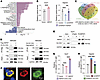 Figure 6
ANPEP interacts with SLC3A2 to upregulate intracellular l-cystine and inhibit lipid peroxidation. (A) The top fold-change (FC) metabolites between vector- and ANPEP-overexpressed Huh7 cells were identified through targeted amino acid metabolomic analysis. (B) l-cystine levels were examined in liver cancer cells with ANPEP manipulation (Huh7, n = 7; HepG2, n = 4). (C) The Venn diagram shows potential ANPEP-interacting proteins based on online databases (STRING and BioGRID). (D–F) ANPEP-SLC3A2 interactions were analyzed by co-IP/Western blotting in HEK293 (D) and Huh7 cells (E) and immunofluorescence in HEK293 (F). (G and H) C11-BODIPY fluorescence was measured in liver cancer cells with indicated manipulations (n = 4). Data are presented as mean ± SD. Statistical significance was determined by 1-way ANOVA with Tukey’s multiple comparisons test (B, G, and H). **P < 0.01; ***P < 0.001.
Since ANPEP is a transmembrane protein, we proposed that ANPEP might influence intracellular transport of l-cystine. SLC3A2, a known subunit of l-cystine transporter (13), was predicted as an ANPEP-interacted protein by using online tools (STRING and BioGRID) (Figure 6C). Exogenous and endogenous co-IP assays and immunofluorescence staining demonstrated that ANPEP interacted with SLC3A2 (Figure 6, D–F). Similarly, ANPEP-SLC3A2 interaction was observed in cells with DEX treatment (Figure 6E and Supplemental Figure 5D). Furthermore, co-IP assays performed with ANPEP truncations and SLC3A2 truncations showed that 66–287 aa and 636–967 aa of ANPEP exhibited interaction with SLC3A2, and SLC3A2 (205–630 aa) interacted with ANPEP (Supplemental Figure 5, E and F). In addition, ANPEP interacted with SLC7A11, forming a complex with SLC3A2 to mediate l-cystine transport into cells (Supplemental Figure 5G). This interaction is dependent on SLC3A2 (Supplemental Figure 5H). Importantly, manipulation of SLC3A2 eliminated ANPEP-mediated changes in intracellular l-cystine, GSH levels, and 2′,7′-dichlorodihydrofluorescein diacetate (DCFHDA; a cell-permeable fluorescent probe widely used to detect intracellular ROS) levels (Supplemental Figure 5I), displayed as silencing SLC3A2 abolished ANPEP overexpression–induced increase in l-cystine and GSH and decrease in DCFHDA (Supplemental Figure 5J), and overexpressing SLC3A2 rescued ANPEP knockdown–induced l-cystine and GSH reduction and DCFHDA elevation (Supplemental Figure 5K). Consequently, knockdown of SLC3A2 abolished ANPEP overexpression–induced reduction in C11-BODIPY levels in liver cancer cells (Figure 6G). Conversely, SLC3A2 overexpression rescued ANPEP knockdown–induced increase in C11-BODIPY levels in liver cancer cells (Figure 6H). All these data demonstrate that ANPEP interacts with SLC3A2 to mediate intracellular transport of l-cystine in liver cancer cells, increasing GSH levels to inhibit lipid peroxidation.
To explore the role of the ANPEP/SLC3A2 axis in tumor development, xenograft tumor and lung metastasis were performed using Huh7 with ANPEP and SLC3A2 manipulation. As shown in Figure 7A, ANPEP overexpression promoted xenograft tumor growth, and SLC3A2 silencing inhibited xenograft tumor growth. Notably, knockdown of SLC3A2 abolished the effect of ANPEP in promoting tumor growth. Furthermore, silencing SLC3A2 blocked ANPEP-induced increase in tumor weight and Ki67-positive cells and reduction of TUNEL-positive cells, 4-HNE levels, and MDA levels (Figure 7, B–D, and Supplemental Figure 5, L and M). Additionally, knockdown of SLC3A2 abolished ANPEP-induced increase in lung metastasis (Figure 7E). In addition, ANPEP-induced tumor growth and lung metastasis were blocked by ferroptosis inducer imidazole ketone erastin (IKE) (Figure 7, F–J, and Supplemental Figure 5, N and O). Therefore, SLC3A2 is a downstream target that regulates ANPEP-mediated liver cancer development through lipid peroxidation–induced ferroptosis.
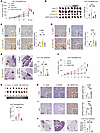 Figure 7
ANPEP promotes liver cancer progression via SLC3A2-mediated inhibition of lipid peroxidation–dependent ferroptosis. (A–E) Nude mice were injected with Huh7 cells with indicated manipulation either subcutaneously to establish xenograft tumors or via tail vein to establish lung metastases. Tumor growth curves (A), tumor images and weight (B), 4-HNE levels (C), MDA levels (D), and representative H&E images with quantification of lung metastases (E) were assessed (A and B, n = 8; C–E, n = 5). (F–J) Xenograft tumor model and lung metastatic model were established by injection of ANPEP-manipulated Huh7 subcutaneously or via tail vein, followed by treatment with IKE or vehicle. Tumor growth (F), tumor images and weight (G), 4-HNE (H) and MDA levels (I), and representative H&E images with quantification of lung metastases (J) were assessed (F and G, n = 8; H–J, n = 5). Data are presented as mean ± SD. Statistical significance was determined by 2-way ANOVA with Šidák’s multiple comparisons test (A and F) and 1-way ANOVA with Tukey’s multiple comparisons test (B–E and G–J). *P < 0.05; **P < 0.01; ***P < 0.001.
ANPEP promotes intracellular transport of l-cystine by stabilizing SLC3A2. To decipher the underlying mechanism by which ANPEP promotes SLC3A2-mediated l-cystine intracellular transport, SLC3A2 protein levels were examined in tumor models and liver cancer cells. As shown in Figure 8A, stress induced upregulation of ANPEP and SLC3A2 in H22 allograft tumors. In HepG2 cells, DEX-induced upregulation of SLC3A2 was abolished by ANPEP knockdown (Figure 8B). Similarly, ANPEP knockdown abolished stress-induced increasing of SLC3A2 levels in Huh7 xenograft tumor (Supplemental Figure 6A). In addition, ANPEP overexpression upregulated SLC7A11 protein levels in Huh7 cells (Supplemental Figure 6B). Further examination verified that silencing of ANPEP decreased SLC3A2 protein levels, while overexpressing of ANPEP increased SLC3A2 protein levels in whole-cell lysates. Notably, these differences were also displayed in membrane fractions (Figure 8C). These findings were confirmed in flow cytometry by staining total and membrane SLC3A2, respectively (Figure 8D). Endocytosis, the late endosomal/lysosomal dependent protein degradation pathway, is the principal means by which plasma membrane proteins are degraded (34, 35). Treatment with CQ, a well-known lysosomal inhibitor, induced swelling of lysosomes (Supplemental Figure 6C), indicating lysosomal dysfunction. Importantly, CQ treatment blocked LC3B-II degradation and rescued ANPEP knockdown–induced reduction in SLC3A2 levels (Figure 8E). In Huh7 cells transfected with shANPEP, SLC3A2 accumulated inside lysosomes marked by Lysosomal-associated membrane protein 1 (LAMP-1; also known as lysosome-associated membrane glycoprotein 1) (Figure 8F), indicating knockdown of ANPEP facilitates SLC3A2 trafficking to lysosome. Ubiquitination of plasma membrane proteins is important for their trafficking to lysosome through clathrin-independent endocytosis (34, 36). Indeed, after CQ treatment, overexpression of ANPEP decreased ubiquitination of SLC3A2 in Huh7 cells (Figure 8G), whereas knockdown of ANPEP increased ubiquitination of SLC3A2 in HepG2 cells with or without DEX treatment (Figure 8H). Therefore, ANPEP regulates SLC3A2 stability through lysosomal dependent degradation.
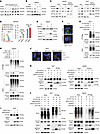 Figure 8
ANPEP stabilizes SLC3A2 by blocking MARCH8-mediated lysosomal dependent degradation of SLC3A2. (A) Protein levels of SLC3A2 and ANPEP were analyzed in H22 allograft tumors with or without stress. (B) Western blot analysis of SLC3A2 and ANPEP protein levels in shNC- or shANPEP-transduced HepG2 cells after 48 hours’ DEX treatment. (C) Immunoblots of cytoplasmic and membrane fractions extracted from the indicated liver cancer cells. (D) Whole-cell and membrane fluorescence intensity of SLC3A2 were examined in HEK293 cells with or without ANPEP overexpression. Representative histograms and statistical analysis were shown (n = 3). (E) Immunoblots of HepG2 cells with ANPEP manipulation and/or CQ administration. (F) SLC3A2 was labeled with primary antibody to trace its lysosomal trafficking in CQ-treated Huh7 cells with or without ANPEP knockdown. (G) Ubiquitination levels of SLC3A2 were determined in ANPEP-overexpressed Huh7 cells after CQ treatment by co-IP assay and followed by Western blotting. (H) Ubiquitination levels of SLC3A2 were determined in ANPEP-knockdown HepG2 cells with or without DEX treatment by IP assay and followed by Western blotting. (I) SLC3A2 protein levels were examined in MARCH8-transfected Huh7 cells with or without ANPEP overexpression. (J) SLC3A2 lysosomal trafficking was examined in MARCH8-transfected Huh7 cells with or without ANPEP overexpression. (K) Interaction between SLC3A2 and MARCH8 was assessed in CQ-treated liver cancer cells with or without ANPEP overexpression. (L) Ubiquitination levels of SLC3A2 were analyzed in liver cancer cells with or without ANPEP overexpression after CQ treatment. Data are presented as mean ± SD. Statistical significance was determined by 2-tailed unpaired Student’s t test (D). **P < 0.01; ***P < 0.001.
MARCH8, an E3 ligase, mediates ubiquitination and lysosomal trafficking of SLC3A2 (34). Consistently, overexpression of MARCH8 reduced SLC3A2 protein levels and promoted its accumulation in lysosomes (Supplemental Figure 6, D and E). Interestingly, overexpression of ANPEP blocked MARCH8-mediated SLC3A2 protein level reduction and lysosomal trafficking (Figure 8, I and J). Further investigation showed that overexpression of ANPEP attenuated the interaction between SLC3A2 and MARCH8. Meanwhile, ANPEP knockdown enhanced the interaction between these 2 proteins (Figure 8K). Consequently, overexpression of ANPEP decreased MARCH8-mediated ubiquitination of SLC3A2, while ANPEP knockdown displayed opposite results (Figure 8L). Together, these data demonstrate that ANPEP blocks MARCH8-mediated SLC3A2 ubiquitination and lysosomal dependent degradation.
Targeting SLC3A2 reverses chronic stress–induced tumor progression. To evaluate the clinical relevance of our findings, we established a chronic stress gene signature (CRS) using our RNA-Seq data following a previously described method (37). As shown in Figure 9A, the TCGA-LIHC patients were separated into 2 groups according to the median of CRS score. Notably, patients with low CRS scores were associated with better survival than individuals with high CRS scores, indicating this CRS could be used for predicting prognosis in liver cancer. Furthermore, the prognostic value of the CRS was validated across multiple tumor types in TCGA cohorts, including TCGA-ACC, TCGA-ESCA, TCGA-GBM, and others, demonstrating its broader applicability in diverse cancer types (Supplemental Figure 7). Meanwhile, SLC3A2 was highly expressed in the liver tumor tissues compared with normal liver specimens (Figure 9B). As expected, high levels of SLC3A2 were associated with poor prognosis in HCC individuals (Figure 9C). Interestingly, the CRS score–low and SLC3A2-low groups displayed a more favorable prognosis than the CRS score–high and SLC3A2-high groups (Figure 9D), supporting the substantial correlation between chronic stress and SLC3A2 expression.
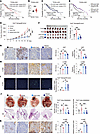 Figure 9
SLC3A2 as a therapeutic target to counteract the tumor-promoting effects of chronic stress. (A–D) Kaplan-Meier survival analysis and SLC3A2 expression were performed using specimens from the TCGA-LIHC cohort. Patients were stratified based on the median of chronic stress signature (CRS) scores (A). The expression of SLC3A2 in normal tissues (n = 50) and tumor tissues (n = 369) was compared (B). Patients were grouped according to SLC3A2 expression levels for survival analysis (C). Individuals with HCC were separated based on both CRS scores and SLC3A2 expression levels for survival analysis (D). (E–I) Nude mice were subjected to 1 week of restraint stress before subcutaneous injection of Huh7 cells (shNC or shSLC3A2) to establish xenograft tumors, with stress maintained throughout the experiment. Tumor growth (E), tumor weight and tumor images (F), Ki67 (G) and 4-HNE staining (H), and TUNEL staining (I) were assessed (E and F, n = 8; G–I, n = 5). (J and K) A lung metastasis model was established by tail vein injection of Huh7 cells (shNC or shSLC3A2) after 1 week of restraint stress. Representative lung images and H&E staining, as well as 4-HNE staining of tumor nodules, are shown with quantification (n = 5). Data are presented as mean ± SD. Statistical significance was determined by 2-tailed unpaired Student’s t test (B) and log-rank (Mantel-Cox) test (A, C, D), 2-way ANOVA with Šidák’s multiple comparisons test (E), or 1-way ANOVA with Tukey’s multiple comparisons test (F–K). *P < 0.05; **P < 0.01; ***P < 0.001.
To evaluate SLC3A2 as a target for patients undergoing chronic stress, we conducted xenograft tumor and lung metastasis mouse models. In the xenograft tumor model, chronic stress promoted the growth of xenograft tumors. Knockdown of SLC3A2 inhibited xenograft tumor growth. Notably, knockdown of SLC3A2 reversed chronic stress–induced acceleration of xenograft tumor growth (Figure 9, E and F). Further examinations demonstrated that SLC3A2 knockdown reversed chronic stress–induced increase in Ki67-positive cells and decrease in 4-HNE levels and TUNEL-positive cells (Figure 9, G–I). In the lung metastasis model, chronic stress increased the number of tumor nodules and the tumor spread area, both of which were reversed by SLC3A2 knockdown (Figure 9J). More importantly, the chronic stress–induced decrease in 4-HNE levels in lung metastatic tumors was also reversed by SLC3A2 knockdown (Figure 9K). Above all, chronic stress decreases lipid peroxidation and promotes tumor progression, which is reversed by SLC3A2 knockdown.


Copyright © 2026 American Society for Clinical Investigation
ISSN: 0021-9738 (print), 1558-8238 (online)