
Advertisement
Research ArticleImmunologyOncologyVascular biology
Open Access |  10.1172/JCI198843
STING-induced blood-brain barrier opening combined with radiotherapy potentiates antitumor response in a high-grade glioma model
Shashwat Tripathi,1,2 Hinda Najem,1,2 Lisa Hurley,1,2 Ruochen Du,1,2 Crismita Dmello,1,2 Heba Ali,1,2 Kathleen McCortney,1,2 Karl J. Habashy,1,2 Peng Zhang,1,2 Craig M. Horbinski,1,2 Lara Leoni,3 Ryan J. Avery,3 Rimas V. Lukas,2,4 Timothy L. Sita,2,5 David R. Raleigh,6 Sean Sachdev,2,5 Roger Stupp,1,2,4 Maciej S. Lesniak,1,2 David M. Ashley,7 Daniele Procissi,3 Michael A. Curran,8 Irina Balyasnikova,1,2 and Amy B. Heimberger1,2
1Department of Neurological Surgery,
2Malnati Brain Tumor Institute of the Robert H. Lurie Comprehensive Cancer Center,
3Department of Radiology,
4Department of Neurology, and
5Department of Radiation Oncology, Feinberg School of Medicine, Northwestern University, Chicago, Illinois, USA.
6Department of Radiation Oncology, Neurological Surgery, and Pathology, University of California, San Francisco, San Francisco, California, USA.
7Department of Medicine, Duke University School of Medicine, Durham, North Carolina, USA.
8Department of Immunology, The University of Texas MD Anderson Cancer Center, Houston, Texas, USA.
Address correspondence to: Amy B. Heimberger, Northwestern University, SQ6-516, 303 E. Superior Street, Chicago, Illinois 60611, USA. Phone: 312.503.3805; Email: Amy.Heimberger@northwestern.edu.
Authorship note: ST and HN are co–first authors. MAC, IB, and ABH are co–senior authors.
Find articles by Tripathi, S. in: PubMed | Google Scholar
1Department of Neurological Surgery,
2Malnati Brain Tumor Institute of the Robert H. Lurie Comprehensive Cancer Center,
3Department of Radiology,
4Department of Neurology, and
5Department of Radiation Oncology, Feinberg School of Medicine, Northwestern University, Chicago, Illinois, USA.
6Department of Radiation Oncology, Neurological Surgery, and Pathology, University of California, San Francisco, San Francisco, California, USA.
7Department of Medicine, Duke University School of Medicine, Durham, North Carolina, USA.
8Department of Immunology, The University of Texas MD Anderson Cancer Center, Houston, Texas, USA.
Address correspondence to: Amy B. Heimberger, Northwestern University, SQ6-516, 303 E. Superior Street, Chicago, Illinois 60611, USA. Phone: 312.503.3805; Email: Amy.Heimberger@northwestern.edu.
Authorship note: ST and HN are co–first authors. MAC, IB, and ABH are co–senior authors.
Find articles by Najem, H. in: PubMed | Google Scholar
1Department of Neurological Surgery,
2Malnati Brain Tumor Institute of the Robert H. Lurie Comprehensive Cancer Center,
3Department of Radiology,
4Department of Neurology, and
5Department of Radiation Oncology, Feinberg School of Medicine, Northwestern University, Chicago, Illinois, USA.
6Department of Radiation Oncology, Neurological Surgery, and Pathology, University of California, San Francisco, San Francisco, California, USA.
7Department of Medicine, Duke University School of Medicine, Durham, North Carolina, USA.
8Department of Immunology, The University of Texas MD Anderson Cancer Center, Houston, Texas, USA.
Address correspondence to: Amy B. Heimberger, Northwestern University, SQ6-516, 303 E. Superior Street, Chicago, Illinois 60611, USA. Phone: 312.503.3805; Email: Amy.Heimberger@northwestern.edu.
Authorship note: ST and HN are co–first authors. MAC, IB, and ABH are co–senior authors.
Find articles by Hurley, L. in: PubMed | Google Scholar
1Department of Neurological Surgery,
2Malnati Brain Tumor Institute of the Robert H. Lurie Comprehensive Cancer Center,
3Department of Radiology,
4Department of Neurology, and
5Department of Radiation Oncology, Feinberg School of Medicine, Northwestern University, Chicago, Illinois, USA.
6Department of Radiation Oncology, Neurological Surgery, and Pathology, University of California, San Francisco, San Francisco, California, USA.
7Department of Medicine, Duke University School of Medicine, Durham, North Carolina, USA.
8Department of Immunology, The University of Texas MD Anderson Cancer Center, Houston, Texas, USA.
Address correspondence to: Amy B. Heimberger, Northwestern University, SQ6-516, 303 E. Superior Street, Chicago, Illinois 60611, USA. Phone: 312.503.3805; Email: Amy.Heimberger@northwestern.edu.
Authorship note: ST and HN are co–first authors. MAC, IB, and ABH are co–senior authors.
Find articles by Du, R. in: PubMed | Google Scholar
1Department of Neurological Surgery,
2Malnati Brain Tumor Institute of the Robert H. Lurie Comprehensive Cancer Center,
3Department of Radiology,
4Department of Neurology, and
5Department of Radiation Oncology, Feinberg School of Medicine, Northwestern University, Chicago, Illinois, USA.
6Department of Radiation Oncology, Neurological Surgery, and Pathology, University of California, San Francisco, San Francisco, California, USA.
7Department of Medicine, Duke University School of Medicine, Durham, North Carolina, USA.
8Department of Immunology, The University of Texas MD Anderson Cancer Center, Houston, Texas, USA.
Address correspondence to: Amy B. Heimberger, Northwestern University, SQ6-516, 303 E. Superior Street, Chicago, Illinois 60611, USA. Phone: 312.503.3805; Email: Amy.Heimberger@northwestern.edu.
Authorship note: ST and HN are co–first authors. MAC, IB, and ABH are co–senior authors.
Find articles by
Dmello, C.
in:
PubMed
|
Google Scholar
|

1Department of Neurological Surgery,
2Malnati Brain Tumor Institute of the Robert H. Lurie Comprehensive Cancer Center,
3Department of Radiology,
4Department of Neurology, and
5Department of Radiation Oncology, Feinberg School of Medicine, Northwestern University, Chicago, Illinois, USA.
6Department of Radiation Oncology, Neurological Surgery, and Pathology, University of California, San Francisco, San Francisco, California, USA.
7Department of Medicine, Duke University School of Medicine, Durham, North Carolina, USA.
8Department of Immunology, The University of Texas MD Anderson Cancer Center, Houston, Texas, USA.
Address correspondence to: Amy B. Heimberger, Northwestern University, SQ6-516, 303 E. Superior Street, Chicago, Illinois 60611, USA. Phone: 312.503.3805; Email: Amy.Heimberger@northwestern.edu.
Authorship note: ST and HN are co–first authors. MAC, IB, and ABH are co–senior authors.
Find articles by Ali, H. in: PubMed | Google Scholar
1Department of Neurological Surgery,
2Malnati Brain Tumor Institute of the Robert H. Lurie Comprehensive Cancer Center,
3Department of Radiology,
4Department of Neurology, and
5Department of Radiation Oncology, Feinberg School of Medicine, Northwestern University, Chicago, Illinois, USA.
6Department of Radiation Oncology, Neurological Surgery, and Pathology, University of California, San Francisco, San Francisco, California, USA.
7Department of Medicine, Duke University School of Medicine, Durham, North Carolina, USA.
8Department of Immunology, The University of Texas MD Anderson Cancer Center, Houston, Texas, USA.
Address correspondence to: Amy B. Heimberger, Northwestern University, SQ6-516, 303 E. Superior Street, Chicago, Illinois 60611, USA. Phone: 312.503.3805; Email: Amy.Heimberger@northwestern.edu.
Authorship note: ST and HN are co–first authors. MAC, IB, and ABH are co–senior authors.
Find articles by
McCortney, K.
in:
PubMed
|
Google Scholar
|
1Department of Neurological Surgery,
2Malnati Brain Tumor Institute of the Robert H. Lurie Comprehensive Cancer Center,
3Department of Radiology,
4Department of Neurology, and
5Department of Radiation Oncology, Feinberg School of Medicine, Northwestern University, Chicago, Illinois, USA.
6Department of Radiation Oncology, Neurological Surgery, and Pathology, University of California, San Francisco, San Francisco, California, USA.
7Department of Medicine, Duke University School of Medicine, Durham, North Carolina, USA.
8Department of Immunology, The University of Texas MD Anderson Cancer Center, Houston, Texas, USA.
Address correspondence to: Amy B. Heimberger, Northwestern University, SQ6-516, 303 E. Superior Street, Chicago, Illinois 60611, USA. Phone: 312.503.3805; Email: Amy.Heimberger@northwestern.edu.
Authorship note: ST and HN are co–first authors. MAC, IB, and ABH are co–senior authors.
Find articles by Habashy, K. in: PubMed | Google Scholar
1Department of Neurological Surgery,
2Malnati Brain Tumor Institute of the Robert H. Lurie Comprehensive Cancer Center,
3Department of Radiology,
4Department of Neurology, and
5Department of Radiation Oncology, Feinberg School of Medicine, Northwestern University, Chicago, Illinois, USA.
6Department of Radiation Oncology, Neurological Surgery, and Pathology, University of California, San Francisco, San Francisco, California, USA.
7Department of Medicine, Duke University School of Medicine, Durham, North Carolina, USA.
8Department of Immunology, The University of Texas MD Anderson Cancer Center, Houston, Texas, USA.
Address correspondence to: Amy B. Heimberger, Northwestern University, SQ6-516, 303 E. Superior Street, Chicago, Illinois 60611, USA. Phone: 312.503.3805; Email: Amy.Heimberger@northwestern.edu.
Authorship note: ST and HN are co–first authors. MAC, IB, and ABH are co–senior authors.
Find articles by Zhang, P. in: PubMed | Google Scholar
1Department of Neurological Surgery,
2Malnati Brain Tumor Institute of the Robert H. Lurie Comprehensive Cancer Center,
3Department of Radiology,
4Department of Neurology, and
5Department of Radiation Oncology, Feinberg School of Medicine, Northwestern University, Chicago, Illinois, USA.
6Department of Radiation Oncology, Neurological Surgery, and Pathology, University of California, San Francisco, San Francisco, California, USA.
7Department of Medicine, Duke University School of Medicine, Durham, North Carolina, USA.
8Department of Immunology, The University of Texas MD Anderson Cancer Center, Houston, Texas, USA.
Address correspondence to: Amy B. Heimberger, Northwestern University, SQ6-516, 303 E. Superior Street, Chicago, Illinois 60611, USA. Phone: 312.503.3805; Email: Amy.Heimberger@northwestern.edu.
Authorship note: ST and HN are co–first authors. MAC, IB, and ABH are co–senior authors.
Find articles by Horbinski, C. in: PubMed | Google Scholar
1Department of Neurological Surgery,
2Malnati Brain Tumor Institute of the Robert H. Lurie Comprehensive Cancer Center,
3Department of Radiology,
4Department of Neurology, and
5Department of Radiation Oncology, Feinberg School of Medicine, Northwestern University, Chicago, Illinois, USA.
6Department of Radiation Oncology, Neurological Surgery, and Pathology, University of California, San Francisco, San Francisco, California, USA.
7Department of Medicine, Duke University School of Medicine, Durham, North Carolina, USA.
8Department of Immunology, The University of Texas MD Anderson Cancer Center, Houston, Texas, USA.
Address correspondence to: Amy B. Heimberger, Northwestern University, SQ6-516, 303 E. Superior Street, Chicago, Illinois 60611, USA. Phone: 312.503.3805; Email: Amy.Heimberger@northwestern.edu.
Authorship note: ST and HN are co–first authors. MAC, IB, and ABH are co–senior authors.
Find articles by Leoni, L. in: PubMed | Google Scholar
1Department of Neurological Surgery,
2Malnati Brain Tumor Institute of the Robert H. Lurie Comprehensive Cancer Center,
3Department of Radiology,
4Department of Neurology, and
5Department of Radiation Oncology, Feinberg School of Medicine, Northwestern University, Chicago, Illinois, USA.
6Department of Radiation Oncology, Neurological Surgery, and Pathology, University of California, San Francisco, San Francisco, California, USA.
7Department of Medicine, Duke University School of Medicine, Durham, North Carolina, USA.
8Department of Immunology, The University of Texas MD Anderson Cancer Center, Houston, Texas, USA.
Address correspondence to: Amy B. Heimberger, Northwestern University, SQ6-516, 303 E. Superior Street, Chicago, Illinois 60611, USA. Phone: 312.503.3805; Email: Amy.Heimberger@northwestern.edu.
Authorship note: ST and HN are co–first authors. MAC, IB, and ABH are co–senior authors.
Find articles by Avery, R. in: PubMed | Google Scholar
1Department of Neurological Surgery,
2Malnati Brain Tumor Institute of the Robert H. Lurie Comprehensive Cancer Center,
3Department of Radiology,
4Department of Neurology, and
5Department of Radiation Oncology, Feinberg School of Medicine, Northwestern University, Chicago, Illinois, USA.
6Department of Radiation Oncology, Neurological Surgery, and Pathology, University of California, San Francisco, San Francisco, California, USA.
7Department of Medicine, Duke University School of Medicine, Durham, North Carolina, USA.
8Department of Immunology, The University of Texas MD Anderson Cancer Center, Houston, Texas, USA.
Address correspondence to: Amy B. Heimberger, Northwestern University, SQ6-516, 303 E. Superior Street, Chicago, Illinois 60611, USA. Phone: 312.503.3805; Email: Amy.Heimberger@northwestern.edu.
Authorship note: ST and HN are co–first authors. MAC, IB, and ABH are co–senior authors.
Find articles by Lukas, R. in: PubMed | Google Scholar
1Department of Neurological Surgery,
2Malnati Brain Tumor Institute of the Robert H. Lurie Comprehensive Cancer Center,
3Department of Radiology,
4Department of Neurology, and
5Department of Radiation Oncology, Feinberg School of Medicine, Northwestern University, Chicago, Illinois, USA.
6Department of Radiation Oncology, Neurological Surgery, and Pathology, University of California, San Francisco, San Francisco, California, USA.
7Department of Medicine, Duke University School of Medicine, Durham, North Carolina, USA.
8Department of Immunology, The University of Texas MD Anderson Cancer Center, Houston, Texas, USA.
Address correspondence to: Amy B. Heimberger, Northwestern University, SQ6-516, 303 E. Superior Street, Chicago, Illinois 60611, USA. Phone: 312.503.3805; Email: Amy.Heimberger@northwestern.edu.
Authorship note: ST and HN are co–first authors. MAC, IB, and ABH are co–senior authors.
Find articles by Sita, T. in: PubMed | Google Scholar
1Department of Neurological Surgery,
2Malnati Brain Tumor Institute of the Robert H. Lurie Comprehensive Cancer Center,
3Department of Radiology,
4Department of Neurology, and
5Department of Radiation Oncology, Feinberg School of Medicine, Northwestern University, Chicago, Illinois, USA.
6Department of Radiation Oncology, Neurological Surgery, and Pathology, University of California, San Francisco, San Francisco, California, USA.
7Department of Medicine, Duke University School of Medicine, Durham, North Carolina, USA.
8Department of Immunology, The University of Texas MD Anderson Cancer Center, Houston, Texas, USA.
Address correspondence to: Amy B. Heimberger, Northwestern University, SQ6-516, 303 E. Superior Street, Chicago, Illinois 60611, USA. Phone: 312.503.3805; Email: Amy.Heimberger@northwestern.edu.
Authorship note: ST and HN are co–first authors. MAC, IB, and ABH are co–senior authors.
Find articles by Raleigh, D. in: PubMed | Google Scholar
1Department of Neurological Surgery,
2Malnati Brain Tumor Institute of the Robert H. Lurie Comprehensive Cancer Center,
3Department of Radiology,
4Department of Neurology, and
5Department of Radiation Oncology, Feinberg School of Medicine, Northwestern University, Chicago, Illinois, USA.
6Department of Radiation Oncology, Neurological Surgery, and Pathology, University of California, San Francisco, San Francisco, California, USA.
7Department of Medicine, Duke University School of Medicine, Durham, North Carolina, USA.
8Department of Immunology, The University of Texas MD Anderson Cancer Center, Houston, Texas, USA.
Address correspondence to: Amy B. Heimberger, Northwestern University, SQ6-516, 303 E. Superior Street, Chicago, Illinois 60611, USA. Phone: 312.503.3805; Email: Amy.Heimberger@northwestern.edu.
Authorship note: ST and HN are co–first authors. MAC, IB, and ABH are co–senior authors.
Find articles by Sachdev, S. in: PubMed | Google Scholar
1Department of Neurological Surgery,
2Malnati Brain Tumor Institute of the Robert H. Lurie Comprehensive Cancer Center,
3Department of Radiology,
4Department of Neurology, and
5Department of Radiation Oncology, Feinberg School of Medicine, Northwestern University, Chicago, Illinois, USA.
6Department of Radiation Oncology, Neurological Surgery, and Pathology, University of California, San Francisco, San Francisco, California, USA.
7Department of Medicine, Duke University School of Medicine, Durham, North Carolina, USA.
8Department of Immunology, The University of Texas MD Anderson Cancer Center, Houston, Texas, USA.
Address correspondence to: Amy B. Heimberger, Northwestern University, SQ6-516, 303 E. Superior Street, Chicago, Illinois 60611, USA. Phone: 312.503.3805; Email: Amy.Heimberger@northwestern.edu.
Authorship note: ST and HN are co–first authors. MAC, IB, and ABH are co–senior authors.
Find articles by
Stupp, R.
in:
PubMed
|
Google Scholar
|
1Department of Neurological Surgery,
2Malnati Brain Tumor Institute of the Robert H. Lurie Comprehensive Cancer Center,
3Department of Radiology,
4Department of Neurology, and
5Department of Radiation Oncology, Feinberg School of Medicine, Northwestern University, Chicago, Illinois, USA.
6Department of Radiation Oncology, Neurological Surgery, and Pathology, University of California, San Francisco, San Francisco, California, USA.
7Department of Medicine, Duke University School of Medicine, Durham, North Carolina, USA.
8Department of Immunology, The University of Texas MD Anderson Cancer Center, Houston, Texas, USA.
Address correspondence to: Amy B. Heimberger, Northwestern University, SQ6-516, 303 E. Superior Street, Chicago, Illinois 60611, USA. Phone: 312.503.3805; Email: Amy.Heimberger@northwestern.edu.
Authorship note: ST and HN are co–first authors. MAC, IB, and ABH are co–senior authors.
Find articles by
Lesniak, M.
in:
PubMed
|
Google Scholar
|
1Department of Neurological Surgery,
2Malnati Brain Tumor Institute of the Robert H. Lurie Comprehensive Cancer Center,
3Department of Radiology,
4Department of Neurology, and
5Department of Radiation Oncology, Feinberg School of Medicine, Northwestern University, Chicago, Illinois, USA.
6Department of Radiation Oncology, Neurological Surgery, and Pathology, University of California, San Francisco, San Francisco, California, USA.
7Department of Medicine, Duke University School of Medicine, Durham, North Carolina, USA.
8Department of Immunology, The University of Texas MD Anderson Cancer Center, Houston, Texas, USA.
Address correspondence to: Amy B. Heimberger, Northwestern University, SQ6-516, 303 E. Superior Street, Chicago, Illinois 60611, USA. Phone: 312.503.3805; Email: Amy.Heimberger@northwestern.edu.
Authorship note: ST and HN are co–first authors. MAC, IB, and ABH are co–senior authors.
Find articles by Ashley, D. in: PubMed | Google Scholar
1Department of Neurological Surgery,
2Malnati Brain Tumor Institute of the Robert H. Lurie Comprehensive Cancer Center,
3Department of Radiology,
4Department of Neurology, and
5Department of Radiation Oncology, Feinberg School of Medicine, Northwestern University, Chicago, Illinois, USA.
6Department of Radiation Oncology, Neurological Surgery, and Pathology, University of California, San Francisco, San Francisco, California, USA.
7Department of Medicine, Duke University School of Medicine, Durham, North Carolina, USA.
8Department of Immunology, The University of Texas MD Anderson Cancer Center, Houston, Texas, USA.
Address correspondence to: Amy B. Heimberger, Northwestern University, SQ6-516, 303 E. Superior Street, Chicago, Illinois 60611, USA. Phone: 312.503.3805; Email: Amy.Heimberger@northwestern.edu.
Authorship note: ST and HN are co–first authors. MAC, IB, and ABH are co–senior authors.
Find articles by
Procissi, D.
in:
PubMed
|
Google Scholar
|
1Department of Neurological Surgery,
2Malnati Brain Tumor Institute of the Robert H. Lurie Comprehensive Cancer Center,
3Department of Radiology,
4Department of Neurology, and
5Department of Radiation Oncology, Feinberg School of Medicine, Northwestern University, Chicago, Illinois, USA.
6Department of Radiation Oncology, Neurological Surgery, and Pathology, University of California, San Francisco, San Francisco, California, USA.
7Department of Medicine, Duke University School of Medicine, Durham, North Carolina, USA.
8Department of Immunology, The University of Texas MD Anderson Cancer Center, Houston, Texas, USA.
Address correspondence to: Amy B. Heimberger, Northwestern University, SQ6-516, 303 E. Superior Street, Chicago, Illinois 60611, USA. Phone: 312.503.3805; Email: Amy.Heimberger@northwestern.edu.
Authorship note: ST and HN are co–first authors. MAC, IB, and ABH are co–senior authors.
Find articles by
Curran, M.
in:
PubMed
|
Google Scholar
|
1Department of Neurological Surgery,
2Malnati Brain Tumor Institute of the Robert H. Lurie Comprehensive Cancer Center,
3Department of Radiology,
4Department of Neurology, and
5Department of Radiation Oncology, Feinberg School of Medicine, Northwestern University, Chicago, Illinois, USA.
6Department of Radiation Oncology, Neurological Surgery, and Pathology, University of California, San Francisco, San Francisco, California, USA.
7Department of Medicine, Duke University School of Medicine, Durham, North Carolina, USA.
8Department of Immunology, The University of Texas MD Anderson Cancer Center, Houston, Texas, USA.
Address correspondence to: Amy B. Heimberger, Northwestern University, SQ6-516, 303 E. Superior Street, Chicago, Illinois 60611, USA. Phone: 312.503.3805; Email: Amy.Heimberger@northwestern.edu.
Authorship note: ST and HN are co–first authors. MAC, IB, and ABH are co–senior authors.
Find articles by Balyasnikova, I. in: PubMed | Google Scholar
1Department of Neurological Surgery,
2Malnati Brain Tumor Institute of the Robert H. Lurie Comprehensive Cancer Center,
3Department of Radiology,
4Department of Neurology, and
5Department of Radiation Oncology, Feinberg School of Medicine, Northwestern University, Chicago, Illinois, USA.
6Department of Radiation Oncology, Neurological Surgery, and Pathology, University of California, San Francisco, San Francisco, California, USA.
7Department of Medicine, Duke University School of Medicine, Durham, North Carolina, USA.
8Department of Immunology, The University of Texas MD Anderson Cancer Center, Houston, Texas, USA.
Address correspondence to: Amy B. Heimberger, Northwestern University, SQ6-516, 303 E. Superior Street, Chicago, Illinois 60611, USA. Phone: 312.503.3805; Email: Amy.Heimberger@northwestern.edu.
Authorship note: ST and HN are co–first authors. MAC, IB, and ABH are co–senior authors.
Find articles by
Heimberger, A.
in:
PubMed
|
Google Scholar
|
Published February 16, 2026 - More info
J Clin Invest. 2026;136(4):e198843. https://doi.org/10.1172/JCI198843.
© 2026 Tripathi et al. This work is licensed under the Creative Commons Attribution 4.0 International License. To view a copy of this license, visit http://creativecommons.org/licenses/by/4.0/.
Received: August 8, 2025; Accepted: December 10, 2025

-
Results
8803 exerts an additive therapeutic benefit to radiation. To evaluate the therapeutic impact of adding 8803 to RT, we administered a standard, daily, 2 Gy dose for 5 days. Since 8803 induces the influx of effector T cell responses into the TME, the combinatorial schedule was sequenced to minimize radiation-induced T cell apoptosis. Immune-competent mice with established CT-2A glioblastoma were treated with monotherapy or in combination. RT was initiated on day 7, followed by administration of 8803 on days 12 and 19 (Figure 1A). Male and female mice were randomized into treatment groups (n = 10 mice/group). A lower dose (2.5 μg/mouse) of 8803 was administered intratumorally to determine if RT had a synergistic effect. Control mice had a median survival (MS) time of 25 days, 8803-treated mice had an MS of 36 days (P = 0.005), RT provided an MS of 38 days (P < 0.0001), and the MS in the combination group was undefined (P < 0.0001) (Figure 1B). There was no difference in survival between male and female mice. To determine if this was an additive or a synergistic effect, a CISNE assessment (9) was made, which showed significance with STING [Pr(>|z|)=0.0001] and RT [Pr(>|z|)=0.00006] monotherapies, but not with the combination [Pr(>|z|)=0.68], indicating that the combination has an additive effect rather than synergistic.
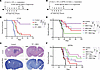 Figure 1
Therapeutic effect of 8803 in combination with RT. (A) Treatment of C57BL/6J mice with intracerebral (i.c.) CT-2A implantation. (B) Mice treated with RT + 8803 (n = 10, undefined MS) had significantly prolonged survival vs. vehicle control mice (n = 10; MS = 25d; P < 0.0001). RT (n = 10; MS = 38d) vs. control (P = 0.0001); 8803 (n = 10; MS = 36d) vs. control (P = 0.0005). 8803 vs. RT (P = 0.808). Log-rank. (C) Representative coronal images of H&E- and Luxol Fast Blue–stained mouse brains. Decreased staining of Luxol Fast Blue corresponds to region of regressed tumor. Scale bars: 1 mm. Magnification: 2.33×. (D) Schema showing schedule modification for clinical trial modeling. (E) Mice bearing orthotopic CT-2A treated with RT + 8803 at 2.5 µg dose (n = 10; undefined MS) showed significantly prolonged survival vs. control mice (n = 10; MS = 33d; P = 0.0002). RT + 8803 at 5 µg dose (n = 10; MS = 74) vs. control (P = 0.0079). RT (n = 10; MS = 59.5d) vs. control (P = 0.0002). 8803 at 2.5 µg (n = 10; MS = 35) vs. control (P = 0.165). 8803 at 5 µg (n = 10; MS = 70d) vs. control (P = 0.0046). 8803 at 2.5 µg vs. RT (P = 0.098). 8803 at 5 µg vs. RT (P = 0.7915). Log-rank. (F) Survival rate of mice bearing orthotopic radiation-resistant QPP8v treated with RT has a similar MS (n = 10; MS = 35d) relative to PBS controls (n = 9; MS = 35d). Treatment with 8803 at 2.5 µg (n = 10; MS = 61d) or 5.0 µg dose (n = 10; MS = undefined) on day 14 significantly prolonged survival relative to PBS control mice (P < 0.0001). However, there was no additional therapeutic benefit of RT with 8803 at 2.5 (n = 10; MS = 51d; P = 0.499) or 5 µg dose (n = 10; MS = 57.5d; P = 0.348) when compared with 8803 2.5 µg and 5 µg monotherapies, respectively. RT + 8803 2.5 µg vs. control (P = 0.0071). RT + 8803 5 µg vs. control (P = 0.0002). Log-rank. ** < 0.01; *** < 0.001; **** < 0.0001.
CNS toxicity assessments with 8803 and radiation treatment. Mice were monitored daily to assess whether the combination of 8803 and RT induces toxicity. No neurological symptoms were noted until the final survival endpoint. The neuroaxis was stained for myelin with Luxol Fast Blue when the mice succumbed to the tumor. On histologic examination, there was no evidence of demyelination (n = 3 per group) (Figure 1C), as reviewed by a board-certified neuropathologist. Additionally, perivascular lymphocytic infiltrates were not observed on hematoxylin and eosin staining, suggesting the lack of induction of autoimmunity. Neuropathologic analysis failed to identify perivascular fibrosis or persistent demyelination, consistent with the lack of subclinical autoimmunity occurring at any point during the animal’s lifespan. These results are consistent with more extensive toxicity studies on 8803 monotherapy (10).
Clinical trial modeling of a combinatorial schedule demonstrates therapeutic responses. Since treatment with 8803 requires direct intratumor administration, it would be challenging to have a patient complete radiation on the same day as the stereotactic surgical delivery of 8803. Additionally, the cost, risks of complications, and burden on the patients to undergo 2 stereotactic procedures in 1 week would limit accrual. As such, we repeated the experiment, waiting 72 hours after radiation completion, to treat the mice with a single dose of 8803. Mice were randomized into the following treatment groups (n = 10 mice/group): control, RT, 8803 (2.5 μg), 8803 (5 μg), RT + 8803 (2.5 μg), and RT + 8803 (5 μg) (Figure 1D). A single dose of 8803 at 2.5 μg + RT showed a significant survival benefit (MS undefined, P = 0.0002 vs. control, 80% survival rate) relative to a dose of 5 μg + RT (MS of 74 days, P = 0.0079 vs. control, 50% survival rate) (Figure 1E). This reduced therapeutic benefit was not due to RT-induced NRF2 expression (Supplemental Figure 1; supplemental material available online with this article; https://doi.org/10.1172/JCI198843DS1). Control mice had an MS of 33 days, 8803-treated mice (2.5 μg) had an MS of 35 days (P = 0.165), 8803-treated mice (5 μg) had an MS of 70 days (P = 0.0046), and RT-treated mice had an MS of 59.5 days (P = 0.0002). Differential MS has been previously noted between experiments in the CT-2A model treated with RT (11). Next, using the same dose and schedule (Figure 1D), this combinatorial strategy was evaluated in the QPP8v radiation-resistant glioma model, in which both control and RT-treated mice had an MS of 35 days. In this model, RT did not confer additional therapeutic benefit to 8803, as the combination had an MS of 43.5 or 50.5 days (2.5 or 5 μg, respectively). In contrast, 8803 dosed at 2.5 or 5 μg had an MS of 66.5 and 90 days, respectively (Figure 1F).
RT and 8803 immunologically reprogram the glioma TME to a pro-inflammatory state. Since RT is the standard of care in glioblastoma, with most patients demonstrating clinical benefit, the radiation-sensitive CT-2A model was selected to characterize the immunological responses within the TME. During the therapeutic window of treatment, control and radiation-, 8803-, or combination-treated mice were terminated on day 14 for analysis of tissue by single-cell RNA (scRNA) sequencing (Figure 2A). The scRNA-sequencing data showed that myeloid cells were the dominant cellular population in the glioma TME (Figure 2, B and C). An unbiased differential expression of gene analysis of upregulated genes (log FC ≥ 1.0) within the myeloid cells between the treatment conditions revealed 125 genes that were uniquely upregulated in the RT + 8803 combination therapy group relative to monotherapy or PBS control conditions. The top upregulated genes included those that amplify interferon responses (e.g., Trim21, Parp9, and Stat2) or that modulate immune reactivity, including in microglia (e.g., Pou3f1, Alox5ap, Dram2, and Npc1). When the differentially expressed genes (DEGs) were analyzed based on genes that were upregulated in the combination treatment group but were downregulated with RT, S1pr2 (expressed on neurons and vascular cells that promote migration and growth of injured neurons and vasculature; ref. 12), Ifit3b (interferon induction), and Ifi214 (interferon activation) were the top-ranked genes induced. Top genes that were downregulated in the combination but upregulated with RT included Hbegf (Egfr signaling), Il1a (inflammation), Vegfa (angiogenesis), Igf1 (growth factor), Lag3 (immune checkpoint), Tnfaip2 (TNF-α), Ccl17 (Treg chemokine), and Vcam1 (endothelial cell–enhanced immune cell adhesion), indicating the combination supports a less immune-suppressed TME.
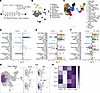 Figure 2
Ex vivo correlative analysis of the TME using scRNA sequencing and multiplex immunofluorescence. (A) Schema demonstrates that the therapeutic window analysis was conducted on brain samples collected 48 hours after 8803 administration. Brain samples were either freshly processed for scRNA-Seq analysis or formalin-fixed and paraffin-embedded for spatial multiplex immunofluorescence staining. (B) Uniform manifold approximation and projection (UMAP) plot showing the cellular composition of the CT-2A TME based on gene signatures of the scRNA-Seq dataset. (C) UMAP plot of the detailed clustering of the various immune populations present within the TME based on the RNA signatures. BAM, border-associated macrophage; TAM, tumor-associated macrophage. (D–F) Strip plots showing the differential abundance of immune cell types in CT-2A–bearing C57BL/6 mice based on treatment compared with control, log2(FC). The dot is colored when the P value is less than 0.05. The box plot represents the mean of significant points for immune populations with more than 3 significant clusters. Cell types with P ≥ 0.05 are colored in gray. P value calculated using negative binomial generalized linear model with weighted false discovery rate multiple correction. (G) t-Distributed stochastic neighbor embedding (t-SNE) plots show the cluster of Inflam-TAMs(2) (left panel) and the Nos2 gene expression within this population as a function of treatment condition (right smaller panels). (H) Heatmap of differential expression of Nos2, Pparg, Prkdc, Ythdf1, and Hmox1 genes based on treatment conditions: control, RT, 8803, and RT + 8803.
Induced NOS is associated with the combinatorial activity of RT and 8803. Subclustering of the immune components was based on previously described strategies (13–16). RT increased innate immunity within the TME as reflected by the expansion of transitional and antiinflammatory TAMs (Figure 2D). Consistent with our prior profiling (10), 8803 induced innate and adaptive inflammatory responses, including lipid-associated (LA-), inflammatory (Inflam-), and IFN-TAMs; inflammatory microglia (MG); cytotoxic NK cells; and CD8+ T cells in the glioma TME (Figure 2E). Expansion of BAMs that limit brain inflammatory responses (17) was also noted (Figure 2E). The immune composition of the RT + 8803–treated TME was like 8803-treated gliomas (Figure 2F) but without a statistical enrichment of cytotoxic T cells, likely because of kinetic differences between the 2 treatment groups. The Inflam-TAM(2) population was noted to be enriched in the TME of mice treated with 8803 or RT + 8803 but not in the RT or control group (Figure 2, D–F). Many of these immunological effects are likely dominated by 8803 administration in the RT + 8803–treated TME (Supplemental Figure 2). Differences in the frequency of cytotoxic populations in the RT + 8803 versus 8803 are likely influenced by the temporal kinetics of scRNA-sequencing analysis relative to the initial induction times of the treatments. The top-upregulated gene in Inflam-TAM(2) was Nos2 (Figure 2, G and H), which encodes nitric oxide synthase that catalyzes the formation of nitric oxide — a reactive free radical with antitumor activity. NO can modulate tumor DNA repair mechanisms through the upregulation of poly(ADP-ribose) polymerase (PARP; Pparg gene) or DNA-dependent protein kinase (DNA-PK; Prkdc gene). Notably, Pparg expression was highest in the RT + 8803–treated group (Figure 2H).
RT can downregulate the STING pathway via Ythdf1 or Hmox1 (gene for HO-1). To clarify whether these genes contribute to the therapeutic resistance of RT + STING in gliomas, we quantified their expression across treatment groups. There was no significant difference in Ythdf1 across RT treatments in the glioma models. This may be due to differences between cancer lineages, as the prior study was in melanoma (6). Alternatively, this difference may be attributed to the extent of dendritic cell infiltration in which Ythdf1 is expressed. Dendritic cell infiltration was typically low in gliomas (Figure 2, D–F). Instead, gliomas are enriched with macrophages and microglia (18). In contrast, Hmox1 expression was upregulated in gliomas treated with 8803 versus control (log FC > 2.26), RT + 8803 versus control (log FC > 1.74), and RT + 8803 versus RT (log FC > 1.31), but not in RT versus control conditions, suggesting that activation of the STING pathway induces autocrine regulation through the Hmox1 pathway.
8803 reprograms intracellular interactions, including pathways that are associated with the blood-brain barrier. To elucidate whether there were changes in cell-to-cell interactions as a function of treatment conditions, we used CellChat to interrogate the strength of incoming and outgoing interactions based on cell lineage (Figure 3A). Monotherapeutic RT did not significantly alter the overall interaction strength among most cell populations; however, reprogramming of cellular interactions was most profound with 8803 treatment. Relative to baseline control conditions, treatment with either 8803 or the combination of RT increased intercellular communication within glioma, myeloid, neuronal, and endothelial cells. Examination of significantly utilized signaling pathways unique to 8803 or the combination included known downstream STING pathway targets such as MHC but also blood-brain barrier (BBB) regulation pathways including ICAM, CDH5, JAM, SEMA7, and PECAM, which are notable in endothelial cells (Figure 3B). Further interrogation of endothelial cell–specific pathways showed similar STING-mediated increases in PECAM1, CDH, ICAM, and SEMA7 (Figure 3C). PECAM signaling is involved in regulating BBB permeability, restoration of BBB integrity, and paracellular T cell diapedesis (19) and was upregulated with 8803 in the endothelial cells, likely enabling the increased glioma immune infiltration. Characterization of the ligand-receptor (L-R) interactions indicated that endothelial-to-endothelial cell communication was the highest upon treatment with the STING agonist 8803 (Figure 3D). Using differential expression analysis of L-R signaling, 8803, as expected, enhanced endothelial-lymphoid interactions through HLA (H2) and CD8+ T cell interactions (Figure 3D). Additionally, the Ppia-Bsg/CD147 L-R pair was downregulated upon treatment with STING (Figure 3D). CD147 is expressed on endothelial cells and is responsible for BBB maintenance (20). Cumulatively, these bioinformatic analyses suggest that 8803 may have a significant role in modulating the BBB.
 Figure 3
8803 reprograms intracellular interactions, including pathways that are associated with the BBB. (A) CellChat analysis of scRNA sequencing of immunocompetent C57BL/6J mice with intracerebral implantation of CT-2A glioma cells treated with RT (2 Gy/d) for 5 days starting on day 7 and/or with 8803 (2.5 μg/mouse) on day 12 (24 hours after the last RT) after glioma cell implantation. Cell lineages were annotated as shown in Figure 2B, and interaction strengths were measured. (B) Heatmaps showing the significantly utilized pathways upregulated with the designated treatment and associated with cell lineage. Only pathways with P < 0.05 are selected by the algorithm within CellChat. (C) Analysis of significant pathways within endothelial cells (as either source/outgoing or target/incoming) between STING versus PBS control animals. (D) Differential expression analysis (DEA) of predicted ligand-receptor analysis showing up- and downregulated L-R pairs in STING versus PBS control. Dots represent L-R pairs with predicted P < 0.01 from Wilcoxon’s rank-sum test. The color legend displays the scaled communication probability. Endothelial cells were considered the source (ligand), and targets were myeloid, lymphoid, glioma, and other endothelial cells. U, control; S, STING/8803-treated.
8803 opens the BBB. The CNS is an immune-privileged organ in which endothelial and glial cells block entry, thereby limiting the effective penetration of therapeutics through the BBB. STING is expressed in the endothelial cells of brain tumors (10), but its role in modulating the BBB has not been previously evaluated to our knowledge. Inducible NO synthase (iNOS) directly affects cerebrovascular tone, endothelial cell permeability, and endothelial junctional integrity (21–23). Since Nos2 is upregulated in CT-2A mice treated with RT, 8803, or the combination relative to the control (Figure 2, G and H), the opening of the BBB in non-tumor-bearing mice was assessed across these treatment groups: 1) untreated; 2) intravenously administered fluorescent dye alone; 3) intraparenchymally injected PBS and fluorescent dye; 4) intraparenchymally injected 8803 and fluorescent dye; 5) RT + fluorescent dye; 6) PBS + RT + fluorescent dye, and 7) RT + 8803 + fluorescent dye and then terminated 24 hours after RT or at 2, 6, or 24 hours after 8803 or PBS treatment. The fluorescent signal in the brains was similar in the untreated, fluorescent dye alone, and RT + fluorescent dye groups, indicating no significant difference in BBB breakdown (Supplemental Figure 3, A and B). As expected, injecting the brain with PBS induced a localized transient signal of fluorescent dye leakage that peaked at 2 hours and then dissipated (Figure 4A). In contrast, the localized injection of 8803 induced a greater signal that peaked at 6 hours and persisted for 24 hours posttreatment (Figure 4, A and B). Notably, this increased fluorescence was detected in regions of the brain that were not adjacent to the injection site, such as the contralateral hemisphere and cerebellum (Supplemental Figure 3C). RT at a single 2 Gy dose in combination with 8803 did not substantially increase the BBB opening in comparison with monotherapy 8803 (Figure 4A and Supplemental Figure 3B). When the brains were sectioned coronally through the area of 8803 injection at 24 hours, this fluorescent signal was detected robustly throughout the entire right-sided hemisphere and even into the contralateral hemisphere (Supplemental Figure 3, C and D). To define the underlying mechanism of the BBB opening, Nos2-knockout (NOS2-KO) mice or golden ticket background mice were treated with either focal PBS or 8803 and fluorescent dye and then analyzed at 0 and 24 hours. The signal was completely lost in the golden ticket STING-KO background mice (Figure 4, C and D), and there was a slight decrease in the fluorescent signal intensity in the brains of the NOS2-KO mice (Figure 4, E and F), confirming that STING plays a pivotal role in BBB permeability and that iNOS is a minor contributor at this time point. Dexamethasone, routinely used during the treatment of gliomas, did not alter 8803-mediated BBB opening (Supplemental Figure 3E). These data indicate that, in addition to the known role of STING agonists in triggering immune cell chemokines, the STING pathway also plays a key role in BBB breakdown, likely contributing to increased immune infiltration into the glioma TME.
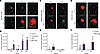 Figure 4
8803 triggers BBB opening. (A) Representative explanted whole brain mount images from the experimental treatment groups. After fluorescein dye administration, mouse brains were collected and imaged using the Nikon epifluorescence microscope at 4× original magnification. Quantitative data were generated based on intensity thresholds, eliminating noise and then harmonizing across all images. Positive-intensity data points (pixels) are shown in red, and the baseline fluorescent expression is shown in green. The brain outline is illustrated with the white line. Brightness color adjustments were made to detect baseline green fluorescence of the brains for illustrative purposes, which does not alter the quantitative data generated based on the intensity thresholds harmonized across all images. (B) Summarized quantification of the fluorescent signal area of distribution between experimental groups (n = 2–4). (C) Representative images of explanted whole brain mounts from the experimental groups collected at baseline and 24 hours after intracerebral administration of either PBS or 8803 (5 μg) in the golden ticket background mice. (D) Summarized quantification of the fluorescent signal area of distribution between experimental groups, as shown in C. (E) Representative images of explanted whole brain mounts from the experimental groups collected at baseline and 24 hours after either PBS or 8803 (5 μg) administration in the NOS2-KO mice. (F) Summarized quantification of the fluorescent signal area of distribution between experimental groups as shown in E.
RT and 8803 exert therapeutic efficacy when STING is silenced in the glioma cell. Because CpG promoter methylation does not occur in most immune-competent murine glioma cell lines, a murine glioma cell line that more accurately reflects this scenario was created using CRISPR gene editing to knock out STING in CT-2A high-grade glioma cells to evaluate the efficacy of the combination of 8803 and RT. A CRISPR KO of STING in CT-2A glioma cells was created that showed more than 80% reduction in STING expression (clone 3) compared with the parental WT CT-2A (Figure 5A). The absence of STING expression in the tumor cells in vivo was verified using immunohistochemistry (IHC) of the brains implanted with CT-2A (Figure 5B). Notably, although STING expression was absent in the glioma tumor cells, its expression was maintained in the endothelial cells and the infiltrating macrophages. Sting-KO CT-2A cells showed consistent tumorigenic growth in vivo (Figure 5C) with similar cell requirements (at 1 × 10⁴ cells) as WT CT-2A. Furthermore, the outcomes of mice with i.c. Sting-KO CT-2A were similar to those of WT CT-2A. More specifically, in the Sting-KO CT-2A model, control mice had an MS time of 30 days, 8803-treated mice had an MS that was undefined (P < 0.0001), RT had an MS of 38 days (P < 0.0001), and the combination was undefined (P < 0.0001) (Figure 5D). These outcomes highlight that the therapeutic efficacy of RT + 8803 is independent of tumor cells’ STING expression in the murine model.
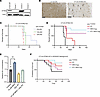 Figure 5
Treatment effect of 8803 in combination with radiation in STING-KO CT-2A glioma model. (A) Western blot analysis of the STING expression in the WT CT-2A glioma cell line and STING-KO CRISPR clones. Clone 3 showed >80% reduction in STING expression and was used for the in vivo studies. (B) Immunohistochemistry staining of STING expression in WT CT-2A and STING-KO cells implanted into C57BL/6J mice (black arrows designate STING+ blood vessels). Scale bar is 100 µm (left) and 250 µm (right). (C) Survival of mice implanted with CT-2A STING-KO glioma cells. (D) Mice with STING-KO CT-2A gliomas were treated with RT (2 Gy/d) for 5 days starting on day 7 and then with 8803 (5 μg) on day 14. Survival of mice treated with RT + 8803 (n = 10, undefined MS) was significantly prolonged relative to control mice (n = 10; MS = 30d; P < 0.0001). RT (n = 10, MS = 38d) vs. control (P < 0.0001). 8803 (n = 10, undefined MS) vs. control (P < 0.0001). Log-rank. Control mice had an MS time of 30 days, and the 8803-treated mice had an MS that was undefined (P < 0.0001). (E) NO production from RAW 264.7 in triplicate, normalized to control. **P < 0.01. Analyzed using 1-way ANOVA with Tukey’s multiple comparisons test. (F) NOS2-KO mice with STING-KO CT-2A gliomas were treated with RT (2 Gy/d) for 5 days starting on day 7 and then with 8803 (5 μg) on day 14. Survival of the mice treated with RT + 8803 (n = 10, undefined MS) was significantly prolonged relative to control mice (n = 10; MS = 45d; P < 0.05). RT (n = 10, MS = undefined) vs. control (P < 0.13). 8803 (n = 10, 72d MS) vs. control (P < 0.54). Log-rank.
8803 induces NO in macrophages but is not the primary mediator of therapeutic activity. To ascertain if RT, 8803, or RT + 8803 induces NO, the RAW 264.7 macrophage cell line was treated with 2 Gy of RT, 8803, or the combination. NO was measured in triplicate 24 hours after RT and 12 hours after 8803 administration. NO expression after treatment was highest in the 8803 monotherapy group (Figure 5E), indicating that the iNOS-mediated effects through macrophages are primarily induced with 8803. To evaluate the therapeutic contribution of NO induction to the combinatorial effect, mice homozygous for the Nos2tm1Lau targeted mutation (also known as iNOS–/–) were implanted with STING-KO CT-2A and then randomized to treatment with monotherapy or the combination. RT was initiated on day 7, followed by administration of 8803 (5 μg) on day 14. Control mice had an MS time of 45 days, 8803-treated mice had an MS of 72 days (P = 0.54 relative to control), RT provided an undefined MS (P = 0.13 relative to control), and the combination had an undefined MS (P < 0.05, relative to the control) (Figure 5F). Treatment of Sting-KO CT-2A gliomas with the RT + 8803 combination in the C57BL/6J (Figure 5D) and NOS2-KO backgrounds (Figure 5F) had an undefined MS, indicating that NO is a minor contributor to the combinatorial therapeutic response. The increased survival of Sting-KO CT-2A gliomas implanted in the Nos2-KO mice relative to WT is consistent with other tumor models implanted in this background (24).
8803 in vivo activity can be assessed using [18F]-FLT PET. To ascertain if [18F]-FLT could be incorporated into a clinical trial that utilizes 8803, longitudinal PET imaging was performed in orthotopic glioma-bearing mice. The underlying mechanism of the association of STING pathway activation with increased signal on [18F]-FLT PET has been previously described (Supplemental Figure 4). When compared with PBS control mice, the [18F]-FLT uptake in CT-2A tumors significantly increased from baseline (i.e., pretreatment) in all mice after treatment with 8803 (Figure 6, A–D). During this time, the gliomas in control mice continued to increase in size, as measured volumetrically by MRI. In contrast, treatment with 8803 reduced the tumor volume (Figure 6E). There was no difference in the tumor proliferative rate measured by the mean percentage of Ki-67 IHC expression between the control and 8803 treatment groups, eliminating cellular turnover as a confounder for TYMP induction (Figure 6F). To simulate the imaging of epigenetic silencing of STING in the glioma, Sting-KO CT-2A cells were orthotopically implanted in mice and imaged with [18F]-FLT PET at 72 hours after 8803 treatment. The [18F]-FLT uptake in 8803-treated Sting-KO CT-2A gliomas significantly increased from baseline (i.e., pretreatment) to 72 hours, whereas there were no significant changes in the control group (Figure 6, G and H). As in parental CT-2A, Sting-KO CT-2A gliomas demonstrated reduced tumor volume relative to controls with 8803 treatment (Figure 6, H and I). These data indicate that [18F]-FLT PET imaging may be a helpful adjunct for monitoring responses in clinical studies incorporating 8803.
![8803 in vivo activity determined using [18F]-FLT PET imaging.](//dm5migu4zj3pb.cloudfront.net/manuscripts/198000/198843/small/JCI198843.f6.gif "8803 in vivo activity determined using [18F]-FLT PET imaging.") Figure 6
Figure 68803 in vivo activity determined using [18F]-FLT PET imaging. Representative MRI and [18F]-FLT PET merged axial and coronal images of mouse brains implanted with CT-2A gliomas analyzed at baseline (time 0) and 96 hours (4 days) in control (A) and after 8803 treatment (B). %ID, percentage of injected dose. (C) Baseline [18F]-FLT uptake in control (n = 5) and 8803-treated CT-2A glioma (n = 5). Error bars show the standard error of the mean. There was no significant difference. (D) Change in [18F]-FLT uptake at 48 and 96 hours in control versus 8803 animals. * < 0.05; **** < 0.0001. (E) Percentage change in tumor volume as measured on MRI between baseline and 48 or 96 hours. ** < 0.01. (F) Quantification of Ki-67+ proliferating tumor cells between control (N = 3) versus 8803 (n = 6). A total of 3 ROIs per tumor were chosen. (G) Baseline [18F]-FLT uptake in control (n = 4) and 8803-treated CT-2A STING-KO glioma (n = 3). Error bars show the standard error of the mean. (H) Change in [18F]-FLT uptake at 72 hours in control versus 8803 animals. ** < 0.01. (I) Percentage change in tumor volume as measured on MRI between baseline and 72 hours. * < 0.05. Panels C–E and G–I were analyzed using the Wilcoxon rank-sum test.

![8803 in vivo activity determined using [18F]-FLT PET imaging.](http://dm5migu4zj3pb.cloudfront.net/manuscripts/198000/198843/small/JCI198843.f6.gif "8803 in vivo activity determined using [18F]-FLT PET imaging.")


Copyright © 2026 American Society for Clinical Investigation
ISSN: 0021-9738 (print), 1558-8238 (online)