
Advertisement
Research ArticleAutoimmunityImmunologyInfectious disease
Open Access |  10.1172/JCI192371
Type I IFN–dependent FcγRIV signaling in murine monocytes promotes lethal anaphylaxis during viral infections
Abdelrahman Elwy,1 Hossam Abdelrahman,1 Julia Specht,1 Gina M. Ewert,1 Justa Friebus-Kardash,1,2 Swati Dhiman,1 Julia Falkenstein,3 Theresa Charlotte Christ,1 Elisa Wiebeck,1 Arzoo Shamoon,4 Nils B. Leimkühler,4 Thomas Gramberg,5 Alina Russ,5 Ulrich Kalinke,6 Fei Kuang,1 Kathrin Sutter,7,8 Manfred Kopf,9 Matthias Mack,10 Wiebke Hansen,3 Falk Nimmerjahn,11 and Karl S. Lang1
1Institute of Immunology, University Hospital Essen, Medical Faculty, University of Duisburg-Essen, Essen, Germany.
2 Department of Nephrology, University Hospital Essen, and
3Institute of Medical Microbiology, University Hospital Essen, University of Duisburg-Essen, Essen, Germany.
4Department of Hematology and Stem Cell Transplantation, University Hospital Essen, Essen, Germany.
5Harald zur Hausen Institute of Virology, Friedrich-Alexander-Universität Erlangen-Nürnberg, Erlangen, Germany.
6Institute for Experimental Infection Research, TWINCORE, Centre for Experimental and Clinical Infection Research, a joint venture between the Helmholtz Centre for Infection Research and the Hannover Medical School, Hannover, Germany.
7Institute for Virology and
8Institute for The Research on HIV and AIDS-associated Diseases, University Hospital Essen, University of Duisburg-Essen, Essen, Germany.
9Institute of Molecular Health Sciences, Department of Biology, ETH Zürich, Zürich, Switzerland.
10Department of Nephrology, University Hospital Regensburg, Regensburg, Germany.
11Division of Genetics, Department of Biology, University of Erlangen-Nürnberg, Erlangen, Germany.
Address correspondence to: Abdelrahman Elwy, University Hospital Essen, Institute of Immunology, WTZ Forschung, Hufelandstrasse 55, 45147 Essen, Germany. Phone: 49.20.1723.4273; Email: Abdelrahman.elwy@uk-essen.de.
Authorship note: AE and HA contributed equally to this work.
Find articles by Elwy, A. in: PubMed | Google Scholar
1Institute of Immunology, University Hospital Essen, Medical Faculty, University of Duisburg-Essen, Essen, Germany.
2 Department of Nephrology, University Hospital Essen, and
3Institute of Medical Microbiology, University Hospital Essen, University of Duisburg-Essen, Essen, Germany.
4Department of Hematology and Stem Cell Transplantation, University Hospital Essen, Essen, Germany.
5Harald zur Hausen Institute of Virology, Friedrich-Alexander-Universität Erlangen-Nürnberg, Erlangen, Germany.
6Institute for Experimental Infection Research, TWINCORE, Centre for Experimental and Clinical Infection Research, a joint venture between the Helmholtz Centre for Infection Research and the Hannover Medical School, Hannover, Germany.
7Institute for Virology and
8Institute for The Research on HIV and AIDS-associated Diseases, University Hospital Essen, University of Duisburg-Essen, Essen, Germany.
9Institute of Molecular Health Sciences, Department of Biology, ETH Zürich, Zürich, Switzerland.
10Department of Nephrology, University Hospital Regensburg, Regensburg, Germany.
11Division of Genetics, Department of Biology, University of Erlangen-Nürnberg, Erlangen, Germany.
Address correspondence to: Abdelrahman Elwy, University Hospital Essen, Institute of Immunology, WTZ Forschung, Hufelandstrasse 55, 45147 Essen, Germany. Phone: 49.20.1723.4273; Email: Abdelrahman.elwy@uk-essen.de.
Authorship note: AE and HA contributed equally to this work.
Find articles by Abdelrahman, H. in: PubMed | Google Scholar
1Institute of Immunology, University Hospital Essen, Medical Faculty, University of Duisburg-Essen, Essen, Germany.
2 Department of Nephrology, University Hospital Essen, and
3Institute of Medical Microbiology, University Hospital Essen, University of Duisburg-Essen, Essen, Germany.
4Department of Hematology and Stem Cell Transplantation, University Hospital Essen, Essen, Germany.
5Harald zur Hausen Institute of Virology, Friedrich-Alexander-Universität Erlangen-Nürnberg, Erlangen, Germany.
6Institute for Experimental Infection Research, TWINCORE, Centre for Experimental and Clinical Infection Research, a joint venture between the Helmholtz Centre for Infection Research and the Hannover Medical School, Hannover, Germany.
7Institute for Virology and
8Institute for The Research on HIV and AIDS-associated Diseases, University Hospital Essen, University of Duisburg-Essen, Essen, Germany.
9Institute of Molecular Health Sciences, Department of Biology, ETH Zürich, Zürich, Switzerland.
10Department of Nephrology, University Hospital Regensburg, Regensburg, Germany.
11Division of Genetics, Department of Biology, University of Erlangen-Nürnberg, Erlangen, Germany.
Address correspondence to: Abdelrahman Elwy, University Hospital Essen, Institute of Immunology, WTZ Forschung, Hufelandstrasse 55, 45147 Essen, Germany. Phone: 49.20.1723.4273; Email: Abdelrahman.elwy@uk-essen.de.
Authorship note: AE and HA contributed equally to this work.
Find articles by Specht, J. in: PubMed | Google Scholar
1Institute of Immunology, University Hospital Essen, Medical Faculty, University of Duisburg-Essen, Essen, Germany.
2 Department of Nephrology, University Hospital Essen, and
3Institute of Medical Microbiology, University Hospital Essen, University of Duisburg-Essen, Essen, Germany.
4Department of Hematology and Stem Cell Transplantation, University Hospital Essen, Essen, Germany.
5Harald zur Hausen Institute of Virology, Friedrich-Alexander-Universität Erlangen-Nürnberg, Erlangen, Germany.
6Institute for Experimental Infection Research, TWINCORE, Centre for Experimental and Clinical Infection Research, a joint venture between the Helmholtz Centre for Infection Research and the Hannover Medical School, Hannover, Germany.
7Institute for Virology and
8Institute for The Research on HIV and AIDS-associated Diseases, University Hospital Essen, University of Duisburg-Essen, Essen, Germany.
9Institute of Molecular Health Sciences, Department of Biology, ETH Zürich, Zürich, Switzerland.
10Department of Nephrology, University Hospital Regensburg, Regensburg, Germany.
11Division of Genetics, Department of Biology, University of Erlangen-Nürnberg, Erlangen, Germany.
Address correspondence to: Abdelrahman Elwy, University Hospital Essen, Institute of Immunology, WTZ Forschung, Hufelandstrasse 55, 45147 Essen, Germany. Phone: 49.20.1723.4273; Email: Abdelrahman.elwy@uk-essen.de.
Authorship note: AE and HA contributed equally to this work.
Find articles by Ewert, G. in: PubMed | Google Scholar
1Institute of Immunology, University Hospital Essen, Medical Faculty, University of Duisburg-Essen, Essen, Germany.
2 Department of Nephrology, University Hospital Essen, and
3Institute of Medical Microbiology, University Hospital Essen, University of Duisburg-Essen, Essen, Germany.
4Department of Hematology and Stem Cell Transplantation, University Hospital Essen, Essen, Germany.
5Harald zur Hausen Institute of Virology, Friedrich-Alexander-Universität Erlangen-Nürnberg, Erlangen, Germany.
6Institute for Experimental Infection Research, TWINCORE, Centre for Experimental and Clinical Infection Research, a joint venture between the Helmholtz Centre for Infection Research and the Hannover Medical School, Hannover, Germany.
7Institute for Virology and
8Institute for The Research on HIV and AIDS-associated Diseases, University Hospital Essen, University of Duisburg-Essen, Essen, Germany.
9Institute of Molecular Health Sciences, Department of Biology, ETH Zürich, Zürich, Switzerland.
10Department of Nephrology, University Hospital Regensburg, Regensburg, Germany.
11Division of Genetics, Department of Biology, University of Erlangen-Nürnberg, Erlangen, Germany.
Address correspondence to: Abdelrahman Elwy, University Hospital Essen, Institute of Immunology, WTZ Forschung, Hufelandstrasse 55, 45147 Essen, Germany. Phone: 49.20.1723.4273; Email: Abdelrahman.elwy@uk-essen.de.
Authorship note: AE and HA contributed equally to this work.
Find articles by Friebus-Kardash, J. in: PubMed | Google Scholar
1Institute of Immunology, University Hospital Essen, Medical Faculty, University of Duisburg-Essen, Essen, Germany.
2 Department of Nephrology, University Hospital Essen, and
3Institute of Medical Microbiology, University Hospital Essen, University of Duisburg-Essen, Essen, Germany.
4Department of Hematology and Stem Cell Transplantation, University Hospital Essen, Essen, Germany.
5Harald zur Hausen Institute of Virology, Friedrich-Alexander-Universität Erlangen-Nürnberg, Erlangen, Germany.
6Institute for Experimental Infection Research, TWINCORE, Centre for Experimental and Clinical Infection Research, a joint venture between the Helmholtz Centre for Infection Research and the Hannover Medical School, Hannover, Germany.
7Institute for Virology and
8Institute for The Research on HIV and AIDS-associated Diseases, University Hospital Essen, University of Duisburg-Essen, Essen, Germany.
9Institute of Molecular Health Sciences, Department of Biology, ETH Zürich, Zürich, Switzerland.
10Department of Nephrology, University Hospital Regensburg, Regensburg, Germany.
11Division of Genetics, Department of Biology, University of Erlangen-Nürnberg, Erlangen, Germany.
Address correspondence to: Abdelrahman Elwy, University Hospital Essen, Institute of Immunology, WTZ Forschung, Hufelandstrasse 55, 45147 Essen, Germany. Phone: 49.20.1723.4273; Email: Abdelrahman.elwy@uk-essen.de.
Authorship note: AE and HA contributed equally to this work.
Find articles by Dhiman, S. in: PubMed | Google Scholar
1Institute of Immunology, University Hospital Essen, Medical Faculty, University of Duisburg-Essen, Essen, Germany.
2 Department of Nephrology, University Hospital Essen, and
3Institute of Medical Microbiology, University Hospital Essen, University of Duisburg-Essen, Essen, Germany.
4Department of Hematology and Stem Cell Transplantation, University Hospital Essen, Essen, Germany.
5Harald zur Hausen Institute of Virology, Friedrich-Alexander-Universität Erlangen-Nürnberg, Erlangen, Germany.
6Institute for Experimental Infection Research, TWINCORE, Centre for Experimental and Clinical Infection Research, a joint venture between the Helmholtz Centre for Infection Research and the Hannover Medical School, Hannover, Germany.
7Institute for Virology and
8Institute for The Research on HIV and AIDS-associated Diseases, University Hospital Essen, University of Duisburg-Essen, Essen, Germany.
9Institute of Molecular Health Sciences, Department of Biology, ETH Zürich, Zürich, Switzerland.
10Department of Nephrology, University Hospital Regensburg, Regensburg, Germany.
11Division of Genetics, Department of Biology, University of Erlangen-Nürnberg, Erlangen, Germany.
Address correspondence to: Abdelrahman Elwy, University Hospital Essen, Institute of Immunology, WTZ Forschung, Hufelandstrasse 55, 45147 Essen, Germany. Phone: 49.20.1723.4273; Email: Abdelrahman.elwy@uk-essen.de.
Authorship note: AE and HA contributed equally to this work.
Find articles by Falkenstein, J. in: PubMed | Google Scholar
1Institute of Immunology, University Hospital Essen, Medical Faculty, University of Duisburg-Essen, Essen, Germany.
2 Department of Nephrology, University Hospital Essen, and
3Institute of Medical Microbiology, University Hospital Essen, University of Duisburg-Essen, Essen, Germany.
4Department of Hematology and Stem Cell Transplantation, University Hospital Essen, Essen, Germany.
5Harald zur Hausen Institute of Virology, Friedrich-Alexander-Universität Erlangen-Nürnberg, Erlangen, Germany.
6Institute for Experimental Infection Research, TWINCORE, Centre for Experimental and Clinical Infection Research, a joint venture between the Helmholtz Centre for Infection Research and the Hannover Medical School, Hannover, Germany.
7Institute for Virology and
8Institute for The Research on HIV and AIDS-associated Diseases, University Hospital Essen, University of Duisburg-Essen, Essen, Germany.
9Institute of Molecular Health Sciences, Department of Biology, ETH Zürich, Zürich, Switzerland.
10Department of Nephrology, University Hospital Regensburg, Regensburg, Germany.
11Division of Genetics, Department of Biology, University of Erlangen-Nürnberg, Erlangen, Germany.
Address correspondence to: Abdelrahman Elwy, University Hospital Essen, Institute of Immunology, WTZ Forschung, Hufelandstrasse 55, 45147 Essen, Germany. Phone: 49.20.1723.4273; Email: Abdelrahman.elwy@uk-essen.de.
Authorship note: AE and HA contributed equally to this work.
Find articles by Christ, T. in: PubMed | Google Scholar
1Institute of Immunology, University Hospital Essen, Medical Faculty, University of Duisburg-Essen, Essen, Germany.
2 Department of Nephrology, University Hospital Essen, and
3Institute of Medical Microbiology, University Hospital Essen, University of Duisburg-Essen, Essen, Germany.
4Department of Hematology and Stem Cell Transplantation, University Hospital Essen, Essen, Germany.
5Harald zur Hausen Institute of Virology, Friedrich-Alexander-Universität Erlangen-Nürnberg, Erlangen, Germany.
6Institute for Experimental Infection Research, TWINCORE, Centre for Experimental and Clinical Infection Research, a joint venture between the Helmholtz Centre for Infection Research and the Hannover Medical School, Hannover, Germany.
7Institute for Virology and
8Institute for The Research on HIV and AIDS-associated Diseases, University Hospital Essen, University of Duisburg-Essen, Essen, Germany.
9Institute of Molecular Health Sciences, Department of Biology, ETH Zürich, Zürich, Switzerland.
10Department of Nephrology, University Hospital Regensburg, Regensburg, Germany.
11Division of Genetics, Department of Biology, University of Erlangen-Nürnberg, Erlangen, Germany.
Address correspondence to: Abdelrahman Elwy, University Hospital Essen, Institute of Immunology, WTZ Forschung, Hufelandstrasse 55, 45147 Essen, Germany. Phone: 49.20.1723.4273; Email: Abdelrahman.elwy@uk-essen.de.
Authorship note: AE and HA contributed equally to this work.
Find articles by Wiebeck, E. in: PubMed | Google Scholar
1Institute of Immunology, University Hospital Essen, Medical Faculty, University of Duisburg-Essen, Essen, Germany.
2 Department of Nephrology, University Hospital Essen, and
3Institute of Medical Microbiology, University Hospital Essen, University of Duisburg-Essen, Essen, Germany.
4Department of Hematology and Stem Cell Transplantation, University Hospital Essen, Essen, Germany.
5Harald zur Hausen Institute of Virology, Friedrich-Alexander-Universität Erlangen-Nürnberg, Erlangen, Germany.
6Institute for Experimental Infection Research, TWINCORE, Centre for Experimental and Clinical Infection Research, a joint venture between the Helmholtz Centre for Infection Research and the Hannover Medical School, Hannover, Germany.
7Institute for Virology and
8Institute for The Research on HIV and AIDS-associated Diseases, University Hospital Essen, University of Duisburg-Essen, Essen, Germany.
9Institute of Molecular Health Sciences, Department of Biology, ETH Zürich, Zürich, Switzerland.
10Department of Nephrology, University Hospital Regensburg, Regensburg, Germany.
11Division of Genetics, Department of Biology, University of Erlangen-Nürnberg, Erlangen, Germany.
Address correspondence to: Abdelrahman Elwy, University Hospital Essen, Institute of Immunology, WTZ Forschung, Hufelandstrasse 55, 45147 Essen, Germany. Phone: 49.20.1723.4273; Email: Abdelrahman.elwy@uk-essen.de.
Authorship note: AE and HA contributed equally to this work.
Find articles by Shamoon, A. in: PubMed | Google Scholar
1Institute of Immunology, University Hospital Essen, Medical Faculty, University of Duisburg-Essen, Essen, Germany.
2 Department of Nephrology, University Hospital Essen, and
3Institute of Medical Microbiology, University Hospital Essen, University of Duisburg-Essen, Essen, Germany.
4Department of Hematology and Stem Cell Transplantation, University Hospital Essen, Essen, Germany.
5Harald zur Hausen Institute of Virology, Friedrich-Alexander-Universität Erlangen-Nürnberg, Erlangen, Germany.
6Institute for Experimental Infection Research, TWINCORE, Centre for Experimental and Clinical Infection Research, a joint venture between the Helmholtz Centre for Infection Research and the Hannover Medical School, Hannover, Germany.
7Institute for Virology and
8Institute for The Research on HIV and AIDS-associated Diseases, University Hospital Essen, University of Duisburg-Essen, Essen, Germany.
9Institute of Molecular Health Sciences, Department of Biology, ETH Zürich, Zürich, Switzerland.
10Department of Nephrology, University Hospital Regensburg, Regensburg, Germany.
11Division of Genetics, Department of Biology, University of Erlangen-Nürnberg, Erlangen, Germany.
Address correspondence to: Abdelrahman Elwy, University Hospital Essen, Institute of Immunology, WTZ Forschung, Hufelandstrasse 55, 45147 Essen, Germany. Phone: 49.20.1723.4273; Email: Abdelrahman.elwy@uk-essen.de.
Authorship note: AE and HA contributed equally to this work.
Find articles by Leimkühler, N. in: PubMed | Google Scholar
1Institute of Immunology, University Hospital Essen, Medical Faculty, University of Duisburg-Essen, Essen, Germany.
2 Department of Nephrology, University Hospital Essen, and
3Institute of Medical Microbiology, University Hospital Essen, University of Duisburg-Essen, Essen, Germany.
4Department of Hematology and Stem Cell Transplantation, University Hospital Essen, Essen, Germany.
5Harald zur Hausen Institute of Virology, Friedrich-Alexander-Universität Erlangen-Nürnberg, Erlangen, Germany.
6Institute for Experimental Infection Research, TWINCORE, Centre for Experimental and Clinical Infection Research, a joint venture between the Helmholtz Centre for Infection Research and the Hannover Medical School, Hannover, Germany.
7Institute for Virology and
8Institute for The Research on HIV and AIDS-associated Diseases, University Hospital Essen, University of Duisburg-Essen, Essen, Germany.
9Institute of Molecular Health Sciences, Department of Biology, ETH Zürich, Zürich, Switzerland.
10Department of Nephrology, University Hospital Regensburg, Regensburg, Germany.
11Division of Genetics, Department of Biology, University of Erlangen-Nürnberg, Erlangen, Germany.
Address correspondence to: Abdelrahman Elwy, University Hospital Essen, Institute of Immunology, WTZ Forschung, Hufelandstrasse 55, 45147 Essen, Germany. Phone: 49.20.1723.4273; Email: Abdelrahman.elwy@uk-essen.de.
Authorship note: AE and HA contributed equally to this work.
Find articles by Gramberg, T. in: PubMed | Google Scholar
1Institute of Immunology, University Hospital Essen, Medical Faculty, University of Duisburg-Essen, Essen, Germany.
2 Department of Nephrology, University Hospital Essen, and
3Institute of Medical Microbiology, University Hospital Essen, University of Duisburg-Essen, Essen, Germany.
4Department of Hematology and Stem Cell Transplantation, University Hospital Essen, Essen, Germany.
5Harald zur Hausen Institute of Virology, Friedrich-Alexander-Universität Erlangen-Nürnberg, Erlangen, Germany.
6Institute for Experimental Infection Research, TWINCORE, Centre for Experimental and Clinical Infection Research, a joint venture between the Helmholtz Centre for Infection Research and the Hannover Medical School, Hannover, Germany.
7Institute for Virology and
8Institute for The Research on HIV and AIDS-associated Diseases, University Hospital Essen, University of Duisburg-Essen, Essen, Germany.
9Institute of Molecular Health Sciences, Department of Biology, ETH Zürich, Zürich, Switzerland.
10Department of Nephrology, University Hospital Regensburg, Regensburg, Germany.
11Division of Genetics, Department of Biology, University of Erlangen-Nürnberg, Erlangen, Germany.
Address correspondence to: Abdelrahman Elwy, University Hospital Essen, Institute of Immunology, WTZ Forschung, Hufelandstrasse 55, 45147 Essen, Germany. Phone: 49.20.1723.4273; Email: Abdelrahman.elwy@uk-essen.de.
Authorship note: AE and HA contributed equally to this work.
Find articles by Russ, A. in: PubMed | Google Scholar
1Institute of Immunology, University Hospital Essen, Medical Faculty, University of Duisburg-Essen, Essen, Germany.
2 Department of Nephrology, University Hospital Essen, and
3Institute of Medical Microbiology, University Hospital Essen, University of Duisburg-Essen, Essen, Germany.
4Department of Hematology and Stem Cell Transplantation, University Hospital Essen, Essen, Germany.
5Harald zur Hausen Institute of Virology, Friedrich-Alexander-Universität Erlangen-Nürnberg, Erlangen, Germany.
6Institute for Experimental Infection Research, TWINCORE, Centre for Experimental and Clinical Infection Research, a joint venture between the Helmholtz Centre for Infection Research and the Hannover Medical School, Hannover, Germany.
7Institute for Virology and
8Institute for The Research on HIV and AIDS-associated Diseases, University Hospital Essen, University of Duisburg-Essen, Essen, Germany.
9Institute of Molecular Health Sciences, Department of Biology, ETH Zürich, Zürich, Switzerland.
10Department of Nephrology, University Hospital Regensburg, Regensburg, Germany.
11Division of Genetics, Department of Biology, University of Erlangen-Nürnberg, Erlangen, Germany.
Address correspondence to: Abdelrahman Elwy, University Hospital Essen, Institute of Immunology, WTZ Forschung, Hufelandstrasse 55, 45147 Essen, Germany. Phone: 49.20.1723.4273; Email: Abdelrahman.elwy@uk-essen.de.
Authorship note: AE and HA contributed equally to this work.
Find articles by
Kalinke, U.
in:
PubMed
|
Google Scholar
|

1Institute of Immunology, University Hospital Essen, Medical Faculty, University of Duisburg-Essen, Essen, Germany.
2 Department of Nephrology, University Hospital Essen, and
3Institute of Medical Microbiology, University Hospital Essen, University of Duisburg-Essen, Essen, Germany.
4Department of Hematology and Stem Cell Transplantation, University Hospital Essen, Essen, Germany.
5Harald zur Hausen Institute of Virology, Friedrich-Alexander-Universität Erlangen-Nürnberg, Erlangen, Germany.
6Institute for Experimental Infection Research, TWINCORE, Centre for Experimental and Clinical Infection Research, a joint venture between the Helmholtz Centre for Infection Research and the Hannover Medical School, Hannover, Germany.
7Institute for Virology and
8Institute for The Research on HIV and AIDS-associated Diseases, University Hospital Essen, University of Duisburg-Essen, Essen, Germany.
9Institute of Molecular Health Sciences, Department of Biology, ETH Zürich, Zürich, Switzerland.
10Department of Nephrology, University Hospital Regensburg, Regensburg, Germany.
11Division of Genetics, Department of Biology, University of Erlangen-Nürnberg, Erlangen, Germany.
Address correspondence to: Abdelrahman Elwy, University Hospital Essen, Institute of Immunology, WTZ Forschung, Hufelandstrasse 55, 45147 Essen, Germany. Phone: 49.20.1723.4273; Email: Abdelrahman.elwy@uk-essen.de.
Authorship note: AE and HA contributed equally to this work.
Find articles by Kuang, F. in: PubMed | Google Scholar
1Institute of Immunology, University Hospital Essen, Medical Faculty, University of Duisburg-Essen, Essen, Germany.
2 Department of Nephrology, University Hospital Essen, and
3Institute of Medical Microbiology, University Hospital Essen, University of Duisburg-Essen, Essen, Germany.
4Department of Hematology and Stem Cell Transplantation, University Hospital Essen, Essen, Germany.
5Harald zur Hausen Institute of Virology, Friedrich-Alexander-Universität Erlangen-Nürnberg, Erlangen, Germany.
6Institute for Experimental Infection Research, TWINCORE, Centre for Experimental and Clinical Infection Research, a joint venture between the Helmholtz Centre for Infection Research and the Hannover Medical School, Hannover, Germany.
7Institute for Virology and
8Institute for The Research on HIV and AIDS-associated Diseases, University Hospital Essen, University of Duisburg-Essen, Essen, Germany.
9Institute of Molecular Health Sciences, Department of Biology, ETH Zürich, Zürich, Switzerland.
10Department of Nephrology, University Hospital Regensburg, Regensburg, Germany.
11Division of Genetics, Department of Biology, University of Erlangen-Nürnberg, Erlangen, Germany.
Address correspondence to: Abdelrahman Elwy, University Hospital Essen, Institute of Immunology, WTZ Forschung, Hufelandstrasse 55, 45147 Essen, Germany. Phone: 49.20.1723.4273; Email: Abdelrahman.elwy@uk-essen.de.
Authorship note: AE and HA contributed equally to this work.
Find articles by Sutter, K. in: PubMed | Google Scholar
1Institute of Immunology, University Hospital Essen, Medical Faculty, University of Duisburg-Essen, Essen, Germany.
2 Department of Nephrology, University Hospital Essen, and
3Institute of Medical Microbiology, University Hospital Essen, University of Duisburg-Essen, Essen, Germany.
4Department of Hematology and Stem Cell Transplantation, University Hospital Essen, Essen, Germany.
5Harald zur Hausen Institute of Virology, Friedrich-Alexander-Universität Erlangen-Nürnberg, Erlangen, Germany.
6Institute for Experimental Infection Research, TWINCORE, Centre for Experimental and Clinical Infection Research, a joint venture between the Helmholtz Centre for Infection Research and the Hannover Medical School, Hannover, Germany.
7Institute for Virology and
8Institute for The Research on HIV and AIDS-associated Diseases, University Hospital Essen, University of Duisburg-Essen, Essen, Germany.
9Institute of Molecular Health Sciences, Department of Biology, ETH Zürich, Zürich, Switzerland.
10Department of Nephrology, University Hospital Regensburg, Regensburg, Germany.
11Division of Genetics, Department of Biology, University of Erlangen-Nürnberg, Erlangen, Germany.
Address correspondence to: Abdelrahman Elwy, University Hospital Essen, Institute of Immunology, WTZ Forschung, Hufelandstrasse 55, 45147 Essen, Germany. Phone: 49.20.1723.4273; Email: Abdelrahman.elwy@uk-essen.de.
Authorship note: AE and HA contributed equally to this work.
Find articles by
Kopf, M.
in:
PubMed
|
Google Scholar
|
1Institute of Immunology, University Hospital Essen, Medical Faculty, University of Duisburg-Essen, Essen, Germany.
2 Department of Nephrology, University Hospital Essen, and
3Institute of Medical Microbiology, University Hospital Essen, University of Duisburg-Essen, Essen, Germany.
4Department of Hematology and Stem Cell Transplantation, University Hospital Essen, Essen, Germany.
5Harald zur Hausen Institute of Virology, Friedrich-Alexander-Universität Erlangen-Nürnberg, Erlangen, Germany.
6Institute for Experimental Infection Research, TWINCORE, Centre for Experimental and Clinical Infection Research, a joint venture between the Helmholtz Centre for Infection Research and the Hannover Medical School, Hannover, Germany.
7Institute for Virology and
8Institute for The Research on HIV and AIDS-associated Diseases, University Hospital Essen, University of Duisburg-Essen, Essen, Germany.
9Institute of Molecular Health Sciences, Department of Biology, ETH Zürich, Zürich, Switzerland.
10Department of Nephrology, University Hospital Regensburg, Regensburg, Germany.
11Division of Genetics, Department of Biology, University of Erlangen-Nürnberg, Erlangen, Germany.
Address correspondence to: Abdelrahman Elwy, University Hospital Essen, Institute of Immunology, WTZ Forschung, Hufelandstrasse 55, 45147 Essen, Germany. Phone: 49.20.1723.4273; Email: Abdelrahman.elwy@uk-essen.de.
Authorship note: AE and HA contributed equally to this work.
Find articles by
Mack, M.
in:
PubMed
|
Google Scholar
|
1Institute of Immunology, University Hospital Essen, Medical Faculty, University of Duisburg-Essen, Essen, Germany.
2 Department of Nephrology, University Hospital Essen, and
3Institute of Medical Microbiology, University Hospital Essen, University of Duisburg-Essen, Essen, Germany.
4Department of Hematology and Stem Cell Transplantation, University Hospital Essen, Essen, Germany.
5Harald zur Hausen Institute of Virology, Friedrich-Alexander-Universität Erlangen-Nürnberg, Erlangen, Germany.
6Institute for Experimental Infection Research, TWINCORE, Centre for Experimental and Clinical Infection Research, a joint venture between the Helmholtz Centre for Infection Research and the Hannover Medical School, Hannover, Germany.
7Institute for Virology and
8Institute for The Research on HIV and AIDS-associated Diseases, University Hospital Essen, University of Duisburg-Essen, Essen, Germany.
9Institute of Molecular Health Sciences, Department of Biology, ETH Zürich, Zürich, Switzerland.
10Department of Nephrology, University Hospital Regensburg, Regensburg, Germany.
11Division of Genetics, Department of Biology, University of Erlangen-Nürnberg, Erlangen, Germany.
Address correspondence to: Abdelrahman Elwy, University Hospital Essen, Institute of Immunology, WTZ Forschung, Hufelandstrasse 55, 45147 Essen, Germany. Phone: 49.20.1723.4273; Email: Abdelrahman.elwy@uk-essen.de.
Authorship note: AE and HA contributed equally to this work.
Find articles by Hansen, W. in: PubMed | Google Scholar
1Institute of Immunology, University Hospital Essen, Medical Faculty, University of Duisburg-Essen, Essen, Germany.
2 Department of Nephrology, University Hospital Essen, and
3Institute of Medical Microbiology, University Hospital Essen, University of Duisburg-Essen, Essen, Germany.
4Department of Hematology and Stem Cell Transplantation, University Hospital Essen, Essen, Germany.
5Harald zur Hausen Institute of Virology, Friedrich-Alexander-Universität Erlangen-Nürnberg, Erlangen, Germany.
6Institute for Experimental Infection Research, TWINCORE, Centre for Experimental and Clinical Infection Research, a joint venture between the Helmholtz Centre for Infection Research and the Hannover Medical School, Hannover, Germany.
7Institute for Virology and
8Institute for The Research on HIV and AIDS-associated Diseases, University Hospital Essen, University of Duisburg-Essen, Essen, Germany.
9Institute of Molecular Health Sciences, Department of Biology, ETH Zürich, Zürich, Switzerland.
10Department of Nephrology, University Hospital Regensburg, Regensburg, Germany.
11Division of Genetics, Department of Biology, University of Erlangen-Nürnberg, Erlangen, Germany.
Address correspondence to: Abdelrahman Elwy, University Hospital Essen, Institute of Immunology, WTZ Forschung, Hufelandstrasse 55, 45147 Essen, Germany. Phone: 49.20.1723.4273; Email: Abdelrahman.elwy@uk-essen.de.
Authorship note: AE and HA contributed equally to this work.
Find articles by
Nimmerjahn, F.
in:
PubMed
|
Google Scholar
|
1Institute of Immunology, University Hospital Essen, Medical Faculty, University of Duisburg-Essen, Essen, Germany.
2 Department of Nephrology, University Hospital Essen, and
3Institute of Medical Microbiology, University Hospital Essen, University of Duisburg-Essen, Essen, Germany.
4Department of Hematology and Stem Cell Transplantation, University Hospital Essen, Essen, Germany.
5Harald zur Hausen Institute of Virology, Friedrich-Alexander-Universität Erlangen-Nürnberg, Erlangen, Germany.
6Institute for Experimental Infection Research, TWINCORE, Centre for Experimental and Clinical Infection Research, a joint venture between the Helmholtz Centre for Infection Research and the Hannover Medical School, Hannover, Germany.
7Institute for Virology and
8Institute for The Research on HIV and AIDS-associated Diseases, University Hospital Essen, University of Duisburg-Essen, Essen, Germany.
9Institute of Molecular Health Sciences, Department of Biology, ETH Zürich, Zürich, Switzerland.
10Department of Nephrology, University Hospital Regensburg, Regensburg, Germany.
11Division of Genetics, Department of Biology, University of Erlangen-Nürnberg, Erlangen, Germany.
Address correspondence to: Abdelrahman Elwy, University Hospital Essen, Institute of Immunology, WTZ Forschung, Hufelandstrasse 55, 45147 Essen, Germany. Phone: 49.20.1723.4273; Email: Abdelrahman.elwy@uk-essen.de.
Authorship note: AE and HA contributed equally to this work.
Find articles by Lang, K. in: PubMed | Google Scholar
Published February 16, 2026 - More info
J Clin Invest. 2026;136(4):e192371. https://doi.org/10.1172/JCI192371.
© 2026 Elwy et al. This work is licensed under the Creative Commons Attribution 4.0 International License. To view a copy of this license, visit http://creativecommons.org/licenses/by/4.0/.
Received: February 24, 2025; Accepted: December 16, 2025

Related article:
Abstract
Authors
Pablo Penaloza-MacMaster

-
Results
Passive systemic anaphylaxis demonstrates FcγRIV-dependent exacerbation in infected mice. To investigate the effect of viral infections on susceptibility to anaphylaxis, we utilized a mouse model of the acute lymphocytic choriomeningitis virus (LCMV-WE, hereafter referred to as LCMV) infection. Passive systemic anaphylaxis was initially induced by injecting BSA into mice that had been treated with anti-BSA IgG antibodies (Figure 1A) as previously reported (23). Interestingly, infected mice developed severe anaphylactic symptoms, including profound hypothermia, worse clinical scores, and increased mortality, whereas naive mice exhibited only mild hypothermia (Figure 1B). The effect observed in infected mice was predominantly mediated by FcγRIV, as FcγRIV-deficient (Fcgr4–/–) mice showed markedly attenuated responses. In line with previous reports (24, 25), mice lacking all activating IgG and IgE receptors (FcRγ–/–, officially named Fcer1g–/– mice) were completely resistant, displaying no anaphylactic symptoms. Moreover, LCMV-infected mice treated with BSA without receiving anti-BSA IgG showed no symptoms.
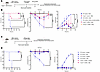 Figure 1
Passive systemic anaphylaxis demonstrates FcγRIV-dependent exacerbation in infected mice. (A) Schematic of the passive systemic anaphylaxis (PSA) model used in B. (B) Naive WT and Fcgr4–/– mice, as well as LCMV-infected WT, Fcgr4–/–, and Fcer1g–/– mice (1 × 10⁶ PFU LCMV) were treated 24 hours post infection (h.p.i.) with 1,000 μg anti-BSA IgG followed 3 hours later by 300 μg BSA. One infected WT group received BSA alone. Survival, body temperature, and clinical score (see Supplemental Table 1) were monitored over time. Data were pooled from 2 independent experiments (n = 3–5 mice/group/experiment), except the BSA-only group (n = 5; 1 experiment). (C) Schematic of the PSA model used in D. (D) Naive and LCMV-infected WT or Fcgr4–/– mice (1 × 10⁶ PFU LCMV) were treated i.v. 24 h.p.i. with the FcγRIV-specific antibody 9E9 or an isotype control (200 μg). Survival, body temperature, and clinical score were monitored over time. Results show pooled data from 3 independent experiments with similar results (n = 3–5 mice/group/experiment). All data are presented as the mean ± SD. *P < 0.05, **P < 0.01, ***P < 0.001, and ****P < 0.0001, by log-rank test for survival (B and D) and 2-way ANOVA for clinical score and body temperature (B and D).
To directly evaluate the involvement of FcγRIV in driving these responses, we used an FcγRIV-specific antibody (9E9). Consistent with the BSA model, infected mice treated with the 9E9 antibody developed severe anaphylactic symptoms, including hypothermia, and increased mortality, while naive mice were unaffected (Figure 1, C and D). Next, to ensure that the observed effects were primarily dependent on FcγRIV crosslinking, we considered the possibility that the Fc portion of the crosslinking antibody might engage FcγRIII, as previously reported (26). To address this, we performed additional experiments using FcγRIII-deficient mice (Fcgr3–/–). These mice exhibited anaphylactic symptoms comparable to those of WT control mice, with only a minor delay of a few minutes in response onset, confirming that FcγRIV activation was the dominant driver under infection-associated immune priming (Supplemental Figure 1A; supplemental material available online with this article; https://doi.org/10.1172/JCI192371DS1). These findings indicate that the heightened susceptibility to passive IgG-mediated anaphylaxis during viral infection was mediated via FcγRIV.
To assess whether the severity of anaphylactic responses depended on the dose of the crosslinking antibody, we injected mice with either 20 μg or 200 μg 9E9 antibody. Both doses led to comparable mortality rates, although symptoms appeared a few minutes later in the lower-dose treatment group, suggesting that within this range, FcγRIV engagement threshold rather than dose magnitude governs outcomes (Supplemental Figure 1B).
To further validate the model and ensure the robustness of our observations, we compared the effects of i.v. and i.p. administration of the 9E9 antibody. Both routes of administration elicited similar mortality rates and anaphylactic symptoms in infected mice, demonstrating the reproducibility of the model (Supplemental Figure 1C). Interestingly, the onset of symptoms following i.p. injection occurred approximately 20 minutes later than with i.v. injection, likely due to the slower systemic absorption associated with the i.p. route. This comparison highlights the versatility of the model and confirms that the observed effects were independent of the injection route.
FcγRIV activation upon infection drives robust systemic inflammatory response. To investigate the cytokine milieu associated with FcγRIV crosslinking, we measured the levels of multiple cytokines and chemokines in the serum of naive and infected WT mice treated with the crosslinking antibody (9E9) or isotype control. Notably, infected mice exhibited a marked increase in proinflammatory cytokines, including IFN-γ, IFN-α, IFN-β, IL-6, TNF-α, MCP-1, KC, and IP-10, following FcγRIV crosslinking compared with isotype-treated controls (Figure 2). Among these, IL-6, TNF-α, and MCP-1 levels were particularly elevated, suggesting robust activation of an inflammatory cascade. Interestingly, IL-10 levels also increased in infected mice after FcγRIV crosslinking, potentially reflecting a compensatory regulatory mechanism. In contrast, cytokine induction in naive mice treated with the 9E9 antibody was negligible and comparable to that in isotype controls across all measured cytokines. This dichotomy reinforces the infection-specific nature of the FcγRIV-mediated response. Collectively, these findings indicate that FcγRIV crosslinking in an infection-primed immune environment triggered a pronounced inflammatory cytokine profile.
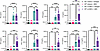 Figure 2
FcγRIV activation upon infection drives a robust systemic inflammatory response. WT naive and LCMV-infected mice (1 × 10⁶ PFU) were treated i.p. 24 h.p.i. with the FcγRIV-specific antibody 9E9 (200 μg) or with an isotype control antibody. Serum was collected 30 minutes after treatment, and the levels of IFN-γ, IFN-α, IFN-β, IL-10, IL-6, TNF-α, MCP-1, monocyte chemoattractant protein-1; KC, keratinocytes-derived chemokine, and IP-10 were measured using LEGENDplex. Dotted lines indicate the lower limit of detection (LOD) for each analyte. Values below the LOD were assigned a value of half the detection limit for visualization and statistical analysis. Data were pooled from 2 independent experiments (n = 3–4 mice/group/experiment). Data are presented as the mean ± SD. **P < 0.01, ***P < 0.001, and ****P < 0.0001, by 1-way ANOVA.
IFN-I is required for FcγRIV-dependent anaphylaxis after infection. To explore the role of specific cytokines in driving FcγRIV-dependent anaphylaxis during infection, we first evaluated the contribution of IFN-γ, given its known role in regulating immune responses and modulating the expression of FcγRs, including FcγRIV (27). Since IFN-γ has been implicated in the upregulation of FcγRIV expression on immune cells, we hypothesized that it might be critical for mediating anaphylaxis upon viral infection. Using Ifng–/– mice, we observed that these animals still developed anaphylactic symptoms upon FcγRIV crosslinking, similar to WT mice, suggesting that IFN-γ was not required under these conditions (Figure 3A). In line with our earlier findings, naive Ifng–/– mice showed no symptoms upon FcγRIV crosslinking (Supplemental Figure 2A). This finding prompted us to investigate the role of IFN-I signaling, which plays a central role in antiviral immunity.
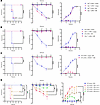 Figure 3
IFN-I is required for FcγRIV-dependent anaphylaxis after infection. (A) LCMV-infected Ifng+/+ and Ifng–/– mice (1 × 10⁶ PFU) were treated 24 h.p.i. with 9E9 (FcγRIV-specific antibody, 200 μg) or an isotype control. Survival, body temperature and clinical score (Supplemental Table 1) were monitored over time. Data were pooled from 2 independent experiments (n = 3–5 mice/group/experiment). (B) LCMV-infected WT and Ifnar1–/– mice (1 × 10⁶ PFU) were treated 24 h.p.i. with 9E9 or an isotype control (200 μg). Survival, body temperature, and clinical score were monitored over time. Data were pooled from 3 independent experiments (n = 3–5 mice/group/experiment). (C) WT mice were pretreated 5 hours before LCMV infection (1 × 10⁶ PFU) with MAR1-5A3 (IFNAR1-blocking antibody, 1 mg) or mouse IgG1 isotype control, and then treated 24 h.p.i. with 9E9 (200 μg). Survival, body temperature, and clinical score were monitored over time. Data were pooled from 2 independent experiments (n = 3–4 mice/group/experiment). (D) Naive and LCMV-infected WT mice (1 × 10⁶ PFU) were treated with 9E9 (200 μg) on different days after infection (day 1, 3, 6, or 9). Survival, body temperature, and clinical score were monitored over time. Data are from 1 experiment (n = 6 mice/group). All data are presented as the mean ± SD. *P < 0.05, **P < 0.01, ***P < 0.001, and ****P < 0.0001, by log-rank test for survival (A–D) or 2-way ANOVA for body temperature and clinical score (A–D).
Next, we used mice lacking the IFN-I receptor (Ifnar1–/–), which are unable to respond to IFN-I signaling. Remarkably, infected Ifnar1–/– mice were completely protected from anaphylaxis, showing no mortality or other symptoms following FcγRIV crosslinking (Figure 3B). Consistently, triple-KO mice (MyD88–/– Trif–/– Cardif–/–) lacking IFN-I production (Supplemental Figure 2B) but still expressing IFNAR were also resistant to FcγRIV-mediated anaphylaxis (Supplemental Figure 2C). To further validate these findings, we transiently blocked IFN-I signaling in WT mice using an anti-IFNAR1 monoclonal antibody. Similar to the genetic ablation of Ifnar1, antibody-mediated IFNAR1 blockade efficiently prevented FcγRIV-induced anaphylaxis (Figure 3C), confirming that IFN-I signaling was necessary for FcγRIV-mediated responses in vivo.
To further assess the dependency on IFN-I, we examined the effect of varying levels of IFN-I production on the susceptibility to anaphylaxis. We infected mice with either a low dose or a high dose of LCMV, which induced differential IFN-I responses (Supplemental Figure 2D). Interestingly, mice infected with a low dose of LCMV did not develop anaphylactic symptoms following FcγRIV crosslinking (Supplemental Figure 2, E and F), whereas those infected with a high dose showed severe symptoms and mortality similar to our previous observations. This dose-dependent effect reinforces the idea that IFN-I levels influence the degree of immune priming and, subsequently, the susceptibility to FcγRIV-mediated anaphylaxis.
To further define the temporal window of susceptibility to FcγRIV-mediated anaphylaxis during infection, we injected naive mice or LCMV-infected mice at different time points (days 1, 3, 6, and 9 after infection) with anti-9E9 antibody. Naive mice showed no signs of anaphylaxis. In contrast, mice treated on post-infection day 1 or day 3 succumbed uniformly, displaying rapid and severe anaphylaxis. On day 6 after infection, 40% of the animals died, while survivors showed pronounced hypothermia and elevated clinical scores. By post-infection day 9, no mortality was observed, although mice still displayed mild temperature loss and subtle behavioral abnormalities (Figure 3D). To link these findings with IFN-I dynamics, we measured serum IFN-α levels over the course of infection. IFN-α peaked during the early days of infection and gradually declined by day 9 (Supplemental Figure 2G), mirroring the observed susceptibility window to FcγRIV-mediated anaphylaxis. These results indicate that susceptibility to FcγRIV-mediated anaphylaxis tracked with the infection-driven IFN-I response and did not occur once antiviral signaling waned.
To extend these findings to other viral infections, we infected mice with vesicular stomatitis virus (VSV), a model in which IFN-I is highly upregulated (Figure 4A) within hours following infection (28). Similar to LCMV infection, mice infected with VSV and subsequently treated with the 9E9 antibody exhibited severe anaphylactic symptoms and mortality (Figure 4B). Similarly, mice infected with the persistent LCMV strain (LCMV-docile), herpes virus type 1 (HSV-1), or influenza A virus died upon FcγRIV crosslinking (Figure 4C). These data support the idea that IFN-I–associated immune priming, rather than virus-specific features, underlies susceptibility across models.
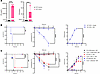 Figure 4
FcγRIV activation induces systemic anaphylaxis in VSV-, HSV-, and influenza A–infected mice. (A) Serum levels of IFN-α and IFN-β in naive and VSV-infected WT mice (1 × 10⁸ PFU). Dotted lines indicate the LOD for each analyte. Values below the LOD were assigned a value of half the detection limit for visualization and statistical analysis. Results show pooled data from 2 independent experiments with similar results (n = 3 mice/group/experiment). (B) VSV-infected WT mice (1 × 10⁸ PFU) were treated 24 h.p.i. with 9E9 or an isotype control (200 μg). Survival, body temperature, and clinical score were monitored over time. Results are representative of 2 independent experiments (n = 3 mice/group/experiment). (C) WT and Fcgr4−/− mice were infected i.v. with LCMV-docile (5 × 10⁵ PFU), HSV-1 (1 × 10⁶ PFU), or influenza A virus (1 × 10⁶ PFU) and then treated 24 h.p.i. with 200 μg 9E9 antibody. Survival, body temperature, and clinical score were monitored over time. Results show data from 1 experiment (n = 5–6 mice/group). All data are presented as the mean ± SD. **P < 0.01 and ****P < 0.0001, by Student’s t test (A), log-rank test for survival (B and C), or 2-way ANOVA for body temperature and clinical score (B and C).
IFN-I signaling is crucial for FcγRIV upregulation on inflammatory monocytes. To determine whether IFN-I influences FcγRIV expression during viral infection, we first assessed FcγRIV expression in splenic tissue by histology. LCMV infection markedly increased FcγRIV expression, with significant differences observed between WT and Ifnar1–/– mice (Figure 5, A and B). Next, we quantified FcγRIV expression on immune cell subsets (neutrophils, patrolling monocytes, inflammatory monocytes, and macrophages) in both blood and spleen using flow cytometry. In WT mice, viral infection induced a robust upregulation of FcγRIV specifically on inflammatory monocytes, whereas Ifnar1–/– mice showed no infection-induced FcγRIV upregulation (Figure 5C and Supplemental Figure 3A). Moreover, Ifnar1–/– mice exhibited a reduced frequency of FcγRIV-expressing inflammatory monocytes compared with WT controls (Figure 5D), reinforcing the critical role of IFN-I signaling in driving the expression of FcγRIV on inflammatory monocytes.
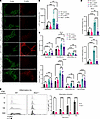 Figure 5
IFN-I signaling is crucial for FcγRIV upregulation on inflammatory monocytes. (A) IHC images of splenic tissue from naive and LCMV-infected WT, Fcgr4–/–, and Ifnar1–/– mice 24 h.p.i. Representative images from 3 independent experiments (n = 2–3 mice/group/experiment). Scale bars: 100 μm. (B) MFI quantification of FcγRIV in spleen sections of naive and LCMV-infected WT and Ifnar1–/– mice (n = 2–3 mice/group/experiment; data were pooled from 2–3 experiments). (C) Geometric mean fluorescence intensity (gMFI) of the FcγRIV expression on neutrophils (CD11b+Ly6G+), patrolling monocytes (mo.) (CD11b+Ly6C–CD43+FcγRIV+), and inflammatory monocytes (CD11b+Ly6Chi). Monocyte subsets were gated from negative lineages (Ly6G–CD3–CD19–) in blood, as were macrophages in spleens from naive and LCMV-infected WT and Ifnar1–/– mice (1 × 10⁶ PFU) (24 h.p.i.). Data were pooled from 2 (naive) or 3 (infected) experiments (n = 3 mice/group/experiment). (D) Quantification of FcγRIV+Ly6Chi inflammatory monocytes in the blood and spleen of naive and LCMV-infected (1 × 10⁶ PFU) WT and Ifnar1–/– mice 24 h.p.i. Data were pooled from 2 independent experiments (n = 3 mice/group/experiment). (E) Bone marrow inflammatory monocytes from WT and Ifnar1–/– mice were treated for 18 hours with varying IFN-β concentrations. Histograms and gMFI quantification are shown. Data are shown from 2 of 3 independent experiments; all experiments produced similar results (n = 2 mice/group/experiment). Data are presented as the mean ± SD. *P < 0.05, **P < 0.01, ***P < 0.001, and ****P < 0.0001, by 2-way ANOVA.
To confirm that this regulation is directly dependent on IFN-I signaling rather than developmental alterations in Ifnar1–/– mice, we transiently blocked IFNAR1 signaling in WT mice using a neutralizing anti-IFNAR1 antibody during LCMV infection. Antibody-mediated IFNAR1 blockade efficiently prevented the infection-induced upregulation of FcγRIV on inflammatory monocytes (Supplemental Figure 3B), fully recapitulating the phenotype observed in Ifnar1–/– mice.
Supporting this conclusion, triple-KO mice lacking IFN-I production (MyD88–/– Trif–/– Cardif–/–) also failed to upregulate FcγRIV on inflammatory monocytes (Supplemental Figure 3C). Furthermore, kinetics analysis revealed that FcγRIV expression on inflammatory monocytes closely mirrored IFN levels during the course of infection (Supplemental Figure 3D and Supplemental Figure 2G). Finally, mast cells in the blood likewise displayed IFN-I–dependent FcγRIV upregulation following infection (Supplemental Figure 3E), highlighting that IFN-I broadly regulated FcγRIV expression across multiple immune cell populations.
To directly evaluate the role of IFN-I signaling in regulating FcγRIV expression, we treated bone marrow–derived monocytes ex vivo with recombinant IFN-β. In line with our in vivo findings, FcγRIV expression was significantly upregulated on monocytes, while no notable changes were observed on Ifnar1–/– mouse–derived monocytes (Figure 5E). These results indicate that IFN-β selectively drove FcγRIV expression on monocytes, further supporting our in vivo data that IFN-I signaling was essential for the upregulation of FcγRIV on inflammatory monocytes during infection.
Together, these data highlight that IFN-I signaling is crucial for the infection-induced upregulation of FcγRIV on inflammatory monocytes. This upregulation likely plays a key role in driving the anaphylactic response observed following FcγRIV activation during viral infections.
Inflammatory monocytes are essential mediators of anaphylaxis upon viral infection. To identify the effector cells responsible for anaphylaxis during viral infection, we performed a series of antibody-mediated depletion and genetic KO experiments. Because mast cells are classical mediators of anaphylaxis, we first examined their role using KitW-sh-deficient mice (Sash-KO), which lack mast cells (29). Sash mice developed anaphylaxis comparable to that seen in WT controls (Supplemental Figure 4A), excluding mast cells as critical mediators in this setting. Neutrophils have also been implicated in anaphylactic reactions (23). However, neutrophil-depleted mice also displayed responses similar to those seen in WT animals (Supplemental Figure 4, B and C), indicating that neutrophils were dispensable for the observed FcγRIV-dependent anaphylaxis.
Given the established role of macrophages in nonclassical hypersensitivity reactions (6, 30), we next assessed FcγRIV expression across splenic macrophage subsets, including marginal metallophilic macrophages (MMMs), marginal zone macrophages (MZMs), red pulp macrophages (RPMs), as well as patrolling monocytes. RPMs exhibited the highest FcγRIV expression among macrophages, which was further enhanced during infection (Supplemental Figure 5, A and B). However, depletion of phagocytic cells (monocytes/macrophages) with clodronate liposomes completely prevented anaphylaxis (Supplemental Figure 5, C and D), whereas Spi-C–deficient mice, which lack RPMs (31) (Supplemental Figure 6, A and B) remained fully susceptible (Supplemental Figure 6C). These data ruled out RPMs as the primary effector cells.
To further narrow down the responsible population, we induced depletion of GR1+ cells in mice, encompassing both neutrophils and inflammatory monocytes (Supplemental Figure 7A). GR1 depletion fully protected mice from anaphylaxis (Figure 6A). Since neutrophils had already been excluded (Supplemental Figure 4C), these results strongly implicated inflammatory monocytes.
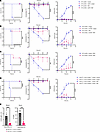 Figure 6
Inflammatory monocytes are essential mediators of anaphylaxis upon viral infection. (A) WT mice were infected with LCMV (1 × 10⁶ PFU) and treated with 9E9 (20 μg) or isotype 24 h.p.i. One group received RB6-8C5 (200 μg) 2 h.p.i. Survival, body temperature, and clinical score were monitored over time. Data were pooled from 2 experiments (n = 3 mice/group/experiment). (B) WT mice infected with LCMV (1 × 10⁶ PFU) were treated 24 h.p.i. with 9E9 (20 μg) or an isotype control. CCR2+ inflammatory monocytes were depleted with MC-21 antibody (35 μg) 2 h.p.i. Survival, body temperature, and clinical score were monitored over time. Data were pooled from 3 experiments (n = 2–3 mice/group/experiment). (C) LCMV-infected WT mice received PSA (anti-BSA IgG 1,000 μg + BSA 300 μg) 24 h.p.i., Some mice received MC-21 antibody. Survival, body temperature, and clinical score were monitored over time. Data were pooled from 2 experiments (n = 3 mice/group/experiment). (D) Ifnar1fl/fl Cx3cr1-CreERtg/+ mice and littermate controls were treated with tamoxifen to induce Cre recombination, infected with LCMV (1 × 10⁶ PFU), and then treated 24 h.p.i. with 9E9 (20 μg) or an isotype control. Survival, body temperature, and clinical score were monitored over time. Data represent 1 experiment (n = 3–4 mice/group). (E) gMFI and frequencies of FcγRIV on inflammatory monocytes from the blood of mice in D, 1 hour before antibody or isotype control treatment. Data represent 1 experiment (n = 6–8 mice/group). All data are presented as the mean ± SD. **P < 0.01, ***P < 0.001, and ****P < 0.0001, by log-rank test (survival) (A–D), 2-way ANOVA (clinical score and temperature) (A–D), or Student’s t test (E).
Direct depletion of inflammatory monocytes using a CCR2 antibody (Supplemental Figure 7B) significantly attenuated anaphylaxis, with treated mice exhibiting only mild hypothermia and stable clinical scores following FcγRIV crosslinking during infection (Figure 6B). Comparable protection was observed in a BSA-induced anaphylaxis model (Figure 6C), demonstrating that inflammatory monocytes contributed broadly to FcγRIV-driven hypersensitivity. Supporting this conclusion, Ifnar1–/– mice — unable to upregulate FcγRIV on inflammatory monocytes — were similarly protected from anaphylaxis.
To test whether IFN-I signaling in monocytes and macrophages is required for FcγRIV-mediated anaphylaxis, we utilized Ifnar1fl/fl Cx3cr1-CreERT2 mice. Tamoxifen-induced deletion of Ifnar1 in myeloid compartment conferred complete protection from FcγRIV-mediated anaphylaxis, with no mortality or clinical symptoms (Figure 6D). Consistently, infection-induced FcγRIV upregulation on inflammatory monocytes was abrogated in these mice (Figure 6E), confirming that IFN-I signaling in monocytes/macrophages was essential for FcγRIV expression and anaphylaxis development.
Consistent with these results, CCR2–/– mice showed partial protection, with approximately 50% mortality (Supplemental Figure 7C). As expected, these mice accumulated FcγRIV+ inflammatory monocytes in the bone marrow but still retained detectable circulating monocytes after infection (Supplemental Figure 7D). Thus, unlike antibody-mediated depletion, CCR2 deficiency reduced but did not eliminate inflammatory monocytes, explaining the incomplete protection. Together, these results identify inflammatory monocytes as the primary required population under infection-induced immune priming, while acknowledging that CCR2-based approaches affect additional CCR2+ myeloid subsets.
SARS-CoV-2 infection drives conserved upregulation of activatory FcγRs on inflammatory monocytes. Given our findings that inflammatory monocytes act as essential mediators of anaphylaxis through FcγRIV during viral infection in mice, we sought to determine whether this phenomenon might have clinical relevance in humans. To explore this, we analyzed the monocyte subsets in peripheral blood samples from participants with acute SARS-CoV-2 infection and compared them with healthy controls. Our analysis revealed a significantly higher percentage of CD16-expressing inflammatory monocytes in SARS-CoV-2–infected patients compared with healthy individuals (Figure 7A). Moving forward, we reanalyzed publicly available single-cell RNA-Seq (scRNA-Seq) datasets of peripheral blood monocytes from patients with SARS-CoV-2 across disease severities (32). This analysis revealed a significant upregulation of FCGR3A expression in classical monocytes from patients with COVID-19 compared with healthy controls, with similar levels observed in both mild-to-moderate and severe cases (Figure 7B). Consistent with these transcriptional changes, the frequency of CD14+FCGR3A+ classical monocytes was also elevated in patients with COVID-19 showing higher levels with increasing disease severity (Figure 7C).
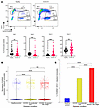 Figure 7
SARS-CoV-2 infection drives conserved upregulation of activatory FcγRs on inflammatory monocytes. (A) Representative dot plots and corresponding percentages showing CD14 and CD16 expression in gated monocytes, categorized into 4 populations (gated from CD11b+CD8–CD56–, not shown) isolated from peripheral blood of healthy controls (n = 37) and patients with COVID-19 (n = 64). (B) Normalized expression of FCGR3A in cells annotated as classical monocytes comparing healthy controls (mean = 0.042, SD = 0.610), patients with mild-to-moderate COVID-19 (mean = 0.214, SD = 1.364), and patients with severe COVID-19 (mean = 0.219, SD = 1.340). The dataset was obtained from publicly available scRNA-Seq data on classical monocytes (32) and analyzed. (C) Frequency of CD14+FCGR3A+ classical monocytes in healthy controls, patients with mild-to-moderate COVID-19, and patients with severe COVID-19. The dataset was obtained from publicly available scRNA-Seq of classical monocytes (32) and analyzed. All data are presented as the mean ± SD. ***P < 0.001 and ****P < 0.0001, by Student’s t test (A), Kruskal-Wallis test with post hoc pairwise Wilcoxon rank-sum tests (B), or χ2 test with post hoc pairwise Fisher’s exact test (C).
To further examine whether SARS-CoV-2 infection drives similar changes in FcγR expression in vivo, we used the murine K18-hACE2 infection model. Flow cytometric analysis demonstrated that SARS-CoV-2 infection significantly increased both the frequency and surface expression of FcγRIV on inflammatory monocytes in the peripheral blood and spleen 48 hours after infection (Supplemental Figure 8, A and B). To determine whether this upregulation is a general feature of viral infection, we analyzed FcγRIV expression on inflammatory monocytes following HSV-1 and influenza A virus infection (Supplemental Figure 8C). Both viruses similarly induced FcγRIV expression, consistent with the susceptibility of these mice to FcγRIV-mediated anaphylaxis (Figure 4C). These findings indicate that infection-associated immune activation, rather than specific viral tropism, drives FcγR upregulation.
Together, these data show that both patients and mice with SARS-CoV-2 infection displayed infection-driven upregulation of activating FcγRs on inflammatory monocytes, mirroring the FcγRIV-dependent phenotype observed in our LCMV model. Consistent findings in HSV-1 and influenza A virus–infected mice further support a conserved mechanism whereby diverse viral infections enhance FcγR expression on monocytes, potentially predisposing to antibody-mediated immunopathology, including anaphylaxis.
FcγRIV post-infection crosslinking triggers PAF production, leading to mortality in infected mice. Given the role of PAF in mediating nonclassical anaphylaxis via FcγRs, we sought to determine PAF levels following FcγRIV crosslinking. Remarkably, FcγRIV crosslinking led to a significant increase in serum PAF levels in LCMV-infected mice but not in naive mice or infected Fcgr4–/– mice (Figure 8A). Furthermore, to confirm that PAF production was independent of FcγRIII, we measured serum PAF levels in Fcgr3–/– mice following FcγRIV crosslinking. Similar to WT mice, Fcgr3–/– mice exhibited increased PAF levels (Supplemental Figure 9A), indicating that FcγRIII did not contribute to PAF production during FcγRIV crosslinking in infected mice. These data suggest that FcγRIV leads to PAF production upon crosslinking during viral infection.
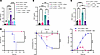 Figure 8
FcγRIV post-infection crosslinking triggers PAF production, leading to mortality in infected mice. (A) Serum PAF levels in naive WT mice and LCMV-infected WT and Fcgr4–/– mice (1 × 10⁶ PFU) 20 minutes after i.p. 9E9 (200 μg) or isotype control treatment, 24 h.p.i. Data were pooled from 2 experiments (n = 2–4 mice/group/experiment). (B) Serum PAF levels in LCMV-infected mice (1 × 10⁶ PFU) 20 minutes after i.p. 9E9 (200 μg) or isotype control treatment. Some mice received MC-21 (CCR2-depleting antibody, 35 μg) or an isotype control antibody. Data were pooled from 2 independent experiments (or 1 experiment for isotype-treated animals) with similar results (n = 2–3 mice/group/experiment). (C) Serum PAF levels in LCMV-infected (1 × 10⁶ PFU) WT and Ifnar1–/– mice, which were treated with either 9E9 (200 μg) or an isotype control 24 h.p.i. Data were pooled from 2 independent experiments with similar results (n = 2–3 mice/group/experiment). (D) Kaplan-Meier survival curves, body temperature, and clinical score (Supplemental Table 1) were used to compare LCMV-infected (1 × 10⁶ PFU) WT mice treated with 200 μg 9E9 antibody 24 h.p.i. One group received an additional treatment with a PAF-R blocker (WEB2086) (100 μg) 20 minutes before the 9E9 treatment. Data were pooled from 2 experiments (n = 3–4 mice/group/experiment). All data are presented as the mean ± SD. *P < 0.05, ***P < 0.001, and ****P < 0.0001, by 1-way ANOVA (A– C) or log-rank test for survival or 2-way ANOVA for body temperature and clinical score (D).
In line with our earlier findings, PAF production was significantly inhibited in both clodronate-treated mice (Supplemental Figure 9B), which lack monocytes/macrophages, and CCR2-depleted mice (Figure 8B), which lack inflammatory monocytes, as well as in Ifnar1–/– mice (Figure 8C). These results highlight the importance of both inflammatory monocytes and IFN-I signaling in driving PAF production during FcγRIV crosslinking. Consistent with this, mast cell–deficient mice, which nevertheless succumbed to FcγRIV-mediated anaphylaxis, exhibited increased PAF levels following receptor crosslinking, confirming that the observed effect was independent of mast cells (Supplemental Figure 9C).
To assess whether PAF alone mediates the anaphylactic response, we treated infected mice with WEB2086, a PAF receptor (PAF-R) blocker, prior to FcγRIV crosslinking. Notably, mice receiving the PAF-R blocker showed mild hypothermia, had normal survival rates, and exhibited no severe clinical signs of anaphylaxis compared with untreated control mice (Figure 8D). These data support the idea that PAF production is downstream of FcγRIV engagement in an infection-primed immune environment.
Prophylactic MonoFab administration prevents IgG-mediated anaphylaxis in the infection-induced inflammatory environment. Given the acute nature of anaphylaxis and the clinical importance of developing Fc blockers for treating IgG-mediated autoimmune diseases, we explored whether blocking FcγRIV with MonoFab, (the monovalent Fab fragment of the anti-FcγRIV antibody 9E9) prior to FcγRIV crosslinking and subsequent anaphylactic events could deliver beneficial outcomes. Indeed, treating infected mice with MonoFab against FcγRIV effectively inhibited the anaphylactic response. MonoFab-treated mice showed significantly improved clinical scores and enhanced survival compared with untreated controls (Figure 9, A and B). Consistent with these findings, MonoFab treatment also resulted in a marked reduction in serum PAF levels (Figure 9C), aligning with our previous observations that PAF is a critical mediator of anaphylaxis in this model. These results highlight the therapeutic potential of MonoFab in mitigating FcγRIV-driven anaphylaxis during viral infections.
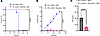 Figure 9
Prophylactic MonoFab administration prevents IgG-mediated anaphylaxis in the infection-induced inflammatory environment. (A) Kaplan-Meier survival curves were used to compare LCMV-infected (1 × 10⁶ PFU) WT mice. Mice were treated i.v. with the FcγRIV-specific antibody 9E9 (200 μg) 24 h.p.i. One group received an additional treatment with 9E9-MonoFab 20 minutes prior to the 9E9-full antibody treatment. Data were pooled from 3 independent experiments with similar results (n = 3 mice/group/experiment). (B) The clinical condition of the mice in A was assessed using a standardized scoring system (detailed in Supplemental Table 1). (C) PAF serum levels were measured in the mice in A. All data are presented as the mean ± SD. ****P < 0.0001, by log-rank test for survival (A), 2-way ANOVA (B), or Student’s t test (C).
Viral infection shifts FcγR dependency toward FcγRIV in active systemic anaphylaxis. Given that the passive model may not fully reflect endogenous antibody generation, we next tested an active systemic anaphylaxis (ASA) model as previously described (23) (Figure 10A). Under naive conditions, Fcgr3–/– and Fcer1g–/– mice were completely protected, whereas WT and Fcgr4–/– animals developed pronounced anaphylactic symptoms (Figure 10B), consistent with a contribution of FcγRIII under steady-state conditions (12). Strikingly, infected Fcgr3–/– animals lost this protection and became highly susceptible, developing hypothermia and clinical scores comparable to those of infected WT mice (Figure 10C). As in the passive model, FcγRIV was indispensable, since FcγRIV blockade with MonoFab rescued Fcgr3–/– mice from infection-induced anaphylaxis. In contrast, Fcer1g–/– mice remained fully protected under both naive and infected conditions, confirming the requirement for activating FcγRs (FcγRI, FcγRIII and FcγRIV) (Figure 10C).
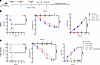 Figure 10
Viral infection shifts FcγR dependency toward FcγRIV in ASA. (A) Schematic representation of the ASA model used in B. WT, Fcgr3–/–, Fcgr4–/–, and Fcer1g–/– mice were immunized with BSA in CFA/IFA, boosted, and either infected with LCMV or treated with PBS as a control. Anaphylaxis was induced by i.v. injection of 200 μg BSA, and survival, body temperature, and clinical score (Supplemental Table 1) were monitored. (B and C) Survival, body temperature, and clinical score in naive (B) and LCMV-infected (C) WT, Fcgr3–/–, Fcgr4–/–, and Fcer1g–/– mice following BSA challenge. One group of infected Fcgr3–/– mice was additionally treated with the FcγRIV-blocking MonoFab 9E9 antibody. Data are from 1 experiment (n = 4 mice/group). All data are presented as the mean ± SD. ***P < 0.001 and ****P < 0.0001, by 2-way ANOVA (B and C) or log-rank test (B and C).
To define the effector compartment during ASA in infected animals, we depleted inflammatory monocytes during infection. Inflammatory monocyte depletion provided partial protection (~50% survival), whereas all infected Fcgr3–/– mice without depletion died (Supplemental Figure 10A).
These results demonstrate that viral infection profoundly enhanced susceptibility to systemic anaphylaxis and shifts the FcγRs requirement from FcγRIII under steady-state conditions to a dominant reliance on both FcγRIII and FcγRIV, with inflammatory monocytes serving as a key effector population under infection-associated immune priming.


Copyright © 2026 American Society for Clinical Investigation
ISSN: 0021-9738 (print), 1558-8238 (online)