
Advertisement
Research ArticleDevelopmentImmunologyMetabolism
Open Access |  10.1172/JCI200062
CD38 expression by neonatal human naive CD4+ T cells shapes their distinct metabolic and tolerogenic properties
Laura R. Dwyer,1,2 Andrea M. DeRogatis,2 Sean Clancy,2 Victoire Gouirand,2 Charles Chien,3,4 Elizabeth E. Rogers,5,6 Scott P. Oltman,5,7,8,9 Laura L. Jelliffe-Pawlowski,5,7,8,9,10,11 Theo van den Broek,12 Femke van Wijk,12 Susan V. Lynch,13,14 Rachel L. Rutishauser,15 Allon Wagner,3,4,16 Alexis J. Combes,17 and Tiffany C. Scharschmidt2
1Biomedical Sciences Graduate Program, and
2Department of Dermatology, UCSF, San Francisco, USA.
3Department of Electrical Engineering and Computer Sciences, and
4Center for Computational Biology, University of California, Berkeley, Berkeley, USA.
5Healthy Outcomes of Pregnancy for Everyone Research Consortium,
6Department of Pediatrics,
7Department of Epidemiology and Biostatistics,
8Department of Global Health Sciences, and
9California Preterm Birth Initiative, UCSF, San Francisco, USA.
10Rory Meyers College of Nursing, New York University, New York, New York, USA.
11EGG Healthy Pregnancy, San Francisco, California, USA.
12Center for Translational Immunology, University Medical Centre Utrecht, Utrecht University, Netherlands.
13Division of Gastroenterology,
14Benioff Center for Microbiome Medicine, and
15Division of Experimental Medicine, Department of Medicine, UCSF, San Francisco, USA.
16Department of Molecular and Cell Biology, University of California, Berkeley, USA.
17Department of Pathology, UCSF, San Francisco, USA.
Address correspondence to: Tiffany C. Scharschmidt, 1701 Divisadero Street, 3rd Floor, San Francisco, California 94115, USA. Phone: 415.476.1696; Email: tiffany.scharschmidt@ucsf.edu.
Authorship note: AMD and SC contributed equally to this work.
Find articles by Dwyer, L. in: PubMed | Google Scholar
1Biomedical Sciences Graduate Program, and
2Department of Dermatology, UCSF, San Francisco, USA.
3Department of Electrical Engineering and Computer Sciences, and
4Center for Computational Biology, University of California, Berkeley, Berkeley, USA.
5Healthy Outcomes of Pregnancy for Everyone Research Consortium,
6Department of Pediatrics,
7Department of Epidemiology and Biostatistics,
8Department of Global Health Sciences, and
9California Preterm Birth Initiative, UCSF, San Francisco, USA.
10Rory Meyers College of Nursing, New York University, New York, New York, USA.
11EGG Healthy Pregnancy, San Francisco, California, USA.
12Center for Translational Immunology, University Medical Centre Utrecht, Utrecht University, Netherlands.
13Division of Gastroenterology,
14Benioff Center for Microbiome Medicine, and
15Division of Experimental Medicine, Department of Medicine, UCSF, San Francisco, USA.
16Department of Molecular and Cell Biology, University of California, Berkeley, USA.
17Department of Pathology, UCSF, San Francisco, USA.
Address correspondence to: Tiffany C. Scharschmidt, 1701 Divisadero Street, 3rd Floor, San Francisco, California 94115, USA. Phone: 415.476.1696; Email: tiffany.scharschmidt@ucsf.edu.
Authorship note: AMD and SC contributed equally to this work.
Find articles by DeRogatis, A. in: PubMed | Google Scholar
1Biomedical Sciences Graduate Program, and
2Department of Dermatology, UCSF, San Francisco, USA.
3Department of Electrical Engineering and Computer Sciences, and
4Center for Computational Biology, University of California, Berkeley, Berkeley, USA.
5Healthy Outcomes of Pregnancy for Everyone Research Consortium,
6Department of Pediatrics,
7Department of Epidemiology and Biostatistics,
8Department of Global Health Sciences, and
9California Preterm Birth Initiative, UCSF, San Francisco, USA.
10Rory Meyers College of Nursing, New York University, New York, New York, USA.
11EGG Healthy Pregnancy, San Francisco, California, USA.
12Center for Translational Immunology, University Medical Centre Utrecht, Utrecht University, Netherlands.
13Division of Gastroenterology,
14Benioff Center for Microbiome Medicine, and
15Division of Experimental Medicine, Department of Medicine, UCSF, San Francisco, USA.
16Department of Molecular and Cell Biology, University of California, Berkeley, USA.
17Department of Pathology, UCSF, San Francisco, USA.
Address correspondence to: Tiffany C. Scharschmidt, 1701 Divisadero Street, 3rd Floor, San Francisco, California 94115, USA. Phone: 415.476.1696; Email: tiffany.scharschmidt@ucsf.edu.
Authorship note: AMD and SC contributed equally to this work.
Find articles by Clancy, S. in: PubMed | Google Scholar
1Biomedical Sciences Graduate Program, and
2Department of Dermatology, UCSF, San Francisco, USA.
3Department of Electrical Engineering and Computer Sciences, and
4Center for Computational Biology, University of California, Berkeley, Berkeley, USA.
5Healthy Outcomes of Pregnancy for Everyone Research Consortium,
6Department of Pediatrics,
7Department of Epidemiology and Biostatistics,
8Department of Global Health Sciences, and
9California Preterm Birth Initiative, UCSF, San Francisco, USA.
10Rory Meyers College of Nursing, New York University, New York, New York, USA.
11EGG Healthy Pregnancy, San Francisco, California, USA.
12Center for Translational Immunology, University Medical Centre Utrecht, Utrecht University, Netherlands.
13Division of Gastroenterology,
14Benioff Center for Microbiome Medicine, and
15Division of Experimental Medicine, Department of Medicine, UCSF, San Francisco, USA.
16Department of Molecular and Cell Biology, University of California, Berkeley, USA.
17Department of Pathology, UCSF, San Francisco, USA.
Address correspondence to: Tiffany C. Scharschmidt, 1701 Divisadero Street, 3rd Floor, San Francisco, California 94115, USA. Phone: 415.476.1696; Email: tiffany.scharschmidt@ucsf.edu.
Authorship note: AMD and SC contributed equally to this work.
Find articles by Gouirand, V. in: PubMed | Google Scholar
1Biomedical Sciences Graduate Program, and
2Department of Dermatology, UCSF, San Francisco, USA.
3Department of Electrical Engineering and Computer Sciences, and
4Center for Computational Biology, University of California, Berkeley, Berkeley, USA.
5Healthy Outcomes of Pregnancy for Everyone Research Consortium,
6Department of Pediatrics,
7Department of Epidemiology and Biostatistics,
8Department of Global Health Sciences, and
9California Preterm Birth Initiative, UCSF, San Francisco, USA.
10Rory Meyers College of Nursing, New York University, New York, New York, USA.
11EGG Healthy Pregnancy, San Francisco, California, USA.
12Center for Translational Immunology, University Medical Centre Utrecht, Utrecht University, Netherlands.
13Division of Gastroenterology,
14Benioff Center for Microbiome Medicine, and
15Division of Experimental Medicine, Department of Medicine, UCSF, San Francisco, USA.
16Department of Molecular and Cell Biology, University of California, Berkeley, USA.
17Department of Pathology, UCSF, San Francisco, USA.
Address correspondence to: Tiffany C. Scharschmidt, 1701 Divisadero Street, 3rd Floor, San Francisco, California 94115, USA. Phone: 415.476.1696; Email: tiffany.scharschmidt@ucsf.edu.
Authorship note: AMD and SC contributed equally to this work.
Find articles by Chien, C. in: PubMed | Google Scholar
1Biomedical Sciences Graduate Program, and
2Department of Dermatology, UCSF, San Francisco, USA.
3Department of Electrical Engineering and Computer Sciences, and
4Center for Computational Biology, University of California, Berkeley, Berkeley, USA.
5Healthy Outcomes of Pregnancy for Everyone Research Consortium,
6Department of Pediatrics,
7Department of Epidemiology and Biostatistics,
8Department of Global Health Sciences, and
9California Preterm Birth Initiative, UCSF, San Francisco, USA.
10Rory Meyers College of Nursing, New York University, New York, New York, USA.
11EGG Healthy Pregnancy, San Francisco, California, USA.
12Center for Translational Immunology, University Medical Centre Utrecht, Utrecht University, Netherlands.
13Division of Gastroenterology,
14Benioff Center for Microbiome Medicine, and
15Division of Experimental Medicine, Department of Medicine, UCSF, San Francisco, USA.
16Department of Molecular and Cell Biology, University of California, Berkeley, USA.
17Department of Pathology, UCSF, San Francisco, USA.
Address correspondence to: Tiffany C. Scharschmidt, 1701 Divisadero Street, 3rd Floor, San Francisco, California 94115, USA. Phone: 415.476.1696; Email: tiffany.scharschmidt@ucsf.edu.
Authorship note: AMD and SC contributed equally to this work.
Find articles by Rogers, E. in: PubMed | Google Scholar
1Biomedical Sciences Graduate Program, and
2Department of Dermatology, UCSF, San Francisco, USA.
3Department of Electrical Engineering and Computer Sciences, and
4Center for Computational Biology, University of California, Berkeley, Berkeley, USA.
5Healthy Outcomes of Pregnancy for Everyone Research Consortium,
6Department of Pediatrics,
7Department of Epidemiology and Biostatistics,
8Department of Global Health Sciences, and
9California Preterm Birth Initiative, UCSF, San Francisco, USA.
10Rory Meyers College of Nursing, New York University, New York, New York, USA.
11EGG Healthy Pregnancy, San Francisco, California, USA.
12Center for Translational Immunology, University Medical Centre Utrecht, Utrecht University, Netherlands.
13Division of Gastroenterology,
14Benioff Center for Microbiome Medicine, and
15Division of Experimental Medicine, Department of Medicine, UCSF, San Francisco, USA.
16Department of Molecular and Cell Biology, University of California, Berkeley, USA.
17Department of Pathology, UCSF, San Francisco, USA.
Address correspondence to: Tiffany C. Scharschmidt, 1701 Divisadero Street, 3rd Floor, San Francisco, California 94115, USA. Phone: 415.476.1696; Email: tiffany.scharschmidt@ucsf.edu.
Authorship note: AMD and SC contributed equally to this work.
Find articles by Oltman, S. in: PubMed | Google Scholar
1Biomedical Sciences Graduate Program, and
2Department of Dermatology, UCSF, San Francisco, USA.
3Department of Electrical Engineering and Computer Sciences, and
4Center for Computational Biology, University of California, Berkeley, Berkeley, USA.
5Healthy Outcomes of Pregnancy for Everyone Research Consortium,
6Department of Pediatrics,
7Department of Epidemiology and Biostatistics,
8Department of Global Health Sciences, and
9California Preterm Birth Initiative, UCSF, San Francisco, USA.
10Rory Meyers College of Nursing, New York University, New York, New York, USA.
11EGG Healthy Pregnancy, San Francisco, California, USA.
12Center for Translational Immunology, University Medical Centre Utrecht, Utrecht University, Netherlands.
13Division of Gastroenterology,
14Benioff Center for Microbiome Medicine, and
15Division of Experimental Medicine, Department of Medicine, UCSF, San Francisco, USA.
16Department of Molecular and Cell Biology, University of California, Berkeley, USA.
17Department of Pathology, UCSF, San Francisco, USA.
Address correspondence to: Tiffany C. Scharschmidt, 1701 Divisadero Street, 3rd Floor, San Francisco, California 94115, USA. Phone: 415.476.1696; Email: tiffany.scharschmidt@ucsf.edu.
Authorship note: AMD and SC contributed equally to this work.
Find articles by Jelliffe-Pawlowski, L. in: PubMed | Google Scholar
1Biomedical Sciences Graduate Program, and
2Department of Dermatology, UCSF, San Francisco, USA.
3Department of Electrical Engineering and Computer Sciences, and
4Center for Computational Biology, University of California, Berkeley, Berkeley, USA.
5Healthy Outcomes of Pregnancy for Everyone Research Consortium,
6Department of Pediatrics,
7Department of Epidemiology and Biostatistics,
8Department of Global Health Sciences, and
9California Preterm Birth Initiative, UCSF, San Francisco, USA.
10Rory Meyers College of Nursing, New York University, New York, New York, USA.
11EGG Healthy Pregnancy, San Francisco, California, USA.
12Center for Translational Immunology, University Medical Centre Utrecht, Utrecht University, Netherlands.
13Division of Gastroenterology,
14Benioff Center for Microbiome Medicine, and
15Division of Experimental Medicine, Department of Medicine, UCSF, San Francisco, USA.
16Department of Molecular and Cell Biology, University of California, Berkeley, USA.
17Department of Pathology, UCSF, San Francisco, USA.
Address correspondence to: Tiffany C. Scharschmidt, 1701 Divisadero Street, 3rd Floor, San Francisco, California 94115, USA. Phone: 415.476.1696; Email: tiffany.scharschmidt@ucsf.edu.
Authorship note: AMD and SC contributed equally to this work.
Find articles by van den Broek, T. in: PubMed | Google Scholar
1Biomedical Sciences Graduate Program, and
2Department of Dermatology, UCSF, San Francisco, USA.
3Department of Electrical Engineering and Computer Sciences, and
4Center for Computational Biology, University of California, Berkeley, Berkeley, USA.
5Healthy Outcomes of Pregnancy for Everyone Research Consortium,
6Department of Pediatrics,
7Department of Epidemiology and Biostatistics,
8Department of Global Health Sciences, and
9California Preterm Birth Initiative, UCSF, San Francisco, USA.
10Rory Meyers College of Nursing, New York University, New York, New York, USA.
11EGG Healthy Pregnancy, San Francisco, California, USA.
12Center for Translational Immunology, University Medical Centre Utrecht, Utrecht University, Netherlands.
13Division of Gastroenterology,
14Benioff Center for Microbiome Medicine, and
15Division of Experimental Medicine, Department of Medicine, UCSF, San Francisco, USA.
16Department of Molecular and Cell Biology, University of California, Berkeley, USA.
17Department of Pathology, UCSF, San Francisco, USA.
Address correspondence to: Tiffany C. Scharschmidt, 1701 Divisadero Street, 3rd Floor, San Francisco, California 94115, USA. Phone: 415.476.1696; Email: tiffany.scharschmidt@ucsf.edu.
Authorship note: AMD and SC contributed equally to this work.
Find articles by van Wijk, F. in: PubMed | Google Scholar
1Biomedical Sciences Graduate Program, and
2Department of Dermatology, UCSF, San Francisco, USA.
3Department of Electrical Engineering and Computer Sciences, and
4Center for Computational Biology, University of California, Berkeley, Berkeley, USA.
5Healthy Outcomes of Pregnancy for Everyone Research Consortium,
6Department of Pediatrics,
7Department of Epidemiology and Biostatistics,
8Department of Global Health Sciences, and
9California Preterm Birth Initiative, UCSF, San Francisco, USA.
10Rory Meyers College of Nursing, New York University, New York, New York, USA.
11EGG Healthy Pregnancy, San Francisco, California, USA.
12Center for Translational Immunology, University Medical Centre Utrecht, Utrecht University, Netherlands.
13Division of Gastroenterology,
14Benioff Center for Microbiome Medicine, and
15Division of Experimental Medicine, Department of Medicine, UCSF, San Francisco, USA.
16Department of Molecular and Cell Biology, University of California, Berkeley, USA.
17Department of Pathology, UCSF, San Francisco, USA.
Address correspondence to: Tiffany C. Scharschmidt, 1701 Divisadero Street, 3rd Floor, San Francisco, California 94115, USA. Phone: 415.476.1696; Email: tiffany.scharschmidt@ucsf.edu.
Authorship note: AMD and SC contributed equally to this work.
Find articles by Lynch, S. in: PubMed | Google Scholar
1Biomedical Sciences Graduate Program, and
2Department of Dermatology, UCSF, San Francisco, USA.
3Department of Electrical Engineering and Computer Sciences, and
4Center for Computational Biology, University of California, Berkeley, Berkeley, USA.
5Healthy Outcomes of Pregnancy for Everyone Research Consortium,
6Department of Pediatrics,
7Department of Epidemiology and Biostatistics,
8Department of Global Health Sciences, and
9California Preterm Birth Initiative, UCSF, San Francisco, USA.
10Rory Meyers College of Nursing, New York University, New York, New York, USA.
11EGG Healthy Pregnancy, San Francisco, California, USA.
12Center for Translational Immunology, University Medical Centre Utrecht, Utrecht University, Netherlands.
13Division of Gastroenterology,
14Benioff Center for Microbiome Medicine, and
15Division of Experimental Medicine, Department of Medicine, UCSF, San Francisco, USA.
16Department of Molecular and Cell Biology, University of California, Berkeley, USA.
17Department of Pathology, UCSF, San Francisco, USA.
Address correspondence to: Tiffany C. Scharschmidt, 1701 Divisadero Street, 3rd Floor, San Francisco, California 94115, USA. Phone: 415.476.1696; Email: tiffany.scharschmidt@ucsf.edu.
Authorship note: AMD and SC contributed equally to this work.
Find articles by
Rutishauser, R.
in:
PubMed
|
Google Scholar
|

1Biomedical Sciences Graduate Program, and
2Department of Dermatology, UCSF, San Francisco, USA.
3Department of Electrical Engineering and Computer Sciences, and
4Center for Computational Biology, University of California, Berkeley, Berkeley, USA.
5Healthy Outcomes of Pregnancy for Everyone Research Consortium,
6Department of Pediatrics,
7Department of Epidemiology and Biostatistics,
8Department of Global Health Sciences, and
9California Preterm Birth Initiative, UCSF, San Francisco, USA.
10Rory Meyers College of Nursing, New York University, New York, New York, USA.
11EGG Healthy Pregnancy, San Francisco, California, USA.
12Center for Translational Immunology, University Medical Centre Utrecht, Utrecht University, Netherlands.
13Division of Gastroenterology,
14Benioff Center for Microbiome Medicine, and
15Division of Experimental Medicine, Department of Medicine, UCSF, San Francisco, USA.
16Department of Molecular and Cell Biology, University of California, Berkeley, USA.
17Department of Pathology, UCSF, San Francisco, USA.
Address correspondence to: Tiffany C. Scharschmidt, 1701 Divisadero Street, 3rd Floor, San Francisco, California 94115, USA. Phone: 415.476.1696; Email: tiffany.scharschmidt@ucsf.edu.
Authorship note: AMD and SC contributed equally to this work.
Find articles by
Wagner, A.
in:
PubMed
|
Google Scholar
|
1Biomedical Sciences Graduate Program, and
2Department of Dermatology, UCSF, San Francisco, USA.
3Department of Electrical Engineering and Computer Sciences, and
4Center for Computational Biology, University of California, Berkeley, Berkeley, USA.
5Healthy Outcomes of Pregnancy for Everyone Research Consortium,
6Department of Pediatrics,
7Department of Epidemiology and Biostatistics,
8Department of Global Health Sciences, and
9California Preterm Birth Initiative, UCSF, San Francisco, USA.
10Rory Meyers College of Nursing, New York University, New York, New York, USA.
11EGG Healthy Pregnancy, San Francisco, California, USA.
12Center for Translational Immunology, University Medical Centre Utrecht, Utrecht University, Netherlands.
13Division of Gastroenterology,
14Benioff Center for Microbiome Medicine, and
15Division of Experimental Medicine, Department of Medicine, UCSF, San Francisco, USA.
16Department of Molecular and Cell Biology, University of California, Berkeley, USA.
17Department of Pathology, UCSF, San Francisco, USA.
Address correspondence to: Tiffany C. Scharschmidt, 1701 Divisadero Street, 3rd Floor, San Francisco, California 94115, USA. Phone: 415.476.1696; Email: tiffany.scharschmidt@ucsf.edu.
Authorship note: AMD and SC contributed equally to this work.
Find articles by
Combes, A.
in:
PubMed
|
Google Scholar
|
1Biomedical Sciences Graduate Program, and
2Department of Dermatology, UCSF, San Francisco, USA.
3Department of Electrical Engineering and Computer Sciences, and
4Center for Computational Biology, University of California, Berkeley, Berkeley, USA.
5Healthy Outcomes of Pregnancy for Everyone Research Consortium,
6Department of Pediatrics,
7Department of Epidemiology and Biostatistics,
8Department of Global Health Sciences, and
9California Preterm Birth Initiative, UCSF, San Francisco, USA.
10Rory Meyers College of Nursing, New York University, New York, New York, USA.
11EGG Healthy Pregnancy, San Francisco, California, USA.
12Center for Translational Immunology, University Medical Centre Utrecht, Utrecht University, Netherlands.
13Division of Gastroenterology,
14Benioff Center for Microbiome Medicine, and
15Division of Experimental Medicine, Department of Medicine, UCSF, San Francisco, USA.
16Department of Molecular and Cell Biology, University of California, Berkeley, USA.
17Department of Pathology, UCSF, San Francisco, USA.
Address correspondence to: Tiffany C. Scharschmidt, 1701 Divisadero Street, 3rd Floor, San Francisco, California 94115, USA. Phone: 415.476.1696; Email: tiffany.scharschmidt@ucsf.edu.
Authorship note: AMD and SC contributed equally to this work.
Find articles by
Scharschmidt, T.
in:
PubMed
|
Google Scholar
|
Published February 26, 2026 - More info
J Clin Invest. 2026;136(8):e200062. https://doi.org/10.1172/JCI200062.
© 2026 Dwyer et al. This work is licensed under the Creative Commons Attribution 4.0 International License. To view a copy of this license, visit http://creativecommons.org/licenses/by/4.0/.
Received: October 3, 2025; Accepted: February 17, 2026


-
Results
CD38 is highly expressed on early-life naive CD4+ T cells. To investigate key features distinguishing the neonatal immune system, we performed flow cytometry on CB and AB PBMCs to measure key markers of cell identity and state. Extracellular CD38 expression was strikingly higher on CB T cells than AB (Figure 1A and Supplemental Figure 1A; supplemental material available online with this article; https://doi.org/10.1172/JCI200062DS1). Human CB contains CD38+ lymphoid progenitors (25, 26). However, further quantification of CD38 on different T cell subsets revealed high CD38 expression on CB CD4+ T cells, slightly less on CB CD8+ T cells, and even lower levels on B cells or monocytes (Figure 1B). CD38 expression was highest on CB naive versus non-naive CD4+ T cells, with CB naive CD4+ T cells exhibiting 4- to 5-fold more CD38 surface protein versus those in AB (Figure 1C).
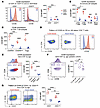 Figure 1
CD38 expression is highly enriched on naive early-life CD4+ T cells. (A) MFI of surface CD38 by flow cytometry on CD3+ and CD3- cells from nonactivated peripheral CB and AB. CD38 MFI on (B) various immune cell populations and (C) CD4+ T cell subsets. (D) Pattern of CD38 surface staining on naive CD4+ T cells from CB and AB. (E) CD38 MFI on naive CD4+ T cells from CB, peripheral blood from 6-week-old preterm infants, or AB. (F) CD38 MFI on naive CD4+ T cells from peripheral blood from healthy pediatric donors. Data originally generated for van den Broek et al. (28). (G) CD38 and CD31 expression on nonactivated naive CD4+ T cells from CB and AB and the CD38 expression pattern on CD31+ versus CD31– cells by age. (B–D and G) One of 2 representative experiments. (E and F) Performed once. Horizontal bars depict mean values in each graph. Two-way ANOVA with multiple comparisons used. *P ≤ 0.05, **P ≤ 0.02, ***P ≤ 0.001, ****P < 0.0001.
Both CB and AB naive CD4+ T cells had a largely unimodal CD38 staining pattern, but as previously reported (18), AB contained a small population of cells with high CD38 expression (Figure 1D). Large age-dependent differences in CD38 were evident with combined intracellular and extracellular staining, confirming increased levels in CB reflected overall expression, not differential rates of internalization (Supplemental Figure 1B). As CD38 is often used as a T cell activation marker (14, 15), we measured its expression on naive CD4+ T cells after stimulating with human anti-CD3/CD28 antibody complexes. This confirmed an initial increase in CD38 expression after 3 hours and a smaller rise in AB (Supplemental Figure 1C). Of note, despite equivalent TCRβ expression (Supplemental Figure 1D), we observed higher Nur77 staining in CB versus AB 3 hours poststimulation (Supplemental Figure 1E), consistent with prior literature indicating higher TCR reactivity of early-life T cells (27). Age-dependent differences in CD38 expression were maintained through 48 hours of stimulation, after which expression in CB declined to AB levels (Supplemental Figure 1C).
To understand whether elevated CD38 expression reflects a unique CB state or a broader feature of the early-life window, we stained additional prenatal and postnatal samples. Naive CD4+ T cells from second trimester fetal spleen had even higher CD38 expression (Supplemental Figure 1F), whereas those from peripheral blood of 6-week-old preterm infants (corrected gestational age 0–1 weeks) showed intermediate CD38 levels relative to CB and AB (Figure 1E). Finally, reanalysis of flow cytometry data from a pediatric cohort (28) revealed progressive decline in mean CD38 expression on naive CD4+ T cells with increasing postnatal age (Figure 1F and Supplemental Figure 1G).
Based on the high rate of thymic output in early life, and recent work showing CD38 elevation among RTEs (18), we performed CD38 staining on CB and AB naive CD4+ T cells in parallel with the RTE marker, CD31 (29). CD38 expression was higher on CD31+ versus CD31– cells in CB, with a nonsignificant trend toward higher CD38 on the CD31+ fraction in AB. However, large age-dependent differences in CD38 persisted among both CD31+ and CD31– subsets (Figure 1G). Thus, while CD38 positively correlates with CD31 as a RTE marker, its higher expression on early-life naive CD4+ T cells does not seem a mere reflection of RTE frequency.
Neonatal versus adult naive CD4+ T cells demonstrate a distinct transcriptional trajectory following stimulation. To further elucidate key features distinguishing CB versus AB naive CD4+ T cells, we designed a longitudinal experiment to transcriptionally profile these cells at baseline and 3 time points after activation (Supplemental Figure 2A). Naive CD4+ T cells were sorted from CB or AB (Supplemental Figure 2B), then immediately processed (0 hour) or first stimulated in culture with anti-CD3/CD28 antibody complexes 3, 24, or 48 hours. Parallel analysis of analogously stimulated CB and AB naive CD4+ T cells did not reveal substantial cell death, based on viability dye or annexin 5 staining (Supplemental Figure 2, C and D). RNA-seq was performed on these bulk cell populations, generating a dataset that could be mined for both baseline transcriptional differences and distinct age-dependent trajectories after activation.
Principal component analysis (PCA) was performed to visualize transcriptional differences between samples by time point and age (Figure 2A). PC1 (47.9% of variance) stratified samples longitudinally by time point, based on genes involved in cell proliferation and activation, e.g., CDC25A, MCM10, MKI-67, IL2 (Supplemental Figure 2E). PC2 (13.2% of variance) separated CB from AB, with several axis-driving genes previously reported to be differentially expressed by age or associated with development, e.g., SOX4 (30), BCL11A (31), TSHZ2 (4) (Supplemental Figure 2, F and G). A heatmap of the most variable features revealed gene clusters with distinct patterns of expression (Figure 2B and Supplemental Tables 1–3). Some clusters encompassed genes that varied between CB and AB, largely independent of activation status (clusters 2, 6, 8), whereas others showed dynamic increases (clusters 4, 5) or decreases (clusters 3, 7) in expression poststimulation (Figure 2C). For example, cluster 4 contained several cytokine genes that were lowly expressed at baseline or 3 hours but later increased in AB or CB. Whereas AB naive CD4+ T cells upregulated IFNG and IL2, those from CB increased expression of IL4, IL10, and IL13. Key tolerance-related genes were enriched in CB versus AB at each time point. IKZF2, encoding Helios, was elevated in resting CB naive CD4+ T cells, as previously reported (5), whereas IL2RA, IL10, GATA3, PPARG, and PDCD1 increased poststimulation (Figure 2D). Gene set enrichment analysis (GSEA) (32, 33) of ranked genes at baseline showed AB enrichment in host defense and cytokine responses, with more subtle enrichment of development-related pathways in CB (Supplemental Figure 2H). After 48 hours of stimulation, this developmental signature in CB was accompanied by additional processes such as regulation of cell activation and adhesion and proliferation, consistent with a slightly higher percentage of Ki-67+ cells in CB versus AB by flow cytometry at 24 and 48 hours (Supplemental Figure 2, I and J). Stimulated AB was enriched at 48 hours for terms such as defense against symbionts or virus, positive regulation of pattern recognition receptor signaling, and IL-17 production. Taken together, this analysis revealed a distinct transcriptional signature in CB cells at baseline and up to 48 hours after activation, with features suggesting a pro-tolerogenic signature.
 Figure 2
Transcriptomic data analysis and in silico modeling of CB versus AB naive CD4+ T cells reveal unique functional and metabolic programs. (A) PCA of bulk RNA-seq data from naive CD4+ T cells (CD4+CD8negCD45RA+CD27+CCR7+CD95neg) sorted from CB and AB. Samples taken 0, 3, 24, and 48 hours after stimulation. (B) Heatmap of top variable features (i.e., gene clusters). (C) Mapping of cluster expression over time. Black dots show mean z-score of cluster genes per point. Colors correspond with clusters in B. (D) Volcano plots of differential gene expression for CB versus AB naive CD4+ T cells at each time point, with specific genes related to tolerance or activated effector cells highlighted. Horizontal dotted line: Benjamini-Hochberg–adjusted P of 0.05. (E) Normalized CD38 gene counts. (F) Differential expression of key metabolic genes in scRNA-seq dataset from Bunis et al. (5). (G) Compass comparison of CB versus AB naive CD4+ T cell metabolic states in central carbon metabolism, with glycolysis reactions as annotated in the Human1 GEM at left (up in CB) and downregulated OXPHOS reactions at right (up in AB). In E, horizontal bars depict mean values, with unpaired t test used and ***P ≤ 0.001.
Neonatal naive CD4+ T cell transcriptome suggests a distinct metabolic profile. Based on literature linking the metabolic state of neonatal naive CD8+ T cells to their differentiation trajectory and functional capacity (13, 34), we next investigated any baseline differences in metabolic state of CB and AB naive CD4+ T cells. Examining our RNA-seq dataset for differentially expressed metabolic genes revealed ~4-fold higher CD38 transcript levels in CB versus AB naive CD4+ T cells, corroborating our flow cytometry data (Figure 2E and Supplemental Figure 2K). Certain glycolysis-related genes were also elevated in CB (Supplemental Figure 2L). Differential gene expression analysis on an independent single-cell RNA-sequencing (scRNA-seq) dataset of CB and AB naive CD4+ T cells (5) confirmed upregulation of glycolysis-related genes in CB, alongside downregulation of OXPHOS-critical mitochondrial genes (Figure 2F).
To further define the metabolic profile of CB naive CD4+ T cells, we turned to Compass, a flux balance analysis algorithm modeling metabolite flow through networks (22). Compass analysis of our baseline bulk RNA-seq data did not reveal statistically significant metabolic pathways in CB versus AB. Thus, we leveraged the same scRNA-seq dataset, performing Compass on the central carbon pathways (glycolysis, TCA, and OXPHOS). This showed striking upregulation of glycolysis reactions and downregulation of OXPHOS reactions in CB (Figure 2G). Thus, transcriptional signatures suggest that naive CD4+ T cells in CB have a distinct baseline metabolic state, with a possible preference for glycolysis.
Neonatal naive CD4+ T cells demonstrate more tolerogenic potential upon stimulation than their adult counterparts. We interrogated the functional relevance of increased tolerance-related gene expression among stimulated CB naive CD4+ T cells. A naive CD4+ T cell negative selection kit was used to isolate CD4+CD45RA+ T cells that were CD25– and FOXP3– (Supplemental Figure 3, A and B). These cells were then cultured with human anti-CD3/CD28 soluble antibodies without added cytokines, replicating our RNA-seq conditions (“No Cytokine” condition). Separately, we performed analogous stimulation in the presence of IL-2 and TGF-β, replicating published conditions for “induced Treg” generation (4) (“iTreg” or “IL-2+TGF-β” condition). Flow cytometry at 96 hours revealed that stimulated CB and AB CD4+ T cells demonstrated distinct patterns of FOXP3 and CD25 expression (Figure 3A), despite equivalent markers of recent activation and proliferation (Supplemental Figure 3, C and D). Under No Cytokine conditions, a higher percentage of CB cells became CD25+ (Figure 3B). Irrespective of age, the majority of these CD25+ cells expressed FOXP3 at levels approaching that of endogenous blood Tregs (Figure 3C and Supplemental Figure 3E). This heightened frequency of CD25+ cells from CB was replicated under No Cytokine conditions using various methods of CD3/CD28 stimulation (Supplemental Figure 3F). In the presence of IL-2 and TGF-β, the percentage of CD25+ cells (i.e., iTregs) again trended higher in CB (Figure 3B). As expected from iTreg culture conditions, these cells expressed much higher levels of FOXP3. Yet, iTregs generated from CB had even higher FOXP3 levels than their AB counterparts (Figure 3, A and C).
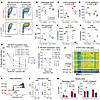 Figure 3
Neonatal naive CD4+ T cells demonstrate more tolerogenic potential upon stimulation than their adult counterparts. (A and B) CD25+ percentages from CB and AB naive CD4+ T cells after 96 hours of anti-CD3/CD28 stimulation under No Cytokine or IL-2 + TGF-β conditions. (C–E) Marker expression on CD25+ fraction by flow cytometry. (F and G) ELISA of cytokines in supernatant. (H) Allogeneic MLR measuring suppressive capacity of CB and AB No Cytokine and IL-2 + TGF-β-stimulated cells. (I) Allogeneic MLR assay for CD25+ versus CD25neg iTreg-stimulated cells. (J–L) FOXP3 CNS2 methylation was assessed by bisulfide sequencing in CD4+CD25+CD127lo cells from iTreg cultures and endogenous blood Tregs (CD4+FOXP3+CD25+CD127lo). Two separate experiments were analyzed together with adjustment for batch effects. (J) Heatmap, (K) violin plot, and (L) graphs of CpG island methylation ratios. (M) FOXP3 stability assessed through 2 rounds of stimulation and rest. CD25+ and FOXP3 MFI on CD25+ cells after second rest. Data points represent individual donors. (H and I) N = 5/group. (A–E) One of 3 representative experiments. (H) One of 2 representative experiments. (F, G, I, and M) Performed once. (J–L) Combined data from 2 experiments. (B–G and M) Two-way ANOVA with multiple comparisons used. (I) One-way ANOVA with multiple comparisons used. (L) Linear mixed model (included batch correction). *P ≤ 0.05, **P ≤ 0.02, ***P ≤ 0.001, ****P < 0.0001. Horizontal bars and column heights in panels B–G and M depict mean values. In H and I, mean value plus standard deviation is shown.
Though similar CD25 levels were seen irrespective of age or culture condition, CD25+ cells generated from CB showed higher expression of several Treg effector molecules, including CTLA4, PD-1, Helios, and ICOS (Figure 3, D and E, and Supplemental Figure 3, G–I). ELISA on CB culture supernatants at 96 hours also revealed increased levels of IL-10 (Figure 3F). AB supernatant contained more IFN-γ under either condition (Figure 3G) and more IL-2 under No Cytokine conditions (Supplemental Figure 3J). Aside from slightly more IL-4 in No Cytokine AB supernatant, no significant age-dependent differences were seen for IL-4, IL-5, or IL-13 (Supplemental Figure 3, K–M).
We next assessed the relative suppressive capacity of CD25+ cells derived from CB or AB in an allogeneic mixed lymphocyte reaction (MLR). Live CD4+CD25+CD127lo “Suppressor” cells were sorted from No Cytokine or iTreg cultures at 96 hours and cocultured at varying ratios with cell trace violet–labeled PBMC “Responder” cells from an unrelated adult donor and irradiated PBMCs to facilitate antigen presentation from a second unrelated adult donor (Supplemental Figure 3N). Responder cell proliferation after 7 days revealed significant differences in suppression, based on both age and culture conditions used to generate the Suppressor cells (Supplemental Figure 3O). As anticipated, iTreg conditions led to more potently suppressive cells versus No Cytokine stimulation, irrespective of age. Intriguingly, CB-derived Suppressor cells from either culture condition were more potent than their AB-derived counterparts, demonstrating higher dose-dependent suppression at all 3 ratios tested (Figure 3H). A repeat of this MLR assay at the lowest suppressor-to-responder ratio confirmed the higher potency of CB versus AB Suppressor cells generated under iTreg conditions and showed this tolerogenic capacity was restricted to CD25+ cells (Figure 3I). Thus, iTreg cells from CB display more suppressive capacity, especially those generated in the presence of IL-2 and TGF-β.
Treg stability and function has been linked to demethylation of conserved noncoding sequence 2 (CNS2), a CpG-rich FOXP3 intronic cis-regulatory element (35). We thus performed methylation analysis of this locus in sorted CD25+ cells generated from CB or AB iTreg cultures. Endogenous Tregs sorted from AB and CB (CD4+FOXP3+CD25+CD127lo) served as positive controls. Consistent with previous studies and known limitations of iTregs generated under these culture conditions (36), CD25+ cells from stimulated CB or AB cultures showed substantially more methylation than endogenous Tregs (Figure 3, J and K). Nonetheless, subtle but statistically significant differences were seen among CD25+ cells from CB versus AB, specifically at CpG sites 1–4 and 11 (Figure 3L and Supplemental Figure 3P).
Finally, we sought to assess if CNS2 demethylation status corresponded with increased stability of FOXP3 expression among CD25+ cells generated from CB versus AB. We adopted previously published methods for testing FOXP3 stability, in which cells are subjected to 2 sequential rounds of stimulation and rest (37) (Supplemental Figure 3Q). At the “first rest” time point, percentages of CD25+ cells and FOXP3 MFIs had dropped versus their baseline benchmarks (see Figure 3, B and C), without observed differences based on age or culture condition used for initial stimulation (Supplemental Figure 3R). However, at the “second rest” time point, CB naive CD4+ T cells initially subjected to iTreg conditions demonstrated significantly higher percentages of CD25+ cells, which also expressed more FOXP3, versus their AB counterparts (Figure 3M). Thus, following culture in iTreg conditions, naive CD4+ T cells from CB can become more functionally suppressive than their AB counterparts and demonstrate comparatively more CNS2 demethylation and more stable FOXP3 expression, albeit still much less than seen in endogenous Tregs (36).
Neonatal naive CD4+ T cells express distinct metabolic molecules versus their adult counterparts. Based on links between the metabolic state of neonatal murine naive CD8+ T cells and their distinct differentiation trajectory (13), we wondered if metabolic features of CB naive CD4+ T cells promote their capacity to develop tolerogenic properties. Expression of nutrient transporters, transcription factors, and metabolic enzymes measured via mass cytometry (CyTOF) strongly correlate with T cell metabolic state (38). Thus, we developed an immunometabolism-focused CyTOF panel (Figure 4A) and performed analysis of naive CD4+ T cells (CD45RA+CCR7+) from CB and AB (Figure 2, G and H, and Supplemental Figure 2H). Using multidimensional scaling (MDS) of median marker expression to examine the metabolic state of CB and AB naive CD4+ T cells in an unsupervised manner, we observed distinct patterns of expression among CB and AB naive CD4+ T cells (Figure 4B). To examine the different metabolic states present in the naive CD4+ T cell pool across age, we performed clustering with FlowSOM (39), which yielded 8 distinct clusters that were largely nonoverlapping by age (Figure 4, C–E and Supplemental Figure 4A).
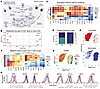 Figure 4
Neonatal naive CD4+ T cells express distinct patterns of metabolic proteins versus their adult counterparts. (A) Schematic of CyTOF metabolic markers in corresponding pathways. (B) MDS of median marker expression to examine relatedness of CB and AB naive CD4+ T cell metabolic state in an unsupervised manner. (C) Median scaled expression of metabolic and lineage markers by cluster, (D) abundance of clusters by age, (E) uniform manifold approximation and projection (UMAP) distribution of CB and AB naive CD4+ T cells. (F) Expression of metabolic proteins across individual CB and AB samples. (G) Intensity plot of CD38 expression. (H) Expression patterns of metabolic markers on individual CB and AB donors.
Consistent with our RNA-seq data, CB naive CD4+ T cells showed increased expression of proteins central to glycolysis and decreased expression of molecules associated with fatty acid oxidation (FAO) (Figure 4F). Differential abundance analysis (40) showed CB naive CD4+ T cells to be significantly enriched in clusters 1, 4, and 5 (Figure 4D), which expressed proteins linked to glycolysis and lactate metabolism, i.e., a glucose transporter (GLUT1), GAPDH, lactate dehydrogenase (LDH), and monocarboxylate transporter 1 (MCT1) (Figure 4F) (41). Mass cytometry also recapitulated the age-dependent CD38 gradient observed previously via flow cytometry and RNA-seq (Figure 4G and Supplemental Figure 4B).
Compared with CB naive CD4+ T cells, AB cells appeared more reliant on FAO and OXPHOS, as indicated by higher levels of carnitine palmitoyltransferase (CPT1a), an essential enzyme of FAO, and lower levels of glycolysis-associated proteins (Figure 4, F and H, and Supplemental Figure 4C). AB cells also exhibited a more homogenous metabolic phenotype, with the majority falling into the CPT1a-high cluster 2 (Figure 4, C and D). Although differential expression of proteins associated with glycolysis, lactic acid metabolism, FAO, and OXPHOS drove the major age-related differences in metabolic phenotypes, these data also hinted at subtler differences. For example, CB expressed more CD98, which is involved in amino acid transport, whereas AB expressed more glutamate dehydrogenase (GLUD1), a key enzyme in glutaminolysis (Figure 4, F and H). Together, these data further indicate that naive CD4+ T cells from CB are metabolically unique and exhibit features of glycolytic dependence.
Neonatal naive CD4+ T cells are more reliant on glycolysis than their adult counterparts. We next used SCENITH (42), a flow cytometry–based method that combines pharmacologic inhibition of metabolic pathways with puromycin antibody-based readout of cellular ATP production (Figure 5A) to functionally test the metabolic dependencies of neonatal versus adult naive CD4+ T cells. SCENITH can measure both the pathway by which cells generate energy (i.e., glycolysis versus OXPHOS) and their preferred energy source (i.e., glucose versus fatty acid and amino acid oxidation). Pilot experiments on naive CD4+ T cells before and after cryopreservation did not reveal significant metabolic differences by SCENITH (Supplemental Figure 5A). Thus, we opted to perform our metabolism-focused experiments on cryopreserved samples to enable parallel processing and analysis of multiple donors.
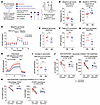 Figure 5
Neonatal naive CD4+ T cells demonstrate a metabolic preference for glycolysis. (A) SCENITH workflow. (B and C) Baseline dependence on glycolysis and mitochondrial OXPHOS in nonactivated CB and AB naive CD4+ T cells measured via SCENITH. (D) Seahorse ECAR plot of nonactivated CB and AB naive CD4+ T cells. Baseline ECAR (E), total ATP from glycolysis (F), percent ATP from glycolysis (G) between CB and AB naive CD4+ T cells. (H and I) Change in ECAR for CB and AB naive CD4+ T cells after acute TCR activation. (J and K) Percentage of CD25+ cells and FOXP3 MFI from CB and AB naive CD4+ after No Cytokine or IL-2+TGF-β stimulation with/without concurrent glycolysis inhibition via 2DG. Vehicle = DMSO. Data points represent individual donors. B, C, and E are 2 combined experiments. (D and F–K) One of 2 representative experiments. Unpaired t test used for B–I and paired t test for J and K. *P ≤ 0.05, **P ≤ 0.02, ****P < 0.0001. B, C, E–G and I depict mean values. In D and H, mean value plus standard deviation is shown.
SCENITH analysis of resting (baseline) CB and AB naive CD4+ T cells showed equivalent puromycin staining between groups in the absence of metabolic inhibition, suggesting relatively equivalent ATP use irrespective of age (Supplemental Figure 5, B and C). Changes to puromycin incorporation in the setting of various pathway inhibitors revealed CB naive CD4+ T cells had increased relative dependence on glycolysis versus AB, with a converse decrease in OXPHOS (Figure 5, B and C). We did not observe distinct energy substrate preferences by age, with CB and AB cells demonstrating higher reliance on fatty acid and amino acid oxidation versus glucose, as expected for nonactivated, resting cells (Supplemental Figure 5D).
To validate our SCENITH results and measure absolute energy use, we performed Seahorse assay on resting CB and AB naive CD4+ T cells. CB showed higher baseline extracellular acidification rate (ECAR), reflective of increased glycolysis (Figure 5, D and E). While Seahorse did not show age-dependent differences in total ATP generation, CB naive CD4+ T cells did show higher ATP from glycolysis (Figure 5, F and G). No differences were seen in baseline oxygen consumption rate (OCR; measurement of OXPHOS), ATP from OXPHOS, or spare respiratory capacity between ages (Supplemental Figure 5, E–H). We measured ECAR and OCR continuously following anti-CD3/CD28 activation. This showed CB naive CD4+ T cells increased their glycolytic activity more than AB following TCR stimulation, which was matched by age-specific OXPHOS increases (Figure 5, H and I, and Supplemental Figure 5, I and J).
We next probed whether the glycolytic state of CB naive CD4+ T cells was linked to their capacity for FOXP3 expression upon stimulation. We titrated 2-deoxy-d-glucose (2DG), a pharmacological inhibitor of glycolysis, to a dose that did not impact cell viability, proliferation, or activation during 96-hour stimulation (Supplemental Figure 5, K–M). We then treated CB and AB naive CD4+ T cells with 2DG in tandem with No Cytokine or iTreg culture conditions. 2DG led to a significant reduction in the percentage of CD25+ cells from CB, as well as their FOXP3 expression, under either culture condition, without analogous effects on AB (Figure 5, J and K). Together, these data confirm higher baseline glycolytic dependency among CB versus AB naive CD4+ T cells connected with their heightened tolerogenic potential.
CD38 inhibition limits glycolysis and FOXP3 expression by CB naive CD4+ T cells. To dissect functional links between CD38 expression, glycolytic dependency, and FOXP3 expression, we took advantage of the potent and specific CD38 pharmacological inhibitor, 78c (14). Incubation of CB naive CD4+ T cells with 78c for 24 hours led to reduced ECAR, decreased ATP from glycolysis (Figure 6, A and B), and increased OXPHOS activity as measured by Seahorse (Supplemental Figure 6A). Analogous treatment of AB naive CD4+ T cells did not alter these metabolic parameters (Supplemental Figure 6B). Additional titration of 78c followed by SCENITH confirmed a dose-dependent decrease in CB glycolysis with progressive CD38 inhibition, without effects on AB (Supplemental Figure 6C).
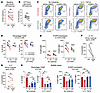 Figure 6
Inhibition of CD38 activity in cord blood naive CD4+ T cells reduces their FOXP3 expression and glycolytic capacity. (A) ECAR and (B) percent ATP from glycolysis in vehicle (DMSO) and CD38 inhibitor (5 μM 78c) CB naive CD4+ T cells. (C–E) Representative flow plots and graphs of percentage CD25+ cells and their FOXP3 MFI after 96 hours of stimulation under No Cytokine or IL-2+TGF-β conditions, where cells were treated with DMSO or 78c before and during activation. (F and G) ELISA-based measurement of cytokines in culture supernatant of DMSO- or 78c-treated CB No Cytokine cultures. (H) Treg stability assay following No Cytokine or IL-2+TGF-β culture with 78c or DMSO added before and during initial activation. Percentage CD25+ cells and their FOXP3 MFI for each condition. Data points represent individual donors. (A–E) One representative experiment from ≥ 2 repeats. (F–H) Performed once. Paired t tests used for A, B, and D–G and 2-way ANOVA with multiple comparisons used for H. *P ≤ 0.05, **P ≤ 0.02, ***P ≤ 0.001, ****P < 0.0001. Column heights in H depict mean value.
We extended 78c treatment through 96 hours of stimulation with or without IL-2 and TGF-β. CD38 inhibition significantly decreased percentages of CD25+ cells from CB but not AB under No Cytokine conditions, whereas this population decreased with 78c treatment of CB and AB iTreg cultures. FOXP3 level on CD25+ cells was blunted by CD38 inhibition irrespective of age or culture condition (Figure 6, C–E). 78c treatment did not lower CD69 expression (Supplemental Figure 6D) but lowered Ki-67 expression across all groups (Supplemental Figure 6E), an effect not observed among CD25+ cells specifically (Supplemental Figure 6F). Under No Cytokine conditions, CB cells displayed greater sensitivity to 78c compared with AB cells, with lower doses reducing CD25+ cell percentages and FOXP3 expression in CB, whereas viability was unaffected even at high 78c concentrations and dose-dependent effects on Ki-67 were similar across age (Supplemental Figure 6G).
ELISA on supernatants from No Cytokine cultures revealed a decrease in IL-10 but not IL-2 in 78c-treated CB (Figure 6, F and G). FOXP3 stability assays comparing AB and CB cells initially cultured with or without 78c showed no significant effects at the first rest (Supplemental Figure 6H), but significant reductions in both CD25+ percentages and FOXP3 MFI were seen in 78c-treated No Cytokine CB cultures after the second rest. Under iTreg conditions, CD38 inhibition likewise reduced CB CD25+ cells, with a downward trend in their FOXP3 expression. AB cells showed no effects from 78c under either culture condition (Figure 6H).
To explore if CB cells are uniformly more sensitive to CD38 inhibition, we tested the effect of 78c on Th2 differentiation, a process in which glycolysis has been specifically implicated (43). Naive CD4+ T cells were stimulated via plate-coated anti-CD3/CD28 antibodies plus IL-4 and anti–IFN-γ for 3 days, then rested overnight with IL-2, IL-4, and anti–IFN-γ before PMA/ionomycin restimulation and flow cytometry. Equivalent percentages of IL-4+IL-13+ cells were seen in CB and AB without 78c, and CD38 inhibition led to equivalent reductions in this population irrespective of age (Supplemental Figure 6, I and J). Thus, while CD38 inhibition can impact naive CD4+ differentiation down a Th2 trajectory, heightened CB sensitivity to CD38 inhibition is not seen in this setting as for FOXP3 expression.
The CD38/NAD/SIRT1 axis modulates FOXP3 expression in stimulated neonatal naive CD4+ T cells. CD38-mediated synthesis of ADP ribose and cADPR depletes cellular NAD+ (14), which serves a cofactor for oxidoreductases, an electron donor for redox reactions, and a substrate for the sirtuin family of deacetylases (44). We were particularly intrigued how this last NAD+ function might shape the metabolic state and tolerogenic potential of CB naive CD4+ T cells, as SIRT1 has been inversely correlated with glycolytic function (45) and can target FOXP3 protein for degradation (23, 24). A proposed model (Figure 7A) was supported by lower NAD+ levels in CB compared with AB naive CD4+ T cells (Figure 7B), which recovered with pharmacological CD38 inhibition (Figure 7C). No age-related differences were seen in global H3K27ac levels, a histone modification associated with heightened FOXP3 induction (46) (Supplemental Figure 7A), but flow-based proximity ligation assays revealed significantly higher levels of acetylated FOXP3 protein in CB versus AB (Figure 7D). This supports a mechanistic model in which reduced SIRT1 activity in CB naive CD4+ T cells results in less FOXP3 deacetylation, leading to higher FOXP3 levels due to decreased degradation.
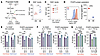 Figure 7
The NAD+-dependent deacetylase, SIRT1, modulates FOXP3 expression in stimulated neonatal naive CD4+ T cells. (A) Working model of CD38-NAD-SIRT1-Tregs-PPARγ interactions with pharmacological perturbations noted. (B and C) NAD+ levels in CB and AB naive CD4+ T cells (B) and DMSO- or 78c-treated CB naive CD4+ T cells (C). (D) FOXP3 acetylation in CB and AB naive CD4+ T cells via proximity ligation assay (PLA). (E–G) CD25+ percentage and FOXP3 MFI among CB and AB naive CD4+ T cells treated with DMSO (vehicle), SIRT1 activator, or SIRT1 inhibitor (E and F) or vehicle, CD38 inhibitor, SIRT1 inhibitor, or both (G) before activation under No Cytokine or IL-2+TGF-β conditions. Data points represent individual donors. B–F show 1 of 2 experimental replicates. G was performed once. Unpaired t test was used for B and D and paired t test for C. Two-way ANOVA with multiple comparisons used for E–G. *P ≤ 0.05, **P ≤ 0.02, ***P ≤ 0.001, ****P < 0.0001. Horizontal bars in B and D and column heights in E–G depict mean values.
To assess SIRT1’s role in FOXP3 regulation in stimulated naive CD4+ T cells, we treated CB and AB cells with a SIRT1 activator (SRT 2104), SIRT1 inhibitor (selisistat), or DMSO for 24 hours before activation under No Cytokine or iTreg conditions. After 96 hours, SIRT1 activation reduced CD25+ percentages and FOXP3 levels in CB, with a modest effect on CD25+ cells in AB and no significant impact on FOXP3 expression. SIRT1 inhibition had no impact on FOXP3 in CB but modestly increased percentages of CD25+ cells in AB (Figure 7, E and F, and Supplemental Figure 7B). Combining CD38 and SIRT1 inhibition during CB activation under iTreg conditions partially restored CD25+ percentages and FOXP3 levels compared with CD38 inhibition alone (Figure 7G). SCENITH analysis showed SIRT1 activation decreased glycolytic capacity and increased OXPHOS capacity in resting CB naive CD4+ T cells (Supplemental Figure 7C). These findings suggest that low SIRT1 activity in CB enhances FOXP3 expression during stimulation, partially through metabolic effects, while higher baseline SIRT1 activity in AB restricts FOXP3 expression but can be pharmacologically modulated to adjust tolerogenic potential.
In other cell types, SIRT1 negatively regulates PPARγ, with lower SIRT1 activity linked to higher PPARγ levels (47) (Figure 7A). PPARγ, a transcription factor involved in adipogenesis, lipid metabolism, and insulin sensitivity, also influences Treg biology and generation (48). RNA-seq analysis revealed PPARγ expression was 10-fold higher in stimulated CB versus AB naive CD4+ T cells (Figure 8A). To test its role in increased early-life Treg generation, CB and AB naive CD4+ T cells were treated with PPARγ agonist rosiglitazone, PPARγ antagonist GW9662, or DMSO for 24 hours before activation in No Cytokine or iTreg conditions. At 96 hours, PPARγ agonism did not affect CD25+ percentages or FOXP3 levels, while antagonism significantly reduced both parameters under either culture condition. In AB, PPARγ agonism increased CD25+ percentages and FOXP3 expression to levels approaching those in CB, whereas antagonism decreased both parameters (Figure 8, B and C). These results suggest elevated PPARγ expression in CB naive CD4+ T cells contributes to their enhanced capacity for FOXP3 expression.
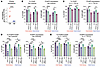 Figure 8
Higher PPARγ expression by neonatal naive CD4+ T cells facilitates their FOXP3 expression. (A) Normalized RNA-seq counts of PPARG 48 hours after activation. (B–E) CD25+ percentage and FOXP3 MFI among CB and AB naive CD4+ T cells treated with vehicle, PPARγ agonist or antagonist (B and C) or SIRT1 activator, PPARγ agonist, or both (D and E) before No Cytokine or IL-2+TGF-β stimulation. Data points represent individual donors. A was performed once. B–E show 1 of 2 experimental replicates. Unpaired t test was used for A. Two-way ANOVA with multiple comparisons used for B–E. *P ≤ 0.05, **P ≤ 0.02, ***P ≤ 0.001, ****P < 0.0001. Horizontal bars in A and column heights in D–E depict mean values.
To determine if reduced FOXP3 expression following SIRT1 activation in CB naive CD4+ T is primarily mediated through reduced PPARγ activity, cells were pretreated with SIRT1 activator, PPARγ agonist, or both before stimulation. SIRT1 activation alone reduced CB and AB CD25+ percentages and lowered CB FOXP3 levels, while adding PPARγ agonism modestly restored CB CD25+ percentages but failed to rescue FOXP3 expression (Figure 8, D and E). Dose titration of pharmacological agents revealed minimal effects on cell viability, activation, or proliferation, aside from a slight dose-dependent decrease in Ki-67 with SIRT1 activation. Effects of SIRT1 activation and PPARγ antagonism on CB CD25+ percentages were also observed at even lower concentrations (Supplemental Figure 7, D–S). These findings indicate that the CD38/NAD/SIRT1 axis influences early-life FOXP3 expression via multiple mechanisms, including direct effects on FOXP3 protein stability and metabolic state, with PPARγ as one downstream pathway. Overall, these data highlight how elevated neonatal expression of CD38 in naive CD4+ T cells enhances their regulatory potential and supports the early-life window for tolerance.


Copyright © 2026 American Society for Clinical Investigation
ISSN: 0021-9738 (print), 1558-8238 (online)