
Advertisement
Research ArticleCell biologyOncology
Open Access |  10.1172/JCI197192
Cotargeting DNA topoisomerase II enhances efficacy of RAS-targeted therapy in KRAS-mutant cancer models
Rongzhong Xu,1,2 Dongsheng Wang,2 Guangzhi Ma,2,3 Xun Yuan,4 Qian Chu,4 Songqing Fan,5 Rener Zhang,6 Pan Du,6 Shidong Jia,6 Ticiana A. Leal,2,7 Suresh S. Ramalingam,2,7 Zhen Chen,2,7 and Shi-Yong Sun2,7
1Clinical Medical Center of Oncology, Shanghai Municipal Hospital of Traditional Chinese Medicine, Shanghai University of Traditional Chinese Medicine, Shanghai, China.
2Department of Hematology and Medical Oncology, Emory University School of Medicine, Atlanta, Georgia, USA.
3Department of Thoracic Surgery and Institute of Thoracic Oncology, West China Hospital, Sichuan University, Chengdu, China.
4Department of Oncology, Tongji Hospital, Tongji Medical College, Huazhong University of Science and Technology, Wuhan, China.
5Department of Pathology, The Second Xiangya Hospital, Central South University, Changsha, China.
6Predicine, Inc., Hayward, California, USA.
7Winship Cancer Institute of Emory University, Atlanta, Georgia, USA.
Address correspondence to: Shi-Yong Sun or Zhen Chen, Department of Hematology and Medical Oncology, Emory University School of Medicine and Winship Cancer Institute, 1365-C Clifton Road, Office C3088 (SYS) or C5094 (ZC), Atlanta, Georgia 30322, USA. Phone: 404.778.2170; Email: ssun@emory.edu (SYS). Phone: 404.778.1823; Email: zhen.chen@emory.edu (ZC).
Find articles by Xu, R. in: PubMed | Google Scholar
1Clinical Medical Center of Oncology, Shanghai Municipal Hospital of Traditional Chinese Medicine, Shanghai University of Traditional Chinese Medicine, Shanghai, China.
2Department of Hematology and Medical Oncology, Emory University School of Medicine, Atlanta, Georgia, USA.
3Department of Thoracic Surgery and Institute of Thoracic Oncology, West China Hospital, Sichuan University, Chengdu, China.
4Department of Oncology, Tongji Hospital, Tongji Medical College, Huazhong University of Science and Technology, Wuhan, China.
5Department of Pathology, The Second Xiangya Hospital, Central South University, Changsha, China.
6Predicine, Inc., Hayward, California, USA.
7Winship Cancer Institute of Emory University, Atlanta, Georgia, USA.
Address correspondence to: Shi-Yong Sun or Zhen Chen, Department of Hematology and Medical Oncology, Emory University School of Medicine and Winship Cancer Institute, 1365-C Clifton Road, Office C3088 (SYS) or C5094 (ZC), Atlanta, Georgia 30322, USA. Phone: 404.778.2170; Email: ssun@emory.edu (SYS). Phone: 404.778.1823; Email: zhen.chen@emory.edu (ZC).
Find articles by Wang, D. in: PubMed | Google Scholar
1Clinical Medical Center of Oncology, Shanghai Municipal Hospital of Traditional Chinese Medicine, Shanghai University of Traditional Chinese Medicine, Shanghai, China.
2Department of Hematology and Medical Oncology, Emory University School of Medicine, Atlanta, Georgia, USA.
3Department of Thoracic Surgery and Institute of Thoracic Oncology, West China Hospital, Sichuan University, Chengdu, China.
4Department of Oncology, Tongji Hospital, Tongji Medical College, Huazhong University of Science and Technology, Wuhan, China.
5Department of Pathology, The Second Xiangya Hospital, Central South University, Changsha, China.
6Predicine, Inc., Hayward, California, USA.
7Winship Cancer Institute of Emory University, Atlanta, Georgia, USA.
Address correspondence to: Shi-Yong Sun or Zhen Chen, Department of Hematology and Medical Oncology, Emory University School of Medicine and Winship Cancer Institute, 1365-C Clifton Road, Office C3088 (SYS) or C5094 (ZC), Atlanta, Georgia 30322, USA. Phone: 404.778.2170; Email: ssun@emory.edu (SYS). Phone: 404.778.1823; Email: zhen.chen@emory.edu (ZC).
Find articles by Ma, G. in: PubMed | Google Scholar
1Clinical Medical Center of Oncology, Shanghai Municipal Hospital of Traditional Chinese Medicine, Shanghai University of Traditional Chinese Medicine, Shanghai, China.
2Department of Hematology and Medical Oncology, Emory University School of Medicine, Atlanta, Georgia, USA.
3Department of Thoracic Surgery and Institute of Thoracic Oncology, West China Hospital, Sichuan University, Chengdu, China.
4Department of Oncology, Tongji Hospital, Tongji Medical College, Huazhong University of Science and Technology, Wuhan, China.
5Department of Pathology, The Second Xiangya Hospital, Central South University, Changsha, China.
6Predicine, Inc., Hayward, California, USA.
7Winship Cancer Institute of Emory University, Atlanta, Georgia, USA.
Address correspondence to: Shi-Yong Sun or Zhen Chen, Department of Hematology and Medical Oncology, Emory University School of Medicine and Winship Cancer Institute, 1365-C Clifton Road, Office C3088 (SYS) or C5094 (ZC), Atlanta, Georgia 30322, USA. Phone: 404.778.2170; Email: ssun@emory.edu (SYS). Phone: 404.778.1823; Email: zhen.chen@emory.edu (ZC).
Find articles by Yuan, X. in: PubMed | Google Scholar
1Clinical Medical Center of Oncology, Shanghai Municipal Hospital of Traditional Chinese Medicine, Shanghai University of Traditional Chinese Medicine, Shanghai, China.
2Department of Hematology and Medical Oncology, Emory University School of Medicine, Atlanta, Georgia, USA.
3Department of Thoracic Surgery and Institute of Thoracic Oncology, West China Hospital, Sichuan University, Chengdu, China.
4Department of Oncology, Tongji Hospital, Tongji Medical College, Huazhong University of Science and Technology, Wuhan, China.
5Department of Pathology, The Second Xiangya Hospital, Central South University, Changsha, China.
6Predicine, Inc., Hayward, California, USA.
7Winship Cancer Institute of Emory University, Atlanta, Georgia, USA.
Address correspondence to: Shi-Yong Sun or Zhen Chen, Department of Hematology and Medical Oncology, Emory University School of Medicine and Winship Cancer Institute, 1365-C Clifton Road, Office C3088 (SYS) or C5094 (ZC), Atlanta, Georgia 30322, USA. Phone: 404.778.2170; Email: ssun@emory.edu (SYS). Phone: 404.778.1823; Email: zhen.chen@emory.edu (ZC).
Find articles by Chu, Q. in: PubMed | Google Scholar
1Clinical Medical Center of Oncology, Shanghai Municipal Hospital of Traditional Chinese Medicine, Shanghai University of Traditional Chinese Medicine, Shanghai, China.
2Department of Hematology and Medical Oncology, Emory University School of Medicine, Atlanta, Georgia, USA.
3Department of Thoracic Surgery and Institute of Thoracic Oncology, West China Hospital, Sichuan University, Chengdu, China.
4Department of Oncology, Tongji Hospital, Tongji Medical College, Huazhong University of Science and Technology, Wuhan, China.
5Department of Pathology, The Second Xiangya Hospital, Central South University, Changsha, China.
6Predicine, Inc., Hayward, California, USA.
7Winship Cancer Institute of Emory University, Atlanta, Georgia, USA.
Address correspondence to: Shi-Yong Sun or Zhen Chen, Department of Hematology and Medical Oncology, Emory University School of Medicine and Winship Cancer Institute, 1365-C Clifton Road, Office C3088 (SYS) or C5094 (ZC), Atlanta, Georgia 30322, USA. Phone: 404.778.2170; Email: ssun@emory.edu (SYS). Phone: 404.778.1823; Email: zhen.chen@emory.edu (ZC).
Find articles by Fan, S. in: PubMed | Google Scholar
1Clinical Medical Center of Oncology, Shanghai Municipal Hospital of Traditional Chinese Medicine, Shanghai University of Traditional Chinese Medicine, Shanghai, China.
2Department of Hematology and Medical Oncology, Emory University School of Medicine, Atlanta, Georgia, USA.
3Department of Thoracic Surgery and Institute of Thoracic Oncology, West China Hospital, Sichuan University, Chengdu, China.
4Department of Oncology, Tongji Hospital, Tongji Medical College, Huazhong University of Science and Technology, Wuhan, China.
5Department of Pathology, The Second Xiangya Hospital, Central South University, Changsha, China.
6Predicine, Inc., Hayward, California, USA.
7Winship Cancer Institute of Emory University, Atlanta, Georgia, USA.
Address correspondence to: Shi-Yong Sun or Zhen Chen, Department of Hematology and Medical Oncology, Emory University School of Medicine and Winship Cancer Institute, 1365-C Clifton Road, Office C3088 (SYS) or C5094 (ZC), Atlanta, Georgia 30322, USA. Phone: 404.778.2170; Email: ssun@emory.edu (SYS). Phone: 404.778.1823; Email: zhen.chen@emory.edu (ZC).
Find articles by Zhang, R. in: PubMed | Google Scholar
1Clinical Medical Center of Oncology, Shanghai Municipal Hospital of Traditional Chinese Medicine, Shanghai University of Traditional Chinese Medicine, Shanghai, China.
2Department of Hematology and Medical Oncology, Emory University School of Medicine, Atlanta, Georgia, USA.
3Department of Thoracic Surgery and Institute of Thoracic Oncology, West China Hospital, Sichuan University, Chengdu, China.
4Department of Oncology, Tongji Hospital, Tongji Medical College, Huazhong University of Science and Technology, Wuhan, China.
5Department of Pathology, The Second Xiangya Hospital, Central South University, Changsha, China.
6Predicine, Inc., Hayward, California, USA.
7Winship Cancer Institute of Emory University, Atlanta, Georgia, USA.
Address correspondence to: Shi-Yong Sun or Zhen Chen, Department of Hematology and Medical Oncology, Emory University School of Medicine and Winship Cancer Institute, 1365-C Clifton Road, Office C3088 (SYS) or C5094 (ZC), Atlanta, Georgia 30322, USA. Phone: 404.778.2170; Email: ssun@emory.edu (SYS). Phone: 404.778.1823; Email: zhen.chen@emory.edu (ZC).
Find articles by Du, P. in: PubMed | Google Scholar
1Clinical Medical Center of Oncology, Shanghai Municipal Hospital of Traditional Chinese Medicine, Shanghai University of Traditional Chinese Medicine, Shanghai, China.
2Department of Hematology and Medical Oncology, Emory University School of Medicine, Atlanta, Georgia, USA.
3Department of Thoracic Surgery and Institute of Thoracic Oncology, West China Hospital, Sichuan University, Chengdu, China.
4Department of Oncology, Tongji Hospital, Tongji Medical College, Huazhong University of Science and Technology, Wuhan, China.
5Department of Pathology, The Second Xiangya Hospital, Central South University, Changsha, China.
6Predicine, Inc., Hayward, California, USA.
7Winship Cancer Institute of Emory University, Atlanta, Georgia, USA.
Address correspondence to: Shi-Yong Sun or Zhen Chen, Department of Hematology and Medical Oncology, Emory University School of Medicine and Winship Cancer Institute, 1365-C Clifton Road, Office C3088 (SYS) or C5094 (ZC), Atlanta, Georgia 30322, USA. Phone: 404.778.2170; Email: ssun@emory.edu (SYS). Phone: 404.778.1823; Email: zhen.chen@emory.edu (ZC).
Find articles by Jia, S. in: PubMed | Google Scholar
1Clinical Medical Center of Oncology, Shanghai Municipal Hospital of Traditional Chinese Medicine, Shanghai University of Traditional Chinese Medicine, Shanghai, China.
2Department of Hematology and Medical Oncology, Emory University School of Medicine, Atlanta, Georgia, USA.
3Department of Thoracic Surgery and Institute of Thoracic Oncology, West China Hospital, Sichuan University, Chengdu, China.
4Department of Oncology, Tongji Hospital, Tongji Medical College, Huazhong University of Science and Technology, Wuhan, China.
5Department of Pathology, The Second Xiangya Hospital, Central South University, Changsha, China.
6Predicine, Inc., Hayward, California, USA.
7Winship Cancer Institute of Emory University, Atlanta, Georgia, USA.
Address correspondence to: Shi-Yong Sun or Zhen Chen, Department of Hematology and Medical Oncology, Emory University School of Medicine and Winship Cancer Institute, 1365-C Clifton Road, Office C3088 (SYS) or C5094 (ZC), Atlanta, Georgia 30322, USA. Phone: 404.778.2170; Email: ssun@emory.edu (SYS). Phone: 404.778.1823; Email: zhen.chen@emory.edu (ZC).
Find articles by Leal, T. in: PubMed | Google Scholar
1Clinical Medical Center of Oncology, Shanghai Municipal Hospital of Traditional Chinese Medicine, Shanghai University of Traditional Chinese Medicine, Shanghai, China.
2Department of Hematology and Medical Oncology, Emory University School of Medicine, Atlanta, Georgia, USA.
3Department of Thoracic Surgery and Institute of Thoracic Oncology, West China Hospital, Sichuan University, Chengdu, China.
4Department of Oncology, Tongji Hospital, Tongji Medical College, Huazhong University of Science and Technology, Wuhan, China.
5Department of Pathology, The Second Xiangya Hospital, Central South University, Changsha, China.
6Predicine, Inc., Hayward, California, USA.
7Winship Cancer Institute of Emory University, Atlanta, Georgia, USA.
Address correspondence to: Shi-Yong Sun or Zhen Chen, Department of Hematology and Medical Oncology, Emory University School of Medicine and Winship Cancer Institute, 1365-C Clifton Road, Office C3088 (SYS) or C5094 (ZC), Atlanta, Georgia 30322, USA. Phone: 404.778.2170; Email: ssun@emory.edu (SYS). Phone: 404.778.1823; Email: zhen.chen@emory.edu (ZC).
Find articles by
Ramalingam, S.
in:
PubMed
|
Google Scholar
|

1Clinical Medical Center of Oncology, Shanghai Municipal Hospital of Traditional Chinese Medicine, Shanghai University of Traditional Chinese Medicine, Shanghai, China.
2Department of Hematology and Medical Oncology, Emory University School of Medicine, Atlanta, Georgia, USA.
3Department of Thoracic Surgery and Institute of Thoracic Oncology, West China Hospital, Sichuan University, Chengdu, China.
4Department of Oncology, Tongji Hospital, Tongji Medical College, Huazhong University of Science and Technology, Wuhan, China.
5Department of Pathology, The Second Xiangya Hospital, Central South University, Changsha, China.
6Predicine, Inc., Hayward, California, USA.
7Winship Cancer Institute of Emory University, Atlanta, Georgia, USA.
Address correspondence to: Shi-Yong Sun or Zhen Chen, Department of Hematology and Medical Oncology, Emory University School of Medicine and Winship Cancer Institute, 1365-C Clifton Road, Office C3088 (SYS) or C5094 (ZC), Atlanta, Georgia 30322, USA. Phone: 404.778.2170; Email: ssun@emory.edu (SYS). Phone: 404.778.1823; Email: zhen.chen@emory.edu (ZC).
Find articles by Chen, Z. in: PubMed | Google Scholar
1Clinical Medical Center of Oncology, Shanghai Municipal Hospital of Traditional Chinese Medicine, Shanghai University of Traditional Chinese Medicine, Shanghai, China.
2Department of Hematology and Medical Oncology, Emory University School of Medicine, Atlanta, Georgia, USA.
3Department of Thoracic Surgery and Institute of Thoracic Oncology, West China Hospital, Sichuan University, Chengdu, China.
4Department of Oncology, Tongji Hospital, Tongji Medical College, Huazhong University of Science and Technology, Wuhan, China.
5Department of Pathology, The Second Xiangya Hospital, Central South University, Changsha, China.
6Predicine, Inc., Hayward, California, USA.
7Winship Cancer Institute of Emory University, Atlanta, Georgia, USA.
Address correspondence to: Shi-Yong Sun or Zhen Chen, Department of Hematology and Medical Oncology, Emory University School of Medicine and Winship Cancer Institute, 1365-C Clifton Road, Office C3088 (SYS) or C5094 (ZC), Atlanta, Georgia 30322, USA. Phone: 404.778.2170; Email: ssun@emory.edu (SYS). Phone: 404.778.1823; Email: zhen.chen@emory.edu (ZC).
Find articles by Sun, S. in: PubMed | Google Scholar
Published February 16, 2026 - More info
J Clin Invest. 2026;136(4):e197192. https://doi.org/10.1172/JCI197192.
© 2026 Xu et al. This work is licensed under the Creative Commons Attribution 4.0 International License. To view a copy of this license, visit http://creativecommons.org/licenses/by/4.0/.
Received: June 23, 2025; Accepted: December 18, 2025


-
Results
KRAS G12C inhibitors that inhibit the growth of NSCLC cell lines harboring KRAS G12C mutation with induction of apoptosis decrease Topo IIα levels and induce DNA damage. We began by validating the effects of the 2 well-known and FDA-approved KRAS G12C inhibitors, sotorasib and adagrasib, on the growth of a panel of NSCLC cell lines, including those with KRAS G12C mutation. While the cell lines without KRAS G12C mutation, H157, H460, A549 and PC-9, were insensitive to both drugs, the cell lines harboring KRAS G12C mutation, including H358, H23, Calu-1, and H1792, were relatively sensitive to the treatments, although H1792 was the least sensitive among them (Figure 1A). Using sotorasib as a representative drug, we detected increased cleavage of caspase-3 and poly(ADP-ribose) polymerase (PARP) in H358, H23, and Calu-1 cells exposed to sotorasib at concentrations ranging from 100 to 1,000 nM for 48 hours (Figure 1B), indicating induction of apoptosis in these sensitive cell lines. As expected, both sotorasib and adagrasib effectively decreased the levels of p-ERK1/2 and p-AKT, particularly in H358, H23, and Calu-1 cell lines (Figure 1, C and D), indicating that they effectively inhibit both MEK/ERK and PI3K/AKT signaling pathways. Hence, we validated the on-target therapeutic effects of both sotorasib and adagrasib in NSCLC cell lines with KRAS G12C mutation.
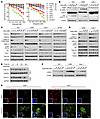 Figure 1
KRAS G12C inhibitors that effectively inhibit the growth and induce apoptosis of NSCLC cell lines harboring KRAS G12C mutation decrease Topo IIα levels with induction of DNA damage. (A) The given cell lines were exposed to different concentrations of sotorasib or adagrasib for 72 hours. Cell numbers were then measured by the SRB assay. Data are shown as the mean ± SD of 4 replicate determinations. (B–F) The cell lines indicated were treated with varied concentrations of sotorasib (Soto) (B, C, and F) or adagrasib (Adag) (D) for 24 hours or 500 nM sotorasib for the indicated times (E). The proteins of interest were detected with Western blotting. (G) The indicated cell lines were exposed to 200 nM (H358) or 500 nM (Calu-1) sotorasib for 24 hours and then stained using IF with anti–γ-H2AX antibody, anti–Topo IIα antibody, and DAPI. The insets are overlay images with DAPI. Scale bars: 25 μm (H358 and Calu-1, bottom left), 5 μm (H358 and Calu-1, bottom right).
We then determined whether sotorasib affects the levels of Topo IIα in these KRAS G12C–mutant NSCLC cell lines and found that it decreased them at a concentration as low as 25 or 50 nM in H358, H23, and Calu-1 cell lines, although a high concentration up to 500 nM was needed to decrease Topo IIα in H1792 cells (Figure 1C). Adagrasib at 50 or 100 nM also decreased Topo IIα levels in H358 and Calu-1 cells (Figure 1D). Neither agent affected Topo IIβ or Topo I levels in these cell lines (Figure 1, C and D). Reduction of Topo IIα in sotorasib-treated cell lines occurred early at 8 hours posttreatment and was sustained up to 24 hours (Figure 1E), suggesting an early and sustained event. In other types of cancer cell lines with KRAS G12C mutation, including SW1463 (colon cancer), SW837 (colon cancer), and MiaPaCa (pancreatic cancer), we found that sotorasib decreased Topo IIα levels as well (Supplemental Figure 1A; supplemental material available online with this article; https://doi.org/10.1172/JCI197192DS1). As expected, sotorasib did not decrease Topo IIα levels in NSCLC cell lines without KRAS G12C mutation (Supplemental Figure 1B), further indicating KRAS G12C mutation–dependent activity.
Given that Topo II inhibition causes DNA damage, we then determined whether sotorasib induces DNA damage using increase of γ-H2AX as a marker. As shown in Figure 1F, sotorasib clearly increased the levels of γ-H2AX as detected with Western blotting in these cell lines. Moreover, we detected an increased number of cells positive for γ-H2AX foci formation in these cell lines, whereas Topo IIα levels were clearly decreased, as detected with immunofluorescence (IF) staining (Figure 1G and Supplemental Figure 1C). Hence, it is apparent that sotorasib induces DNA damage in these NSCLC cell lines with KRAS G12 mutation.
KRAS G12C inhibitors induce GSK3-dependent and FBXW7-mediated Topo IIα proteasomal degradation. As determined by RT-qPCR, neither sotorasib nor adagrasib significantly decreased TOP2A mRNA expression in H358 or Calu-1 cells (Supplemental Figure 2), suggesting that sotorasib decreases Topo IIα levels via a transcription-independent mechanism. Hence, we determined whether KRAS G12C inhibitors decrease Topo IIα levels through facilitating its degradation, considering that Topo IIα is a protein known to be degraded by a GSK3-dependent and FBXW7-mediated mechanism (9, 10). Both sotorasib and adagrasib decreased the levels of Topo IIα, but not in the presence of MG132, a commonly used proteasome inhibitor, in H358 and Calu-1 cell lines (Figure 2A). In cycloheximide (CHX) chase assays, Topo IIα was degraded much faster in both sotorasib- or adagrasib-treated Calu-1 and H358 cells than in their corresponding DMSO-treated control cells (Figure 2B). These data demonstrate that these KRAS G12C inhibitors induce Topo IIα proteasomal degradation. Following these experiments, we then determined whether KRAS G12C inhibitors promote Topo IIα degradation through a GSK3-dependent and FBXW7-mediated mechanism. Sotorasib decreased Topo IIα levels in both Calu-1 and H358 cells; however, this effect was rescued by the presence of GSK3 inhibitors, including CHIR99021 and SB216763 (Figure 2C), and by GSK3 (Figure 2D) or FBXW7 (Figure 2E) knockdown. Taking these findings together, we conclude that KRAS G12C inhibitors decrease Topo IIα levels through facilitating GSK3-dependent and FBXW7-mediated proteasomal degradation (Figure 2F).
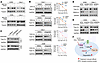 Figure 2
KRAS G12C inhibitors decrease Topo IIα levels through inducing GSK3-dependent and FBXW7-mediated proteasomal degradation. (A) The tested cell lines were pretreated with 10 μM MG132 for 30 minutes and then cotreated with DMSO, 500 nM sotorasib (Soto), or 250 nM adagrasib (Adag) for another 6 hours. (B) The indicated cell lines were treated with 500 nM sotorasib or adagrasib for 16 hours followed by the addition of 10 μg/mL CHX and then harvested at the indicated times. (C) The tested cell lines were pretreated with 10 μM CHIR99021 or SB216763 for 30 minutes and then cotreated with 500 nM sotorasib for an additional 16 hours. (D and E) Both H358 and Calu-1 cells were transfected with scrambled control, GSK3 (D), or FBXW7 (E) siRNA for 48 hours followed by treatment with 500 nM sotorasib for another 24 hours. Proteins in the treated cells were detected by Western blotting. Band intensities were quantified using ImageJ software (NIH) and plotted as a percentage of 0 time point (B). (F) Schematic illustration of KRAS G12C inhibition-induced GSK3-dependent and FBXW7-mediated degradation of Topo IIα in KRAS G12C–mutant cancer cells. G12Ci, G12C inhibitor.
Modulation of Topo IIα levels in KRAS G12C–mutant cell lines alters cell sensitivity to KRAS G12C inhibitors. To determine whether Topo IIα reduction is a critical event that mediates therapeutic efficacy of KRAS G12C inhibitors, we enforced expression of the ectopic TOP2A gene in sensitive Calu-1 and H359 cells and then examined its impact on sotorasib-induced apoptosis including DNA damage. As presented in Figure 3, we detected Topo IIα reduction accompanied by increased PARP cleavage (Figure 3A) and annexin V–positive apoptotic cells (Figure 3B) in vector control cell lines exposed to sotorasib, but little or no effect in the same cell lines expressing the ectopic TOP2A gene. Measurement of cell number alterations also showed that sotorasib had reduced effects on decreasing the survival of the tested cell lines expressing the ectopic TOP2A gene compared with its effects in vector control cell lines (Supplemental Figure 3A). In agreement, increased numbers of cells positive for γ-H2AX foci were detected in vector control H358 and Calu-1 cells exposed to sotorasib, but we observed minimal or no increase in the corresponding TOP2A-expressing cell lines (Figure 3C). Hence, it is apparent that enforced overexpression of the ectopic TOP2A gene in sensitive KRAS G12C–mutant cancer cells abrogates the activity of KRAS G12C inhibitors in inducing DNA damage and apoptosis. Furthermore, we used genetic knockdown to enforce the reduction of TOP2A expression in H1792, a KRAS G12C–mutant cell line with limited responses to KRAS G12C inhibitors, to see whether it can sensitize the cells to KRAS G12C inhibitors. shRNA-mediated TOP2A knockdown (Figure 3D) significantly enhanced sotorasib’s ability to increase annexin V–positive apoptotic cells (Figure 3E), decrease cell survival (Supplemental Figure 3B), and increase γ-H2AX foci-positive cells in comparison with the control cells infected with vector control (Figure 3F). Similar results were also generated in the same cell line with TOP2A siRNA (Figure 3, G and H). Hence, enforced reduction of Topo IIα using genetic knockdown sensitized the insensitive KRAS G12C–mutant cancer cells to sotorasib. These results collectively demonstrate the critical role of Topo IIα reduction or suppression in mediating the therapeutic efficacy of KRAS G12C inhibitors in cancer cell lines with KRAS G12C mutation.
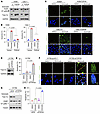 Figure 3
Modulation of Topo IIα levels in KRAS G12C–mutant cell lines alters cell sensitivity to KRAS G12C inhibitors. (A–C) Both H358 and Calu-1 cell lines expressing vector (V) or TOP2A were exposed to DMSO, 200 nM (H358), or 500 nM sotorasib (Calu-1) for 24 hours (A and C) or 48 hours (B). Scale bars: 25 μm. (D–F) H1792 cells expressing pLKO.1 or shTOP2A (D) were treated with 500 nM sotorasib for 24 hours (F) or 48 hours (E). Scale bars: 25 μm, 5 μm (zoom). (G and H) H1792 cells were transiently transfected with the given siRNAs for 24 hours followed by the treatment with DMSO or 1 μM sotorasib for 48 hours. The proteins of interest were detected with Western blotting (A, D, and G). Apoptotic cells were detected with annexin V staining/flow cytometry (B, E, and H). Data are shown as the mean ± SD of triplicate treatments (B, E, and H). γ-H2AX foci were detected with IF staining using anti-γ-H2AX antibody (C and F). Statistical differences between the 2 treatments were determined by 2-sided unpaired Student’s t test.
The presence of Topo II inhibitors enhances therapeutic efficacy of KRAS G12C inhibitors against KRAS G12C–mutant cancer cells/tumors. Given the limited activity of current KRAS G12C inhibitors in cell culture, as demonstrated above and in patients (1, 3), we then wondered whether inclusion of a Topo II inhibitor such as VP-16 or DXR in RAS-targeted therapy could boost the therapeutic efficacy of RAS-targeted cancer therapy. To this end, we tested the effects of sotorasib in combination with VP-16 on the survival of several NSCLC cell lines with KRAS G12C mutation, particularly H1792 with low sensitivity to KRAS G12C inhibitors. The combination of sotorasib and VP-16 was much more potent than either agent alone in decreasing the survival of the tested cell lines with combination indexes (CIs) of <1 (Figure 4A), indicating synergistic effects on decreasing the survival of KRAS G12C–mutant NSCLC cells. Using H1792 as a representative cell line with primary resistance to KRAS G12C inhibitors, we also tested the combination of sotorasib and DXR or the combination of adagrasib with VP-16 or DXR and generated similar results (Supplemental Figure 4, A and B). Importantly, these combinations did not show enhanced effects on decreasing the survival of other NSCLC cell lines without KRAS G12C mutation (Supplemental Figure 4C). Topo I inhibitors represent another group of widely used chemotherapeutic drugs in the clinic. We were curious to see whether the combination of a KRAS G12C inhibitor and a Topo I inhibitor exerted enhanced effects on decreasing the survival of KRAS G12C–mutant cancer cells. The results showed that sotorasib combined with either irinotecan or topotecan did not have augmented effects on decreasing the survival of either Calu-1 or H358 cells (Supplemental Figure 4D). Similarly, sotorasib combined with carboplatin, cisplatin, or paclitaxel, which are commonly used chemotherapeutic agents in the clinic without Topo II inhibitory activity, did not show enhanced effects on decreasing the survival of both Calu-1 and H358 cell lines (Supplemental Figure 4E). These results together demonstrate the critical role of Topo II inhibition in augmenting therapeutic efficacy of KRAS G12C inhibitors against KRAS G12C–mutant cancer cells.
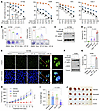 Figure 4
Sotorasib combined with VP-16 synergistically decreases cell survival, augments induction of apoptosis and DNA damage, and enhances suppression of tumor growth in vivo. (A) The tested cell lines were treated with varied concentrations of agents either alone or in combinations for 3 days. Cell numbers were measured by SRB assay, and CIs were calculated and presented inside the graph. Data are shown as the mean ± SD of 4 replicate determinations. (B) The tested cell lines were treated with 200 nM (H1792) or 20 nM (H358) sotorasib, 500 nM VP-16, or their combination. These treatments were repeated with fresh medium every 3 days. After 10 days, the cells were fixed, stained, and photographed. Data are shown as the mean ± SD of triplicate treatments. (C–E) H1792 cells were exposed to 1 μM sotorasib, 2.5 μM VP-16, or their combination for 48 hours. γ-H2AX foci were detected with IF staining (E). Scale bars: 25 μm, 5 μm (zoom). (F and G) H358 cells were exposed to 0.1 μM sotorasib, 2.5 μM VP-16, or their combination for 24 hours. The proteins of interest were detected with Western blotting (C and F). Apoptotic cells were detected with annexin V staining/flow cytometry (D and G). Data are shown as the mean ± SD of triplicate determinations. (H–J) H1792 CDXs in nu/nu nude mice (n = 6/group) were treated with vehicle, sotorasib alone (50 mg/kg, daily, og), VP-16 alone (1 mg/kg, daily, i.p.), or their combination. Tumor sizes (H) were measured at the indicated time points. At the end of treatment, tumors in each group were weighed (I) and photographed (J). Data are shown as the mean ± SEM of 6 tumors from 6 mice. Statistical analysis was conducted using 1-way ANOVA.
Consistently, the combination of sotorasib and VP-16 was significantly more effective than either single agent in suppressing colony formation/growth of the tested H1792 and H358 cells (Figure 4B). Moreover, the combination was also more active than either single agent in inducing apoptosis, as evidenced by increased PARP cleavage (Figure 4C) and annexin V–positive cells (Figure 4D) and increased γ-H2AX foci-positive cells (Figure 4E) in H1792 cells. Consistent results were also generated in H358 cells (Figure 4, F and G). Clearly, the combination of a KRAS G12 inhibitor and a Topo II inhibitor enhances therapeutic efficacy against KRAS G12C–mutant cancer cells.
Since Bim induction and Mcl-1 reduction are critical events that mediate the enhanced induction of apoptosis by osimertinib combined with VP-16 in EGFR-mutant NSCLC cell lines, as demonstrated previously (9), we were next interested in knowing whether sotorasib and VP-16 enhance apoptosis in KRAS G12C–mutant cell lines through similar mechanisms. We found that the combination of sotorasib and VP-16 elevated Bim levels, while either agent alone did not do so in H1792 cells. This combination did not further decrease Mcl-1 levels (Supplemental Figure 5A). In H1792 cells transfected with Bim siRNA, which silences Bim expression or elevation, the combination of sotorasib and VP-16 lost its ability to enhance PARP cleavage (Supplemental Figure 5B) and annexin V–positive cells (Supplemental Figure 5C), indicating the attenuated induction of apoptosis. Hence, it appears that Bim induction plays a critical role in mediating enhanced induction of apoptosis by the combination of sotorasib and VP-16 in KRAS G12C–mutant cancer cells.
We then tested the efficacy of the combination on the growth of H1792 cell–derived xenografts (CDXs) in nude mice. In agreement with the in vitro data presented above, the combination of sotorasib and VP-16 was significantly more effective than each drug alone in suppressing the growth of H1792 CDXs, which were insensitive to sotorasib in vivo as well, as evaluated by measuring tumor sizes and weights (Figure 4, H–J). IHC analysis of the tumor tissues showed that the combination had the most potent effects on decreasing Ki67 staining and on increasing the staining of cleaved PARP (cPARP; an apoptotic marker) and Bim (Supplemental Figure 6A). The combination did not alter mouse body weights in comparison with other groups (Supplemental Figure 6B), indicating favorable tolerability in vivo. Thus, these results confirm the efficacy of the combination against KRAS G12C–mutant tumors in vivo with enhanced induction of apoptosis and suppression of cell proliferation.
Another interesting observation is that the combination of sotorasib and VP-16 significantly decreased the levels of Topo IIα in H1792 CDX tumors, while either single agent had little or no effect (Supplemental Figure 6, C and D), albeit with unclear mechanisms.
The combination of sotorasib and VP-16 effectively eliminates DTPs with elevated Topo IIα and delays the emergence of acquired resistance to sotorasib in vivo. It is recognized that DTPs surviving from the initial treatment with a given targeted therapy is an important mechanism underlying the development of acquired resistance to targeted therapies (11, 12). We therefore analyzed the effects of the combination on eliminating DTPs of RAS G12C–mutant NSCLC cell lines, as depicted in Figure 5A. In a 10-day DTP assay, we detected surviving DTPs in both Calu-1 and H358 cells exposed to sotorasib alone, but not in the same cells treated with the combination of sotorasib and VP-16 (Figure 5B), demonstrating the potent efficacy of the combination in eliminating DTPs in vitro. We further determined whether the effectiveness of the combination against DTPs is due to the high levels of Topo IIα in the DTPs. Using Western blotting, we detected higher levels of Topo IIα in DTPs of H358, Calu-1, and H23 cells surviving from sotorasib treatment for 12 days than those in their corresponding control cells (Figure 5C). We also stained Topo IIα in DTPs surviving from sotorasib treatment with IF and found that the intensity of Topo IIα staining in the DTPs was much higher than in the control cells (Figure 5D). These results together indicate increased Topo IIα levels in DTPs.
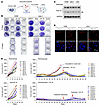 Figure 5
The combination of sotorasib and VP-16 effectively eliminates DTPs that possess elevated levels of Topo IIα and delays the emergence of acquired resistance to sotorasib in vivo. (A) Schematic procedure for the DTP assay. (B) H358 and Calu-1 cells seeded in 12-well plates were treated with 80 nM (H358) or 1,000 nM (Calu-1) sotorasib, 500 nM VP-16, or their combination. The same treatments were repeated with fresh medium every 3 days. After 5 or 10 days, the cells were stained with crystal violet dye, photographed, and counted. (C and D) The indicated cell lines were treated with 100 nM (H358) or 1,000 nM (Calu-1 and H23) sotorasib. The cells were refreshed every 3 days with fresh medium containing the same treatment. After 12 days, cells were either harvested (C) for Western blotting or reseeded onto slides for IF (D). SE, short exposure. Scale bar: 25 μm. (E) PDX tumors harboring KRAS G12C mutation in nude mice (10 tumors/group from 5 mice) were treated with vehicle, sotorasib alone (50 mg/kg, daily, og), VP-16 alone (1 mg/kg, daily, i.p.), or their combination. Tumor sizes were measured at the indicated time points. Data are shown as the mean ± SEM of 10 tumors.
Following this study, we further evaluated the effect of the combination on inhibiting tumor growth and on delaying emergence of acquired resistance to sotorasib using a NSCLC patient–derived xenograft (PDX) model harboring KRAS G12C mutation given the augmented effects of the combination on overcoming primary sotorasib resistance and eliminating DTPs, as demonstrated above. While VP-16 at the tested low dosage had limited effect on suppressing the growth of PDXs, sotorasib and particularly the combination of sotorasib and VP-16 effectively repressed the growth of the PDXs in the initial treatment period (<25 days). As the treatment continued, PDXs in mice receiving sotorasib remained the same sizes or started to grow larger; however, PDXs in mice treated with the combination regressed completely after day 25. Except for 2 PDXs in the sotorasib group that quickly grew to sizes of over 500 mm3 after 32 days, all other PDXs receiving sotorasib treatment began to grow after 40 days and reached over 500 mm3 after 52 days. The PDXs treated with the combination remained in complete regression on day 52. On day 52, the combination treatment was stopped to see whether these undetectable tumors would resume growth. We observed that 4 of 10 tumors started to resume growth after day 60, whereas the remaining tumors (6/10 tumors) remained in complete regression until the end of the study on day 94 (Figure 5E and Supplemental Figure 7A). When the 4 tumors with regrowth reached sizes of around 300 mm3, they were exposed again to the combination of sotorasib and VP-16; the tumors regressed partially, although not to the point of complete regression by the time of study end (Figure 5E and Supplemental Figure 7A). On day 52, the tumors receiving sotorasib monotherapy were switched to treatment with sotorasib plus VP-16. The tumors then responded to the combination and began to shrink after around 10 days of treatment. On day 82, all tumors had shrunk to sizes of around 100 mm3. Unfortunately, some tumors started to enlarge as the treatment continued (Figure 5E and Supplemental Figure 7A), indicating the emergence of acquired resistance to the combination of sotorasib and VP-16. Encouragingly, the body weights of mice receiving daily administration of the combination of sotorasib and VP-16 for a long period of 94 days were not reduced compared with those of mice treated with sotorasib alone (Supplemental Figure 7B), indicating the favorable tolerability of the combination in mice.
KRAS G12C–mutant cell lines with acquired resistance to KRAS G12C inhibitors have elevated levels of Topo IIα due to increased stability and are sensitive to cotargeting of RAS and Topo II. Acquired resistance to targeted cancer therapy, including RAS-targeted cancer therapy, is a challenging issue in the clinic that leads to eventual treatment failure, limiting its long-term therapeutic benefit to patients. To determine whether the cotargeting of RAS and Topo II is a valid strategy for overcoming acquired resistance to RAS-targeted cancer therapy, we first established 3 KRAS G12C–mutant NSCLC cell lines with acquired resistance to sotorasib (named SR) through gradually increasing the concentration of sotorasib, as presented in Figure 6A. Analysis of these SR cell lines in comparison with their corresponding parental cell lines using whole-genome sequencing (WGS) did not identify any new KRAS mutations except for the known G12C mutation. Other gene alterations detected did not show any difference between SR and their parental cell lines (Supplemental Figure 8). However, these SR cell lines possessed elevated basal levels of Topo IIα compared with their corresponding parental cell lines (Figure 6B). Moreover, these resistant cell lines had lower levels of FBXW7 and slightly higher levels of p-GSK3 (inactive) in comparison with their corresponding parental cell lines (Figure 6B), suggesting the possibility that the resistant cell lines possess stabilized Topo IIα. This is supported by our finding that TOP2A mRNA expression was not significantly different between parental and corresponding SR cell lines (Figure 6C). Thus, we further checked the stability of Topo IIα in these resistant cell lines and found that Topo IIα was indeed degraded much more slowly in the resistant cell lines than in their corresponding parental cell lines (Figure 6D), confirming the increased stability of Topo IIα in sotorasib-resistant cancer cell lines.
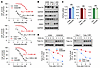 Figure 6
KRAS G12C mutant cell lines with acquired resistance to KRAS G12C inhibitors have elevated levels of Topo IIα due to increased stability. (A) The given cell lines were exposed to different concentrations of sotorasib for 72 hours. Cell numbers were then measured by the SRB assay. Data are shown as the mean ± SD of 4 replicate determinations. (B) Western blotting was used to detect the indicated proteins in H358, Calu-1, H23, and their corresponding sotorasib-resistant cell lines. P, parental; SR, sotorasib-resistant. (C) Baseline TOP2A mRNA expression in the indicated cell lines was detected with RT-qPCR. Significance was determined by 2-sided unpaired Student’s t test. (D) The tested cell lines were treated with 10 μg/mL CHX and then harvested at different times as indicated. The proteins of interest were detected with Western blotting. Band intensities were quantified using ImageJ software and plotted as a percentage of the 0 time point.
We next determined the impact of genetic inhibition of Topo IIα on the responses of the sotorasib-resistant cell lines to sotorasib. We detected significantly increased PARP cleavage (Figure 7A) and annexin V–positive cells (Figure 7B) in both H358/SR and Calu-1/SR cell lines expressing TOP2A shRNA (shTOP2A), but minimal or no increase in their corresponding control cell lines, indicating the enhanced induction of apoptosis in the TOP2A-knockdown sotorasib-resistant cell lines. A cell survival assay also showed that the TOP2A-knockdown sotorasib-resistant cell lines were more sensitive than the control cell lines to sotorasib (Supplemental Figure 9A). We noted that sotorasib treatment further decreased the levels of Topo IIα in the tested resistant cell lines in which Topo IIα levels were already reduced (Figure 7A). Similar results were also generated in the same cell lines transfected with TOP2A siRNA (Figure 7, C and D). Consistently, increased numbers of cells positive for γ-H2AX foci were detected in both sotorasib-treated H358/SR and Calu-1/SR cell lines expressing shTOP2A or TOP2A siRNA, but not in their corresponding control cells exposed to sotorasib (Figure 7E and Supplemental Figure 9B). These results clearly indicate that TOP2A knockdown in sotorasib-resistant cell lines sensitizes the cells to undergo sotorasib-induced DNA damage.
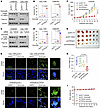 Figure 7
Genetic knockdown of TOP2A expression in sotorasib-resistant NSCLC cell lines sensitizes the cells to sotorasib. (A–D) Both H358/SR and Calu-1/SR cells expressing pLKO.1 or shTOP2A (A and B) or transfected with scrambled control or TOP2A siRNA for 48 hours (C and D) were exposed to DMSO or 10 μM sotorasib for 48 hours. The levels of Topo IIα and cleavage of PARP were detected with Western blotting (A and C). Annexin V–positive cells were determined with flow cytometry (B and D). Data are shown as the mean ± SD of triplicate determinations. (E) The indicated cell lines described above were exposed to DMSO or 10 μM sotorasib for 48 hours and then IF conducted to stain γ-H2AX foci. Scale bars: 25 μm, 5 μm (zoom). (F–I) Mice with the indicated tumors derived from H358/SR cells were treated with vehicle (V) or sotorasib (50 mg/kg, daily, og) for 24 days. Tumor sizes (F) and mouse body weights (I) were measured at the indicated time points, and at the end of the treatment, collected tumors were photographed (G) and weighed (H). Data are shown as the mean ± SEM of 6 tumors from 6 mice. Statistical differences among the treatments were determined by 1-way ANOVA.
We further inoculated H358/SR cells expressing shTOP2A into nude mice and treated them with sotorasib. As observed in vitro, sotorasib was ineffective in inhibiting the growth of H358/SR-pLKO.1 tumors but significantly inhibited the growth of H358/SR-shTOP2A tumors, as evaluated by tumor sizes (Figure 7, F and G) and weights (Figure 7H). Mouse body weights did not show apparent differences among the groups (Figure 7I), indicating that inhibition of TOP2A expression with shTOP2A does not increase the toxicity of sotorasib.
KRAS G12C–mutant cell lines and tumors with acquired resistance to KRAS G12C inhibitors are sensitive to the combination of a KRAS G12C inhibitor and a Topo II inhibitor, which is well tolerated in mice. The above findings clearly demonstrate that genetic inhibition of Topo IIα in sotorasib-resistant cell lines restores cell sensitivity to sotorasib. We thus determined the effect of sotorasib combined with VP-16 or DXR on the growth of sotorasib-resistant cell lines. In a similar fashion, the combination of sotorasib and VP-16 was more active than either agent alone in decreasing cell survival, with CIs of <1 (Figure 8A), suppressing colony formation and growth (Figure 8B), enhancing PARP and caspase-3 cleavage (Figure 8C), and increasing annexin V–positive cells (Figure 8D) in both H358/SR and Calu-1/SR cell lines. In agreement, the combination increased the number of cells positive for γ-H2AX foci in both Calu-1/SR and H358/SR cell lines, whereas each drug alone had minimal or no effect on increasing γ-H2AX foci-positive cells (Figure 8E). Similar results were also generated in the resistant cell lines exposed to the combination of sotorasib with DXR (Supplemental Figure 10). Hence, these combinations synergistically inhibit the growth of sotorasib-resistant KRAS G12C–mutant cells with enhanced induction of DNA damage and apoptosis.
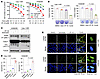 Figure 8
KRAS G12C–mutant cell lines with acquired resistance to KRAS G12C inhibitors are sensitive to the combination of a KRAS G12C inhibitor and VP-16 in decreasing cell survival and inducing apoptosis and DNA damage. (A) H358/SR and Calu-1/SR cells in 96-well plates were exposed to varying concentrations of the tested agents either alone or in combination for 3 days. Cell viability was then assessed using the SRB assay, and CIs were calculated. Data are shown as the mean ± SD of 4 independent replicates. (B) Calu-1/SR and H358/SR cells were treated with 500 nM (Calu-1) or 100 nM (H358) sotorasib, 500 nM VP-16, or their combination. The cells were refed with fresh medium containing the same treatment every 3 days. After 10 days, cells were stained with crystal violet dye, photographed, and counted. Data are shown as the mean ± SD of triplicate determinations. (C–E) Both H358/SR and Calu-1/SR cells were treated with DMSO, 10 μM sotorasib, 2.5 μM VP-16, or their combination for 48 hours. The proteins of interest were detected with Western blotting (C). Apoptotic cells were detected with annexin V staining/flow cytometry (D). γ-H2AX foci were detected with IF staining (E). Scale bars: 25 μm, 5 μm (zoom). Data are shown as the mean ± SD of triplicate determinations. Statistical analysis was conducted using 1-way ANOVA.
Following these in vitro studies, we determined the effects of the combination on the growth of sotorasib-resistant tumors in mice. While both sotorasib and VP16 alone under the tested conditions had limited effects on suppressing the growth of H358/SR tumors, the combination of sotorasib and VP-16 effectively inhibited tumor growth and was significantly more potent than each single agent alone, as evaluated by both tumor sizes (Figure 9, A and B) and weights (Figure 9C). In the subsequent study with PDX/SR tumors, we waited until tumor sizes reached around 300 mm3 and then started treatments. Consistently, we observed that the combination of sotorasib and VP-16 was much more potent than each drug alone in inhibiting the growth of PDX/SR tumors (Figure 9, D–F). In both studies, the body weights of mice receiving the combination treatment were not different from those of mice in other groups (Figure 9G), indicating favorable tolerability in mice. We performed IHC and detected the highest positive staining for cPARP in tumor tissues of mice receiving the treatment of sotorasib combined with VP-16, in which Topo IIα staining was reduced in comparison with that in tumor tissues from other treatment groups (Figure 9H). These results indicate that the combination of sotorasib and VP-16 enhances the reduction of Topo IIα levels and induction of apoptosis in vivo.
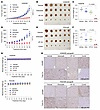 Figure 9
KRAS G12C mutant tumors with acquired resistance to KRAS G12C inhibitors are sensitive to the combination of a KRAS G12C inhibitor and VP-16 in vivo. (A–G) H358/SR cells and PDX tumors developing acquired sotorasib resistance, as presented in Figure 5E, were injected into nude mice to establish H358/SR CDXs (A–C) and PDX/SR (D–F) tumor models, respectively. Both tumor models were treated continuously with vehicle, sotorasib alone (50 mg/kg, daily, og), VP-16 alone (1 mg/kg, daily, i.p.), or their combination. Tumor sizes (A and D) and mouse body weights (G) were measured at the indicated time points. At the end of the treatment, collected tumors were photographed (B and E) and weighed (C and F). (H) Tumor tissues slides were stained for cPARP and Topo IIα using IHC. Scale bars: 100 μm. Data are shown as the mean ± SEM of 6 tumors from 6 mice. Statistical analysis was conducted using 1-way ANOVA.
We conducted the same treatments in immunocompetent mice to further examine the potential toxicities of the sotorasib and VP-16 combination. After about 4 weeks of treatment, mouse body weights in the combination group were comparable with those in the single-agent treatment groups (Supplemental Figure 11A). Histological examination of tissues from the major organs, including lung, heart, kidney, spleen, and liver, among the different groups did not show differences (Supplemental Figure 11B). The detection of various serum protein markers or enzymatic activities that reflect the functions of organs, the immune/inflammatory system, the erythrocyte/oxygen transport system, and the platelet/coagulation system among the tested groups did not show significant differences either (Supplemental Figure 12). Hence, the combination of sotorasib and VP-16 is well tolerated without apparent toxicities in the immunocompetent mice as well.
Baseline and pretreatment levels of Topo IIα predict therapeutic outcomes of KRAS G12C inhibitors in the treatment of patients with RAS G12C–mutant NSCLC. Thirty-one male patients with lung adenocarcinoma harboring KRAS G12C mutation were included in the study, and their clinical characteristics are summarized in Supplemental Table 1. Among these tissues, there were 9 baseline tissues (at the time of diagnosis) and 22 pretreatment tissues (before the initiation of treatment with the KRAS G12C inhibitor fulzerasib). IHC staining results for Topo IIα protein expression in these tissues were scored as weighted index (WI; intensity 0–3 × % positive staining). WI of 10 was then chosen to define the expression levels of Topo IIα as low (WI < 10) or high (WI ≥ 10). The median follow-up duration was 13.1 (4.3–22.1) months. By the end of follow-up, 61.3% (19/31) of patients had disease progression. Interestingly, we found that patients with low Topo IIα expression in tumors had significantly longer median PFS (mPFS) than those with high Topo IIα expression (11.2 vs. 3.2 months; P < 0.001; Figure 10A) using all the samples in the cohort with PFS follow-up information. ORR was also significantly higher in the low expression group than in the high expression group (68.4% [13/19] vs. 25.0% [3/12], P = 0.029; Figure 10B). Given that RAS G12C inhibitors were approved for a late line of therapy, we further analyzed Topo IIα levels in the subset of 22 cases with recent pretreatment tissues, in which 68.2% (15/22) had disease progression. Consistent with the results generated from the overall cohort samples, patients with KRAS G12C–mutant NSCLC expressing low levels of Topo IIα had significantly longer mPFS (6.9 vs. 3.0 months, P < 0.001; Figure 10C) and higher ORR (78.6% [11/14] vs. 25.0% [2/8], P = 0.026; Figure 10D) in comparison with those with tumors expressing high levels of Topo IIα. Among the 9 patients with baseline tumor samples, 44.4% (3/9) had disease progression. Although the difference did not reach statistical significance due to the small sample size, low Topo IIα expression trended toward longer mPFS (not reached vs. 5.3 months, P = 0.291; Figure 10E) and higher ORR (40.0% [2/5] vs. 25.0% [1/4], P > 0.999; Figure 10F). Hence, it appears that both baseline and pretreatment levels of Topo IIα determine therapeutic outcomes of KRAS G12C inhibitors in the treatment of patients with KRAS G12C mutation.
 Figure 10
Topo IIα protein expression correlates with PFS and ORR in the overall cohort samples and pretreatment samples. (A, C, and E) Kaplan-Meier curves for PFS by Topo IIα expression status in the overall cohort samples including baseline and pretreatment ones (A), in the pretreatment samples (C), and in baseline samples (E). (B, D, and F) ORRs between Topo IIα low and high groups in the overall cohort (A), pretreatment (D), and baseline (F) samples. Statistical differences were determined by 2-sided unpaired Student’s t test (PFS) and Fisher’s exact test (ORR).


Copyright © 2026 American Society for Clinical Investigation
ISSN: 0021-9738 (print), 1558-8238 (online)