
Advertisement
Research ArticleCell biologyNeuroscience
Open Access |  10.1172/JCI200121
Disruption of CSF-1 receptor–mediated metal ion homeostasis in the murine brain promotes neurodegenerative disease
Violeta Chițu,1 Julia Alvarenga,1 Wenna Chen,2 David Reynolds,2 Yang Liu,2 Daqian Sun,3 Anders Sandell,4 Virginjia Danylaité-Karrenbauer,5,6 Per Uvdal,7 Iran A.N da Silva,8,9,10 Christophe Sandt,11 Oxana Klementieva,8,12 Ulf Johansson,13 Kavitha Subramanian Vignesh,14 Zbigniew K. Wszolek,15 Dennis W. Dickson,16 Jennifer T. Aguilian,17 Simone Sidoli,18 Deyou Zheng,2,19 and E. Richard Stanley1
1Department of Developmental and Molecular Biology,
2Department of Genetics, and
3Department of Cell Biology, Albert Einstein College of Medicine, Bronx, New York, USA.
4Division of X-ray Photon Science, Department of Physics and Astronomy, Uppsala University, Uppsala, Sweden.
5Department of Clinical Neuroscience, Karolinska Institutet, Stockholm, Sweden.
6Department of Neurology, Karolinska University Hospital, Stockholm, Sweden.
7Chemical Physics, Department of Chemistry,
8 NanoLund,
9Lund Stem Cell Center, and
10Wallenberg Centre for Molecular Medicine, Lund University, Lund, Sweden.
11Synchrotron SOLEIL, Saint-Aubin, France.
12Department of Experimental Medical Science and
13MAX IV Laboratory, Lund University, Lund, Sweden.
14Division of Infectious Diseases, College of Medicine, University of Cincinnati, Cincinnati, Ohio, USA.
15Department of Neurology and
16Department of Neuroscience, Mayo Clinic, Jacksonville, Florida, USA.
17Department of Pathology,
18Department of Biochemistry, and
19The Saul R. Korey Department of Neurology and the Dominick P. Purpura Department of Neuroscience, Albert Einstein College of Medicine, Bronx, New York, USA.
Address correspondence to: E. Richard Stanley, Albert Einstein College of Medicine, 1300 Morris Park Ave., Bronx, New York 10461, USA. Phone: 718.430.2344; Email: richard.stanley@einsteinmed.edu.
Find articles by Chițu, V. in: PubMed | Google Scholar
1Department of Developmental and Molecular Biology,
2Department of Genetics, and
3Department of Cell Biology, Albert Einstein College of Medicine, Bronx, New York, USA.
4Division of X-ray Photon Science, Department of Physics and Astronomy, Uppsala University, Uppsala, Sweden.
5Department of Clinical Neuroscience, Karolinska Institutet, Stockholm, Sweden.
6Department of Neurology, Karolinska University Hospital, Stockholm, Sweden.
7Chemical Physics, Department of Chemistry,
8 NanoLund,
9Lund Stem Cell Center, and
10Wallenberg Centre for Molecular Medicine, Lund University, Lund, Sweden.
11Synchrotron SOLEIL, Saint-Aubin, France.
12Department of Experimental Medical Science and
13MAX IV Laboratory, Lund University, Lund, Sweden.
14Division of Infectious Diseases, College of Medicine, University of Cincinnati, Cincinnati, Ohio, USA.
15Department of Neurology and
16Department of Neuroscience, Mayo Clinic, Jacksonville, Florida, USA.
17Department of Pathology,
18Department of Biochemistry, and
19The Saul R. Korey Department of Neurology and the Dominick P. Purpura Department of Neuroscience, Albert Einstein College of Medicine, Bronx, New York, USA.
Address correspondence to: E. Richard Stanley, Albert Einstein College of Medicine, 1300 Morris Park Ave., Bronx, New York 10461, USA. Phone: 718.430.2344; Email: richard.stanley@einsteinmed.edu.
Find articles by Alvarenga, J. in: PubMed | Google Scholar
1Department of Developmental and Molecular Biology,
2Department of Genetics, and
3Department of Cell Biology, Albert Einstein College of Medicine, Bronx, New York, USA.
4Division of X-ray Photon Science, Department of Physics and Astronomy, Uppsala University, Uppsala, Sweden.
5Department of Clinical Neuroscience, Karolinska Institutet, Stockholm, Sweden.
6Department of Neurology, Karolinska University Hospital, Stockholm, Sweden.
7Chemical Physics, Department of Chemistry,
8 NanoLund,
9Lund Stem Cell Center, and
10Wallenberg Centre for Molecular Medicine, Lund University, Lund, Sweden.
11Synchrotron SOLEIL, Saint-Aubin, France.
12Department of Experimental Medical Science and
13MAX IV Laboratory, Lund University, Lund, Sweden.
14Division of Infectious Diseases, College of Medicine, University of Cincinnati, Cincinnati, Ohio, USA.
15Department of Neurology and
16Department of Neuroscience, Mayo Clinic, Jacksonville, Florida, USA.
17Department of Pathology,
18Department of Biochemistry, and
19The Saul R. Korey Department of Neurology and the Dominick P. Purpura Department of Neuroscience, Albert Einstein College of Medicine, Bronx, New York, USA.
Address correspondence to: E. Richard Stanley, Albert Einstein College of Medicine, 1300 Morris Park Ave., Bronx, New York 10461, USA. Phone: 718.430.2344; Email: richard.stanley@einsteinmed.edu.
Find articles by Chen, W. in: PubMed | Google Scholar
1Department of Developmental and Molecular Biology,
2Department of Genetics, and
3Department of Cell Biology, Albert Einstein College of Medicine, Bronx, New York, USA.
4Division of X-ray Photon Science, Department of Physics and Astronomy, Uppsala University, Uppsala, Sweden.
5Department of Clinical Neuroscience, Karolinska Institutet, Stockholm, Sweden.
6Department of Neurology, Karolinska University Hospital, Stockholm, Sweden.
7Chemical Physics, Department of Chemistry,
8 NanoLund,
9Lund Stem Cell Center, and
10Wallenberg Centre for Molecular Medicine, Lund University, Lund, Sweden.
11Synchrotron SOLEIL, Saint-Aubin, France.
12Department of Experimental Medical Science and
13MAX IV Laboratory, Lund University, Lund, Sweden.
14Division of Infectious Diseases, College of Medicine, University of Cincinnati, Cincinnati, Ohio, USA.
15Department of Neurology and
16Department of Neuroscience, Mayo Clinic, Jacksonville, Florida, USA.
17Department of Pathology,
18Department of Biochemistry, and
19The Saul R. Korey Department of Neurology and the Dominick P. Purpura Department of Neuroscience, Albert Einstein College of Medicine, Bronx, New York, USA.
Address correspondence to: E. Richard Stanley, Albert Einstein College of Medicine, 1300 Morris Park Ave., Bronx, New York 10461, USA. Phone: 718.430.2344; Email: richard.stanley@einsteinmed.edu.
Find articles by Reynolds, D. in: PubMed | Google Scholar
1Department of Developmental and Molecular Biology,
2Department of Genetics, and
3Department of Cell Biology, Albert Einstein College of Medicine, Bronx, New York, USA.
4Division of X-ray Photon Science, Department of Physics and Astronomy, Uppsala University, Uppsala, Sweden.
5Department of Clinical Neuroscience, Karolinska Institutet, Stockholm, Sweden.
6Department of Neurology, Karolinska University Hospital, Stockholm, Sweden.
7Chemical Physics, Department of Chemistry,
8 NanoLund,
9Lund Stem Cell Center, and
10Wallenberg Centre for Molecular Medicine, Lund University, Lund, Sweden.
11Synchrotron SOLEIL, Saint-Aubin, France.
12Department of Experimental Medical Science and
13MAX IV Laboratory, Lund University, Lund, Sweden.
14Division of Infectious Diseases, College of Medicine, University of Cincinnati, Cincinnati, Ohio, USA.
15Department of Neurology and
16Department of Neuroscience, Mayo Clinic, Jacksonville, Florida, USA.
17Department of Pathology,
18Department of Biochemistry, and
19The Saul R. Korey Department of Neurology and the Dominick P. Purpura Department of Neuroscience, Albert Einstein College of Medicine, Bronx, New York, USA.
Address correspondence to: E. Richard Stanley, Albert Einstein College of Medicine, 1300 Morris Park Ave., Bronx, New York 10461, USA. Phone: 718.430.2344; Email: richard.stanley@einsteinmed.edu.
Find articles by Liu, Y. in: PubMed | Google Scholar
1Department of Developmental and Molecular Biology,
2Department of Genetics, and
3Department of Cell Biology, Albert Einstein College of Medicine, Bronx, New York, USA.
4Division of X-ray Photon Science, Department of Physics and Astronomy, Uppsala University, Uppsala, Sweden.
5Department of Clinical Neuroscience, Karolinska Institutet, Stockholm, Sweden.
6Department of Neurology, Karolinska University Hospital, Stockholm, Sweden.
7Chemical Physics, Department of Chemistry,
8 NanoLund,
9Lund Stem Cell Center, and
10Wallenberg Centre for Molecular Medicine, Lund University, Lund, Sweden.
11Synchrotron SOLEIL, Saint-Aubin, France.
12Department of Experimental Medical Science and
13MAX IV Laboratory, Lund University, Lund, Sweden.
14Division of Infectious Diseases, College of Medicine, University of Cincinnati, Cincinnati, Ohio, USA.
15Department of Neurology and
16Department of Neuroscience, Mayo Clinic, Jacksonville, Florida, USA.
17Department of Pathology,
18Department of Biochemistry, and
19The Saul R. Korey Department of Neurology and the Dominick P. Purpura Department of Neuroscience, Albert Einstein College of Medicine, Bronx, New York, USA.
Address correspondence to: E. Richard Stanley, Albert Einstein College of Medicine, 1300 Morris Park Ave., Bronx, New York 10461, USA. Phone: 718.430.2344; Email: richard.stanley@einsteinmed.edu.
Find articles by Sun, D. in: PubMed | Google Scholar
1Department of Developmental and Molecular Biology,
2Department of Genetics, and
3Department of Cell Biology, Albert Einstein College of Medicine, Bronx, New York, USA.
4Division of X-ray Photon Science, Department of Physics and Astronomy, Uppsala University, Uppsala, Sweden.
5Department of Clinical Neuroscience, Karolinska Institutet, Stockholm, Sweden.
6Department of Neurology, Karolinska University Hospital, Stockholm, Sweden.
7Chemical Physics, Department of Chemistry,
8 NanoLund,
9Lund Stem Cell Center, and
10Wallenberg Centre for Molecular Medicine, Lund University, Lund, Sweden.
11Synchrotron SOLEIL, Saint-Aubin, France.
12Department of Experimental Medical Science and
13MAX IV Laboratory, Lund University, Lund, Sweden.
14Division of Infectious Diseases, College of Medicine, University of Cincinnati, Cincinnati, Ohio, USA.
15Department of Neurology and
16Department of Neuroscience, Mayo Clinic, Jacksonville, Florida, USA.
17Department of Pathology,
18Department of Biochemistry, and
19The Saul R. Korey Department of Neurology and the Dominick P. Purpura Department of Neuroscience, Albert Einstein College of Medicine, Bronx, New York, USA.
Address correspondence to: E. Richard Stanley, Albert Einstein College of Medicine, 1300 Morris Park Ave., Bronx, New York 10461, USA. Phone: 718.430.2344; Email: richard.stanley@einsteinmed.edu.
Find articles by Sandell, A. in: PubMed | Google Scholar
1Department of Developmental and Molecular Biology,
2Department of Genetics, and
3Department of Cell Biology, Albert Einstein College of Medicine, Bronx, New York, USA.
4Division of X-ray Photon Science, Department of Physics and Astronomy, Uppsala University, Uppsala, Sweden.
5Department of Clinical Neuroscience, Karolinska Institutet, Stockholm, Sweden.
6Department of Neurology, Karolinska University Hospital, Stockholm, Sweden.
7Chemical Physics, Department of Chemistry,
8 NanoLund,
9Lund Stem Cell Center, and
10Wallenberg Centre for Molecular Medicine, Lund University, Lund, Sweden.
11Synchrotron SOLEIL, Saint-Aubin, France.
12Department of Experimental Medical Science and
13MAX IV Laboratory, Lund University, Lund, Sweden.
14Division of Infectious Diseases, College of Medicine, University of Cincinnati, Cincinnati, Ohio, USA.
15Department of Neurology and
16Department of Neuroscience, Mayo Clinic, Jacksonville, Florida, USA.
17Department of Pathology,
18Department of Biochemistry, and
19The Saul R. Korey Department of Neurology and the Dominick P. Purpura Department of Neuroscience, Albert Einstein College of Medicine, Bronx, New York, USA.
Address correspondence to: E. Richard Stanley, Albert Einstein College of Medicine, 1300 Morris Park Ave., Bronx, New York 10461, USA. Phone: 718.430.2344; Email: richard.stanley@einsteinmed.edu.
Find articles by Danylaité-Karrenbauer, V. in: PubMed | Google Scholar
1Department of Developmental and Molecular Biology,
2Department of Genetics, and
3Department of Cell Biology, Albert Einstein College of Medicine, Bronx, New York, USA.
4Division of X-ray Photon Science, Department of Physics and Astronomy, Uppsala University, Uppsala, Sweden.
5Department of Clinical Neuroscience, Karolinska Institutet, Stockholm, Sweden.
6Department of Neurology, Karolinska University Hospital, Stockholm, Sweden.
7Chemical Physics, Department of Chemistry,
8 NanoLund,
9Lund Stem Cell Center, and
10Wallenberg Centre for Molecular Medicine, Lund University, Lund, Sweden.
11Synchrotron SOLEIL, Saint-Aubin, France.
12Department of Experimental Medical Science and
13MAX IV Laboratory, Lund University, Lund, Sweden.
14Division of Infectious Diseases, College of Medicine, University of Cincinnati, Cincinnati, Ohio, USA.
15Department of Neurology and
16Department of Neuroscience, Mayo Clinic, Jacksonville, Florida, USA.
17Department of Pathology,
18Department of Biochemistry, and
19The Saul R. Korey Department of Neurology and the Dominick P. Purpura Department of Neuroscience, Albert Einstein College of Medicine, Bronx, New York, USA.
Address correspondence to: E. Richard Stanley, Albert Einstein College of Medicine, 1300 Morris Park Ave., Bronx, New York 10461, USA. Phone: 718.430.2344; Email: richard.stanley@einsteinmed.edu.
Find articles by Uvdal, P. in: PubMed | Google Scholar
1Department of Developmental and Molecular Biology,
2Department of Genetics, and
3Department of Cell Biology, Albert Einstein College of Medicine, Bronx, New York, USA.
4Division of X-ray Photon Science, Department of Physics and Astronomy, Uppsala University, Uppsala, Sweden.
5Department of Clinical Neuroscience, Karolinska Institutet, Stockholm, Sweden.
6Department of Neurology, Karolinska University Hospital, Stockholm, Sweden.
7Chemical Physics, Department of Chemistry,
8 NanoLund,
9Lund Stem Cell Center, and
10Wallenberg Centre for Molecular Medicine, Lund University, Lund, Sweden.
11Synchrotron SOLEIL, Saint-Aubin, France.
12Department of Experimental Medical Science and
13MAX IV Laboratory, Lund University, Lund, Sweden.
14Division of Infectious Diseases, College of Medicine, University of Cincinnati, Cincinnati, Ohio, USA.
15Department of Neurology and
16Department of Neuroscience, Mayo Clinic, Jacksonville, Florida, USA.
17Department of Pathology,
18Department of Biochemistry, and
19The Saul R. Korey Department of Neurology and the Dominick P. Purpura Department of Neuroscience, Albert Einstein College of Medicine, Bronx, New York, USA.
Address correspondence to: E. Richard Stanley, Albert Einstein College of Medicine, 1300 Morris Park Ave., Bronx, New York 10461, USA. Phone: 718.430.2344; Email: richard.stanley@einsteinmed.edu.
Find articles by da Silva, I. in: PubMed | Google Scholar
1Department of Developmental and Molecular Biology,
2Department of Genetics, and
3Department of Cell Biology, Albert Einstein College of Medicine, Bronx, New York, USA.
4Division of X-ray Photon Science, Department of Physics and Astronomy, Uppsala University, Uppsala, Sweden.
5Department of Clinical Neuroscience, Karolinska Institutet, Stockholm, Sweden.
6Department of Neurology, Karolinska University Hospital, Stockholm, Sweden.
7Chemical Physics, Department of Chemistry,
8 NanoLund,
9Lund Stem Cell Center, and
10Wallenberg Centre for Molecular Medicine, Lund University, Lund, Sweden.
11Synchrotron SOLEIL, Saint-Aubin, France.
12Department of Experimental Medical Science and
13MAX IV Laboratory, Lund University, Lund, Sweden.
14Division of Infectious Diseases, College of Medicine, University of Cincinnati, Cincinnati, Ohio, USA.
15Department of Neurology and
16Department of Neuroscience, Mayo Clinic, Jacksonville, Florida, USA.
17Department of Pathology,
18Department of Biochemistry, and
19The Saul R. Korey Department of Neurology and the Dominick P. Purpura Department of Neuroscience, Albert Einstein College of Medicine, Bronx, New York, USA.
Address correspondence to: E. Richard Stanley, Albert Einstein College of Medicine, 1300 Morris Park Ave., Bronx, New York 10461, USA. Phone: 718.430.2344; Email: richard.stanley@einsteinmed.edu.
Find articles by Sandt, C. in: PubMed | Google Scholar
1Department of Developmental and Molecular Biology,
2Department of Genetics, and
3Department of Cell Biology, Albert Einstein College of Medicine, Bronx, New York, USA.
4Division of X-ray Photon Science, Department of Physics and Astronomy, Uppsala University, Uppsala, Sweden.
5Department of Clinical Neuroscience, Karolinska Institutet, Stockholm, Sweden.
6Department of Neurology, Karolinska University Hospital, Stockholm, Sweden.
7Chemical Physics, Department of Chemistry,
8 NanoLund,
9Lund Stem Cell Center, and
10Wallenberg Centre for Molecular Medicine, Lund University, Lund, Sweden.
11Synchrotron SOLEIL, Saint-Aubin, France.
12Department of Experimental Medical Science and
13MAX IV Laboratory, Lund University, Lund, Sweden.
14Division of Infectious Diseases, College of Medicine, University of Cincinnati, Cincinnati, Ohio, USA.
15Department of Neurology and
16Department of Neuroscience, Mayo Clinic, Jacksonville, Florida, USA.
17Department of Pathology,
18Department of Biochemistry, and
19The Saul R. Korey Department of Neurology and the Dominick P. Purpura Department of Neuroscience, Albert Einstein College of Medicine, Bronx, New York, USA.
Address correspondence to: E. Richard Stanley, Albert Einstein College of Medicine, 1300 Morris Park Ave., Bronx, New York 10461, USA. Phone: 718.430.2344; Email: richard.stanley@einsteinmed.edu.
Find articles by Klementieva, O. in: PubMed | Google Scholar
1Department of Developmental and Molecular Biology,
2Department of Genetics, and
3Department of Cell Biology, Albert Einstein College of Medicine, Bronx, New York, USA.
4Division of X-ray Photon Science, Department of Physics and Astronomy, Uppsala University, Uppsala, Sweden.
5Department of Clinical Neuroscience, Karolinska Institutet, Stockholm, Sweden.
6Department of Neurology, Karolinska University Hospital, Stockholm, Sweden.
7Chemical Physics, Department of Chemistry,
8 NanoLund,
9Lund Stem Cell Center, and
10Wallenberg Centre for Molecular Medicine, Lund University, Lund, Sweden.
11Synchrotron SOLEIL, Saint-Aubin, France.
12Department of Experimental Medical Science and
13MAX IV Laboratory, Lund University, Lund, Sweden.
14Division of Infectious Diseases, College of Medicine, University of Cincinnati, Cincinnati, Ohio, USA.
15Department of Neurology and
16Department of Neuroscience, Mayo Clinic, Jacksonville, Florida, USA.
17Department of Pathology,
18Department of Biochemistry, and
19The Saul R. Korey Department of Neurology and the Dominick P. Purpura Department of Neuroscience, Albert Einstein College of Medicine, Bronx, New York, USA.
Address correspondence to: E. Richard Stanley, Albert Einstein College of Medicine, 1300 Morris Park Ave., Bronx, New York 10461, USA. Phone: 718.430.2344; Email: richard.stanley@einsteinmed.edu.
Find articles by Johansson, U. in: PubMed | Google Scholar
1Department of Developmental and Molecular Biology,
2Department of Genetics, and
3Department of Cell Biology, Albert Einstein College of Medicine, Bronx, New York, USA.
4Division of X-ray Photon Science, Department of Physics and Astronomy, Uppsala University, Uppsala, Sweden.
5Department of Clinical Neuroscience, Karolinska Institutet, Stockholm, Sweden.
6Department of Neurology, Karolinska University Hospital, Stockholm, Sweden.
7Chemical Physics, Department of Chemistry,
8 NanoLund,
9Lund Stem Cell Center, and
10Wallenberg Centre for Molecular Medicine, Lund University, Lund, Sweden.
11Synchrotron SOLEIL, Saint-Aubin, France.
12Department of Experimental Medical Science and
13MAX IV Laboratory, Lund University, Lund, Sweden.
14Division of Infectious Diseases, College of Medicine, University of Cincinnati, Cincinnati, Ohio, USA.
15Department of Neurology and
16Department of Neuroscience, Mayo Clinic, Jacksonville, Florida, USA.
17Department of Pathology,
18Department of Biochemistry, and
19The Saul R. Korey Department of Neurology and the Dominick P. Purpura Department of Neuroscience, Albert Einstein College of Medicine, Bronx, New York, USA.
Address correspondence to: E. Richard Stanley, Albert Einstein College of Medicine, 1300 Morris Park Ave., Bronx, New York 10461, USA. Phone: 718.430.2344; Email: richard.stanley@einsteinmed.edu.
Find articles by Subramanian Vignesh, K. in: PubMed | Google Scholar
1Department of Developmental and Molecular Biology,
2Department of Genetics, and
3Department of Cell Biology, Albert Einstein College of Medicine, Bronx, New York, USA.
4Division of X-ray Photon Science, Department of Physics and Astronomy, Uppsala University, Uppsala, Sweden.
5Department of Clinical Neuroscience, Karolinska Institutet, Stockholm, Sweden.
6Department of Neurology, Karolinska University Hospital, Stockholm, Sweden.
7Chemical Physics, Department of Chemistry,
8 NanoLund,
9Lund Stem Cell Center, and
10Wallenberg Centre for Molecular Medicine, Lund University, Lund, Sweden.
11Synchrotron SOLEIL, Saint-Aubin, France.
12Department of Experimental Medical Science and
13MAX IV Laboratory, Lund University, Lund, Sweden.
14Division of Infectious Diseases, College of Medicine, University of Cincinnati, Cincinnati, Ohio, USA.
15Department of Neurology and
16Department of Neuroscience, Mayo Clinic, Jacksonville, Florida, USA.
17Department of Pathology,
18Department of Biochemistry, and
19The Saul R. Korey Department of Neurology and the Dominick P. Purpura Department of Neuroscience, Albert Einstein College of Medicine, Bronx, New York, USA.
Address correspondence to: E. Richard Stanley, Albert Einstein College of Medicine, 1300 Morris Park Ave., Bronx, New York 10461, USA. Phone: 718.430.2344; Email: richard.stanley@einsteinmed.edu.
Find articles by Wszolek, Z. in: PubMed | Google Scholar
1Department of Developmental and Molecular Biology,
2Department of Genetics, and
3Department of Cell Biology, Albert Einstein College of Medicine, Bronx, New York, USA.
4Division of X-ray Photon Science, Department of Physics and Astronomy, Uppsala University, Uppsala, Sweden.
5Department of Clinical Neuroscience, Karolinska Institutet, Stockholm, Sweden.
6Department of Neurology, Karolinska University Hospital, Stockholm, Sweden.
7Chemical Physics, Department of Chemistry,
8 NanoLund,
9Lund Stem Cell Center, and
10Wallenberg Centre for Molecular Medicine, Lund University, Lund, Sweden.
11Synchrotron SOLEIL, Saint-Aubin, France.
12Department of Experimental Medical Science and
13MAX IV Laboratory, Lund University, Lund, Sweden.
14Division of Infectious Diseases, College of Medicine, University of Cincinnati, Cincinnati, Ohio, USA.
15Department of Neurology and
16Department of Neuroscience, Mayo Clinic, Jacksonville, Florida, USA.
17Department of Pathology,
18Department of Biochemistry, and
19The Saul R. Korey Department of Neurology and the Dominick P. Purpura Department of Neuroscience, Albert Einstein College of Medicine, Bronx, New York, USA.
Address correspondence to: E. Richard Stanley, Albert Einstein College of Medicine, 1300 Morris Park Ave., Bronx, New York 10461, USA. Phone: 718.430.2344; Email: richard.stanley@einsteinmed.edu.
Find articles by
Dickson, D.
in:
PubMed
|
Google Scholar
|

1Department of Developmental and Molecular Biology,
2Department of Genetics, and
3Department of Cell Biology, Albert Einstein College of Medicine, Bronx, New York, USA.
4Division of X-ray Photon Science, Department of Physics and Astronomy, Uppsala University, Uppsala, Sweden.
5Department of Clinical Neuroscience, Karolinska Institutet, Stockholm, Sweden.
6Department of Neurology, Karolinska University Hospital, Stockholm, Sweden.
7Chemical Physics, Department of Chemistry,
8 NanoLund,
9Lund Stem Cell Center, and
10Wallenberg Centre for Molecular Medicine, Lund University, Lund, Sweden.
11Synchrotron SOLEIL, Saint-Aubin, France.
12Department of Experimental Medical Science and
13MAX IV Laboratory, Lund University, Lund, Sweden.
14Division of Infectious Diseases, College of Medicine, University of Cincinnati, Cincinnati, Ohio, USA.
15Department of Neurology and
16Department of Neuroscience, Mayo Clinic, Jacksonville, Florida, USA.
17Department of Pathology,
18Department of Biochemistry, and
19The Saul R. Korey Department of Neurology and the Dominick P. Purpura Department of Neuroscience, Albert Einstein College of Medicine, Bronx, New York, USA.
Address correspondence to: E. Richard Stanley, Albert Einstein College of Medicine, 1300 Morris Park Ave., Bronx, New York 10461, USA. Phone: 718.430.2344; Email: richard.stanley@einsteinmed.edu.
Find articles by Aguilian, J. in: PubMed | Google Scholar
1Department of Developmental and Molecular Biology,
2Department of Genetics, and
3Department of Cell Biology, Albert Einstein College of Medicine, Bronx, New York, USA.
4Division of X-ray Photon Science, Department of Physics and Astronomy, Uppsala University, Uppsala, Sweden.
5Department of Clinical Neuroscience, Karolinska Institutet, Stockholm, Sweden.
6Department of Neurology, Karolinska University Hospital, Stockholm, Sweden.
7Chemical Physics, Department of Chemistry,
8 NanoLund,
9Lund Stem Cell Center, and
10Wallenberg Centre for Molecular Medicine, Lund University, Lund, Sweden.
11Synchrotron SOLEIL, Saint-Aubin, France.
12Department of Experimental Medical Science and
13MAX IV Laboratory, Lund University, Lund, Sweden.
14Division of Infectious Diseases, College of Medicine, University of Cincinnati, Cincinnati, Ohio, USA.
15Department of Neurology and
16Department of Neuroscience, Mayo Clinic, Jacksonville, Florida, USA.
17Department of Pathology,
18Department of Biochemistry, and
19The Saul R. Korey Department of Neurology and the Dominick P. Purpura Department of Neuroscience, Albert Einstein College of Medicine, Bronx, New York, USA.
Address correspondence to: E. Richard Stanley, Albert Einstein College of Medicine, 1300 Morris Park Ave., Bronx, New York 10461, USA. Phone: 718.430.2344; Email: richard.stanley@einsteinmed.edu.
Find articles by Sidoli, S. in: PubMed | Google Scholar
1Department of Developmental and Molecular Biology,
2Department of Genetics, and
3Department of Cell Biology, Albert Einstein College of Medicine, Bronx, New York, USA.
4Division of X-ray Photon Science, Department of Physics and Astronomy, Uppsala University, Uppsala, Sweden.
5Department of Clinical Neuroscience, Karolinska Institutet, Stockholm, Sweden.
6Department of Neurology, Karolinska University Hospital, Stockholm, Sweden.
7Chemical Physics, Department of Chemistry,
8 NanoLund,
9Lund Stem Cell Center, and
10Wallenberg Centre for Molecular Medicine, Lund University, Lund, Sweden.
11Synchrotron SOLEIL, Saint-Aubin, France.
12Department of Experimental Medical Science and
13MAX IV Laboratory, Lund University, Lund, Sweden.
14Division of Infectious Diseases, College of Medicine, University of Cincinnati, Cincinnati, Ohio, USA.
15Department of Neurology and
16Department of Neuroscience, Mayo Clinic, Jacksonville, Florida, USA.
17Department of Pathology,
18Department of Biochemistry, and
19The Saul R. Korey Department of Neurology and the Dominick P. Purpura Department of Neuroscience, Albert Einstein College of Medicine, Bronx, New York, USA.
Address correspondence to: E. Richard Stanley, Albert Einstein College of Medicine, 1300 Morris Park Ave., Bronx, New York 10461, USA. Phone: 718.430.2344; Email: richard.stanley@einsteinmed.edu.
Find articles by
Zheng, D.
in:
PubMed
|
Google Scholar
|
1Department of Developmental and Molecular Biology,
2Department of Genetics, and
3Department of Cell Biology, Albert Einstein College of Medicine, Bronx, New York, USA.
4Division of X-ray Photon Science, Department of Physics and Astronomy, Uppsala University, Uppsala, Sweden.
5Department of Clinical Neuroscience, Karolinska Institutet, Stockholm, Sweden.
6Department of Neurology, Karolinska University Hospital, Stockholm, Sweden.
7Chemical Physics, Department of Chemistry,
8 NanoLund,
9Lund Stem Cell Center, and
10Wallenberg Centre for Molecular Medicine, Lund University, Lund, Sweden.
11Synchrotron SOLEIL, Saint-Aubin, France.
12Department of Experimental Medical Science and
13MAX IV Laboratory, Lund University, Lund, Sweden.
14Division of Infectious Diseases, College of Medicine, University of Cincinnati, Cincinnati, Ohio, USA.
15Department of Neurology and
16Department of Neuroscience, Mayo Clinic, Jacksonville, Florida, USA.
17Department of Pathology,
18Department of Biochemistry, and
19The Saul R. Korey Department of Neurology and the Dominick P. Purpura Department of Neuroscience, Albert Einstein College of Medicine, Bronx, New York, USA.
Address correspondence to: E. Richard Stanley, Albert Einstein College of Medicine, 1300 Morris Park Ave., Bronx, New York 10461, USA. Phone: 718.430.2344; Email: richard.stanley@einsteinmed.edu.
Find articles by Stanley, E. in: PubMed | Google Scholar
Published February 26, 2026 - More info
J Clin Invest. 2026;136(9):e200121. https://doi.org/10.1172/JCI200121.
© 2026 Chițu et al. This work is licensed under the Creative Commons Attribution 4.0 International License. To view a copy of this license, visit http://creativecommons.org/licenses/by/4.0/.
Received: September 16, 2025; Accepted: February 19, 2026


-
Results
snRNA-seq reveals that Csf1r heterozygosity primarily affects microglia but also neural and endothelial lineage cells in presymptomatic mice. To investigate how reduced CSF-1R signaling affects microglia function and their communication with other brain cells, we performed a snRNA-seq study of brains isolated from 2-month-old asymptomatic Csf1r+/– mice and wild-type (WT) controls (3 mice per genotype) (Figure 1A). A total of 75,141 individual nuclei were analyzed (44,570 WT and 30,571 Csf1r+/–) after quality controls. The individual samples were processed and then integrated by the scDAPP pipeline (24), generating 31 clusters (Figure 1B). Cell types in these clusters were identified manually, based on the expression of widely accepted markers (Figure 1, B–E). Most clusters contained transcripts for the pan-neuronal markers Rbfox3 and Snap25. Based on the expression of excitatory or inhibitory neuron markers, these neuronal clusters were classified as excitatory neurons (clusters 2–5, 7, 8, 10, 11, 14, 16, 18, 19, and 24–29), inhibitory neurons (clusters 6, 12, 17, and 23), or mixed population neurons (clusters 1 and 15) (Figure 1, B and C, and Supplemental Table 1; supplemental material available online with this article; https://doi.org/10.1172/JCI200121DS1). Although excitatory neurons were spread among many clusters, we chose not to merge them to allow the identification of clusters enriched in layer V and in callosal projection neurons, which are primarily affected in CRL (15, 25–27). Examination of the expression of cortical layer markers and markers of callosal projection neurons (Figure 1D) revealed that deep layer (V–VI) excitatory neurons were enriched in clusters 2, 14, 16, 25, and 26, with cluster 26 containing mostly Bcl11b+ layer V excitatory neurons. Callosal projection excitatory neurons were present in clusters 2–5, 7, 8, 16, 19, 24, and 25. Clusters 9 and 21 were identified as oligodendrocyte lineage and microglia, respectively, while cluster 22 contained endothelial cells. Astrocyte markers were found in clusters 20 and 31 (Figure 1C). However, cluster 20 contained a significant proportion of nuclei expressing oligodendrocyte, microglia, and endothelial cell markers and was omitted from further analysis. Clusters 13 and 30 contained high fractions of nuclei with low detected transcripts and no clear markers and were also excluded from further analysis.
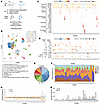 Figure 1
snRNA-seq identifies major populations of neurons and glial cells and shows selective reduction of neuronal subpopulations in Csf1r+/– mice. (A) Diagram of the snRNA-seq workflow. (B) Uniform manifold approximation and projection (UMAP) plot showing the clustering of nuclei. n = 3 mouse brain samples per genotype; 75,141 total nuclei. (C) Dot plot showing the expression of cell type–specific markers. (D) Dot plot showing the expression of neuronal markers of cortical layers and callosal projection neurons (CPN). (E) Pie chart showing the frequency of each cluster. (F) Relative frequencies of WT and Csf1r+/– nuclei in each cluster. No statistically significant change was detected. Two-way ANOVA, Bonferroni. (G) Relative frequency of clusters in WT and Csf1r+/– brains normalized to the overall frequency in E. (H) Number of differentially expressed genes (DEGs) in each cluster. The data were obtained from 3 mice/genotype. UR, upregulated; DR downregulated in Csf1r+/–.
As expected for mice without pathological changes in the brain, most clusters were similarly represented in both genotypes, with some degree of variation among replicates (Figure 1, F and G, Supplemental Table 2). To reduce false positive discoveries, we applied pseudobulking methods (pooling cells of the same mouse) for differential gene expression analysis in each cluster and selected significantly changed genes that were expressed by at least 10% of the cells within the cluster, P ≤ 0.01, for pseudobulking differential expression analysis. This revealed that while Csf1r deficiency preferentially affected gene expression in microglia (cluster 21), oligodendrocytes (cluster 9) and neural lineage (cluster 29) and endothelial (cluster 22) cells were also significantly affected (Figure 1H and Supplemental Table 3). These results, together with previous evidence that mouse CRL is a primary microgliopathy (15), suggest that even before the onset of overt pathology, insufficient Csf1r signaling in microglia changes their function, thereby altering the status of neural and endothelial lineage cells.
Csf1r+/– microglia exhibit transcriptional alterations consistent with anomalies in transition metal homeostasis. As the Csf1r is predominantly expressed in microglia and CRL is a primary microglial leukoencephalopathy, we initially studied the impact of Csf1r heterozygosity on microglia. At 2 months of age, Csf1r+/– mice do not exhibit behavioral deficits, and there is no evidence of demyelination or neurodegeneration in the brain (27). Therefore, alterations in the transcriptomic profiles of microglia should reflect deficits caused by Csf1r deficiency rather than adaptive responses to an ongoing pathology. Indeed, at this stage, we did not detect the emergence of new populations of microglia (Figure 2, A and B). Furthermore, there was no evidence for upregulation of signature genes for pathogenic microglia, or the downregulation of homeostatic markers (Supplemental Figure 1), both of which have been previously reported to occur in microglia isolated from affected mice (16) and CRL patient postmortem brains (21).
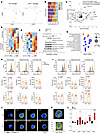 Figure 2
Csf1r+/– heterozygosity alters mitochondrial function and causes transitional metal ion accumulation in brain macrophages. (A) UMAP plot showing the distribution of WT and Csf1r+/–microglia in individual subclusters. (B) Representation of WT and Csf1r+/– nuclei in each subcluster. (C) Volcano plot showing DEGs between WT and Csf1r+/– microglia, indicating altered expression of transcripts encoding proteins involved in immune function, energy production and metabolism, and ion transport and homeostasis. (D) Expression of selected genes that define homeostatic/protective and inflammatory microglial states. (E) Examples of dysregulated transcripts related to ion transport, including metallothioneins 2 and 3 (Mt2 and Mt3). (F) Ingenuity Pathway Analysis–based (IPA-based) prediction of biological processes affected by Csf1r heterozygosity in microglia. The column labels indicate involvement of MTs in the process. (G) IPA-based prediction of pathways affected by Csf1r heterozygosity in microglia. Orange, activated; blue, inhibited. (H and I) Distribution of Zn2+ (H) and Cu+ (I) in the brains of young (2-month-old) WT and Csf1r+/– mice. Filled gray curves, unstained control; green lined unfilled curve, WT; filled orange curves, Csf1r+/–. Each symbol on the chart represents 1 mouse. Means ± SEM; Student’s 1-tailed paired t test. Note: Because CD11b is expressed in both microglia and perivascular macrophages, throughout this report we refer to cells isolated by CD11b expression as brain macrophages. However, ~90% of mononuclear phagocytes in the brain are microglia (79). (J) Representative XRF images showing the distribution and sulfur content-normalized abundance of Fe, Ca, Zn, and Cu in BMM at steady state in vitro. The color scale indicates the strength of the signal. (K) Example of partial colocalization of Fe-enriched (XRF, upper panel) and lipid-rich (OPTIR, lower panel) areas within a cell. The dotted lines delineate the boundaries of the cell and nucleus. (L) Quantification of the normalized abundance of Fe, Ca, Zn, and Cu in BMM (WT, black; Csf1r+/–, red). Each Csf1r+/– value is normalized to the corresponding WT value (set to 1). Box height: 75% to 25%, whiskers: 1 SD. *P < 0.05, ***P < 0.0005 (Student’s t test). Macrophages were obtained from 5 mice/genotype.
Analysis of the 62 genes upregulated and 194 genes downregulated in Csf1r+/– microglia revealed enrichment in transcripts related to immunity and inflammation, energy production and lipid metabolism, as well as ion transport (Figure 2, C–E, and zal Supplemental Table 3). Consistent with this, neurodegeneration, inflammation of the CNS, and transport of metal were among the top biological processes predicted to be affected in microglia by Csf1r heterozygosity (Figure 2F). Notably, we observed the downregulation of Mt2 and Mt3, which are Zn2+-, Cu+-, and Fe2+-binding proteins (28) and the upregulation of Cftr, which mediates the accumulation of zinc in activated macrophages (29) (Figure 2E). Furthermore, IPA predicted an impairment in Zn homeostasis signaling (Figure 2G). Since MTs buffer heavy metals, these data were suggestive of disruption of metal ion homeostasis with accumulation of labile Zn2+, Cu+, and possibly Fe2+ in microglia. To determine the significance of these findings for brain metal ion homeostasis, we investigated how Csf1r deficiency affects the distribution of Zn2+, Cu+, and Fe2+ among brain macrophages, oligodendrocytes, endothelial cells, and neurons in vivo, in young mice. As shown in Figure 2, H and I, labile Zn2+ and Cu+ ion loads were increased in brain macrophages of Csf1r+/– mice. Furthermore, there was a slight increase in the percentage of macrophages containing labile Fe2+ (Supplemental Figure 2). The distribution of Zn2+ and Fe2+ in oligodendrocytes and endothelial cells was not significantly affected by Csf1r insufficiency in young animals (Figure 2H and Supplemental Figure 2). Furthermore, the levels of Fe2+, Zn2+, and Cu+ were unchanged in neurons (data not shown). However, the increased retention of Cu+ in macrophages was associated with a decrease in Cu+ signals in endothelial cells and a lower percentage of Cu+-containing endothelial cells (Figure 2I).
To investigate whether the CSF-1R controls metal ion homeostasis in macrophages in the absence of other cell types, we prepared bone marrow–derived macrophages (BMM) from both WT and Csf1r+/– mice, differentiated and propagated in vitro, in the absence of stimuli other than CSF-1. We measured the levels of Fe, Ca, Zn, and Cu, normalized to S content, using x-ray fluorescence (XRF) microscopy. Figure 2J shows representative single-cell XRF images that illustrate the abundance and distribution of Fe, Ca, Zn, and Cu. Interestingly, while Ca and Zn were mostly cytosolic, Cu concentrated in the proximity of the plasma membrane (Figure 2J) while Fe exhibited an asymmetric enrichment. Optical photothermal IR microscopy (OPTIR) is a spatial-omics technique based on infrared absorption, which enables label-free molecular profiling of cells and tissues at submicron resolution (30). Direct correlation with lipid infrared (IR) signals obtained with OPTIR prior to XRF suggests a tendency for Fe to overlap with lipid-rich organelles, possibly lysosomes (Figure 2, J and K). Consistent with the ex vivo data, quantification of XRF signals revealed a significant enrichment in Zn, Cu, and Fe content in Csf1r+/– macrophages differentiated in vitro (Figure 2L).
Together, the data suggest that Csf1r deficiency directly causes the accumulation of transition metal ions in brain macrophages. Over time, this may reduce their bioavailability to other cells of the brain.
Csf1r heterozygosity causes transcriptomic changes consistent with endothelial cell dysfunction and with the activation of stress and cell death pathways in oligodendrocytes and subsets of neurons. Next, we examined how disruption of microglial homeostasis by Csf1r insufficiency affects neural and endothelial lineage cells. Ranking clusters by the number of differentially expressed genes placed cluster 29, containing excitatory neurons; cluster 22, containing endothelial cells; and cluster 9, containing oligodendrocytes, at the top of the list. In contrast, cluster 31, containing astrocytes, showed a limited number of differentially expressed genes (9 upregulated, 6 downregulated), and IPA failed to identify biological processes or pathways significantly affected by these gene expression changes (Figure 3, A and B).
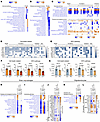 Figure 3
Early activation of stress and cell death pathways in Csf1r+/– mice and effects of transgenic overexpression of MT1. (A and B) IPA-based prediction of pathways (A) and biological processes (B) affected in glial and endothelial lineage cells of young Csf1r+/– mice. (C) IPA-based prediction of pathways (upper panel) and biological processes (lower panel) affected in neurons of young Csf1r+/– mice. The small gray spots indicate lack of significance (Z score < 2 and/or P > 0.05). (D) Heatmap showing the expression of cell death–related transcripts. Asterisks mark the position of Mt1, Fth1, and Mt3 gene transcripts encoding proteins involved in metal ion homeostasis. (E) Heatmap showing the expression of EIF2 pathway-related transcripts. AS, astrocytes; OL, oligodendrocytes; μG, microglia, EC, endothelial cells. (F) qRT-PCR validation of selected changes in gene expression in mouse brains. Means ± SEM; 1-tailed Student’s t tests. Each symbol on the chart represents 1 mouse. (G) Expression of cell death and EIF2 pathway genes in patients with CRL. Each circle on the charts represents 1 patient. One-tailed Student’s t tests. (H–L) Proteomic analysis of the effects of Csf1r heterozygosity and Mt1 overexpression in brain macrophages and oligodendrocytes of 3-month-old mice. Data from 5 mice/condition. (H–J) Macrophages. IPA-generated predictions of biological processes (H), pathways (I), and proteins involved in regulation of mitochondrial function and superoxide production (J). (K and L) Oligodendrocytes. (K) IPA-generated predictions of biological processes affected. (L) Changes in the expression of anti- and pro-apoptotic proteins. **Proteins involved in the inhibition (DNAJC3) and activation (EIF2AK4) of the integrated stress response.
Prompted by the perivascular pattern of myelin loss (10) and angiopathy (31, 32) observed in autopsied brain tissue from patients with CRL, previous studies suggested that disruption of endothelial/microglial crosstalk and vascular dysfunction might contribute to CRL pathology (reviewed in ref. 5). Consistent with this, we observed that in Csf1r+/– mice free of myelin and neuronal pathology, there are significant gene expression changes in endothelial cells (Figure 1H). Analysis of the gene expression changes revealed downregulation of transcripts encoding glutamate receptors (Gria1, Gria4, Grid2, Grik1, Grik2, and Grm1), muscarinic acetylcholine receptors (Chrm2, Chrm3), Gabrg3 encoding the GABA-A receptor subunit γ3, and Ryr3 encoding the ryanodine receptor 3 intracellular calcium channel (Supplemental Table 3 and Supplemental Figure 3). Indeed, IPA confidently predicted the inhibition of both glutamate receptor signaling and neurovascular coupling in endothelial cells of Csf1r+/– mice (Figure 3A). These changes are suggestive of impaired neurovascular coupling that could restrict blood flow. In addition, alteration in the transendothelial transport of several molecules important for central nervous system function, including upregulation of folate transporter Slc19a1 and downregulation of glutamine transporter Slc38a1, likely impairing glutamine supply, was observed. (Supplemental Figure 3 and Figure 3B). Together, these data suggest that Csf1r heterozygosity is associated with perturbations in brain endothelial cell function that may affect both cerebral blood flow and neurotransmitter production and that precede the onset of overt pathology.
Among neural lineage cells, multiple neuronal clusters and the oligodendrocytes exhibited transcriptional alterations consistent with altered translation through activation of the GAIT (interferon-γ–activated inhibitor of translation) pathway and inhibition of the eukaryotic initiation factor 2 (eIF2) pathway may reflect a stress response (Figure 3, A, C, and E). While there is currently no evidence that the GAIT translational control system functions in neural lineage cells, inhibition of EIF2 pathway may reflect a stress response.
In silico analysis also predicted the activation of cell death pathways in multiple clusters of excitatory and inhibitory neurons as well as in oligodendrocytes (Figure 3, B and C). However, since there is no histological evidence of cellular death in the brains of 2-month-old Csf1r+/– mice (15, 27), these transcriptional alterations may reflect the initiation of pathways leading to cell death, rather than its execution. A comparison of cell death–related transcripts commonly downregulated in neurons included Apoe and Aldoc, which may also indicate disruption of lipid homeostasis and energy production (Figure 3D). Notably, as in microglia, the transcripts encoding Mts were commonly affected in neurons and oligodendrocytes (Figure 3D). In fact, Mt1 was downregulated in 21 of the 28 clusters examined, while Mt3 was downregulated in 15 clusters.
To validate these findings, we utilized qRT-PCR to measure the expression of Mts and ribosomal transcripts regulated by the eukaryotic initiation factor 2 (eIF2) pathway in brain tissue. As shown in Figure 3F, the expression of Mt1, Mt3, Rpl37, and Rps29 was reduced in the white matter of young Csf1r+/– mice. To determine whether our findings are relevant to human disease, we investigated the expression of the same set of genes in autopsied brain tissue from patients with CRL (Supplemental Table 7). Out of the 8 isoforms of human MT1, MT1X tended to be downregulated (P = 0.06) in the white matter of CRL, while MT3 was expressed at normal levels (Figure 3G). The expression of RPL37 and RPS29 was significantly decreased, consistent with activation of a ribosomal stress response (33). Together, these data establish that decreased expression of MTs and activation of a stress response are early features of CRL in the mouse that may be also relevant to human disease.
Pharmacological activation of eIF2B is insufficient to suppress cognitive impairment in Csf1r+/– mice. Various stressors induce the phosphorylation of the eIF2α subunit, leading to inhibition of eIF2B and a global reduction in both protein synthesis (34) and rRNA transcription (35). To probe the significance of inhibition of the eIF2 pathway, we investigated whether treatment with an allosteric inhibitor of phosphorylated eIF2α, 2BAct (36), would prevent development of disease. WT and Csf1r+/– mice were fed chow containing 2BAct, or control chow, from 2 months of age. Commencing at 16 months of age, their behavior was evaluated in tests of spatial memory and motor coordination. As shown in Supplemental Figure 4, A and B, the rescue of eIF2B activity was insufficient to suppress cognitive impairment in Csf1r+/– mice, though it tended to alleviate motor dysfunction (Supplemental Figure 3C). These data suggest that restoration of eIF2 signaling is insufficient to prevent the deterioration of neurological function associated with Csf1r heterozygosity.
Overexpression of Mt1 improves homeostasis in brain macrophages and in oligodendrocytes of 3-month-old Csf1r+/– mice. Through control of Zn2+ and Cu+ bioavailability, MTs regulate a series of biological processes, including gene expression, mitochondrial function, and metabolism. They also play a role in oxidative defense, by scavenging ROS and excess labile Cu+ and Fe2+, which, if left unchecked, can further the production of ROS via the Fenton reaction (37–39). Thus, we hypothesized that if dysregulation of brain metal ion homeostasis contributes to CRL, increased MT expression would be beneficial, whereas decreased expression would exacerbate disease development. In a preliminary experiment, we crossed Csf1r+/– and Csf1r+/+ mice with Mt1-overexpressing (TgMt1) mice (40) and examined the effect of increased Mt1 on microglial and oligodendrocyte protein expression by proteomic analysis, at 3 months of age. Consistent with the transcriptomic data (Figure 2G), the proteomic profiling of Csf1r+/– brain macrophages (Supplemental Table 4) indicates mitochondrial dysfunction and disruption of oxidative phosphorylation (Figure 3I), both of which could contribute to the predicted decrease in synthesis of ATP and increase in superoxide (Figure 3H). Furthermore, oligodendrocyte proteomic profiles (Fig. 3, K and L; Supplemental Table 5) also corroborate the transcriptomic data (Fig. 3B), both indicating the activation of cell death pathways in oligodendrocytes. Transgenic overexpression of Mt1 prevents mitochondrial dysfunction, restores oxidative phosphorylation and energy production, and suppresses superoxide generation in Csf1r+/– macrophages while concomitantly suppressing oligodendrocyte apoptosis (Figure 3, H–L). These results indicated a significant beneficial effect of increased Mt1 expression on macrophage and oligodendrocyte health in young mice and prompted investigation of the effects of increased Mt1 expression on disease development.
Overexpression of Mt1 attenuates and genetic inactivation of Mt3 accelerates the development of behavioral deficits in Csf1r+/– mice. To investigate the functional consequences of Mt1 overexpression, we generated a large cohort of mice comprising WT, Csf1r+/–, Csf1r+/– TgMt1/+, and WT TgMt1/+ mice and characterized them starting from 16 months of age, when Csf1r+/– mice are symptomatic. As shown previously (16, 18), aged Csf1r+/– mice exhibited deficits in hippocampus-dependent spatial memory evidenced by their failure to explore the novel arm in the Y maze task. Csf1r+/– mice were completely rescued in this task by overexpressing Mt1 (Figure 4A). To address brain connectivity, we employed the temporal order memory test. Performance in this test depends on a functional interaction between the hippocampus and the perirhinal or medial prefrontal cortices (41). This communication was disrupted in Csf1r+/– mice, which failed to show an exploratory preference toward the least recently seen object (Figure 4B). This phenotype was alleviated by Mt1 overexpression. Similarly, the defects in motor coordination were alleviated by overexpressing Mt1 (Figure 4C). We also explored cerebellar function, using a test for social interaction. As shown previously (18), Csf1r+/– mice exhibited a lack of preference toward the novel mouse in the social novelty test, which was also fully rescued by Mt1 overexpression (Figure 4D). These results indicate that Mt1 overexpression rescues behavioral deficits of Csf1r+/– previously shown to be critical measures of disease development.
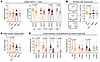 Figure 4
Transgenic overexpression of Mt1 suppresses symptom development in Csf1r+/– mice. (A) Left panel: No change in total exploratory activity among groups (1-way ANOVA P = 0.96). Right panel: Overexpression of Mt1 prevents the development of spatial memory deficits in Csf1r+/– mice (2-way ANOVA, Bonferroni). (B) Left panel: Schematic of the temporal order test used to assess brain connectivity. Right panel: The temporal order test shows that the overexpression of Mt1 prevents the impairment of brain connectivity in Csf1r+/– mice (1-way ANOVA, Tukey’s). (C) Attenuation of motor dysfunction in Csf1r+/– mice by Mt1 overexpression (1-way ANOVA, Tukey’s). (D) Evaluation of social interaction. Left panel: Preferential exploration of mouse compared with object was not affected by Csf1r heterozygosity (2-way ANOVA, Bonferroni). Right panel: Loss of preference toward the novel mouse compared with the familiar mouse, observed in Csf1r+/– mice, was suppressed by Mt1 overexpression. Right panel: (2-way ANOVA, Bonferroni). Tests were performed starting at 16 months of age. Each circle represents 1 mouse. Means ± SEM. The P values are shown only for the statistically significant differences.
We next sought to determine the functional consequences of reduction of MT activity. Despite the already low level of expression of Mt3 in Csf1r+/– mice (Figure 3), we tested whether complete elimination of Mt3 expression would accelerate Csf1r+/– disease development. We took advantage of Mt3–/– mice (42) to generate a cohort comprising WT, Csf1r+/–, Csf1r+/– Mt3–/–, and Mt3–/– mice, which were functionally evaluated through behavioral testing, starting at 7 months of age, when Csf1r+/– mice are free of symptoms (Supplemental Figure 5). In contrast with the protective effects of increased MT activity, targeting Mt3 accelerated the development of brain connectivity, motor coordination, and social interaction deficits in Csf1r+/– mice (Figure 5).
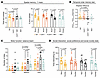 Figure 5
Genetic ablation of Mt3 accelerates symptom development in Csf1r+/– mice. Behavioral characterization was initiated at 7 months of age when Csf1r+/– mice are asymptomatic (Supplemental Figure 5). (A) Y maze test of spatial memory. Csf1r+/– mice exhibited decreased exploratory activity (left panel). However, this finding was inconsistent among cohorts (Supplemental Figure 5). One-way ANOVA, Bonferroni. Right panel, spatial memory is not impaired at this age, regardless of genotype. Two-way ANOVA, Bonferroni. (B) Temporal order memory test. Reduced propensity of Csf1r+/– Mt3–/– mice to explore the least recently seen object suggests a tendency to develop brain connectivity deficits. One-way ANOVA; Fisher least significant differences. (C) Balance beam test. Csf1r+/– TgMt1 mice develop motor deficits earlier than their Csf1r+/– counterparts. The labels on the abscissa indicate the difficulty of the test, which was inversely proportional to the beam diameter (easy, 2.25 cm; medium, 1.9 cm; hard, 1.6 cm). Two-way ANOVA, Bonferroni. (D) Social novelty test. Csf1r+/– TgMt1 mice develop social interaction deficits earlier than Csf1r+/– mice. Two-way ANOVA, Bonferroni. Means ± SEM. Each symbol on the chart represents 1 mouse.
Overall, these data on MT overexpression and depletion suggest that alteration of metal ion homeostasis plays an important role in the progression of asymptomatic Csf1r+/– mice to the CRL phenotype.
Overexpression of Mt1 restores metal ion homeostasis in the brains of aged Csf1+/– mice while Mt3 deficiency exacerbates the accumulation of Fe2+. MTs are present in the cytosol, nucleus, mitochondria, lysosomes, and endosomes, as well as in the extracellular space. They bind Zn2+ and deliver it to intracellular compartments, thus controlling its storage and distribution (43). In addition to Zn2+, MTs bind redox-active Cu+ and Fe2+, diminishing their participation in the generation of ROS via the Fenton reaction (28, 38). They can also be secreted from and taken up by other cells, thereby controlling the distribution of their metal ligands in the tissue (44). These properties prompted us to investigate whether overexpression of Mt1 could restore metal ion homeostasis in the brains of aged mice and thus contribute to the amelioration of pathology. Flow cytometric analysis shows that in aged, symptomatic Csf1r+/– mice, overexpression of Mt1 reduces the accumulation of labile Zn2+ in macrophages and prevents deficiency in neural lineage cells (Figure 6A). Aged Csf1r+/– mice also tended to accumulate labile Cu+ in macrophages and exhibit reduced levels of labile Cu+ in neurons and astrocytes (Figure 6B). However, the most striking phenotype was the significant accumulation of labile Fe2+ in all cell types of aged Csf1r+/– mice, which was suppressed by the overexpression of Mt1 (Figure 6C).
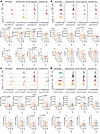 Figure 6
Overexpression of Mt1 prevents the increase in labile Zn2+, Cu+, and Fe2+ in the brains of Csf1r+/– mice. (A) Measurements of labile Zn2+. The accumulation of labile Zn2+ in brain macrophages and its decrease in neural lineage cells of aged (>17-month-old) Csf1r+/– mice are both suppressed by the overexpression of Mt1. (B) Measurements of labile Cu+. Overexpression of Mt1 attenuates Cu+ deficiency in neurons and astrocytes. (C and D) Measurements of labile Fe2+. (C) Aged Csf1r+/– mice exhibit significant accumulation of redox-active Fe2+ macrophages, neural lineage cells, and endothelial cells, which is suppressed by the overexpression of Mt1. (D) Mt3 deletion exacerbates Fe2+ accumulation in brain macrophages and neural lineage cells of presymptomatic (8-month-old) mice. Upper panels, representative histograms; middle panels, MFI; lower panels, percentage positive cells. Each circle represents 1 mouse. Means ± SEM. One-way ANOVA, Dunnett’s post hoc test. The P values are shown only for the statistically significant differences.
Next, we addressed the effect of decreasing MT activity on transitional metal homeostasis following genetic inactivation of Mt3. Apart from causing a reduction in the levels of labile Zn2+ in oligodendrocytes, the absence of MT3 had no significant effect on Zn2+ or Cu+ homeostasis in the brains of mice at 8–9 months old (Supplemental Figure 6). However, it exacerbated the accumulation of Fe2+ in the macrophages and neurons/astrocytes of Csf1r+/– mice (Figure 6D). Since labile Fe2+ has a high propensity to participate in redox reactions that produce detrimental ROS, our data suggest that the earlier disease onset observed in Csf1r+/– Mt3–/– mice might be related to the early accumulation of Fe2+ and oxidative stress–mediated tissue damage.
Overexpression of Mt1 and deletion of Mt3 have opposite effects on the levels of ROS in Csf1r+/– macrophages. MTs have an important and multifaceted antioxidant role. They buffer redox-active Fe2+ and Cu+ and function as direct scavengers of NO and ROS (28). In addition, through chelation and release of Zn2+, they regulate mitochondrial respiration (45), the activity of NADPH oxidase (46), and the production of mitochondrial and cytosolic ROS. We therefore hypothesized that their downregulation in the brains of Csf1r+/– mice could contribute to oxidative stress and investigated how genetic manipulation of MT activity contributes to the regulation of mitochondrial activity and of ROS production in the brain. To this end, we probed mitochondrial potential using Mitotracker red (MT Red), a fluorescent dye that accumulates in mitochondria in amounts directly proportional to their membrane potential. To account for possible differences in mitochondrial mass, the fluorescence of MT Red was normalized to that of Mitotracker green (MT Green), a fluorescent probe that labels all polarized mitochondria regardless of their variations in membrane potential. As shown in Figure 7, A–C, Csf1r heterozygosity selectively increased mitochondrial membrane polarization in CD45+ CD11b+ brain macrophages while neural lineage and endothelial cells continued to retain normal mitochondrial phenotypes (Supplemental Figure 7). Overexpression of Mt1 attenuated mitochondrial hyperpolarization (Figure 7, A–C) and reduced mitochondrial superoxide levels (Figure 7, D–F) in macrophages. Furthermore, overexpression of Mt1 attenuated the increase in total cellular ROS in macrophages (Figure 7, G and H). In contrast, the absence of MT3 exacerbated the increase in cellular ROS in presymptomatic Csf1r+/– mice (Figure 7, I and J).
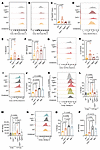 Figure 7
Effects of MT overexpression and deficiency on mitochondrial activity, ROS production, and on accumulation of lipid droplet–containing macrophages in Csf1r+/– mice. (A–C) Assessment of mitochondrial polarization in brain macrophages. (A and B) Representative histograms of macrophages stained with Mitotracker green (MT Green) to estimate mitochondrial mass and with Mitotracker red (MT Red) to estimate mitochondrial polarization. (C) Ratio of median fluorescence intensity (MFI) (MT Red/MT Green). (D–F) Effects of Csf1r heterozygosity and Mt1 overexpression on mitochondrial superoxide production by macrophages. (D) Representative histograms and (E and F) quantitation. (G–J) Effects of Csf1r heterozygosity, Mt1 overexpression, and Mt3 deletion on cellular ROS production by macrophages. (G and I) Representative histograms and (H and J) quantitation. (K–P) Measurement of lipid droplet–containing macrophages. (K and N) Representative histograms showing the distribution of Bodipy+ macrophages relative to the unstained control and to one another. Quantitation of the percentage Bodipy+ macrophages (L and O) and quantitation of Bodipy MFI (M and P). Each circle represents 1 mouse. The ability of Mt1 overexpression to protect Csf1r+/– mice was evaluated at >17 months of age (A–H and K–M), while the exacerbation of pathology due to Mt3 deletion was evaluated at 8–9 months of age (I, J, and N–P). Means ± SEM. One-way ANOVA, followed by Dunnett’s (C, E, F, and H) or Tukey’s (J, L, M, O, and P).
Overexpression of Mt1 reduces the accumulation of lipid droplet–containing macrophages in aged Csf1r+/– mice. The release of ROS from microglia can affect the neighboring cells, leading to demyelination, one of the main pathological features of late CRL. In the process of clearing myelin and cellular debris, microglia store the excess cholesterol they engulf in lipid droplets (47). In pathological conditions, this leads to the accumulation of lipid-laden macrophages (48). Thus, we reasoned that measurement of lipid droplet accumulation in microglia could offer an indirect measure of pathology. Indeed, at 2 months of age in the absence of demyelination or neuronal cell death (27), there was no difference in the lipid droplet content in brain macrophages of Csf1r+/– mice compared with WT (Figure 7, K–M). However, by 17 months of age, Csf1r+/– mice had an increased percentage of lipid droplet–containing macrophages and a higher median lipid droplet load (Figure 7, K–M). Consistent with their improved behavioral results, Csf1r+/– TgMt1 mice exhibited a significant reduction in lipid droplet–containing macrophages, indicating an amelioration of pathology (Figure 7, K–M). In contrast, Mt3 deficiency exacerbated the accumulation of lipid droplets in macrophages and increased the frequency of lipid droplet–containing macrophages in presymptomatic, 8- to 9-month-old Csf1r+/– mice (Figure 7, N–P).
Together, our data indicate that CSF-1R signaling suppresses ROS production in brain macrophages, as well as the subsequent pathology, through regulation of MT expression and labile Fe2+ brain load.


Copyright © 2026 American Society for Clinical Investigation
ISSN: 0021-9738 (print), 1558-8238 (online)