
Advertisement
Research ArticleGeneticsOncology
Open Access |  10.1172/JCI194708
MET alterations are enriched in lung adenocarcinoma brain metastases, defining a distinct biologic subtype
Timothy F. Burns,1,2,3 Sanja Dacic,4 Anish Chakka,5 Ethan Miller,1 Maria A. Velez,1 Ashwin Somasundaram,1 Saveri Bhattacharya,1 Autumn Gaither-Davis,1 Princey Devadassan,1 Jingxiao Jin,1 Vinod Kumar,1 Arjun Pennathur,6 Joanne Xiu,7 Matthew Oberley,7 Michael J. Glantz,8 Sonikpreet Aulakh,9 Uma R. Chandran,5 Riyue Bao,1,3 Curtis Tatsuoka,10,3 and Laura P. Stabile2,3
1Division of Hematology/Oncology, Department of Medicine, and
2Department of Pharmacology and Chemical Biology, University of Pittsburgh School of Medicine, Pittsburgh, Pennsylvania, USA.
3UPMC Hillman Cancer Center, Pittsburgh, Pennsylvania, USA.
4Department of Pathology,
5Department of Bioinformatics, and
6Department of Cardiothoracic Surgery, University of Pittsburgh School of Medicine, Pittsburgh, Pennsylvania, USA.
7Caris Life Sciences, Phoenix, Arizona, USA.
8Department of Neurosurgery, Penn State Health Milton S. Hershey Medical Center, Hershey, Pennsylvania, USA.
9Department of Medical Oncology, West Virginia University, Morgantown, West Virginia, USA.
10Department of Biostatistics, University of Pittsburgh School of Medicine, Pittsburgh, Pennsylvania, USA.
Address correspondence to: Timothy F. Burns, The Ohio State University, 460 W. 12th Ave., Biomedical Research Tower, Suite 596, Columbus, Ohio 43210, USA. Phone: 614.366.5154; Email: timothy.burns@osumc.edu. Or to: Laura P. Stabile, UPMC Hillman Cancer Center, 5118 Centre Avenue, Research Pavilion Office 2.18d, Pittsburgh, Pennsylvania 15232, USA. Phone: 412.623.2015; Email: stabilela@upmc.edu.
Find articles by Burns, T. in: PubMed | Google Scholar
1Division of Hematology/Oncology, Department of Medicine, and
2Department of Pharmacology and Chemical Biology, University of Pittsburgh School of Medicine, Pittsburgh, Pennsylvania, USA.
3UPMC Hillman Cancer Center, Pittsburgh, Pennsylvania, USA.
4Department of Pathology,
5Department of Bioinformatics, and
6Department of Cardiothoracic Surgery, University of Pittsburgh School of Medicine, Pittsburgh, Pennsylvania, USA.
7Caris Life Sciences, Phoenix, Arizona, USA.
8Department of Neurosurgery, Penn State Health Milton S. Hershey Medical Center, Hershey, Pennsylvania, USA.
9Department of Medical Oncology, West Virginia University, Morgantown, West Virginia, USA.
10Department of Biostatistics, University of Pittsburgh School of Medicine, Pittsburgh, Pennsylvania, USA.
Address correspondence to: Timothy F. Burns, The Ohio State University, 460 W. 12th Ave., Biomedical Research Tower, Suite 596, Columbus, Ohio 43210, USA. Phone: 614.366.5154; Email: timothy.burns@osumc.edu. Or to: Laura P. Stabile, UPMC Hillman Cancer Center, 5118 Centre Avenue, Research Pavilion Office 2.18d, Pittsburgh, Pennsylvania 15232, USA. Phone: 412.623.2015; Email: stabilela@upmc.edu.
Find articles by Dacic, S. in: PubMed | Google Scholar
1Division of Hematology/Oncology, Department of Medicine, and
2Department of Pharmacology and Chemical Biology, University of Pittsburgh School of Medicine, Pittsburgh, Pennsylvania, USA.
3UPMC Hillman Cancer Center, Pittsburgh, Pennsylvania, USA.
4Department of Pathology,
5Department of Bioinformatics, and
6Department of Cardiothoracic Surgery, University of Pittsburgh School of Medicine, Pittsburgh, Pennsylvania, USA.
7Caris Life Sciences, Phoenix, Arizona, USA.
8Department of Neurosurgery, Penn State Health Milton S. Hershey Medical Center, Hershey, Pennsylvania, USA.
9Department of Medical Oncology, West Virginia University, Morgantown, West Virginia, USA.
10Department of Biostatistics, University of Pittsburgh School of Medicine, Pittsburgh, Pennsylvania, USA.
Address correspondence to: Timothy F. Burns, The Ohio State University, 460 W. 12th Ave., Biomedical Research Tower, Suite 596, Columbus, Ohio 43210, USA. Phone: 614.366.5154; Email: timothy.burns@osumc.edu. Or to: Laura P. Stabile, UPMC Hillman Cancer Center, 5118 Centre Avenue, Research Pavilion Office 2.18d, Pittsburgh, Pennsylvania 15232, USA. Phone: 412.623.2015; Email: stabilela@upmc.edu.
Find articles by Chakka, A. in: PubMed | Google Scholar
1Division of Hematology/Oncology, Department of Medicine, and
2Department of Pharmacology and Chemical Biology, University of Pittsburgh School of Medicine, Pittsburgh, Pennsylvania, USA.
3UPMC Hillman Cancer Center, Pittsburgh, Pennsylvania, USA.
4Department of Pathology,
5Department of Bioinformatics, and
6Department of Cardiothoracic Surgery, University of Pittsburgh School of Medicine, Pittsburgh, Pennsylvania, USA.
7Caris Life Sciences, Phoenix, Arizona, USA.
8Department of Neurosurgery, Penn State Health Milton S. Hershey Medical Center, Hershey, Pennsylvania, USA.
9Department of Medical Oncology, West Virginia University, Morgantown, West Virginia, USA.
10Department of Biostatistics, University of Pittsburgh School of Medicine, Pittsburgh, Pennsylvania, USA.
Address correspondence to: Timothy F. Burns, The Ohio State University, 460 W. 12th Ave., Biomedical Research Tower, Suite 596, Columbus, Ohio 43210, USA. Phone: 614.366.5154; Email: timothy.burns@osumc.edu. Or to: Laura P. Stabile, UPMC Hillman Cancer Center, 5118 Centre Avenue, Research Pavilion Office 2.18d, Pittsburgh, Pennsylvania 15232, USA. Phone: 412.623.2015; Email: stabilela@upmc.edu.
Find articles by Miller, E. in: PubMed | Google Scholar
1Division of Hematology/Oncology, Department of Medicine, and
2Department of Pharmacology and Chemical Biology, University of Pittsburgh School of Medicine, Pittsburgh, Pennsylvania, USA.
3UPMC Hillman Cancer Center, Pittsburgh, Pennsylvania, USA.
4Department of Pathology,
5Department of Bioinformatics, and
6Department of Cardiothoracic Surgery, University of Pittsburgh School of Medicine, Pittsburgh, Pennsylvania, USA.
7Caris Life Sciences, Phoenix, Arizona, USA.
8Department of Neurosurgery, Penn State Health Milton S. Hershey Medical Center, Hershey, Pennsylvania, USA.
9Department of Medical Oncology, West Virginia University, Morgantown, West Virginia, USA.
10Department of Biostatistics, University of Pittsburgh School of Medicine, Pittsburgh, Pennsylvania, USA.
Address correspondence to: Timothy F. Burns, The Ohio State University, 460 W. 12th Ave., Biomedical Research Tower, Suite 596, Columbus, Ohio 43210, USA. Phone: 614.366.5154; Email: timothy.burns@osumc.edu. Or to: Laura P. Stabile, UPMC Hillman Cancer Center, 5118 Centre Avenue, Research Pavilion Office 2.18d, Pittsburgh, Pennsylvania 15232, USA. Phone: 412.623.2015; Email: stabilela@upmc.edu.
Find articles by Velez, M. in: PubMed | Google Scholar
1Division of Hematology/Oncology, Department of Medicine, and
2Department of Pharmacology and Chemical Biology, University of Pittsburgh School of Medicine, Pittsburgh, Pennsylvania, USA.
3UPMC Hillman Cancer Center, Pittsburgh, Pennsylvania, USA.
4Department of Pathology,
5Department of Bioinformatics, and
6Department of Cardiothoracic Surgery, University of Pittsburgh School of Medicine, Pittsburgh, Pennsylvania, USA.
7Caris Life Sciences, Phoenix, Arizona, USA.
8Department of Neurosurgery, Penn State Health Milton S. Hershey Medical Center, Hershey, Pennsylvania, USA.
9Department of Medical Oncology, West Virginia University, Morgantown, West Virginia, USA.
10Department of Biostatistics, University of Pittsburgh School of Medicine, Pittsburgh, Pennsylvania, USA.
Address correspondence to: Timothy F. Burns, The Ohio State University, 460 W. 12th Ave., Biomedical Research Tower, Suite 596, Columbus, Ohio 43210, USA. Phone: 614.366.5154; Email: timothy.burns@osumc.edu. Or to: Laura P. Stabile, UPMC Hillman Cancer Center, 5118 Centre Avenue, Research Pavilion Office 2.18d, Pittsburgh, Pennsylvania 15232, USA. Phone: 412.623.2015; Email: stabilela@upmc.edu.
Find articles by Somasundaram, A. in: PubMed | Google Scholar
1Division of Hematology/Oncology, Department of Medicine, and
2Department of Pharmacology and Chemical Biology, University of Pittsburgh School of Medicine, Pittsburgh, Pennsylvania, USA.
3UPMC Hillman Cancer Center, Pittsburgh, Pennsylvania, USA.
4Department of Pathology,
5Department of Bioinformatics, and
6Department of Cardiothoracic Surgery, University of Pittsburgh School of Medicine, Pittsburgh, Pennsylvania, USA.
7Caris Life Sciences, Phoenix, Arizona, USA.
8Department of Neurosurgery, Penn State Health Milton S. Hershey Medical Center, Hershey, Pennsylvania, USA.
9Department of Medical Oncology, West Virginia University, Morgantown, West Virginia, USA.
10Department of Biostatistics, University of Pittsburgh School of Medicine, Pittsburgh, Pennsylvania, USA.
Address correspondence to: Timothy F. Burns, The Ohio State University, 460 W. 12th Ave., Biomedical Research Tower, Suite 596, Columbus, Ohio 43210, USA. Phone: 614.366.5154; Email: timothy.burns@osumc.edu. Or to: Laura P. Stabile, UPMC Hillman Cancer Center, 5118 Centre Avenue, Research Pavilion Office 2.18d, Pittsburgh, Pennsylvania 15232, USA. Phone: 412.623.2015; Email: stabilela@upmc.edu.
Find articles by Bhattacharya, S. in: PubMed | Google Scholar
1Division of Hematology/Oncology, Department of Medicine, and
2Department of Pharmacology and Chemical Biology, University of Pittsburgh School of Medicine, Pittsburgh, Pennsylvania, USA.
3UPMC Hillman Cancer Center, Pittsburgh, Pennsylvania, USA.
4Department of Pathology,
5Department of Bioinformatics, and
6Department of Cardiothoracic Surgery, University of Pittsburgh School of Medicine, Pittsburgh, Pennsylvania, USA.
7Caris Life Sciences, Phoenix, Arizona, USA.
8Department of Neurosurgery, Penn State Health Milton S. Hershey Medical Center, Hershey, Pennsylvania, USA.
9Department of Medical Oncology, West Virginia University, Morgantown, West Virginia, USA.
10Department of Biostatistics, University of Pittsburgh School of Medicine, Pittsburgh, Pennsylvania, USA.
Address correspondence to: Timothy F. Burns, The Ohio State University, 460 W. 12th Ave., Biomedical Research Tower, Suite 596, Columbus, Ohio 43210, USA. Phone: 614.366.5154; Email: timothy.burns@osumc.edu. Or to: Laura P. Stabile, UPMC Hillman Cancer Center, 5118 Centre Avenue, Research Pavilion Office 2.18d, Pittsburgh, Pennsylvania 15232, USA. Phone: 412.623.2015; Email: stabilela@upmc.edu.
Find articles by Gaither-Davis, A. in: PubMed | Google Scholar
1Division of Hematology/Oncology, Department of Medicine, and
2Department of Pharmacology and Chemical Biology, University of Pittsburgh School of Medicine, Pittsburgh, Pennsylvania, USA.
3UPMC Hillman Cancer Center, Pittsburgh, Pennsylvania, USA.
4Department of Pathology,
5Department of Bioinformatics, and
6Department of Cardiothoracic Surgery, University of Pittsburgh School of Medicine, Pittsburgh, Pennsylvania, USA.
7Caris Life Sciences, Phoenix, Arizona, USA.
8Department of Neurosurgery, Penn State Health Milton S. Hershey Medical Center, Hershey, Pennsylvania, USA.
9Department of Medical Oncology, West Virginia University, Morgantown, West Virginia, USA.
10Department of Biostatistics, University of Pittsburgh School of Medicine, Pittsburgh, Pennsylvania, USA.
Address correspondence to: Timothy F. Burns, The Ohio State University, 460 W. 12th Ave., Biomedical Research Tower, Suite 596, Columbus, Ohio 43210, USA. Phone: 614.366.5154; Email: timothy.burns@osumc.edu. Or to: Laura P. Stabile, UPMC Hillman Cancer Center, 5118 Centre Avenue, Research Pavilion Office 2.18d, Pittsburgh, Pennsylvania 15232, USA. Phone: 412.623.2015; Email: stabilela@upmc.edu.
Find articles by Devadassan, P. in: PubMed | Google Scholar
1Division of Hematology/Oncology, Department of Medicine, and
2Department of Pharmacology and Chemical Biology, University of Pittsburgh School of Medicine, Pittsburgh, Pennsylvania, USA.
3UPMC Hillman Cancer Center, Pittsburgh, Pennsylvania, USA.
4Department of Pathology,
5Department of Bioinformatics, and
6Department of Cardiothoracic Surgery, University of Pittsburgh School of Medicine, Pittsburgh, Pennsylvania, USA.
7Caris Life Sciences, Phoenix, Arizona, USA.
8Department of Neurosurgery, Penn State Health Milton S. Hershey Medical Center, Hershey, Pennsylvania, USA.
9Department of Medical Oncology, West Virginia University, Morgantown, West Virginia, USA.
10Department of Biostatistics, University of Pittsburgh School of Medicine, Pittsburgh, Pennsylvania, USA.
Address correspondence to: Timothy F. Burns, The Ohio State University, 460 W. 12th Ave., Biomedical Research Tower, Suite 596, Columbus, Ohio 43210, USA. Phone: 614.366.5154; Email: timothy.burns@osumc.edu. Or to: Laura P. Stabile, UPMC Hillman Cancer Center, 5118 Centre Avenue, Research Pavilion Office 2.18d, Pittsburgh, Pennsylvania 15232, USA. Phone: 412.623.2015; Email: stabilela@upmc.edu.
Find articles by Jin, J. in: PubMed | Google Scholar
1Division of Hematology/Oncology, Department of Medicine, and
2Department of Pharmacology and Chemical Biology, University of Pittsburgh School of Medicine, Pittsburgh, Pennsylvania, USA.
3UPMC Hillman Cancer Center, Pittsburgh, Pennsylvania, USA.
4Department of Pathology,
5Department of Bioinformatics, and
6Department of Cardiothoracic Surgery, University of Pittsburgh School of Medicine, Pittsburgh, Pennsylvania, USA.
7Caris Life Sciences, Phoenix, Arizona, USA.
8Department of Neurosurgery, Penn State Health Milton S. Hershey Medical Center, Hershey, Pennsylvania, USA.
9Department of Medical Oncology, West Virginia University, Morgantown, West Virginia, USA.
10Department of Biostatistics, University of Pittsburgh School of Medicine, Pittsburgh, Pennsylvania, USA.
Address correspondence to: Timothy F. Burns, The Ohio State University, 460 W. 12th Ave., Biomedical Research Tower, Suite 596, Columbus, Ohio 43210, USA. Phone: 614.366.5154; Email: timothy.burns@osumc.edu. Or to: Laura P. Stabile, UPMC Hillman Cancer Center, 5118 Centre Avenue, Research Pavilion Office 2.18d, Pittsburgh, Pennsylvania 15232, USA. Phone: 412.623.2015; Email: stabilela@upmc.edu.
Find articles by Kumar, V. in: PubMed | Google Scholar
1Division of Hematology/Oncology, Department of Medicine, and
2Department of Pharmacology and Chemical Biology, University of Pittsburgh School of Medicine, Pittsburgh, Pennsylvania, USA.
3UPMC Hillman Cancer Center, Pittsburgh, Pennsylvania, USA.
4Department of Pathology,
5Department of Bioinformatics, and
6Department of Cardiothoracic Surgery, University of Pittsburgh School of Medicine, Pittsburgh, Pennsylvania, USA.
7Caris Life Sciences, Phoenix, Arizona, USA.
8Department of Neurosurgery, Penn State Health Milton S. Hershey Medical Center, Hershey, Pennsylvania, USA.
9Department of Medical Oncology, West Virginia University, Morgantown, West Virginia, USA.
10Department of Biostatistics, University of Pittsburgh School of Medicine, Pittsburgh, Pennsylvania, USA.
Address correspondence to: Timothy F. Burns, The Ohio State University, 460 W. 12th Ave., Biomedical Research Tower, Suite 596, Columbus, Ohio 43210, USA. Phone: 614.366.5154; Email: timothy.burns@osumc.edu. Or to: Laura P. Stabile, UPMC Hillman Cancer Center, 5118 Centre Avenue, Research Pavilion Office 2.18d, Pittsburgh, Pennsylvania 15232, USA. Phone: 412.623.2015; Email: stabilela@upmc.edu.
Find articles by Pennathur, A. in: PubMed | Google Scholar
1Division of Hematology/Oncology, Department of Medicine, and
2Department of Pharmacology and Chemical Biology, University of Pittsburgh School of Medicine, Pittsburgh, Pennsylvania, USA.
3UPMC Hillman Cancer Center, Pittsburgh, Pennsylvania, USA.
4Department of Pathology,
5Department of Bioinformatics, and
6Department of Cardiothoracic Surgery, University of Pittsburgh School of Medicine, Pittsburgh, Pennsylvania, USA.
7Caris Life Sciences, Phoenix, Arizona, USA.
8Department of Neurosurgery, Penn State Health Milton S. Hershey Medical Center, Hershey, Pennsylvania, USA.
9Department of Medical Oncology, West Virginia University, Morgantown, West Virginia, USA.
10Department of Biostatistics, University of Pittsburgh School of Medicine, Pittsburgh, Pennsylvania, USA.
Address correspondence to: Timothy F. Burns, The Ohio State University, 460 W. 12th Ave., Biomedical Research Tower, Suite 596, Columbus, Ohio 43210, USA. Phone: 614.366.5154; Email: timothy.burns@osumc.edu. Or to: Laura P. Stabile, UPMC Hillman Cancer Center, 5118 Centre Avenue, Research Pavilion Office 2.18d, Pittsburgh, Pennsylvania 15232, USA. Phone: 412.623.2015; Email: stabilela@upmc.edu.
Find articles by Xiu, J. in: PubMed | Google Scholar
1Division of Hematology/Oncology, Department of Medicine, and
2Department of Pharmacology and Chemical Biology, University of Pittsburgh School of Medicine, Pittsburgh, Pennsylvania, USA.
3UPMC Hillman Cancer Center, Pittsburgh, Pennsylvania, USA.
4Department of Pathology,
5Department of Bioinformatics, and
6Department of Cardiothoracic Surgery, University of Pittsburgh School of Medicine, Pittsburgh, Pennsylvania, USA.
7Caris Life Sciences, Phoenix, Arizona, USA.
8Department of Neurosurgery, Penn State Health Milton S. Hershey Medical Center, Hershey, Pennsylvania, USA.
9Department of Medical Oncology, West Virginia University, Morgantown, West Virginia, USA.
10Department of Biostatistics, University of Pittsburgh School of Medicine, Pittsburgh, Pennsylvania, USA.
Address correspondence to: Timothy F. Burns, The Ohio State University, 460 W. 12th Ave., Biomedical Research Tower, Suite 596, Columbus, Ohio 43210, USA. Phone: 614.366.5154; Email: timothy.burns@osumc.edu. Or to: Laura P. Stabile, UPMC Hillman Cancer Center, 5118 Centre Avenue, Research Pavilion Office 2.18d, Pittsburgh, Pennsylvania 15232, USA. Phone: 412.623.2015; Email: stabilela@upmc.edu.
Find articles by Oberley, M. in: PubMed | Google Scholar
1Division of Hematology/Oncology, Department of Medicine, and
2Department of Pharmacology and Chemical Biology, University of Pittsburgh School of Medicine, Pittsburgh, Pennsylvania, USA.
3UPMC Hillman Cancer Center, Pittsburgh, Pennsylvania, USA.
4Department of Pathology,
5Department of Bioinformatics, and
6Department of Cardiothoracic Surgery, University of Pittsburgh School of Medicine, Pittsburgh, Pennsylvania, USA.
7Caris Life Sciences, Phoenix, Arizona, USA.
8Department of Neurosurgery, Penn State Health Milton S. Hershey Medical Center, Hershey, Pennsylvania, USA.
9Department of Medical Oncology, West Virginia University, Morgantown, West Virginia, USA.
10Department of Biostatistics, University of Pittsburgh School of Medicine, Pittsburgh, Pennsylvania, USA.
Address correspondence to: Timothy F. Burns, The Ohio State University, 460 W. 12th Ave., Biomedical Research Tower, Suite 596, Columbus, Ohio 43210, USA. Phone: 614.366.5154; Email: timothy.burns@osumc.edu. Or to: Laura P. Stabile, UPMC Hillman Cancer Center, 5118 Centre Avenue, Research Pavilion Office 2.18d, Pittsburgh, Pennsylvania 15232, USA. Phone: 412.623.2015; Email: stabilela@upmc.edu.
Find articles by Glantz, M. in: PubMed | Google Scholar
1Division of Hematology/Oncology, Department of Medicine, and
2Department of Pharmacology and Chemical Biology, University of Pittsburgh School of Medicine, Pittsburgh, Pennsylvania, USA.
3UPMC Hillman Cancer Center, Pittsburgh, Pennsylvania, USA.
4Department of Pathology,
5Department of Bioinformatics, and
6Department of Cardiothoracic Surgery, University of Pittsburgh School of Medicine, Pittsburgh, Pennsylvania, USA.
7Caris Life Sciences, Phoenix, Arizona, USA.
8Department of Neurosurgery, Penn State Health Milton S. Hershey Medical Center, Hershey, Pennsylvania, USA.
9Department of Medical Oncology, West Virginia University, Morgantown, West Virginia, USA.
10Department of Biostatistics, University of Pittsburgh School of Medicine, Pittsburgh, Pennsylvania, USA.
Address correspondence to: Timothy F. Burns, The Ohio State University, 460 W. 12th Ave., Biomedical Research Tower, Suite 596, Columbus, Ohio 43210, USA. Phone: 614.366.5154; Email: timothy.burns@osumc.edu. Or to: Laura P. Stabile, UPMC Hillman Cancer Center, 5118 Centre Avenue, Research Pavilion Office 2.18d, Pittsburgh, Pennsylvania 15232, USA. Phone: 412.623.2015; Email: stabilela@upmc.edu.
Find articles by Aulakh, S. in: PubMed | Google Scholar
1Division of Hematology/Oncology, Department of Medicine, and
2Department of Pharmacology and Chemical Biology, University of Pittsburgh School of Medicine, Pittsburgh, Pennsylvania, USA.
3UPMC Hillman Cancer Center, Pittsburgh, Pennsylvania, USA.
4Department of Pathology,
5Department of Bioinformatics, and
6Department of Cardiothoracic Surgery, University of Pittsburgh School of Medicine, Pittsburgh, Pennsylvania, USA.
7Caris Life Sciences, Phoenix, Arizona, USA.
8Department of Neurosurgery, Penn State Health Milton S. Hershey Medical Center, Hershey, Pennsylvania, USA.
9Department of Medical Oncology, West Virginia University, Morgantown, West Virginia, USA.
10Department of Biostatistics, University of Pittsburgh School of Medicine, Pittsburgh, Pennsylvania, USA.
Address correspondence to: Timothy F. Burns, The Ohio State University, 460 W. 12th Ave., Biomedical Research Tower, Suite 596, Columbus, Ohio 43210, USA. Phone: 614.366.5154; Email: timothy.burns@osumc.edu. Or to: Laura P. Stabile, UPMC Hillman Cancer Center, 5118 Centre Avenue, Research Pavilion Office 2.18d, Pittsburgh, Pennsylvania 15232, USA. Phone: 412.623.2015; Email: stabilela@upmc.edu.
Find articles by Chandran, U. in: PubMed | Google Scholar
1Division of Hematology/Oncology, Department of Medicine, and
2Department of Pharmacology and Chemical Biology, University of Pittsburgh School of Medicine, Pittsburgh, Pennsylvania, USA.
3UPMC Hillman Cancer Center, Pittsburgh, Pennsylvania, USA.
4Department of Pathology,
5Department of Bioinformatics, and
6Department of Cardiothoracic Surgery, University of Pittsburgh School of Medicine, Pittsburgh, Pennsylvania, USA.
7Caris Life Sciences, Phoenix, Arizona, USA.
8Department of Neurosurgery, Penn State Health Milton S. Hershey Medical Center, Hershey, Pennsylvania, USA.
9Department of Medical Oncology, West Virginia University, Morgantown, West Virginia, USA.
10Department of Biostatistics, University of Pittsburgh School of Medicine, Pittsburgh, Pennsylvania, USA.
Address correspondence to: Timothy F. Burns, The Ohio State University, 460 W. 12th Ave., Biomedical Research Tower, Suite 596, Columbus, Ohio 43210, USA. Phone: 614.366.5154; Email: timothy.burns@osumc.edu. Or to: Laura P. Stabile, UPMC Hillman Cancer Center, 5118 Centre Avenue, Research Pavilion Office 2.18d, Pittsburgh, Pennsylvania 15232, USA. Phone: 412.623.2015; Email: stabilela@upmc.edu.
Find articles by
Bao, R.
in:
PubMed
|
Google Scholar
|

1Division of Hematology/Oncology, Department of Medicine, and
2Department of Pharmacology and Chemical Biology, University of Pittsburgh School of Medicine, Pittsburgh, Pennsylvania, USA.
3UPMC Hillman Cancer Center, Pittsburgh, Pennsylvania, USA.
4Department of Pathology,
5Department of Bioinformatics, and
6Department of Cardiothoracic Surgery, University of Pittsburgh School of Medicine, Pittsburgh, Pennsylvania, USA.
7Caris Life Sciences, Phoenix, Arizona, USA.
8Department of Neurosurgery, Penn State Health Milton S. Hershey Medical Center, Hershey, Pennsylvania, USA.
9Department of Medical Oncology, West Virginia University, Morgantown, West Virginia, USA.
10Department of Biostatistics, University of Pittsburgh School of Medicine, Pittsburgh, Pennsylvania, USA.
Address correspondence to: Timothy F. Burns, The Ohio State University, 460 W. 12th Ave., Biomedical Research Tower, Suite 596, Columbus, Ohio 43210, USA. Phone: 614.366.5154; Email: timothy.burns@osumc.edu. Or to: Laura P. Stabile, UPMC Hillman Cancer Center, 5118 Centre Avenue, Research Pavilion Office 2.18d, Pittsburgh, Pennsylvania 15232, USA. Phone: 412.623.2015; Email: stabilela@upmc.edu.
Find articles by Tatsuoka, C. in: PubMed | Google Scholar
1Division of Hematology/Oncology, Department of Medicine, and
2Department of Pharmacology and Chemical Biology, University of Pittsburgh School of Medicine, Pittsburgh, Pennsylvania, USA.
3UPMC Hillman Cancer Center, Pittsburgh, Pennsylvania, USA.
4Department of Pathology,
5Department of Bioinformatics, and
6Department of Cardiothoracic Surgery, University of Pittsburgh School of Medicine, Pittsburgh, Pennsylvania, USA.
7Caris Life Sciences, Phoenix, Arizona, USA.
8Department of Neurosurgery, Penn State Health Milton S. Hershey Medical Center, Hershey, Pennsylvania, USA.
9Department of Medical Oncology, West Virginia University, Morgantown, West Virginia, USA.
10Department of Biostatistics, University of Pittsburgh School of Medicine, Pittsburgh, Pennsylvania, USA.
Address correspondence to: Timothy F. Burns, The Ohio State University, 460 W. 12th Ave., Biomedical Research Tower, Suite 596, Columbus, Ohio 43210, USA. Phone: 614.366.5154; Email: timothy.burns@osumc.edu. Or to: Laura P. Stabile, UPMC Hillman Cancer Center, 5118 Centre Avenue, Research Pavilion Office 2.18d, Pittsburgh, Pennsylvania 15232, USA. Phone: 412.623.2015; Email: stabilela@upmc.edu.
Find articles by
Stabile, L.
in:
PubMed
|
Google Scholar
|
Published December 18, 2025 - More info
J Clin Invest. 2026;136(4):e194708. https://doi.org/10.1172/JCI194708.
© 2025, Burns et al. This work is licensed under the Creative Commons Attribution 4.0 International License. To view a copy of this license, visit http://creativecommons.org/licenses/by/4.0/.
Received: May 9, 2025; Accepted: December 16, 2025


-
Results
Acquired MET amplification in a LUAD BM that was responsive to capmatinib. A patient seen in our clinics with locally advanced (stage IIIA, T3N2M0; AJCC Cancer Staging Manual, seventh edition) LUAD underwent biopsy of the primary LUAD and lymph nodes prior to treatment; no molecular testing was performed at that time. FISH for ALK, MET, RET, and ROS1 were all negative for amplification or gene arrangement. The patient subsequently underwent 3 cycles of neoadjuvant cisplatin/docetaxel prior to surgery. As the patient had microscopic N2 disease after surgery, they underwent postoperative radiation followed by observation. Unfortunately, after 5 months of observation, the patient developed a BM (Figure 1A). Genotyping of the resected BM using NGS was negative for EGFR, KRAS, BRAF, and PIK3CA mutations. Programmed cell death ligand 1 (PD-L1) immunostaining was also negative. Although the primary LUAD from this patient was negative for MET FISH (MET/CEP7 ratio = 0.98), FISH analysis of the BM revealed MET amplification with a MET/CEP7 ratio of 11.7. A patient-derived xenograft (PDX) model from the brain biopsy (PDX 16-16) was generated (47), and in vivo treatment with the MET TKI capmatinib (5 mg/kg body weight) significantly reduced tumor growth by 68.4% compared with vehicle control (Figure 1B). Of note, we have previously published that the BM PDX 16-16 expressed high levels of pMET (47), and in Supplemental Figure 1 (supplemental material available online with this article; https://doi.org/10.1172/JCI194708DS1), we have demonstrated that tumors from this experiment had high levels of total MET and pMET expression and that pMET is significantly inhibited after capmatinib treatment. This case report highlights the discordance between the molecular profiles of primary LUAD and its corresponding BM and the potential of MET amplification as a therapeutic target in BMs.
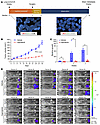 Figure 1
Acquired MET amplification in a LUAD BM that was responsive to capmatinib. (A) Timeline summarizing the treatment course, tumor biopsies, and MET amplification status. MET FISH images (×40 original magnification) are shown for the primary tumor biopsy at the time of diagnosis and 10 months later at the time of metastatic brain tumor biopsy. Red signals, MET; green signals, centromere 7 (CEP7). (B) A PDX model was established from patient 16-16 BM resection specimen. Mice were randomized to receive vehicle (0.25% w/v methyl cellulose) or capmatinib (5 mg/kg) by oral gavage 5 times per week for 4 weeks. Results are presented as mean tumor volume ± SEM of 6 tumors/group. Data were assessed by 2-tailed Student’s t test; **P = 0.01. (C) Luciferase-labeled H1993 LUAD cells were injected intracardially into SCID mice and monitored for metastatic spread. Mice were randomized to receive either vehicle (0.25% w/v methyl cellulose) or capmatinib (5 mg/kg) via oral gavage, administered 5 times per week for 3 weeks. Bioluminescent signal intensity in the head region was quantified relative to baseline and is presented as the mean ± SD. Statistical analysis was performed using the Mann-Whitney test; *P < 0.05. (D) Longitudinal bioluminescent imaging of individual mice over the course of treatment. All images were acquired and analyzed using Living Image Software (Perkin Elmer) and set to the same intensity scale for comparison. “X” represents mice that died prior to the end of the 3-week treatment period.
To assess the therapeutic effects of MET inhibition in the context of brain metastasis, we utilized an intracardiac injection metastasis model using MET-amplified H1993 LUAD cells. Of note, this cell line acquired a MET amplification during metastasis to the lymph node as the cell line derived from the primary tumor (H2073) in the same patient lacked a MET amplification (48). Following injection, metastatic progression was monitored weekly using in vivo bioluminescence imaging, with treatment initiated upon detection of a predefined signal intensity in the head region, typically the first site of metastasis of this cell line. Imaging was performed weekly for 3 weeks. Ex vivo imaging confirmed BM presence in all mice included in the study. Across all time points, signal intensity in the head region was significantly higher in the vehicle-treated mice compared with those receiving capmatinib (Figure 1, C and D). Notably, 2 mice from the control group succumbed to BM-related complications prior to the final imaging time point. This finding demonstrates that MET inhibition significantly suppresses BM outgrowth of MET-amplified LUAD cells.
MET amplification is more frequently observed in LUAD BMs compared with extracranial metastases and primary LUAD. To understand if this molecular divergence observed between primary LUAD and BMs was a frequent event, we evaluated a large cohort of patients to assess the frequency and clinical impact of MET amplification in metastatic sites. Previous studies assessing MET amplification in lung cancer BMs primarily used NGS-based platforms, which are less reliable than FISH and require higher GCN cutoffs to detect amplification and exclude aneuploidy. We therefore evaluated 459 primary LUAD, 171 LUAD BMs, and 76 liver metastases for MET amplification using FISH (MET/CEP7 ratio ≥ 2) (Table 1). We demonstrated that MET amplification was significantly enriched in LUAD BMs (16.4%) compared with primary LUAD (3.7%; P < 0.0001) or liver metastases (5.3%; P = 0.022), suggesting MET amplification may be a frequent and potentially targetable alteration in LUAD BMs (Figure 2A). We performed MET IHC in 49/171 (29%) BMs, including 36 non–MET-amplified and 11 MET-amplified BM cases. Of note, this subset of patients appears to be representative of the larger cohort in terms of patient characteristics (Supplemental Table 1). We observed a statistically significant increase in MET expression in the MET-amplified group, as assessed by both staining intensity and H-score (P < 0.0001) (Figure 2B). We found that high MET amplification (MET/CEP7 ratio ≥ 4) was present in 6.5% of BMs versus 1.3% of primary LUADs. In addition, in a subset of 31 paired primary LUAD and BM samples, MET amplification was present in 3/31 (10%) BMs, while none of the matched primary tumors were amplified. Remarkably, the presence of a targetable oncogenic driver was an infrequent event in these patients, and there were no cases in which a prior targeted therapy had been received. Among the 5 BM cases with an EGFR mutation and 1 with ALK rearrangement, none had a MET amplification, while 1 EGFR mutant case had a MET non–exon 14 skipping mutation. The demographics and clinical characteristics of the BM cohort, stratified by MET amplification status, are summarized in Table 2. Patients with MET-amplified BMs were more likely to be female, and the overwhelming majority of these patients were current/former smokers compared with those with non–MET-amplified BMs. There was no significant difference in the timing (synchronous vs. metachronous) of BMs between patients with and without MET amplification. We validated these findings using an NGS dataset from Caris Life Sciences with over 30,000 patients, demonstrating that MET amplification is 5 times more frequent in BMs compared with primary LUAD (P < 0.0001) and 2.2 times more frequent than in extracranial sites (non-BMs) (P < 0.0001; MET copy number ≥ 6) (Figure 2C).
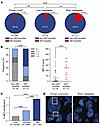 Figure 2
MET amplification is more frequently observed in LUAD BMs compared with extracranial metastases and primary LUAD. (A) Pie charts showing the frequency of MET amplification by FISH (MET/CEP7 ratio ≥ 2.0) in primary LUAD, liver metastases, and BMs in the UPMC cohort. Fisher’s exact test, 2-sided; **P < 0.01 (P = 0.002 exact), ****P < 0.00001. (B) MET protein expression by frequency of IHC staining intensity (0, +1, +2, +3; χ2 test; ****P < 0.0001) and MET H-score (Student’s t test, 2-tailed; ****P < 0.0001) in non–MET-amplified and MET-amplified BMs. Horizontal lines represent mean values. (C) Frequency of MET amplification by NGS copy number alteration (cutoff ≥ 6) in primary NSCLC, non-BMs, and BMs in the Caris cohort. χ2 test; ****P < 0.0001. (D) Representative MET FISH images (captured at ×40 original magnification and enlarged) from a matched primary LUAD and BM from the same patient. White boxes represent areas of focal MET amplification. Red signals, MET; green signals, CEP7.
We then asked if MET amplification was a rare preexisting event in the primary tumor that was subsequently enriched in the resulting BMs or whether it was truly a de novo event. Interestingly, we found examples in our matched primary LUAD and BM sets where rare cells from the primary lung tumor had focal clusters of amplified cells (Figure 2D). Rare MET-amplified clones likely preexist in the primary tumor, as focal MET amplification was observed in primary LUADs of patients with MET-amplified BMs (Figure 2D, white boxes). Since we found evidence of focal MET amplification in the primary tumor, we sought to determine whether this finding predicted the development of BMs. To assess this, we identified a cohort of NSCLC patients with and without focal MET amplification in the primary lung tumor (Supplemental Table 2). A retrospective chart review was conducted to determine the timing of metastasis and if patients developed BMs. BMs were confirmed based on imaging findings suggestive of BMs on a CT or MRI scan of the brain, a radiology report indicating BMs, or a brain biopsy confirming metastatic spread to the brain. Among the 85 patients with focal MET amplification, 28 (33%) developed BMs, compared with 49 (37%) of the 131 patients without focal MET amplification in our cohort. There was no statistically significant difference in the frequency of BMs between the 2 groups (P = 0.5). When evaluating the timing of metastatic spread, 29 patients (59%) in the non–MET-amplified group had synchronous metastases (occurred within 2 months of diagnosis), while 20 (41%) had metachronous metastases (occurred after 2 months of diagnosis). Among the patients with focal MET amplification, 17 (61%) had synchronous metastases and 11 (39%) had metachronous metastases. There was no significant difference in the timing of BMs between the 2 groups (P = 0.9). These results show that focal MET amplification was not a predictor of BMs nor did it influence the timing of the development of BMs in patients with NSCLC.
MET alterations detected in ctDNA are found more often in patients with BMs. There is an unmet clinical need for noninvasive methods to detect MET alterations to identify patients with BMs who will benefit from MET TKIs. Although the ability of blood-based ctDNA assays to detect alterations present in BMs is diminished (49–51), we hypothesized that MET alterations would be more common in patients with BMs that had undergone ctDNA testing. We therefore examined a cohort of patients with metastatic NSCLC (N = 277) who underwent standard-of-care ctDNA testing at our institution with the Guardant360 platform to evaluate the presence of MET alterations in association with BMs. We observed that MET alterations detected by ctDNA were significantly more frequent in patients with BMs (15.6%) compared with patients without (7%) (P = 0.023) (Figure 3A). This appears to be driven primarily by the increased frequency of MET amplifications detected in patients with BMs (6.7%) compared with those without BMs (1.6%) (P = 0.035) (Figure 3B). While MET mutations were also more frequent in patients with BMs (8.9%) compared with those without BMs (5.3%), this difference was not statistically significant (Figure 3C). These findings suggest a potential role of ctDNA as a noninvasive method for detecting MET alterations, particularly amplifications, which may identify patients with BMs who are more likely to respond to MET TKIs.
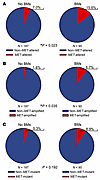 Figure 3
MET alterations detected in ctDNA are found more often in patients with BMs. (A) Percentage of ctDNA-positive MET alterations (amplifications and mutations combined) in patients with (N = 90) and without (N = 187) BMs, as detected with the Guardant360 CDx assay. (B) Percentage of ctDNA-positive MET amplifications in patients with (N = 90) and without (N = 187) BMs, as detected with the Guardant360 CDx assay. (C) Percentage of MET mutations in patients with (N = 90) and without (N =187) BMs. Fisher’s exact test, 1-sided; P values are shown for each comparison.
LUAD BMs have a distinct mutational profile compared with primary LUAD tumors. We next performed targeted NGS to compare other alterations, including MET mutations, in 180 primary LUAD cases and 74 LUAD BM cases (Table 3). We found that mutations in TP53, KRAS, SMAD4, APC, MET, RB1, STK11, RET, FGFR3, VHL, ALK, ABL1, and FLT3 were significantly more prevalent in LUAD BMs compared with primary LUAD (Figure 4). Interestingly, several of these alterations that were rare (TP53, KRAS, MET, STK11, RET, FGFR3, VHL, ALK, ABL1, and FLT3; 0–6%) or entirely absent (SMAD4, APC, and RB1) in primary LUAD samples were frequently observed (>20%) in LUAD BM samples. Complete lists of variants found in primary LUAD and LUAD BM cases are provided in Supplemental Tables 3 and 4, respectively. In addition, these differences were driven by specific variants that differ between these groups (Supplemental Figure 2A and Supplemental Figure 3). For example, 2 DNA-binding domain mutations in TP53R158L and TP53V157F were significantly increased in LUAD BMs compared with primary LUAD (Supplemental Figure 3A). Remarkably, the relatively rare KRASQ61X point mutations were significantly enriched in LUAD BMs compared with primary LUAD (Supplemental Figure 3D). Of note, the frequency of MET mutations was significantly increased in LUAD BMs (22%) compared with primary LUAD (12%) (P = 0.046). Furthermore, the MET mutations found were predominantly non-METΔex14, including some mutations with unclear oncogenic potential (META179T, METN375S, and METT1010I) (Supplemental Figure 2A). We next looked at our Caris cohort, which did not include these MET variants. There was a significantly increased number of MET mutations, the majority of which were METΔex14, in the primary lung compared with extracranial metastatic sites (non-BMs) or BMs (Supplemental Figure 4A and Supplemental Table 5). Notably, we did not detect any METΔex14 in our BM cohort. Interestingly, we did find a statistically higher tumor mutational burden in BMs (median 11 mut/Mb) compared with extracranial metastases (median 8 mut/Mb, P < 0.0001) or lung (median 7 mut/Mb, P < 0.0001) in the Caris cohort (Supplemental Figure 4B).
 Figure 4
LUAD BMs have a distinct mutational profile compared with primary LUAD tumors. OncoPlot of the distribution of mutations for patients with LUAD BMs (N = 74) compared with those with primary LUAD tumors (N = 180 total; N = 147 with variants detected). Frequency of mutations is listed for each gene in order of the highest to lowest frequency in LUAD BMs. The mutation types are color-coded and annotated in the key. Variants annotated as “Multi-hit” are genes that are mutated more than once in the same sample. Fisher’s exact test, 2-sided; *P ≤ 0.05, **P ≤ 0.01, ***P ≤ 0.001, ****P ≤ 0.0001. Red asterisks indicate significance after FDR adjustment. A q value < 0.05 was considered significant.
MET-altered BMs are genomically distinct from non–MET-altered BMs. We next compared MET-altered (mutations and amplifications) LUAD BMs (N = 31) to non–MET-altered BMs (N = 43). VHL mutations were the only alterations that were significantly enriched in MET-altered BMs (16% vs. 0%, P = 0.01), with all identified VHL mutations co-occurring with MET mutations (Figure 5). Other genes that were more frequently mutated in MET-altered LUAD BMs but did not reach statistical significance included CDKN2A (16% vs. 7%; P = 0.19), RET (16% vs. 9%; P = 0.29), ABL1 (13% vs. 2%; P = 0.09), IDH1 (10% vs. 0%; P = 0.07), and ALK (10% vs. 5%; P = 0.35). Conversely, genes that were less frequently mutated in MET-altered cases included ATM, JAK3, and KDR. Of note, KRASQ61X variants were significantly more common in MET-altered BMs compared with non–MET-altered BMs (16% vs. 2%, P = 0.04) (Supplemental Figure 5E). Interestingly, while genes such as ALK, APC, FGFR3, IDH1, RB1, and SMAD4 were not significantly different between MET-altered and non–MET-altered BMs, they were enriched in cases with MET mutations compared with those with MET amplifications. Notably, VHL, ALK, IDH1, and FGFR2 alterations were completely absent in the MET-amplified samples. MET-amplified BMs were associated with a significantly lower variant number compared with MET mutant BMs in our cohort (2.57 median variants per BM vs. 13.8 median variants per BM, P = 0.0006). The gene variants that exhibited significant differences are shown in Supplemental Figure 5. The complete list of variants for all non–MET-altered and MET-altered LUAD BM cases is shown in Supplemental Tables 6 and 7. These data suggest that MET-altered BMs, especially MET-amplified BMs, represent a molecularly and biologically distinct subset of BMs.
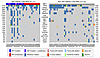 Figure 5
MET-altered BMs are genomically distinct from non–MET-altered BMs. OncoPlot of the distribution of mutations for patients with MET altered LUAD BMs (N = 31) compared with those with non–MET-altered LUAD BMs (N = 43). Frequency of mutations is listed for each gene in order of highest to lowest. The mutation types are color-coded and annotated in the key. Variants annotated as “Multi-Hit” are genes that are mutated more than once in the same sample. Fisher’s exact test, 1-sided; *P ≤ 0.05.
BMs have distinct transcriptomic profiles of altered immune and metabolic signatures compared with primary LUAD. To investigate transcriptomic differences between primary LUAD and LUAD BMs, we performed RNA-seq on 5 matched cases. Differential gene expression analysis identified 174 genes that were significantly differentially expressed between primary LUAD and matched BM samples (FDR = 0.05, fold change ≥ 2.0 or ≤ –2.0) (Figure 6A, ordered by group; Supplemental Figure 6, ordered by patient; Supplemental Tables 8–10). We conducted GSEA (Ensembl) using MSigDB Hallmark gene sets on the RNA-seq data from the matched samples. The top 20 pathways that were significantly up- or downregulated in LUAD BMs compared with primary LUAD are shown in Figure 6B and Supplemental Table 11. As expected (52–54), several immune-related signatures were significantly downregulated in LUAD BMs, including allograft rejection, IFN-γ response, IL-6/JAK/STAT3 signaling, inflammatory response, TNF-α signaling via NF-kB, IFN-α response, and IL-2/STAT5 signaling. The suppression of these pathways suggests diminished immune activation and cytokine signaling in the brain metastatic microenvironment, which may facilitate immune evasion and metastatic progression. The downregulation of key inflammatory and immune-mediated pathways, such as TNF-α signaling and IFN responses, indicates potential reduced proinflammatory signaling, which could be critical for the survival of LUAD cells in the brain microenvironment. To further examine immune differences between primary LUAD and BMs, we conducted immune cell subset analysis on the matched cases (Supplemental Figure 6B). In all cases, the microenvironment and immune score as well as specific immune cell types, including B cells and dendritic cells, were significantly reduced in the LUAD BMs compared with primary LUAD, indicating that BMs exhibit immune-tolerant characteristics.
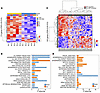 Figure 6
LUAD BMs have a distinct transcriptional profile compared with matched primary LUAD tumors, and MET-amplified BMs are distinct from non–MET-amplified BMs. (A) Heat map of 174 differentially expressed genes in 5 matched primary LUAD (yellow) and BMs (blue) (FDR < 0.05, fold change [FC] ≥ 2.0 or ≤ –2.0). (B) GSEA of the Hallmark gene sets from the Molecular Signatures Database (MSigDB) showing increased (orange) and decreased (blue) pathways in BMs compared with primary LUAD. The top 20 pathways are shown sorted by median rank of higher to lower (representing confidence higher to lower). (C) Heat map of 243 differentially expressed genes in MET-amplified (red) and MET WT (black) BMs (FDR < 0.05, fold change ≥ 2.0 or ≤ –2.0). (D) GSEA of the Hallmark gene sets from the MSigDB showing increased (orange) and decreased (blue) pathways in MET-amplified compared with non–MET-amplified BMs. The top 20 pathways are shown sorted by median rank of higher to lower (representing confidence higher to lower). The red dashed lines in B and D represent the threshold of what was considered significant.
Previous studies, primarily in melanoma and breast BMs, demonstrated that oxidative phosphorylation (OXPHOS) is commonly used in BMs (55, 56). As expected, OXPHOS was among the most significantly upregulated pathways in LUAD BMs; however, there was also a smaller but significant increase in glycolysis. Additionally, the upregulation of Myc targets could further indicate metabolic adaptation in the brain microenvironment. These pathway enrichment results were confirmed through fast GSEA (fGSEA; classical GSEA algorithm) (Supplemental Figure 7A and Supplemental Table 12).
MET-amplified BMs have a distinct transcriptomic profile and immune landscape from non–MET-amplified BMs. We next sequenced MET-amplified (N = 11) versus non–MET-amplified (N = 23) LUAD BMs and identified 243 genes that were significantly differentially expressed between these groups (Figure 6C and Supplemental Tables 13–15). Notably, a single MET-amplified case with the lowest amplification (MET/CEP = 2.15) clustered with the non–MET-amplified cases. Ensembl GSEA and fGSEA of the BM cases showed significant upregulation or modulation of immune-related processes (IFN-α and IFN-γ responses, allograft rejection, IL-6/STAT3 signaling, IL-2/STAT5 signaling, and TNF-α signaling via NF-kB), cell cycle regulation and proliferation (E2F targets, G2M checkpoint, mitotic spindle, Myc targets, KRAS signaling, and mTORC1 signaling), metabolic pathways (adipogenesis, glycolysis, and heme metabolism), pathways involved in EMT (apical junction, apical surface, and EMT), and coagulation pathways in MET-amplified BM compared with non–MET-amplified BM cases (Figure 6D, Supplemental Figure 7B, and Supplemental Tables 16 and 17).
We have previously shown that the EMT transcription factor TWIST1 is a downstream target of the HGF/MET pathway, is required for MET tumorigenesis, and mediates MET TKI resistance (47, 57, 58). In support of its relevance in BMs, in the BM tumor microenvironment (TME), astrocytes have been shown to induce TWIST1 in BMs, leading to chemoresistance (59), and a prior study reported TWIST1 mRNA and protein expression in approximately 70% of BMs across breast, lung, kidney, and colon cancers as well as increased TWIST1 mRNA in a paired primary lung/BM (60). Given that we observed modulation of pathways involved in EMT, we evaluated whether TWIST1 expression would be higher in our MET-amplified BM cases compared with non–MET-amplified cases. We performed TWIST1 IHC in a subset of BM cases with available tissue. TWIST1 was detected in 55% of the MET-amplified cases compared with only 21% of MET WT BM cases (P = 0.047) (Supplemental Figure 8). These findings extend prior reports of TWIST1 involvement in BMs and support its association with MET pathway activation.
To further validate these findings, we utilized the Caris dataset to assess distinct immune cell populations and immune-oncology (IO) marker expression in MET-amplified, MET-altered (mutant and/or amplified), and non–MET-amplified/altered BMs. We first examined the expression of several IO markers and found that programmed cell death protein 1 (PD-1) and PD-L1 were significantly increased in both MET-altered and -amplified BMs (Supplemental Figure 9A and Supplemental Figure 10A). The increased PD-L1 expression was confirmed by PD-L1 IHC (22C3 pharmDx; 50% MET WT vs. 80% MET-altered, P < 0.001; data not shown). PD-L2 was also elevated in both groups but reached statistical significance only in the MET-altered BM group (Supplemental Figure 9A). We did not observe a significant increase in either the IFN-γ or T cell inflamed signature in this dataset when we compared either the MET-altered or -amplified cohorts to the non–MET-amplified/altered BM cohort (Supplemental Figure 9B and Supplemental Figure 10B). Conversely, in MET-altered BMs compared with non–MET-altered BMs, M1 macrophages were significantly elevated, whereas NK cells were significantly reduced (Supplemental Figure 9C). No differences were observed in other immune subsets, such as B cells, M2 macrophages, monocytes, neutrophils, CD4+ and CD8+ T cells, Tregs, or dendritic cells, between the groups. Similar trends were observed in MET-amplified BMs, with a significant increase in M1 macrophages and a reduction in M2 macrophages. Additionally, NK cells and CD4 T cells were also decreased in MET-amplified BMs (Supplemental Figure 10C). Together, these findings suggest a shift in the immune landscape toward a less immunosuppressive microenvironment in MET-driven BMs, characterized by altered immune cell composition and elevated immune checkpoint markers, potentially contributing to an inflamed phenotype in these tumors.
Lung cancer patients with MET-amplified BMs have poor OS. Finally, we asked if the presence of a MET amplification in LUAD BMs had any prognostic significance. We analyzed OS from the time of initial lung cancer diagnosis in patients with MET-amplified BMs compared with those with non–MET-amplified BMs using data from the Caris dataset. Our findings demonstrate that patients with MET-amplified BMs (N = 22) exhibit significantly poorer OS compared with those without MET amplification (N = 1,039) (Figure 7A). At 1 year, the survival rate for patients with MET-amplified BMs was 63%, decreasing to 23% at both 3 and 5 years. In contrast, patients without MET amplification had higher survival rates, with 81% at 1 year, 65% at 3 years, and 51% at 5 years. Median OS was 16.4 months in the MET-amplified cohort and 61.4 months in the non–MET-amplified cohort (HR: 2.05; P = 0.006). This 3.7-fold difference in OS highlights the aggressive nature of MET-amplified tumors, which may drive a more rapid progression and poorer prognosis, particularly after BMs occur. Of note, this difference was still significant when patients with an EGFR mutant and co-occurring MET amplification were excluded (Figure 7B). The significantly shorter OS in patients with MET-amplified BMs underscores the aggressive nature of MET-driven BMs and suggests a need for novel therapeutic strategies targeting MET to improve outcomes for this patient subgroup.
 Figure 7
Patients with NSCLC MET-amplified BMs have worse OS. Kaplan-Meier survival analysis showing OS in months from initial diagnosis in patients with NSCLC BMs stratified by MET amplification (red line) versus no amplification (blue line). Median OS in months, HR, and CI were calculated. (A) All patients; (B) all patients excluding those with EGFR mutations. 1-, 3-, and 5-year survival rates are indicated.


Copyright © 2026 American Society for Clinical Investigation
ISSN: 0021-9738 (print), 1558-8238 (online)