
Issue published May 1, 2026 Previous issue | Next issue

- Volume 136, Issue 9
On the cover:
A metabolic-epigenetic axis in Huntington’s disease
Lu et al. report that SHMT2 downregulation in mitochondrial one-carbon metabolism leads to homocysteine (HCY) accumulation, which suppresses histone lactylation via AARS1 and drives transcriptional dysregulation and neurodegeneration in Huntington’s disease models. The cover image shows calcium imaging of medium spiny neuron depolarization in human striatal organoids following potassium chloride stimulation. Image credit: Mingqin Lu.
Lu et al. report that SHMT2 downregulation in mitochondrial one-carbon metabolism leads to homocysteine (HCY) accumulation, which suppresses histone lactylation via AARS1 and drives transcriptional dysregulation and neurodegeneration in Huntington’s disease models. The cover image shows calcium imaging of medium spiny neuron depolarization in human striatal organoids following potassium chloride stimulation. Image credit: Mingqin Lu.
Go to section:
-
Reviews
×
Abstract
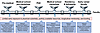
Bone is a highly dynamic and purposefully organized structure that remodels constantly throughout adult life. Disordered bone remodeling, in which resorption of old bone by osteoclasts exceeds new bone formation by osteoblasts, results in bone loss, which, in turn, is associated with debilitating conditions, including osteoporosis and metastatic bone disease. The past decade has revealed vital new insights into the role of the central nervous system in skeletal regulation. These studies have led to a better understanding of physiologic circuitry, enabled us to revisit disease pathophysiology, and in doing so, prompted the creation of candidate therapeutics. The central neural control of bone is exerted through two arms — an amplitude-modulated (AM) neurohormonal arm that relies on changes in circulating levels of anterior and posterior pituitary hormones, which act on bone directly, and a frequency-modulated (FM) arm that arises from changes in the firing frequency of sympathetic, parasympathetic, and sensory nerves that innervate bone. Here, we review the medical consequences arising from the dysfunction of the AM and FM arms, as well as studies that have unmasked promising therapeutic targets.
Authors
Mone Zaidi, Se-Min Kim, Vitaly Ryu, Daria Lizneva, Terry F. Davies, Clifford J. Rosen, Tony Yuen, Andrea Giustina
×Abstract
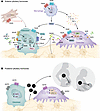
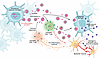
Although combination antiretroviral therapy (ART) has dramatically reduced the incidence of severe HIV-associated neurological disease, the central nervous system (CNS) remains a viral sanctuary in which inflammation and brain injury persist despite systemic viral suppression. Here, we synthesize evidence that ongoing HIV-associated brain injury is sustained not primarily by unchecked viral replication but by persistent viral transcription from defective proviruses, immune-mediated synaptic dysfunction driven by bystander activation, and long-lived microglial reprogramming shaped by epigenetic “training.” We highlight how emerging single-cell multiomics and “liquid biopsy” approaches are redefining our understanding of the CNS reservoir at high resolution. We further discuss the growing emphasis on biologically anchored, molecularly defined disease subtypes as a means to disentangle HIV-specific pathology from the confounding overlap of aging and multimorbidity, which have increased in the ART era. Finally, we underscore the necessity of human-centered translational studies to validate preclinical findings, outlining how these molecular insights pave the way for precision therapeutics and CNS-targeted cure strategies.
Authors
Paraskevas Filippidis, Shelli F. Farhadian
-
Commentaries
×
Abstract
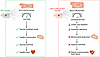
Fatty acid oxidation (FAO) provides the healthy heart with 60%–90% of its ATP, with the remainder coming from metabolism of glucose. Metabolic flexibility is key to heart function, ensuring an uninterrupted source of fuel. In heart failure, a shift from FAO to glucose-dependent metabolism occurs as disease progresses, supporting the widely held notion that fat is the optimal substrate in the heart. In this issue of the JCI, Kim et al. challenge this assumption. In studies of acetyl-CoA carboxylase–deficient (ACC-deficient) mice, they found that unregulated use of fat as a substrate led to cardiac damage. ACC-deficient mice developed cardiolipin deficiency as a result of excessive FAO depleting stores of linoleic acid, which is used as a substrate for cardiolipin maturation. The resulting mitochondrial dysfunction was associated with dilated cardiomyopathy and heart failure in these mice. The findings highlight potential for development of therapeutic strategies that balance energy sources and replenish cardiolipin levels.
Authors
Steven M. Claypool, Carla M. Koehler
×Abstract
Despite extensive advances in understanding sepsis pathophysiology, treatment outcomes have not substantially improved. In this issue, Takahama and colleagues identified phospholipase A2 Group V (PLA2G5) as a contributor to sepsis lethality in mouse models of endotoxemia and sepsis. Whole-mouse spatial profiling generated bodywide maps of systemic inflammation and uncovered intestinal goblet cells as a source of pathogenic PLA2G5. Pairs of inflammatory cytokines (TNF and IFN-γ, or TNF and IL-18) induced PLA2G5 expression in goblet cells. Mechanistically, circulating PLA2G5 triggered intravascular hemolysis through its lipolytic activity on erythrocyte membranes and contributed to organ failure and death. PLA2G5’s deleterious effects were blocked by specific antibodies and were absent in Pla2g5-deficient mice. In humans with bacterial or fungal sepsis or severe COVID-19, plasma PLA2G5 levels were elevated and predicted disease severity. This discovery highlights the contribution of hemolysis to sepsis, suggesting that PLA2G5 inhibitors, hemoglobin, or heme antagonists could represent valuable therapeutic tools.
Authors
Jean-Marc Cavaillon
×Abstract
The immune response is essential for maintaining host integrity, and phagocytosis is widely considered as one of its most ancient cellular functions. Accordingly, professional phagocytes such as resident tissue macrophages (RTMs) populate virtually all organs and serve as primary sentinels capable of sensing, engulfing, and eliminating invading pathogens. Yet, reflecting their early evolutionary emergence, RTMs have acquired functions that extend far beyond phagocytosis. In this issue, Salm et al. extend the macrophage toolbox, showing that macrophages residing in the peritoneal cavity function as remote healers. Using various mouse models, they demonstrated that activated peritoneal macrophages accelerate distant skin wound healing through fibronectin secretion, thereby shaping tissue repair at sites beyond their anatomical location. These findings invite us to reconsider macrophages not only as phagocytes and mediators of inflammation but also as active regulators capable of shaping extracellular architecture at a distance.
Authors
Camille Blériot, Florent Ginhoux
×Abstract
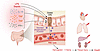
Chemotherapy-induced alopecia (CIA) is a common and highly visible adverse effect of chemotherapy with substantial psychosocial and quality-of-life burdens. In this issue, Gherardini and colleagues described a targeted strategy to prevent CIA using ALRN-6924, a stapled peptide that transiently activates p53 and induces cell cycle arrest in proliferating TP53 wild-type tissues, such as the hair follicle. In ex vivo human scalp hair follicle culture, ALRN-6924 protected matrix keratinocytes and bulge stem cells from paclitaxel- and cyclophosphamide-induced injury, reducing apoptosis, DNA damage, and other pathologic features. These findings nominate precision chemoprotection as a promising supportive care approach for mitigating CIA.
Authors
Edward B. Li, Meredith Klay, Rui Yi


-
Research Articles
×
Abstract
Chemotherapy-induced alopecia (CIA) remains one of the most distressing adverse effects of cancer therapy. Yet, no therapy is available to selectively protect healthy hair follicles (HFs) and their epithelial stem cells (eHFSCs) from chemotherapy-induced damage without awarding potential survival benefits to cancer cells. Here, we report how human HFs can be protected against 2 lead CIA-inducing chemotherapeutics by inducing selective transient cell cycle arrest. Pretreating scalp HFs before chemotherapy exposure ex vivo with ALRN-6924, a clinical-stage “stapled peptide” drug that binds with high affinity to key endogenous inhibitors of p53, selectively activated p53 signaling only in cells with wild-type TP53 genotype and upregulated p21. This led to temporary cell cycle arrest in healthy tissues without protecting TP53-mutant cancer cells and mitigated chemotherapy-induced HF damage on multiple levels, including excessive hair matrix apoptosis, premature catagen, pigmentary abnormalities, “mitotic catastrophe,” and micronucleation. It also protected eHFSCs against DNA damage, apoptosis, and pathological epithelial-mesenchymal transition. Notably, even topically applied ALRN-6924 afforded relative chemotherapy protection ex vivo. These results provide proof of principle for a strategy to selectively protect rapidly proliferating healthy epithelial tissues and their stem cells in patients with TP53-mutant cancers, which promises to protect against acute and permanent CIA.
Authors
Jennifer Gherardini, Tara Samra, Tatiana Gomez-Gomez, Aysun Akhundlu, Samantha D. Verling, Kinga Linowiecka, Tongyu C. Wikramanayake, Ulrich Knie, Jose Rodríguez-Feliz, Ramtin Kassir, Wolfgang Funk, Reza P. Azar, D. Allen Annis, Manuel Aivado, Jérémy Chéret, Ralf Paus
×Abstract
Pseudoxanthoma Elasticum (PXE) is a rare disease caused by loss of function of the ATP-binding cassette C (ABC) member 6 (Abcc6) gene and characterized by ectopic calcification of multiple tissues, but the physiological reasons underlying ectopic calcification in PXE remain unclear. In a murine model of Abcc6-deficient PXE in which animals developed robust cardiac calcification after heart injury, we show the critical importance of the liver in mediating ectopic cardiac calcification. Tissue-specific deletion of Abcc6 in the liver, but not in the heart, was sufficient to cause post-injury cardiac calcification. Metabolomics and gene expression analysis demonstrated deficiencies in nucleotide metabolism, cellular energetics, and defects in cellular respiration underlying ectopic calcification in PXE. Functional abnormalities in cellular respiration in the injured heart were similar in animals with global or liver-specific Abcc6 deficiency, showing that hepatic Abcc6 expression regulated cellular respiration in the injured heart. We show that ectopic calcification in PXE was primarily dystrophic and that treatment with clodronate or etidronate, which prevent the growth of calcium hydroxyapatite mineralization, was sufficient to rescue the phenotype of ectopic cardiac calcification in Abcc6-deficient states. Taken together, these observations highlight the role of the liver in regulating target tissue metabolic and mitochondrial function in causing ectopic calcification in Abcc6-deficient states.
Authors
Yijie Wang, Baiming Sun, Feiyang Ma, Bo Tao, Yiqian Gu, Zhiqiang Zhou, Jason Kim, Linlin Zhang, Zhihao Liu, Johanna ten Hoeve, Linsey Stiles, Lucia Fernandez del Rio, Calvin Pan, Orian Shirihai, Shili Xu, Thomas G. Graeber, Tamer Sallam, Matteo Pellegrini, Aldons J. Lusis, Arjun Deb
×Abstract
The mammalian brain relies primarily on glucose for its energy needs. Delivery of this nutrient to the brain is mediated by the glucose transporter-1 (GLUT1) protein. Low GLUT1 thwarts glucose entry into the brain, causing an energy crisis and triggering, in one instance, the debilitating neurodevelopmental condition known as GLUT1 deficiency syndrome (GLUT1DS). Current treatments for GLUT1DS are suboptimal, as none address the root cause — low GLUT1 — of the condition. Levels of this transporter must respond rapidly to the brain’s changing energy requirements. This necessitates fine tuning its expression. Here, we describe a long-noncoding RNA (lncRNA) antisense to GLUT1 (SLC2A1) and show that it is involved in such regulation. Raising levels of the lncRNA had a concordant effect on GLUT1 in cultured human cells and transgenic mice; reducing levels elicited the opposite effect. Delivering the lncRNA to GLUT1DS model mice via viral vectors induced GLUT1 expression, enhancing brain glucose levels to mitigate disease. Direct delivery of such a lncRNA to combat disease has not been reported previously and constitutes, to our knowledge, a unique therapeutic paradigm. Moreover, considering the importance of maintaining homeostatic GLUT1 levels, calibrating transporter expression via the lncRNA could become broadly relevant to myriad conditions, including Alzheimer’s disease, wherein GLUT1 is perturbed.
Authors
Maoxue Tang, Sasa Teng, Yueqing Peng, Ashley Y. Kim, Yoon-Ra Her, Peter Canoll, Jeffrey N. Bruce, Phyllis L. Faust, Kailash Adhikari, Darryl C. De Vivo, Umrao R. Monani
×Abstract
Bacteria-modulated gastric epithelial cells (GECs) play key roles in Helicobacter pylori–associated pathology. Here, we demonstrate both procolonization and proinflammation roles of GEC-derived PPFIA4 in H. pylori infection. PPFIA4 was elevated in GECs from gastric mucosa of H. pylori–infected patients and mice. PPFIA4 could be synergistically induced by H. pylori and IL-33 via the CagA/AP1 pathway. Human gastric PPFIA4 correlated with H. pylori colonization and the severity of gastritis, and H. pylori colonization and inflammation were attenuated in Ppfia4ΔGEC mice. Mechanistically, PPFIA4’s SAM1 domain bound domains from CaMK to the first L27 of CASK and subsequently formed a PPFIA4/CASK/AKT1 complex to activate AKT1, resulting in NF-κB activation and MMP1/CXCL3 secretion. This not only led to decreased E-cadherin and ZO-1 by MMP1, thereby promoting gastric mucosal damage to foster H. pylori colonization, but also resulted in increased gastric influx of G-MDSCs via CXCL3-dependent migration, thereby promoting gastritis and impairing H. pylori–specific IFN-γ–producing CD4+ T cell responses to foster H. pylori colonization. Furthermore, we identified a PPFIA4 inhibitor, kira6, which effectively inhibited GEC’s MMP1/CXCL3 production and ameliorated gastric H. pylori colonization and gastritis. Overall, PPFIA4 could be a promising therapeutic target, as it collectively ensures H. pylori persistence and promotes gastritis.
Authors
Pan Wang, Nan You, Yong-Sheng Teng, Yi-Pin Lv, Wen-Qing Tian, Jing-Yu Xu, Rui Xie, Jiang-Bo Wu, Geng-Yu Yue, Ping Cheng, Jin-Yu Zhang, Liu-Sheng Peng, Fang-Yuan Mao, Shou-Lu Luo, Shi-Ming Yang, Yong-Liang Zhao, Hong Zhou, Weisan Chen, Bin Wang, Yuan Zhuang
×Abstract
Interstitial lung disease (ILD) is a major cause of morbidity and mortality in systemic sclerosis (SSc); however, the immunopathologic mechanisms driving lung disease in SSc are unclear. T cells have been implicated as a likely driver of lung injury in SSc. Here, we evaluated T cells in the blood of patients with SSc-ILD and identified a specific population of cytotoxic CD8+ T cells that was expanded in patients with SSc-ILD. Cytotoxic effector memory CD8+ T cells marked by CD57 expression were preferentially expanded in patients with SSc-ILD compared with patients with SSc but no ILD and control individuals and showed prominent clonal expansion. These CD57+ T effector memory (Tem) cells differed from T effector memory cells reexpressing CD45RA (Temra) transcriptomically and functionally, with cytotoxic function that was enhanced by CD155 engagement of the costimulatory receptor CD226. We performed immunostaining of lung tissue samples obtained from independent patients with SSc-ILD (biopsy or explant) and confirmed the presence of CD57+ Tem cells. In parallel, we analyzed publicly available lung scRNA-seq datasets from multiple ILD cohorts and identified endothelial cells as a likely source of CD155 for the activation of CD57+ cytotoxic T cells. Together, the results implicate a CD57+ cytotoxic CD8+ T cell population as a potential mediator of lung injury in SSc-ILD.
Authors
Takanori Sasaki, Ye Cao, John M. Sowerby, Kazuhiko Higashioka, Kathryne E. Marks, Mehreen Elahee, Mari Kamiya, Paul F. Dellaripa, Richard I. Ainsworth, Kimberly E. Taylor, Nunzio Bottini, Paul Wolters, Edy Y. Kim, Francesco Boin, Deepak A. Rao
×Abstract
Stem cells are critical for the homeostasis of adult tissues. Thyroid hormone (TH), whose intracellular concentration is increased by type 2 deiodinase (D2), is involved in many functions, but its role in quiescence is unknown. Here, we show that D2 marks quiescent stem cells in muscle and skin. Genetic D2 depletion in quiescent muscle stem cells triggered their transition from a G0 to a GAlert-like state. This increased the proliferative potential of the stem cells but impaired their self-renewal capacity, leading to depletion of the stem cell pool and regenerative failure over time. Mechanistically, TH sustained Notch signaling, and active Notch overexpression partially rescued D2 depletion. Transient pharmacological inhibition of D2 accelerated muscle regeneration and skin wound healing by promoting stem cell expansion. In conclusion, we show that D2 is a critical metabolic enzyme in maintaining stem cell quiescence and in regulating self-renewal.
Authors
Maria Angela De Stefano, Raffaele Ambrosio, Cristina Luongo, Tommaso Porcelli, Daniela Di Girolamo, Caterina Miro, Monica Dentice, Caterina Missero, Domenico Salvatore
×Abstract
Sepsis is a systemic response to infection with life-threatening consequences such as hemolysis, a predictor of mortality risks for the disease. Here, by measuring organism-wide changes in gene expression, we discovered that the secreted phospholipase PLA2G5 is induced in colon cell types during sepsis. The genetic deletion of Pla2g5 and treatment with a PLA2G5 antibody were both associated with protection from lethal sepsis. Treatment with a PLA2G5 antibody during sepsis was associated with increased splenic red pulp macrophages and improved iron homeostasis, linking PLA2G5 to red blood cell homeostasis during sepsis. Mechanistically, bloodborne PLA2G5 led to intravascular hemolysis through its lipolytic activity on red blood cell membranes. In humans with sepsis due to bacterial, fungal, or viral infections, the serum level of PLA2G5 was elevated and predictive of disease severity and mortality. We conclude that sepsis corrupts PLA2G5 into becoming an intravascular hemolytic factor which is toxic for host red blood cells.
Authors
Michihiro Takahama, Krysta S. Wolfe, Gabriella Richey, Madison Plaster, Anna Czapar, Fabian Hernandez, Denis Cipurko, Tatsuki Ueda, Yoshimi Miki, Yuki Nagasaki, Yoshitaka Taketomi, Tatsuya Saitoh, Tadafumi Kawamoto, Steven M. Dudek, Makoto Murakami, Nicolas Chevrier
×Abstract
Huntington’s disease (HD) is a fatal neurodegenerative disorder characterized by progressive motor dysfunction, cognitive decline, and striatal neuron degeneration, primarily affecting medium spiny neurons (MSNs). Despite extensive research, the underlying metabolic vulnerabilities contributing to HD pathogenesis remain poorly understood. In this study, we employed RNA-seq and metabolomics analyses to identify marked dysregulation of 1-carbon metabolism in HD. We validated that SHMT2, a key mitochondrial enzyme in the mitochondrial 1-carbon pathway, was substantially downregulated in HD patient–derived iPSC-differentiated human striatal organoids (hSOs) and YAC128 mice. Functionally, pharmacologic inhibition or genetic deletion of SHMT2 exacerbated mutant huntingtin aggregation, induced MSN degeneration in hSOs, and impaired motor function in WT mice. Conversely, SHMT2 overexpression attenuated MSN degeneration in HD-hSOs and improved motor performance in YAC128 mice. Mechanistically, SHMT2 deficiency led to accumulation of homocysteine, which interacted with AARS1 and suppressed histone lactylation, thereby perturbing transcriptional regulation and associating with neurodegenerative phenotypes. Finally, we demonstrated that the HD clinical drug haloperidol modulated SHMT2 expression and restored histone lactylation, providing a pharmacologic tool to probe SHMT2-dependent metabolic and epigenetic regulation in HD models. These findings highlight a metabolic-epigenetic axis as a promising therapeutic target for HD.
Authors
Mingqin Lu, Kexin Li, Shanshan Wu, Zhilong Zheng, Xinyue Li, Shengda Wang, Hanwen Yu, Chunyue Liu, Yueqing Jiang, Xueqin Song, Yan Liu, Xing Guo
×Abstract
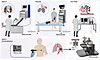
Integrative multiscale imaging bridges the gap between macroscopic organ structures and microscopic cellular processes, enabling holistic visualization of anatomy and function across scales. Photoacoustic imaging (PAI) leverages melanin’s potent contrast for label-free melanoma detection, yet its potential in lung imaging, challenged by air-tissue acoustic impedance mismatch, remains unexplored for melanoma lung metastases (MLMs). We used hierarchical multiscale PAI, transitioning from whole-body macroscale to localized mesoscale and single-cell-resolution microscale. PAI also guided photoablation interventions in the first and second near-infrared windows, requiring only 10.4 pg intracellular melanin/cell. Bioinformatic analysis of human MLM tissues revealed perturbed signaling pathways compared with normal skin and lung tissues, accounting for dysfunctional melanogenesis to enable label-free PAI with high sensitivity and specificity. Malignant MLM lesions in living mice, resected mouse lungs, and human lungs were delineated with margins closely conforming to histology. The high sensitivity allowed visualization of low-cellularity microsatellite foci down to a few tens of cell clusters, with sufficient penetration in the lungs of mice and Bama minipigs. The multiscale imaging methodology streamlines a theranostic workflow and specifically identifies MLM burden in a progressive, label-free manner, which may aid real-time tumor ablation in the future.
Authors
Wei Xing, Yujia Zhou, Katja Haedicke, Chenyixin Wang, Karla Ximena Vazquez-Prada, Hong Wu, Zhijun Lin, Chrysafis Andreou, Qize Zhang, Ke Shang, Ruoyang Hu, Moritz Kircher, Xingdong Ye, Jan Grimm, Jiang Yang
×Abstract
N6-methyladenosine (m6A) is a prevalent modification of mammalian mRNA. Increasing evidence has documented diverse roles of m6A in normal cell physiology and diseases. However, its functional role in erythropoiesis remains poorly understood. In this study, we found that deletion of Mettl3 using the EpoR-Cre mouse led to microcytic/hypochromic anemia due to defective erythropoiesis along with impaired hemoglobin biosynthesis. Mechanically, Mettl3 deficiency disrupted nucleotide biosynthesis, which induced DNA damage, leading to apoptosis of colony-forming unit–erythroid cells and cell-cycle arrest of erythroblasts. Integrated m6A-seq and RNA-seq analysis along with biochemical studies identified Mthfd1, a key enzyme involved in nucleotide biosynthesis, as a Mettl3 direct target gene. Furthermore, deletion of Mettl3 led to decreased expression of Mthfd1, accompanied by a shortage of nucleotides deoxythymidine monophosphate and inosine monophosphate, in erythroid cells. Additionally, inhibition of METTL3 in human erythroid cells led to similar phenotypic and molecular changes, indicating a conserved role of METTL3 in human and murine erythropoiesis. Our findings have identified an METTL3-m6A-MTHFD1 axis that plays a critical role in erythropoiesis by maintaining genome stability of erythroid cells via regulation of nucleotide biosynthesis. These findings provide important insights into the regulatory mechanisms of erythropoiesis and may have implications for underlying the mechanisms of anemias.
Authors
Linlin Zhang, Huizhi Zhao, Shihui Wang, Xueting Wu, Donghao Liu, Hengchao Zhang, Qianqian Yang, Ying Cheng, Xiuyun Wu, Jiangwei Zhao, Shijie Zhang, Huan Zhang, Haojian Zhang, Qiaozhen Kang, Lixiang Chen, Xiuli An, Xiaoli Qu
×Abstract
High levels of l- and d-2-hydroxyglutarate (2HG), the reduced forms of α-ketoglutarate (αKG), are implicated in neurodevelopmental disorders and cancer by modulating αKG-dependent dioxygenases involved in histone, DNA, and RNA demethylation. L-2HG dehydrogenase (L2HGDH) deficiency, a rare autosomal recessive inborn error of metabolism associated with systemic L-2HG elevation, causes progressive neurological disability and increased brain tumor risk of unclear mechanism. Using an isogenic, patient-derived induced pluripotent stem cell system, we examined the impact of L2HGDH deficiency on neural progenitor cell (NPC) function and neuronal differentiation. L2HGDH deficiency caused L-2HG accumulation, NPC hyperproliferation, increased clonogenicity, and defective neuronal differentiation in 2D cultures and cortical spheroids. Editing the L2HGDH locus to WT reversed these effects. Inhibiting glutaminase reduced L-2HG levels and induced neuronal differentiation. L-2HG–dependent inhibition of KDM5 histone demethylases led to widespread retention of H3K4me2/3, markers of active gene expression, with prominent enrichment at the MYC locus and elevated MYC expression across multiple neural cell types. Despite broadly altered histone methylation, genetically or pharmacologically normalizing MYC completely restored neuronal differentiation. These data indicated that a primary metabolic disturbance activated MYC to favor self-renewal and suppress neuronal lineage commitment.
Authors
Wen Gu, Xun Wang, Ashley Solmonson, Ling Cai, Yi Xiao, Alpaslan Tasdogan, Jordan Franklin, Yuannyu Zhang, Hua Zhang, Aundrea K. Westfall, Ashley Rowe, Hetali Trivedi, Brandon Faubert, Zheng Wu, Jessica Sudderth, Lauren G. Zacharias, Bushra Afroze, Ilya Bezprozvanny, Sunil Sudarshan, Feng Cai, Samuel K. McBrayer, Thomas P. Mathews, Ralph J. DeBerardinis
×Abstract
Despite substantial progress in understanding the molecular pathology of Parkinson’s disease (PD), the underlying drivers of PD in many cases remain unknown. Here, we investigate the role of RNA modification in PD, following observations of selective m6A hypomethylation in the substantia nigra (SN) of mouse PD models and dysregulated METTL3 and ALKBH5 expression in dopaminergic (DA) neurons from patients with PD. We found preferential m6A deposition on transcripts of PD risk genes and what we believe to be a previously unreported heterozygous METTL3 p.K480R mutation in patients with PD. Mettl3K480R/+ mice exhibited progressive METTL3 reduction and m6A hypomethylation in the SN, leading to progressive DA neuron loss, phospho-α-synuclein increase, and levodopa-responsive motor and nonmotor deficits, mimicking PD progression. Dopamine transporter–specific METTL3 knockout mice recapitulate m6A hypomethylation, neurodegeneration, and levodopa-responsive parkinsonism. Mechanistically, m6A deficiency disrupted mitochondrial biogenesis and function through regulating Tfam expression, while mitochondrial dysfunction reciprocally impaired m6A deposition, creating a pathogenic loop. Importantly, supplementation with S-adenosylmethionine (SAMe) enhanced m6A modification, disrupted the pathogenic loop, and alleviated parkinsonism in mouse models. Our findings revealed m6A dysregulation as an important contributor to PD pathogenesis, provide a valuable preclinical mouse model for PD progression, and highlight RNA methylation-targeted therapies as a promising strategy for PD intervention.
Authors
Sun Liu, Qihuan Ren, Guiling Mo, Zengguang Li, Huili Huang, Yuhao Zhou, Ziteng Miao, Xin Cao, Bilian Wu, Zhuoyu Xiao, Shihui Yu, Guangjin Wu, Linjian Xia, Jinru Cui, Junyuan Mo, Yuan Li, Laixin Xia, Juan Shen, Shan Xiao
×Abstract
Obesity-linked steatosis is a significant risk factor for hepatocellular carcinoma (HCC); however, the molecular mechanisms underlying the transition from metabolic dysfunction–associated steatotic liver disease (MASLD) to HCC remain unclear. Here, we explored the role of the ER-associated protein NgBR, an essential component of the cis-prenyltransferase (cis-PTase) enzyme, in chronic liver disease. Hepatocyte-specific NgBR deletion in mice (N-LKO) intensified triacylglycerol (TAG) accumulation, inflammatory responses, ER/oxidative stress, and fibrosis, ultimately resulting in HCC development with 100% penetrance after 4 months on a high-fat diet. Similarly, liver-specific knockout of DHDDS, NgBR’s cis-PTase partner, and a knockin model carrying a human NgBR mutation that impairs cis-PTase activity developed HCC under high-fat diet conditions, although with lower penetrance. A single-cell transcriptomic atlas from affected livers provides a detailed molecular analysis of the transition from liver pathophysiology to HCC development. Mechanistically, NgBR deficiency promoted excessive hepatic TAG accumulation by enhancing lipid uptake and impairing VLDL secretion. Importantly, pharmacological inhibition of diacylglycerol acyltransferase-2 (DGAT2), a key enzyme in TAG synthesis, abrogated diet-induced liver damage and HCC burden in N-LKO mice. Overall, our findings establish cis-PTase as a critical suppressor of MASLD-HCC conversion and suggest DGAT2 inhibition may serve as a promising therapeutic approach to delay HCC formation in advanced metabolic dysfunction–associated steatohepatitis.
Authors
Abhishek K. Singh, Balkrishna Chaube, Kathryn M. Citrin, Joseph W.M. Fowler, Sungwoon Lee, Jonatas Catarino, James Knight, Sarah C. Lowery, Sonal Shree, Keira E. Mahoney, Nabil E. Boutagy, Inmaculada Ruz-Maldonado, Kathy Harry, Marya Shanabrough, Trenton T. Ross, Stacy A. Malaker, Yajaira Suárez, Carlos Fernández-Hernando, Kariona A. Grabińska, William C. Sessa
×Abstract
BACKGROUND Estrogen deficiency and progressive hearing loss (HL) are significant concerns in individuals with Turner syndrome (TS). However, whether childhood estrogen deficiency increases HL risk and whether estrogen replacement therapy (ERT) prevents hearing deterioration are still unclear.METHODS This prospective cohort study recruited children with TS from a tertiary referral center between 2016 and 2024. All participants received standardized recombinant human growth hormone therapy. Longitudinal monitoring data of hormone levels, metabolic parameters, and annual audiological examinations were recorded. The primary analysis used a multivariate Cox model to estimate the adjusted hazard ratio (HR) of hearing loss between estrogen-deficient and estrogen-normal TS patients without prior exogenous estrogen exposure. The secondary analysis compared annual pure tone average (PTA) and its changes between the ERT and non-ERT groups in a substudy.RESULTS Among 87 prepubertal pediatric patients with TS, 48 (55.2%) were estrogen deficient, and 38 HL events occurred over a 35-month median follow-up. The estrogen-deficient group had higher HL incidence (27 cases, 56.3%; 20.6 per 100 person-years [PY]) versus estrogen-normal (11 cases, 28.2%; 8.6 per 100 PY), with estrogen deficiency independently increasing HL risk (HR 2.93, 95% CI 1.21–7.12). Notably, estrogen deficiency also independently predicted abnormal distortion product otoacoustic emissions with an even higher effect size (HR 3.98, 95% CI 1.35–11.76). The substudy found that initiating ERT at the age of 12 significantly preserve auditory function, with the ERT group showing markedly lower PTA and slower hearing deterioration (–1.24 dB/year vs. 1.13 dB/year right ear; –1.85 dB/year vs. 1.04 dB/year left ear, P = 0.001).CONCLUSION Childhood estrogen deficiency is a modifiable risk factor. Initiating ERT around early adolescence may help hearing preservation.TRIAL REGISTRATION Chinese Clinical Trial Registry: ChiCTR2300068063.FUNDING National Natural Science Foundation of China (grants 82173154 and 82471155), Fundamental Research Funds for the Central Universities Clinical Research 5010 Program (Sun Yat-sen University, no. 2024004).
Authors
Yan Huang, Liyang Liang, Yanfang Ye, Lina Zhang, Li Ling, Zhe Meng, Wei Liu, Jia Guo, Zulin Liu, Zhen Zhao, Zhigang Zhang, Yu Si
×Abstract
The peritoneal cavity contains a large population of GATA6-expressing large peritoneal macrophages (LPMs), known to support healing of intraabdominal organs. In this study, we aimed to explore their full sphere of influence by examining their ability to perform wound healing at distant sites outside the cavity. In a mouse model combining a remote skin injury with peritoneal stimulation we observed a significant acceleration of skin wound healing in response to LPM activation. Tracking GATA6-expressing LPMs, we demonstrated that LPMs do not migrate to distant wound sites following peritoneal activation. Using parabiosis experiments and administration of activated peritoneal contents indicated an important role of molecules secreted by LPMs in remote skin wound healing. More specifically, proteomic and transcriptomic analyses identified fibronectin as a key factor produced by activated LPMs. In fact, depletion of LPMs or genetic knockout of fibronectin in myeloid cells eliminated the enhanced healing effect. These findings highlight the endocrine function of LPMs in systemic tissue repair, challenging the traditional perspective of plasma fibronectin being exclusively liver derived. Our results suggest that LPMs, strategically positioned in the peritoneal cavity, serve as a source of circulating fibronectin, promoting matrix formation and accelerating wound healing at distant sites.
Authors
Lilian Salm, Simone N. Zwicky, Daniel Spari, Tural Yarahmadov, Marie Siwicki, Fernanda Vargas e Silva Castanheira, Jonas Zbinden, Deborah Stroka, Joel Zindel, Antoine Dufour, Paul Kubes, Guido Beldi
×Abstract
Osteofibrous dysplasia (OFD) is a skeletal RASopathy presenting with periosteal bone lesions that may progress to fracture and delayed healing (pseudarthrosis). MET gene mutations reducing ubiquitin-mediated protein degradation via loss of the juxtamembrane domain (METΔJMD) were previously identified in patients with OFD, resulting in ligand-dependent gain of function. The effect of METΔJMD expression on skeletal progenitor cell differentiation and the potential efficacy of targeted therapies remain unclear. We engineered MetΔJMD mice and showed that MetΔJMD expression inhibited osteogenic differentiation of skeletal progenitor cells in vitro and impaired cortical bone development and reduced bone stiffness in vivo. In contrast, conditional deletion of Met enhanced osteogenic differentiation of periosteal progenitor cells. Inhibition of MAPK signaling with MEK inhibitors restored osteogenic differentiation of mouse MetΔJMD skeletal progenitor cells and promoted the activation of transcriptional signatures associated with skeletal development and osteoblast differentiation in pseudarthrosis-derived primary cells from patients with OFD. With this preclinical support, we treated with the MEK inhibitor mirdametinib a pediatric patient with OFD who had a 3-year history of persistent pseudarthrosis, resulting in fracture union. Our findings demonstrate a bidirectional role for MET in regulating osteogenic differentiation of skeletal progenitor cells and a therapeutic avenue to improve clinical outcomes for this and potentially other skeletal RASopathies.
Authors
Aysha B. Khalid, Kristin Denton, Nandina Paria, Ila Oxendine, Meghan Wassell, Reuel Cornelia, Sasidhar Uppuganti, Jeffry S. Nyman, G. Jayashree Jagadeesh, Carlos R. Ferreira, Simon J. Conway, Robert E. Hammer, John Ritter, Mylinh Nguyen, David A. Podeszwa, Laura J. Klesse, Carol A. Wise, Jonathan J. Rios
×Abstract
Hepatocyte senescence is increasingly recognized as a pathogenic driver of metabolic dysfunction–associated steatohepatitis (MASH). Through single-nucleus transcriptomic profiling, we identified a discrete population of disease-associated hepatocytes (daHep) exhibiting enrichment for senescence markers in MASH livers. The emergence of senescent hepatocytes was associated with a marked induction of hepatic thymocyte selection associated (THEMIS) expression in both murine and human MASH. Genetic ablation of Themis, either globally or specifically in hepatocytes, resulted in significant expansion of daHep and senescent hepatocyte populations and exacerbated MASH pathology in mice. Single-nucleus transcriptomic analysis revealed a central role for THEMIS in shaping the cellular landscape of both parenchymal and nonparenchymal compartments within the MASH liver microenvironment. Conversely, adeno-associated virus–mediated overexpression of THEMIS suppressed hepatocyte senescence and attenuated diet-induced MASH. Mechanistic studies revealed that THEMIS deficiency promoted aberrant ERK phosphorylation and hepatocyte senescence. These findings establish THEMIS as a critical hepatoprotective factor that restrains hepatocyte senescence and mitigates metabolic liver disease progression.
Authors
Xiaoxue Qiu, You Lu, Yuwei Tang, Linkang Zhou, Yu-tung Lee, Ziyi Meng, Zhimin Chen, Fnu Pradeepa, Lanuza A.P. Faccioli, Zhiping Hu, Alejandro Soto-Gutierrez, Siming Li, Jiandie D. Lin
×Abstract
Immune evasion is a major obstacle in pancreatic cancer therapy. Recent data implicate proinflammatory macrophages in the progression of pancreatic ductal adenocarcinoma (PDAC) and its therapeutic response. However, whether or which of the proinflammatory macrophage subtypes play a crucial role in the immune escape of PDAC remains unclear. Here, we identify a population of CD138+ tumor-associated macrophages (TAMs), characterized by their proinflammatory and neutrophil-chemotactic activity, which undergo significant expansion in both patients with PDAC and mouse models. These cells are elicited by a local synergy between IL-34/syndecan-1 and PGE2/EP2 signaling and are associated with immune evasion and poor clinical outcomes in patients, while also promoting immune escape and disease progression in mouse models. Mechanistically, CD138+ TAMs establish a feed-forward loop with immunosuppressive Siglec-F+ neutrophils, which exhibit elevated PGE2 expression, via the secretion of SAA3 and CXCL1. Targeting CD138+ TAMs by disrupting IL-34/syndecan-1 signaling with anti–IL-34 neutralizing antibodies significantly suppressed PDAC progression, especially when combined with anti–PD-1 antibodies. Together, our study elucidates a CD138+ TAM/Siglec-F+ neutrophil axis that drives immune escape in PDAC and proposes a therapeutic strategy that integrates IL-34/syndecan-1 signaling blockade with anti–PD-1 immunotherapy for the treatment of PDAC.
Authors
Chao Wang, Qi Zhang, Jinyan Huang, Fangyu Lin, Danyang Zhao, Youling Mu, Junshuo Tong, Jinping Li, Yingjiqiong Liang, Tao Zeng, Fukang Shi, Hang Shen, Tingting Lu, Tingbo Liang
×Abstract
Dominant-inactivating mutations in the colony stimulating factor-1 receptor (CSF1R) cause CSF-1R–related leukoencephalopathy (CRL), an adult-onset neurodegenerative disease that is modeled in the Csf1r+/– mouse. CRL is caused by microglial dysfunction. However, the primary microglial deficit is unknown. To address this question, we employed single-nucleus RNA sequencing of brains from young Csf1r+/– mice without pathological or behavioral alterations. Reduction of CSF-1R signaling caused metal ion accumulation in brain macrophages, with concomitant activation of cell death and stress response pathways in oligodendrocytes and neuronal subpopulations. Reduction of metallothionein 1 (Mt1) and 3 (Mt3) gene expression was a common feature in glial and neuronal cells of Csf1r+/– mice. Overexpression of Mt1 restored metal ion homeostasis, normalized ROS production in microglia, and prevented the development of behavioral deficits, while Mt3 deletion had disease-enhancing effects. These findings demonstrate CSF-1R regulation of metal ion homeostasis via metallothioneins in the brain.
Authors
Violeta Chițu, Julia Alvarenga, Wenna Chen, David Reynolds, Yang Liu, Daqian Sun, Anders Sandell, Virginjia Danylaité-Karrenbauer, Per Uvdal, Iran A.N da Silva, Christophe Sandt, Oxana Klementieva, Ulf Johansson, Kavitha Subramanian Vignesh, Zbigniew K. Wszolek, Dennis W. Dickson, Jennifer T. Aguilian, Simone Sidoli, Deyou Zheng, E. Richard Stanley
×Abstract
PRC2/EZH2 inhibitors (PRC2i/EZH2i) are promising for the treatment of advanced cancers including metastatic prostate cancer. Here, we show that PRC2i/EZH2i alone or in combination with androgen receptor (AR) inhibitors induced diverse cell state programs (CSPs) (e.g., response to stress or IFN, MYC targets, stem cells, EMT lineage plasticity, and multiple developmental programs), which led to increased tumor cell invasion, metastasis, and resistance to other drugs, in addition to modest suppression of tumor growth. In contrast to the current perception, our comprehensive, integrated genomics and epigenomics profiling of patient-derived xenografts (PDXs) and clinical tumors revealed that PRC2/EZH2 suppressed CSP genes by maintaining chromatin bivalency. Hyperactive Wnt/β-catenin signaling and inhibitors of polycomb-repressive complex 2/enhancer of zeste homolog 2 (PRC2/EZH2) and the AR alter chromatin bivalency through antagonism of PRC2 and stimulation of MLL2/KMT2B in a feed-forward manner. The circadian rhythm regulator REV-ERBα unexpectedly reprogrammed β-catenin in promoting bivalency resolution and CSP gene expression. Dual targeting of Wnt/β-catenin and EZH2 diminished diverse cell states by restoring bivalency and effectively blocked tumor growth. Our findings provide unexpected insights into chromatin bivalency and dysregulated circadian rhythms in the control of cell state diversity and identify alternative therapeutic strategies that target PRC2/EZH2 for advanced malignancies.
Authors
Yatian Yang, Xiong Zhang, Varadha Balaji Venkadakrishnan, Hongye Zou, Xingling Zheng, Shiyao Guo, Christopher Z. Chen, Alexander D. Borowsky, Eva Corey, Ronald M. Evans, Allen C. Gao, Marc A. Dall’Era, Amina Zoubeidi, Primo N. Lara, Hsing-Jien Kung, Xinbin Chen, Himisha Beltran, Hong-Wu Chen
×Abstract
BACKGROUND Genetically engineered porcine livers are being developed as a bridge therapy for acute liver failure, providing detoxification and restoration of hepatic protein synthesis. Severe xenograft-associated thrombocytopenia remains a major limitation, and human mechanistic data are scarce.METHODS Platelet kinetics were characterized in 3 human decedents undergoing extracorporeal cross-circulation with transgenic porcine livers. Platelet counts, transfusion requirements, and clearance patterns were assessed to distinguish consumption from marrow suppression or hypersplenism. Antibody- and complement-directed inhibitors were administered to test immune-mediated mechanisms. Mechanistic studies focused on porcine von Willebrand factor–dependent (pVWF-dependent) platelet activation, including ex vivo blockade with the anti-VWF nanobody caplacizumab, a VWF-directed antibody fragment that prevents VWF-platelet binding. A fourth decedent received caplacizumab during porcine liver perfusion.RESULTS In all 3 initial cases, 80%–90% of circulating and transfused platelets were rapidly cleared, a pattern inconsistent with marrow suppression or hypersplenism. Antibody and complement inhibition failed to ameliorate thrombocytopenia. Recipient plasma induced robust pVWF-mediated platelet activation analogous to human type IIb von Willebrand disease, which was completely abrogated ex vivo by caplacizumab. In a fourth decedent treated with caplacizumab, aberrant platelet activation was prevented, although full hematologic recovery was limited by preexisting disseminated intravascular coagulation.CONCLUSIONS Early thrombocytopenia during porcine liver xenotransplantation appears to be primarily driven by pVWF-mediated platelet activation rather than by classical immune or splenic mechanisms. Targeted VWF blockade with agents such as caplacizumab may mitigate platelet loss and improve the safety profile of extracorporeal porcine liver support in acute liver failure.
Authors
Liang Zhao, Sokratis A. Apostolidis, Aae Suzuki, Amrita Sarkar, Qian Guo, Felix Li, Alex Sagar, John Fallon, Mohamed A. Elzawahry, Syed Hussain Abbas, Leanne Lanieri, Kristen Getchell, Susan C. Low, Kim M. Olthoff, Emma E. Furth, Brendan J. Keating, Peter Friend, Mortimer Poncz, Abraham Shaked, Charles S. Abrams
×Abstract
Conventional type-1 dendritic cells (cDC1) are the main mediators of crosspresentation of tumor antigens to CD8+ T cells and provide a context of costimulatory molecules and cytokines that lead to cytotoxic T lymphocyte (CTL) responses. We analyzed bulk RNA sequences from 7 key clinical trials testing checkpoint inhibitors across multiple cancer types. cDC1- and CD8-associated gene signatures were analyzed. Multiplex tissue immunofluorescence was used to quantify cDC1 in melanoma, urothelial cancer, and non-small-cell lung cancer (NSCLC) samples and assess cDC1 tissue neighborhoods. Melanoma samples were studied with Xenium spatial transcriptomics (ST) and one series of NSCLC was analyzed using GeoMX-DSP. Strong associations across tumor types were found between cDC1 and CD8+ T cell transcripts with clinical outcomes. As mechanistically expected, transcripts for the CCL4 and CCL5 chemokines and the growth factor FLT3-L showed associations with cDC1 abundance. Tissue immunofluorescence showed a strong correlation of cDC1 and CD8+ T cell infiltration with clinical benefit upon treatment with checkpoint inhibitors (CPIs). Moreover, short distance between cDC1 and CD8+ T cells was found to define tissue niches associated with favorable outcomes. ST revealed recent T cell activation within immune cDC1-rich niches. cDC1 abundance, which determines CD8+ T lymphocyte density and activation in tumor tissues across cancer types, is strongly associated with clinical response to CPI-based immunotherapies.
Authors
Alvaro Lopez-Janeiro, José González-Gomariz, Fadi Issa, Joanna Hester, Angelo Porciuncula, Alvaro Teijeira, Carlos Luri-Rey, David Ruiz-Guillamon, Jose Luis Perez-Gracia, Elisabeth Perez-Ruiz, Isabel Barragan, Salvador Martín-Algarra, Miguel F. Sanmamed, Ignacio Ortego, Maria E. Rodriguez-Ruiz, Raluca Alexandru, Inmaculada Rodriguez, Saioa Arrieta-Aranzueque, David Rimm, Thazin Aung, Kurt A. Schalper, Carlos E. de Andrea, Ignacio Melero
×Abstract
Cardiomyocytes primarily rely on fatty acid oxidation (FAO), which provides more than 70% of their energy. However, excessive FAO can disrupt cardiac metabolism by increasing oxygen demand and suppressing glucose utilization through the Randle cycle. Although inhibition of FAO has been investigated in heart failure, its overall therapeutic impact remains uncertain. To determine the consequences of enhanced FAO, we generated cardiomyocyte-specific ACC1 and ACC2 double-knockout (ACC dHKO) mice, which exhibit constitutively elevated FAO. ACC dHKO mice developed dilated cardiomyopathy and heart failure. Lipidomic analysis revealed marked depletion of cardiolipin caused by reduced linoleic acid, a direct consequence of excessive FAO. This cardiolipin deficiency impaired mitochondrial electron transport chain (ETC) activity, leading to mitochondrial dysfunction. Pharmacologic inhibition of FAO with etomoxir or oxfenicine restored cardiolipin levels, normalized ETC activity, and prevented cardiac dysfunction in ACC dHKO mice. These findings demonstrate that unrestrained FAO disrupts both lipid and energy homeostasis, culminating in heart failure in this model. Collectively, these results indicate that although FAO is essential for cardiac energy production, therapeutic strategies aimed at stimulating cardiac FAO may be detrimental rather than beneficial in heart failure.
Authors
Chai-Wan Kim, Goncalo Vale, Xiaorong Fu, Jeffrey G. McDonald, Chongshan Dai, Chao Li, Zhao V. Wang, Gaurav Sharma, Chalermchai Khemtong, Craig R. Malloy, Stanislaw Deja, Shawn C. Burgess, Matthew A. Mitsche, Jay D. Horton









Copyright © 2026 American Society for Clinical Investigation
ISSN: 0021-9738 (print), 1558-8238 (online)