
Advertisement
Research ArticleCardiologyMetabolism
Open Access |  10.1172/JCI202528
Unrestrained fatty acid oxidation triggers heart failure in mice via cardiolipin loss and mitochondrial dysfunction
Chai-Wan Kim,1,2 Goncalo Vale,1,2 Xiaorong Fu,1 Jeffrey G. McDonald,1,3 Chongshan Dai,4 Chao Li,4,5 Zhao V. Wang,4,6 Gaurav Sharma,7,8 Chalermchai Khemtong,8 Craig R. Malloy,5 Stanislaw Deja,1 Shawn C. Burgess,1 Matthew A. Mitsche,1 and Jay D. Horton1,2,3
1Center for Human Nutrition,
2Department of Internal Medicine,
3Department of Molecular Genetics,
4Division of Cardiology, and
5Touchstone Diabetes Center, University of Texas Southwestern Medical Center, Dallas, Texas, USA.
6Department of Diabetes and Cancer Metabolism, Beckman Research Institute, City of Hope National Medical Center, Duarte, California, USA.
7Department of Cardiovascular and Thoracic Surgery and
8Advanced Imaging Research Center, University of Texas Southwestern Medical Center, Dallas, Texas, USA.
Address correspondence to: Jay D. Horton, Center for Human Nutrition, Departments of Internal Medicine and Molecular Genetics, University of Texas Southwestern Medical Center, 5323 Harry Hines Blvd., Dallas, Texas 75390-9046, USA. Phone: 214.648.9677; Email: jay.horton@UTsouthwestern.edu.
Find articles by Kim, C. in: PubMed | Google Scholar
1Center for Human Nutrition,
2Department of Internal Medicine,
3Department of Molecular Genetics,
4Division of Cardiology, and
5Touchstone Diabetes Center, University of Texas Southwestern Medical Center, Dallas, Texas, USA.
6Department of Diabetes and Cancer Metabolism, Beckman Research Institute, City of Hope National Medical Center, Duarte, California, USA.
7Department of Cardiovascular and Thoracic Surgery and
8Advanced Imaging Research Center, University of Texas Southwestern Medical Center, Dallas, Texas, USA.
Address correspondence to: Jay D. Horton, Center for Human Nutrition, Departments of Internal Medicine and Molecular Genetics, University of Texas Southwestern Medical Center, 5323 Harry Hines Blvd., Dallas, Texas 75390-9046, USA. Phone: 214.648.9677; Email: jay.horton@UTsouthwestern.edu.
Find articles by Vale, G. in: PubMed | Google Scholar
1Center for Human Nutrition,
2Department of Internal Medicine,
3Department of Molecular Genetics,
4Division of Cardiology, and
5Touchstone Diabetes Center, University of Texas Southwestern Medical Center, Dallas, Texas, USA.
6Department of Diabetes and Cancer Metabolism, Beckman Research Institute, City of Hope National Medical Center, Duarte, California, USA.
7Department of Cardiovascular and Thoracic Surgery and
8Advanced Imaging Research Center, University of Texas Southwestern Medical Center, Dallas, Texas, USA.
Address correspondence to: Jay D. Horton, Center for Human Nutrition, Departments of Internal Medicine and Molecular Genetics, University of Texas Southwestern Medical Center, 5323 Harry Hines Blvd., Dallas, Texas 75390-9046, USA. Phone: 214.648.9677; Email: jay.horton@UTsouthwestern.edu.
Find articles by Fu, X. in: PubMed | Google Scholar
1Center for Human Nutrition,
2Department of Internal Medicine,
3Department of Molecular Genetics,
4Division of Cardiology, and
5Touchstone Diabetes Center, University of Texas Southwestern Medical Center, Dallas, Texas, USA.
6Department of Diabetes and Cancer Metabolism, Beckman Research Institute, City of Hope National Medical Center, Duarte, California, USA.
7Department of Cardiovascular and Thoracic Surgery and
8Advanced Imaging Research Center, University of Texas Southwestern Medical Center, Dallas, Texas, USA.
Address correspondence to: Jay D. Horton, Center for Human Nutrition, Departments of Internal Medicine and Molecular Genetics, University of Texas Southwestern Medical Center, 5323 Harry Hines Blvd., Dallas, Texas 75390-9046, USA. Phone: 214.648.9677; Email: jay.horton@UTsouthwestern.edu.
Find articles by
McDonald, J.
in:
PubMed
|
Google Scholar
|

1Center for Human Nutrition,
2Department of Internal Medicine,
3Department of Molecular Genetics,
4Division of Cardiology, and
5Touchstone Diabetes Center, University of Texas Southwestern Medical Center, Dallas, Texas, USA.
6Department of Diabetes and Cancer Metabolism, Beckman Research Institute, City of Hope National Medical Center, Duarte, California, USA.
7Department of Cardiovascular and Thoracic Surgery and
8Advanced Imaging Research Center, University of Texas Southwestern Medical Center, Dallas, Texas, USA.
Address correspondence to: Jay D. Horton, Center for Human Nutrition, Departments of Internal Medicine and Molecular Genetics, University of Texas Southwestern Medical Center, 5323 Harry Hines Blvd., Dallas, Texas 75390-9046, USA. Phone: 214.648.9677; Email: jay.horton@UTsouthwestern.edu.
Find articles by Dai, C. in: PubMed | Google Scholar
1Center for Human Nutrition,
2Department of Internal Medicine,
3Department of Molecular Genetics,
4Division of Cardiology, and
5Touchstone Diabetes Center, University of Texas Southwestern Medical Center, Dallas, Texas, USA.
6Department of Diabetes and Cancer Metabolism, Beckman Research Institute, City of Hope National Medical Center, Duarte, California, USA.
7Department of Cardiovascular and Thoracic Surgery and
8Advanced Imaging Research Center, University of Texas Southwestern Medical Center, Dallas, Texas, USA.
Address correspondence to: Jay D. Horton, Center for Human Nutrition, Departments of Internal Medicine and Molecular Genetics, University of Texas Southwestern Medical Center, 5323 Harry Hines Blvd., Dallas, Texas 75390-9046, USA. Phone: 214.648.9677; Email: jay.horton@UTsouthwestern.edu.
Find articles by Li, C. in: PubMed | Google Scholar
1Center for Human Nutrition,
2Department of Internal Medicine,
3Department of Molecular Genetics,
4Division of Cardiology, and
5Touchstone Diabetes Center, University of Texas Southwestern Medical Center, Dallas, Texas, USA.
6Department of Diabetes and Cancer Metabolism, Beckman Research Institute, City of Hope National Medical Center, Duarte, California, USA.
7Department of Cardiovascular and Thoracic Surgery and
8Advanced Imaging Research Center, University of Texas Southwestern Medical Center, Dallas, Texas, USA.
Address correspondence to: Jay D. Horton, Center for Human Nutrition, Departments of Internal Medicine and Molecular Genetics, University of Texas Southwestern Medical Center, 5323 Harry Hines Blvd., Dallas, Texas 75390-9046, USA. Phone: 214.648.9677; Email: jay.horton@UTsouthwestern.edu.
Find articles by Wang, Z. in: PubMed | Google Scholar
1Center for Human Nutrition,
2Department of Internal Medicine,
3Department of Molecular Genetics,
4Division of Cardiology, and
5Touchstone Diabetes Center, University of Texas Southwestern Medical Center, Dallas, Texas, USA.
6Department of Diabetes and Cancer Metabolism, Beckman Research Institute, City of Hope National Medical Center, Duarte, California, USA.
7Department of Cardiovascular and Thoracic Surgery and
8Advanced Imaging Research Center, University of Texas Southwestern Medical Center, Dallas, Texas, USA.
Address correspondence to: Jay D. Horton, Center for Human Nutrition, Departments of Internal Medicine and Molecular Genetics, University of Texas Southwestern Medical Center, 5323 Harry Hines Blvd., Dallas, Texas 75390-9046, USA. Phone: 214.648.9677; Email: jay.horton@UTsouthwestern.edu.
Find articles by
Sharma, G.
in:
PubMed
|
Google Scholar
|
1Center for Human Nutrition,
2Department of Internal Medicine,
3Department of Molecular Genetics,
4Division of Cardiology, and
5Touchstone Diabetes Center, University of Texas Southwestern Medical Center, Dallas, Texas, USA.
6Department of Diabetes and Cancer Metabolism, Beckman Research Institute, City of Hope National Medical Center, Duarte, California, USA.
7Department of Cardiovascular and Thoracic Surgery and
8Advanced Imaging Research Center, University of Texas Southwestern Medical Center, Dallas, Texas, USA.
Address correspondence to: Jay D. Horton, Center for Human Nutrition, Departments of Internal Medicine and Molecular Genetics, University of Texas Southwestern Medical Center, 5323 Harry Hines Blvd., Dallas, Texas 75390-9046, USA. Phone: 214.648.9677; Email: jay.horton@UTsouthwestern.edu.
Find articles by Khemtong, C. in: PubMed | Google Scholar
1Center for Human Nutrition,
2Department of Internal Medicine,
3Department of Molecular Genetics,
4Division of Cardiology, and
5Touchstone Diabetes Center, University of Texas Southwestern Medical Center, Dallas, Texas, USA.
6Department of Diabetes and Cancer Metabolism, Beckman Research Institute, City of Hope National Medical Center, Duarte, California, USA.
7Department of Cardiovascular and Thoracic Surgery and
8Advanced Imaging Research Center, University of Texas Southwestern Medical Center, Dallas, Texas, USA.
Address correspondence to: Jay D. Horton, Center for Human Nutrition, Departments of Internal Medicine and Molecular Genetics, University of Texas Southwestern Medical Center, 5323 Harry Hines Blvd., Dallas, Texas 75390-9046, USA. Phone: 214.648.9677; Email: jay.horton@UTsouthwestern.edu.
Find articles by Malloy, C. in: PubMed | Google Scholar
1Center for Human Nutrition,
2Department of Internal Medicine,
3Department of Molecular Genetics,
4Division of Cardiology, and
5Touchstone Diabetes Center, University of Texas Southwestern Medical Center, Dallas, Texas, USA.
6Department of Diabetes and Cancer Metabolism, Beckman Research Institute, City of Hope National Medical Center, Duarte, California, USA.
7Department of Cardiovascular and Thoracic Surgery and
8Advanced Imaging Research Center, University of Texas Southwestern Medical Center, Dallas, Texas, USA.
Address correspondence to: Jay D. Horton, Center for Human Nutrition, Departments of Internal Medicine and Molecular Genetics, University of Texas Southwestern Medical Center, 5323 Harry Hines Blvd., Dallas, Texas 75390-9046, USA. Phone: 214.648.9677; Email: jay.horton@UTsouthwestern.edu.
Find articles by
Deja, S.
in:
PubMed
|
Google Scholar
|
1Center for Human Nutrition,
2Department of Internal Medicine,
3Department of Molecular Genetics,
4Division of Cardiology, and
5Touchstone Diabetes Center, University of Texas Southwestern Medical Center, Dallas, Texas, USA.
6Department of Diabetes and Cancer Metabolism, Beckman Research Institute, City of Hope National Medical Center, Duarte, California, USA.
7Department of Cardiovascular and Thoracic Surgery and
8Advanced Imaging Research Center, University of Texas Southwestern Medical Center, Dallas, Texas, USA.
Address correspondence to: Jay D. Horton, Center for Human Nutrition, Departments of Internal Medicine and Molecular Genetics, University of Texas Southwestern Medical Center, 5323 Harry Hines Blvd., Dallas, Texas 75390-9046, USA. Phone: 214.648.9677; Email: jay.horton@UTsouthwestern.edu.
Find articles by Burgess, S. in: PubMed | Google Scholar
1Center for Human Nutrition,
2Department of Internal Medicine,
3Department of Molecular Genetics,
4Division of Cardiology, and
5Touchstone Diabetes Center, University of Texas Southwestern Medical Center, Dallas, Texas, USA.
6Department of Diabetes and Cancer Metabolism, Beckman Research Institute, City of Hope National Medical Center, Duarte, California, USA.
7Department of Cardiovascular and Thoracic Surgery and
8Advanced Imaging Research Center, University of Texas Southwestern Medical Center, Dallas, Texas, USA.
Address correspondence to: Jay D. Horton, Center for Human Nutrition, Departments of Internal Medicine and Molecular Genetics, University of Texas Southwestern Medical Center, 5323 Harry Hines Blvd., Dallas, Texas 75390-9046, USA. Phone: 214.648.9677; Email: jay.horton@UTsouthwestern.edu.
Find articles by Mitsche, M. in: PubMed | Google Scholar
1Center for Human Nutrition,
2Department of Internal Medicine,
3Department of Molecular Genetics,
4Division of Cardiology, and
5Touchstone Diabetes Center, University of Texas Southwestern Medical Center, Dallas, Texas, USA.
6Department of Diabetes and Cancer Metabolism, Beckman Research Institute, City of Hope National Medical Center, Duarte, California, USA.
7Department of Cardiovascular and Thoracic Surgery and
8Advanced Imaging Research Center, University of Texas Southwestern Medical Center, Dallas, Texas, USA.
Address correspondence to: Jay D. Horton, Center for Human Nutrition, Departments of Internal Medicine and Molecular Genetics, University of Texas Southwestern Medical Center, 5323 Harry Hines Blvd., Dallas, Texas 75390-9046, USA. Phone: 214.648.9677; Email: jay.horton@UTsouthwestern.edu.
Find articles by
Horton, J.
in:
PubMed
|
Google Scholar
|
Published May 1, 2026 - More info
J Clin Invest. 2026;136(9):e202528. https://doi.org/10.1172/JCI202528.
© 2026 Kim et al. This work is licensed under the Creative Commons Attribution 4.0 International License. To view a copy of this license, visit http://creativecommons.org/licenses/by/4.0/.
Received: November 17, 2025; Accepted: March 10, 2026

Related article:
Abstract
Fatty acid oxidation (FAO) provides the healthy heart with 60%–90% of its ATP, with the remainder coming from metabolism of glucose. Metabolic flexibility is key to heart function, ensuring an uninterrupted source of fuel. In heart failure, a shift from FAO to glucose-dependent metabolism occurs as disease progresses, supporting the widely held notion that fat is the optimal substrate in the heart. In this issue of the JCI, Kim et al. challenge this assumption. In studies of acetyl-CoA carboxylase–deficient (ACC-deficient) mice, they found that unregulated use of fat as a substrate led to cardiac damage. ACC-deficient mice developed cardiolipin deficiency as a result of excessive FAO depleting stores of linoleic acid, which is used as a substrate for cardiolipin maturation. The resulting mitochondrial dysfunction was associated with dilated cardiomyopathy and heart failure in these mice. The findings highlight potential for development of therapeutic strategies that balance energy sources and replenish cardiolipin levels.
Authors
Steven M. Claypool, Carla M. Koehler

-
Results
Cardiomyocyte-specific ACC1 (ACC1 HKO), ACC2 (ACC2 HKO), and double-knockout (ACC dHKO) mice were generated by crossing Acc1- and Acc2-floxed alleles with Myh6-Cre transgenic mice (18). Deletions of Acc1 and Acc2 were verified by qPCR (Figure 1, A and B). Acc1 mRNA levels were reduced by approximately 60% in ACC1 HKO and ACC dHKO hearts, while Acc2 mRNA levels were reduced by approximately 95% in ACC2 HKO and ACC dHKO hearts. As indicated by qPCR Ct values, basal Acc1 expression in heart was substantially lower than Acc2, consistent with a previous report (24). The residual Acc1 and Acc2 mRNA detected in the respective cardiomyocyte-specific knockouts was likely due to noncardiomyocyte expression within whole-heart RNA preparations. To confirm functional loss of ACC activity, we measured malonyl-CoA, the enzymatic product of ACC (Figure 1C). Total malonyl-CoA concentrations were approximately 89% lower in ACC dHKO hearts than in WT controls, whereas acetyl-CoA (the substrate of ACC) was unchanged across genotypes.
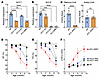 Figure 1
Genetic deletion of ACC1 and ACC2 in mouse cardiomyocytes. (A and B) Total RNA was isolated from hearts of 10-week-old WT, ACC1 HKO, ACC2 HKO, and ACC dHKO male mice, and RT-qPCR was performed to measure Acc1 and Acc2 mRNA expression (n = 6 WT, 5 ACC1 HKO, 2 ACC2 HKO, and 5 ACC dHKO for A; n = 6 WT, 5 ACC1 HKO, 2 ACC2 HKO, and 5 ACC dHKO for B). ***P < 0.001, ****P < 0.0001 by 1-way ANOVA. (C) Hearts from 20-week-old WT and ACC dHKO female mice were harvested and freeze-clamped to measure malonyl-CoA and acetyl-CoA levels, as described in Methods (n = 6 WT and 7 ACC dHKO). ****P < 0.0001 by unpaired 2-tailed Student’s t test. (D–F) ECHO assessment of cardiac function in male ACC1 HKO, ACC2 HKO, and ACC dHKO mice at 2, 4, 6, and 9 months of age (n = 10 WT, 5 ACC1 HKO, 7 ACC2 HKO, and 5 ACC dHKO at 2, 4, and 6 months; n = 10 WT, 5 ACC1 HKO, 7 ACC2 HKO, and 4 ACC dHKO at 9 months). Data are presented as the mean ± SEM.
Cardiac function was assessed by echocardiography (ECHO). ACC1 HKO mice exhibited normal cardiac function up to approximately 6 months, but by 9 months exhibited a 20% reduction in ejection fraction (EF) and a 34% reduction in fractional shortening (FS) relative to WT (Figure 1, D and E). ACC2 HKO mice developed mild dysfunction by 6 months (~10% decrease in EF and FS) that progressed to 29% and 42% reductions in EF and FS, respectively, by 9 months (Figure 1, D and E). In contrast, ACC dHKO mice exhibited systolic dysfunction by 2 months, with increased left ventricular internal diameter (LVID) during systole and reduced EF and FS (Figure 1F). Cardiac function then progressively declined, with EF and FS falling to 40% and 53% of WT, respectively, by 9 months. Together, these data demonstrate that combined loss of ACC1 and ACC2 in cardiomyocytes leads to early-onset and progressive cardiomyopathy in this model, whereas deletion of either isoform alone results in delayed or milder impairment.
Given the potential functional overlap between ACC1 and ACC2 in cardiomyocytes, we further characterized ACC dHKO mice to define mechanisms leading to heart failure in this model. H&E staining revealed marked left ventricular enlargement in 11-month-old ACC dHKO hearts compared with WT controls (Figure 2A). Consistent with this, ECHO demonstrated increased LVID during both systole and diastole, accompanied by reduced left ventricular posterior wall thickness (Figure 2, B and C). Systolic performance was markedly impaired in ACC dHKO mice, with an approximately 51% reduction in EF and an approximately 62% reduction in FS at 10 months relative to WT (Figure 2C). These functional deficits were associated with increased expression of fetal cardiac genes Nppa, Nppb, and Myh7, molecular markers of pathological hypertrophy and heart failure (Figure 2D) (25, 26). Masson’s trichrome (TC) staining revealed extensive interstitial fibrosis, with a fibrotic area >5-fold greater in ACC dHKO hearts than in WT hearts (Figure 2E). Pulmonary congestion was also assessed in ACC dHKO mice. Lung fluid weight correlated with cardiac dysfunction (EF and FS) in ACC dHKO mice (Supplemental Figure 1A; supplemental material available online with this article; https://doi.org/10.1172/JCI202528DS1) (27), consistent with pulmonary edema accompanying progressive cardiac decompensation. However, lung weight/body weight ratios did not differ between WT and ACC dHKO mice (Supplemental Figure 1B).
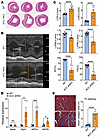 Figure 2
Decreased heart function in ACC dHKO mice. (A) Transverse/2-chamber views of hearts from 11-month-old WT and ACC dHKO male mice. (B) Representative M-mode ECHO images from 10-month-old male WT and ACC dHKO mice. LVPW, left ventricular posterior wall. (C) ECHO assessment of cardiac function in 10-month-old WT and ACC dHKO male mice (n = 15 WT and 9 ACC dHKO). ****P < 0.0001 by unpaired 2-tailed Student’s t test. Data are presented as the mean ± SEM. (D) Total RNA was isolated from hearts of 10-week-old WT and ACC dHKO male mice, and RT-qPCR was performed to measure expression of hypertrophy-associated genes (Myh7, Nppa, and Nppb) (n = 5 WT and 5 ACC dHKO). *P < 0.05, ***P < 0.001 by unpaired 2-tailed Student’s t test. (E) Representative TC-stained sections from hearts of 11-month-old WT and ACC dHKO male mice are shown at ×10 magnification. Collagen area was quantified from TC-positive regions using multiple microscopy images from each group (11 images from 2 WT mice and 15 images from 3 ACC dHKO mice) with the split-red-channel method, as described in Methods. ****P < 0.0001 by unpaired 2-tailed Student’s t test.
Enhanced FAO in the heart has been implicated in impaired cardiac performance (2, 28). Earlier studies in ACC1- or ACC2-deficient mice demonstrated increased FAO specifically in the affected tissues, driven by reduced malonyl-CoA levels. This reduction relieves CPT1 inhibition and enhances mitochondrial FA import and β-oxidation (18, 21, 29–31). Based on these findings, we hypothesized that cardiomyocyte injury in ACC double-knockout (ACC dHKO) hearts results from excessive FAO. To test this, we first assessed CPT1 activity by quantifying long-chain acylcarnitines, products of CPT1-mediated mitochondrial FA transport. Long-chain acylcarnitines were elevated in ACC dHKO hearts, whereas octanoylcarnitine, which enters mitochondria independent of CPT1, was unchanged (Figure 3A).
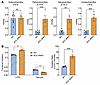 Figure 3
Increased FAO in ACC dHKO hearts. (A) Fatty acylcarnitines were measured in hearts isolated from 24-week-old WT and ACC dHKO female mice, as described in Methods (n = 7 WT and 4 ACC dHKO). (B) Cardiac FA and glucose oxidation rates were measured with Langendorff working heart perfusion in live hearts isolated from 7-week-old WT or ACC dHKO mice (n = 4 per group), as described in Methods. LCFA, long-chain fatty acid. Data are presented as the mean ± SEM. *P < 0.05, ***P < 0.001, ****P < 0.0001 by unpaired 2-tailed Student’s t test.
Next, we examined whether FAO was elevated in ACC dHKO hearts due to enhanced CPT1 activity. FA and glucose oxidation rates were measured in isolated Langendorff-perfused WT and ACC dHKO hearts with [U-13C] long-chain FA and [1,6-13C2] glucose tracers. After a 30 min equilibration period to achieve metabolic steady state, fractional substrate oxidation was quantified. ACC dHKO hearts exhibited higher FAO and lower glucose oxidation, leading to an approximately 2-fold higher FA/glucose oxidation ratio than WT hearts (Figure 3B). These data indicate that ACC deficiency leads to increased CPT1-dependent FAO in the heart.
Given the established link between oxidative stress and mitochondrial dysfunction (32–34), we next assessed mitochondrial integrity in ACC dHKO hearts. Electron microscopy revealed wider cristae in cardiac mitochondria from ACC dHKO hearts than in WT hearts (Supplemental Figure 1, C and D). This crista dilation is consistent with mitochondrial ultrastructural changes reported in failing hearts and in experimental models of cardiac stress (35, 36). Despite this ultrastructural change, mitochondrial marker proteins and DNA copy number were unchanged between groups, indicating preserved overall mitochondrial content (Supplemental Figure 1, E and F).
Next, to assess overall mitochondrial function, mitochondria were isolated and mitochondrial respiratory function was measured with Seahorse (37, 38). ACC dHKO mitochondria exhibited approximately 53% lower maximal respiration with complex I substrates (pyruvate/malate) and approximately 32% lower respiration with complex II substrates (succinate + rotenone) than WT mitochondria (Figure 4A). In contrast, complex IV–driven respiration (antimycin/TMPD/ascorbate) was unchanged. These data indicate selective impairment of complexes I–III in ACC dHKO hearts.
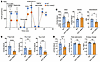 Figure 4
Impaired respiratory electron transfer function in mitochondria isolated from ACC dHKO hearts. (A) Mitochondria were isolated from WT and ACC dHKO male mice aged 2–3 months (18 total mice; Seahorse experiments performed in 5 independent runs, 3–4 mice per run with age-matched WT and ACC dHKO in each run). Electron transfer between respiratory complexes was assessed by measuring oxygen consumption rate (OCR) during sequential additions of pyruvate/malate/FCCP, rotenone, succinate, antimycin A, and TMPD/ascorbate, as described in Methods. (B–D) Hearts from 20-week-old female WT and ACC dHKO mice were used (n = 6 WT and 7 ACC dHKO). (B) Free CoA and CoA thioesters (propionyl-CoA and succinyl-CoA) were quantified by LC-MS as described for malonyl-CoA and acetyl-CoA. (C) NAD, NADH, and the NAD+/NADH ratio were measured by LC-MS in freeze-clamped hearts. (D) Total adenine nucleotides levels were quantified by LC-MS. Cellular energy charge was calculated as ([ATP] + 0.5 × [ADP])/([ATP] + [ADP] + [AMP]). Data are presented as the mean ± SEM. *P < 0.05, ***P < 0.001, ****P < 0.0001 by unpaired 2-tailed Student’s t test.
To investigate the metabolic basis of this defect, we measured mitochondrial cofactors involved in TCA cycle flux. Free CoA levels were markedly reduced in ACC dHKO hearts, while acetyl-CoA remained unchanged (Figure 4B; see also Figure 1C). Succinyl-CoA was decreased, whereas propionyl-CoA showed a downward trend, consistent with CoA depletion limiting CoA-dependent TCA steps (39, 40).
NAD+ and ATP are generated during oxidative metabolism, and levels decline in failing hearts (41–43). NAD+ and ATP levels in ACC dHKO hearts were reduced by approximately 25% and approximately 14%, respectively (Figure 4, C and D). NADH levels remained unchanged, producing a more reduced NAD+/NADH ratio consistent with impaired electron transport. Despite lower ATP, total adenine nucleotides (ATP + ADP + AMP) and cellular energy charge were preserved, indicating maintenance of global adenine nucleotide homeostasis. Together, these findings demonstrate that ACC loss in cardiomyocytes leads to reduced essential mitochondrial cofactors, including free CoA and NAD+-constraining TCA cycle flux, redox balance, and oxidative phosphorylation capacity.
We next assessed whether excessive FAO alters cardiac FA composition. ACC dHKO hearts exhibited broad reductions in multiple FAs, including 16:0 (–24%), 18:1n9 (–56%), and 20:4n6 (–34%), with the largest decrease observed in linoleic acid (18:2n6; ~60%) (Supplemental Figure 2A).
To determine which lipid pools accounted for this loss, cardiac lipids were fractionated into neutral and phospholipid fractions. Neutral lipids (triacylglycerol, diacylglycerol, and cholesteryl esters) and their FA compositions were unchanged (Supplemental Figure 2, B–D). In contrast, phospholipids underwent marked remodeling (Figure 5). Although total phosphatidylethanolamine (PE) and phosphatidylglycerol (PG) were preserved (Figure 5, A and B), total phosphatidylcholine (PC) and phosphatidylinositol (PI) were reduced by 36% and 71%, respectively (Figure 5, C and D). Importantly, this decrease reflected a selective loss of linoleoyl-containing phospholipid species: most 18:2-containing phospholipids were markedly reduced in ACC dHKO hearts (Figure 5, A–D), indicating specific depletion of linoleoyl-phospholipids rather than a global reduction in phospholipid abundance.
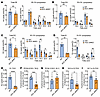 Figure 5
Reduced linoleoyl phospholipids and tetralinoleoyl cardiolipin in ACC dHKO hearts. (A–E) Cardiac phospholipids from 8-week-old male WT and ACC dHKO mice were analyzed by LC-MS/MS, as described in Methods. Total phospholipids, each PL species, and their specific FA compositions were quantified (n = 5 WT and 5 ACC dHKO for A–C and E; n = 4 WT and 4 ACC dHKO for D). PE (A), PG (B), PC (C), PI (D), and linoleoyl cardiolipin (72:8, E). IS, internal standard. (F–I) Incorporation of labeled FAs into phospholipids and cardiolipins in WT and ACC dHKO hearts. Mice received intraperitoneal injections of LA-d4 (18:2) or OA-d17 (18:1). Enrichment of labeled species was determined 1 h after injection (n = 5 WT and 5 ACC dHKO). MS analysis quantified PC34:2 (16:0,18:2; D4-LA) (F), PC34:1 (16:0,18:1; D17-OA) (G), CL72:6 containing 1 18:2 chain (D4-LA) (H), and CL72:6 containing 1 18:1 chain (D17-OA) (I). Enrichment was calculated as labeled/(labeled + unlabeled) from isotopologue distributions, as described in Methods. Data are presented as the mean ± SEM. *P < 0.05, **P < 0.01, ***P < 0.001, ****P < 0.0001 by unpaired 2-tailed Student’s t test.
Inasmuch as linoleic acid is an essential FA that cannot be synthesized de novo, we next determined whether this reduction was due to impaired uptake into cardiomyocytes. To address this, we initially inhibited mitochondrial degradation of infused FAs in ACC dHKO mice by administering the CPT1 inhibitor etomoxir for 40 min and then infused [3H]-linoleic acid or [3H]-oleic acid for 10 min. The radioactivity was subsequently measured in organic and aqueous phases of heart extracts. No differences in the uptake of 18:2 or 18:1 were measured between WT and ACC dHKO hearts (Supplemental Figure 2, E and F).
The marked reduction of linoleic acid–containing phospholipids prompted us to investigate cardiolipin, a mitochondria-specific phospholipid that accounts for approximately 20% of total mitochondrial lipids and plays a key role in maintaining respiratory chain function. The predominant mature form of cardiolipin contains four linoleic acid residues (44, 45), and cardiolipin is essential for optimal electron transfer by stabilizing respiratory supercomplexes and supporting efficient oxidative phosphorylation (46–51). Given the close association between cardiolipin composition and mitochondrial respiration as well as the abundance of linoleic acid in mature cardiolipin, we measured cardiolipin species in ACC dHKO hearts. Figure 5E shows that tetralinoleoyl cardiolipin (CL72:8) was approximately 80% lower in ACC dHKO hearts than in WT controls, indicating a marked loss of mature cardiolipin.
Cardiolipin biosynthesis involves 2 main steps: the generation of a premature cardiolipin from PG by cardiolipin synthase, followed by remodeling into the mature form by tafazzin, an acyltransferase that incorporates linoleic acid from 18:2-PC or 18:2-PE (44, 45, 52–54). RT-qPCR analysis revealed that cardiolipin synthase and tafazzin mRNA levels were unchanged in ACC dHKO hearts (Supplemental Figure 2G). In line with this, PG levels were also unaffected (Figure 5B). In contrast, both 18:2-PC and 18:2-PE, which serve as acyl donors for cardiolipin maturation, were markedly decreased by 56% and 55%, respectively, in ACC dHKO hearts (Figure 5, A and C).
To determine whether the observed differences in levels of 18:2-containing phospholipids and the mature cardiolipin in ACC dHKO hearts were a result of diminished synthesis, we performed an in vivo synthesis assay with isotope-labeled FAs. WT and ACC dHKO mice were administered linoleic acid-d4 (LA-d4, 18:2) dissolved in saline via intraperitoneal injection. For comparison, oleic acid-d17 (OA-d17, 18:1) was also injected. One hour later, incorporation of LA-d4 into newly synthesized PC34:2 was reduced by 62% in ACC dHKO hearts relative to WT (Figure 5F), whereas incorporation of OA-d17 into PC34:1 was unchanged (Figure 5G). Cardiolipin labeling mirrored this pattern: LA-d4 incorporation into cardiolipin was reduced by 53% in ACC dHKO hearts, whereas OA-d17 incorporation did not differ between groups (Figure 5, H and I). These results indicate that the marked loss of tetralinoleoyl CL (CL72:8) in ACC dHKO hearts is primarily due to insufficient availability of linoleoyl-phospholipid precursors rather than impaired PG supply or reduced expression of cardiolipin biosynthetic enzymes.
Because mitochondrial dysfunction can promote oxidant release, we next assessed oxidative stress. Basal mitochondrial H2O2 release was slightly elevated in ACC dHKO hearts, though absolute values were low (Supplemental Figure 2H). However, when energized with succinate to drive complex I reverse electron transport, ACC dHKO mitochondria produced markedly less H2O2 than WT (Supplemental Figure 2I), consistent with reduced electron transport capacity. In line with this, thiobarbituric acid reactive substance (TBARS) analysis revealed no increase in lipid peroxidation (Supplemental Figure 2J), and protein carbonylation exhibited only a modest, nonsignificant trend toward elevation (Supplemental Figure 2K). Thus, ACC dHKO hearts show no evidence of increased oxidative injury, and reverse electron transport–dependent mitochondrial ROS production is in fact reduced.
PPARα serves as a critical regulator of FAO in the heart, and its activity is reduced proportionally with the decrease of FAO in both animal models and humans with cardiac hypertrophy (55, 56). Downregulation of PPARα is considered the primary mechanism responsible for the shift in substrate utilization from FAs to glucose during the progression of heart failure (2). In hearts of ACC dHKO mice, PPARα signaling was suppressed, similar to findings previously reported in livers of ACC hepatocyte-specific knockout mice (18). In Supplemental Figure 3A, mRNA levels of PPARα-dependent genes were 20%–30% lower in hearts from 14-week-old ACC dHKO mice (2 left bars for each gene).
To determine whether restoring PPARα activity normalizes the expression of PPARα-regulated genes, the PPAR agonist WY-14643 was administered to 8-week-old ACC dHKO mice for 6 weeks. In Supplemental Figure 3A, WY-14643 restored expression of PPARα-induced genes (Cpt1a, Cpt1b, Cpt2, HmgCS2, and Mcd) to levels observed in untreated WT hearts. However, despite normalization of PPARα-dependent gene expression, WY-14643 treatment did not improve cardiac function in ACC dHKO mice (Supplemental Figure 3B). Remarkably, even early intervention was detrimental: ACC dHKO mice treated with WY-14643 starting at 4 weeks of age exhibited worse cardiac function after 4 weeks of treatment than those treated beginning at 8 weeks (Supplemental Figure 3C).
To determine whether excessive FAO directly drives the loss of cardiolipin and subsequent heart failure in ACC dHKO hearts, we inhibited FAO with etomoxir. Etomoxir is widely employed in animal studies or cultured cells as an inhibitor of FAO (57, 58). WT and ACC dHKO mice were fed chow supplemented with etomoxir (20 mg/kg/day) for 1 month, starting at 4 weeks of age. FA composition and cardiolipin levels in the hearts of WT and ACC dHKO mice were then measured. As shown in Figure 6A, etomoxir increased total C18 FAs in the heart, with the largest increase observed in linoleic acid in both WT and ACC dHKO mice.
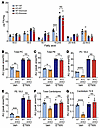 Figure 6
Inhibition of FAO by etomoxir normalizes the amount of linoleic acid in ACC dHKO hearts. (A) Hearts from 4-week-old WT and ACC dHKO male mice fed chow or chow supplemented with etomoxir (20 mg/kg/day) for 1 month were harvested, and FA composition was measured by gas chromatography, as described in Methods (n = 4 WT-NT, 4 ACC dHKO-NT, 5 WT-etomoxir, and 7 ACC dHKO-etomoxir). (B–G) LC-MS/MS was used to quantify total phospholipids (B, PC; C, PE), linoleoyl-containing phospholipids (D, PC 18:2; E, PE 18:2), total cardiolipins (F), and linoleoyl cardiolipins (G, CL 72:8), in hearts from A, as described in Methods (n = 4 WT-NT, 4 ACC dHKO-NT, 5 WT-etomoxir, and 6 ACC dHKO-etomoxir). Data are presented as the mean ± SEM. *P < 0.05, **P < 0.01, ***P < 0.001, ****P < 0.0001 by unpaired 2-tailed Student’s t test.
We next analyzed phospholipid species by liquid chromatography–tandem mass spectrometry (LC-MS/MS). Etomoxir increased PC and PE by approximately 2-fold in both genotypes (Figure 6, B and C) and markedly increased linoleoyl-PC and linoleoyl-PE by approximately 3-fold and approximately 10-fold, respectively (Figure 6, D and E). Importantly, this treatment equalized linoleoyl-phospholipid levels between WT and ACC dHKO hearts. Interestingly, total and mature cardiolipin levels were unchanged in WT hearts with etomoxir, but both were restored to WT levels in ACC dHKO hearts (Figure 6, F and G). The normalization of linoleic acid concentrations and cardiolipin levels in ACC dHKO hearts following the inhibition of FAO by etomoxir suggests that these changes are primarily driven by excessive FAO.
We next investigated whether etomoxir administration also restores the normal flow of mitochondrial electron transfer through respiratory complexes in the hearts of ACC dHKO mice. WT and ACC dHKO mice, 8 weeks of age, were fed chow supplemented with etomoxir (20 mg/kg/day) for 2 weeks. The mice were euthanized for cardiac mitochondria isolation, and the function of electron transport was measured as described in Figure 7A. Oxygen consumption rates were similar across all mitochondrial complexes in mitochondria from WT and ACC dHKO hearts after etomoxir treatment, suggesting that restored cardiolipin levels normalize mitochondrial electron flow in ACC dHKO hearts.
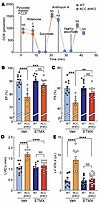 Figure 7
Inhibition of FAO by etomoxir prevents the development of heart failure in ACC dHKO mice. (A) Eight-week-old WT and ACC dHKO male mice were fed either chow or chow containing etomoxir (20 mg/kg/day) for 2 weeks. Heart mitochondria were isolated, and oxygen consumption rates (OCRs) were measured during sequential additions of pyruvate/malate/FCCP, rotenone, succinate, antimycin A, and TMPD/ascorbate, as described in Methods (n = 10 WT and 10 ACC dHKO). Data are presented as the mean ± SEM; comparisons were made by unpaired 2-tailed Student’s t test. (B–E) Four-week-old WT and ACC dHKO male mice were fed chow or chow supplemented with etomoxir (20 mg/kg/day) for 1 month. ECHO was performed to quantify EF (B), FS (C), LVIDs (D), and LV Vols (E) (n = 11 WT-NT, 9 ACC dHKO-NT, 12 WT-etomoxir, and 13 ACC dHKO-etomoxir for B and C; n = 10 WT-NT, 9 ACC dHKO-NT, 12 WT-etomoxir, and 13 ACC dHKO-etomoxir for D and E). Data are presented as the mean ± SEM. **P < 0.01, ***P < 0.001 by 2-way ANOVA (genotype × treatment) with Šidák’s multiple-comparison test.
Finally, we assessed whether blocking FAO with etomoxir improves the cardiac function of ACC dHKO mice. Mice for these studies are those described for the cardiolipin measurements described above. Chow supplemented with etomoxir (20 mg/kg/day) was fed to 4-week-old WT and ACC dHKO mice for 4 weeks. It is important to note that ACC dHKO mice at 4 weeks of age do not exhibit evidence of heart failure (Supplemental Figure 4, A and B). As controls, another group of WT and ACC dHKO mice of the same age were fed chow diet. Over the course of 1 month, chow diet–fed ACC dHKO mice developed statistically significant cardiac dysfunction (Figure 7, B–E). Specifically, the EF and FS were reduced by 16% and 28%, respectively, and LVIDs were enlarged by 50% in ACC dHKO hearts. In contrast, hearts from ACC dHKO mice treated with etomoxir displayed normal EF, FS, and LVIDs (Figure 7, B–D). These results demonstrate that suppressing FAO with etomoxir effectively prevents the development of heart failure in ACC dHKO mice.


Copyright © 2026 American Society for Clinical Investigation
ISSN: 0021-9738 (print), 1558-8238 (online)