
Advertisement
Research ArticleDermatologyOncologyPulmonology
Open Access |  10.1172/JCI196095
Label-free streamlined photoacoustic image guidance facilitates NIR-II photoablation in models of melanoma lung metastases
Wei Xing,1,2 Yujia Zhou,1,3 Katja Haedicke,4 Chenyixin Wang,1 Karla Ximena Vazquez-Prada,4 Hong Wu,1 Zhijun Lin,1 Chrysafis Andreou,4,5 Qize Zhang,4 Ke Shang,6 Ruoyang Hu,6 Moritz Kircher,4 Xingdong Ye,7 Jan Grimm,4 and Jiang Yang1,4,7
1State Key Laboratory of Oncology in South China, Guangdong Provincial Clinical Research Center for Cancer, and
2Department of Anesthesiology, Sun Yat-sen University Cancer Center, Guangzhou, China.
3Department of Cardiology, The First Affiliated Hospital, Jiangxi Medical College, Nanchang University, Nanchang, China.
4Department of Radiology, Memorial Sloan Kettering Cancer Center, New York, New York, USA.
5Department of Electrical and Computer Engineering, University of Cyprus, Nicosia, Cyprus.
6Department of Oncology, Xinyang Central Hospital, Xinyang, China.
7Institute of Dermatology, Guangzhou Dermatology Hospital, Guangzhou Medical University, Guangzhou, China.
Address correspondence to: Jiang Yang, State Key Laboratory of Oncology in South China, Guangdong Provincial Clinical Research Center for Cancer, Sun Yat-sen University Cancer Center, 651 East Dongfeng Road, Guangzhou, 510060, Guangdong, China. Phone: 86.020.39336609; Email: yangjiang@sysucc.org.cn. Or to: Jan Grimm, Department of Radiology, Memorial Sloan Kettering Cancer Center, 1275 York Avenue, New York, New York, 10065, USA. Phone: 646.888.3095; Email: grimmj@mskcc.org. Or to: Xingdong Ye, Institute of Dermatology, Guangzhou Dermatology Hospital, Guangzhou Medical University, 56 Hengfu Road, Guangzhou, 510095, China. Phone: 86.020.83593472; Email: yxingdong@qq.com.
Authorship note: WX and YZ contributed equally to this work. MK is deceased.
Find articles by Xing, W. in: PubMed | Google Scholar
1State Key Laboratory of Oncology in South China, Guangdong Provincial Clinical Research Center for Cancer, and
2Department of Anesthesiology, Sun Yat-sen University Cancer Center, Guangzhou, China.
3Department of Cardiology, The First Affiliated Hospital, Jiangxi Medical College, Nanchang University, Nanchang, China.
4Department of Radiology, Memorial Sloan Kettering Cancer Center, New York, New York, USA.
5Department of Electrical and Computer Engineering, University of Cyprus, Nicosia, Cyprus.
6Department of Oncology, Xinyang Central Hospital, Xinyang, China.
7Institute of Dermatology, Guangzhou Dermatology Hospital, Guangzhou Medical University, Guangzhou, China.
Address correspondence to: Jiang Yang, State Key Laboratory of Oncology in South China, Guangdong Provincial Clinical Research Center for Cancer, Sun Yat-sen University Cancer Center, 651 East Dongfeng Road, Guangzhou, 510060, Guangdong, China. Phone: 86.020.39336609; Email: yangjiang@sysucc.org.cn. Or to: Jan Grimm, Department of Radiology, Memorial Sloan Kettering Cancer Center, 1275 York Avenue, New York, New York, 10065, USA. Phone: 646.888.3095; Email: grimmj@mskcc.org. Or to: Xingdong Ye, Institute of Dermatology, Guangzhou Dermatology Hospital, Guangzhou Medical University, 56 Hengfu Road, Guangzhou, 510095, China. Phone: 86.020.83593472; Email: yxingdong@qq.com.
Authorship note: WX and YZ contributed equally to this work. MK is deceased.
Find articles by Zhou, Y. in: PubMed | Google Scholar
1State Key Laboratory of Oncology in South China, Guangdong Provincial Clinical Research Center for Cancer, and
2Department of Anesthesiology, Sun Yat-sen University Cancer Center, Guangzhou, China.
3Department of Cardiology, The First Affiliated Hospital, Jiangxi Medical College, Nanchang University, Nanchang, China.
4Department of Radiology, Memorial Sloan Kettering Cancer Center, New York, New York, USA.
5Department of Electrical and Computer Engineering, University of Cyprus, Nicosia, Cyprus.
6Department of Oncology, Xinyang Central Hospital, Xinyang, China.
7Institute of Dermatology, Guangzhou Dermatology Hospital, Guangzhou Medical University, Guangzhou, China.
Address correspondence to: Jiang Yang, State Key Laboratory of Oncology in South China, Guangdong Provincial Clinical Research Center for Cancer, Sun Yat-sen University Cancer Center, 651 East Dongfeng Road, Guangzhou, 510060, Guangdong, China. Phone: 86.020.39336609; Email: yangjiang@sysucc.org.cn. Or to: Jan Grimm, Department of Radiology, Memorial Sloan Kettering Cancer Center, 1275 York Avenue, New York, New York, 10065, USA. Phone: 646.888.3095; Email: grimmj@mskcc.org. Or to: Xingdong Ye, Institute of Dermatology, Guangzhou Dermatology Hospital, Guangzhou Medical University, 56 Hengfu Road, Guangzhou, 510095, China. Phone: 86.020.83593472; Email: yxingdong@qq.com.
Authorship note: WX and YZ contributed equally to this work. MK is deceased.
Find articles by Haedicke, K. in: PubMed | Google Scholar
1State Key Laboratory of Oncology in South China, Guangdong Provincial Clinical Research Center for Cancer, and
2Department of Anesthesiology, Sun Yat-sen University Cancer Center, Guangzhou, China.
3Department of Cardiology, The First Affiliated Hospital, Jiangxi Medical College, Nanchang University, Nanchang, China.
4Department of Radiology, Memorial Sloan Kettering Cancer Center, New York, New York, USA.
5Department of Electrical and Computer Engineering, University of Cyprus, Nicosia, Cyprus.
6Department of Oncology, Xinyang Central Hospital, Xinyang, China.
7Institute of Dermatology, Guangzhou Dermatology Hospital, Guangzhou Medical University, Guangzhou, China.
Address correspondence to: Jiang Yang, State Key Laboratory of Oncology in South China, Guangdong Provincial Clinical Research Center for Cancer, Sun Yat-sen University Cancer Center, 651 East Dongfeng Road, Guangzhou, 510060, Guangdong, China. Phone: 86.020.39336609; Email: yangjiang@sysucc.org.cn. Or to: Jan Grimm, Department of Radiology, Memorial Sloan Kettering Cancer Center, 1275 York Avenue, New York, New York, 10065, USA. Phone: 646.888.3095; Email: grimmj@mskcc.org. Or to: Xingdong Ye, Institute of Dermatology, Guangzhou Dermatology Hospital, Guangzhou Medical University, 56 Hengfu Road, Guangzhou, 510095, China. Phone: 86.020.83593472; Email: yxingdong@qq.com.
Authorship note: WX and YZ contributed equally to this work. MK is deceased.
Find articles by Wang, C. in: PubMed | Google Scholar
1State Key Laboratory of Oncology in South China, Guangdong Provincial Clinical Research Center for Cancer, and
2Department of Anesthesiology, Sun Yat-sen University Cancer Center, Guangzhou, China.
3Department of Cardiology, The First Affiliated Hospital, Jiangxi Medical College, Nanchang University, Nanchang, China.
4Department of Radiology, Memorial Sloan Kettering Cancer Center, New York, New York, USA.
5Department of Electrical and Computer Engineering, University of Cyprus, Nicosia, Cyprus.
6Department of Oncology, Xinyang Central Hospital, Xinyang, China.
7Institute of Dermatology, Guangzhou Dermatology Hospital, Guangzhou Medical University, Guangzhou, China.
Address correspondence to: Jiang Yang, State Key Laboratory of Oncology in South China, Guangdong Provincial Clinical Research Center for Cancer, Sun Yat-sen University Cancer Center, 651 East Dongfeng Road, Guangzhou, 510060, Guangdong, China. Phone: 86.020.39336609; Email: yangjiang@sysucc.org.cn. Or to: Jan Grimm, Department of Radiology, Memorial Sloan Kettering Cancer Center, 1275 York Avenue, New York, New York, 10065, USA. Phone: 646.888.3095; Email: grimmj@mskcc.org. Or to: Xingdong Ye, Institute of Dermatology, Guangzhou Dermatology Hospital, Guangzhou Medical University, 56 Hengfu Road, Guangzhou, 510095, China. Phone: 86.020.83593472; Email: yxingdong@qq.com.
Authorship note: WX and YZ contributed equally to this work. MK is deceased.
Find articles by Vazquez-Prada, K. in: PubMed | Google Scholar
1State Key Laboratory of Oncology in South China, Guangdong Provincial Clinical Research Center for Cancer, and
2Department of Anesthesiology, Sun Yat-sen University Cancer Center, Guangzhou, China.
3Department of Cardiology, The First Affiliated Hospital, Jiangxi Medical College, Nanchang University, Nanchang, China.
4Department of Radiology, Memorial Sloan Kettering Cancer Center, New York, New York, USA.
5Department of Electrical and Computer Engineering, University of Cyprus, Nicosia, Cyprus.
6Department of Oncology, Xinyang Central Hospital, Xinyang, China.
7Institute of Dermatology, Guangzhou Dermatology Hospital, Guangzhou Medical University, Guangzhou, China.
Address correspondence to: Jiang Yang, State Key Laboratory of Oncology in South China, Guangdong Provincial Clinical Research Center for Cancer, Sun Yat-sen University Cancer Center, 651 East Dongfeng Road, Guangzhou, 510060, Guangdong, China. Phone: 86.020.39336609; Email: yangjiang@sysucc.org.cn. Or to: Jan Grimm, Department of Radiology, Memorial Sloan Kettering Cancer Center, 1275 York Avenue, New York, New York, 10065, USA. Phone: 646.888.3095; Email: grimmj@mskcc.org. Or to: Xingdong Ye, Institute of Dermatology, Guangzhou Dermatology Hospital, Guangzhou Medical University, 56 Hengfu Road, Guangzhou, 510095, China. Phone: 86.020.83593472; Email: yxingdong@qq.com.
Authorship note: WX and YZ contributed equally to this work. MK is deceased.
Find articles by Wu, H. in: PubMed | Google Scholar
1State Key Laboratory of Oncology in South China, Guangdong Provincial Clinical Research Center for Cancer, and
2Department of Anesthesiology, Sun Yat-sen University Cancer Center, Guangzhou, China.
3Department of Cardiology, The First Affiliated Hospital, Jiangxi Medical College, Nanchang University, Nanchang, China.
4Department of Radiology, Memorial Sloan Kettering Cancer Center, New York, New York, USA.
5Department of Electrical and Computer Engineering, University of Cyprus, Nicosia, Cyprus.
6Department of Oncology, Xinyang Central Hospital, Xinyang, China.
7Institute of Dermatology, Guangzhou Dermatology Hospital, Guangzhou Medical University, Guangzhou, China.
Address correspondence to: Jiang Yang, State Key Laboratory of Oncology in South China, Guangdong Provincial Clinical Research Center for Cancer, Sun Yat-sen University Cancer Center, 651 East Dongfeng Road, Guangzhou, 510060, Guangdong, China. Phone: 86.020.39336609; Email: yangjiang@sysucc.org.cn. Or to: Jan Grimm, Department of Radiology, Memorial Sloan Kettering Cancer Center, 1275 York Avenue, New York, New York, 10065, USA. Phone: 646.888.3095; Email: grimmj@mskcc.org. Or to: Xingdong Ye, Institute of Dermatology, Guangzhou Dermatology Hospital, Guangzhou Medical University, 56 Hengfu Road, Guangzhou, 510095, China. Phone: 86.020.83593472; Email: yxingdong@qq.com.
Authorship note: WX and YZ contributed equally to this work. MK is deceased.
Find articles by Lin, Z. in: PubMed | Google Scholar
1State Key Laboratory of Oncology in South China, Guangdong Provincial Clinical Research Center for Cancer, and
2Department of Anesthesiology, Sun Yat-sen University Cancer Center, Guangzhou, China.
3Department of Cardiology, The First Affiliated Hospital, Jiangxi Medical College, Nanchang University, Nanchang, China.
4Department of Radiology, Memorial Sloan Kettering Cancer Center, New York, New York, USA.
5Department of Electrical and Computer Engineering, University of Cyprus, Nicosia, Cyprus.
6Department of Oncology, Xinyang Central Hospital, Xinyang, China.
7Institute of Dermatology, Guangzhou Dermatology Hospital, Guangzhou Medical University, Guangzhou, China.
Address correspondence to: Jiang Yang, State Key Laboratory of Oncology in South China, Guangdong Provincial Clinical Research Center for Cancer, Sun Yat-sen University Cancer Center, 651 East Dongfeng Road, Guangzhou, 510060, Guangdong, China. Phone: 86.020.39336609; Email: yangjiang@sysucc.org.cn. Or to: Jan Grimm, Department of Radiology, Memorial Sloan Kettering Cancer Center, 1275 York Avenue, New York, New York, 10065, USA. Phone: 646.888.3095; Email: grimmj@mskcc.org. Or to: Xingdong Ye, Institute of Dermatology, Guangzhou Dermatology Hospital, Guangzhou Medical University, 56 Hengfu Road, Guangzhou, 510095, China. Phone: 86.020.83593472; Email: yxingdong@qq.com.
Authorship note: WX and YZ contributed equally to this work. MK is deceased.
Find articles by Andreou, C. in: PubMed | Google Scholar
1State Key Laboratory of Oncology in South China, Guangdong Provincial Clinical Research Center for Cancer, and
2Department of Anesthesiology, Sun Yat-sen University Cancer Center, Guangzhou, China.
3Department of Cardiology, The First Affiliated Hospital, Jiangxi Medical College, Nanchang University, Nanchang, China.
4Department of Radiology, Memorial Sloan Kettering Cancer Center, New York, New York, USA.
5Department of Electrical and Computer Engineering, University of Cyprus, Nicosia, Cyprus.
6Department of Oncology, Xinyang Central Hospital, Xinyang, China.
7Institute of Dermatology, Guangzhou Dermatology Hospital, Guangzhou Medical University, Guangzhou, China.
Address correspondence to: Jiang Yang, State Key Laboratory of Oncology in South China, Guangdong Provincial Clinical Research Center for Cancer, Sun Yat-sen University Cancer Center, 651 East Dongfeng Road, Guangzhou, 510060, Guangdong, China. Phone: 86.020.39336609; Email: yangjiang@sysucc.org.cn. Or to: Jan Grimm, Department of Radiology, Memorial Sloan Kettering Cancer Center, 1275 York Avenue, New York, New York, 10065, USA. Phone: 646.888.3095; Email: grimmj@mskcc.org. Or to: Xingdong Ye, Institute of Dermatology, Guangzhou Dermatology Hospital, Guangzhou Medical University, 56 Hengfu Road, Guangzhou, 510095, China. Phone: 86.020.83593472; Email: yxingdong@qq.com.
Authorship note: WX and YZ contributed equally to this work. MK is deceased.
Find articles by Zhang, Q. in: PubMed | Google Scholar
1State Key Laboratory of Oncology in South China, Guangdong Provincial Clinical Research Center for Cancer, and
2Department of Anesthesiology, Sun Yat-sen University Cancer Center, Guangzhou, China.
3Department of Cardiology, The First Affiliated Hospital, Jiangxi Medical College, Nanchang University, Nanchang, China.
4Department of Radiology, Memorial Sloan Kettering Cancer Center, New York, New York, USA.
5Department of Electrical and Computer Engineering, University of Cyprus, Nicosia, Cyprus.
6Department of Oncology, Xinyang Central Hospital, Xinyang, China.
7Institute of Dermatology, Guangzhou Dermatology Hospital, Guangzhou Medical University, Guangzhou, China.
Address correspondence to: Jiang Yang, State Key Laboratory of Oncology in South China, Guangdong Provincial Clinical Research Center for Cancer, Sun Yat-sen University Cancer Center, 651 East Dongfeng Road, Guangzhou, 510060, Guangdong, China. Phone: 86.020.39336609; Email: yangjiang@sysucc.org.cn. Or to: Jan Grimm, Department of Radiology, Memorial Sloan Kettering Cancer Center, 1275 York Avenue, New York, New York, 10065, USA. Phone: 646.888.3095; Email: grimmj@mskcc.org. Or to: Xingdong Ye, Institute of Dermatology, Guangzhou Dermatology Hospital, Guangzhou Medical University, 56 Hengfu Road, Guangzhou, 510095, China. Phone: 86.020.83593472; Email: yxingdong@qq.com.
Authorship note: WX and YZ contributed equally to this work. MK is deceased.
Find articles by Shang, K. in: PubMed | Google Scholar
1State Key Laboratory of Oncology in South China, Guangdong Provincial Clinical Research Center for Cancer, and
2Department of Anesthesiology, Sun Yat-sen University Cancer Center, Guangzhou, China.
3Department of Cardiology, The First Affiliated Hospital, Jiangxi Medical College, Nanchang University, Nanchang, China.
4Department of Radiology, Memorial Sloan Kettering Cancer Center, New York, New York, USA.
5Department of Electrical and Computer Engineering, University of Cyprus, Nicosia, Cyprus.
6Department of Oncology, Xinyang Central Hospital, Xinyang, China.
7Institute of Dermatology, Guangzhou Dermatology Hospital, Guangzhou Medical University, Guangzhou, China.
Address correspondence to: Jiang Yang, State Key Laboratory of Oncology in South China, Guangdong Provincial Clinical Research Center for Cancer, Sun Yat-sen University Cancer Center, 651 East Dongfeng Road, Guangzhou, 510060, Guangdong, China. Phone: 86.020.39336609; Email: yangjiang@sysucc.org.cn. Or to: Jan Grimm, Department of Radiology, Memorial Sloan Kettering Cancer Center, 1275 York Avenue, New York, New York, 10065, USA. Phone: 646.888.3095; Email: grimmj@mskcc.org. Or to: Xingdong Ye, Institute of Dermatology, Guangzhou Dermatology Hospital, Guangzhou Medical University, 56 Hengfu Road, Guangzhou, 510095, China. Phone: 86.020.83593472; Email: yxingdong@qq.com.
Authorship note: WX and YZ contributed equally to this work. MK is deceased.
Find articles by Hu, R. in: PubMed | Google Scholar
1State Key Laboratory of Oncology in South China, Guangdong Provincial Clinical Research Center for Cancer, and
2Department of Anesthesiology, Sun Yat-sen University Cancer Center, Guangzhou, China.
3Department of Cardiology, The First Affiliated Hospital, Jiangxi Medical College, Nanchang University, Nanchang, China.
4Department of Radiology, Memorial Sloan Kettering Cancer Center, New York, New York, USA.
5Department of Electrical and Computer Engineering, University of Cyprus, Nicosia, Cyprus.
6Department of Oncology, Xinyang Central Hospital, Xinyang, China.
7Institute of Dermatology, Guangzhou Dermatology Hospital, Guangzhou Medical University, Guangzhou, China.
Address correspondence to: Jiang Yang, State Key Laboratory of Oncology in South China, Guangdong Provincial Clinical Research Center for Cancer, Sun Yat-sen University Cancer Center, 651 East Dongfeng Road, Guangzhou, 510060, Guangdong, China. Phone: 86.020.39336609; Email: yangjiang@sysucc.org.cn. Or to: Jan Grimm, Department of Radiology, Memorial Sloan Kettering Cancer Center, 1275 York Avenue, New York, New York, 10065, USA. Phone: 646.888.3095; Email: grimmj@mskcc.org. Or to: Xingdong Ye, Institute of Dermatology, Guangzhou Dermatology Hospital, Guangzhou Medical University, 56 Hengfu Road, Guangzhou, 510095, China. Phone: 86.020.83593472; Email: yxingdong@qq.com.
Authorship note: WX and YZ contributed equally to this work. MK is deceased.
Find articles by Kircher, M. in: PubMed | Google Scholar
1State Key Laboratory of Oncology in South China, Guangdong Provincial Clinical Research Center for Cancer, and
2Department of Anesthesiology, Sun Yat-sen University Cancer Center, Guangzhou, China.
3Department of Cardiology, The First Affiliated Hospital, Jiangxi Medical College, Nanchang University, Nanchang, China.
4Department of Radiology, Memorial Sloan Kettering Cancer Center, New York, New York, USA.
5Department of Electrical and Computer Engineering, University of Cyprus, Nicosia, Cyprus.
6Department of Oncology, Xinyang Central Hospital, Xinyang, China.
7Institute of Dermatology, Guangzhou Dermatology Hospital, Guangzhou Medical University, Guangzhou, China.
Address correspondence to: Jiang Yang, State Key Laboratory of Oncology in South China, Guangdong Provincial Clinical Research Center for Cancer, Sun Yat-sen University Cancer Center, 651 East Dongfeng Road, Guangzhou, 510060, Guangdong, China. Phone: 86.020.39336609; Email: yangjiang@sysucc.org.cn. Or to: Jan Grimm, Department of Radiology, Memorial Sloan Kettering Cancer Center, 1275 York Avenue, New York, New York, 10065, USA. Phone: 646.888.3095; Email: grimmj@mskcc.org. Or to: Xingdong Ye, Institute of Dermatology, Guangzhou Dermatology Hospital, Guangzhou Medical University, 56 Hengfu Road, Guangzhou, 510095, China. Phone: 86.020.83593472; Email: yxingdong@qq.com.
Authorship note: WX and YZ contributed equally to this work. MK is deceased.
Find articles by Ye, X. in: PubMed | Google Scholar
1State Key Laboratory of Oncology in South China, Guangdong Provincial Clinical Research Center for Cancer, and
2Department of Anesthesiology, Sun Yat-sen University Cancer Center, Guangzhou, China.
3Department of Cardiology, The First Affiliated Hospital, Jiangxi Medical College, Nanchang University, Nanchang, China.
4Department of Radiology, Memorial Sloan Kettering Cancer Center, New York, New York, USA.
5Department of Electrical and Computer Engineering, University of Cyprus, Nicosia, Cyprus.
6Department of Oncology, Xinyang Central Hospital, Xinyang, China.
7Institute of Dermatology, Guangzhou Dermatology Hospital, Guangzhou Medical University, Guangzhou, China.
Address correspondence to: Jiang Yang, State Key Laboratory of Oncology in South China, Guangdong Provincial Clinical Research Center for Cancer, Sun Yat-sen University Cancer Center, 651 East Dongfeng Road, Guangzhou, 510060, Guangdong, China. Phone: 86.020.39336609; Email: yangjiang@sysucc.org.cn. Or to: Jan Grimm, Department of Radiology, Memorial Sloan Kettering Cancer Center, 1275 York Avenue, New York, New York, 10065, USA. Phone: 646.888.3095; Email: grimmj@mskcc.org. Or to: Xingdong Ye, Institute of Dermatology, Guangzhou Dermatology Hospital, Guangzhou Medical University, 56 Hengfu Road, Guangzhou, 510095, China. Phone: 86.020.83593472; Email: yxingdong@qq.com.
Authorship note: WX and YZ contributed equally to this work. MK is deceased.
Find articles by Grimm, J. in: PubMed | Google Scholar
1State Key Laboratory of Oncology in South China, Guangdong Provincial Clinical Research Center for Cancer, and
2Department of Anesthesiology, Sun Yat-sen University Cancer Center, Guangzhou, China.
3Department of Cardiology, The First Affiliated Hospital, Jiangxi Medical College, Nanchang University, Nanchang, China.
4Department of Radiology, Memorial Sloan Kettering Cancer Center, New York, New York, USA.
5Department of Electrical and Computer Engineering, University of Cyprus, Nicosia, Cyprus.
6Department of Oncology, Xinyang Central Hospital, Xinyang, China.
7Institute of Dermatology, Guangzhou Dermatology Hospital, Guangzhou Medical University, Guangzhou, China.
Address correspondence to: Jiang Yang, State Key Laboratory of Oncology in South China, Guangdong Provincial Clinical Research Center for Cancer, Sun Yat-sen University Cancer Center, 651 East Dongfeng Road, Guangzhou, 510060, Guangdong, China. Phone: 86.020.39336609; Email: yangjiang@sysucc.org.cn. Or to: Jan Grimm, Department of Radiology, Memorial Sloan Kettering Cancer Center, 1275 York Avenue, New York, New York, 10065, USA. Phone: 646.888.3095; Email: grimmj@mskcc.org. Or to: Xingdong Ye, Institute of Dermatology, Guangzhou Dermatology Hospital, Guangzhou Medical University, 56 Hengfu Road, Guangzhou, 510095, China. Phone: 86.020.83593472; Email: yxingdong@qq.com.
Authorship note: WX and YZ contributed equally to this work. MK is deceased.
Find articles by Yang, J. in: PubMed | Google Scholar
Published May 1, 2026 - More info
J Clin Invest. 2026;136(9):e196095. https://doi.org/10.1172/JCI196095.
© 2026 Xing et al. This work is licensed under the Creative Commons Attribution 4.0 International License. To view a copy of this license, visit http://creativecommons.org/licenses/by/4.0/.
Received: May 30, 2025; Accepted: March 3, 2026


-
Introduction
With high aggressiveness and rising yearly incidence, melanoma ranked as the fifth most common malignancy in the United States in 2023, causing more deaths than any other cutaneous cancer. Although emerging advances in immunotherapy and targeted therapy have slightly decreased the mortality rate of melanoma, recent statistics from the Surveillance, Epidemiology, and End Results database indicate that the 5-year relative survival rate for distant metastasis remains at 35%, with a poor prognosis — much lower than that of localized melanoma, which has a 5-year relative survival rate of greater than 99% (1). Melanin from melanoma can interfere with diagnostic histology by obscuring tumor cell details, masking staining patterns, and confounding morphology (2), mandating Fontana-Masson staining and high-resolution microscopic imaging. Among all visceral metastases, the lungs are the most common distant site, with a higher frequency (18%–36%) than the liver (14%–20%), brain (12%–20%), and bone (11%–17%), which often complicates treatment with a poorer prognosis and underscores the need for timely detection (3). However, early-stage pulmonary micrometastases are small and undetectable in the lung parenchyma until they progress into larger symptomatic lesions. Standard diagnostic imaging modalities, including chest X-ray, CT, and PET, are routinely used to visualize the extent of lung metastases, but all these modalities are associated with radiation exposure as a concern (4). Importantly, the air-tissue interface in air-filled lungs causes impedance mismatch and artifacts, remaining an enduring challenge for ultrasonography (US) but to a lesser extent for photoacoustic imaging (PAI). Fluorescence imaging has been evaluated for image-guided resection and biopsy confirmation in patients with ground-glass pulmonary nodules, demonstrating clinical success with OTL38 and VGT-309 imaging agents (5–10). Under intraoperative circumstances, extrinsic agents such as indocyanine green and FITC are often required but are challenged by limited imaging depth and high false-positive rates, even with targeting functionalities (11–13).
PAI is a hybrid modality that harnesses high-resolution optical contrast with ultrasonic penetration to greater depths. It optically excites and acoustically detects endogenous and exogenous optical contrast through nonradiative relaxation and thermoelastic expansion. The unmet need for clinical diagnostics with high sensitivity and specificity has been extensively explored recently using PAI (14–19). Due to the increased transparency of sound in biological tissues, PAI partially overcomes the limitations of scattering, achieving scalable spatial resolution at centimeter depths in both preoperative and intraoperative settings (13, 20–22). Although optical-resolution photoacoustic microscopy affords cellular resolution, acoustic-resolution photoacoustic microscopy (AR-PAM) with a spherically focused transducer allows deeper tissue penetration for in vivo imaging (23). Although chest-wall thickness depends on multiple factors, such as age, anatomic location, and BMI, cohort studies reveal an average thickness of a few centimeters along the anterior axillary and midclavicular lines (24, 25). An earlier study used indocyanine green contrast-enhanced PAI to locate indeterminate pulmonary nodules in tissues at depths of tens of millimeters (26).
Taking advantage of melanin’s broad light absorption that extends into the near-infrared (NIR) region, versatile PAI techniques have been implemented in human cutaneous melanoma to evaluate tumor depth, resection boundaries, angiogenesis, histopathology, sentinel lymph node metastases, and circulating melanoma cells in a noninvasive, nonionizing, near real-time, and label-free manner (27–32). Meanwhile, handheld portable systems at video frame rates have also been explored in multiple clinical studies, including breast cancer, sentinel lymph nodes, metabolism, and malformed vasculature (27, 33–35). PAI can also substitute high-cost pulsed lasers with more accessible laser diodes, overdriving light-emitting diodes, and xenon flash lamps for bedside diagnosis (36).
To our knowledge, previous clinical and preclinical studies with endogenous melanin-enhanced PAI primarily focused on hyperpigmented benign nevi, cutaneous primary melanoma, and melanoma LN metastasis but lacked investigative attempts on melanoma lung metastases (MLMs) with label-free theranostics (30, 37–39). Here, we report a pilot theranostic study on PAI in MLM using a streamlined, hierarchical, photoacoustic workflow that progresses from whole-body macroscale tomography to localized mesoscopy to high-resolution microscopic configurations (Figure 1).
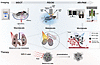 Figure 1
Concept of the pipelined, label-free, multiscale PAI-guided NIR-II photoablation therapy for MLMs. As a preliminary screening procedure, MSOT with a large FOV can penetrate the chest wall and thoracic diaphragm, providing panoramic views through 3D reconstruction of cross-sectional body-slice scans. Next, mesoscale RSOM is used to visualize localized tumor vasculature, hemorrhage, and clotting in lung nodules through divided high- and low-frequency US bands. Microscopically spread small lesions with only tens of melanoma cells can be sensitively and specifically detected in histopathological resolution by AR-PAM equipped with dual visible and NIR lasers. After a confirmatory diagnosis, noninvasive photoablation can be practiced to reduce MLM burdens at relatively low power in the NIR-II region.
Although in situ MLM lesions in living mice are distinctly visualized by multispectral optoacoustic tomography (MSOT) at centimeter depths, which yields a high correlation with contours from histology and reporter gene-directed bioluminescence imaging (BLI), microscopic melanoma foci at 100 μm2 levels are distinguishable in high resolution from surrounding noncancerous lung tissues using AR-PAM techniques. A low limit of detection of 38.3 live B16-F10 cells/μL PBS was achieved in phantoms at a signal-to-noise ratio of 3. Notably, human MLM lesions from 3 patients were precisely identified by AR-PAM in histopathological resolution in surgically resected lung tissues. We leveraged the naturally melanotic features of MLM in lungs and directed noninvasive, noncontact photothermal ablation in the murine MLM allograft model through the thoracic diaphragm. Specifically, ablation at 1,064 nm in the NIR-II region outperformed NIR-I at 808 nm, achieving better therapeutic outcomes at identical laser power densities or comparable efficacy at a much lower power density. This stratified, multiscale PAI workflow, with complementary configurations, allows clinicians to start with a broad overview of MLMs and progressively focus on malignant areas of concern, optimizing imaging time and resources to improve the accuracy of therapeutic planning during perioperative periods for translation.
-
Results
Dysregulated melanogenesis signaling in MLMs. Through gene analysis of human tissues of primary melanoma, MLMs, melanoma cutaneous metastasis, basal cell carcinoma (BCC), peritumoral normal lung tissues of lung squamous cell carcinoma (LUSC) and lung adenocarcinoma (LUAD), and normal skin tissues, we identified distinct differential expression patterns of melanogenesis in MLM tissues from other comparators (Figure 2A), thereby enabling label-free detection of melanoma tumor mass over a low-melanin lung tissue background. Key enzymes and regulators involved in melanin biosynthesis were found to be upregulated, such as microphthalmia-associated transcription factor, dopachrome tautomerase, tyrosinase, and tyrosinase-related protein 1 encoded by MITF, DCT, TYR, and TYRP1 genes, respectively, along with effectors in the Wnt and MAPK pathways known to modulate melanocyte differentiation and proliferation (40). Interestingly, signaling by frizzled (FZD) genes was hyperactivated in MLM tissues compared with primary and cutaneous metastatic melanoma. Similarly, we profiled the melanogenesis panel in human melanoma cell lines. Various categories of melanoma cells exhibit differential expression patterns from normal human epidermal keratinocytes (Figure 2B). Though not fully understood, the melanogenesis machinery plays a complex role in regulating cutaneous melanoma progression, invasion, and metastasis.
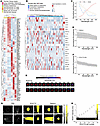 Figure 2
Dysregulated melanogenesis signaling in cutaneous melanoma and MLMs enables melanin-directed sensitive and specific photoacoustic detection. (A) Gene expressions involved in the melanogenesis pathway of the Kyoto Encyclopedia of Genes and Genomes database for human cutaneous melanoma, MLMs, peritumoral nontumor skin, peritumoral lung tissues of squamous cell carcinoma, and lung adenocarcinoma. (B) Melanoma-related gene expression profiling of human skin cell lines with differential expression (P < 0.05). (C) Comparison of absorption spectra between melanin and other intrinsic photoabsorbers of oxygenated (HbO2) and deoxygenated Hb in biological tissues, allowing for molecular imaging by spectral unmixing. (D) Wavelength-dependent photoacoustic phantom images of 1.4 × 10⁴ B16-F10 cells/μL. Photoacoustic spectra of (E) melanin and (F) B16-F10 melanoma cells. (G) Unmixed MSOT phantom images of PBS, B16-F10 cells, and melanin in 3D: x-y, x-z, and y-z. Maximum intensity projection (MIP) visualizations are displayed in the lower right corner. Unmixing is conducted using the factory-preset melanin-specific optoacoustic spectrum. (H) Linear correlation between the B16-F10 cell density and MSOT signal intensity (R2 = 0.988). Data are displayed in a log-log scale with the PBS control value subtracted.
Multi-wavelength noninvasive MSOT detection of MLMs at the macroscale. The perturbed melanin production in melanoma, with a unique, broad, continuous absorption across the visible-NIR wavelengths, facilitates its identification from interfering biological photoabsorbers, such as oxyhemoglobin (HbO2) and hemoglobin (Hb), via multispectral unmixing via MSOT (Figure 2C). In the meantime, phantom images of B16-F10 cells obtained at single wavelengths closely resemble those of melanin, exhibiting photoacoustic spectra that align with their corresponding absorption profiles (Figure 2, D–F). Likewise, 3D, reconstructed phantom images of B16-F10 cells and synthetic melanin presented comparable MSOT signals, which were undetectable in the PBS control (Figure 2G). Gradient concentrations of live B16-F10 melanoma cells exhibited a strong linear correlation (R2 = 0.988) with MSOT intensities in vitro (Figure 2H), yielding a low detection limit of approximately 6.4 cells/μL, close to our previous result (41).
To verify whether sensitive melanoma detection is feasible in vivo through the chest wall, we established MLM mouse models by intravenously injecting B16-F10 cells through the tail vein. After preferentially colonizing the lungs to mimic the hematogenous metastatic progression, melanoma colonies (modeling metastases) developed over time in the lung, as dynamically tracked by BLI (Figure 3A). Subsequently, the collected MLM tissues were heavier with dense nodules on visual inspection (Figure 3B). At the macroscale, we panoramically scanned the upper body using PAI, which houses the lungs in the thoracic cavity and includes the liver below the diaphragm in the abdominal cavity (Figure 3C). Melanoma-specific MSOT signals were negligible in healthy mice compared with B16-F10 MLM mice, in which metastatic cancer lesions were distinctly observable in a noninvasive, 3D tomographic fashion (Figure 3, D and E), confirmed by histopathology (Figure 3F). The imaging findings highlight the sufficient tissue penetration depth of MSOT through the chest wall and intact thoracic diaphragm for detecting MLM. More importantly, the reconstructed 3D MSOT projection aligned well with BLI and 3D H&E images in the context of MLM malignancies, underscoring its high reliability (Figure 3G). Leveraging the multispectral imaging features of MSOT, we could also map the distribution of HbO2 and Hb ex vivo and in vivo (Figure 3H and Supplemental Figure 1; supplemental material available online with this article; https://doi.org/10.1172/JCI196095DS1). Notably, the oxygenation state of melanoma in the lungs is heterogeneous with both hypoxic and normoxic areas. The imaging depth was estimated to be approximately 3 cm in vitro (Figure 3I).
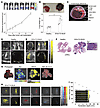 Figure 3
Macroscale tomographic detection of MLM lesions in living mice by MSOT. (A) Establishment of MLM mouse models by intravenous injection of murine B16-F10-Luc cells. Metastatic melanoma growth patterns in the lungs were tracked dynamically using BLI. (B) Organ weight of healthy and MLM lung tissues harvested from mice 19 days after implantation (n = 5). *P < 0.05 by 2-tailed Student’s t test. (C) Cross-sectional atlas from ex vivo mouse cryosection as an anatomic reference. Noninvasive MSOT imaging of (D) healthy and (E) B16-F10 MLM mouse models. Maximum intensity projection (MIP) images are shown in the lower right corners. Associated unmixed mapping images for Hb and HbO2 are provided in Supplemental Figure 1. (F) Representative histology of healthy and MLM lung tissues by H&E staining. An enlarged region shows typical tumor histopathology and intratumoral melanin deposition. (G) Aligned photograph, BLI, 3D reconstructed MSOT, and 3D H&E images of MLM lung tissues. (H) Ex vivo MSOT images of MLM lung tissues spectrally unmixed for melanin, Hb, and HbO2. (I) MSOT intensities of 2 × 10⁴ B16-F10 cells/μL in 2% agarose gel phantoms at different imaging depths.
Label-free raster-scan optoacoustic mesoscopy of MLM vasculature characteristics at the mesoscale. Next, the microstructural architecture of MLMs was further elucidated using raster-scan optoacoustic mesoscopy (RSOM) functional imaging. Dense raster-scanned US signals were separated into low (5–25 MHz) and high (25–80 MHz) frequency bands, representing large and branched small vascular structures (pseudocolored in red and green, respectively) (Figure 4A). In agreement with histology, smaller lesions showed small, immature structures (subregions 2 and 6) (Figure 4B). In contrast, fast-growing intermediate lesions were primarily characterized by large, hyperpermeable tumor-feeding vasculature with sporadic, developing small vessels (subregions 1 and 5). The tumor-associated hemorrhage, rich in RBCs, angiogenic growth factors, and Hb, confers cancer progression and therapeutic resistance (42, 43). In large and necrotic MLM lesions (subregion 3), a mixed frequency of intricate blood vessel hierarchies with varying diameters and shapes (overlapped in yellow (4A) was detected, corresponding to discontinuous blood supplies and a hypoxic tendency, typical of advanced tumors. Immunofluorescence further validated that proliferative (Ki-67 stain) and high-cellularity (DAPI stain) tumor regions (overlapped in magenta in Figure 4C) exhibited low CD31 expression. However, we noted low cellularity, but histologically positive microsatellite lesions (subregion 4) were overlooked. Due to the visible excitation, the RSOM penetration depth was limited to 3.5 mm (Figure 4D).
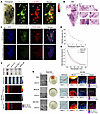 Figure 4
PAI of MLM at mesoscopic and microscopic scales by RSOM and AR-PAM. (A) RSOM images of an MLM lobe with US frequencies split into sub-bands that dictate melanoma-associated major (5–25 MHz low frequencies; red) and minor (25–80 MHz high frequencies; green) vascular structures. (B) H&E and (C) immunofluorescent staining of lung tissue sections from A. Magnified histology views of regions of interest are labeled 1–6. (D) RSOM intensities of 2 × 10⁴ B16-F10 cells/μL in 2% agarose gel phantoms as a function of the imaging depth. (E) Normalized absorption spectra of synthetic melanin, melanogenic B16-F10, and nonmelanogenic BEAS-2B cell suspensions. (F) AR-PAM capillary phantom images and (G) high-resolution cellular images of RBCs, B16-F10, RAW 264.7, and BEAS-2B cells at 532 and 808 nm. US and phase-contrast bright-field images are included as reference frames.
High-resolution AR-PAM imaging of MLMs at the microscale. To reach microscopic resolution, we applied AR-PAM imaging in conjunction with anatomic US as a reference modality. B16-F10 melanoma cells displayed higher absorption than amelanotic BEAS-2B epithelial cells across the entire visible-NIR spectrum, emulating a melanin-comparable pattern (Figure 4E). Although the optical profile of melanoma cells allows PA differentiation from RAW 264.7 macrophages and BEAS-2B normal lung cells at 532 nm in an equivalent US background, RBCs with densely packed Hb also underpin strong interfering acoustic signals in response to a light pulse (Figure 4F). Thanks to the sustained absorption of B16-F10 extended into the NIR region, dual positive signals at 532 and 808 nm can specifically resolve melanoma cells at the microscopic resolution (Figure 4G). AR-PAM at 808 nm showed an appreciable imaging depth of 6 mm in phantoms (Figure 5, A–C), exceeding the reported average thicknesses of peripheral and central cadaveric human lungs at 4.1 and 5.9 mm, respectively (44). Unlike MSOT, which includes built-in respiratory and motion compensation algorithms, AR-PAM, with tissue-confined penetration, was studied to image an artificial MLM lesion mimicry during breathing cycles (Figure 5, D and E). The visualization of MLM lesions was attenuated in inflated mouse lungs, yet they still were visible at 4 mm depth (Figure 5, F and G). In the same lungs during inspiration/expiration cycles, no significant PAI signal decay was observed (Figure 5, H and I). Lastly, we achieved a similar detection depth of 4 mm in inflated lungs of Bama minipigs (Figure 5, J–L).
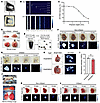 Figure 5
Intraoperative AR-PAM imaging of MLM lesions in inflated lungs of mice and Bama minipigs. (A) Photographs of capillary imaging phantoms containing 2 × 10⁴ B16-F10 cells/μL embedded in agarose gels. (B) AR-PAM images of capillary phantoms in x-z and x-y cross-sections at increasing depths. (C) Correlation between the AR-PAM signal intensity and the phantom depth. (D) Photographs of noninflated and inflated mouse lungs. (E) The process of making a melanoma lesion mimicry. AR-PAM images of a mimetic melanoma lesion implanted in (F) noninflated and (G) inflated mouse lungs at various depths. (H) AR-PAM imaging and (I) signal intensities of a melanoma lesion mimicry at 1 mm depth in the same lungs at expiration and inspiration. No statistical significance from the t test was found. (J) Photographs of noninflated and inflated lungs of Bama minipigs. AR-PAM images of a mimetic melanoma lesion implanted in (K) noninflated and (L) inflated porcine lung tissues at various depths.
AR-PAM can image an extremely low threshold of approximately 38.3 cells/μL with a linear concentration dependency (R2 = 0.980) (Figure 6A and Supplemental Figure 2). Moreover, individual B16-F10 cells were readily distinguishable from lung epithelial cells within the mixture at single-cell resolution (Figure 6B). In the pulmonary tissues of healthy mice, PA images were dominated by 532 nm signals, with uniform attenuation and negligible contrast at 808 nm, outlining vascular markings with no focal nodules (Figure 6C). In contrast, lung malignancies in MLM allograft mice were predominantly focal, solitary pulmonary nodules in ill-defined round and oval shapes with spiculated and irregular margins, showing contrast at both wavelengths (Figure 6D and Supplemental Figures 3 and 4). It is worth noting that low-cellularity microlesions with only a few tens of melanoma cells (e.g., subregions 1, 4, and 5 in Figure 6D) can be explicitly detected under AR-PAM, which might otherwise be unidentified under white light.
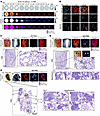 Figure 6
High-resolution AR-PAM imaging of pulmonary metastatic microlesions in MLM mouse models and surgically resected human lung tissues. (A) AR-PAM images of B16-F10 cell phantoms at gradient concentrations at 532 and 808 nm dual wavelengths. (B) Fluorescence images of PAI-contrasted unstained B16-F10 and 1,1′-dioctadecyl-3,3,3′,3′-tetramethylindotricarbocyanine–labeled BEAS-2B cells. All cells were counterstained with DAPI. AR-PAM images of (C) healthy and (D) MLM lung tissues resected from mice. (E) AR-PAM imaging of patient-derived MLM lung tissues dissected from the operating room. Focused US images are referenced for anatomical registration. Enlarged regions of interest by H&E staining are labeled as indicated and related to photographs and AR-PAM images.
Having refined the imaging protocol in mouse MLM models, we next wanted to extend its applicability to human lung specimens with MLMs. Concordant with observations in murine models, all pathologically confirmed MLM lesions were accurately demarcated from surrounding normal lung tissue in surgically collected specimens from 3 patients (Figure 6E and Supplemental Figures 5 and 6). Of note, suspicious microlesions were also unobservable under bright-field microscopy (e.g., subregions 6 and 8 in Figure 6E).
Therapeutic monitoring of low-dose NIR-II photoablation by PAI. Because photothermal ablation can leverage a single laser source for dual use, seamlessly integrated with PAI as adaptive therapy, we first assessed its label-free therapeutic feasibility in MLM mouse models. Capitalizing on dynamic thermographic imaging, we compared NIR-I and NIR-II photoablation modalities at equal irradiation power. B16-F10 cells dynamically escalated thermal elevation more rapidly at both wavelengths than did BEAS-2B cells and culture media, resulting in higher localized temperatures with NIR-II (Supplemental Figure 7). Cell viability assays also demonstrated higher in vitro cytotoxicity against melanoma cells at NIR-II, with a rapid onset (~1 minute) and minimal off-target effects on BEAS-2B cells (Figure 7A). Meanwhile, the ablation area could be precisely controlled by the laser spot size to induce cell death (Figure 7B and Supplemental Figure 8). The photoablation was likewise governed by melanogenesis, which was inhibited by 5-chloro-2-mercaptobenzimidazole (tyrosinase-IN-22) in a dose-dependent manner (Supplemental Figure 9). The minimal effective intracellular melanin concentration per cell was determined to be 10.38 pg with an IC50 of 77.88 pg (Figure 7C).
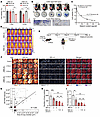 Figure 7
Therapeutic monitoring of drug-free NIR-II photothermal ablation by high-sensitivity AR-PAM imaging. (A) Viability of BEAS-2B and B16-F10 cells upon 808 or 1064 nm irradiation for the indicated durations. *P < 0.05 by 1-way ANOVA followed by Tukey’s test. (B) Photoablation efficacies at various laser spot sizes. The output laser power was kept constant at 1.5 W. Dead-cell zones from photoablation were detected by trypan blue staining under phase-contrast bright-field microscopy. (C) Cell viability of B16-F10 as a function of melanin content after 2 W/cm2 photoablation for 5 minutes at 1,064 nm. (D) Time-lapse thermographic imaging of B16-F10 MLM mice models receiving NIR-I or NIR-II photoablation at indicated power densities for various durations. (E) Therapeutic planning and imaging verification of allograft mice bearing B16-F10 MLM tumor burdens. (F) AR-PAM images of lungs harvested from MLM allograft mice at the endpoint after the indicated ablation. Corresponding photographic and US images are in Supplemental Figure 13. (G) The correlation between the AR-PAM intensity and the area of MLM nodules (R = 0.86). The inset highlights the smallest detected lung nodules. (H) The number of MLM nodules in mice receiving different photothermal ablations. (I) Quantified PA intensities at 808 nm. **P < 0.01, ***P < 0.001 by 1-way ANOVA followed by Tukey’s test. NS, P > 0.05.
Despite the deeper tissue penetration of NIR-II, water molecules ubiquitous in the body also exhibit strong intrinsic absorption at NIR-II, leading to nonspecific overheating of surrounding healthy tissues during procedures and necessitating an optimal dose. Although more penetrative NIR-II ablation was still modestly dampened in inflated lungs at up to a 6 mm depth (Supplemental Figure 10), ablative energy was delivered more efficiently at NIR-II (1.5 W/cm2) than at NIR-I (5 W/cm2) to reach a comparable temperature in living mice with MLMs (Figure 7D and Supplemental Figure 11). Moreover, the low induction dose was relatively safe in vivo because the ablative temperature in the lungs was significantly higher in MLM mice than in healthy counterparts, due to perturbed melanogenesis (Supplemental Figure 12).
Next, we explored PAI-guided monitoring of photoablation in mice with MLMs (Figure 7E). In line with in vitro findings, NIR-II photoablation yielded a comparable therapeutic efficacy at a lower power (1.5 vs. 5 W/cm2) or an improved outcome at an equivalent power (2 W/cm2) in comparison with conventional NIR-I, as evidenced by the number of lung nodules (Figure 7F and Supplemental Figure 13). High-resolution AR-PAM imaging with a US anatomic reference not only identified the localization and contours of MLM lung nodules down to as small as 658.3 μm2 but also gauged the tumor extent in measurable correlation (R = 0.86) with PAI intensities (Figure 7, G–I). Furthermore, we observed that even low-dose NIR-II photoablation exhibited therapeutic efficacy and extended survival in mice with advanced-stage MLM tumors (twice the tumor inoculation amount and growth time), whereas NIR-I produced no benefit (Supplemental Figure 14).
Physiological evaluation of respiratory functions by whole-body plethysmography. Whole-body plethysmography (WBP) complements diagnostic imaging and provides quantitative measures of alterations in airflow limitation, hyperinflation, or reduced lung compliance that may arise from photoablation and tumor-induced obstruction. In healthy mice, NIR-I ablation was well tolerated, with no adverse effects observed at either dose (Supplemental Figure 15). By contrast, NIR-II only affected the ratio of inspiratory time to expiratory time and the relaxation time at the high delivered dose (Figure 8, A–M, and Supplemental Figure 15). Lung mechanical indices were also evaluated in MLM mouse models that received either NIR-I or NIR-II photoablation. The progression of the MLM tumor load significantly decreased several pulmonary function indices that had been aggravated over time (Figure 8, A–M). Both NIR-I and NIR-II ablation procedures effectively restored MLM-deteriorated pulmonary function (Supplemental Figure 16). However, despite its higher therapeutic efficacy (Figure 7, H and I), overdosing with NIR-II was less effective at restoring lung compliance in healthy mice, due to respiratory side effects. In contrast, optimally deposited NIR-II recovered MLM-impaired lung functions without observable adverse effects (Figure 8, A–M). The conclusion is further supported by Masson’s trichrome staining and IHC, which revealed lower collagen, IL-6, and HSP70 levels at the optimal therapeutic dose (Figure 8N).
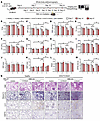 Figure 8
Evaluation of pulmonary functions by longitudinal WBP and histology after NIR-II photoablation in the healthy and B16-F10 MLM mice. (A) Schematic diagram showing the planning of NIR-II ablation therapy (1.5 W/cm2 for 5 minutes per cycle of treatment), WBP, imaging, and histopathology for allograft mice bearing MLMs. Group assignments are indicated by numbers 1 to 4 (n = 5). WBP indices on days 7, 14, and 21 include (B) the ratio of inspiratory time to expiratory time (TI/TE), (C) peak inspiratory flow rate (PIF), (D) peak expiratory flow rate (PEF), (E) tidal volume (TV), (F) expiratory volume (EV), (G) relaxation time (RT), (H) minute ventilation volume (MV), (I) respiratory rate (abbreviated F), (J) end-inspiratory pause (EIP), (K) end-expiratory pause (EEP), (L) bronchoconstriction coefficient (Penh), and (M) forced expiratory flow at 50% vital capacity (EF50) of healthy and MLM allograft mice upon photoablative interventions. *P < 0.05 by 1-way ANOVA followed by Tukey’s test. (N) H&E, Masson’s trichrome, and IHC staining of lung tissues resected from healthy and B16-F10 MLM allograft mice on day 14 after photoablation.


Copyright © 2026 American Society for Clinical Investigation
ISSN: 0021-9738 (print), 1558-8238 (online)