
Advertisement
Research ArticleHepatologyMetabolism
Open Access |  10.1172/JCI199303
THEMIS attenuates MASH by suppressing disease-associated hepatocyte induction and hepatocyte senescence in mice
Xiaoxue Qiu,1 You Lu,1 Yuwei Tang,1 Linkang Zhou,1 Yu-tung Lee,1 Ziyi Meng,1 Zhimin Chen,1 Fnu Pradeepa,1 Lanuza A.P. Faccioli,2,3 Zhiping Hu,2,3 Alejandro Soto-Gutierrez,2,3 Siming Li,1 and Jiandie D. Lin1
1Life Sciences Institute and Department of Cell & Developmental Biology, University of Michigan Medical Center, Ann Arbor, Michigan, USA.
2Department of Pathology, University of Pittsburgh School of Medicine, Pittsburgh, Pennsylvania, USA.
3Center for Transcriptional Medicine, University of Pittsburgh, Pittsburgh, Pennsylvania, USA.
Address correspondence to: Jiandie Lin, 5437 Life Sciences Institute, University of Michigan, 210 Washtenaw Avenue, Ann Arbor, Michigan 48109, USA. Phone: 734.615.3512; Email: jdlin@umich.edu.
Find articles by
Qiu, X.
in:
PubMed
|
Google Scholar
|

1Life Sciences Institute and Department of Cell & Developmental Biology, University of Michigan Medical Center, Ann Arbor, Michigan, USA.
2Department of Pathology, University of Pittsburgh School of Medicine, Pittsburgh, Pennsylvania, USA.
3Center for Transcriptional Medicine, University of Pittsburgh, Pittsburgh, Pennsylvania, USA.
Address correspondence to: Jiandie Lin, 5437 Life Sciences Institute, University of Michigan, 210 Washtenaw Avenue, Ann Arbor, Michigan 48109, USA. Phone: 734.615.3512; Email: jdlin@umich.edu.
Find articles by Lu, Y. in: PubMed | Google Scholar
1Life Sciences Institute and Department of Cell & Developmental Biology, University of Michigan Medical Center, Ann Arbor, Michigan, USA.
2Department of Pathology, University of Pittsburgh School of Medicine, Pittsburgh, Pennsylvania, USA.
3Center for Transcriptional Medicine, University of Pittsburgh, Pittsburgh, Pennsylvania, USA.
Address correspondence to: Jiandie Lin, 5437 Life Sciences Institute, University of Michigan, 210 Washtenaw Avenue, Ann Arbor, Michigan 48109, USA. Phone: 734.615.3512; Email: jdlin@umich.edu.
Find articles by Tang, Y. in: PubMed | Google Scholar
1Life Sciences Institute and Department of Cell & Developmental Biology, University of Michigan Medical Center, Ann Arbor, Michigan, USA.
2Department of Pathology, University of Pittsburgh School of Medicine, Pittsburgh, Pennsylvania, USA.
3Center for Transcriptional Medicine, University of Pittsburgh, Pittsburgh, Pennsylvania, USA.
Address correspondence to: Jiandie Lin, 5437 Life Sciences Institute, University of Michigan, 210 Washtenaw Avenue, Ann Arbor, Michigan 48109, USA. Phone: 734.615.3512; Email: jdlin@umich.edu.
Find articles by Zhou, L. in: PubMed | Google Scholar
1Life Sciences Institute and Department of Cell & Developmental Biology, University of Michigan Medical Center, Ann Arbor, Michigan, USA.
2Department of Pathology, University of Pittsburgh School of Medicine, Pittsburgh, Pennsylvania, USA.
3Center for Transcriptional Medicine, University of Pittsburgh, Pittsburgh, Pennsylvania, USA.
Address correspondence to: Jiandie Lin, 5437 Life Sciences Institute, University of Michigan, 210 Washtenaw Avenue, Ann Arbor, Michigan 48109, USA. Phone: 734.615.3512; Email: jdlin@umich.edu.
Find articles by Lee, Y. in: PubMed | Google Scholar
1Life Sciences Institute and Department of Cell & Developmental Biology, University of Michigan Medical Center, Ann Arbor, Michigan, USA.
2Department of Pathology, University of Pittsburgh School of Medicine, Pittsburgh, Pennsylvania, USA.
3Center for Transcriptional Medicine, University of Pittsburgh, Pittsburgh, Pennsylvania, USA.
Address correspondence to: Jiandie Lin, 5437 Life Sciences Institute, University of Michigan, 210 Washtenaw Avenue, Ann Arbor, Michigan 48109, USA. Phone: 734.615.3512; Email: jdlin@umich.edu.
Find articles by Meng, Z. in: PubMed | Google Scholar
1Life Sciences Institute and Department of Cell & Developmental Biology, University of Michigan Medical Center, Ann Arbor, Michigan, USA.
2Department of Pathology, University of Pittsburgh School of Medicine, Pittsburgh, Pennsylvania, USA.
3Center for Transcriptional Medicine, University of Pittsburgh, Pittsburgh, Pennsylvania, USA.
Address correspondence to: Jiandie Lin, 5437 Life Sciences Institute, University of Michigan, 210 Washtenaw Avenue, Ann Arbor, Michigan 48109, USA. Phone: 734.615.3512; Email: jdlin@umich.edu.
Find articles by
Chen, Z.
in:
PubMed
|
Google Scholar
|
1Life Sciences Institute and Department of Cell & Developmental Biology, University of Michigan Medical Center, Ann Arbor, Michigan, USA.
2Department of Pathology, University of Pittsburgh School of Medicine, Pittsburgh, Pennsylvania, USA.
3Center for Transcriptional Medicine, University of Pittsburgh, Pittsburgh, Pennsylvania, USA.
Address correspondence to: Jiandie Lin, 5437 Life Sciences Institute, University of Michigan, 210 Washtenaw Avenue, Ann Arbor, Michigan 48109, USA. Phone: 734.615.3512; Email: jdlin@umich.edu.
Find articles by Pradeepa, F. in: PubMed | Google Scholar
1Life Sciences Institute and Department of Cell & Developmental Biology, University of Michigan Medical Center, Ann Arbor, Michigan, USA.
2Department of Pathology, University of Pittsburgh School of Medicine, Pittsburgh, Pennsylvania, USA.
3Center for Transcriptional Medicine, University of Pittsburgh, Pittsburgh, Pennsylvania, USA.
Address correspondence to: Jiandie Lin, 5437 Life Sciences Institute, University of Michigan, 210 Washtenaw Avenue, Ann Arbor, Michigan 48109, USA. Phone: 734.615.3512; Email: jdlin@umich.edu.
Find articles by Faccioli, L. in: PubMed | Google Scholar
1Life Sciences Institute and Department of Cell & Developmental Biology, University of Michigan Medical Center, Ann Arbor, Michigan, USA.
2Department of Pathology, University of Pittsburgh School of Medicine, Pittsburgh, Pennsylvania, USA.
3Center for Transcriptional Medicine, University of Pittsburgh, Pittsburgh, Pennsylvania, USA.
Address correspondence to: Jiandie Lin, 5437 Life Sciences Institute, University of Michigan, 210 Washtenaw Avenue, Ann Arbor, Michigan 48109, USA. Phone: 734.615.3512; Email: jdlin@umich.edu.
Find articles by Hu, Z. in: PubMed | Google Scholar
1Life Sciences Institute and Department of Cell & Developmental Biology, University of Michigan Medical Center, Ann Arbor, Michigan, USA.
2Department of Pathology, University of Pittsburgh School of Medicine, Pittsburgh, Pennsylvania, USA.
3Center for Transcriptional Medicine, University of Pittsburgh, Pittsburgh, Pennsylvania, USA.
Address correspondence to: Jiandie Lin, 5437 Life Sciences Institute, University of Michigan, 210 Washtenaw Avenue, Ann Arbor, Michigan 48109, USA. Phone: 734.615.3512; Email: jdlin@umich.edu.
Find articles by Soto-Gutierrez, A. in: PubMed | Google Scholar
1Life Sciences Institute and Department of Cell & Developmental Biology, University of Michigan Medical Center, Ann Arbor, Michigan, USA.
2Department of Pathology, University of Pittsburgh School of Medicine, Pittsburgh, Pennsylvania, USA.
3Center for Transcriptional Medicine, University of Pittsburgh, Pittsburgh, Pennsylvania, USA.
Address correspondence to: Jiandie Lin, 5437 Life Sciences Institute, University of Michigan, 210 Washtenaw Avenue, Ann Arbor, Michigan 48109, USA. Phone: 734.615.3512; Email: jdlin@umich.edu.
Find articles by Li, S. in: PubMed | Google Scholar
1Life Sciences Institute and Department of Cell & Developmental Biology, University of Michigan Medical Center, Ann Arbor, Michigan, USA.
2Department of Pathology, University of Pittsburgh School of Medicine, Pittsburgh, Pennsylvania, USA.
3Center for Transcriptional Medicine, University of Pittsburgh, Pittsburgh, Pennsylvania, USA.
Address correspondence to: Jiandie Lin, 5437 Life Sciences Institute, University of Michigan, 210 Washtenaw Avenue, Ann Arbor, Michigan 48109, USA. Phone: 734.615.3512; Email: jdlin@umich.edu.
Find articles by
Lin, J.
in:
PubMed
|
Google Scholar
|
Published May 1, 2026 - More info
J Clin Invest. 2026;136(9):e199303. https://doi.org/10.1172/JCI199303.
© 2026 Qiu et al. This work is licensed under the Creative Commons Attribution 4.0 International License. To view a copy of this license, visit http://creativecommons.org/licenses/by/4.0/.
Received: August 19, 2025; Accepted: February 19, 2026

-
Results
Emergence of deHep with senescence hallmarks in MASH liver. Hepatocytes and NPCs in the liver undergo cell type–specific perturbations in gene expression and cellular functions during MASH. To delineate the nature of disease-associated transition of cell states and remodeling of liver microenvironment, we performed single-nucleus RNA-seq (snRNA-seq) analysis on the livers from mice fed either chow or a high-fat high-fructose MASH diet for 5 months (14). Uniform manifold approximation and projection (UMAP) clustering of transcriptomic data revealed 8 major cell types in the liver, including hepatocytes, cholangiocytes, endothelial cells, HSCs, macrophages, B cells, T cells, and proliferating cells (Figure 1A and Supplemental Figure 1, A and B; supplemental material available online with this article; https://doi.org/10.1172/JCI199303DS1). Further clustering within the hepatocyte population revealed robust zonation (Figure 1, B–D, and Supplemental Figure 1C), a hallmark of spatial heterogeneity of liver parenchymal cells (12). Hepatocytes exhibited gradient expression of zonal markers (e.g., Hal, Hamp, and Glul), defining periportal (zone 1), midlobular (zone 2), and pericentral (zone 3) subtypes. Beyond the subclusters corresponding to liver zonation, we identified a hepatocyte subpopulation with a unique transcriptomic signature that was rare in healthy liver but markedly expanded upon diet-induced MASH (Figure 1, B and C). These deHep shared the transcriptomic features of midlobular and pericentral hepatocytes, while displaying highly enriched expression of a panel of genes, including Nrg1 (neuregulin 1), Anxa2 (annexin 2), Gdf15, and transcription factors Sox4, Klf6, and Jun (Figure 1, D and E, and Supplemental Figure 1D). Quantitative PCR (qPCR) and immunoblotting analyses confirmed that, compared with mice fed a control chow diet, hepatic mRNA and protein levels of Nrg1 and Anxa2 were markedly increased upon diet-induced MASH (Figure 1, F and G). We performed immunofluorescence staining using cytokeratin 8 (CK8), a pan-hepatocyte marker, and ANXA2. While hepatocytes expressing ANXA2 were nearly absent in chow liver, ANXA2+ hepatocytes were readily observed in midlobular and pericentral zones in MASH liver (Supplemental Figure 1E). ANXA2+ hepatocytes were recently identified in the settings of acute liver failure in humans and in mouse models of chronic liver disease and liver cancer (23, 39). This hepatocyte subpopulation exhibits a migratory phenotype and serves an important role in wound closure following liver injury.
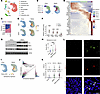 Figure 1
Single-nucleus RNA-seq analysis of healthy and diet-induced MASH livers. (A) UMAP clustering analysis of snRNA-seq dataset of 36,284 liver nuclei. (B) Hepatocyte subclusters in chow and MASH livers. (C) Relative proportion of chow and MASH hepatocytes for each subtype. (D) Heatmap illustrating the expression of marker genes for different hepatocyte subtypes. Hepatocytes in zones 1–3 were sorted along their coordinates in the first principal component (PC1) dimension. Each column represents average values binned from 500 neighboring cells. (E) Feature plots showing Nrg1 and Gdf15 expression in hepatocytes. (F) qPCR analysis of hepatic gene expression (chow, n = 4; MASH, n = 9). Statistical comparisons were conducted using 2-tailed unpaired Student’s t test. **P < 0.01, ***P < 0.001. (G) Immunoblotting analysis of total liver lysates. (H) Senescence gene score for different hepatocyte subtypes. Significance was estimated via 100 subsampling permutations (n = 30) using Wilcoxon’s rank-sum tests. Resulting P values were adjusted for multiple testing using the Benjamini-Hochberg FDR procedure. *P < 0.05, ***P < 0.001. (I) Visualization of hepatocyte senescence scores on UMAP coordinates. (J) Correlation between daHep and senescence gene signatures. (K) Violin plots of the normalized expression of Cdkn1a and Gdf15 in different hepatocyte subtypes. (L) RNA scope analysis of Nrg1 and Cdkn1a expression in chow and MASH liver sections. Arrows indicate colocalization. Scale bars: 50 μm.
Recent work has demonstrated that daHep harbor increased DNA copy number variations and may contribute to the development of liver malignancy (23). Despite this, the molecular characteristics and significance of daHep in MASH progression remain largely unknown. We performed differential gene expression to identify genes enriched in daHep compared with non-daHep in MASH liver. Pathway analyses indicated that daHep exhibited reduced expression of genes associated with core hepatic metabolic functions, such as cholesterol and bile acid biosynthesis, protein synthesis, amino acid and xenobiotic metabolism, and urea cycle (Supplemental Figure 1F). Gene set enrichment analyses revealed that daHep-enriched genes were strongly associated with cellular senescence and activation of p53 pathway (Supplemental Figure 2A). Recent studies have implicated cellular senescence as an emerging pathogenic factor in metabolic liver disease progression (25, 27). To explore whether different hepatocyte subpopulations exhibit varying degree of senescence, we compiled gene lists associated with cellular senescence (40) and computed senescence scores for individual hepatocytes. Compared with healthy and non-daHep MASH hepatocytes, daHep from MASH livers exhibited the highest senescence score (Figure 1, H and I). Furthermore, we observed a highly significant correlation between daHep and senescence gene signatures within the daHep subpopulation (Figure 1J). Accordingly, the percentage of hepatocytes expressing Cdkn1a (encoding p21) and Gdf15, 2 genes enriched in senescent cells, was higher in the daHep subpopulation, compared with healthy and non-daHep MASH hepatocytes (Figure 1K). Consistently, RNAscope in situ hybridization revealed that both Nrg1+ and Cdkn1a+ cells were markedly induced in the liver upon diet-induced MASH, and importantly, a subset of Nrg1+ hepatocytes displayed strong coexpression of Cdkn1a, as shown by dual-color RNAscope analysis (Figure 1L). Gene expression analysis indicated that hepatic p21 mRNA and protein levels were substantially increased upon diet-induced MASH (Figure 1, F and G). Immunofluorescence staining also revealed that, while P21+ cells were rare in healthy liver, they could be readily detected in MASH liver (Supplemental Figure 2B). Furthermore, we observed the induction of SA-β-GAL–positive cells in the liver and increased hepatic expression of genes linked to senescence (Cdkn1a, Jun) and SASP, including Gdf15, Tgfb1, Mmp12, Lcn2, and Lgals3, upon diet-induced MASH (Supplemental Figure 2, B–D). Together, these results illustrate cellular senescence as a prominent feature of daHep during MASH pathogenesis.
THEMIS induction is a core feature of transcriptomic remodeling within hepatocytes during MASH. The mechanisms that govern hepatocyte senescence and daHep induction and expansion in the MASH liver remain unknown. To explore this, we performed differential gene expression analysis on hepatocytes, stratified by their zonal locations. This analysis identified genes exhibiting differential expression between chow and MASH hepatocytes in all 3 zones and those displaying zone-specific patterns (Figure 2A). Notably, mRNA expression of Themis, a regulator of T cell receptor signaling thymocyte development (41–43), was nearly absent in healthy hepatocytes and exhibited a marked increase in midlobular and pericentral hepatocytes in MASH liver (Figure 2, A and B). In contrast, THEMIS mRNA expression in liver T cells remained comparable between chow and MASH groups in our single-cell and snRNA-seq datasets (Supplemental Figure 3, A and B). While the role of THEMIS in T cell receptor signaling and lineage development has been well-characterized (44, 45), whether this factor modulates hepatocyte signaling and liver disease progression have remained unexplored. We confirmed markedly increased mRNA and protein expression of THEMIS in the liver from two diet-induced MASH models (Figure 2, C and D). Hepatic Themis mRNA expression was strongly associated with plasma alanine aminotransferase (ALT) levels, a marker of liver injury, in a cohort of MASH mice exhibiting varying degrees of liver injury (Figure 2E). Additionally, Themis mRNA expression displayed a robust correlation with liver triglyceride (TAG) content in mice fed a high-fat diet (Figure 2F). Importantly, hepatic expression of THEMIS was significantly induced in human MASH livers compared with non-MASH controls, as revealed by qPCR and RNAscope analyses (Figure 2, G and H). Elevated THEMIS expression was consistently observed in several human liver bulk RNA-seq datasets from patients with MASH, compared with that in non-MASH or MASLD cohorts (Supplemental Figure 3C). These results demonstrate that THEMIS induction in liver is a conserved feature of human and murine MASH.
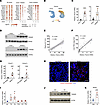 Figure 2
Induction of Themis expression in mouse and human MASH livers. (A) Classification of top differentially expressed genes according to their zonal expression patterns. (B) Feature plots showing Themis expression in chow and MASH hepatocytes. (C) qPCR analysis of Themis expression in control and diet-induced MASH livers (n = 7 per group). (D) Immunoblotting analysis of total liver lysates. (E) Correlation analysis of hepatic Themis expression with plasma ALT levels in a cohort of MASH diet–fed mice (n = 15). (F) Correlation analysis of hepatic Themis expression with liver TAG content in a cohort of diet-induced obese mice (n = 55). (G) qPCR analysis of hepatic THEMIS expression in 2 cohorts of individuals without MASH (cohort 1: n = 8, cohort 2: n = 6) and individuals with MASH (cohort 1: n = 7, cohort 2: n = 6). (H) RNA scope analysis of THEMIS expression in non-MASH and MASH human liver biopsies. (I) qPCR analysis of Themis expression in primary hepatocytes treated with vehicle, 300 μM palmitic acid (PA), 300 μM oleic acid (OA), 5 ng/mL TGF-β, 20 ng/mL LPS, and 20 ng/mL IFN-γ for 24 hours. (J) Immunoblotting analysis of total lysates from treated hepatocytes. (K) qPCR analysis of hepatic Themis expression in MASH diet–fed mice receiving either PBS or lipid droplet treatment via tail vein injection (n = 6). Data in C, G, I, and K represent mean ± SEM; statistical comparisons were conducted using 2-tailed unpaired Student’s t test for C, G, and K) and with 1-way ANOVA with post hoc Tukey’s HSD test in I. *P < 0.05, ***P < 0.001. Scale bars: 50 μm (H).
We postulated that hepatic Themis expression may respond to pathophysiological cues within the MASH liver microenvironment. To test this, we exposed cultured primary hepatocytes to a panel of known metabolic stressors (fatty acids) and cytokines associated with MASH and examined their effects on Themis gene expression. While TGF-β, TNF-α, and IFN-γ elicited minimal effects on Themis mRNA expression, both palmitic acid and oleic acids substantially increased Themis mRNA and protein levels in primary hepatocytes (Figure 2, I and J). We recently demonstrated that LD exposed by injured hepatocytes serve as a danger signal that exacerbates MASH pathologies (21). Interestingly, treatment of diet-induced MASH mice via tail vein injection of isolated LD significantly increased Themis mRNA levels in the liver (Figure 2K). These findings suggest that increased hepatic lipid flux may serve as a driver of THEMIS induction during metabolic liver disease pathogenesis.
THEMIS deficiency exacerbates hepatocyte senescence and diet-induced MASH progression. In response to pathophysiological stressors, hepatocytes engage diverse signaling pathways that mediate adaptive stress response and promote the restoration of homeostasis. In contrast, maladaptive responses may exacerbate metabolic dysfunctions and liver injury, thereby accelerating disease progression. To elucidate whether THEMIS plays a hepatoprotective or pathogenic role in metabolic liver disease, we examined the effect of THEMIS deletion on the development of diet-induced MASH pathologies in mice. Under chow-fed conditions, WT and Themis-KO littermates exhibited comparable plasma ALT and aspartate aminotransferase (AST) levels, metabolic parameters, and liver histology (Supplemental Figure 4). Following 3 months of MASH diet feeding, however, Themis-KO mice displayed significantly higher plasma ALT levels and developed more severe hepatic steatosis, as evidenced by elevated liver weight and TAG content and H&E histology (Figure 3, A–C, and Supplemental Figure 5, A and B). Plasma nonesterified fatty acids and TAG levels remained comparable between the 2 groups (Supplemental Figure 5C). Sirius red staining revealed more extensive pericellular fibrosis in Themis-KO livers, which was accompanied by increased infiltration of F4/80+ macrophages and induction of DESMIN+ HSCs (Figure 3, C and D, and Supplemental Figure 5D).
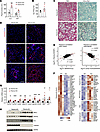 Figure 3
Themis deficiency accelerates diet-induced MASH progression. WT (n = 8) and Themis-KO (n = 7) male mice were fed MASH diet for 12 weeks. (A) Plasma ALT and AST levels. (B) Liver TAG content. (C) H&E and Sirius red staining of liver sections. (D) Immunofluorescence staining of liver sections. (E) Correlation analysis of hepatic gene expression between Themis inactivation and diet-induced MASH (left) or MASH resolution (right). (F) Heatmaps illustrating the effects of THEMIS ablation on the expression of genes enriched in different liver cell types. (G) qPCR analysis of hepatic gene expression in WT (n = 8) and Themis-KO (n = 7) livers. (H) Immunoblotting of total liver lysates. Data in A, B, and G represent mean ± SEM; 2-tailed unpaired Student’s t test. *P < 0.05, **P < 0.01, ***P < 0.001. Scale bars: 100 μm (C and D).
We performed bulk RNA-seq analysis on 3 pairs of WT and Themis-KO livers to examine the effects of THEMIS on global gene expression. Differential expression analysis revealed 485 upregulated and 295 downregulated genes (2-fold cutoff) associated with THEMIS inactivation (Supplemental Figure 5E). The transcriptomic profile induced by THEMIS deficiency closely resembled that observed in diet-induced MASH, while exhibiting an inverse correlation with gene expression changes linked to dietary switch–mediated MASH resolution (Figure 3E). Among the differentially expressed genes, many hepatocyte-enriched genes involved in lipid metabolism and β-oxidation were downregulated, whereas NPC-enriched genes related to cell adhesion, migration, extracellular matrix components, and immune response were upregulated in the Themis-KO group (Figure 3F). Cell-type deconvolution analysis from the bulk RNA-seq data revealed increased proportion of cholangiocytes, macrophages, and HSCs (Supplemental Figure 5F). qPCR analysis confirmed significant upregulation of genes implicated in liver fibrosis (Col1a1, Col1a2, Acta2), inflammation (Trem2, Gpnmb, Mmp12), and daHep induction (Axna2, Nrg1, Cdkn1a) in the Themis-KO group compared with the control groups (Figure 3G and Supplemental Figure 5G). Consistent with the transcriptomic data, protein levels of NRG1, ANXA2, and P21 were markedly elevated, alongside increased abundance of ANXA2+ hepatocytes in THEMIS-deficient livers (Figure 3, D and H). Collectively, these findings strongly support a hepatoprotective role for MASH-associated THEMIS induction in mitigating the progression of metabolic liver disease.
Hepatocyte-specific ablation of THEMIS worsens diet-induced MASH pathologies. Given the abundant expression of THEMIS in T lymphocytes, it is plausible that T cell dysfunction may contribute to the exacerbation of MASH phenotypes observed in whole-body Themis-KO mice. To delineate the hepatocyte-intrinsic role of THEMIS in MASH pathophysiology, we generated hepatocyte-specific Themis-knockout (HKO) mice by crossing Themisfl/fl (Flox) animals with Albumin-Cre–transgenic (Alb-Cre–transgenic) mice. Under standard chow diet conditions, Flox and HKO mice exhibited comparable physiological and metabolic parameters, including body weight, tissue mass, fasting blood glucose, and plasma ALT and AST levels as well as hepatic gene expression profiles (Supplemental Figure 6). In contrast, HKO mice exhibited higher liver weight, aggravated hepatic steatosis and liver injury following MASH diet feeding, compared with Flox controls (Figure 4, A–C, and Supplemental Figure 7, A–D). Consistently, qPCR analysis revealed significant upregulation of genes encoding key enzymes involved in de novo lipogenesis (DNL), including Acc1, Fasn and Elovl6, in the HKO livers (Figure 4D). Sirius red staining revealed marked increased hepatic fibrosis in HKO livers, concomitant with elevated numbers of DESMIN+ HSCs, and the formation of crown-like structures surrounded by F4/80+ macrophages (Figure 4, A and E). This was further supported by markedly higher expression of genes associated with liver fibrosis and inflammatory responses in the HKO livers than the control group (Figure 4G and Supplemental Figure 7E). Compared with that in controls, mRNA and protein expression of Nrg1, Anxa2, and Cdkn1a (p21) was significantly upregulated in the HKO livers (Figure 4, F and G), consistent with more abundant ANXA2+ hepatocytes (Figure 4E). In contrast, mRNA expression of T cell exhaustion markers, including Havcr2, Lag3 and Pdcd1, was not significantly altered in HKO livers (Supplemental Figure 7F).
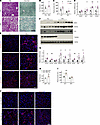 Figure 4
Hepatocyte-specific ablation of THEMIS exacerbates diet-induced MASH. (A–G) Themisfl/fl (Flox, n = 6) and ThemisAlb-Cre (HKO, n = 6) male mice were fed MASH diet for 20 weeks. (A) H&E and Sirius red staining of liver sections. (B) Liver TAG content. (C) Plasma ALT and AST levels. (D) qPCR analysis of gene expression in Themis Flox and Themis HKO livers. (E) Immunofluorescence staining of liver sections. (F) Immunoblotting of total liver lysates. (G) qPCR analysis of gene expression in Themis Flox and Themis HKO livers. (H–J) Themisfl/fl mice fed MASH diet for 12 weeks were transduced with AAV-TBG-GFP (n = 6) or AAV-TBG-Cre (n = 6) and continued on the diet for 8 weeks. (H) Liver TAG content. (I) Plasma ALT and AST levels. (J) Immunofluorescence staining of liver sections. Data in B–D and G–I represent mean ± SEM; 2-tailed unpaired Student’s t test. *P < 0.05, **P < 0.01. Scale bars: 100 μm (A, E, and J).
To further interrogate the acute consequences of hepatocyte-specific THEMIS depletion, we administered recombinant adeno-associated virus (AAV) vectors encoding either GFP or Cre recombinase driven by TBG promoter into MASH diet–fed Themis Flox mice. Consistent with the phenotype observed in the HKO model, acute ablation of Themis in hepatocytes led to increased hepatic TAG accumulation, exacerbated liver injury and fibrosis, augmented macrophage infiltration, and more ANXA2+ hepatocytes (Figure 4, H–J, and Supplemental Figure 7, G–K). Collectively, these findings demonstrate that hepatocyte-intrinsic THEMIS exerts a cell-autonomous protective role in mitigating diet-induced MASH progression.
Hepatic THEMIS shapes liver cell transcriptomic states during MASH. Central to MASH pathogenesis is the pervasive transcriptomic reprogramming and dynamic cell state transitions in both hepatocyte and NPC populations. To delineate the role of hepatic THEMIS in shaping liver cell heterogeneity in MASH, we conducted snRNA-seq analysis on liver nuclei isolated from 4 pairs of MASH diet–fed Themis Flox and HKO mice. As expected, we recovered all major liver cell types for both genotypes (Figure 5A and Supplemental Figure 8, A and B). Within the hepatocyte compartment, UMAP analysis identified 4 discrete subpopulations corresponding to distinct liver zones and daHep (Figure 5B). Cell count analysis revealed a marked expansion of daHep in Themis HKO livers (Figure 5C), underscoring the critical role of THEMIS in restraining daHep induction during MASH. As shown above, both whole-body and hepatocyte-specific THEMIS inactivation aggravated hepatic steatosis, likely a consequence of underlying disruptions of hepatic lipid metabolism. To further dissect these effects, we computed pathway activity scores for DNL and fatty acid β-oxidation (FAO) based on curated gene sets and projected these scores onto the UMAP representation of hepatocytes. Themis HKO hepatocytes exhibited elevated DNL scores and increased lipogenic gene expression relative to controls, whereas FAO scores and the expression of FAO genes were reduced (Figure 5, D and E). Assessment of cellular senescence signatures showed that Themis HKO livers contained a greater proportion of hepatocytes expressing senescence-associated gene profiles, with these cells largely overlapping the daHep cluster (Figure 5F). Furthermore, Themis HKO livers exhibited a pronounced increase in P21-positive nuclei and SA-β-GAL staining, indicative of more prevalent hepatocyte senescence as a consequence of THEMIS inactivation (Figure 5G). In contrast, Themis deficiency did not affect hepatocyte proliferation, as revealed by comparable proliferation scores and mRNA expression of Pcna, a marker of cell proliferation, in the hepatocyte cluster between the 2 genotypes (Supplemental Figure 8, C and D).
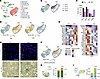 Figure 5
THEMIS inactivation reprograms hepatocyte and nonparenchymal cell transcriptomes in MASH liver. (A) UMAP plot following clustering analysis of single nuclei from Themisfl/fl (Flox) and ThemisAlb-Cre (HKO) mouse livers. (B) UMAP plots of subclustered hepatocyte subtypes. (C) Cell count for each hepatic subtype in Flox and HKO livers. (D) UMAP plots of DNL and FAO gene activity scores for individual hepatocytes. (E) Heatmaps depicting DNL and FAO gene expression in Flox and HKO hepatocytes. (F) UMAP plots of senescence gene activity score for hepatocytes. (G) Immunofluorescence staining and senescence-associated β-galactosidase (SA-β-GAL) staining of liver sections. (H) Subclustering analysis of HSCs. (I) Subclustering analysis of liver macrophages. Scale bars: 50 μm (G).
We next investigated how hepatocyte-specific ablation of THEMIS affects the NPC compartment of the liver microenvironment during diet-induced MASH. Previous studies have identified HSC subpopulations corresponding to quiescent and activated phenotypes in MASH livers (17, 19). Consistent with these reports, UMAP clustering revealed 2 distinct HSC populations: Rgs5+ quiescent HSCs and Col1a1+ activated HSCs (Figure 5H). Cell count analysis demonstrated that, compared with that of controls, total HSC numbers increased by approximately 46% in HKO group, with the Col1a1+ activated HSC subpopulation exhibiting a striking 107% expansion (Figure 5H and Supplemental Figure 8E). Macrophage heterogeneity is a well-established feature of MASH, and 3 principal macrophage subtypes were identified: resident Kupffer cells, monocyte-derived macrophages, and Trem2+ macrophages (14, 46). The overall macrophage abundance showed a marked increase in HKO livers relative to controls, with the Trem2+ macrophage subset displaying the most pronounced expansion by nearly 4 folds following hepatocyte THEMIS ablation (Figure 5I and Supplemental Figure 8F). These findings underscore a pivotal role for hepatocyte-intrinsic THEMIS signaling in modulating both parenchymal and nonparenchymal compartments, thereby shaping the cellular landscape of the liver microenvironment during MASH progression.
THEMIS attenuates hepatocyte senescence through restraining ERK activation. THEMIS regulates T cell receptor signaling, in part through its effects on the tyrosine phosphatase 1 (SHP1) and ERK pathways (47–50). However, its role in hepatocyte signaling remains unexplored. To investigate the mechanisms underlying THEMIS action in hepatocytes, we analyzed several signaling pathways in the livers from MASH diet–fed WT and Themis KO mice. While the phosphorylation status of p38 MAPK and NF-κB was similar between the 2 genotypes, JNK phosphorylation was slightly increased and ERK phosphorylation was consistently elevated in Themis-KO livers (Figure 6A). Increase in ERK phosphorylation was similarly observed in the Themis HKO livers compared with Flox controls (Figure 6B). Interestingly, expression of hepatic genes associated with the transcriptional response downstream of ERK signaling was elevated in the liver from patients with MASH (Supplemental Figure 3D). To determine whether THEMIS directly inhibits ERK signaling in a cell-autonomous manner, we transduced primary mouse and human hepatocytes with a recombinant adenoviral vector expressing control (Ad-GFP) or THEMIS (Ad-Themis) (Supplemental Figure 9A). Compared with both uninfected and Ad-GFP controls, adenovirus-mediated overexpression of THEMIS strongly attenuated ERK phosphorylation in transduced hepatocytes (Figure 6C), indicating that THEMIS inhibits hepatocyte ERK signaling in a cell-autonomous manner. qPCR analysis indicated that mRNA expression of daHep markers (Nrg1, Anxa2) was decreased by THEMIS overexpression in mouse hepatocytes (Supplemental Figure 9B).
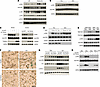 Figure 6
Themis regulates senescence in a cellular autonomous manner via Erk signaling. (A) Immunoblotting of total lysates from WT and Themis-KO livers. (B) Immunoblotting of total lysates from Themis Flox and HKO livers. (C) Immunoblotting of total lysates from mouse and human primary hepatocytes transduced with Ad-GFP or Ad-Themis. (D) Immunoblotting of Themis Flox and HKO mice primary hepatocytes stimulated with 100 ng/mL EGF at indicated time points. (E) RAS activity assessment of EGF-treated primary hepatocytes isolated from Flox and HKO mice fed MASH diet for 5 months. (F and G) Hepa1 cells overexpressing either GFP or Themis were treated with 50 nM doxorubicin (Dox) for 3 days. (F) SA-β-GAL staining of Hepa1 cells. (G) Immunoblotting of total lysates from Hepa1 cells. (H) Immunoblotting of total lysates. Hepa1 cells overexpressing either GFP or Themis were treated with 1 μM Dox for 2 hours, followed by 10 nM MEK inhibitor trametinib treatment for 3 days. Scale bars: 50 μm (F).
To further explore the molecular mechanisms underlying the crosstalk between THEMIS and ERK activation, we isolated primary hepatocytes from Flox and HKO mice fed MASH diet for 5 months and performed treatments with EGF. Compared with control, primary hepatocytes from HKO mice exhibited elevated basal ERK phosphorylation and more sustained ERK activation over a period of 3 hours following EGF stimulation (Figure 6D). THEMIS has been previously demonstrated to physically interact with GRB2, a critical adaptor protein for RAS activation, in thymocytes (51). We observed that GRB2 was present in THEMIS protein complexes affinity-purified from MASH mouse livers (Supplemental Figure 9C). We performed RAS activity assay to assess whether THEMIS directly modulates RAS activation. Compared with controls, Themis-deficient hepatocytes exhibited elevated basal level and more robust increase of GTP-bound RAS, the active form of RAS, following EGF stimulation (Figure 6E). Interestingly, treatment of transduced hepatocytes with SHP099, a potent SHP2 inhibitor, did not further augment the inhibitory effects of THEMIS on ERK phosphorylation (Supplemental Figure 9D), suggesting that THEMIS and SHP2 may act in a common pathway upstream of RAS/ERK signaling in hepatocytes.
Aberrant ERK activation has been shown to promote senescence of intestinal epithelial cells (52). In cultured hepatoma cells, treatment with doxorubicin (Dox), a chemotherapeutic drug known to induce DNA damage and cellular senescence (53), strongly stimulated ERK phosphorylation, p21 mRNA and protein expression, and SA-β-Gal accumulation (Figure 6, F and G, and Supplemental Figure 9E). Compared with GFP controls, adenovirus-mediated overexpression of THEMIS attenuated Dox-induced ERK phosphorylation, senescence-related gene expression, and SA-β-Gal staining (Figure 6, F and G, and Supplemental Figure 9E). To further investigate the role of ERK activation in hepatocyte senescence, we treated hepatocytes transduced with Ad-GFP or Ad-THEMIS with Dox in the absence or presence of trametinib, a potent and selective inhibitor for MEK1/2 and ERK activation. As expected, trametinib strongly suppressed ERK activation in response to Dox (Figure 6H). While THEMIS alone can attenuate Dox-induced ERK activation and p21 induction, addition of trametinib abrogated the inhibitory effect of THEMIS on p21 induction (Figure 6H), suggesting that THEMIS acts upstream of ERK to attenuate hepatocyte senescence. These findings demonstrate that THEMIS exerts its inhibitory effects on hepatocyte senescence, at least in part, by suppressing ERK activation.
THEMIS levels confer protection against hepatocyte senescence and diet-induced MASH. Our findings support a crucial role of THEMIS in orchestrating hepatic adaptive response to metabolic stresses and alleviating metabolic liver disease progression. To determine whether THEMIS is sufficient to confer protection against diet-induced MASH, we constructed a recombinant AAV vector expressing Themis under the control of TBG promoter, which directs hepatocyte-specific gene expression. We transduced mice fed on MASH diet for 14 weeks with AAV-TBG-GFP or AAV-TBG-THEMIS and continued MASH diet feeding for additional 6 weeks. Mice with AAV-mediated THEMIS overexpression in hepatocytes moderated body weight gain compared with their GFP control counterparts (Figure 7A), along with a trend of decrease in liver weight and liver injury (Supplemental Figure 10, A and B). Histological analysis indicated that AAV-mediated hepatic overexpression of THEMIS attenuated hepatic steatosis, along with lower liver TAG content (Figure 7, B and C). Overexpression of THEMIS improved liver fibrosis, as evidenced by reduced signals from Sirius red staining (Figure 7C) and immunofluorescence staining of DESMIN (Figure 7D). Additionally, AAV-mediated THEMIS overexpression decreased the abundance of F4/80+ macrophages in transduced mouse livers (Figure 7D). Analysis of hepatic gene expression indicated that mRNA expression of genes associated with liver fibrosis, TREM2+ macrophages, and DNL, but not T cell exhaustion, was significantly decreased by THEMIS overexpression (Figure 7F and Supplemental Figure 10, C and D). Crucially, AAV-mediated overexpression of THEMIS substantially decreased p21 mRNA and protein levels in transduced mouse livers (Figure 7, E and F). P21 immunofluorescence and SA-β-Gal staining were strongly reduced by THEMIS, compared with controls (Figure 7D). This improvement of hepatocyte senescence occurred in parallel with decreased ERK phosphorylation (Figure 7E) and expression of daHep markers, including NRG1 and ANXA2 (Figure 7, D–F). These results illustrate that hepatic overexpression of THEMIS exerts protective effects against diet-induced MASH.
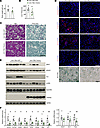 Figure 7
Hepatocyte-specific Themis overexpression attenuates hepatocyte senescence and diet-induced MASH. Male C57BL/6 mice were fed MASH diet for 14 weeks and transduced with either AAV-TBG-GFP (n = 7) or AAV-TBG-Themis (n = 7) followed by 8 more weeks of feeding. (A) Body weight gain. (B) Liver TAG measurement. (C) H&E and Sirius red staining of liver sections. (D) Immunofluorescence and SA-β-GAL staining of liver sections. (E) Immunoblotting of total liver lysates. (F) qPCR analysis of gene expression. Data in A, B, and F represent mean ± SEM; 2-tailed unpaired Student’s t test. *P < 0.05, **P < 0.01. Scale bars: 100 μm (C and D).
We next examined whether targeted THEMIS overexpression in senescent hepatocytes is sufficient to confer protective effects during diet-indued MASH. We constructed a double-floxed inverse open reading frame (DIO) AAV vector (AAV-TBG-DIO-THEMIS) to conditionally overexpress THEMIS in p21-high senescent hepatocytes using a recently described p21-Cre transgenic model (54). We transduced p21-Cre–transgenic mice fed MASH diet for 12 weeks with AAV control or AAV-TBG-DIO-THEMIS, followed by tamoxifen administration (Figure 8A). Mice with AAV-mediated THEMIS overexpression in p21hi hepatocytes displayed lower liver weight and improved liver injury and hepatic steatosis (Figure 8, B–E), along with reduced hepatic fibrosis, as revealed by Sirus red staining (Figure 8D). Importantly, hepatic SA-β-Gal staining, P21 protein levels, expression of daHep markers (Nrg1, Anxa2), and ERK phosphorylation were reduced by THEMIS overexpression in p21hi hepatocytes (Figure 8, D, F, and G). Taken together, these data illustrate that AAV-mediated overexpression of THEMIS in p21hi hepatocytes was sufficient to confer protection against diet-induced MASH in mice by modulating hepatocyte senescence (Figure 8H).
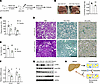 Figure 8
Hepatocyte senescence promotes MASH progression. (A) Study design of utilizing p21-Cre transgenic mouse strain in combination with AAV-DIO overexpression tool. (B) Images of liver and liver/body weight ratio. (C) Plasma ALT and AST levels. (D) H&E, Sirius red, and SA-β-GAL staining of liver sections. (E) Liver TAG measurement. (F) qPCR analysis of hepatic gene expression. (G) Immunoblotting of total liver lysates. (H) A schematic model of hepatoprotective effects of THEMIS during MASH. Data in B, C, E, and F represent mean ± SEM; 2-tailed unpaired Student’s t test. *P < 0.05, **P < 0.01. Scale bars: 100 μm (D).


Copyright © 2026 American Society for Clinical Investigation
ISSN: 0021-9738 (print), 1558-8238 (online)