
Advertisement
Research ArticleHepatologyMetabolismOncology
Open Access |  10.1172/JCI197719
Impaired glycosylation promotes rapid transition to hepatocellular carcinoma in model of diet-induced steatotic liver disease
Abhishek K. Singh,1 Balkrishna Chaube,2,3 Kathryn M. Citrin,2 Joseph W.M. Fowler,1 Sungwoon Lee,1 Jonatas Catarino,4 James Knight,5 Sarah C. Lowery,6 Sonal Shree,7 Keira E. Mahoney,6 Nabil E. Boutagy,1 Inmaculada Ruz-Maldonado,2 Kathy Harry,8 Marya Shanabrough,4 Trenton T. Ross,9 Stacy A. Malaker,6 Yajaira Suárez,2,10 Carlos Fernández-Hernando,2,10 Kariona A. Grabińska,1 and William C. Sessa1
1Department of Pharmacology, Vascular Biology and Therapeutics Program, and
2Department of Comparative Medicine, Yale Center for Molecular and Systems Metabolism, Yale University School of Medicine, New Haven, Connecticut, USA.
3Department of Biosciences and Bioengineering, Indian Institute of Technology Dharwad, Dharwad, Karnataka, India.
4Integrative Cell Signaling and Neurobiology of Metabolism Program, Department of Comparative Medicine, and
5Department of Genetics, Yale University School of Medicine, New Haven, Connecticut, USA.
6Department of Chemistry,
7Department of Molecular Biophysics and Biochemistry, and
8Department of Internal Medicine, Yale University, New Haven, Connecticut, USA.
9Internal Medicine Research Unit, Pfizer, Cambridge, Massachusetts, USA.
10Department of Pathology, Yale University School of Medicine, New Haven, Connecticut, USA.
Address correspondence to: Abhishek K. Singh or William C. Sessa, Department of Pharmacology, Vascular Biology and Therapeutics Program, Yale University School of Medicine, Amistad Research Building, 10 Amistad St., New Haven, Connecticut 06520, USA. Phone: 203.737.2291; Email: abhishek.singh@yale.edu (AKS). Email: william.sessa@yale.edu (WCS).
Find articles by
Singh, A.
in:
PubMed
|
Google Scholar
|

1Department of Pharmacology, Vascular Biology and Therapeutics Program, and
2Department of Comparative Medicine, Yale Center for Molecular and Systems Metabolism, Yale University School of Medicine, New Haven, Connecticut, USA.
3Department of Biosciences and Bioengineering, Indian Institute of Technology Dharwad, Dharwad, Karnataka, India.
4Integrative Cell Signaling and Neurobiology of Metabolism Program, Department of Comparative Medicine, and
5Department of Genetics, Yale University School of Medicine, New Haven, Connecticut, USA.
6Department of Chemistry,
7Department of Molecular Biophysics and Biochemistry, and
8Department of Internal Medicine, Yale University, New Haven, Connecticut, USA.
9Internal Medicine Research Unit, Pfizer, Cambridge, Massachusetts, USA.
10Department of Pathology, Yale University School of Medicine, New Haven, Connecticut, USA.
Address correspondence to: Abhishek K. Singh or William C. Sessa, Department of Pharmacology, Vascular Biology and Therapeutics Program, Yale University School of Medicine, Amistad Research Building, 10 Amistad St., New Haven, Connecticut 06520, USA. Phone: 203.737.2291; Email: abhishek.singh@yale.edu (AKS). Email: william.sessa@yale.edu (WCS).
Find articles by
Chaube, B.
in:
PubMed
|
Google Scholar
|
1Department of Pharmacology, Vascular Biology and Therapeutics Program, and
2Department of Comparative Medicine, Yale Center for Molecular and Systems Metabolism, Yale University School of Medicine, New Haven, Connecticut, USA.
3Department of Biosciences and Bioengineering, Indian Institute of Technology Dharwad, Dharwad, Karnataka, India.
4Integrative Cell Signaling and Neurobiology of Metabolism Program, Department of Comparative Medicine, and
5Department of Genetics, Yale University School of Medicine, New Haven, Connecticut, USA.
6Department of Chemistry,
7Department of Molecular Biophysics and Biochemistry, and
8Department of Internal Medicine, Yale University, New Haven, Connecticut, USA.
9Internal Medicine Research Unit, Pfizer, Cambridge, Massachusetts, USA.
10Department of Pathology, Yale University School of Medicine, New Haven, Connecticut, USA.
Address correspondence to: Abhishek K. Singh or William C. Sessa, Department of Pharmacology, Vascular Biology and Therapeutics Program, Yale University School of Medicine, Amistad Research Building, 10 Amistad St., New Haven, Connecticut 06520, USA. Phone: 203.737.2291; Email: abhishek.singh@yale.edu (AKS). Email: william.sessa@yale.edu (WCS).
Find articles by Citrin, K. in: PubMed | Google Scholar
1Department of Pharmacology, Vascular Biology and Therapeutics Program, and
2Department of Comparative Medicine, Yale Center for Molecular and Systems Metabolism, Yale University School of Medicine, New Haven, Connecticut, USA.
3Department of Biosciences and Bioengineering, Indian Institute of Technology Dharwad, Dharwad, Karnataka, India.
4Integrative Cell Signaling and Neurobiology of Metabolism Program, Department of Comparative Medicine, and
5Department of Genetics, Yale University School of Medicine, New Haven, Connecticut, USA.
6Department of Chemistry,
7Department of Molecular Biophysics and Biochemistry, and
8Department of Internal Medicine, Yale University, New Haven, Connecticut, USA.
9Internal Medicine Research Unit, Pfizer, Cambridge, Massachusetts, USA.
10Department of Pathology, Yale University School of Medicine, New Haven, Connecticut, USA.
Address correspondence to: Abhishek K. Singh or William C. Sessa, Department of Pharmacology, Vascular Biology and Therapeutics Program, Yale University School of Medicine, Amistad Research Building, 10 Amistad St., New Haven, Connecticut 06520, USA. Phone: 203.737.2291; Email: abhishek.singh@yale.edu (AKS). Email: william.sessa@yale.edu (WCS).
Find articles by Fowler, J. in: PubMed | Google Scholar
1Department of Pharmacology, Vascular Biology and Therapeutics Program, and
2Department of Comparative Medicine, Yale Center for Molecular and Systems Metabolism, Yale University School of Medicine, New Haven, Connecticut, USA.
3Department of Biosciences and Bioengineering, Indian Institute of Technology Dharwad, Dharwad, Karnataka, India.
4Integrative Cell Signaling and Neurobiology of Metabolism Program, Department of Comparative Medicine, and
5Department of Genetics, Yale University School of Medicine, New Haven, Connecticut, USA.
6Department of Chemistry,
7Department of Molecular Biophysics and Biochemistry, and
8Department of Internal Medicine, Yale University, New Haven, Connecticut, USA.
9Internal Medicine Research Unit, Pfizer, Cambridge, Massachusetts, USA.
10Department of Pathology, Yale University School of Medicine, New Haven, Connecticut, USA.
Address correspondence to: Abhishek K. Singh or William C. Sessa, Department of Pharmacology, Vascular Biology and Therapeutics Program, Yale University School of Medicine, Amistad Research Building, 10 Amistad St., New Haven, Connecticut 06520, USA. Phone: 203.737.2291; Email: abhishek.singh@yale.edu (AKS). Email: william.sessa@yale.edu (WCS).
Find articles by Lee, S. in: PubMed | Google Scholar
1Department of Pharmacology, Vascular Biology and Therapeutics Program, and
2Department of Comparative Medicine, Yale Center for Molecular and Systems Metabolism, Yale University School of Medicine, New Haven, Connecticut, USA.
3Department of Biosciences and Bioengineering, Indian Institute of Technology Dharwad, Dharwad, Karnataka, India.
4Integrative Cell Signaling and Neurobiology of Metabolism Program, Department of Comparative Medicine, and
5Department of Genetics, Yale University School of Medicine, New Haven, Connecticut, USA.
6Department of Chemistry,
7Department of Molecular Biophysics and Biochemistry, and
8Department of Internal Medicine, Yale University, New Haven, Connecticut, USA.
9Internal Medicine Research Unit, Pfizer, Cambridge, Massachusetts, USA.
10Department of Pathology, Yale University School of Medicine, New Haven, Connecticut, USA.
Address correspondence to: Abhishek K. Singh or William C. Sessa, Department of Pharmacology, Vascular Biology and Therapeutics Program, Yale University School of Medicine, Amistad Research Building, 10 Amistad St., New Haven, Connecticut 06520, USA. Phone: 203.737.2291; Email: abhishek.singh@yale.edu (AKS). Email: william.sessa@yale.edu (WCS).
Find articles by Catarino, J. in: PubMed | Google Scholar
1Department of Pharmacology, Vascular Biology and Therapeutics Program, and
2Department of Comparative Medicine, Yale Center for Molecular and Systems Metabolism, Yale University School of Medicine, New Haven, Connecticut, USA.
3Department of Biosciences and Bioengineering, Indian Institute of Technology Dharwad, Dharwad, Karnataka, India.
4Integrative Cell Signaling and Neurobiology of Metabolism Program, Department of Comparative Medicine, and
5Department of Genetics, Yale University School of Medicine, New Haven, Connecticut, USA.
6Department of Chemistry,
7Department of Molecular Biophysics and Biochemistry, and
8Department of Internal Medicine, Yale University, New Haven, Connecticut, USA.
9Internal Medicine Research Unit, Pfizer, Cambridge, Massachusetts, USA.
10Department of Pathology, Yale University School of Medicine, New Haven, Connecticut, USA.
Address correspondence to: Abhishek K. Singh or William C. Sessa, Department of Pharmacology, Vascular Biology and Therapeutics Program, Yale University School of Medicine, Amistad Research Building, 10 Amistad St., New Haven, Connecticut 06520, USA. Phone: 203.737.2291; Email: abhishek.singh@yale.edu (AKS). Email: william.sessa@yale.edu (WCS).
Find articles by Knight, J. in: PubMed | Google Scholar
1Department of Pharmacology, Vascular Biology and Therapeutics Program, and
2Department of Comparative Medicine, Yale Center for Molecular and Systems Metabolism, Yale University School of Medicine, New Haven, Connecticut, USA.
3Department of Biosciences and Bioengineering, Indian Institute of Technology Dharwad, Dharwad, Karnataka, India.
4Integrative Cell Signaling and Neurobiology of Metabolism Program, Department of Comparative Medicine, and
5Department of Genetics, Yale University School of Medicine, New Haven, Connecticut, USA.
6Department of Chemistry,
7Department of Molecular Biophysics and Biochemistry, and
8Department of Internal Medicine, Yale University, New Haven, Connecticut, USA.
9Internal Medicine Research Unit, Pfizer, Cambridge, Massachusetts, USA.
10Department of Pathology, Yale University School of Medicine, New Haven, Connecticut, USA.
Address correspondence to: Abhishek K. Singh or William C. Sessa, Department of Pharmacology, Vascular Biology and Therapeutics Program, Yale University School of Medicine, Amistad Research Building, 10 Amistad St., New Haven, Connecticut 06520, USA. Phone: 203.737.2291; Email: abhishek.singh@yale.edu (AKS). Email: william.sessa@yale.edu (WCS).
Find articles by Lowery, S. in: PubMed | Google Scholar
1Department of Pharmacology, Vascular Biology and Therapeutics Program, and
2Department of Comparative Medicine, Yale Center for Molecular and Systems Metabolism, Yale University School of Medicine, New Haven, Connecticut, USA.
3Department of Biosciences and Bioengineering, Indian Institute of Technology Dharwad, Dharwad, Karnataka, India.
4Integrative Cell Signaling and Neurobiology of Metabolism Program, Department of Comparative Medicine, and
5Department of Genetics, Yale University School of Medicine, New Haven, Connecticut, USA.
6Department of Chemistry,
7Department of Molecular Biophysics and Biochemistry, and
8Department of Internal Medicine, Yale University, New Haven, Connecticut, USA.
9Internal Medicine Research Unit, Pfizer, Cambridge, Massachusetts, USA.
10Department of Pathology, Yale University School of Medicine, New Haven, Connecticut, USA.
Address correspondence to: Abhishek K. Singh or William C. Sessa, Department of Pharmacology, Vascular Biology and Therapeutics Program, Yale University School of Medicine, Amistad Research Building, 10 Amistad St., New Haven, Connecticut 06520, USA. Phone: 203.737.2291; Email: abhishek.singh@yale.edu (AKS). Email: william.sessa@yale.edu (WCS).
Find articles by Shree, S. in: PubMed | Google Scholar
1Department of Pharmacology, Vascular Biology and Therapeutics Program, and
2Department of Comparative Medicine, Yale Center for Molecular and Systems Metabolism, Yale University School of Medicine, New Haven, Connecticut, USA.
3Department of Biosciences and Bioengineering, Indian Institute of Technology Dharwad, Dharwad, Karnataka, India.
4Integrative Cell Signaling and Neurobiology of Metabolism Program, Department of Comparative Medicine, and
5Department of Genetics, Yale University School of Medicine, New Haven, Connecticut, USA.
6Department of Chemistry,
7Department of Molecular Biophysics and Biochemistry, and
8Department of Internal Medicine, Yale University, New Haven, Connecticut, USA.
9Internal Medicine Research Unit, Pfizer, Cambridge, Massachusetts, USA.
10Department of Pathology, Yale University School of Medicine, New Haven, Connecticut, USA.
Address correspondence to: Abhishek K. Singh or William C. Sessa, Department of Pharmacology, Vascular Biology and Therapeutics Program, Yale University School of Medicine, Amistad Research Building, 10 Amistad St., New Haven, Connecticut 06520, USA. Phone: 203.737.2291; Email: abhishek.singh@yale.edu (AKS). Email: william.sessa@yale.edu (WCS).
Find articles by Mahoney, K. in: PubMed | Google Scholar
1Department of Pharmacology, Vascular Biology and Therapeutics Program, and
2Department of Comparative Medicine, Yale Center for Molecular and Systems Metabolism, Yale University School of Medicine, New Haven, Connecticut, USA.
3Department of Biosciences and Bioengineering, Indian Institute of Technology Dharwad, Dharwad, Karnataka, India.
4Integrative Cell Signaling and Neurobiology of Metabolism Program, Department of Comparative Medicine, and
5Department of Genetics, Yale University School of Medicine, New Haven, Connecticut, USA.
6Department of Chemistry,
7Department of Molecular Biophysics and Biochemistry, and
8Department of Internal Medicine, Yale University, New Haven, Connecticut, USA.
9Internal Medicine Research Unit, Pfizer, Cambridge, Massachusetts, USA.
10Department of Pathology, Yale University School of Medicine, New Haven, Connecticut, USA.
Address correspondence to: Abhishek K. Singh or William C. Sessa, Department of Pharmacology, Vascular Biology and Therapeutics Program, Yale University School of Medicine, Amistad Research Building, 10 Amistad St., New Haven, Connecticut 06520, USA. Phone: 203.737.2291; Email: abhishek.singh@yale.edu (AKS). Email: william.sessa@yale.edu (WCS).
Find articles by Boutagy, N. in: PubMed | Google Scholar
1Department of Pharmacology, Vascular Biology and Therapeutics Program, and
2Department of Comparative Medicine, Yale Center for Molecular and Systems Metabolism, Yale University School of Medicine, New Haven, Connecticut, USA.
3Department of Biosciences and Bioengineering, Indian Institute of Technology Dharwad, Dharwad, Karnataka, India.
4Integrative Cell Signaling and Neurobiology of Metabolism Program, Department of Comparative Medicine, and
5Department of Genetics, Yale University School of Medicine, New Haven, Connecticut, USA.
6Department of Chemistry,
7Department of Molecular Biophysics and Biochemistry, and
8Department of Internal Medicine, Yale University, New Haven, Connecticut, USA.
9Internal Medicine Research Unit, Pfizer, Cambridge, Massachusetts, USA.
10Department of Pathology, Yale University School of Medicine, New Haven, Connecticut, USA.
Address correspondence to: Abhishek K. Singh or William C. Sessa, Department of Pharmacology, Vascular Biology and Therapeutics Program, Yale University School of Medicine, Amistad Research Building, 10 Amistad St., New Haven, Connecticut 06520, USA. Phone: 203.737.2291; Email: abhishek.singh@yale.edu (AKS). Email: william.sessa@yale.edu (WCS).
Find articles by Ruz-Maldonado, I. in: PubMed | Google Scholar
1Department of Pharmacology, Vascular Biology and Therapeutics Program, and
2Department of Comparative Medicine, Yale Center for Molecular and Systems Metabolism, Yale University School of Medicine, New Haven, Connecticut, USA.
3Department of Biosciences and Bioengineering, Indian Institute of Technology Dharwad, Dharwad, Karnataka, India.
4Integrative Cell Signaling and Neurobiology of Metabolism Program, Department of Comparative Medicine, and
5Department of Genetics, Yale University School of Medicine, New Haven, Connecticut, USA.
6Department of Chemistry,
7Department of Molecular Biophysics and Biochemistry, and
8Department of Internal Medicine, Yale University, New Haven, Connecticut, USA.
9Internal Medicine Research Unit, Pfizer, Cambridge, Massachusetts, USA.
10Department of Pathology, Yale University School of Medicine, New Haven, Connecticut, USA.
Address correspondence to: Abhishek K. Singh or William C. Sessa, Department of Pharmacology, Vascular Biology and Therapeutics Program, Yale University School of Medicine, Amistad Research Building, 10 Amistad St., New Haven, Connecticut 06520, USA. Phone: 203.737.2291; Email: abhishek.singh@yale.edu (AKS). Email: william.sessa@yale.edu (WCS).
Find articles by Harry, K. in: PubMed | Google Scholar
1Department of Pharmacology, Vascular Biology and Therapeutics Program, and
2Department of Comparative Medicine, Yale Center for Molecular and Systems Metabolism, Yale University School of Medicine, New Haven, Connecticut, USA.
3Department of Biosciences and Bioengineering, Indian Institute of Technology Dharwad, Dharwad, Karnataka, India.
4Integrative Cell Signaling and Neurobiology of Metabolism Program, Department of Comparative Medicine, and
5Department of Genetics, Yale University School of Medicine, New Haven, Connecticut, USA.
6Department of Chemistry,
7Department of Molecular Biophysics and Biochemistry, and
8Department of Internal Medicine, Yale University, New Haven, Connecticut, USA.
9Internal Medicine Research Unit, Pfizer, Cambridge, Massachusetts, USA.
10Department of Pathology, Yale University School of Medicine, New Haven, Connecticut, USA.
Address correspondence to: Abhishek K. Singh or William C. Sessa, Department of Pharmacology, Vascular Biology and Therapeutics Program, Yale University School of Medicine, Amistad Research Building, 10 Amistad St., New Haven, Connecticut 06520, USA. Phone: 203.737.2291; Email: abhishek.singh@yale.edu (AKS). Email: william.sessa@yale.edu (WCS).
Find articles by
Shanabrough, M.
in:
PubMed
|
Google Scholar
|
1Department of Pharmacology, Vascular Biology and Therapeutics Program, and
2Department of Comparative Medicine, Yale Center for Molecular and Systems Metabolism, Yale University School of Medicine, New Haven, Connecticut, USA.
3Department of Biosciences and Bioengineering, Indian Institute of Technology Dharwad, Dharwad, Karnataka, India.
4Integrative Cell Signaling and Neurobiology of Metabolism Program, Department of Comparative Medicine, and
5Department of Genetics, Yale University School of Medicine, New Haven, Connecticut, USA.
6Department of Chemistry,
7Department of Molecular Biophysics and Biochemistry, and
8Department of Internal Medicine, Yale University, New Haven, Connecticut, USA.
9Internal Medicine Research Unit, Pfizer, Cambridge, Massachusetts, USA.
10Department of Pathology, Yale University School of Medicine, New Haven, Connecticut, USA.
Address correspondence to: Abhishek K. Singh or William C. Sessa, Department of Pharmacology, Vascular Biology and Therapeutics Program, Yale University School of Medicine, Amistad Research Building, 10 Amistad St., New Haven, Connecticut 06520, USA. Phone: 203.737.2291; Email: abhishek.singh@yale.edu (AKS). Email: william.sessa@yale.edu (WCS).
Find articles by Ross, T. in: PubMed | Google Scholar
1Department of Pharmacology, Vascular Biology and Therapeutics Program, and
2Department of Comparative Medicine, Yale Center for Molecular and Systems Metabolism, Yale University School of Medicine, New Haven, Connecticut, USA.
3Department of Biosciences and Bioengineering, Indian Institute of Technology Dharwad, Dharwad, Karnataka, India.
4Integrative Cell Signaling and Neurobiology of Metabolism Program, Department of Comparative Medicine, and
5Department of Genetics, Yale University School of Medicine, New Haven, Connecticut, USA.
6Department of Chemistry,
7Department of Molecular Biophysics and Biochemistry, and
8Department of Internal Medicine, Yale University, New Haven, Connecticut, USA.
9Internal Medicine Research Unit, Pfizer, Cambridge, Massachusetts, USA.
10Department of Pathology, Yale University School of Medicine, New Haven, Connecticut, USA.
Address correspondence to: Abhishek K. Singh or William C. Sessa, Department of Pharmacology, Vascular Biology and Therapeutics Program, Yale University School of Medicine, Amistad Research Building, 10 Amistad St., New Haven, Connecticut 06520, USA. Phone: 203.737.2291; Email: abhishek.singh@yale.edu (AKS). Email: william.sessa@yale.edu (WCS).
Find articles by Malaker, S. in: PubMed | Google Scholar
1Department of Pharmacology, Vascular Biology and Therapeutics Program, and
2Department of Comparative Medicine, Yale Center for Molecular and Systems Metabolism, Yale University School of Medicine, New Haven, Connecticut, USA.
3Department of Biosciences and Bioengineering, Indian Institute of Technology Dharwad, Dharwad, Karnataka, India.
4Integrative Cell Signaling and Neurobiology of Metabolism Program, Department of Comparative Medicine, and
5Department of Genetics, Yale University School of Medicine, New Haven, Connecticut, USA.
6Department of Chemistry,
7Department of Molecular Biophysics and Biochemistry, and
8Department of Internal Medicine, Yale University, New Haven, Connecticut, USA.
9Internal Medicine Research Unit, Pfizer, Cambridge, Massachusetts, USA.
10Department of Pathology, Yale University School of Medicine, New Haven, Connecticut, USA.
Address correspondence to: Abhishek K. Singh or William C. Sessa, Department of Pharmacology, Vascular Biology and Therapeutics Program, Yale University School of Medicine, Amistad Research Building, 10 Amistad St., New Haven, Connecticut 06520, USA. Phone: 203.737.2291; Email: abhishek.singh@yale.edu (AKS). Email: william.sessa@yale.edu (WCS).
Find articles by
Suárez, Y.
in:
PubMed
|
Google Scholar
|
1Department of Pharmacology, Vascular Biology and Therapeutics Program, and
2Department of Comparative Medicine, Yale Center for Molecular and Systems Metabolism, Yale University School of Medicine, New Haven, Connecticut, USA.
3Department of Biosciences and Bioengineering, Indian Institute of Technology Dharwad, Dharwad, Karnataka, India.
4Integrative Cell Signaling and Neurobiology of Metabolism Program, Department of Comparative Medicine, and
5Department of Genetics, Yale University School of Medicine, New Haven, Connecticut, USA.
6Department of Chemistry,
7Department of Molecular Biophysics and Biochemistry, and
8Department of Internal Medicine, Yale University, New Haven, Connecticut, USA.
9Internal Medicine Research Unit, Pfizer, Cambridge, Massachusetts, USA.
10Department of Pathology, Yale University School of Medicine, New Haven, Connecticut, USA.
Address correspondence to: Abhishek K. Singh or William C. Sessa, Department of Pharmacology, Vascular Biology and Therapeutics Program, Yale University School of Medicine, Amistad Research Building, 10 Amistad St., New Haven, Connecticut 06520, USA. Phone: 203.737.2291; Email: abhishek.singh@yale.edu (AKS). Email: william.sessa@yale.edu (WCS).
Find articles by
Fernández-Hernando, C.
in:
PubMed
|
Google Scholar
|
1Department of Pharmacology, Vascular Biology and Therapeutics Program, and
2Department of Comparative Medicine, Yale Center for Molecular and Systems Metabolism, Yale University School of Medicine, New Haven, Connecticut, USA.
3Department of Biosciences and Bioengineering, Indian Institute of Technology Dharwad, Dharwad, Karnataka, India.
4Integrative Cell Signaling and Neurobiology of Metabolism Program, Department of Comparative Medicine, and
5Department of Genetics, Yale University School of Medicine, New Haven, Connecticut, USA.
6Department of Chemistry,
7Department of Molecular Biophysics and Biochemistry, and
8Department of Internal Medicine, Yale University, New Haven, Connecticut, USA.
9Internal Medicine Research Unit, Pfizer, Cambridge, Massachusetts, USA.
10Department of Pathology, Yale University School of Medicine, New Haven, Connecticut, USA.
Address correspondence to: Abhishek K. Singh or William C. Sessa, Department of Pharmacology, Vascular Biology and Therapeutics Program, Yale University School of Medicine, Amistad Research Building, 10 Amistad St., New Haven, Connecticut 06520, USA. Phone: 203.737.2291; Email: abhishek.singh@yale.edu (AKS). Email: william.sessa@yale.edu (WCS).
Find articles by Grabińska, K. in: PubMed | Google Scholar
1Department of Pharmacology, Vascular Biology and Therapeutics Program, and
2Department of Comparative Medicine, Yale Center for Molecular and Systems Metabolism, Yale University School of Medicine, New Haven, Connecticut, USA.
3Department of Biosciences and Bioengineering, Indian Institute of Technology Dharwad, Dharwad, Karnataka, India.
4Integrative Cell Signaling and Neurobiology of Metabolism Program, Department of Comparative Medicine, and
5Department of Genetics, Yale University School of Medicine, New Haven, Connecticut, USA.
6Department of Chemistry,
7Department of Molecular Biophysics and Biochemistry, and
8Department of Internal Medicine, Yale University, New Haven, Connecticut, USA.
9Internal Medicine Research Unit, Pfizer, Cambridge, Massachusetts, USA.
10Department of Pathology, Yale University School of Medicine, New Haven, Connecticut, USA.
Address correspondence to: Abhishek K. Singh or William C. Sessa, Department of Pharmacology, Vascular Biology and Therapeutics Program, Yale University School of Medicine, Amistad Research Building, 10 Amistad St., New Haven, Connecticut 06520, USA. Phone: 203.737.2291; Email: abhishek.singh@yale.edu (AKS). Email: william.sessa@yale.edu (WCS).
Find articles by
Sessa, W.
in:
PubMed
|
Google Scholar
|
Published March 10, 2026 - More info
J Clin Invest. 2026;136(9):e197719. https://doi.org/10.1172/JCI197719.
© 2026 Singh et al. This work is licensed under the Creative Commons Attribution 4.0 International License. To view a copy of this license, visit http://creativecommons.org/licenses/by/4.0/.
Received: July 9, 2025; Accepted: February 26, 2026


-
Results
Liver-specific NgBR deficiency triggers HFD-induced hepatocarcinogenesis. Hepatic abnormalities are frequently observed among patients with congenital disorder of glycosylation, alongside neurological manifestations, muscular dystrophies, and dysmorphism (17–22). These hepatic abnormalities include hepatomegaly, cirrhosis, liver fibrosis, and steatosis. Notably, a prior study identified a significant reduction in liver dolichol levels, the end product of the cis-PTase enzyme subunit NgBR/Dhdds, in individuals with HCC and cirrhosis compared with healthy counterparts (23). As dolichol serves as a critical carrier for protein glycosylation, this finding prompted an inquiry into whether the loss of NgBR in the liver contributes to the development of MASLD-induced HCC. To elucidate this potential link, we initially examined if the transition from a healthy liver to MASLD/MASH affects NgBR levels in humans by analyzing transcriptomic datasets. Furthermore, Western blot analyses were conducted on liver tissue samples obtained from individuals with various steatotic liver diseases, including steatosis, steatohepatitis, and fibrosis. Our findings unveiled a decline in hepatic NgBR transcript levels in patients with MASLD and MASH across different fibrosis stages (F0–F1, F3, and F4) compared with healthy patients (Figure 1A). This decrease was mirrored at the protein level (Supplemental Figure 1, A and B; supplemental material available online with this article; https://doi.org/10.1172/JCI197719DS1), suggesting a potential role for hepatic NgBR inactivation in driving liver cancer, particularly in late-stage MASH (F4), a pre-HCC condition.
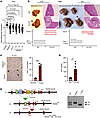 Figure 1
Loss of hepatic NgBR/Dhdds drives HCC development in diet-induced obesity, and reduced NgBR expression correlates with MASLD-MASH progression in human liver. (A) Log2 normalized mRNA expression levels of NgBR (Nus1) in human liver samples with MASLD and various stages of MASH with different degrees of fibrosis. RNA-seq was performed on 15 healthy liver samples, 30 steatosis samples, and 20 MASH samples (F0–F4). Each data point represents a biological replicate. Statistical comparisons between control and liver disease conditions were conducted using limma’s decideTests with Benjamini-Hochberg correction. The adjusted P values are shown on the graph. In the box-and-whisker plots, the central lines represent medians, the edges of the box indicate upper and lower quartiles, and the whiskers indicate the minimum and maximum values. (B) Representative liver images from WT and N-LKO male mice fed an HFD or WD for 16 weeks, with arrowheads indicating HCC. Histological analysis of liver and tumor sections stained with H&E is shown on the right, and the graph summarizes HCC incidence in N-LKO and WT mice on HFD (n = 24) and WD (n = 16) (bottom). Original magnification, ×5. (C) IHC analysis of the proliferation marker Ki-67 in tumor and tumor-adjacent liver of N-LKO mice on WD for 16 weeks, with quantification of Ki-67/field (n = 3) shown at right. Original magnification, ×20. (D) Circulating AFP levels in WT (n = 5) and N-LKO (n = 6) mice fed HFD. (E) Schematic showing the generation of D-LKO mice. (1) The cassette is composed of a short flippase recombination enzyme (Flp) recognition target (FRT) and a Cre recombinase recognition target (loxP). Dhdds exons 2–3 are flanked by the loxP site. (2) Mice with floxed allele but missing neomycin cassette were generated by crossing with Flp recombinase deleter mice. (3) Afterward, these floxed mice were bred with mice expressing Cre recombinase to generate tissue-specific (D-LKO) mice. Genotyping from Dhddsfl/fl mice presentation bands from 1, both, or none of the floxed alleles. All data are presented as mean ± SEM. Statistical analysis: *P < 0.05 and ***P < 0.001, comparing N-LKO with WT mice using an unpaired 2-sided Welch’s t test.
To further interrogate this hypothesis, we generated liver-specific NgBR knockout mice (N-LKO) (Supplemental Figure 1, C and D) and subjected them to an HFD or a high-fat, high-cholesterol diet (Western-type diet [WD]) for 16 weeks, which is conducive to obesity-linked steatotic liver. Intriguingly, male N-LKO mice exhibited a 100% incidence of multiple liver tumor nodules upon consumption of either HFD or WD for 16 weeks (Figure 1B). This phenomenon was observed in offspring from at least 3 independent cohorts of mice but was not detected in N-LKO mice fed a regular CD, even when euthanized approximately 20 months after birth (Supplemental Figure 1E), suggesting that hepatic suppression of NgBR leads to the development of liver tumors under obesity-induced steatotic liver conditions but not in lean conditions.
In humans, obesity and insulin resistance are commonly associated with MASLD (24, 25). Studies have demonstrated that HFD/WD can induce obesity and insulin resistance in mice as well. In our study, N-LKO mice fed a WD for 16 weeks showed significant weight gain and elevated fasting blood glucose levels compared with those fed a CD, indicating obesity and insulin resistance (Supplemental Figure 1, F–H).
After measuring hepatic tumor nodules (Supplemental Figure 1I), histological analysis revealed that liver tumors consisted of both the fatty transformation of cells as well as solid growth of tumors with distinct margins (Figure 1B). Next, we examined hepatic cell proliferation in tumors by Ki-67 staining. Compared with the adjacent nontumorous liver, the tumor cells showed markedly increased levels of Ki-67 (Figure 1C), resembling MASLD-initiated HCC. Consistent with the development of HCC, alpha fetoprotein (AFP), a plasma biomarker for proliferating hepatocytes and HCC, was significantly elevated in HFD-fed N-LKO mice (Figure 1D). Assessment of blood cell counts after HFD for 16 weeks revealed that circulating WBCs/lymphocytes were significantly increased in N-LKO mice (Supplemental Figure 1J), and the proportion of other circulating cells was similar in both groups of mice (Supplemental Figure 11J). Profiling of lymphocyte subsets showed that CD8+ T cells were increased amongst the lymphoid population in N-LKO mice fed an HFD (Supplemental Figure 1K).
To independently validate the concept that a loss of cis-PTase activity functions as a driver of advanced liver disease, we took 2 additional approaches to reduce cis-PTase activity in mice. Previously, it was shown that a NgBR R290H mutation in humans is a loss-of-function mutation by virtue of this amino acid substitution impairing substrate binding and enzymatic function of the NgBR/DHDDS complex, causing a severe congenital disorder of glycosylation (8). Thus, we generated NgBR orthologous R294H mutant knockin mice (Supplemental Figure 2A). Homozygous R294H NgBR mice died approximately 4–12 weeks after birth, while heterozygous R294H NgBR mice were born with normal frequencies (Supplemental Figure 2B). Interestingly, HCC developed in heterozygous NgBR R294H mutant mice (incidence of ~20%) fed an HFD for 16 weeks (Supplemental Figure 2, C–E). Next, we generated mice lacking hepatic Dhdds (D-LKO) (Figure 1E and Supplemental Figure 2F), an obligate subunit of cis-PTase enzyme that heterodimerizes with NgBR. Feeding D-LKO mice an HFD for 16 weeks also promoted HCC with a frequency of approximately 40% (Supplemental Figure 2G), suggesting a critical role of cis-PTase activity in preventing hepatocyte transformation when exposed to a lipid-rich diet. Collectively, our data demonstrate that hepatic loss of function of the heteromeric NgBR/DHDDS cis-PTase complex in 3 distinct genetic models directly contributes to liver carcinogenesis after a short duration of feeding mice an HFD.
Hepatic NgBR deficiency upregulates gene expression profiles associated with HCC and promotes TAG accumulation, inflammation, and fibrosis in the liver. To assess global pattens of gene expression, we performed unbiased RNA-seq analysis on RNA isolated from livers of N-LKO and WT mice fed an HFD/WD for 16 weeks. Multidimensional scaling plot analysis of HFD-fed mice revealed a clear separation of gene expression patterns based on genotype (Supplemental Figure 3A). In N-LKO mice, 697 genes were differentially regulated, with 407 upregulated and 290 downregulated (Supplemental Figure 3A). KEGG pathway analysis identified numerous genes involved in steatotic liver formation, ROS production, DNA damage, and cancer development that were upregulated in N-LKO mice (Supplemental Figure 3B). Several genes of these pathways are thought to play a critical role in HCC development and may contribute to impaired liver functions and tumor formation in N-LKO mice. Heatmap analysis of tumors from WD-fed N-LKO mice confirmed upregulation of Afp and Fabp5 and downregulation of Pcsk9, markers associated with tumor development (Supplemental Figure 3C).
To investigate liver cell heterogeneity and dynamic alterations during MASLD-HCC pathogenesis, scRNA-seq on parenchymal cells (PCs) and nonparenchymal cells (NPCs) or tumor cells isolated from the livers of WT or N-LKO mice fed a WD for 16 weeks was performed. Data analysis identified 33 discrete cell populations clustered into 11 unique cell types, including hepatocytes, hepatic stellate cells (HSCs), cholangiocytes, endothelial cells, macrophages, DCs, Kupffer cells, T cells, and B cells (Figure 2A and Supplemental Figure 4A). By delineating component cell analysis, a distinctive transcriptional signature of PCs and NPCs in N-LKO compared with WT mice identified 9 distinct hepatocyte clusters, comprising Hep1–Hep9, with 2 unique hepatocyte clusters observed only in N-LKO mice (Supplemental Figure 4, A–C). Furthermore, the Hep4 population in N-LKO mice was enriched for HCC, as confirmed by high expression of cytokeratin genes such as Krt8, Krt18, Spp1, and Epcam (Figure 2A). GSEA revealed that the hepatocytes in N-LKO mice had decreased lipoprotein metabolism, mitochondria function, and oxidative stress response compared with WT mice (Figure 2, B and C, Supplemental Figure 4D, and Supplemental Figure 5, A–D). Additionally, there was marked upregulation of genes associated with ER stress (Supplemental Figure 5E), consistent with loss of NgBR, as previously described (7). We also identified a decrease in growth suppressors and cell cycle checkpoint enriched genes, such as Apc, p53, and Pten (Supplemental Figure 6, A–F), and enhanced expression of genes related to oncogenic signaling pathways, including receptor tyrosine kinase signaling (Egfr, Fgfr2, Insr, Nrp, and Braf), Rac/Rho GTPases, VEGF signaling, and extracellular matrix remodeling (Supplemental Figure 7, A–H). These findings collectively suggest that the observed changes in gene expression may contribute to the development of cancer in N-LKO mice.
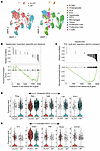 Figure 2
Liver-specific NgBR depletion induces gene expression patterns associated with MASLD and HCC in hepatic cells. (A) scRNA-seq of the livers isolated from WT and N-LKO mice using the 10x Genomics Chromium platform. UMAP visualized clustering of liver single-cell transcriptomes (7,000 cells from WT and 7,000 cells from N-LKO mice fed a WD). Colors represent cell types or genotypes; the circle indicates cancer cells. ECs, endothelial cells. (B and C) Enrichment score curves and GSEA plots of significant differentially expressed genes between WT and N-LKO hepatocytes. The peak in the plot shows the downregulation of the gene sets associated with lipoprotein packaging and secretion and mitochondrial oxidative function. (D and E) Violin plots comparing the expression levels of HSC quiescent marker genes (top) and activation marker genes (bottom) that are downregulated and upregulated, respectively, in N-LKO mice relative to WT mice. The plots illustrate a significant shift in the phenotype of HSCs in N-LKO mice, as demonstrated by the altered expression of quiescent and activation markers.
We also investigated other important NPCs in the liver, particularly T cells, liver sinusoidal endothelial cells (LSECs), and HSCs, in both WT and N-LKO mice. Analysis showed that there is a marked difference in gene expression among all 4 T cell subclusters in N-LKO mice compared with WT mice (Supplemental Figure 8, A–C). In addition, a notable increase in T cell markers across all clusters exhibiting reduced enrichment of genes linked to FA metabolism, mitochondrial function, and oxidative stress response was found in N-LKO mice (Supplemental Figure 8, D and E). This rise was accompanied by an increase in T cells expressing markers of stress and exhaustion (Supplemental Figure 8, F and G), suggesting chronic inflammation, a hallmark of MASH. Analysis of LSECs revealed a distinct separation of gene expression profiles across 3 LSEC subclusters (Supplemental Figure 9, A–C). GSEA indicated that gene expression involved in essential cellular oxidative processes including the citric acid (TCA) cycle, FA oxidation, respiratory electron transport, ATP synthesis, and cellular stress responses was markedly downregulated in N-LKO mice (Supplemental Figure 9, D–F). In contrast, gene expression related to extracellular remodeling and inflammation was significantly upregulated (Supplemental Figure 9, G–J), suggesting impaired LSEC function and a shift toward pathological features associated with chronic steatotic liver disease. Furthermore, analysis of HSCs identified a subcluster (Supplemental Figure 10, A and B) that had reduced expression of HSC quiescent markers, lipid metabolism–related genes, and oxidative stress response genes in N-LKO mice compared with the control group (Figure 2, D and E, and Supplemental Figure 10, C–E). In contrast, this subcluster of HSCs exhibited higher expression of markers associated with HSC activation and genes enriched in extracellular matrix remodeling (Figure 2E and Supplemental Figure 10, F–H), indicating that the N-LKO mice may have been at a higher risk for liver fibrosis. Collectively, these changes in impaired liver lipoprotein metabolism, oxidative/ER stress, inflammation, and fibrosis may contribute to liver dysfunction and HCC formation observed in these mice.
Hepatic NgBR suppression promotes TAG accumulation, inflammation, and fibrosis in the liver. Utilizing scRNA-seq, we identified that NgBR deficiency in mice liver led to impaired lipid metabolism pathways, augmented immune cell infiltration markers, and upregulated expression of genes related to ER and oxidative stress as well as fibrosis. These are important characteristics of MASLD-derived HCC (26). To further explore the functional consequences of these observations, we characterized the steatotic liver phenotype and specific immune cell subsets present in the liver of N-LKO mice subjected to a 16-week HFD regimen. Consistent with previous reports (27, 28), N-LKO mice fed an HFD displayed extensive hepatic TAG accumulation (Figure 3, A and B). HFD-fed N-LKO mice exhibit significantly increased hepatic infiltration of lymphocytes such as CD8+ T and NK cells, and myelocytes, including macrophages, DCs, and neutrophils, while B cells and monocytes showed no alteration and CD4+ T cells displayed an upward trend (Figure 3, C and D, and Supplemental Figure 11, A–F). Previous studies have reported that inflammation found in steatotic liver disease is accompanied by the hepatic infiltration of resident CD8+ T cells that express programmed death protein (PD-1) (29), thus suppressing the anticancer action of cytotoxic CD8+ T cells and driving the development of HCC. Indeed, CD8+ T cells that express elevated levels of PD-1 are found in the liver of HFD-fed N-LKO mice (Supplemental Figure 11G). Furthermore, scRNA-seq analysis in hepatocytes demonstrated a significant elevation in acute phase response genes, including Saa1, Mt1, Mt2, Lcn2, and Orm2, which arise from inflammation in N-LKO mice compared with WT mice fed a WD (Figure 3E), consistent with previous reports (30, 31). Concomitantly, N-LKO mice fed an HFD for 16 weeks had increased liver damage, as shown by increased hepatic collagen deposition and fibrosis (Sirius red staining), augmented expression of fibrotic genes, and elevated levels of the liver-damaging enzymes alanine aminotransferase (ALT) and aspartate aminotransferase (AST) in the plasma, markers of liver damage resembling some key patterns in human MASH (Figure 3, F–I). Excessive hepatic lipid accumulation increases inflammation, fibrosis, and oxidative DNA damage caused by elevated ROS production, lipid peroxidation, and ER stress, well-established drivers of liver damage (32–34). N-LKO mice fed an HFD showed significantly increased hepatic ROS production, malondialdehyde (MDA) content (final oxidative product of polyunsaturated FA peroxidation), and key ER stress markers such as ATF4 (Supplemental Figure 12, A–C). Collectively, these results imply that hepatic suppression of NgBR contributes to the aggravation of MASLD, MASH, and fibrosis, which may account for the HCC development.
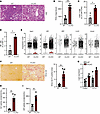 Figure 3
Hepatic NgBR deficiency exacerbates MASH fibrosis phenotype in response to overnutrition. (A and B) Representative images of liver sections stained with H&E (A) and hepatic TAG levels (B) in WT and N-LKO mice fed an HFD for 16 weeks (n = 7). Original magnification, ×40. (C and D) Liver lymphoid cells, including CD8+ T cells and NK cells (n = 3), isolated from WT and N-LKO mice fed an HFD for 16 weeks assessed by flow cytometry. (E) Violin plots illustrating that the expression of acute phage response genes is elevated in the hepatocytes of N-LKO mice compared with WT mice fed a WD. (F) Representative images and quantification of Sirius red staining in the liver sections from WT and N-LKO mice fed an HFD for 16 weeks (n = 7). Original magnification, ×20. (G) Log-transformed mRNA expression of Col6a2 and Col1a1 from liver of WT and N-LKO mice fed an HFD for 16 weeks (n = 4). (H and I) Plasma ALT and AST levels in WT and N-LKO mice fed an HFD (n = 5). All data are presented as mean ± SEM. Statistical analysis: *P < 0.05, **P < 0.01, and ***P < 0.001, comparing N-LKO with WT mice using an unpaired 2-sided Welch’s t test.
Loss of NgBR function in the liver enhances hepatic lipid uptake and suppresses VLDL production, leading to steatotic liver development. We observed reduced NgBR expression in the liver of patients with MAFDL/MASH compared with healthy ones and HCC development in mice with liver-specific loss of NgBR under conditions of steatotic liver induced by an HFD/WD but not under normal CD conditions, suggesting a potential link between steatotic liver and HCC development in the absence of functional hepatic NgBR. Therefore, we hypothesize that steatotic liver may contribute to HCC onset when hepatic NgBR is not functioning properly. To investigate this hypothesis, our first goal was to explore the function of NgBR. We sought to determine whether defects in dolichol biosynthesis and protein glycosylation were linked to NgBR function loss, as previously observed in cases of global NgBR deficiency (8) and in endothelial cell–specific knockout mice (7). To achieve this, we assessed cis-PTase enzymatic activity and global surface protein glycosylation in hepatocytes using flow cytometry with wheat germ agglutinin (WGA) lectin affinity staining. As expected, hepatocytes from N-LKO mice showed significantly reduced cis-PTase activity, confirming enzymatic loss (Supplemental Figure 13A). WGA binding was also reduced by approximately 30% in both N-LKO hepatocytes and NgBR-depleted human Huh7 cells (Supplemental Figure 13, B–D), indicating impaired glycosylation due to hepatic NgBR loss.
Despite this reduction, the moderate (~30%) glycosylation deficit may be partially compensated for by NgBR-expressing liver-resident cells (e.g., endothelial, stellate, and Kupffer cells) that could supply dolichol to hepatocytes. Additionally, dolichol transport via HDL particles abundant in the blood/serum and for which the liver is a major sink (35) may further mitigate glycosylation loss.
To explore this compensatory mechanism, we cultured N-LKO hepatocytes in serum-free media. These cells failed to survive without serum but remained viable when serum was present, likely due to HDL-derived dolichol. Notably, dolichol-P supplementation rescued cell survival even in serum-free conditions, reinforcing its role in glycosylation and hepatocyte viability (Supplemental Figure 13E).
Overall, these findings highlight the essential role of NgBR in dolichol-mediated glycosylation and suggest that compensatory dolichol sources from other hepatic cells and circulation support hepatocyte survival in liver-specific NgBR-knockout mice. In contrast, such compensation is likely absent in global or endothelial-specific knockouts, potentially explaining their lethality. Thus, hepatocyte-specific NgBR depletion leads to reduced cis-PTase activity and impaired global protein glycosylation, indicating a loss-of-function effect of NgBR in hepatocytes.
To understand how hepatic NgBR dysfunction contributes to steatosis, we examined circulating TAG levels in N-LKO mice fed either a standard CD or an HFD. Notably, we observed significantly reduced plasma TAG levels in fasting N-LKO mice, regardless of diet type (Figure 4A and Supplemental Figure 14A). Fractionation analysis of plasma using fast protein liquid chromatography (FPLC) revealed diminished TAG levels specifically in VLDL fractions (Figure 4B and Supplemental Figure 14B). Correspondingly, levels of apolipoproteins ApoB100 and ApoB48, assessed in isolated VLDL fractions, were lower in N-LKO compared with WT mice (Figure 4C). To discern whether the decreased plasma TAG levels in N-LKO mice stemmed from heightened tissue lipid uptake or impaired hepatic VLDL secretion, we conducted several functional assays. These included fat tolerance tests and radiolabeled triolein experiments to evaluate lipid uptake, as well as experiments inhibiting peripheral lipoprotein lipase activity with Poloxamer to probe VLDL-TAG export. Remarkably, all assays consistently indicated increased lipid uptake within the liver and a simultaneous reduction in VLDL-TAG secretion (Figure 4, D–F). In parallel, analysis of gene expression patterns in N-LKO mice fed different diets provided further insights. Notably, N-LKO mice fed a CD exhibited upregulation of Cd36 mRNA, a FA transporter, correlating with enhanced lipid (FA) uptake in the liver (Supplemental Figure 15A). Conversely, N-LKO mice on an HFD showed a decrease in ApoB transcript levels, a gene associated with lipoprotein transport (Supplemental Figure 15B). scRNA-seq data supported these findings, demonstrating reduced expression of genes involved in lipoprotein assembly and VLDL protein secretion in hepatocytes of N-LKO mice on a WD (Figure 2B). These observations align with the diminished VLDL-TAG export observed in functional assays. Further reinforcing these findings, in vitro experiments using Huh7 cells with NgBR knockdown consistently showed heightened FA uptake and lipid accumulation (Supplemental Figure 14, C and E). To ascertain the impact of elevated hepatic lipid uptake and decreased VLDL-TAG secretion on liver steatosis under physiological conditions, we analyzed liver triglyceride levels in N-LKO mice fed a CD for 24 weeks. Indeed, N-LKO mouse livers exhibited visible mild steatosis, as confirmed by an approximately 2-fold increase in hepatic TAG content compared with that in WT mice (Figure 4, G and H).
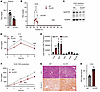 Figure 4
Loss of NgBR function in the liver enhances lipid uptake and impairs VLDL-TAG secretion. (A) Circulating TAG levels in overnight-fasted WT and N-LKO mice on a 6-month CD (n = 6). (B) TAG content of FPLC-fractionated lipoproteins from pooled plasma of overnight-fasted WT and N-LKO mice fed a CD for 6 months (n = 5). (C) Western blot analyses of plasma ApoB100 and ApoB48 in the VLDL fractions from FPLC-fractionated lipoproteins (n = 5). (D) Oral lipid tolerance test: TAG clearance from the plasma of WT and N-LKO mice, fasted for 4 hours, then given an oral gavage of olive oil (n = 5). (E) Radiolabeled triolein uptake in various tissues 2 hours after oral gavage in WT and N-LKO mice fasted for 6 hours (n = 3–4). BAT, brown adipose tissue; WAT, white adipose tissue. (F) Plasma TAG levels in overnight-fasted WT and N-LKO mice treated with lipoprotein lipase inhibitor 407 to block lipolysis of circulating TAG-rich lipoprotein (n = 5). (G) Representative images of H&E-stained and Oil Red O–stained liver sections. Original magnification, x40. (H) Hepatic TAG levels in WT and N-LKO mice fed a CD for 6 months (n = 4). Statistical analysis: **P < 0.01 and ***P < 0.001 using a 2-sided Welch’s t test (A, E, and H) and ***P < 0.001 using 2-way ANOVA with Šidák’s multiple-comparison test (F).
Considering previous studies proposing LXR-mediated de novo lipogenesis (DNL) as a mechanism for hepatic steatosis in NgBR deficiency (27), we examined the expression levels of key LXR target genes under distinct dietary conditions. However, our results showed consistent expression profiles for these genes in both WT and N-LKO mice, irrespective of their diets, diverging from previous reports (Supplemental Figure 15, C and D).
Given that N-LKO mice fed an HFD/WD exhibited hepatic ER stress and considering prior findings that suppression of NgBR induces ER stress (7), we investigated whether similar stress responses occur under basal conditions. To this end, we examined hepatic expression of ER stress–related genes at the mRNA level using RNA-seq in WT and N-LKO mice fed a CD. Unlike the HFD/WD-fed N-LKO mice, we did not observe any significant differences in ER stress gene expression between WT and N-LKO mice under chow-fed conditions (Supplemental Figure 15E). These findings suggest that hepatic NgBR suppression induces ER stress specifically under lipid overload conditions, but not under basal dietary conditions.
In conclusion, our comprehensive analysis combining in vitro and in vivo experiments suggests that the loss of hepatic NgBR function disrupts lipid homeostasis. This disruption leads to heightened lipid uptake and decreased lipid export from the liver, resulting in TAG accumulation, independent of LXR-mediated DNL or basal ER stress. Such extensive TAG accumulation in the liver may potentially drive the development of HCC in the absence of NgBR function.
DGAT2 inhibition blocks lipid-induced HCC development in N-LKO mice. Hepatic TAG levels are regulated by 4 primary metabolic pathways (36). The main contributor, accounting for about 70% of hepatic TAG, is the uptake of plasma FAs from adipose tissue (37). The second pathway, DNL, synthesizes TAG from acetyl–coenzyme A, mainly from glucose metabolism, contributing 5%–30% of hepatic TAG (37). The other 2 pathways are FA oxidation and TAG secretion within VLDL. Interestingly, in the context of hepatic NgBR depletion, LXR-mediated hepatic DNL was not observed. However, in the absence of hepatic NgBR, we noted an increase in lipid (FA) uptake accompanied by a simultaneous reduction in VLDL TAG export. This suggests that heightened FA uptake, contributing to hepatic TAG synthesis, and decreased VLDL TAG export may be potential mechanisms underlying extensive hepatic TAG accumulation in N-LKO mice. Such accumulation may induce cellular reprogramming favoring DNA damage and HCC development under conditions of lipid overload induced by an HFD/WD. To directly examine if attenuation of liver TAG accumulation impacts the progression to HCC, N-LKO mice were treated with a small molecule inhibitor (PF-06424439) of diacylglycerol acyltransferase-2 (DGAT2). In rodents and primates, DGAT2 catalyzes the final rate-limiting reaction of TAG biosynthesis by incorporating the last fatty acyl group to diacylglycerides (38). In preclinical studies, Pfizer’s PF-06424439 decreased circulating TAG levels and reduced hepatic fat in rodents with MASLD (39). Thus, 8-week-old N-LKO mice were fed a WD formulated with or without PF-06424439 for 16 weeks. Administration of PF-06424439 in N-LKO mice (N-LKO+DGI) markedly reduced hepatic TAG contents and fibrosis (Figure 5, A and B), consistent with previous reports in rodents and humans (38, 39). PF-06424439–treated N-LKO mice were also protected against WD-induced liver damage, as shown by lower circulating levels of liver enzyme ALT and AST (Figure 5, C and D). We next determined whether lowering TAG levels in the liver by DGAT2 inhibition attenuates lipid-mediated deleterious effects in NLKO mice fed a WD. PF-06424439 treatment in NLKO mice fed a WD significantly reduced hepatic ROS production, MDA content, and ER stress marker such as ATF4 (Figure 5, E–G) and completely abolished HCC development and circulating AFP levels (Figure 5, H–J).
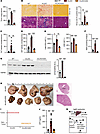 Figure 5
DGAT2 inhibitor treatment prevents diet-induced MASLD-HCC pathogenesis. This study involved 3 groups of mice: WT mice on a WD for 16 weeks, and N-LKO mice divided into 2 subgroups — 1 on WD only and the other on WD with a DGAT2 inhibitor (N-LKO+DGI) for 16 weeks. After 16 weeks, the following parameters were measured. (A) Hepatic TAG levels (n = 5). (B) Representative images and quantification of Sirius red and trichrome staining in liver sections (n = 5). Original magnification, x20. (C and D) Serum ALT and AST levels (WT, n = 5; N-LKO, n = 6; N-LKO+DGI, n = 7). (E) Analysis of cellular ROS in primary hepatocytes (n = 3). (F) Membrane lipid peroxidation via MDA assay in the liver (n = 4). (G) Western blot and densitometric analysis of ER stress proteins ATF4 and HSP90 (n = 3). (H and I) Photographs of livers from N-LKO and N-LKO+DGI mice, with H&E-stained liver and tumor sections, and a graph summarizing tumor occurrence (n = 8). Original magnification, x5. (J) Plasma AFP levels (WT, n = 5; N-LKO, n = 8; N-LKO+DGI, n = 8). Data are presented as mean ± SEM, with each point representing a biological sample. Statistical analysis: 1-way ANOVA with Tukey’s test (*P < 0.05, **P < 0.01, and ***P < 0.001). (K) Proposed mechanism illustrating the role of liver-derived NgBR in hepatic lipid metabolism.
Collectively, these results show that the loss of NgBR and a reduction in cis-PTase activity in the liver promote elevated hepatic TAG levels and many of the hallmarks of MASLD driving liver cancer in a rapid, highly penetrant manner. Pharmacological inhibition of DGAT2 restores normal physiological liver lipid homeostasis, resulting in comprehensive prevention of HCC development in NLKO mice. These findings support and give credence to the possibility that reducing liver fat accumulation may impact the transition from MASLD to HCC.


Copyright © 2026 American Society for Clinical Investigation
ISSN: 0021-9738 (print), 1558-8238 (online)