
Issue published November 16, 2026 Previous issue

- Volume 136, Issue 22
On the cover:
TNF receptor 1 variants in systemic juvenile idiopathic arthritis
Cruz et al. report that variants of TNF receptor 1 (TNFR1) found in patients with systemic juvenile idiopathic arthritis induce an inflammatory phenotype caused by cellular stress through dysfunction of multiple cellular trafficking pathways. The cover image shows super-resolution microscopy of an HT1080 cell harboring a variant of TNFR1, K203X (green), that preferentially sequesters intracellularly to the Golgi complex (red). The nucleus is stained with Hoechst 33342 (blue). Image credit: Davide Randazzo.
Cruz et al. report that variants of TNF receptor 1 (TNFR1) found in patients with systemic juvenile idiopathic arthritis induce an inflammatory phenotype caused by cellular stress through dysfunction of multiple cellular trafficking pathways. The cover image shows super-resolution microscopy of an HT1080 cell harboring a variant of TNFR1, K203X (green), that preferentially sequesters intracellularly to the Golgi complex (red). The nucleus is stained with Hoechst 33342 (blue). Image credit: Davide Randazzo.
Go to section:
-
Commentaries
×
Abstract
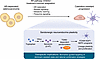
Advanced prostate cancer frequently escapes androgen receptor pathway inhibition through mechanisms including restored androgen signaling, lineage plasticity, and metabolic adaptation. Neuroendocrine prostate cancer (NEPC) can emerge as an androgen-insensitive lineage and has mostly been studied in the context of its transcriptional and epigenetic reprogramming. However, evidence increasingly supports the requirement for metabolic rewiring across a variety of pathways in the transition to NEPC. In this issue of the JCI, Wei et al. demonstrated that serotonin metabolism regulated by tryptophan hydroxylase 1 (TPH1) stabilizes the plastic state of NEPC by supporting serotonin-based posttranslational modification (serotonylation) of mTOR and FOXM1/E2F1 activation. These findings position TPH1 as both a neuroendocrine marker and a functional mediator of hormone therapy resistance. Because metabolic escape can involve many pathways, biomarker-guided patient selection will be required for translating these findings to an intervention. Accordingly, targeting TPH1 may delay or reverse therapy-induced NEPC in selected patients.
Authors
Kevin Holm, Neil A. Bhowmick
×Abstract
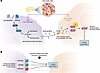
Pancreatic islet macrophages are important immunometabolic regulators of β cell function, particularly in obesity-associated type 2 diabetes. Previous studies have established that pancreatic islet macrophages communicate with β cells through either the release of cytokines and growth factors, or direct cell–cell contact. In this issue of the JCI, Singh et al. used chemogenetics to identify a Gq/AMPK pathway that remodels sphingolipid metabolism. This pathway links macrophages to β cells through a CD36-dependent mechanism that reduces insulin secretion. Surprisingly, the orphan GPCR GPR18 was identified as the receptor that engages this pathway. These findings expand our understanding in macrophage–β cell communication and identify GPR18 as a potential therapeutic target for type 2 diabetes.
Authors
Xianglin Huang, Bryan L. Roth
×Abstract
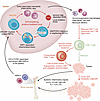
Cancer-associated extramedullary hematopoiesis is increasingly recognized as a systemic mechanism of immune evasion. Although the spleen is an important site of tumor-induced myelopoiesis, how this process is locally maintained remains incompletely understood. In this issue of the JCI, Zhu and colleagues identify a self-reinforcing circuit between tumor-associated neutrophils and splenic hematopoietic stem and progenitor cells (HSPCs). They show that neutrophil-derived, NOX2-dependent ROS activated forkhead box O1 (FOXO1) in neighboring HSPCs, inducing dynamin-related protein 1 dependent (DRP1-dependent) mitochondrial fission and a myeloid-biased, granulocyte-macrophage CSF–producing (GM-CSF–producing) progenitor state. The resulting neutrophil progeny further reinforced oxidative stress, thereby sustaining immunosuppressive myelopoiesis in the spleen. Disruption of this circuit through genetic, pharmacologic, or spleen-directed interventions reduced suppressive myeloid cell production, enhanced cytotoxic T cell activity, and restrained tumor growth. These findings establish mature neutrophils as active regulators of pathological splenic hematopoiesis and identify the neutrophil/ROS/FOXO1/DRP1 axis as a potential therapeutic target in cancer.
Authors
Hongpeng Jia


-
Research Articles
×
Abstract
Systemic juvenile idiopathic arthritis (sJIA) is a complex inflammatory disease characterized by recurrent fevers, arthritis, and systemic hyperinflammation; however, its underlying etiology remains poorly understood. Tumor necrosis factor receptor 1 (TNFR1, TNFRSF1A), the prototypical TNF superfamily receptor, signals through its ligand (tumor necrosis factor, TNF) to activate NF-κB–dependent proinflammatory pathways while also promoting cell death. Through family-based and targeted sequencing, we identified multiple rare TNFRSF1A variants, including a de novo truncating variant in a patient with monophasic sJIA. Integrating single cell RNA-seq with in vitro and ex vivo functional assays, we uncovered a patient-specific, unique monocyte population marked by high inflammatory cytokine production. These cells display impaired endosomal and Golgi trafficking, dysregulated autophagy, and increased markers of cellular stress and immune activation. Confocal microscopy revealed aberrant TNFR1 retention within the Golgi apparatus. These monocytes were refractory to LPS-induced cell death, maintained a M1-like inflammatory phenotype and produced proinflammatory cytokines even at steady state. Despite conferring a loss of function in TNFR1 signaling, these variants paradoxically drive a hyperinflammatory phenotype. We propose that this results from combined effects of reduced TNFR1 signaling and cellular stress induced by retention of the mutant receptor in the Golgi.
Authors
Anthony C. Cruz, Krisztian Csomos, Hiroto Nakano, Boglarka Ujhazi, Paul M. Panipinto, Sophia R. Chou, Marissa Krantz, Emily D. Rosenbaum, Mariana Correia Marques, Christopher Felicelli, Tian-Min Fu, Dirk Foell, Rae S.M. Yeung, Pamela F. Weiss, Faiza Naz, Ly-Lan Bergeron, Michelle Millwood, Carol Lake, Keisuke Nagao, Paul Schaughency, Vicky Chen, Justin Lack, Emely L. Verweyen, Grant Schulert, Kang Yu, INCHARGE Consortium, Stefania Dell’Orso, Hao Wu, Zuoming Deng, Davide Randazzo, Michael J. Ombrello
×Abstract
Receptor activator of NF-κB ligand (RANKL) is important for bone metabolism, but also modulates immune processes. We showed that mast cells (MCs) were involved in RANKL regulation, but the importance of MC-derived RANKL in skin inflammation has not, to our knowledge, been investigated. In contact hypersensitivity (CHS), the absence of MC-derived RANKL led to reduced skin inflammation due to impaired leukocyte infiltration and blood lymphopenia. Surprisingly, we observed a massive hyperplasia of the distant inguinal lymph nodes (LNs) in the absence of MC RANKL. Using adoptive transfers, flow cytometry, and whole-mount 3D imaging, we demonstrated that this was not caused by structural maladaptation, but rather by the inability of lymphocytes to exit in a timely manner. Importantly, RANKL deletion in skin MCs only replicated the effect of LN hyperplasia and blood lymphopenia. Moreover, MCs were involved in serum sphingosine-1-phosphate (S1P) regulation during sensitization and challenge. Intravascular administration of S1P restored timely lymphocyte egress, demonstrating a MC-induced, organ-spanning RANKL/S1P axis. Consequently, peripheral skin MC–derived RANKL was essential for the timely lymphocyte egress from distant LNs, which may have important implications for the targeted treatment of inflammatory skin diseases.
Authors
Konstantinos Katsoulis-Dimitriou, Waqar Umer, Laura Knop, Tanja Schickschneit, Aaron Hoffmann, Ali El-Bizri, Lea M. Schmitter, Kathleen Baumgart, Nouria Jantz-Naeem, Vladyslava Dovhan, Charlotte Heidelbach, Lars Philipsen, Andreas J Müller, Stephan Fricke, Sascha Kahlfuß, Thomas Schüler, Jan Dudeck, Anne Dudeck
×Abstract
T follicular helper (TFH) cells are critical for humoral immunity against infections and correlate with immunotherapy efficacy, whereas immune checkpoint inhibitor therapy can drive their aberrant expansion, underscoring the need to understand the regulators controlling TFH cell fate. However, the epitranscriptomic regulation of their differentiation remains poorly understood. Here, we identify the 3-methylcytosine (m³C) methyltransferase METTL8 as a key regulator of TFH cell differentiation in both viral infection and cancer. METTL8 was preferentially expressed in CXCL13hi TFH cells, and its deficiency impaired TFH differentiation and germinal center responses in the lymphocytic choriomeningitis virus infection model and following anti–PD-1 immunotherapy in tumor models. Mechanistically, METTL8 exerted dual functions: it bound and stabilized Tcf7 mRNA through m³C modification, and it interacted with TCF1 protein to regulate chromatin accessibility and 3D genome organization at key TFH-associated loci, including Cxcr5 and Il6ra. Notably, ginkgolic acid treatment suppressed TFH responses without compromising the antitumor efficacy of anti–PD-1 therapy, an effect associated with METTL8. Collectively, our findings identify METTL8 as an epitranscriptomic regulator linked to RNA modification, TCF1-associated transcriptional control, and chromatin architecture during TFH differentiation and suggest that modulation of this pathway may provide a strategy to tune TFH-driven immune responses.
Authors
Jiaxi Song, Dan Cui, Jiabao Wang, Xuewei Qi, Jiaxin Ma, Haoyu Yu, Qing Liu, Jing Yang, Tengfei Hu, Xu Han, Handong Ma, Rentao Yu, Ying Dai, Xiaona Zhang, Qunfa Cao, Xiaoyuan Song, Bofeng Li, Lilin Ye, Hua Wang, Qizhao Huang, Jia Li, Fengyin Li
×Abstract
Advanced prostate cancer has increasingly developed a lethal neuroendocrine form, small cell/neuroendocrine prostate cancer (NEPC), as a consequence of the widespread use of highly potent androgen receptor signaling inhibitors in castration-resistant disease. The molecular mechanisms remain unclear and no effective therapies currently exist. We report that tryptophan hydroxylase 1 (TPH1), the enzyme responsible for peripheral serotonin biosynthesis — a neurotransmitter enriched in neuroendocrine tumors and a classical neuroendocrine biomarker — was upregulated in both de novo and therapy-induced human NEPC. TPH1 upregulation was necessary and sufficient for neuroendocrine differentiation and the NEPC phenotype through its enzymatic activity. Silencing TPH1 suppressed neuroendocrine plasticity and various aggressive behaviors of NEPC cells, including proliferation, invasion, sphere formation, and NEPC tumor xenograft growth. Mechanistically, TPH1 activated mTOR via intracellular serotonin-dependent serotonylation of mTOR at glutamine 2453, which triggered the induction of FOXM1 and E2F1 to drive NEPC differentiation and growth. Importantly, pharmacological inhibition of TPH1 using the clinically available inhibitor LX1606 effectively restricted growth and neuroendocrine marker expression in multiple NEPC cell lines and patient-derived xenografts. Collectively, these findings characterize TPH1’s contribution to NEPC and suggest TPH1 as a potential therapeutic target.
Authors
Jing Wei, Jing Wang, Jingrui Chen, Michelle Zhang, Chia-Hui Chen, Tianjie Pu, Alivia O’Brien, Sephtis Hargrove, Eva Corey, Tzu-Ping Lin, Allen C. Gao, Boyang Jason Wu
×Abstract
Recent studies have revealed that, beyond their classical role in platelet production, megakaryocytes (MKs) express immune-related genes and exert important immunoregulatory functions. However, it remains unclear whether these functions arise from a single versatile population or from distinct specialized subtypes, and how such subtypes influence infection and inflammation. Here, we identified 3 specialized immune MK subtypes (imm-MKs) — macrophage-like MKs (mac-MKs), neutrophil-like MKs (neu-MKs), and antigen-presenting MKs (APC-MKs) — each defined by distinct transcriptional programs and regulatory networks, with comparable heterogeneity observed in human MKs. Developmental analyses showed that MK immune-related programs increased with maturation and that immune MK subtypes exhibited distinct tissue- and stage-dependent patterns. Functionally, MK subtypes exhibited phase-specific responses during bacterial pneumonia: early infection preferentially induced mac-MKs and neu-MKs, which contributed to pulmonary inflammation, whereas during the postpeak acute-to-early recovery stage, APC-MKs supported a Treg-associated regulatory program that contributed to pulmonary inflammatory control. This MK-Treg axis uncovers a previously unrecognized mechanism of hematopoietic-immune crosstalk. Collectively, our study delineates organ- and stage-specific immune specialization of MKs and identifies immune MK subtypes as dynamic contributors to phase-specific inflammatory and Treg-linked regulatory programs during development and infection.
Authors
Huizhen He, Yezi Ma, Yifei Cai, Xiaoyuan Chen, Tianran Cheng, Ziqi Huo, Sibei Guo, Meijuan Xia, Dan Feng, Minmin Li, Jingjing Zhao, Nananan Zhao, Pei Su, Wen Zhou, Fei Wang, Cuicui Liu, Hongtao Wang, Jiaxi Zhou
×Abstract
Obesity-associated inflammation impairs pancreatic β cell function, yet the mechanisms by which immune cells acutely regulate insulin secretion remain poorly defined. Here, we identify myeloid Gq signaling as an immunometabolic node linking macrophage lipid sensing to impaired insulin secretion. Using chemogenetic DREADD-mediated activation of myeloid Gq, we show that acute macrophage Gq activation impairs glucose-stimulated insulin secretion (GSIS) in vivo, whereas myeloid Gαq ablation enhances GSIS. Mechanistically, Gq activation rapidly induced AMPK phosphorylation and sphingolipid remodeling independently of canonical inflammatory cytokines. Macrophage-derived sphingolipids impaired β cell insulin signaling and GSIS through CD36/PKCζ, while inhibition of CD36, AMPK, or sphingolipid metabolism restored β cell function. We further identified GPR18, a Gq-coupled endocannabinoid-responsive GPCR, as an upstream regulator. GPR18 activation with N-arachidonoyl glycine (NAGly) recapitulated this phenotype, whereas myeloid Gαq deletion or Gpr18/AMPK silencing abolished it. GPR18 signaling predominantly engaged Gq rather than Gi pathways. In human tissues, GPR18 was enriched in islet macrophages, and NAGly suppressed GSIS in primary human islets. Thus, a conserved macrophage GPR18/Gαq/AMPK/sphingolipid axis dynamically regulates β cell function and represents a potential therapeutic target in obesity and type 2 diabetes.
Authors
Simran Singh, Ashish Kumar, Sudipta Paul, Mriganka Sarkar, Santhosh Duraisamy, Ganesh Timalsina, Raashidha Farhath, Harender Yadav, Seema Kuldeep, Soumita Bhaumik, Kunj Kumar Prajapati, Saahiba Thaleshwari, Anuj Gargya, Tamojit Santra, Sonal Amit, Rashmi Parihar, Santosh K. Misra, Hamim Zafar, Luiz F. Barella, Michael A. Kalwat, Dharmaraja Allimuthu, Sai Prasad Pydi
×Abstract
Despite enormous advances in clinical genomics, idiopathic scoliosis remains an enigmatic condition with poorly understood genetic and pathophysiological underpinnings impeding molecular diagnosis and the development of targeted treatments. We performed linkage analysis, exome, genome and short- and long-read RNA-seq in a multigenerational family affected by autosomal dominant early-onset scoliosis (EOS) with a unique pattern of spondylodysplastic elements and progressive endplate erosion and identified the LRR-binding FLII-interacting protein 1 (LRRFIP1) gene as the disease-causing gene. The underlying cause is a rare noncoding variant altering transcription factor binding of nuclear receptor subfamily 3 group C member 1 (NR3C1) (glucocorticoid receptor), leading to changes in LRRFIP1 isoform expression. Transcriptomic changes in fibroblasts of affected individuals indicated a combination of disturbed Wnt signaling during somitogenesis, planar cell polarity signaling, and postnatal inflammatory dysregulation with clinical and molecular overlaps with ankylosing spondylitis and Scheuermann’s kyphosis. We conducted a rare variant enrichment analysis using genome data from 484,903 UK Biobank participants and found an enrichment of rare risk-increasing LRRFIP1 variants in individuals with scoliosis. Our analysis of an Lrrfip1tm1.1(KOMP)Wtsi-KO mouse model showed an increased prevalence of idiopathic kyphoscoliosis in Lrrfip1-deficient mice. Our work provides insights into the pathophysiology of rare and common spinal disorders and hints at potential future therapeutic approaches with selective NR3C1 inhibitors.
Authors
Tanja Frey, Elena M. Cabello, Gabriele Siegel, Carla Bello, Rike Schiller, Martina A. Trippel, Neguin Ranjbar, Paranchai Boonsawat, Stephanie E. van Gijn, Ivan Ivanovski, Michael Papik, Markus Zweier, Kan Min, Katharina Steindl, Anita Rauch
×Abstract
Potassium (K+) channels play fundamental roles in stabilizing resting membrane potential and regulating neuronal excitability. In sensory hair cells (HCs), a site where mechanoelectrical transduction requires exquisite electrochemical stability, the maintenance of K+ equilibrium is particularly critical. Nevertheless, the key channels that preserve this homeostasis under pathological stress remain poorly defined. Through single-nucleus RNA sequencing of the adult mouse cochlea, we identified Kcnh8, which encodes the voltage-gated potassium channel Kv12.1, as the predominant KCNH family member exclusively and highly expressed in HCs. Its expression pattern is evolutionarily conserved and abundant in human fetal cochlea. Loss of Kcnh8 in mice causes progressive hearing loss, featuring disorganized hair bundles and synaptic defects. Kcnh8 deficiency caused intracellular K+ accumulation, leading to HC hyperexcitation. This, in turn, triggered aberrant calcium influx and attenuated synaptic vesicle release, highlighting the critical role of Kv12.1 in maintaining K+ homeostasis. Pathologically, Kcnh8-deficient mice exhibited increased susceptibility to noise exposure, which exacerbated HC damage and hearing impairment. Importantly, AAV-mediated delivery of Kcnh8 gene rescued noise-induced hearing loss, mitigated intracellular K+ accumulation, and protected HC synapses. Our findings establish Kv12.1 as a central regulator of HC K+ homeostasis and highlight its therapeutic potential for preventing noise-induced hearing loss.
Authors
Yaoqian Liu, Yanyan Jia, Jiaoyao Ma, Xian Gao, Yunjie Li, Yu Dong, Mingxuan Wu, Gaogan Jia, Yikang Huang, Yiyun Lou, Mengrou Xu, Tianshi Sun, Yuqiang Ding, Huawei Li, Mingyu Xia, Wenyan Li
×Abstract
Influenza viruses continually evolve through antigenic drift and shift, spreading via respiratory droplets and aerosols. Developing a universal nasal vaccine is essential for preventing seasonal and pandemic infections by inducing long-lasting immunity in the respiratory tract. The neonatal Fc receptor (FcRn) transfers IgG Abs across the epithelial barrier. This study investigates whether the i.n. delivery of the conserved Stalk antigen of HA, utilizing the FcRn, can stimulate protective immune responses against various influenza virus subtypes. We engineered a monomeric IgG Fc fused to a modified HA Stalk in its prefusion form. Mice i.n. immunized with Stalk-Fc exhibited significant protection against infections from H1N1, H5N1, H6N2, and H9N2 compared with groups of control mice. The immunized mice produced long-lasting HA Stalk–specific IgA and IgG Abs in nasal washes, bronchoalveolar lavage, and blood, along with tissue-resident memory T cells in the lungs and long-lived plasma cells in the bone marrow. This led to notably lower viral replication in the nasal turbinate and lungs. The Stalk-specific Abs demonstrated strong cross-reactivity against different influenza subtypes through neutralization, Ab- or complement-dependent cellular cytotoxicity, or phagocytosis. These results indicate that FcRn efficiently transports HA Stalk-Fc across the respiratory epithelial barrier, supporting the development of a universal influenza nasal vaccine.
Authors
Weizhong Li, Arunraj M. Rajendrakumar, ZiZhen Miao, Bibek Dhakal, Bogdan M. Domrachev, Tao Wang, Qiuqi Kan, Qiaofeng Wan, Hongquan Wan, Wenbin Tuo, Florian Krammer, Zhiping Ye, Xiaoping Zhu
×Abstract
Splenic myelopoiesis supplies immunosuppressive myeloid cells in cancer, yet its local regulation remains unclear. Here, we identify a self-amplifying circuit between neutrophils and hematopoietic stem and progenitor cells (HSPCs) that sustains splenic myelopoiesis. Tumor-associated neutrophils produced ROS and created an oxidatively stressed milieu in the spleen, which activated FOXO1 in neighboring HSPCs and drove dynamin-related protein 1 (DRP1)-mediated mitochondrial fission, reprogramming HSPCs toward myeloid-biased expansion and immunosuppressive output. Progeny neutrophils reinforced splenic oxidative stress and perpetuated this loop. Genetic ablation of cytochrome b-245, beta polypeptide (Cybb) or spleen-targeted ROS scavenging inhibited FOXO1 activation and preserved fused mitochondrial morphology in HSPCs. Consistently, blockade of FOXO1 or DRP1 prevented mitochondrial fission and reduced ROS-producing myeloid cell generation. Such interventions reduced splenic myelopoiesis, curtailed the production of suppressive myeloid cells in the spleen and their infiltration into tumors, and enhanced cytotoxic T cell activity, thereby restoring antitumor immunity and restraining tumor progression. Analyses of spleen samples from patients with cancer, together with CB HSPC and neutrophil coculture experiments, support the human relevance of this neutrophil/ROS/HSPC axis. These findings reveal a self-propagating neutrophil-HSPC feedback circuit that locally sustains tumor-promoting splenic myelopoiesis and provide a rationale for targeting neutrophil-to-progenitor signaling to normalize antitumor immunity.
Authors
Lan Zhu, Shufeng Luo, Qiaomin Hua, Chang-An Zhao, Huiling Lin, Mingyu Liu, Lingyan Zhu, Jiabin Zheng, Huolun Feng, Yong Li, Chong Wu, Limin Zheng
×Abstract
T cell engagers (TCEs) have achieved transformative success in B cell malignancies but show limited efficacy in solid tumors with severe toxicity. We propose that TCR signaling without IL-2 might limit the function of tumor-infiltrating lymphocytes (TILs). Here, we showed that insufficient IL-2 signaling is a key bottleneck for sustaining TCE-induced T cell function. Although exogenous IL-2 enhances TCE efficacy, its systemic administration causes more severe toxicity. We engineered a protease-activatable dual-variable domain (DVD) as a pro-antibody to reduce αCD3 off-tumor toxicity. Furthermore, we designed 3 additional mutations for IL-2 (3E) with markedly reduced receptor affinity, which remained inactive in the periphery. By coengineering the DVD and 3E into a single pro-drug molecule (DVD-3E), we achieved conditional IL-2 and TCR cosignaling strictly dependent on cis CD3 engagement within the tumor microenvironment (TME) upon protease cleavage. This logic-gated design restricted both TCE and cytokine activity to the TME, enabling potent antitumor responses without systemic toxicity. Mechanistically, DVD-3E enhanced not only the persistence and effector function of preexisting intratumoral T cells but also expanded TCF1+ TILs, mitigating exhaustion and enabling durable systemic immunity. These findings define a new design principle for logic-gated TCEs that achieve a favorable balance between efficacy and safety, offering a strategy to overcome current therapeutic resistance.
Authors
Shijie Li, Nan Li, Xiangming Liu, Yueqi Cai, Mukai Wang, Huimin Wang, Yang-Xin Fu, Zaopeng Yang
×Abstract
Pharmacologic immunosuppression is essential for preventing organ rejection and controlling autoimmunity but profoundly impairs humoral immunity, increasing the risk of vaccine failure and infection. The mechanisms by which immunosuppressive therapies disrupt human B cell responses remain poorly defined. Here, we identified dysregulated lipid metabolism as a central determinant of impaired vaccine response in solid organ transplant recipients (SOTRs). Using high-dimensional immune profiling, single-cell transcriptomics, and functional metabolic assays, we found that effective B cell responses required a homeostatic balance between lipid synthesis and fatty acid oxidation (FAO). The widely used immunosuppressive agent mycophenolic acid (MPA) was strongly associated with vaccine nonresponses and induced excessive lipid synthesis, lipid accumulation, and mitochondrial stress in B cells. In contrast, CD11c+ B cells retained the capacity to differentiate into plasmablasts in the presence of MPA through elevated expression of CPT1a, a mitochondrial FA transporter, and enhanced FAO. These cells were found to be a key feature of early effective vaccine responses in healthy individuals and SOTRs. Notably, pharmacologic inhibition of cholesterol synthesis partially restored plasmablast differentiation in the presence of MPA. These findings identify B cell lipid metabolism as a critical and targetable regulator of human humoral immunity during immunosuppression.
Authors
Elizabeth A. Thompson, Alexis Figueroa, Katerina Roznik, Nicole E. Skinner, Santosh Dhakal, Shuai Li, Luca Biavati, Laura A. Sena, Laila Stoddart, Karli Redinger, Samuel B. Warner, Sabra L. Klein, Nadine Rouphael, Joel N. Blankson, Yolanda Eby, Robert D. Leone, Peter S. Heeger, Mark A. Robien, Christian P. Larsen, Erika L. Pearce, Edward J. Pearce, Hongkai Ji, Andrew H. Karaba, Dorry L. Segev, Aaron A.R. Tobian, William A. Werbel, Andrea L. Cox, Justin R. Bailey
×Abstract
Chronic Pseudomonas aeruginosa infection is a central driver of bronchiectasis and contributes to progressive lung decline in patients with cystic fibrosis (CF), even in the era of CF transmembrane conductance regulator (CFTR) modulators. A major limitation in the field is that conventional mouse models fail to develop persistent, biofilm-associated lung infection, restricting mechanistic studies and preclinical evaluation. Here, we establish clinically relevant infection models by combining CF-like mouse strains (βENaC-overexpressing and CFTR-deficient mice) with agarose bead–embedded P. aeruginosa that forms persistent, tobramycin-refractory biofilms. Using intravital lung microscopy, we show that alveolar macrophages initially responded by surrounding biofilms but progressively dissociated from the biofilms during persistent infection. Neutrophils were also recruited but failed to clear bacteria. Administration of gremubamab (MEDI3902), a bispecific antibody targeting the virulence factors Psl and PcrV, preserved alveolar macrophages in persistent biofilm infection, restored bacterial sensing and phagocytosis, limited excessive neutrophilic inflammation, and significantly improved bacterial clearance and survival. Together, these findings establish a clinically relevant persistent P. aeruginosa infection model and highlight gremubamab as a promising virulence-targeted therapy to potentially overcome bacterial immune evasion while restoring host defense in mouse models of bronchiectasis and CF.
Authors
Wanhai Qin, Wayne Brailsford, Stacey Cromer Berman, Christina S. Thornton, Antonio DiGiandomenico, Paul Kubes
×Abstract
Familial Episodic Pain Syndrome (FEPS) is a rare inherited disorder characterized by recurrent episodes of severe upper-body pain triggered by stimuli such as cold, stress, or fasting. A gain-of-function mutation (N855S) in the Transient Receptor Potential Ankyrin 1 (TRPA1) ion channel has been identified in affected individuals, yet the cellular mechanisms driving FEPS pain remain poorly defined. Although TRPA1 has been primarily studied in sensory neurons, emerging evidence suggests that nonneuronal cells may contribute to pain signaling. To define the cell-specific role of mutant TRPA1 (TRPA1mut), we generated mouse models selectively expressing TRPA1mut in Schwann cells or sensory neurons, using CRISPR-based and Cre-loxP strategies. Patch-clamp recordings confirmed enhanced agonist-evoked currents in TRPA1mut compared with WT channels. Behavioral analyses revealed that neuronal TRPA1mut mediates acute nociceptive responses, whereas Schwann cell TRPA1mut drives mechanical allodynia induced by subthreshold TRPA1 agonists and physiological triggers relevant to FEPS, including fasting, cold exposure, and restraint stress. These responses were associated with increased reactive oxygen species and accumulation of 4-hydroxynonenal in sciatic nerves and were attenuated by antioxidant treatment. These findings support a Schwann cell–dependent mechanism of TRPA1-driven pain and identify nonneuronal TRPA1 signaling as a potential therapeutic target in FEPS and related pain channelopathies.
Authors
Matilde Marini, Martina Chieca, Elisabetta Coppi, Marco Montini, Lorenzo Bonacchi, Lorenzo Landini, Irene Scuffi, Kelvin Y. Kwan, Alice Papini, Gaetano De Siena, Elisa Bellantoni, Lucrezia Timotei, Elena Colzi, Valentina Albanese, Gabriele Ferroni, Evelynn D.N. Melo, Marie-Christine Birling, Romain Lorentz, Romina Nassini, Francesco De Logu
×Abstract
Sphingosine-1-phosphate lyase insufficiency syndrome (SPLIS) is a rare condition causing nephrotic syndrome, neuropathy, and other manifestations. SPLIS is caused by mutations in SGPL1, which encodes sphingosine-1-phosphate lyase (SPL), a pyridoxal 5′-phosphate–dependent (PLP-dependent) enzyme needed to degrade the bioactive sphingolipid sphingosine-1-phosphate (S1P). Supplementation with the PLP precursor pyridoxine benefits some individuals with PLP-dependent enzymopathies. We investigated whether pyridoxine has therapeutic activity in SPLIS. Neurological improvement, plasma S1P normalization, and increased SPL activity in patient-derived fibroblasts were observed after pyridoxine supplementation in a patient with R222Q-variant SPLIS. Additionally, PLP dose-dependently augmented recombinant R222Q-variant SPL activity. To further explore pyridoxine’s effects, gene editing was employed to create an R222Q-variant SPLIS mouse model. SPLR222Q mice fed pyridoxine-enriched chow lacked obvious phenotypes. However, SPL inactivation, S1P accumulation, proteinuria, and glomerulosclerosis developed in SPLR222Q but not WT mice fed chow with reduced pyridoxine. Ultrastructural analysis and super-resolution microscopy showed podocyte loss and foot process effacement. Transcriptional profiling revealed patterns of cytokine upregulation and extracellular matrix remodeling. Inhibiting S1P production or RhoA/ROCK signaling prevented nephrosis in SPLR222Q mice fed chow lacking pyridoxine. Our findings establish a SPLIS mouse model that recapitulates R222Q-variant SPLIS, demonstrates its responsiveness to pyridoxine, and implicates a S1P/RhoA/ROCK pathway in its pathophysiology.
Authors
Ranjha Khan, Maria L. Allende, Ehtesham Khalid, Joanna Y. Lee, Everett Stone, Max Rodnick-Smith, Audrey Izuhara, Vadym Buncha, Georgina Gyarmati, Janos Peti-Peterdi, Ranya Al-Khaledy, Jeffrey B. Hodgin, Gizachew Tassew, Babak Oskouian, Alina Chen, Yu-Tang Chang, Rachel Zhang, Richard L. Proia, Julie D. Saba
×Abstract
Low-dose IL-2 and IL-2 muteins are being developed to expand Tregs for autoimmune disease therapy, but injection site reactions (ISRs) remain frequent and poorly understood. Here, we showed that IL2Mut24, a murine surrogate of IL-2 receptor α–biased (IL-2Rα–biased, IL-2Rα is also known as CD25) IL-2 mutein, enhanced Treg expansion and yet paradoxically exacerbated cutaneous inflammation compared with WT IL-2. Using immunodeficient mice, antibody blockade, and adoptive transfer, we identified group 2 innate lymphoid cells (ILC2s) as key drivers of IL-2–induced skin inflammation, defining a CD25-dependent innate activation axis that constrains immune tolerance. In cynomolgus monkeys, the CD25-biased IL-2 mutein efavaleukin alfa promoted greater peripheral Treg expansion than aldesleukin (recombinant human IL-2) but was accompanied by transient increases in IL-5 and dose-dependent ISRs, indicating conservation of this innate inflammatory program across species. To improve the therapeutic window, we engineered receptor clamps by linking IL2Mut24 to antibodies against CD25 to restrict IL-2 access to CD25. This receptor-tuned IL-2 preserved Treg selectivity, suppressed ISRs, and outperformed IL2Mut24 in experimental autoimmune encephalomyelitis by restraining Th17 responses. These findings revealed a conserved innate mechanism underlying IL-2–associated toxicity and establish receptor tuning as a strategy to improve the safety and efficacy of IL-2–based immunotherapy.
Authors
Anupama Sahoo, Cody Moorman, Mina Tsenkova, Yi Jing, Alexis Valdovinos, Xin Luo, Shiping Lu, Songyu Wang, Renee R. Hukkanen, Madeline Fort, Helen S. Tang, Ronya Primack, Shweta Mandavalli, Weiwen Deng
×Abstract
Chronic kidney disease (CKD) disrupts mineral homeostasis, leading to impaired skeletal mineralization and cardiovascular pathology, yet the mechanism linking these processes remains undefined. Here, we identify glycerol-3-phosphate acyltransferase 2 (GPAT2) as a regulator that couples free fatty acid (FFA) partitioning in osteoblasts to systemic phosphate balance. In mouse and human CKD, elevated osteoblast GPAT2 routed FFA away from mitochondrial oxidation, limiting phosphate incorporation into bone and toward lysophosphatidic acid synthesis, increasing production of the phosphaturic hormone FGF23. By contrast, osteoblast-specific Gpat2 deletion restored osteoblast FFA oxidation and skeletal phosphate incorporation, lowered circulating phosphate and FGF23, and attenuated vascular calcification and cardiac hypertrophy in CKD. Furthermore, a bone-targeted GPAT inhibitor recapitulated most of these beneficial effects. These findings establish a fundamental role for osteoblast lipid metabolism in mineral homeostasis and identify GPAT2 in bone as a promising therapeutic target for both skeletal and cardiovascular complications of CKD.
Authors
Petra Simic, Han Xie, Wen Zhou, Yu Fan, Renata C. Pereira, Fangcong Dong, Jason D. Roh, Isidro B. Salusky, Charandeep Singh, Russell P. Goodman, Ashok Khatri, Eugene P. Rhee
×Abstract
BACKGROUND Myelodysplastic syndromes (MDS) are characterized by aberrant DNA methylation, and mutations in epigenetic modifiers are frequently found in these patients. Although DNA methyltransferase inhibitors are used to treat MDS, response variability remains a challenge in the clinic, with limited predictive markers.METHODS We integrated genomic, epigenomic, and transcriptomic analyses of n = 98 patients with MDS. Patients were classified into epigenetic subtypes via hierarchical clustering. Random forest classifiers were developed and validated using internal stratified testing and an independent external cohort to predict azacitidine (AZA) response.RESULTS MDS are characterized by widespread DNA hypomethylation affecting distal regulatory elements. We identified 7 epigenetic clusters correlated with distinct molecular drivers. Notably, cluster VI exhibited low mutational burden but a high AZA response rate of 71% (P ≤ 0.01). While transcriptional profiles alone failed to distinguish responders, a DNA methylation–based (DNAme-based) classifier achieved an area under the curve (AUC) of 0.82. An integrative model combining DNAme, gene expression, mutations, and clinical parameters achieved an AUC of 0.93 in internal validation and 0.88 in the external cohort.CONCLUSION Epigenetic signatures at distal genomic elements provide superior predictive power for AZA response compared with promoter-centric or transcriptional analyses. These findings establish a robust framework for personalized treatment strategies in MDS.TRIAL REGISTRATION ClinicalTrials.gov Identifier: NCT01522976.FUNDING NIH National Heart, Lung, and Blood Institute grant: R01HL126947; Leukemia and Lymphoma Society: grants 13-5719, 7028-22.
Authors
Qin Yang, Miguel Torres-Martin, Masataka Taguchi, Alice Brogi, Irene Casalin, Eleonora Ceneri, Stephanie Halene, Amy E. DeZern, Elizabeth A. Griffiths, Matilde Y. Follo, Carlo Finelli, Jerald P. Radich, Michael J. Rauh, Rafael Bejar, Mikkael A. Sekeres, Valeria Santini, Maria E. Figueroa
×Abstract
BACKGROUND Improved understanding of the cellular mechanisms of organ transplant rejection is needed for developing targeted therapies to improve outcomes. We used digital cytometry to estimate the digital leukocyte entities (DLE) shared by rejection in biopsies of kidney, heart, lung, and liver organ transplants.METHODS We used CIBERSORTx with the LM22 leukocyte reference to estimate associations between 22 DLEs with rejection in 8,422 transplant biopsies — 4,898 kidney, 2,361 heart, 652 lung, and 538 liver.RESULTS In all organs, rejection correlated with an increase in DLEs designated as classically activated macrophages and a decrease in DLEs designated as regulatory T cells. T cell–mediated rejection (TCMR) was associated with a massive increase in otherwise rare T cell DLEs designated as memory-activated CD4 and Tγδ, as well as follicular-helper CD4 and CD8. TCMR also had increased DLE-designated plasma cells, compatible with a role for the B cell lineage in antigen presentation in TCMR. Antibody-mediated rejection (ABMR) in kidney and heart transplant biopsies correlated with increased DLEs representing activated mast cells, activated NK cells, and monocytes. Some findings were validated by single-cell/nucleus RNA-seq data from kidney and liver biopsies.CONCLUSION The shared correlations of DLEs with rejection in all organs — e.g., CD4ma with TCMR and activated mast cells with ABMR — suggest novel aspects of rejection. These findings can guide the search for the in vivo leukocytes that correspond with the digital entities, with potential clinical applications.TRIAL REGISTRATION ClinicalTrials.gov NCT01299168, NCT02670408, NCT02812290, NCT03193151.FUNDING Genome Canada; Natera Inc.
Authors
Patrick T. Gauthier, Louisa M.S. Gerhardt, Lorenz Jahn, Christian Hinze, Philip F. Halloran, INTERCOMEX, INTERHEART, INTERLUNG, and INTERLIVER investigators




-
Corrigenda
×
Abstract
Authors
Xinchun Zhang, Jinjiang Xue, Cunyan Zhao, Chenqiuyue Zeng, Jiacheng Zhong, Gangfeng Yu, Xi Yang, Yao Ling, Dazhen Li, Jiaxiao Yang, Yun Xiu, Hongda Li, Shiyuan Hong, Liangjun Qiao, Song Chen, Q. Richard Lu, Yaqi Deng, Zhaohua Tang, Fanghui Lu
×Abstract
Authors
Heng Du, Yu Chi Yang, Heng-Jia Liu, Min Yuan, John M. Asara, Kwok-Kin Wong, Elizabeth P. Henske, Mallika Singh, David J. Kwiatkowski
×Abstract
Authors
Yan Zhang, Wencheng Wu, Xuehui Yang, Shanshan Luo, Xiaoqian Wang, Qiang Da, Ke Yan, Lulu Hu, Shixiu Sun, Xiaolong Du, Xiaoqiang Li, Zhijian Han, Feng Chen, Aihua Gu, Liansheng Wang, Zhiren Zhang, Bo Yu, Chenghui Yan, Yaling Han, Yi Han, Liping Xie, Yong Ji
×Abstract
Authors
Sindhuri Prakash, Nicholas J. Steers, Yifu Li, Elena Sanchez-Rodriguez, Miguel Verbitsky, Isabel Robbins, Jenna Simpson, Sharvari Pathak, Milan Raska, Colin Reily, Anna Ng, Judy Liang, Natalia DeMaria, Amanda Katiraei, Kelsey O. Stevens, Clara Fischman, Samantha Shapiro, Swetha Kodali, Jason McCutchan, Heekuk Park, Djamila Eliby, Marco Delsante, Landino Allegri, Enrico Fiaccadori, Monica Bodria, Maddalena Marasa, Elizabeth Raveche, Bruce A. Julian, Anne-Catrin Uhlemann, Krzysztof Kiryluk, Hong Zhang, Vivette D. D’Agati, Simone Sanna-Cherchi, Jan Novak, Ali G. Gharavi


Copyright © 2026 American Society for Clinical Investigation
ISSN: 0021-9738 (print), 1558-8238 (online)