
Go to JCI Insight
  • About
  • Editors
  • Consulting Editors
  • For authors
  • Publication ethics
  • Publication alerts by email
  • Advertising
  • Job board
  • Contact
  • Clinical Research and Public Health
  • Current issue
  • Past issues
  • By specialty
    • COVID-19
    • Cardiology
    • Gastroenterology
    • Immunology
    • Metabolism
    • Nephrology
    • Neuroscience
    • Oncology
    • Pulmonology
    • Vascular biology
    • All ...
  • Videos
    • ASCI Milestone Awards
    • Video Abstracts
    • Conversations with Giants in Medicine
  • Reviews
    • View all reviews ...
    • Neurodegeneration (Mar 2026)
    • Clinical innovation and scientific progress in GLP-1 medicine (Nov 2025)
    • Pancreatic Cancer (Jul 2025)
    • Complement Biology and Therapeutics (May 2025)
    • Evolving insights into MASLD and MASH pathogenesis and treatment (Apr 2025)
    • Microbiome in Health and Disease (Feb 2025)
    • Substance Use Disorders (Oct 2024)
    • View all review series ...
  • Viewpoint
  • Collections
    • In-Press Preview
    • Clinical Research and Public Health
    • Research Letters
    • Letters to the Editor
    • Editorials
    • Commentaries
    • Editor's notes
    • Reviews
    • Viewpoints
    • 100th anniversary
    • Top read articles

  • Current issue
  • Past issues
  • Specialties
  • Reviews
  • Review series
  • ASCI Milestone Awards
  • Video Abstracts
  • Conversations with Giants in Medicine
  • In-Press Preview
  • Clinical Research and Public Health
  • Research Letters
  • Letters to the Editor
  • Editorials
  • Commentaries
  • Editor's notes
  • Reviews
  • Viewpoints
  • 100th anniversary
  • Top read articles
  • About
  • Editors
  • Consulting Editors
  • For authors
  • Publication ethics
  • Publication alerts by email
  • Advertising
  • Job board
  • Contact
Top
  • View PDF
  • Download citation information
  • Send a comment
  • Terms of use
  • Standard abbreviations
  • Need help? Email the journal
  • Top
  • Abstract
  • Introduction
  • Sequencing technologies
  • Variant interpretation
  • Genetic testing: clinical setting
  • Genetic testing: research setting
  • Conclusion
  • Author contributions
  • Funding support
  • Acknowledgments
  • Footnotes
  • References
  • Version history
  • Article usage
  • Citations to this article

Advertisement

Review Series Open Access | 10.1172/JCI199840

Genetic analysis of neurodegenerative diseases

Maurizio Grassano,1 Alice B. Schindler,2 Bryan J. Traynor,3,4 and Sonja W. Scholz1,4

1Neurodegenerative Diseases Research Section, National Institute of Neurological Disorders and Stroke;

2Neurogenetics Branch, National Institute of Neurological Disorders and Stroke; and

3Neuromuscular Diseases Research Section, National Institute on Aging, National Institutes of Health (NIH), Bethesda, Maryland, USA.

4Department of Neurology, Johns Hopkins University Medical Center, Baltimore, Maryland, USA.

Address correspondence to: Sonja W. Scholz, Neurodegenerative Diseases Research Section, National Institute of Neurological Disorders and Stroke, Porter Neuroscience Research Building, 35 Convent Drive, Rm 1B-205, Bethesda, Maryland 20892, USA. Phone: 1.301.451.0934; Email: sonja.scholz@nih.gov.

Find articles by Grassano, M. in: PubMed | Google Scholar

1Neurodegenerative Diseases Research Section, National Institute of Neurological Disorders and Stroke;

2Neurogenetics Branch, National Institute of Neurological Disorders and Stroke; and

3Neuromuscular Diseases Research Section, National Institute on Aging, National Institutes of Health (NIH), Bethesda, Maryland, USA.

4Department of Neurology, Johns Hopkins University Medical Center, Baltimore, Maryland, USA.

Address correspondence to: Sonja W. Scholz, Neurodegenerative Diseases Research Section, National Institute of Neurological Disorders and Stroke, Porter Neuroscience Research Building, 35 Convent Drive, Rm 1B-205, Bethesda, Maryland 20892, USA. Phone: 1.301.451.0934; Email: sonja.scholz@nih.gov.

Find articles by Schindler, A. in: PubMed | Google Scholar

1Neurodegenerative Diseases Research Section, National Institute of Neurological Disorders and Stroke;

2Neurogenetics Branch, National Institute of Neurological Disorders and Stroke; and

3Neuromuscular Diseases Research Section, National Institute on Aging, National Institutes of Health (NIH), Bethesda, Maryland, USA.

4Department of Neurology, Johns Hopkins University Medical Center, Baltimore, Maryland, USA.

Address correspondence to: Sonja W. Scholz, Neurodegenerative Diseases Research Section, National Institute of Neurological Disorders and Stroke, Porter Neuroscience Research Building, 35 Convent Drive, Rm 1B-205, Bethesda, Maryland 20892, USA. Phone: 1.301.451.0934; Email: sonja.scholz@nih.gov.

Find articles by Traynor, B. in: PubMed | Google Scholar

1Neurodegenerative Diseases Research Section, National Institute of Neurological Disorders and Stroke;

2Neurogenetics Branch, National Institute of Neurological Disorders and Stroke; and

3Neuromuscular Diseases Research Section, National Institute on Aging, National Institutes of Health (NIH), Bethesda, Maryland, USA.

4Department of Neurology, Johns Hopkins University Medical Center, Baltimore, Maryland, USA.

Address correspondence to: Sonja W. Scholz, Neurodegenerative Diseases Research Section, National Institute of Neurological Disorders and Stroke, Porter Neuroscience Research Building, 35 Convent Drive, Rm 1B-205, Bethesda, Maryland 20892, USA. Phone: 1.301.451.0934; Email: sonja.scholz@nih.gov.

Find articles by Scholz, S. in: PubMed | Google Scholar

Published April 1, 2026 - More info

Published in Volume 136, Issue 7 on April 1, 2026
J Clin Invest. 2026;136(7):e199840. https://doi.org/10.1172/JCI199840.
© 2026 Grassano et al. This work is licensed under the Creative Commons Attribution 4.0 International License. To view a copy of this license, visit http://creativecommons.org/licenses/by/4.0/.
Published April 1, 2026 - Version history
View PDF
Abstract

Recent advances in genomic technologies have greatly enhanced our understanding of neurodegeneration. Techniques like whole-genome sequencing, long-read sequencing, and large-scale population studies have expanded the range of identified genetic risk factors, uncovering new disease mechanisms and biological pathways that could serve as therapeutic targets. However, translating these genetic insights into clinical practice remains difficult because of challenges in interpreting variants and the limited functional validation of new discoveries. This Review highlights the key genomic technologies advancing diagnosis and research in neurodegeneration. We focus on improvements in variant classification, detection of structural variants and repeat expansions, and combining transcriptomic, proteomic, and functional data to better determine variant pathogenicity. The ongoing integration of genomics, molecular neurobiology, and data science offers great potential for more accurate, biologically informed diagnosis and treatment of neurodegenerative disorders.

Introduction

Genomic technologies have revolutionized the study of neurodegenerative disorders. High-throughput sequencing methods, including whole-exome sequencing (WES), whole-genome sequencing (WGS), and long-read sequencing (LRS), enabled the exploration of the human genome at an unprecedented scale (1) and at remarkably low cost (2). These tools have led to the discovery of disease-related variants (3) and broadened our understanding of how genotype relates to phenotype across a wide range of neurodegenerative syndromes, from single-gene disorders to complex, multifactorial diseases, such as Alzheimer’s disease (4), Parkinson’s disease (5), and frontotemporal lobar degeneration (6). Moreover, genetic information is increasingly shaping diagnosis, treatment decisions, and life planning (7). Nevertheless, genetic testing is still underutilized in clinical practice because of difficulties in interpreting variants and the limited clinical actionability of most late-onset risk variants.

This Review summarizes current strategies for the genetic analyses of neurodegenerative disorders, with a focus on clinical applications. We examine key sequencing technologies and how to interpret the pathogenicity of variants detected by these platforms. We also discuss integrating functional genomic data and multiomics data, such as proteomics, to enhance our understanding of the biological effects of variants. We cover the sequence of events and considerations involved in returning genomic information to patients. While examples from the neurodegeneration field are included, this Review is not meant to be an in-depth overview of genetic risk factors and disease mechanisms related to neurodegeneration.

Sequencing technologies

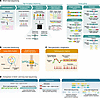
Modern genetic testing for neurodegenerative disorders relies on high-throughput next-generation sequencing (Figure 1). A vital technology in this field is SRS, which supports applications from targeted gene panels to WES and WGS, each offering increasingly comprehensive genomic coverage. Unlike the older Sanger sequencing method, which reads DNA fragments one at a time, next-generation SRS platforms fragment DNA into millions of parallel reads and sequence each simultaneously (8). At the same time, advancements in computational power have allowed quick realignment and analysis of the gigabases of genomic data generated by this platform. Recently, third-generation, or long-read, sequencing technologies have emerged, generating long, continuous reads that span tens of kilobases (9).
Overview of short- and long-read approaches for genetic analysis of neurodeFigure 1

Overview of short- and long-read approaches for genetic analysis of neurodegenerative disorders. (A) High-throughput short-read sequencing (SRS) involves the extraction and fragmentation of genomic DNA, adapter ligation, amplification, and massively parallel sequencing, generating millions of short fragments that are aligned to a reference genome. Sequencing can be performed in single-end mode — where each DNA fragment is read from one end only — or paired-end mode, where both fragment ends are sequenced, providing orientation and insert size information that aids in detecting small structural rearrangements. Coverage depth (the number of times a given base is sequenced) and coverage breadth (the proportion of the genome covered) influence variant detection sensitivity. Variant calling algorithms for structural variants utilize distinct signatures: read-pair signals detect discordant spacing or orientation between paired reads, split-read signals identify reads that align partially to two genomic regions, and relies on local increases or decreases in coverage. (B) Long-read sequencing (LRS) platforms, such as Pacific Biosciences (PacBio) and Oxford Nanopore Technologies (ONT), generate reads tens to hundreds of kilobases in length, enabling more contiguous genome assembly. PacBio sequencing relies on single-molecule, real-time detection of fluorescently labeled nucleotide incorporation, while ONT senses ionic current changes as DNA or RNA molecules traverse a nanopore. ZMW, zero-mode waveguide. (C) Optical genome mapping provides a high-resolution, sequence-independent view of chromosomal architecture. Ultra–high molecular weight DNA is fluorescently labeled at specific sequence motifs, linearized, and imaged in nanochannels. The resulting pattern of fluorescent labels creates a physical map of the genome. (D) Comparative overview of sequencing technologies: LRS does not require assembly, thus enabling comprehensive DNA structural variant discovery and full-length RNA sequencing to reconstruct complete transcript isoforms. LRS also allows direct epigenetic profiling, as native DNA molecules are sequenced without chemical conversion or amplification, allowing direct detection of DNA methylation and other base modifications from characteristic signal shifts. dNTP, deoxyribonucleoside triphosphate.

Targeted panels. Gene panels are the most common first-line diagnostic tests for neurodegenerative diseases. By sequencing curated gene sets with established clinical validity, these panels provide rapid, cost-effective detection of single nucleotide variants and small indels with high precision. Their primary value is clinical actionability: identifying a pathogenic variant within a gene linked to a particular disease establishes a molecular diagnosis, guides counseling, and may inform gene-targeted therapies. The yield is highest in suspected monogenic cases with clear genotype–phenotype correlations. Expert curation of the genes included on targeted panels is critical to ensuring clinical utility (https://clinicalgenome.org/) (10).

Interpretation of variants requires integration of variant- and gene-level evidence. The “ABC” framework distinguishes the likelihood that a variant impacts gene function (A) from the strength of gene–phenotype validity (B), enhanced with standard comments (C) (11). This strategy complements the American College of Medical Genetics–based (ACMG-based) classification (12), the international standard, and reduces misclassification in complex cases (13). Automated tools support the standardized application of ACMG guidelines and reduce interrater variability (14, 15), though expert review remains indispensable, especially in neurodegenerative disorders, where incomplete and age-dependent penetrance complicates counseling. Moreover, variants of unknown significance (VUS) classifications disproportionately affect individuals from non-European ancestries (16). Nonetheless, targeted panels remain the most practical entry point for clinical genetic testing in neurodegeneration, especially for disorders with known genetic architectures.

Whole-exome and whole-genome sequencing. Whole-exome and whole-genome sequencing (WES and WGS) are replacing targeted panels because of technological advances, lower costs, and their more comprehensive coverage. WES focuses on coding and splice site regions, capturing most known pathogenic variants (17, 18), but has inconsistent exon coverage and provides incomplete coverage of noncoding regions. WGS overcomes this limitation by providing uniform, unbiased coverage across nearly the entire genome. In addition, WGS improves detection in complex regions and can identify structural and repeat variants more effectively than karyotyping, microarrays, or multiplex ligation-dependent probe amplification (19, 20). Genome sequencing has a broad scope and long shelf life: existing WGS data can be reanalyzed as new genes are discovered, without the need for repeat sequencing. This shift has moved the bottleneck in genetic testing from variant detection to variant interpretation — specifically, distinguishing the few clinically meaningful variants from millions of benign ones (21).

LRS. LRS analyzes long DNA strands, providing a more comprehensive view of the genome than short-read methods (22). Two platforms lead the field: PacBio’s Single Molecule Real-Time monitors DNA synthesis in real-time by sequencing circular templates; Oxford Nanopore infers DNA sequences from electrical current disruptions as DNA molecules pass through nanopores. Both are rapidly improving but involve trade-offs in accuracy, cost, and throughput (22). The main advantage of LRS is its ability to resolve complex genomic features that short-read technologies cannot assess. For instance, recent assemblies using LRS have added over 200 million base pairs to the human reference genome, resolving repetitive and structurally complex regions that may contain variants linked to neurodegeneration (1). Additionally, by spanning entire repeat expansion regions, LRS can accurately measure repeat lengths, detect sequence interruptions, and reveal instability patterns (23). LRS applications go beyond DNA sequencing. Full-length RNA transcript sequencing reveals alternative isoforms that short-read RNA sequencing often misses. In addition, direct detection of DNA methylation with Oxford Nanopore allows the identification of imprinting defects and broader epigenetic dysregulation associated with neurological diseases (24).

LRS is poised to revolutionize neurogenetics and is increasingly used alongside SRS. Still, barriers like high costs, strict DNA input needs, higher error rates, less advanced bioinformatics pipelines, and less comprehensive reference databases hinder broader adoption, complicating the interpretation of complex variants.
Variant interpretation

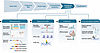
With this understanding of the available sequencing technologies, we now turn to variant interpretation (Figure 2 and Table 1 and Table 2). A simple approach is to report only confirmed pathogenic variants to the physician and patient. However, this may overlook a sea of complexity within which lies the potential to identify pathogenic variants and to improve diagnostic yields. Several strategies for interpreting variants exist, but none are perfect on their own. The field, therefore, emphasizes combining multiple data sources to assess pathogenicity.
Integrative variant filtering and functional validation strategies.Figure 2

Integrative variant filtering and functional validation strategies. After variant detection, successive filtering steps are applied to prioritize candidate variants. Functional validation integrates multiomics and experimental approaches to assess the biological impact of prioritized variants. (A) Transcriptomic validation by RNA sequencing (RNA-seq) can reveal molecular consequences of candidate variants at the transcript level. Abnormal expression of the affected gene may indicate altered transcriptional regulation or mRNA stability. Monoallelic expression suggests allelic imbalance, often due to nonsense-mediated decay or promoter methylation. Aberrant splicing may include exon skipping (canonical exons omitted), intron retention (intronic sequences retained due to splice site disruption), pseudoexon inclusion (cryptic intronic sequences aberrantly incorporated), or shortened or extended exons, resulting from alternative splice donor or acceptor usage. (B) Epigenomic methods assess DNA and chromatin modifications that influence gene expression. Bisulfite sequencing provides base-resolution maps of cytosine methylation. Assay for transposase-accessible chromatin sequencing (ATAC-seq) identifies regions of open chromatin, marking regulatory regions, such as promoters and enhancers. Chromatin immunoprecipitation sequencing (ChIP-seq) maps histone modifications or transcription factor binding. (C) Proteomic validation: Proteomic analyses evaluate the downstream impact of variants on protein abundance and function. Mass spectrometry can be used in qualitative modes to identify protein isoforms or posttranslational modifications and in quantitative modes to measure differential protein levels across samples. Complementary affinity-based platforms, such as Olink or SomaScan, provide targeted, high-throughput quantification using specific molecular binders. (D) In vivo and cellular validation: Functional assessment of variant pathogenicity often employs patient-derived samples, such as fibroblasts or induced pluripotent stem cells, which can be differentiated into disease-relevant cell types (e.g., neurons). CRISPR-based genome editing enables introduction or correction of variants to test causality, and rescue experiments — where reexpression of the wild-type allele restores normal function — provide strong evidence of pathogenicity.
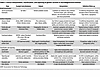
Table 1

Workflow for variant detection and annotation in neurodegenerative disease genetic analyses

Table 2

Clinical interpretation, classification, and reporting of genetic variants in neurodegenerative disease

Population frequency filtering. The first step in variant prioritization typically involves filtering out common polymorphisms by consulting large multiancestry population reference databases, like the Genome Aggregation Database (gnomAD; https://gnomad.broadinstitute.org/) (25) and Trans-Omics for Precision Medicine (TOPMed; https://topmed.nhlbi.nih.gov/) (26). For dominantly inherited disorders, variants with a minor allele frequency greater than 0.1% are usually excluded, while more lenient thresholds may be applied for recessive diseases (27). However, careful interpretation is crucial, as variants rare in one ancestry may be common in another. Reference datasets may also include carriers of risk alleles for late-onset neurodegenerative diseases (17). Furthermore, despite recent effort to improve the diversity of samples, non-European ancestries remain underrepresented in population datasets (16).

Predicting pathogenicity. Loss-of-function alleles, such as stop codons, frameshift indels, or canonical splice site variants, in genes already linked to neurodegenerative disease are generally considered pathogenic. However, healthy individuals can also carry loss-of-function alleles (28), which are typically benign. The pathogenicity of missense variants is more difficult to interpret. Early prediction tools relied on evolutionary conservation (29, 30) and protein structure data (31). Over time, many algorithms were developed (32), resulting in a crowded field without a clear consensus on the most reliable methods. Modern ensemble models improve performance by combining multiple algorithms (33–36) (Table 1). Recently, machine learning models, such as AlphaMissense (37) and ESM1b (38), trained on protein sequence, have shown promising results, though their widespread clinical utility remains untested (39). Benchmarking efforts, such as Critical Assessment of Genome Interpretation (40), highlight the strengths and limitations of these models, which are influenced by biases in training data and inaccuracies in reference annotations. Importantly, prediction scores alone do not confirm disease causality and should always be considered alongside other evidence.

Structural variants. Structural variants are genomic rearrangements larger than 50 base pairs, including deletions, duplications, insertions, inversions, translocations, and complex rearrangements. Structural variants play a crucial role in neurodevelopmental disorders (41, 42) and contribute to neurodegeneration (43). For instance, SNCA and APP copy number gains cause autosomal dominant Parkinson’s disease (44) and Alzheimer’s disease (45), respectively, via dosage effects, and the MAPT inversion characterizes major haplotypes associated with tauopathy (46). Genome-wide studies have identified pathogenic structural variants in known Alzheimer’s genes (SORL1, ABCA7, APP) (47), as well as variants in Lewy body dementia, ALS, and FTD (48). Including structural variant detection in WGS pipelines can greatly improve diagnostic yield and expand understanding of pathogenic mechanisms.

Detecting structural variants in short-read WGS data combines different signals using multialgorithm pipelines to enhance detection (49). As this approach is often considered cumbersome and imprecise, LRS is gaining acceptance for clinical use. Information on whether structural variants overlap coding regions or other known protein-altering DNA segments can help assess their pathogenicity. Conversely, interpreting structural variants that do not directly impact coding regions remains challenging. Nonetheless, population catalogs (50–53) integrating genomic and functional data are emerging to support this effort.

Repeat expansions. Short tandem repeat expansions (STRs) are a key cause of neurodegeneration (54). Classic examples include the [CAG]n expansion in HTT in Huntington’s disease (55) and the [GGGGCC]n hexanucleotide repeat expansion in C9orf72, which is the leading genetic cause of ALS and FTD (56). Traditional repeat expansion detection relied on targeted assays, such as repeat-primed PCR or Southern blotting, which are labor-intensive, locus specific, and unsuitable for broad diagnostic screening. WGS, combined with specialized computational tools such as ExpansionHunter (57, 58), can now estimate a repeat size even when expansions exceed the read length, transforming STR detection. These methods achieve remarkably high sensitivity and specificity (>97% and >99%, respectively) (59) across various loci and can be applied directly to existing short-read WGS datasets, enabling simultaneous assessment of multiple loci. Although PCR confirmation remains necessary for novel loci, the high precision of WGS-based repeat expansion detection, supported by large population-scale STR reference databases (60), reduces the need for additional laboratory-based validation.

Perhaps most notably, population-scale WGS has revealed the widespread presence and variability of STRs. Recent studies indicate that pathogenic-range expansions are more common than thought (61, 62), affecting about 1 in 283 people (59). Many carriers show no symptoms, which has clinical implications, supporting broader testing and suspicion in individuals with compatible phenotypes and requiring careful counseling of asymptomatic individuals (61).

Noncoding variants. A major hurdle in genome sequencing is assessing the pathogenicity of rare variants in noncoding regions. Initially, diagnostic efforts targeted only canonical splice sites. However, recent evidence indicates that pathogenic variants also occur in deep intronic regions, cryptic splice sites, and exonic splicing enhancers, often with effects as severe as protein-coding mutations (63). Advanced deep learning algorithms predict the disruptive effects of variants on splicing (64, 65), identifying mutations that may create cryptic or pseudoexons and that previously went undetected. In addition to splicing, WGS enables the detection of variants in regulatory elements, such as promoters, untranslated regions, enhancers, and noncoding RNA genes. Nevertheless, determining the pathogenicity of rare variants in these regions remains especially challenging in neurodegeneration because of the brain’s extensive alternative splicing, where even minor regulatory disturbances can have substantial effects. Emerging methods, such as intronic constraint metrics and the integration of chromatin accessibility and tissue-specific expression data, provide probabilistic insights into the impacts of noncoding variants but are primarily used in research contexts (66). Functional studies in disease-relevant cells — such as expression analysis, reporter assays, or CRISPR experiments — are essential for confirming noncoding variant effects.

mtDNA. WGS can offer reliable mitochondrial genome coverage, but its precise evaluation requires tailored pipelines that align circular DNA, account for nuclear homologs, and identify heteroplasmy. Pathogenic mtDNA variants have been observed in patients with neurological disorders (67), but they can also attenuate neurodegeneration (68). Since mtDNA variation increases with age and might indicate cell-specific dysregulation (69), analyzing neurons derived from accessible patient tissues can provide more relevant insights for disease interpretation.

Family-based studies. Family data are crucial for validating candidate variants. In early-onset disorders, parent–offspring trios quickly identify de novo variants, reduce the number of candidate variants, and help in phasing compound heterozygotes. However, trio studies are rarely feasible in late-onset neurodegeneration because the parents are unavailable. Although de novo mutations in genes like PRKN, APP, SOD1, and FUS have been documented (70–72), their overall significance remains uncertain (73, 74). Segregation analysis is valuable in multigenerational pedigrees but must consider age-related penetrance, variable expressivity, and phenocopies, which can obscure or falsely suggest cosegregation. LRS can enhance segregation studies by determining haplotype phase and parental origin. Finally, family studies can help in analyzing cases with multiple rare variants, as well as in assessing modifier effects and oligogenic risk.

Functional validation. Assessing the pathogenicity of new or uncertain significance variants requires some level of functional validation. Functional assays directly measure how variants affect gene expression, protein activity, or cellular pathways. Traditionally, these tests were conducted individually for each variant. However, the advent of multiplexed assays of variant effect (MAVEs) has enabled high-throughput testing of thousands of variants simultaneously. This is done by introducing large libraries of variants into model systems and analyzing the outcomes through sequencing-based readouts (75). Deep mutational scanning assesses how coding variants affect protein activity or stability, while massively parallel reporter assays examine the regulatory roles of noncoding variants. Together, these methods can create detailed sequence-function maps.

The clinical usefulness of MAVE data is progressing. Frameworks now incorporate MAVE data into ACMG classification (76, 77), and resources like MaveDB (https://www.mavedb.org) support gene-specific interpretation (78). Since MAVE evidence is independent of frequency, it is especially valuable for underrepresented populations, where VUS rates remain high (79). However, results depend heavily on assay design (75) and must be tailored to accurately reflect human neuronal biology and neurodegenerative mechanisms, as shown by MAVE-inspired models adapted for variants in LRRK2 (80) and APP (81). Definitive validation typically involves additional experiments using model organisms or patient-derived cells, such as employing CRISPR to introduce patient variants or creating isogenic controls to evaluate disease-related impacts on neuronal function and survival (82).

RNA-seq. RNA-seq analyzes gene expression, transcript integrity, and splicing to enhance variant classification and uncover disease mechanisms that DNA tests might miss (83). It increases diagnostic success in Mendelian disorders by 7% to over 30% by detecting abnormal RNA patterns, such as unusual expression, monoallelic expression, and splicing defects (84–89). Automated computational tools aid in identifying these phenomena (90–93). This is especially important in the brain, where alternative splicing plays a key role in defining neuronal identity (94) and is markedly altered in neurodegenerative diseases (95), as illustrated by the widespread cryptic exon inclusions in ALS caused by TDP-43 dysfunction (96).

Multiomics. Proteomics allows observation of genetic variants’ downstream effects by measuring protein levels and detecting unusual expression patterns. Consequently, proteomic data refine the interpretation of variants linked to genomic or transcriptomic findings (97). Coanalyzing RNA expression, protein levels, and other omics, such as DNA methylation, has resulted in small but meaningful improvements in diagnosis (97, 98). For example, proteomics can highlight pathogenic variants in mitochondrial disorders when DNA findings are inconclusive (97). Similarly, integrated transcriptomic and proteomic analyses in patient-derived cells resolve unsolved cases by uncovering splicing defects and protein dysregulation (98). Tissue context is crucial. Brain tissue is rarely accessible, but skin fibroblasts or blood cells can be alternatives. Neuronal cells can be derived from these via standard induced pluripotent stem cell protocols, which, though costly and time-consuming, enable studying neuronal transcripts and proteins. Notably, differentiation of induced pluripotent stem cells typically yields developmentally immature neurons. Direct transdifferentiation approaches (99), which convert somatic cells into neurons without a pluripotent intermediate, may better preserve age- and disease-associated cellular and epigenetic features.
Genetic testing: clinical setting

Integrating WGS into clinical practice requires balancing large genomic datasets with interpretation challenges. For neurological disorders, treating WGS as a versatile test within a structured, step-by-step diagnostic process improves outcomes and manages complexity (Table 2). Genetic counseling links the laboratory, neurologist, geneticist, and family, and it must be adaptable.

Genetic counseling. Consensus guidelines published by the ACMG and the AMP set standards and offer structured frameworks for classifying variants and informing patients (100). Interpreting these variants in neurodegenerative diseases is complicated by variable expressivity and incomplete penetrance (101), making counseling particularly difficult. Family-based estimates of penetrance often overstate risk because they come from cohorts with many affected individuals, whereas biobanks may underestimate risk because of healthier participants and limited phenotyping. Family history remains the most trusted risk assessment method. Evidence shows the impact of rare pathogenic variants largely depends on whether close relatives are affected (102). Consequently, a variant with moderate penetrance can imply very different risks in familial versus sporadic cases. Machine learning models are being developed to improve quantitative risk estimates (103). However, until disease-specific models become accessible, risk assessment should combine variant data with family history to prevent overdependence on population estimates.

Genetic testing. The decision of when to perform genetic testing is primarily guided by the diagnostic yield and clinical significance. On one hand, testing is crucial for patients with early-onset or familial diseases, such as many ataxias, choreiform disorders, and hereditary spastic paraplegias, where molecular confirmation resolves diagnostic uncertainty. Recently, the development of gene-targeted therapies has created new impetus for diagnostic testing. For instance, the availability of SOD1-targeted therapy has made testing a necessity in ALS cases (104). Similar trends are seen in Alzheimer’s disease, where APOE ε4 genotyping guides decisions about antiamyloid therapies (105). Overall, these advances mark a shift to genetically informed neurodegeneration care, where genetic results aid diagnosis and guide therapy. As precision treatments evolve, genetic counseling and testing will become increasingly vital components of neurological care. Importantly, even in the absence of direct therapeutic actionability, genetic testing may offer benefits that meaningfully influence patient decision-making, including improved diagnostic clarity, psychological well-being, informed life and family planning, cascade screening of relatives, access to support resources, and contribution to ongoing research (106, 107). Ultimately, genetic testing requires a multidimensional patient-centered approach that balances emerging but limited therapeutic opportunities with broader clinical and personal considerations (Table 3).

Table 3

Considerations for clinical application of genetic testing in neurodegenerative disease

Stepwise analysis. Clinical genetic testing typically starts with short-read WGS, followed by virtual panels for relevant genes based on the clinical phenotype. If these are inconclusive, the same data can be reanalyzed later without resequencing. LRS is often used next, especially for structural variants or pathogenic repeat expansions. Method choice depends on cost and disease complexity; surprisingly, sequential testing can be more expensive and less efficient than direct WGS, especially in complex neurodegenerative diseases with multiple variant types. For conditions with known genetic causes, targeted panels are still a practical first step.

Reanalysis. WGS data can be reinterpreted over time as genomic knowledge advances, enabling new diagnoses months or years later. This iterative, ongoing approach is crucial in neurodegenerative diseases, where understanding is incomplete but evolving, making WGS a long-term diagnostic resource. Systematic sequencing enables population-scale discoveries, deepening disease understanding and broadening genomic testing benefits beyond individuals. However, realizing this potential requires secure long-term data storage and coordinated systems for reinterpreting variants.

Incidental and secondary findings. The broad scope of WGS often uncovers findings beyond the primary clinical indication. Incidental findings may emerge unintentionally, while secondary findings are intentionally sought in curated lists of actionable genes. Guidelines vary on how to handle these (108). The ACMG recommends routinely reporting actionable variants for prevention and early intervention (109). In contrast, the European Society of Human Genetics prefers a narrower approach to unsolicited information (110). Thorough pretest counseling, explicit informed consent, and structured disclosures are essential to help patients understand the potential impact of secondary findings on their health and family decisions.

Genetic testing: research setting

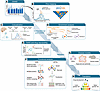
Here, we discuss how the genetic architecture of neurodegenerative diseases is being studied in research labs (Figure 3). The information is usually not immediately applicable to clinical practice, but it lays the groundwork for future clinical use. Therefore, it is essential to explain how these research procedures work so that clinicians can assess the reliability of data supporting their future clinical decisions.
From genome-wide association to functional and translational insights.Figure 3

From genome-wide association to functional and translational insights. (A) Genome-wide association studies (GWAS) identify common genetic variants associated with phenotypes. Significant associations, visualized as peaks in a Manhattan plot, highlight genomic loci linked to disease susceptibility but often encompass multiple correlated variants within linkage disequilibrium (LD) blocks. (B) Fine mapping integrates LD structure and effect sizes to calculate the posterior probability that each variant is causal. Conditional analysis iteratively accounts for the most important variants within a locus to identify independent association signals. (C) Colocalization analysis tests whether GWAS and molecular quantitative trait locus (QTL) signals share a common causal variant. Expression QTL (eQTL) mapping associates genetic variants with gene expression levels across tissues or cell types, helping prioritize effector genes and relevant biological contexts. (D) Aggregating signals across genes or pathways enables the identification of biological processes disproportionately affected by disease-associated variants. Gene set enrichment, tissue-specific expression profiling, and network-based methods reveal convergent mechanisms. (E) Transcriptome-wide association studies (TWAS) integrate GWAS summary statistics with reference transcriptomic data to infer associations between genetically predicted gene expression and disease. Integration with drug–gene interaction databases facilitates drug repurposing by identifying compounds that counteract disease-associated expression profiles or target implicated pathways. (F) High-throughput reporter-based assays, such as massively parallel reporter assays (MPRAs), test the regulatory activity of thousands of variants simultaneously, while deep mutational scanning (DMS) assesses the functional impact of coding variants on protein stability or activity. (G) Cellular and organismal models provide experimental validation of causal mechanisms. Patient-derived cells, patient-derived organoids, and genetically engineered animal models enable functional interrogation of candidate variants and pathways in disease-relevant systems. (H) Insights from GWAS and post-GWAS analyses inform therapeutic development and precision medicine. Polygenic risk scores integrate the cumulative effects of multiple variants to stratify disease risk and predict progression, while genetic insights guide drug discovery and repurposing efforts targeting causal genes or pathways.

GWAS. The unmatched workhorse for uncovering the genetic basis of neurodegenerative diseases is the GWAS. By comparing millions of genetic variants between affected and unaffected individuals in large cohorts (111), GWAS revealed that most age-related neurodegenerative disorders stem from the cumulative effect of many common variants. While each variant individually confers only a small increase in risk (4, 112–117), collectively they account for a large portion of heritability.

GWAS offers a unique view of neurodegenerative diseases but has limitations. Linkage disequilibrium causes GWAS signals to highlight large genomic regions instead of specific genes or variants. Many associations are in noncoding regulatory elements, implying risk stems from regulatory changes. Interpreting GWAS results, therefore, involves mapping signals to causal variants, effector genes, and pathways (118, 119). Proximity-based annotations can be misleading, as regulatory effects may span large genomic distances and are cell type specific. Incorporating functional genomics allows for variant- and gene-focused interpretation within network-level models of gene regulation (120–122). The following sections explore how geneticists connect genetic associations to robust biological data and, ultimately, actionable clinical insights.

Quantitative trait loci. A molecular quantitative trait locus (QTL) is a specific genetic site where variation influences a measurable cellular trait. The most common trait studied is expression, where an allele correlates with changes in the level of a particular transcript; these are called expression QTLs (eQTLs). Other trait loci include alternative splicing, protein levels, and DNA methylation, among others. When a GWAS signal overlaps with a molecular QTL in a relevant tissue, it strongly suggests the mechanism by which the GWAS signal affects the cell and contributes to disease (123). This often also points to a potential causal gene in the region. Colocalization analysis, combining GWAS and molecular QTLs, is key for understanding association signals. However, genetic variants influence molecular traits differently across tissues and cell types, and these biological contexts must be taken into account (124, 125).

Transcriptome- and proteome-wide association studies. Transcriptome- and proteome-wide association studies (126, 127) utilize QTL reference panels to link genetically predicted gene expression or protein abundance to disease risk. Essentially, TWAS combines eQTL data with GWAS effect sizes to assess whether predicted gene expression is associated with disease susceptibility. This approach often identifies potential effector genes even when the causal variants are unclear. TWAS also allows for estimating neuronal and glial expression at disease onset without requiring brain biopsies (128). These frameworks have also been used to demonstrate that many genetic risk factors involved operate outside the central nervous system, for example, implicating monocytes in Parkinson’s disease (129).

Genetic pleiotropy and causal analysis. Making GWAS results publicly accessible, whether as individual genome data or summary statistics, has been vital for advancing large-scale genetic research. Pooling summary data across multiple studies in meta-analyses enhances the detection of genetic signals and lowers false-positive rates (130). Cross-trait genetic correlations have expanded our knowledge of pleiotropy in neurodegeneration, uncovering overlaps among Alzheimer’s disease, Parkinson’s disease, and the ALS-FTD spectrum (131). Mendelian randomization helps identify causal links between diseases and traits (132), including modifiable factors (133, 134). In neurodegeneration, it has revealed the involvement of lipid metabolism (135–137) and circulating inflammation biomarkers (138–140) and highlights potential risk proteins (141). Most importantly, using summary data speeds up drug development by enabling systematic colocalization of disease loci with drug targets (142, 143) or simulating drug effects via Mendelian randomization (135, 144, 145). Robust conclusions, however, depend on thorough sensitivity analyses and transparent reporting (146, 147).

Limitations of GWAS. Despite progress, GWAS approaches still face several limitations. Most GWAS focus on European-ancestry cohorts, limiting the generalizability of the results and impeding the discovery of new risk loci. Progress is also hampered by restrictions on sharing DNA samples and GWAS summary statistics. Furthermore, the ability of GWAS to detect an association signal of low effect depends on sample size and the accuracy of the clinical phenotyping of the included samples. In this regard, the recent trend of using proxy phenotypes, such as family history or electronic health record codes, instead of neuropathologically or biomarker-confirmed diagnoses, is concerning because it introduces heterogeneity and misclassification (148). Emerging designs address these issues by focusing on quantitative endophenotypes more closely linked to disease pathology. For example, GWAS of cerebrospinal fluid biomarkers identified loci associated with amyloid processing or tau phosphorylation (149, 150), revealing previously unrecognized mechanistic subtypes in Alzheimer’s disease. Similar strategies utilizing neuropathology (151); neuroimaging (152, 153); or clinical features, such as disease-specific age at onset (154) or progression measures (155), can reduce heterogeneity, enhance biological interpretability, and shed light on early pathogenic processes.

Polygenic risk. Individual GWAS loci have limited predictive value and are of minimal use in clinical settings. PRS address this issue by capturing the genetic complexity of neurodegenerative diseases, where many variants interact to influence risk. Essentially, a PRS sums the effects of these variants to estimate an individual’s inherited disease risk (156, 157). This approach has proven effective in neurodegeneration: individuals in the highest PRS percentiles for Alzheimer’s disease face several times greater odds of developing the disease than those at median levels (158–160). Currently, PRS is mainly used in research to stratify individuals enrolled in biomarker studies, clinical trials, and observational cohorts. Recent studies suggest that adjusting for polygenic backgrounds also improves the analysis of rare variants (161). In neurodegeneration, disease-specific PRS enable prediction of the effect of highly penetrant LRRK2 mutations (162) and explain differences in age of onset among APOE ε4 allele (163) and C9orf72 expansion carriers (143). However, clinical use remains limited because PRS’s predictive power is still modest, constrained by incomplete knowledge of disease genetics and the exclusion of environmental factors (164, 165). Additionally, the transferability of PRS across diverse populations is limited by variations in allele frequencies and linkage disequilibrium, despite some recent progress (166, 167). As PRS will undoubtedly be increasingly used in clinical settings, it will be paramount to provide careful counseling and to clearly communicate the uncertainties associated with these scores (165, 168, 169).

Novel approaches. Bulk RNA-seq may obscure cell type effects in brain disorders, where neurons, glia, and vascular cells differ in function and vulnerability. Techniques like single-cell and single-nucleus sequencing reveal cell type–specific variants, vulnerabilities, and disease-related cellular states, including responses to tau in neurofibrillary tangles in Alzheimer’s disease (170). Spatial transcriptomics is an emerging technology that preserves tissue architecture while mapping gene expression, enabling precise visualization of gene activity at the cellular level across the brain (171). Analyses of spatial transcriptomes have indicated that immune activation and microglial upregulation occur before motor neuron loss in ALS (172). In Alzheimer’s disease, proximity-based studies of amyloid plaques have shown that involvement of myelin and oligodendrocytes happens earlier than previously believed. Additionally, a multicellular pattern with complement activity, inflammation, and oxidative stress was detected mainly in later stages (173, 174). There is growing hope that this information can enhance our understanding of how patient variants from WGS impact biology, especially if large datasets become publicly accessible.

Artificial intelligence. Artificial intelligence (AI) is becoming increasingly vital for translating genomic information into results that can be used clinically (175). Specifically, machine learning techniques improve variant analysis and genotype–phenotype correlation, while natural language processing accelerates curation by extracting important clinical and literature details (Tables 4 and 5) (176). Large language models have the potential to enhance communication before and after testing and might even assist in identifying patients who could benefit from genetic evaluation (176, 177). In the future, incorporating AI into current systems is expected to reduce uncertainty and promote equity and transparency, though human oversight will continue to be necessary for the foreseeable future.
Table 4

AI applications in the genetic analysis of neurodegenerative diseases: clinical applications

Table 5

AI applications in the genetic analysis of neurodegenerative diseases: research applications

Conclusion

The increased availability of WGS and LRS is transforming genetic testing from research into an essential component of clinical evaluation. As genomic testing becomes more common, interpretation must use structured frameworks that incorporate variant data, phenotype information, family history, and molecular plausibility. This shift necessitates thorough pre- and posttest counseling to manage uncertain findings, incomplete penetrance, and secondary results, thereby ensuring genomic data support clinical decisions. Additionally, the gap between research and clinical practice is closing, driven by advances in genomics and multiomics technologies. These innovations are enhancing our understanding of neurodegeneration. Continued progress relies on collaboration among neurologists, geneticists, data scientists, and molecular biologists, working together to interpret genomic data within a biological framework. Ultimately, such interdisciplinary efforts will foster a more biologically based approach to diagnosing neurodegenerative diseases and usher in the era of precision medicine.

Author contributions

MG and SWS conceptualized the outline of the review article. MG wrote the initial draft of the manuscript and designed display items. ABS, BJT, and SWS critically reviewed and edited the manuscript.

Funding support

This work is the result of NIH funding, in whole or in part, and is subject to the NIH Public Access Policy. Through acceptance of this federal funding, the NIH has been given a right to make the work publicly available in PubMed Central.

  • Intramural Research Program of the NIH (program: ZIANS003154, ZIAAG000933).
Acknowledgments

The contributions of the NIH authors were made as part of their official duties as NIH federal employees, are in compliance with agency policy requirements, and are considered works of the United States Government. However, the findings and conclusions presented in this paper are those of the authors and do not necessarily reflect the views of the NIH or the US Department of Health and Human Services.

Address correspondence to: Sonja W. Scholz, Neurodegenerative Diseases Research Section, National Institute of Neurological Disorders and Stroke, Porter Neuroscience Research Building, 35 Convent Drive, Rm 1B-205, Bethesda, Maryland 20892, USA. Phone: 1.301.451.0934; Email: sonja.scholz@nih.gov.

Footnotes

Conflict of interest: SWS and BJT received research support from Cerevel Therapeutics (AbbVie). SWS and BJT filed a patent application (US Patent Application No. 63/717,807) on the diagnostic testing for amyotrophic lateral sclerosis based on proteomic data. SWS and BJT have filed a provisional patent application on the diagnostic testing for Parkinson’s disease based on proteomic data (US Patent Application No. 63/891,917). BJT holds patents on the clinical testing and therapeutic intervention for the hexanucleotide repeat expansion of C9orf72 (US Patent Application No. US9896729B2). BJT is an editorial and advisory board member for Brain, eClinicalMedicine, and the Journal of Neurology, Neurosurgery, and Psychiatry. SWS is a scientific advisory board member of the Lewy Body Dementia Association, Mission MSA, and the GBA1 Canada Initiative. SWS is an editorial board member of the Journal of Parkinson’s Disease and JAMA Neurology.

Copyright: © 2026, Grassano et al. This is an open access article published under the terms of the Creative Commons Attribution 4.0 International License.

Reference information: J Clin Invest. 2026;136(7):e199840. https://doi.org/10.1172/JCI199840.

References
  1. Nurk S, et al. The complete sequence of a human genome. Science. 2022;376(6588):44–53.
    View this article via: CrossRef PubMed Google Scholar
  2. Santos Gonzalez F, et al. Microcosting diagnostic genomic sequencing: a systematic review. Genet Med. 2023;25(6):100829.
    View this article via: CrossRef PubMed Google Scholar
  3. Wojcik MH, et al. Genome sequencing for diagnosing rare diseases. N Engl J Med. 2024;390(21):1985–1997.
    View this article via: CrossRef PubMed Google Scholar
  4. Andrews SJ, et al. The complex genetic architecture of Alzheimer’s disease: novel insights and future directions. EBioMedicine. 2023;90:104511.
    View this article via: CrossRef PubMed Google Scholar
  5. Ye H, et al. Genetics and pathogenesis of Parkinson’s Syndrome. Annu Rev Pathol. 2023;18(1):95–121.
    View this article via: CrossRef PubMed Google Scholar
  6. Pottier C, et al. Deciphering distinct genetic risk factors for FTLD-TDP pathological subtypes via whole-genome sequencing. Nat Commun. 2025;16(1):3914.
    View this article via: CrossRef PubMed Google Scholar
  7. Paul RA, et al. Preimplantation genetic testing for adult-onset neurodegenerative disease: considerations for access, utilization, and counseling. Neurology. 2023;101(19):836–841.
    View this article via: CrossRef PubMed Google Scholar
  8. Slatko BE, et al. Overview of next-generation sequencing technologies. Curr Protoc Mol Biol. 2018;122(1):e59.
    View this article via: CrossRef PubMed Google Scholar
  9. Warburton PE, Sebra RP. Long-read DNA sequencing: recent advances and remaining challenges. Annu Rev Genomics Hum Genet. 2023;24(1):109–132.
    View this article via: CrossRef PubMed Google Scholar
  10. Consortium C. The Clinical Genome Resource (ClinGen): Advancing genomic knowledge through global curation. Genet Med. 2025;27(1):101228.
    View this article via: CrossRef PubMed Google Scholar
  11. Houge G, et al. Stepwise ABC system for classification of any type of genetic variant. Eur J Hum Genet. 2022;30(2):150–159.
    View this article via: CrossRef PubMed Google Scholar
  12. Tavtigian SV, et al. Modeling the ACMG/AMP variant classification guidelines as a Bayesian classification framework. Genet Med. 2018;20(9):1054–1060.
    View this article via: CrossRef PubMed Google Scholar
  13. Houge G, et al. Comparison of the ABC and ACMG systems for variant classification. Eur J Hum Genet. 2024;32(7):858–863.
    View this article via: CrossRef PubMed Google Scholar
  14. Kopanos C, et al. VarSome: the human genomic variant search engine. Bioinformatics. 2019;35(11):1978–1980.
    View this article via: CrossRef PubMed Google Scholar
  15. Li Q, InterVar WK. InterVar: clinical interpretation of genetic variants by the 2015 ACMG-AMP Guidelines. Am J Hum Genet. 2017;100(2):267–280.
    View this article via: CrossRef PubMed Google Scholar
  16. Chen E, et al. Rates and classification of variants of uncertain significance in hereditary disease genetic testing. JAMA Netw Open. 2023;6(10):e2339571.
    View this article via: CrossRef PubMed Google Scholar
  17. Rexach J, et al. Clinical application of next-generation sequencing to the practice of neurology. Lancet Neurol. 2019;18(5):492–503.
    View this article via: CrossRef PubMed Google Scholar
  18. Foo JN, et al. Whole-genome and whole-exome sequencing in neurological diseases. Nat Rev Neurol. 2012;8(9):508–517.
    View this article via: CrossRef PubMed Google Scholar
  19. Lionel AC, et al. Improved diagnostic yield compared with targeted gene sequencing panels suggests a role for whole-genome sequencing as a first-tier genetic test. Genet Med. 2018;20(4):435–443.
    View this article via: CrossRef PubMed Google Scholar
  20. Pagnamenta AT, et al. Structural and non-coding variants increase the diagnostic yield of clinical whole genome sequencing for rare diseases. Genome Med. 2023;15(1):94.
    View this article via: CrossRef PubMed Google Scholar
  21. Cooper GM, Shendure J. Needles in stacks of needles: finding disease-causal variants in a wealth of genomic data. Nat Rev Genet. 2011;12(9):628–640.
    View this article via: CrossRef PubMed Google Scholar
  22. Logsdon GA, et al. Long-read human genome sequencing and its applications. Nat Rev Genet. 2020;21(10):597–614.
    View this article via: CrossRef PubMed Google Scholar
  23. Stevanovski I, et al. Comprehensive genetic diagnosis of tandem repeat expansion disorders with programmable targeted nanopore sequencing. Sci Adv. 2022;8(9):eabm5386.
    View this article via: CrossRef PubMed Google Scholar
  24. Yamada M, et al. Diagnosis of Prader-Willi syndrome and Angelman syndrome by targeted nanopore long-read sequencing. Eur J Med Genet. 2023;66(2):104690.
    View this article via: CrossRef PubMed Google Scholar
  25. Gudmundsson S, et al. Variant interpretation using population databases: Lessons from gnomAD. Hum Mutat. 2022;43(8):1012–1030.
    View this article via: CrossRef PubMed Google Scholar
  26. Taliun D, et al. Sequencing of 53,831 diverse genomes from the NHLBI TOPMed Program. Nature. 2021;590(7845):290–299.
    View this article via: CrossRef PubMed Google Scholar
  27. Bamshad MJ, et al. Exome sequencing as a tool for Mendelian disease gene discovery. Nat Rev Genet. 2011;12(11):745–755.
    View this article via: CrossRef PubMed Google Scholar
  28. MacArthur DG, et al. A systematic survey of loss-of-function variants in human protein-coding genes. Science. 2012;335(6070):823–828.
    View this article via: CrossRef PubMed Google Scholar
  29. Adzhubei IA, et al. A method and server for predicting damaging missense mutations. Nat Methods. 2010;7(4):248–249.
    View this article via: CrossRef PubMed Google Scholar
  30. Ng PC, Sift HS. SIFT: Predicting amino acid changes that affect protein function. Nucleic Acids Res. 2003;31(13):3812–3814.
    View this article via: CrossRef PubMed Google Scholar
  31. Pejaver V, et al. Inferring the molecular and phenotypic impact of amino acid variants with MutPred2. Nat Commun. 2020;11(1):5918.
    View this article via: CrossRef PubMed Google Scholar
  32. Katsonis P, et al. Genome interpretation using in silico predictors of variant impact. Hum Genet. 2022;141(10):1549–1577.
    View this article via: CrossRef PubMed Google Scholar
  33. Ioannidis NM, et al. REVEL: an ensemble method for predicting the pathogenicity of rare missense variants. Am J Hum Genet. 2016;99(4):877–885.
    View this article via: CrossRef PubMed Google Scholar
  34. Kircher M, et al. A general framework for estimating the relative pathogenicity of human genetic variants. Nat Genet. 2014;46(3):310–315.
    View this article via: CrossRef PubMed Google Scholar
  35. Rentzsch P, et al. CADD: predicting the deleteriousness of variants throughout the human genome. Nucleic Acids Res. 2019;47(d1):D886–D894.
    View this article via: CrossRef PubMed Google Scholar
  36. Liu X, et al. dbNSFP v4: a comprehensive database of transcript-specific functional predictions and annotations for human nonsynonymous and splice-site SNVs. Genome Med. 2020;12(1):103.
    View this article via: CrossRef PubMed Google Scholar
  37. Cheng J, et al. Accurate proteome-wide missense variant effect prediction with AlphaMissense. Science. 2023;381(6664):eadg7492.
    View this article via: CrossRef PubMed Google Scholar
  38. Brandes N, et al. Genome-wide prediction of disease variant effects with a deep protein language model. Nat Genet. 2023;55(9):1512–1522.
    View this article via: CrossRef PubMed Google Scholar
  39. Katsonis P, Lichtarge O. Meta-EA: a gene-specific combination of available computational tools for predicting missense variant effects. Nat Commun. 2025;16(1):159.
    View this article via: CrossRef PubMed Google Scholar
  40. Assessment C. CAGI, the Critical Assessment of Genome Interpretation, establishes progress and prospects for computational genetic variant interpretation methods. Genome Biol. 2024;25(1):53.
    View this article via: CrossRef PubMed Google Scholar
  41. Marshall CR, et al. Structural variation of chromosomes in autism spectrum disorder. Am J Hum Genet. 2008;82(2):477–488.
    View this article via: CrossRef PubMed Google Scholar
  42. Brandler WM, et al. Paternally inherited cis-regulatory structural variants are associated with autism. Science. 2018;360(6386):327–331.
    View this article via: CrossRef PubMed Google Scholar
  43. Vialle RA, et al. Structural variants linked to Alzheimer’s disease and other common age-related clinical and neuropathologic traits. Genome Med. 2025;17(1):20.
    View this article via: CrossRef PubMed Google Scholar
  44. Chiba-Falek O. Structural variants in SNCA gene and the implication to synucleinopathies. Curr Opin Genet Dev. 2017;44:110–116.
    View this article via: CrossRef PubMed Google Scholar
  45. Rovelet-Lecrux A, et al. APP locus duplication causes autosomal dominant early-onset Alzheimer disease with cerebral amyloid angiopathy. Nat Genet. 2006;38(1):24–26.
    View this article via: CrossRef PubMed Google Scholar
  46. Strang KH, et al. MAPT mutations, tauopathy, and mechanisms of neurodegeneration. Lab Invest. 2019;99(7):912–928.
    View this article via: CrossRef PubMed Google Scholar
  47. Wang H, et al. Structural variation detection and association analysis of whole-genome-sequence data from 16,543 Alzheimer’s disease sequencing project subjects. Alzheimers Dement. 2025;21(6):e70277.
    View this article via: CrossRef PubMed Google Scholar
  48. Kaivola K, et al. Genome-wide structural variant analysis identifies risk loci for non-Alzheimer’s dementias. Cell Genom. 2023;3(6):100316.
    View this article via: CrossRef PubMed Google Scholar
  49. Coutelier M, et al. Combining callers improves the detection of copy number variants from whole-genome sequencing. Eur J Hum Genet. 2022;30(2):178–186.
    View this article via: CrossRef PubMed Google Scholar
  50. Hertzberg J, et al. TADA-a machine learning tool for functional annotation-based prioritisation of pathogenic CNVs. Genome Biol. 2022;23(1):67.
    View this article via: CrossRef PubMed Google Scholar
  51. Zhang L, et al. X-CNV: genome-wide prediction of the pathogenicity of copy number variations. Genome Med. 2021;13(1):132.
    View this article via: CrossRef PubMed Google Scholar
  52. Geoffroy V, et al. AnnotSV: an integrated tool for structural variations annotation. Bioinformatics. 2018;34(20):3572–3574.
    View this article via: CrossRef PubMed Google Scholar
  53. Kleinert P, Kircher M. A framework to score the effects of structural variants in health and disease. Genome Res. 2022;32(4):766–777.
    View this article via: CrossRef PubMed Google Scholar
  54. Depienne C, Mandel JL. 30 years of repeat expansion disorders: What have we learned and what are the remaining challenges? Am J Hum Genet. 2021;108(5):764–785.
    View this article via: CrossRef PubMed Google Scholar
  55. No authors listed. A novel gene containing a trinucleotide repeat that is expandedunstable on Huntington’s disease chromosomes. A novel gene containing a trinucleotide repeat that is expanded and unstable on Huntington’s disease chromosomes. The Huntington’s Disease Collaborative Research Group. Cell. 1993;72(6):971–983.
    View this article via: CrossRef PubMed Google Scholar
  56. Renton AE, et al. A hexanucleotide repeat expansion in C9ORF72 is the cause of chromosome 9p21-linked ALS-FTD. Neuron. 2011;72(2):257–268.
    View this article via: CrossRef PubMed Google Scholar
  57. Dolzhenko E, et al. ExpansionHunter: a sequence-graph-based tool to analyze variation in short tandem repeat regions. Bioinformatics. 2019;35(22):4754–4756.
    View this article via: CrossRef PubMed Google Scholar
  58. Dolzhenko E, et al. Detection of long repeat expansions from PCR-free whole-genome sequence data. Genome Res. 2017;27(11):1895–1903.
    View this article via: CrossRef PubMed Google Scholar
  59. Ibanez K, et al. Whole genome sequencing for the diagnosis of neurological repeat expansion disorders in the UK: a retrospective diagnostic accuracy and prospective clinical validation study. Lancet Neurol. 2022;21(3):234–245.
    View this article via: CrossRef PubMed Google Scholar
  60. Cui Y, et al. A genome-wide spectrum of tandem repeat expansions in 338,963 humans. Cell. 2024;187(9):2336–2341.
    View this article via: CrossRef PubMed Google Scholar
  61. Ibanez K, et al. Increased frequency of repeat expansion mutations across different populations. Nat Med. 2024;30(11):3357–3368.
    View this article via: CrossRef PubMed Google Scholar
  62. Zanovello M, et al. Unexpected frequency of the pathogenic AR CAG repeat expansion in the general population. Brain. 2023;146(7):2723–2729.
    View this article via: CrossRef PubMed Google Scholar
  63. Vaz-Drago R, et al. Deep intronic mutations and human disease. Hum Genet. 2017;136(9):1093–1111.
    View this article via: CrossRef PubMed Google Scholar
  64. Zeng T, Li YI. Predicting RNA splicing from DNA sequence using Pangolin. Genome Biol. 2022;23(1):103.
    View this article via: CrossRef PubMed Google Scholar
  65. Jaganathan K, et al. Predicting splicing from primary sequence with deep learning. Cell. 2019;176(3):535–548.
    View this article via: CrossRef PubMed Google Scholar
  66. Li MJ, et al. Exploring the function of genetic variants in the non-coding genomic regions: approaches for identifying human regulatory variants affecting gene expression. Brief Bioinform. 2015;16(3):393–412.
    View this article via: CrossRef PubMed Google Scholar
  67. Poole OV, et al. Mitochondrial DNA analysis from exome sequencing data improves diagnostic yield in neurological diseases. Ann Neurol. 2021;89(6):1240–1247.
    View this article via: CrossRef PubMed Google Scholar
  68. Miller B, et al. Humanin variant P3S is associated with longevity in APOE4 carriers and resists APOE4-induced brain pathology. Aging Cell. 2024;23(7):e14153.
    View this article via: CrossRef PubMed Google Scholar
  69. Bender A, et al. High levels of mitochondrial DNA deletions in substantia nigra neurons in aging and Parkinson disease. Nat Genet. 2006;38(5):515–517.
    View this article via: CrossRef PubMed Google Scholar
  70. Kun-Rodrigues C, et al. A systematic screening to identify de novo mutations causing sporadic early-onset Parkinson’s disease. Hum Mol Genet. 2015;24(23):6711–6720.
    View this article via: CrossRef PubMed Google Scholar
  71. Portet F, et al. Very early onset AD with a de novo mutation in the presenilin 1 gene (Met 233 Leu). Neurology. 2003;61(8):1136–1137.
    View this article via: CrossRef PubMed Google Scholar
  72. Hubers A, et al. De novo FUS mutations are the most frequent genetic cause in early-onset German ALS patients. Neurobiol Aging. 2015;36(11):3117.e1–3117.e6.
    View this article via: CrossRef PubMed Google Scholar
  73. Nicolas G, Veltman JA. The role of de novo mutations in adult-onset neurodegenerative disorders. Acta Neuropathol. 2019;137(2):183–207.
    View this article via: CrossRef PubMed Google Scholar
  74. van Doormaal PTC, et al. The role of de novo mutations in the development of amyotrophic lateral sclerosis. Hum Mutat. 2017;38(11):1534–1541.
    View this article via: CrossRef PubMed Google Scholar
  75. McEwen AE, et al. Multiplexed assays of variant effect for clinical variant interpretation. Nat Rev Genet. 2025;27(2):137–154.
    View this article via: CrossRef PubMed Google Scholar
  76. Brnich SE, et al. Recommendations for application of the functional evidence PS3/BS3 criterion using the ACMG/AMP sequence variant interpretation framework. Genome Med. 2019;12(1):3.
    View this article via: CrossRef PubMed Google Scholar
  77. Gelman H, et al. Recommendations for the collection and use of multiplexed functional data for clinical variant interpretation. Genome Med. 2019;11(1):85.
    View this article via: CrossRef PubMed Google Scholar
  78. Esposito D, et al. MaveDB: an open-source platform to distribute and interpret data from multiplexed assays of variant effect. Genome Biol. 2019;20(1):223.
    View this article via: CrossRef PubMed Google Scholar
  79. Dawood M, et al. Using multiplexed functional data to reduce variant classification inequities in underrepresented populations. Genome Med. 2024;16(1):143.
    View this article via: CrossRef PubMed Google Scholar
  80. Kalogeropulou AF, et al. Impact of 100 LRRK2 variants linked to Parkinson’s disease on kinase activity and microtubule binding. Biochem J. 2022;479(17):1759–1783.
    View this article via: CrossRef PubMed Google Scholar
  81. Marsh JA, et al. Evaluating pathogenicity of variants of unknown significance in APP, PSEN1, and PSEN2. Neurotherapeutics. 2025;22(3):e00527.
    View this article via: CrossRef PubMed Google Scholar
  82. Guo H, et al. Deciphering pathogenicity of variants of uncertain significance with CRISPR-edited iPSCs. Trends Genet. 2021;37(12):1109–1123.
    View this article via: CrossRef PubMed Google Scholar
  83. Murdock DR, et al. Transcriptome-directed analysis for Mendelian disease diagnosis overcomes limitations of conventional genomic testing. J Clin Invest. 2021;131(1):e141500141500.
    View this article via: JCI CrossRef PubMed Google Scholar
  84. Cummings BB, et al. Improving genetic diagnosis in Mendelian disease with transcriptome sequencing. Sci Transl Med. 2017;9(386):eaal5209.
    View this article via: CrossRef PubMed Google Scholar
  85. Fresard L, et al. Identification of rare-disease genes using blood transcriptome sequencing and large control cohorts. Nat Med. 2019;25(6):911–919.
    View this article via: CrossRef PubMed Google Scholar
  86. Gonorazky HD, et al. Expanding the boundaries of RNA sequencing as a diagnostic tool for rare mendelian disease. Am J Hum Genet. 2019;104(5):1007.
    View this article via: CrossRef PubMed Google Scholar
  87. Kremer LS, et al. Genetic diagnosis of Mendelian disorders via RNA sequencing. Nat Commun. 2017;8:15824.
    View this article via: CrossRef PubMed Google Scholar
  88. Yepez VA, et al. Clinical implementation of RNA sequencing for Mendelian disease diagnostics. Genome Med. 2022;14(1):38.
    View this article via: CrossRef PubMed Google Scholar
  89. Lee H, et al. Diagnostic utility of transcriptome sequencing for rare Mendelian diseases. Genet Med. 2020;22(3):490–499.
    View this article via: CrossRef PubMed Google Scholar
  90. Brechtmann F, et al. OUTRIDER: a statistical method for detecting aberrantly expressed genes in RNA sequencing data. Am J Hum Genet. 2018;103(6):907–917.
    View this article via: CrossRef PubMed Google Scholar
  91. Jenkinson G, et al. LeafCutterMD: an algorithm for outlier splicing detection in rare diseases. Bioinformatics. 2020;36(17):4609–4615.
    View this article via: CrossRef PubMed Google Scholar
  92. Mertes C, et al. Detection of aberrant splicing events in RNA-seq data using FRASER. Nat Commun. 2021;12(1):529.
    View this article via: CrossRef PubMed Google Scholar
  93. Yepez VA, et al. Detection of aberrant gene expression events in RNA sequencing data. Nat Protoc. 2021;16(2):1276–1296.
    View this article via: CrossRef PubMed Google Scholar
  94. Li D, et al. Neurodegenerative diseases: a hotbed for splicing defects and the potential therapies. Transl Neurodegener. 2021;10(1):16.
    View this article via: CrossRef PubMed Google Scholar
  95. Nikom D, Zheng S. Alternative splicing in neurodegenerative disease and the promise of RNA therapies. Nat Rev Neurosci. 2023;24(8):457–473.
    View this article via: CrossRef PubMed Google Scholar
  96. Ling JP, et al. TDP-43 repression of nonconserved cryptic exons is compromised in ALS-FTD. Science. 2015;349(6248):650–655.
    View this article via: CrossRef PubMed Google Scholar
  97. Hock DH, et al. Untargeted proteomics enables ultra-rapid variant prioritisation in mitochondrial and other rare diseases. Genome Med. 2025;17(1):58.
    View this article via: CrossRef PubMed Google Scholar
  98. Lunke S, et al. Integrated multi-omics for rapid rare disease diagnosis on a national scale. Nat Med. 2023;29(7):1681–1691.
    View this article via: CrossRef PubMed Google Scholar
  99. Mollinari C, et al. Transdifferentiation: a new promise for neurodegenerative diseases. Cell Death Dis. 2018;9(8):830.
    View this article via: CrossRef PubMed Google Scholar
  100. Richards S, et al. Standards and guidelines for the interpretation of sequence variants: a joint consensus recommendation of the American College of Medical Genetics and Genomics and the Association for Molecular Pathology. Genet Med. 2015;17(5):405–424.
    View this article via: CrossRef PubMed Google Scholar
  101. Xiao X, et al. APP, PSEN1, and PSEN2 variants in alzheimer’s disease: systematic re-evaluation according to ACMG Guidelines. Front Aging Neurosci. 2021;13:695808.
    View this article via: CrossRef PubMed Google Scholar
  102. Jackson L, et al. Influence of family history on penetrance of hereditary cancers in a population setting. EClinicalMedicine. 2023;64:102159.
    View this article via: CrossRef PubMed Google Scholar
  103. Forrest IS, et al. Machine learning-based penetrance of genetic variants. Science. 2025;389(6763):eadm7066.
    View this article via: CrossRef PubMed Google Scholar
  104. Miller TM, et al. Trial of antisense oligonucleotide tofersen for SOD1 ALS. N Engl J Med. 2022;387(12):1099–1110.
    View this article via: CrossRef PubMed Google Scholar
  105. Cummings J, et al. Lecanemab: appropriate use recommendations. J Prev Alzheimers Dis. 2023;10(3):362–377.
    View this article via: CrossRef PubMed Google Scholar
  106. Lerner B, et al. The value of genetic testing: beyond clinical utility. Genet Med. 2017;19(7):763–771.
    View this article via: CrossRef PubMed Google Scholar
  107. Lee CL, et al. Understanding genetic screening: harnessing health information to prevent disease risks. Int J Med Sci. 2025;22(4):903–919.
    View this article via: CrossRef PubMed Google Scholar
  108. Majeed S, et al. International policies guiding the selection, analysis, and clinical management of secondary findings from genomic sequencing: A systematic review. Am J Hum Genet. 2024;111(10):2079–2093.
    View this article via: CrossRef PubMed Google Scholar
  109. Miller DT, et al. ACMG SF v3.2 list for reporting of secondary findings in clinical exome and genome sequencing: A policy statement of the American College of Medical Genetics and Genomics (ACMG). Genet Med. 2023;25(8):100866.
    View this article via: CrossRef PubMed Google Scholar
  110. de Wert G, et al. Opportunistic genomic screening. Recommendations of the European Society of Human Genetics. Eur J Hum Genet. 2021;29(3):365–377.
    View this article via: CrossRef PubMed Google Scholar
  111. Visscher PM, et al. 10 years of GWAS discovery: biology, function, and translation. Am J Hum Genet. 2017;101(1):5–22.
    View this article via: CrossRef PubMed Google Scholar
  112. Chia R, et al. Genome sequence analyses identify novel risk loci for multiple system atrophy. Neuron. 2024;112(13):2142–2156.
    View this article via: CrossRef PubMed Google Scholar
  113. Kim JJ, et al. Multi-ancestry genome-wide association meta-analysis of Parkinson’s disease. Nat Genet. 2024;56(1):27–36.
    View this article via: CrossRef PubMed Google Scholar
  114. Chia R, et al. Genome sequencing analysis identifies new loci associated with Lewy body dementia and provides insights into its genetic architecture. Nat Genet. 2021;53(3):294–303.
    View this article via: CrossRef PubMed Google Scholar
  115. Manzoni C, et al. Genome-wide analyses reveal a potential role for the MAPT, MOBP, and APOE loci in sporadic frontotemporal dementia. Am J Hum Genet. 2024;111(7):1316–1329.
    View this article via: CrossRef PubMed Google Scholar
  116. Nicolas A, et al. Genome-wide analyses identify KIF5A as a novel ALS Gene. Neuron. 2018;97(6):1267–1288.
    View this article via: CrossRef PubMed Google Scholar
  117. van Rheenen W, et al. Common and rare variant association analyses in amyotrophic lateral sclerosis identify 15 risk loci with distinct genetic architectures and neuron-specific biology. Nat Genet. 2021;53(12):1636–1648.
    View this article via: CrossRef PubMed Google Scholar
  118. Costanzo MC, et al. Realizing the promise of genome-wide association studies for effector gene prediction. Nat Genet. 2025;57(7):1578–1587.
    View this article via: CrossRef PubMed Google Scholar
  119. Mountjoy E, et al. An open approach to systematically prioritize causal variants and genes at all published human GWAS trait-associated loci. Nat Genet. 2021;53(11):1527–1533.
    View this article via: CrossRef PubMed Google Scholar
  120. Boix CA, et al. Regulatory genomic circuitry of human disease loci by integrative epigenomics. Nature. 2021;590(7845):300–307.
    View this article via: CrossRef PubMed Google Scholar
  121. Fulco CP, et al. Activity-by-contact model of enhancer-promoter regulation from thousands of CRISPR perturbations. Nat Genet. 2019;51(12):1664–1669.
    View this article via: CrossRef PubMed Google Scholar
  122. Gaulton KJ, et al. Interpreting non-coding disease-associated human variants using single-cell epigenomics. Nat Rev Genet. 2023;24(8):516–534.
    View this article via: CrossRef PubMed Google Scholar
  123. Giambartolomei C, et al. Bayesian test for colocalisation between pairs of genetic association studies using summary statistics. PLoS Genet. 2014;10(5):e1004383.
    View this article via: CrossRef PubMed Google Scholar
  124. Neumeyer S, et al. Strengthening causal inference for complex disease using molecular quantitative trait loci. Trends Mol Med. 2020;26(2):232–241.
    View this article via: CrossRef PubMed Google Scholar
  125. Zhu Z, et al. Leveraging molecular quantitative trait loci to comprehend complex diseases/traits from the omics perspective. Hum Genet. 2023;142(11):1543–1560.
    View this article via: CrossRef PubMed Google Scholar
  126. Mai J, et al. Transcriptome-wide association studies: recent advances in methods, applications and available databases. Commun Biol. 2023;6(1):899.
    View this article via: CrossRef PubMed Google Scholar
  127. Brandes N, et al. PWAS: proteome-wide association study-linking genes and phenotypes by functional variation in proteins. Genome Biol. 2020;21(1):173.
    View this article via: CrossRef PubMed Google Scholar
  128. Saez-Atienzar S, et al. Genetic analysis of amyotrophic lateral sclerosis identifies contributing pathways and cell types. Sci Adv. 2021;7(3):eabd9036.
    View this article via: CrossRef PubMed Google Scholar
  129. Li YI, et al. Prioritizing Parkinson’s disease genes using population-scale transcriptomic data. Nat Commun. 2019;10(1):994.
    View this article via: CrossRef PubMed Google Scholar
  130. Defo J, et al. From SNP to pathway-based GWAS meta-analysis: do current meta-analysis approaches resolve power and replication in genetic association studies? Brief Bioinform. 2023;24(1):bbac600.
    View this article via: CrossRef PubMed Google Scholar
  131. Koretsky MJ, et al. Genetic risk factor clustering within and across neurodegenerative diseases. Brain. 2023;146(11):4486–4494.
    View this article via: CrossRef PubMed Google Scholar
  132. Sanderson E, et al. Mendelian randomization. Nat Rev Methods Primers. 2022;2:6.
    View this article via: CrossRef PubMed Google Scholar
  133. Larsson SC, et al. Modifiable pathways in Alzheimer’s disease: Mendelian randomisation analysis. BMJ. 2017;359:j5375.
    View this article via: CrossRef PubMed Google Scholar
  134. As E, et al. Genetic associations between modifiable risk factors and Alzheimer Disease. JAMA Netw Open. 2023;6(5):e2313734.
    View this article via: CrossRef PubMed Google Scholar
  135. Bandres-Ciga S, et al. Shared polygenic risk and causal inferences in amyotrophic lateral sclerosis. Ann Neurol. 2019;85(4):470–481.
    View this article via: CrossRef PubMed Google Scholar
  136. Fang F, et al. Lipids, apolipoproteins, and the risk of parkinson disease. Circ Res. 2019;125(6):643–652.
    View this article via: CrossRef PubMed Google Scholar
  137. Zhang X, et al. Causal association of circulating cholesterol levels with dementia: a mendelian randomization meta-analysis. Transl Psychiatry. 2020;10(1):145.
    View this article via: CrossRef PubMed Google Scholar
  138. Bottigliengo D, et al. A Mendelian randomization study investigating the causal role of inflammation on Parkinson’s disease. Brain. 2022;145(10):3444–3453.
    View this article via: CrossRef PubMed Google Scholar
  139. Fani L, et al. Circulating biomarkers of immunity and inflammation, risk of Alzheimer’s disease, and hippocampal volume: a Mendelian randomization study. Transl Psychiatry. 2021;11(1):291.
    View this article via: CrossRef PubMed Google Scholar
  140. Lindbohm JV, et al. Immune system-wide Mendelian randomization and triangulation analyses support autoimmunity as a modifiable component in dementia-causing diseases. Nat Aging. 2022;2(10):956–972.
    View this article via: CrossRef PubMed Google Scholar
  141. Belbasis L, et al. Mendelian randomization identifies proteins involved in neurodegenerative diseases. Brain. 2025;148(7):2412–2428.
    View this article via: CrossRef PubMed Google Scholar
  142. Yu K, et al. Therapeutic targets for Alzheimer’s disease: Proteome-wide Mendelian randomization and colocalization analyses. J Alzheimers Dis. 2025;106(2):695–702.
    View this article via: CrossRef PubMed Google Scholar
  143. Saez-Atienzar S, et al. Mechanism-free repurposing of drugs for C9orf72-related ALS/FTD using large-scale genomic data. Cell Genom. 2024;4(11):100679.
    View this article via: CrossRef PubMed Google Scholar
  144. Storm CS, et al. Finding genetically-supported drug targets for Parkinson’s disease using Mendelian randomization of the druggable genome. Nat Commun. 2021;12(1):7342.
    View this article via: CrossRef PubMed Google Scholar
  145. Nassan M, et al. Evaluating the association between genetically proxied ACE inhibition and dementias. Alzheimers Dement. 2023;19(9):3894–3901.
    View this article via: CrossRef PubMed Google Scholar
  146. Burgess S, et al. Guidelines for performing Mendelian randomization investigations: update for summer 2023. Wellcome Open Res. 2019;4:186.
    View this article via: CrossRef PubMed Google Scholar
  147. Skrivankova VW, et al. Strengthening the reporting of observational studies in epidemiology using mendelian randomization: The STROBE-MR Statement. JAMA. 2021;326(16):1614–1621.
    View this article via: CrossRef PubMed Google Scholar
  148. Escott-Price V, Hardy J. Genome-wide association studies for Alzheimer’s disease: bigger is not always better. Brain Commun. 2022;4(3):fcac125.
    View this article via: CrossRef PubMed Google Scholar
  149. Jansen IE, et al. Genome-wide meta-analysis for Alzheimer’s disease cerebrospinal fluid biomarkers. Acta Neuropathol. 2022;144(5):821–842.
    View this article via: CrossRef PubMed Google Scholar
  150. Neumann A, et al. Multivariate GWAS of Alzheimer’s disease CSF biomarker profiles implies GRIN2D in synaptic functioning. Genome Med. 2023;15(1):79.
    View this article via: CrossRef PubMed Google Scholar
  151. Shade LMP, et al. GWAS of multiple neuropathology endophenotypes identifies new risk loci and provides insights into the genetic risk of dementia. Nat Genet. 2024;56(11):2407–2421.
    View this article via: CrossRef PubMed Google Scholar
  152. Ali M, et al. Large multi-ethnic genetic analyses of amyloid imaging identify new genes for Alzheimer disease. Acta Neuropathol Commun. 2023;11(1):68.
    View this article via: CrossRef PubMed Google Scholar
  153. Persyn E, et al. Genome-wide association study of MRI markers of cerebral small vessel disease in 42,310 participants. Nat Commun. 2020;11(1):2175.
    View this article via: CrossRef PubMed Google Scholar
  154. Blauwendraat C, et al. Parkinson’s disease age at onset genome-wide association study: Defining heritability, genetic loci, and α-synuclein mechanisms. Mov Disord. 2019;34(6):866–875.
    View this article via: CrossRef PubMed Google Scholar
  155. Sherva R, et al. Genome-wide association study of rate of cognitive decline in Alzheimer’s disease patients identifies novel genes and pathways. Alzheimers Dement. 2020;16(8):1134–1145.
    View this article via: CrossRef PubMed Google Scholar
  156. Choi SW, et al. Tutorial: a guide to performing polygenic risk score analyses. Nat Protoc. 2020;15(9):2759–2772.
    View this article via: CrossRef PubMed Google Scholar
  157. Wray NR, et al. Prediction of individual genetic risk to disease from genome-wide association studies. Genome Res. 2007;17(10):1520–1528.
    View this article via: CrossRef PubMed Google Scholar
  158. de Rojas I, et al. Common variants in Alzheimer’s disease and risk stratification by polygenic risk scores. Nat Commun. 2021;12(1):3417.
    View this article via: CrossRef PubMed Google Scholar
  159. Escott-Price V, et al. Polygenic risk score analysis of pathologically confirmed Alzheimer disease. Ann Neurol. 2017;82(2):311–314.
    View this article via: CrossRef PubMed Google Scholar
  160. Leonenko G, et al. Identifying individuals with high risk of Alzheimer’s disease using polygenic risk scores. Nat Commun. 2021;12(1):4506.
    View this article via: CrossRef PubMed Google Scholar
  161. Jurgens SJ, et al. Adjusting for common variant polygenic scores improves yield in rare variant association analyses. Nat Genet. 2023;55(4):544–548.
    View this article via: CrossRef PubMed Google Scholar
  162. Iwaki H, et al. Penetrance of Parkinson’s Disease in LRRK2 p.G2019S carriers is modified by a polygenic risk score. Mov Disord. 2020;35(5):774–780.
    View this article via: CrossRef PubMed Google Scholar
  163. Fulton-Howard B, et al. Greater effect of polygenic risk score for Alzheimer’s disease among younger cases who are apolipoprotein E-ε4 carriers. Neurobiol Aging. 2021;99(101):101.e1–101.e9.
    View this article via: CrossRef PubMed Google Scholar
  164. Janssens A. Validity of polygenic risk scores: are we measuring what we think we are? Hum Mol Genet. 2019;28(r2):R143–R150.
    View this article via: CrossRef PubMed Google Scholar
  165. Lewis CM, Vassos E. Polygenic risk scores: from research tools to clinical instruments. Genome Med. 2020;12(1):44.
    View this article via: CrossRef PubMed Google Scholar
  166. Kachuri L, et al. Principles and methods for transferring polygenic risk scores across global populations. Nat Rev Genet. 2024;25(1):8–25.
    View this article via: CrossRef PubMed Google Scholar
  167. Wang Y, et al. Aspiring toward equitable benefits from genomic advances to individuals of ancestrally diverse backgrounds. Am J Hum Genet. 2024;111(5):809–824.
    View this article via: CrossRef PubMed Google Scholar
  168. Lewis ACF, Green RC. Polygenic risk scores in the clinic: new perspectives needed on familiar ethical issues. Genome Med. 2021;13(1):14.
    View this article via: CrossRef PubMed Google Scholar
  169. Slunecka JL, et al. Implementation and implications for polygenic risk scores in healthcare. Hum Genomics. 2021;15(1):46.
    View this article via: CrossRef PubMed Google Scholar
  170. Otero-Garcia M, et al. Molecular signatures underlying neurofibrillary tangle susceptibility in Alzheimer’s disease. Neuron. 2022;110(18):2929–2948.
    View this article via: CrossRef PubMed Google Scholar
  171. Williams CG, et al. An introduction to spatial transcriptomics for biomedical research. Genome Med. 2022;14(1):68.
    View this article via: CrossRef PubMed Google Scholar
  172. Maniatis S, et al. Spatiotemporal dynamics of molecular pathology in amyotrophic lateral sclerosis. Science. 2019;364(6435):89–93.
    View this article via: CrossRef PubMed Google Scholar
  173. Chen WT, et al. Spatial transcriptomics and in situ sequencing to study Alzheimer’s disease. Cell. 2020;182(4):976–991.
    View this article via: CrossRef PubMed Google Scholar
  174. Miyoshi E, et al. Spatial and single-nucleus transcriptomic analysis of genetic and sporadic forms of Alzheimer’s disease. Nat Genet. 2024;56(12):2704–2717.
    View this article via: CrossRef PubMed Google Scholar
  175. Duong D, Solomon BD. Artificial intelligence in clinical genetics. Eur J Hum Genet. 2025;33(3):281–288.
    View this article via: CrossRef PubMed Google Scholar
  176. Aradhya S, et al. Applications of artificial intelligence in clinical laboratory genomics. Am J Med Genet C Semin Med Genet. 2023;193(3):e32057.
    View this article via: CrossRef PubMed Google Scholar
  177. Duong D, Solomon BD. Analysis of large-language model versus human performance for genetics questions. Eur J Hum Genet. 2024;32(4):466–468.
    View this article via: CrossRef PubMed Google Scholar
  178. Babadi M, et al. GATK-gCNV enables the discovery of rare copy number variants from exome sequencing data. Nat Genet. 2023;55(9):1589–1597.
    View this article via: CrossRef PubMed Google Scholar
  179. Chen X, et al. Manta: rapid detection of structural variants and indels for germline and cancer sequencing applications. Bioinformatics. 2016;32(8):1220–1222.
    View this article via: CrossRef PubMed Google Scholar
  180. Layer RM, et al. LUMPY: a probabilistic framework for structural variant discovery. Genome Biol. 2014;15(6):R84.
    View this article via: CrossRef PubMed Google Scholar
  181. Talevich E, et al. CNVkit: genome-wide copy number detection and visualization from targeted DNA sequencing. PLoS Comput Biol. 2016;12(4):e1004873.
    View this article via: CrossRef PubMed Google Scholar
  182. Mousavi N, et al. Profiling the genome-wide landscape of tandem repeat expansions. Nucleic Acids Res. 2019;47(15):e90.
    View this article via: CrossRef PubMed Google Scholar
  183. McLaren W, et al. The Ensembl variant effect predictor. Genome Biol. 2016;17(1):122.
    View this article via: CrossRef PubMed Google Scholar
  184. Wang K, et al. ANNOVAR: functional annotation of genetic variants from high-throughput sequencing data. Nucleic Acids Res. 2010;38(16):e164.
    View this article via: CrossRef PubMed Google Scholar
  185. Cingolani P, et al. A program for annotating and predicting the effects of single nucleotide polymorphisms, SnpEff: SNPs in the genome of Drosophila melanogaster strain w1118; iso-2; iso-3. Fly (Austin). 2012;6(2):80–92.
    View this article via: CrossRef PubMed Google Scholar
  186. Karczewski KJ, et al. The mutational constraint spectrum quantified from variation in 141,456 humans. Nature. 2020;581(7809):434–443.
    View this article via: CrossRef PubMed Google Scholar
  187. All of Us Research Program I, et al. The “all of us” research program. N Engl J Med. 2019;381(7):668–676.
    View this article via: CrossRef PubMed Google Scholar
  188. Shamsani J, et al. A plugin for the Ensembl Variant Effect Predictor that uses MaxEntScan to predict variant spliceogenicity. Bioinformatics. 2019;35(13):2315–2317.
    View this article via: CrossRef PubMed Google Scholar
  189. Foreman J, et al. DECIPHER: Supporting the interpretation and sharing of rare disease phenotype-linked variant data to advance diagnosis and research. Hum Mutat. 2022;43(6):682–697.
    View this article via: PubMed CrossRef Google Scholar
  190. Thaxton C, et al. Utilizing ClinGen gene-disease validity and dosage sensitivity curations to inform variant classification. Hum Mutat. 2022;43(8):1031–1040.
    View this article via: CrossRef PubMed Google Scholar
  191. Collins RL, et al. A structural variation reference for medical and population genetics. Nature. 2020;581(7809):444–451.
    View this article via: CrossRef PubMed Google Scholar
  192. Movaghar A, et al. Artificial intelligence-assisted phenotype discovery of fragile X syndrome in a population-based sample. Genet Med. 2021;23(7):1273–1280.
    View this article via: CrossRef PubMed Google Scholar
  193. Flaharty KA, et al. Evaluating large language models on medical, lay-language, and self-reported descriptions of genetic conditions. Am J Hum Genet. 2024;111(9):1819–1833.
    View this article via: CrossRef PubMed Google Scholar
  194. Robinson JR, et al. Defining phenotypes from clinical data to drive genomic research. Annu Rev Biomed Data Sci. 2018;1:69–92.
    View this article via: CrossRef PubMed Google Scholar
  195. Gurovich Y, et al. Identifying facial phenotypes of genetic disorders using deep learning. Nat Med. 2019;25(1):60–64.
    View this article via: CrossRef PubMed Google Scholar
  196. Hsieh TC, et al. GestaltMatcher facilitates rare disease matching using facial phenotype descriptors. Nat Genet. 2022;54(3):349–357.
    View this article via: CrossRef PubMed Google Scholar
  197. Myers L, et al. Clinical versus automated assessments of morphological variants in twins with and without neurodevelopmental disorders. Am J Med Genet A. 2020;182(5):1177–1189.
    View this article via: CrossRef PubMed Google Scholar
  198. Porras AR, et al. Development and evaluation of a machine learning-based point-of-care screening tool for genetic syndromes in children: a multinational retrospective study. Lancet Digit Health. 2021;3(10):e635–e643.
    View this article via: CrossRef PubMed Google Scholar
  199. Nguyen Q, et al. Can artificial intelligence accelerate the diagnosis of inherited retinal diseases? Protocol for a data-only retrospective cohort study (Eye2Gene). BMJ Open. 2023;13(3):e071043.
    View this article via: CrossRef PubMed Google Scholar
  200. Mirza FN, et al. Using ChatGPT to facilitate truly informed medical consent. Nejm AI. 2024;1(2):AIcs2300145.
    View this article via: CrossRef PubMed Google Scholar
  201. Chen N-C, et al. Improving variant calling using population data and deep learning. BMC Bioinformatics. 2023;24(1):197.
    View this article via: CrossRef PubMed Google Scholar
  202. Lincoln SE, et al. A rigorous interlaboratory examination of the need to confirm next-generation sequencing-detected variants with an orthogonal method in clinical genetic testing. J Mol Diagn. 2019;21(2):318–329.
    View this article via: CrossRef PubMed Google Scholar
  203. Gao H, et al. The landscape of tolerated genetic variation in humans and primates. Science. 2023;380(6648):abn8197.
    View this article via: CrossRef PubMed Google Scholar
  204. Frazer J, et al. Disease variant prediction with deep generative models of evolutionary data. Nature. 2021;599(7883):91–95.
    View this article via: CrossRef PubMed Google Scholar
  205. Zhou J, et al. Deep learning sequence-based ab initio prediction of variant effects on expression and disease risk. Nat Genet. 2018;50(8):1171–1179.
    View this article via: CrossRef PubMed Google Scholar
  206. Kelley DR, et al. Sequential regulatory activity prediction across chromosomes with convolutional neural networks. Genome Res. 2018;28(5):739–750.
    View this article via: CrossRef PubMed Google Scholar
  207. Zhou J, Troyanskaya OG. Predicting effects of noncoding variants with deep learning-based sequence model. Nat Methods. 2015;12(10):931–934.
    View this article via: CrossRef PubMed Google Scholar
  208. De La Vega FM, et al. Artificial intelligence enables comprehensive genome interpretation and nomination of candidate diagnoses for rare genetic diseases. Genome Med. 2021;13(1):153.
    View this article via: CrossRef PubMed Google Scholar
  209. Meng L, et al. Evaluation of an automated genome interpretation model for rare disease routinely used in a clinical genetic laboratory. Genet Med. 2023;25(6):100830.
    View this article via: CrossRef PubMed Google Scholar
  210. O’Brien TD, et al. Artificial intelligence (AI)-assisted exome reanalysis greatly aids in the identification of new positive cases and reduces analysis time in a clinical diagnostic laboratory. Genet Med. 2022;24(1):192–200.
    View this article via: CrossRef PubMed Google Scholar
  211. Birgmeier J, et al. AVADA: toward automated pathogenic variant evidence retrieval directly from the full-text literature. Genet Med. 2020;22(2):362–370.
    View this article via: CrossRef PubMed Google Scholar
  212. Luo L, et al. PhenoTagger: a hybrid method for phenotype concept recognition using human phenotype ontology. Bioinformatics. 2021;37(13):1884–1890.
    View this article via: CrossRef PubMed Google Scholar
  213. Son JH, et al. Deep phenotyping on electronic health records facilitates genetic diagnosis by clinical exomes. Am J Hum Genet. 2018;103(1):58–73.
    View this article via: CrossRef PubMed Google Scholar
  214. Chavez-Yenter D, et al. Patient interactions with an automated conversational agent delivering pretest genetics education: descriptive study. J Med Internet Res. 2021;23(11):e29447.
    View this article via: CrossRef PubMed Google Scholar
  215. Nazareth S, et al. Chatbots & artificial intelligence to scale genetic information delivery. J Genet Couns. 2021;30(1):7–10.
    View this article via: CrossRef PubMed Google Scholar
  216. Snir M, et al. Democratizing genomics: Leveraging software to make genetics an integral part of routine care. Am J Med Genet C Semin Med Genet. 2021;187(1):14–27.
    View this article via: CrossRef PubMed Google Scholar
  217. Schmidlen T, et al. Use of a chatbot to increase uptake of cascade genetic testing. J Genet Couns. 2022;31(5):1219–1230.
    View this article via: CrossRef PubMed Google Scholar
  218. McCoy LG, et al. Large Language Models and the Degradation of the Medical Record. N Engl J Med. 2024;391(17):1561–1564.
    View this article via: CrossRef PubMed Google Scholar
  219. Li J, et al. Detecting gene-gene interactions using a permutation-based random forest method. BioData Min. 2016;9:14.
    View this article via: CrossRef PubMed Google Scholar
  220. Zhou X, et al. Deep learning-based polygenic risk analysis for Alzheimer’s disease prediction. Commun Med (Lond). 2023;3(1):49.
    View this article via: CrossRef PubMed Google Scholar
  221. Yu C, et al. Validation of newly derived polygenic risk scores for dementia in a prospective study of older individuals. Alzheimers Dement. 2023;19(12):5333–5342.
    View this article via: CrossRef PubMed Google Scholar
  222. Mirabnahrazam G, et al. Machine learning based multimodal neuroimaging genomics dementia score for predicting future conversion to Alzheimer’s Disease. J Alzheimers Dis. 2022;87(3):1345–1365.
    View this article via: CrossRef PubMed Google Scholar
  223. Wilson CM, et al. Multiple-kernel learning for genomic data mining and prediction. BMC Bioinformatics. 2019;20(1):426.
    View this article via: CrossRef PubMed Google Scholar
  224. Dagasso G, et al. Investigating causal relations between brain morphology and genetic risk variants in Parkinson’s disease. Neuroimage Clin. 2025;49:103928.
    View this article via: CrossRef PubMed Google Scholar
  225. Chen H, et al. Drug target prediction through deep learning functional representation of gene signatures. Nat Commun. 2024;15(1):1853.
    View this article via: CrossRef PubMed Google Scholar
  226. Boyarko B, et al. Evaluation of bumetanide as a potential therapeutic agent for Alzheimer’s disease. Front Pharmacol. 2023;14:1190402.
    View this article via: CrossRef PubMed Google Scholar
  227. Li VOK, et al. DeepDrug as an expert guided and AI driven drug repurposing methodology for selecting the lead combination of drugs for Alzheimer’s disease. Sci Rep. 2025;15(1):2093.
    View this article via: CrossRef PubMed Google Scholar
Version history
  • Version 1 (April 1, 2026): Electronic publication

Article tools

  • View PDF
  • Download citation information
  • Send a comment
  • Terms of use
  • Standard abbreviations
  • Need help? Email the journal

Review Series

Neurodegeneration

  • Women’s midlife: the front line of Alzheimer prevention
    Lisa Mosconi
  • Genetic analysis of neurodegenerative diseases
    Maurizio Grassano et al.
  • Decoding neurodegeneration one cell at a time
    Olivia Gautier et al.
  • Lysosomal homeostasis at the crossroads of neurodegeneration
    Stefano De Tito et al.
  • Splicing the narrative: alternative TARDBP splicing and its relation to neurodegeneration in ALS and FTD
    Morgan R. Miller et al.

Metrics

  • Article usage
  • Citations to this article

Go to

  • Top
  • Abstract
  • Introduction
  • Sequencing technologies
  • Variant interpretation
  • Genetic testing: clinical setting
  • Genetic testing: research setting
  • Conclusion
  • Author contributions
  • Funding support
  • Acknowledgments
  • Footnotes
  • References
  • Version history
Advertisement
Advertisement

Copyright © 2026 American Society for Clinical Investigation
ISSN: 0021-9738 (print), 1558-8238 (online)

Sign up for email alerts