
Go to JCI Insight
  • About
  • Editors
  • Consulting Editors
  • For authors
  • Publication ethics
  • Publication alerts by email
  • Advertising
  • Job board
  • Contact
  • Clinical Research and Public Health
  • Current issue
  • Past issues
  • By specialty
    • COVID-19
    • Cardiology
    • Gastroenterology
    • Immunology
    • Metabolism
    • Nephrology
    • Neuroscience
    • Oncology
    • Pulmonology
    • Vascular biology
    • All ...
  • Videos
    • ASCI Milestone Awards
    • Video Abstracts
    • Conversations with Giants in Medicine
  • Reviews
    • View all reviews ...
    • Neurodegeneration (Mar 2026)
    • Clinical innovation and scientific progress in GLP-1 medicine (Nov 2025)
    • Pancreatic Cancer (Jul 2025)
    • Complement Biology and Therapeutics (May 2025)
    • Evolving insights into MASLD and MASH pathogenesis and treatment (Apr 2025)
    • Microbiome in Health and Disease (Feb 2025)
    • Substance Use Disorders (Oct 2024)
    • View all review series ...
  • Viewpoint
  • Collections
    • In-Press Preview
    • Clinical Research and Public Health
    • Research Letters
    • Letters to the Editor
    • Editorials
    • Commentaries
    • Editor's notes
    • Reviews
    • Viewpoints
    • 100th anniversary
    • Top read articles

  • Current issue
  • Past issues
  • Specialties
  • Reviews
  • Review series
  • ASCI Milestone Awards
  • Video Abstracts
  • Conversations with Giants in Medicine
  • In-Press Preview
  • Clinical Research and Public Health
  • Research Letters
  • Letters to the Editor
  • Editorials
  • Commentaries
  • Editor's notes
  • Reviews
  • Viewpoints
  • 100th anniversary
  • Top read articles
  • About
  • Editors
  • Consulting Editors
  • For authors
  • Publication ethics
  • Publication alerts by email
  • Advertising
  • Job board
  • Contact
Top
  • View PDF
  • Download citation information
  • Send a comment
  • Terms of use
  • Standard abbreviations
  • Need help? Email the journal
  • Top
  • Abstract
  • Introduction
  • TDP43 pathology
  • Alternative TARDBP splicing
  • TARDBP splicing and autoregulation
  • sTDP43 protein isoforms
  • Phase separation of sTDP43
  • sTDP43 distribution
  • sTDP43 function
  • sTDP43 and neuronal activity
  • Alternative splicing of related RNA-binding proteins
  • Conclusions
  • Funding support
  • Footnotes
  • References
  • Version history
  • Article usage
  • Citations to this article

Advertisement

Review Series Open Access | 10.1172/JCI199846

Splicing the narrative: alternative TARDBP splicing and its relation to neurodegeneration in ALS and FTD

Morgan R. Miller,1 Megan Dykstra,2 and Sami Barmada1,3

1Neuroscience Graduate Program, University of Michigan, Ann Arbor, Michigan, USA.

2Biogen, Cambridge, Massachusetts, USA.

3Department of Neurology, University of Michigan School of Medicine, Ann Arbor, Michigan, USA.

Address correspondence to: Sami Barmada, University of Michigan, Department of Neurology, SPC 2200, 109 Zina Pitcher Pl., 4019 BSRB, Ann Arbor, Michigan 48109, USA. Email: sbarmada@umich.edu.

Find articles by Miller, M. in: PubMed | Google Scholar

1Neuroscience Graduate Program, University of Michigan, Ann Arbor, Michigan, USA.

2Biogen, Cambridge, Massachusetts, USA.

3Department of Neurology, University of Michigan School of Medicine, Ann Arbor, Michigan, USA.

Address correspondence to: Sami Barmada, University of Michigan, Department of Neurology, SPC 2200, 109 Zina Pitcher Pl., 4019 BSRB, Ann Arbor, Michigan 48109, USA. Email: sbarmada@umich.edu.

Find articles by Dykstra, M. in: PubMed | Google Scholar

1Neuroscience Graduate Program, University of Michigan, Ann Arbor, Michigan, USA.

2Biogen, Cambridge, Massachusetts, USA.

3Department of Neurology, University of Michigan School of Medicine, Ann Arbor, Michigan, USA.

Address correspondence to: Sami Barmada, University of Michigan, Department of Neurology, SPC 2200, 109 Zina Pitcher Pl., 4019 BSRB, Ann Arbor, Michigan 48109, USA. Email: sbarmada@umich.edu.

Find articles by Barmada, S. in: PubMed | Google Scholar |

Published March 16, 2026 - More info

Published in Volume 136, Issue 6 on March 16, 2026
J Clin Invest. 2026;136(6):e199846. https://doi.org/10.1172/JCI199846.
© 2026 Miller et al. This work is licensed under the Creative Commons Attribution 4.0 International License. To view a copy of this license, visit http://creativecommons.org/licenses/by/4.0/.
Published March 16, 2026 - Version history
View PDF
Abstract

Amyotrophic lateral sclerosis (ALS) and frontotemporal dementia (FTD) are progressive neurodegenerative diseases characterized by the nuclear clearance and cytoplasmic aggregation of transactive response DNA/RNA-binding protein of 43 kDa (TDP43). Alternative splicing of TARDBP, the gene encoding TDP43, leads to a surprising diversity of RNA and protein isoforms with unique functions and potential implications for disease pathogenesis. Here, we review the production, properties, and functional consequences of alternative splicing in the development of ALS and FTD, focusing primarily on TDP43 due to its integral connection with the pathogenesis of sporadic as well as familial forms of these diseases. We synthesize current evidence on the biology of alternative TARDBP splicing, highlight key questions regarding its role in TDP43 proteinopathies such as ALS and FTD, and touch on the larger phenomenon of alternative splicing and its relationship to disease.

Introduction

Amyotrophic lateral sclerosis (ALS) is a fatal neurological disease caused by the irreversible degeneration of both upper and lower motor neurons, resulting in muscle weakness, atrophy, and paralysis. The disease is devastating, with an average survival of just 3–5 years following symptom onset (1, 2). Although genetic therapies such as tofersen have shown promise for the subset (~2%) of individuals carrying pathogenic SOD1 mutations (3–5), effective disease-modifying treatments are lacking for the large majority of people with ALS.

A growing body of evidence supports fundamental connections between ALS and frontotemporal dementia (FTD), a neurodegenerative condition affecting neurons in the frontal and temporal lobes of the brain (6–9). FTD is the second-most common form of dementia in individuals less than 65 years of age, manifesting predominantly with behavioral and language impairments (10–12). No FDA-approved therapies are available for FTD, other than symptomatic treatments that address depression, anxiety, and psychotic behavior. In approximately 15% of people with FTD, symptoms of motor neuron disease (weakness, atrophy) identical to those of ALS are also present, emphasizing the intrinsic overlap between FTD and ALS (8, 13, 14).

The neuropathology associated with FTD, frontotemporal lobar degeneration (FTLD), is heterogeneous. Approximately 5%–10% of FTLD is characterized by the abnormal aggregation of fused in sarcoma (FUS) (15) and other members of the FET (FUS, Ewing’s sarcoma, and TATA-binding protein–associated factor 15) (16, 17) protein family. FTLD featuring accumulation of the microtubule-binding protein tau (FTLD-Tau) is more common, found in approximately 45% of individuals with FTD (18, 19), while mislocalization of the RNA-binding protein TDP43 (transactive response DNA/RNA-binding protein, 43 kDa; FTLD-TDP) is found in approximately 50% of people with FTD. Importantly, TDP43 mislocalization is also the signature pathological event in ALS, occurring in greater than 95% of people with this disorder (9, 20, 21). These observations, together with the fact that mutations in the gene encoding TDP43 (TARDBP) can cause familial ALS and FTD, confirm the pivotal contribution of TDP43 to both conditions.

Alternative splicing is a critical posttranscriptional mechanism that allows a single gene to produce multiple mRNA transcripts, thereby greatly expanding the diversity of the transcriptome and proteome. In the nervous system, where transcriptomic complexity is exceptionally high (22, 23), several essential processes depend on alternative splicing, including neuronal differentiation, synaptic function, and adaptive plasticity (24, 25). However, this same complexity renders neurons particularly vulnerable to splicing defects. Disruptions in splicing regulation — whether due to mutations in cis-regulatory elements, changes in RNA-binding proteins, or broader changes in RNA metabolism — can shift the balance among different isoforms, producing variants with altered stability, aggregation propensity, or subcellular distribution (26, 27). Below, we focus on how alternative TARDBP splicing shapes TDP43 function and its contribution to disease pathogenesis.

TDP43 pathology

TDP43 is a ubiquitously expressed RNA-binding protein involved in RNA splicing, stability, transport, and translation (28–32). TDP43 is primarily localized within the nucleus, but in FTLD-TDP and greater than 95% of individuals with ALS, TDP43 is mislocalized to the cytosol in neurons and glia of the central nervous system (CNS) (20, 21). Mutations in TARDBP (33) as well as other prevalent genes associated with ALS and FTD, such as C9orf72, NEK1, OPTN, and GRN, also result in TDP43 deposition, implying convergent disease mechanisms centering on TDP43 (34, 35). Emphasizing the significance of these findings, TDP43 pathology is evident in a growing list of neurodegenerative conditions collectively referred to as TDP43 proteinopathies, a category that includes limbic-predominant age-related TDP43 encephalopathy (LATE) (36), inclusion body myositis (IBM) (37), Alzheimer disease (38), and Perry syndrome (39).

Alternative TARDBP splicing

Alternative splicing events involving TARDBP are concentrated within exon 2, exon 6, and the 3′ untranslated region (3′UTR) (Figure 1). An expressed sequence tag (EST) database search uncovered a splicing event in TARDBP exon 2 predicted to eliminate 91 bases from the mature mRNA (40). This deletion results in a frame shift and a premature termination codon (PTC) when translation is initiated at the canonical start codon. However, use of a downstream start codon enables translation of a truncated, 35 kDa protein missing the first 84 amino acids of full-length TDP43 (flTDP43). This isoform, called Met85-TDP-35, lacks a portion of the bipartite nuclear localization signal (NLS), resulting in its accumulation within insoluble cytoplasmic aggregates when overexpressed in cultured cells. Antibodies capable of discriminating Met85-TDP-35 also label pathological deposits in ALS spinal cord tissue, suggesting that this variant may contribute to TDP43 pathology in vivo. The full extent of TARDBP exon 2 splicing is unknown, however, as are the conditions under which this event occurs and the frequency of downstream methionine usage in TARDBP translation (40).
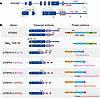
TARDBP splicing gives rise to several distinct isoforms.Figure 1

TARDBP splicing gives rise to several distinct isoforms. (A) Diagram of the TARDBP locus, with emphasis on exon 2 and the high splicing density region (HSDR) encompassing exon 6, exon 7, and the proximal 3′ untranslated region (3′UTR). Canonical start (ATG) and stop (TAG) codons are illustrated in exons 2 and 6, respectively. Distinct splice donor (d0, d1, d2) and acceptor (a1, a2) sites are labeled in the HSDR, as well as polyadenylation (pA) signals, introns 6–8 (I6–I8), and the deletion of nt 96–106 (del96_106) in exon 2. (B) Table depicting spliced RNA isoforms and corresponding protein variants for each of the splicing events in A. Unique residues encoded by exon 7 are shown in purple (EALH), magenta (KVVL), and red (RPRL), distinguished in each case by the C-terminal 4 aa. NLS, nuclear localization signal; RRM, RNA recognition motif; NTD, N-terminal domain; LCD, low-complexity domain.

Several distinct TDP43 isoforms are generated via splicing within exon 6 and the 3′UTR of TARDBP (41–46), a segment dubbed the TARDBP high splicing density region (HSDR; Figure 1). Most events occurring within the HSDR result in the excision of a large portion of exon 6, which encodes the C-terminal TDP43 low-complexity domain (LCD). In-frame splicing to cryptic exons within the 3′UTR instead generate three separate C-terminal sequences ranging from 13 to 20 amino acids in length. The predicted protein products from these transcript isoforms all lack the LCD, but retain the flTDP43 N-terminus, NLS, and RNA recognition motifs (RRMs). Evolutionary conservation of the 3′UTR splice acceptors, cryptic exon 7 sequences, and amino acid content for spliced TDP43 (sTDP43) isoforms imply that these variants are critical for neuronal function and/or development (41). Nevertheless, many of the physiological properties of these sTDP43 variants, their distribution, regulation, function, and their potential contribution to neurodegeneration in TDP43 proteinopathies, have yet to be determined.
TARDBP splicing and autoregulation

The splicing events responsible for generating sTDP43 isoforms are triggered by flTDP43 itself through a negative feedback loop known as regulated unproductive splicing and translation (RUST) (47). TDP43 autoregulation is not only efficient in its ability to restore TDP43 protein and mRNA to near-normal levels, but also critical for cellular survival; TARDBP knockout is lethal during development, whereas TDP43 overexpression elicits dose-dependent toxicity in multiple cell types and model systems (48–58). In keeping with this, abnormal TDP43 autoregulation is observed in animals harboring a TARDBP mutant associated with familial ALS (Q331K), and in postmortem spinal neurons from patients with ALS (59, 60). These observations raise the possibility that TDP43 autoregulation — and by extension, sTDP43 production — may be a fundamental contributor to disease pathogenesis.

The initial steps of autoregulation are triggered by TDP43 recognizing UG-rich sequences present within a defined segment of the TARDBP 3′UTR, known as the TDP43-binding region (TDPBR; Figure 1) (61). This results in two potential outcomes: splicing of intron 7 or combined splicing of introns 6 and 7. Removal of intron 7 precludes use of the highly efficient, proximal polyadenylation signal pA1. Subsequent use of the more distal pA2 and pA4 sites leads to nuclear mRNA retention and exosome-mediated transcript degradation (61, 62). In contrast, splicing of both introns 6 and 7 generates sTDP43-encoding transcripts in which a truncated exon 6 is spliced to a “cryptic” exon 7 located within the 3′UTR. These isoforms display a termination codon upstream of the intron 7 splice junction and are thus predicted to be nonsense-mediated RNA decay (NMD) targets. Indeed, blocking NMD through UPF1 knockdown or treatment with cycloheximide, caffeine, or SMG1 inhibitors dramatically increases the abundance of sTDP43 variants (28, 60, 63).

Exosome-mediated RNA degradation and NMD are highly effective at regulating sTDP43 variants. Additional mechanisms, including RNA destabilization via miRNAs that recognize motifs within the 3′UTR of sTDP43-encoding transcripts (64), may also contribute to the low abundance of these isoforms in most cell types. Nevertheless, sTDP43 levels display remarkable variability among different species and tissues. Motor neurons, for instance, exhibit 12- to 15-fold higher baseline levels of sTDP43 in comparison with frontal cortex, and the proportion appears to increase with age (41). In keeping with this, although sTDP43 variants are 100- to 1000-fold less abundant than flTDP43 in newly differentiated human induced pluripotent stem cell–derived (iPSC-derived) neurons, they nonetheless represent the majority of TARDBP isoforms (>70%) in human spinal neurons isolated by laser capture microdissection from older donors (41). Furthermore, flTDP43 protein levels peak immediately after birth, only to decline slowly with age, and signs of flTDP43 dysfunction (i.e., inclusion of unannotated or “cryptic” exons) are surprisingly common in individuals over the age of 80 (48, 65). Together, these findings indicate that excess TDP43 autoregulation — evidenced by the age-dependent accumulation of sTDP43 — would lead to reduced flTDP43 levels and splicing activity over time (Figure 2). The reasons for age-dependent sTDP43 deposition remain unclear, but possibilities include reduced clearance via the proteosome and/or autophagy (66–68), or reduced fidelity of nuclear import mechanisms (69–71) leading to enhanced cytosolic accumulation of sTDP43.
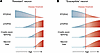
sTDP43 accumulation and TDP43 function are inversely correlated.Figure 2

sTDP43 accumulation and TDP43 function are inversely correlated. (A) Theoretical timeline depicting the age-related decline in TDP43 function, together with the predicted increase in cryptic splice products. Elevations in sTDP43 may precede reductions in TDP43 function or may compound the physiological decrease in TDP43 that occurs with age, eventually culminating in irreversible neuronal dysfunction and degeneration. (B) Susceptible cell types such as motor neurons display relative increases in sTDP43 at baseline, potentially making them more vulnerable to age-related declines in TDP43 function.
sTDP43 protein isoforms

Depending on the specific splice sites utilized, alternative TARDBP splicing gives rise to sTDP43 protein isoforms with predicted molecular weights of approximately 25–33 kDa (Figure 1). Given their size, these variants can be confused with C-terminal fragments (CTFs) of TDP43 that are enriched in detergent-insoluble material from FTLD-TDP cortex (21, 72, 73). Appropriate antibodies are therefore critical for characterizing low-MW TDP43 fragments, since sTDP43 variants are selectively detected by N-terminally reactive antibodies, whereas CTFs are only discernible with antibodies raised against C-terminal TDP43 epitopes. In addition, antibodies raised against unique peptides encoded by sequences in exon 7 can help distinguish sTDP43 variants from one another and from flTDP43 proteolytic fragments (41, 42, 45).

Several studies have demonstrated the appearance of 33 kDa proteins detectable using N-terminally–directed TDP43 antibodies; in most cases, these were more abundant upon overexpression of exogenous TDP43, as expected for sTDP43 induction via TDP43 autoregulation (45, 60, 63). The appearance of these low-MW proteins is variable, however, particularly in human cell lines. While the reasons for this are not clear, possibilities include relative scarcity or insolubility of sTDP43 variants, poor immunoreactivity, and/or obscurement of the epitope in question. Notably, this is in direct contrast to mouse tissue, where sTDP43 variants are readily detectable by immunoblotting as well as by mass spectroscopy (42, 43, 63, 74, 75), hinting at species-specific differences in TDP43 autoregulation. The underlying reasons for such discrepancies remain unknown but could include intrinsic differences in the efficiency of RNA clearance mechanisms (i.e., NMD and exosome-mediated RNA decay), TDP43 autoregulation, or protein turnover mechanisms, as described below.

Despite their inconsistent detection by immunoblotting, sTDP43 variants have been repeatedly observed by immunofluorescence and immunohistochemistry in mouse as well as human cell lines and tissue. Most information on sTDP43 distribution arises from studies of the “KVVL” variants (Figure 1). These isoforms differ from one another only by 3 amino acids (residues 281–284), depending on the 5′ splice donor utilized, and are often indistinguishable from one another. Myriad terminologies apply to these variants, including TDP-S6, sTDP43, TDP43-Cspl, and MP18 (Table 1); herein, we will refer to these isoforms simply as sTDP43.

Table 1

Alternatively spliced TARDBP transcripts

Phase separation of sTDP43

The LCD located in the flTDP43 C-terminus enables phase separation of TDP43 into liquid-like droplets that effectively concentrate the protein and its substrates within a relatively small area, thereby favoring substrate binding (76, 77). In the absence of the LCD, similarly high local concentrations of protein are incompatible with solubility, leading instead to precipitation and/or the formation of solid aggregates (78). The LCD thus allows for an intermediate biophysical state — a biomolecular condensate — bridging aqueous solubility and frank aggregation, thereby facilitating biological processes through reversible phase transitions.

Notably, many disease-associated RNA-binding proteins prone to aggregation harbor LCDs, and prior studies suggest that the TDP43 LCD is required for protein aggregation and toxicity (79–85). However, more recent investigations emphasize the unique ability of the LCD to prevent irreversible protein aggregation at high local concentrations through phase separation (79). For example, condensation and aggregation of the RNA-binding proteins poly(A)-binding protein 1 (Pab1) and poly(U)-binding protein 1 (Pub1) are paradoxically enhanced by removing the LCD. These studies indicate that RRMs are sufficient for phase separation and aggregation, independent of the LCD (86, 87). sTDP43 variants represent key, naturally occurring examples of this phenomenon; although they lack the entirety of the LCD, sTDP43 isoforms are highly insoluble and prone to aggregation, both in vitro and in cellulo (41, 42, 74).

Although the LCD is instrumental for flTDP43 phase separation, alternative regions of the protein can complement the LCD in promoting condensate formation. Supporting this, TDP43 constructs missing the LCD (ΔLCD) are still capable of undergoing phase separation, albeit at higher concentrations than flTDP43 (78). Biocondensate formation by TDP43(ΔLCD) is dependent on the N-terminal domain (NTD), and swapping the TDP43 NTD to other proteins enables their phase separation (78). In addition, engineered NTD mutations that disrupt flTDP43 oligomerization (i.e., S48E) partially inhibit phase separation (88), suggesting that the NTD is both necessary and sufficient for phase separation. As the sTDP43 NTD is identical to that of flTDP43, it is likely that sTDP43 can undergo phase separation under certain conditions, but this remains to be tested. Moreover, we suspect that posttranslational modifications such as phosphorylation, acetylation, nitrosylation, or cysteine oxidation may interfere with sTDP43 phase separation, as is the case for flTDP43 (89–92).

RNA interactions are crucial for maintaining flTDP43 solubility and phase separation, likely by providing a template for intramolecular interactions (93, 94). Importantly, this is not a simple or unidirectional association; while short RNA substrates that bind only a single molecule of flTDP43 effectively dissolve condensates, longer RNA molecules with a higher motif valency have the opposite effect, enhancing phase separation (95). As with flTDP43, RNA binding may either promote or inhibit sTDP43 condensation, depending on concentration, length, valency, and positioning of binding motifs. Emerging studies capitalized on these observations by designing RNA “decoys” with the ability to dissociate flTDP43 inclusions (96–98). While an RNA decoy comprised of the core 34-nt TDP43 binding region (CLIP34) effectively reversed flTDP43 aggregation in vitro, distinct effects were observed for sTDP43 (99). Unlike TDP43(ΔLCD), which showed no measurable response to CLIP34, sTDP43 fibril formation was paradoxically enhanced upon addition of CLIP34 (99). This is yet another indication of the importance of the sTDP43 C-terminus in determining the biophysical properties of the protein. Additionally, these observations may have substantial implications for the design of RNA decoys, necessitating additional investigations comparing specific RNA sequences and their impact on flTDP43 as well as sTDP43 solubility and localization.

sTDP43 distribution

Earlier studies suggested the importance of the TDP43 LCD in maintaining protein localization. For example, TDP43(ΔLCD) is diffusely distributed throughout the cell, in contrast to flTDP43, which is concentrated within the nucleus (100). These findings imply that the LCD contributes to nuclear localization, potentially through flTDP43 homo-oligomerization or protein-protein or protein-RNA interactions. Unexpectedly, however, sTDP43 variants do not display such diffuse localization; rather, they are excluded from the nucleus and primarily concentrated within cytosolic granules measuring 100–250 nm in diameter (41, 42, 74, 75). This is true for endogenous sTDP43 as well as epitope-tagged versions of sTDP43 overexpressed in cultured human cell lines, human iPSC-derived neurons, and primary neurons (41, 63). In postmortem brain samples from controls and individuals with ALS, sTDP43 is detectable by immunofluorescence within the cytosol of neurons as well as glia (41, 42). sTDP43 is particularly concentrated within pathological cytosolic TDP43 inclusions, raising the question of whether sTDP43 is a primary driver of flTDP43 mislocalization, or simply a coincidental passenger unrelated to disease pathogenesis.

The differences in behavior between TDP43(ΔLCD) and sTDP43 variants suggest that the unique sTDP43 C-terminus dictates protein localization as well as solubility. Furthermore, despite the presence of a functional NLS, sTDP43 distribution is predominantly cytosolic, indicating dominant mechanisms driven by the C-terminal tail. This region shows little homology to I/L-rich sequences associated with XPO1-dependent nuclear export (101), implying the presence of alternative mechanisms driving sTDP43 aggregation and cytoplasmic deposition. Consistent with this, addition of the sTDP43 “KVVL” C-terminus (Figure 1) to TDP43(ΔLCD) induces the formation of fibrils in vitro (99), correlates with detergent insolubility by immunoblotting, and is sufficient for cytosolic accumulation of an otherwise diffuse EGFP reporter protein (41). Mutating residues within the 18-aa tail eliminates these effects, confirming the importance of this region for sTDP43 aggregation as well as its nuclear exclusion.

RNA binding — one of the most important factors in mediating flTDP43 nuclear retention (102, 103) — also affects sTDP43 localization, but in an opposite manner; mutations that block RNA binding by sTDP43 result in nuclear localization of the typically cytosolic sTDP43 (63). These observations suggest that recognition of cytosolic RNA complexes may help retain sTDP43 within this compartment or shield the NLS from recognition by importins. Alternatively, protein-protein interactions governed by the C-terminal tail of sTDP43 may be pivotal for self-assembly or the formation of large complexes within the cytosol that preclude nuclear import. Future studies will be required to discriminate among these possibilities, and to determine whether distinct C-terminal sTDP43 sequences (i.e., KVVL vs. RPRL vs. EALH; Figure 1) display unique properties.

Biochemical and immunofluorescence studies have repeatedly demonstrated sTDP43’s capacity to physically interact with flTDP43, sequestering flTDP43 within cytosolic inclusions (41, 45, 63). Given the retention of the NTD responsible for dimerization, sTDP43 likely forms a heterodimer with flTDP43, enabling its cytosolic sequestration. This interaction is also associated with nuclear clearance of flTDP43 and a resulting loss of its splicing activity (41, 45, 63). Given the relative abundance of sTDP43 in motor neurons, a cell type that is particularly susceptible to neurodegeneration in ALS, it is possible that sTDP43 helps tip the scale toward flTDP43 mislocalization and dysfunction in these cells. In this way, even a slight increase in sTDP43 levels, together with the age-related reductions in flTDP43 expression, may be sufficient over decades to result in nuclear flTDP43 loss of function and its accumulation into cytosolic deposits characteristic of disease (Figure 2).

The relative scarcity of sTDP43 at the protein level may arise not just from RNA clearance mechanisms, but also from posttranslational protein turnover pathways. Both flTDP43 and sTDP43 are degraded by the ubiquitin-proteasome system (UPS) and autophagy (63, 104–109). However, sTDP43 variants are highly unstable in comparison with flTDP43; while the half-life of flTDP43 ranges from 36–48 hours (104, 105), sTDP43 variants display a half-life of approximately 18 hours (63). Treatment with MG132 (a nonselective cysteine protease inhibitor widely used to suppress proteasomal degradation), or bafilomycin-A1 (a vATPase inhibitor that blocks macroautophagy), effectively stabilizes sTDP43 (63). Moreover, both flTDP43 and sTDP43 are potential substrates for chaperone-mediated autophagy, in which the chaperone HSPA8 delivers proteins directly to lysosomes for degradation (46, 110). For unknown reasons, HSPA8 appears to preferentially recognize sTDP43 over flTDP43, targeting sTDP43 and coaggregating proteins (including flTDP43) for degradation (46).

sTDP43 also displays dramatic species-specific differences in localization and solubility. Endogenous and overexpressed sTDP43 variants are predominantly nuclear in mouse neuroblastoma and microglial cell lines, in contrast with the cytosolic localization of sTDP43 in human cell lines (42, 43). Immunohistochemical staining of endogenous sTDP43 in fixed tissues from mouse brain confirms these differences, and have been repeatedly corroborated using different cell lines, epitope-tagged sTDP43 constructs, and fluorescent sTDP43 variants (41, 45, 63). The reasons for these discrepancies are currently unknown but may be related to the relatively high expression of sTDP43 in rodents, and the distinct nature of TDP43 autoregulation in rodents as compared with humans (45).

sTDP43 function

The 5′ and 3′ splice junctions involved in the generation of sTDP43, as well as the exon 7 sequences encoding the sTDP43 C-terminus, are highly conserved across evolution, implying an essential, albeit unclear, function for these variants (41). sTDP43 lacks many of the canonical properties of flTDP43 and is ineffective at inducing autoregulation and repressing exon inclusion in the same manner as flTDP43 (41, 63). In keeping with this, both RRM1 and the LCD are required for flTDP43 splicing activity and traditional autoregulation (61). However, sTDP43 can still downregulate the function of flTDP43 via a physical interaction between the proteins, mediated by their respective NTDs. This interaction has two apparent consequences: (a) direct inhibition flTDP43 splicing activity (45, 63), and (b) flTDP43 clearance due to chaperone-mediated autophagy-dependent degradation of the sTDP43-flTDP43 complex (46).

Taken together, these findings suggest that sTDP43 may serve as a critical, short-term regulator of TDP43 activity. The TDP43 negative feedback loop is exceptionally effective at maintaining flTDP43 levels; however, because flTDP43’s half-life is relatively long (~48 hours), it may take several days for flTDP43 levels to return to baseline (53, 63, 105). As described above, neurons and other cell types are exquisitely sensitive to TDP43 levels and may not be able to tolerate such conditions for long. sTDP43 production acutely compensates for this imbalance by rapidly inhibiting flTDP43 splicing activity until protein levels normalize. Furthermore, sTDP43 is quickly cleared (half-life ~18 hours), ensuring balanced regulation of flTDP43 splicing activity over time. In the aging brain, it is possible that elevated sTDP43 production together with inefficient proteolytic cleavage may contribute to abnormal accumulation of sTDP43 and prolonged suppression of flTDP43 function, culminating in TDP43 pathology and missplicing in ALS, FTD, and other TDP43 proteinopathies (Figure 2).

Independent of its effects on flTDP43, two lines of evidence suggest that sTDP43 may also regulate RNA trafficking and metabolism. Like flTDP43, sTDP43 harbors two RRMs that enable RNA binding (63), and overexpressed sTDP43 accumulates within cytosolic stress granules rich in RNA and RNA-binding proteins such as G3BP1, PABC, and eIFη (43, 74, 75). At endogenous levels, however, sTDP43 appears to be only tangentially localized to stress granules and processing (P) bodies, a related type of granule composed of RNA degradation factors (63). There is considerable overlap between these membrane-less organelles and other structures, particularly neuronal activity granules, which are known repositories for cytosolic TDP43 (32, 111). Based on these findings, we suspect that sTDP43 may act as a local transport factor, ferrying RNA substrates among cytosolic membrane-less organelles. Alternatively, sTDP43 could act as a “sheath” for cytosolic mRNA, preventing it from undergoing translation or degradation while in transport to distal compartments (i.e., dendrites, axons, terminals).

sTDP43 and neuronal activity

Neuronal hyperactivity is a prevalent feature of both ALS and FTD, detectable not just in patients via transcranial magnetic stimulation, but also in animal models and isolated human and rodent neurons carrying disease-associated mutations (112–116). In addition, several observations support a fundamental link between neuronal activity and TDP43 pathology. TDP43 is enriched in activity-dependent RNA granules isolated from rodent CNS (117), where it assists in RNA transport and translation in an activity-dependent fashion (118). Moreover, sTDP43 is markedly and selectively upregulated by neuronal hyperactivity (41). Although the mechanisms underlying hyperactivity-induced sTDP43 production remain unclear, this mechanism could explain the nuclear clearance and reduced splicing activity of flTDP43 observed in motor neurons of ALS patients. Overexpression of cytosolic TDP43 lacking an NLS also promotes hyperexcitability in layer V neurons of the motor cortex (115). These observations hint at a feed-forward mechanism in which hyperactivity increases TDP43 levels, initiating autoregulation, sTDP43 production, and flTDP43 sequestration within the cytosol. This, in turn, amplifies hyperexcitability through a vicious cycle (Figure 3).
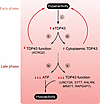
Early neuronal hyperactivity is tied to late-phase hypoactivity in ALS.Figure 3

Early neuronal hyperactivity is tied to late-phase hypoactivity in ALS. (i) Neuronal hyperactivity upregulates sTDP43 production, resulting in (ii) reduced flTDP43 splicing activity and the accumulation of cryptic splice products such as KCNQ2, reducing membrane potential and contributing to neuronal hyperactivity. sTDP43-induced cytoplasmic aggregation of flTDP43 (iii) also accentuates and promotes hyperactivity, prompting a vicious cycle. Over time, excess firing leads to a reduction in available ATP (iv), ultimately impairing the maintenance of ion gradients required for action potentials, resulting in hypoactivity. Hypoactivity in this model is further aggravated by progressive loss of flTDP43 splicing activity and reductions in key activity-related genes (v).

NMD inhibition may be a critical mechanism contributing to the upregulation of sTDP43 in hyperactive cells. Supporting this, several activity-dependent transcripts (i.e., the activity-related cytoskeleton-associated factor ARC) are stabilized upon NMD inhibition (119). Prolonged neuronal activation also triggers the integrated stress response and translational stalling (120); because NMD relies on active translation, hyperactivity could therefore inhibit NMD via its effects on translation. As such, activity-dependent production of sTDP43, arising from the TDP43 autoregulatory pathway, NMD inhibition, or a synergistic combination of both pathways, may promote flTDP43 mislocalization and the loss of flTDP43 splicing activity observed in patients with ALS/FTD.

Prolonged neuronal hyperactivity is inevitably followed by hypoactivity. This transition occurs in aged iPSC-derived neurons carrying disease-associated ALS/FTD mutations, and is mirrored in patients with late-stage ALS/FTD (121–126). One possible explanation for these findings involves the gradual deposition of sTDP43 induced by neuronal hyperactivity (Figure 3). In this model, hyperactivation triggers sTDP43 production and, over time, cytosolic flTDP43 sequestration and loss of flTDP43 splicing activity. Indeed, sTDP43 overexpression disrupts splicing of STMN2, a motor neuron–specific flTDP43 substrate, and other transcripts that are regulated by flTDP43 (63). It remains unknown whether sustained sTDP43 expression broadly affects flTDP43 targets that are directly tied to neuronal activity, including KCNQ2, UNC13A, SYT7, and KALRN (127–130). If confirmed, these changes could compound deficiencies in available ATP that result from prolonged hyperactivity, culminating in hypoactivity due to a failure to maintain ion gradients required for action potential generation (131). Thus, sTDP43 accumulation may not be a simple consequence of neuronal hyperactivity; rather, it could accentuate hyperactivity while simultaneously facilitating the downstream transition from hyperactivity to hypoactivity, and eventually neuron loss in disease (Figure 3).
Alternative splicing of related RNA-binding proteins

In addition to TARDBP, several other ALS/FTD-linked genes undergo alternative splicing, generating atypical RNA and protein isoforms that have been implicated in disease processes. Many of these alternatively spliced variants exhibit distinct similarity to sTDP43, including production via an autoregulatory loop, relative instability compared with the physiological RNA/protein, sequestration of the physiological isoform, and enrichment in vulnerable motor neurons. Although many of these splice variants are evolutionarily conserved, suggesting canonical roles under normal conditions, age-related changes, impaired proteasomal degradation, or mislocalization of disease-associated proteins can disrupt their regulation, shifting isoform balance toward pathogenic variants that contribute to neurodegeneration.

SFPQ. Splicing factor proline- and glutamine-rich (SFPQ) is an RNA-binding protein involved in multiple aspects of RNA metabolism. Similar to TDP43, full-length SFPQ regulates its own expression through a negative feedback loop. In this case, full-length SFPQ induces skipping of exon 10, generating a truncated alternative transcript and protein (altSFPQ) (132). This exon skipping event, which is upregulated in ALS/FTD postmortem samples and disease models, has two primary consequences: first, the altSFPQ transcript harbors a premature termination codon and is therefore a target of NMD. Second, although the majority of altSFPQ transcripts are degraded by NMD, a fraction escapes to be translated into a cytosolically distributed protein. altSFPQ also disrupts the typical nuclear localization of full-length SFPQ, displaying dominant-negative effects akin to those of sTDP43 (132).

FUS. Fused in sarcoma (FUS), an RNA-binding protein essential for RNA splicing, transport, stability, and local translation, also regulates the abundance of its own transcripts through an autoregulatory feedback mechanism (133–135). Skipping of FUS exon 7 leads to a shift in the reading frame, uncovering a premature termination codon in exon 8, which in turn results in NMD. Exon 7 skipping is reduced in the absence of FUS and enhanced upon FUS overexpression, consistent with autoregulation (135). Elevated nuclear FUS also results in retention of introns 6 and 7, transcript degradation via the nuclear exosome, and reduced FUS translation (134, 136–138). Thus, as with TDP43, FUS autoregulation leverages both exosome-mediated RNA decay and NMD. Notably, both pathways require FUS to act on its own pre-mRNA transcript within the nucleus, and many of the most common of the ALS-associated mutations in FUS affect the C-terminal NLS, resulting in cytosolic FUS mislocalization (139). Under these conditions, rather than restoring homeostasis, the FUS autoregulatory loop could be transformed into a vicious cycle, in which nuclear exclusion of mutant FUS triggers the production of cytosolic protein, which is incapable of negative feedback due to its nuclear exclusion, leading to the production of an ever-increasing amount of FUS.

Embedded within the FUS gene is an alternative open reading frame, termed altFUS, encoding a 170-aa protein that is completely distinct from conventional FUS (140). Evolutionary conservation of the altFUS sequence suggests that, like sTDP43, the alternative protein serves an essential function. Through unknown mechanisms, altFUS blocks autophagy, a key pathway for the removal of cytosolic inclusions formed by FUS, TDP43, and other aggregate-prone proteins. Accordingly, altFUS expression facilitates the formation of cytosolic FUS and TDP43 aggregates in cellular models (140).

hnRNPA1. Heterogenous nuclear ribonucleoprotein A1 (hnRNPA1) is an RNA-binding protein broadly involved in RNA metabolism, splicing, and transport (141). Alternative splicing gives rise to a variant (hnRNPA1-B) incorporating an extended version of exon 7 that encodes an additional 52 aa (142, 143). The hnRNPA1-B variant is less abundant than the conventional hnRNPA1 isoform in most tissues, but is relatively enriched in the CNS, and becomes more concentrated in ventral motor neurons with age (144, 145). Unlike hnRNPA1, hnRNPA1-B is cytosolic in distribution and highly prone to aggregation when overexpressed in cells (145). Solidifying its connection to disease, hnRNPA1-B splicing is strongly regulated by TDP43. Genetic knockdown of TDP43 using siRNA, mimicking nuclear loss of TDP43 evident in disease, favors hnRNPA1-B production (145). Consistent with this, hnRNPA1-B inclusions are detectable in human ALS spinal neurons exhibiting TDP43 pathology (145). Thus, hnRNPA1 exon 7B inclusion may serve as a valuable biomarker for TDP43 dysfunction, if not a direct contributor to neurodegeneration in ALS and other TDP43 proteinopathies.

Conclusions

Our understanding of TDP43 and its contribution to ALS, FTD, LATE, IBM, and other TDP43 proteinopathies primarily rests on studies of flTDP43 and CTFs. Nevertheless, increasing evidence suggests that alternatively spliced variants of TDP43 assume critical, although incompletely defined, functions in neurons and other cell types. Most of these variants lack the C-terminal LCD and reduce flTDP43 splicing activity through overlapping mechanisms, enhancing the overall efficiency of TDP43 autoregulation. Nevertheless, several key questions remain, including species- and cell-type-specific differences in TARDBP splicing that give rise to sTDP43 variants, the factors governing localization, solubility, and abundance of sTDP43 variants, the variety of sTDP43 variants and their functions, and the consequences of sTDP43 deposition in neurons and other cell types.

Perhaps the most important limitation to ongoing investigations of sTDP43 is the lack of high-quality reagents and tools. Antibodies capable of effectively detecting, purifying, and discriminating endogenous sTDP43 variants are critical for accurately defining the localization, levels, interactions, and functions of these isoforms. Circumventing these issues by tagging sTDP43 variants with fluorescent proteins or epitopes creates additional artifacts, since these approaches require protein overexpression that invariably affects sTDP43 solubility, localization, and/or clearance. Moreover, the tags themselves can have effects on sTDP43 subcellular distribution, oligomerization, and its ability to interact with flTDP43. These observations emphasize the critical need for selective and specific sTDP43 antibodies.

Much of our knowledge of TDP43 function stems from TARDBP-knockdown or -knockout models. Because of the overlap between flTDP43- and sTDP43-encoding transcripts (Figure 1), however, most knockdown/knockout strategies eliminate not just flTDP43 but also sTDP43 isoforms. Approaches for selectively downregulating or eliminating sTDP43 isoforms without affecting flTDP43, and vice versa, are essential for uncovering distinct functions of flTDP43 as well as each of the individual sTDP43 variants.

Investigations of TDP43 autoregulation and sTDP43 accumulation have been limited by several additional factors. Due to the variability and cell-type specificity of autoregulation, approaches utilizing bulk tissue preparations may be unable to accurately identify TARDBP splice variants in vulnerable cell populations such as motor neurons. The instability of alternatively spliced TARDBP transcripts also makes them intrinsically difficult to detect (63). More specialized techniques involving subcellular fractionation, or knockdown/inhibition of NMD, exosome-mediated RNA decay, or miRNAs may therefore be more effective at detecting sTDP43 variants in cellular models and postmortem tissues.

Key differences in TDP43 autoregulation between mouse and human tissues also limit the generalization of results from animal models. In general, sTDP43 variants are considerably more abundant in rodent versus human cells, and they display predominantly nuclear localization in rodents rather than the cytosolic distribution observed in humans. The composition of sTDP43 isoforms is also distinct within each species; while sTDP43 variants ending in “RPRL” are more common in humans, rodents almost exclusively express sTDP43 variants ending in “KVVL” (Figure 1) (45). The functional implications of these differences are unclear, as are their potential consequences for age-dependent vulnerability to TDP43 proteinopathies in humans and rodents. Humanized mouse models in which the murine TARDBP locus and flanking regions are replaced by human sequences may be exceptionally helpful in navigating these questions (146).

Postmortem tissue, while invaluable for uncovering relevant disease pathophysiology, is plagued by its own complications, including the fundamental restriction to the disease endpoint. This limitation is especially salient for studies of sTDP43, as existing data not only highlight the instability of sTDP43, but also suggest that changes in sTDP43 expression are limited to early stages of disease when neuronal hyperactivity is prevalent. As a result, sTDP43 can be challenging to detect at disease end-stage; rather, postmortem studies have consistently uncovered detergent-insoluble, hyperphosphorylated, CTFs of TDP43 in ALS/FTD cortex and spinal cord (73, 147, 148). Unlike sTDP43, CTFs are generated by posttranslational mechanisms, such as caspase-mediated cleavage of flTDP43 (149, 150). CTFs are also highly stable and prone to aggregation, both in vitro and in vivo, potentially accounting for their relative enrichment in postmortem material. The relationship between sTDP43 and CTFs is unknown, but it is possible that early production of sTDP43 may facilitate late-stage accumulation of CTFs. In this case, excess sTDP43 production — due to a combination of aging, reduced proteolysis, and cell-type-specific splicing — blocks flTDP43 activity and confines it to the cytosol, stimulating autoregulation. As more flTDP43 protein is translated and subsequently trapped within the cytosol, the protein could undergo phosphorylation and/or cleavage, generating CTFs. These fragments may further enhance flTDP43 mislocalization by functional sequestration of essential nucleocytoplasmic transport factors (81). Additional studies are required to test these concepts and define the connections between CTFs and N-terminal TDP43 isoforms such as sTDP43.

Finally, in vitro studies have repeatedly uncovered unique biophysical properties associated with each of the C-terminal sTDP43 sequences, despite their relatively short length (41, 43, 45, 63, 75). Additional experiments contrasting the potential functions, interactions, and expression patterns of each isoform are therefore essential for clarifying their combined influence on neuronal function and survival, in physiological as well as pathophysiological contexts.

Funding support

This work is the result of NIH funding, in whole or in part, and is subject to the NIH Public Access Policy. Through acceptance of this federal funding, the NIH has been given a right to make the work publicly available in PubMed Central.

  • NIH grants R01NS097542 and R37NS113943 (to SJB).
  • NIH grant F31NS134123-01 (to MMD).
  • NIH grant P30AG072931 (to the University of Michigan Brain Bank and Alzheimer’s Disease Research Center).
  • National Science Foundation grant DGE 2241144 (to MRM).
  • The family of Angela Dobson and Lyndon Welch.
Footnotes

Conflict of interest: The authors have declared that no conflict of interest exists.

Copyright: © 2026, Miller et al. This is an open access article published under the terms of the Creative Commons Attribution 4.0 International License.

Reference information: J Clin Invest. 2026;136(6):e199846. https://doi.org/10.1172/JCI199846.

References
  1. Bruijn LI, et al. Unraveling the mechanisms involved in motor neuron degeneration in ALS. Annu Rev Neurosci. 2004;27:723–749.
    View this article via: CrossRef PubMed Google Scholar
  2. Masrori P, Van Damme P. Amyotrophic lateral sclerosis: a clinical review. Eur J Neurol. 2020;27(10):1918–1929.
    View this article via: CrossRef PubMed Google Scholar
  3. Miller TM, et al. Trial of antisense oligonucleotide tofersen for SOD1 ALS. N Engl J Med. 2022;387(12):1099–1110.
    View this article via: CrossRef PubMed Google Scholar
  4. Meyer T, et al. Clinical and patient-reported outcomes and neurofilament response during tofersen treatment in SOD1-related ALS-A multicenter observational study over 18 months. Muscle Nerve. 2024;70(3):333–345.
    View this article via: CrossRef PubMed Google Scholar
  5. Wiesenfarth M, et al. Effects of tofersen treatment in patients with SOD1-ALS in a “real-world” setting - a 12-month multicenter cohort study from the German early access program. EClinicalMedicine. 2024;69:102495.
    View this article via: CrossRef PubMed Google Scholar
  6. Ferrari R, et al. FTD and ALS: a tale of two diseases. Curr Alzheimer Res. 2011;8(3):273–294.
    View this article via: CrossRef PubMed Google Scholar
  7. van Langenhove T, et al. The molecular basis of the frontotemporal lobar degeneration-amyotrophic lateral sclerosis spectrum. Ann Med. 2012;44(8):817–828.
    View this article via: CrossRef PubMed Google Scholar
  8. Strong MJ, et al. Amyotrophic lateral sclerosis - frontotemporal spectrum disorder (ALS-FTSD): revised diagnostic criteria. Amyotroph Lateral Scler Frontotemporal Degener. 2017;18(3–4):153–174.
    View this article via: CrossRef PubMed Google Scholar
  9. Ling S-C, et al. Converging mechanisms in ALS and FTD: disrupted RNA and protein homeostasis. Neuron. 2013;79(3):416–438.
    View this article via: CrossRef PubMed Google Scholar
  10. Mollah SA, et al. A comprehensive review on frontotemporal dementia: its impact on language, speech and behavior. Dement Neuropsychol. 2024;18:e20230072.
    View this article via: CrossRef PubMed Google Scholar
  11. Urso D, et al. Incidence and prevalence of frontotemporal dementia: a systematic review and meta-analysis. JAMA Neurol. 2025;82(11):1144–1152.
    View this article via: CrossRef PubMed Google Scholar
  12. Onyike CU, Diehl-Schmid J. The epidemiology of frontotemporal dementia. Int Rev Psychiatry. 2013;25(2):130–137.
    View this article via: CrossRef PubMed Google Scholar
  13. Lomen-Hoerth C. Characterization of amyotrophic lateral sclerosis and frontotemporal dementia. Dement Geriatr Cogn Disord. 2004;17(4):337–341.
    View this article via: CrossRef PubMed Google Scholar
  14. Lomen-Hoerth C, et al. The overlap of amyotrophic lateral sclerosis and frontotemporal dementia. Neurology. 2002;59(7):1077–1079.
    View this article via: CrossRef PubMed Google Scholar
  15. Neumann M. Molecular neuropathology of TDP-43 proteinopathies. Int J Mol Sci. 2009;10(1):232–246.
    View this article via: CrossRef PubMed Google Scholar
  16. Neumann M, et al. FET proteins TAF15 and EWS are selective markers that distinguish FTLD with FUS pathology from amyotrophic lateral sclerosis with FUS mutations. Brain. 2011;134(pt 9):2595–2609.
    View this article via: CrossRef PubMed Google Scholar
  17. Tetter S, et al. TAF15 amyloid filaments in frontotemporal lobar degeneration. Nature. 2024;625(7994):345–351.
    View this article via: CrossRef PubMed Google Scholar
  18. Seelaar H, et al. Clinical, genetic and pathological heterogeneity of frontotemporal dementia: a review. J Neurol Neurosurg Psychiatry. 2011;82(5):476–486.
    View this article via: CrossRef PubMed Google Scholar
  19. Lashley T, et al. Review: an update on clinical, genetic and pathological aspects of frontotemporal lobar degenerations. Neuropathol Appl Neurobiol. 2015;41(7):858–881.
    View this article via: CrossRef PubMed Google Scholar
  20. Arai T, et al. TDP-43 is a component of ubiquitin-positive tau-negative inclusions in frontotemporal lobar degeneration and amyotrophic lateral sclerosis. Biochem Biophys Res Commun. 2006;351(3):602–611.
    View this article via: CrossRef PubMed Google Scholar
  21. Neumann M, et al. Ubiquitinated TDP-43 in frontotemporal lobar degeneration and amyotrophic lateral sclerosis. Science. 2006;314(5796):130–133.
    View this article via: CrossRef PubMed Google Scholar
  22. Barbosa-Morais NL, et al. The evolutionary landscape of alternative splicing in vertebrate species. Science. 2012;338(6114):1587–1593.
    View this article via: CrossRef PubMed Google Scholar
  23. Rodriguez JM, et al. An analysis of tissue-specific alternative splicing at the protein level. PLoS Comput Biol. 2020;16(10):e1008287.
    View this article via: CrossRef PubMed Google Scholar
  24. Weyn-Vanhentenryck SM, et al. Precise temporal regulation of alternative splicing during neural development. Nat Commun. 2018;9(1):2189.
    View this article via: CrossRef PubMed Google Scholar
  25. Porter RS, et al. Neuron-specific alternative splicing of transcriptional machineries: Implications for neurodevelopmental disorders. Mol Cell Neurosci. 2018;87:35–45.
    View this article via: CrossRef PubMed Google Scholar
  26. Daguenet E, et al. The pathogenicity of splicing defects: mechanistic insights into pre-mRNA processing inform novel therapeutic approaches. EMBO Rep. 2015;16(12):1640–1655.
    View this article via: CrossRef PubMed Google Scholar
  27. Tao Y, et al. Alternative splicing and related RNA binding proteins in human health and disease. Signal Transduct Target Ther. 2024;9(1):26.
    View this article via: CrossRef PubMed Google Scholar
  28. Polymenidou M, et al. Long pre-mRNA depletion and RNA missplicing contribute to neuronal vulnerability from loss of TDP-43. Nat Neurosci. 2011;14(4):459–468.
    View this article via: CrossRef PubMed Google Scholar
  29. Ling JP, et al. TDP-43 repression of nonconserved cryptic exons is compromised in ALS-FTD. Science. 2015;349(6248):650–655.
    View this article via: CrossRef PubMed Google Scholar
  30. Tank EM, et al. Abnormal RNA stability in amyotrophic lateral sclerosis. Nat Commun. 2018;9(1):2845.
    View this article via: CrossRef PubMed Google Scholar
  31. Neelagandan N, et al. TDP-43 enhances translation of specific mRNAs linked to neurodegenerative disease. Nucleic Acids Res. 2019;47(1):341–361.
    View this article via: CrossRef PubMed Google Scholar
  32. Alami NH, et al. Axonal transport of TDP-43 mRNA granules is impaired by ALS-causing mutations. Neuron. 2014;81(3):536–543.
    View this article via: CrossRef PubMed Google Scholar
  33. Barmada SJ, Finkbeiner S. Pathogenic TARDBP mutations in amyotrophic lateral sclerosis and frontotemporal dementia: disease-associated pathways. Rev Neurosci. 2010;21(4):251–272.
    View this article via: CrossRef PubMed Google Scholar
  34. de Boer EMJ, et al. TDP-43 proteinopathies: a new wave of neurodegenerative diseases. J Neurol Neurosurg Psychiatry. 2021;92(1):86–95.
    View this article via: CrossRef PubMed Google Scholar
  35. Babazadeh A, et al. TDP-43 as a therapeutic target in neurodegenerative diseases: focusing on motor neuron disease and frontotemporal dementia. Ageing Res Rev. 2023;92:102085.
    View this article via: CrossRef PubMed Google Scholar
  36. Nelson PT, et al. Limbic-predominant age-related TDP-43 encephalopathy (LATE): consensus working group report. Brain. 2019;142(6):1503–1527.
    View this article via: CrossRef PubMed Google Scholar
  37. Weihl CC, et al. TDP-43 accumulation in inclusion body myopathy muscle suggests a common pathogenic mechanism with frontotemporal dementia. J Neurol Neurosurg Psychiatry. 2008;79(10):1186–1189.
    View this article via: CrossRef PubMed Google Scholar
  38. Estades Ayuso V, et al. TDP-43-regulated cryptic RNAs accumulate in Alzheimer’s disease brains. Mol Neurodegener. 2023;18(1):57.
    View this article via: CrossRef PubMed Google Scholar
  39. Pickles SR, et al. TDP-43 cryptic RNAs in perry syndrome: differences across brain regions and TDP-43 proteinopathies. Mov Disord. 2025;40(4):662–671.
    View this article via: CrossRef PubMed Google Scholar
  40. Xiao S, et al. Low molecular weight species of TDP-43 generated by abnormal splicing form inclusions in amyotrophic lateral sclerosis and result in motor neuron death. Acta Neuropathol. 2015;130(1):49–61.
    View this article via: CrossRef PubMed Google Scholar
  41. Weskamp K, et al. Shortened TDP43 isoforms upregulated by neuronal hyperactivity drive TDP43 pathology in ALS. J Clin Invest. 2020;130(3):1139–1155.
    View this article via: JCI CrossRef PubMed Google Scholar
  42. Shenouda M, et al. A C-Terminally truncated TDP-43 splice isoform exhibits neuronal specific cytoplasmic aggregation and contributes to TDP-43 pathology in ALS. Front Neurosci. 2022;16:868556.
    View this article via: CrossRef PubMed Google Scholar
  43. D’Alton S, et al. Studies of alternative isoforms provide insight into TDP-43 autoregulation and pathogenesis. RNA. 2015;21(8):1419–1432.
    View this article via: CrossRef PubMed Google Scholar
  44. Wang HY, et al. Structural diversity and functional implications of the eukaryotic TDP gene family. Genomics. 2004;83(1):130–139.
    View this article via: CrossRef PubMed Google Scholar
  45. Hasegawa-Ogawa M, et al. Dominant-negative isoform of TDP-43 is regulated by ALS-linked RNA-binding proteins. J Cell Biol. 2025;224(10):e202406097.
    View this article via: CrossRef PubMed Google Scholar
  46. Yamagishi T, et al. ASO-enhancement of TARDBP exitron splicing mitigates TDP-43 proteinopathies [preprint]. https://doi.org/10.1101/2024.07.22.604579 Posted on bioRxiv July 22, 2024.
  47. Lewis BP, et al. Evidence for the widespread coupling of alternative splicing and nonsense-mediated mRNA decay in humans. Proc Natl Acad Sci U S A. 2002;100(1):189–192.
    View this article via: CrossRef PubMed Google Scholar
  48. Sephton CF, et al. TDP-43 is a developmentally regulated protein essential for early embryonic development. J Biol Chem. 2010;285(9):6826–6834.
    View this article via: CrossRef PubMed Google Scholar
  49. Afroz T, et al. Functional and dynamic polymerization of the ALS-linked protein TDP-43 antagonizes its pathologic aggregation. Nat Commun. 2017;8(1):45.
    View this article via: CrossRef PubMed Google Scholar
  50. Iguchi Y, et al. Loss of TDP-43 causes age-dependent progressive motor neuron degeneration. Brain. 2013;136(pt 5):1371–1382.
    View this article via: CrossRef PubMed Google Scholar
  51. Schmid B, et al. Loss of ALS-associated TDP-43 in zebrafish causes muscle degeneration, vascular dysfunction, and reduced motor neuron axon outgrowth. Proc Natl Acad Sci U S A. 2013;110(13):4986–4991.
    View this article via: CrossRef PubMed Google Scholar
  52. Wu L-S, et al. Targeted depletion of TDP-43 expression in the spinal cord motor neurons leads to the development of amyotrophic lateral sclerosis-like phenotypes in mice. J Biol Chem. 2012;287(33):27335–27344.
    View this article via: CrossRef PubMed Google Scholar
  53. Barmada SJ, et al. Cytoplasmic mislocalization of TDP-43 is toxic to neurons and enhanced by a mutation associated with familial amyotrophic lateral sclerosis. J Neurosci. 2010;30(2):639–649.
    View this article via: CrossRef PubMed Google Scholar
  54. Kabashi E, et al. Gain and loss of function of ALS-related mutations of TARDBP (TDP-43) cause motor deficits in vivo. Hum Mol Genet. 2010;19(4):671–683.
    View this article via: CrossRef PubMed Google Scholar
  55. Li Y, et al. A Drosophila model for TDP-43 proteinopathy. Proc Natl Acad Sci U S A. 2010;107(7):3169–3174.
    View this article via: CrossRef PubMed Google Scholar
  56. Swarup V, et al. Pathological hallmarks of amyotrophic lateral sclerosis/frontotemporal lobar degeneration in transgenic mice produced with TDP-43 genomic fragments. Brain. 2011;134(pt 9):2610–2626.
    View this article via: CrossRef PubMed Google Scholar
  57. Tatom JB, et al. Mimicking aspects of frontotemporal lobar degeneration and Lou Gehrig’s disease in rats via TDP-43 overexpression. Mol Ther. 2009;17(4):607–613.
    View this article via: CrossRef PubMed Google Scholar
  58. Wils H, et al. TDP-43 transgenic mice develop spastic paralysis and neuronal inclusions characteristic of ALS and frontotemporal lobar degeneration. Proc Natl Acad Sci U S A. 2010;107(8):3858–3863.
    View this article via: CrossRef PubMed Google Scholar
  59. White MA, et al. TDP-43 gains function due to perturbed autoregulation in a Tardbp knock-in mouse model of ALS-FTD. Nat Neurosci. 2018;21(4):552–563.
    View this article via: CrossRef PubMed Google Scholar
  60. Koyama A, et al. Increased cytoplasmic TARDBP mRNA in affected spinal motor neurons in ALS caused by abnormal autoregulation of TDP-43. Nucleic Acids Res. 2016;44(12):5820–5836.
    View this article via: CrossRef PubMed Google Scholar
  61. Ayala YM, et al. TDP-43 regulates its mRNA levels through a negative feedback loop. EMBO J. 2011;30(2):277–288.
    View this article via: CrossRef PubMed Google Scholar
  62. Avendaño-Vázquez SE, et al. Autoregulation of TDP-43 mRNA levels involves interplay between transcription, splicing, and alternative polyA site selection. Genes Dev. 2012;26(15):1679–1684.
    View this article via: CrossRef PubMed Google Scholar
  63. Dykstra MM, et al. TDP43 autoregulation gives rise to dominant negative isoforms that are tightly controlled by transcriptional and post-translational mechanisms. Cell Rep. 2025;44(1):115113.
    View this article via: CrossRef PubMed Google Scholar
  64. Ionescu A, et al. Muscle-derived miR-126 regulates TDP-43 axonal local synthesis and NMJ integrity in ALS models. Nat Neurosci. 2025;28(11):2201–2216.
    View this article via: CrossRef PubMed Google Scholar
  65. Chung M, et al. Cryptic exon inclusion is a molecular signature of LATE-NC in aging brains. Acta Neuropathol. 2024;147(1):29.
    View this article via: CrossRef PubMed Google Scholar
  66. Zhang S, et al. Acetylation of lysine 82 initiates TDP-43 nuclear loss of function by disrupting its nuclear import [preprint]. https://doi.org/10.1101/2024.09.04.611121 Posted on bioRxiv September 7, 2024.
  67. Hegde AN, et al. The proteasome and ageing. Subcell Biochem. 2023;102:99–112.
    View this article via: CrossRef PubMed Google Scholar
  68. Kaushik S, et al. Autophagy and the hallmarks of aging. Ageing Res Rev. 2021;72:101468.
    View this article via: CrossRef PubMed Google Scholar
  69. Zhang K, et al. The C9orf72 repeat expansion disrupts nucleocytoplasmic transport. Nature. 2015;525(7567):56–61.
    View this article via: CrossRef PubMed Google Scholar
  70. Freibaum BD, et al. GGGGCC repeat expansion in C9orf72 compromises nucleocytoplasmic transport. Nature. 2015;525(7567):129–133.
    View this article via: CrossRef PubMed Google Scholar
  71. Coyne AN, et al. G4C2 Repeat RNA initiates a POM121-mediated reduction in specific nucleoporins in C9orf72 ALS/FTD. Neuron. 2020;107(6):1124–1140.
    View this article via: CrossRef PubMed Google Scholar
  72. Igaz LM, et al. Enrichment of C-terminal fragments in TAR DNA-binding protein-43 cytoplasmic inclusions in brain but not in spinal cord of frontotemporal lobar degeneration and amyotrophic lateral sclerosis. Am J Pathol. 2008;173(1):182–194.
    View this article via: CrossRef PubMed Google Scholar
  73. Kwong LK, et al. Novel monoclonal antibodies to normal and pathologically altered human TDP-43 proteins. Acta Neuropathol Commun. 2014;2:33.
    View this article via: CrossRef PubMed Google Scholar
  74. Seyfried NT, et al. Multiplex SILAC analysis of a cellular TDP-43 proteinopathy model reveals protein inclusions associated with SUMOylation and diverse polyubiquitin chains. Mol Cell Proteomics. 2010;9(4):705–718.
    View this article via: CrossRef PubMed Google Scholar
  75. Dammer EB, et al. Coaggregation of RNA-binding proteins in a model of TDP-43 proteinopathy with selective RGG motif methylation and a role for RRM1 ubiquitination. PLoS One. 2012;7(6):e38658.
    View this article via: CrossRef PubMed Google Scholar
  76. Conicella AE, et al. ALS mutations disrupt phase separation mediated by α-helical structure in the TDP-43 low-complexity C-terminal domain. Structure. 2016;24(9):1537–1549.
    View this article via: CrossRef PubMed Google Scholar
  77. Staderini T, et al. Biophysical characterization of the phase separation of TDP-43 devoid of the C-terminal domain. Cell Mol Biol Lett. 2024;29(1):104.
    View this article via: CrossRef PubMed Google Scholar
  78. Carter GC, et al. N-terminal domain of TDP43 enhances liquid-liquid phase separation of globular proteins. J Mol Biol. 2021;433(10):166948.
    View this article via: CrossRef PubMed Google Scholar
  79. Franzmann TM, Alberti S. Prion-like low-complexity sequences: key regulators of protein solubility and phase behavior. J Biol Chem. 2019;294(18):7128–7136.
    View this article via: CrossRef PubMed Google Scholar
  80. Johnson BS, et al. TDP-43 is intrinsically aggregation-prone, and amyotrophic lateral sclerosis-linked mutations accelerate aggregation and increase toxicity. J Biol Chem. 2009;284(30):20329–20339.
    View this article via: CrossRef PubMed Google Scholar
  81. Chou C-C, et al. TDP-43 pathology disrupts nuclear pore complexes and nucleocytoplasmic transport in ALS/FTD. Nat Neurosci. 2018;21(2):228–239.
    View this article via: CrossRef PubMed Google Scholar
  82. Yang C, et al. The C-terminal TDP-43 fragments have a high aggregation propensity and harm neurons by a dominant-negative mechanism. PLoS One. 2010;5(12):e15878.
    View this article via: CrossRef PubMed Google Scholar
  83. Zhang Y-J, et al. Aberrant cleavage of TDP-43 enhances aggregation and cellular toxicity. Proc Natl Acad Sci U S A. 2009;106(18):7607–7612.
    View this article via: CrossRef PubMed Google Scholar
  84. Igaz LM, et al. Expression of TDP-43 C-terminal fragments in vitro recapitulates pathological features of TDP-43 proteinopathies. J Biol Chem. 2009;284(13):8516–8524.
    View this article via: CrossRef PubMed Google Scholar
  85. Nonaka T, et al. Truncation and pathogenic mutations facilitate the formation of intracellular aggregates of TDP-43. Hum Mol Genet. 2009;18(18):3353–3364.
    View this article via: CrossRef PubMed Google Scholar
  86. Riback JA, et al. Stress-triggered phase separation is an adaptive, evolutionarily tuned response. Cell. 2017;168(6):1028–1040.
    View this article via: CrossRef PubMed Google Scholar
  87. Kroschwald S, et al. Different material states of Pub1 condensates define distinct modes of stress adaptation and recovery. Cell Rep. 2018;23(11):3327–3339.
    View this article via: CrossRef PubMed Google Scholar
  88. Wang A, et al. A single N-terminal phosphomimic disrupts TDP-43 polymerization, phase separation, and RNA splicing. EMBO J. 2018;37(5):e97452.
    View this article via: CrossRef PubMed Google Scholar
  89. Chang C, et al. Molecular mechanism of oxidation-induced TDP-43 RRM1 aggregation and loss of function. FEBS Lett. 2013;587(6):575–582.
    View this article via: CrossRef PubMed Google Scholar
  90. Pirie E, et al. S-nitrosylated TDP-43 triggers aggregation, cell-to-cell spread, and neurotoxicity in hiPSCs and in vivo models of ALS/FTD. Proc Natl Acad Sci U S A. 2021;118(11):e2021368118.
    View this article via: CrossRef PubMed Google Scholar
  91. Suk TR, et al. A stress-dependent TDP-43 SUMOylation program preserves neuronal function. Mol Neurodegener. 2025;20(1):38.
    View this article via: CrossRef PubMed Google Scholar
  92. Cohen TJ, et al. An acetylation switch controls TDP-43 function and aggregation propensity. Nat Commun. 2015;6:5845.
    View this article via: CrossRef PubMed Google Scholar
  93. Rengifo-Gonzalez JC, et al. The cooperative binding of TDP-43 to GU-rich RNA repeats antagonizes TDP-43 aggregation. eLife. 2021;10:e67605.
    View this article via: CrossRef PubMed Google Scholar
  94. French RL, et al. Detection of TAR DNA-binding protein 43 (TDP-43) oligomers as initial intermediate species during aggregate formation. J Biol Chem. 2019;294(17):6696–6709.
    View this article via: CrossRef PubMed Google Scholar
  95. Grese ZR, et al. Specific RNA interactions promote TDP-43 multivalent phase separation and maintain liquid properties. EMBO Rep. 2021;22(12):e53632.
    View this article via: CrossRef PubMed Google Scholar
  96. Copley KE, et al. Short RNA chaperones promote aggregation-resistant TDP-43 conformers to mitigate neurodegeneration [preprint]. https://doi.org/10.1101/2024.12.14.628507 Posted on December 15, 2024.
  97. Guo L, et al. Defining RNA oligonucleotides that reverse deleterious phase transitions of RNA-binding proteins with prion-like domains [preprint]. https://doi.org/10.1101/2023.09.04.555754 Posted on bioRxiv September 4, 2023.
  98. Mann JR, et al. RNA binding antagonizes neurotoxic phase transitions of TDP-43. Neuron. 2019;102(2):321–338.
    View this article via: CrossRef PubMed Google Scholar
  99. Koehler LC, et al. TDP-43 oligomerization and phase separation properties are necessary for autoregulation. Front Neurosci. 2022;16:818655.
    View this article via: CrossRef PubMed Google Scholar
  100. Ayala YM, et al. Structural determinants of the cellular localization and shuttling of TDP-43. J Cell Sci. 2008;121(pt 22):3778–3785.
    View this article via: CrossRef PubMed Google Scholar
  101. Kehlenbach RH, Chook YM. The nuclear export receptor CRM1/XPO1 and its diverse cargoes. Trends Biochem Sci. 2025;50(12):1131–1144.
    View this article via: CrossRef PubMed Google Scholar
  102. Erwin AL, et al. Molecular visualization of neuronal TDP43 pathology in situ [preprint]. https://doi.org/10.1101/2024.08.19.608477 Posted on bioRxiv August 19, 2025.
  103. Duan L, et al. Nuclear RNA binding regulates TDP-43 nuclear localization and passive nuclear export. Cell Rep. 2022;40(3):111106.
    View this article via: CrossRef PubMed Google Scholar
  104. Barmada SJ, et al. Autophagy induction enhances TDP43 turnover and survival in neuronal ALS models. Nat Chem Biol. 2014;10(8):677–685.
    View this article via: CrossRef PubMed Google Scholar
  105. Flores BN, et al. An intramolecular salt bridge linking TDP43 RNA binding, protein stability, and TDP43-dependent neurodegeneration. Cell Rep. 2019;27(4):1133–1150.
    View this article via: CrossRef PubMed Google Scholar
  106. Chua JP, et al. Myotubularin-related phosphatase 5 is a critical determinant of autophagy in neurons. Curr Biol. 2022;32(12):2581–2595.
    View this article via: CrossRef PubMed Google Scholar
  107. Huang C-C, et al. Metabolism and mis-metabolism of the neuropathological signature protein TDP-43. J Cell Sci. 2014;127(pt 14):3024–3038.
    View this article via: PubMed Google Scholar
  108. Scotter EL, et al. Differential roles of the ubiquitin proteasome system and autophagy in the clearance of soluble and aggregated TDP-43 species. J Cell Sci. 2014;127(pt 6):1263–1278.
    View this article via: PubMed Google Scholar
  109. Wang X, et al. Degradation of TDP-43 and its pathogenic form by autophagy and the ubiquitin-proteasome system. Neurosci Lett. 2010;469(1):112–116.
    View this article via: CrossRef PubMed Google Scholar
  110. Ormeño F, et al. Chaperone mediated autophagy degrades TDP-43 protein and is affected by TDP-43 aggregation. Front Mol Neurosci. 2020;13:19.
    View this article via: CrossRef PubMed Google Scholar
  111. Liu Y, et al. Stress granules and organelles: coordinating cellular responses in health and disease. Protein Cell. 2024;16(6):418–438.
    View this article via: CrossRef PubMed Google Scholar
  112. Vucic S, Kiernan MC. Utility of transcranial magnetic stimulation in delineating amyotrophic lateral sclerosis pathophysiology. Handb Clin Neurol. 2013;116:561–575.
    View this article via: CrossRef PubMed Google Scholar
  113. Vucic S, et al. Utility of threshold tracking transcranial magnetic stimulation in ALS. Clin Neurophysiol Pract. 2018;3:164–172.
    View this article via: CrossRef PubMed Google Scholar
  114. Reale LA, et al. Pathologically mislocalised TDP-43 in upper motor neurons causes a die-forward spread of ALS-like pathogenic changes throughout the mouse corticomotor system. Prog Neurobiol. 2023;226:102449.
    View this article via: CrossRef PubMed Google Scholar
  115. Dyer MS, et al. Synaptic remodeling follows upper motor neuron hyperexcitability in a rodent model of TDP-43. Front Cell Neurosci. 2023;17:1274979.
    View this article via: CrossRef PubMed Google Scholar
  116. Wainger BJ, et al. Intrinsic membrane hyperexcitability of amyotrophic lateral sclerosis patient-derived motor neurons. Cell Rep. 2014;7(1):1–11.
    View this article via: CrossRef PubMed Google Scholar
  117. Elvira G, et al. Characterization of an RNA granule from developing brain. Mol Cell Proteomics. 2006;5(4):635–651.
    View this article via: CrossRef PubMed Google Scholar
  118. Costessi L, et al. TDP-43 regulates β-adducin (Add2) transcript stability. RNA Biol. 2015;11(10):1280–1290.
    View this article via: CrossRef PubMed Google Scholar
  119. Lee PJ, et al. Regulation of nonsense-mediated mRNA decay in neural development and disease. J Mol Cell Biol. 2021;13(4):269–281.
    View this article via: CrossRef PubMed Google Scholar
  120. Westergard T, et al. Repeat-associated non-AUG translation in C9orf72-ALS/FTD is driven by neuronal excitation and stress. EMBO Mol Med. 2019;11(2):e9423.
    View this article via: CrossRef PubMed Google Scholar
  121. Menon P, et al. Cortical hyperexcitability evolves with disease progression in ALS. Ann Clin Transl Neurol. 2020;7(5):733–741.
    View this article via: CrossRef PubMed Google Scholar
  122. Stringer RN, Weiss N. Pathophysiology of ion channels in amyotrophic lateral sclerosis. Mol Brain. 2023;16(1):82.
    View this article via: CrossRef PubMed Google Scholar
  123. Devlin AC, et al. Human iPSC-derived motoneurons harbouring TARDBP or C9ORF72 ALS mutations are dysfunctional despite maintaining viability. Nat Commun. 2015;6:5999.
    View this article via: CrossRef PubMed Google Scholar
  124. Martínez-Silva M de L, et al. Hypoexcitability precedes denervation in the large fast-contracting motor units in two unrelated mouse models of ALS. eLife. 2018;7:e30955.
    View this article via: CrossRef PubMed Google Scholar
  125. Saba L, et al. Altered functionality, morphology, and vesicular glutamate transporter expression of cortical motor neurons from a presymptomatic mouse model of amyotrophic lateral sclerosis. Cereb Cortex. 2016;26(4):1512–1528.
    View this article via: CrossRef PubMed Google Scholar
  126. Saba L, et al. Modified age-dependent expression of NaV1.6 in an ALS model correlates with motor cortex excitability alterations. Neurobiol Dis. 2019;130:104532.
    View this article via: CrossRef PubMed Google Scholar
  127. Brown A-L, et al. TDP-43 loss and ALS-risk SNPs drive mis-splicing and depletion of UNC13A. Nature. 2022;603(7899):131–137.
    View this article via: CrossRef PubMed Google Scholar
  128. Gittings LM, et al. Cryptic exon detection and transcriptomic changes revealed in single-nuclei RNA sequencing of C9ORF72 patients spanning the ALS-FTD spectrum. Acta Neuropathol. 2023;146(3):433–450.
    View this article via: CrossRef PubMed Google Scholar
  129. Ma XR, et al. TDP-43 represses cryptic exon inclusion in the FTD-ALS gene UNC13A. Nature. 2022;603(7899):124–130.
    View this article via: CrossRef PubMed Google Scholar
  130. Guo C, et al. Cryptic splicing in synaptic and membrane excitability genes links TDP-43 loss to neuronal dysfunction [preprint]. https://doi.org/10.1101/2025.08.28.672801 Posted bioRxiv September 2, 2025. 2025;2025.08.28.672801.
  131. Le Masson G, et al. A computational model of motor neuron degeneration. Neuron. 2014;83(4):975–988.
    View this article via: CrossRef PubMed Google Scholar
  132. Neeves J, et al. An alternative cytoplasmic SFPQ isoform with reduced phase separation potential is up-regulated in ALS. Sci Adv. 2025;11(34):eadt4814.
    View this article via: CrossRef PubMed Google Scholar
  133. Mitchell JC, et al. Overexpression of human wild-type FUS causes progressive motor neuron degeneration in an age- and dose-dependent fashion. Acta Neuropathol. 2013;125(2):273–288.
    View this article via: CrossRef PubMed Google Scholar
  134. Humphrey J, et al. FUS ALS-causative mutations impair FUS autoregulation and splicing factor networks through intron retention. Nucleic Acids Res. 2020;48(12):6889–6905.
    View this article via: CrossRef PubMed Google Scholar
  135. Zhou Y, et al. ALS-associated FUS mutations result in compromised FUS alternative splicing and autoregulation. PLoS Genet. 2013;9(10):e1003895.
    View this article via: CrossRef PubMed Google Scholar
  136. Rezvykh AP, et al. Cytoplasmic aggregation of mutant FUS causes multistep RNA splicing perturbations in the course of motor neuron pathology. Nucleic Acids Res. 2023;51(11):5810–5830.
    View this article via: CrossRef PubMed Google Scholar
  137. Funikov SY, et al. FUS(1-359) transgenic mice as a model of ALS: pathophysiological and molecular aspects of the proteinopathy. Neurogenetics. 2018;19(3):189–204.
    View this article via: CrossRef PubMed Google Scholar
  138. Sanjuan-Ruiz I, et al. Wild-type FUS corrects ALS-like disease induced by cytoplasmic mutant FUS through autoregulation. Mol Neurodegener. 2021;16(1):61.
    View this article via: CrossRef PubMed Google Scholar
  139. Vance C, et al. ALS mutant FUS disrupts nuclear localization and sequesters wild-type FUS within cytoplasmic stress granules. Hum Mol Genet. 2013;22(13):2676–2688.
    View this article via: CrossRef PubMed Google Scholar
  140. Brunet MA, et al. The FUS gene is dual-coding with both proteins contributing to FUS-mediated toxicity. EMBO Rep. 2021;22(1):e50640.
    View this article via: CrossRef PubMed Google Scholar
  141. Mayeda A, et al. Function of conserved domains of hnRNP A1 and other hnRNP A/B proteins. EMBO J. 1994;13(22):5483–5495.
    View this article via: CrossRef PubMed Google Scholar
  142. Yang X, et al. The A1 and A1B proteins of heterogeneous nuclear ribonucleoparticles modulate 5’ splice site selection in vivo. Proc Natl Acad Sci U S A. 1994;91(15):6924–6928.
    View this article via: CrossRef PubMed Google Scholar
  143. Buvoli M, et al. Alternative splicing in the human gene for the core protein A1 generates another hnRNP protein. EMBO J. 1990;9(4):1229–1235.
    View this article via: CrossRef PubMed Google Scholar
  144. Gagné M, et al. hnRNP A1B, a splice variant of HNRNPA1, is spatially and temporally regulated. Front Neurosci. 2021;15:724307.
    View this article via: CrossRef PubMed Google Scholar
  145. Deshaies J-E, et al. TDP-43 regulates the alternative splicing of hnRNP A1 to yield an aggregation-prone variant in amyotrophic lateral sclerosis. Brain. 2018;141(5):1320–1333.
    View this article via: CrossRef PubMed Google Scholar
  146. Benzow K, et al. Gene replacement-Alzheimer’s disease (GR-AD): modeling the genetics of human dementias in mice. Alzheimers Dement. 2024;20(4):3080–3087.
    View this article via: CrossRef PubMed Google Scholar
  147. Tsuji H, et al. Epitope mapping of antibodies against TDP-43 and detection of protease-resistant fragments of pathological TDP-43 in amyotrophic lateral sclerosis and frontotemporal lobar degeneration. Biochem Biophys Res Commun. 2012;417(1):116–121.
    View this article via: CrossRef PubMed Google Scholar
  148. Hasegawa M, et al. Phosphorylated TDP-43 in frontotemporal lobar degeneration and amyotrophic lateral sclerosis. Ann Neurol. 2008;64(1):60–70.
    View this article via: CrossRef PubMed Google Scholar
  149. Suzuki H, et al. TDP-43-induced death is associated with altered regulation of BIM and Bcl-xL and attenuated by caspase-mediated TDP-43 cleavage. J Biol Chem. 2011;286(15):13171–13183.
    View this article via: CrossRef PubMed Google Scholar
  150. Li Q, et al. The cleavage pattern of TDP-43 determines its rate of clearance and cytotoxicity. Nat Commun. 2015;6:6183.
    View this article via: CrossRef PubMed Google Scholar
Version history
  • Version 1 (March 16, 2026): Electronic publication

Article tools

  • View PDF
  • Download citation information
  • Send a comment
  • Terms of use
  • Standard abbreviations
  • Need help? Email the journal

Review Series

Neurodegeneration

  • Women’s midlife: the front line of Alzheimer prevention
    Lisa Mosconi
  • Genetic analysis of neurodegenerative diseases
    Maurizio Grassano et al.
  • Decoding neurodegeneration one cell at a time
    Olivia Gautier et al.
  • Lysosomal homeostasis at the crossroads of neurodegeneration
    Stefano De Tito et al.
  • Splicing the narrative: alternative TARDBP splicing and its relation to neurodegeneration in ALS and FTD
    Morgan R. Miller et al.
  • Immune signaling and function in neurodegeneration
    Yvonne L. Latour et al.

Metrics

  • Article usage
  • Citations to this article

Go to

  • Top
  • Abstract
  • Introduction
  • TDP43 pathology
  • Alternative TARDBP splicing
  • TARDBP splicing and autoregulation
  • sTDP43 protein isoforms
  • Phase separation of sTDP43
  • sTDP43 distribution
  • sTDP43 function
  • sTDP43 and neuronal activity
  • Alternative splicing of related RNA-binding proteins
  • Conclusions
  • Funding support
  • Footnotes
  • References
  • Version history
Advertisement
Advertisement

Copyright © 2026 American Society for Clinical Investigation
ISSN: 0021-9738 (print), 1558-8238 (online)

Sign up for email alerts