
Advertisement
Research ArticleOncologyPulmonology
Open Access |  10.1172/JCI198282
HNF4α controls growth, identity, and KRAS inhibitor response in invasive mucinous adenocarcinoma of the lung
Headtlove Essel Dadzie,1,2 Yangsook Song Green,1 Soledad A. Camolotto,1 Henry U. Arnold,1,2 Matthew Gumbleton,1,3 Minzhe Guo,4 Mari Mino-Kenudson,5 Yutaka Maeda,4 Benjamin T. Spike,1,2 and Eric L. Snyder1,2,6
1Huntsman Cancer Institute, and
2Department of Oncological Sciences, University of Utah, Salt Lake City, Utah, USA.
3Department of Internal Medicine, University of Utah, Salt Lake City, Utah, USA.
4Perinatal Institute, Division of Neonatology, Perinatal and Pulmonary Biology, Cincinnati Children’s Hospital Medical Center and the University of Cincinnati College of Medicine, Cincinnati, Ohio, USA.
5Department of Pathology, Massachusetts General Hospital and Harvard Medical School, Boston, Massachusetts, USA.
6Department of Pathology, University of Utah, Salt Lake City, Utah, USA.
Address correspondence to: Eric L. Snyder, 2000 Circle of Hope Drive, Salt Lake City, UT 84112, USA. Email: eric.snyder@hci.utah.edu.
Find articles by Essel Dadzie, H. in: PubMed | Google Scholar
1Huntsman Cancer Institute, and
2Department of Oncological Sciences, University of Utah, Salt Lake City, Utah, USA.
3Department of Internal Medicine, University of Utah, Salt Lake City, Utah, USA.
4Perinatal Institute, Division of Neonatology, Perinatal and Pulmonary Biology, Cincinnati Children’s Hospital Medical Center and the University of Cincinnati College of Medicine, Cincinnati, Ohio, USA.
5Department of Pathology, Massachusetts General Hospital and Harvard Medical School, Boston, Massachusetts, USA.
6Department of Pathology, University of Utah, Salt Lake City, Utah, USA.
Address correspondence to: Eric L. Snyder, 2000 Circle of Hope Drive, Salt Lake City, UT 84112, USA. Email: eric.snyder@hci.utah.edu.
Find articles by Green, Y. in: PubMed | Google Scholar
1Huntsman Cancer Institute, and
2Department of Oncological Sciences, University of Utah, Salt Lake City, Utah, USA.
3Department of Internal Medicine, University of Utah, Salt Lake City, Utah, USA.
4Perinatal Institute, Division of Neonatology, Perinatal and Pulmonary Biology, Cincinnati Children’s Hospital Medical Center and the University of Cincinnati College of Medicine, Cincinnati, Ohio, USA.
5Department of Pathology, Massachusetts General Hospital and Harvard Medical School, Boston, Massachusetts, USA.
6Department of Pathology, University of Utah, Salt Lake City, Utah, USA.
Address correspondence to: Eric L. Snyder, 2000 Circle of Hope Drive, Salt Lake City, UT 84112, USA. Email: eric.snyder@hci.utah.edu.
Find articles by Camolotto, S. in: PubMed | Google Scholar
1Huntsman Cancer Institute, and
2Department of Oncological Sciences, University of Utah, Salt Lake City, Utah, USA.
3Department of Internal Medicine, University of Utah, Salt Lake City, Utah, USA.
4Perinatal Institute, Division of Neonatology, Perinatal and Pulmonary Biology, Cincinnati Children’s Hospital Medical Center and the University of Cincinnati College of Medicine, Cincinnati, Ohio, USA.
5Department of Pathology, Massachusetts General Hospital and Harvard Medical School, Boston, Massachusetts, USA.
6Department of Pathology, University of Utah, Salt Lake City, Utah, USA.
Address correspondence to: Eric L. Snyder, 2000 Circle of Hope Drive, Salt Lake City, UT 84112, USA. Email: eric.snyder@hci.utah.edu.
Find articles by Arnold, H. in: PubMed | Google Scholar
1Huntsman Cancer Institute, and
2Department of Oncological Sciences, University of Utah, Salt Lake City, Utah, USA.
3Department of Internal Medicine, University of Utah, Salt Lake City, Utah, USA.
4Perinatal Institute, Division of Neonatology, Perinatal and Pulmonary Biology, Cincinnati Children’s Hospital Medical Center and the University of Cincinnati College of Medicine, Cincinnati, Ohio, USA.
5Department of Pathology, Massachusetts General Hospital and Harvard Medical School, Boston, Massachusetts, USA.
6Department of Pathology, University of Utah, Salt Lake City, Utah, USA.
Address correspondence to: Eric L. Snyder, 2000 Circle of Hope Drive, Salt Lake City, UT 84112, USA. Email: eric.snyder@hci.utah.edu.
Find articles by Gumbleton, M. in: PubMed | Google Scholar
1Huntsman Cancer Institute, and
2Department of Oncological Sciences, University of Utah, Salt Lake City, Utah, USA.
3Department of Internal Medicine, University of Utah, Salt Lake City, Utah, USA.
4Perinatal Institute, Division of Neonatology, Perinatal and Pulmonary Biology, Cincinnati Children’s Hospital Medical Center and the University of Cincinnati College of Medicine, Cincinnati, Ohio, USA.
5Department of Pathology, Massachusetts General Hospital and Harvard Medical School, Boston, Massachusetts, USA.
6Department of Pathology, University of Utah, Salt Lake City, Utah, USA.
Address correspondence to: Eric L. Snyder, 2000 Circle of Hope Drive, Salt Lake City, UT 84112, USA. Email: eric.snyder@hci.utah.edu.
Find articles by Guo, M. in: PubMed | Google Scholar
1Huntsman Cancer Institute, and
2Department of Oncological Sciences, University of Utah, Salt Lake City, Utah, USA.
3Department of Internal Medicine, University of Utah, Salt Lake City, Utah, USA.
4Perinatal Institute, Division of Neonatology, Perinatal and Pulmonary Biology, Cincinnati Children’s Hospital Medical Center and the University of Cincinnati College of Medicine, Cincinnati, Ohio, USA.
5Department of Pathology, Massachusetts General Hospital and Harvard Medical School, Boston, Massachusetts, USA.
6Department of Pathology, University of Utah, Salt Lake City, Utah, USA.
Address correspondence to: Eric L. Snyder, 2000 Circle of Hope Drive, Salt Lake City, UT 84112, USA. Email: eric.snyder@hci.utah.edu.
Find articles by Mino-Kenudson, M. in: PubMed | Google Scholar
1Huntsman Cancer Institute, and
2Department of Oncological Sciences, University of Utah, Salt Lake City, Utah, USA.
3Department of Internal Medicine, University of Utah, Salt Lake City, Utah, USA.
4Perinatal Institute, Division of Neonatology, Perinatal and Pulmonary Biology, Cincinnati Children’s Hospital Medical Center and the University of Cincinnati College of Medicine, Cincinnati, Ohio, USA.
5Department of Pathology, Massachusetts General Hospital and Harvard Medical School, Boston, Massachusetts, USA.
6Department of Pathology, University of Utah, Salt Lake City, Utah, USA.
Address correspondence to: Eric L. Snyder, 2000 Circle of Hope Drive, Salt Lake City, UT 84112, USA. Email: eric.snyder@hci.utah.edu.
Find articles by Maeda, Y. in: PubMed | Google Scholar
1Huntsman Cancer Institute, and
2Department of Oncological Sciences, University of Utah, Salt Lake City, Utah, USA.
3Department of Internal Medicine, University of Utah, Salt Lake City, Utah, USA.
4Perinatal Institute, Division of Neonatology, Perinatal and Pulmonary Biology, Cincinnati Children’s Hospital Medical Center and the University of Cincinnati College of Medicine, Cincinnati, Ohio, USA.
5Department of Pathology, Massachusetts General Hospital and Harvard Medical School, Boston, Massachusetts, USA.
6Department of Pathology, University of Utah, Salt Lake City, Utah, USA.
Address correspondence to: Eric L. Snyder, 2000 Circle of Hope Drive, Salt Lake City, UT 84112, USA. Email: eric.snyder@hci.utah.edu.
Find articles by Spike, B. in: PubMed | Google Scholar
1Huntsman Cancer Institute, and
2Department of Oncological Sciences, University of Utah, Salt Lake City, Utah, USA.
3Department of Internal Medicine, University of Utah, Salt Lake City, Utah, USA.
4Perinatal Institute, Division of Neonatology, Perinatal and Pulmonary Biology, Cincinnati Children’s Hospital Medical Center and the University of Cincinnati College of Medicine, Cincinnati, Ohio, USA.
5Department of Pathology, Massachusetts General Hospital and Harvard Medical School, Boston, Massachusetts, USA.
6Department of Pathology, University of Utah, Salt Lake City, Utah, USA.
Address correspondence to: Eric L. Snyder, 2000 Circle of Hope Drive, Salt Lake City, UT 84112, USA. Email: eric.snyder@hci.utah.edu.
Find articles by Snyder, E. in: PubMed | Google Scholar
Published May 12, 2026 - More info
J Clin Invest. 2026;136(13):e198282. https://doi.org/10.1172/JCI198282.
© 2026 Dadzie et al. This work is licensed under the Creative Commons Attribution 4.0 International License. To view a copy of this license, visit http://creativecommons.org/licenses/by/4.0/.
Received: July 22, 2025; Accepted: May 5, 2026

Related article:
Abstract
Cells use plasticity programs to change lineages, which aids in tissue regeneration and remodeling but also allows aberrant cells to become cancerous and escape therapy. For example, tumor cells in invasive mucinous adenocarcinoma (IMA) emerge from lung epithelial cells by a plasticity program that reprograms them into gastric epithelium–like cells. In this issue of the JCI, Dadzie et al. show that hepatocyte nuclear factor 4 α (HNF4α) promotes gastric identity in lung epithelial cells via a mechanism involving restriction of FOXA1 and FOXA2 transcription factors to gastric gene enhancer loci. HNF4α also promotes resistance to KRAS inhibition by increasing nuclear factor erythroid 2–related factor 2 (NRF2) activity. These findings may advance therapeutic avenues in IMA.
Authors
Raymond Ho, Jason C. Mills

-
Results
HNF4α promotes in vivo growth of established IMA. To investigate the role of HNF4α in established IMA tumors in vivo, we developed an advanced GEMM utilizing sequential activation of Flp and Cre recombinases for the conditional deletion of Hnf4a in established tumors (Supplemental Figure 1A; supplemental material available online with this article; https://doi.org/10.1172/JCI198282DS1). Tumors were initiated by intratracheal delivery of murine surfactant protein C (SPC) promoter–driven Flpo adenovirus (11), activating KrasG12D and CreERT2 in distal lung epithelial cells (46, 47). Tamoxifen induced efficient CreERT2-mediated recombination, resulting in near-complete deletion of Nkx2-1, in tumors harboring WT Hnf4a alleles (KrasFS-G12D/+ Rosa26FSF-CreERT2 Nkx2-1fl/fl Hnf4a+/+ or KrasFSF-G12D/+ Rosa26FSF-CreERT2 Nkx2-1fl/fl Hnf4afl/+, hereafter referred to as KN) and in those with homozygous deletion of floxed Hnf4a alleles (KrasFSF-G12D/+ Rosa26FSF-CreERT2 Nkx2-1fl/fl Hnf4afl/fl, designated as KNH) (Figure 1A).
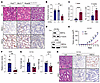 Figure 1
HNF4α is essential for in vivo growth of established IMA. (A) Representative H&E and IHC images for NKX2-1 and HNF4α in IMA GEMMs expressing Hnf4a+/+, Hnf4afl/+, and Hnf4afl/fl. Scale bar: 100 μm. (B) Tumor burden in Hnf4a+/+ (n = 5), Hnf4afl/+ (n = 6), and Hnf4afl/fl (n = 5) GEMMs 14 weeks PTI with Ad5mSPC-FlpO (1 × 10⁸ PFU/mouse). **P < 0.01, by Mann-Whitney U test. (C) Quantification of cleaved caspase 3 (CC3) in KN and KNH GEMMs 1 week (left) or 8 weeks (right) after first i.p. dose of tamoxifen. #P = 0.0123; ****P < 0.0001, by unpaired, 2-tailed Student’s t test. (D) Representative immunoblots for the indicated proteins in KN and KNH of 1311G and 429A organoids. (E) Longitudinal s.c. tumor volume of 1311G organoids in NSG mice. *P < 0.05 and **P < 0.01, by unpaired, 2-tailed Student’s t test. (F) Fold change in 429A s.c. tumor volume in NRG mice after 10 days of tamoxifen. ###P = 0.0004, by unpaired, 2-tailed Student’s t test. (G) Endpoint tumor mass of KN and KNH tumors from NSG or NRG mice transplanted with 1311G (left, †P = 0.0013) or 429A (right, ††P = 0.0030) organoids; unpaired, 2-tailed Student’s t test. (H) Representative H&E and IHC images of NKX2-1 and HNF4α staining in s.c. tumors generated from isogenic 1311G KN and KNH organoids in NSG mice. Scale bar: 100 μm.
Morphologically, KNH GEMM tumors exhibited an increased nucleus-to-cytoplasm ratio and reduced cytoplasmic volume compared with KN tumors (Figure 1A). At 14 weeks post tumor initiation (PTI), KNH mice had approximately 50% lower tumor burden compared with KN controls (P < 0.01; Figure 1B). Because there were no differences in morphology or tumor burden between Hnf4a+/+ and Hnf4afl/+ KN tumors, we used Hnf4afl/+ KN mice as controls in subsequent experiments. Hnf4a deletion increased apoptosis as early as 1 week after the first tamoxifen dose and persisted for 8 weeks (Figure 1C), without significantly affecting proliferation rates at either time point (Supplemental Figure 1, B–E).
To uncouple Hnf4a deletion from Nkx2-1 deletion, we derived 2 isogenic organoid lines from KNH mice (1311G and 429A) that were NKX2-1 deficient and HNF4α proficient. These cell lines were subcloned and screened for stochastic retention of HNF4α expression (48, 49) (Supplemental Figure 1F and Supplemental Methods). We then deleted Hnf4a in 1311G and 429A cell lines using Ad5CMVCre and 4-hydroxy-tamoxifen (4-OHT), respectively (Figure 1D). Hnf4a deletion did not affect the proliferation of either organoid line in vitro (Supplemental Figure 1, G–J), but it significantly impaired the growth of both organoid lines in vivo (Figure 1, E–G). Histological analysis confirmed that tumors derived from both organoid lines retained their expected morphology and protein expression (Figure 1H and Supplemental Figure 1K). These findings show that HNF4α promoted IMA growth and suppressed apoptosis in vivo.
HNF4α directly activates a gastric differentiation program in IMA. To understand how HNF4α governs identity in IMA, we systematically mapped its direct targets and downstream transcriptional programs across multiple models. To enable high-purity isolation of tumor nuclei for chromatin profiling, we incorporated a Sun1-sfGFP Cre reporter allele (50, 51) into KN and KNH IMA GEMMs, allowing efficient isolation of GFP+ nuclei or live cells by FACS (28).
ChIP-seq for HNF4α in GFP+ nuclei sorted from KN GEMM tumors identified 4,021 high-confidence binding sites across 2 biological replicates (Supplemental Table 1). These peaks were predominantly located within intronic, intergenic, and promoter regions (Figure 2A). Motif analysis of these binding sites revealed expected enrichment for HNF4, as well as motifs bound by transcription factor families that regulate endodermal differentiation such as ONECUT, ESRRA, and FOX (Figure 2B). FoxA1 and FoxA2 regulate GI differentiation (52, 53), and the ONECUT family is crucial for embryonic development of liver, pancreas, and neurons (54). ERRα (encoded by ESRRA) modulates metabolic processes in GI tissues in cooperation with HNF4α (55, 56). Furthermore, ENRICHR analysis (57, 58) using ARCHS4 tissue annotations demonstrated that HNF4α-bound genes were enriched in signatures of GI tissues (Figure 2C).
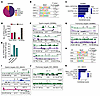 Figure 2
HNF4α directly binds and activates gastric lineage programs in IMA. (A) Genome-wide HNF4α ChIP-seq occupancy in KN tumors. (B) HOMER motif enrichment of HNF4α-bound peaks in KN tumors. (C) ENRICHR ARCHS4 tissue enrichment of genes annotated from HNF4α peaks in KN tumors. (D) Overlap between bulk RNA-seq DEGs and genes annotated from HNF4α peaks in GEMM tumors. Down, downregulated; Up, upregulated. (E) Distribution of HNF4α-bound peaks defined by integration of HNF4α ChIP-seq and H3K27ac HiChIP and annotated to the 86 genes shared with in vivo downregulated DEGs, stratified by looping to promoters, enhancers, or both. (F and G) Integrative Genome Visualization (IGV) tracks showing HNF4α occupancy at gastric lineage genes (F) and lack of occupancy at pulmonary lineage genes (G) in KN tumors. (H) HOMER motif enrichment of HNF4α-bound peaks in HCI_IMA03. (I and J) IGV tracks showing HNF4α occupancy at gastric lineage genes (I) and lack of occupancy at pulmonary lineage genes (J) in HCI_IMA03. (K) ENRICHR ARCHS4 tissue enrichment of genes annotated from HNF4α peaks in HCI_IMA03.
To assess the functional consequences of HNF4α binding, we performed bulk RNA-seq on GFP+ tumor cells isolated from KN and KNH GEMMs (n = 4 mice per genotype), identifying 1,903 differentially expressed genes (DEGs) (log2 fold change [FC] > 0.585, adjusted P [Padj] < 0.05; Supplemental Table 2). Integration of ChIP-seq and RNA-seq revealed that approximately 50% of genes downregulated (Down DEGs) and approximately 15% of genes upregulated (Up DEGs) in KNH tumors were direct HNF4α targets, consistent with HNF4α functioning predominantly as a direct transcriptional activator in IMA (Figure 2D).
To more precisely link HNF4α binding sites with target genes, we intersected these data with H3K27ac HiChIP datasets from KN GEMM tumors (28), enabling identification of HNF4α-bound regulatory regions that physically looped to promoters, enhancers, or both. Of the 437 unique genes annotated from the H3K27ac HiChIP dataset, 275 were associated with HNF4α-bound regions in vivo, and 86 of these genes were significantly downregulated(log2 fold change [FC] > 0.585, adjusted P [Padj] < 0.05) following Hnf4a deletion, as determined by bulk RNA-seq (Figure 2E and Supplemental Table 3). These findings provide direct evidence that HNF4α regulates gene expression through enhancer-promoter interactions at lineage-specific regulatory elements in IMA.
Inspection of individual genes from KN GEMM tumors showed strong HNF4α binding at regulatory elements of canonical gastric genes including Hnf1a, Lgals4, Tff1, and Muc13 but not pulmonary targets including Sftpc and Lamp3 (Figure 2, F and G). Importantly, HNF4α ChIP-seq in an IMA patient-derived organoid (HCI_IMA03) recapitulated gastric-associated motif enrichment and target occupancy (Figure 2, H–K, and Supplemental Figure 2, A–C). Similar HNF4α binding profiles were also observed in 2 mouse-derived IMA organoid lines (429A and 1311G) (Supplemental Figure 2, D–L, and Supplemental Table 1). Together, these data demonstrate that HNF4α chromatin occupancy in murine IMA mirrors the human disease, with no detectable binding at pulmonary marker genes. This gastric-restricted occupancy pattern contrasts with hybrid identity LUAD, where HNF4α colocalizes with NKX2-1 at pulmonary loci (59).
To identify HNF4α-regulated identity programs in IMA, we performed gene set enrichment analysis (GSEA) (60, 61) of GEMM tumor–derived DEGs against cell-type signatures. Gastric lineage signatures, including immature and mature pit cells and isthmus cells, were strongly depleted in KNH tumors relative to KN tumors, whereas nongastric programs, including astrocytic, neuronal, and liver stellate cell signatures (nonepithelial), were upregulated (Figure 3A, Supplemental Figure 3A, and Supplemental Table 4). Consistent with these transcriptional changes, IHC analysis revealed reduced expression of the pan-gastric marker galectin 4 (LGALS4) and the pit cell markers GKN1, trefoil factor 1 (TFF1) and mucin 5 subtype AC (MUC5AC) in KNH tumors (Figure 3B). Hnf4a deletion caused a significant decline in an IMA gene expression signature derived from human tumors (62) (Figure 3C). We also compared KN-high DEGs (defined as genes expressed at significantly higher levels in KN tumors relative to KNH; log2FC > 0.585, Padj < 0.05, Supplemental Table 2) with genes induced by exogenous HNF4α expression in the NKX2-1/HNF4α dual-negative H2122 human lung carcinoma cells (43). We identified 199 shared genes, which were enriched for gastric-related cell lineages when compared with the All RNA-seq and ChIP-seq sample and signature search ARCHS4 resource via ENRICHR analysis (Figure 3D). Taken together, these data show that DEGS identified in GEMMs are relevant to human IMA.
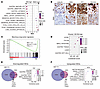 Figure 3
HNF4α maintains gastric differentiation and suppresses transcriptional plasticity in IMA. (A) GSEA of C8 cell-type signatures based on DEGs in KNH versus KN GEMM tumors. (B) Representative IHC of downstream effectors of HNF4α in KN and KNH GEMM tumors at 14 weeks PTI. Scale bar: 100 μm. (C) GSEA of the IMA mucinous tumor signature (PMID: 28255028) using DEGs from bulk RNA-seq of GEMM tumors. The normalized enrichment score (NES) and FDR are shown. (D) ENRICHR ARCHS4 analysis of 199 genes shared between KN-high DEGs and HNF4α-induced genes in H2122 cells. (E and F) Venn diagrams showing an overlap of downregulated (E) and upregulated (F) DEGs between KNF1F2 and KNH GEMM tumors. (E) Downregulated DEGs (KNF1F2, n = 3,076; KNH, n = 1,003) with 737 shared genes (hypergeometric test, P < 1 × 10–15; ~5-fold enrichment) and ENRICHR ARCHS4 tissue enrichment of shared genes. (F) Upregulated DEGs (KNF1F2, n = 2,842; KNH, n = 986) with 512 shared genes (P < 1 × 10–194; ~3.8-fold enrichment) and 474 genes uniquely upregulated in KNH with ENRICHR ARCHS4 enrichment.
Bulk RNA-seq of KN and KNH organoids demonstrated significant overlap with GEMM tumors. Bulk RNA-seq of 429A and 1311G organoids revealed 818 and 2,323 DEGs, respectively, between KN and KNH genotypes (log2FC > 0.585, Padj < 0.05, Supplemental Tables 5 and 6). The 429A organoid model showed the highest concordance with GEMM tumor–derived DEGs, with 107 KNH-high genes (39%) and 202 KN-high genes (60%) overlapping with upregulated genes in KNH and KN GEMM tumors, respectively. The 1311G organoid line showed more modest overlap, with 131 KNH-high (12%) and 284 KN-high (23%) shared with GEMM tumor–derived DEGs (Supplemental Figure 3, B–F). GSEA of organoid DEGs from both murine models mirrored GEMM tumors, showing depletion of gastric pit cell identity and activation of nongastric signatures in the KNH tumors (Supplemental Figure 4, A–B, and Supplemental Table 7).
Although intestine-associated transcripts such as Vil1, Tff3, and Pdx1 were detected in KN tumors, IHC did not support overt intestinal differentiation. CDX2 was undetectable, and PDX1, which is physiologically expressed in the gastric antrum in addition to the duodenum (63), was restricted to a minor tumor subset that declined following Hnf4a deletion (Supplemental Figure 4, C and D). Moreover, the HNF4α isoform expression pattern of IMA (P2-high) (42) is more similar to normal stomach than intestines, which coexpress P1 and P2 (64). These findings support a predominantly gastric identity with limited, CDX2-independent intestinal features rather than bona fide intestinal differentiation and establish HNF4α as a central regulator of gastric lineage fidelity in IMA, maintaining pit cell identity while constraining alternative lineage programs.
Our prior work showed that FoxA1/2 are required for the gastric differentiation in IMA, including activation of Hnf4a expression in IMA (28). To define the subset of FoxA1/2-dependent genes that are HNF4α dependent, we compared DEGs in KNH versus KN tumors with those in Foxa1/2 double-KO tumors (KNF1F2) verses KN tumors (28). The 737 shared downregulated genes were enriched in GI pathways (Figure 3E), and this overlap was highly significant by hypergeometric test (P < 1 × 10–15; ~5-fold enrichment) (65). Taken together with prior studies showing that FoxA1/2 bind the Hnf4a locus in KN tumors and are required for Hnf4a expression and activation of the gastric program (11, 14, 28), these data support a model in which HNF4α serves as a major downstream effector of FoxA1/2 in gastric identity specification in IMA. Intriguingly, we identified 474 genes uniquely upregulated in KNH but not in KNF1F2, many of which were associated with nongastric lineages, suggesting that FoxA1/2 are required to activate nongastric identity programs in KNH tumors (Figure 3F).
Finally, pathway analysis of GEMM tumor–derived DEGs showed that loss of HNF4α also altered metabolic gene programs. KN tumors were enriched for pathways related to xenobiotic metabolism, steroid biosynthesis, glycolysis, oxidative phosphorylation, and bile acid metabolism (Kyoto Encyclopedia of Genes and Genomes [KEGG], Hallmark; Supplemental Figure 4, E and F, and Supplemental Table 8), whereas KNH tumors were enriched for cilium assembly and organelle biogenesis (Reactome; Supplemental Figure 4G and Supplemental Table 8). These patterns were consistent with gene ontology of organoid-derived DEGs (Supplemental Table 9) and align with established roles of HNF4α in regulating metabolic programs in GI tissues and liver (66–68). Together, these data indicate that HNF4α is a central regulator of gastric identity in IMA through coordinated control of differentiation-associated and metabolic gene programs.
HNF4α restricts cellular heterogeneity and prevents lineage deviation in IMA. Intercellular heterogeneity contributes to lineage plasticity and therapeutic resistance in LUAD, including IMA (5, 17, 69). Although bulk RNA-seq revealed that Hnf4a deletion suppresses gastric identity and activates nongastric programs, it lacks single-cell resolution and obscures transcriptional heterogeneity.
To define the role of HNF4α across IMA subpopulations, we performed scRNA-seq on sorted GFP+ tumor cells from KN and KNH GEMMs at 14 weeks PTI (n = 2 mice per genotype, Supplemental Figure 5, A–D). Analysis of all high-quality cells demonstrated that most were bona fide tumor cells, defined by coexpression of CreERT2 and sfGFP (Supplemental Figure 5, E and F). After excluding normal cells (sfGFP/CreERT2–), we identified 18 clusters comprising 5,003 KN and 5,024 KNH cells (Figure 4A, and Supplemental Table 10). These segregated into 2 major groups: group A, with equal contributions from KN and KNH cells, and group B (~80% of tumor cells) enriched for KN cells (Figure 4, B–E). A small fraction (< 2%) of unrecombined Nkx2-1 cells retained an AT2-like state (70), expressing canonical markers including Sftpa1, Sftpc, and Nkx2-1 (Supplemental Figure 5, G and H). Quantification of exon-specific reads confirmed efficient Hnf4a deletion in KNH cells (Supplemental Figure 5I and Supplemental Table 10).
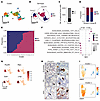 Figure 4
HNF4α constraints cellular heterogeneity in IMA at single-cell resolution. (A) Uniform manifold approximation and projection (UMAP) of malignant KN (5,001 cells) and KNH (5,024 cells) GEMM tumors (n = 2 mice per genotype, multiple tumors per mouse) colored by Seurat clusters. (B) UMAP of KN and KNH tumor cells colored by genotype. (C) Total tumor cells in groups A and B. (D) Proportion of KN and KNH tumor cells in groups A and B. (E) Distribution of tumor cells from each genotype across Seurat clusters. (F) GSEA of C8 cell-type signatures using DEGs comparing groups A and B. (G) UMAPs of tuft cell marker genes (Pou2f3, Ptprc, Dclk1, and Lrmp). (H) Representative IHC images of DCLK1 and POU2F3 staining in KN and KNH GEMM tumors at 14 weeks PTI. Scale bar: 50 μm. Arrows indicate POU2F3-positive tumor cells. (I) UMAP showing enrichment of neuron-like (cluster 1) and immune-like (cluster 2) tuft-like cells in KN and KNH tumors in group A (PMID: 29144463).
Differential expression analysis identified 2,958 DEGs between groups A and B (1,580 group A–high, and 1,378 group B–high; log2FC > 0.25; Supplemental Table 10). Group A exhibited a tuft-like program marked by Pou2f3, Dclk1, Ptprc, and Lrmp with similar expression levels in KN and KNH tumors confirmed by scRNA-seq and IHC (Figure 4, F–H). Consistent with this, Hnf4a deletion did not alter the expression of neuronal or immune-associated tuft markers (Figure 4I), indicating preservation of this subpopulation in IMA.
Despite similar tuft marker expression levels, KN and KNH cells in group A clustered distinctly, with 975 DEGs between the genotypes (log2FC > 0.25; Supplemental Table 10). After excluding genes that were also differentially expressed in group B, we identified 467 KN-high and 281 KNH-high genes unique to group A (Supplemental Figure 5J). Enrichment analysis revealed reduced tuft, microglia, and neuronal signatures in KNH cells, driven by decreased expression of tuft-associated genes including IL17rb (71), Hpgds (72), Alox5 (73), and Plcg2 (72) (Supplemental Figure 5, K–M). These data suggest that HNF4α regulates a subset of tuft-associated genes without altering tuft-like identity.
We next evaluated group B, which was enriched for gene signatures associated with gastric pit cell differentiation. HNF4α target genes identified by bulk RNA-seq analysis, including the gastric markers Lgals4, Eps8l3, Gkn1, and Tff1, were significantly downregulated in group B KNH cells (log2 fold change [FC] > 0.585, adjusted P [Padj] < 0.05; Figure 5A). To assess the extent to which KN and KNH cells recapitulate normal gastric differentiation, we projected our scRNA-seq data onto reference atlases of gastric epithelial cell types (22). In the corpus-only atlas, KN cells mapped primarily to mature pit (cluster 13), neck (clusters 0, 2, 7, and 12), and isthmus (clusters 5, 6, 9, and 11) cell types, with limited representation of tuft cells (cluster 15) (Figure 5, B and C), and showed minimal mapping to parietal, chief, or enteroendocrine cells. In contrast, KNH cells were underrepresented in pit and isthmus cell populations and preferentially mapped to neck cell clusters. Similar shifts in cell-type representation were observed using a second atlas incorporating both corpus and antrum lineages (Supplemental Figure 6, A and B). Although we previously observed rare PDX1+ KN tumor cells, these cells lacked CDX2 expression, arguing against bona fide duodenal or intestinal differentiation. Consistent with this, unbiased comparison of tumor scRNA-seq profiles with murine reference cells showed that KN cells did not map to duodenal cell populations (Supplemental Figure 6, A and B).
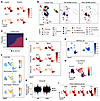 Figure 5
HNF4α sustains a stomach-like gastric lineage program in IMA at single-cell resolution. (A) UMAPs of representative HNF4α target genes (Lgals4, Eps8l3, Gkn1, and Tff1). (B) UMAPs of the Takada et al. corpus dataset (PMID: 37386010), with KN and KNH tumor cells mapped by Seurat label transfer. (C) Proportion of KN and KNH tumor cells mapping to corpus clusters. (D) Feature plots of corpus pit, antral pit, and mature pit cell markers in IMA tumor cells. (E) UMAPs of gene module scores along the isthmus-to-pit trajectory. (F) UMAPs of gene modules associated with alternative cell types in KNH tumors. (G) UMAP of CytoTRACE1 scores (0–1), with lower values indicating greater differentiation. (H) Violin plot of iPSC and ESC gene signatures in KN and KNH tumor cells (group B). (I) UMAPs of fetal intestinal stem cell markers (Ly6a, Tacstd2, Anxa1, and Clu).
Analysis of lineage-specific marker genes and cell-type signatures (74) demonstrated a marked loss of pit and isthmus identity in group B KNH cells (Figure 5D and Supplemental Figure 6, C and D). To further assess differentiation dynamics, we examined established markers of the isthmus-to-pit transition (22), which revealed a reduction in genes associated with progression toward mature pit cell states, indicating a requirement for HNF4α in this lineage commitment step (22, 75) (Figure 5E). Although KNH cells were more frequently assigned to neck cell clusters, the overall neck cell signature was comparable between genotypes, likely reflecting shared expression of select markers such as Tff2 in both neck and pit cells. Together, these findings suggest that KNH cells primarily undergo loss of pit and isthmus identity rather than a bona fide switch to a neck cell fate (Supplemental Figure 6E).
Because mucous neck cell gene expression overlaps substantially with spasmolytic polypeptide–expressing metaplasia (SPEM), a metaplastic lineage associated with gastric injury repair (76), we evaluated whether the transcriptional changes following Hnf4a deletion were consistent with SPEM activation, rather than reflecting a shift among gastric epithelial cell lineages. We identified no enrichment of SPEM-associated markers or gene signatures in KNH cells (Supplemental Figure 6, F and G), indicating that loss of HNF4α does not induce a SPEM-like transcriptional program in IMA.
Finally, we asked whether the nongastric identities observed in KNH cells by bulk RNA-seq data are detectable at the single-cell level. Group B KNH cells exhibited enrichment of curated nongastric signatures, including neuronal and liver-like programs (Figure 5F). These signatures encompassed both canonical marker genes (Fgfr3, Kcnh7, and Rora for neuronal; Mgst1, Trf, and Cp for liver) and broader cell-type–associated transcriptional networks (Supplemental Figure 6H). Moreover, group B KNH cells exhibited a greater number of distinct expressed genes per cell than did group B KN cells by CytoTRACE analysis (77), a computational metric that correlates with cellular differentiation potential (Figure 5G). In contrast, group A (tuft-like) cells had low transcriptional diversity that was unaffected by Hnf4a deletion. This analysis shows that HNF4α loss caused increased transcriptional diversity, which typically correlates with loss of differentiation, specifically in pit-/isthmus-like IMA cells, but not in tuft-like IMA cells.
To test whether this change in differentiation reflected reactivation of fetal or pluripotent transcriptional programs in group B KNH cells, we analyzed the expression of induced pluripotent stem cell/embryonic stem cell (iPSC/ESC) gene signatures (78) and canonical fetal intestinal stem cell markers (Ly6a, Tacstd2, Anxa1, Clu) (79). All were similarly expressed in KN and KNH cells in group B, indicating that the altered differentiated state in KNH cells likely does not reflect activation of a fetal-like or pluripotent program (Figure 5, H and I).
Taken together, these data show that HNF4α regulated shared and distinct transcriptional programs in major (pit-/isthmus-like) and minor (tuft-like) IMA subpopulations. Hnf4a deletion disrupted pit-like identity and induced nongastric lineage signatures in the major subpopulation, while the tuft-like subpopulation remained relatively stable despite loss of a subset of HNF4α-dependent, tuft-associated transcripts.
HNF4α loss reprograms FoxA1/2 binding to drive nongastric states in IMA. Having established that HNF4α promotes IMA growth, activates gastric differentiation, and restricts single-cell transcriptional plasticity, we next investigated how its loss promotes nongastric lineage programs, including neuronal and liver-like states. FoxA1/2 are diffusely expressed in both KN and KNH cells (Supplemental Figure 7, A and B), and bulk RNA-seq across IMA models demonstrated that nongastric program activation after HNF4α loss was partially FoxA1/2 dependent (Figure 3F). We therefore hypothesize that, in the absence of HNF4α, FoxA1/2 engage de novo chromatin sites to activate nongastric programs and rewire cell identity.
To test this, we performed ChIP-seq for FoxA1/2 in GFP-positive nuclei sorted from lung tumors of KN and KNH GEMMs. HOMER motif analysis of FoxA1 peaks identified enrichment of the FOXA motif in both KN and KNH tumors, whereas HNF4α motifs were enriched only in KN tumors (Supplemental Figure 7C and Supplemental Table 1). A similar pattern was observed for FoxA2 peaks (Supplemental Figure 7D and Supplemental Table 1). FoxA1/2 co-occupied HNF4α-bound sites in KN tumors, whereas in KNH tumors they remained co-occupied with each other (Supplemental Figure 7, E–G). At the Lgals4 locus, FoxA1, FoxA2, and HNF4α co-bound in KN tumors (Supplemental Figure 7H). FoxA1 ChIP-seq in 1311G KN and KNH organoids recapitulated these in vivo binding patterns (Supplemental Figure 7, I–L).
Using DiffBind, we identified 2,369 KN-specific and 494 KNH-specific in vivo FoxA1 peaks, and 1,443 KN-specific and 983 KNH-specific in vivo FoxA2 peaks (Supplemental Table 11). Mapping these differential FoxA1 peaks onto the merged binding sets for HNF4α (in KN GEMM tumors) and FoxA1/2 (in KN and KNH GEMM tumors) revealed striking patterns: KN-specific FoxA1 peaks overlapped substantially with FoxA1, FoxA2, and HNF4α sites in KN tumors, while KNH-specific peaks overlapped with FoxA1 and FoxA2 in KNH tumors but did not overlap with HNF4α (Figure 6A). We made similar observations for FoxA2 (Supplemental Figure 8A and Supplemental Table 11).
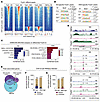 Figure 6
HNF4α loss reprograms FoxA1/2 binding to drive nongastric states in IMA. (A) Heatmap of differential FoxA1 binding between KN and KNH GEMM tumors (adjusted P < 0.05). (B) HOMER motif enrichment at differential FoxA1 peaks in KN and KNH GEMM tumors. (C) ENRICHR ARCHS4 tissue enrichment of genes annotated from shared differential FoxA1/2 peaks (left, KN-specific; right, KNH-specific). (D) IGV tracks showing reduced FoxA1/2 binding at the gastric gene locus Tff1 and increased binding at nongastric loci (Dcx and Alb) in KNH GEMM tumors. (E) Overlap between genes associated with KN-specific FoxA1 peaks and HNF4α-bound regions in KN GEMM tumors. (F and G) Overlap of genes annotated from KN-specific (F) or KNH-specific (G) FoxA1 peaks and DEGs identified by bulk RNA-seq in GEMM tumors. P values in B and C were calculated by HOMER using a hypergeometric test for motif enrichment relative to background sequences.
HOMER motif analysis revealed that KN-specific FoxA1 peaks were enriched for FOX, AP-1, and HNF4 motifs, whereas KNH-specific peaks were enriched for FOX, NFI, HNF1, and SOX motifs (Figure 6B). The presence of HNF4, AP-1, and KLF motifs in KN-specific peaks suggests that FoxA1 cooperates with these factors to drive gastric identity in IMA (27, 80, 81). In contrast, the enrichment of NFI and SOX motifs in KNH-specific peaks suggest that, in the absence of HNF4α, FoxA1/2 may cooperate with alternative transcriptional partners to drive lineage plasticity and activate nongastric programs (82–84). FoxA2 motif analysis showed a similar pattern (Supplemental Figure 8, B and C).
ENRICHR cell-type enrichment analysis of genes annotated from KN- or KNH-specific FoxA1 or FoxA2 peaks showed that genes bound by KN-specific FoxA1 or FoxA2 peaks were enriched for gastric epithelial cell lineages, whereas those bound by KNH-specific FoxA1 or FoxA2 peaks were linked to neuronal and other nongastric cell types (Supplemental Figure 8, D and E). Similar results were obtained when we analyzed genotype-specific shared differential FoxA1/2 binding sites (Figure 6C). For example, FoxA1/2 binding at the pit cell marker Tff1 was lost in KNH tumors, whereas binding increased at representative neuronal doublecortin (Dcx) and hepatic albumin (Alb) marker genes (Figure 6D). Notably, Alb expression was maintained in KNH tumors despite HNF4α loss, indicating that its activation in this context was not strictly dependent on HNF4α. This intriguing result is consistent with prior work demonstrating that in hepatocytes, FoxA2 can sustain Alb expression when HNF4α is lost through alternative transcriptional factors supporting a context-dependent transcriptional rewiring (85). Together, these data indicate that HNF4α loss reshapes enhancer selection, enabling FoxA1/2-driven activation of nongastric lineage programs in KNH tumors.
These binding changes were accompanied by corresponding shifts in gene expression: genes associated with KN-specific FoxA1 peaks were significantly downregulated in KNH tumors (|log2FC| > 0.585, Padj < 0.05 by bulk RNA-seq), while those linked to KNH-specific FoxA1 peaks were upregulated (Figure 6, E–G). Similar transcriptional correlations were observed for FoxA2 (Supplemental Figure 8, F–H).
During endodermal development, FoxA recruitment to a subset of enhancers with weaker, less abundant motifs is dependent on other tissue-specific transcription factors (86). We therefore asked whether differences in motif strength or abundance could account for the dependence of a subset of FoxA1/2 binding sites on HNF4α in IMA. Dynamic FoxA1 sites in both KN and KNH tumors exhibited reduced motif abundance and weaker motif strength compared with static peaks, whereas dynamic KNH FoxA2 sites showed reduced motif abundance without significant changes in motif strength (Supplemental Figure 9, A–D, and Supplemental Table 12). Canonical HNF4 motifs were more abundant and stronger within KN-specific FoxA1/2 regions compared with static or KNH-specific FoxA1/2 regions (Supplemental Figure 9, E–H, and Supplemental Table 12). These data suggest that differences in FoxA motif strength and abundance may contribute to the subset of FoxA1/2 binding sites in IMA that depend on HNF4α expression.
DiffBind analysis of FoxA1 ChIP-seq in 1311G KN and KNH organoids revealed extensive FoxA1 relocalization in KNH tumors, from canonical gastric loci, including HNF4α target genes bound in KN, to nongastric loci associated with neuronal cell identities (Supplemental Figure 10, A–D). These changes in FoxA1 occupancy mirrored the enrichment of nongastric programs observed in KNH tumors across both scRNA-seq and bulk RNA-seq datasets (Figure 3A and Figure 5F).
HNF4α loss alters chromatin accessibility at lineage-specific sites in IMA. To determine whether HNF4α regulates chromatin accessibility in IMA, we performed the assay for transposase-accessible chromatin using sequencing (ATAC-seq) in 1311G organoids. We identified 2,984 KN-specific and 3,530 KNH-specific accessible regions (Figure 7A), indicating structured chromatin remodeling following Hnf4a deletion. Motif analysis revealed enrichment of KLF, FOX, CDX, and HNF4 motifs in KN-specific regions and RUNX, NFI, FOX, and GRHL motifs in KNH-specific regions (Figure 7, B and C). The presence of the FOX motif in both KN- and KNH-specific sites likely reflects redistribution of FoxA1 following HNF4α loss. GSEA of peak-annotated genes further demonstrated that KN-specific regions were enriched for gastric epithelial cell types, whereas KNH-specific regions mapped predominantly to nongastric cell lineages (Figure 7, D and E).
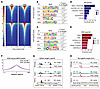 Figure 7
HNF4α loss induces selective chromatin remodeling and FOXA redistribution in IMA organoids. (A) Heatmap of differential chromatin accessibility between 1311G KN and KNH organoids (adjusted P < 0.05). (B and C) HOMER motif enrichment at KN-specific (B) and KNH-specific (C) ATAC-seq peaks in 1311G. (D and E) ENRICHR ARCHS4 tissue enrichment of genes annotated from KN-specific (D) and KNH-specific (E) ATAC-seq peaks in 1311G. (F) Mean ATAC-seq signal in 1311G KN and KNH centered on HNF4α summits defined in 1311G KN. (G and H) IGV tracks at the Lgals4 (G) and Dcx (H) loci showing ATAC-seq and HNF4α/FoxA1 ChIP-seq signal in 1311G KN and KNH organoids. P values in B and C were calculated by HOMER using a hypergeometric test for motif enrichment relative to background sequences.
We next evaluated changes in accessibility at the summits of the 3,057 HNF4α binding sites in 1311G KN organoids. Overall accessibility only declined slightly at these sites upon Hnf4a deletion (Figure 7F). Only 98 summits overlapped differentially accessible regions, the majority of which (91 sites) corresponded to KN-specific elements that lost accessibility in KNH tumors, while 2,959 sites remained stable (Supplemental Figure 11A). Consistent with these observations, the HNF4 motif was only observed in 3% of KN-specific sites.
These observations suggest that transcription factors other than HNF4α are the primary drivers of chromatin accessibility changes following Hnf4a deletion. Notably, FOX motifs were present in a greater fraction of differentially accessible regions than HNF4 motifs. Integration of ATAC-seq with FoxA1 ChIP-seq and bulk RNA-seq data further supported a role for FoxA1 in coordinated regulatory remodeling after HNF4α loss. KNH-specific accessible regions preferentially overlapped KNH-specific FoxA1 binding and genes upregulated in KNH tumors, whereas KN-specific accessible regions aligned with KN-specific FoxA1 binding and genes upregulated in KN tumors (Supplemental Figure 11, B and C). Cross-platform integration of peak-associated genes from ATAC-seq, ChIP-seq, and bulk RNA-seq identified 106 high-confidence KN targets and 24 KNH targets, defining distinct lineage-specific regulatory programs (Supplemental Figure 11, D and E). Representative loci further illustrated this remodeling, showing concomitant loss of HNF4α binding, FoxA1 binding, and chromatin accessibility at the gastric gene Lgals4 in KNH tumors, together with increased accessibility and FoxA1 binding at the neuron-associated gene Dcx (Figure 7, G and H). Together, these findings suggest that HNF4α loss reshaped the chromatin landscape in IMA, in part by enabling FoxA1 redistribution from gastric to nongastric regulatory elements.
HNF4α dampens the response of IMA to KRAS inhibition. DTP cells (87) represent a major barrier to durable responses in oncogene-driven cancers, including LUAD (88), where they facilitate survival under targeted therapy pressure. Recent work has shown that GI and mucinous (G/M) gene programs, including Hnf4a itself, are enriched in DTP states following RAS inhibition (44). We found that approximately 80% of these DTP-enriched genes were downregulated in KNH GEMM tumors, showing that HNF4α maintained transcriptional programs associated with the DTP phenotype in IMA (Figure 8A). This prompted us to test whether HNF4α directly modulates the response of IMA to KRASG12D inhibition.
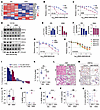 Figure 8
HNF4α sustains DTP cells and limits the response to KRASG12D inhibition. (A) Heatmap showing log2-normalized expression for G/M genes associated with DTP cells in IMA in vivo. (B and C) Dose-response curves for IMA organoids treated with BMS-986508. (B) 1311G (IC50: KN = 47.77 nM; KNH = 5.27 nM) and (C) 429A (IC50: KN = 152.3 nM; KNH = 25.61 nM). IC50 values were calculated by nonlinear regression. Data represent 1 of 3 independent biological replicates and are presented as the mean ± SEM. (D–F) Representative immunoblot analysis of the indicated proteins in 1311G organoids treated with BMS-986508 for 2 hours (n = 2 independent biological replicates) or 72 hours (n = 3), with quantification of pERK normalized to total ERK (tERK). Data are presented as the mean ± SD. (G) Dose-response curves for 1311G organoids treated with RMC-9805 (IC50: KN = 234.3 nM; KNH = 71.17 nM). Data represent 1 of 3 independent biological replicates and are presented as the mean ± SEM. (H) Human-derived organoids (KOR259) transduced with lentiviral dual gRNAs (sgdual) targeting HNF4A P1/P2 isoforms or a nontargeting control (NC), followed by 4 days of selection and treatment with BMS-986508 for 72 hours. IC50 values were 20.5 nM, 13.8 nM, 7.3 nM, and 6.4 nM for the NC and sgdual 1–3, respectively. Data represent 1 of 3 independent biological replicates and are presented as the mean ± SEM. (I) Waterfall plot showing the fold change in tumor volume in 1311G KN and KNH allografts treated with vehicle or BMS-986508. (J) Endpoint tumor volumes from I. ‡P = 0.0126, by unpaired, 2-tailed Student’s t test. (K) Tumor burden in KN and KNH GEMM tumors after 2 weeks of treatment with vehicle or BMS-986508. NS, P = 0.6943; ‡ ‡ ‡P = 0.0002; ****P < 0.0001, by Mann-Whitney U test). (L and M) Representative H&E and HNF4α IHC images. Scale bar: 100 μm. (N–Q) Quantification of pERK (N), MCM2 (O), CCND1 (P), and pRB(S807) (Q) by IHC. ****P < 0.0001 (O); § § §P = 0.0003 (P and Q), by Mann-Whitney U test.
Treatment of 1311G and 429A organoids with the KRASG12D inhibitor BMS-986508 (also called MRTX1133) demonstrated that Hnf4a deletion reduced the IC50 of BMS-986508 in 1311G organoids by 9-fold and in 429A organoids by 5-fold (Figure 8, B and C). BMS-986508 inhibited phosphorylated ERK (pERK) in both genotypes (KN and KNH), although the effect was slightly more pronounced in KNH organoids at 2 hours (Figure 8, D–F, and Supplemental Figure 12, A and B). Similar results were obtained using the independent KRASG12D inhibitor RMC-9805 (Figure 8G and Supplemental Figure 12, C and D). Consistent with these findings, the LUAD patient– derived organoid KOR259 (89), which has morphologic and molecular features of IMA, also demonstrated increased sensitivity to BMS-986508 upon HNF4A knockdown by CRISPR interference. (Figure 8H and Supplemental Figure 12, E and F). Extended pharmacologic testing revealed enhanced sensitivity of KNH organoids to the MEK inhibitor cobimetinib, whereas no differential response was observed with cisplatin, and both KN and KNH organoids were largely insensitive to the ERK inhibitor GDC-0994 (Supplemental Figure 12, G–I).
To evaluate in vivo responses, we subcutaneously implanted 1311G KN and KNH organoids into NSG mice and treated them with vehicle or BMS-986508. Because KNH tumors grew more slowly than KN tumors under untreated conditions (Figure 1E), we initiated treatment when tumor volumes were equivalent across genotypes to ensure a comparable baseline for assessing drug response (Supplemental Figure 12J). Consistent with the in vitro findings, most KNH tumors regressed following BMS-986508 treatment, whereas 5 of 7 KN tumors continued to grow, albeit more slowly than did vehicle controls (Figure 8, I and J, and Supplemental Figure 12K). Together, these data demonstrate that Hnf4a deletion sensitizes IMA to KRASG12D inhibition in vitro and in vivo.
To further assess therapeutic responses in an immune-competent setting, we treated KN and KNH GEMMs harboring autochthonous tumors with vehicle or 30 mg/kg BMS-986508 for 14 days (Supplemental Figure 13A). Histologic analysis revealed a significant reduction in tumor burden in GEMMs of both genotypes following KRASG12D inhibition (Figure 8, K and L). HNF4α expression remained comparable in vehicle- and drug-treated KN tumors, and residual tumors in KNH mice did not show selective enrichment of HNF4α+ cells (Figure 8M), indicating that treatment did not select for an HNF4α-expressing subpopulation. Consistent with effective pathway suppression, pERK levels were comparably reduced in both KN and KNH tumors after treatment (Figure 8N and Supplemental Figure 13B). Although residual tumor burden did not differ significantly between genotypes at this time point, cell-cycle behavior diverged markedly. Consistent with a targeted therapy response in a BRAFV600E-driven IMA GEMM (17), BMS-986508 paradoxically increased the percentage of MCM2+ DTP cells and did not reduce cyclin D1 or pRB(S807) levels in KN tumors (Figure 8, O–Q, and Supplemental Figure 13, C–E). Thus, despite ERK inhibition and tumor regression, DTP cells in KN tumors failed to exit the cell cycle. In contrast, DTP cells in KNH tumors showed significantly lower MCM2, cyclin D1, and pRB(S807) positivity, indicating that HNF4α loss promoted cell-cycle exit in DTPs in response to KRAS inhibition.
Together, these findings support a model in which HNF4α prevented quiescence in IMA DTP cells by maintaining cyclin D1 expression and Rb phosphorylation, despite KRAS and ERK inhibition. Notably, one BMS-986508-treated KN tumor exhibited histologic features consistent with mucinous-to-squamous transdifferentiation, aligning with emerging reports of lineage plasticity under KRAS inhibition (9, 90); however, this was an isolated observation (Supplemental Figure 13F).
HNF4α impairs the response to KRAS inhibition by maintaining NRF2 activity in IMA. Given that BMS-986508 suppressed pERK in both genotypes, we sought to identify alternative mechanisms underlying differential sensitivity to KRAS inhibition. Pathway analysis revealed that Hnf4a deletion led to a marked reduction in xenobiotic metabolism, with significant suppression of the NRF2 activity in vivo, as identified by IPA upstream regulator analysis and GSEA (Figure 9, A and B, and Supplemental Figure 4, E and F). This was accompanied by reduced transcript levels of canonical NRF2 target genes, such as Nqo1 and Aldh3a1, without a change in Nfe2l2 mRNA expression, the gene encoding NRF2 (Figure 9C).
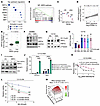 Figure 9
NRF2 mediates HNF4α-dependent resistance to KRAS inhibition in IMA. (A) IPA-predicted upstream transcriptional regulators from DEGs in KNH versus KN GEMM tumors. (B) GSEA showing depletion of the NRF2 gene signature in KNH GEMM tumors. (C) qRT-PCR of Nrf2, Nqo1, and Aldh3a1. ***P < 0.001, by unpaired, 2-tailed Student’s t test. log2Norm, log2-normalized. (D) Spearman correlation between NRF2 activity and HNF4A signature 1 scores in TCGA KRAS-mutant NSCLC; linear regression with 95% CI. Spearman R and P values are shown. (E) HNF4A signature 1 scores in NRF2-low versus NRF2-high tumors. Significance was determined by unpaired, 2-tailed Student’s t test. (F) NRF2 immunoblot of FACS-sorted IMA GEMM tumors. (G) Immunoblot of the indicated proteins in 1311G organoids treated with 1 μM MG132 or vehicle for 2 hours. (H) NRF2 quantification normalized to the loading control following 2 hours of DI-591 treatment. n = 3 independent biological replicates; data indicate the mean ± SD. P = 0.0486, by unpaired, 2-tailed Student’s t test. (I and J) 1311G KNH organoids expressing dox-inducible FLAG-NFE2L2 (NRF2) or empty vector (EV) ± 0.1 μg/mL doxycycline: (I) immunoblot of the indicated proteins (72 hours). (J) qRT-PCR of NFE2L2 and Nqo1 expression (48 hours). Data represent 1 of 3 independent biological replicates and are shown as the mean ± SD. ****P < 0.0001; NS = 0.5102, by 2-way ANOVA with Tukey’s multiple-comparison test. (K) Dose-response curves for 1311G KNH organoids expressing EV or dox-inducible NRF2 treated with BMS-986508 with or without 0.5 μg/mL dox for 72 hours (IC50: EV = 2.5 nM; NRF2 = 33.7 nM). Data represent 1 of 3 biological replicates and are shown as the mean ± SEM. (L) Cell viability of 1311G KN organoids treated with increasing concentrations of ML385 alone or with 10 or 20 nM BMS-986508. Data indicate the mean ± SEM from 1 of 3 biological replicates. **P < 0.01 and ***P < 0.001, by 2-way ANOVA with Tukey’s multiple-comparison test. (M) Bliss synergy score calculated using SynergyFinder. FPKM, fragments per kilobase of transcript per million mapped reads.
NRF2 transcriptional activity was recently associated with a poor response to KRAS inhibition in the KRYSTAL-1 trial, even in tumors lacking KEAP1 mutations (37). We therefore asked whether HNF4A activity positively correlates with NFE2L2 (NRF2) activity in KRAS-mutant, WT KEAP1 tumors. We obtained gene expression profiles from 88 LUAD samples harboring KRAS mutations but lacking KEAP1 mutations based on data generated by The Cancer Genome Atlas (TCGA) Research Network, reasoning that these tumors maintain physiologic control of NRF2. Using this dataset, we analyzed gene expression profiles, stratified by an established NRF2 signature (37, 91) (Supplemental Table 13). Across all tumors, HNF4A Signature 1 (R = 0.49, P = 1.8 × 10⁻⁶), Signature 2 (R = 0.48, P = 4.1 × 10⁻⁶), and Signature 3 (R = 0.29, P = 0.006) showed moderate positive correlations with NRF2 activity (Figure 9D and Supplemental Figure 14A). Consistently, expression of all 3 signatures was significantly elevated in NRF2-high compared with NRF2-low tumors (P < 0.001 for all; Figure 9E and Supplemental Figure 14B). These results confirm that HNF4A transcriptional programs co-occurred with high NRF2 activity even in the absence of KEAP1 mutations. In the KRYSTAL-1 cohort, in which some tumors carried KEAP1 mutations and thus had constitutively active NRF2, we again observed moderate, significant positive correlations across all three HNF4A signatures and higher signature expression in NRF2-high cases (Supplemental Figure 14, C–F). Together, these findings support a conserved, clinically relevant relationship between HNF4A and NRF2 in KRAS-mutant LUAD.
To determine whether HNF4α regulates NRF2 at the protein level, we examined NRF2 protein expression following Hnf4a deletion. NRF2 protein was reduced in sorted KNH GEMM tumors and in 1311G KNH organoids. Proteasome inhibition restored NRF2 levels in vitro, indicating regulation at the level of protein stability (Figure 9, F and G). Consistent with enhanced KEAP1–cullin 3–dependent ubiquitination, pharmacologic inhibition of cullin 3 with DI-591 restored NRF2 protein levels in KNH organoids in a dose-dependent manner (Figure 9H and Supplemental Figure 15A). In contrast, chloroquine-mediated autophagy inhibition did not rescue NRF2 despite effective pathway blockade, arguing against autophagic degradation (Supplemental Figure 15, B and C). Although PPIA (92) and GSK3β (93) have been reported to modulate NRF2 stability, their protein levels (total and phosphorylated) were unchanged following Hnf4a deletion (Supplemental Figure 15D). Together, these data are consistent with the possibility that HNF4α maintains NRF2 stability primarily through KEAP1/cullin 3–dependent proteasomal regulation.
Given the central role of NRF2 in redox homeostasis (94), we next evaluated whether Hnf4a deletion alters ROS levels in IMA using 2 independent assays. The CellROX assay detected no significant differences between 1311G KN and KNH organoids, whereas the signal from the H2DCFDA assay was significantly lower in KNH, indicating that ROS differences were modest and assay dependent (Supplemental Figure 15, E and F). Consistent with a limited functional effect, exogenous H2O2 did not differentially affect viability, and antioxidant treatment failed to rescue the enhanced sensitivity of KNH organoids to KRAS inhibition (Supplemental Figure 15, G and H). Treatment with N-acetylcysteine (NAC) reduced NRF2 levels in both genotypes, supporting redox- sensitive control of NRF2 turnover (Supplemental Figure 15B). Together, these data indicate that KNH organoids did not have elevated overall ROS levels despite reduced NRF2 expression. Rather, they suggest that the lower NRF2 levels in KNH may have been associated with changes in specific ROS species, a possibility that will require further investigation using assays with greater chemical specificity.
We next asked whether the sensitivity of KNH organoids to BMS-986508 was due in part to reduced NRF2 levels. Pharmacologic activation of NRF2 with KI696 (95) stabilized NRF2 protein and increased Nqo1 transcript levels, as confirmed by immunoblotting and quantitative reverse transcription PCR (qRT-PCR) (Supplemental Figure 15, I and J). KI696 also reduced sensitivity to BMS-986508 in 1311G KNH organoids in a dose-dependent manner (Supplemental Figure 15K). To complement this approach, we generated 1311G KNH organoids expressing a doxycycline-inducible NFE2L2 construct. Doxycycline treatment induced robust NRF2 expression, as confirmed by qRT-PCR and immunoblotting (Figure 9, I and J). In cell viability assays, exogenous NRF2 expression conferred a dose-dependent rescue from BMS-986508 sensitivity compared with empty vector controls, increasing the IC50 by more than 10-fold (Figure 9K and Supplemental Figure 15, L and M). However, exogenous NRF2 expression did not rescue KRAS inhibitor–induced cell-cycle arrest (Supplemental Figure 15, N and O). Conversely, pharmacological inhibition of NRF2 with ML385 significantly sensitized 1311G KN organoids to BMS-986508 in a dose-dependent manner, reducing viability compared with either agent alone (Figure 9L). Synergy analysis (SynergyFinder) yielded Bliss and zero interaction potency (ZIP) scores of +21.87 and +22.07, respectively, supporting a synergistic interaction between ML385 and BMS-986508 in IMA (Figure 9M and Supplemental Figure 15P). Together, these data establish the HNF4α/NRF2 axis as a critical regulator of the KRAS inhibitor response in IMA and reveal a therapeutically targetable vulnerability.


Copyright © 2026 American Society for Clinical Investigation
ISSN: 0021-9738 (print), 1558-8238 (online)