
Go to JCI Insight
  • About
  • Editors
  • Consulting Editors
  • For authors
  • Publication ethics
  • Publication alerts by email
  • Advertising
  • Job board
  • Contact
  • Clinical Research and Public Health
  • Current issue
  • Past issues
  • By specialty
    • COVID-19
    • Cardiology
    • Gastroenterology
    • Immunology
    • Metabolism
    • Nephrology
    • Neuroscience
    • Oncology
    • Pulmonology
    • Vascular biology
    • All ...
  • Videos
    • ASCI Milestone Awards
    • Video Abstracts
    • Conversations with Giants in Medicine
  • Reviews
    • View all reviews ...
    • The cGAS-STING pathway: DNA sensing in health and disease (Jun 2026)
    • Neurodegeneration (Mar 2026)
    • Clinical innovation and scientific progress in GLP-1 medicine (Nov 2025)
    • Pancreatic Cancer (Jul 2025)
    • Complement Biology and Therapeutics (May 2025)
    • Evolving insights into MASLD and MASH pathogenesis and treatment (Apr 2025)
    • Microbiome in Health and Disease (Feb 2025)
    • View all review series ...
  • Viewpoint
  • Collections
    • In-Press Preview
    • Clinical Research and Public Health
    • Research Letters
    • Letters to the Editor
    • Editorials
    • Commentaries
    • Editor's notes
    • Reviews
    • Viewpoints
    • 100th anniversary
    • Top read articles

  • Current issue
  • Past issues
  • Specialties
  • Reviews
  • Review series
  • ASCI Milestone Awards
  • Video Abstracts
  • Conversations with Giants in Medicine
  • In-Press Preview
  • Clinical Research and Public Health
  • Research Letters
  • Letters to the Editor
  • Editorials
  • Commentaries
  • Editor's notes
  • Reviews
  • Viewpoints
  • 100th anniversary
  • Top read articles
  • About
  • Editors
  • Consulting Editors
  • For authors
  • Publication ethics
  • Publication alerts by email
  • Advertising
  • Job board
  • Contact
Top
  • View PDF
  • Download citation information
  • Send a comment
  • Terms of use
  • Standard abbreviations
  • Need help? Email the journal
  • Top
  • Abstract
  • Introduction
  • TREX1, cGAS, and STING in monogenic autoinflammation
  • IFN-independent functions of STING in autoinflammatory disease
  • Sources and mechanisms of cytosolic DNA release
  • A DNA damage theory of autoimmunity and autoinflammation
  • Conclusion
  • Author contributions
  • Conflict of interest
  • Funding support
  • Acknowledgments
  • Footnotes
  • References
  • Version history
  • Article usage
  • Citations to this article

Advertisement

Review Series Open Access | 10.1172/JCI204549

Autoinflammatory syndromes of STING and TREX1 dysfunction

Debby J. Park,1 Kate M. Jones,1 Jessica B. Anderson,1 Amanda V. Finck,1 and Jonathan J. Miner1,2,3,4

1RVCL Research Center, Department of Medicine;

2Department of Microbiology;

3Institute for Immunology and Immune Health; and

4Colton Center for Autoimmunity, University of Pennsylvania Perelman School of Medicine, Philadelphia, Pennsylvania, USA.

Address correspondence to: Jonathan J. Miner or Amanda V. Finck, Department of Medicine, University of Pennsylvania, 3600 Civic Center Boulevard, Room 17-104, Philadelphia, Pennsylvania 19104, USA. Email: Jonathan.Miner@PennMedicine.UPenn.edu (JJM); Finckam@PennMedicine.UPenn.edu (AVF).

Authorship note: DJP and KMJ contributed equally to this work.

Find articles by Park, D. in: PubMed | Google Scholar

1RVCL Research Center, Department of Medicine;

2Department of Microbiology;

3Institute for Immunology and Immune Health; and

4Colton Center for Autoimmunity, University of Pennsylvania Perelman School of Medicine, Philadelphia, Pennsylvania, USA.

Address correspondence to: Jonathan J. Miner or Amanda V. Finck, Department of Medicine, University of Pennsylvania, 3600 Civic Center Boulevard, Room 17-104, Philadelphia, Pennsylvania 19104, USA. Email: Jonathan.Miner@PennMedicine.UPenn.edu (JJM); Finckam@PennMedicine.UPenn.edu (AVF).

Authorship note: DJP and KMJ contributed equally to this work.

Find articles by Jones, K. in: PubMed | Google Scholar

1RVCL Research Center, Department of Medicine;

2Department of Microbiology;

3Institute for Immunology and Immune Health; and

4Colton Center for Autoimmunity, University of Pennsylvania Perelman School of Medicine, Philadelphia, Pennsylvania, USA.

Address correspondence to: Jonathan J. Miner or Amanda V. Finck, Department of Medicine, University of Pennsylvania, 3600 Civic Center Boulevard, Room 17-104, Philadelphia, Pennsylvania 19104, USA. Email: Jonathan.Miner@PennMedicine.UPenn.edu (JJM); Finckam@PennMedicine.UPenn.edu (AVF).

Authorship note: DJP and KMJ contributed equally to this work.

Find articles by Anderson, J. in: PubMed | Google Scholar

1RVCL Research Center, Department of Medicine;

2Department of Microbiology;

3Institute for Immunology and Immune Health; and

4Colton Center for Autoimmunity, University of Pennsylvania Perelman School of Medicine, Philadelphia, Pennsylvania, USA.

Address correspondence to: Jonathan J. Miner or Amanda V. Finck, Department of Medicine, University of Pennsylvania, 3600 Civic Center Boulevard, Room 17-104, Philadelphia, Pennsylvania 19104, USA. Email: Jonathan.Miner@PennMedicine.UPenn.edu (JJM); Finckam@PennMedicine.UPenn.edu (AVF).

Authorship note: DJP and KMJ contributed equally to this work.

Find articles by Finck, A. in: PubMed | Google Scholar |

1RVCL Research Center, Department of Medicine;

2Department of Microbiology;

3Institute for Immunology and Immune Health; and

4Colton Center for Autoimmunity, University of Pennsylvania Perelman School of Medicine, Philadelphia, Pennsylvania, USA.

Address correspondence to: Jonathan J. Miner or Amanda V. Finck, Department of Medicine, University of Pennsylvania, 3600 Civic Center Boulevard, Room 17-104, Philadelphia, Pennsylvania 19104, USA. Email: Jonathan.Miner@PennMedicine.UPenn.edu (JJM); Finckam@PennMedicine.UPenn.edu (AVF).

Authorship note: DJP and KMJ contributed equally to this work.

Find articles by Miner, J. in: PubMed | Google Scholar

Authorship note: DJP and KMJ contributed equally to this work.

Published June 1, 2026 - More info

Published in Volume 136, Issue 11 on June 1, 2026
J Clin Invest. 2026;136(11):e204549. https://doi.org/10.1172/JCI204549.
© 2026 Park et al. This work is licensed under the Creative Commons Attribution 4.0 International License. To view a copy of this license, visit http://creativecommons.org/licenses/by/4.0/.
Published June 1, 2026 - Version history
View PDF
Abstract

Breakthroughs in rare genetic disease research elucidate the relationships among cytosolic DNA sensing, genome instability, and autoimmune disease phenotypes. Cytosolic self-DNA is a potent trigger of innate immunity, activating the DNA sensor cyclic GMP-AMP synthase (cGAS) and its downstream effector stimulator of interferon genes (STING). This pathway is negatively regulated by the DNA-degrading enzyme three-prime repair exonuclease 1 (TREX1); loss-of-function TREX1 variants lead to accumulation of cytosolic DNA, resulting in STING-mediated autoinflammation. Similarly, STING gain-of-function mutations cause STING-associated vasculopathy with onset in infancy, another disease characterized by multi-organ damage, disability, and premature death. The TREX1-cGAS-STING pathway has also been implicated in regulation of genome stability. Indeed, DNA damage lies at the heart of a separate TREX1-mediated disease, known as retinal vasculopathy with cerebral leukoencephalopathy, where the aberrant nuclear activity of mislocalized TREX1 damages genomic DNA, resulting in multi-organ degeneration syndrome with features of autoimmunity. Thus, monogenic autoimmune diseases and DNA damage syndromes sometimes overlap clinically, and the study of these diseases has created pathways for developing first-in-class small molecule therapeutics.

Introduction

Rare inflammatory diseases caused by single-gene mutations in nucleic acid–sensing pathways present a unique view into disease etiologies and fundamental biological principles. In particular, key insights into disease mechanisms have been gleaned from the study of STING-associated vasculopathy with onset in infancy (SAVI), caused by stimulator of interferon genes 1 (STING1) variants (1), as well as Aicardi-Goutières syndrome (AGS) (2), retinal vasculopathy with cerebral leukoencephalopathy (RVCL or RVCL-S) (3, 4), and familial chilblain lupus (FCL) (5), all linked to three-prime repair exonuclease 1 (TREX1) variants. Here, we review how these genetic diseases have elucidated the role of TREX1, cyclic GMP-AMP synthase (cGAS), and STING in both common and rare autoimmune and autoinflammatory diseases. For example, cGAS and STING have been implicated in classical autoimmune diseases, such as systemic lupus erythematosus (SLE) and rheumatoid arthritis (6), as well as syndromes that share clinical features with SAVI, including systemic sclerosis (7) and dermatomyositis (8, 9). In addition to regulating inflammation, TREX1, cGAS, and STING are now linked to cellular senescence as part of the DNA damage theory of aging (10–12). Here, we propose a related DNA damage theory of autoimmunity and autoinflammation.

TREX1, cGAS, and STING in monogenic autoinflammation

Monogenic diseases are especially helpful in understanding the unique contributions of TREX1, cGAS, and STING to human disease (1, 2, 4, 5, 13–15) (Figures 1 and 2 and Table 1). Regarding TREX1 variants, the associated disease phenotypes are best differentiated by the domain in which the mutation occurs (2, 3, 5). N-terminal TREX1 mutants affect the catalytic domain, diminishing or eliminating exonuclease activity. This results in accumulation of cytosolic DNA and activation of the cGAS-STING pathway (16, 17). The most severely disruptive variants cause AGS, a syndrome associated with a variety of mutations in genes regulating nucleic acid sensing, including TREX1 (18–23). These genetic variants activate the type I IFN response, leading to progressive cognitive impairment and other neurological deficits as well as systemic manifestations (22, 24, 25). In addition to hypercytokinemia, patients with AGS can develop autoantibodies, including autoantibodies associated with SLE (22, 26). Autoantibodies in AGS might result from type I IFN or, alternatively, immunostimulatory cellular debris (27, 28). Some patients with AGS develop autoimmune manifestations, including immune thrombocytopenia and autoimmune thyroiditis (22, 29, 30) (Table 1). Unlike humans with AGS, who develop neuroinflammation, TREX1 deficiency in mice leads to cardiovascular inflammation, a distinction that might reflect species-specific differences in cGAS-STING activation. Genetic deletion of Cgas, Sting1, or the type I IFN receptor (Ifnar1) abrogates this disease-associated lethality in mice (13, 16, 17, 31, 32). Furthermore, elimination of T and B cells is protective in Trex1–/– animals (17), supporting a combined role of autoimmunity and autoinflammation.
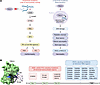
N-terminal mutations in TREX1 cause multi-organ inflammatory diseases, andFigure 1

N-terminal mutations in TREX1 cause multi-organ inflammatory diseases, and C-terminal mutations cause DNA damage with multi-organ injury and features of autoimmunity. (A) Loss of TREX1 exonuclease activity triggers accumulation of cytosolic DNA, unabated STING activation, and interferonopathy in AGS and FCL. By contrast, C-terminal mutations in TREX1 lead to autosomal-dominant RVCL, a multi-organ vasculopathy associated with genome instability and organ degeneration, often mimicking common autoimmune diseases, with onset around midlife and universal disability and premature mortality. Asterisks indicate mutant protein. (B) TREX1 (shown as a monomer) crystal structure reveals AGS- and FCL-associated mutations (shown in blue) that are located at the DNA (shown in gray) interface and lead to a loss of proper DNA binding or catalytic activity. Truncating mutations on the C-terminus associated with RVCL lead to a loss of the transmembrane domain (TMD; not indicated in structure) with localization to the nucleus, triggering DNA damage, cellular senescence, and apoptosis. Structure visualized using UCSF ChimeraX (177). TBK1, tank binding kinase 1; ISG, interferon-stimulated gene; IRF3, interferon regulatory factor 3; cGAMP, cyclic GMP-AMP.
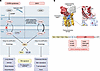
Spontaneous activation of STING occurs with disease-causing STING gain-of-fFigure 2

Spontaneous activation of STING occurs with disease-causing STING gain-of-function mutations, as well as with non-STING mutations that cause accumulation of STING in the Golgi. (A) Coatomer protein complex subunit A (COPA) mutations reduce STING retrieval from the Golgi, leading to constitutive WT STING activation and systemic autoimmunity in patients with COPA syndrome. By contrast, STING gain-of-function mutations in SAVI lead to ligand-independent STING activation and multi-organ autoinflammation. Asterisks indicate mutant protein. (B) SAVI-causing STING mutations primarily involve the connector loop and polymer interface portion of the ligand-binding domain (LBD). Apo STING (shown as a dimer) crystal structure consists of four transmembrane (TM) helices that make up the N-terminal transmembrane domain (TMD; yellow), connector region (blue), LBD (pink), and C-terminal tail (CTT; not indicated in structure). STING is localized in the endoplasmic reticulum prior to its activation and trafficking to other cellular compartments. The connector region links the TMD to the LBD, where cGAMP binds, which represents the genetic location of SAVI gain-of-function mutations. Structure visualized using UCSF ChimeraX (177).

Table 1

Overview of cGAS-STING– and TREX1-related human disease presentations

Some TREX1 variants in the N-terminal catalytic domain cause a disease distinct from AGS, known as FCL (5, 33). FCL is characterized by painful, cold-induced acral lesions, along with a variety of systemic manifestations that can include cerebrovascular disease and elevated type I IFN in the peripheral blood (5, 33–35). Generally, FCL is associated with mutations that cause a milder reduction in exonuclease activity compared with the profound abrogation of TREX1 activity in AGS (2, 5, 33) (Table 1). However, the existence of identical point mutations that can cause either AGS or FCL suggests that these diseases exist on a spectrum (5, 36–38). For example, TREX1 D18N is a dominant-negative mutation that requires only one allele to cause FCL (33, 39), but it can also cause more extreme AGS-associated pathology, even within the same family (36).

Unlike the exonuclease domain TREX1 mutants that cause AGS and FCL, C-terminal truncating mutations proximal to the TMD produce a mislocalized TREX1 that retains highly potent exonuclease activity and freely distributes throughout the cytosol and nucleus (3). This gives rise to a distinct clinical syndrome known as RVCL or RVCL-S (3, 4), previously called HERNS (40). RVCL manifests in adulthood with severe small vessel disease, leading to retinal, kidney, and brain injury and eventual death in 5–10 years (3, 15) (Table 1). Intriguingly, RVCL does not typically present with any appreciable systemic inflammation, though the associated organ damage mimics that of common autoimmune diseases (41, 42). This helps explain why RVCL is often confused with inflammatory conditions like MS, central nervous system (CNS) vasculitis, SLE, and neurosarcoidosis (3, 15, 41, 43–45). However, unlike those inflammatory diseases, RVCL appears to be a DNA damage syndrome caused by mislocalization of the truncated TREX1 protein to the nucleus resulting in genomic instability (4) (Figure 1). This underscores the clinical overlap between autoimmunity and DNA damage syndromes. RVCL-associated cellular damage is ameliorated by catalytically inactive TREX1 mutants, implicating exonuclease activity in RVCL pathogenesis (4). Nevertheless, cytokines may still play a role in RVCL, since TREX1 itself is an ISG (46, 47). Indeed, transcriptional upregulation of the TREX1 mutant during aging might explain late onset of symptoms in RVCL (4). Thus, C-terminal TREX1 truncation results in RVCL, a consequence of gain-of-function TREX1 nuclear mislocalization, which creates a completely distinct disease from AGS.

In contrast with human TREX1 deficiency, diseases of human cGAS or STING deficiency have not yet been described. However, mice lacking cGAS and STING are born at normal Mendelian ratios, do not exhibit gross developmental defects, and are healthy in barrier facilities (48–50). These mice are more vulnerable to infection with RNA and DNA viruses than WT animals, due to impaired innate and adaptive immunity (48–51). Genetic deletion of cGAS in mice leads to impaired induction of cellular senescence and defective antitumor immunity, though spontaneous tumor development is less impacted (52, 53). Besides its role in antiviral and antitumoral immunity in mice, the cGAS-STING pathway also contributes to normal aging. Indeed, older adult mice deficient in STING exhibit reduced levels of inflammation and neurodegeneration (54), and cGAS also has been implicated in longevity in studies of the naked mole rat (10). Thus, the cGAS-STING pathway is a potential therapeutic target for autoimmune and autoinflammatory diseases as well as age-related neurodegenerative diseases. Importantly, genetic deficiency of cGAS and STING do not phenocopy each other (55), which might be explained in part by the recent discovery of PIP(3,5)P2 as a cofactor for STING activation (56).

SAVI-associated STING gain-of-function mutants result in conformational changes and spontaneous translocation of STING from the ER to the Golgi (1, 57). These mutations cluster primarily in the connector loop and the polymeric interface of the LBD, promoting ligand-independent polymerization and constitutive activation of the pathway (58). This hyperactivation of STING clinically manifests as cutaneous vasculopathy, interstitial lung disease (ILD), and systemic inflammation (1) (Table 1). While the CNS is not typically considered a primary target organ in SAVI, rare cases of CNS involvement have been reported, including cerebral vasculitis, brain infarction, and white matter lesions, suggesting that the CNS is affected in a subset of patients (59, 60). Vascular injury, reflected by Raynaud’s phenomenon, cutaneous ulcers, and retinal vasculopathy, is among the most disabling features of SAVI (Table 1). Patients with SAVI also frequently develop T cell cytopenia, hypergammaglobulinemia, and leukopenia (Table 1), suggesting that chronic STING-driven innate immune activation secondarily dysregulates the adaptive immune compartment (1, 61). Indeed, some patients with SAVI have SLE-associated autoantibodies (61).

Whereas in SAVI, conformational changes in STING lead to spontaneous translocation of mutant STING to the Golgi, Golgi mislocalization of WT STING also leads to spontaneous signaling and systemic autoimmunity, albeit with distinct clinical phenotypes from SAVI. For example, COPA syndrome results from failure of WT STING to be retrieved from the Golgi, triggering persistent signaling (62–64) (Figure 2). Compelling genetic evidence for this mechanism comes from a recent study showing that COPA mutation–carrying patients who also have the hypomorphic STING HAQ polymorphism are protected from disease (65). This observation suggests that fully functional WT STING is necessary for COPA pathology. It seems likely that additional STING polymorphisms may also regulate disease severity or penetrance in the context of other autoimmune and autoinflammatory diseases (66, 67).
IFN-independent functions of STING in autoinflammatory disease

Type I interferonopathies are characterized by upregulation of ISGs, driven by production of type I IFNs as a consequence of constitutive signaling through STING or other innate adaptors. In syndromes of chronic STING activation, such as SAVI and AGS, the IFN signature is associated with inflammatory tissue damage. However, if type I IFN and ISGs were the sole pathogenic drivers, one would expect that pharmacological blockade of JAK/STAT would prevent organ damage. In practice, JAK inhibitors only partially ameliorate AGS- and SAVI-associated clinical symptoms (68, 69). The largest open-label study of a JAK1/2 inhibitor in AGS reported improvements in clinical scores, skin inflammation, and developmental milestones, but long-term protection against neurological progression remains uncertain (69). In patients with SAVI, baricitinib and tofacitinib can produce dramatic healing of cutaneous ulcers, yet ILD frequently progresses despite treatment, representing a key limitation of JAK inhibition (68, 70). This suggests additional IFN-independent mechanisms of SAVI pathogenesis. These may include STING-mediated regulation of Golgi pH (71, 72), activation of noncanonical autophagy (72), and promotion of lysosomal biogenesis through activation of the master transcriptional regulator, transcription factor EB (73).

To understand SAVI pathology, we must also consider functions of STING beyond cytokine induction. The primordial function of STING is believed to be that of an autophagy inducer (74). Upon cGAMP binding, STING translocates to the ER-Golgi intermediate compartment, initiating LC3-mediated lipidation and promoting noncanonical autophagy, even in the setting of TBK1 inhibition (75). In fact, this autophagic function is shared by the STING orthologs in Xenopus and sea anemone Nematostella vectensis, two species that lack STING C-terminal motifs required for TBK1 and IRF3 activation (74). The characterization of STING as a proton channel has resulted in a model of proton-triggered lipidation and autophagy induction, which may also account for STING’s ability to activate the NLRP3 inflammasome (75, 76).

Despite SAVI being classified as a type I interferonopathy in humans (1), mouse models have revealed that nearly all the major disease manifestations develop independently of the downstream effectors IRF3, IRF7, and IFNAR1 (77). Thus, STING activation is now understood to serve much broader cellular and immunological roles than were previously known. One of the first mouse models of SAVI, harboring the STING N153S gain-of-function mutation, exhibits lung inflammation, T cell cytopenia, and myeloid cell expansion (77). Surprisingly, lung pathology and immune dysfunction persist in the absence of IRF3, which is required for type I IFN induction downstream of STING. SAVI can also develop in cGAS–/– as well as in germ-free mice, independently of microbes and associated cyclic dinucleotide ligands (78). Extending these findings, SAVI mice have severe combined immunodeficiency disease, associated with T cell cytopenia, and none of these immunological phenotypes are prevented by genetic deletion of Ifnar1 (79–82). Lymph node organogenesis and Treg differentiation are restored in SAVI mice lacking the type II IFN receptor, further supporting a role for type II over type I IFN in mice (83, 84). Endothelial cells also contribute to inflammatory lung disease in SAVI mice, with prominent roles for chemokines and TNF in promoting endothelial barrier disruption associated with leukocyte infiltration, reminiscent of tertiary lymphoid structures, into the lungs (85, 86). TNF also plays a role in neuroinflammation in SAVI animals (86). Thus, STING gain-of-function pathology extends beyond the IRF3-dependent type I IFN signaling.

Recently discovered regulatory mechanisms have yielded insights into subcellular compartment-specific functions of STING. One proposed role of STING is maintaining ER calcium homeostasis. For example, STING gain of function disrupts calcium stores, activates the unfolded protein response, and can promote T cell death via chronic ER stress (87). Separately, a genome-scale CRISPR screen using the STING gain-of-function mutant uncovered ADP-ribosylation factor GTPase-activating protein 2 (ArfGAP2) as a major regulator of STING in antigen-presenting cells (71). Genetic deletion of ArfGAP2 prevented STING-mediated proton channel activity and almost completely prevented SAVI-associated inflammatory disease in mice (71). This suggests that therapeutic targeting of the ArfGAP2-dependent trafficking pathway, rather than the canonical TBK1/IRF3 axis, could lead to novel therapies. Thus, noncanonical and cell type–specific functions of STING remain a major area of interest.

Given STING’s central role in responding to pathogens, some have suggested that viruses and other microbes might exacerbate SAVI. Indeed, introduction of a common murine γ-herpesvirus (γHV68) — closely related to Epstein-Barr virus and Kaposi sarcoma–associated herpesvirus — led to severe pulmonary fibrosis and rapid death in SAVI mice (88). By contrast, germ-free SAVI mice are unprotected from spontaneous autoinflammation and lung disease (78). Therefore, it is plausible that viruses contribute to ILD and fibrosis in patients with SAVI, though the hypothesis would be challenging to prove epidemiologically in this ultrarare disease.

In summary, the current picture of SAVI pathogenesis suggests that STING activation in multiple cell types can mediate disease through distinct effector arms. IFN-independent functions of STING — particularly its role in driving autophagy, regulating Golgi pH, and promoting NLRP3 inflammasome activation — may directly contribute to the lung inflammation of SAVI mice, as each of these pathways has been implicated during inflammatory signaling in other contexts. Adaptive immunity also plays a key role, based on the fact that Rag1–/– SAVI mice are almost completely protected from lung disease, unlike Ifnar1–/– SAVI mice, which are not protected at all (81). By contrast, deletion of the type II IFN receptor (IFNGR1) reduces lung inflammation and restores lymph node development (83). Finally, STING activation in nonhematopoietic cells, including endothelial cells, also likely contributes to disease (85). Further dissecting the cell type–specific contributions of chronic STING activity will require conditional knockout strategies.

Sources and mechanisms of cytosolic DNA release

There are multiple paths for release of DNA into the cytosol, including breakdown of the nuclear envelope, genomic DNA damage, endogenous retroelements (EREs), and mitochondrial membrane permeabilization (89–94). Dysregulation of these mechanisms can result in an array of human disease, ranging from autoimmunity and autoinflammation to neurodegenerative diseases, all of which intersect with the cGAS-STING pathway (Figure 3).
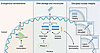
Mechanisms of nuclear DNA release into the cytosol.Figure 3

Mechanisms of nuclear DNA release into the cytosol. When TREX1 is absent, self-DNA accumulates in the cytosol, where it is detected by cGAS. Genomic DNA can reach the cytosol through several routes. Cellular stress, DNA damage, or cell death can drive direct release. EREs, which can be activated basally or in response to cytokines, generate RNA templates that undergo reverse transcription (RT), leading to accumulation of ERE-derived DNA copies in the cytosol. DNA damage caused by ionizing radiation or replicative stress can also produce DNA–RNA hybrids when RNase H activity is impaired, promoting the formation of micronuclei (MN). Rupture of MN, which often requires passage through mitosis, releases DNA into the cytosol. Finally, persistent DNA damage can trigger cellular senescence. This occurs in patients with lamin defects, which underlie Hutchinson-Gilford progeria syndrome (HGPS).

Role of the nuclear envelope during cGAS-STING activation. The nuclear envelope acts as an essential barrier to prevent excessive activation of cGAS and STING. A meshwork of intermediate filaments, called lamins, provide nuclear stiffness and genome organization (95–97). Studies of laminopathies, or diseases of mutated lamins, have also implicated activation of cGAS and STING (98, 99). One nuclear lamin, lamin A (LMNA), is dynamically regulated and stabilized in response to stiff extracellular matrices, protecting against rupture (100, 101). Indeed, lamin levels are reduced by specific cellular stressors (102), and the resulting compromise in nuclear envelope integrity enables escape of chromatin fragments to the cytosol, activating cGAS-STING and promoting the senescence-associated secretory phenotype (SASP) (103, 104). Notably, C-terminal deletions of LMNA cause HGPS, a rare disease marked by premature aging and senescence (105). In the case of HGPS, loss of nuclear integrity is not necessarily attributed to a loss of LMNA, but rather the accumulation of LMNA, which disrupts its nuclear distribution and organization (98). Thus, nuclear envelope integrity functions as a rheostat for cGAS-STING signaling.

Activation of cGAS and STING in response to DNA damage. Genomic instability can activate cGAS and STING by producing replication intermediates or chromosomal fragments that leak into the cytosol. For example, in the absence of TREX1, ssDNA intermediates resulting from DNA damage can accumulate in the cytosol to activate cGAS (106, 107). However, cGAS responds less strongly to ssDNA than to dsDNA (108), including in response to dsDNA associated with micronuclei, which are extranuclear structures that encapsulate mis-segregated chromosome fragments (109, 110). When mitosis progresses despite DNA damage, cGAS accumulates at micronuclei, leading to downstream STING signaling (110, 111). During anaphase, the primary substrate for cGAS may be chromatin bridges, potentially explaining the requirement of mitotic progression for cGAS-STING activation (112). However, in some conditions, the presence of TREX1 and nucleosomes can inhibit cGAS activation by micronucleus-derived cytosolic DNA (113–116). In the cytosol, cGAS also acts as a receptor for LC3B, serving to clear micronuclei and to inhibit its own activation in the case of micronuclei rupture (117). Notably, AGS-causing RNase H2 deficiencies also led to the formation of micronuclei, but this phenotype was secondary to DNA damage, likely as a result of impaired ribonucleotide excision repair (118).

Despite its name, TREX1 both promotes and inhibits DNA repair depending on the context (119). In earlier studies, TREX1 was hypothesized to be a proofreading enzyme contributing to base excision repair (BER) in a cell-free system (120), but this role was not detected in Trex1–/– mice (121). TREX1 was also reported to directly stabilize poly (ADP-ribose) polymerase 1 (PARP1), a ssDNA-binding protein involved in BER (122). TREX1-PARP1 interactions were later verified in HEK293T cells via coimmunoprecipitation–mass spectrometry studies (4). On the other hand, TREX1 may play a role in the SET complex associating with another DNase, NM23-H1, to degrade processed DNA ends required for BER during granzyme A–mediated death (123). Whereas the disease-causing C-terminally truncated form of TREX1 constitutively localizes to the nucleus, WT TREX1 can also localize to the nucleus under certain conditions, such as hydroxyurea treatment, ionizing radiation, and granzyme A–mediated cell death (106, 123). Both WT and RVCL-causing TREX1 mutants have also been reported to inhibit homology-directed repair by degrading 3′ overhangs, further supporting the role of DNA damage in multi-organ degenerative diseases associated with autoimmune features (4).

Originally noted for its capacity to detect cytosolic DNA, more recent evidence indicates that cGAS is a nuclear-cytoplasmic shuttling protein. Removal of the nuclear export signal results in nuclear retention of cGAS and a loss of a type I IFN response upon treatment with immunostimulatory DNA (124). In response to genomic stress, increased nuclear localization of cGAS has been observed (125), reflecting its potential role in the DNA damage response. However, when cGAS interacts with nucleosomes and chromatin, cGAS activation has diminished capacity to signal and induce type I IFN, in part due to steric inhibition of DNA substrates by nucleosomes (114, 116, 126–129).

Role of EREs in STING-mediated autoinflammation. ERE cDNA has broadly been considered a driver of AGS pathogenesis, based on work demonstrating accumulation of EREs in TREX1-deficient mice (17). In one early study, reverse transcriptase inhibitor (RTI) treatment of patients with AGS was associated with reduced IFN-γ levels in both blood and cerebrospinal fluid (130). However, RTI therapy is currently not an FDA-approved or accepted part of the clinical care for AGS. Furthermore, Trex1–/– mice do not exhibit increased retrotransposition activity, nor do RTIs ameliorate inflammation in Trex1–/– animals (131).

LINE1 transposable elements are upregulated in senescent cells, promoting the SASP through cGAS-STING activation (132–134), and cGAS itself may repress LINE1 retrotransposition through TRIM41-mediated degradation of ORF2p (135). This mechanism may be particularly relevant in AGS, where progressive neurological deterioration continues even in patients with controlled IFN signatures. Inflammatory cytokines can reinforce a positive feedback loop via cGAS and STING by further amplifying ERE expression, as observed in the context of human endogenous retrovirus group K induction in M1-polarized macrophages (IFN-γ), as well as astrocytes and neurons (TNF-α) (136, 137). Consistent with this, RTI treatment of senescent cells and aged mice reverses type I IFN activation, further suggesting that the inflammatory cytokine milieu associated with senescence can promote expression of EREs, fortifying a positive feedback loop via cGAS and STING (132).

Role of mtDNA in cGAS-STING activation. During apoptosis, mitochondrial outer membrane permeabilization (MOMP) leads to release of mtDNA into the cytosol, resulting in activation of cGAS and STING. However, cytosolic DNA responses are also frequently silenced during apoptosis. For example, type I IFN induction is dampened by caspases, including by caspase-dependent cleavage of cGAS (138–140). Although BAK/BAX-induced MOMP is traditionally known to free cytochrome c to the cytosol for apoptosome formation, mtDNA can also be extruded from herniated inner pores (141, 142). In some contexts, mtDNA leakage may be a simple by-product of cytochrome c release, requiring cGAS inactivation to prevent excessive inflammation. However, a sublethal MOMP event insufficient to execute cell death has been described to activate cGAS-STING in senescent cells via BAX and BAK macropores (143, 144). In nonapoptotic scenarios, the release of mtDNA might have evolved as a programmed mechanism to trigger activation of cGAS and downstream inflammatory responses (145). Specifically, during pyroptosis, gasdermin D binds cardiolipin and assembles pores in both the outer and inner mitochondrial membranes, facilitating rapid release of mtDNA (146).

BAX/BAK-independent release of mtDNA into the cytosol can occur during mitochondrial inner membrane permeabilization, especially in the context of oxidative stress or NLRP3 inflammasome activation (147, 148). Short mtDNA fragments can escape via two sequential pores: in calcium-triggered mitochondrial permeability transition pores (mPTPs) in the inner membrane, followed by pores formed by VDAC1 (voltage-dependent anion channel 1) oligomerization in the outer membrane (147, 148). For example, VDAC1 inhibition in the MRL/MpJ-Faslpr mouse model ameliorates lupus-like disease and suppresses ISG expression (147). In SLE, mtDNA release may result in downstream inflammation, unshielded by apoptotic caspases (147). Beyond autoimmunity, activation of cGAS and STING by mtDNA can also occur in neurodegenerative diseases. For example, TDP-43 accumulation, a hallmark of amyotrophic lateral sclerosis, drives mPTP-dependent cGAS-STING activation, thereby promoting neurodegeneration (149). Further, packaging of mtDNA is also essential to prevent cGAS-STING activation. Haploinsufficiency of the mtDNA packaging protein transcription factor (transcription factor A, mitochondrial; TFAM) leads to accumulation of cytosolic mtDNA and subsequent cGAS-STING activation (150). The role of TFAM in protecting mtDNA from cytosolic sensing is particularly important in neutrophils, since neutrophils have defective mitophagy, which limits cGAS activation (151, 152). In addition to detecting cytosolic DNA from the mitochondria or the nucleus, extracellular DNA can activate cGAS under conditions where neutrophil extracellular traps are engulfed by phagocytosis (153).
A DNA damage theory of autoimmunity and autoinflammation

Syndromes linked to DNA damage often exhibit clinical disease phenotypes that are also associated with autoimmunity. The bidirectional crosstalk between DNA damage and nucleic acid–sensing pathways makes it particularly challenging to disentangle mechanisms and pinpoint the initial drivers of disease. This problem is relevant in both common and rare autoimmune diseases, as well as in DNA damage syndromes.

As noted previously, RVCL is one of the most instructive examples of a DNA damage syndrome with features of autoimmunity. This monogenic disease can present with Raynaud’s, autoantibodies, and multi-organ injury, often resulting in the diagnosis being confused with multiple sclerosis or SLE (4, 15, 41, 45, 154). However, patients with RVCL have healthy levels of circulating cytokines, distinguishing RVCL from these classical autoimmune diseases (4, 42). The disconnect between tissue damage and systemic inflammation in RVCL suggests alternative drivers of autoimmune-like organ injury. Given the role of mislocalized TREX1 in causing DNA damage, the combined molecular and clinical features lead us to propose a broader principle: some irreversible clinical manifestations of autoimmunity, including organ damage, may reflect direct injury to the genome, mediated by cytokines in traditional autoimmune diseases and by genotoxic proteins in DNA damage syndromes that have features of autoimmunity. This clinical overlap is also observed in other DNA damage syndromes, such as Fanconi anemia neuroinflammatory syndrome, a close mimic of RVCL (155).

Ataxia-telangiectasia (AT) is another example of a primary DNA damage syndrome with autoimmune features that likely occur through both genomic and metabolic mechanisms. AT is caused by deficiency of the master DNA damage response kinase AT mutated (ATM), yet its pathology extends well beyond impaired double-strand break repair (156–158). ATM also functions in the cytosol as an ROS sensor, activating the pentose phosphate pathway through glucose-6-phosphate dehydrogenase induction, thereby generating the NADPH required for antioxidant defense (159–161). Loss of this function results in persistent oxidative stress that compounds genomic instability. Furthermore, mitochondrial ROS can trigger mitophagy in an ATM-checkpoint kinase 2–dependent manner. In the absence of ATM, this pathway is impaired, promoting mtDNA accumulation and the potential for cGAS-STING activation (151, 162). Indeed, the resulting clinical consequences, such as pulmonary inflammation and neuroinflammation (163, 164), are consistent with the proposition that unresolved DNA damage can contribute to the generation of tissue-specific autoimmune pathology. Thus, AT further underscores the link between DNA damage and inflammation.

In some examples of common autoimmune diseases, oxidative stress and metabolic dysfunction may similarly promote type I IFN signaling. Indeed, oxidative stress and ATP depletion are well-established features of SLE (165, 166), and emerging evidence suggests that mitochondrial dysfunction can drive type I IFN signaling (167, 168). One compelling genetic example involves individuals with loss-of-function mutations in the neutrophil cytosolic factor 1/2, leading to a reduction in NADPH oxidase complex 2 (NOX2) activity in antigen-presenting cells and thereby impairing clearance of oxidized apoptotic debris (167, 168). The resulting accumulation of oxidized cellular material, including mtDNA, leads to activation of cGAS, thus linking defective redox homeostasis directly to the innate immune activation that characterizes SLE (153). Together with the AT data above, this illustrates a recurring theme: when the machinery for managing oxidized or damaged nucleic acids is compromised — whether through loss of TREX1, ATM, or NOX2 — the immunological consequence is autoimmunity.

Cytokines can perpetuate DNA damage through multiple reinforcing pathways, both STING dependent and independent, leading to irreversible organ injury. Transcriptional upregulation of STING increases sensitivity of the pathway (169), and further cGAS and STING activation can amplify nuclear and mitochondrial DNA damage that induces cellular senescence and SASP (54, 170). Downstream of STING, IFN-β treatment was shown to potently induce micronuclei and senescence (171), and ISG15 elevation may contribute through replication fork acceleration and resulting DNA damage (172). Thus, inflammatory mediators not only reflect the response to cellular damage but also actively perpetuate damage via both STING-dependent and -independent pathways. Homeostatic regulators such as TREX1 and cellular antioxidant systems are therefore essential to prevent DNA damage and amplification loops, which likely contribute to irreversible genome damage and associated cellular and organ injury.

Conclusion

There are roughly 300 million people who develop rare genetic diseases (173). Many of these diseases are disabling and untreatable, and all of these patients deserve the chance to live longer and healthier lives. Their participation in clinical research has led to the discovery of many fundamental biological principles, including the recognition that DNA damage and innate immune activation potentially converge on shared endpoints of organ injury — a theme that may connect RVCL, AGS, SAVI, and COPA syndrome despite their distinct etiologies. Many of these diseases were discovered years ago (SAVI, COPA syndrome), and in some cases even decades ago (RVCL, AGS). For the families with autosomal-dominant syndromes, such as RVCL, the disease has been passed on for generations, and these families are still holding on to hope that the science will lead to real therapies that stop their suffering and save their lives. Thanks to the patients, families, and researchers engaged in this effort, the biomedical research community is on the cusp of first-in-class small molecule therapies that target cGAS (174), STING (175), and TREX1 (176), providing new hope for patients with common and rare diseases alike.

In patients with more common forms of autoimmunity, irreversible organ injury remains a very difficult problem. The current therapeutic focus remains on prevention of damage rather than on restoration of organ function. These same challenges are also shared with many monogenic diseases, including DNA damage syndromes where genomic injury is likely the primary driver of tissue destruction. Matching therapies to specific targets and nodes of dysfunction, whether accumulation of cytosolic DNA or direct genotoxicity, will be essential for improving outcomes in these patient populations. However, looking forward, further elucidation of fundamental biological principles also holds potential to open new frontiers in medicine.

Author contributions

Writing of the original draft and reviewing and editing were done by DJP, KMJ, JBA, AVF, and JJM.

Conflict of interest

AVF and JJM are listed as coinventors on separate patents, related to CAR T cells (Boosting Chimeric Antigen Receptor Cells in the Blood; AVF) and small molecule (Small Molecule Inhibitors of Trex1 and Uses Thereof; JJM) and gene therapies (Compositions and Methods for Correction of Trex1 Mutations; JJM).

Funding support

This work is the result of NIH funding, in whole or in part, and is subject to the NIH Public Access Policy. Through acceptance of this federal funding, the NIH has been given a right to make the work publicly available in PubMed Central.

  • Miner laboratory by grants from the NIH (R01AI143982 and R01NS131480).
  • Miner laboratory by the Penn Colton Center for Autoimmunity.
  • Miner laboratory by charitable gifts from the Clayco Foundation and the Penn RVCL Sisters Fund.
Acknowledgments

Draft models in this paper were generated with GraphPad Prism, ChimeraX, and BioRender.com and redrawn by a JCI illustrator.

Address correspondence to: Jonathan J. Miner or Amanda V. Finck, Department of Medicine, University of Pennsylvania, 3600 Civic Center Boulevard, Room 17-104, Philadelphia, Pennsylvania 19104, USA. Email: Jonathan.Miner@PennMedicine.UPenn.edu (JJM); Finckam@PennMedicine.UPenn.edu (AVF).

Footnotes

Copyright: © 2026, Park et al. This is an open access article published under the terms of the Creative Commons Attribution 4.0 International License.

Reference information: J Clin Invest. 2026;136(11):e204549. https://doi.org/10.1172/JCI204549.

References
  1. Liu Y, et al. Activated STING in a vascular and pulmonary syndrome. N Engl J Med. 2014;371(6):507–518.
    View this article via: CrossRef PubMed Google Scholar
  2. Crow YJ, et al. Mutations in the gene encoding the 3’-5’ DNA exonuclease TREX1 cause Aicardi-Goutières syndrome at the AGS1 locus. Nat Genet. 2006;38(8):917–920.
    View this article via: CrossRef PubMed Google Scholar
  3. Richards A, et al. C-terminal truncations in human 3’-5’ DNA exonuclease TREX1 cause autosomal dominant retinal vasculopathy with cerebral leukodystrophy. Nat Genet. 2007;39(9):1068–1070.
    View this article via: CrossRef PubMed Google Scholar
  4. Chauvin SD, et al. Inherited C-terminal TREX1 variants disrupt homology-directed repair to cause senescence and DNA damage phenotypes in Drosophila, mice, and humans. Nat Commun. 2024;15(1):4696.
    View this article via: CrossRef PubMed Google Scholar
  5. Rice G, et al. Heterozygous mutations in TREX1 cause familial chilblain lupus and dominant Aicardi-Goutieres syndrome. Am J Hum Genet. 2007;80(4):811–815.
    View this article via: CrossRef PubMed Google Scholar
  6. Zhu Q, Zhou H. The role of cGAS-STING signaling in rheumatoid arthritis: from pathogenesis to therapeutic targets. Front Immunol. 2024;15:1466023.
    View this article via: CrossRef PubMed Google Scholar
  7. Paul S, et al. Centromere defects, chromosome instability, and cGAS-STING activation in systemic sclerosis. Nat Commun. 2022;13(1):7074.
    View this article via: CrossRef PubMed Google Scholar
  8. Skopelja-Gardner S, et al. Role of the cGAS-STING pathway in systemic and organ-specific diseases. Nat Rev Nephrol. 2022;18(9):558–572.
    View this article via: CrossRef PubMed Google Scholar
  9. Zhou M, et al. Activation of cGAS-STING pathway - A possible cause of myofiber atrophy/necrosis in dermatomyositis and immune-mediated necrotizing myopathy. J Clin Lab Anal. 2022;36(10):e24631.
    View this article via: CrossRef PubMed Google Scholar
  10. Chen Y, et al. A cGAS-mediated mechanism in naked mole-rats potentiates DNA repair and delays aging. Science. 2025;390(6769):eadp5056.
    View this article via: CrossRef PubMed Google Scholar
  11. de Boer J, et al. Premature aging in mice deficient in DNA repair and transcription. Science. 2002;296(5571):1276–1279.
    View this article via: CrossRef PubMed Google Scholar
  12. Garinis GA, et al. DNA damage and ageing: new-age ideas for an age-old problem. Nat Cell Biol. 2008;10(11):1241–1247.
    View this article via: CrossRef PubMed Google Scholar
  13. Gao D, et al. Activation of cyclic GMP-AMP synthase by self-DNA causes autoimmune diseases. Proc Natl Acad Sci U S A. 2015;112(42):E5699–E5705.
    View this article via: CrossRef PubMed Google Scholar
  14. Richards AL, et al. Gut microbiota has a widespread and modifiable effect on host gene regulation. mSystems. 2019;4(5):e00323-18.
    View this article via: CrossRef PubMed Google Scholar
  15. Stam AH, et al. Retinal vasculopathy with cerebral leukoencephalopathy and systemic manifestations. Brain. 2016;139(11):2909–2922.
    View this article via: CrossRef PubMed Google Scholar
  16. Li T, et al. cGAS activation in classical dendritic cells causes autoimmunity in TREX1-deficient mice. Proc Natl Acad Sci U S A. 2024;121(38):e2411747121.
    View this article via: CrossRef PubMed Google Scholar
  17. Stetson DB, et al. Trex1 prevents cell-intrinsic initiation of autoimmunity. Cell. 2008;134(4):587–598.
    View this article via: CrossRef PubMed Google Scholar
  18. Crow YJ, et al. Mutations in genes encoding ribonuclease H2 subunits cause Aicardi-Goutières syndrome and mimic congenital viral brain infection. Nat Genet. 2006;38(8):910–916.
    View this article via: CrossRef PubMed Google Scholar
  19. Rice GI, et al. Mutations involved in Aicardi-Goutières syndrome implicate SAMHD1 as regulator of the innate immune response. Nat Genet. 2009;41(7):829–832.
    View this article via: CrossRef PubMed Google Scholar
  20. Rice GI, et al. Mutations in ADAR1 cause Aicardi-Goutières syndrome associated with a type I interferon signature. Nat Genet. 2012;44(11):1243–1248.
    View this article via: CrossRef PubMed Google Scholar
  21. Rice GI, et al. Gain-of-function mutations in IFIH1 cause a spectrum of human disease phenotypes associated with upregulated type I interferon signaling. Nat Genet. 2014;46(5):503–509.
    View this article via: CrossRef PubMed Google Scholar
  22. Rice G, et al. Clinical and molecular phenotype of Aicardi-Goutieres syndrome. Am J Hum Genet. 2007;81(4):713–725.
    View this article via: CrossRef PubMed Google Scholar
  23. Crow YJ, et al. Characterization of human disease phenotypes associated with mutations in TREX1, RNASEH2A, RNASEH2B, RNASEH2C, SAMHD1, ADAR, and IFIH1. Am J Med Genet A. 2015;167A(2):296–312.
    View this article via: CrossRef PubMed Google Scholar
  24. Rice GI, et al. Assessment of interferon-related biomarkers in Aicardi-Goutières syndrome associated with mutations in TREX1, RNASEH2A, RNASEH2B, RNASEH2C, SAMHD1, and ADAR: a case-control study. Lancet Neurol. 2013;12(12):1159–1169.
    View this article via: CrossRef PubMed Google Scholar
  25. Aicardi J, Goutieres F. A progressive familial encephalopathy in infancy with calcifications of the basal ganglia and chronic cerebrospinal fluid lymphocytosis. Ann Neurol. 1984;15(1):49–54.
    View this article via: CrossRef PubMed Google Scholar
  26. Cuadrado E, et al. Aicardi-Goutières syndrome harbours abundant systemic and brain-reactive autoantibodies. Ann Rheum Dis. 2015;74(10):1931–1939.
    View this article via: CrossRef PubMed Google Scholar
  27. Lee-Kirsch MA, et al. Aicardi-Goutières syndrome: a model disease for systemic autoimmunity. Clin Exp Immunol. 2014;175(1):17–24.
    View this article via: CrossRef PubMed Google Scholar
  28. Gall A, et al. Autoimmunity initiates in nonhematopoietic cells and progresses via lymphocytes in an interferon-dependent autoimmune disease. Immunity. 2012;36(1):120–131.
    View this article via: CrossRef PubMed Google Scholar
  29. Cattalini M, et al. Exploring autoimmunity in a cohort of children with genetically confirmed Aicardi-Goutières Syndrome. J Clin Immunol. 2016;36(7):693–699.
    View this article via: CrossRef PubMed Google Scholar
  30. Samanta D, et al. Multiple autoimmune disorders in Aicardi-Goutières syndrome. Pediatr Neurol. 2019;96:37–39.
    View this article via: CrossRef PubMed Google Scholar
  31. Gray EE, et al. Cutting Edge: cGAS is required for lethal autoimmune disease in the trex1-deficient mouse model of Aicardi-Goutières Syndrome. J Immunol. 2015;195(5):1939–1943.
    View this article via: CrossRef PubMed Google Scholar
  32. Ahn J, et al. Intrinsic self-DNA triggers inflammatory disease dependent on STING. J Immunol. 2014;193(9):4634–4642.
    View this article via: CrossRef PubMed Google Scholar
  33. Lee-Kirsch MA, et al. A mutation in TREX1 that impairs susceptibility to granzyme A-mediated cell death underlies familial chilblain lupus. J Mol Med (Berl). 2007;85(5):531–537.
    View this article via: CrossRef PubMed Google Scholar
  34. Yamashiro K, et al. A TREX1 mutation causing cerebral vasculopathy in a patient with familial chilblain lupus. J Neurol. 2013;260(10):2653–2655.
    View this article via: CrossRef PubMed Google Scholar
  35. Peschke K, et al. Deregulated type I IFN response in TREX1-associated familial chilblain lupus. J Invest Dermatol. 2014;134(5):1456–1459.
    View this article via: CrossRef PubMed Google Scholar
  36. Glanville J, et al. Phenotypic variation in familial chilblain lupus (FCL) and Aicardi-Goutières syndrome (AGS) associated with TREX1 mutation in 4 family members. Pediatr Rheumatol. 2011;9(1):P283.
    View this article via: CrossRef Google Scholar
  37. Lehtinen DA, et al. The TREX1 double-stranded DNA degradation activity is defective in dominant mutations associated with autoimmune disease. J Biol Chem. 2008;283(46):31649–31656.
    View this article via: CrossRef PubMed Google Scholar
  38. Tüngler V, et al. Inherited or de novo mutation affecting aspartate 18 of TREX1 results in either familial chilblain lupus or Aicardi-Goutières syndrome. Br J Dermatol. 2012;167(1):212–214.
    View this article via: CrossRef PubMed Google Scholar
  39. Fye JM, et al. Dominant mutation of the TREX1 exonuclease gene in lupus and Aicardi-Goutieres syndrome. J Biol Chem. 2011;286(37):32373–32382.
    View this article via: CrossRef PubMed Google Scholar
  40. Jen J, et al. Hereditary endotheliopathy with retinopathy, nephropathy, and stroke (HERNS). Neurology. 1997;49(5):1322–1330.
    View this article via: CrossRef PubMed Google Scholar
  41. McGlasson S, et al. Misdirected yet intact TREX1 exonuclease activity causes human cerebral and systemic small vessel disease. Brain. 2025;148(8):2981–2994.
    View this article via: CrossRef PubMed Google Scholar
  42. Rodero MP, et al. Detection of interferon alpha protein reveals differential levels and cellular sources in disease. J Exp Med. 2017;214(5):1547–1555.
    View this article via: CrossRef PubMed Google Scholar
  43. Raynowska J, et al. Retinal vasculopathy with cerebral leukoencephalopathy (RVCL): A rare mimic of tumefactive MS. Neurology. 2018;91(15):1423–1428.
    View this article via: CrossRef PubMed Google Scholar
  44. Vodopivec I, et al. A 44-year-old man with eye, kidney, and brain dysfunction. Ann Neurol. 2016;79(4):507–519.
    View this article via: CrossRef PubMed Google Scholar
  45. Schuh E, et al. Multiple sclerosis-like lesions and type I interferon signature in a patient with RVCL. Neurol Neuroimmunol Neuroinflamm. 2015;2(1):e55.
    View this article via: CrossRef PubMed Google Scholar
  46. Serra M, et al. Characterization of Trex1 induction by IFN-γ in murine macrophages. J Immunol. 2011;186(4):2299–2308.
    View this article via: CrossRef PubMed Google Scholar
  47. Xu J, et al. TLR ligands up-regulate Trex1 expression in murine conventional dendritic cells through type I interferon and NF-κB-dependent signaling pathways. J Leukoc Biol. 2014;96(1):93–103.
    View this article via: CrossRef PubMed Google Scholar
  48. Li XD, et al. Pivotal roles of cGAS-cGAMP signaling in antiviral defense and immune adjuvant effects. Science. 2013;341(6152):1390–1394.
    View this article via: CrossRef PubMed Google Scholar
  49. Schoggins JW, et al. Pan-viral specificity of IFN-induced genes reveals new roles for cGAS in innate immunity. Nature. 2014;505(7485):691–695.
    View this article via: CrossRef PubMed Google Scholar
  50. Ishikawa H, Barber GN. STING is an endoplasmic reticulum adaptor that facilitates innate immune signalling. Nature. 2008;455(7213):674–678.
    View this article via: CrossRef PubMed Google Scholar
  51. Reinert LS, et al. Sensing of HSV-1 by the cGAS-STING pathway in microglia orchestrates antiviral defence in the CNS. Nat Commun. 2016;7:13348.
    View this article via: CrossRef PubMed Google Scholar
  52. Wang H, et al. cGAS is essential for the antitumor effect of immune checkpoint blockade. Proc Natl Acad Sci U S A. 2017;114(7):1637–1642.
    View this article via: CrossRef PubMed Google Scholar
  53. Yang H, et al. cGAS is essential for cellular senescence. Proc Natl Acad Sci U S A. 2017;114(23):4612–4620.
    View this article via: CrossRef PubMed Google Scholar
  54. Gulen MF, et al. cGAS-STING drives ageing-related inflammation and neurodegeneration. Nature. 2023;620(7973):374–380.
    View this article via: CrossRef PubMed Google Scholar
  55. Holm CK, et al. Influenza A virus targets a cGAS-independent STING pathway that controls enveloped RNA viruses. Nat Commun. 2016;7:10680.
    View this article via: CrossRef PubMed Google Scholar
  56. Tan JX, et al. PtdIns(3,5)P(2) is an endogenous ligand of STING in innate immune signalling [published online February 4, 2026]. Nature. https://doi.org/10.1038/s41586-025-10084-0.
  57. Jeremiah N, et al. Inherited STING-activating mutation underlies a familial inflammatory syndrome with lupus-like manifestations. J Clin Invest. 2014;124(12):5516–5520.
    View this article via: JCI CrossRef PubMed Google Scholar
  58. Ergun SL, et al. STING polymer structure reveals mechanisms for activation, hyperactivation, and inhibition. Cell. 2019;178(2):290–301.
    View this article via: CrossRef PubMed Google Scholar
  59. Seo J, et al. Tofacitinib relieves symptoms of stimulator of interferon genes (STING)-associated vasculopathy with onset in infancy caused by 2 de novo variants in TMEM173. J Allergy Clin Immunol. 2017;139(4):1396–1399.
    View this article via: CrossRef PubMed Google Scholar
  60. Tang X, et al. STING-associated vasculopathy with onset in infancy in three children with new clinical aspect and unsatisfactory therapeutic responses to tofacitinib. J Clin Immunol. 2020;40(1):114–122.
    View this article via: CrossRef PubMed Google Scholar
  61. Frémond ML, et al. Overview of STING-associated vasculopathy with onset in infancy (SAVI) among 21 patients. J Allergy Clin Immunol Pract. 2021;9(2):803–818.
    View this article via: CrossRef PubMed Google Scholar
  62. Watkin LB, et al. COPA mutations impair ER-Golgi transport and cause hereditary autoimmune-mediated lung disease and arthritis. Nat Genet. 2015;47(6):654–660.
    View this article via: CrossRef PubMed Google Scholar
  63. Lepelley A, et al. Mutations in COPA lead to abnormal trafficking of STING to the Golgi and interferon signaling. J Exp Med. 2020;217(11):e20200600.
    View this article via: CrossRef PubMed Google Scholar
  64. Deng Z, et al. A defect in COPI-mediated transport of STING causes immune dysregulation in COPA syndrome. J Exp Med. 2020;217(11):e20201045.
    View this article via: CrossRef PubMed Google Scholar
  65. Simchoni N, et al. The common HAQ STING allele prevents clinical penetrance of COPA syndrome. J Exp Med. 2025;222(4):e20242179.
    View this article via: CrossRef PubMed Google Scholar
  66. Yi G, et al. Single nucleotide polymorphisms of human STING can affect innate immune response to cyclic dinucleotides. PLoS One. 2013;8(10):e77846.
    View this article via: CrossRef PubMed Google Scholar
  67. Patel S, Jin L. TMEM173 variants and potential importance to human biology and disease. Genes Immun. 2019;20(1):82–89.
    View this article via: CrossRef PubMed Google Scholar
  68. Li W, et al. Janus kinase inhibitors in the treatment of type I interferonopathies: a case series from a single center in China. Front Immunol. 2022;13:825367.
    View this article via: CrossRef PubMed Google Scholar
  69. Vanderver A, et al. Janus kinase inhibition in the aicardi-Goutières Syndrome. N Engl J Med. 2020;383(10):986–989.
    View this article via: CrossRef PubMed Google Scholar
  70. Sanchez GAM, et al. JAK1/2 inhibition with baricitinib in the treatment of autoinflammatory interferonopathies. J Clin Invest. 2018;128(7):3041–3052.
    View this article via: JCI CrossRef PubMed Google Scholar
  71. Poddar S, et al. ArfGAP2 promotes STING proton channel activity, cytokine transit, and autoinflammation. Cell. 2025;188(6):1605–1622.
    View this article via: CrossRef PubMed Google Scholar
  72. Xun J, et al. A conserved ion channel function of STING mediates noncanonical autophagy and cell death. EMBO Rep. 2024;25(2):544–569.
    View this article via: CrossRef PubMed Google Scholar
  73. Lv B, et al. A TBK1-independent primordial function of STING in lysosomal biogenesis. Mol Cell. 2024;84(20):3979–3996.
    View this article via: CrossRef PubMed Google Scholar
  74. Gui X, et al. Autophagy induction via STING trafficking is a primordial function of the cGAS pathway. Nature. 2019;567(7747):262–266.
    View this article via: CrossRef PubMed Google Scholar
  75. Fischer TD, et al. STING induces LC3B lipidation onto single-membrane vesicles via the V-ATPase and ATG16L1-WD40 domain. J Cell Biol. 2020;219(12):e202009128.
    View this article via: CrossRef PubMed Google Scholar
  76. Casadio M. STING as a proton channel. Nat Cell Biol. 2023;25(9):1240.
    View this article via: CrossRef PubMed Google Scholar
  77. Warner JD, et al. STING-associated vasculopathy develops independently of IRF3 in mice. J Exp Med. 2017;214(11):3279–3292.
    View this article via: CrossRef PubMed Google Scholar
  78. Platt DJ, et al. Transferrable protection by gut microbes against STING-associated lung disease. Cell Rep. 2021;35(6):109113.
    View this article via: CrossRef PubMed Google Scholar
  79. Bouis D, et al. Severe combined immunodeficiency in stimulator of interferon genes (STING) V154M/wild-type mice. J Allergy Clin Immunol. 2019;143(2):712–725.
    View this article via: CrossRef PubMed Google Scholar
  80. Siedel H, et al. Type I interferon-independent T cell impairment in a Tmem173 N153S/WT mouse model of STING associated vasculopathy with onset in infancy (SAVI). Clin Immunol. 2020;216:108466.
    View this article via: CrossRef PubMed Google Scholar
  81. Luksch H, et al. STING-associated lung disease in mice relies on T cells but not type I interferon. J Allergy Clin Immunol. 2019;144(1):254–266.
    View this article via: CrossRef PubMed Google Scholar
  82. Motwani M, et al. Hierarchy of clinical manifestations in SAVI N153S and V154M mouse models. Proc Natl Acad Sci U S A. 2019;116(16):7941–7950.
    View this article via: CrossRef PubMed Google Scholar
  83. Stinson WA, et al. The IFN-γ receptor promotes immune dysregulation and disease in STING gain-of-function mice. JCI Insight. 2022;7(17):e155250.
    View this article via: JCI Insight CrossRef PubMed Google Scholar
  84. Gao KM, et al. Radioresistant cells initiate lymphocyte-dependent lung inflammation and IFNγ-dependent mortality in STING gain-of-function mice. Proc Natl Acad Sci U S A. 2022;119(25):e2202327119.
    View this article via: CrossRef PubMed Google Scholar
  85. Gao KM, et al. Endothelial cell expression of a STING gain-of-function mutation initiates pulmonary lymphocytic infiltration. Cell Rep. 2024;43(4):114114.
    View this article via: CrossRef PubMed Google Scholar
  86. Luksch H, et al. Tissue inflammation induced by constitutively active STING is mediated by enhanced TNF signaling. Elife. 2025;14:e101350.
    View this article via: CrossRef PubMed Google Scholar
  87. Wu J, et al. STING-mediated disruption of calcium homeostasis chronically activates ER stress and primes T cell death. J Exp Med. 2019;216(4):867–883.
    View this article via: CrossRef PubMed Google Scholar
  88. Bennion BG, et al. A human gain-of-function STING mutation causes immunodeficiency and gammaherpesvirus-induced pulmonary fibrosis in mice. J Virol. 2019;93(4):e01806-18.
    View this article via: CrossRef PubMed Google Scholar
  89. Moriyama M, et al. Influenza A virus M2 protein triggers mitochondrial DNA-mediated antiviral immune responses. Nat Commun. 2019;10(1):4624.
    View this article via: CrossRef PubMed Google Scholar
  90. Sun B, et al. Dengue virus activates cGAS through the release of mitochondrial DNA. Sci Rep. 2017;7(1):3594.
    View this article via: CrossRef PubMed Google Scholar
  91. Xu L, et al. Salmonella induces the cGAS-STING-dependent type I interferon response in murine macrophages by triggering mtDNA release. mBio. 2022;13(3):e0363221.
    View this article via: CrossRef PubMed Google Scholar
  92. Lima-Junior DS, et al. Endogenous retroviruses promote homeostatic and inflammatory responses to the microbiota. Cell. 2021;184(14):3794–3811.
    View this article via: CrossRef PubMed Google Scholar
  93. Schmidt N, et al. An influenza virus-triggered SUMO switch orchestrates co-opted endogenous retroviruses to stimulate host antiviral immunity. Proc Natl Acad Sci U S A. 2019;116(35):17399–17408.
    View this article via: CrossRef PubMed Google Scholar
  94. Ren H, et al. Micronucleus production, activation of DNA damage response and cGAS-STING signaling in syncytia induced by SARS-CoV-2 infection. Biol Direct. 2021;16(1):20.
    View this article via: CrossRef PubMed Google Scholar
  95. Lammerding J, et al. Lamin A/C deficiency causes defective nuclear mechanics and mechanotransduction. J Clin Invest. 2004;113(3):370–378.
    View this article via: JCI CrossRef PubMed Google Scholar
  96. Lammerding J, et al. Lamins A and C but not lamin B1 regulate nuclear mechanics. J Biol Chem. 2006;281(35):25768–25780.
    View this article via: CrossRef PubMed Google Scholar
  97. Solovei I, et al. LBR and lamin A/C sequentially tether peripheral heterochromatin and inversely regulate differentiation. Cell. 2013;152(3):584–598.
    View this article via: CrossRef PubMed Google Scholar
  98. Goldman RD, et al. Accumulation of mutant lamin A causes progressive changes in nuclear architecture in Hutchinson-Gilford progeria syndrome. Proc Natl Acad Sci U S A. 2004;101(24):8963–8968.
    View this article via: CrossRef PubMed Google Scholar
  99. Kreienkamp R, et al. A cell-intrinsic interferon-like response links replication stress to cellular aging caused by progerin. Cell Rep. 2018;22(8):2006–2015.
    View this article via: CrossRef PubMed Google Scholar
  100. Cho S, et al. Mechanosensing by the lamina protects against nuclear rupture, DNA damage, and cell-cycle arrest. Dev Cell. 2019;49(6):920–935.
    View this article via: CrossRef PubMed Google Scholar
  101. Swift J, et al. Nuclear lamin-A scales with tissue stiffness and enhances matrix-directed differentiation. Science. 2013;341(6149):1240104.
    View this article via: CrossRef PubMed Google Scholar
  102. Freund A, et al. Lamin B1 loss is a senescence-associated biomarker. Mol Biol Cell. 2012;23(11):2066–2075.
    View this article via: CrossRef PubMed Google Scholar
  103. Dou Z, et al. Cytoplasmic chromatin triggers inflammation in senescence and cancer. Nature. 2017;550(7676):402–406.
    View this article via: CrossRef PubMed Google Scholar
  104. Glück S, et al. Innate immune sensing of cytosolic chromatin fragments through cGAS promotes senescence. Nat Cell Biol. 2017;19(9):1061–1070.
    View this article via: CrossRef PubMed Google Scholar
  105. Eriksson M, et al. Recurrent de novo point mutations in lamin A cause Hutchinson-Gilford progeria syndrome. Nature. 2003;423(6937):293–298.
    View this article via: CrossRef PubMed Google Scholar
  106. Yang YG, et al. Trex1 exonuclease degrades ssDNA to prevent chronic checkpoint activation and autoimmune disease. Cell. 2007;131(5):873–886.
    View this article via: CrossRef PubMed Google Scholar
  107. Wolf C, et al. RPA and Rad51 constitute a cell intrinsic mechanism to protect the cytosol from self DNA. Nat Commun. 2016;7:11752.
    View this article via: CrossRef PubMed Google Scholar
  108. Kranzusch PJ, et al. Structure of human cGAS reveals a conserved family of second-messenger enzymes in innate immunity. Cell Rep. 2013;3(5):1362–1368.
    View this article via: CrossRef PubMed Google Scholar
  109. Fenech M, et al. Molecular mechanisms of micronucleus, nucleoplasmic bridge and nuclear bud formation in mammalian and human cells. Mutagenesis. 2011;26(1):125–132.
    View this article via: CrossRef PubMed Google Scholar
  110. Mackenzie KJ, et al. cGAS surveillance of micronuclei links genome instability to innate immunity. Nature. 2017;548(7668):461–465.
    View this article via: CrossRef PubMed Google Scholar
  111. Harding SM, et al. Mitotic progression following DNA damage enables pattern recognition within micronuclei. Nature. 2017;548(7668):466–470.
    View this article via: CrossRef PubMed Google Scholar
  112. Flynn PJ, et al. Chromatin bridges, not micronuclei, activate cGAS after drug-induced mitotic errors in human cells. Proc Natl Acad Sci U S A. 2021;118(48):e2103585118.
    View this article via: CrossRef PubMed Google Scholar
  113. Mohr L, et al. ER-directed TREX1 limits cGAS activation at micronuclei. Mol Cell. 2021;81(4):724–738.
    View this article via: CrossRef PubMed Google Scholar
  114. Zierhut C, et al. The cytoplasmic DNA sensor cGAS promotes mitotic cell death. Cell. 2019;178(2):302–315.
    View this article via: CrossRef PubMed Google Scholar
  115. Boyer JA, et al. Structural basis of nucleosome-dependent cGAS inhibition. Science. 2020;370(6515):450–454.
    View this article via: CrossRef PubMed Google Scholar
  116. Kujirai T, et al. Structural basis for the inhibition of cGAS by nucleosomes. Science. 2020;370(6515):455–458.
    View this article via: CrossRef PubMed Google Scholar
  117. Zhao M, et al. CGAS is a micronucleophagy receptor for the clearance of micronuclei. Autophagy. 2021;17(12):3976–3991.
    View this article via: CrossRef PubMed Google Scholar
  118. Bartsch K, et al. Absence of RNase H2 triggers generation of immunogenic micronuclei removed by autophagy. Hum Mol Genet. 2017;26(20):3960–3972.
    View this article via: CrossRef PubMed Google Scholar
  119. Simpson SR, et al. TREX1 - Apex predator of cytosolic DNA metabolism. DNA Repair (amst). 2020;94:102894.
    View this article via: CrossRef PubMed Google Scholar
  120. Höss M, et al. A human DNA editing enzyme homologous to the Escherichia coli DnaQ/MutD protein. EMBO J. 1999;18(13):3868–3875.
    View this article via: CrossRef PubMed Google Scholar
  121. Morita M, et al. Gene-targeted mice lacking the Trex1 (DNase III) 3’-->5’ DNA exonuclease develop inflammatory myocarditis. Mol Cell Biol. 2004;24(15):6719–6727.
    View this article via: CrossRef PubMed Google Scholar
  122. Miyazaki T, et al. The 3’-5’ DNA exonuclease TREX1 directly interacts with poly(ADP-ribose) polymerase-1 (PARP1) during the DNA damage response. J Biol Chem. 2014;289(47):32548–32558.
    View this article via: CrossRef PubMed Google Scholar
  123. Chowdhury D, et al. The exonuclease TREX1 is in the SET complex and acts in concert with NM23-H1 to degrade DNA during granzyme A-mediated cell death. Mol Cell. 2006;23(1):133–142.
    View this article via: CrossRef PubMed Google Scholar
  124. Sun H, et al. A nuclear export signal is required for cGAS to sense cytosolic DNA. Cell Rep. 2021;34(1):108586.
    View this article via: CrossRef PubMed Google Scholar
  125. Liu H, et al. Nuclear cGAS suppresses DNA repair and promotes tumorigenesis. Nature. 2018;563(7729):131–136.
    View this article via: CrossRef PubMed Google Scholar
  126. Volkman HE, et al. Tight nuclear tethering of cGAS is essential for preventing autoreactivity. Elife. 2019;8:e47491.
    View this article via: CrossRef PubMed Google Scholar
  127. Guey B, et al. BAF restricts cGAS on nuclear DNA to prevent innate immune activation. Science. 2020;369(6505):823–828.
    View this article via: CrossRef PubMed Google Scholar
  128. Ma H, et al. Barrier-to-autointegration factor 1 protects against a basal cGAS-STING response. mBio. 2020;11(2):e00136-20.
    View this article via: PubMed CrossRef Google Scholar
  129. Chen H, et al. cGAS suppresses genomic instability as a decelerator of replication forks. Sci Adv. 2020;6(42):eabb8941.
    View this article via: CrossRef PubMed Google Scholar
  130. Rice GI, et al. Reverse-transcriptase inhibitors in the Aicardi–Goutières Syndrome. N Engl J Med. 2018;379(23):2275–2277.
    View this article via: CrossRef PubMed Google Scholar
  131. Achleitner M, et al. Lack of Trex1 causes systemic autoimmunity despite the presence of antiretroviral drugs. J Immunol. 2017;199(7):2261–2269.
    View this article via: CrossRef PubMed Google Scholar
  132. De Cecco M, et al. L1 drives IFN in senescent cells and promotes age-associated inflammation. Nature. 2019;566(7742):73–78.
    View this article via: CrossRef PubMed Google Scholar
  133. Simon M, et al. LINE1 derepression in aged wild-type and SIRT6-deficient mice drives inflammation. Cell Metab. 2019;29(4):871–885.
    View this article via: CrossRef PubMed Google Scholar
  134. Thomas CA, et al. Modeling of TREX1-dependent autoimmune disease using human stem cells Highlights L1 accumulation as a source of neuroinflammation. Cell Stem Cell. 2017;21(3):319–331.
    View this article via: CrossRef PubMed Google Scholar
  135. Zhen Z, et al. Nuclear cGAS restricts L1 retrotransposition by promoting TRIM41-mediated ORF2p ubiquitination and degradation. Nat Commun. 2023;14(1):8217.
    View this article via: CrossRef PubMed Google Scholar
  136. Manghera M, et al. NF-κB and IRF1 induce endogenous retrovirus K expression via interferon-stimulated response elements in its 5’ long terminal repeat. J Virol. 2016;90(20):9338–9349.
    View this article via: CrossRef PubMed Google Scholar
  137. Russ E, et al. Expression of human endogenous retrovirus group K (HERV-K) HML-2 correlates with immune activation of macrophages and type I interferon response. Microbiol Spectr. 2023;11(2):e0443822.
    View this article via: CrossRef PubMed Google Scholar
  138. White MJ, et al. Apoptotic caspases suppress mtDNA-induced STING-mediated type I IFN production. Cell. 2014;159(7):1549–1562.
    View this article via: CrossRef PubMed Google Scholar
  139. Rongvaux A, et al. Apoptotic caspases prevent the induction of type I interferons by mitochondrial DNA. Cell. 2014;159(7):1563–1577.
    View this article via: CrossRef PubMed Google Scholar
  140. Wang Y, et al. Inflammasome activation triggers caspase-1-mediated cleavage of cGAS to regulate responses to DNA virus infection. Immunity. 2017;46(3):393–404.
    View this article via: CrossRef PubMed Google Scholar
  141. Riley JS, et al. Mitochondrial inner membrane permeabilisation enables mtDNA release during apoptosis. EMBO J. 2018;37(17):e99238.
    View this article via: CrossRef PubMed Google Scholar
  142. McArthur K, et al. BAK/BAX macropores facilitate mitochondrial herniation and mtDNA efflux during apoptosis. Science. 2018;359(6378):eaao6047.
    View this article via: CrossRef PubMed Google Scholar
  143. Ichim G, et al. Limited mitochondrial permeabilization causes DNA damage and genomic instability in the absence of cell death. Mol Cell. 2015;57(5):860–872.
    View this article via: CrossRef PubMed Google Scholar
  144. Victorelli S, et al. Apoptotic stress causes mtDNA release during senescence and drives the SASP. Nature. 2023;622(7983):627–636.
    View this article via: CrossRef PubMed Google Scholar
  145. Newman LE, Shadel GS. Mitochondrial DNA release in innate immune signaling. Annu Rev Biochem. 2023;92:299–332.
    View this article via: CrossRef PubMed Google Scholar
  146. Miao R, et al. Gasdermin D permeabilization of mitochondrial inner and outer membranes accelerates and enhances pyroptosis. Immunity. 2023;56(11):2523–2541.
    View this article via: CrossRef PubMed Google Scholar
  147. Kim J, et al. VDAC oligomers form mitochondrial pores to release mtDNA fragments and promote lupus-like disease. Science. 2019;366(6472):1531–1536.
    View this article via: CrossRef PubMed Google Scholar
  148. Xian H, et al. Oxidized DNA fragments exit mitochondria via mPTP- and VDAC-dependent channels to activate NLRP3 inflammasome and interferon signaling. Immunity. 2022;55(8):1370–1385.
    View this article via: CrossRef PubMed Google Scholar
  149. Yu CH, et al. TDP-43 triggers mitochondrial DNA release via mPTP to activate cGAS/STING in ALS. Cell. 2020;183(3):636–649.
    View this article via: CrossRef PubMed Google Scholar
  150. West AP, et al. Mitochondrial DNA stress primes the antiviral innate immune response. Nature. 2015;520(7548):553–557.
    View this article via: CrossRef PubMed Google Scholar
  151. Jiménez-Loygorri JI, et al. Mitophagy curtails cytosolic mtDNA-dependent activation of cGAS/STING inflammation during aging. Nat Commun. 2024;15(1):830.
    View this article via: CrossRef PubMed Google Scholar
  152. Caielli S, et al. Oxidized mitochondrial nucleoids released by neutrophils drive type I interferon production in human lupus. J Exp Med. 2016;213(5):697–713.
    View this article via: CrossRef PubMed Google Scholar
  153. Lood C, et al. Neutrophil extracellular traps enriched in oxidized mitochondrial DNA are interferogenic and contribute to lupus-like disease. Nat Med. 2016;22(2):146–153.
    View this article via: CrossRef PubMed Google Scholar
  154. Chauvin SD, et al. Prime editor gene therapy and TREX1 mosaicism in retinal vasculopathy with cerebral leukoencephalopathy. J Clin Immunol. 2024;45(1):54.
    View this article via: CrossRef PubMed Google Scholar
  155. Bartlett AL, et al. Fanconi anemia neuroinflammatory syndrome: brain lesions and neurologic injury in Fanconi anemia. Blood Adv. 2024;8(12):3027–3037.
    View this article via: CrossRef PubMed Google Scholar
  156. Reichenbach J, et al. Elevated oxidative stress in patients with ataxia telangiectasia. Antioxid Redox Signal. 2002;4(3):465–469.
    View this article via: CrossRef PubMed Google Scholar
  157. Valentin-Vega YA, et al. Mitochondrial dysfunction in ataxia-telangiectasia. Blood. 2012;119(6):1490–1500.
    View this article via: CrossRef PubMed Google Scholar
  158. Sharma NK, et al. Intrinsic mitochondrial DNA repair defects in Ataxia Telangiectasia. DNA Repair (amst). 2014;13:22–31.
    View this article via: CrossRef PubMed Google Scholar
  159. Guo Z, et al. ATM activation by oxidative stress. Science. 2010;330(6003):517–521.
    View this article via: CrossRef PubMed Google Scholar
  160. Cosentino C, et al. ATM activates the pentose phosphate pathway promoting anti-oxidant defence and DNA repair. EMBO J. 2011;30(3):546–555.
    View this article via: CrossRef PubMed Google Scholar
  161. Zhang Y, et al. Mitochondrial redox sensing by the kinase ATM maintains cellular antioxidant capacity. Sci Signal. 2018;11(538):eaaq0702.
    View this article via: CrossRef PubMed Google Scholar
  162. Guo QQ, et al. Mitochondrial ROS triggers mitophagy through activating the DNA damage response signaling pathway. Proc Natl Acad Sci U S A. 2025;122(40):e2502841122.
    View this article via: CrossRef PubMed Google Scholar
  163. Schroeder SA, et al. Interstitial lung disease in patients with ataxia-telangiectasia. Pediatr Pulmonol. 2005;39(6):537–543.
    View this article via: CrossRef PubMed Google Scholar
  164. Lai J, et al. ATM-deficiency-induced microglial activation promotes neurodegeneration in ataxia-telangiectasia. Cell Rep. 2024;43(1):113622.
    View this article via: CrossRef PubMed Google Scholar
  165. Gergely P, JrMitochondrial hyperpolarization and ATP depletion in patients with systemic lupus erythematosus. Arthritis Rheum. 2002;46(1):175–190.
    View this article via: CrossRef PubMed Google Scholar
  166. Perl A. Oxidative stress in the pathology and treatment of systemic lupus erythematosus. Nat Rev Rheumatol. 2013;9(11):674–686.
    View this article via: CrossRef PubMed Google Scholar
  167. Jacob CO, et al. Lupus-associated causal mutation in neutrophil cytosolic factor 2 (NCF2) brings unique insights to the structure and function of NADPH oxidase. Proc Natl Acad Sci U S A. 2012;109(2):59–67.
    View this article via: CrossRef PubMed Google Scholar
  168. Mantegazza AR, et al. NADPH oxidase controls phagosomal pH and antigen cross-presentation in human dendritic cells. Blood. 2008;112(12):4712–4722.
    View this article via: CrossRef PubMed Google Scholar
  169. Ma F, et al. Positive feedback regulation of type I interferon by the interferon-stimulated gene STING. EMBO Rep. 2015;16(2):202–212.
    View this article via: CrossRef PubMed Google Scholar
  170. Rodier F, et al. Persistent DNA damage signalling triggers senescence-associated inflammatory cytokine secretion. Nat Cell Biol. 2009;11(8):973–979.
    View this article via: CrossRef PubMed Google Scholar
  171. Técher H, et al. MRE11 and TREX1 control senescence by coordinating replication stress and interferon signaling. Nat Commun. 2024;15(1):5423.
    View this article via: CrossRef PubMed Google Scholar
  172. Raso MC, et al. Interferon-stimulated gene 15 accelerates replication fork progression inducing chromosomal breakage. J Cell Biol. 2020;219(8):e202002175.
    View this article via: CrossRef PubMed Google Scholar
  173. Nguengang Wakap S, et al. Estimating cumulative point prevalence of rare diseases: analysis of the Orphanet database. Eur J Hum Genet. 2020;28(2):165–173.
    View this article via: CrossRef PubMed Google Scholar
  174. Vincent J, et al. Small molecule inhibition of cGAS reduces interferon expression in primary macrophages from autoimmune mice. Nat Commun. 2017;8(1):750.
    View this article via: CrossRef PubMed Google Scholar
  175. Haag SM, et al. Targeting STING with covalent small-molecule inhibitors. Nature. 2018;559(7713):269–273.
    View this article via: CrossRef PubMed Google Scholar
  176. Xing C, et al. Targeting innate immune checkpoint TREX1 is a safe and effective immunotherapeutic strategy in cancer. Cancer Res. 2025;85(15):2858–2875.
    View this article via: CrossRef PubMed Google Scholar
  177. Pettersen EF, et al. UCSF ChimeraX: structure visualization for researchers, educators, and developers. Protein Sci. 2021;30(1):70–82.
    View this article via: CrossRef PubMed Google Scholar
Version history
  • Version 1 (June 1, 2026): Electronic publication

Article tools

  • View PDF
  • Download citation information
  • Send a comment
  • Terms of use
  • Standard abbreviations
  • Need help? Email the journal

Review Series

The cGAS-STING pathway: DNA sensing in health and disease

  • Interstitial lung disease and the STING pathway
    Prasad Palani Velu et al.
  • Autoinflammatory syndromes of STING and TREX1 dysfunction
    Debby J. Park et al.
  • Expanding roles of cGAS-STING signaling in neuroinflammation
    Weixi Feng et al.

Metrics

  • Article usage
  • Citations to this article

Go to

  • Top
  • Abstract
  • Introduction
  • TREX1, cGAS, and STING in monogenic autoinflammation
  • IFN-independent functions of STING in autoinflammatory disease
  • Sources and mechanisms of cytosolic DNA release
  • A DNA damage theory of autoimmunity and autoinflammation
  • Conclusion
  • Author contributions
  • Conflict of interest
  • Funding support
  • Acknowledgments
  • Footnotes
  • References
  • Version history
Advertisement
Advertisement

Copyright © 2026 American Society for Clinical Investigation
ISSN: 0021-9738 (print), 1558-8238 (online)

Sign up for email alerts