
Go to JCI Insight
  • About
  • Editors
  • Consulting Editors
  • For authors
  • Publication ethics
  • Publication alerts by email
  • Advertising
  • Job board
  • Contact
  • Clinical Research and Public Health
  • Current issue
  • Past issues
  • By specialty
    • COVID-19
    • Cardiology
    • Gastroenterology
    • Immunology
    • Metabolism
    • Nephrology
    • Neuroscience
    • Oncology
    • Pulmonology
    • Vascular biology
    • All ...
  • Videos
    • ASCI Milestone Awards
    • Video Abstracts
    • Conversations with Giants in Medicine
  • Reviews
    • View all reviews ...
    • The cGAS-STING pathway: DNA sensing in health and disease (Jun 2026)
    • Neurodegeneration (Mar 2026)
    • Clinical innovation and scientific progress in GLP-1 medicine (Nov 2025)
    • Pancreatic Cancer (Jul 2025)
    • Complement Biology and Therapeutics (May 2025)
    • Evolving insights into MASLD and MASH pathogenesis and treatment (Apr 2025)
    • Microbiome in Health and Disease (Feb 2025)
    • View all review series ...
  • Viewpoint
  • Collections
    • In-Press Preview
    • Clinical Research and Public Health
    • Research Letters
    • Letters to the Editor
    • Editorials
    • Commentaries
    • Editor's notes
    • Reviews
    • Viewpoints
    • 100th anniversary
    • Top read articles

  • Current issue
  • Past issues
  • Specialties
  • Reviews
  • Review series
  • ASCI Milestone Awards
  • Video Abstracts
  • Conversations with Giants in Medicine
  • In-Press Preview
  • Clinical Research and Public Health
  • Research Letters
  • Letters to the Editor
  • Editorials
  • Commentaries
  • Editor's notes
  • Reviews
  • Viewpoints
  • 100th anniversary
  • Top read articles
  • About
  • Editors
  • Consulting Editors
  • For authors
  • Publication ethics
  • Publication alerts by email
  • Advertising
  • Job board
  • Contact
Top
  • View PDF
  • Download citation information
  • Send a comment
  • Terms of use
  • Standard abbreviations
  • Need help? Email the journal
  • Top
  • Abstract
  • Introduction
  • What is ILD?
  • The cGAS/STING pathway
  • SAVI and COPA syndrome
  • COPA syndrome: inheritance and clinical features
  • Current treatment strategies for SAVI and COPA syndrome
  • Does STING play a role in other ILDs?
  • Conclusion
  • Conflict of interest
  • Funding support
  • Acknowledgments
  • Footnotes
  • References
  • Version history
  • Article usage
  • Citations to this article

Advertisement

Review Series Open Access | 10.1172/JCI204544

Interstitial lung disease and the STING pathway

Prasad Palani Velu, Gaofeng Zhu, and Karen J. Mackenzie

Centre for Inflammation Research, Institute for Regeneration and Repair, University of Edinburgh, Edinburgh, United Kingdom.

Address correspondence to: Karen J. Mackenzie, Centre for Inflammation Research, Institute for Regeneration and Repair, University of Edinburgh, 4-5 Little France Drive, Edinburgh Bioquarter, Edinburgh EH16 4UU, United Kingdom. Phone: 0131.651.8100; Email: karen.mackenzie@ed.ac.uk.

Find articles by Velu, P. in: PubMed | Google Scholar

Centre for Inflammation Research, Institute for Regeneration and Repair, University of Edinburgh, Edinburgh, United Kingdom.

Address correspondence to: Karen J. Mackenzie, Centre for Inflammation Research, Institute for Regeneration and Repair, University of Edinburgh, 4-5 Little France Drive, Edinburgh Bioquarter, Edinburgh EH16 4UU, United Kingdom. Phone: 0131.651.8100; Email: karen.mackenzie@ed.ac.uk.

Find articles by Zhu, G. in: PubMed | Google Scholar

Centre for Inflammation Research, Institute for Regeneration and Repair, University of Edinburgh, Edinburgh, United Kingdom.

Address correspondence to: Karen J. Mackenzie, Centre for Inflammation Research, Institute for Regeneration and Repair, University of Edinburgh, 4-5 Little France Drive, Edinburgh Bioquarter, Edinburgh EH16 4UU, United Kingdom. Phone: 0131.651.8100; Email: karen.mackenzie@ed.ac.uk.

Find articles by Mackenzie, K. in: PubMed | Google Scholar

Published June 1, 2026 - More info

Published in Volume 136, Issue 11 on June 1, 2026
J Clin Invest. 2026;136(11):e204544. https://doi.org/10.1172/JCI204544.
© 2026 Velu et al. This work is licensed under the Creative Commons Attribution 4.0 International License. To view a copy of this license, visit http://creativecommons.org/licenses/by/4.0/.
Published June 1, 2026 - Version history
View PDF
Abstract

Identification of the genetic mutations underlying the ultrarare monogenic conditions STING-associated vasculopathy with onset in infancy (SAVI) and coatomer protein complex subunit alpha (COPA) syndrome revealed a role for the stimulator of interferon genes (STING) immune pathway in the pathogenesis of interstitial lung disease (ILD) in these conditions. STING-focused therapeutics could be a potential avenue for the treatment of SAVI and COPA syndrome in the future, yet the relevance of STING to more common types of ILD is not clear. Here, we provide an overview of SAVI and COPA syndrome, the nature of ILD in these conditions, and current evidence regarding STING activity in their pathogenesis. We discuss data from studies of a variety of other ILDs and model systems and explore the potential role for STING in more common forms of ILD.

Introduction

There is intense interest in the role of the DNA sensing pathway cGAS/STING (cyclic GMP-AMP synthase [cGAMP]/stimulator of interferon genes) in inflammatory disease (1). Gain-of-function (GOF) mutations in STING1, the gene encoding STING, cause the monogenic interferonopathy STING-associated vasculopathy with onset in infancy (SAVI), in which interstitial lung disease (ILD) is a predominant feature (2). This, together with mechanistic evidence of enhanced STING activity in the more recently described coatomer protein complex subunit alpha (COPA) syndrome (3–5), directly implicates STING activity in the pathogenesis of ILD in these ultrarare genetic disorders. The study of rare, monogenic diseases is vital for patients affected by these diseases and is a proven means of gaining insight into the pathogenesis of more complex, multifactorial diseases (6).

Notably, many of the current paradigms for the initiation of more common types of ILD, for example, idiopathic pulmonary fibrosis (IPF) and chronic hypersensitivity pneumonitis (CHP), imply the involvement of processes such as DNA damage (7), which have the potential to trigger innate immune signaling via the cGAS/STING pathway (8). However, the relationship of STING to more common types of ILD is not yet fully understood.

Here, we describe the current understanding of how hyperactivation of the STING pathway occurs in SAVI and COPA syndrome and its role in the pathogenesis of those conditions. Outlining the existing knowledge about the role of the STING pathway in ILD found in SAVI and COPA syndrome enabled us to extend to a wider discussion about the potential role of STING in other forms of ILD. We propose that greater understanding of STING biology in the lung could aid the development of novel therapeutic approaches for both rare and more common forms of ILD.

What is ILD?

ILD and childhood ILD (chILD) are diverse groups of pulmonary disorders characterized by inflammation and/or fibrosis within the alveolar interstitium, the space between the alveolar epithelium and capillary endothelium (9–11). The alveolar interstitium comprises lymphatics, scant fibroblasts, and ECM proteins that maintain alveolar acinus structure and facilitate gas exchange (11). Inflammation and fibrosis within this space lead to impaired gas exchange and tissue distortion and ultimately manifest in respiratory failure (9, 11).

Adult ILDs are classified predominantly based on etiology, with each entity possessing distinct radiological and histopathological characteristics (12). In adults, ILD diagnoses include idiopathic interstitial pneumonias (of which IPF is the most common, affecting 0.33–4.51 per 10,000 people worldwide; ref. 13), CHP, connective tissue disease–associated ILD (CTD-ILD), drug-induced ILD, occupational ILD (e.g., silicosis), and postinfection ILD (reviewed in ref. 9). Adult ILDs can additionally be categorized by disease behavior. A label of progressive pulmonary fibrosis is agnostic to the underlying condition but constitutes worsening respiratory symptoms with declining physiological or radiological features indicative of progressive fibrotic change (14). chILD is thought to be around 10-fold rarer than adult ILD and includes distinct etiologies (10). chILDs are categorized into ILDs that typically manifest in early childhood and those without a specific relationship to age (10, 15). Different forms of ILD and chILD have distinct radiological appearances on thoracic high-resolution computed tomography (HRCT) scans, which correlate well with underlying histopathological alterations (10, 14).

The investigation of chILD and adult ILDs in parallel may yield several benefits. From a clinical perspective, individuals with nonlethal chILDs will transition to adult services, requiring ongoing care from clinicians trained in the management of adult ILDs. Here, a working knowledge of both chILD and adult ILDs would prove beneficial. In addition, the clearly defined genetic basis of certain chILDs can help parse the contribution of specific biological pathways to the pathogenesis of many ILDs for which etiology and factors affecting progression are less well understood.

ILD: a spectrum of fibrosis and inflammation. IPF is the archetypal fibrotic ILD. While the exact pathogenic processes underlying IPF remain uncertain, varying contributions from genetic susceptibility, aging, and environmental exposures are thought to result in epithelial dysfunction as an early initiating feature (16, 17). An aberrant wound-healing response, with failure to effectively reconstitute alveolar epithelium and the emergence of aberrant epithelial cell populations, has been described (18, 19). Concurrent changes in phenotypes and frequencies of immune and stromal cell populations promote excessive deposition of ECM (18–21). Although the etiology of fibrotic lung diseases may vary, there is considerable overlap in the downstream pathways that promote fibrogenesis (11, 14, 22, 23). The role of inflammation in the pathogenesis of fibrotic ILDs such as IPF remains unclear, as the use of immunomodulatory therapies has yielded no clinical benefit and instead increased adverse events (24). These observations have led some to surmise that inflammatory changes in IPF may occur independently of, or precede, the progressive fibrotic remodeling seen at clinical presentation of IPF (25).

However, inflammation is a prominent feature of several ILDs, including CTD-ILD and CHP (26). In these conditions, dysregulated inflammation is thought to lead to progressive lung damage, fibroblast activation, and subsequent fibrosis (11, 22). Response to corticosteroids or other antiinflammatory agents in these ILDs is an indicator of underlying inflammation (11, 26, 27). HRCT features indicative of inflammation include ground glass opacification (GGO), a nonspecific interstitial pneumonia pattern, and the absence of features classically associated with fibrotic ILD (honeycombing, traction bronchiectasis, and peripheral and basal predominance) (26, 27). Histopathology from inflammatory ILDs features extensive cellular inflammation and can include hallmarks such as lymphoid follicle and/or granuloma formation (27).

Genetics and ILD. Family history is the strongest risk factor for IPF (28), and many genetic variants, including those in genes relating to surfactant, telomerase, mucin-5B, and certain immune responses, have been associated with an increased risk of developing ILD (28; reviewed in ref. 29). These genetic susceptibility variants contribute to a complex interplay with other risk factors for ILD, including environmental exposures such as cigarette smoking (16). Monogenic variants underlie certain cases of rare familial ILD and account for 20%–30% of chILD (10). Variants in certain genes may also be associated with other characteristic clinical presentations (refer to ref. 15 for a comprehensive review). Figure 1 depicts the pathogenic features and risk factors across the ILD spectrum.
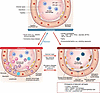
A conceptual framework for ILD pathogenesis.Figure 1

A conceptual framework for ILD pathogenesis. Predisposition to ILDs is influenced by genetic factors (variants associated with increased risk of ILD or rare germline mutations causing ILD), environmental exposures (e.g., smoking, dust), acute lung injury (e.g., infection), existing connective tissue disease, and aging. The propensity toward inflammatory and/or fibrotic phenotypes varies depending on type and stage of ILD. Resolution of acute insult can result in return to homeostatic conditions, or chronic inflammation or aberrant repair can lead to the establishment of fibrosis. In addition, IPF is thought to arise without any preceding inflammation. SAVI and COPA syndrome variably feature concurrent inflammation and fibrosis. AT1, type 1 alveolar; AT2, type 2 alveolar; TERT, telomerase reverse transcriptase; TERC, telomerase RNA component; RTEL1, regulator of telomere elongation helicase 1; SFTPC, surfactant protein C; KIF15, kinesin family member 15; TOLLIP, toll interacting protein.

Studying the genes affected in monogenic forms of ILD can help identify the biological processes involved in ILD pathogenesis and could inform novel therapeutic approaches. Several of the single-gene mutations implicated in chILD have been investigated using murine models, providing potential insights into how these mutations may cause ILD (reviewed in refs. 30, 31). For example, mutations in proteins involved in surfactant production, including Abca3, Sftpa1, and Sfptc, induced inflammation and fibrotic responses in mice (30, 32, 33). Conditional deletion of Trf2 in mouse type 2 alveolar epithelial cells (to induce telomere dysfunction in these cells) resulted in epithelial senescence, immune cell recruitment, and increased mortality following bleomycin instillation (34). Polymorphisms in some of these genes have also been identified in familial pulmonary fibrosis (PF) and in IPF GWAS analyses, where background genetic susceptibility appears to synergize with exposure to environmental factors (e.g., smoking, inhaled dust) to promote the development of ILD (35). Table 1 outlines our current understanding about genes involved in the pathogenesis of different types of ILDs.

Table 1

The genetic framework of chILD and adult ILD pathogenesis

Recently, the identification of germline mutations causing the monogenic ILDs SAVI and COPA syndrome have implicated the STING pathway in ILD (2–5, 36). This has raised interest in how aberrant STING activity can lead to ILD and the potential relevance to other forms of nonsyndromic fibrotic lung disease.
The cGAS/STING pathway

A cell’s ability to sense and respond to non-self DNA is vital to defend against pathogens. STING is a transmembrane protein first described as an activator of innate immune responses, particularly type I IFN (IFN-I) production and antiviral immune responses (37).

STING can bind bacterium-derived cyclic dinucleotides, such as cyclic di-GMP, to directly initiate an immune response (38). In 2013, the Chen group discovered that STING could also become activated by the second messenger cGAMP (39), which was synthesized through the catalytic activity of an enzyme called cGAS, activated upon DNA binding (40). cGAS is now known to be a key intracellular sensor for dsDNA (reviewed in ref. 41). Both cGAS and STING are widely expressed across different cell types, including parenchymal and immune cells in the lung (42).

cGAS binds dsDNA without sequence constraints, meaning that in addition to its role in recognizing pathogen-derived DNA, cGAS also has the potential to respond to host DNA (43). cGAS primarily resides within the nucleus, where its activity is tightly regulated through various mechanisms to avoid aberrant activation by host genomic DNA (44, 45). However, it is also found in the cytosol, enabling swift detection of invading pathogens (40). Alterations to the compartmentalization or integrity of host genetic material arising as a result of processes such as genome instability, cell death, or mitochondrial stress, have been shown to trigger a cGAS-driven immune cascade (reviewed in ref. 8).

Binding of cGAMP to STING causes a conformational change in STING and induces its translocation from the ER to the Golgi, via the ER-Golgi intermediate compartment (ERGIC) vesicles (8). While in the Golgi, STING recruits TANK-binding kinase 1 (TBK1), which in turn becomes activated through autophosphorylation (46). Activated TBK1 then phosphorylates residues in a region of the C-terminus of STING (Ser366) (47), enabling the recruitment of the transcription factor IFN regulatory factor 3 (IRF3). IRF3 is then itself phosphorylated by TBK1 (47, 48), leading to its dimerization and translocation to the nucleus to induce expression of IFN-I. STING activation also initiates a proinflammatory immune response via NF-κB, generating cytokines such as IL-6 and IL-1β (49, 50) (Figure 2).
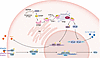
Immune responses following dsDNA sensing by cGAS/STING.Figure 2

Immune responses following dsDNA sensing by cGAS/STING. dsDNA derived from pathogens (e.g., viruses, bacteria) or from the host itself (e.g., as a consequence of DNA damage) binds to cGAS, leading to the generation of cGAMP. cGAMP binds STING on the ER, leading to a conformational change and trafficking to the Golgi, facilitated by COP-II. In the Golgi, STING recruits TBK1, initiating a downstream signaling cascade via IRF3 and NF-κB, resulting in the production of IFN-I, ISGs, and proinflammatory cytokines such as IL-6. Autocrine and/or paracrine activity of IFN-I generates further ISGs. COP-I mediates retrograde transport of STING from the Golgi to the ER. IFNAR1, interferon alpha and beta receptor subunit 1; IFNAR2, interferon alpha and beta receptor subunit 2; TYK2, tyrosine kinase 2.

More recently, roles for STING in other processes, such as autophagy (51, 52), senescence (53), lysosomal biogenesis (54), and apoptosis (55), have been described (Figure 3). STING-driven immune responses can also occur independently of cGAS in some contexts (56). TGF-β, often a key mediator in fibrosis, has been shown to be produced by T cells following cGAS/STING stimulation (57). However, suppression of STING responses by TGF-β has also been shown (58), and the relationship of TGF-β to STING signaling requires further study (Figure 3).
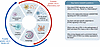
Potential outcomes of STING pathway activation.Figure 3

Potential outcomes of STING pathway activation. The varied consequences of STING pathway activation continue to be ascertained. In addition to its prominent role in the production of IFN-I and other proinflammatory mediators, STING activation has also been shown to have roles in inducing cell death, autophagy, and senescence responses. Biological outcomes are likely to vary depending on the nature of STING activation, and this remains an active area of study. Here, we postulate that some outcomes from STING signaling could be more pertinent to types of ILD that have strong fibrotic components compared with ILDs where robust inflammatory phenotypes are more evident. However, interplay between the different outcomes of STING signaling is likely, and the role of inflammation and fibrosis in some ILDs may also be indistinct. Important questions for future research are highlighted. SASP, senescence-associated secretory phenotype.

Interestingly, the immune response induced by cGAS/STING in different cell types has been noted to vary, in part thought to relate to differences in baseline STING expression and signal strength variation (55, 59). The role of cGAS-dependent and -independent STING activation in different disease settings is an intriguing area of study. It is possible that different outcomes from STING activation may be more pertinent to certain types of ILD, for example, those with a strong fibrotic element, compared with ILDs where inflammation is a prominent feature (Figure 3).
SAVI and COPA syndrome

The monogenic conditions SAVI and COPA syndrome are associated with elevated IFN-stimulated gene (ISG) expression in the blood (4, 60) and as such are recognized as type I interferonopathies (T1Is) (36, 61). Unlike the archetype T1I Aicardi-Goutières syndrome, where the principal features are neurological, patients with SAVI or COPA syndrome usually do not develop central nervous system disease; rather, pulmonary involvement is the most common feature of these disorders (36, 61). Table 2 outlines the nature of the mutations that can cause SAVI and COPA syndrome.

Table 2

Types of mutations causing SAVI and COPA syndrome

SAVI inheritance and clinical features. First described in 2014, SAVI is caused by GOF mutations in STING1 (2), and fewer than 100 individuals with SAVI have been described in the literature to date (62). Inheritance can be autosomal dominant, but more often, heterozygous mutations are acquired de novo (61, 63). Homozygous mutations causing SAVI, albeit even rarer, have also been documented (64).

SAVI-associated mutations correspond with almost complete penetrance of disease, and, sadly, mortality is high (2, 61). The age of onset of clinical features is typically young, often under 1 year old, and around 80% of patients with SAVI develop ILD, though the degree of lung involvement is highly variable (61, 63, 64). Cutaneous vasculopathy, telangiectasias, and distal tissue damage are also frequently seen (63, 65). HRCT features in SAVI can vary considerably but are largely suggestive of an inflammatory etiology, with key findings including GGO, interspersed with interlobular and intralobular septal thickening resulting from edematous/inflamed interstitium (a radiological feature termed “crazy paving”) and cysts (63). These changes often occur in an asymmetric pattern, in contrast to CTD-ILD (61). Radiological intrathoracic lymphadenopathy can also exist (63). Histopathological analyses of lung biopsies from affected individuals demonstrate mixed lymphocytic infiltrate and interstitial fibrosis (62), and analysis of bronchoalveolar lavage (BAL) fluid has shown varying proportions of lymphocytes, neutrophils, and/or hemosiderin-laden macrophages (66).

SAVI is associated with early progression to pulmonary fibrosis, with radiological fibrosis evident in as many as 50% of patients with lung involvement, even at an early age (61, 62). Antineutrophil cytoplasmic antibodies are relatively common, whereas anti-dsDNA antibodies are not (63). Other inflammatory conditions, including arthritis, may also occur, and inflammatory markers are usually elevated (61, 63).

SAVI and the STING pathway. SAVI-associated GOF mutations affect STING localization, causing cGAS- and cGAMP-independent Golgi retention, resulting in reduced degradation and chronic activation of STING (2, 46, 67, 68). Pathogenic SAVI mutations thus demonstrate a clear link between hyperactivity of STING and this ultrarare ILD.

Individuals with SAVI typically show elevated ISG, TNF-α, and IL-6 expression in PBMCs (2, 60, 63). scRNA-seq of PBMCs from patients with SAVI revealed increased expression of genes related to the integrated stress response, with ISG overexpression most marked in monocytes and DCs (69). A T cell lymphopenia (usually mild) is often reported and is associated with increased frequency of naive T cells and reduced effector and memory T cell populations (63, 69). These altered T cell subsets show strong activation phenotypes and are prone to senescence and cell death (69).

Mice with Sting1 mutations known to cause SAVI can develop pathologies similar to those found in people with SAVI, including pulmonary inflammation, cutaneous ulceration, and lymphopenia (70, 71). Some mouse models also develop lung fibrosis (71), although no model completely recapitulates all the features of the human disease, and ISG expression in SAVI mouse models is relatively low compared with that seen in human patients (61), adding to existing challenges of directly correlating data from mouse models of the T1Is to the human diseases (36).

Mice with SAVI-associated Sting1 mutations [p.(N135S) and p.(V154M)] have been found to develop lung disease independently of cGAS or IFN-I (70, 71). How this independence from IFN-I relates to human disease is an intriguing question; it implicates non–IFN-I pathways (such as NF-κB) in this setting of chronic STING activation, an area of active study. However, these data should be interpreted in the context of species-specific differences such as the typically low ISG expression in mouse models (61) compared with the markedly elevated levels seen in patients with SAVI (63). Mice with SAVI-associated Sting1 mutations also differ in that they can manifest defective lymph node organogenesis, presenting as a SCID phenotype (72, 73); this contrasts with the tendency toward lymphadenopathy seen in people with SAVI (62). JAK inhibitors, which inhibit IFN-I signaling, have shown some therapeutic efficacy in SAVI and some other type I interferonopathies (62, 74), and Ifnar1 was also found to be required for a vasculopathy phenotype in a SAVI mouse model, where hematopoietic cells were induced to express human STING (75), although those mice did not develop lung inflammation (as discussed further below). The role of IFN-I in SAVI pathogenesis in humans is therefore an area warranting future research (Figure 3).

A role for T cells in inducing lung disease in mice with SAVI mutations has been found (76, 77). Interestingly, nonhematopoietic cells expressing the p.(V154M) SAVI mutation have been shown to recruit WT T cells to the lung to promote inflammation (77, 78). Additionally, one study found that restricted expression of the Sting1 p.(N154S) SAVI mutation to hematopoietic cells alone was not sufficient to induce lung disease, although a vasculopathy was evident (75). Conditional expression of the Sting1 p.(V154M) SAVI mutation in endothelial cells was found to induce an influx of immune cells to the lung, although lung inflammation did not reach the level seen in animals with germline SAVI mutations. This indicates that other cell types expressing SAVI mutations play a role in the lung pathology (79). Taken together, these studies suggest roles for both T cells and nonhematopoietic lung cells in the pathogenesis of lung disease in these mouse models of SAVI. The reasons why lung disease is such a prominent feature of SAVI, despite STING being widely expressed throughout the body, remain unclear. The high protein expression of STING in the respiratory system compared with other systems such as the gastrointestinal tract seems relevant (42), with scRNA-seq data revealing high expression of STING1 in many respiratory-relevant lung types, including stromal and immune cells (42). It is possible that specific respiratory exposures to environmental triggers play a role or that respiratory-specific effects of STING activity are involved. Important questions regarding STING biology in the lung therefore remain (Figure 3).

STING1 is known to often exhibit genetic variation, and the common human STING1 haplotype HAQ (R71H-G230A-R293Q) has been found to be hypomorphic (80) and to inhibit the constitutive activation of STING in cells with SAVI-associated mutations (81) (Table 2). The presence of the HAQ haplotype does not prevent SAVI, since an individual with SAVI and the HAQ haplotype has been described, although some amelioration of the phenotype was proposed in that study (82). HAQ and the AQ (G230A-R293Q) haplotype were found to reduce (in the case of HAQ) or prevent (in the case of AQ) disease in a p.(N135S) SAVI mouse model (83). These beneficial effects were associated with increased Treg cells and reduced T cell death, and in vitro studies showed a protective effect of HAQ on STING-induced cell death (83). Further studies into the role of haplotypes such as HAQ and the effects on SAVI phenotypes will be helpful to expand this area of knowledge.

COPA syndrome: inheritance and clinical features

COPA syndrome was first described in 2015 and is caused by heterozygous missense mutations in the COPA gene on chromosome 1 at position 1q23.2 (5). COPA syndrome displays an autosomal dominant mode of inheritance but a notable degree of clinical nonpenetrance, with 17% of COPA mutation–positive individuals found to be asymptomatic in a recent comprehensive study (74). De novo and somatic mosaic COPA mutations have also been shown to cause COPA syndrome (74).

Around 70 individuals with COPA syndrome have so far been described in the literature, and while disease onset often occurs in infancy or early childhood, clinical features may develop for the first time in adulthood (61, 74, 84, 85). Lung disease is the most frequent feature of COPA syndrome (74). Approximately 80% of individuals with COPA syndrome develop ILD, and diffuse alveolar hemorrhage (DAH) is also prominent (5, 61, 74, 86). Recurrent DAH without externalization may present with features suggestive of recurrent respiratory tract infection, and HRCT appearances can normalize between DAH episodes (61). Radiologic features of ILD in affected individuals include GGO, cysts, nodules, and fibrosis (87, 88). Although lung fibrosis is less common in COPA syndrome than in SAVI (61), a recent study found 37% of people with COPA syndrome had lung fibrosis (74). Fibrosis may arise following follicular bronchiolitis in some cases (86). Histopathological findings in COPA syndrome include nonspecific features of a fibrosing ILD and/or DAH (87) with or without interstitial lymphocytic infiltration (5). Lymphoid follicles and macrophage infiltration into the alveoli are often reported (4, 84, 87). BAL fluid analysis can be consistent with DAH (macroscopically bloody or containing hemosiderin-laden macrophages) or indicative of a nonspecific alveolitis (61).

Clinical presentations affecting other body systems have also been documented. Arthritis is frequently noted in COPA syndrome, typically of a rheumatoid factor–positive polyarticular type (5, 61, 84). Antineutrophil cytoplasmic antibodies are commonly detected, while autoantibodies to dsDNA are notably less frequent, and inflammatory markers, particularly C-reactive protein, do not seem to consistently correlate with disease severity (61, 74). Vascular skin features are less frequent than found in SAVI but are still notable, affecting 32% of people with COPA syndrome in a recent study (74). Renal involvement, such as glomerulonephritis, can be a feature of COPA syndrome (5, 61, 84), and gastrointestinal, cardiac, hepatic, neurological, and other sites have also been reported to be affected to varying degrees in some individuals with COPA syndrome (74).

COPA syndrome and the STING pathway. COPA encodes the α subunit of the coat protein complex I (COP-I), which mediates the retrograde transport of cellular cargo from the Golgi complex and the ERGIC to the ER (89). COP-I is also involved in intra-Golgi transport (90) and autophagy (91, 92) and has been implicated in the anterograde transport of cargo from the ERGIC to the Golgi (93).

Pathogenic COPA mutations causing COPA syndrome have been shown to reduce the interaction of COP-I with STING, occurring via the cargo receptor Surfeit 4 (3, 5, 68), leading to defective retrieval of STING from the Golgi and, hence, amplified STING activity (3, 4, 68, 94, 95). These mutations most frequently localize to the N-terminus WD40 domain of COPA (96), a region critical to dilysine motif–mediated cargo binding of cell constituents for intracellular transport (reviewed in ref. 97). Recently, mutations in the C-terminal domain of COPA, predicted to alter COP-I integrity, were reported to cause an inflammatory phenotype manifesting as complex cases of autoinflammation and autoimmunity (98). Some patients experienced alveolar hemorrhage, one in the neonatal period, but patients also had some features apparently distinct to classical COPA syndrome (98).

Individuals with COPA syndrome usually demonstrate elevated ISG expression in PBMCs (4, 84) and lung fibroblasts (3). Heightened IFN-I production in response to COPA syndrome–associated mutations, compared with WT COPA, has been found to be STING dependent (4). These experiments utilized cotransfection of STING and COPA plasmids (with and without COPA syndrome mutations) into HEK cells, which are known to not express STING (4). COPA protein expression is preserved in cells from patients with pathogenic COPA mutations (5), indicating a dominant-negative effect of mutant COPA (4, 68). Moreover, knockdown of COPA or overexpression of COPA mutations in cell lines increases ER stress and promotes the production of Th17-inducing cytokines (5). Importantly, the common HAQ STING haplotype was found to ameliorate the heightened STING signaling associated with disease-related COPA mutations, attributed to HAQ STING reducing COPA-dependent STING activation (99). In that study, all nine asymptomatic individuals with COPA mutations had the HAQ haplotype, and the investigators concluded that this fully explained the recognized clinical nonpenetrance seen in COPA syndrome (99). More recently, however, five asymptomatic individuals with COPA mutations were found not to have the HAQ haplotype (100), implying that factors in addition to HAQ status are involved in influencing penetrance of COPA syndrome (Table 2). This raises potentially interesting avenues for further study.

Several mouse models have been developed to study the effects of COPA mutations. CopaE241K/+ mice, which harbor a heterozygous pathogenic mutation causing COPA syndrome in humans, spontaneously developed ILD when aged 10–11 months (86). This recapitulates the ILD observed in COPA syndrome patients, with cellular bronchiolitis, germinal center formation, and CD4+ T cell infiltrates. No joint inflammation or alveolar hemorrhage was observed (86). CopaE241K/+ mice displayed an increased frequency of splenic effector T cells capable of producing Th17-associated cytokines, and adoptive transfer of CopaE241K/+ T cells into immunodeficient mice was sufficient to induce some lung inflammation, indicating a role for T cells in the pathogenesis of lung inflammation in the CopaE241K/+ model (86). The T cell phenotype in CopaE241K/+ mice has been shown to relate to impaired T cell negative selection in the thymus driven by STING (3, 101). Crossing CopaE241K/+ mice into a Sting–/– line rescued embryonic lethality of Copa homozygous mutant mice, further strengthening the link to STING activity (3).

Lung inflammation was similarly described in another COPA mouse model, CopaV242G/+, which had evidence of lymphocytic and macrophage infiltration and lymphoid follicles in the lung as well as changes in T cell composition (84). Interestingly, CopaV242G/+ bone marrow–derived DCs did not display elevated baseline ISG expression; instead, potentiated responses following stimulation with a STING agonist were noted, implying that an initial stimulus may be required to elicit heightened signaling (84). In addition, binding of COP-I to STING did not seem to be reduced, in contrast with other pathogenic mutations, such as p.(E241K) (84). Further study of these models are necessary to fully elucidate the pathogenesis of lung disease in COPA syndrome.

Current treatment strategies for SAVI and COPA syndrome

It can be difficult to draw firm conclusions regarding treatment efficacy in ultrarare conditions such as SAVI and COPA syndrome, but overall, generalized immunosuppression and antifibrotic treatments do not seem to be effective, particularly in the treatment of progressive lung disease (62, 84). However, combinatorial immunosuppressive regimens have been reported to ameliorate pulmonary dysfunction in some cases (88, 102), and further collation of clinical outcome data will be beneficial, including longer-term outcomes in the limited number of lung transplantations that have taken place (62, 84). At present, the use of JAK inhibitors, such as baricitinib, appear to be the most therapeutically favorable option, leading to improvement in features such as arthritis in some COPA patients and stabilization, or even improvement, of lung disease in some individuals with SAVI or COPA syndrome (4, 63, 74, 84, 86, 103). In a large European cohort, JAK inhibition was found to have some clinical effect in two-thirds of patients with COPA syndrome, but progression of disease, including lung disease, still occurred in the remaining patients (74). JAK inhibitors appear to work best when administered early in the management of lung disease, rather than once fibrosis is established (62).

It is possible that future development of novel therapeutic approaches targeting the STING pathway, or downstream sequelae of STING activation, could eventually be an option for treating SAVI or COPA syndrome, since pharmacological STING inhibition presents clear therapeutic opportunities for monogenic lung diseases such as SAVI and COPA where ILD is linked to STING hyperactivity. Efforts to develop STING antagonists to inhibit STING-driven inflammatory disease are ongoing, but these approaches are predominantly at the preclinical research stage at present (8, 104). Table 3 depicts different approaches to limit STING activity. Further understanding of the actions of STING in the lung, particularly in different cell types, is likely to be beneficial to the ongoing research in this area.

Table 3

Approaches to therapeutically antagonize STING activity

Does STING play a role in other ILDs?

The seemingly clear association of hyperactivation of the STING pathway with ILD in SAVI and COPA syndrome raises the question of whether STING is relevant to the pathogenesis of more prevalent forms of ILD. One possible route for STING activation could be the release of dsDNA from damaged cells in the lung, which could induce cGAS/STING pathway activation (105). Indeed, Benmerzoug et al. found higher levels of dsDNA in BAL fluid from patients with the ILD silicosis compared with healthy controls (106), and the same researchers also found that Sting1–/– mice had less severe silica-induced lung inflammation than WT animals (106). Additionally, airway epithelial cells and fibroblasts from IPF patients have been shown to be prone to senescence due to abnormal activation of the cGAS/STING pathway (107, 108). Roles for STING in the susceptibility to lung fibrosis following viral infection, and in the immune response to cigarette smoke–induced cell damage, have also been reported in other mouse models (109, 110).

A common mouse model of ILD involves the administration of the chemotherapy agent bleomycin (which causes DNA breakage) to the lungs. This induces a period of inflammation relating to acute cellular damage (e.g., of alveolar epithelial cells) and is associated with an influx of immune cells for approximately 9 days (111, 112). Lung fibrosis usually develops by day 14, peaks around days 21–28, and may spontaneously resolve thereafter (112). There is considerable variability across mouse strains in terms of susceptibility to experimental pulmonary fibrosis. The reasons for this include differences in the ability to metabolize bleomycin, varied immune responses during the initial inflammatory phase, and reduced TGF-β gene and protein expression, collectively highlighting the crucial coupling of inflammation and fibrosis in the pathogenesis of certain ILDs (113). Extracellular dsDNA has been shown to accumulate in BAL fluid following bleomycin administration, leading to STING overexpression in the lung (114–117). Furthermore, increased phosphorylation of STING, TBK1, and IRF3 was found at day 7 following bleomycin administration, indicative of STING pathway activation (115). Zhang et al. found Sting–/– mice had reduced lung fibrosis at day 28 after one intratracheal dose of bleomycin compared with Sting+/+ animals (118). Intratracheal administration of cGAMP also induced lung fibrosis and a STING-mediated senescence response (118). Taken together, these studies suggest a profibrotic role for STING following bleomycin administration.

Importantly, however, a role for STING activity in mouse models of ILD is not universal. Savigny et al. found that Sting–/– mice manifested more severe lung fibrosis than Sting+/+ mice at day 14 following bleomycin administration (117). Furthermore, a different study found that mice lacking IFNAR1 (a key component of the IFN-I receptor complex) had increased bleomycin-induced lung inflammation and fibrosis at day 14 compared with WT counterparts (119). It is possible that these differences in experimental outcomes may indicate distinct roles of STING at different stages of bleomycin-driven pathology, relate to different commensal microbiota populations due to various housing conditions, or denote differential effects of STING in different settings. Indeed, while the role for STING in promoting inflammation in a variety of diseases is well documented, emerging evidence suggests that the effects of STING activity on the immune response are more nuanced and that in some contexts, STING activation may instead lead to immune regulation (59, 120). This is an important area of interest in the field of cancer immunology and is likely to be context dependent (121). Overall, further research into the role of STING in the pathogenesis of more common ILDs is still required.

Conclusion

Genetic evidence implicates overactive STING signaling in ILD pathogenesis in the monogenic conditions SAVI and COPA syndrome. Exactly how STING activity leads to ILD in these ultrarare diseases remains an area of active study that will inform understanding about the biological processes involved in lung inflammation. Some, but not all, human and mouse studies have linked STING activity to the initiation and/or progression of certain types of ILD, but ILDs comprise a broad range of disease subtypes, and it is likely that the functional outcomes of STING activation may vary in different disease settings. Further mechanistic research into the role of STING in ILD pathogenesis is warranted to explore the possibility of STING-centered therapeutics for ILDs.

Conflict of interest

The authors have declared that no conflict of interest exists.

Funding support
  • Wellcome PhD Clinical Training Fellowship (PPV).
  • LifeArc Centre for Rare Respiratory Diseases (GZ and KJM).
  • Medical Research Council Clinician Scientist Fellowship (grant MR/W02487X/1 to KJM).
  • LifeArc Rare Respiratory Diseases Centre (KJM).
Acknowledgments

We thank Yanick J. Crow for helpful discussion and comments on this manuscript.

Address correspondence to: Karen J. Mackenzie, Centre for Inflammation Research, Institute for Regeneration and Repair, University of Edinburgh, 4-5 Little France Drive, Edinburgh Bioquarter, Edinburgh EH16 4UU, United Kingdom. Phone: 0131.651.8100; Email: karen.mackenzie@ed.ac.uk.

Footnotes

Copyright: © 2026, Velu et al. This is an open access article published under the terms of the Creative Commons Attribution 4.0 International License.

Reference information: J Clin Invest. 2026;136(11):e204544. https://doi.org/10.1172/JCI204544.

References
  1. Dvorkin S, et al. New frontiers in the cGAS-STING intracellular DNA-sensing pathway. Immunity. 2024;57(4):718–730.
    View this article via: CrossRef PubMed Google Scholar
  2. Liu Y, et al. Activated STING in a vascular and pulmonary syndrome. N Engl J Med. 2014;371(6):507–518.
    View this article via: CrossRef PubMed Google Scholar
  3. Deng Z, et al. A defect in COPI-mediated transport of STING causes immune dysregulation in COPA syndrome. J Exp Med. 2020;217(11):e20201045.
    View this article via: CrossRef PubMed Google Scholar
  4. Lepelley A, et al. Mutations in COPA lead to abnormal trafficking of STING to the Golgi and interferon signaling. J Exp Med. 2020;217(11):e20200600.
    View this article via: CrossRef PubMed Google Scholar
  5. Watkin LB, et al. COPA mutations impair ER-Golgi transport and cause hereditary autoimmune-mediated lung disease and arthritis. Nat Genet. 2015;47(6):654–660.
    View this article via: CrossRef PubMed Google Scholar
  6. Reinholdt L, et al. The rare-to-common disease journey: a winding road to new therapies. Trends Genet. 2025;41(9):762–773.
    View this article via: CrossRef PubMed Google Scholar
  7. Hernandez-Gonzalez F, et al. Exploring the interplay between cellular senescence, immunity, and fibrosing interstitial lung diseases: challenges and opportunities. Int J Mol Sci. 2024;25(14):7554.
    View this article via: CrossRef PubMed Google Scholar
  8. Decout A, et al. The cGAS-STING pathway as a therapeutic target in inflammatory diseases. Nat Rev Immunol. 2021;21(9):548–569.
    View this article via: CrossRef PubMed Google Scholar
  9. Maher TM. Interstitial lung disease: a review. JAMA. 2024;331(19):1655–1665.
    View this article via: CrossRef PubMed Google Scholar
  10. Nathan N, et al. Diagnostic workup of childhood interstitial lung disease. Eur Respir Rev. 2023;32(167):220188.
    View this article via: CrossRef PubMed Google Scholar
  11. Wijsenbeek M, et al. Interstitial lung diseases. Lancet. 2022;400(10354):769–786.
    View this article via: CrossRef PubMed Google Scholar
  12. Travis WD, et al. An official American Thoracic Society/European Respiratory Society statement: update of the international multidisciplinary classification of the idiopathic interstitial pneumonias. Am J Respir Crit Care Med. 2013;188(6):733–748.
    View this article via: CrossRef PubMed Google Scholar
  13. Maher TM, et al. Global incidence and prevalence of idiopathic pulmonary fibrosis. Respir Res. 2021;22(1):197.
    View this article via: CrossRef PubMed Google Scholar
  14. Raghu G, et al. Idiopathic pulmonary fibrosis (an update) and progressive pulmonary fibrosis in adults: an official ATS/ERS/JRS/ALAT Clinical Practice Guideline. Am J Respir Crit Care Med. 2022;205(9):e18–e47.
    View this article via: CrossRef PubMed Google Scholar
  15. Laenger FP, et al. Interstitial lung disease in infancy and early childhood: a clinicopathological primer. Eur Respir Rev. 2022;31(163):210251.
    View this article via: CrossRef PubMed Google Scholar
  16. Pardo A, Selman M. The interplay of the genetic architecture, aging, and environmental factors in the pathogenesis of idiopathic pulmonary fibrosis. Am J Respir Cell Mol Biol. 2021;64(2):163–172.
    View this article via: CrossRef PubMed Google Scholar
  17. Katzen J, Beers MF. Contributions of alveolar epithelial cell quality control to pulmonary fibrosis. J Clin Invest. 2020;130(10):5088–5099.
    View this article via: JCI CrossRef PubMed Google Scholar
  18. Habermann AC, et al. Single-cell RNA sequencing reveals profibrotic roles of distinct epithelial and mesenchymal lineages in pulmonary fibrosis. Sci Adv. 2020;6(28):eaba1972.
    View this article via: CrossRef PubMed Google Scholar
  19. Adams TS, et al. Single-cell RNA-seq reveals ectopic and aberrant lung-resident cell populations in idiopathic pulmonary fibrosis. Sci Adv. 2020;6(28):eaba1983.
    View this article via: CrossRef PubMed Google Scholar
  20. Reyfman PA, et al. Single-cell transcriptomic analysis of human lung provides insights into the pathobiology of pulmonary fibrosis. Am J Respir Crit Care Med. 2019;199(12):1517–1536.
    View this article via: CrossRef PubMed Google Scholar
  21. Tsukui T, et al. Collagen-producing lung cell atlas identifies multiple subsets with distinct localization and relevance to fibrosis. Nat Commun. 2020;11(1):1920.
    View this article via: CrossRef PubMed Google Scholar
  22. Wijsenbeek M, Cottin V. Spectrum of fibrotic lung diseases. N Engl J Med. 2020;383(10):958–968.
    View this article via: CrossRef PubMed Google Scholar
  23. Flaherty KR, et al. Nintedanib in progressive fibrosing interstitial lung diseases. N Engl J Med. 2019;381(18):1718–1727.
    View this article via: CrossRef PubMed Google Scholar
  24. Raghu G, et al. Prednisone, azathioprine, and N-acetylcysteine for pulmonary fibrosis. N Engl J Med. 2012;366(21):1968–1977.
    View this article via: CrossRef PubMed Google Scholar
  25. Heukels P, et al. Inflammation and immunity in IPF pathogenesis and treatment. Respir Med. 2019;147:79–91.
    View this article via: CrossRef PubMed Google Scholar
  26. Behr J, et al. The role of inflammation and fibrosis in interstitial lung disease treatment decisions. Am J Respir Crit Care Med. 2024;210(4):392–400.
    View this article via: CrossRef PubMed Google Scholar
  27. Raghu G, et al. Diagnosis of hypersensitivity pneumonitis in adults. An official ATS/JRS/ALAT Clinical Practice Guideline. Am J Respir Crit Care Med. 2020;202(3):36–69.
    View this article via: CrossRef PubMed Google Scholar
  28. García-Sancho C, et al. Familial pulmonary fibrosis is the strongest risk factor for idiopathic pulmonary fibrosis. Respir Med. 2011;105(12):1902–1907.
    View this article via: CrossRef PubMed Google Scholar
  29. Borie R, et al. The genetics of interstitial lung diseases. Eur Respir Rev. 2019;28(153):190053.
    View this article via: CrossRef PubMed Google Scholar
  30. Yasutomo K. Genetics and animal models of familial pulmonary fibrosis. Int Immunol. 2021;33(12):653–657.
    View this article via: CrossRef PubMed Google Scholar
  31. Wang JY, Young LR. Insights into the pathogenesis of pulmonary fibrosis from genetic diseases. Am J Respir Cell Mol Biol. 2022;67(1):20–35.
    View this article via: CrossRef PubMed Google Scholar
  32. Beers MF, et al. Aberrant lung remodeling in a mouse model of surfactant dysregulation induced by modulation of the Abca3 gene. Ann Anat. 2017;210:135–146.
    View this article via: CrossRef PubMed Google Scholar
  33. Nureki SI, et al. Expression of mutant Sftpc in murine alveolar epithelia drives spontaneous lung fibrosis. J Clin Invest. 2018;128(9):4008–4024.
    View this article via: JCI CrossRef PubMed Google Scholar
  34. Alder JK, et al. Telomere dysfunction causes alveolar stem cell failure. Proc Natl Acad Sci U S A. 2015;112(16):5099–5104.
    View this article via: CrossRef PubMed Google Scholar
  35. Vasarmidi E, et al. Insights into interstitial lung disease pathogenesis. Breathe (Sheff). 2025;21(2):240261.
    View this article via: CrossRef PubMed Google Scholar
  36. Crow YJ, Stetson DB. The type I interferonopathies: 10 years on. Nat Rev Immunol. 2022;22(8):471–483.
    View this article via: CrossRef PubMed Google Scholar
  37. Ishikawa H, Barber GN. STING is an endoplasmic reticulum adaptor that facilitates innate immune signalling. Nature. 2008;455(7213):674–678.
    View this article via: CrossRef PubMed Google Scholar
  38. Burdette DL, et al. STING is a direct innate immune sensor of cyclic di-GMP. Nature. 2011;478(7370):515–518.
    View this article via: CrossRef PubMed Google Scholar
  39. Wu J, et al. Cyclic GMP-AMP is an endogenous second messenger in innate immune signaling by cytosolic DNA. Science. 2013;339(6121):826–830.
    View this article via: CrossRef PubMed Google Scholar
  40. Sun L, et al. Cyclic GMP-AMP synthase is a cytosolic DNA sensor that activates the type I interferon pathway. Science. 2013;339(6121):786–791.
    View this article via: CrossRef PubMed Google Scholar
  41. Hopfner KP, Hornung V. Molecular mechanisms and cellular functions of cGAS-STING signalling. Nat Rev Mol Cell Biol. 2020;21(9):501–521.
    View this article via: CrossRef PubMed Google Scholar
  42. The Human Protein Atlas. The Human Protein Atlas. https://www.proteinatlas.org Updated November 11, 2025. Accessed January 8, 2026.
  43. Luecke S, et al. cGAS is activated by DNA in a length-dependent manner. EMBO Rep. 2017;18(10):1707–1715.
    View this article via: CrossRef PubMed Google Scholar
  44. Gentili M, et al. The N-terminal domain of cGAS determines preferential association with centromeric DNA and innate immune activation in the nucleus. Cell Rep. 2019;26(9):2377–2393.
    View this article via: CrossRef PubMed Google Scholar
  45. Li T, et al. Phosphorylation and chromatin tethering prevent cGAS activation during mitosis. Science. 2021;371(6535):eabc5386.
    View this article via: CrossRef PubMed Google Scholar
  46. Dobbs N, et al. STING activation by translocation from the ER is associated with infection and autoinflammatory disease. Cell Host Microbe. 2015;18(2):157–168.
    View this article via: CrossRef PubMed Google Scholar
  47. Tanaka Y, Chen ZJ. STING specifies IRF3 phosphorylation by TBK1 in the cytosolic DNA signaling pathway. Sci Signal. 2012;5(214):ra20.
    View this article via: CrossRef PubMed Google Scholar
  48. Liu S, et al. Phosphorylation of innate immune adaptor proteins MAVS, STING, and TRIF induces IRF3 activation. Science. 2015;347(6227):aaa2630.
    View this article via: CrossRef PubMed Google Scholar
  49. Balka KR, et al. TBK1 and IKKε act redundantly to mediate STING-induced NF-κB responses in myeloid cells. Cell Rep. 2020;31(1):107492.
    View this article via: CrossRef PubMed Google Scholar
  50. Ishikawa H, et al. STING regulates intracellular DNA-mediated, type I interferon-dependent innate immunity. Nature. 2009;461(7265):788–792.
    View this article via: CrossRef PubMed Google Scholar
  51. Liu D, et al. STING directly activates autophagy to tune the innate immune response. Cell Death Differ. 2019;26(9):1735–1749.
    View this article via: CrossRef PubMed Google Scholar
  52. Gui X, et al. Autophagy induction via STING trafficking is a primordial function of the cGAS pathway. Nature. 2019;567(7747):262–266.
    View this article via: CrossRef PubMed Google Scholar
  53. Glück S, et al. Innate immune sensing of cytosolic chromatin fragments through cGAS promotes senescence. Nat Cell Biol. 2017;19(9):1061–1070.
    View this article via: CrossRef PubMed Google Scholar
  54. Lv B, et al. A TBK1-independent primordial function of STING in lysosomal biogenesis. Mol Cell. 2024;84(20):3979–3996.
    View this article via: CrossRef PubMed Google Scholar
  55. Gulen MF, et al. Signalling strength determines proapoptotic functions of STING. Nat Commun. 2017;8(1):427.
    View this article via: CrossRef PubMed Google Scholar
  56. Dunphy G, et al. Non-canonical activation of the DNA sensing adaptor STING by ATM and IFI16 mediates NF-κB signaling after nuclear DNA damage. Mol Cell. 2018;71(5):745–760.
    View this article via: CrossRef PubMed Google Scholar
  57. Lin W, et al. STING trafficking activates MAPK-CREB signaling to trigger regulatory T cell differentiation. Proc Natl Acad Sci U S A. 2024;121(29):e2320709121.
    View this article via: CrossRef PubMed Google Scholar
  58. Yi M, et al. Triple targeting of STING, TGF-β, and PD-L1 boosts CXCL16-CXCR6 signaling for potent antitumor response. Nat Commun. 2026;17(1):1441.
    View this article via: CrossRef PubMed Google Scholar
  59. Kabelitz D, et al. Signal strength of STING activation determines cytokine plasticity and cell death in human monocytes. Sci Rep. 2022;12(1):17827.
    View this article via: CrossRef PubMed Google Scholar
  60. Rice GI, et al. Assessment of type I interferon signaling in pediatric inflammatory disease. J Clin Immunol. 2017;37(2):123–132.
    View this article via: CrossRef PubMed Google Scholar
  61. Frémond ML, Crow YJ. STING-mediated lung inflammation and beyond. J Clin Immunol. 2021;41(3):501–514.
    View this article via: CrossRef PubMed Google Scholar
  62. David C, Frémond ML. Lung inflammation in STING-associated vasculopathy with onset in infancy (SAVI). Cells. 2022;11(3):318.
    View this article via: CrossRef PubMed Google Scholar
  63. Frémond ML, et al. Overview of STING-associated vasculopathy with onset in infancy (SAVI) among 21 patients. J Allergy Clin Immunol Pract. 2021;9(2):803–818.
    View this article via: CrossRef PubMed Google Scholar
  64. Alghamdi MA, et al. A novel biallelic STING1 gene variant causing SAVI in two siblings. Front Immunol. 2020;11:599564.
    View this article via: CrossRef PubMed Google Scholar
  65. Cazzato S, et al. Lung involvement in monogenic interferonopathies. Eur Respir Rev. 2020;29(158):200001.
    View this article via: CrossRef PubMed Google Scholar
  66. Tang X, et al. STING-associated vasculopathy with onset in infancy in three children with new clinical aspect and unsatisfactory therapeutic responses to tofacitinib. J Clin Immunol. 2020;40(1):114–122.
    View this article via: CrossRef PubMed Google Scholar
  67. Jeremiah N, et al. Inherited STING-activating mutation underlies a familial inflammatory syndrome with lupus-like manifestations. J Clin Invest. 2014;124(12):5516–5520.
    View this article via: JCI CrossRef PubMed Google Scholar
  68. Mukai K, et al. Homeostatic regulation of STING by retrograde membrane traffic to the ER. Nat Commun. 2021;12(1):61.
    View this article via: CrossRef PubMed Google Scholar
  69. de Cevins C, et al. Single-cell RNA-sequencing of PBMCs from SAVI patients reveals disease-associated monocytes with elevated integrated stress response. Cell Rep Med. 2023;4(12):101333.
    View this article via: CrossRef PubMed Google Scholar
  70. Warner JD, et al. STING-associated vasculopathy develops independently of IRF3 in mice. J Exp Med. 2017;214(11):3279–3292.
    View this article via: CrossRef PubMed Google Scholar
  71. Motwani M, et al. Hierarchy of clinical manifestations in SAVI N153S and V154M mouse models. Proc Natl Acad Sci U S A. 2019;116(16):7941–7950.
    View this article via: CrossRef PubMed Google Scholar
  72. Bouis D, et al. Severe combined immunodeficiency in stimulator of interferon genes (STING) V154M/wild-type mice. J Allergy Clin Immunol. 2019;143(2):712–725.
    View this article via: CrossRef PubMed Google Scholar
  73. Bennion BG, et al. STING gain-of-function disrupts lymph node organogenesis and innate lymphoid cell development in mice. Cell Rep. 2020;31(11):107771.
    View this article via: CrossRef PubMed Google Scholar
  74. David C, et al. Insights from a novel monogenic autoinflammatory disease: overview of a multicentric European cohort of 38 patients with COPA syndrome. Ann Rheum Dis. 2025;85(3):547–557.
    View this article via: CrossRef PubMed Google Scholar
  75. Martin GR, et al. Expression of a constitutively active human STING mutant in hematopoietic cells produces an Ifnar1-dependent vasculopathy in mice. Life Sci Alliance. 2019;2(3):e201800215.
    View this article via: CrossRef PubMed Google Scholar
  76. Luksch H, et al. STING-associated lung disease in mice relies on T cells but not type I interferon. J Allergy Clin Immunol. 2019;144(1):254–266.
    View this article via: CrossRef PubMed Google Scholar
  77. Gao KM, et al. Radioresistant cells initiate lymphocyte-dependent lung inflammation and IFNγ-dependent mortality in STING gain-of-function mice. Proc Natl Acad Sci U S A. 2022;119(25):e2202327119.
    View this article via: CrossRef PubMed Google Scholar
  78. Gao KM, et al. Activation of autoreactive lymphocytes in the lung by radioresistant cells expressing a STING gain-of-function mutation. JCI Insight. 2024;9(16):e174331.
    View this article via: JCI Insight CrossRef PubMed Google Scholar
  79. Gao KM, et al. Endothelial cell expression of a STING gain-of-function mutation initiates pulmonary lymphocytic infiltration. Cell Rep. 2024;43(4):114114.
    View this article via: CrossRef PubMed Google Scholar
  80. Ruiz-Moreno JS, et al. The cGAS/STING pathway detects streptococcus pneumoniae but appears dispensable for antipneumococcal defense in mice and humans. Infect Immun. 2018;86(3):e00849.
    View this article via: CrossRef PubMed Google Scholar
  81. Cerboni S, et al. Intrinsic antiproliferative activity of the innate sensor STING in T lymphocytes. J Exp Med. 2017;214(6):1769–1785.
    View this article via: CrossRef PubMed Google Scholar
  82. Seo J, et al. Tofacitinib relieves symptoms of stimulator of interferon genes (STING)-associated vasculopathy with onset in infancy caused by 2 de novo variants in TMEM173. J Allergy Clin Immunol. 2017;139(4):1396–1399.
    View this article via: CrossRef PubMed Google Scholar
  83. Aybar-Torres AA, et al. The common Sting1 HAQ, AQ alleles rescue CD4 T cellpenia, restore T-regs, and prevent SAVI (N153S) inflammatory disease in mice. Elife. 2024;13:RP96790.
    View this article via: CrossRef PubMed Google Scholar
  84. Kato T, et al. Augmentation of STING-induced type I interferon production in COPA syndrome. Arthritis Rheumatol. 2021;73(11):2105–2115.
    View this article via: CrossRef PubMed Google Scholar
  85. Simchoni N, et al. COPA syndrome from diagnosis to treatment: a clinician’s guide. Rheum Dis Clin North Am. 2023;49(4):789–804.
    View this article via: CrossRef PubMed Google Scholar
  86. Deng Z, et al. A defect in thymic tolerance causes T cell-mediated autoimmunity in a murine model of COPA syndrome. J Immunol. 2020;204(9):2360–2373.
    View this article via: CrossRef PubMed Google Scholar
  87. Vece TJ, et al. Copa syndrome: a novel autosomal dominant immune dysregulatory disease. J Clin Immunol. 2016;36(4):377–387.
    View this article via: CrossRef PubMed Google Scholar
  88. Tsui JL, et al. Analysis of pulmonary features and treatment approaches in the COPA syndrome. ERJ Open Res. 2018;4(2):00017.
    View this article via: CrossRef PubMed Google Scholar
  89. Dell’Angelica EC, Bonifacino JS. Coatopathies: genetic disorders of protein coats. Annu Rev Cell Dev Biol. 2019;35:131–168.
    View this article via: CrossRef PubMed Google Scholar
  90. Pellett PA, et al. Inter-Golgi transport mediated by COPI-containing vesicles carrying small cargoes. Elife. 2013;2:e01296.
    View this article via: CrossRef PubMed Google Scholar
  91. Razi M, et al. Early endosomes and endosomal coatomer are required for autophagy. J Cell Biol. 2009;185(2):305–321.
    View this article via: CrossRef PubMed Google Scholar
  92. Claerhout S, et al. Abortive autophagy induces endoplasmic reticulum stress and cell death in cancer cells. PLoS One. 2012;7(6):e39400.
    View this article via: CrossRef PubMed Google Scholar
  93. Shomron O, et al. COPII collar defines the boundary between ER and ER exit site and does not coat cargo containers. J Cell Biol. 2021;220(6):e201907224.
    View this article via: CrossRef PubMed Google Scholar
  94. Rivara S, Ablasser A. COPA silences STING. J Exp Med. 2020;217(11):e20201517.
    View this article via: CrossRef PubMed Google Scholar
  95. Steiner A, et al. Deficiency in coatomer complex I causes aberrant activation of STING signalling. Nat Commun. 2022;13(1):2321.
    View this article via: CrossRef PubMed Google Scholar
  96. Frémond ML, Nathan N. COPA syndrome, 5 years after: Where are we? Joint Bone Spine. 2021;88(2):105070.
    View this article via: CrossRef PubMed Google Scholar
  97. Brandizzi F, Barlowe C. Organization of the ER-Golgi interface for membrane traffic control. Nat Rev Mol Cell Biol. 2013;14(6):382–392.
    View this article via: CrossRef PubMed Google Scholar
  98. Delafontaine S, et al. Heterozygous mutations in the C-terminal domain of COPA underlie a complex autoinflammatory syndrome. J Clin Invest. 2024;134(4):e163604.
    View this article via: JCI CrossRef PubMed Google Scholar
  99. Simchoni N, et al. The common HAQ STING allele prevents clinical penetrance of COPA syndrome. J Exp Med. 2025;222(4):e20242179.
    View this article via: CrossRef PubMed Google Scholar
  100. David C, et al. The STING HAQ haplotype and clinical non-penetrance in COPA syndrome. J Exp Med. 2026;223(4):e20251470.
    View this article via: CrossRef PubMed Google Scholar
  101. Deng Z, et al. Activated STING in the thymic epithelium alters T cell development and selection leading to autoimmunity. J Clin Invest. 2025;135(17):e180252.
    View this article via: JCI CrossRef PubMed Google Scholar
  102. Volpi S, et al. Type I interferon pathway activation in COPA syndrome. Clin Immunol. 2018;187:33–36.
    View this article via: CrossRef PubMed Google Scholar
  103. Zuliani E, et al. Significant reduction of lung disease on baricitinib therapy in a patient with COPA syndrome. Pediatr Pulmonol. 2025;60(1):e27423.
    View this article via: CrossRef PubMed Google Scholar
  104. Wu K, et al. STING inhibitors and degraders: potential therapeutic agents in inflammatory diseases. Eur J Med Chem. 2025;291:117632.
    View this article via: CrossRef PubMed Google Scholar
  105. Ma R, et al. The cGAS-STING pathway: the role of self-DNA sensing in inflammatory lung disease. FASEB J. 2020;34(10):13156–13170.
    View this article via: CrossRef PubMed Google Scholar
  106. Benmerzoug S, et al. STING-dependent sensing of self-DNA drives silica-induced lung inflammation. Nat Commun. 2018;9(1):5226.
    View this article via: CrossRef PubMed Google Scholar
  107. Schuliga M, et al. A cGAS-dependent response links DNA damage and senescence in alveolar epithelial cells: a potential drug target in IPF. Am J Physiol Lung Cell Mol Physiol. 2021;321(5):859–871.
    View this article via: CrossRef PubMed Google Scholar
  108. Schuliga M, et al. Self DNA perpetuates IPF lung fibroblast senescence in a cGAS-dependent manner. Clin Sci (Lond). 2020;134(7):889–905.
    View this article via: CrossRef PubMed Google Scholar
  109. Bennion BG, et al. A human gain-of-function STING mutation causes immunodeficiency and gammaherpesvirus-induced pulmonary fibrosis in mice. J Virol. 2019;93(4):e01806.
    View this article via: CrossRef PubMed Google Scholar
  110. Nascimento M, et al. Self-DNA release and STING-dependent sensing drives inflammation to cigarette smoke in mice. Sci Rep. 2019;9(1):14848.
    View this article via: CrossRef PubMed Google Scholar
  111. Moeller A, et al. The bleomycin animal model: a useful tool to investigate treatment options for idiopathic pulmonary fibrosis? Int J Biochem Cell Biol. 2008;40(3):362–382.
    View this article via: CrossRef PubMed Google Scholar
  112. Moore BB, Hogaboam CM. Murine models of pulmonary fibrosis. Am J Physiol Lung Cell Mol Physiol. 2008;294(2):L152–L160.
    View this article via: CrossRef PubMed Google Scholar
  113. Walkin L, et al. The role of mouse strain differences in the susceptibility to fibrosis: a systematic review. Fibrogenesis Tissue Repair. 2013;6(1):18.
    View this article via: CrossRef PubMed Google Scholar
  114. Shi W, et al. Protective effects of heterophyllin B against bleomycin-induced pulmonary fibrosis in mice via AMPK activation. Eur J Pharmacol. 2022;921:174825.
    View this article via: CrossRef PubMed Google Scholar
  115. Seo SU, et al. Bleomycin-induced lung injury increases resistance to influenza virus infection in a type I interferon-dependent manner. Front Immunol. 2021;12:697162.
    View this article via: CrossRef PubMed Google Scholar
  116. Sun SC, et al. Juglanin alleviates bleomycin-induced lung injury by suppressing inflammation and fibrosis via targeting sting signaling. Biomed Pharmacother. 2020;127:110119.
    View this article via: CrossRef PubMed Google Scholar
  117. Savigny F, et al. Protective role of the nucleic acid sensor STING in pulmonary fibrosis. Front Immunol. 2020;11:588799.
    View this article via: CrossRef PubMed Google Scholar
  118. Zhang D, et al. A non-canonical cGAS-STING-PERK pathway facilitates the translational program critical for senescence and organ fibrosis. Nat Cell Biol. 2022;24(5):766–782.
    View this article via: CrossRef PubMed Google Scholar
  119. Feng J, et al. Anti-inflammatory roles of type I interferon signaling in the lung. Am J Physiol Lung Cell Mol Physiol. 2024;326(5):L551–L561.
    View this article via: CrossRef PubMed Google Scholar
  120. Huang Z, et al. The cGAS-STING pathway: a dual regulator of immune response in cancer and therapeutic implications. J Transl Med. 2025;23(1):766.
    View this article via: CrossRef PubMed Google Scholar
  121. Lanng KRB, et al. The balance of STING signaling orchestrates immunity in cancer. Nat Immunol. 2024;25(7):1144–1157.
    View this article via: CrossRef PubMed Google Scholar
  122. Li Y, et al. ABCA3-related interstitial lung disease beyond infancy. Thorax. 2023;78(6):587–595.
    View this article via: CrossRef PubMed Google Scholar
  123. Klay D, et al. ABCA3 mutations in adult pulmonary fibrosis patients: a case series and review of literature. Curr Opin Pulm Med. 2020;26(3):293–301.
    View this article via: CrossRef PubMed Google Scholar
  124. Nattes E, et al. Heterogeneity of lung disease associated with NK2 homeobox 1 mutations. Respir Med. 2017;129:16–23.
    View this article via: CrossRef PubMed Google Scholar
  125. Legendre M, et al. Functional assessment and phenotypic heterogeneity of SFTPA1 and SFTPA2 mutations in interstitial lung diseases and lung cancer. Eur Respir J. 2020;56(6):2002806.
    View this article via: CrossRef PubMed Google Scholar
  126. Enomoto T, et al. SFTPB in serum extracellular vesicles as a biomarker of progressive pulmonary fibrosis. JCI Insight. 2024;9(11):e177937.
    View this article via: JCI Insight CrossRef PubMed Google Scholar
  127. van Moorsel CHM, et al. Genetic disorders of the surfactant system: focus on adult disease. Eur Respir Rev. 2021;30(159):200085.
    View this article via: CrossRef PubMed Google Scholar
  128. Nogee LM, et al. A mutation in the surfactant protein C gene associated with familial interstitial lung disease. N Engl J Med. 2001;344(8):573–579.
    View this article via: CrossRef PubMed Google Scholar
  129. Seibold MA, et al. A common MUC5B promoter polymorphism and pulmonary fibrosis. N Engl J Med. 2011;364(16):1503–1512.
    View this article via: CrossRef PubMed Google Scholar
  130. Costain G, et al. Hereditary mucin deficiency caused by biallelic loss of function of MUC5B. Am J Respir Crit Care Med. 2022;205(7):761–768.
    View this article via: CrossRef PubMed Google Scholar
  131. Armanios M, Blackburn EH. The telomere syndromes. Nat Rev Genet. 2012;13(10):693–704.
    View this article via: CrossRef PubMed Google Scholar
  132. Mushiroda T, et al. A genome-wide association study identifies an association of a common variant in TERT with susceptibility to idiopathic pulmonary fibrosis. J Med Genet. 2008;45(10):654–656.
    View this article via: CrossRef PubMed Google Scholar
  133. Borie R, et al. Rare genetic interstitial lung diseases: a pictorial essay. Eur Respir Rev. 2024;33(174):240101.
    View this article via: CrossRef PubMed Google Scholar
  134. Schröder N, et al. Toll interacting protein gene polymorphisms in patients with systemic sclerosis: association with interstitial lung disease, outcome, and survival. Front Med (Lausanne). 2025;12:1584014.
    View this article via: CrossRef PubMed Google Scholar
  135. Haag SM, et al. Targeting STING with covalent small-molecule inhibitors. Nature. 2018;559(7713):269–273.
    View this article via: CrossRef PubMed Google Scholar
  136. Vinogradova EV, et al. An activity-guided map of electrophile-cysteine interactions in primary human T cells. Cell. 2020;182(4):1009–1026.
    View this article via: CrossRef PubMed Google Scholar
  137. Hansen AL, et al. Nitro-fatty acids are formed in response to virus infection and are potent inhibitors of STING palmitoylation and signaling. Proc Natl Acad Sci U S A. 2018;115(33):7768–7775.
    View this article via: CrossRef PubMed Google Scholar
  138. Li S, et al. The cyclopeptide Astin C specifically inhibits the innate immune CDN sensor STING. Cell Rep. 2018;25(12):3405–3421.
    View this article via: CrossRef PubMed Google Scholar
  139. Hong Z, et al. STING inhibitors target the cyclic dinucleotide binding pocket. Proc Natl Acad Sci U S A. 2021;118(24):e2105465118.
    View this article via: CrossRef PubMed Google Scholar
  140. Gao J, et al. CDK inhibitor Palbociclib targets STING to alleviate autoinflammation. EMBO Rep. 2022;23(6):e53932.
    View this article via: CrossRef PubMed Google Scholar
  141. Liu J, et al. Novel CRBN-recruiting proteolysis-targeting chimeras as degraders of stimulator of interferon genes with in vivo anti-inflammatory efficacy. J Med Chem. 2022;65(9):6593–6611.
    View this article via: CrossRef PubMed Google Scholar
  142. Mutlu M, et al. Small molecule induced STING degradation facilitated by the HECT ligase HERC4. Nat Commun. 2024;15(1):4584.
    View this article via: CrossRef PubMed Google Scholar
Version history
  • Version 1 (June 1, 2026): Electronic publication

Article tools

  • View PDF
  • Download citation information
  • Send a comment
  • Terms of use
  • Standard abbreviations
  • Need help? Email the journal

Review Series

The cGAS-STING pathway: DNA sensing in health and disease

  • Interstitial lung disease and the STING pathway
    Prasad Palani Velu et al.
  • Autoinflammatory syndromes of STING and TREX1 dysfunction
    Debby J. Park et al.
  • Expanding roles of cGAS-STING signaling in neuroinflammation
    Weixi Feng et al.

Metrics

  • Article usage
  • Citations to this article

Go to

  • Top
  • Abstract
  • Introduction
  • What is ILD?
  • The cGAS/STING pathway
  • SAVI and COPA syndrome
  • COPA syndrome: inheritance and clinical features
  • Current treatment strategies for SAVI and COPA syndrome
  • Does STING play a role in other ILDs?
  • Conclusion
  • Conflict of interest
  • Funding support
  • Acknowledgments
  • Footnotes
  • References
  • Version history
Advertisement
Advertisement

Copyright © 2026 American Society for Clinical Investigation
ISSN: 0021-9738 (print), 1558-8238 (online)

Sign up for email alerts