
Advertisement
Research ArticleImmunologyMetabolism
Open Access |  10.1172/JCI201460
Polyamine sequestration of 2′3′-cGAMP constrains intercellular transmission and STING engagement to subvert antitumor immunity
Yunjin Ma,1,2 Chunyuan Zhao,1,2 Jiacheng Guo,1,2 Yue Fu,1,2 Wei Wang,1,2 Jiangong Zhang,1,2 Kun Zhao,3 Xiangbo Meng,4 Zhongshang Yuan,5 Chengjiang Gao,1 Mutian Jia,1 Ying Qin,1,2 Hui Song,1,2 and Wei Zhao1,2
1Key Laboratory of Infection and Immunity of Shandong Province, and Key Laboratory for Experimental Teratology of the Chinese Ministry of Education, School of Basic Medical Science, Cheeloo College of Medicine, Shandong University, Jinan, Shandong, China.
2State Key Laboratory for Innovation and Transformation of Luobing Theory, Key Laboratory of Cardiovascular Remodeling and Function Research of MOE, NHC, CAMS and Shandong Province, Department of Cardiology, Qilu Hospital of Shandong University, Jinan, Shandong, China.
3School of Pharmaceutical Sciences, Cheeloo College of Medicine, Shandong University, Jinan, Shandong, China.
4Advanced Medical Research Institute, Meili Lake Translational Research Park, Cheeloo College of Medicine, and
5Department of Biostatistics, School of Public Health, Cheeloo College of Medicine, Shandong University, Jinan, Shandong, China.
Address correspondence to: Wei Zhao, No. 44 Wenhua Xi Road, Jinan, Shandong, 250012, China. Phone: 86.18765852158; Email: wzhao@sdu.edu.cn.
Authorship note: YM and CZ contributed equally to this work.
Find articles by Ma, Y. in: PubMed | Google Scholar
1Key Laboratory of Infection and Immunity of Shandong Province, and Key Laboratory for Experimental Teratology of the Chinese Ministry of Education, School of Basic Medical Science, Cheeloo College of Medicine, Shandong University, Jinan, Shandong, China.
2State Key Laboratory for Innovation and Transformation of Luobing Theory, Key Laboratory of Cardiovascular Remodeling and Function Research of MOE, NHC, CAMS and Shandong Province, Department of Cardiology, Qilu Hospital of Shandong University, Jinan, Shandong, China.
3School of Pharmaceutical Sciences, Cheeloo College of Medicine, Shandong University, Jinan, Shandong, China.
4Advanced Medical Research Institute, Meili Lake Translational Research Park, Cheeloo College of Medicine, and
5Department of Biostatistics, School of Public Health, Cheeloo College of Medicine, Shandong University, Jinan, Shandong, China.
Address correspondence to: Wei Zhao, No. 44 Wenhua Xi Road, Jinan, Shandong, 250012, China. Phone: 86.18765852158; Email: wzhao@sdu.edu.cn.
Authorship note: YM and CZ contributed equally to this work.
Find articles by Zhao, C. in: PubMed | Google Scholar
1Key Laboratory of Infection and Immunity of Shandong Province, and Key Laboratory for Experimental Teratology of the Chinese Ministry of Education, School of Basic Medical Science, Cheeloo College of Medicine, Shandong University, Jinan, Shandong, China.
2State Key Laboratory for Innovation and Transformation of Luobing Theory, Key Laboratory of Cardiovascular Remodeling and Function Research of MOE, NHC, CAMS and Shandong Province, Department of Cardiology, Qilu Hospital of Shandong University, Jinan, Shandong, China.
3School of Pharmaceutical Sciences, Cheeloo College of Medicine, Shandong University, Jinan, Shandong, China.
4Advanced Medical Research Institute, Meili Lake Translational Research Park, Cheeloo College of Medicine, and
5Department of Biostatistics, School of Public Health, Cheeloo College of Medicine, Shandong University, Jinan, Shandong, China.
Address correspondence to: Wei Zhao, No. 44 Wenhua Xi Road, Jinan, Shandong, 250012, China. Phone: 86.18765852158; Email: wzhao@sdu.edu.cn.
Authorship note: YM and CZ contributed equally to this work.
Find articles by Guo, J. in: PubMed | Google Scholar
1Key Laboratory of Infection and Immunity of Shandong Province, and Key Laboratory for Experimental Teratology of the Chinese Ministry of Education, School of Basic Medical Science, Cheeloo College of Medicine, Shandong University, Jinan, Shandong, China.
2State Key Laboratory for Innovation and Transformation of Luobing Theory, Key Laboratory of Cardiovascular Remodeling and Function Research of MOE, NHC, CAMS and Shandong Province, Department of Cardiology, Qilu Hospital of Shandong University, Jinan, Shandong, China.
3School of Pharmaceutical Sciences, Cheeloo College of Medicine, Shandong University, Jinan, Shandong, China.
4Advanced Medical Research Institute, Meili Lake Translational Research Park, Cheeloo College of Medicine, and
5Department of Biostatistics, School of Public Health, Cheeloo College of Medicine, Shandong University, Jinan, Shandong, China.
Address correspondence to: Wei Zhao, No. 44 Wenhua Xi Road, Jinan, Shandong, 250012, China. Phone: 86.18765852158; Email: wzhao@sdu.edu.cn.
Authorship note: YM and CZ contributed equally to this work.
Find articles by Fu, Y. in: PubMed | Google Scholar
1Key Laboratory of Infection and Immunity of Shandong Province, and Key Laboratory for Experimental Teratology of the Chinese Ministry of Education, School of Basic Medical Science, Cheeloo College of Medicine, Shandong University, Jinan, Shandong, China.
2State Key Laboratory for Innovation and Transformation of Luobing Theory, Key Laboratory of Cardiovascular Remodeling and Function Research of MOE, NHC, CAMS and Shandong Province, Department of Cardiology, Qilu Hospital of Shandong University, Jinan, Shandong, China.
3School of Pharmaceutical Sciences, Cheeloo College of Medicine, Shandong University, Jinan, Shandong, China.
4Advanced Medical Research Institute, Meili Lake Translational Research Park, Cheeloo College of Medicine, and
5Department of Biostatistics, School of Public Health, Cheeloo College of Medicine, Shandong University, Jinan, Shandong, China.
Address correspondence to: Wei Zhao, No. 44 Wenhua Xi Road, Jinan, Shandong, 250012, China. Phone: 86.18765852158; Email: wzhao@sdu.edu.cn.
Authorship note: YM and CZ contributed equally to this work.
Find articles by Wang, W. in: PubMed | Google Scholar
1Key Laboratory of Infection and Immunity of Shandong Province, and Key Laboratory for Experimental Teratology of the Chinese Ministry of Education, School of Basic Medical Science, Cheeloo College of Medicine, Shandong University, Jinan, Shandong, China.
2State Key Laboratory for Innovation and Transformation of Luobing Theory, Key Laboratory of Cardiovascular Remodeling and Function Research of MOE, NHC, CAMS and Shandong Province, Department of Cardiology, Qilu Hospital of Shandong University, Jinan, Shandong, China.
3School of Pharmaceutical Sciences, Cheeloo College of Medicine, Shandong University, Jinan, Shandong, China.
4Advanced Medical Research Institute, Meili Lake Translational Research Park, Cheeloo College of Medicine, and
5Department of Biostatistics, School of Public Health, Cheeloo College of Medicine, Shandong University, Jinan, Shandong, China.
Address correspondence to: Wei Zhao, No. 44 Wenhua Xi Road, Jinan, Shandong, 250012, China. Phone: 86.18765852158; Email: wzhao@sdu.edu.cn.
Authorship note: YM and CZ contributed equally to this work.
Find articles by Zhang, J. in: PubMed | Google Scholar
1Key Laboratory of Infection and Immunity of Shandong Province, and Key Laboratory for Experimental Teratology of the Chinese Ministry of Education, School of Basic Medical Science, Cheeloo College of Medicine, Shandong University, Jinan, Shandong, China.
2State Key Laboratory for Innovation and Transformation of Luobing Theory, Key Laboratory of Cardiovascular Remodeling and Function Research of MOE, NHC, CAMS and Shandong Province, Department of Cardiology, Qilu Hospital of Shandong University, Jinan, Shandong, China.
3School of Pharmaceutical Sciences, Cheeloo College of Medicine, Shandong University, Jinan, Shandong, China.
4Advanced Medical Research Institute, Meili Lake Translational Research Park, Cheeloo College of Medicine, and
5Department of Biostatistics, School of Public Health, Cheeloo College of Medicine, Shandong University, Jinan, Shandong, China.
Address correspondence to: Wei Zhao, No. 44 Wenhua Xi Road, Jinan, Shandong, 250012, China. Phone: 86.18765852158; Email: wzhao@sdu.edu.cn.
Authorship note: YM and CZ contributed equally to this work.
Find articles by Zhao, K. in: PubMed | Google Scholar
1Key Laboratory of Infection and Immunity of Shandong Province, and Key Laboratory for Experimental Teratology of the Chinese Ministry of Education, School of Basic Medical Science, Cheeloo College of Medicine, Shandong University, Jinan, Shandong, China.
2State Key Laboratory for Innovation and Transformation of Luobing Theory, Key Laboratory of Cardiovascular Remodeling and Function Research of MOE, NHC, CAMS and Shandong Province, Department of Cardiology, Qilu Hospital of Shandong University, Jinan, Shandong, China.
3School of Pharmaceutical Sciences, Cheeloo College of Medicine, Shandong University, Jinan, Shandong, China.
4Advanced Medical Research Institute, Meili Lake Translational Research Park, Cheeloo College of Medicine, and
5Department of Biostatistics, School of Public Health, Cheeloo College of Medicine, Shandong University, Jinan, Shandong, China.
Address correspondence to: Wei Zhao, No. 44 Wenhua Xi Road, Jinan, Shandong, 250012, China. Phone: 86.18765852158; Email: wzhao@sdu.edu.cn.
Authorship note: YM and CZ contributed equally to this work.
Find articles by Meng, X. in: PubMed | Google Scholar
1Key Laboratory of Infection and Immunity of Shandong Province, and Key Laboratory for Experimental Teratology of the Chinese Ministry of Education, School of Basic Medical Science, Cheeloo College of Medicine, Shandong University, Jinan, Shandong, China.
2State Key Laboratory for Innovation and Transformation of Luobing Theory, Key Laboratory of Cardiovascular Remodeling and Function Research of MOE, NHC, CAMS and Shandong Province, Department of Cardiology, Qilu Hospital of Shandong University, Jinan, Shandong, China.
3School of Pharmaceutical Sciences, Cheeloo College of Medicine, Shandong University, Jinan, Shandong, China.
4Advanced Medical Research Institute, Meili Lake Translational Research Park, Cheeloo College of Medicine, and
5Department of Biostatistics, School of Public Health, Cheeloo College of Medicine, Shandong University, Jinan, Shandong, China.
Address correspondence to: Wei Zhao, No. 44 Wenhua Xi Road, Jinan, Shandong, 250012, China. Phone: 86.18765852158; Email: wzhao@sdu.edu.cn.
Authorship note: YM and CZ contributed equally to this work.
Find articles by Yuan, Z. in: PubMed | Google Scholar
1Key Laboratory of Infection and Immunity of Shandong Province, and Key Laboratory for Experimental Teratology of the Chinese Ministry of Education, School of Basic Medical Science, Cheeloo College of Medicine, Shandong University, Jinan, Shandong, China.
2State Key Laboratory for Innovation and Transformation of Luobing Theory, Key Laboratory of Cardiovascular Remodeling and Function Research of MOE, NHC, CAMS and Shandong Province, Department of Cardiology, Qilu Hospital of Shandong University, Jinan, Shandong, China.
3School of Pharmaceutical Sciences, Cheeloo College of Medicine, Shandong University, Jinan, Shandong, China.
4Advanced Medical Research Institute, Meili Lake Translational Research Park, Cheeloo College of Medicine, and
5Department of Biostatistics, School of Public Health, Cheeloo College of Medicine, Shandong University, Jinan, Shandong, China.
Address correspondence to: Wei Zhao, No. 44 Wenhua Xi Road, Jinan, Shandong, 250012, China. Phone: 86.18765852158; Email: wzhao@sdu.edu.cn.
Authorship note: YM and CZ contributed equally to this work.
Find articles by
Gao, C.
in:
PubMed
|
Google Scholar
|

1Key Laboratory of Infection and Immunity of Shandong Province, and Key Laboratory for Experimental Teratology of the Chinese Ministry of Education, School of Basic Medical Science, Cheeloo College of Medicine, Shandong University, Jinan, Shandong, China.
2State Key Laboratory for Innovation and Transformation of Luobing Theory, Key Laboratory of Cardiovascular Remodeling and Function Research of MOE, NHC, CAMS and Shandong Province, Department of Cardiology, Qilu Hospital of Shandong University, Jinan, Shandong, China.
3School of Pharmaceutical Sciences, Cheeloo College of Medicine, Shandong University, Jinan, Shandong, China.
4Advanced Medical Research Institute, Meili Lake Translational Research Park, Cheeloo College of Medicine, and
5Department of Biostatistics, School of Public Health, Cheeloo College of Medicine, Shandong University, Jinan, Shandong, China.
Address correspondence to: Wei Zhao, No. 44 Wenhua Xi Road, Jinan, Shandong, 250012, China. Phone: 86.18765852158; Email: wzhao@sdu.edu.cn.
Authorship note: YM and CZ contributed equally to this work.
Find articles by Jia, M. in: PubMed | Google Scholar
1Key Laboratory of Infection and Immunity of Shandong Province, and Key Laboratory for Experimental Teratology of the Chinese Ministry of Education, School of Basic Medical Science, Cheeloo College of Medicine, Shandong University, Jinan, Shandong, China.
2State Key Laboratory for Innovation and Transformation of Luobing Theory, Key Laboratory of Cardiovascular Remodeling and Function Research of MOE, NHC, CAMS and Shandong Province, Department of Cardiology, Qilu Hospital of Shandong University, Jinan, Shandong, China.
3School of Pharmaceutical Sciences, Cheeloo College of Medicine, Shandong University, Jinan, Shandong, China.
4Advanced Medical Research Institute, Meili Lake Translational Research Park, Cheeloo College of Medicine, and
5Department of Biostatistics, School of Public Health, Cheeloo College of Medicine, Shandong University, Jinan, Shandong, China.
Address correspondence to: Wei Zhao, No. 44 Wenhua Xi Road, Jinan, Shandong, 250012, China. Phone: 86.18765852158; Email: wzhao@sdu.edu.cn.
Authorship note: YM and CZ contributed equally to this work.
Find articles by Qin, Y. in: PubMed | Google Scholar
1Key Laboratory of Infection and Immunity of Shandong Province, and Key Laboratory for Experimental Teratology of the Chinese Ministry of Education, School of Basic Medical Science, Cheeloo College of Medicine, Shandong University, Jinan, Shandong, China.
2State Key Laboratory for Innovation and Transformation of Luobing Theory, Key Laboratory of Cardiovascular Remodeling and Function Research of MOE, NHC, CAMS and Shandong Province, Department of Cardiology, Qilu Hospital of Shandong University, Jinan, Shandong, China.
3School of Pharmaceutical Sciences, Cheeloo College of Medicine, Shandong University, Jinan, Shandong, China.
4Advanced Medical Research Institute, Meili Lake Translational Research Park, Cheeloo College of Medicine, and
5Department of Biostatistics, School of Public Health, Cheeloo College of Medicine, Shandong University, Jinan, Shandong, China.
Address correspondence to: Wei Zhao, No. 44 Wenhua Xi Road, Jinan, Shandong, 250012, China. Phone: 86.18765852158; Email: wzhao@sdu.edu.cn.
Authorship note: YM and CZ contributed equally to this work.
Find articles by Song, H. in: PubMed | Google Scholar
1Key Laboratory of Infection and Immunity of Shandong Province, and Key Laboratory for Experimental Teratology of the Chinese Ministry of Education, School of Basic Medical Science, Cheeloo College of Medicine, Shandong University, Jinan, Shandong, China.
2State Key Laboratory for Innovation and Transformation of Luobing Theory, Key Laboratory of Cardiovascular Remodeling and Function Research of MOE, NHC, CAMS and Shandong Province, Department of Cardiology, Qilu Hospital of Shandong University, Jinan, Shandong, China.
3School of Pharmaceutical Sciences, Cheeloo College of Medicine, Shandong University, Jinan, Shandong, China.
4Advanced Medical Research Institute, Meili Lake Translational Research Park, Cheeloo College of Medicine, and
5Department of Biostatistics, School of Public Health, Cheeloo College of Medicine, Shandong University, Jinan, Shandong, China.
Address correspondence to: Wei Zhao, No. 44 Wenhua Xi Road, Jinan, Shandong, 250012, China. Phone: 86.18765852158; Email: wzhao@sdu.edu.cn.
Authorship note: YM and CZ contributed equally to this work.
Find articles by Zhao, W. in: PubMed | Google Scholar
Published June 1, 2026 - More info
J Clin Invest. 2026;136(11):e201460. https://doi.org/10.1172/JCI201460.
© 2026 Ma et al. This work is licensed under the Creative Commons Attribution 4.0 International License. To view a copy of this license, visit http://creativecommons.org/licenses/by/4.0/.
Received: October 17, 2025; Accepted: March 26, 2026


-
Results
Spermine and spermidine selectively inhibit 2′3′-cGAMP propagation. To identify metabolites that modulate extracellular 2′3′-cGAMP propagation and activity, we conducted a screening assay using an endogenous metabolite library. We pretreated mouse peritoneal macrophages (PMs) with individual metabolites and subsequently incubated them with 2′3′-cGAMP to model metabolite-mediated regulation of tissue microenvironment cGAMP-induced STING activation (Figure 1A). This screen identified several metabolites that suppressed extracellular 2′3′-cGAMP-triggered IFN-β secretion (Figure 1B and Supplemental Table 1; supplemental material available online with this article; https://doi.org/10.1172/JCI201460DS1). Among these, spermine, a polyamine, significantly impaired cellular uptake of extracellular 2′3′-cGAMP (Figure 1C). Given that mammalian cells produce 3 major polyamines (putrescine, spermidine, and spermine), none of which affected cellular pH (Supplemental Figure 1A), we systematically evaluated their impact on 2′3′-cGAMP uptake. Immunofluorescence and ELISA analyses revealed that spermine and spermidine, but not putrescine, specifically blocked 2′3′-cGAMP entry into cells (Figure 1, D and E). Notably, polyamines did not inhibit the cellular uptake of other CDNs, including cyclic di-AMP (c-di-AMP), cyclic di-GMP (c-di-GMP), and 3′3′-cGAMP (Figure 1, F–H), demonstrating selectivity for 2′3′-cGAMP.
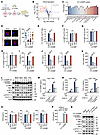 Figure 1
Spermine and spermidine selectively inhibit 2′3′-cGAMP propagation. (A) In vitro extracellular 2′3′-cGAMP–induced STING activation assay method. Images were created with BioRender. (B) In vitro STING activation assay measured as the amount of IFN-β secretion from PMs pretreated with a 10 μM endogenous metabolite library for 1 hour, followed by 2′3′-cGAMP stimulation as in (A). Fold changes were calculated as IFN-β production in metabolite-pretreated samples versus untreated controls upon 2′3′-cGAMP stimulation. The R package Enhanced Volcano was used to visualize endogenous metabolites regulating STING activation. (C) In vitro 2′3′-cGAMP uptake assay measuring intracellular 2′3′-cGAMP in PMs pretreated with the top 20 IFN-β secretion-inhibiting metabolites from (B), followed by 2′3′-cGAMP stimulation. Fold changes were calculated as 2′3′-cGAMP entrance in metabolite-pretreated samples versus untreated controls upon 2′3′-cGAMP stimulation. (D) Images and quantified fluorescence intensity of PMs pretreated with 10 μM polyamines for 1 hour and subsequently stimulated with 2′3′-cGAMP-Cy5 for 4 hours. Scale bars: 2 μm. (E–L) ELISA analysis of CDNs entry (E–H), cytokine expression (I and J), qPCR analysis of cytokines (K), or IB analysis of indicated antibodies (L) in PMs pretreated with polyamines, stimulated with CDNs. (M and N) ELISA analysis of 2′3′-cGAMP entry and cytokines expression in Cgas–/– mouse PMs incubated with lysates from doxorubicin-treated B16F10 cells for 24 hours. (O–Q) ELISA analysis of IFN-β secretion (O and P) or IB analysis (Q) in mouse PMs pretreated with polyamines or N1-acetylpolyamines, stimulated with CDNs. Statistical significance was determined using unpaired 2-sided t test, and adjustments were made for multiple comparisons in C–K and M–P. The data are shown as the mean ± SEM. *P <0.05, **P <0.01. Similar results were obtained from 3 independent experiments. Put, putrescine; Spm, spermine; Spd, spermidine; US, unstimulated.
Next, we assessed the functional consequences of polyamine-mediated 2′3′-cGAMP uptake inhibition on STING signaling. As a diffusible second messenger, 2′3′-cGAMP binds to STING on the ER membrane, triggering its dimerization, oligomerization, and Golgi translocation (1). This cascade activates TBK1-mediated phosphorylation of IRF3 and STAT1, culminating in type I IFN (IFN-I) and proinflammatory cytokine production (1). Consistent with impaired 2′3′-cGAMP entry, spermine and spermidine (but not putrescine) attenuated 2′3′-cGAMP–induced expression of IFN-β, TNF-α, and IL-6, and suppressed the phosphorylation of STING, TBK1, IRF3, and STAT1 (Figure 1, I–L, and Supplemental Figure 1B). To enhance the physiological relevance, we treated mouse B16F10 melanoma with doxorubicin, which cause mitochondrial DNA leakage, thereby activating cGAS and synthesizing 2′3′-cGAMP (13) (Supplemental Figure 1C). Then, as the endogenous cGAMP, B16F10 cell lysates were added to polyamines-pretreated Cgas-deficient mouse PMs. Consistently, spermine and spermidine inhibited the endogenous 2′3′-cGAMP entry into cells, and downstream IFN-β and CXCL10 secretion (Figure 1, M and N), indicated that spermine and spermidine also inhibit the uptake and activity of endogenous 2′3′-cGAMP. We also examined the effect of polyamines on tumor cells. Consistent with the findings in macrophages, spermine and spermidine inhibited 2′3′-cGAMP–induced IFN-β expression and the phosphorylation TBK1 and IRF3 in mouse MC38 colon cancer cells and HeLa cells (Supplemental Figure 1, D–G). Polyamines exerted no inhibitory effects on signaling activated by other CDNs (Figure 1O and Supplemental Figure 1, H–J).
N1-acetylspermine and N1-acetylspermidine are byproducts of polyamine catabolism mediated by SAT1. Neither of them affects cGAMP-induced IFN-β expression or and the phosphorylation of STING, TBK1, IRF3, and STAT1(Figure 1, P and Q, and Supplemental Figure 1K). Taken together, these results indicated that spermine and spermidine selectively restrict exogenous and endogenous 2′3′-cGAMP transmission to attenuate STING activation in immune and tumor cells.
Spermine and spermidine selectively inhibit intracellular 2′3′-cGAMP–induced STING activation. 2′3′-cGAMP is internalized via membrane-spanning importer channels, enabling its intercellular propagation (3). To determine whether polyamines modulate 2′3′-cGAMP propagation by targeting these channels, we pretreated mouse PMs with polyamines for 1 hour, replaced the medium to remove free polyamines, and stimulated cells with 2′3′-cGAMP (Figure 2A). Notably, polyamines failed to suppress 2′3′-cGAMP cellular uptake under these conditions (Figure 2B), indicating that their inhibitory effects require direct interaction with extracellular 2′3′-cGAMP rather than modulation of membrane transporters.
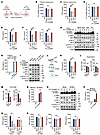 Figure 2
Spermine and spermidine selectively inhibit intracellular 2′3′-cGAMP-induced STING activation. (A) In vitro polyamines discard assay for assessing cGAMP channel dependence. Images were created with BioRender. (B and C) ELISA analysis of 2′3′-cGAMP entry (B) or IFN-β secretion (C) in mouse PMs pretreated with polyamines, followed by 2′3′-cGAMP stimulation as in (A). (D–I) ELISA analysis of 2′3′-cGAMP entry (D), cytokines secretion (E, F, and H), or IB analysis of indicated antibodies (G and I) in mouse PMs pretreated with polyamines (D–G) or N1-acetylpolyamines (H and I), transfected with 2′3′-cGAMP. (J) Schematic of YSD-mediated activation of the cGAS-STING pathway. Images were created with BioRender. (K) ELISA of IFN-β secretion in mouse PMs pretreated with polyamines, followed by 200 nM YSD for 4 hours. (L and M) Mass spectrometry quantification of spermine and spermidine in supernatant (L) and cell lysate (M) after 24 hours of 500 μM DFMO treatment. (N) ELISA analysis of 2′3′-cGAMP entrance in mouse PMs pretreated with DFMO, followed by stimulation with 2′3′-cGAMP. (O and P) IB analysis of indicated antibodies (O) or ELISA analysis of IFN-β secretion (P) in mouse PMs pretreated with DFMO, followed by stimulation with 2′3′-cGAMP. (Q) ELISA analysis of IFN-β secretion in Cgas+/+ or Cgas–/– mouse PMs pretreated with polyamines, followed by infection with Listeria monocytogenes. (R) ELISA analysis of IFN-β secretion in mouse PMs pretreated with polyamines, followed by transfection with CDNs. Statistical significance was determined using an unpaired 2-sided t test, and adjustments were made for multiple comparisons in B–F, H, K–N, and P–R. The data are expressed as the mean ± SEM. *P <0.05, **P <0.01. Similar results were obtained from 3 independent experiments. Put, putrescine; Spm, spermine; Spd, spermidine; trans., transfection; US, unstimulated.
Intriguingly, although medium replacement abolished polyamine-mediated suppression of cGAMP internalization, spermine and spermidine still attenuated 2′3′-cGAMP-induced IFN-β expression (Figure 2C). This suggested an additional intracellular mechanism targeting cytosolic cGAMP activity. To test this hypothesis, we transfected 2′3′-cGAMP into PMs via liposome delivery, ensuring unchanged intracellular cGAMP levels (Figure 2D). Spermine and spermidine, but not putrescine, N1-acetylspermine, or N1-acetylspermidine, markedly inhibited liposome-transfected 2′3′-cGAMP–induced expression of IFN-β, TNF-α, and IL-6, as well as the phosphorylation of STING, TBK1, IRF3, and STAT1 (Figure 2, E–I and Supplemental Figure 2, A and B), confirming their intracellular suppression of cGAMP-STING signaling. Also, spermine and spermidine inhibited liposome-transfected 2′3′-cGAMP–induced expression of IFN-β and the phosphorylation of TBK1 and IRF3 in MC38 and HeLa cells (Supplemental Figure 2, C–G).
Y-form DNA (YSD), a unique guanosine-flanked Y-form DNA, activates cGAS to generate 2′3′-cGAMP and trigger STING signaling (Figure 2J) (14). Although polyamines did not alter YSD-induced cGAMP production (15), they suppressed subsequent IFN-β secretion (Figure 2K). This contrasts with their known role in inhibiting cGAS via B-to-Z DNA transition (15). Critically, even when the B-to-Z transition was blocked by chloroquine (16) (eliminating polyamine effects on cGAS activation), spermine and spermidine still inhibited IFN-β production induced by chloroquine-pretreated polynucleotide poly(deoxyguanylic-deoxycytidylic) acid [poly(dG:dC)] (Supplemental Figure 2H), further supporting a 2′3′-cGAMP–specific intracellular mechanism. Difluoromethylornithine (DFMO), an ornithine decarboxylase inhibitor (17) (Supplemental Figure 2I), depleted intracellular polyamines without altering extracellular polyamine levels or 2′3′-cGAMP uptake (Figure 2, L–N). DFMO treatment attenuated STING activation triggered by both extracellular stimulation and intracellular transfection of 2′3′-cGAMP in PMs and MC38 (Figure 2, O and P, and Supplemental Figure 2, J–N), demonstrating that endogenous polyamines are crucial for intracellular cGAMP activity suppression.
Next, we examined whether polyamines could affect other CDN-induced STING activation. Listeria monocytogenes infection activates STING via both cGAS-dependent DNA sensing and direct c-di-AMP production (18). Spermine and spermidine suppressed infection-induced IFN-β in WT PMs rather than in Cgas-deficient cells (Figure 2Q), indicating no effect on c-di-AMP signaling. Consistently, spermine and spermidine did not inhibit cytokine expression or phosphorylation cascades induced by transfected c-di-AMP, c-di-GMP, or 3′3′-cGAMP (Figure 2R and Supplemental Figure 3, A–G). Additionally, DFMO treatment did not impact STING activation by these CDNs (Supplemental Figure 3, H–J). Overall, these results showed that spermine and spermidine specifically inhibited 2′3′-cGAMP–induced STING activation.
Spermine and spermidine directly bind to 2′3′-cGAMP and promote its aggregation. To elucidate the molecular mechanism underlying polyamine-mediated suppression of 2′3′-cGAMP intercellular transfer and intracellular activity, we leveraged the polycationic nature of polyamines, which enables electrostatic interactions with negatively charged molecules, including CDNs and other second messengers (e.g., cAMP, cGMP, inositol-1,4,5-trisphosphate [IP3]). Isothermal titration calorimetry assays revealed that spermine, spermidine, and putrescine bound to 2′3′-cGAMP with dissociation constants in the micromolar range (Figure 3A), whereas no binding was observed with STING through co-immunoprecipitation (co-IP) assays (Supplemental Figure 4A). The specificity of spermine and spermidine–cGAMP interactions was further confirmed through dot blot and co-IP assays (Figure 3, B–E), indicating direct targeting of 2′3′-cGAMP by polyamines to control STING activation. Notably, spermine and spermidine also bound cAMP, cGMP, and IP3 (Supplemental Figure 4, B–D), suggesting broader roles in regulating second messenger–mediated signaling pathways.
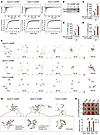 Figure 3
Spermine and spermidine directly bind to 2′3′-cGAMP and promote its aggregation. (A) The original titration traces (bar charts) and integrated data (line graphs) of ITC experiments, in which spermine (Spm), spermidine (Spd), or putrescine (Put) was titrated into a solution of 2′3′-cGAMP. DP, differential power. (B) Dot-blot analysis of spermine or spermidine binding to concentration-gradient 2′3′-cGAMP. (C–E) Spermine-, spermidine-, or putrescine-biotin incubated with an excess of 2′3′-cGAMP, followed by IP. ELISA analysis of bound 2′3′-cGAMP. (F) MD simulation snapshots of multivalent complex assembly between 2′3′-cGAMP and polyamines. (G) Binding mode analysis of 2′3′-cGAMP–polyamine interactions from MD simulations. (H) Images of indirect hemagglutination assay plates for detecting aggregates of 2′3′-cGAMP, and bar charts of polyamines and agglutination levels, scored based on passive hemagglutination assay. Statistical significance was determined using an unpaired 2-sided t test, and adjustments were made for multiple comparisons in C–E and H. The data are shown as the mean ± SEM. *P <0.05, **P <0.01. Similar results were obtained from 3 independent experiments.
Molecular dynamics (MD) simulations (GROMACS) revealed distinct binding modes between polyamines and 2′3′-cGAMP. Spermine and spermidine induced rapid formation of small cGAMP-polyamine clusters at 25 ns, which progressively coalesced into stable aggregates by 100 ns (Figure 3F). Structural analysis revealed multivalent interactions (hydrogen bonding and hydrophobic forces) anchoring cGAMP within polyamine-rich aggregates (Figure 3G). Molecular docking analysis showed that spermine and spermidine formed multivalent complexes via multiple binding sites, driving polymer-like aggregation, whereas putrescine engaged only a single binding site and so did not induce large-scale aggregation (Figure 3, F and G, and Supplemental Figure 4E). We used a passive hemagglutination assay crosslinking erythrocytes with 2′3′-cGAMP to validate aggregation in vitro. Spermine and spermidine (but not putrescine) triggered robust erythrocyte agglutination (Figure 3H and Supplemental Figure 4F), confirming the formation of polymer-like aggregate that may impede 2′3′-cGAMP propagation.
Spermine and spermidine selectively suppress 2′3′-cGAMP binding to STING. Next, we explored the mechanism by which spermine and spermidine suppress intracellular 2′3′-cGAMP–induced STING activation. First, we confirmed that spermine and spermidine colocalized with 2′3′-cGAMP in mouse PMs (Supplemental Figure 5A). Spermine and spermidine dose-dependently inhibited 2′3′-cGAMP binding to STING (Figure 4, A–C, and Supplemental Figure 5B), consequently suppressing STING dimerization and phosphorylation (Figure 4D). Notably, although polyamines interacted with other CDNs, including c-di-AMP, c-di-GMP, and 3′3′-cGAMP (Supplemental Figure 5, C and D), they did not disrupt their binding to STING (Supplemental Figure 5, E–G).
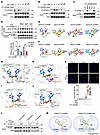 Figure 4
Spermine and spermidine selectively suppress 2′3′-cGAMP binding to STING. (A–C) IB analysis of lysates from mouse PMs were pretreated with different doses of spermine (A), spermidine (B), or 10 μM polyamines (C) for 1 hour, then incubated with 2′3′-cGAMP-biotin for 4 hours, followed by IP with streptavidin. (D) IB analysis of STING dimerization in mouse PMs pretreated with spermine or spermidine, followed by transfection with 2′3′-cGAMP. STING dimerization levels were quantitated by measuring dimer-STING band intensities using ImageJ software; the values were normalized to actin (bar chart). (E and F) Molecular docking analysis of spermine (E) or spermidine (F) interactions with 2′3′-cGAMP, c-di-AMP, c-di-GMP, or 3′3′-cGAMP. (G–J) Molecular docking of STING protein with 2′3′-cGAMP (G) supplemented with spermine (H), spermidine (I), and putrescine (J). (K) Representative confocal images of PLA between spermine or spermidine and STING in PMs pretreated with spermine or spermidine and transfected with 2′3′-cGAMP for 1 hour. The assembly of STING with polyamines was quantitated by the fluorescence intensity using ImageJ software (chart). Scale bars, 10 μm. (L) Lysates from mouse PMs pretreated with spermine-, spermidine-, or putrescine-biotin and transfected with 2′3′-cGAMP for 2 hours, followed by IP with streptavidin. IB analysis of STING expression. (M) Schematic of spermine and spermidine affecting the binding affinity between 2′3′-cGAMP and STING. Images were created with BioRender. Similar results were obtained from 3 independent experiments. Put, putrescine; Spm, spermine; Spd, spermidine; Trans., transfection; US, unstimulated.
The unique phosphodiester linkage architecture of 2′3′-cGAMP — comprising 1 bond between the 2′-OH of GMP and 5′-phosphate of AMP, and another between the 3′-OH of AMP and 5′-phosphate of GMP — exposes a free 3′-OH group on GMP, which is a distinctive structural signature absent in other CDNs (Supplemental Figure 6). Comparative structural analysis revealed fundamental differences in STING engagement (19, 20). c-di-AMP, c-di-GMP, and 3′3′-cGAMP primarily form hydrogen bonds via their ribose 2′-OH groups with Thr262 in mouse STING and Thr263 in human STING (19, 20). 2′3′-cGAMP establishes hydrogen bonds through its guanine base with Glu260, Thr263, and Val239 of STING, and its exposed 3′-OH group forms a critical hydrogen bond with Ser162, a key determinant of its higher binding affinity than other CDNs (12).
Molecular docking studies demonstrated that spermine and spermidine specifically engage the 3′-OH moiety of 2′3′-cGAMP via hydrogen bonding (Figure 4, E and F). Conversely, these polyamines only primarily form hydrogen bonds with phosphate groups of c-di-AMP, c-di-GMP, and 3′3′-cGAMP, with no direct hydrogen bonding observed to the 2′-hydroxyl groups (Figure 4, E and F). MD simulations further elucidated the allosteric inhibition mechanism. When spermine and spermidine bound to the 3′-OH group of 2′3′-cGAMP, they sterically obstructed the hydrogen-bond formation between 3′-OH and STING Ser162 (Figure 4, G–J). This disruption induced conformational destabilization of the STING-cGAMP complex, reducing binding stability. Putrescine, lacking multivalent binding capacity, did not perturb this interaction.
Functional validation via proximity ligation assay (PLA) confirmed that polyamines co-assembled with STING only upon 2′3′-cGAMP transfection, with no binding observed in the latter’s absence (Figure 4K). Co-IP assays corroborated the formation of a ternary STING-cGAMP-polyamine complex (Figure 4L). Collectively, these results establish a model wherein spermine and spermidine allosterically inhibit STING activation by competitively occupying the 3′-OH site of 2′3′-cGAMP, thereby weakening its binding affinity to STING and suppressing downstream signaling (Figure 4M).
Spermine and spermidine effectively alleviate lupus-like phenotypes in Trex1–/– mice. Trex1-deficient mice develop severe systemic spontaneous inflammation, resulting in multiorgan dysfunctions, which can be ameliorated with the suppression of the cGAS-STING pathway and downstream related factors (21, 22). Spermine and spermidine reduced the expression of Ifnb and of chemokines Ccl5 and Cxcl10 in Trex1-deficient PMs (Supplemental Figure 7, A and B). To determine the physiological roles of polyamines in vivo, mice were orally administered spermine and spermidine for 4 weeks. Spermine and spermidine treatment significantly inhibited the serum levels of IFN-β, CCL5, and CXCL10, as well as the expression of Ccl5, Isg15, and Ifit2 in the heart, brain, and kidney of Trex1–/– mice (Supplemental Figure 7, C–G). Moreover, Trex1–/– mice accumulated endogenous ssDNA and antinuclear antigens, which were substantially alleviated by spermine and spermidine treatment (Supplemental Figure 7, H and I). Long-term oral administration of spermine and spermidine also markedly prolonged the lifespan of Trex1–/– mice (Supplemental Figure 7J). These data demonstrate that polyamines inhibit STING activation in vivo and mitigate STING-driven autoimmune pathology.
SAT1 enhances 2′3′-cGAMP–induced STING activation. SAT1, the rate-limiting enzyme in polyamine catabolism, catalyzes the conversion of spermine and spermidine to putrescine, thereby depleting cellular pools of longer-chain polyamines (23). To define SAT1’s role in STING signaling, we analyzed PMs derived from Sat1–/– mice. SAT1 deficiency did not alter extracellular polyamine levels or impair 2′3′-cGAMP cellular internalization (Supplemental Figure 8, A and B). However, due to the elevated intracellular polyamine levels, it selectively suppressed 2′3′-cGAMP (but not c-di-AMP, c-di-GMP, or 3′3′-cGAMP) binding to STING (Figure 5A and Supplemental Figure 8, C–F). Consequently, SAT1 deficiency selectively attenuated 2′3′-cGAMP–induced expression of IFN-β and proinflammatory cytokines, STING dimerization and phosphorylation, and downstream phosphorylation of TBK1, IRF3, and STAT1 (Figure 5, B–F, and Supplemental Figure 8, G–N). Consistent with genetic ablation, the SAT1 inhibitor pentamidine or siRNA-mediated SAT1 knockdown similarly inhibited 2′3′-cGAMP–induced STING activation (Figure 5, G and H, and Supplemental Figure 9, A–E). Conversely, DENSpm (a potent SAT1 inducer that activates polyamine catabolism) enhanced 2′3′-cGAMP–driven STING signaling and cytokine production in WT PMs, rather than in Sat1–/– cells (Figure 5, I and J, and Supplemental Figure 9, F–I). Rescue experiments in Sat1–/– mouse embryonic fibroblasts (MEFs) transfected with SAT1-encoding plasmids restored 2′3′-cGAMP–induced expression of type I IFNs, TNF-α, and IL-6 (Figure 5K and Supplemental Figure 9, J and K). In vivo validation revealed that Sat1–/– mice had reduced serum levels of IFN-β, TNF-α, and IL-6 after 2′3′-cGAMP challenge (Figure 5L and Supplemental Figure 9L), and decreased Ifnb, Ccl5, and Cxcl10 mRNA expression in the liver and spleen (Figure 5, M and N). Collectively, these data establish SAT1 as a selective enhancer of 2′3′-cGAMP-STING activation.
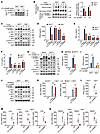 Figure 5
SAT1 enhances 2′3′-cGAMP–induced STING activation. (A) IB analysis of lysates from Sat1+/+ or Sat1–/– mouse PMs incubated with 2′3′-cGAMP–biotin for 4 hours, followed by IP with streptavidin. (B) IB analysis of STING dimerization in Sat1+/+ or Sat1–/– PMs stimulated by 2′3′-cGAMP. STING dimerization levels were quantitated by measuring dimer-STING band intensities using ImageJ software, and the values were normalized to actin (bar chart). (C) IB analysis of indicated proteins in Sat1+/+ or Sat1–/– mouse PMs, followed by 2′3′-cGAMP transfection. (D–F) ELISA analysis of cytokines secretion in Sat1+/+ or Sat1–/– PMs followed by CDN transfection (Trans.). (G and H) IB analysis of indicated proteins (G) or ELISA analysis of IFN-β secretion (H) in mouse PMs pretreated with 20 μM pentamidine for 24 hours, followed by 2′3′-cGAMP transfection. (I and J) ELISA analysis of IFN-β secretion (I) or IB analysis (J) in Sat1+/+ or Sat1–/– PMs pretreated with 10 μM DENSpm for 24 hours, followed by 2′3′-cGAMP stimulation. (K) qPCR analysis of interferon expression from Sat1+/+ MEFs transfected with an empty vector (Sat1+/+), Sat1–/– MEFs transfected with an empty vector (Sat1–/– +control [Ctrl]) or SAT1 plasmid (Sat1–/– +SAT1), followed by 2′3′-cGAMP transfection. (L–N) Sat1+/+ or Sat1–/– mice were injected i.p. with 2′3′-cGAMP (50 μg per mouse). The serum cytokines were analyzed using ELISA after 2′3′-cGAMP injection for 2 hours (L). Gene expression in liver and spleen were analyzed using qPCR after 2′3′-cGAMP injection for 8 hours (M and N) (US, unstimulated; n = 2; 2′3′-cGAMP, n = 8 per condition). Statistical significance was determined using an unpaired 2-sided t test, and adjustments were made for multiple comparisons in B, D–F, H, I, and K–N. The data are shown as the mean ± SEM. *P <0.05, **P <0.01. Similar results were obtained from 3 independent experiments.
Sat1 deficiency attenuates STING-driven antitumor immunity. Altered polyamine metabolism, characterized by elevated spermine and spermidine levels in malignant tumors, establishes an immunosuppressive tumor microenvironment (TME) (23). To assess the immunological relevance of SAT1, we analyzed the skin cutaneous melanoma (SKCM) cohort in The Cancer Genome Atlas (TCGA) dataset. CIBERSORT deconvolution revealed significantly enhanced infiltration of CD8+ T cells and M1 macrophages in tumors with high SAT1 expression (Supplemental Figure 10A). Consistently, high-SAT1 tumors exhibited enriched type I IFN signatures and elevated cytotoxic T lymphocyte (CTL) activity scores (Supplemental Figure 10B). To investigate the underlying mechanism, we established tumor cell–macrophage coculture systems using B16F10 melanoma or MC38 colon cancer with bone marrow–derived macrophages (BMDMs) (Figure 6A). Coculture of tumor cells/Sat1-deficient BMDMs elicited lower expression of IFN-β and CXCL10 than that of tumor cells/WT BMDMs, regardless of 2′3′-cGAMP stimulation (Figure 6B and Supplemental Figure 10C). Lower expression levels of IFN-β and CXCL10 were observed in both spermine- and spermidine-treated coculture of tumor cells/Cgas-deficient BMDMs (Figure 6C and Supplemental Figure 10, D and E). Notably, cytokine secretion in the coculture of tumor cells/Sting1-deficient BMDMs was markedly decreased, indicating that STING activation in macrophages is crucial for the expression of IFN-β and CXCL10. Additionally, spermine and spermidine did not affect the secretion of IFN-β and CXCL10 in the coculture of tumor cells/Sting1-deficient BMDMs (Figure 6C and Supplemental Figure 10, D and E).
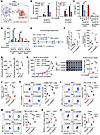 Figure 6
Sat1 deficiency attenuates STING-driven antitumor immunity. (A) Schematic of the BMDM–tumor cell coculture system. Images were created with BioRender. (B) ELISA analysis of IFN-β and CXCL10 secretion in Sat1+/+ or Sat1–/– BMDM coculture with B16F10, followed by 2′3′-cGAMP stimulation. (C and D) ELISA analysis in Cgas–/– or Sting1–/– BMDMs coculture with B16F10 pretreated with polyamines, then treated with doxorubicin or not. (E) Experimental scheme for Sat1+/+ or Sat1–/– mice bearing subcutaneous tumors. (F and G) LC‑MS/MS, quantitative liquid chromatography‑tandem mass spectrometry quantification of extracellular 2′3′-cGAMP (F) or spermine and spermidine (G) in Sat1+/+ or Sat1–/– mice at day 13 after inoculation with B16F10 (n = 5 per condition). (H and I) Tumor volume curve (H; n = 8 per condition) or tumor weight (I; n = 7 per condition) of Sat1+/+ or Sat1–/– mice after B16F10 inoculation treated with 2′3′-cGAMP. (L–O) Sat1+/+ or Sat1–/– mice at day 13 after inoculation with B16F10. Quantification of CD8+ T cell (J) or MDSC (N) populations per gram of tumor from tumor-bearing mice (n = 7 per condition). Flow cytometry analysis showing the percentage of intratumoral CD8+ T cells expressing GZMB (K), IFN-γ (L), and TNF-α (M) (n = 6 per condition) or CD4+FOXP3+ Tregs (O) (n = 7 per condition) in B16F10 tumor. Statistical significance was determined using an unpaired 2-sided t test, and adjustments were made for multiple comparisons in B–D, F, G, and I–O or 2-way ANOVA in H. The data are shown as the mean ± SEM. *P <0.05, **P <0.01. Similar results were obtained from 3 independent experiments. Put, putrescine; Spm, spermine; Spd, spermidine; I.T., intratumoral injection; APC, allophycocyanin; PE, phycoerythrin; FITC, fluorescein isothiocyanate.
Our previous study showed that spermine and spermidine induce the transition of B-form DNA to Z-form DNA, thereby decreasing cGAS activation (15). Less expression of IFN-β and CXCL10 was observed in a spermine or spermidine and doxorubicin combination–treated coculture of tumor cells with both WT and Cgas-deficient BMDMs (Figure 6D and Supplemental Figure 10, F and G), indicating that polyamines inhibited antitumor immunity by both targeting DNA and cGAMP under chemotherapy conditions. These data suggest that SAT1 and polyamines control antitumor immunity by impairing IFN-β and CXCL10 secretion in a STING-dependent manner.
Next, using WT and Sat1-deficient mice bearing subcutaneous B16F10 melanoma and MC38 colorectal carcinoma tumor grafts (Figure 6E), we evaluated the antitumor effect of SAT1. Elevated levels of spermine and spermidine in the TME of Sat1-deficient mice led to extensive extracellular accumulation of 2′3′-cGAMP and poor efficiency of 2′3′-cGAMP entrance (Figure 6, F and G). Therefore, after intratumoral administration of 2′3′-cGAMP, Sat1-deficient mice showed faster tumor progression than did WT mice (Figure 6, H and I, and Supplemental Figure 11, A and B). After 2′3′-cGAMP administration, intratumoral levels of IFN-β, CCL5, and CXCL10 in Sat1-deficient mice were considerably lower than those in WT mice (Supplemental Figure 11, C and D). The chemokines (e.g., CCL5, CXCL10) and type I IFNs are critical for CTL-mediated tumor-cell killing; they mediate T cell infiltration and drive robust Th1 and CTL responses, respectively. Concordantly, Sat1-deficient mice had less infiltration of total and activated CD8+ T cells, and an elevated proportion of CD11b+Gr-1+ myeloid-derived suppressor cells (MDSCs) and CD4+ FOXP3+ Treg cells (Figure 6, J–O). Collectively, these results indicate that SAT1 maintains polyamine catabolic homeostasis to potentiate cGAMP-STING signaling, thereby enabling type I IFN–dependent T cell recruitment and CTL-mediated antitumor immunity.
DENSpm potentiates STING-dependent antitumor immunity via polyamine catabolic reprogramming. We used the SAT1 stabilizer DENSpm to potentiate antitumor immunity through physiological polyamine metabolism restoration. DENSpm increases SAT1 expression and decreases serum concentrations of polyamines (15), and enhances 2′3′-cGAMP–induced IFN-β, TNF-α, and IL-6 secretion in vivo (Supplemental Figure 12A), indicating that DENSpm could augment STING activation in vivo. In tumor cell/macrophage cocultures using Cgas–/– BMDMs, DENSpm enhanced IFN-β and CXCL10 expression irrespective of cGAMP stimulation (Figure 7A and Supplemental Figure 12B). Critically, this enhancement was completely abolished in Sting1–/– BMDM cocultures, thus establishing STING dependence (Figure 7A and Supplemental Figure 12B). These findings demonstrate DENSpm-mediated reprogramming of an immunosuppressive TME through STING-dependent chemokine induction.
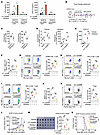 Figure 7
DENSpm potentiates antitumor immunity via polyamine catabolic reprogramming. (A) ELISA analysis of IFN-β and CXCL10 secretion in Cgas–/– or Sting1–/– BMDMs coculture with B16F10, pretreated with DENSpm, followed by 2′3′-cGAMP stimulation. (B) Experimental scheme for C57BL/6 mice bearing B16F10 subcutaneous tumors. (C–K) C57BL/6 mice at day 13 after B16F10 tumor inoculation treated with DENSpm/2′3′-cGAMP combination. Quantitative liquid chromatography‑tandem mass spectrometry (LC‑MS/MS) quantification of extracellular spermine and spermidine (C; n = 6 per condition) or 2′3′-cGAMP (D; n = 4 per condition). ELISA analysis of IFN-β secretion in tumor (E; n = 5 per condition). Quantification of CD8+ T cell (F) or MDSC (J) populations per gram tumor from tumor-bearing mice (n = 6 per condition). Flow cytometry analysis showing the percentage of intratumoral CD8+ T cells expressing GZMB (G; n = 6 per condition), IFN-γ (H; n = 7 per condition), and TNF-α (I; n = 7 per condition) or CD4+FOXP3+ Tregs (K; n = 6 per condition) in B16F10 tumor. (L–N) Tumor volume curve (L; n = 8 per condition), tumor weight (M; n = 7 per condition), or survival (N; n = 15 per condition) of C57BL/6 mice after B16F10 tumor inoculation treated with DENSpm/2′3′-cGAMP combination. Statistical significance was determined using an unpaired 2-sided t test and adjustments were made for multiple comparisons in A, C–K, and M, 2-way ANOVA in L, or the log-rank Mantel-Cox test in N. The data are shown as the mean ± SEM. *P <0.05, **P <0.01. Similar results were obtained from 3 independent experiments. I.T., intratumoral injection; APC, allophycocyanin; PE, phycoerythrin; FITC, fluorescein isothiocyanate.
We used a subcutaneous B16 melanoma model to evaluate the antitumor efficacy of the SAT1 stabilizer DENSpm in vivo (Figure 7B). Intraperitoneal injection of DENSpm significantly reduced extracellular spermine and spermidine levels in the TME (Figure 7C), consistent with its role in activating polyamine catabolism. This metabolic reprogramming enhanced 2′3′-cGAMP bioavailability, as evidenced by reduced extracellular cGAMP accumulation, increased intracellular cGAMP retention, and potentiated secretion of IFN-β, CCL5, and CXCL10 in the tumor after cGAMP stimulation (Figure 7, D and E, and Supplemental Figure 12C). Synergistic DENSpm plus cGAMP administration profoundly remodeled the TME immunophenotype, driving enhanced infiltration and activation of CD8+ T cells while suppressing immunosuppressive populations, including MDSCs and Tregs (Figure 7, F–K). Notably, this regimen effectively converted immunologically “cold” tumors to immunologically active states. Concordantly, therapeutic outcomes demonstrated striking combinatorial synergy. Although monotherapies (DENSpm or cGAMP alone) moderately delayed tumor progression, combined treatment significantly suppressed tumor growth and extended survival in B16F10 melanoma–bearing mice (P < 0.001) (Figure 7, L–N). To determine whether CD8+ T cells were required for cGAMP-induced antitumor response, we treated mice with neutralizing antibodies against CD8 and found that CD8+ T cell depletion abrogated the antitumor efficacy of DENSpm plus cGAMP combination therapy (Supplemental Figure 12, D–H). These results suggest DENSpm plus cGAMP combination therapy inhibits tumor growth mainly dependent on CD8+ T cells. In triple-negative breast cancer (4T1) models (Supplemental Figure 13A) — a paradigm of therapy-resistant “cold” tumors — cGAMP monotherapy failed to activate antitumor immunity (Supplemental Figure 13, B–I). DENSpm plus cGAMP combination therapy rescued this deficit, inducing robust IFN-β/CCL5/CXCL10 secretion, promoting CD8+ T cell infiltration/activation, and facilitating tumor clearance (Supplemental Figure 13, B–I).
Critically, DENSpm did not augment antitumor immunity in Sting1–/– mice (Figure 8, A–D, and Supplemental Figure 14, A–E). Also, the antitumor effect of DENSpm plus cGAMP combination therapy was significantly impaired by Ifnar deficiency (Figure 8, E and F, and Supplemental Figure 14F), demonstrating that its therapeutic efficacy strictly depends on STING–IFN axis signaling. Furthermore, systemic macrophage depletion via i.p. injections of clodronate liposomes impaired the antitumor effects of both 2′3′-cGAMP monotherapy and its synergistic combination with DENSpm (Figure 8, G–I), indicating macrophages as indispensable effectors for STING-driven tumor clearance.
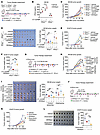 Figure 8
DENSpm potentiates antitumor immunity dependent on STING signaling. (A) Experimental scheme for Sting–/– or Ifnar–/– mice bearing subcutaneous tumors. (B) At day 13 after MC38 tumor inoculation, Sting1+/+ mice treated with DENSpm/2′3′-cGAMP combination or Sting1–/– mice treated with DENSpm. ELISA analysis in tumor (n = 5/condition). (C and D) Tumor volume curve (C) and tumor weight (D) of Sting1+/+ mice treated with DENSpm/2′3′-cGAMP combination or Sting1–/– mice treated with DENSpm after MC38 tumor inoculation (n = 8/condition). (E and F) Tumor volume curve (E) and tumor weight (F) of Ifnar1+/+ or Ifnar–/– mice treated with DENSpm/2′3′-cGAMP combination after B16F10 tumor inoculation (n = 6/condition). (G) Experimental scheme for C57BL/6 mice bearing MC38 subcutaneous tumors treated with DENSpm, 2′3′-cGAMP and Clophosome. (H and I) Tumor volume curves (H; n = 8 per condition) and tumor weights (I; n = 7 per condition) of C57BL/6 mice after MC38 tumor inoculation treated with the combination of DENSpm/2′3′-cGAMP and either Clophosome or control liposomes. (J) Experimental scheme for C57BL/6 mice bearing B16F10 subcutaneous tumors treated with DENSpm/doxorubicin combination. (K and L) Tumor volume curves (K; n = 8 per condition), tumor weights (L; n = 8 per condition) of C57BL/6 mice after B16F10 tumor inoculation treated with the combination of DENSpm/doxorubicin. Statistical significance was determined using an unpaired 2-sided t test and adjustments were made for multiple comparisons in B, D, F, I, and L or 2-way ANOVA in C, E, H, and K. The data are shown as the mean ± SEM. *P <0.05, **P <0.01. Similar results were obtained from 3 independent experiments. I.T., intratumoral injection.
Given the rapid degradation and poor cellular permeability of 2′3′-cGAMP, we also evaluated the effects of polyamines on the synthetic CDN STING agonists 5,6-dimethylxanthenone-4-acetic acid (DMXAA) and CMA, and a non-nucleotide STING agonist, SR-717 (24, 25). Both spermine and spermidine inhibited the STING activation mediated by DMXAA, CMA, and SR-717 (Supplemental Figure 15, A–E), but SAT1 deficiency attenuated STING activation induced by these agonists (Supplemental Figure 15, F–J). Our results suggest that depleting polyamines, in combination with various STING-agonist therapies, holds promise as a broadly applicable strategy for antitumor immunotherapy.
Given that chemotherapies are important inducers of 2′3′-cGAMP, a compelling opportunity exists to test their potential synergy with DENSpm in tumor-bearing mouse models. We used a subcutaneous B16F10 melanoma model to evaluate the antitumor efficacy of the combination of doxorubicin chemotherapy and DENSpm in vivo (Figure 8J). Monotherapies (i.e., DENSpm or doxorubicin alone) moderately delayed tumor progression; however, combined treatment significantly suppressed tumor growth and extended survival in B16F10 melanoma–bearing mice (Figure 8, K and L), indicated striking combinatorial synergy. Furthermore, in evaluating the CA209-038 study dataset (26), we found that patients with a complete response or partial response to treatment with the anti–PD-1 agent nivolumab had a significantly lower score of polyamine anabolism (ornithine decarboxylase [ODC], spermidine synthase [SRM], and spermine synthase [SMS]) (Supplemental Figure 15K), suggesting that high levels of polyamines in the TME might lead to resistance to immune checkpoint inhibitors, in turn, highlighting the tremendous promise of DENSpm in combination with immune checkpoint blocker therapy.
Collectively, depleting immunosuppressive polyamines amplifies STING activation, which promotes macrophage-dependent chemokine secretion that recruits cytotoxic CD8+ T cells, thereby converting immunologically cold tumors to hot microenvironments and enabling tumor clearance. This activity demonstrates tremendous promise in tumor immunotherapy, including STING-agonist therapy, chemotherapy, and immune checkpoint blockade.


Copyright © 2026 American Society for Clinical Investigation
ISSN: 0021-9738 (print), 1558-8238 (online)