
Advertisement
Research ArticleAutoimmunityEndocrinology
Open Access |  10.1172/JCI190034
Curing autoimmune diabetes in mice with islet and hematopoietic cell transplantation after CD117 antibody-based conditioning
Preksha Bhagchandani,1 Stephan A. Ramos,1 Bianca Rodriguez,1 Xueying Gu,1 Shiva Pathak,2 Yuqi Zhou,1 Yujin Moon,1 Nadia Nourin,1 Charles A. Chang,1 Jessica Poyser,2 Brenda J. Velasco,2 Weichen Zhao,1 Hye-Sook Kwon,2 Richard Rodriguez,1 Diego M. Burgos,1 Mario A. Miranda,1 Everett Meyer,2,3,4 Judith A. Shizuru,2,3,4 and Seung K. Kim1,3,4
1Department of Developmental Biology,
2Division of Blood and Marrow Transplantation, Department of Medicine,
3Stanford Diabetes Research Center, and
4Northern California Breakthrough T1D Center of Excellence, Stanford School of Medicine, Stanford, California, USA.
Address correspondence to: Seung K. Kim, Beckman Center B300, 279 Campus Drive, Stanford, California 94305, USA. Phone: 1.650.723.6230; Email: seungkim@stanford.edu.
Find articles by
Bhagchandani, P.
in:
PubMed
|
Google Scholar
|

1Department of Developmental Biology,
2Division of Blood and Marrow Transplantation, Department of Medicine,
3Stanford Diabetes Research Center, and
4Northern California Breakthrough T1D Center of Excellence, Stanford School of Medicine, Stanford, California, USA.
Address correspondence to: Seung K. Kim, Beckman Center B300, 279 Campus Drive, Stanford, California 94305, USA. Phone: 1.650.723.6230; Email: seungkim@stanford.edu.
Find articles by Ramos, S. in: PubMed | Google Scholar
1Department of Developmental Biology,
2Division of Blood and Marrow Transplantation, Department of Medicine,
3Stanford Diabetes Research Center, and
4Northern California Breakthrough T1D Center of Excellence, Stanford School of Medicine, Stanford, California, USA.
Address correspondence to: Seung K. Kim, Beckman Center B300, 279 Campus Drive, Stanford, California 94305, USA. Phone: 1.650.723.6230; Email: seungkim@stanford.edu.
Find articles by Rodriguez, B. in: PubMed | Google Scholar
1Department of Developmental Biology,
2Division of Blood and Marrow Transplantation, Department of Medicine,
3Stanford Diabetes Research Center, and
4Northern California Breakthrough T1D Center of Excellence, Stanford School of Medicine, Stanford, California, USA.
Address correspondence to: Seung K. Kim, Beckman Center B300, 279 Campus Drive, Stanford, California 94305, USA. Phone: 1.650.723.6230; Email: seungkim@stanford.edu.
Find articles by Gu, X. in: PubMed | Google Scholar
1Department of Developmental Biology,
2Division of Blood and Marrow Transplantation, Department of Medicine,
3Stanford Diabetes Research Center, and
4Northern California Breakthrough T1D Center of Excellence, Stanford School of Medicine, Stanford, California, USA.
Address correspondence to: Seung K. Kim, Beckman Center B300, 279 Campus Drive, Stanford, California 94305, USA. Phone: 1.650.723.6230; Email: seungkim@stanford.edu.
Find articles by Pathak, S. in: PubMed | Google Scholar
1Department of Developmental Biology,
2Division of Blood and Marrow Transplantation, Department of Medicine,
3Stanford Diabetes Research Center, and
4Northern California Breakthrough T1D Center of Excellence, Stanford School of Medicine, Stanford, California, USA.
Address correspondence to: Seung K. Kim, Beckman Center B300, 279 Campus Drive, Stanford, California 94305, USA. Phone: 1.650.723.6230; Email: seungkim@stanford.edu.
Find articles by Zhou, Y. in: PubMed | Google Scholar
1Department of Developmental Biology,
2Division of Blood and Marrow Transplantation, Department of Medicine,
3Stanford Diabetes Research Center, and
4Northern California Breakthrough T1D Center of Excellence, Stanford School of Medicine, Stanford, California, USA.
Address correspondence to: Seung K. Kim, Beckman Center B300, 279 Campus Drive, Stanford, California 94305, USA. Phone: 1.650.723.6230; Email: seungkim@stanford.edu.
Find articles by Moon, Y. in: PubMed | Google Scholar
1Department of Developmental Biology,
2Division of Blood and Marrow Transplantation, Department of Medicine,
3Stanford Diabetes Research Center, and
4Northern California Breakthrough T1D Center of Excellence, Stanford School of Medicine, Stanford, California, USA.
Address correspondence to: Seung K. Kim, Beckman Center B300, 279 Campus Drive, Stanford, California 94305, USA. Phone: 1.650.723.6230; Email: seungkim@stanford.edu.
Find articles by Nourin, N. in: PubMed | Google Scholar
1Department of Developmental Biology,
2Division of Blood and Marrow Transplantation, Department of Medicine,
3Stanford Diabetes Research Center, and
4Northern California Breakthrough T1D Center of Excellence, Stanford School of Medicine, Stanford, California, USA.
Address correspondence to: Seung K. Kim, Beckman Center B300, 279 Campus Drive, Stanford, California 94305, USA. Phone: 1.650.723.6230; Email: seungkim@stanford.edu.
Find articles by Chang, C. in: PubMed | Google Scholar
1Department of Developmental Biology,
2Division of Blood and Marrow Transplantation, Department of Medicine,
3Stanford Diabetes Research Center, and
4Northern California Breakthrough T1D Center of Excellence, Stanford School of Medicine, Stanford, California, USA.
Address correspondence to: Seung K. Kim, Beckman Center B300, 279 Campus Drive, Stanford, California 94305, USA. Phone: 1.650.723.6230; Email: seungkim@stanford.edu.
Find articles by Poyser, J. in: PubMed | Google Scholar
1Department of Developmental Biology,
2Division of Blood and Marrow Transplantation, Department of Medicine,
3Stanford Diabetes Research Center, and
4Northern California Breakthrough T1D Center of Excellence, Stanford School of Medicine, Stanford, California, USA.
Address correspondence to: Seung K. Kim, Beckman Center B300, 279 Campus Drive, Stanford, California 94305, USA. Phone: 1.650.723.6230; Email: seungkim@stanford.edu.
Find articles by Velasco, B. in: PubMed | Google Scholar
1Department of Developmental Biology,
2Division of Blood and Marrow Transplantation, Department of Medicine,
3Stanford Diabetes Research Center, and
4Northern California Breakthrough T1D Center of Excellence, Stanford School of Medicine, Stanford, California, USA.
Address correspondence to: Seung K. Kim, Beckman Center B300, 279 Campus Drive, Stanford, California 94305, USA. Phone: 1.650.723.6230; Email: seungkim@stanford.edu.
Find articles by Zhao, W. in: PubMed | Google Scholar
1Department of Developmental Biology,
2Division of Blood and Marrow Transplantation, Department of Medicine,
3Stanford Diabetes Research Center, and
4Northern California Breakthrough T1D Center of Excellence, Stanford School of Medicine, Stanford, California, USA.
Address correspondence to: Seung K. Kim, Beckman Center B300, 279 Campus Drive, Stanford, California 94305, USA. Phone: 1.650.723.6230; Email: seungkim@stanford.edu.
Find articles by Kwon, H. in: PubMed | Google Scholar
1Department of Developmental Biology,
2Division of Blood and Marrow Transplantation, Department of Medicine,
3Stanford Diabetes Research Center, and
4Northern California Breakthrough T1D Center of Excellence, Stanford School of Medicine, Stanford, California, USA.
Address correspondence to: Seung K. Kim, Beckman Center B300, 279 Campus Drive, Stanford, California 94305, USA. Phone: 1.650.723.6230; Email: seungkim@stanford.edu.
Find articles by Rodriguez, R. in: PubMed | Google Scholar
1Department of Developmental Biology,
2Division of Blood and Marrow Transplantation, Department of Medicine,
3Stanford Diabetes Research Center, and
4Northern California Breakthrough T1D Center of Excellence, Stanford School of Medicine, Stanford, California, USA.
Address correspondence to: Seung K. Kim, Beckman Center B300, 279 Campus Drive, Stanford, California 94305, USA. Phone: 1.650.723.6230; Email: seungkim@stanford.edu.
Find articles by Burgos, D. in: PubMed | Google Scholar
1Department of Developmental Biology,
2Division of Blood and Marrow Transplantation, Department of Medicine,
3Stanford Diabetes Research Center, and
4Northern California Breakthrough T1D Center of Excellence, Stanford School of Medicine, Stanford, California, USA.
Address correspondence to: Seung K. Kim, Beckman Center B300, 279 Campus Drive, Stanford, California 94305, USA. Phone: 1.650.723.6230; Email: seungkim@stanford.edu.
Find articles by Miranda, M. in: PubMed | Google Scholar
1Department of Developmental Biology,
2Division of Blood and Marrow Transplantation, Department of Medicine,
3Stanford Diabetes Research Center, and
4Northern California Breakthrough T1D Center of Excellence, Stanford School of Medicine, Stanford, California, USA.
Address correspondence to: Seung K. Kim, Beckman Center B300, 279 Campus Drive, Stanford, California 94305, USA. Phone: 1.650.723.6230; Email: seungkim@stanford.edu.
Find articles by Meyer, E. in: PubMed | Google Scholar
1Department of Developmental Biology,
2Division of Blood and Marrow Transplantation, Department of Medicine,
3Stanford Diabetes Research Center, and
4Northern California Breakthrough T1D Center of Excellence, Stanford School of Medicine, Stanford, California, USA.
Address correspondence to: Seung K. Kim, Beckman Center B300, 279 Campus Drive, Stanford, California 94305, USA. Phone: 1.650.723.6230; Email: seungkim@stanford.edu.
Find articles by
Shizuru, J.
in:
PubMed
|
Google Scholar
|
1Department of Developmental Biology,
2Division of Blood and Marrow Transplantation, Department of Medicine,
3Stanford Diabetes Research Center, and
4Northern California Breakthrough T1D Center of Excellence, Stanford School of Medicine, Stanford, California, USA.
Address correspondence to: Seung K. Kim, Beckman Center B300, 279 Campus Drive, Stanford, California 94305, USA. Phone: 1.650.723.6230; Email: seungkim@stanford.edu.
Find articles by Kim, S. in: PubMed | Google Scholar
Published November 18, 2025 - More info
J Clin Invest. 2026;136(1):e190034. https://doi.org/10.1172/JCI190034.
© 2025 Bhagchandani et al. This work is licensed under the Creative Commons Attribution 4.0 International License. To view a copy of this license, visit http://creativecommons.org/licenses/by/4.0/.
Received: December 11, 2024; Accepted: November 12, 2025

Related article:
Abstract
Transplantation of allogeneic islets of Langerhans, which include the insulin-producing β cells of the endocrine pancreas, holds curative potential for type 1 diabetes (T1D). However, protecting the allograft from the host immune system has long been a challenge impeding wider use of this therapy. Inducing mixed hematopoietic chimerism via allogeneic hematopoietic stem cell transplantation (HSCT) can achieve long-lasting donor-specific immune tolerance, but the toxicities of conventional HSCT conditioning agents limit the use of this approach. In this issue of the JCI, Bhagchandani et al. have used the JAK1/2 inhibitor baricitinib to optimize a nonmyeloablative antibody-based HSCT conditioning regimen, achieving multilineage hematopoietic engraftment, which enabled curative islet allotransplantation in a mouse model of T1D.
Authors
Stephen P. Persaud, John F. DiPersio

-
Results
NMA conditioning promotes robust and durable allogeneic donor chimerism. NOD mice are resistant to the immunosuppressive effects of radiation, making them challenging to engraft with HSCs (25). Previously, we achieved durable hematopoietic chimerism after allogeneic HCT in B6 mice using NMA conditioning with 300 cGy total body irradiation (TBI), αCD117 antibody, and transient T cell depletion with αCD4 and αCD8 antibodies (18). However, after conditioning 8-week-old prediabetic NOD mice with this regimen, followed by transplantation with allogeneic B6 donor BM (Figure 1A and Supplemental Figure 1A; supplemental material available online with this article; https://doi.org/10.1172/JCI190034DS1), we did not achieve long-term multilineage engraftment (Supplemental Figure 1B). Analysis of NOD peripheral blood and lymphoid organs suggested that host NK and T cells might be insufficiently suppressed by that conditioning regimen (Supplemental Figure 1C). To test this hypothesis, we added a daily dose of baricitinib, a JAK1/2 inhibitor that targets NK cells and T cells found to be well-tolerated in preclinical and clinical studies of allogeneic HSC engraftment in nondiabetic hosts (12 days total; Figure 1B and Supplemental Figure 1C) (22, 26, 27). Prediabetic NOD mice were conditioned from day –4 to day +8 with 225 or 250 cGy TBI on day –2, transplanted with whole BM (WBM) on day 0, and followed for up to 20 weeks (Figure 1B). Analysis at 4 weeks after HCT revealed robust donor chimerism in all peripheral blood lineages regardless of radiation dose (overall: 83.8% ± 5.9%, CD3+: 76.6% ± 3.8%, CD19+: 91.3% ± 2.2%, CD11b+: 81.7% ± 6.6% CD49b+: 79.6% ± 6.4%; n = 15; Figure 1C). Stable mixed chimerism was maintained in peripheral blood throughout the 20-week experiment period in 14 of 15 recipients, hereafter referred to as prediabetic NOD:B6 mice (Figure 1D). Similarly, endpoint analysis of the spleen and BM showed high chimerism levels (Figure 1, E and F). We also confirmed engraftment of donor Lin–Sca1+cKit+ (LSK) HSCs and persistence of host LSK HSCs (donor LSK chimerism: 61.5% ± 6.5%; Figure 1F). Using lineage-depleted hematopoietic stem and progenitor cells (HSPCs) instead of WBM, we achieved similar outcomes (Supplemental Figure 1D). Furthermore, we established a “subminimal” radiation dose at which we no longer achieve engraftment (200 cGy; Supplemental Figure 1E). Thus, we generated durable mixed hematopoietic chimerism in prediabetic NOD mice with a NMA regimen combining low-dose TBI with αCD117 and baricitinib.
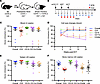 Figure 1
Nonmyeloablative conditioning promotes robust and durable allogeneic donor chimerism in a radioresistant NOD model. (A) Transplantation schematic and strains used. (B) Reduced intensity conditioning regimen. (C) Chimerism analysis of peripheral blood 4 weeks after conditioning and HCT, depicting overall, CD3+ T cell, CD19+ B cell, CD11b+ myeloid cell, and CD49b+ NK cell donor (CD45.2+) chimerism (n = 15, sum of 3 independent experiments). (D) Longitudinal chimerism analysis of peripheral blood over a 20-week period (n = 15; sum of 3 independent experiments). (E) Chimerism analysis of host spleen at 20 weeks after HCT (n = 15, sum of 3 independent experiments). (F) Chimerism analysis of host bone marrow at 20 weeks after HCT, including Lin–Sca1+cKit+ (LSK) HSCs (n = 15, sum of 3 independent experiments). (C–F) Data are represented as mean ± SEM. XRT, radiation therapy; HCT, hematopoietic cell transplant; BTB, baricitinib; TCD, T cell depletion.
After WBM transplantation, we did not observe clinical signs of GVHD (e.g., mucosal changes, skin rash, or weight loss) or detect evidence of intestinal infiltration (Supplemental Figure 2, A and B). Longitudinal body weight measures showed excellent weight gain from HCT to experimental endpoint (39.0% ± 2.1%; Supplemental Figure 2A). Furthermore, complete and differential blood cell counts (CBCs) showed good recovery at 4 weeks after HCT, including white blood cell (WBC) counts and immune cell subsets, without the need for additional supportive care, such as blood transfusion, indicating healthy reconstitution of BM and HSC function (Supplemental Figure 2, C and D). Thus, after NMA conditioning, multiple indices showed that chimeric NOD:B6 mice had good functional status and health, with hematopoietic recovery and no GVHD.
Mixed chimerism prevents autoimmune diabetes and establishes donor-specific islet tolerance. Hematopoietic chimerism can prevent and correct autoimmunity (9, 28). Thus, we asked if mixed chimerism after αCD117-based NMA conditioning could prevent autoimmune diabetes in NOD mice. Although naive prediabetic NOD mice at 8 weeks of age are normoglycemic, they exhibit insulitis by pancreatic islet histology with predominant B and T cell infiltrate (Supplemental Figure 3, A and B). Between 14 and 24 weeks of age, 60% of NOD mice in our colony developed diabetes, (n = 9 of 15; Figure 2, A and B). In conditioned NOD mice without HCT (“conditioned controls”), we observed delayed diabetes onset, beginning 16 weeks after conditioning, reduced diabetes incidence to 30%, and insulitis on pancreatic histology (n = 3 of 10; Figure 2, A–C). These features, including timing of diabetes onset, likely reflect the delayed recovery of BM and immune function after conditioning NOD mice without subsequent HCT. Insulitis scoring of pancreatic histology revealed a similar proportion of islets with insulitis (70%–75%) in both naive NOD mice and conditioned controls, despite delayed progression and reduced incidence (Figure 2C) and no difference in infiltrate composition by cell type (Supplemental Figure 3B). By contrast, NMA conditioning and HCT prevented diabetes onset in 100% of NOD:B6 mice (n = 19 of 19; Figure 2, A and B). Pancreatic histology in chimeric NOD:B6 mice at 20 weeks after HCT showed a majority of islets without CD45+ immune cells in the peri-islet region and few islets with minimal peri-insulitis (Figure 2C), similar to B6 mice (Supplemental Figure 3A). Insulitis scoring of pancreatic histology revealed less than 15% of islets with peri-insulitis (Figure 2C). Analysis of those peri-islet immune cells revealed most to be of donor (CD45.2+) origin (Figure 2D), possibly indicating cells that suppressed autoimmunity (29). The majority of these peri-islet cells were B and T cells along with few myeloid cells (Figure 2D). Thus, mixed hematopoietic chimerism after αCD117-based NMA conditioning corrected autoimmunity and prevented diabetes onset and insulitis in prediabetic NOD mice.
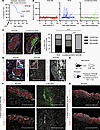 Figure 2
Mixed chimerism prevents autoimmune diabetes and establishes donor-specific islet tolerance. (A) Autoimmune diabetes development curves of prediabetic NOD:B6 mixed chimeric mice (n = 19 from 4 independent experiments), conditioned controls (n = 10), and naive NOD mice (n = 15). P < 0.0001 for chimeras vs. naive NOD mice, P < 0.01 for chimeras vs. conditioned controls using log-rank (Mantel-Cox) test. P < 0.0001 for chimeras vs. naive NOD, P < 0.05 for chimeras vs. conditioned controls using Fisher’s exact test. P < 0.05 and no significance for conditioned controls vs. naive NOD mice using Mantel-Cox and Fisher’s exact test, respectively. (B) Nonfasting blood glucose of NOD:B6 chimeras (red) compared with naive NOD mice (blue) and conditioned controls (green). Dotted line indicates normoglycemic threshold (200 mg/dL). (C) Percentage of different stages of insulitis in individual islets and representative histology of pancreas from NOD:B6 mice 20 weeks after HCT (n = 14) compared with naive NOD mice (n = 5) and conditioned controls (n = 10). ****P < 0.0001. Statistical analyses done using χ2 test. (D) Representative pancreatic histology of NOD:B6 chimeras at 20 weeks after HCT stained for insulin, CD45.1 (host), and CD45.2 (donor) or B220 and CD3 or CD49b, CD11b, and CD3 (n = 3-6). Pink arrowheads indicate CD45.1+ immune cells. (E) Experimental transplantation schematic. Prediabetic NOD:B6 mixed chimeras received B6 islets in the left kidney and FVB islets in the opposite kidney at 14 weeks after HCT. (F) FVB and B6 islet grafts 2 weeks after islet transplantation in mixed chimeras stained for insulin and CD3 or CD45 (n = 3). (G) B6 islet grafts 14 weeks after islet transplantation in mixed chimeras stained for insulin and CD3 or CD45 (n = 4). (C–G) Scale bars = 200 μm (C, D, F, and G); 20 μm (D, insets). HCT, hematopoietic cell transplantation.
To test if mixed hematopoietic chimerism in prediabetic NOD mice promoted donor-matched islet allograft and autoantigen tolerance, we transplanted islets from B6 mice or third-party FVB (H2q) sex-matched control mice into prediabetic NOD:B6 chimeras 14 weeks after HCT (Figure 2E). Two weeks after transplantation, recovered B6 islet grafts remained intact in prediabetic NOD:B6 chimeras, with little to no immune infiltration (Figure 2F). By contrast, third-party FVB islet grafts were readily rejected, showing heavy infiltration by immune cells, and contained no detectable INS+ cells (Figure 2F). Donor-matched B6 islet grafts assessed up to 14 weeks after islet transplantation also appeared intact, with little or no immune cell infiltrate (Figure 2G). Thus, mixed hematopoietic chimerism in prediabetic NOD mice prevented autoimmune diabetes, maintained self-tolerance, promoted long-term donor-matched islet allotolerance, and preserved immunocompetence against foreign antigens.
Curing autoimmune diabetes with allogeneic hematopoietic cell and islet transplantation. To investigate if combined HCT and islet transplantation could reverse overt diabetes in NOD mice (hyperglycemia >2 weeks), we transplanted allogeneic B6 WBM and islets from either B6 (donor-matched) or FVB (third-party) donors in the subcapsular renal space (Figure 3A). Diabetic mice were maintained on exogenous insulin (see Methods) prior to NMA conditioning, which was discontinued on day 0 after simultaneous HCT and islet transplantations (~400 Islet Equivalents, hereafter IEQ). After 4 weeks, multilineage mixed chimerism was observed in the peripheral blood of diabetic NOD recipients (overall: 74.9% ± 6.4%, CD3+: 67.5% ± 4.8%, CD19+: 80.0% ± 6.8%, CD11b+: 59.9% ± 7.6% CD49b+: 66.1% ± 7.3%; n = 19; Figure 3B). Of 9 mice transplanted with 400 IEQ and followed long term, all exhibited durable mixed chimerism through 20 weeks after transplantation (Figure 3C). This was further confirmed by endpoint analysis of the BM at 20 weeks (donor LSK chimerism: 45.0% ± 8.1%; Figure 3D). In two control NOD:B6 mice, we transplanted approximately 200 B6 IEQ, resulting in uncorrected hyperglycemia peri-transplantation. Neither of these mice achieved long-term mixed hematopoietic chimerism; given prior studies indicating that hyperglycemia can alter the BM microenvironment and possibly delay BM engraftment (30–33), this may be an important variable to consider for clinical translation.
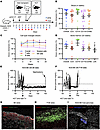 Figure 3
Curing autoimmune diabetes with allogeneic hematopoietic cell and islet transplantation. (A) Experimental conditioning and transplantation timeline. (B) Multilineage chimerism analysis 4 weeks after HCT (n = 19, 6 independent experiments). (C) Longitudinal chimerism analysis of peripheral blood over a 20-week period after HCT (n = 11). (D) Chimerism levels of immune cell subtypes in the bone marrow of mixed chimeras at 20 weeks after HCT (n = 11). (E) Nonfasting blood glucose of mice that received B6 islets and developed mixed chimerism (n = 9). Nephrectomy was conducted at experimental endpoint (n = 3). (F) Nonfasting blood glucose of mixed chimeric mice that received FVB islets (n = 8). (E and F) Dotted line (200 mg/dL) indicates normoglycemia threshold. (G) B6 islet graft 20 weeks after transplantation in NOD:B6 mixed chimera, stained for insulin and CD45 (n = 9). (H) FVB islet graft 8 weeks after transplantation in NOD:B6 mixed chimera, stained for insulin and CD45 (n = 8). (I) NOD:B6 host pancreas 20 weeks after transplant stained for insulin and glucagon (n = 17). (B–E) Data are represented as mean ± SEM. Scale bar: 200 μm. XRT, radiation therapy; HCT, hematopoietic cell transplant; BTB, baricitinib; TCD, T cell depletion.
Diabetic NOD mice with durable mixed hematopoietic chimerism (hereafter referred to as diabetic NOD:B6 mice) all exhibited normal blood glucose levels throughout the 20-week follow-up period, with no additional immunosuppression or supplemental insulin required (n = 9 of 9; Figure 3E). To ensure that the donor-matched islet graft was solely responsible for diabetes control, the islet-bearing kidney was removed (“Nephrectomy”), resulting in reversion to diabetes (n = 3 of 3; Figure 3E). Additionally, diabetic conditioned controls without HCT swiftly rejected B6 islets grafts within an average of 39 days after transplant, demonstrating that conditioning alone does not promote tolerance (n = 3 of 3; Supplemental Figure 4, A and B). In contrast to chimeras that received B6 islets, chimeric mice that received third-party FVB islets initially stabilized blood glucose levels but reverted to hyperglycemia in an average of 50 days, indicating rejection of FVB islets and suggesting that NOD:B6 mice maintained immunocompetence (n = 8 of 8; Figure 3F and Supplemental Figure 4C). Histology of the recovered islet graft at the experimental endpoint revealed intact B6 islets with few CD45+ immune cells in NOD:B6 hosts, contrasted by heavy immune cell infiltration and no detectable INS+ cells in FVB islet grafts (Figure 3, G and H). Likewise, endogenous pancreatic histology in NOD:B6 mice showed no detectable INS+ cells (Figure 3I).
As in prediabetic NOD:B6 mice, we did not observe clinical indices of GVHD. Additionally, longitudinal body weight measures showed good average weight gain from HCT to the experimental endpoint (15.4% ± 2.1%), and CBCs indicated healthy hematopoiesis and reconstitution (Supplemental Figure 4, D and E). Thus, multiple indices (glycemia, weight gain, CBCs, immunocompetence) demonstrated good functional status and diabetes reversal in diabetic NOD:B6 mice.
T cell autoimmunity is corrected in prediabetic and diabetic NOD:B6 chimeras. To assess the mechanisms of autoimmunity correction in NOD:B6 mice, we evaluated the deletion of autoreactive cytotoxic T cells in both prediabetic and diabetic NOD:B6 chimeras. Antigen-specific CD8+ T cells reactive to the islet-associated autoantigen glucose-6-phosphatase catalytic subunit-related protein (IGRP), found in both NOD mice and humans with T1D, were measured using MHC class I (H-2Kd) IGRP tetramer staining (see Methods; Supplemental Figure 5A). Naive prediabetic NOD mice and conditioned control NOD mice (20 weeks after conditioning) show similar levels of IGRP-double-tetramer+ CD8+ T cells in pancreatic lymph nodes (pancLN) and spleen (Figure 4A). However, these cells were almost completely depleted in prediabetic NOD:B6 mice at 20 weeks after HCT (Figure 4A). We observed a similar trend in prediabetic NOD:B6 peripheral blood (Supplemental Figure 5B). This depletion was also pronounced in diabetic NOD:B6 mice; we observed nearly complete elimination of IGRP-double-tetramer+ CD8+ T cells in the pancLN, spleen, and peripheral blood. In contrast, diabetic NOD controls exhibited a marked increase in autoreactive T cells (Figure 4B).
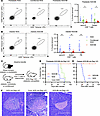 Figure 4
T cell autoimmunity is corrected in prediabetic and diabetic chimeras. (A) Representative flow plots and IGRP-double-tetramer+ autoreactive cell frequency among CD8+ T cells in pancreatic lymph nodes (pancLN) and spleens of prediabetic NOD mice, conditioned NOD controls, and prediabetic NOD:B6 mice at 20 weeks after HCT (n = 5–10). (B) Representative flow plots and mean ± SEM IGRP-double-tetramer+ autoreactive cell frequency in CD8+ T cells in the pancLN, spleens, and peripheral blood (PB) of diabetic NOD and diabetic NOD:B6 mice 20 weeks after HCT and islet transplantation (n = 6–9). (C) Adoptive transfer schematic. Diabetes incidence in NOD Rag1-KO mice injected with (D) T cells from prediabetic NOD mice (naive or conditioned) vs. prediabetic NOD:B6 mice (P = 0.0007 and P = 0.0011, respectively, n = 5–6) or (E) diabetic NOD vs. diabetic NOD:B6 splenocytes (P < 0.0001, n = 9). Censored events are unrelated to diabetes (n = 1, D; n = 3, E). (F) Representative H&E staining of NOD Rag1-KO pancreatic islets after adoptive transfer of NOD (n = 15), conditioned NOD (n = 5), or NOD:B6 (n = 12) cells. Scale bar: 200 μm. (A and B) Statistical analyses done using Mann-Whitney U test with Holm-Šídák correction for multiple comparisons and (E) Mantel-Cox test. Data presented as mean ± SEM. *P < 0.05, **P < 0.01.
Adoptive immune cell transfer into an immunodeficient NOD Rag1-KO mice can assess the autoreactive and diabetogenic potential of T cells from prediabetic and diabetic NOD mice; the recipient NOD Rag1-KO mice are deficient in endogenous T and B cells and susceptible to autoimmune diabetes (34). We used adoptive transfer to assess correction of autoimmunity in NOD:B6 mice (Figure 4C). 2 × 10⁶ MACS-sorted CD3+ T cells from spleens of naive 12-week-old prediabetic NOD mice, conditioned prediabetic NOD mice (12 weeks after conditioning), or prediabetic NOD:B6 chimeras (45% donor T cell chimerism; 12 weeks after HCT) were transferred into normoglycemic naive 7- to 8-week-old NOD Rag1-KO female mice and monitored for diabetes incidence. Prediabetic and diabetic NOD mice transferred autoimmunity to 100% of NOD Rag1-KO recipients (n = 6 of 6), with diabetes developing between 50 and 75 or 25 and 40 days after transfer, respectively (Figure 4, D and E). Conditioned prediabetic NOD controls also transferred autoimmunity to 100% of NOD Rag1-KO recipients followed long-term (n = 4 of 4), with diabetes developing 60–80 days after transfer. By contrast, cells from prediabetic NOD:B6 or diabetic NOD:B6 mice did not transfer diabetes, with 100% of the recipient mice remaining diabetes free for up to 100 days (n = 6 of 6 for each, Figure 4, D and E). Pancreatic histology showed marked insulitis, after transfer of T cells from naive NOD or conditioned NOD donors into Rag1-KO recipients (Figure 4F). In comparison, we observed healthy islet morphology in the pancreas, free of insulitis, after adoptive T cell transfer from NOD:B6 chimeric mice (Figure 4F). Thus, we conclude that islet autoimmunity and diabetogenic potential were eliminated after establishing mixed hematopoietic chimerism in prediabetic and diabetic NOD mice.
Donor thymic cells are associated with central deletion and thymic Treg development. Tolerance to auto- and alloantigens in mixed chimerism is primarily established through the education of developing thymocytes to donor and self-antigen via donor antigen-presenting cells (APCs) (11). We confirmed the presence of donor B6 APC subtypes known to participate in negative selection, including CD11c+ DC subsets, thymus-resident DCs (tDCs; CD8+Sirpα–), migratory DCs (mDCs; CD8–Sirpα+), and plasmacytoid DCs (pDCs; PDCA-1+B220+), as well as B cells (Figure 5A) (35–38). mDCs and pDCs participate in clonal deletion of reactive T cells by transporting peripheral (i.e., donor) antigens to the thymus (39), and both subsets were enriched in prediabetic mixed chimeras compared with conditioned NOD mice and naive donor controls (Figure 5B and Supplemental Figure 6, A and B). To evaluate for autoreactive cells undergoing thymic negative selection, we assessed programmed cell death protein 1 (PD-1) on host thymocytes, which has been shown to enable deletion after recognition of self-antigen (40, 41). Indeed, we observed increased PD-1 expression in host thymocytes of prediabetic NOD:B6 mice compared with controls (Figure 5C and Supplemental Figure 6C). While all thymic APCs can mediate negative selection, only mDCs have been shown to enhance production of thymic Tregs (tTregs) in vivo (42). Interestingly, we observed an increase in mDC frequency in NOD:B6 mice that correlated with increased host tTreg frequency, compared with controls (Figure 5D). Consistent with prior reports, enhanced donor tTreg production was not observed in mixed chimeras (14, 18).
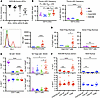 Figure 5
Donor thymic cells are associated with central tolerance and thymic Treg development. (A) CD45.2+ cell frequency in CD11c+ DC subsets, including thymus-resident DCs (tDC; CD8+Sirpα–), migratory DCs (mDC; CD8–Sirpα+), and plasmacytoid DCs (pDC; B220+PDCA-1+), as well as B cells 20 weeks after HCT in prediabetic NOD:B6 mice (n = 14). (B) mDC and pDC frequency in WT B6 mice, conditioned NOD controls, and prediabetic NOD:B6 mice (n = 9–14). (C) Representative histogram and median fluorescence intensity (MFI) of PD-1 expression in CD45.1+ thymocytes in prediabetic NOD:B6, NOD, and conditioned NOD control mice (n = 9–14). (D) CD45.1+ thymic Tregs in prediabetic NOD:B6 mice, NOD mice, and conditioned NOD controls (left, n = 5–14). CD45.2+ thymic Tregs in prediabetic NOD:B6 and WT B6 mice (right, n = 9–14). (E) Peripheral blood Vβ3+ and Vβ11+ T cells (left, n = 10–15) and Tregs (right, n = 10–15) in WT B6 mice, NOD mice, conditioned NOD controls, and prediabetic NOD:B6 mice (gated on donor cells, red). (F) Vβ3 and Vβ11 frequency in thymic T cell subsets of NOD:B6 mice (left, n = 15, gated on donor cells) and NOD mice (right, n = 10). Statistical analyses done using Wilcoxon’s matched-pairs sign-rank test. Data presented as mean ± SEM. *P < 0.05, **P < 0.01, ***P < 0.001, ****P < 0.0001. (B–E) Statistical analyses done using Mann-Whitney U test with Holm-Šídák correction for multiple comparisons. DP, double positive; SP, single positive.
Although there was no increase in overall donor tTreg production, we still observed tolerance of donor antigens in our mixed chimeras, evidenced by the lack of GVHD. We posited that enhanced donor B6 Treg production would instead be observed in prediabetic NOD:B6 mice specifically for host-reactive T cell clones. To assess this, we measured T cells with the known NOD-reactive Vβ3 domain; these T cells are deleted by genome-encoded superantigen presentation in NOD mice but not B6 mice (43, 44). Therefore, an untrained B6 T cell repertoire should contain Vβ3+ cells, while one trained on NOD antigens should not. As expected, we observed approximately 90% deletion of Vβ3+ T cells in peripheral blood of NOD mice and conditioned NOD mice compared with naive B6 mice (NOD: 0.34% ± 0.03%, conditioned NOD: 0.37% ± 0.02%, B6: 2.80% ± 0.09%; Figure 5E). In prediabetic NOD:B6 mice, approximately 80% of host-reactive donor Vβ3+ T cells were depleted, compared with B6 mice, indicating education of donor T cells to host antigens. By contrast, the frequency of Vβ11+ T cells, which are not under selective pressure in the NOD or B6 strains, was consistent across all controls and mixed chimeras. Although Vβ3 depletion was not complete, we observed a higher frequency of Tregs among Vβ3+ donor T cells in mixed chimeras compared with NOD and B6 controls, while Tregs among Vβ11+ donor T cells remained consistent (Figure 5E). Vβ3+ T cell and Treg frequency differences remained consistent in the peripheral blood of mixed chimeras longitudinally (Supplemental Figure 6D). These observations were further confirmed by analysis of thymic T cell development in prediabetic NOD:B6 mice (Figure 5F). Reduction of donor Vβ3+ cell frequency as thymocytes move from double-positive CD4+CD8+ to single-positive CD4+ or CD8+ stages can be seen in both mixed chimeras and NOD mice, while Vβ11+ cells remain consistent throughout. However, thymic Vβ3+ donor Tregs are enriched in mixed chimeras but not in NOD mice. Thus, we observed deletion of host-reactive donor (B6) T cells during thymic negative selection and enhanced host-reactive donor tTreg production. In summary, we found evidence for central tolerance mechanisms crucial for GVHD prevention, allograft tolerance, and reestablishment of self-tolerance in mixed chimeric NOD:B6 mice.
Peripheral tolerance mechanisms are associated with anergy of peripheral host effector cells. Peripheral tolerance mechanisms are essential to suppress allo- and autoreactive T cells that escape thymic selection and to tolerize remaining conditioning-resistant tissue-resident host T cells. Similar to tTreg frequencies in the thymus after αCD117-based conditioning and HCT, we observed an increase in host tTreg frequencies in the spleens of prediabetic NOD:B6 mice but no differences in donor tTreg frequencies, as compared with controls (Figure 6A). Furthermore, both host and donor Tregs upregulated the inducible costimulator (ICOS), which is correlated with higher IL-10 secretion and suppressive potential (Figure 6B) (45). Other markers of suppressive activity, CTLA-4 and LAG3, showed no differences (Supplemental Figure 7A). These donor and host tTregs have been shown to mediate peripheral tolerance of allo- and autoreactive T cells through both direct and indirect mechanisms of suppression to promote a tolerogenic state in host DCs (14, 46). In contrast to host conventional DCs (cDCs), we saw an upregulation of the marker programmed death-ligand 1 (PD-L1) on host pDCs (Figure 6C and Supplemental Figure 7B), characteristic of tolerogenic pDCs, which are integral to peripheral tolerance in transplantation and autoimmunity (47, 48). PD-L1/PD-1 signaling between tolerogenic host DCs and host conventional T (Tcon) cells can initiate inhibitory signaling and promote T cell anergy, a crucial tolerance mechanism of autoreactive T cells in the periphery (49, 50). Indeed, we observed an increase in CD73hiFR4hi cells in prediabetic NOD:B6 mice, compared with controls, suggesting anergy in host CD4+ Tcon cells (Figure 7A) (51, 52). To further determine the capacity of these cells to respond to stimulatory signals, we incubated host-type prediabetic NOD:B6 splenic T cells labeled with CellTrace Violet in vitro (Methods) with CD3/CD28 stimulation beads at specific dilutions (Figure 7B and Supplemental Figure 7C). Although all groups showed a dose-dependent response, cells from conditioned NOD mice and NOD controls exhibited robust proliferation while mixed chimeric host cells had a blunted response (Figure 7B). Thus, our studies revealed peripheral tolerance mechanisms that promote long-term correction of autoimmunity and allogeneic tolerance in NOD:B6 mice.
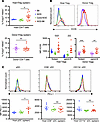 Figure 6
Peripheral Tregs are associated with tolerogenic DC types. (A) CD45.1+ thymic Tregs (tTregs) in spleens of prediabetic NOD:B6 mice, NOD mice, and conditioned NOD controls (top, n = 5–14). CD45.2+ tTregs in spleens of prediabetic NOD:B6 mice and WT B6 controls (bottom, n = 9–14). (B) Representative histogram and median fluorescence intensity (MFI) of ICOS expression in host and donor Tregs in the spleen and pancLN of prediabetic NOD:B6 mice, NOD mice, conditioned NOD mice, and WT B6 mice (n = 9–14). (C) Representative histogram and MFI of PD-L1 of splenic CD45.1+ plasmacytoid DCs (pDCs), CD8+ conventional DCs (cDCs), and CD11b+ cDCs in prediabetic NOD:B6 mice, NOD mice, and conditioned NOD controls (n = 5–10). (A–C) Data presented as the mean ± SEM. *P < 0.05, **P < 0.01, ***P < 0.001, ****P < 0.0001. Statistical analyses done using Mann-Whitney U test with Holm-Šídák correction for multiple comparisons.
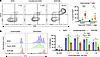 Figure 7
Peripheral tolerance mechanisms are associated with anergy of peripheral host effector cells. (A) Frequency of CD73hiFR4hi anergic cells among CD45.1+CD4+FOXP3– Tcon cells of prediabetic NOD:B6 spleen and pancLN compared with NOD mice and conditioned NOD controls (n = 9–14). Statistical analyses done using Mann-Whitney U test with Holm-Šídák correction for multiple comparisons. (B) Proliferation of host CD4+ splenic T cells from prediabetic NOD:B6 mice compared with NOD mice and conditioned NOD controls after isolation and incubation in vitro with CD3/CD28 stimulation beads at decreasing dilutions (1:1 to 1:8), assessed with cell trace violet (CTV) dilutions. Statistical analyses done using Student’s unpaired t test with Holm-Šídák correction for multiple comparisons. (A and B) Data presented as the mean ± SEM. *P < 0.05, **P < 0.01, ****P < 0.0001.


Copyright © 2026 American Society for Clinical Investigation
ISSN: 0021-9738 (print), 1558-8238 (online)