
Advertisement
Research ArticleHepatologyImmunologyOncology
Open Access |  10.1172/JCI200415
Tescalcin is a phagocytic checkpoint driving immune escape and limiting immunotherapeutic efficacy in hepatocellular carcinoma
Jiong-Liang Wang,1,2,3,4 Jun-Cheng Wang,1 Yangxun Pan,1 Minrui He,1 Zhikai Zheng,1 Hao Zou,1 Tianqing Wu,1 Yuhan Zhang,1 Zili Hu,1 Yizhen Fu,1 Wei Peng,1 Zhenyun Yang,1 Li Xu,1 Yao-Jun Zhang,1 Min-Shan Chen,1 Dandan Hu,1 Jinbin Chen,1 Ming Zhao,3 Dong-Ping Chen,2 and Zhong-Guo Zhou1
1State Key Laboratory of Oncology in Southern China, Collaborative Innovation Center for Cancer Medicine, Department of Liver Surgery, Sun Yat-sen University Cancer Center, Guangzhou, China.
2Guangdong Province Key Laboratory of Pharmaceutical Functional Genes, MOE Key Laboratory of Gene Function and Regulation, School of Life Sciences, Sun Yat-sen University, Guangzhou, China.
3State Key Laboratory of Oncology in Southern China, Collaborative Innovation Center for Cancer Medicine, Department Minimally Invasive Interventional Therapy, Sun Yat-sen University Cancer Center, Guangzhou, China.
4Department of Radiation Oncology, The First Affiliated Hospital of Sun Yat-sen University, Guangzhou, China.
Address correspondence to: Zhong-Guo Zhou or Ming Zhao, State Key Laboratory of Oncology in Southern China, Collaborative Innovation Center for Cancer Medicine, Sun Yat-sen University Cancer Center, 651, Dongfeng East Road, Guangzhou, 510060, China. Phone: 86.20.87343117; Email: zhouzhg@sysucc.org.cn (ZGZ). Phone: 86.20. 87343272; Email: zhaoming@sysucc.org.cn (MZ). Or to: Dong-Ping Chen, School of Life Sciences, Sun Yat-sen University, 135 Xingang Xi Road, Guangzhou, 510275, China; Phone: 86.20.84113483; Email: chendp23@mail.sysu.edu.cn.
Find articles by Wang, J. in: PubMed | Google Scholar
1State Key Laboratory of Oncology in Southern China, Collaborative Innovation Center for Cancer Medicine, Department of Liver Surgery, Sun Yat-sen University Cancer Center, Guangzhou, China.
2Guangdong Province Key Laboratory of Pharmaceutical Functional Genes, MOE Key Laboratory of Gene Function and Regulation, School of Life Sciences, Sun Yat-sen University, Guangzhou, China.
3State Key Laboratory of Oncology in Southern China, Collaborative Innovation Center for Cancer Medicine, Department Minimally Invasive Interventional Therapy, Sun Yat-sen University Cancer Center, Guangzhou, China.
4Department of Radiation Oncology, The First Affiliated Hospital of Sun Yat-sen University, Guangzhou, China.
Address correspondence to: Zhong-Guo Zhou or Ming Zhao, State Key Laboratory of Oncology in Southern China, Collaborative Innovation Center for Cancer Medicine, Sun Yat-sen University Cancer Center, 651, Dongfeng East Road, Guangzhou, 510060, China. Phone: 86.20.87343117; Email: zhouzhg@sysucc.org.cn (ZGZ). Phone: 86.20. 87343272; Email: zhaoming@sysucc.org.cn (MZ). Or to: Dong-Ping Chen, School of Life Sciences, Sun Yat-sen University, 135 Xingang Xi Road, Guangzhou, 510275, China; Phone: 86.20.84113483; Email: chendp23@mail.sysu.edu.cn.
Find articles by Wang, J. in: PubMed | Google Scholar
1State Key Laboratory of Oncology in Southern China, Collaborative Innovation Center for Cancer Medicine, Department of Liver Surgery, Sun Yat-sen University Cancer Center, Guangzhou, China.
2Guangdong Province Key Laboratory of Pharmaceutical Functional Genes, MOE Key Laboratory of Gene Function and Regulation, School of Life Sciences, Sun Yat-sen University, Guangzhou, China.
3State Key Laboratory of Oncology in Southern China, Collaborative Innovation Center for Cancer Medicine, Department Minimally Invasive Interventional Therapy, Sun Yat-sen University Cancer Center, Guangzhou, China.
4Department of Radiation Oncology, The First Affiliated Hospital of Sun Yat-sen University, Guangzhou, China.
Address correspondence to: Zhong-Guo Zhou or Ming Zhao, State Key Laboratory of Oncology in Southern China, Collaborative Innovation Center for Cancer Medicine, Sun Yat-sen University Cancer Center, 651, Dongfeng East Road, Guangzhou, 510060, China. Phone: 86.20.87343117; Email: zhouzhg@sysucc.org.cn (ZGZ). Phone: 86.20. 87343272; Email: zhaoming@sysucc.org.cn (MZ). Or to: Dong-Ping Chen, School of Life Sciences, Sun Yat-sen University, 135 Xingang Xi Road, Guangzhou, 510275, China; Phone: 86.20.84113483; Email: chendp23@mail.sysu.edu.cn.
Find articles by Pan, Y. in: PubMed | Google Scholar
1State Key Laboratory of Oncology in Southern China, Collaborative Innovation Center for Cancer Medicine, Department of Liver Surgery, Sun Yat-sen University Cancer Center, Guangzhou, China.
2Guangdong Province Key Laboratory of Pharmaceutical Functional Genes, MOE Key Laboratory of Gene Function and Regulation, School of Life Sciences, Sun Yat-sen University, Guangzhou, China.
3State Key Laboratory of Oncology in Southern China, Collaborative Innovation Center for Cancer Medicine, Department Minimally Invasive Interventional Therapy, Sun Yat-sen University Cancer Center, Guangzhou, China.
4Department of Radiation Oncology, The First Affiliated Hospital of Sun Yat-sen University, Guangzhou, China.
Address correspondence to: Zhong-Guo Zhou or Ming Zhao, State Key Laboratory of Oncology in Southern China, Collaborative Innovation Center for Cancer Medicine, Sun Yat-sen University Cancer Center, 651, Dongfeng East Road, Guangzhou, 510060, China. Phone: 86.20.87343117; Email: zhouzhg@sysucc.org.cn (ZGZ). Phone: 86.20. 87343272; Email: zhaoming@sysucc.org.cn (MZ). Or to: Dong-Ping Chen, School of Life Sciences, Sun Yat-sen University, 135 Xingang Xi Road, Guangzhou, 510275, China; Phone: 86.20.84113483; Email: chendp23@mail.sysu.edu.cn.
Find articles by He, M. in: PubMed | Google Scholar
1State Key Laboratory of Oncology in Southern China, Collaborative Innovation Center for Cancer Medicine, Department of Liver Surgery, Sun Yat-sen University Cancer Center, Guangzhou, China.
2Guangdong Province Key Laboratory of Pharmaceutical Functional Genes, MOE Key Laboratory of Gene Function and Regulation, School of Life Sciences, Sun Yat-sen University, Guangzhou, China.
3State Key Laboratory of Oncology in Southern China, Collaborative Innovation Center for Cancer Medicine, Department Minimally Invasive Interventional Therapy, Sun Yat-sen University Cancer Center, Guangzhou, China.
4Department of Radiation Oncology, The First Affiliated Hospital of Sun Yat-sen University, Guangzhou, China.
Address correspondence to: Zhong-Guo Zhou or Ming Zhao, State Key Laboratory of Oncology in Southern China, Collaborative Innovation Center for Cancer Medicine, Sun Yat-sen University Cancer Center, 651, Dongfeng East Road, Guangzhou, 510060, China. Phone: 86.20.87343117; Email: zhouzhg@sysucc.org.cn (ZGZ). Phone: 86.20. 87343272; Email: zhaoming@sysucc.org.cn (MZ). Or to: Dong-Ping Chen, School of Life Sciences, Sun Yat-sen University, 135 Xingang Xi Road, Guangzhou, 510275, China; Phone: 86.20.84113483; Email: chendp23@mail.sysu.edu.cn.
Find articles by Zheng, Z. in: PubMed | Google Scholar
1State Key Laboratory of Oncology in Southern China, Collaborative Innovation Center for Cancer Medicine, Department of Liver Surgery, Sun Yat-sen University Cancer Center, Guangzhou, China.
2Guangdong Province Key Laboratory of Pharmaceutical Functional Genes, MOE Key Laboratory of Gene Function and Regulation, School of Life Sciences, Sun Yat-sen University, Guangzhou, China.
3State Key Laboratory of Oncology in Southern China, Collaborative Innovation Center for Cancer Medicine, Department Minimally Invasive Interventional Therapy, Sun Yat-sen University Cancer Center, Guangzhou, China.
4Department of Radiation Oncology, The First Affiliated Hospital of Sun Yat-sen University, Guangzhou, China.
Address correspondence to: Zhong-Guo Zhou or Ming Zhao, State Key Laboratory of Oncology in Southern China, Collaborative Innovation Center for Cancer Medicine, Sun Yat-sen University Cancer Center, 651, Dongfeng East Road, Guangzhou, 510060, China. Phone: 86.20.87343117; Email: zhouzhg@sysucc.org.cn (ZGZ). Phone: 86.20. 87343272; Email: zhaoming@sysucc.org.cn (MZ). Or to: Dong-Ping Chen, School of Life Sciences, Sun Yat-sen University, 135 Xingang Xi Road, Guangzhou, 510275, China; Phone: 86.20.84113483; Email: chendp23@mail.sysu.edu.cn.
Find articles by Zou, H. in: PubMed | Google Scholar
1State Key Laboratory of Oncology in Southern China, Collaborative Innovation Center for Cancer Medicine, Department of Liver Surgery, Sun Yat-sen University Cancer Center, Guangzhou, China.
2Guangdong Province Key Laboratory of Pharmaceutical Functional Genes, MOE Key Laboratory of Gene Function and Regulation, School of Life Sciences, Sun Yat-sen University, Guangzhou, China.
3State Key Laboratory of Oncology in Southern China, Collaborative Innovation Center for Cancer Medicine, Department Minimally Invasive Interventional Therapy, Sun Yat-sen University Cancer Center, Guangzhou, China.
4Department of Radiation Oncology, The First Affiliated Hospital of Sun Yat-sen University, Guangzhou, China.
Address correspondence to: Zhong-Guo Zhou or Ming Zhao, State Key Laboratory of Oncology in Southern China, Collaborative Innovation Center for Cancer Medicine, Sun Yat-sen University Cancer Center, 651, Dongfeng East Road, Guangzhou, 510060, China. Phone: 86.20.87343117; Email: zhouzhg@sysucc.org.cn (ZGZ). Phone: 86.20. 87343272; Email: zhaoming@sysucc.org.cn (MZ). Or to: Dong-Ping Chen, School of Life Sciences, Sun Yat-sen University, 135 Xingang Xi Road, Guangzhou, 510275, China; Phone: 86.20.84113483; Email: chendp23@mail.sysu.edu.cn.
Find articles by Wu, T. in: PubMed | Google Scholar
1State Key Laboratory of Oncology in Southern China, Collaborative Innovation Center for Cancer Medicine, Department of Liver Surgery, Sun Yat-sen University Cancer Center, Guangzhou, China.
2Guangdong Province Key Laboratory of Pharmaceutical Functional Genes, MOE Key Laboratory of Gene Function and Regulation, School of Life Sciences, Sun Yat-sen University, Guangzhou, China.
3State Key Laboratory of Oncology in Southern China, Collaborative Innovation Center for Cancer Medicine, Department Minimally Invasive Interventional Therapy, Sun Yat-sen University Cancer Center, Guangzhou, China.
4Department of Radiation Oncology, The First Affiliated Hospital of Sun Yat-sen University, Guangzhou, China.
Address correspondence to: Zhong-Guo Zhou or Ming Zhao, State Key Laboratory of Oncology in Southern China, Collaborative Innovation Center for Cancer Medicine, Sun Yat-sen University Cancer Center, 651, Dongfeng East Road, Guangzhou, 510060, China. Phone: 86.20.87343117; Email: zhouzhg@sysucc.org.cn (ZGZ). Phone: 86.20. 87343272; Email: zhaoming@sysucc.org.cn (MZ). Or to: Dong-Ping Chen, School of Life Sciences, Sun Yat-sen University, 135 Xingang Xi Road, Guangzhou, 510275, China; Phone: 86.20.84113483; Email: chendp23@mail.sysu.edu.cn.
Find articles by Zhang, Y. in: PubMed | Google Scholar
1State Key Laboratory of Oncology in Southern China, Collaborative Innovation Center for Cancer Medicine, Department of Liver Surgery, Sun Yat-sen University Cancer Center, Guangzhou, China.
2Guangdong Province Key Laboratory of Pharmaceutical Functional Genes, MOE Key Laboratory of Gene Function and Regulation, School of Life Sciences, Sun Yat-sen University, Guangzhou, China.
3State Key Laboratory of Oncology in Southern China, Collaborative Innovation Center for Cancer Medicine, Department Minimally Invasive Interventional Therapy, Sun Yat-sen University Cancer Center, Guangzhou, China.
4Department of Radiation Oncology, The First Affiliated Hospital of Sun Yat-sen University, Guangzhou, China.
Address correspondence to: Zhong-Guo Zhou or Ming Zhao, State Key Laboratory of Oncology in Southern China, Collaborative Innovation Center for Cancer Medicine, Sun Yat-sen University Cancer Center, 651, Dongfeng East Road, Guangzhou, 510060, China. Phone: 86.20.87343117; Email: zhouzhg@sysucc.org.cn (ZGZ). Phone: 86.20. 87343272; Email: zhaoming@sysucc.org.cn (MZ). Or to: Dong-Ping Chen, School of Life Sciences, Sun Yat-sen University, 135 Xingang Xi Road, Guangzhou, 510275, China; Phone: 86.20.84113483; Email: chendp23@mail.sysu.edu.cn.
Find articles by Hu, Z. in: PubMed | Google Scholar
1State Key Laboratory of Oncology in Southern China, Collaborative Innovation Center for Cancer Medicine, Department of Liver Surgery, Sun Yat-sen University Cancer Center, Guangzhou, China.
2Guangdong Province Key Laboratory of Pharmaceutical Functional Genes, MOE Key Laboratory of Gene Function and Regulation, School of Life Sciences, Sun Yat-sen University, Guangzhou, China.
3State Key Laboratory of Oncology in Southern China, Collaborative Innovation Center for Cancer Medicine, Department Minimally Invasive Interventional Therapy, Sun Yat-sen University Cancer Center, Guangzhou, China.
4Department of Radiation Oncology, The First Affiliated Hospital of Sun Yat-sen University, Guangzhou, China.
Address correspondence to: Zhong-Guo Zhou or Ming Zhao, State Key Laboratory of Oncology in Southern China, Collaborative Innovation Center for Cancer Medicine, Sun Yat-sen University Cancer Center, 651, Dongfeng East Road, Guangzhou, 510060, China. Phone: 86.20.87343117; Email: zhouzhg@sysucc.org.cn (ZGZ). Phone: 86.20. 87343272; Email: zhaoming@sysucc.org.cn (MZ). Or to: Dong-Ping Chen, School of Life Sciences, Sun Yat-sen University, 135 Xingang Xi Road, Guangzhou, 510275, China; Phone: 86.20.84113483; Email: chendp23@mail.sysu.edu.cn.
Find articles by Fu, Y. in: PubMed | Google Scholar
1State Key Laboratory of Oncology in Southern China, Collaborative Innovation Center for Cancer Medicine, Department of Liver Surgery, Sun Yat-sen University Cancer Center, Guangzhou, China.
2Guangdong Province Key Laboratory of Pharmaceutical Functional Genes, MOE Key Laboratory of Gene Function and Regulation, School of Life Sciences, Sun Yat-sen University, Guangzhou, China.
3State Key Laboratory of Oncology in Southern China, Collaborative Innovation Center for Cancer Medicine, Department Minimally Invasive Interventional Therapy, Sun Yat-sen University Cancer Center, Guangzhou, China.
4Department of Radiation Oncology, The First Affiliated Hospital of Sun Yat-sen University, Guangzhou, China.
Address correspondence to: Zhong-Guo Zhou or Ming Zhao, State Key Laboratory of Oncology in Southern China, Collaborative Innovation Center for Cancer Medicine, Sun Yat-sen University Cancer Center, 651, Dongfeng East Road, Guangzhou, 510060, China. Phone: 86.20.87343117; Email: zhouzhg@sysucc.org.cn (ZGZ). Phone: 86.20. 87343272; Email: zhaoming@sysucc.org.cn (MZ). Or to: Dong-Ping Chen, School of Life Sciences, Sun Yat-sen University, 135 Xingang Xi Road, Guangzhou, 510275, China; Phone: 86.20.84113483; Email: chendp23@mail.sysu.edu.cn.
Find articles by Peng, W. in: PubMed | Google Scholar
1State Key Laboratory of Oncology in Southern China, Collaborative Innovation Center for Cancer Medicine, Department of Liver Surgery, Sun Yat-sen University Cancer Center, Guangzhou, China.
2Guangdong Province Key Laboratory of Pharmaceutical Functional Genes, MOE Key Laboratory of Gene Function and Regulation, School of Life Sciences, Sun Yat-sen University, Guangzhou, China.
3State Key Laboratory of Oncology in Southern China, Collaborative Innovation Center for Cancer Medicine, Department Minimally Invasive Interventional Therapy, Sun Yat-sen University Cancer Center, Guangzhou, China.
4Department of Radiation Oncology, The First Affiliated Hospital of Sun Yat-sen University, Guangzhou, China.
Address correspondence to: Zhong-Guo Zhou or Ming Zhao, State Key Laboratory of Oncology in Southern China, Collaborative Innovation Center for Cancer Medicine, Sun Yat-sen University Cancer Center, 651, Dongfeng East Road, Guangzhou, 510060, China. Phone: 86.20.87343117; Email: zhouzhg@sysucc.org.cn (ZGZ). Phone: 86.20. 87343272; Email: zhaoming@sysucc.org.cn (MZ). Or to: Dong-Ping Chen, School of Life Sciences, Sun Yat-sen University, 135 Xingang Xi Road, Guangzhou, 510275, China; Phone: 86.20.84113483; Email: chendp23@mail.sysu.edu.cn.
Find articles by Yang, Z. in: PubMed | Google Scholar
1State Key Laboratory of Oncology in Southern China, Collaborative Innovation Center for Cancer Medicine, Department of Liver Surgery, Sun Yat-sen University Cancer Center, Guangzhou, China.
2Guangdong Province Key Laboratory of Pharmaceutical Functional Genes, MOE Key Laboratory of Gene Function and Regulation, School of Life Sciences, Sun Yat-sen University, Guangzhou, China.
3State Key Laboratory of Oncology in Southern China, Collaborative Innovation Center for Cancer Medicine, Department Minimally Invasive Interventional Therapy, Sun Yat-sen University Cancer Center, Guangzhou, China.
4Department of Radiation Oncology, The First Affiliated Hospital of Sun Yat-sen University, Guangzhou, China.
Address correspondence to: Zhong-Guo Zhou or Ming Zhao, State Key Laboratory of Oncology in Southern China, Collaborative Innovation Center for Cancer Medicine, Sun Yat-sen University Cancer Center, 651, Dongfeng East Road, Guangzhou, 510060, China. Phone: 86.20.87343117; Email: zhouzhg@sysucc.org.cn (ZGZ). Phone: 86.20. 87343272; Email: zhaoming@sysucc.org.cn (MZ). Or to: Dong-Ping Chen, School of Life Sciences, Sun Yat-sen University, 135 Xingang Xi Road, Guangzhou, 510275, China; Phone: 86.20.84113483; Email: chendp23@mail.sysu.edu.cn.
Find articles by Xu, L. in: PubMed | Google Scholar
1State Key Laboratory of Oncology in Southern China, Collaborative Innovation Center for Cancer Medicine, Department of Liver Surgery, Sun Yat-sen University Cancer Center, Guangzhou, China.
2Guangdong Province Key Laboratory of Pharmaceutical Functional Genes, MOE Key Laboratory of Gene Function and Regulation, School of Life Sciences, Sun Yat-sen University, Guangzhou, China.
3State Key Laboratory of Oncology in Southern China, Collaborative Innovation Center for Cancer Medicine, Department Minimally Invasive Interventional Therapy, Sun Yat-sen University Cancer Center, Guangzhou, China.
4Department of Radiation Oncology, The First Affiliated Hospital of Sun Yat-sen University, Guangzhou, China.
Address correspondence to: Zhong-Guo Zhou or Ming Zhao, State Key Laboratory of Oncology in Southern China, Collaborative Innovation Center for Cancer Medicine, Sun Yat-sen University Cancer Center, 651, Dongfeng East Road, Guangzhou, 510060, China. Phone: 86.20.87343117; Email: zhouzhg@sysucc.org.cn (ZGZ). Phone: 86.20. 87343272; Email: zhaoming@sysucc.org.cn (MZ). Or to: Dong-Ping Chen, School of Life Sciences, Sun Yat-sen University, 135 Xingang Xi Road, Guangzhou, 510275, China; Phone: 86.20.84113483; Email: chendp23@mail.sysu.edu.cn.
Find articles by Zhang, Y. in: PubMed | Google Scholar
1State Key Laboratory of Oncology in Southern China, Collaborative Innovation Center for Cancer Medicine, Department of Liver Surgery, Sun Yat-sen University Cancer Center, Guangzhou, China.
2Guangdong Province Key Laboratory of Pharmaceutical Functional Genes, MOE Key Laboratory of Gene Function and Regulation, School of Life Sciences, Sun Yat-sen University, Guangzhou, China.
3State Key Laboratory of Oncology in Southern China, Collaborative Innovation Center for Cancer Medicine, Department Minimally Invasive Interventional Therapy, Sun Yat-sen University Cancer Center, Guangzhou, China.
4Department of Radiation Oncology, The First Affiliated Hospital of Sun Yat-sen University, Guangzhou, China.
Address correspondence to: Zhong-Guo Zhou or Ming Zhao, State Key Laboratory of Oncology in Southern China, Collaborative Innovation Center for Cancer Medicine, Sun Yat-sen University Cancer Center, 651, Dongfeng East Road, Guangzhou, 510060, China. Phone: 86.20.87343117; Email: zhouzhg@sysucc.org.cn (ZGZ). Phone: 86.20. 87343272; Email: zhaoming@sysucc.org.cn (MZ). Or to: Dong-Ping Chen, School of Life Sciences, Sun Yat-sen University, 135 Xingang Xi Road, Guangzhou, 510275, China; Phone: 86.20.84113483; Email: chendp23@mail.sysu.edu.cn.
Find articles by Chen, M. in: PubMed | Google Scholar
1State Key Laboratory of Oncology in Southern China, Collaborative Innovation Center for Cancer Medicine, Department of Liver Surgery, Sun Yat-sen University Cancer Center, Guangzhou, China.
2Guangdong Province Key Laboratory of Pharmaceutical Functional Genes, MOE Key Laboratory of Gene Function and Regulation, School of Life Sciences, Sun Yat-sen University, Guangzhou, China.
3State Key Laboratory of Oncology in Southern China, Collaborative Innovation Center for Cancer Medicine, Department Minimally Invasive Interventional Therapy, Sun Yat-sen University Cancer Center, Guangzhou, China.
4Department of Radiation Oncology, The First Affiliated Hospital of Sun Yat-sen University, Guangzhou, China.
Address correspondence to: Zhong-Guo Zhou or Ming Zhao, State Key Laboratory of Oncology in Southern China, Collaborative Innovation Center for Cancer Medicine, Sun Yat-sen University Cancer Center, 651, Dongfeng East Road, Guangzhou, 510060, China. Phone: 86.20.87343117; Email: zhouzhg@sysucc.org.cn (ZGZ). Phone: 86.20. 87343272; Email: zhaoming@sysucc.org.cn (MZ). Or to: Dong-Ping Chen, School of Life Sciences, Sun Yat-sen University, 135 Xingang Xi Road, Guangzhou, 510275, China; Phone: 86.20.84113483; Email: chendp23@mail.sysu.edu.cn.
Find articles by Hu, D. in: PubMed | Google Scholar
1State Key Laboratory of Oncology in Southern China, Collaborative Innovation Center for Cancer Medicine, Department of Liver Surgery, Sun Yat-sen University Cancer Center, Guangzhou, China.
2Guangdong Province Key Laboratory of Pharmaceutical Functional Genes, MOE Key Laboratory of Gene Function and Regulation, School of Life Sciences, Sun Yat-sen University, Guangzhou, China.
3State Key Laboratory of Oncology in Southern China, Collaborative Innovation Center for Cancer Medicine, Department Minimally Invasive Interventional Therapy, Sun Yat-sen University Cancer Center, Guangzhou, China.
4Department of Radiation Oncology, The First Affiliated Hospital of Sun Yat-sen University, Guangzhou, China.
Address correspondence to: Zhong-Guo Zhou or Ming Zhao, State Key Laboratory of Oncology in Southern China, Collaborative Innovation Center for Cancer Medicine, Sun Yat-sen University Cancer Center, 651, Dongfeng East Road, Guangzhou, 510060, China. Phone: 86.20.87343117; Email: zhouzhg@sysucc.org.cn (ZGZ). Phone: 86.20. 87343272; Email: zhaoming@sysucc.org.cn (MZ). Or to: Dong-Ping Chen, School of Life Sciences, Sun Yat-sen University, 135 Xingang Xi Road, Guangzhou, 510275, China; Phone: 86.20.84113483; Email: chendp23@mail.sysu.edu.cn.
Find articles by Chen, J. in: PubMed | Google Scholar
1State Key Laboratory of Oncology in Southern China, Collaborative Innovation Center for Cancer Medicine, Department of Liver Surgery, Sun Yat-sen University Cancer Center, Guangzhou, China.
2Guangdong Province Key Laboratory of Pharmaceutical Functional Genes, MOE Key Laboratory of Gene Function and Regulation, School of Life Sciences, Sun Yat-sen University, Guangzhou, China.
3State Key Laboratory of Oncology in Southern China, Collaborative Innovation Center for Cancer Medicine, Department Minimally Invasive Interventional Therapy, Sun Yat-sen University Cancer Center, Guangzhou, China.
4Department of Radiation Oncology, The First Affiliated Hospital of Sun Yat-sen University, Guangzhou, China.
Address correspondence to: Zhong-Guo Zhou or Ming Zhao, State Key Laboratory of Oncology in Southern China, Collaborative Innovation Center for Cancer Medicine, Sun Yat-sen University Cancer Center, 651, Dongfeng East Road, Guangzhou, 510060, China. Phone: 86.20.87343117; Email: zhouzhg@sysucc.org.cn (ZGZ). Phone: 86.20. 87343272; Email: zhaoming@sysucc.org.cn (MZ). Or to: Dong-Ping Chen, School of Life Sciences, Sun Yat-sen University, 135 Xingang Xi Road, Guangzhou, 510275, China; Phone: 86.20.84113483; Email: chendp23@mail.sysu.edu.cn.
Find articles by Zhao, M. in: PubMed | Google Scholar
1State Key Laboratory of Oncology in Southern China, Collaborative Innovation Center for Cancer Medicine, Department of Liver Surgery, Sun Yat-sen University Cancer Center, Guangzhou, China.
2Guangdong Province Key Laboratory of Pharmaceutical Functional Genes, MOE Key Laboratory of Gene Function and Regulation, School of Life Sciences, Sun Yat-sen University, Guangzhou, China.
3State Key Laboratory of Oncology in Southern China, Collaborative Innovation Center for Cancer Medicine, Department Minimally Invasive Interventional Therapy, Sun Yat-sen University Cancer Center, Guangzhou, China.
4Department of Radiation Oncology, The First Affiliated Hospital of Sun Yat-sen University, Guangzhou, China.
Address correspondence to: Zhong-Guo Zhou or Ming Zhao, State Key Laboratory of Oncology in Southern China, Collaborative Innovation Center for Cancer Medicine, Sun Yat-sen University Cancer Center, 651, Dongfeng East Road, Guangzhou, 510060, China. Phone: 86.20.87343117; Email: zhouzhg@sysucc.org.cn (ZGZ). Phone: 86.20. 87343272; Email: zhaoming@sysucc.org.cn (MZ). Or to: Dong-Ping Chen, School of Life Sciences, Sun Yat-sen University, 135 Xingang Xi Road, Guangzhou, 510275, China; Phone: 86.20.84113483; Email: chendp23@mail.sysu.edu.cn.
Find articles by Chen, D. in: PubMed | Google Scholar
1State Key Laboratory of Oncology in Southern China, Collaborative Innovation Center for Cancer Medicine, Department of Liver Surgery, Sun Yat-sen University Cancer Center, Guangzhou, China.
2Guangdong Province Key Laboratory of Pharmaceutical Functional Genes, MOE Key Laboratory of Gene Function and Regulation, School of Life Sciences, Sun Yat-sen University, Guangzhou, China.
3State Key Laboratory of Oncology in Southern China, Collaborative Innovation Center for Cancer Medicine, Department Minimally Invasive Interventional Therapy, Sun Yat-sen University Cancer Center, Guangzhou, China.
4Department of Radiation Oncology, The First Affiliated Hospital of Sun Yat-sen University, Guangzhou, China.
Address correspondence to: Zhong-Guo Zhou or Ming Zhao, State Key Laboratory of Oncology in Southern China, Collaborative Innovation Center for Cancer Medicine, Sun Yat-sen University Cancer Center, 651, Dongfeng East Road, Guangzhou, 510060, China. Phone: 86.20.87343117; Email: zhouzhg@sysucc.org.cn (ZGZ). Phone: 86.20. 87343272; Email: zhaoming@sysucc.org.cn (MZ). Or to: Dong-Ping Chen, School of Life Sciences, Sun Yat-sen University, 135 Xingang Xi Road, Guangzhou, 510275, China; Phone: 86.20.84113483; Email: chendp23@mail.sysu.edu.cn.
Find articles by Zhou, Z. in: PubMed | Google Scholar
Published April 2, 2026 - More info
J Clin Invest. 2026;136(11):e200415. https://doi.org/10.1172/JCI200415.
© 2026 Wang et al. This work is licensed under the Creative Commons Attribution 4.0 International License. To view a copy of this license, visit http://creativecommons.org/licenses/by/4.0/.
Received: September 23, 2025; Accepted: March 26, 2026


-
Results
Tumor-intrinsic TESC contributes to resistance to antitumor immunity and immunotherapy. In our prospective clinical trial (NCT03869034) for locally advanced HCC, oxaliplatin-based (OXA-based) chemotherapy combined with anti–programmed cell death 1 (anti–PD-1) therapy elicited heterogeneous responses: 48.3% of patients achieved substantial tumor regression according to Response Evaluation Criteria in Solid Tumors (RECIST) 1.1 criteria, whereas others derived limited benefit or exhibited disease progression (Figure 1A). To investigate the mechanisms of resistance and uncover potential therapeutic targets, we performed transcriptomics profiling of tumors from 7 responders and 7 nonresponders. Integrated with The Cancer Genome Atlas (TCGA) data on CD8+ T cell infiltration identified 6 genes consistently upregulated in nonresponding tumors (Figure 1B). Among these, TESC emerged as the top candidate, given its high expression in malignant cells and strong inverse correlation with patient survival (Figure 1, C and D). The remaining candidates were either expressed at low levels or lacked association with clinical outcomes (Figure 1C and Supplemental Figure 1A; supplemental material available online with this article; https://doi.org/10.1172/JCI200415DS1). Multiplex immunofluorescence and single-cell RNA-seq (scRNA-seq) (GSE166635) demonstrated that TESC was predominantly expressed in tumor cells rather than immune cells (Figure 1E and Supplemental Figure 1B). Importantly, ROC analysis revealed that TESC expression exhibited robust predictive performance for response to OXA-based chemotherapy plus sintilimab (AUC = 0.88, P < 0.05) (Supplemental Figure 1C). Consistent with this observation, elevated TESC expression in this same cohort was significantly associated with shorter overall survival (OS) by Kaplan-Meier and Cox regression analyses (Figure 1F) and with reduced response rates to ICB therapy (Supplemental Figure 1D). These associations were independently validated using scRNA-seq data (Mendeley Data: skrx2fz79n), which confirmed a correlation between high TESC expression and diminished efficacy of anti–PD-1 therapy (Figure 1G). Notably, in contrast to its consistent association with immunotherapeutic outcomes, TESC expression showed no significant relationship with treatment response in an independent cohort of patients with HCC receiving OXA-based chemotherapy alone, despite a nonsignificant trend toward higher TESC levels in nonresponders (Supplemental Figure 1E). Collectively, these findings suggest that TESC may play a deleterious role in antitumor immunity and immunotherapeutic response rather than chemotherapy sensitivity.
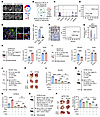 Figure 1
Tumor-intrinsic TESC contributes to resistance to antitumor immunity and immunotherapy. (A) Representative MRI enhancement scans of patients with HCC before and after OXA-based chemotherapy plus ICB (cohort 1, NCT03869034). (B) Upregulated genes in nonresponders from cohort 1 and both low CD8+ T cell infiltration scores and upregulated genes in HCC tissue from cohort 2 (TCGA) were determined. (C) Candidate gene expression in tumor cells from patients with HCC (GEO: GSE166635). (D) Correlations between TESC expression and OS in TCGA HCC patients grouped by median TESC expression. P = 0.029, by log-rank test. (E) Representative images of immunofluorescence for pan-CK, CD45, and TESC in HCC tissues (n = 20). Scale bar: 100 μm. Original magnification,×4. ****P < 0.0001, by 2-tailed Student’s t test. (F) Correlation of TESC level with OS of 30 patients with HCC treated with OXA-based chemotherapy plus ICB (cohort 3). Patients were grouped according to median TESC expression levels. Scale bar: 50 μm. P = 0.032, by log-rank test. (G) Transcript levels of TESC in HCC tumor cells from ICB responders and nonresponders (Mendeley Data, skrx2fz79n). ****P < 0.0001, by 2-tailed Student’s t test. (H and I) TESC-overexpressing (Tesc) Hepa1-6 and TESC-silenced (shTesc) H22 cells were inoculated into the livers of C57BL/6 or BALB/C and nude mice, respectively (n = 5). ****P < 0.0001, by 2-tailed Student’s t test. (J–N) ShTesc H22 (J–L) or Tesc Hepa1-6 hepatoma–bearing mice (M and N) were treated as described above (n = 5). Scale bar: 1 cm. *P < 0.05, **P < 0.01, ***P < 0.001, and ****P < 0.0001, by 1-way ANOVA. (O and P) C57BL/6 mice with spontaneous hepatomas were treated as described above (n = 5). Scale bar: 1 cm. *P < 0.05, **P < 0.01, ***P < 0.001, and ****P < 0.0001, by 1way ANOVA. All data are presented as the mean ± SEM. NR, nonresponder; pCR, pathological complete response; PD, progressive disease; PR, partial response; R, responder; SD, stable disease; αPD-1, anti–PD-1 antibody.
We engineered Hepa1-6 cells to overexpress TESC and used an shRNA to silence TESC in H22 cells to investigate the function of TESC (Supplemental Figure 1, F–H). These cells were orthotopically implanted into immunocompetent C57BL/6, BALB/C or immunodeficient nude mice (Figure 1, H and I). In immunocompetent mice, TESC overexpression significantly accelerated Hepa1-6 hepatoma growth and shortened OS, whereas TESC silencing markedly inhibited H22 hepatoma progression and prolonged survival (Figure 1, H and I, and Supplemental Figure 1, I and J). In contrast, manipulation of TESC, either by silencing or overexpression, did not affect hepatoma growth in nude mice (Figure 1, H and I), indicating that TESC exerted its protumorigenic effects through a T cell–dependent mechanism. Consistent with this finding, anti–PD-1 therapy suppressed tumor growth in mice bearing either Hepa1-6 or H22 hepatoma, and this effect was enhanced by TESC silencing but attenuated by TESC overexpression (Figure 1, J–N). Notably, although anti–PD-1 therapy showed no therapeutic efficacy in the sgP53/Myc-driven spontaneous hepatoma model, TESC KO sensitized tumors to anti–PD-1 therapy, thereby substantially suppressing tumor development (Figure 1, O and P). Additionally, silencing or overexpressing TESC had little effect on the growth of H22 or Hepa1-6 cells in vitro (Supplemental Figure 1, K and L), and the addition of OXA did not confer further synergistic benefit when combined with TESC silencing and anti–PD-1 treatment (Figure 1, J–P). Thus, tumor-derived TESC may function as an intrinsic resistance mechanism of spontaneous and immunotherapy-induced tumor immunity.
Tumor TESC impairs CD8+ T cell–mediated antitumor immunity. To elucidate the immunological basis for TESC-mediated immune evasion, we assessed immune cell infiltration and function in TESC-manipulated tumors. While the modulation of TESC expression did not alter tumor growth in nude mice, it profoundly influenced tumor progression in immunocompetent hosts (Figure 1, H and I), suggesting a T cell–dependent mechanism. In support of these findings, TESC silencing in hepatoma led to increased infiltration of CD8+ T cells, whereas other immune cell populations remained largely unchanged (Figure 2A). The flow cytometric analysis further revealed that CD8+ T cells in TESC-deficient tumors had an increased proliferative capacity and higher expression of effector molecules, including IFN-γ, TNF-α, and granzyme B (GZMB) (Figure 2, B–D). Conversely, TESC overexpression reduced the abundance and functionality of CD8+ T cells (Figure 2, E and F). CD8+ T cell depletion abrogated the tumor-suppressive effect of TESC knockdown (Figure 2G and Supplemental Figure 2, A and B), establishing a direct role for CD8+ T cells in mediating TESC-dependent immune escape. To examine the effect of TESC on tumor antigen–specific CD8+ T cell responses, we implanted OVA-expressing Hepa1-6 tumors harboring either control or TESC-overexpressing constructs into C57BL/6 mice. As expected, tumors overexpressing TESC produced significantly fewer SIINFEKL–H-2Kb tetramer+ CD8+ T cells and had reduced proportions of IFN-γ+ and GZMB+ cells within the tetramer+ CD8+ T cell population compared with control tumors (Figure 2H). Consistently, IFN-γ ELISPOT analysis of tumor-infiltrating lymphocytes revealed markedly fewer IFN-γ spots in TESC-overexpressing tumors (Figure 2I). Thus, tumor TESC impaired tumor-specific CD8+ T cell responses in vivo.
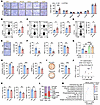 Figure 2
Tumor TESC impairs CD8+ T cell–mediated antitumor immunity. (A–D) shTesc H22 cells were inoculated into mouse livers (n = 5–7). The infiltration of CTLs (CD8+), Th cells (CD4+), NK cells (NKp46+), B cells (B220+), neutrophils (Ly-6G+), and macrophages (F4/80+) (A) and CTL functions (B–D) were analyzed. Scale bar: 50 μm. *P < 0.05, **P < 0.01, and ***P < 0.001, by 2-tailed Student’s t test. (E and F) Tesc Hepa1-6 cells were inoculated into mouse livers (n = 6). The infiltration of CTLs (CD8+) (E) and CTL functions (F) were analyzed. Scale bar: 50 μm. *P < 0.05, **P < 0.01, and ***P < 0.001, by 2-tailed Student’s t test. (G) Effects of CD8+ T cell depletion on shTesc in mouse hepatoma tissues (n = 5). **P < 0.01 and ****P < 0.0001, by 1-way ANOVA. (H) OVA-loaded Tesc Hepa1-6 cells were inoculated into the livers of C57BL/6 mice (n = 5). Surface expression of the SIINFEKL–H-2Kb tetramer in CTLs and the functions of tetramer+ CTLs were analyzed. **P < 0.01 and ***P < 0.001, by 2-tailed Student’s t test. (I) IFN-γ ELISPOT assay of tumor-infiltrating lymphocytes from mice bearing an OVA-loaded NC or Tesc Hepa1-6 hepatoma (n = 5). ***P < 0.001, by 2-tailed Student’s t test. (J) OT-I splenocytes were cultured with dead OVA-loaded Tesc Hepa1-6 cells for 3 days. IFN-γ production in the supernatant was measured by ELISA (n = 3). *P < 0.05 and ***P < 0.001, by 2-tailed Student’s t test. (K) Tesc Hepa1-6 cells were cultured with T cells in the presence of anti-CD3 and anti-CD28 antibodies. CTL function was analyzed (n = 3). Significance was determined by 2-tailed Student’s t test. (L) Comparison of T cell constitution between 2 groups (GSE151530). Patients were grouped by median tumor TESC expression levels in tumor cells. (M) The top 10 downregulated KEGG pathways enriched in T cells from tumor samples with high TESC expression. P adjust, adjusted P value; Down, downregulated. The Benjamini-Hochberg correction was applied. All data are presented as the mean ± SEM.
We further investigated how intracellular TESC expression in tumor cells affects T cell activation. Although the exact mechanism remains unclear, previous studies have suggested that the immunogenicity of dying tumor cells can shape antigen-specific CD8+ T cell responses (10). We loaded OVA into Hepa1-6 cells and TESC-overexpressing Hepa1-6 cells and then induced apoptosis by OXA exposure to test whether TESC modulates tumor immunogenicity (Supplemental Figure 2, C and D). These apoptotic cells were then cocultured with splenocytes isolated from ovalbumin-specific T cell receptor– (OT-I)–transgenic mice, which express an OVA-specific T cell receptor (TCR) (Supplemental Figure 2C). Coculture with dead OVA-loaded control Hepa1-6 cells resulted in a dose-dependent increase in IFN-γ production, whereas coculture with dead OVA-loaded Tesc Hepa1-6 cells failed to elicit similar responses (Figure 2J). In addition to OT-I CD8+ T cells, OT-I splenocytes contain APCs, including macrophages and myeloid DCs, which are capable of processing OVA from dead tumor cells and presenting it to T cells. The markedly reduced IFN-γ production in cultures with Tesc tumor cells suggests that TESC may impair the capacity of APCs to cross-present antigens and activate CD8+ T cells. We further assessed whether TESC directly modulates T cell activation by stimulating splenic T cells from C57BL/6 mice with anti-CD3 and anti-CD28 antibodies in the presence of apoptotic control or TESC-overexpressing tumor cells. Under these conditions, the expression levels of IFN-γ, TNF-α, and GZMB were comparable between the 2 groups (Figure 2K). Consistently, the scRNA-seq analysis (GSE151530) of human HCC samples showed reduced cytotoxic T cell infiltration in tumors with high TESC expression (Figure 2L, and Supplemental Figure 2, E and F). Notably, T cells within TESChi tumors exhibited a marked downregulation of TCR signaling–associated cytotoxic programs and antigen presentation–related pathways (Figure 2M). The reduced infiltration of IFN-γ+ and GZMB+ CD8+ T cells in TESChi tumor tissues from patients with HCC compared with TESClo tumor tissues further corroborated the above findings (Supplemental Figure 2G). Collectively, these findings suggest that tumor-intrinsic TESC may not directly affect T cell activation but instead potentially targets APCs and reduces tumor immunity in an antigen presentation–dependent manner.
TESC attenuates tumor immunogenicity by disrupting antigen presentation by APCs. Damage-associated molecular patterns (DAMPs) dynamically shape the phenotype and function of APCs during tumor antigen uptake and processing, notably via macrophage- and DC-mediated phagocytosis (25–27). To investigate the potential role of tumor-intrinsic TESC in modulating APC function, we cocultured bone marrow–derived macrophages (BMDMs), CellTrace Violet–labeled (CTV-labeled) OT-I T cells, and dead OVA-expressing Hepa1-6 tumor cells either with or without TESC overexpression (Supplemental Figure 3A). We observed an increase in OT-I cell activation in a dose-dependent manner via CTV dilution in OT-I cells and an increase in the intracellular expression of IFN-γ and GZMB after coculturing with dead Hepa1-6 cells (Figure 3, A–C). However, the magnitude of OT-I cell activation was reduced following coculture with dead Tesc Hepa1-6 cells, suggesting that TESC impaired the capacity of dying tumor cells to trigger effective T cell activation. We performed an identical experiment with normal control (NC) and shTesc H22 cells (Figure 3, D and E). In this setting, OT-I cell activation was higher in the presence of dead shTesc H22 cells than with dead H22 cells (Figure 3, D and E). We further extended these studies from macrophages to myeloid-derived DCs. Under comparable experimental conditions, DCs were substituted for macrophages (Supplemental Figure 3, B and C). Consistently, OT-I cell activation was significantly higher in the presence of dead TESC-deficient H22 cells than with dead WT H22 cells (Figure 3, F and G). Importantly, OT-I cells failed to exhibit activation in the absence of either macrophages or DCs (Figure 3, A–C, F, and G). Thus, tumor-intrinsic TESC resulted in reduced T cell activation by targeting APCs.
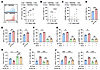 Figure 3
TESC attenuates tumor immunogenicity by disrupting antigen presentation by APCs. (A–C) CTV-labeled OT-I cells were cultured with different numbers of dead OVA-loaded Tesc Hepa1-6 cells in the presence of BMDMs for 3 days. CTV dilution (A) and OT-I cell function were analyzed (B and C) (n = 3). *P < 0.05, **P < 0.01, ***P < 0.001, and ****P < 0.0001, by 2-tailed Student’s t test. (D–G) OT-I cells were cultured with dead OVA-loaded shTesc H22 cells for 3 days, with macrophages (D and E) or with/without DCs (F and G). OT-I cell functions were analyzed (n = 3). *P < 0.05, **P < 0.01, and ***P < 0.001, by 2-tailed Student’s t test (D and E) and 1-way ANOVA (F and G). (H–J) Effects of macrophage depletion on tumor size (H) and CTL function (I and J) in shTesc H22 hepatoma–bearing mice (n = 4). *P < 0.05, **P < 0.01, and ***P < 0.001, by 1-way ANOVA. All data are presented as the mean ± SEM.
We next examined the in vivo effect of tumor-derived TESC on the immune responses mediated by APCs, with a particular focus on tissue-resident macrophages. We orthotopically implanted control or shTesc H22 cells into the livers of immunocompetent mice with or without anti-CSF1R treatment to deplete macrophages (Supplemental Figure 3, D and E). Silencing TESC significantly suppressed tumor growth, but this effect was partially reversed upon macrophage depletion (Figure 3H). Consistent with these findings, CD8+ T cells from macrophage-depleted mice presented reduced proliferative and cytotoxic activities, as indicated by decreased Ki-67, IFN-γ, and GZMB expression (Figure 3, I and J). Collectively, these findings suggest that tumor-intrinsic TESC compromises antitumor immunity by functionally targeting both DCs and macrophages.
TESC restrains CALR membrane translocation to inhibit macrophage function. The phagocytosis of dead tumor cells is the initial step for APCs to capture, process, and present antigens to T cells (13, 28). To dissect the mechanism by which intrinsic TESC downregulates tumor immunogenicity, we hypothesized that tumor-derived TESC affects the nature of APC phagocytosis and, in turn, impairs APC-mediated antigen presentation and T cell activation. We tested this hypothesis by coculturing macrophages with GFP-labeled dead H22 cells or TESC-deficient H22 cells for 20 hours and assessed phagocytic uptake by quantifying intracellular GFP levels. Compared with control H22 cells, macrophages exposed to shTesc cells presented a marked increase in GFP accumulation (Figure 4A), a result also observed in vivo (Supplemental Figure 4A). This suggests that tumor-derived TESC inhibits macrophage-mediated engulfment and phagocytosis of dead tumor cells.
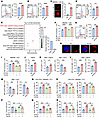 Figure 4
TESC restrains CALR membrane translocation to inhibit macrophage function. (A) FACS analysis of GFP in BMDMs cultured with dead GFP-labeled shTesc H22 cells (n = 3). ****P < 0.0001, by 2-tailed Student’s t test. (B and C) BMDMs were cultured with dead shTesc H22 cells for 20 hours, followed by pHrodo Red FACS analysis and LysoTracker confocal imaging (n = 3). Scale bar: 10 μm. **P < 0.01 and ****P < 0.0001, by 2-tailed Student’s t test. (D) FACS analysis of H-2Kb–OVA complexes in BMDMs cultured with dead OVA-loaded shTesc H22 cells for 48 hours (n = 3). *P < 0.05, by 2-tailed Student’s t test. (E) Top 10 GO biological processes enriched in shTesc H22 cells by DIA-MS proteomics, with the top pathway involving CALR and TAP1. Fisher’s exact test was used to assess significance. (F) FACS analysis of pHrodo Red in BMDMs cultured with dead TAP1-silenced (shTap1)-transfected shTesc H22 cells (n = 3). ****P < 0.0001, by 1-way ANOVA. (G and H) FACS and confocal analysis of CALR expression in shTesc H22 cells (n = 3). Scale bar: 10 μm. **P < 0.01, by 2-tailed Student’s t test. (I) FACS analysis of pHrodo Red in BMDMs cultured with dead CALR-silenced (shCalr-transfected) shTesc H22 cells (n = 3). **P < 0.01 and ****P < 0.0001, by 1-way ANOVA. (J) FACS analysis of CALR expression in shTESC HepG2 cells (n = 3). ***P < 0.001, by 2-tailed Student’s t test. (K–M) FACS analysis of GFP, HLA-ABC, and HLA-DR in macrophages (MΦs) cultured with dead GFP-labeled shTESC HepG2 or TESC Huh7 cells (n = 3). *P < 0.05, **P < 0.01, and ***P < 0.001, by 2-tailed Student’s t test. (N and O) Functional analysis of OT-I cells cultured with dead OVA-loaded, shCalr-transfected shTesc H22 cells and macrophages for 3 days (n = 3). *P < 0.05 and **P < 0.01, by 1-way ANOVA. (P–R) Tumor size and CTL function were analyzed after inoculation of shCalr-transfected shTesc H22 cells (n = 5). *P < 0.05, **P < 0.01, and ***P < 0.001, by 1-way ANOVA. All data are presented as the mean ± SEM.
We next evaluated the effects of tumor-derived TESC on macrophage-mediated engulfment and phagocytosis over time (29). Similar to the above experiment (Figure 4A), we incubated macrophages with dead H22 or shTesc H22 cells for 20 hours, pulsed them with pHrodo Red–labeled particles for 20 minutes and monitored them for 40 minutes. pHrodo Red dye is pH sensitive, and its fluorescence increases in acidic phagosomes (30). We monitored red fluorescence in the macrophages and observed more beads in the phagosomes of the macrophages cultured with dead TESC-deficient cells than in those cultured with dead H22 cells (Figure 4B). We performed similar experiments with dead Hepa1-6 cells and Tesc Hepa1-6 cells (Supplemental Figure 4B). These data suggest that tumor-derived TESC potentially alters persistent macrophage-mediated phagocytosis. We stained macrophages with LysoTracker Deep Red, a fluorescent dye that labels acidic lysosomal compartments, to further validate this result. Confocal microscopy revealed the beads within the macrophages (Figure 4C), and the LysoTracker fluorescence intensity at the bead-containing phagosomes served as a readout for maturation. Compared with macrophages cultured with dead WT H22 cells, we detected an increase in LysoTracker fluorescence intensity at the bead areas in phagosomes in macrophages incubated with dead TESC-deficient H22 cells, suggesting induced phagosome maturation (Figure 4C). We further questioned whether the negative effect of tumor-derived TESC on macrophage phagocytosis is involved in impaired antigen presentation. We tested this hypothesis by coculturing macrophages with dead OVA-expressing H22 cells and shTesc-OVA H22 cells. Compared with those cocultured with WT H22 cells, macrophages exposed to shTesc-OVA H22 cells showed elevated levels of OVA–MHC-I complexes (Figure 4D). In contrast, macrophages incubated with TESC-overexpressing Hepa1-6 cells presented reduced OVA–MHC-I presentation (Supplemental Figure 4C), which is consistent with the findings described above, demonstrating the negative role of tumor-derived TESC in antigen-specific T cell activation (Figure 3, A–C). Consistent with the in vitro findings, TESC silencing in H22 tumors markedly increased the proportion of MHC-I+ and MHC-II+F4/80+ macrophages (Supplemental Figure 4D), whereas TESC overexpression in Hepa1-6 tumors decreased this population (Supplemental Figure 4E), indicating the upregulation of TESC impaired macrophage antigen-presenting capacity. In support of this observation, the scRNA-seq analysis (GSE151530) of human HCC tumors revealed that high TESC expression in malignant cells was associated with reduced phagocytosis and antigen presentation scores in tumor-associated macrophages (Supplemental Figure 4, F and G). Taken together, these results suggest that tumor-intrinsic TESC targets macrophage phagocytosis, resulting in reduced antigen presentation and T cell activation.
We next investigated how tumor-intrinsic TESC affects macrophage phagocytosis. Given that TESC had no direct effect on APC-mediated T cell activation, we hypothesized that tumor-intrinsic TESC may indirectly regulate macrophage phagocytosis through an interaction partner. To identify the potential partners of TESC at the protein level, we performed data-independent acquisition (DIA) proteomics profiling of shTesc and control H22 cells. Gene Ontology analysis revealed a significant upregulation of MHC class I peptide–loaded components, particularly transporter associated with antigen processing (TAP1), in shTesc cells (Figure 4E and Supplemental Figure 4, H and I). However, TAP1 silencing failed to alter macrophage-mediated phagocytosis or OVA–MHC-I presentation in the shTesc context (Figure 4F and Supplemental Figure 4, J and K), suggesting that TAP1 is not essential in this process. Notably, proteomics analysis revealed CALR as the most prominently altered phagocytosis-related signal upon TESC knockdown (Supplemental Figure 4L), whereas other canonical “eat-me” or “don’t-eat-me” molecules showed no significant changes, suggesting a selective effect of TESC on the CALR axis. Consistently, surface CALR exposure was markedly increased in TESC-deficient H22 cells but reduced in TESC-overexpressing Hepa1-6 cells (Figure 4, E, G, and H, and Supplemental Figure 4, H, I, and M), whereas CD47 expression levels remained comparable between shTesc H22 and TESC-overexpressing Hepa1-6 cells and their respective controls (Supplemental Figure 4, H, I, and N). Given that membrane CALR functions as an “eat-me” signal and facilitates APC phagocytosis (19, 31, 32), we hypothesized that TESC may regulate phagocytosis through the modulation of CALR membrane translocation. As expected, CALR silencing in TESC-deficient H22 cells markedly diminished phagocytic bead uptake and antigen presentation, which was comparable to the reduction observed in shCalr H22 cells (Figure 4I and Supplemental Figure 4, O and P). To extend these findings to human HCC, we generated TESC-silenced HepG2 cells and TESC-overexpressing Huh7 cells (Supplemental Figure 4Q and 4R) and found that manipulation of TESC expression in both models resulted in concordant changes in CALR surface exposure: TESC silencing in HepG2 significantly increased CALR membrane localization, whereas TESC overexpression in Huh7 markedly reduced CALR surface exposure (Figure 4J and Supplemental Figure 4S). Consistently, macrophages and DCs differentiated from human peripheral blood monocytes exhibited increased phagocytosis of GFP-labeled TESC-silenced HepG2 cells, accompanied by elevated HLA-ABC and HLA-DR expression, whereas the opposite effect was observed in the coculture system with TESC-overexpressing Huh7 cells (Figure 4, K–M, and Supplemental Figure 4, T–V).
To determine the functional consequence of CALR in CD8+ T cell immunity, we cultured OT-I cells with macrophages in the presence of OVA-loaded dead tumor cells. TESC-deficient H22 cells induced robust OT-I proliferation and activation, as evidenced by increased Ki-67, IFN-γ, and GZMB expression, whereas CALR silencing abolished these effects (Figure 4, N and O). Similarly, in vivo, CD8+ T cell–mediated cytotoxicity toward TESC-deficient hepatomas was abrogated by concomitant CALR silencing, leading to tumor growth rates comparable to those of controls (Figure 4, P–R). Moreover, RNA-seq of macrophages that had engulfed TESC-overexpressing versus control tumor cells (Genome Sequence Archive [GSA]: CRA037701) revealed that broad suppression of gene programs related to actin cytoskeletal dynamics, ion channel activity, APC costimulation and maturation (CD40, CD86, MHC class I and II), and cytokine production, including IL-6 (Supplemental Figure 4W). Collectively, these results demonstrate that tumor-intrinsic TESC restrains CALR membrane translocation, thereby suppressing macrophage phagocytosis and antigen presentation and dampening CD8+ T cell–mediated antitumor immunity
TESC regulates CALR surface exposure by modulating calcium homeostasis and attenuating ER stress. Having established the importance of TESC in modulating CALR surface exposure and thereby governing macrophage-mediated phagocytosis and antigen presentation, we next sought to elucidate the underlying molecular mechanism. CALR is a key ER-resident chaperone that is essential for maintaining protein-folding homeostasis (33). Upon ER stress activation, CALR can be aberrantly translocated to the cell surface via the unfolded protein response (UPR), where it acts as a canonical “eat-me” signal to facilitate immune recognition and phagocytosis (33, 34). To determine whether TESC influences CALR membrane exposure by regulating ER stress, we first examined UPR pathway activation in cells with different levels of TESC expression. Immunoblot analyses revealed that TESC silencing robustly activated UPR signaling, whereas TESC overexpression markedly attenuated ER stress (Figure 5A). Treatment of shTesc and NC H22 cells with the ER stress inhibitor TUDCA abolished the increase in CALR surface exposure induced by TESC depletion (Figure 5B), indicating that TESC limits CALR membrane translocation through the suppression of ER stress. TESC contains a canonical EF-hand domain capable of binding cytosolic Ca2+ (35). Given the central role of calcium signaling in UPR activation and ER homeostasis (36, 37), we hypothesized that TESC buffers excess cytosolic Ca2+, thereby preventing ER Ca2+ overload and subsequent stress responses. We tested this hypothesis using the ER-specific calcium probe Mag–Fluo-4–AM to quantify ER luminal Ca2+ levels. Notably, TESC deficiency increased ER Ca2+ accumulation, whereas TESC overexpression reduced ER Ca2+ levels (Figure 5C and Supplemental Figure 5, A and B), suggesting that TESC restricts Ca2+ influx into the ER to maintain homeostasis. We next asked whether cytosolic calcium is required for the ability of TESC to regulate macrophage phagocytosis and antigen presentation. The chelation of cytosolic Ca2+ with BAPTA significantly alleviated ER stress and CALR membrane exposure in TESC-deficient cells (Figure 5, D and E). Importantly, the direct alleviation of ER stress did not significantly alter ER Ca2+ levels (Figure 5F and Supplemental Figure 5C), indicating that Ca2+ overload preceded UPR activation, not vice versa. These findings support a model in which TESC regulates CALR membrane translocation by maintaining cytosol-to-ER calcium homeostasis.
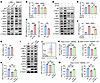 Figure 5
TESC regulates CALR surface exposure by modulating calcium homeostasis and attenuating ER stress. (A) Immunoblot analysis of ER stress signaling activation in shTesc H22 or Tesc Hepa1-6 cells. (B) FACS analysis of CALR expression in shTesc H22 cells treated with TUDCA for 24 hours (n = 3). ****P < 0.0001, by 1-way ANOVA. (C) FACS analysis of ER calcium level in shTesc H22 or Tesc Hepa1-6 cells stained with Mag–Fluo-4–AM (n = 3). **P < 0.01 and ****P < 0.0001, by 2-tailed Student’s t test. (D) Immunoblot analysis of ER stress signaling activation in shTesc H22 cells left untreated or incubated with BAPTA for 1 hour. (E) FACS analysis of CALR expression in shTesc H22 cells treated with BAPTA for 1 hour (n = 3). ***P < 0.001 and ****P < 0.0001, by 1way ANOVA. (F) FACS analysis of ER calcium levels in shTesc H22 cells left untreated or incubated with TUDCA for 24 hours (n = 3). ****P < 0.0001,by 1-way ANOVA. (G) FACS analysis of ROS level in shTesc H22 cells (n = 3). Significance was determined by 2-tailed Student’s t test. (H) FACS analysis of ER calcium level in Tesc- or D128A point mutant TESC-overexpressing [Tesc (D128A)] Hepa1-6 cells (n = 3). *P < 0.05 and **P < 0.01, by 1-way ANOVA. (I) Immunoblot analysis of ER stress signaling activation in Tesc or Tesc (D128A) Hepa1-6 cells. (J) FACS analysis of CALR expression in Tesc or Tesc (D128A) Hepa1-6 cells (n = 3). **P < 0.01, by 1-way ANOVA. (K) FACS analysis of H-2Kb–OVA complexes in BMDMs cultured with dead OVA-loaded Tesc or Tesc (D128A) Hepa1-6 cells for 48 hours (n = 3). ***P < 0.001 and ****P < 0.0001, by 1-way ANOVA. (L and M) Functional analysis of OT-I cells cultured with dead OVA-loaded Tesc or Tesc (D128A) Hepa1-6 cells and macrophages for 3 days (n = 3). *P < 0.05 and **P < 0.01, by 1-way ANOVA. All data are presented as the mean ± SEM.
Calcium overload may also perturb mitochondrial homeostasis, leading to elevated mitochondrial Ca2+ and ROS production, which secondarily activate the UPR (37–39). We further assessed mitochondrial Ca2+ levels using Rhod-2–AM and intracellular ROS levels in cells with different TESC expression levels to exclude this alternative pathway. Neither parameter changed significantly (Figure 5G and Supplemental Figure 5, A and B), suggesting that TESC regulates the UPR predominantly through the cytosol/ER calcium axis rather than via mitochondrial dysfunction. To further determine whether the calcium-binding ability of TESC is essential for its function, we generated a point mutation (D128A) in the EF-hand domain known to disrupt calcium coordination (35). This mutant failed to suppress ER Ca2+ accumulation (Figure 5H), reinstated UPR activation (Figure 5I), and restored CALR membrane translocation (Figure 5J), despite its overexpression. Consistent with our previous results (Figure 3, A–C, and Supplemental Figure 4C), macrophages exposed to TESC-overexpressing cells had significantly greater suppressed antigen presentation and T cell activation than did Hepa1-6 cells, whereas the D128A mutation abolished these effects (Figure 5, K–M). Thus, TESC restricts ER stress–induced CALR exposure by buffering cytosolic Ca2+, thereby suppressing macrophage phagocytosis and antitumor immunity in HCC.
Targeting H3K4me3-induced TESC overcomes immune suppression and potentiates the efficacy of PD-1 combination therapy in HCC. Epigenetic modifications, including DNA methylation, histone modifications, and chromatin remodeling, are critical regulators of gene regulation and cellular plasticity (40). To explore whether TESC expression is epigenetically regulated, we analyzed HCC epigenetic alterations from TCGA dataset and observed a strong positive correlation between TESC expression and the expression of multiple histone methyltransferases (Figure 6A), suggesting a role for histone methylation in the control of TESC transcription. Consistently, an analysis of the MethMarkerDB database revealed a positive association between TESC expression and promoter DNA methylation (Figure 6B). ChIP sequencing data from normal human liver tissues (ENCSR000FYQ) showed marked enrichment of H3K4me1 and H3K4me3 at the TESC promoter region (Supplemental Figure 6A). Targeted inhibition of H3K4me3 using the selective antagonist OICR-9429 markedly suppressed TESC expression in both H22 and HepG2 cells in a dose-dependent manner (Figure 6C and Supplemental Figure 6B), whereas pharmacologic blockade of H3K4me1 had no effect (Figure 6D and Supplemental Figure 6C). Consistently, ChIP–quantitative PCR (qPCR) analysis confirmed robust H3K4me3 occupancy at the TESC promoter, supporting a direct role for H3K4me3 in driving TESC transcription (Figure 6E). Notably, TESC knockdown and overexpression did not alter global H3K4me3 levels (Supplemental Figure 6D), suggesting that H3K4me3 acted upstream of TESC and not vice versa. Similarly, in mice bearing Hepa1-6 hepatoma, injection of OICR-9429 effectively reduced tumor TESC expression (Supplemental Figure 6, E and F). Importantly, OICR-9429 treatment restored antigen presentation by tumor-associated macrophages and rescued CD8+ T cell effector responses previously suppressed by TESC (Figure 6, F–H), indicating that pharmacological targeting of TESC can reinvigorate antitumor immunity. Notably, in HCC tissues derived from patients receiving anti–PD-1 therapy, low TESC expression was associated with reduced H3K4me3 levels, increased ER stress, increased CALR surface exposure, enhanced macrophage antigen presentation, and increased CD8+ T cell cytotoxic activity (Figure 6, I and J). Accordingly, intratumoral H3K4me3 expression showed an acceptable ability to predict the response to immunotherapy (AUC = 0.75, P < 0.05), and reduced intratumoral H3K4me3 levels in patients with HCC significantly correlated with improved OS after immunotherapy (Figure 6K and Supplemental Figure 6G), suggesting that this epigenetic axis is a key determinant of immune responsiveness.
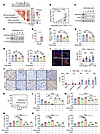 Figure 6
Targeting H3K4me3-induced TESC overcomes immune suppression and potentiates the efficacy of PD-1 combination therapy in HCC. (A) Heatmap of correlations between TESC expression and epigenetic regulator–related genes (TCGA-HCC). (B) Scatter plot from the MethMarkerDB database showing the relationship between TESC methylation and expression. Pearson’s correlation coefficient was applied. (C and D) Immunoblot analysis of TESC and H3K4me3 or H3K4me1 expression in H22 cells treated with OICR-9429 or isoginkgetin for 24 hours. (E) ChIP-qPCR showing the binding of H3K4me3 to TESC promoter in H22 cells (n = 3). *P < 0.05, by 2-tailed Student’s t test. (F–H) Tesc Hepa1-6 hepatoma–bearing mice were untreated or injected with OICR-9429 (n = 5). H-2Kb levels in macrophages (F) and CTL function (G and H) were analyzed. **P < 0.01, by 1-way ANOVA. (I and J) Cohort 3 HCC patients were grouped by median TESC expression. Tumor TESC, H3K4me3, phosphorylated IRE1α (p-IRE1α), p-PERK, and CALR levels were analyzed by IHC. MHC-I+ macrophages and GZMB+ CTLs were analyzed by immunofluorescence. Scale bars: 50 μm. *P < 0.05, **P < 0.01, and ***P < 0.001, by 2-tailed Student’s t test. (K) Correlation of H3K4me3 levels with OS of cohort 3 HCC patients grouped by median H3K4me3 expression. (L–O) Tesc H22 hepatoma–bearing mice were untreated or injected with OICR-9429, anti–PD-1 antibody, or their combination (n = 5). Tumor size (L), H-2Kb levels in macrophages (M), and CTL function (N and O) were analyzed. *P < 0.05, **P < 0.01, ***P < 0.001, and ****P < 0.0001, by 1-way ANOVA. All data are presented as the mean ± SEM.
Since H3K4me3 drives transcription and impairs immune activation, we next tested whether targeting this epigenetic axis could increase the efficacy of PD-1 blockade in tumors. In an orthotopic Tesc H22 hepatoma model, treatment with the selective H3K4me3 inhibitor OICR-9429, the anti–PD-1 antibody, or their combination led to the suppression of TESC expression and tumor growth (Figure 6L and Supplemental Figure 6H), with the greatest therapeutic benefit observed in the combination group (Figure 6L) The combination of OICR-9429 and anti–PD-1 antibody was found to be safe (Supplemental Figure 6I). This response was associated with enhanced macrophage-mediated antigen presentation and improved CD8+ T cell effector function, as indicated by increased expression of H-2Kb, Ki-67, IFN-γ, and GZMB (Figure 6, M–O). Notably, these immune enhancements and antitumor effects were abolished in TESC-overexpressing tumors, confirming that the therapeutic efficacy of OICR-9429 depends on effective TESC inhibition (Figure 6, M–O). In a sgP53/Myc-driven spontaneous hepatoma model characterized by intrinsic resistance to ICB, enforced TESC overexpression further exacerbated resistance to both anti–PD-1 monotherapy and combined OICR-9429 and anti–PD-1 treatment, accompanied by reduced macrophage antigen-presenting capacity and impaired CTL function (Supplemental Figure 6, J–O). Moreover, in an acquired anti–PD-1–resistant orthotopic hepatoma model established through iterative cycles of anti–PD-1 treatment followed by tumor re-isolation and re-implantation (Supplemental Figure 6P), TESC expression was markedly elevated in the resistant tumor (Supplemental Figure 6Q), and pharmacological inhibition of TESC using OICR-9429 significantly restored sensitivity to anti–PD-1 therapy (Supplemental Figure 6R). Thus, H3K4me3-driven TESC functions as an epigenetic barrier to antitumor immunity in HCC and represents a target for combination therapy.


Copyright © 2026 American Society for Clinical Investigation
ISSN: 0021-9738 (print), 1558-8238 (online)