
Advertisement
Research ArticleBone biologyImmunologyMuscle biology
Open Access |  10.1172/JCI193797
Activin A secretion by muscle-repairing macrophages induces heterotopic ossification in mice
Wenqiang Yin,1 Kazuo Okamoto,2,3,4 Asuka Terashima,2,5 Warunee Pluemsakunthai,1 Takehito Ono,1,6 Taku Ito-Kureha,1 Shizuo Akira,7 Yoshinobu Hashizume,8 Roland Baron,9 Satoshi Ueha,10 Kouji Matsushima,10 Martin M. Matzuk,11 Yuji Mishina,12 and Hiroshi Takayanagi1
1Department of Immunology and
2Department of Osteoimmunology, Graduate School of Medicine and Faculty of Medicine, The University of Tokyo, Tokyo, Japan.
3Division of Immune Environment Dynamics, Cancer Research Institute, and
4Immune Network Research Unit, Institute for Frontier Science Initiative InFiniti, Kanazawa University, Kanazawa, Japan.
5Bone and Cartilage Regenerative Medicine, The University of Tokyo Hospital, Tokyo, Japan.
6Laboratory of Drug Discovery and Pharmacology, Faculty of Veterinary Medicine, Okayama University of Science, Imabari, Japan.
7Laboratory of Host Defense, Immunology Frontier Research Center, The University of Osaka, Osaka, Japan.
8RIKEN Program for Drug Discovery and Medical Technology Platforms, RIKEN TRIP Headquarters, Wako, Japan.
9Department of Medicine, Harvard Medical School, Massachusetts General Hospital, Endocrine Division, and Department of Oral Medicine, Infection, and Immunity, Harvard School of Dental Medicine, Boston, Massachusetts, USA.
10Division of Molecular Regulation of Inflammatory and Immune Diseases, Research Institute for Biomedical Sciences, Tokyo University of Science, Chiba, Japan.
11Center for Drug Discovery, Department of Pathology & Immunology, Baylor College of Medicine, Houston, Texas, USA.
12Department of Biologic and Materials Sciences & Prosthodontics, University of Michigan School of Dentistry, Ann Arbor, Michigan, USA.
Address correspondence to: Hiroshi Takayanagi, The University of Tokyo, 7-3-1, Hongo Bunkyo-ku, Tokyo 113-0033, Japan. Phone: 81.3.5841.3373; Email: takayana@m.u-tokyo.ac.jp. Or to: Kazuo Okamoto, Kanazawa University, Kakuma-machi, Kanazawa, Ishikawa 920-1192, Japan. Phone: 81.76.264.6726; Email: okamotok@staff.kanazawa-u.ac.jp.
Find articles by Yin, W. in: PubMed | Google Scholar
1Department of Immunology and
2Department of Osteoimmunology, Graduate School of Medicine and Faculty of Medicine, The University of Tokyo, Tokyo, Japan.
3Division of Immune Environment Dynamics, Cancer Research Institute, and
4Immune Network Research Unit, Institute for Frontier Science Initiative InFiniti, Kanazawa University, Kanazawa, Japan.
5Bone and Cartilage Regenerative Medicine, The University of Tokyo Hospital, Tokyo, Japan.
6Laboratory of Drug Discovery and Pharmacology, Faculty of Veterinary Medicine, Okayama University of Science, Imabari, Japan.
7Laboratory of Host Defense, Immunology Frontier Research Center, The University of Osaka, Osaka, Japan.
8RIKEN Program for Drug Discovery and Medical Technology Platforms, RIKEN TRIP Headquarters, Wako, Japan.
9Department of Medicine, Harvard Medical School, Massachusetts General Hospital, Endocrine Division, and Department of Oral Medicine, Infection, and Immunity, Harvard School of Dental Medicine, Boston, Massachusetts, USA.
10Division of Molecular Regulation of Inflammatory and Immune Diseases, Research Institute for Biomedical Sciences, Tokyo University of Science, Chiba, Japan.
11Center for Drug Discovery, Department of Pathology & Immunology, Baylor College of Medicine, Houston, Texas, USA.
12Department of Biologic and Materials Sciences & Prosthodontics, University of Michigan School of Dentistry, Ann Arbor, Michigan, USA.
Address correspondence to: Hiroshi Takayanagi, The University of Tokyo, 7-3-1, Hongo Bunkyo-ku, Tokyo 113-0033, Japan. Phone: 81.3.5841.3373; Email: takayana@m.u-tokyo.ac.jp. Or to: Kazuo Okamoto, Kanazawa University, Kakuma-machi, Kanazawa, Ishikawa 920-1192, Japan. Phone: 81.76.264.6726; Email: okamotok@staff.kanazawa-u.ac.jp.
Find articles by Okamoto, K. in: PubMed | Google Scholar
1Department of Immunology and
2Department of Osteoimmunology, Graduate School of Medicine and Faculty of Medicine, The University of Tokyo, Tokyo, Japan.
3Division of Immune Environment Dynamics, Cancer Research Institute, and
4Immune Network Research Unit, Institute for Frontier Science Initiative InFiniti, Kanazawa University, Kanazawa, Japan.
5Bone and Cartilage Regenerative Medicine, The University of Tokyo Hospital, Tokyo, Japan.
6Laboratory of Drug Discovery and Pharmacology, Faculty of Veterinary Medicine, Okayama University of Science, Imabari, Japan.
7Laboratory of Host Defense, Immunology Frontier Research Center, The University of Osaka, Osaka, Japan.
8RIKEN Program for Drug Discovery and Medical Technology Platforms, RIKEN TRIP Headquarters, Wako, Japan.
9Department of Medicine, Harvard Medical School, Massachusetts General Hospital, Endocrine Division, and Department of Oral Medicine, Infection, and Immunity, Harvard School of Dental Medicine, Boston, Massachusetts, USA.
10Division of Molecular Regulation of Inflammatory and Immune Diseases, Research Institute for Biomedical Sciences, Tokyo University of Science, Chiba, Japan.
11Center for Drug Discovery, Department of Pathology & Immunology, Baylor College of Medicine, Houston, Texas, USA.
12Department of Biologic and Materials Sciences & Prosthodontics, University of Michigan School of Dentistry, Ann Arbor, Michigan, USA.
Address correspondence to: Hiroshi Takayanagi, The University of Tokyo, 7-3-1, Hongo Bunkyo-ku, Tokyo 113-0033, Japan. Phone: 81.3.5841.3373; Email: takayana@m.u-tokyo.ac.jp. Or to: Kazuo Okamoto, Kanazawa University, Kakuma-machi, Kanazawa, Ishikawa 920-1192, Japan. Phone: 81.76.264.6726; Email: okamotok@staff.kanazawa-u.ac.jp.
Find articles by Terashima, A. in: PubMed | Google Scholar
1Department of Immunology and
2Department of Osteoimmunology, Graduate School of Medicine and Faculty of Medicine, The University of Tokyo, Tokyo, Japan.
3Division of Immune Environment Dynamics, Cancer Research Institute, and
4Immune Network Research Unit, Institute for Frontier Science Initiative InFiniti, Kanazawa University, Kanazawa, Japan.
5Bone and Cartilage Regenerative Medicine, The University of Tokyo Hospital, Tokyo, Japan.
6Laboratory of Drug Discovery and Pharmacology, Faculty of Veterinary Medicine, Okayama University of Science, Imabari, Japan.
7Laboratory of Host Defense, Immunology Frontier Research Center, The University of Osaka, Osaka, Japan.
8RIKEN Program for Drug Discovery and Medical Technology Platforms, RIKEN TRIP Headquarters, Wako, Japan.
9Department of Medicine, Harvard Medical School, Massachusetts General Hospital, Endocrine Division, and Department of Oral Medicine, Infection, and Immunity, Harvard School of Dental Medicine, Boston, Massachusetts, USA.
10Division of Molecular Regulation of Inflammatory and Immune Diseases, Research Institute for Biomedical Sciences, Tokyo University of Science, Chiba, Japan.
11Center for Drug Discovery, Department of Pathology & Immunology, Baylor College of Medicine, Houston, Texas, USA.
12Department of Biologic and Materials Sciences & Prosthodontics, University of Michigan School of Dentistry, Ann Arbor, Michigan, USA.
Address correspondence to: Hiroshi Takayanagi, The University of Tokyo, 7-3-1, Hongo Bunkyo-ku, Tokyo 113-0033, Japan. Phone: 81.3.5841.3373; Email: takayana@m.u-tokyo.ac.jp. Or to: Kazuo Okamoto, Kanazawa University, Kakuma-machi, Kanazawa, Ishikawa 920-1192, Japan. Phone: 81.76.264.6726; Email: okamotok@staff.kanazawa-u.ac.jp.
Find articles by Pluemsakunthai, W. in: PubMed | Google Scholar
1Department of Immunology and
2Department of Osteoimmunology, Graduate School of Medicine and Faculty of Medicine, The University of Tokyo, Tokyo, Japan.
3Division of Immune Environment Dynamics, Cancer Research Institute, and
4Immune Network Research Unit, Institute for Frontier Science Initiative InFiniti, Kanazawa University, Kanazawa, Japan.
5Bone and Cartilage Regenerative Medicine, The University of Tokyo Hospital, Tokyo, Japan.
6Laboratory of Drug Discovery and Pharmacology, Faculty of Veterinary Medicine, Okayama University of Science, Imabari, Japan.
7Laboratory of Host Defense, Immunology Frontier Research Center, The University of Osaka, Osaka, Japan.
8RIKEN Program for Drug Discovery and Medical Technology Platforms, RIKEN TRIP Headquarters, Wako, Japan.
9Department of Medicine, Harvard Medical School, Massachusetts General Hospital, Endocrine Division, and Department of Oral Medicine, Infection, and Immunity, Harvard School of Dental Medicine, Boston, Massachusetts, USA.
10Division of Molecular Regulation of Inflammatory and Immune Diseases, Research Institute for Biomedical Sciences, Tokyo University of Science, Chiba, Japan.
11Center for Drug Discovery, Department of Pathology & Immunology, Baylor College of Medicine, Houston, Texas, USA.
12Department of Biologic and Materials Sciences & Prosthodontics, University of Michigan School of Dentistry, Ann Arbor, Michigan, USA.
Address correspondence to: Hiroshi Takayanagi, The University of Tokyo, 7-3-1, Hongo Bunkyo-ku, Tokyo 113-0033, Japan. Phone: 81.3.5841.3373; Email: takayana@m.u-tokyo.ac.jp. Or to: Kazuo Okamoto, Kanazawa University, Kakuma-machi, Kanazawa, Ishikawa 920-1192, Japan. Phone: 81.76.264.6726; Email: okamotok@staff.kanazawa-u.ac.jp.
Find articles by Ono, T. in: PubMed | Google Scholar
1Department of Immunology and
2Department of Osteoimmunology, Graduate School of Medicine and Faculty of Medicine, The University of Tokyo, Tokyo, Japan.
3Division of Immune Environment Dynamics, Cancer Research Institute, and
4Immune Network Research Unit, Institute for Frontier Science Initiative InFiniti, Kanazawa University, Kanazawa, Japan.
5Bone and Cartilage Regenerative Medicine, The University of Tokyo Hospital, Tokyo, Japan.
6Laboratory of Drug Discovery and Pharmacology, Faculty of Veterinary Medicine, Okayama University of Science, Imabari, Japan.
7Laboratory of Host Defense, Immunology Frontier Research Center, The University of Osaka, Osaka, Japan.
8RIKEN Program for Drug Discovery and Medical Technology Platforms, RIKEN TRIP Headquarters, Wako, Japan.
9Department of Medicine, Harvard Medical School, Massachusetts General Hospital, Endocrine Division, and Department of Oral Medicine, Infection, and Immunity, Harvard School of Dental Medicine, Boston, Massachusetts, USA.
10Division of Molecular Regulation of Inflammatory and Immune Diseases, Research Institute for Biomedical Sciences, Tokyo University of Science, Chiba, Japan.
11Center for Drug Discovery, Department of Pathology & Immunology, Baylor College of Medicine, Houston, Texas, USA.
12Department of Biologic and Materials Sciences & Prosthodontics, University of Michigan School of Dentistry, Ann Arbor, Michigan, USA.
Address correspondence to: Hiroshi Takayanagi, The University of Tokyo, 7-3-1, Hongo Bunkyo-ku, Tokyo 113-0033, Japan. Phone: 81.3.5841.3373; Email: takayana@m.u-tokyo.ac.jp. Or to: Kazuo Okamoto, Kanazawa University, Kakuma-machi, Kanazawa, Ishikawa 920-1192, Japan. Phone: 81.76.264.6726; Email: okamotok@staff.kanazawa-u.ac.jp.
Find articles by Ito-Kureha, T. in: PubMed | Google Scholar
1Department of Immunology and
2Department of Osteoimmunology, Graduate School of Medicine and Faculty of Medicine, The University of Tokyo, Tokyo, Japan.
3Division of Immune Environment Dynamics, Cancer Research Institute, and
4Immune Network Research Unit, Institute for Frontier Science Initiative InFiniti, Kanazawa University, Kanazawa, Japan.
5Bone and Cartilage Regenerative Medicine, The University of Tokyo Hospital, Tokyo, Japan.
6Laboratory of Drug Discovery and Pharmacology, Faculty of Veterinary Medicine, Okayama University of Science, Imabari, Japan.
7Laboratory of Host Defense, Immunology Frontier Research Center, The University of Osaka, Osaka, Japan.
8RIKEN Program for Drug Discovery and Medical Technology Platforms, RIKEN TRIP Headquarters, Wako, Japan.
9Department of Medicine, Harvard Medical School, Massachusetts General Hospital, Endocrine Division, and Department of Oral Medicine, Infection, and Immunity, Harvard School of Dental Medicine, Boston, Massachusetts, USA.
10Division of Molecular Regulation of Inflammatory and Immune Diseases, Research Institute for Biomedical Sciences, Tokyo University of Science, Chiba, Japan.
11Center for Drug Discovery, Department of Pathology & Immunology, Baylor College of Medicine, Houston, Texas, USA.
12Department of Biologic and Materials Sciences & Prosthodontics, University of Michigan School of Dentistry, Ann Arbor, Michigan, USA.
Address correspondence to: Hiroshi Takayanagi, The University of Tokyo, 7-3-1, Hongo Bunkyo-ku, Tokyo 113-0033, Japan. Phone: 81.3.5841.3373; Email: takayana@m.u-tokyo.ac.jp. Or to: Kazuo Okamoto, Kanazawa University, Kakuma-machi, Kanazawa, Ishikawa 920-1192, Japan. Phone: 81.76.264.6726; Email: okamotok@staff.kanazawa-u.ac.jp.
Find articles by Akira, S. in: PubMed | Google Scholar
1Department of Immunology and
2Department of Osteoimmunology, Graduate School of Medicine and Faculty of Medicine, The University of Tokyo, Tokyo, Japan.
3Division of Immune Environment Dynamics, Cancer Research Institute, and
4Immune Network Research Unit, Institute for Frontier Science Initiative InFiniti, Kanazawa University, Kanazawa, Japan.
5Bone and Cartilage Regenerative Medicine, The University of Tokyo Hospital, Tokyo, Japan.
6Laboratory of Drug Discovery and Pharmacology, Faculty of Veterinary Medicine, Okayama University of Science, Imabari, Japan.
7Laboratory of Host Defense, Immunology Frontier Research Center, The University of Osaka, Osaka, Japan.
8RIKEN Program for Drug Discovery and Medical Technology Platforms, RIKEN TRIP Headquarters, Wako, Japan.
9Department of Medicine, Harvard Medical School, Massachusetts General Hospital, Endocrine Division, and Department of Oral Medicine, Infection, and Immunity, Harvard School of Dental Medicine, Boston, Massachusetts, USA.
10Division of Molecular Regulation of Inflammatory and Immune Diseases, Research Institute for Biomedical Sciences, Tokyo University of Science, Chiba, Japan.
11Center for Drug Discovery, Department of Pathology & Immunology, Baylor College of Medicine, Houston, Texas, USA.
12Department of Biologic and Materials Sciences & Prosthodontics, University of Michigan School of Dentistry, Ann Arbor, Michigan, USA.
Address correspondence to: Hiroshi Takayanagi, The University of Tokyo, 7-3-1, Hongo Bunkyo-ku, Tokyo 113-0033, Japan. Phone: 81.3.5841.3373; Email: takayana@m.u-tokyo.ac.jp. Or to: Kazuo Okamoto, Kanazawa University, Kakuma-machi, Kanazawa, Ishikawa 920-1192, Japan. Phone: 81.76.264.6726; Email: okamotok@staff.kanazawa-u.ac.jp.
Find articles by Hashizume, Y. in: PubMed | Google Scholar
1Department of Immunology and
2Department of Osteoimmunology, Graduate School of Medicine and Faculty of Medicine, The University of Tokyo, Tokyo, Japan.
3Division of Immune Environment Dynamics, Cancer Research Institute, and
4Immune Network Research Unit, Institute for Frontier Science Initiative InFiniti, Kanazawa University, Kanazawa, Japan.
5Bone and Cartilage Regenerative Medicine, The University of Tokyo Hospital, Tokyo, Japan.
6Laboratory of Drug Discovery and Pharmacology, Faculty of Veterinary Medicine, Okayama University of Science, Imabari, Japan.
7Laboratory of Host Defense, Immunology Frontier Research Center, The University of Osaka, Osaka, Japan.
8RIKEN Program for Drug Discovery and Medical Technology Platforms, RIKEN TRIP Headquarters, Wako, Japan.
9Department of Medicine, Harvard Medical School, Massachusetts General Hospital, Endocrine Division, and Department of Oral Medicine, Infection, and Immunity, Harvard School of Dental Medicine, Boston, Massachusetts, USA.
10Division of Molecular Regulation of Inflammatory and Immune Diseases, Research Institute for Biomedical Sciences, Tokyo University of Science, Chiba, Japan.
11Center for Drug Discovery, Department of Pathology & Immunology, Baylor College of Medicine, Houston, Texas, USA.
12Department of Biologic and Materials Sciences & Prosthodontics, University of Michigan School of Dentistry, Ann Arbor, Michigan, USA.
Address correspondence to: Hiroshi Takayanagi, The University of Tokyo, 7-3-1, Hongo Bunkyo-ku, Tokyo 113-0033, Japan. Phone: 81.3.5841.3373; Email: takayana@m.u-tokyo.ac.jp. Or to: Kazuo Okamoto, Kanazawa University, Kakuma-machi, Kanazawa, Ishikawa 920-1192, Japan. Phone: 81.76.264.6726; Email: okamotok@staff.kanazawa-u.ac.jp.
Find articles by Baron, R. in: PubMed | Google Scholar
1Department of Immunology and
2Department of Osteoimmunology, Graduate School of Medicine and Faculty of Medicine, The University of Tokyo, Tokyo, Japan.
3Division of Immune Environment Dynamics, Cancer Research Institute, and
4Immune Network Research Unit, Institute for Frontier Science Initiative InFiniti, Kanazawa University, Kanazawa, Japan.
5Bone and Cartilage Regenerative Medicine, The University of Tokyo Hospital, Tokyo, Japan.
6Laboratory of Drug Discovery and Pharmacology, Faculty of Veterinary Medicine, Okayama University of Science, Imabari, Japan.
7Laboratory of Host Defense, Immunology Frontier Research Center, The University of Osaka, Osaka, Japan.
8RIKEN Program for Drug Discovery and Medical Technology Platforms, RIKEN TRIP Headquarters, Wako, Japan.
9Department of Medicine, Harvard Medical School, Massachusetts General Hospital, Endocrine Division, and Department of Oral Medicine, Infection, and Immunity, Harvard School of Dental Medicine, Boston, Massachusetts, USA.
10Division of Molecular Regulation of Inflammatory and Immune Diseases, Research Institute for Biomedical Sciences, Tokyo University of Science, Chiba, Japan.
11Center for Drug Discovery, Department of Pathology & Immunology, Baylor College of Medicine, Houston, Texas, USA.
12Department of Biologic and Materials Sciences & Prosthodontics, University of Michigan School of Dentistry, Ann Arbor, Michigan, USA.
Address correspondence to: Hiroshi Takayanagi, The University of Tokyo, 7-3-1, Hongo Bunkyo-ku, Tokyo 113-0033, Japan. Phone: 81.3.5841.3373; Email: takayana@m.u-tokyo.ac.jp. Or to: Kazuo Okamoto, Kanazawa University, Kakuma-machi, Kanazawa, Ishikawa 920-1192, Japan. Phone: 81.76.264.6726; Email: okamotok@staff.kanazawa-u.ac.jp.
Find articles by Ueha, S. in: PubMed | Google Scholar
1Department of Immunology and
2Department of Osteoimmunology, Graduate School of Medicine and Faculty of Medicine, The University of Tokyo, Tokyo, Japan.
3Division of Immune Environment Dynamics, Cancer Research Institute, and
4Immune Network Research Unit, Institute for Frontier Science Initiative InFiniti, Kanazawa University, Kanazawa, Japan.
5Bone and Cartilage Regenerative Medicine, The University of Tokyo Hospital, Tokyo, Japan.
6Laboratory of Drug Discovery and Pharmacology, Faculty of Veterinary Medicine, Okayama University of Science, Imabari, Japan.
7Laboratory of Host Defense, Immunology Frontier Research Center, The University of Osaka, Osaka, Japan.
8RIKEN Program for Drug Discovery and Medical Technology Platforms, RIKEN TRIP Headquarters, Wako, Japan.
9Department of Medicine, Harvard Medical School, Massachusetts General Hospital, Endocrine Division, and Department of Oral Medicine, Infection, and Immunity, Harvard School of Dental Medicine, Boston, Massachusetts, USA.
10Division of Molecular Regulation of Inflammatory and Immune Diseases, Research Institute for Biomedical Sciences, Tokyo University of Science, Chiba, Japan.
11Center for Drug Discovery, Department of Pathology & Immunology, Baylor College of Medicine, Houston, Texas, USA.
12Department of Biologic and Materials Sciences & Prosthodontics, University of Michigan School of Dentistry, Ann Arbor, Michigan, USA.
Address correspondence to: Hiroshi Takayanagi, The University of Tokyo, 7-3-1, Hongo Bunkyo-ku, Tokyo 113-0033, Japan. Phone: 81.3.5841.3373; Email: takayana@m.u-tokyo.ac.jp. Or to: Kazuo Okamoto, Kanazawa University, Kakuma-machi, Kanazawa, Ishikawa 920-1192, Japan. Phone: 81.76.264.6726; Email: okamotok@staff.kanazawa-u.ac.jp.
Find articles by Matsushima, K. in: PubMed | Google Scholar
1Department of Immunology and
2Department of Osteoimmunology, Graduate School of Medicine and Faculty of Medicine, The University of Tokyo, Tokyo, Japan.
3Division of Immune Environment Dynamics, Cancer Research Institute, and
4Immune Network Research Unit, Institute for Frontier Science Initiative InFiniti, Kanazawa University, Kanazawa, Japan.
5Bone and Cartilage Regenerative Medicine, The University of Tokyo Hospital, Tokyo, Japan.
6Laboratory of Drug Discovery and Pharmacology, Faculty of Veterinary Medicine, Okayama University of Science, Imabari, Japan.
7Laboratory of Host Defense, Immunology Frontier Research Center, The University of Osaka, Osaka, Japan.
8RIKEN Program for Drug Discovery and Medical Technology Platforms, RIKEN TRIP Headquarters, Wako, Japan.
9Department of Medicine, Harvard Medical School, Massachusetts General Hospital, Endocrine Division, and Department of Oral Medicine, Infection, and Immunity, Harvard School of Dental Medicine, Boston, Massachusetts, USA.
10Division of Molecular Regulation of Inflammatory and Immune Diseases, Research Institute for Biomedical Sciences, Tokyo University of Science, Chiba, Japan.
11Center for Drug Discovery, Department of Pathology & Immunology, Baylor College of Medicine, Houston, Texas, USA.
12Department of Biologic and Materials Sciences & Prosthodontics, University of Michigan School of Dentistry, Ann Arbor, Michigan, USA.
Address correspondence to: Hiroshi Takayanagi, The University of Tokyo, 7-3-1, Hongo Bunkyo-ku, Tokyo 113-0033, Japan. Phone: 81.3.5841.3373; Email: takayana@m.u-tokyo.ac.jp. Or to: Kazuo Okamoto, Kanazawa University, Kakuma-machi, Kanazawa, Ishikawa 920-1192, Japan. Phone: 81.76.264.6726; Email: okamotok@staff.kanazawa-u.ac.jp.
Find articles by Matzuk, M. in: PubMed | Google Scholar
1Department of Immunology and
2Department of Osteoimmunology, Graduate School of Medicine and Faculty of Medicine, The University of Tokyo, Tokyo, Japan.
3Division of Immune Environment Dynamics, Cancer Research Institute, and
4Immune Network Research Unit, Institute for Frontier Science Initiative InFiniti, Kanazawa University, Kanazawa, Japan.
5Bone and Cartilage Regenerative Medicine, The University of Tokyo Hospital, Tokyo, Japan.
6Laboratory of Drug Discovery and Pharmacology, Faculty of Veterinary Medicine, Okayama University of Science, Imabari, Japan.
7Laboratory of Host Defense, Immunology Frontier Research Center, The University of Osaka, Osaka, Japan.
8RIKEN Program for Drug Discovery and Medical Technology Platforms, RIKEN TRIP Headquarters, Wako, Japan.
9Department of Medicine, Harvard Medical School, Massachusetts General Hospital, Endocrine Division, and Department of Oral Medicine, Infection, and Immunity, Harvard School of Dental Medicine, Boston, Massachusetts, USA.
10Division of Molecular Regulation of Inflammatory and Immune Diseases, Research Institute for Biomedical Sciences, Tokyo University of Science, Chiba, Japan.
11Center for Drug Discovery, Department of Pathology & Immunology, Baylor College of Medicine, Houston, Texas, USA.
12Department of Biologic and Materials Sciences & Prosthodontics, University of Michigan School of Dentistry, Ann Arbor, Michigan, USA.
Address correspondence to: Hiroshi Takayanagi, The University of Tokyo, 7-3-1, Hongo Bunkyo-ku, Tokyo 113-0033, Japan. Phone: 81.3.5841.3373; Email: takayana@m.u-tokyo.ac.jp. Or to: Kazuo Okamoto, Kanazawa University, Kakuma-machi, Kanazawa, Ishikawa 920-1192, Japan. Phone: 81.76.264.6726; Email: okamotok@staff.kanazawa-u.ac.jp.
Find articles by Mishina, Y. in: PubMed | Google Scholar
1Department of Immunology and
2Department of Osteoimmunology, Graduate School of Medicine and Faculty of Medicine, The University of Tokyo, Tokyo, Japan.
3Division of Immune Environment Dynamics, Cancer Research Institute, and
4Immune Network Research Unit, Institute for Frontier Science Initiative InFiniti, Kanazawa University, Kanazawa, Japan.
5Bone and Cartilage Regenerative Medicine, The University of Tokyo Hospital, Tokyo, Japan.
6Laboratory of Drug Discovery and Pharmacology, Faculty of Veterinary Medicine, Okayama University of Science, Imabari, Japan.
7Laboratory of Host Defense, Immunology Frontier Research Center, The University of Osaka, Osaka, Japan.
8RIKEN Program for Drug Discovery and Medical Technology Platforms, RIKEN TRIP Headquarters, Wako, Japan.
9Department of Medicine, Harvard Medical School, Massachusetts General Hospital, Endocrine Division, and Department of Oral Medicine, Infection, and Immunity, Harvard School of Dental Medicine, Boston, Massachusetts, USA.
10Division of Molecular Regulation of Inflammatory and Immune Diseases, Research Institute for Biomedical Sciences, Tokyo University of Science, Chiba, Japan.
11Center for Drug Discovery, Department of Pathology & Immunology, Baylor College of Medicine, Houston, Texas, USA.
12Department of Biologic and Materials Sciences & Prosthodontics, University of Michigan School of Dentistry, Ann Arbor, Michigan, USA.
Address correspondence to: Hiroshi Takayanagi, The University of Tokyo, 7-3-1, Hongo Bunkyo-ku, Tokyo 113-0033, Japan. Phone: 81.3.5841.3373; Email: takayana@m.u-tokyo.ac.jp. Or to: Kazuo Okamoto, Kanazawa University, Kakuma-machi, Kanazawa, Ishikawa 920-1192, Japan. Phone: 81.76.264.6726; Email: okamotok@staff.kanazawa-u.ac.jp.
Find articles by Takayanagi, H. in: PubMed | Google Scholar
Published March 2, 2026 - More info
J Clin Invest. 2026;136(5):e193797. https://doi.org/10.1172/JCI193797.
© 2026 Yin et al. This work is licensed under the Creative Commons Attribution 4.0 International License. To view a copy of this license, visit http://creativecommons.org/licenses/by/4.0/.
Received: April 2, 2025; Accepted: January 5, 2026

-
Results
Activin A is a muscle injury–inducible, macrophage-dependent factor that promotes myoblast proliferation. To investigate the mechanisms of tissue repair in traumatic muscle injury, we employed a physical injury model rather than chemical induction to better mimic human trauma, in which we made unilateral incisions in the hamstrings. By analyzing the cell populations that accumulated in the injured site at different time points, we found that CD11b+Ly6G– myeloid cells were the most abundant immune cell population in the injured site, consistently accounting for approximately 60% of CD45+ cells at 1 and 4 days postinjury (dpi; Supplemental Figure 1, A and B; supplemental material available online with this article; https://doi.org/10.1172/JCI193797DS1). The accumulation of the CD11b+Ly6G– myeloid cells in injured muscles was dramatically reduced in Ccr2–/– mice, indicating that they predominantly originate from circulating monocytes (Supplemental Figure 1, C and D). Consistent with previous studies (15, 25), most of the monocyte-derived macrophages (MDMs) at 1 dpi were proinflammatory Ly6ChiCX3CR1lo cells, but by 4 dpi, they were markedly decreased with an increase in Ly6CloCX3CR1hi MDMs (Supplemental Figure 2, A and B). This phenotypic change in MDMs is essential for proper muscle regeneration (26). We next explored whether they originated from different sources. Tracking the phenotypic changes of Ly6ChiCX3CR1lo MDMs showed their ability to transition into Ly6CloCX3CR1hi MDMs in muscles (Supplemental Figure 2, C–E), indicating that early Ly6ChiCX3CR1lo MDMs contribute to the late-phase populated Ly6CloCX3CR1hi MDMs, as previously reported (16).
Macrophage depletion by clodronate treatment led to impaired muscle regeneration (16), although a comprehensive view of the gene expression impacted by macrophage ablation was unclear. Therefore, we performed bulk RNA-seq on the hamstring muscles from vehicle or clodronate-treated mice at 1 and 4 dpi (Figure 1, A–D). Consistent with the flow cytometry data showing that clodronate treatment reduced the number of MDMs in muscles at 1 dpi (Figure 1, A–C), the expression of macrophage function–related genes (Arg1, Mrc1, C3ar1, Ccr5, Oas2, Irf7, and Slfn4) was decreased in the clodronate-treated mice at 1 dpi (Figure 1E). At 4 dpi, the expression of genes involved in extracellular matrix and muscle functions (Tnc, Myo1f, Ptn, Rcn1, and Dsel) was much lower in clodronate-treated mice compared with vehicle-treated mice (Figure 1F). Next, we focused on the gene expression of soluble factors downregulated by clodronate treatment. At 1 dpi, the expression of proinflammatory cytokines (Il1b and Il15) and chemokines (Ccl8, Ccl9, and Ccl6) was markedly reduced in clodronate-treated mice (Figure 1G). Notably, Spp1, Pf4, and Inhba were ranked among the top 10 genes downregulated by clodronate at both 1 and 4 dpi (Figure 1, G and H), indicating a persistent rather than transient expression in MDMs after muscle injury. The contribution of Inhba (encoding activin A), which belongs to the TGF-β superfamily, to muscle regeneration remains controversial (27–29), and the effect of activin A on muscle satellite cells (MuSCs), the myogenic precursors, is poorly understood. We found that activin A promoted myotube formation from primary MuSCs in an in vitro culture system (Figure 2, A–D). Activin A markedly enhanced myoblast proliferation (Figure 2E) but not the expression of Myog (Figure 2F), which controls the terminal differentiation and fusion of myoblasts into multinucleated myotubes (30). These results indicate that activin A supports muscle regeneration by directly stimulating MuSCs proliferation without enhancing fusion.
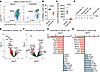 Figure 1
Macrophage depletion reduces muscle injury–induced activin A expression. (A–C) Representative flow cytometry plots (A) and statistical analysis (B and C) showing the frequency and number of neutrophils (CD11b+Ly6G+) and MDMs (CD11b+Ly6G–) in muscle tissue at 1 dpi of the mice treated with either 150 μL vehicle (n = 4) or clodronate (n = 4). (D) Experimental timeline of sample preparation for bulk RNA-seq. WT mice were injected intraperitoneally with 150 μL of vehicle or clodronate 2 days prior to muscle injury. Muscle injury was induced on day 0. Injured muscle samples were harvested at 1 dpi (vehicle, n = 2; clodronate, n = 3) and 4 dpi (vehicle, n = 2; clodronate, n = 2). (E and F) DEGs in muscle of clodronate-injected mice at 1 dpi (E) and 4 dpi (F) compared with vehicle-injected mice. Cutoff lines are drawn at log2fold change (FC) = ±1 and P = 0.05. Red dots represent genes with an absolute log2FC ≥ 1 and P < 0.05. Blue dots represent genes with an absolute log2FC < 1 and P < 0.05. Green dots represent genes with an absolute log2FC ≥ 1 and P > 0.05. (G and H) Top 10 DEGs encoding soluble factors (GO term: cytokine activity), ranked by FC, in muscles of clodronate-injected mice compared with vehicle-injected mice at 1 dpi (G) and 4 dpi (H). The P values were calculated using unpaired 2-tailed t test (B and C). A P value < 0.05 was considered significant. Data are shown as the mean ± SEM, and symbols represent individual mice (B and C).
 Figure 2
Activin A stimulates myoblast proliferation. (A) Representative flow cytometry plots showing the gating strategy for isolating MuSCs (TER119–CD45–CD31–Sca-1–CD106+) from muscles of WT mice at 1 dpi. (B) Representative immunofluorescence images showing MyHC+ myotubes (green) and nuclei (Hoechst; blue) in myoblast cultures with or without 100 ng/mL activin A treatment on day 7. MuSCs were expanded for 4 days to over 90% confluency and differentiated for 3 days. The boxed areas are shown at higher magnification (×4) in the adjacent lower panels. Scale bars: 100 μm. (C and D) Quantification of myotube fusion in B, showing the number of nuclei per myotube (C) and the percentage of myotubes with more than 4 nuclei (D). (E) Relative count of myoblasts on the indicated days. MuSCs were isolated on day 0 and then cultured for 1 to 3 days with or without 100 ng/mL activin A. (F) RT-qPCR analysis showing relative Myog mRNA expression in myoblasts treated with or without 100 ng/mL activin A for 2 days under differentiation conditions. The P values were calculated using unpaired 2-tailed t test (C, D, and F) or 2-way ANOVA with Bonferroni correction for multiple comparisons (E). A P value < 0.05 was considered significant. Data are shown as the mean ± SEM.
Ly6ChiPDPN+ MDMs produce activin A in injured skeletal muscles. Upon muscle injury, MDMs produced activin A (Supplemental Figure 2, F and G). To explore whether there are specific subsets of activin A–producing MDMs, we conducted scRNA-seq using cells isolated from the muscles at 1 dpi (Supplemental Figure 3A). The unbiased clustering analysis categorized 1,781 cells into 10 clusters based on the global gene expression patterns (Figure 3A, Supplemental Figure 3, B–I, and Supplemental Figure 4). Among the MDMs, 3 subclusters were identified as Ly6ChiMHC class II (MHCII)+, Ly6ChiPDPN+, and Ly6Clow subsets (Figure 3, A and B). Activin A was detected mainly in Ly6ChiPDPN+ MDMs, neutrophils, and, to a much lesser extent, stromal cells (Figure 3, C and D). Macrophage depletion resulted in a significant decrease in activin A mRNA expression in muscle at 1 dpi (Figure 3E), whereas neutrophil depletion did not affect the activin A expression (Figure 3F and Supplemental Figure 5, A and B), indicating that in the injured muscle the Ly6ChiPDPN+ MDMs contribute more to activin A production than the neutrophils.
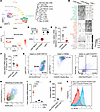 Figure 3
Ly6ChiCX3CR1loPDPN+CD9+ MDMs preferentially express activin A in injured muscle. (A) UMAP visualization of cells isolated from muscle at 1 dpi. Phylogenetic tree showing cluster hierarchy and cell numbers (in parentheses). (B) Heatmap showing the top 10 DEGs by log2FC (adjusted P < 0.001) across clusters. Typical cell surface molecules were selected for naming. Expression of Ly6C is shown in Supplemental Figure 5C. (C) UMAP showing the expression of Inhba in each cluster. (D) Dot plot showing the relative Inhba expression across 3 subclusters of MDMs. (E and F) RT-qPCR results showing relative Inhba mRNA expression in muscles at 1 dpi from mice treated with 150 μL vehicle (n = 7) or clodronate (n = 9) (E) and from mice treated with 0.25 mg isotype IgG (n = 8) or 0.25 mg anti-Ly6G antibodies (n = 7) (F). (G) Gating strategy for sorting 4 subpopulations of Ly6ChiCX3CR1lo MDMs based on the expression of PDPN and CD9. (H) Flow cytometric analysis confirming the purity of sorted cells. (I) RT-qPCR results showing relative Inhba expression in indicated subpopulations sorted from muscles on 1 dpi (n = 4 for each). The expression in the PDPN–CD9– fraction was set to 1. (J) ELISA results showing the concentration of activin A in the culture supernatants of indicated MDMs sorted from muscles on 1 dpi. Supernatants were collected 48 hours after seeding. (K) Flow cytometric histogram showing IL-7R expression in indicated MDMs at 1 dpi. The P values were calculated using unpaired 2-tailed t test (D, E, and J) or 1-way ANOVA with Tukey’s multiple-comparison test (I). A P value < 0.05 was considered significant. Data are shown as the mean ± SEM, and symbols represent individual mice (D, E, I, and J).
scRNA-seq data revealed that both Ly6ChiMHCII+ and Ly6ChiPDPN+ subsets were skewed toward a proinflammatory phenotype, with increased expression of a panel of M1 macrophage–related genes compared with the Ly6Clo subset (Supplemental Figure 5C). Each cluster displayed different expression patterns of M2 macrophage–related genes, reflecting the diversity of macrophages (Supplemental Figure 5D). In addition, the Ly6ChiMHCII+ subset expressed genes associated with phagocytosis, including Mrc1 (mannose receptor 1), C1qa, and C1qc (Supplemental Figure 5E). Creatine kinase B, a gene involved in limiting myoblast fusion (31), was expressed in Ly6ChiMHCII+ and Ly6Clo subsets, but not in the Ly6ChiPDPN+ subset (Supplemental Figure 5F). Furthermore, several cytokines that promote myogenic differentiation and muscle regeneration (such as Cxcl10, Tnf, and Il15) were mainly expressed in the Ly6ChiPDPN+ subcluster; they were also detected at lower levels in the Ly6ChiMHCII+ subcluster (Supplemental Figure 5G) (32–34). These findings suggest that Ly6ChiPDPN+ MDMs may have a distinct role during muscle regeneration.
Activin A–producing macrophage subset is required for muscle regeneration. Even with subclustering analysis of the MDM compartment, we found that Inhba-expressing subclusters were characterized by preferential expression of genes such as Pdpn, Cd9, and Il7r, specifically found in the Ly6ChiPDPN+ subset (Supplemental Figure 5, H–K). Thus, to explore the role of the activin A–producing MDM subset in muscle regeneration in vivo, we isolated the PDPN+CD9+ fraction from Ly6ChiCX3CR1lo MDMs, corresponding to the Ly6ChiPDPN+ subset defined in scRNA-seq (Figure 3, G and H). We confirmed that Ly6ChiCX3CR1loPDPN+CD9+ MDMs expressed higher levels of activin A and IL-7R compared with other MDMs (Figure 3, I–K). We found that Ly6ChiCX3CR1loPDPN+CD9+ MDMs present on day 1 after injury underwent phenotypic changes into Ly6CloCX3CR1hi cells by day 4 (Supplemental Figure 6A), indicating that Ly6ChiCX3CR1loPDPN+CD9+ MDMs are mainly active during the acute postinjury phase. LysM-Cre iDTR mice enable macrophages to be depleted upon diphtheria toxin (DT) treatment (Figure 4A and Supplemental Figure 6B). The impaired muscle regeneration in macrophage-depleted mice was improved by transferring Ly6ChiCX3CR1loPDPN+CD9+ MDMs into the injured mice, as evidenced by a marked increase in the cross-sectional area (CSA) of regenerating fibers at 4 dpi (Figure 4, B–E). By contrast, transferring other Ly6ChiCX3CR1lo macrophage populations had no effect. Taken together, our results show that the Ly6ChiCX3CR1loPDPN+CD9+ MDMs are required for muscle regeneration and were thus given the acronym Mrep for macrophage directing tissue repair.
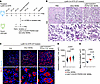 Figure 4
Transfer of Ly6ChiCX3CR1loPDPN+CD9+ MDMs (Mrep) improves impaired muscle regeneration in macrophage-depleted mice. (A) Experimental timeline of the transfer experiment. DT (400 ng/mouse) was administered intraperitoneally on the indicated days to LysM-Cre iDTR mice to induce macrophage depletion. Ly6ChiCX3CR1loPDPN+CD9+ MDMs and other MDMs (the remaining MDM population) were isolated from muscle tissues of WT mice at 1 dpi. The isolated cells, suspended in 10 μL PBS or the same volume of PBS alone, were then injected intramuscularly into the recipient mice. (B and C) Representative images of H&E (B) and immunofluorescence staining (C) of muscle sections from DT-treated LysM-Cre iDTR mice injected intramuscularly with PBS (n = 3), other MDMs (n = 5), or Ly6ChiCX3CR1loPDPN+CD9+ MDMs (n = 6) at 4 dpi. Muscle sections were stained with anti-mouse eMyHC (red) to mark regenerating muscle fibers and Hoechst (blue) to label nuclei. The boxed areas in the main images are shown at higher magnification (×4) in the adjacent lower panels. H&E staining and corresponding immunofluorescence images represent the same field of view. Scale bars: 100 μm. (D and E) Quantification of muscle regeneration showing the distribution of the CSA of eMyHC+ fiber (D) and the mean CSA of eMyHC+ fibers in an individual mouse (E). The P values were calculated using 1-way ANOVA with Tukey’s multiple-comparison test. A P value < 0.05 was considered significant. Data are shown as the mean ± SEM, and symbols represent individual fibers (D) or individual mice (E).
We next investigated the role of MDM-derived activin A in muscle regeneration using macrophage-specific activin A–deficient (Inhbafl/fl LysM-Cre) mice, in which the MDM infiltration remained unchanged (Supplemental Figure 6, C and D). At 4 dpi, regenerating myofibers were densely aligned in Inhbafl/fl mice but sparsely distributed in Inhbafl/fl LysM-Cre mice (Figure 5, A and B). The CSA of regenerating fibers was significantly reduced in Inhbafl/fl LysM-Cre mice (Figure 5, C and D), along with a decrease in the regeneration area ratio (Figure 5E), indicating that the loss of activin A led to impaired muscle regeneration. Additionally, the removal of necrotic fibers was delayed in Inhbafl/fl LysM-Cre mice (Figure 5, F–H). Functionally, at 7 dpi, the grip strength was reduced in Inhbafl/fl LysM-Cre mice (Figure 5I). Subsequently, at 21 dpi, the injured muscle weight was lower in Inhbafl/fl LysM-Cre mice (Figure 5, J–L). To further validate these observations, we performed adoptive transfer of WT or activin A–deficient Ly6ChiCX3CR1loPDPN+CD9+ MDMs into macrophage-depleted mice (LysM-Cre iDTR). Transfer of activin A–deficient Ly6ChiCX3CR1loPDPN+CD9+ MDMs led to a significant impairment of muscle regeneration compared with that of the WT group (Supplemental Figure 6, E–H), clearly indicating that macrophage-derived activin A is essential for skeletal muscle repair.
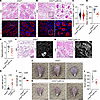 Figure 5
Mrep-derived activin A is essential for proper muscle regeneration. (A and B) Representative images of H&E and immunofluorescence staining of muscle sections from Inhbafl/fl mice (n = 8) and Inhbafl/fl LysM-Cre mice (n = 8) at 4 dpi. In immunofluorescence staining, sections were stained for anti-mouse eMyHC (red) to indicate regenerating fibers and Hoechst (blue) to indicate nuclei. The boxed areas are magnified (×4) in the panels to the right. H&E staining and corresponding immunofluorescence images represent the same field of view. Scale bars: 100 μm. (C–E) Quantification of regeneration showing the distribution of the CSA of eMyHC+ fiber (C), the mean CSA of eMyHC+ fibers in an individual mouse (D), and the percentage of regeneration area (calculated as total eMyHC+ area/injured area) (E). (F and G) Representative images of H&E and immunofluorescence staining of muscle sections from Inhbafl/fl mice (n = 8) and Inhbafl/fl LysM-Cre mice (n = 8) at 4 dpi. In immunofluorescence staining, sections were stained for mIgG (white) to indicate necrotic fibers. H&E staining and corresponding immunofluorescence images represent the same field of view. Scale bars: 50 μm. (H) The density of mIgG+ fibers (calculated as the number mIgG+ fibers/injured area). (I) Grip strength of the forelimb in Inhbafl/fl and LysM-Cre Inhbafl/fl mice at 7 dpi. gf, gram force. (J and K) Photographs of gastrocnemius of the Inhbafl/fl (J) and LysM-Cre Inhbafl/fl (K) mice at 14 dpi. Scale bars: 5 mm. (L) Mass of gastrocnemius of Inhbafl/fl and LysM-Cre Inhbafl/fl mice at 14 dpi. The P values were calculated using unpaired 2-tailed t test. A P value < 0.05 was considered significant. Data are shown as the mean ± SEM, and symbols represent individual fibers (C) or individual mice (D, E, H, I, and L).
Notably, we identified a subcluster that preferentially expressed both activin A and markers used to identify Mrep (Pdpn, Cd9, and Il7r) in cardiotoxin-induced muscle injury tissues (Supplemental Figure 7, A–D). Also, scRNA-seq of human noninjured muscle samples obtained from surgically discarded tissue of healthy donors (35) identified a macrophage subset (cluster 1) that expressed activin A (Supplemental Figure 7, E–H), suggesting the possibility that this population contributes to repair processes following injury in humans. However, the scRNA-seq datasets from skeletal muscle of a Duchenne muscular dystrophy mouse model (mdx5cv) (36) and from hind limb ischemia (37) showed minimal or no activin A expression in macrophage clusters (Supplemental Figure 7, I and J), suggesting that activin A induction in macrophages is not a general feature of chronic muscle pathology, but rather a more specific response to acute muscle injury.
The TLR4/TIR domain–containing adapter-inducing interferon-β–mediated signaling pathway regulates activin A expression in Mrep for proper muscle regeneration. How does Mrep produce activin A upon muscle injury? Enriched pathway analysis and GSEA indicated that the TIR domain–containing adapter-inducing interferon-β–mediated (TRIF-mediated) TLR4 signaling pathway and the TLR signaling pathway were enhanced in Mrep (Figure 6, A and B). Stimulation with LPS robustly increased activin A expression in BMDMs (Figure 6C). Furthermore, activin A expression in Mrep at 1 dpi, as well as in injured muscles at 4 dpi, in Tlr4–/– mice was significantly decreased compared with that of WT mice (Figure 6, D and E), indicating that TLR4-mediated signaling is crucial for regulating activin A expression. To investigate the upstream activators of TLR4, muscle lysates from 1 dpi, which contain endogenous damage-associated molecular patterns (DAMPs), were tested in vitro. Muscle lysates induced activin A expression in BMDMs, while heated muscle lysates, in which proteins were inactivated, failed to induce activin A expression (Figure 6F), implying that protein DAMPs might be the key drivers of TLR4-mediated activin A expression. RNA-seq analysis at 1 dpi revealed an upregulation of several DAMPs, including heat shock proteins, S100 proteins, heparan sulfate proteoglycans (glypicans and syndecans), and high mobility group box1 (HMGB1) (Figure 6G). We found that HMGB1 and S100A8/A9 induced activin A expression in BMDMs in vitro (Figure 6H). However, neither HMGB1 inhibitor nor S100A8/A9 inhibitor reduced activin A expression in muscle at 1 dpi in vivo (Figure 6I), suggesting that multiple DAMPs, rather than a single DAMP, likely contribute to activin A production following muscle injury.
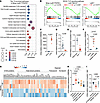 Figure 6
TLR4 activation by DAMPs induces activin A expression in Mrep. (A) Dot plot showing the top 15 enriched pathways in Mrep (Ly6ChiPDPN+ subcluster). (B) GSEA plots of the KEGG TLR signaling pathway in 3 MDM subclusters. NES, normalized enrichment score. (C) RT-qPCR results showing the relative Inhba expression in BMDMs stimulated with 100 ng/mL LPS for 1 day. BMDMs were derived from different mice. n = 5 for each group. (D and E) RT-qPCR results showing the relative Inhba expression in the Mrep sorted from WT (n = 9) and Tlr4–/– (n = 4) mice at 1 dpi (D) and muscles from WT (n = 3) and Tlr4–/– (n = 10) mice at 4 dpi (E). (F) RT-qPCR results showing the relative Inhba expression in BMDMs stimulated with muscle lysates and heated muscle lysates for 1 day. To inactivate protein, muscle lysates were subjected to 95°C for 5 minutes. BMDMs and muscle lysates were from different mice (n = 3). (G) Heatmap showing the relative expression of genes encoding DAMPs in the uninjured muscles and muscles at 1 dpi (n = 2 for each). (H) RT-qPCR results showing the relative Inhba mRNA expression in BMDMs treated with 1 μg/mL of indicated DAMPs for 24 hours. (I) RT-qPCR results showing the relative Inhba mRNA expression in muscles at 1 dpi of the mice injected with vehicle (n = 7), 10 mg/kg S100A8/A9 inhibitor (paquinimod) (n = 6), and HMGB1 inhibitor (glycyrrhizin) (n = 5). The P values were calculated using unpaired 2-tailed t test (C–E) and 1-way ANOVA with Tukey’s multiple-comparison test (F, H, and I). A P value or q value < 0.05 was considered significant. Data are shown as the mean ± SEM, and symbols represent individual mice.
TLR4 activates downstream signaling pathways through myeloid differentiation primary response 88 (MyD88) and TRIF (encoded by Ticam1). Activin A expression was significantly suppressed in muscle at 1 and 4 dpi in TRIF-deficient mice, but not in MyD88-deficient mice (Figure 7, A and B). Furthermore, Mrep from TRIF-deficient mice decreased activin A expression (Figure 7C) without affecting Mrep frequency or number (Supplemental Figure 8, A–D), indicating that activin A is downstream of TLR4/TRIF–mediated signaling. Downstream of TLR4, TRIF activates NF-κB and TANK-binding kinase 1 (TBK1), which phosphorylates the transcriptional factors interferon regulatory factor 3 (IRF3) and IRF7 (38). We found that a TBK1 inhibitor, but not an NF-κB inhibitor, significantly inhibited activin A expression in muscles at 1 dpi (Figure 7D). Furthermore, the increased expression of activin A elicited by LPS was diminished in BMDMs derived from Irf3–/– and Irf7–/– mice (Figure 7E). ChIP-seq analysis revealed that the DNA-binding sequence for IRF3 and IRF7, the interferon-stimulated responsive element motif, is present in the promoter region of the Inhba gene (Figure 7F). Of note, mice deficient in TLR4 and TRIF exhibited severely impaired muscle regeneration, as evidenced by a decreased CSA of regenerating fibers (Figure 8, A–E), indicating the crucial role of the TLR4/TRIF/activin A axis in proper muscle regeneration. Taken together, Mrep contributes critically to adequate muscle regeneration by producing activin A in a TLR4/TRIF/IRF3/7 pathway–dependent manner in response to muscle injury.
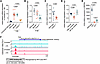 Figure 7
Activin A expression in Mrep is induced via the TRIF/TBK1/IRF3/7 signaling pathway. (A and B) RT-qPCR results showing the relative Inhba expression in muscles of indicated mice at 1 dpi (A) and 4 dpi (B). Uninjured (n = 9); 1 dpi: WT (n = 6), Myd88–/– (n = 4), Ticam1–/– (n = 5); 4 dpi: WT (n = 3), Myd88–/– (n = 5), Ticam1–/– (n = 9). (C) RT-qPCR results showing relative Inhba expression in the Mrep cells sorted from WT (n = 9) and Ticam1–/– (n = 6) mice at 1 dpi. (D) RT-qPCR showing relative Inhba mRNA expression in muscles at 1 dpi in WT mice treated with vehicle (n = 7), TBK1 inhibitor (n = 5), or NF-κB inhibitor (n = 4). (E) RT-qPCR results showing relative Inhba mRNA expression in BMDMs derived from WT (n = 5), Irf3–/– (n = 4), or Irf7–/– mice (n = 4) stimulated with LPS for 1 day. (F) ChIP-seq (GEO GSE38377) showing RNA polymerase II (Pol II) and H3K4me3 occupancy in untreated and LPS-stimulated BMDMs at 24 hours. The Inhba gene is shown as a blue line with 3 exons indicated by blue boxes. Upon LPS treatment, a prominent RNA Pol II peak appeared approximately 2 kb upstream of the transcription start site (TSS), indicating the promoter. H3K4me3 enrichment in the same region indicates active chromatin. The promoter contains an interferon-stimulated responsive element (ISRE) motif recognized by IRF3 and IRF7, with its sequence and location shown in the inset. The P values were calculated using unpaired 2-tailed t test (C) and 1-way ANOVA with Tukey’s multiple-comparison test (A, B, D, and E). A P value < 0.05 was considered significant. Data are shown as the mean ± SEM, and symbols represent individual mice (A–E).
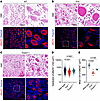 Figure 8
TLR4/TRIF-mediated signaling is required for proper muscle regeneration. (A–C) H&E and immunofluorescence staining of muscle sections from WT (A; n = 4), Tlr4–/– (B; n = 5), and Ticam1–/– mice (C; n = 5) at 4 dpi. Immunofluorescence staining showing eMyHC-labeled (red) regenerating muscle fibers and Hoechst-stained (blue) nuclei. The boxed areas are shown at higher magnification (×4) in the panels to the right. H&E staining and the corresponding immunofluorescence images represent the same field. Scale bars: 100 μm. (D and E) Quantification of regeneration showing the distribution of eMyHC+ CSA (D) and the mean CSA of eMyHC+ fibers (E). The P values were calculated using 1-way ANOVA with Tukey’s multiple-comparison test. A P value < 0.05 was considered significant. Data are shown as the mean ± SEM, and symbols represent individual fibers (D) or individual mice (E).
Mrep-derived activin A drives muscle injury–induced HO under conditions of aberrant ACVR1 activation. Although skeletal muscle regeneration generally proceeds normally and leads to functional recovery, HO can occur as a subsequent event after muscle injury under certain pathological conditions. In particular, activin A contributes to the pathogenesis of FOP via its interaction with mutant ACVR1 (39, 40). Activin A does not signal through WT ACVR1, but aberrantly activates mutated ACVR1 in patients with FOP, thereby contributing to HO following muscle injury. The findings on the property of Mrep to produce activin A in response to traumatic muscle injury prompted us to investigate a possible detrimental role for Mrep in HO in FOP. We established a genetically induced HO mouse model using Acvr1Q207D CreER mice (hereafter called gHO mice) (Supplemental Figure 9, A and B). The expression of Inhba upon muscle injury was comparable in the gHO mice and WT mice (Supplemental Figure 9, C and D). HO was detected in the injured sites of the gHO mice, but not in uninjured gHO mice (Figure 9, A–C, and Supplemental Figure 9E). The muscle injury–induced HO was significantly suppressed by daily administration of LDN-193189, a specific inhibitor of type I bone morphogenetic protein (BMP) receptors with selectivity for ACVR1 (Figure 9, A–C), indicating that the HO in this model depends on ACVR1-mediated signaling.
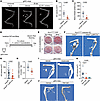 Figure 9
Mrep drives HO by stimulating FAPs via activin A under conditions of aberrant ACVR1 activation. (A) Representative microCT images of the hind limbs of uninjured (n = 3) and injured gHO mice treated with vehicle (n = 4) or ACVR1 kinase activity inhibitor (n = 5) at 28 dpi. White arrows indicate HO. Scale bars: 1 mm. (B and C) Quantification showing HO volume (B) and bone mineral content (C) in the gHO mice treated with vehicle or ACVR1 inhibitor. (D) Experimental timeline for the coculture of FAPs with Mrep. FAPs, non-FAPs, Mrep, and other cells (the remaining CD45+ cells) were sorted from muscles of gHO mice at 1 dpi. Anti–activin A antibody (1 mg/mL) was used to neutralize activin A. (E) Alizarin red S staining of the coculture experiment in D. Representative data from 3 independent experiments are shown. (F and G) Representative microCT images (F) and quantification (G) of HO in Acvr1Q207D-induced HO of Inhbafl/fl mice (n = 26) and Inhbafl/fl LysM-Cre mice (n = 17) at 28 dpi. White arrows indicate HO. Scale bars: 1 mm. (H) RT-qPCR results showing the relative Inhba expression in the muscles at 1 dpi from the mice treated with DMSO (n = 5) or TAK-242 (n = 5). (I–K) Representative microCT images (I and J) and quantification (K) of HO in gHO mice treated with vehicle (n = 10), TAK-242 (n = 7), and clodronate (n = 7) at 28 dpi. White arrows indicate HO. Scale bars: 1 mm. The P values were calculated using unpaired 2-tailed t test (B, C, G, and H) and 1-way ANOVA with Tukey’s multiple-comparison test (K). A P value < 0.05 was considered significant. Data are shown as the mean ± SEM, and symbols represent individual mice.
HO originates from tissue-resident fibro/adipogenic progenitors (FAPs), characterized as CD45–TER119–CD31–PDGFRα+Sca-1+ cells (41–43). FAPs derived from Acvr1Q207D mice underwent robust osteogenic differentiation in response to activin A treatment, whereas non-FAP populations, including MuSCs, failed to do so (Supplemental Figure 9, F and G). Furthermore, the osteogenic differentiation of ACVR1 Q207D mutant–expressing FAPs was induced by coculture with Mrep but not with other CD45+ cells isolated from injured muscles (Figure 9, D and E). The ability of Mrep to induce osteogenic differentiation of FAPs was diminished by activin A–neutralizing antibody treatment. These results suggest that Mrep triggers the development of HO through activin A production when ACVR1 is aberrantly activated.
Previously, clodronate treatment was reported to reduce HO in a FOP model (44). We further determined the pathological importance of Mrep-derived activin A in HO in vivo by evaluating the Acvr1Q207D-induced HO in macrophage-specific, activin A–deficient (Inhbafl/fl LysM-Cre) mice. Deleting activin A in macrophages significantly reduced HO (Figure 9, F and G), indicating that Mrep-induced activin A is essential for HO in FOP. Mrep expression of activin A is dependent on TLR4-mediated signaling (Figure 6, D and E). TAK-242, a small molecule compound that inhibits TLR4 signal transduction (45), significantly inhibited activin A expression in muscles at 1 dpi (Figure 9H). The TAK-242 treatment reduced the volume of HO to a level similar to that of macrophage-depleted mice (Figure 9, I–K). Collectively, these results demonstrate that inhibition of activin A production from Mrep by TAK-242 could be a potential therapeutic approach for treating FOP.


Copyright © 2026 American Society for Clinical Investigation
ISSN: 0021-9738 (print), 1558-8238 (online)