
Go to JCI Insight
  • About
  • Editors
  • Consulting Editors
  • For authors
  • Publication ethics
  • Publication alerts by email
  • Advertising
  • Job board
  • Contact
  • Clinical Research and Public Health
  • Current issue
  • Past issues
  • By specialty
    • COVID-19
    • Cardiology
    • Gastroenterology
    • Immunology
    • Metabolism
    • Nephrology
    • Neuroscience
    • Oncology
    • Pulmonology
    • Vascular biology
    • All ...
  • Videos
    • ASCI Milestone Awards
    • Video Abstracts
    • Conversations with Giants in Medicine
  • Reviews
    • View all reviews ...
    • The cGAS-STING pathway: DNA sensing in health and disease (Jun 2026)
    • Neurodegeneration (Mar 2026)
    • Clinical innovation and scientific progress in GLP-1 medicine (Nov 2025)
    • Pancreatic Cancer (Jul 2025)
    • Complement Biology and Therapeutics (May 2025)
    • Evolving insights into MASLD and MASH pathogenesis and treatment (Apr 2025)
    • Microbiome in Health and Disease (Feb 2025)
    • View all review series ...
  • Viewpoint
  • Collections
    • In-Press Preview
    • Clinical Research and Public Health
    • Research Letters
    • Letters to the Editor
    • Editorials
    • Commentaries
    • Editor's notes
    • Reviews
    • Viewpoints
    • 100th anniversary
    • Top read articles

  • Current issue
  • Past issues
  • Specialties
  • Reviews
  • Review series
  • ASCI Milestone Awards
  • Video Abstracts
  • Conversations with Giants in Medicine
  • In-Press Preview
  • Clinical Research and Public Health
  • Research Letters
  • Letters to the Editor
  • Editorials
  • Commentaries
  • Editor's notes
  • Reviews
  • Viewpoints
  • 100th anniversary
  • Top read articles
  • About
  • Editors
  • Consulting Editors
  • For authors
  • Publication ethics
  • Publication alerts by email
  • Advertising
  • Job board
  • Contact
Top
  • View PDF
  • Download citation information
  • Send a comment
  • Terms of use
  • Standard abbreviations
  • Need help? Email the journal
  • Top
  • Abstract
  • Introduction
  • Results
  • Discussion
  • Methods
  • Author contributions
  • Conflict of interest
  • Funding support
  • Supplemental material
  • Acknowledgments
  • Footnotes
  • References
  • Version history
  • Article usage
  • Citations to this article

Advertisement

Research ArticleGeneticsNeuroscience Open Access | 10.1172/JCI191508

Multimodal analysis of cell-free DNA identifies epigenetic biomarkers for amyotrophic lateral sclerosis diagnosis and progression

Sebastian Michels,1 Chaorong Chen,2 Wolfgang P. Ruf,1 M. Madhy Garcia Garcia,3 Frederick J. Arnold,3 Zhuoxing Wu,2 Craig L. Bennett,3 Daniel Shams,2 Leslie M. Thompson,2,4,5,6,7,8 Alyssa C. Walker,9 Dennis W. Dickson,9,10 Leonard Petrucelli,9,10 Johannes Dorst,1 Mercedes Prudencio,9,10 Wei Li,2 and Albert R. La Spada2,3,5,6,7,8

1Department of Neurology, University of Ulm, Ulm, Germany.

2Department of Biological Chemistry,

3Department of Pathology & Laboratory Medicine,

4Department of Psychiatry & Human Behavior, and

5Department of Neurobiology & Behavior, University of California, Irvine, Irvine, California, USA.

6UCI Institute for Memory Impairment & Neurological Disorders, Irvine, California, USA.

7UCI Stem Cell Research Center, Irvine, California, USA.

8UCI Center for Neurotherapeutics, University of California, Irvine, Irvine, California, USA.

9Department of Neuroscience, Mayo Clinic, Jacksonville, Florida, USA.

10Neuroscience Graduate Program, Mayo Graduate School, Mayo Clinic College of Medicine, Jacksonville, Florida, USA.

Address correspondence to: Albert R. La Spada, Pathology & Laboratory Medicine, Neurology, Biological Chemistry and Neurobiology & Behavior, UCI Center for Neurotherapeutics, University of California Irvine, Irvine, California 92697, USA. Phone: 1.425.246.5779; Email: alaspada@uci.edu. Or to: Wei Li, Biological Chemistry, University of California Irvine, Irvine, California 92697, USA. Email: wei.li@uci.edu.

Authorship note: SM and CC contributed equally to this work.

Find articles by Michels, S. in: PubMed | Google Scholar

1Department of Neurology, University of Ulm, Ulm, Germany.

2Department of Biological Chemistry,

3Department of Pathology & Laboratory Medicine,

4Department of Psychiatry & Human Behavior, and

5Department of Neurobiology & Behavior, University of California, Irvine, Irvine, California, USA.

6UCI Institute for Memory Impairment & Neurological Disorders, Irvine, California, USA.

7UCI Stem Cell Research Center, Irvine, California, USA.

8UCI Center for Neurotherapeutics, University of California, Irvine, Irvine, California, USA.

9Department of Neuroscience, Mayo Clinic, Jacksonville, Florida, USA.

10Neuroscience Graduate Program, Mayo Graduate School, Mayo Clinic College of Medicine, Jacksonville, Florida, USA.

Address correspondence to: Albert R. La Spada, Pathology & Laboratory Medicine, Neurology, Biological Chemistry and Neurobiology & Behavior, UCI Center for Neurotherapeutics, University of California Irvine, Irvine, California 92697, USA. Phone: 1.425.246.5779; Email: alaspada@uci.edu. Or to: Wei Li, Biological Chemistry, University of California Irvine, Irvine, California 92697, USA. Email: wei.li@uci.edu.

Authorship note: SM and CC contributed equally to this work.

Find articles by Chen, C. in: PubMed | Google Scholar

1Department of Neurology, University of Ulm, Ulm, Germany.

2Department of Biological Chemistry,

3Department of Pathology & Laboratory Medicine,

4Department of Psychiatry & Human Behavior, and

5Department of Neurobiology & Behavior, University of California, Irvine, Irvine, California, USA.

6UCI Institute for Memory Impairment & Neurological Disorders, Irvine, California, USA.

7UCI Stem Cell Research Center, Irvine, California, USA.

8UCI Center for Neurotherapeutics, University of California, Irvine, Irvine, California, USA.

9Department of Neuroscience, Mayo Clinic, Jacksonville, Florida, USA.

10Neuroscience Graduate Program, Mayo Graduate School, Mayo Clinic College of Medicine, Jacksonville, Florida, USA.

Address correspondence to: Albert R. La Spada, Pathology & Laboratory Medicine, Neurology, Biological Chemistry and Neurobiology & Behavior, UCI Center for Neurotherapeutics, University of California Irvine, Irvine, California 92697, USA. Phone: 1.425.246.5779; Email: alaspada@uci.edu. Or to: Wei Li, Biological Chemistry, University of California Irvine, Irvine, California 92697, USA. Email: wei.li@uci.edu.

Authorship note: SM and CC contributed equally to this work.

Find articles by Ruf, W. in: PubMed | Google Scholar

1Department of Neurology, University of Ulm, Ulm, Germany.

2Department of Biological Chemistry,

3Department of Pathology & Laboratory Medicine,

4Department of Psychiatry & Human Behavior, and

5Department of Neurobiology & Behavior, University of California, Irvine, Irvine, California, USA.

6UCI Institute for Memory Impairment & Neurological Disorders, Irvine, California, USA.

7UCI Stem Cell Research Center, Irvine, California, USA.

8UCI Center for Neurotherapeutics, University of California, Irvine, Irvine, California, USA.

9Department of Neuroscience, Mayo Clinic, Jacksonville, Florida, USA.

10Neuroscience Graduate Program, Mayo Graduate School, Mayo Clinic College of Medicine, Jacksonville, Florida, USA.

Address correspondence to: Albert R. La Spada, Pathology & Laboratory Medicine, Neurology, Biological Chemistry and Neurobiology & Behavior, UCI Center for Neurotherapeutics, University of California Irvine, Irvine, California 92697, USA. Phone: 1.425.246.5779; Email: alaspada@uci.edu. Or to: Wei Li, Biological Chemistry, University of California Irvine, Irvine, California 92697, USA. Email: wei.li@uci.edu.

Authorship note: SM and CC contributed equally to this work.

Find articles by Garcia Garcia, M. in: PubMed | Google Scholar

1Department of Neurology, University of Ulm, Ulm, Germany.

2Department of Biological Chemistry,

3Department of Pathology & Laboratory Medicine,

4Department of Psychiatry & Human Behavior, and

5Department of Neurobiology & Behavior, University of California, Irvine, Irvine, California, USA.

6UCI Institute for Memory Impairment & Neurological Disorders, Irvine, California, USA.

7UCI Stem Cell Research Center, Irvine, California, USA.

8UCI Center for Neurotherapeutics, University of California, Irvine, Irvine, California, USA.

9Department of Neuroscience, Mayo Clinic, Jacksonville, Florida, USA.

10Neuroscience Graduate Program, Mayo Graduate School, Mayo Clinic College of Medicine, Jacksonville, Florida, USA.

Address correspondence to: Albert R. La Spada, Pathology & Laboratory Medicine, Neurology, Biological Chemistry and Neurobiology & Behavior, UCI Center for Neurotherapeutics, University of California Irvine, Irvine, California 92697, USA. Phone: 1.425.246.5779; Email: alaspada@uci.edu. Or to: Wei Li, Biological Chemistry, University of California Irvine, Irvine, California 92697, USA. Email: wei.li@uci.edu.

Authorship note: SM and CC contributed equally to this work.

Find articles by Arnold, F. in: PubMed | Google Scholar

1Department of Neurology, University of Ulm, Ulm, Germany.

2Department of Biological Chemistry,

3Department of Pathology & Laboratory Medicine,

4Department of Psychiatry & Human Behavior, and

5Department of Neurobiology & Behavior, University of California, Irvine, Irvine, California, USA.

6UCI Institute for Memory Impairment & Neurological Disorders, Irvine, California, USA.

7UCI Stem Cell Research Center, Irvine, California, USA.

8UCI Center for Neurotherapeutics, University of California, Irvine, Irvine, California, USA.

9Department of Neuroscience, Mayo Clinic, Jacksonville, Florida, USA.

10Neuroscience Graduate Program, Mayo Graduate School, Mayo Clinic College of Medicine, Jacksonville, Florida, USA.

Address correspondence to: Albert R. La Spada, Pathology & Laboratory Medicine, Neurology, Biological Chemistry and Neurobiology & Behavior, UCI Center for Neurotherapeutics, University of California Irvine, Irvine, California 92697, USA. Phone: 1.425.246.5779; Email: alaspada@uci.edu. Or to: Wei Li, Biological Chemistry, University of California Irvine, Irvine, California 92697, USA. Email: wei.li@uci.edu.

Authorship note: SM and CC contributed equally to this work.

Find articles by Wu, Z. in: PubMed | Google Scholar

1Department of Neurology, University of Ulm, Ulm, Germany.

2Department of Biological Chemistry,

3Department of Pathology & Laboratory Medicine,

4Department of Psychiatry & Human Behavior, and

5Department of Neurobiology & Behavior, University of California, Irvine, Irvine, California, USA.

6UCI Institute for Memory Impairment & Neurological Disorders, Irvine, California, USA.

7UCI Stem Cell Research Center, Irvine, California, USA.

8UCI Center for Neurotherapeutics, University of California, Irvine, Irvine, California, USA.

9Department of Neuroscience, Mayo Clinic, Jacksonville, Florida, USA.

10Neuroscience Graduate Program, Mayo Graduate School, Mayo Clinic College of Medicine, Jacksonville, Florida, USA.

Address correspondence to: Albert R. La Spada, Pathology & Laboratory Medicine, Neurology, Biological Chemistry and Neurobiology & Behavior, UCI Center for Neurotherapeutics, University of California Irvine, Irvine, California 92697, USA. Phone: 1.425.246.5779; Email: alaspada@uci.edu. Or to: Wei Li, Biological Chemistry, University of California Irvine, Irvine, California 92697, USA. Email: wei.li@uci.edu.

Authorship note: SM and CC contributed equally to this work.

Find articles by Bennett, C. in: PubMed | Google Scholar

1Department of Neurology, University of Ulm, Ulm, Germany.

2Department of Biological Chemistry,

3Department of Pathology & Laboratory Medicine,

4Department of Psychiatry & Human Behavior, and

5Department of Neurobiology & Behavior, University of California, Irvine, Irvine, California, USA.

6UCI Institute for Memory Impairment & Neurological Disorders, Irvine, California, USA.

7UCI Stem Cell Research Center, Irvine, California, USA.

8UCI Center for Neurotherapeutics, University of California, Irvine, Irvine, California, USA.

9Department of Neuroscience, Mayo Clinic, Jacksonville, Florida, USA.

10Neuroscience Graduate Program, Mayo Graduate School, Mayo Clinic College of Medicine, Jacksonville, Florida, USA.

Address correspondence to: Albert R. La Spada, Pathology & Laboratory Medicine, Neurology, Biological Chemistry and Neurobiology & Behavior, UCI Center for Neurotherapeutics, University of California Irvine, Irvine, California 92697, USA. Phone: 1.425.246.5779; Email: alaspada@uci.edu. Or to: Wei Li, Biological Chemistry, University of California Irvine, Irvine, California 92697, USA. Email: wei.li@uci.edu.

Authorship note: SM and CC contributed equally to this work.

Find articles by Shams, D. in: PubMed | Google Scholar

1Department of Neurology, University of Ulm, Ulm, Germany.

2Department of Biological Chemistry,

3Department of Pathology & Laboratory Medicine,

4Department of Psychiatry & Human Behavior, and

5Department of Neurobiology & Behavior, University of California, Irvine, Irvine, California, USA.

6UCI Institute for Memory Impairment & Neurological Disorders, Irvine, California, USA.

7UCI Stem Cell Research Center, Irvine, California, USA.

8UCI Center for Neurotherapeutics, University of California, Irvine, Irvine, California, USA.

9Department of Neuroscience, Mayo Clinic, Jacksonville, Florida, USA.

10Neuroscience Graduate Program, Mayo Graduate School, Mayo Clinic College of Medicine, Jacksonville, Florida, USA.

Address correspondence to: Albert R. La Spada, Pathology & Laboratory Medicine, Neurology, Biological Chemistry and Neurobiology & Behavior, UCI Center for Neurotherapeutics, University of California Irvine, Irvine, California 92697, USA. Phone: 1.425.246.5779; Email: alaspada@uci.edu. Or to: Wei Li, Biological Chemistry, University of California Irvine, Irvine, California 92697, USA. Email: wei.li@uci.edu.

Authorship note: SM and CC contributed equally to this work.

Find articles by Thompson, L. in: PubMed | Google Scholar

1Department of Neurology, University of Ulm, Ulm, Germany.

2Department of Biological Chemistry,

3Department of Pathology & Laboratory Medicine,

4Department of Psychiatry & Human Behavior, and

5Department of Neurobiology & Behavior, University of California, Irvine, Irvine, California, USA.

6UCI Institute for Memory Impairment & Neurological Disorders, Irvine, California, USA.

7UCI Stem Cell Research Center, Irvine, California, USA.

8UCI Center for Neurotherapeutics, University of California, Irvine, Irvine, California, USA.

9Department of Neuroscience, Mayo Clinic, Jacksonville, Florida, USA.

10Neuroscience Graduate Program, Mayo Graduate School, Mayo Clinic College of Medicine, Jacksonville, Florida, USA.

Address correspondence to: Albert R. La Spada, Pathology & Laboratory Medicine, Neurology, Biological Chemistry and Neurobiology & Behavior, UCI Center for Neurotherapeutics, University of California Irvine, Irvine, California 92697, USA. Phone: 1.425.246.5779; Email: alaspada@uci.edu. Or to: Wei Li, Biological Chemistry, University of California Irvine, Irvine, California 92697, USA. Email: wei.li@uci.edu.

Authorship note: SM and CC contributed equally to this work.

Find articles by Walker, A. in: PubMed | Google Scholar

1Department of Neurology, University of Ulm, Ulm, Germany.

2Department of Biological Chemistry,

3Department of Pathology & Laboratory Medicine,

4Department of Psychiatry & Human Behavior, and

5Department of Neurobiology & Behavior, University of California, Irvine, Irvine, California, USA.

6UCI Institute for Memory Impairment & Neurological Disorders, Irvine, California, USA.

7UCI Stem Cell Research Center, Irvine, California, USA.

8UCI Center for Neurotherapeutics, University of California, Irvine, Irvine, California, USA.

9Department of Neuroscience, Mayo Clinic, Jacksonville, Florida, USA.

10Neuroscience Graduate Program, Mayo Graduate School, Mayo Clinic College of Medicine, Jacksonville, Florida, USA.

Address correspondence to: Albert R. La Spada, Pathology & Laboratory Medicine, Neurology, Biological Chemistry and Neurobiology & Behavior, UCI Center for Neurotherapeutics, University of California Irvine, Irvine, California 92697, USA. Phone: 1.425.246.5779; Email: alaspada@uci.edu. Or to: Wei Li, Biological Chemistry, University of California Irvine, Irvine, California 92697, USA. Email: wei.li@uci.edu.

Authorship note: SM and CC contributed equally to this work.

Find articles by Dickson, D. in: PubMed | Google Scholar |

1Department of Neurology, University of Ulm, Ulm, Germany.

2Department of Biological Chemistry,

3Department of Pathology & Laboratory Medicine,

4Department of Psychiatry & Human Behavior, and

5Department of Neurobiology & Behavior, University of California, Irvine, Irvine, California, USA.

6UCI Institute for Memory Impairment & Neurological Disorders, Irvine, California, USA.

7UCI Stem Cell Research Center, Irvine, California, USA.

8UCI Center for Neurotherapeutics, University of California, Irvine, Irvine, California, USA.

9Department of Neuroscience, Mayo Clinic, Jacksonville, Florida, USA.

10Neuroscience Graduate Program, Mayo Graduate School, Mayo Clinic College of Medicine, Jacksonville, Florida, USA.

Address correspondence to: Albert R. La Spada, Pathology & Laboratory Medicine, Neurology, Biological Chemistry and Neurobiology & Behavior, UCI Center for Neurotherapeutics, University of California Irvine, Irvine, California 92697, USA. Phone: 1.425.246.5779; Email: alaspada@uci.edu. Or to: Wei Li, Biological Chemistry, University of California Irvine, Irvine, California 92697, USA. Email: wei.li@uci.edu.

Authorship note: SM and CC contributed equally to this work.

Find articles by Petrucelli, L. in: PubMed | Google Scholar

1Department of Neurology, University of Ulm, Ulm, Germany.

2Department of Biological Chemistry,

3Department of Pathology & Laboratory Medicine,

4Department of Psychiatry & Human Behavior, and

5Department of Neurobiology & Behavior, University of California, Irvine, Irvine, California, USA.

6UCI Institute for Memory Impairment & Neurological Disorders, Irvine, California, USA.

7UCI Stem Cell Research Center, Irvine, California, USA.

8UCI Center for Neurotherapeutics, University of California, Irvine, Irvine, California, USA.

9Department of Neuroscience, Mayo Clinic, Jacksonville, Florida, USA.

10Neuroscience Graduate Program, Mayo Graduate School, Mayo Clinic College of Medicine, Jacksonville, Florida, USA.

Address correspondence to: Albert R. La Spada, Pathology & Laboratory Medicine, Neurology, Biological Chemistry and Neurobiology & Behavior, UCI Center for Neurotherapeutics, University of California Irvine, Irvine, California 92697, USA. Phone: 1.425.246.5779; Email: alaspada@uci.edu. Or to: Wei Li, Biological Chemistry, University of California Irvine, Irvine, California 92697, USA. Email: wei.li@uci.edu.

Authorship note: SM and CC contributed equally to this work.

Find articles by Dorst, J. in: PubMed | Google Scholar

1Department of Neurology, University of Ulm, Ulm, Germany.

2Department of Biological Chemistry,

3Department of Pathology & Laboratory Medicine,

4Department of Psychiatry & Human Behavior, and

5Department of Neurobiology & Behavior, University of California, Irvine, Irvine, California, USA.

6UCI Institute for Memory Impairment & Neurological Disorders, Irvine, California, USA.

7UCI Stem Cell Research Center, Irvine, California, USA.

8UCI Center for Neurotherapeutics, University of California, Irvine, Irvine, California, USA.

9Department of Neuroscience, Mayo Clinic, Jacksonville, Florida, USA.

10Neuroscience Graduate Program, Mayo Graduate School, Mayo Clinic College of Medicine, Jacksonville, Florida, USA.

Address correspondence to: Albert R. La Spada, Pathology & Laboratory Medicine, Neurology, Biological Chemistry and Neurobiology & Behavior, UCI Center for Neurotherapeutics, University of California Irvine, Irvine, California 92697, USA. Phone: 1.425.246.5779; Email: alaspada@uci.edu. Or to: Wei Li, Biological Chemistry, University of California Irvine, Irvine, California 92697, USA. Email: wei.li@uci.edu.

Authorship note: SM and CC contributed equally to this work.

Find articles by Prudencio, M. in: PubMed | Google Scholar |

1Department of Neurology, University of Ulm, Ulm, Germany.

2Department of Biological Chemistry,

3Department of Pathology & Laboratory Medicine,

4Department of Psychiatry & Human Behavior, and

5Department of Neurobiology & Behavior, University of California, Irvine, Irvine, California, USA.

6UCI Institute for Memory Impairment & Neurological Disorders, Irvine, California, USA.

7UCI Stem Cell Research Center, Irvine, California, USA.

8UCI Center for Neurotherapeutics, University of California, Irvine, Irvine, California, USA.

9Department of Neuroscience, Mayo Clinic, Jacksonville, Florida, USA.

10Neuroscience Graduate Program, Mayo Graduate School, Mayo Clinic College of Medicine, Jacksonville, Florida, USA.

Address correspondence to: Albert R. La Spada, Pathology & Laboratory Medicine, Neurology, Biological Chemistry and Neurobiology & Behavior, UCI Center for Neurotherapeutics, University of California Irvine, Irvine, California 92697, USA. Phone: 1.425.246.5779; Email: alaspada@uci.edu. Or to: Wei Li, Biological Chemistry, University of California Irvine, Irvine, California 92697, USA. Email: wei.li@uci.edu.

Authorship note: SM and CC contributed equally to this work.

Find articles by Li, W. in: PubMed | Google Scholar

1Department of Neurology, University of Ulm, Ulm, Germany.

2Department of Biological Chemistry,

3Department of Pathology & Laboratory Medicine,

4Department of Psychiatry & Human Behavior, and

5Department of Neurobiology & Behavior, University of California, Irvine, Irvine, California, USA.

6UCI Institute for Memory Impairment & Neurological Disorders, Irvine, California, USA.

7UCI Stem Cell Research Center, Irvine, California, USA.

8UCI Center for Neurotherapeutics, University of California, Irvine, Irvine, California, USA.

9Department of Neuroscience, Mayo Clinic, Jacksonville, Florida, USA.

10Neuroscience Graduate Program, Mayo Graduate School, Mayo Clinic College of Medicine, Jacksonville, Florida, USA.

Address correspondence to: Albert R. La Spada, Pathology & Laboratory Medicine, Neurology, Biological Chemistry and Neurobiology & Behavior, UCI Center for Neurotherapeutics, University of California Irvine, Irvine, California 92697, USA. Phone: 1.425.246.5779; Email: alaspada@uci.edu. Or to: Wei Li, Biological Chemistry, University of California Irvine, Irvine, California 92697, USA. Email: wei.li@uci.edu.

Authorship note: SM and CC contributed equally to this work.

Find articles by La Spada, A. in: PubMed | Google Scholar

Authorship note: SM and CC contributed equally to this work.

Published June 1, 2026 - More info

Published in Volume 136, Issue 11 on June 1, 2026
J Clin Invest. 2026;136(11):e191508. https://doi.org/10.1172/JCI191508.
© 2026 Michels et al. This work is licensed under the Creative Commons Attribution 4.0 International License. To view a copy of this license, visit http://creativecommons.org/licenses/by/4.0/.
Published June 1, 2026 - Version history
Received: January 22, 2025; Accepted: March 24, 2026
View PDF
Abstract

The role of the epigenome in age-related neurodegenerative disorders remains understudied. Here, we analyzed circulating cell-free DNA (cfDNA) from blood to detect methylation changes as a liquid biopsy for Amyotrophic Lateral Sclerosis (ALS). Our study included 20 patients with sporadic ALS, 10 patients with C9orf72-associated ALS, 10 asymptomatic carriers of the C9orf72 repeat expansion mutation, and 21 nondisease control individuals. Following targeted enzymatic methyl-sequencing (EM-seq) of approximately 4 million CpG sites, we detected numerous differentially methylated genes, including several implicated in ALS disease risk and pathogenesis. By integrating multiple epigenetic features, we delineated a distinct epigenetic signature, which achieved an average area under the curve (AUC) of 0.91 ± 0.10 upon receiver operator characteristic (ROC) analysis, which enabled detection of approximately 70% of patients with ALS with close to 100% specificity. Furthermore, we also identified a set of genes whose methylation status significantly correlated with clinical disease progression and cerebrospinal fluid (CSF) neurofilament levels. Our results reveal the potential of cfDNA-based biomarkers to accurately diagnose ALS and potentially predict disease progression.

Graphical Abstract
graphical abstract
Introduction

Amyotrophic Lateral Sclerosis (ALS) is a relentlessly progressive neurodegenerative disease characterized by the rapid loss of motor neurons in the cortex, brainstem, and spinal cord. With an annual incidence of 2–4 per 100,000 in the European population, ALS represents the most common motor neuron disease. For the vast majority of patients suffering from ALS, no effective therapy has yet been found to prevent, significantly slow, or halt disease progression. Currently, there are no specific laboratory tests or imaging parameters that can reliably detect ALS. Instead, diagnosis is based on clinical examination indicating upper and lower motor neuron degeneration in combination with the exclusion of another underlying disease. Genetic screening for known ALS-associated mutations is generally recommended; however, these mutations are only found in 70% of familial ALS (fALS) and 15% of sporadic ALS (sALS) cases. Given that up to 10% of all cases are familial, genetic testing alone is insufficient for making an early diagnosis for the majority of patients with ALS.

The most established liquid-based biomarkers in ALS are neurofilaments (NfLs), which are structural components of neurons that are released into the CSF and blood from dying myelinated axons. Elevated NfL levels correlate with disease severity and shorter survival in ALS (1). However, their diagnostic value is limited, as increased NfLs are also observed in many other disorders, including inflammatory radiculoneuropathy, stroke, dementia, multiple sclerosis, Huntington’s disease, and COVID-19 infection (2, 3). Currently, biomarker candidates are being developed to detect misspliced RNAs or neoepitopes arising from the loss of nuclear TDP-43 function (4, 5). Although these changes can be detected in presymptomatic genetic carriers and patients with ALS, their specificity is limited, as TDP-43 pathology is present in several other neurodegenerative disorders and in up to 36% of healthy elderly individuals (6). Consequently, a combination of different biomarkers will likely be necessary to achieve a reliable early ALS diagnosis.

Emerging evidence suggests that epigenetic changes, accumulated over time due to environment and lifestyle factors, contribute to ALS pathogenesis and may influence disease progression. The primary epigenetic mechanism involves the chemical modification of DNA through the methylation of the C5 position of cytosine, forming 5-methylcytosine (5mC). Alterations in DNA methylation, especially in promoter regions, are known to regulate gene expression, either by recruiting proteins involved in gene repression or by inhibiting the binding of transcription factors. Specifically, promoter hypermethylation often acts as a surrogate for gene silencing, while hypomethylation frequently favors increased gene expression. Beyond its essential function in retroviral element silencing, genomic imprinting, and X chromosome inactivation, a stable and unique DNA methylation pattern is required to regulate tissue-specific gene transcription in somatic cells (7). Twin studies (8) and prospective population-based studies (9) indicate an expected heritability of approximately 50% in ALS. This incomplete genetic penetrance suggests that additional factors, such as epigenetic mechanisms, likely contribute to ALS risk. Indeed, postmortem tissue from cortex and spinal cord from patients with ALS typically displays changes in DNA methylation affecting immune and inflammatory pathways (10). In addition, a recent blood-based epigenome-wide association study (EWAS) identified differentially methylated genes enriched in immune pathways, energy metabolism, and cholesterol biosynthesis (11). Notably, lower motor neurons of patients with sALS and C9orf72-associated ALS (C9-ALS) exhibit higher methylation levels compared with people who were controls (12).

Recently, the analysis of circulating cell-free DNA (cfDNA) has emerged as a versatile biomarker across various clinical fields based on the concept of a “liquid biopsy”. In oncology, cfDNA enables the sensitive detection of minimal disease activity and treatment response, facilitating personalized treatment strategies for different cancer entities, including lung, breast, pancreatic, and colorectal (13). Notably, one of us successfully implemented a methylation signature derived from plasma-based cfDNA for early detection and monitoring of hepatocellular carcinoma (HCC). The composition of a 77-CpG containing signature demonstrated remarkable specificity (91%) and high sensitivity (76%) in detecting early-stage HCC, surpassing established biomarkers such as serum α-fetoprotein (AFP), GALAD score, and ultrasound (14). Additionally, cfDNA can be used to monitor organ rejection (15) and is utilized for noninvasive prenatal testing for genetic abnormalities (16). Circulating cfDNA mainly originates from apoptotic and necrotic cells and is released into the CSF or blood depending upon the tissue of origin, though some cfDNA is found in extracellular vesicles (17). Dying cells typically upregulate nucleases that cleave the cell’s genome into small fragments; hence, nucleosome regions are better protected against enzymatic degradation, whereas open chromatin regions are more susceptible to endonuclease activity (18). Consequently, detectable cfDNA typically exhibits a nucleosome footprint, ranging between 120–220 base pairs. Here we performed a pilot proof-of-concept study to investigate whether patients with sALS or C9-ALS exhibit epigenetic signatures capable of discriminating ALS from nondisease control individuals. We also took advantage of extensive clinical natural history data on these patients with ALS to determine if disease-associated epigenetic signatures can predict disease progression. To achieve these goals, we established a multimodal epigenetic sequencing analysis (MESA) model based upon targeted enzymatic methyl-seq (EM-seq) analysis of serum-derived cfDNA from patients with sALS, or C9-ALS, carriers of the C9 hexanucleotide repeat expansion (HRE), and nondisease control individuals. Our results reveal the potential of cfDNA-based biomarkers to accurately diagnose ALS and potentially predict disease progression.

Results

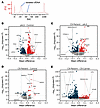
Patients with ALS display a distinct methylome signature. We ascertained a study cohort consisting of 20 patients with sALS, 10 patients with C9-ALS, 10 presymptomatic carriers of C9-ALS, and people who are controls in the study and who are disease free (Table 1), with extensive clinical documentation of disease course and special studies, including measurement of neurofilaments. We isolated cfDNA from their banked serum samples, and after confirming that isolated cfDNA samples exhibit a peak distribution of DNA fragments migrating at approximately 170 bp (Figure 1A), we then performed targeted methylome sequencing on all 61 participants using the Enzymatic Methyl-seq (EM-seq) method, followed by unbiased target enrichment with the TWIST Human Methylome Panel of biotinylated probes that provide coverage of approximately 4 million CpG sites across the human genome (www.twistbioscience.com). With the exception of one sALS sample, we achieved satisfactory quality control and sufficient unique read depth at approximately 45× to permit in-depth epigenetic analysis of the resultant sequencing data for 60 samples, and we detected hundreds of de novo differentially methylated regions (DMRs) and associated genes between these 4 groups (Figure 1, B–E). To assess the importance of achieving approximately 45× sequencing depth, we conducted a simulation analysis and found that a substantial portion of DMRs would be missed at sequencing depths less than 45× (Supplemental Figure 1; supplemental material available online with this article; https://doi.org/10.1172/JCI191508DS1).
Numerous differentially methylated regions (DMRs) are detectable in plasmaFigure 1

Numerous differentially methylated regions (DMRs) are detectable in plasma cell-free DNA obtained from patients with ALS and carriers. (A) Here, we see the size distribution of cell-free DNA obtained from 1.5 mL of blood serum. Note the major peak at approximately 170 bp that perfectly corresponds to the size of DNA protected by a single nucleosome and a minor peak for a dinucleosome protected DNA fragment at approximately 330 bp. (B–E) Volcano plots showing differentially methylated genes as a function of mean methylation difference (x axis) identified by DMR analysis of the following cohorts: (B) patients with sALS versus nondisease control individuals; (C) patients with C9-ALS versus patients with sALS; (D) patients with C9-ALS versus individuals without disease acting as controls; and (E) C9 patients with ALS versus carriers of C9-ALS. DMRs with an adjusted P value under 1 × 10⁻⁵ are colored.

Table 1

Patient demographics and laboratory data

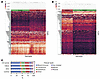
When we extended our analysis to single CpG resolution, we identified 2,382 CpG sites with significantly different methylation between patients with sALS and people who were controls, and 1,801 CpG sites with significantly different methylation between carriers of C9-ALS and people who were controls. Clustering of the top 1,000 differentially methylated CpG sites (ranked by adjusted P values) for these cohort comparisons yielded clearly distinguishable methylation patterns (Figure 2, A and B).
Clustering of differentially methylated CpGs yields clear separation of groFigure 2

Clustering of differentially methylated CpGs yields clear separation of groups of patients with ALS and individuals without disease acting as controls. (A and B) Clustering of patient groups based upon detection of differentially methylated CpGs in cfDNA samples subjected to targeted EM-seq. Here, we clustered the top 1,000 differentially methylated CpGs for: (A) patients with sALS versus nondisease control individuals, and (B) carriers of C9-ALS versus nondisease control individuals. Note that each column is a single sample and each row is a single CpG site. The threshold for significantly differentially methylated CpG sites was set at P < 0.001, based upon applying the Mann-Whitney U-test. (C) Tissue-of-origin results based upon UXM deconvolution analysis of cell-type–specific methylation markers that map to 7 different tissue types for each of the cohort groups. Note representation of different tissue types between patients with C9-ALS, carriers of the C9-HRE, patients with sALS, and nondisease control individuals is virtually identical, with approximately 4.5% of cfDNA derived from neural tissue for each cohort.

Deconvolution analysis reveals the origin of cfDNA. To determine the tissue of origin of cfDNA using tissue-specific methylation patterns (19), we applied the UXM algorithm to deconvolute our cfDNA samples into 39 different cell types (20), grouped into 7 broad tissue categories: blood immune cells, connective tissue, epithelium, sex-related tissue, neural tissue, muscle, and other. Our results revealed that approximately 4.5% of cfDNA is derived from neural tissue (Figure 2C and Supplemental Table 1), suggesting that a blood-based liquid biopsy can reliably detect methylation changes originating in the central nervous system (CNS). To better understand the origin of the neural cfDNA signal, we performed an expanded tissue deconvolution analysis incorporating brain cell subtypes (21) and determined that excitatory neurons are predominant contributors to neural-derived cfDNA (Supplemental Figure 2). Furthermore, our analysis of cfDNA tissue type did not reveal significant global differences in cfDNA tissue-of-origin among these cohorts. To assure accuracy of the deconvolution, we performed a simulation study using in silico mixtures of sequenced reads. For 50 mixtures at 5 different neuron sample concentrations varying from 0%–10%, the simulation results confirmed that the UXM algorithm can accurately detect cfDNA tissue-of-origin (Supplemental Figure 3).

Patients with ALS show cfDNA methylation alterations in disease-relevant genes. The most established biological mechanism for epigenetic gene regulation is the methylation status of the promoter region. While promoter hypermethylation typically leads to decreased gene expression, promoter hypomethylation results in increased gene expression. To further explore the relevance of differentially methylated genes in cfDNA, we applied a stringent filter to differentially methylated regions (DMRs) in the promoter region. Specifically, we retained promoter-overlapping DMRs with greater than or equal to 10 CpG sites, an adjusted P value less than 1 × 10⁻⁵ between groups, and a mean methylation difference greater than or equivalent to ± 0.1 between groups. DMRs in the X chromosome were excluded, as they naturally exhibit significant differences due to X-inactivation between the male and female sex. Unbiased de novo DMR analysis of patients with sALS versus nondisease control individuals revealed 18 genes with significant promoter methylation changes (Table 2). Of these highly significant hits, the DMR associated with PON1, the gene encoding Paraoxonase 1, exhibited the greatest change in methylation pattern. In the sALS cohort, the PON1 DMR was hypomethylated with an average promoter methylation of 43.6% compared with 57.6% in controls (P = 5.0 × 10⁻¹⁸). PON1 encodes an enzyme found in high-density lipoprotein (HDL) (22). While the association of ALS and cardiovascular disease is ambiguous, there is evidence that alterations in cholesterol metabolism are a risk factor and a negative prognostic factor in ALS (23, 24). Furthermore, several genetic single nucleotide polymorphism (SNP) coding variants in PON1 have been associated with increased susceptibility to sALS, including Q192R, L55M, and A162G (25–28), and another independent study reported a common haplotype in the PON1 promoter that is significantly linked to sALS disease risk (29).
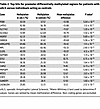
Table 2

Top hits for promoter differentially methylated regions for patients with sALS versus individuals acting as controls

Other ALS disease-relevant genes were also identified as displaying markedly different methylation patterns in promoter DMRs, including the LMTK3 gene that encodes the lemur tail kinase-3 protein and the STK11 gene that encodes the protein LKB1, a well-known tumor suppressor (Table 2). LMTK3 belongs to a family of lemur tyrosine kinases that are highly expressed in layer II to VI of the motor cortex and in the CA1-3 area in the dentate gyrus of the hippocampus (30). While LMTK3 normally functions in neurite extension and apoptosis, axonal transport, and endosomal vesicle trafficking (31, 32), LMTK3 can regulate cortical excitability through its interactions with the chloride-potassium transporter KCC2 (33), potentially implicating LMTK3 in excitotoxicity, which is a defining feature of ALS. Notably, postmortem studies of the frontal cortex of patients with sALS revealed increased expression of LMTK3 in neuron axons and dendrites (34), which could be explained by hypomethylation of the LMTK3 promoter DMR observed in our sALS patient cohort and found to be also present in C9-ALS presymptomatic carriers (Table 2). In the case of STK11, an unbiased integrative multi-omics study of sALS found that copy number variants (CNVs) in STK11 are associated with ALS disease risk and might represent a potential biomarker for sALS patient stratification (35), although the effect of the CNV increase at the STK11 locus upon gene expression was not determined. Whether hypermethylation of the STK11 promoter DMR detected by our methylome sequencing analysis of patients with sALS is related to the CNV increase observed at this locus in patients with sALS deserves consideration.

Since promoter methylation plays an important role in regulating gene expression, we further estimated the methylation level of promoter DMCs for ALS-associated genes (Figure 3). For TARDBP, which encodes the TDP-43 protein, we noted significant hypomethylation in both patients with sALS and patients with C9-ALS compared with nondisease control individuals, but remarkably, we observed no differences in hypomethylation between carriers of C9-ALS and nondisease control individuals (Figure 3), suggesting that epigenetic changes in the TDP-43 gene do not occur until after initiation of clinically significant disease. Interestingly, a postmortem analysis of the frontal cortex of a ALS patients found that TARDBP hypomethylation correlates with age of disease onset (36). Analysis of the C9orf72 gene revealed marked variability in methylation status, with markedly increased promoter methylation in patients with C9-ALS and carriers of C9-ALS (Figure 3), in agreement with prior studies (37). While there were trends towards CpG hypomethylation of SOD1 and AGRN in patients with C9-ALS and carriers, and evidence for CpG hypermethylation of FUS in patients with C9-ALS, these differences did not achieve statistical significance (Figure 3). We also noted marked promoter CpG hypomethylation of the ATXN2 gene in patients with C9-ALS, especially when compared with nondisease control individuals (Figure 3). These results indicate that ALS-linked genes are subject to CpG-level epigenetic alterations that can be detected in cfDNA isolated from serum of patients with sALS and C9-ALS.

CpG methylation levels in promoters of certain ALS-associated genes vary siFigure 3

CpG methylation levels in promoters of certain ALS-associated genes vary significantly between patients with sALS, patients with C9-ALS, carriers of C9-HRE, and individuals without disease acting as controls. Here we see a plot of the methylation levels for the top promoter DMCs of the listed ALS-associated genes measured in cfDNA samples obtained from blood plasma after normalization. The Y-axis corresponds with the methylation level, which is given as a Z score. For this comparison, a positive Z score means hypermethylation, while a negative Z score equates to hypomethylation. Statistical comparisons for significant differences are shown based upon applying the Mann-Whitney U test. *P < 0.05, **P < 0.01. Error bars indicate the SD.

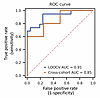
Multimodal epigenetic sequencing analysis of cfDNA enables detection of patients with ALS. To permit a more comprehensive analysis of epigenetic signatures in cfDNA samples from patients with ALS, we extracted 3 additional epigenetic features from our methylome sequencing data: (a) DNase I hypersensitive site (DHS) region methylation, (b) nucleosome occupancy, and (c) window protection score. DHSs are established markers of regulatory DNA, which reveal novel relationships between chromatin accessibility, transcription, and DNA methylation (38); nucleosome occupancy reflects the likelihood that a given base pair in a cell will be occupied by a nucleosome; and window protection score is a measure of the dynamics of DNA fragmentation as it relates to nucleosome positioning (18). We have previously combined these 3 metrics with differential CpG site methylation to build a machine learning model for colorectal cancer detection, which we called multimodal epigenetic sequencing analysis (MESA) (39), to identify distinct epigenetic features for evaluation of methylome sequencing data from cfDNA. To determine if cfDNA-based epigenetic properties can distinguish patients with ALS from nondisease control individuals, we applied the MESA pipeline to our data set and trained a model on the most significant markers for these 4 modalities. To test the performance of MESA in detecting patients with sALS, we used leave-one-out cross-validation (LOOCV) and obtained an average area under the curve (AUC) of 0.91 in the receiver operator curve (ROC) characteristic analysis (Figure 4). Notably, with a false positive rate of 0% (i.e., 100% specificity), comparison of cfDNA epigenetic signatures enabled us to detect 70% of patients with sALS. To determine the robustness and generalizability of MESA, we considered a recently published cfDNA whole-genome bisulfite sequencing data set obtained from 10 patients with ALS and 8 nondisease control individuals (40). When we applied our MESA algorithm to this independent cohort, we obtained an AUC of 0.85, cross validating its strong performance for different sequencing methods and geographically diverse cohorts. We also inspected inter-individual biomarker variability for our top 100 differentially methylated CpG (DMC) sites, quantified by coefficient of variation, and noted that methylation variability was much greater in carriers of C9-ALS and patients with sALS compared with nondisease control individuals (Supplemental Table 2). This variability indicates that cfDNA methylation is capturing biological differences between different cohorts and shows that cfDNA-based biomarkers exhibit greater variability in disease and carrier groups.
MESA analysis can accurately detect patients with sALS in comparison with iFigure 4

MESA analysis can accurately detect patients with sALS in comparison with individuals without disease acting as controls. Using MESA, we performed receiver operator characteristic curve analysis for the most significantly different cfDNA multimodal epigenetic markers for patients with sALS (n = 19) versus individuals without disease acting as controls (n = 21). LOOCV analysis yielded an AUC of 0.91 and was then applied to an independent cross-validation cohort (Cross-cohort) of patients with sALS (n = 10) versus individuals without disease acting as controls (n = 8), yielding an AUC of 0.85.

CSF neurofilament levels and differential promoter methylation correlate with ALS disease progression. At present, there is an urgent need for reliable biomarkers to track disease progression in patients with ALS. The measurement of neurofilaments is being utilized as a biomarker in ALS, as neurofilaments may reflect axonal damage and ongoing motor neuron degeneration. We thus considered the utility of neurofilament levels as a predictor of disease progression in the 18 patients with sALS and 7 patients with C9-ALS from our study cohort or for whom neurofilament levels in blood and CSF have been obtained and longitudinal assessments had been performed. When we compared disease progression between these 18 patients with sALS and 7 patients with C9-ALS, we noted more rapid disease progression in patients with sALS, based upon a higher median loss of ALS-FRS-R points per month, as patients with sALS declined at an average rate of 0.80 ALS-FRS-R points per month, while patients with C9-ALS declined at an average rate of 0.67 ALS-FRS-R points per month, but this difference did not achieve statistical significance due to the small cohort sizes. In line with previous studies (41), the level of phosphorylated neurofilament heavy chain (pNfH) in CSF from our 18 patients with sALS and 7 patients with C9-ALS correlated with this difference in disease progression, with patients with sALS displaying higher median CSF pNfH levels in comparison with patients with C9-ALS (3,000 pg/mL vs. 2,202 pg/mL). However, these differences were not statistically significant, owing to the small cohort sizes. The sALS cohort and C9-ALS cohort were similar in terms of location of disease onset (approximately 80% spinal and approximately 20% bulbar; P = 0.949), age (P = 0.189), and sex (P = 0.135). When we evaluated CSF pNfH as a biomarker for ALS disease progression in all 25 patients with ALS, we observed a significant correlation between the slope of ALS-FRS-R decline and the increase in pNfH levels (Figure 5A). This data supports pNfH levels as an indicator of disease progression in our study cohort.
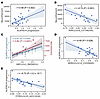
Neurofilament levels and disease progression rates correlate with single geFigure 5

Neurofilament levels and disease progression rates correlate with single gene methylation changes in patients with ALS. (A) Plot of phosphorylated neurofilament heavy chain (pNfH) levels as a function of ALS-FRS-R rate of disease progression for 25 patients with ALS (sALS, n = 18; C9 ALS, n = 7). Statistical comparison is based upon Spearman rank correlation analysis. (B) Plot of phosphorylated neurofilament heavy chain (pNfH) levels as a function of RIPK1 gene methylation for patients with sALS (n = 18). Statistical comparison is based upon Spearman rank correlation analysis. (C) Plot of both phosphorylated neurofilament heavy chain (pNfH) levels and ALS-FRS-R rate of disease progression as a function of GBP1 gene methylation for patients with sALS (n = 18). Statistical comparison is based upon Spearman rank correlation analysis. (D) Plot of ALS-FRS-R rate of disease progression as a function of NDRG2 gene methylation for patients with sALS (n = 19). Statistical comparison is based upon Spearman rank correlation analysis. (E) Plot of ALS-FRS-R rate of disease progression as a function of FITM2 gene methylation for patients with sALS (n = 19). Statistical comparison is based upon Spearman rank correlation analysis.

We next tested if pNfH levels were correlated with promoter CpG site methylation differences in selected genes. Among genes with the most significant DMCs, we identified a negative correlation between pNfH CSF levels and methylation levels of the RIPK1 gene in patients with sALS (Figure 5B and Table 3). RIPK1 encodes the receptor-interacting serine/threonine protein kinase 1, is upregulated in postmortem spinal cord tissue from patients with ALS (42), and its serum concentrations were found to be higher in patients with ALS (43). In contrast, in the case of the GBP1 gene, we detected a positive correlation between pNfH CSF levels, and GBP1 methylation (Figure 5C and Table 3). GBP1 encodes a large GTPase involved in cellular signal transduction responses to inflammation and environmental stressors.

Table 3

Top 10 differentially methylated genes correlating with pNfH CSF values

To further determine if CpG methylation differences in a single gene could be a significant predictor of ALS clinical disease progression, we next considered our top promoter differentially methylated CpG (DMC) hits. Interestingly, methylation of a GBP1 DMC also directly correlated with sALS clinical disease progression (Figure 5C and Table 4). We further noted that DMC methylation of the N-myc downstream-regulated gene 2 (NDRG2) exhibited a strong negative correlation with ALS-FRS-R slope (Figure 5D and Table 4), as patients with sALS defined as displaying faster disease progression have greatly reduced NDRG2 promoter CpG site methylation. The NDRG2 protein is known for its role as a tumor suppressor, inhibiting several key cell pathways, including Akt, NF-κB, and TGF-β signaling (44), but NDRG2 protein is also highly expressed in motor neurons (45), and can promote neurite outgrowth (46) and regulate oxidative stress. Interestingly, splicing dysregulation of the NDRG2 gene occurs upon knockdown of either FUS/TLS or TDP-43 (47), and increased NDRG2 protein expression, as would be expected upon promoter hypomethylation, has been implicated in disease pathogenesis in ALS-model mice (45). Finally, we noted that DMC methylation of FITM2, which encodes the fat storage–inducing transmembrane protein 2, displayed a strong negative correlation with clinical ALS disease progression (Figure 5E and Table 4). FIT proteins are critical for promoting the formation of lipid droplets within the endoplasmic reticulum. FITM2 is highly expressed in adipocytes, where it facilitates production of large lipid droplets essential for energy storage and metabolic homeostasis (48). Dysregulation of lipid droplets has been implicated in ALS disease pathogenesis, as TDP-43 loss of function results in metabolic disturbances, including an accumulation of lipid droplets (49). Furthermore, dramatically increased lipid droplet accumulation was detected in skeletal muscle biopsies obtained from patients with fALS carrying mutations in FUS (50).

Table 4

Top 10 differentially methylated genes correlating with ALS disease progression

Studies of ALS-associated RIPK1 hypomethylation confirm expression increase in human patients and implicate RIPK1 expression increase in microglia dysfunction. To determine if highly significant cfDNA promoter methylation differences found to correlate with ALS patient CSF neurofilament burden or disease severity result in altered expression of the implicated genes, we selected NDRG2 and RIPK1 for further analysis, as these 2 target genes are known to be dysregulated in ALS model mice and in human patients (42, 43, 45). When we measured the RNA expression levels of NDRG2 and RIPK1 in the frontal cortex of patients with frontotemporal dementia associated with TDP-43 (FTD) with or without ALS motor neuron disease, we noted increased expression of both these genes in FTD-TDP and patients with FTD-TDP/ALS, though the increase only constituted a trend for NDRG2 (Figure 6A). A previous single-nucleus RNA sequencing study on sALS spinal cord showed that increased expression of RIPK1 in glial cells is associated with neuroinflammation (51). To validate whether increased RIPK1 expression leads to inflammation in microglia, we transduced induced microglia-like cells (iTF-microglia), derived from induced pluripotent stem cells (52), with a RIPK1 lentivirus and stimulated inflammation by treating with lipopolysaccharide (LPS). We observed a robust cytokine response, which was significantly augmented by increased expression of RIPK1 (Figure 6B). We then assayed the phagocytosis capacity of iTF-microglia subjected to LPS treatment and RIPK1 expression increase, and we found that increased RIPK1 significantly impaired phagocytosis (Figure 6C), indicating that RIPK1 diminished this neuroprotective function. Another key microglia task is migration, which is involved in the response to injury. To assay microglia migration, which is accentuated when microglia are reactive, we treated iTF-microglia with LPS in the presence or absence of RIPK1, and we observed markedly increased iTF-microglia migration with RIPK1 overexpression (Figure 6D). Furthermore, higher RIPK1 expression led to enhanced cell death (Figure 6E). Overall, these findings support a role for increased RIPK1 expression in promoting glial cell dysfunction and neuroinflammation.
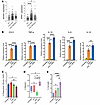
Expression levels of differentially methylated genes in postmortem FTD-ALSFigure 6

Expression levels of differentially methylated genes in postmortem FTD-ALS patient cortex and evaluation of effect of RIPK1 expression increase on microglia function. (A) Quantitative real-time RT-PCR analysis of RNAs isolated from the frontal cortex of patients with FTD (n = 167) or patients with FTD-ALS (n = 59) with evidence of TDP-43 histopathology on postmortem examination, as well as individuals without disease acting as controls (n = 51) to measure the expression level of NDGR2 and RIPK1. Statistical significance was calculated using the Kruskal-Wallis nonparametric test. *P < 0.05, ****P < 0.0001. (B) iTF-microglia were transduced with a RIPK1 lentivirus expression or empty vector, then left untreated or subjected to LPS treatment. We then isolated RNAs and performed qRT-PCR analysis of the indicated cytokine genes. *P < 0.05, **P < 0.01, ***P < 0.001, ****P < 0.001; ANOVA with Tukey’s post hoc test, n = 3 biological replicates. (C) iTF-microglia were transduced with a RIPK1 lentivirus expression or empty vector, and then left untreated or subjected to LPS treatment. We then incubated iTF-microglia with pHrodo Red Zymosan BioParticles Conjugate, and measured pHrodo Red Zymosan BioParticles fluorescence as a ratio of DAPI fluorescence. *P < 0.05, **P < 0.01; ANOVA with Tukey’s post hoc test, n = 4 biological replicates. (D) iTF-microglia were transduced with a RIPK1 lentivirus expression or empty vector, then left untreated or subjected to LPS treatment. To measure migration, iTF-Microglia were plated onto PDL and ECM coated 8 μm transwells, ADP was added as the attractant, and numbers of migrating microglia were counted, *P < 0.05, ****P < 0.001; ANOVA with Tukey’s post hoc test, n = 6 biological replicates. Boxes indicate the 25th percentile to 75th percentile with respective medians marked by a line within the box, while whiskers encompass the full range of scores for each condition. Please see the supporting raw values file for exact scores for each condition. (E) iTF-microglia were transduced with a RIPK1 lentivirus expression or empty vector, and then left untreated or subjected to LPS treatment. We then stained iTF-microglia with DAPI and counted the numbers of dead cells based on amoeboid and blebbing appearance. *P < 0.05, ***P < 0.001, ****P < 0.0001; ANOVA with Tukey’s post hoc test, n = 4 biological replicates. Error bars indicate SEM.
Discussion

Differentiating ALS from other conditions with similar clinical presentations remains a significant diagnostic challenge, particularly in the early stages of the disease. The lack of specific tests and common misinterpretation of ALS-mimicking syndromes pose a substantial burden for patients, especially given the short median life expectancy of about 3 years. This often leads to prolonged periods of diagnostic uncertainty, unnecessary medical procedures, and delayed enrollment in clinical trials. This delayed diagnosis may close the therapeutic window, such that disease has progressed beyond the point at which disease progression may be attenuated. Over 90% of ALS cases are sporadic and likely to involve genetic susceptibility to environmental risk factors that contribute to the disease through epigenetic changes (10). While there are various methods to gauge epigenetic alteration, an exciting development has been the analysis of cell-free DNA (cfDNA) as a marker of epigenetic change.

Unlike a previous report that restricted analysis to preselected targets (53), here, we pursued a completely unbiased approach to the analysis of epigenetic change in ALS by performing EM-seq combined with target enrichment via a methylome panel of biotinylated probes that provide coverage of approximately 4 million CpG sites across the human genome. Despite our relatively small cohort sizes, we were able to detect hundreds of significantly altered CpG methylation events in both sALS and patients with C9orf72 ALS in comparison with individuals who are controls and who are without disease. Because of the robustness of our sequencing approach, which offers numerous advantages over sodium bisulfite sequencing that yields much lower complexity sequencing libraries, we could extract other key epigenetic features, including DNase I hypersensitive site methylation, nucleosome occupancy, and window protection score. When we analyzed the top markers for these 4 features using our MESA machine learning algorithm and performed ROC characteristic analysis, we could readily distinguish the majority of patients with sALS (70%) from nondisease control individuals with 100% specificity, reflecting the obtained AUC of 0.91. We also applied MESA to an independent cohort of 10 patients with sALS and 8 controls, and obtained an AUC of 0.85, convincingly demonstrating its broad utility. Given the small size of these respective cohorts, this level of detection bodes well for the application of this strategy as a tool for facilitating ALS disease diagnosis.

Freely circulating cfDNA levels in the bloodstream are physiologically determined by the rate of DNA release and the activity of clearing enzymes such as DNase I, factor VII-activating protease, and factor H (54). For disease conditions characterized by excessive cell death, such as cancer, cfDNA can accumulate to very high levels due to an increased cfDNA release, which subsequently overloads the clearance system. Similarly, due to the aggressive nature of ALS, we anticipated that this rapidly progressive motor neuron degeneration would lead to an enrichment of cfDNA levels originating from neurons and muscle cells. While a higher abundance of muscle-derived cfDNA in ALS has been shown using bisulfite sequencing (55), our results did not indicate alterations in cfDNA composition in patients with ALS compared with controls, which may arise from differences in cfDNA isolation and sequencing methods. Compared with bisulfite-sequencing, EM-seq is nondestructive to the input DNA, resulting in longer DNA fragments (>10 kb) and better coverage of the methylome, allowing the detection of subtle methylation changes (56), which enhances the accuracy of tissue deconvolution. Our overall cfDNA tissue distribution is similar to reports in healthy controls using whole-genome bisulfite sequencing (57). We also did not find that ALS patient samples contained more cfDNA than controls, contrary to a recently published study (55).

Our deep, approximately 45×, methylation sequencing is critical for identifying neuron-derived ALS biomarkers, as it provides the statistical power needed to detect subtle methylation changes between clinical samples, particularly given the relatively low abundance (approximately 4.5%) of neuronal-derived cfDNA. It is intriguing that our analysis revealed several top methylation changes in the promoter regions of genes that are associated with ALS or centrally implicated in ALS disease pathogenesis. For the TDP-43 gene TARDBP, demethylation in the 3’ untranslated region in the motor cortex has previously been associated with the age of ALS onset (36). Our methylation sequencing analysis of cfDNA revealed significant promoter hypomethylation in TARDBP in both patients with sALS and patients with C9-ALS compared with people without disease who are controls. We also observed significant methylation changes in ALS patient cfDNAs for the promoters of 3 genes (PON1, LMTK3, and STK11), whose gene products have all been linked to ALS, either as disease risk associations in the case of PON1 and STK11, or as undergoing marked changes in gene expression (LMTK3) in pathologically relevant regions of the CNS in postmortem studies of patients with ALS. These findings indicate that methylation sequencing of ALS patient cfDNA may reflect ongoing cellular processes tied to ALS disease pathogenesis. When we tried to better understand the origin of these neuron-related methylation changes with CellDMC analysis (58), we did not identify any specific cell type as the primary driver. We speculate that the biomarkers detected in cfDNA do not originate from a single cell or tissue type, but instead likely reflect a systemic, whole-body effect involving multiple biological sources, including diseased neurons.

Although the application of cfDNA epigenetic signature analysis as an assay for facilitating ALS disease diagnosis is, in and of itself, an exciting advance, we also considered use of cfDNA epigenome changes as a biomarker for tracking ALS disease progression. To maximize the likelihood of identifying a correlation between cfDNA epigenetic alterations and ALS disease progression, we focused on genes with the greatest extent of methylation change, selecting our top DMCs. With this approach, we found significant correlations between ALS disease progression and methylation for three genes, GBP1, NDRG2 and FITM2. We noted that increased methylation of the GBP1 gene correlated with an increased rate of ALS disease progression, while decreased methylation of the NDRG2 and FITM2 genes correlated with an increased rate of ALS disease progression. As increased expression of the Nrdg2 protein has been observed in ALS mice (45), hypomethylation of NDRG2 in cfDNA of patients with ALS is consistent with this finding. Furthermore, hypomethylation of FITM2 in cfDNA of patients with ALS may indicate increased expression of FITM2 protein, which promotes lipid droplet formation, and thus could be contributing to excessive, aberrant accumulation of lipid droplets, as noted upon TDP-43 dysfunction (49) and FUS mutation (50). Hence, the ability of cfDNA epigenetic signature analysis to uncover specific genes that correlate with disease progression in this small pilot study is a very encouraging result.

We also sought to compare cfDNA epigenetic changes with neurofilaments, since neurofilaments have been suggested as potential biomarkers in ALS. However, because of the small number of patients for whom neurofilament levels were available, we only observed a significant correlation between pNfH CSF levels and ALS disease progression. For this reason, we tested if cfDNA detection of methylation differences in patients with ALS correlated with pNfH CSF levels, and we observed significant correlations between methylation changes in 2 genes, RIPK1 and GLP1. Interestingly, RIPK1 has been studied extensively in ALS, with one report documenting its upregulation in human patients with ALS and potential utility as a biomarker (43). Because the RIPK1 protein can induce axonal degeneration by promoting inflammation and necroptosis pathways (42, 59), it was nominated as a therapy target, resulting in the development of an oral RIPK1 inhibitor drug as a potential treatment for sALS (ClinicalTrials.gov ID: NCT05237284). We examined RIPK1 expression in the cortex of postmortem FTD and patients with FTD-ALS, and we independently confirmed significant increases in RIPK1 RNA levels. As a recent single-cell RNA sequencing study of patients with sALS identified increased RIPK1 as a potential factor in promoting glial cell activation and neuroinflammation (51), we examined the function of microglia subjected to RIPK1 expression increase and documented increased inflammatory cytokine production, as well as decreased phagocytosis capacity, increased migration, and elevated cell death, which together indicate that increased RIPK1 expression predisposes microglia to adopt a reactive, proinflammatory state. Detection of the RIPK1 gene by unbiased cfDNA epigenetic signature analysis underscores the utility of this modality not only for potential biomarker application in ALS, but also for assisting with prioritization of therapy candidates.

In this pilot study, we isolated cfDNA from the blood of patients with ALS, carriers, and nondisease control individuals, and then utilized targeted EM-seq to determine if epigenetic changes could reliably differentiate patients with ALS from those people who were controls. We found that the cfDNA epigenetic signatures detected by targeted EM-seq were surprisingly robust, permitting us to accurately diagnose 70% of patients with ALS with a blood test. In light of these compelling results, we extended our analysis to test for correlations between cfDNA epigenetic signature compared with the rate of disease progression and CSF neurofilaments in patients with ALS, and we detected sets of genes whose methylation status significantly correlated with ALS-FRS-R decline and with CSF pNfH levels. Given our limited sample size, future studies are needed to determine if cfDNA epigenetic signature analysis using MESA can yield similar results in larger and more diverse ALS patent cohorts. Replication in a much larger cohort is also necessary to rule out the risk of overfitting due to the use of limited sample sizes. Nonetheless, our findings indicate that cfDNA epigenetic signature analysis deserves further evaluation as a potential biomarker in ALS, especially when one considers that the half life of circulating DNA is exceedingly short, ranging from several minutes to a few hours (13, 54), underscoring its potential utility for effectively and dynamically monitoring effects of experimental treatments in future human clinical trials.

Methods

Sex as a biological variable

This study includes analysis of 60 patients with ALS and individuals who were controls, and the study was not powered to evaluate sex as a biological variable. The sex of the study participants is given in Table 1. For experiments using postmortem human tissue, roughly equal numbers of males and females were analyzed, and sex was not evaluated as a biological variable.

Study cohort

Patients were enrolled at the Department of Neurology, University of Ulm Germany between 2009–2023. Patients with ALS were diagnosed with definite, probable, or possible ALS according to revised El Escorial criteria. C9-carrier and C9-ALS were positively tested for a GGGGCC hexanucleotide expansion in the first intron in the C9orf72 gene. Patients classified as sALS tested negative for the 43 most frequent disease-causing mutations and risk factors (Supplemental Table 3). ALS severity was measured using the ALS Functional Rating Scale-Revised (ALS-FRS-R) at time of blood drawing, which represents a quantitative measurement of physical functioning on a scale from 0 (not functional) to 48 (normal function). ALS disease progression was calculated as loss of ALS-FRS-R points from the date of blood drawing compared to the date of first onset of symptoms. The control cohort consisted of patients with cranial nerve palsy (N. III, N. VI, or N. VII palsy), vestibular neuronitis, or benign paroxysmal positional vertigo (BPPV). All participants were subject to a neurological examination and cranial imaging using MRI. Blood samples were obtained from participants recruited between 2009 – 2023 from the Department of Neurology at the University Hospital Ulm via participation in the MND-NET cohort study.

Collection and preparation of samples

After written consent, whole blood was collected from patients at the ALS clinic at the University Hospital in Ulm. Instead of plasma, we used blood serum for isolation of cfDNA in this study, because serum had been stored at –80°C at the University Hospital Ulm biobank. We used 1.5 – 2.5 mL blood serum as input material for cell-free DNA isolation using the nRichDx Revolution Max20 cfDNA Isolation Kit (PN 100131) according to the manufacturer’s instructions. To rule out significant genomic DNA contamination, we examined isolated cfDNA on an Agilent Bioanalyzer and no large genomic fragments were observed (Figure 1). cfDNA was then shipped on dry ice to TwistBioscience for methylome sequencing. The quality and quantity of extracted cfDNA was assessed by TwistBioscience.

Targeted EM-seq of cfDNA

A total of 5 ng cfDNA along with 0.2 pg of unmethylated Lambda DNA per specimen was used to prepare the barcoded NGS libraries using the NEB Next Enzymatic Methyl-seq Kit (New England Biolabs, USA) according to the manufacturer’s instructions. The captured libraries were then supplemented with a 20% PhiX genomic DNA library to increase base calling and submitted to TWIST for Illumina 150 bp paired-end sequencing with approximately 45× coverage. The libraries were then hybridized with the Twist Human Methylome Panel that targets 3.98M CpG sites through 123 Mb of genomic content. The panel detects the most current, annotated, and biologically relevant CpG methylation regions in the genome, including promoters, enhancers, CpG islands, shores, and shelves. Unmethylated lambda DNA was used as a control to monitor the C-to-T conversion efficiency. Targeted EM-seq increases detection sensitivity while decreasing sequencing costs (14). Using this approach, we achieved approximately 45× coverage, while traditional whole-genome bisulfite sequencing typically achieves only 30× coverage. After removing low-quality reads and adaptor contamination with TrimGalore (https://github.com/FelixKrueger/TrimGalore; commit ID 68df545), we aligned remaining reads to the hg38 human genome reference using bwa-meth (v0.2.7; https://github.com/brentp/bwa-meth; commit ID 7041676), Samtools (v1.6) (60), and Sambamba (v1.0.0) (61). We further remove duplicated reads with Picard Toolkit (v3.0.0; https://broadinstitute.github.io/picard/; commit ID 04e9b20).

Differential methylation analysis

For differentially methylated CpGs (DMCs), after removing CpG sites with greater than 10% missing values for people who were controls versus patients with sALS/C9-carriers comparison, we calculated P values for each CpG site Mann-Whitney U-test. For de novo differentially methylated regions (DMRs) discovery, we applied metilene (v0.2.8) (62), and subsequently recalculated Mann-Whitney U-test P values by combining methylation levels of CpG sites covered in each DMRs. The P values were adjusted for multiple testing using the Benjamini–Hochberg procedure (https://github.com/statsmodels/statsmodels; commit ID 775d8f9).

Deconvolution analysis and in silico simulation

The tissue-of-origin of cfDNA samples were estimated using the UXM deconvolution algorithm (20). We grouped 39 different cell types in the deconvolution reference into 7 broad tissue categories: blood immune cells, connective tissue, epithelium, sex-related tissue, neural tissue, muscle, and other. For brain cell subtype deconvolution, an expanded cell-type reference was generated from DNA methylation atlas (20) and single-cell DNA methylation samples (21), using ‘uxm build’. For in silico simulation of UXM, we included each of 5 neuron samples from the DNA methylation atlas (20), then iteratively reconstructed the cell-type reference excluding the held-out neuron sample, randomly mixed the sample into background leukocyte sequencing reads with wgbstools (20) for 50 times, then applied the same UXM deconvolution pipeline to infer cell-type proportion in each mixture.

Multimodal epigenetic feature extraction

From cfDNA sequenced with targeted EM-seq and whole-genome bisulfite sequencing data obtained from an independent cohort (40), we extracted four types of epigenetic features: cfDNA CpG island (CGI) region methylation, cfDNA DNase hypersensitive site (DHS) region methylation, nucleosome occupancy, and window protection score (WPS). cfDNA methylation for single CpG sites was calculated with MethylDackel (v0.5.1) (https://github.com/dpryan79/MethylDackel; commit ID 59df03c) on aligned bam files. CGI and DHS region annotations were download for hg38 reference genome from UCSC genome browser, then regional methylation was calculated by averaging CpG site methylation within regions. Nucleosome occupancy was calculated using DNAPOS3 (63) for each of the 1 kb transcription start sites (TSS) and polyadenylation sites (PAS) and averaged with bigWigAverageOverBed (https://github.com/ENCODE-DCC/kentUtils/blob/master/bin/linux.x86_64/bigWigAverageOverBed; commit IDv3e7ba71). As described in ref. 18, average WPS was calculated for each targeted sequencing region.

Multimodal machine learning model for ALS detection

We applied the multimodal epigenetic sequencing analysis (MESA) (39) to build a multimodal machine learning model for sALS detection. For each of the four modalities (i.e. CGI methylation, DHS methylation, nucleosome occupancy and WPS), MESA selected a subset of informatic features (respectively 3,000, 2,500, 200, and 200) based on the Mann-Whitney U-test, and then further selected the most representative features as markers (respectively the top 100, 100, 20, and 80) using the Boruta algorithm. A base estimator would be trained based on the selected features. In detail, in each iteration of leave-one-out cross-validation (LOOCV), feature selection and classifier training were performed for each modality within the training set, then a meta-classifier was trained and made predictions for a test set based on the probabilities predicted by each of the four single modality base estimators. For validation of an independent cohort, we trained MESA on 40 or our samples (sALS, n = 19; control, n = 21) and calculated the predictive performance with the trained model on the independent cohort (sALS, n = 10; control, n = 8).

Genetic analysis

DNA was extracted from blood leucocytes. Analysis of the C9orf72 repeat length was performed by fragment length analysis and repeat-primed PCR (RP-PCR) (64). Electrophoresis was performed on an ABI PRISM 3130 Genetic Analyzer (Life Technologies, Foster City, California, USA). The data were analyzed using the Peak Scanner software (Applied Biosystems, Waltham, Massachusetts, USA). Samples with a saw tooth pattern in the RP-PCR were further analyzed using Southern blot (65). Genetic testing was performed at the Institute of Human Genetics of Ulm University.

Quantitative RT-PCR analysis of post-mortem patient cortex RNA

RNA was extracted from postmortem human frontal cortex tissue using the RNeasy Plus Mini Kit (Qiagen), following the manufacturer’s protocol. A total of 500 ng of high-quality RNA (RNA integrity (RIN) greater than 8 assessed by the Agilent 2100 Bioanalyzer, Agilent Technologies; and concentration by the NanoDrop spectrophotometer, Thermo Fisher Scientific) were used for reverse transcription using the High-Capacity cDNA Reverse Transcription Kit (Applied Biosystems), according to the manufacturer’s instructions. Quantitative PCR was performed in triplicate reactions using SYBR GreenER qPCR SuperMix (Invitrogen) on a QuantStudio 7 Flex Real-Time PCR System (Applied Biosystems). Interassay control samples were included on each plate to correct for potential inter-plate variability. For each well of a 384-well plate, 2 μL of diluted cDNA was combined with 2.5 μL SYBR GreenER SuperMix and 0.5 μL of a primer mixture containing 1 μM forward primer and 1 μM reverse primer at a final concentration of 0.1 μM per primer. The following primers were used: GAPDH F-GTTCGACAGTCAGCCGCATC, GAPDH R-GGAATTTGCCATGGGTGGA; RPLP0 F′-TCTACAACCCTGAAGTGCTTGAT; RPLP0 R-CAATCTGCAGACAGACACTGG; NDRG2 F-CCCGGACACTGTTGAAGG; NDRG2 R-GGCTGAAAAGATGTCCAAGG; RIPK1 F-GTACCTTCAAGCCGGTCAAA; RIPK1 R-TTACTCTGCAGGCTGGGC.

Studies of iTF-microglia

iTF-iPSCs were differentiated glia using a previously established protocol from the indicated iPSC cell line (52). RNA was isolated using Zymo Quick-RNA Miniprep Kit (Cat #R1055). RNA was reverse transcribed into cDNA using qScript Ultra SuperMix (VWR, Cat #76533-178). IL-6, TNF-α, IL-1β, CCL3, and IL-12A gene expression was analyzed using PowerUp™ SYBR™ Green Master Mix for qPCR (Thermo, Cat #A25777) with the following primer sequences: GAPDH F- TCCTGTTCGACAGTCAGCCG, GAPDH R-CCCCATGGTGTCTGAGCGAT, IL-6 F-TTCGGTACATCCTCGACGGC, IL-6 R-TCACCAGGCAAGTCTCCTCA, TNF-α F-TGCACTTTGGAGTGATCGGC, TNF-α R-CTCAGCTTGAGGGTTTGCTACA, IL-1β F-CGAGGCACAAGGCACAACAG, IL-1β R-GGTCCTGGAAGGAGCACTTCA, CCL3 F-GGCTCTCTGCAACCAGTTCTCT, CCL3 R-GGCTTCGCTTGGTTAGGAAGATGA, IL-12A F-CCAGCACAGTGGAGGCCTGTTTA, IL-12A R-GGCCAGGCAACTCCCATTAGTTAT.

Phagocytosis. We incubated iTF-microglia with pHrodo Red Zymosan BioParticles Conjugate for Phagocytosis (Thermo, Cat #P35364) at a 1:250 dilution after reconstitution in 2 mL PBS + DAPI. After 5 hrs, cells were placed into a Varioskan LUX Multimode Microplate Reader. Fluorescence readings were obtained for DAPI (405 nm) and phrodo Red Zymosan BioParticles (585nm). Dynamic range was set to automatic, measurement time 100 ms, excitating bandwidth 12 nm. % Ratio was determined as %RATIO = ((phrodo fluorescence/DAPI fluorescence) x 100). DAPI recordings were used to account for normalization/variability across wells.

Migration. We transferred iTF-microglia onto plates containing 100 μM Adenosine 5’-diphosphate (Cayman, Cat #16778) in the bottom chamber and plain media in the upper chamber. After 4 hrs, cells were fixed with 4% PFA for 15 min at RT followed by staining with DAPI for 10 min. The transwell insert was then placed onto a plain glass microscope slide and imaged at a wavelength of 405 using a Nikon eclipse Confocal Ti2 to obtain the total cell count based on DAPI stain. The transwell insert was then placed back onto the glass microscope slide to obtain an image of the cells on the bottom chamber of the transwell (migrated cells). % migration was calculated as %migration = ((migrated cell count/ total cell count) x 100).

Cell death. We fixed iTF-microglia with 4% PFA for 20 min followed by three washes with PBS. Cells were then incubated with DAPI for 10 min followed by three washes with PBS. Images were obtained using translucent and 405 filters on the ECHO Revolution at a magnification of 10x. Total cell count per field of view was determined based on DAPI counts, and cell death was determined based on amoeboid+blebbing morphology. % cell death was calculated as % dead cells = ((dead cell counts/total cell counts) x 100).

Statistics

As indicated, for pairwise comparisons, statistical significance was determined by 2-tailed Student’s t test. For multiple comparisons, statistical significance was determined by 1-way ANOVA with Tukey’s post hoc test. We employed the nonparametric Kruskal-Wallis test for comparison of the large postmortem patient data set.

The significance level was set at 0.05 for all experiments. Data were compiled and analyzed using Microsoft Excel or Prism 10.0.0 (GraphPad).

Study approval

The study was approved by the Ethics Committee at the University of Ulm (application number 19/12; Ulm, Germany). All study participants provided written informed consent.

Data availability

Values for all data points in all main figures and Supplemental figures are reported in the accompanying Supporting Data Values file. Any additional information on underlying data will be made available by the corresponding authors upon request.

All processed data used to generate the results are available at Zenodo (accession #14625318). Raw sequencing reads are available on the European Genome-phenome Archive (EGA) through accession number EGAD50000001808.

Author contributions

SM, CC, WL, and ARLS provided the conceptual framework for the study. SM, CC, WPR, CLB, LMT, WL, and ARLS designed the experiments. SM, CC, MMGG, FJA, ZW, DS, ACW, and JD performed the experiments. SM, CC, MMGG, FJA, ZW, CLB, LMT, ACW, DWD, LP, MP, WL and ARLS analyzed the data. SM, CC, WL, and ARLS wrote the manuscript.

Conflict of interest

The authors have declared that no conflicts of interest exist.

Funding support

This work is the result of NIH funding, in whole or in part. Through acceptance of this federal funding, the NIH has been given a right to make the work publicly available in PubMed Central.

  • NIH (R35 NS122140 to ARLS).
  • California Institute for Regenerative Medicine (Training Grant award EDUC4-12822 to MMGG).
  • Target ALS (BM-2024-C2-L1 to SM, WL, and ARLS).
  • University of Ulm (Bausteinförderung): L.SBN.0226.
  • Clinician Scientist Fellowship to SM.
Supplemental material

View Supplemental data

View Supporting data values

Acknowledgments

The authors wish to thank A. Cheung and C. Morrison for their technical advice and guidance, A. Beer, S. Hübsch, and D. Schattauer for their assistance with ascertainment of samples, and K. Günther for exceptional data management and organizational support.

Address correspondence to: Albert R. La Spada, Pathology & Laboratory Medicine, Neurology, Biological Chemistry and Neurobiology & Behavior, UCI Center for Neurotherapeutics, University of California Irvine, Irvine, California 92697, USA. Phone: 1.425.246.5779; Email: alaspada@uci.edu. Or to: Wei Li, Biological Chemistry, University of California Irvine, Irvine, California 92697, USA. Email: wei.li@uci.edu.

Footnotes

Copyright: © 2026, Michels et al. This is an open access article published under the terms of the Creative Commons Attribution 4.0 International License.

Reference information: J Clin Invest. 2026;136(11):e191508. https://doi.org/10.1172/JCI191508.

References
  1. Steinacker P, et al. Neurofilaments in the diagnosis of motoneuron diseases: a prospective study on 455 patients. J Neurol Neurosurg Psychiatry. 2016;87(1):12–20.
    View this article via: PubMed CrossRef Google Scholar
  2. Gordon BA. Neurofilaments in disease: what do we know? Curr Opin Neurobiol. 2020;61:105–115.
    View this article via: CrossRef PubMed Google Scholar
  3. Smeele PJ, et al. Neurofilament light increases over time in severe COVID-19 and is associated with delirium. Brain Commun. 2022;4(4):fcac195.
    View this article via: CrossRef PubMed Google Scholar
  4. Seddighi S, et al. Mis-spliced transcripts generate de novo proteins in TDP-43-related ALS/FTD. Sci Transl Med. 2024;16(734):eadg7162.
    View this article via: CrossRef PubMed Google Scholar
  5. Irwin KE, et al. A fluid biomarker reveals loss of TDP-43 splicing repression in presymptomatic ALS-FTD. Nat Med. 2024;30(2):382–393.
    View this article via: CrossRef PubMed Google Scholar
  6. Arnold SJ, et al. TDP-43 deposition in prospectively followed, cognitively normal elderly individuals: correlation with argyrophilic grains but not other concomitant pathologies. Acta Neuropathol. 2013;126(1):51–57.
    View this article via: CrossRef PubMed Google Scholar
  7. Moore LD, et al. DNA methylation and its basic function. Neuropsychopharmacology. 2013;38(1):23–38.
    View this article via: CrossRef PubMed Google Scholar
  8. Al-Chalabi A, et al. An estimate of amyotrophic lateral sclerosis heritability using twin data. J Neurol Neurosurg Psychiatry. 2010;81(12):1324–1326.
    View this article via: CrossRef PubMed Google Scholar
  9. Ryan M, et al. Lifetime risk and heritability of amyotrophic lateral sclerosis. JAMA Neurol. 2019;76(11):1367–1374.
    View this article via: CrossRef PubMed Google Scholar
  10. Figueroa-Romero C, et al. Identification of epigenetically altered genes in sporadic amyotrophic lateral sclerosis. PLoS One. 2012;7(12):e52672.
    View this article via: CrossRef PubMed Google Scholar
  11. Hop PJ, et al. Genome-wide study of DNA methylation shows alterations in metabolic, inflammatory, and cholesterol pathways in ALS. Sci Transl Med. 2022;14(633):eabj0264.
    View this article via: CrossRef PubMed Google Scholar
  12. Appleby-Mallinder C, et al. TDP43 proteinopathy is associated with aberrant DNA methylation in human amyotrophic lateral sclerosis. Neuropathol Appl Neurobiol. 2021;47(1):61–72.
    View this article via: CrossRef PubMed Google Scholar
  13. Cisneros-Villanueva M, et al. Cell-free DNA analysis in current cancer clinical trials: a review. Br J Cancer. 2022;126(3):391–400.
    View this article via: CrossRef PubMed Google Scholar
  14. Lin N, et al. A multi-analyte cell-free DNA-based blood test for early detection of hepatocellular carcinoma. Hepatol Commun. 2022;6(7):1753–1763.
    View this article via: CrossRef PubMed Google Scholar
  15. Aubert O, et al. Cell-free DNA for the detection of kidney allograft rejection. Nat Med. 2024;30(8):2320–2327.
    View this article via: CrossRef PubMed Google Scholar
  16. Zhang J, et al. Prospective prenatal cell-free DNA screening for genetic conditions of heterogenous etiologies. Nat Med. 2024;30(2):470–479.
    View this article via: CrossRef PubMed Google Scholar
  17. Grabuschnig S, et al. Putative origins of cell-free DNA in humans: a review of active and passive nucleic acid release mechanisms. Int J Mol Sci. 2020;21(21):8062.
    View this article via: CrossRef PubMed Google Scholar
  18. Snyder MW, et al. Cell-free DNA comprises an in vivo nucleosome footprint that informs its tissues-of-origin. Cell. 2016;164(1-2):57–68.
    View this article via: CrossRef PubMed Google Scholar
  19. Zukowski A, et al. Phenotypes from cell-free DNA. Open Biol. 2020;10(9):200119.
    View this article via: CrossRef PubMed Google Scholar
  20. Loyfer N, et al. A DNA methylation atlas of normal human cell types. Nature. 2023;613(7943):355–364.
    View this article via: CrossRef PubMed Google Scholar
  21. Tian W, et al. Single-cell DNA methylation and 3D genome architecture in the human brain. Science. 2023;382(6667):eadf5357.
    View this article via: CrossRef PubMed Google Scholar
  22. Mackness M, Mackness B. Human paraoxonase-1 (PON1): Gene structure and expression, promiscuous activities and multiple physiological roles. Gene. 2015;567(1):12–21.
    View this article via: CrossRef PubMed Google Scholar
  23. Michels S, et al. Association of blood lipids with onset and prognosis of amyotrophic lateral sclerosis: results from the ALS Swabia registry. J Neurol. 2023;270(6):3082–3090.
    View this article via: CrossRef PubMed Google Scholar
  24. Hartmann H, et al. Cholesterol dyshomeostasis in amyotrophic lateral sclerosis: cause, consequence, or epiphenomenon? FEBS J. 2022;289(24):7688–7709.
    View this article via: CrossRef PubMed Google Scholar
  25. Cronin S, et al. Paraoxonase promoter and intronic variants modify risk of sporadic amyotrophic lateral sclerosis. J Neurol Neurosurg Psychiatry. 2007;78(9):984–986.
    View this article via: CrossRef PubMed Google Scholar
  26. Slowik A, et al. Paraoxonase gene polymorphisms and sporadic ALS. Neurology. 2006;67(5):766–770.
    View this article via: CrossRef PubMed Google Scholar
  27. Verde F, et al. PON1 is a disease modifier gene in amyotrophic lateral sclerosis: association of the Q192R polymorphism with bulbar onset and reduced survival. Neurol Sci. 2019;40(7):1469–1473.
    View this article via: CrossRef PubMed Google Scholar
  28. Zawislak D, et al. The -A162G polymorphism of the PON1 gene and the risk of sporadic amyotrophic lateral sclerosis. Neurol Neurochir Pol. 2010;44(3):246–250.
    View this article via: CrossRef PubMed Google Scholar
  29. Landers JE, et al. A common haplotype within the PON1 promoter region is associated with sporadic ALS. Amyotroph Lateral Scler. 2008;9(5):306–314.
    View this article via: CrossRef PubMed Google Scholar
  30. Inoue T, et al. LMTK3 deficiency causes pronounced locomotor hyperactivity and impairs endocytic trafficking. J Neurosci. 2014;34(17):5927–5937.
    View this article via: CrossRef PubMed Google Scholar
  31. Tomomura M, et al. Structural and functional analysis of the apoptosis-associated tyrosine kinase (AATYK) family. Neuroscience. 2007;148(2):510–521.
    View this article via: CrossRef PubMed Google Scholar
  32. Morotz GM, et al. A revised nomenclature for the lemur family of protein kinases. Commun Biol. 2024;7(1):57.
    View this article via: CrossRef PubMed Google Scholar
  33. Cho N, et al. The brain-specific kinase LMTK3 regulates neuronal excitability by decreasing KCC2-dependent neuronal Cl– extrusion. iScience. 2024;27(4):109512.
    View this article via: CrossRef PubMed Google Scholar
  34. Andres-Benito P, et al. Amyotrophic lateral sclerosis, gene deregulation in the anterior horn of the spinal cord and frontal cortex area 8: implications in frontotemporal lobar degeneration. Aging (Albany NY). 2017;9(3):823–851.
    View this article via: CrossRef PubMed Google Scholar
  35. Morello G, et al. Integrative multi-omic analysis identifies new drivers and pathways in molecularly distinct subtypes of ALS. Sci Rep. 2019;9(1):9968.
    View this article via: CrossRef PubMed Google Scholar
  36. Koike Y, et al. Age-related demethylation of the TDP-43 autoregulatory region in the human motor cortex. Commun Biol. 2021;4(1):1107.
    View this article via: CrossRef PubMed Google Scholar
  37. Jackson JL, et al. Elevated methylation levels, reduced expression levels, and frequent contractions in a clinical cohort of C9orf72 expansion carriers. Mol Neurodegener. 2020;15(1):7.
    View this article via: CrossRef PubMed Google Scholar
  38. Thurman RE, et al. The accessible chromatin landscape of the human genome. Nature. 2012;489(7414):75–82.
    View this article via: CrossRef PubMed Google Scholar
  39. Li Y, et al. Multimodal epigenetic sequencing analysis (MESA) of cell-free DNA for non-invasive colorectal cancer detection. Genome Med. 2024;16(1):9.
    View this article via: CrossRef PubMed Google Scholar
  40. Jin Y, et al. Whole-genome bisulfite sequencing of cell-free DNA unveils age-dependent and ALS-associated methylation alterations. Cell Biosci. 2025;15(1):26.
    View this article via: CrossRef PubMed Google Scholar
  41. Witzel S, et al. Population-based evidence for the use of serum neurofilaments as individual diagnostic and prognostic biomarkers in amyotrophic lateral sclerosis. Ann Neurol. 2024;96(6):1040–1057.
    View this article via: CrossRef PubMed Google Scholar
  42. Ito Y, et al. RIPK1 mediates axonal degeneration by promoting inflammation and necroptosis in ALS. Science. 2016;353(6299):603–608.
    View this article via: CrossRef PubMed Google Scholar
  43. Wei J, et al. Elevated peripheral levels of receptor-interacting protein kinase 1 (RIPK1) and IL-8 as biomarkers of human amyotrophic lateral sclerosis. Signal Transduct Target Ther. 2023;8(1):451.
    View this article via: CrossRef PubMed Google Scholar
  44. Lee KW, et al. The Function of N-Myc downstream-regulated gene 2 (NDRG2) as a negative regulator in tumor cell metastasis. Int J Mol Sci. 2022;23(16):9365.
    View this article via: CrossRef PubMed Google Scholar
  45. Rohm M, et al. The microRNA miR-375-3p and the tumor suppressor NDRG2 are involved in sporadic amyotrophic lateral sclerosis. Cell Physiol Biochem. 2019;52(6):1412–1426.
    View this article via: CrossRef PubMed Google Scholar
  46. Schonkeren SL, et al. Nervous NDRGs: the N-myc downstream-regulated gene family in the central and peripheral nervous system. Neurogenetics. 2019;20(4):173–186.
    View this article via: CrossRef PubMed Google Scholar
  47. Lagier-Tourenne C, et al. Divergent roles of ALS-linked proteins FUS/TLS and TDP-43 intersect in processing long pre-mRNAs. Nat Neurosci. 2012;15(11):1488–1497.
    View this article via: CrossRef PubMed Google Scholar
  48. Gross DA, et al. Direct binding of triglyceride to fat storage-inducing transmembrane proteins 1 and 2 is important for lipid droplet formation. Proc Natl Acad Sci U S A. 2011;108(49):19581–19586.
    View this article via: CrossRef PubMed Google Scholar
  49. Ceron-Codorniu M, et al. TDP-43 dysfunction leads to bioenergetic failure and lipid metabolic rewiring in human cells. Redox Biol. 2024;75:103301.
    View this article via: CrossRef PubMed Google Scholar
  50. Zhou B, et al. FUS mutation causes disordered lipid metabolism in skeletal muscle associated with ALS. Mol Neurobiol. 2022;59(12):7265–7277.
    View this article via: CrossRef PubMed Google Scholar
  51. Zelic M, et al. Single-cell transcriptomic and functional studies identify glial state changes and a role for inflammatory RIPK1 signaling in ALS pathogenesis. Immunity. 2025;58(4):961–979.
    View this article via: CrossRef PubMed Google Scholar
  52. Dräger NM, et al. A CRISPRi/a platform in human iPSC-derived microglia uncovers regulators of disease states. Nat Neurosci. 2022;25(9):1149–1162.
    View this article via: CrossRef PubMed Google Scholar
  53. Caggiano C, et al. Epigenetic profiles of tissue informative CpGs inform ALS disease status and progression. Genome Med. 2024;17(1):115.
    View this article via: CrossRef PubMed Google Scholar
  54. Kustanovich A, et al. Life and death of circulating cell-free DNA. Cancer Biol Ther. 2019;20(8):1057–1067.
    View this article via: CrossRef PubMed Google Scholar
  55. Caggiano C, et al. Comprehensive cell type decomposition of circulating cell-free DNA with CelFiE. Nat Commun. 2021;12(1):2717.
    View this article via: CrossRef PubMed Google Scholar
  56. Feng S, et al. Efficient and accurate determination of genome-wide DNA methylation patterns in Arabidopsis thaliana with enzymatic methyl sequencing. Epigenetics Chromatin. 2020;13(1):42.
    View this article via: CrossRef PubMed Google Scholar
  57. Mattox AK, et al. The origin of highly elevated cell-free DNA in healthy individuals and patients with pancreatic, colorectal, lung, or ovarian cancer. Cancer Discov. 2023;13(10):2166–2179.
    View this article via: CrossRef PubMed Google Scholar
  58. Zheng SC, et al. Identification of differentially methylated cell types in epigenome-wide association studies. Nat Methods. 2018;15(12):1059–1066.
    View this article via: CrossRef PubMed Google Scholar
  59. Mifflin L, et al. A RIPK1-regulated inflammatory microglial state in amyotrophic lateral sclerosis. Proc Natl Acad Sci U S A. 2021;118(13):e2025102118.
    View this article via: CrossRef PubMed Google Scholar
  60. Li H, et al. The Sequence Alignment/Map format and SAMtools. Bioinformatics. 2009;25(16):2078–2079.
    View this article via: CrossRef PubMed Google Scholar
  61. Tarasov A, et al. Sambamba: fast processing of NGS alignment formats. Bioinformatics. 2015;31(12):2032–2034.
    View this article via: CrossRef PubMed Google Scholar
  62. Juhling F, et al. metilene: fast and sensitive calling of differentially methylated regions from bisulfite sequencing data. Genome Res. 2016;26(2):256–262.
    View this article via: CrossRef PubMed Google Scholar
  63. Chen K, et al. DANPOS: dynamic analysis of nucleosome position and occupancy by sequencing. Genome Res. 2013;23(2):341–351.
    View this article via: CrossRef PubMed Google Scholar
  64. DeJesus-Hernandez M, et al. Expanded GGGGCC hexanucleotide repeat in noncoding region of C9ORF72 causes chromosome 9p-linked FTD and ALS. Neuron. 2011;72(2):245–256.
    View this article via: CrossRef PubMed Google Scholar
  65. Hubers A, et al. Polymerase chain reaction and Southern blot-based analysis of the C9orf72 hexanucleotide repeat in different motor neuron diseases. Neurobiol Aging. 2014;35(5):1214.e1–1214.e6.
    View this article via: CrossRef PubMed Google Scholar
Version history
  • Version 1 (June 1, 2026): Electronic publication

Article tools

  • View PDF
  • Download citation information
  • Send a comment
  • Terms of use
  • Standard abbreviations
  • Need help? Email the journal

Metrics

  • Article usage
  • Citations to this article

Go to

  • Top
  • Abstract
  • Introduction
  • Results
  • Discussion
  • Methods
  • Author contributions
  • Conflict of interest
  • Funding support
  • Supplemental material
  • Acknowledgments
  • Footnotes
  • References
  • Version history
Advertisement
Advertisement

Copyright © 2026 American Society for Clinical Investigation
ISSN: 0021-9738 (print), 1558-8238 (online)

Sign up for email alerts