
Advertisement
Research ArticleCell biologyOncology
Open Access |  10.1172/JCI191370
Oncogenic KRAS/ERK/JUNB signaling suppresses differentiation regulator GATA6 in pancreatic cancer
Zheng Zhong,1 Xinang Cao,2 Pei-Ju Liao,1 Raman Sethi,3 Jeffrey A. Klomp,4,5 Clint A. Stalnecker,4,5 Jinmiao Chen,1,3,6 Yue Wan,2 Channing J. Der,4,5 and David M. Virshup1,7
1Program in Cancer and Stem Cell Biology, Duke-NUS Medical School, Singapore.
2Genome Institute of Singapore and
3Bioinformatics Institute, Agency for Science, Technology and Research (A*STAR), Singapore.
4Lineberger Comprehensive Cancer Center and
5Department of Pharmacology, University of North Carolina at Chapel Hill, Chapel Hill, North Carolina, USA.
6Centre for Computational Biology, Duke-NUS Medical School, Singapore.
7Department of Pediatrics, Duke University, Durham, North Carolina, USA.
Address correspondence to: David M. Virshup, Program in Cancer and Stem Cell Biology, Duke-NUS Medical School, 07-20, 8 College Road, Singapore 169857. Email: david.virshup@duke-nus.edu.sg.
Find articles by
Zhong, Z.
in:
PubMed
|
Google Scholar
|

1Program in Cancer and Stem Cell Biology, Duke-NUS Medical School, Singapore.
2Genome Institute of Singapore and
3Bioinformatics Institute, Agency for Science, Technology and Research (A*STAR), Singapore.
4Lineberger Comprehensive Cancer Center and
5Department of Pharmacology, University of North Carolina at Chapel Hill, Chapel Hill, North Carolina, USA.
6Centre for Computational Biology, Duke-NUS Medical School, Singapore.
7Department of Pediatrics, Duke University, Durham, North Carolina, USA.
Address correspondence to: David M. Virshup, Program in Cancer and Stem Cell Biology, Duke-NUS Medical School, 07-20, 8 College Road, Singapore 169857. Email: david.virshup@duke-nus.edu.sg.
Find articles by Cao, X. in: PubMed | Google Scholar
1Program in Cancer and Stem Cell Biology, Duke-NUS Medical School, Singapore.
2Genome Institute of Singapore and
3Bioinformatics Institute, Agency for Science, Technology and Research (A*STAR), Singapore.
4Lineberger Comprehensive Cancer Center and
5Department of Pharmacology, University of North Carolina at Chapel Hill, Chapel Hill, North Carolina, USA.
6Centre for Computational Biology, Duke-NUS Medical School, Singapore.
7Department of Pediatrics, Duke University, Durham, North Carolina, USA.
Address correspondence to: David M. Virshup, Program in Cancer and Stem Cell Biology, Duke-NUS Medical School, 07-20, 8 College Road, Singapore 169857. Email: david.virshup@duke-nus.edu.sg.
Find articles by Liao, P. in: PubMed | Google Scholar
1Program in Cancer and Stem Cell Biology, Duke-NUS Medical School, Singapore.
2Genome Institute of Singapore and
3Bioinformatics Institute, Agency for Science, Technology and Research (A*STAR), Singapore.
4Lineberger Comprehensive Cancer Center and
5Department of Pharmacology, University of North Carolina at Chapel Hill, Chapel Hill, North Carolina, USA.
6Centre for Computational Biology, Duke-NUS Medical School, Singapore.
7Department of Pediatrics, Duke University, Durham, North Carolina, USA.
Address correspondence to: David M. Virshup, Program in Cancer and Stem Cell Biology, Duke-NUS Medical School, 07-20, 8 College Road, Singapore 169857. Email: david.virshup@duke-nus.edu.sg.
Find articles by Sethi, R. in: PubMed | Google Scholar
1Program in Cancer and Stem Cell Biology, Duke-NUS Medical School, Singapore.
2Genome Institute of Singapore and
3Bioinformatics Institute, Agency for Science, Technology and Research (A*STAR), Singapore.
4Lineberger Comprehensive Cancer Center and
5Department of Pharmacology, University of North Carolina at Chapel Hill, Chapel Hill, North Carolina, USA.
6Centre for Computational Biology, Duke-NUS Medical School, Singapore.
7Department of Pediatrics, Duke University, Durham, North Carolina, USA.
Address correspondence to: David M. Virshup, Program in Cancer and Stem Cell Biology, Duke-NUS Medical School, 07-20, 8 College Road, Singapore 169857. Email: david.virshup@duke-nus.edu.sg.
Find articles by Klomp, J. in: PubMed | Google Scholar
1Program in Cancer and Stem Cell Biology, Duke-NUS Medical School, Singapore.
2Genome Institute of Singapore and
3Bioinformatics Institute, Agency for Science, Technology and Research (A*STAR), Singapore.
4Lineberger Comprehensive Cancer Center and
5Department of Pharmacology, University of North Carolina at Chapel Hill, Chapel Hill, North Carolina, USA.
6Centre for Computational Biology, Duke-NUS Medical School, Singapore.
7Department of Pediatrics, Duke University, Durham, North Carolina, USA.
Address correspondence to: David M. Virshup, Program in Cancer and Stem Cell Biology, Duke-NUS Medical School, 07-20, 8 College Road, Singapore 169857. Email: david.virshup@duke-nus.edu.sg.
Find articles by Stalnecker, C. in: PubMed | Google Scholar
1Program in Cancer and Stem Cell Biology, Duke-NUS Medical School, Singapore.
2Genome Institute of Singapore and
3Bioinformatics Institute, Agency for Science, Technology and Research (A*STAR), Singapore.
4Lineberger Comprehensive Cancer Center and
5Department of Pharmacology, University of North Carolina at Chapel Hill, Chapel Hill, North Carolina, USA.
6Centre for Computational Biology, Duke-NUS Medical School, Singapore.
7Department of Pediatrics, Duke University, Durham, North Carolina, USA.
Address correspondence to: David M. Virshup, Program in Cancer and Stem Cell Biology, Duke-NUS Medical School, 07-20, 8 College Road, Singapore 169857. Email: david.virshup@duke-nus.edu.sg.
Find articles by Chen, J. in: PubMed | Google Scholar
1Program in Cancer and Stem Cell Biology, Duke-NUS Medical School, Singapore.
2Genome Institute of Singapore and
3Bioinformatics Institute, Agency for Science, Technology and Research (A*STAR), Singapore.
4Lineberger Comprehensive Cancer Center and
5Department of Pharmacology, University of North Carolina at Chapel Hill, Chapel Hill, North Carolina, USA.
6Centre for Computational Biology, Duke-NUS Medical School, Singapore.
7Department of Pediatrics, Duke University, Durham, North Carolina, USA.
Address correspondence to: David M. Virshup, Program in Cancer and Stem Cell Biology, Duke-NUS Medical School, 07-20, 8 College Road, Singapore 169857. Email: david.virshup@duke-nus.edu.sg.
Find articles by Wan, Y. in: PubMed | Google Scholar
1Program in Cancer and Stem Cell Biology, Duke-NUS Medical School, Singapore.
2Genome Institute of Singapore and
3Bioinformatics Institute, Agency for Science, Technology and Research (A*STAR), Singapore.
4Lineberger Comprehensive Cancer Center and
5Department of Pharmacology, University of North Carolina at Chapel Hill, Chapel Hill, North Carolina, USA.
6Centre for Computational Biology, Duke-NUS Medical School, Singapore.
7Department of Pediatrics, Duke University, Durham, North Carolina, USA.
Address correspondence to: David M. Virshup, Program in Cancer and Stem Cell Biology, Duke-NUS Medical School, 07-20, 8 College Road, Singapore 169857. Email: david.virshup@duke-nus.edu.sg.
Find articles by Der, C. in: PubMed | Google Scholar
1Program in Cancer and Stem Cell Biology, Duke-NUS Medical School, Singapore.
2Genome Institute of Singapore and
3Bioinformatics Institute, Agency for Science, Technology and Research (A*STAR), Singapore.
4Lineberger Comprehensive Cancer Center and
5Department of Pharmacology, University of North Carolina at Chapel Hill, Chapel Hill, North Carolina, USA.
6Centre for Computational Biology, Duke-NUS Medical School, Singapore.
7Department of Pediatrics, Duke University, Durham, North Carolina, USA.
Address correspondence to: David M. Virshup, Program in Cancer and Stem Cell Biology, Duke-NUS Medical School, 07-20, 8 College Road, Singapore 169857. Email: david.virshup@duke-nus.edu.sg.
Find articles by
Virshup, D.
in:
PubMed
|
Google Scholar
|
Published December 2, 2025 - More info
J Clin Invest. 2026;136(3):e191370. https://doi.org/10.1172/JCI191370.
© 2025 Zhong et al. This work is licensed under the Creative Commons Attribution 4.0 International License. To view a copy of this license, visit http://creativecommons.org/licenses/by/4.0/.
Received: January 28, 2025; Accepted: November 25, 2025


-
Results
Inhibiting the KRAS/MEK/ERK axis boosts GATA6 expression in pancreatic cancer. GATA6 protein abundance varies across pancreatic tumors and can change during cancer progression, suggesting dynamic regulation of its expression. To identify the upstream signaling that regulates GATA6 expression, we treated HPAF-II cells, a pancreatic cancer cell line driven by oncogenic KRASG12D and hypersensitivity to WNTs (20), with inhibitors targeting key nodes of these pathways. We found that MEK inhibition by trametinib dramatically increased GATA6 protein abundance (Figure 1A). Active MEK mainly activates the downstream ERK but may also crosstalk with related MAPK cascades (21), e.g., JNK and p38. To determine the effectors downstream of MEK that regulate GATA6 and rule out the possibility of off-target effects, we next treated the cells with a structurally unrelated MEK inhibitor as well as inhibitors specifically targeting the ERK, JNK, and p38 kinases. Only inhibitors of MEK and ERK potently increased GATA6 abundance (Figure 1B). Oncogenic KRAS mutations activate the MEK/ERK axis in pancreatic cancers. Consistent with this, a specific KRASG12D inhibitor also boosted GATA6 abundance, similar to the effect of the MEK and ERK inhibitors (Figure 1C). Furthermore, we observed the same phenotype in 2 additional pancreatic cancer cell lines with mutant KRAS but without WNT hypersensitivity (Figure 1D). Thus, the oncogenic KRAS-activated MEK/ERK axis can suppress GATA6 expression in pancreatic cancer cells.
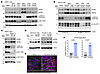 Figure 1
Inhibiting the oncogenic KRAS/MEK/ERK axis upregulates GATA6 expression in pancreatic cancer. (A–C) Inhibiting the KRAS/MEK/ERK axis increased GATA6 protein abundance. HPAF-II cells were treated with small-molecule inhibitors (e.g., WNT inhibitor [WNTi]) at the indicated concentrations for 24 h, followed by Western blot analysis. GATA6 has 2 isoforms due to 2 translational start sites, generating GATA6L and GATA6S, respectively. β-Actin or vinculin was used as loading control. Each lane represents a biological replicate. n = 2 biological replicates/condition. (D) Panc03.27 and Panc08.13 cells were treated with MEK inhibitor trametinib for 24 h, followed by Western blot analysis. n = 2 biological replicates/condition. (E) MEK inhibition led to nuclear accumulation of GATA6. HPAF-II cells were treated with trametinib for 24 h, followed by immunofluorescence staining. E-cadherin and DAPI staining marked cell boundaries and nuclei, respectively. Scale bar: 50 μm. (F) MEK inhibition upregulated the expression of GATA6 target genes. HPAF-II cells were treated with trametinib (100 nM) for 24 h, followed by RT-qPCR analysis. n = 2 biological replicates × 2 technical replicates/condition.
GATA6 protein can be phosphorylated by kinases including ERK, and site-specific phosphorylation of GATA6 has been reported to be important for its nuclear localization and/or transcriptional activity (22, 23). Our data revealed that inhibiting the hyperactive MEK/ERK cascade led to marked GATA6 protein accumulation. We next tested if the accumulated GATA6 protein was still functional. Immunofluorescence staining confirmed the nuclear accumulation of GATA6 upon MEK/ERK inhibition (Figure 1E); importantly, this was accompanied by substantially increased expression of established GATA6 target genes DAB2 and GCNT1 (24, 25) (Figure 1F). These results indicate that MEK/ERK inhibition potently promotes GATA6 signaling by increasing the abundance of nuclear and fully functional protein.
GATA4 is closely related to and has similar lineage specificity as GATA6 and may cooperate with GATA6 in regulating pancreatic cancer subtypes (26). However, MEK inhibition did not upregulate GATA4 expression in 2 pancreatic cancer cell lines (Supplemental Figure 1; supplemental material available online with this article; https://doi.org/10.1172/JCI191370DS1), indicating that unlike GATA6, GATA4 is not regulated by KRAS/ERK signaling in pancreatic cancers.
KRAS/ERK signaling inhibits GATA6 transcription in vivo. We next investigated how MEK/ERK inhibition increases GATA6 protein abundance. While in some cases protein phosphorylation regulated protein degradation, MEK/ERK inhibition did not affect GATA6 protein stability (Figure 2A). Instead, GATA6 transcript abundance increased rapidly upon MEK/ERK inhibition, followed by an increase in expression of the GATA6 target gene DAB2 (Figure 2B). This indicates that active ERK suppresses GATA6 transcription. Supporting this, we analyzed a public dataset (27) where doxycycline-inducible (dox-inducible) mutant KRASG12D was expressed in immortalized human pancreatic duct epithelial cells. There, oncogenic KRAS-activated MEK/ERK signaling, evidenced by the upregulated expression of the ERK target gene DUSP6, also clearly downregulated GATA6 mRNA abundance (Figure 2C).
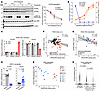 Figure 2
Oncogenic KRAS-activated ERK signaling inhibits GATA6 transcription. (A) MEK inhibition did not stabilize GATA6 protein. HPAF-II cells were treated with 40 μg/mL CHX in the presence or absence of 100 nM trametinib for the indicated time. Quantification (mean ± SD) of GATA6 bands is shown. n = 2 biological replicates/condition. (B) MEK inhibition upregulated GATA6 transcript abundance. HPAF-II cells were treated with 100 nM trametinib for the indicated time. DUSP6 is an ERK target gene, while DAB2 is a GATA6 target gene. n = 2 biological replicates × 2 technical replicates/condition. Data are shown as the mean ± SD. (C) Oncogenic activation of KRAS/ERK signaling downregulated GATA6. Analysis of data from GSE58055 (27). Human pancreatic duct epithelial (HPDE) cells expressing dox-inducible GFP, WT KRAS, or KRASG12D mutant were profiled by microarray. (D and E) KRAS/ERK inhibition upregulated GATA6 in vivo. (D) Mice bearing HPAF-II xenografts were treated with vehicle or trametinib (3 mg/kg) once daily for 3 days, and tumors were harvested 8 h after the last dose for analysis. n = 4–6 tumors per condition each analyzed with technical replicates. P values of 2-tailed, unpaired t test are shown. (E) Analysis of data from GSE201412 (28). Mice bearing HPAC xenografts were treated with vehicle or KRASG12D inhibitor and harvested at the indicated time points. (F and G) KRAS/ERK activity is inversely correlated with GATA6 transcript abundance. Analyses of data from references 31 and 32. Each dot represents a human primary pancreatic cancer (F) or a PDAC PDX (G). Samples were colored based on the Bailey molecular subtype in F or histological differentiation status in G. The R and P values of simple linear regression are shown. (H) Pancreatic cancer cells with high KRAS/ERK activity showed lower GATA6 expression (CRA001160) (34). The P values of Dunn’s multiple-comparison test are shown.
To determine whether this regulation occurs in vivo, we treated mice bearing HPAF-II subcutaneous xenografts with the MEK inhibitor trametinib. Trametinib-treated tumors had a significant decrease in DUSP6 expression, confirmed the inhibition of MEK/ERK signaling, and, importantly, had significantly increased GATA6 mRNA abundance (Figure 2D). In addition, we analyzed an RNA-seq dataset (28) where mice bearing HPAC or AsPC-1 tumors (two KRASG12D-mutant human PDACs) were treated with the KRASG12D-specific inhibitor MRTX1133. KRAS inhibition downregulated KRAS/ERK signaling, as scored with a recently established KRAS/ERK-dependent gene expression signature (29) (see Methods). Importantly, in both models, KRAS inhibition upregulated GATA6 mRNA abundance (Figure 2E and Supplemental Figure 2). Moreover, in a public RNA-seq dataset of murine pancreatic cancer organoids driven by KrasG12D (30), MEK inhibition also boosted mouse Gata6 expression (Supplemental Figure 3). Taken together, these results reveal a robust negative regulatory axis where oncogenic KRAS-activated ERK signaling suppresses GATA6 transcription in pancreatic cancers.
To examine the clinical relevance of our findings, we analyzed the activity of KRAS/ERK signaling and GATA6 mRNA levels in human pancreatic tumors. Consistent with our model that active ERK suppresses GATA6 transcription, GATA6 mRNA levels negatively correlated with KRAS/ERK activity in a cohort of resected human pancreatic tumors (31) (Figure 2F). Pancreatic tumors are rich in stroma. To examining whether this negative correlation between KRAS/ERK activity and GATA6 expression in bulk RNA-seq resulted from differential gene expression specifically in the cancer cells, we analyzed transcriptomic datasets of patient-derived xenografts (PDXs) in mice where we could focus on cancer cells by specifically analyzing the human transcriptome. In 2 independent cohorts of pancreatic cancer xenografts (32, 33), GATA6 expression inversely correlated with KRAS/ERK activity in cancer cells (Figure 2G and Supplemental Figure 4A). Finally, scRNA-seq of primary human pancreatic cancers and normal pancreases revealed that malignant cells expressed lower levels of GATA6 compared with normal ductal cells (34) (Figure 2H), which is consistent with the assumption that almost all these malignant cells harbor KRAS mutations. Within the malignant cell population, cells with a higher KRAS/ERK activity score expressed lower levels of GATA6 (Figure 2H), reflecting the negative regulation on a single-cell level.
Notably, consistent with the model that KRAS/ERK suppresses GATA6 transcription while GATA6 protein promotes differentiation, tumors of the squamous subtype, the Bailey classification subtype that corresponds to the dedifferentiated GATA6-low basal-like subtype, showed significantly higher KRAS/ERK activity compared with nonsquamous tumors in the Bailey cohort (Figure 2F and Supplemental Figure 4B). Similarly, PDAC PDXs with lower KRAS/ERK and higher GATA6 tended to be better differentiated (Figure 2G). Taken together, these data suggest that the heterogeneous KRAS/ERK signaling is involved in regulating pancreatic cancer differentiation at least partially through suppressing GATA6.
Genome-wide CRISPR screening identifies JUNB as a transcriptional repressor of GATA6. We further investigated the mechanism by which ERK suppresses GATA6 transcription. While the increase of GATA6 abundance upon MEK/ERK inhibition was not due to decreased GATA6 protein degradation, we made the unexpected finding that blocking the proteasomal degradation pathway by bortezomib caused a marked decrease in GATA6 protein abundance (Figure 3A). More surprisingly, bortezomib completely blocked the effect of MEK/ERK inhibition on GATA6 protein and mRNA levels (Figure 3, A and B). MEK/ERK inhibition upregulated GATA6 mRNA abundance in as little as 3 h (Figure 2B). This rapid time course suggested that ERK is directly phosphorylating a factor controlling GATA6 transcription, rather than causing a secondary transcriptional response, e.g., via an indirect and delayed impact on another target gene such as DAB2. Given that proteasome inhibition mitigated the effect of MEK/ERK inhibition, we speculated that active ERK phosphorylated and therefore stabilized a transcriptional repressor(s) that then inhibited GATA6 transcription (Figure 3C). MEK/ERK inhibition would then lead to rapid dephosphorylation and proteasomal degradation of this transcriptional repressor (herein called “Inhibitor X”) and thereby derepress GATA6 transcription. Proteasome inhibition protects Inhibitor X from degradation even during ERK inhibition and therefore counteracts the effect of MEK/ERK inhibition on GATA6.
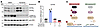 Figure 3
ERK inhibits GATA6 transcription, potentially by stabilizing certain transcriptional repressor(s). (A and B) Proteasome inhibition prevented the upregulation of GATA6 by MEK inhibition. (A) HPAF-II cells were treated with DMSO or 100 nM trametinib, with or without 10 nM bortezomib for 24 h, followed by Western blot analysis. n = 2 biological replicates/condition. (B) HPAF-II cells were treated with DMSO or 100 nM trametinib, with or without 5 (+) or 10 (++) nM bortezomib for 24 h, followed by RT-qPCR analysis. n = 2 biological replicates × 2 technical replicates/condition. (C) A model of how KRAS/ERK might inhibit GATA6 transcription.
To identify the Inhibitor X that links KRAS/ERK signaling to GATA6 transcription, we performed a genome-wide CRISPR screen looking for genes whose knockout increased GATA6 transcription. First, we generated a reporter cell line by knocking a T2A-EGFP cassette into the GATA6 genomic locus of HPAF-II cells so that EGFP RNA and protein would be coexpressed with endogenous GATA6 (Figure 4A). Indeed, the EGFP transcript faithfully reflected the change of GATA6 transcription in response to MEK/ERK inhibition (Figure 4B), and, importantly, flow cytometry analysis showed a substantial increase of EGFP abundance in this reporter cell line after MEK/ERK inhibition (Figure 4C).
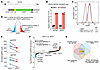 Figure 4
Genome-wide CRISPR screening identifies transcriptional repressor JUNB for GATA6. (A) Illustration of the knockin of a T2A-EGFP cassette into the GATA6 locus of HPAF-II cells. CDS, coding sequence. (B) EGFP transcript faithfully reflected the response of GATA6 transcription to MEK/ERK inhibition. HPAF-II GATA6-T2A-EGFP cells were treated with DMSO or 100 nM trametinib for 24 h, followed by RT-qPCR analysis. n = 2 biological replicates × 2 technical replicates/condition. (C) MEK/ERK inhibition upregulated EGFP abundance. HPAF-II GATA6-T2A-EGFP cells were treated with DMSO or the indicated inhibitors for 4 days and analyzed by flow cytometry. The MFI values of EGFP are shown. (D) Illustration of the genome-wide CRISPR screening performed in HPAF-II GATA6-T2A-EGFP cells. The top 20% GFPhi and bottom 20% GFPlo cell populations were sorted out for analysis. (E) Positive controls validated the CRISPR screen. sgRNAs targeting GATA6 or EP300 were depleted in the GFPhi population. For each gene, all 4 individual sgRNAs are shown. (F) Genome-wide CRISPR screening identified positive and negative regulators of GATA6 transcription. 19,114 genes were ranked based on the gene-level, log2-transformed fold change of sgRNAs comparing GFPhi versus GFPlo groups. The gene-level values were calculated for each gene using the MAGeCK algorithm combining all sgRNAs targeting that gene. No.[good sgRNAs] is the number of sgRNAs that showed consistent depletion or enrichment of that gene. (G) Cross-referencing CRISPR screen results with additional datasets identified JUNB as an ERK-regulated transcriptional repressor of GATA6. Genes annotated as transcription factors or ERK substrates were extracted from references 36 and 37. Genes whose protein abundance decreased upon ERK inhibition were extracted from reference 29. Numbers in parentheses refer to the number of genes in each dataset.
We transduced these HPAF-II GATA6-T2A-EGFP cells with the Brunello genome-wide CRISPR lentiviral library (35) that targets 19,114 genes and then used FACS to collect the top 20% GFPhi and the bottom 20% GFPlo cells (Figure 4D). sgRNAs were recovered from these samples and subjected to next-generation sequencing and statistical analysis (Supplemental Table 1). Validating the functionality of our screening, GATA6 was the topmost hit whose sgRNAs were depleted from the GFPhi cell population (Figure 4, E and F). This is because sgRNAs targeting GATA6 introduced indels in the GATA6 coding sequence, causing frameshifts that eliminated expression of the downstream T2A-linked EGFP as well. EP300 (encoding p300) was another hit reidentified in this screen, as our prior work has shown that loss of p300 decreases GATA6 transcription (14). The screen also identified FOXA2, another lineage-specific transcription factor and classical subtype pancreatic cancer–associated marker gene (31), as a positive regulator of GATA6 (Figure 4F). While a positive correlation between the expression levels of FOXA2 and GATA6 has been reported in pancreatic tumors previously (12), our screen result indicates that FOXA2 could be a direct activator of GATA6 transcription.
Knockout of negative regulators of GATA6 transcription, including KRAS, led to derepression of GATA6 transcription; hence, their sgRNAs were enriched in the GFPhi cell population (Figure 4F). According to our hypothesized model (Figure 3C), Inhibitor X should be in this category of genes. Our genome-wide CRISPR screen generated hundreds of hits, so to narrow it down and identify Inhibitor X, we filtered it using additional criteria. Ideally, Inhibitor X should be a transcription factor, it should be a direct/indirect protein target of the ERK, and its protein abundance should decrease upon ERK inhibition. For the filtering, we used a curated list of transcription factors (36), a curated list of ERK targets (37), and a recent study of ERK-regulated proteins (29). After eliminating CRISPR screen hits that were not present in these additional datasets, only a single candidate remained, the transcription factor JUNB (Figure 4G). JUNB is a member of the Jun family of transcriptional regulators; these form heterodimers with other Activating Protein-1 (AP-1) proteins, including Fos family members, to form the AP-1 transcription factor complex (38). Interestingly, the other 2 members of the Jun family, c-JUN and JUND, showed no effect in our CRISPR screen. We also noted that 2 Fos family members, FOSL1 and FOSL2, showed a similar but weaker effect as JUNB in the screen (Figure 4F). We speculate that JUNB can form repressive heterodimers with either FOSL1 or FOSL2.
JUNB mediates ERK’s suppressive effect on GATA6 transcription. To independently test if JUNB represses GATA6 transcription, we used dCas9-KRAB CRISPR interference (CRISPRi) to knock down JUNB expression in HPAF-II cells. Indeed, knockdown of JUNB using 2 independent sgRNAs markedly increased GATA6 mRNA abundance in culture (Figure 5A) and in xenografts (Supplemental Figure 5). Conversely, overexpression of JUNB reduced GATA6 mRNA abundance (Figure 5B). We also examined the Clinical Proteomic Tumor Analysis Consortium human pancreatic cancer cohort (39) where tumor samples underwent both transcriptomic and proteomic profiling. Tumors with high JUNB protein abundance showed significantly lower levels of GATA6 mRNA (Figure 5C), while there was no statistically significant correlation between GATA6 and Jun family members c-JUN and JUND (Supplemental Figure 6). These results support the model that JUNB suppresses GATA6 transcription.
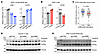 Figure 5
JUNB mediates ERK’s suppressive effect on GATA6 transcription. (A) Knockdown of JUNB increased GATA6 transcript abundance. HPAF-II cells stably expressing dCas9-KRAB fusion protein were transduced with a lentivirus expressing a dox-inducible nontargeting control sgRNA (sgNTC#2) or sgRNAs targeting the JUNB promoter (sgJUNB#1 and sgJUNB#2). Cells were treated with dox for 6 days and analyzed by RT-qPCR. n = 2 biological replicates × 2 technical replicates/condition. (B) Overexpression of JUNB downregulated GATA6 transcript abundance. HPAF-II cells stably expressing mCherry control or JUNB were analyzed by RT-qPCR. n = 2 biological replicates × 2 technical replicates/condition. (C) Pancreatic tumors with high JUNB protein abundance showed lower levels of GATA6 transcript. JUNB protein abundance and GATA6 mRNA abundance data of human pancreatic tumors in the CPTAC cohort (39) were extracted from the cBioPortal website (85). Each dot represents an individual tumor, and mean values of each group are shown. n = 70/group. P value of 2-tailed, unpaired t test is shown. (D) Knockout of JUNB in Panc08.13 cells mimicked the effect of MEK/ERK inhibition on GATA6 expression. Panc08.13 cells were transduced with lentivirus expressing Cas9 and a nontargeting control sgRNA (sgNTC#1) or a sgRNA targeting JUNB (sgJUNB#3 or sgJUNB#4). After puromycin selection, these genome-edited cell pools were treated with DMSO or 100 nM trametinib for 24 h, followed by Western blot analysis. n = 2 biological replicates. (E) JUNB knockdown in HPAF-II cells mimicked the effect of MEK/ERK inhibition on GATA6 expression. Cells from (A) were treated with DMSO or 100 nM trametinib for 24 h, followed by Western blot analysis. n = 2 biological replicates.
We further investigated whether JUNB mediates KRAS/ERK’s suppressive effect on GATA6. Pooled Panc08.13 cells with JUNB knockout had increased GATA6 protein (most readily appreciated with the GATA6S isoform), largely mimicking the effect of MEK/ERK inhibition (Figure 5D and Supplemental Figure 7). In these JUNB-knockout pools, trametinib treatment had only a minimal effect on GATA6 abundance. The small additional increase of GATA6 after trametinib treatment in the JUNB-knockout cells could be due to the residual unedited or in-frame edited JUNB cells in the pools. A similar result was observed in HPAF-II cells when we partially knocked down JUNB with CRISPRi (Figure 5, A and E). Taken together, these results support the model that JUNB, stabilized by oncogenic KRAS/ERK signaling, suppresses the transcription of GATA6.
JUNB is likely to function as a transcriptional repressor via its sequence-specific DNA binding (40, 41). To determine the genome occupancy and regulation of JUNB in pancreatic cancer, we used anti-JUNB antibody or IgG control to perform a Cut&Run-seq (Cleavage Under Targets and Release Using Nuclease sequencing) assay in HPAF-II cells without or with MEK inhibition with trametinib. In control cells, this assay identified 7,428 JUNB binding peaks, approximately 70% of which are localized in gene loci, especially in intronic regions (Figure 6A). De novo motif discovery analysis on these peaks identified a single highly enriched motif that matches the known AP-1 binding motif (Figure 6B), validating the accuracy of our Cut&Run-seq. Importantly, the peak-calling algorithm identified significant JUNB binding in intron 6 of GATA6 (Figure 6C). We next examined the effect of MEK/ERK inhibition on JUNB’s genome occupancy. Notably, trametinib treatment diminished genome-wide JUNB binding, decreasing the number of JUNB peaks by approximately 80% (Figure 6, D and E). Importantly, the signal of the JUNB peak in the GATA6 locus was markedly reduced in the trametinib-treated samples and was no longer recognized as a significant peak (Figure 6C). These results reveal that JUNB binds directly to the GATA6 locus in a MEK/ERK-dependent manner, suggesting a direct mechanism for GATA6 repression.
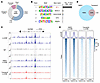 Figure 6
JUNB binds directly to the GATA6 locus in a MEK/ERK-dependent manner. (A) The annotation of genome-wide JUNB binding peaks in untreated HPAF-II cells. Cut&Run-seq was performed in HPAF-II cells using anti-JUNB antibody or IgG control. TTS, transcription termination site. (B) De novo motif discovery analysis on JUNB binding peaks shown in (A). (C) JUNB binds to intron 6 of GATA6 and responded to trametinib treatment. Cut&Run-seq signals in the GATA6 locus were visualized in the UCSC Genome Browser. Tracks of anti-JUNB antibody and IgG control for untreated HPAF-II cells and tracks of anti-JUNB antibody for HPAF-II cells treated with DMSO control or 100 nM trametinib for 24 h are shown. The peaks identified by the peak-calling algorithm are shown as green bars, and this region is highlighted in gray in the graph. n = 2 biological replicates/condition. (D and E) Trametinib treatment diminished genome-wide JUNB binding. (D) The numbers and overlap of JUNB peaks identified by Cut&Run-seq in DMSO- or trametinib-treated HPAF-II cells. (E) Visualization of Cut&Run-seq signals for JUNB peaks identified in DMSO- or trametinib-treated HPAF-II cells. n = 2 biological replicates/condition.
ERK stabilizes JUNB in a GSK3/FBXW7-independent manner. We next investigated how KRAS/ERK signaling regulates JUNB protein turnover in pancreatic cancers. We knocked an EGFP-IRES-mCherry cassette into the JUNB locus in HPAF-II cells so that the endogenous JUNB protein was expressed as a fusion at the C-terminus with EGFP, with coexpression of mCherry protein (Figure 7A). The change in ratio of EGFP to mCherry then reflected posttranscriptional regulation of JUNB protein abundance. With this reporter system, we examined a panel of 13 inhibitors targeting key nodes of the KRAS/MEK/ERK and related signaling pathways. Importantly, only inhibitors targeting the KRASG12D-activated MEK/ERK axis led to a consistent and robust decrease of JUNB abundance (Figure 7B), further supporting the model that oncogenic KRAS/ERK signaling stabilizes JUNB protein.
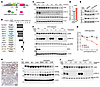 Figure 7
ERK stabilizes JUNB in a GSK3/FBXW7-independent manner. (A) Illustration of the knockin of an EGFP-IRES-mCherry cassette into the JUNB locus. (B) Targeting the KRASG12D-activated MEK/ERK axis decreased JUNB-EGFP fusion protein abundance. HPAF-II JUNB-EGFP-IRES-mCherry cells were treated with small-molecule inhibitors (targets of the inhibitors shown on the left) at the indicated concentrations for 24 h, followed by flow cytometry analysis. (C) JUNB protein abundance decreased over time upon MEK/ERK inhibition. HPAF-II cells were treated with 100 nM trametinib for the indicated time. n = 2 biological replicates/condition. (D) JUNB mRNA was not affected by MEK inhibition. HPAF-II cells were treated with DMSO or 100 nM trametinib for 24 h. n = 2 technical replicates/condition. (E) MEK/ERK inhibition decreased JUNB abundance in Panc03.27 and Panc08.13 cells. Cells were treated with DMSO or 100 nM trametinib for 24 h. n = 2 biological replicates/condition. (F and G) MEK/ERK inhibition promoted JUNB degradation. (F) HPAF-II cells were treated with 40 μg/mL CHX with or without 100 nM trametinib for the indicated time. MYC, a short half-life protein, was used as a control for CHX. (G) Quantification (mean ± SD) of JUNB bands. n = 2 biological replicates/condition. (H) MEK/ERK inhibition decreased JUNB abundance in vivo. HPAF-II tumors from the study shown in Figure 2D were stained for JUNB. Scale bar: 100 μm. (I) MEK/ERK inhibition–caused JUNB degradation was independent of GSK3 activity. HPAF-II cells were treated with DMSO or a GSK3 inhibitor (5 μM BIO or 5 μM CHIR99021) with or without 100 nM trametinib for 24 h. n = 2 biological replicates/condition. (J) MEK/ERK inhibition–caused JUNB degradation was independent of FBXW7. HPAF-II cells with WT or homozygous knockout of FBXW7 were treated with 40 μg/mL CHX and 100 nM trametinib for the indicated time. n = 2 biological replicates/condition.
The time course of JUNB protein degradation upon MEK/ERK inhibition was examined. A decrease in JUNB abundance was detected as early as 3 h after treatment (Figure 7C), which inversely correlated with the increase in GATA6 transcript (Figure 2B). The decrease of JUNB protein was not due to changes in JUNB transcription (Figure 7D). Similar results were observed in 2 additional KRAS-mutant pancreatic cancer cell lines (Figure 7E). In a cycloheximide (CHX) chase assay, JUNB protein was stable when ERK signaling was active but was degraded upon MEK/ERK inhibition (Figure 7, F and G). This also suggests that the decrease of JUNB abundance by MEK/ERK inhibition was due to destabilization of JUNB protein. Moreover, MEK/ERK inhibition reduced JUNB abundance in HPAF-II xenografts (Figure 7H), confirming that this regulation also occurs in vivo.
GSK3 and FBXW7 have been reported to promote JUNB degradation. In that model, GSK3 phosphorylates a degron site in JUNB that is then recognized by the FBXW7 SCF E3 ligase complex, leading to ubiquitylation and proteasomal degradation (42). Indeed, treatment of HPAF-II cells with GSK3 inhibitors BIO and CHIR99021 alone led to a modest increase in JUNB and equally modest decrease in GATA6 protein abundance, supporting the existence of basal GSK3-dependent JUNB degradation (Figure 7I). We next tested if MEK/ERK inhibition promoted JUNB degradation through the GSK3/FBXW7 pathway. GSK3 inhibition could not prevent JUNB degradation caused by MEK/ERK inhibition (Figure 7I). Similarly, FBXW7 knockout showed no effect on JUNB degradation upon MEK/ERK inhibition (Figure 7J and Supplemental Figure 8). These results indicate that ERK inhibition drives JUNB degradation independent of GSK3 and FBXW7.
ERK inhibition promotes ubiquitin-independent proteasomal degradation of JUNB. Notably, 2 paralogs of JUNB, c-Fos and Fra-1, have been reported to undergo ubiquitin-independent proteasomal degradation (43, 44). As the ERK-regulated JUNB turnover was independent of GSK3/FBXW7, we examined its dependency on the ubiquitin-proteasome pathway. To assess this, we treated cells with (a) proteasome inhibitor bortezomib or MG132 that blocks proteasomal degradation, (b) the ubiquitin-activating E1 enzyme inhibitor MLN7243 that blocks ubiquitylation (45), or (c) the NEDD8-activating E1 enzyme inhibitor MLN4924 that blocks neddylation (46). Notably, neddylation, a ubiquitylation-like process, can directly regulate the function and/or turnover of certain substrates, and JUNB was reported to be a neddylation substrate (47). Neddylation is also necessary for the activity of cullin RING ligases, the largest family of E3 ubiquitin ligases, including the above-mentioned FBXW7 SCF ligase complex (48).
As expected, proteasome inhibition led to global accumulation of ubiquitylated proteins, while ubiquitylation or neddylation inhibition showed the opposite effect (Figure 8A). Additional positive controls included MYC, a ubiquitin-dependent proteasomal substrate, and β-catenin, where phosphorylation on residues Ser33/37 promotes ubiquitin-independent but neddylation-dependent proteasomal degradation of β-catenin (49). Interestingly, only proteasome inhibition (which could only be applied for 7 h, ~1 JUNB half-life, due to cytotoxicity of the doses used) led to JUNB accumulation, while inhibiting either ubiquitylation or neddylation had no effect on JUNB abundance (Figure 8A). This observation implies ubiquitin-independent proteasomal degradation of JUNB. Moreover, pulling down ubiquitylated proteins from lysate of proteasome inhibitor–treated cells could not enrich JUNB regardless of ERK activity (Figure 8B), indicating that JUNB was not ubiquitylated during degradation. Finally, proteasome inhibition, rather than ubiquitylation inhibition, blocked JUNB degradation induced by MEK/ERK inhibition (Figure 8, C and D). Taken together, these results show that ERK inhibition promotes proteasomal degradation of JUNB in a ubiquitin-independent manner.
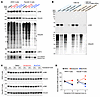 Figure 8
ERK inhibition promotes ubiquitin-independent proteasomal degradation of JUNB. (A) Inhibition of the proteasome, rather than ubiquitylation or neddylation, stabilized JUNB. HPAF-II and Panc08.13 cells were treated with DMSO or inhibitors of the proteasome (1 μM bortezomib or 10 μM MG132), ubiquitylation (1 μM MLN7243), or neddylation (1 μM MLN4924) for 7 h, followed by Western blot analysis. (B) JUNB was not ubiquitylated during degradation. HPAF-II cells were treated with 10 μM MG132 with or without 2 μM ERK inhibitor SCH772984 for 6 h. Cell lysates were pulled down using TUBE2-conjugated beads that captured polyubiquitylated proteins. Control (Ctrl) beads refers to beads without TUBE2 conjugation. (C and D) Inhibition of proteasome, rather than ubiquitylation, blocked JUNB degradation induced by MEK/ERK inhibition. (C) HPAF-II and Panc08.13 cells were treated with 40 μg/mL CHX and 100 nM trametinib for the indicated time, in the presence of DMSO or inhibitors of the proteasome (1 μM bortezomib) or ubiquitination (1 μM MLN7243), followed by Western blot analysis. (D) Quantification of JUNB bands. n = 2 biological replicates/condition.
Upregulating GATA6 enhances sensitivity of pancreatic cancer cells to oxaliplatin. High GATA6 expression leads to pancreatic cancer differentiation and correlates with superior therapy response and longer survival for pancreatic cancer patients (5, 7, 12, 50). To directly test if GATA6 expression levels determine chemosensitivity, we knocked out or overexpressed GATA6 in 2 pancreatic cancer cell lines. Consistent with the prodifferentiation role of GATA6 (12, 14), GATA6 knockout led to epithelial-mesenchymal transition (EMT) features in HPAF-II cells and increased the colony formation capacity of single cancer cells (Figure 9, A–C). Conversely, moderate overexpression of GATA6 significantly slowed down the proliferation of Panc08.13 cells (Figure 9, D and E). These observations further validate the tumor suppressor roles of GATA6 in pancreatic cancers. At the molecular level, knockout of GATA6 in HPAF-II cells led to consistent downregulation of all the tested classical subtype genes. We did not observe upregulation of the tested basal subtype genes (Supplemental Figures 9 and 10). This is consistent with our previous study where we found that downregulating GATA6 by either naturally existing p300 mutations or by experimental p300 knockout downregulated classical subtype genes but did not upregulate basal subtype genes (14). We speculate that this might represent an initial stage in the transition from classical to basal subtype.
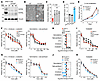 Figure 9
Upregulating GATA6 enhances chemosensitivity of pancreatic cancer cells. (A–C) GATA6 knockout led to EMT and increased stemness in HPAF-II cells. (A) Western blotting confirmed the knockout of GATA6. Numbers 1–3 are 3 single-cell–derived clonal GATA6KO lines. (B) Representative images showing EMT morphology of GATA6KO cells. Scale bar: 100 μm. (C) GATA6KO lines showed increased colony formation capacity when single cells were seeded in 96-well plates. n = 3 biological replicates/condition. The P value of Dunnett’s multiple-comparison test is shown. (D and E) Overexpressing GATA6 slowed the proliferation of Panc08.13 cells. (D) Panc08.13 cells were transduced with lentivirus expressing GATA6S or mCherry as a control. n = 2 biological replicates × 2 technical replicates/condition. (E) Cells were seeded in 96-well plates, and cell proliferation was monitored with the CellTiter-Glo assay. n = 3 biological replicates/condition. P values of 2-tailed, unpaired t test are shown. (F and G) GATA6 affected sensitivity to standard-of-care chemotherapy combinations in HPAF-II (F) and Panc08.13 (G) cells. The concentration (Conc) shown on the x axes of these plots refers to the concentration of 5-FU or gemcitabine in the drug combinations. n = 2–3 biological replicates/condition. (H and I) GATA6 knockout conferred resistance to oxaliplatin in HPAF-II cells. (H) Responses to individual chemotherapy agents were examined for GATA6 WT and knockout HPAF-II cells. Changes in IC50 values relative to WT HPAF-II cells are shown. (I) The dose–response curve to oxaliplatin is shown. n = 2–3 biological replicates/condition. (J and K) Overexpressing GATA6 sensitized Panc08.13 cells to irinotecan and oxaliplatin. (J) Responses to individual chemotherapy agents were examined for parental Panc08.13 as well as GATA6S- or mCherry-overexpressing cells. Changes in IC50 values relative to WT Panc08.13 cells are shown. (I) The dose–response curve to oxaliplatin is shown. n = 2–3 biological replicates/condition. Data are shown as the mean ± SD.
Currently there are 2 main standard-of-care chemotherapy regimens for first-line treatment of pancreatic cancers (3): (a) modified FOLFIRINOX that combines leucovorin, 5-fluorouracil (5-FU), irinotecan, and oxaliplatin; and (b) gemcitabine with nab-paclitaxel. The GATA6-high classical subtype is notably more response to therapy. We examined how manipulation of GATA6 affected the sensitivity to these standard-of-care regimens. Notably, compared with the parental HPAF-II cells, 2 out of 3 GATA6-knockout lines became less sensitive to the combination of 5-FU, irinotecan, and oxaliplatin, while this effect was not evident for the gemcitabine/nab-paclitaxel combination (Figure 9F and Supplemental Table 2). Conversely, overexpressing GATA6 in Panc08.13 cells increased their sensitivity to both drug combination regimens (Figure 9G and Supplemental Table 2).
We further assayed the response to individual chemotherapeutic agents. HPAF-II cells with GATA6 knockout showed specific resistance to oxaliplatin (Figure 9, H and I, and Supplemental Table 2); these cells tended to be more sensitive to gemcitabine and irinotecan, while their sensitivity to nab-paclitaxel and 5-FU was not affected. As these GATA6-knockout cells underwent single-clone isolation that might affect their behavior, we also performed the drug sensitivity assays in cell pools transduced with control or GATA6-targeting sgRNAs (Supplemental Figures 9 and 11, and Supplemental Table 2). Consistent with results obtained with the clonal GATA6-knockout lines, the GATA6-knockout cell pools tended to be less sensitive to oxaliplatin but more sensitive to gemcitabine and irinotecan, albeit the effects were weaker than in the GATA6 complete knockout clonal lines. In Panc08.13 cells, GATA6 overexpression showed a general chemo-sensitizing trend, and this effect was more evident for irinotecan and oxaliplatin (Figure 9, J and K, and Supplemental Table 2), both from the FOLFIRINOX regimen. In vivo, while Panc08.13 xenografts were quite resistant to oxaliplatin, the GATA6-overexpressed tumors tended to be more sensitive to oxaliplatin; the ratio of tumor growth inhibition by oxaliplatin was 12.5% in the mCherry control group versus 20.5% in GATA6-overexpressing group (Supplemental Figure 12). Compared with the control group (mCherry + vehicle treatment), GATA6 overexpression plus oxaliplatin significantly reduced tumor growth, while either one alone was less effective. Taken together, increased GATA6 expression could increase chemosensitivity, especially for oxaliplatin, in pancreatic cancer models.
KRAS/ERK inhibition synergizes with oxaliplatin in pancreatic cancer models. Oncogenic KRAS/ERK signaling inhibits GATA6 transcription, providing a clinically relevant way to upregulate GATA6. Given the potential of chemosensitization by upregulating GATA6, small-molecule inhibitors of the KRAS/MEK/ERK axis might synergize with chemotherapy agents for treating pancreatic cancers. Indeed, in HPAF-II cells, we observed strong synergy between oxaliplatin and both the MEK inhibitor trametinib and the KRASG12D inhibitor MRTX1133 (Figure 10A). Notably, the drug synergy was substantially diminished in GATA6-knockout cells (Figure 10A and Supplemental Figure 13), indicating that the synergy between oxaliplatin and KRAS/MEK/ERK inhibitors was largely mediated by the upregulation of GATA6. We next examined the drug combination strategy in vivo. In both Panc08.13 subcutaneous xenografts and HPAF-II orthotopic xenografts, trametinib and oxaliplatin combination treatment showed synergistic or at least additive effects on tumor growth inhibition (Figure 10, B and C). Thus, combining KRAS/ERK inhibitors with standard-of-care chemotherapies could be a promising therapeutic strategy for treating pancreatic cancers.
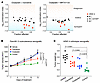 Figure 10
KRAS/ERK inhibition synergizes with oxaliplatin in pancreatic cancer models. (A) GATA6-dependent drug synergy between oxaliplatin and KRAS/MEK/ERK inhibitors. Drug combination effects between oxaliplatin and the MEK inhibitor trametinib or the KRASG12D inhibitor MRTX1133 were examined for GATA6 WT or knockout HPAF-II cells following the Chou-Talalay protocol. The fraction affected refers to growth inhibitory effects of the drug combinations (0, no inhibition; 1, 100% inhibition), and the corresponding log10-transformed Combination Index values are shown. The smaller the Combination Index value, the stronger the drug synergism. (B and C) Trametinib and oxaliplatin combination treatment potently inhibited pancreatic tumor growth in xenograft models. (B) Mice bearing Panc08.13 subcutaneous xenografts were treated with vehicle, trametinib (1.5 mg/kg per dose, twice weekly), oxaliplatin (5 mg/kg per dose, once weekly), or the combination of trametinib and oxaliplatin (combo) for 2 weeks. n = 9–12 tumors per arm. Data are shown as the mean ± SEM. (C) Mice bearing HPAF-II orthotopic xenografts were treated with vehicle, trametinib (0.5 mg/kg per dose × 10 doses administered over 4 weeks), oxaliplatin (5 mg/kg per dose, twice weekly), or the combination of trametinib and oxaliplatin (combo) for 4 weeks. n = 8–10 tumors per arm. P values of 2-tailed, unpaired t test are shown.


Copyright © 2026 American Society for Clinical Investigation
ISSN: 0021-9738 (print), 1558-8238 (online)