
Advertisement
Research ArticleImmunologyInflammation
Open Access |  10.1172/JCI191340
Variants in human CD48 lead to impaired T cell immunity and increased inflammation
Samantha Milanesi,1 Tiziana Lorenzini,1 Tommaso Marchetti,1 Diana Tintor,1 Raquel Planas,1,2 Ola Sabet,1,3 Lars Malmström,1 Sudip Acharya,4 Carson D. Williams,4 Zoe E. Manning,4 Jack H. Roser,4 Angelica C. Ehler,4 Michael Huber,5 Seraina Prader,1,6 Stefano Vavassori,1 Cullen M. Dutmer,4 Jordan K. Abbott,4 and Jana Pachlopnik Schmid1,6
1Pediatric Immunology, University of Zurich, and the Children’s Research Center, University Children’s Hospital Zurich, Zurich, Switzerland.
2Department of Cell Biology, Physiology and Immunology, University of Barcelona, Barcelona, Spain.
3Children’s Cancer Hospital Egypt 57357, Cairo, Egypt.
4University of Colorado School of Medicine, Department of Pediatrics, Section of Allergy and Immunology, Aurora, Colorado, USA.
5Institute of Medical Virology, University of Zurich, Zurich, Switzerland.
6Division of Pediatric Immunology, University Children’s Hospital Zurich, Zurich, Switzerland.
Address correspondence to: Jana Pachlopnik Schmid, Division of Pediatric Immunology, University Children’s Hospital Zurich, Lenggstrasse 30, CH-8008 Zurich, Switzerland. Phone: 41.44.249.6622; Email: jana.pachlopnik@kispi.uzh.ch.
Authorship note: SM and TL are co–first authors. JKA and JPS are co–last authors.
Find articles by Milanesi, S. in: PubMed | Google Scholar
1Pediatric Immunology, University of Zurich, and the Children’s Research Center, University Children’s Hospital Zurich, Zurich, Switzerland.
2Department of Cell Biology, Physiology and Immunology, University of Barcelona, Barcelona, Spain.
3Children’s Cancer Hospital Egypt 57357, Cairo, Egypt.
4University of Colorado School of Medicine, Department of Pediatrics, Section of Allergy and Immunology, Aurora, Colorado, USA.
5Institute of Medical Virology, University of Zurich, Zurich, Switzerland.
6Division of Pediatric Immunology, University Children’s Hospital Zurich, Zurich, Switzerland.
Address correspondence to: Jana Pachlopnik Schmid, Division of Pediatric Immunology, University Children’s Hospital Zurich, Lenggstrasse 30, CH-8008 Zurich, Switzerland. Phone: 41.44.249.6622; Email: jana.pachlopnik@kispi.uzh.ch.
Authorship note: SM and TL are co–first authors. JKA and JPS are co–last authors.
Find articles by Lorenzini, T. in: PubMed | Google Scholar
1Pediatric Immunology, University of Zurich, and the Children’s Research Center, University Children’s Hospital Zurich, Zurich, Switzerland.
2Department of Cell Biology, Physiology and Immunology, University of Barcelona, Barcelona, Spain.
3Children’s Cancer Hospital Egypt 57357, Cairo, Egypt.
4University of Colorado School of Medicine, Department of Pediatrics, Section of Allergy and Immunology, Aurora, Colorado, USA.
5Institute of Medical Virology, University of Zurich, Zurich, Switzerland.
6Division of Pediatric Immunology, University Children’s Hospital Zurich, Zurich, Switzerland.
Address correspondence to: Jana Pachlopnik Schmid, Division of Pediatric Immunology, University Children’s Hospital Zurich, Lenggstrasse 30, CH-8008 Zurich, Switzerland. Phone: 41.44.249.6622; Email: jana.pachlopnik@kispi.uzh.ch.
Authorship note: SM and TL are co–first authors. JKA and JPS are co–last authors.
Find articles by Marchetti, T. in: PubMed | Google Scholar
1Pediatric Immunology, University of Zurich, and the Children’s Research Center, University Children’s Hospital Zurich, Zurich, Switzerland.
2Department of Cell Biology, Physiology and Immunology, University of Barcelona, Barcelona, Spain.
3Children’s Cancer Hospital Egypt 57357, Cairo, Egypt.
4University of Colorado School of Medicine, Department of Pediatrics, Section of Allergy and Immunology, Aurora, Colorado, USA.
5Institute of Medical Virology, University of Zurich, Zurich, Switzerland.
6Division of Pediatric Immunology, University Children’s Hospital Zurich, Zurich, Switzerland.
Address correspondence to: Jana Pachlopnik Schmid, Division of Pediatric Immunology, University Children’s Hospital Zurich, Lenggstrasse 30, CH-8008 Zurich, Switzerland. Phone: 41.44.249.6622; Email: jana.pachlopnik@kispi.uzh.ch.
Authorship note: SM and TL are co–first authors. JKA and JPS are co–last authors.
Find articles by Tintor, D. in: PubMed | Google Scholar
1Pediatric Immunology, University of Zurich, and the Children’s Research Center, University Children’s Hospital Zurich, Zurich, Switzerland.
2Department of Cell Biology, Physiology and Immunology, University of Barcelona, Barcelona, Spain.
3Children’s Cancer Hospital Egypt 57357, Cairo, Egypt.
4University of Colorado School of Medicine, Department of Pediatrics, Section of Allergy and Immunology, Aurora, Colorado, USA.
5Institute of Medical Virology, University of Zurich, Zurich, Switzerland.
6Division of Pediatric Immunology, University Children’s Hospital Zurich, Zurich, Switzerland.
Address correspondence to: Jana Pachlopnik Schmid, Division of Pediatric Immunology, University Children’s Hospital Zurich, Lenggstrasse 30, CH-8008 Zurich, Switzerland. Phone: 41.44.249.6622; Email: jana.pachlopnik@kispi.uzh.ch.
Authorship note: SM and TL are co–first authors. JKA and JPS are co–last authors.
Find articles by Planas, R. in: PubMed | Google Scholar
1Pediatric Immunology, University of Zurich, and the Children’s Research Center, University Children’s Hospital Zurich, Zurich, Switzerland.
2Department of Cell Biology, Physiology and Immunology, University of Barcelona, Barcelona, Spain.
3Children’s Cancer Hospital Egypt 57357, Cairo, Egypt.
4University of Colorado School of Medicine, Department of Pediatrics, Section of Allergy and Immunology, Aurora, Colorado, USA.
5Institute of Medical Virology, University of Zurich, Zurich, Switzerland.
6Division of Pediatric Immunology, University Children’s Hospital Zurich, Zurich, Switzerland.
Address correspondence to: Jana Pachlopnik Schmid, Division of Pediatric Immunology, University Children’s Hospital Zurich, Lenggstrasse 30, CH-8008 Zurich, Switzerland. Phone: 41.44.249.6622; Email: jana.pachlopnik@kispi.uzh.ch.
Authorship note: SM and TL are co–first authors. JKA and JPS are co–last authors.
Find articles by Sabet, O. in: PubMed | Google Scholar
1Pediatric Immunology, University of Zurich, and the Children’s Research Center, University Children’s Hospital Zurich, Zurich, Switzerland.
2Department of Cell Biology, Physiology and Immunology, University of Barcelona, Barcelona, Spain.
3Children’s Cancer Hospital Egypt 57357, Cairo, Egypt.
4University of Colorado School of Medicine, Department of Pediatrics, Section of Allergy and Immunology, Aurora, Colorado, USA.
5Institute of Medical Virology, University of Zurich, Zurich, Switzerland.
6Division of Pediatric Immunology, University Children’s Hospital Zurich, Zurich, Switzerland.
Address correspondence to: Jana Pachlopnik Schmid, Division of Pediatric Immunology, University Children’s Hospital Zurich, Lenggstrasse 30, CH-8008 Zurich, Switzerland. Phone: 41.44.249.6622; Email: jana.pachlopnik@kispi.uzh.ch.
Authorship note: SM and TL are co–first authors. JKA and JPS are co–last authors.
Find articles by Malmström, L. in: PubMed | Google Scholar
1Pediatric Immunology, University of Zurich, and the Children’s Research Center, University Children’s Hospital Zurich, Zurich, Switzerland.
2Department of Cell Biology, Physiology and Immunology, University of Barcelona, Barcelona, Spain.
3Children’s Cancer Hospital Egypt 57357, Cairo, Egypt.
4University of Colorado School of Medicine, Department of Pediatrics, Section of Allergy and Immunology, Aurora, Colorado, USA.
5Institute of Medical Virology, University of Zurich, Zurich, Switzerland.
6Division of Pediatric Immunology, University Children’s Hospital Zurich, Zurich, Switzerland.
Address correspondence to: Jana Pachlopnik Schmid, Division of Pediatric Immunology, University Children’s Hospital Zurich, Lenggstrasse 30, CH-8008 Zurich, Switzerland. Phone: 41.44.249.6622; Email: jana.pachlopnik@kispi.uzh.ch.
Authorship note: SM and TL are co–first authors. JKA and JPS are co–last authors.
Find articles by Acharya, S. in: PubMed | Google Scholar
1Pediatric Immunology, University of Zurich, and the Children’s Research Center, University Children’s Hospital Zurich, Zurich, Switzerland.
2Department of Cell Biology, Physiology and Immunology, University of Barcelona, Barcelona, Spain.
3Children’s Cancer Hospital Egypt 57357, Cairo, Egypt.
4University of Colorado School of Medicine, Department of Pediatrics, Section of Allergy and Immunology, Aurora, Colorado, USA.
5Institute of Medical Virology, University of Zurich, Zurich, Switzerland.
6Division of Pediatric Immunology, University Children’s Hospital Zurich, Zurich, Switzerland.
Address correspondence to: Jana Pachlopnik Schmid, Division of Pediatric Immunology, University Children’s Hospital Zurich, Lenggstrasse 30, CH-8008 Zurich, Switzerland. Phone: 41.44.249.6622; Email: jana.pachlopnik@kispi.uzh.ch.
Authorship note: SM and TL are co–first authors. JKA and JPS are co–last authors.
Find articles by Williams, C. in: PubMed | Google Scholar
1Pediatric Immunology, University of Zurich, and the Children’s Research Center, University Children’s Hospital Zurich, Zurich, Switzerland.
2Department of Cell Biology, Physiology and Immunology, University of Barcelona, Barcelona, Spain.
3Children’s Cancer Hospital Egypt 57357, Cairo, Egypt.
4University of Colorado School of Medicine, Department of Pediatrics, Section of Allergy and Immunology, Aurora, Colorado, USA.
5Institute of Medical Virology, University of Zurich, Zurich, Switzerland.
6Division of Pediatric Immunology, University Children’s Hospital Zurich, Zurich, Switzerland.
Address correspondence to: Jana Pachlopnik Schmid, Division of Pediatric Immunology, University Children’s Hospital Zurich, Lenggstrasse 30, CH-8008 Zurich, Switzerland. Phone: 41.44.249.6622; Email: jana.pachlopnik@kispi.uzh.ch.
Authorship note: SM and TL are co–first authors. JKA and JPS are co–last authors.
Find articles by Manning, Z. in: PubMed | Google Scholar
1Pediatric Immunology, University of Zurich, and the Children’s Research Center, University Children’s Hospital Zurich, Zurich, Switzerland.
2Department of Cell Biology, Physiology and Immunology, University of Barcelona, Barcelona, Spain.
3Children’s Cancer Hospital Egypt 57357, Cairo, Egypt.
4University of Colorado School of Medicine, Department of Pediatrics, Section of Allergy and Immunology, Aurora, Colorado, USA.
5Institute of Medical Virology, University of Zurich, Zurich, Switzerland.
6Division of Pediatric Immunology, University Children’s Hospital Zurich, Zurich, Switzerland.
Address correspondence to: Jana Pachlopnik Schmid, Division of Pediatric Immunology, University Children’s Hospital Zurich, Lenggstrasse 30, CH-8008 Zurich, Switzerland. Phone: 41.44.249.6622; Email: jana.pachlopnik@kispi.uzh.ch.
Authorship note: SM and TL are co–first authors. JKA and JPS are co–last authors.
Find articles by Roser, J. in: PubMed | Google Scholar
1Pediatric Immunology, University of Zurich, and the Children’s Research Center, University Children’s Hospital Zurich, Zurich, Switzerland.
2Department of Cell Biology, Physiology and Immunology, University of Barcelona, Barcelona, Spain.
3Children’s Cancer Hospital Egypt 57357, Cairo, Egypt.
4University of Colorado School of Medicine, Department of Pediatrics, Section of Allergy and Immunology, Aurora, Colorado, USA.
5Institute of Medical Virology, University of Zurich, Zurich, Switzerland.
6Division of Pediatric Immunology, University Children’s Hospital Zurich, Zurich, Switzerland.
Address correspondence to: Jana Pachlopnik Schmid, Division of Pediatric Immunology, University Children’s Hospital Zurich, Lenggstrasse 30, CH-8008 Zurich, Switzerland. Phone: 41.44.249.6622; Email: jana.pachlopnik@kispi.uzh.ch.
Authorship note: SM and TL are co–first authors. JKA and JPS are co–last authors.
Find articles by Ehler, A. in: PubMed | Google Scholar
1Pediatric Immunology, University of Zurich, and the Children’s Research Center, University Children’s Hospital Zurich, Zurich, Switzerland.
2Department of Cell Biology, Physiology and Immunology, University of Barcelona, Barcelona, Spain.
3Children’s Cancer Hospital Egypt 57357, Cairo, Egypt.
4University of Colorado School of Medicine, Department of Pediatrics, Section of Allergy and Immunology, Aurora, Colorado, USA.
5Institute of Medical Virology, University of Zurich, Zurich, Switzerland.
6Division of Pediatric Immunology, University Children’s Hospital Zurich, Zurich, Switzerland.
Address correspondence to: Jana Pachlopnik Schmid, Division of Pediatric Immunology, University Children’s Hospital Zurich, Lenggstrasse 30, CH-8008 Zurich, Switzerland. Phone: 41.44.249.6622; Email: jana.pachlopnik@kispi.uzh.ch.
Authorship note: SM and TL are co–first authors. JKA and JPS are co–last authors.
Find articles by
Huber, M.
in:
PubMed
|
Google Scholar
|

1Pediatric Immunology, University of Zurich, and the Children’s Research Center, University Children’s Hospital Zurich, Zurich, Switzerland.
2Department of Cell Biology, Physiology and Immunology, University of Barcelona, Barcelona, Spain.
3Children’s Cancer Hospital Egypt 57357, Cairo, Egypt.
4University of Colorado School of Medicine, Department of Pediatrics, Section of Allergy and Immunology, Aurora, Colorado, USA.
5Institute of Medical Virology, University of Zurich, Zurich, Switzerland.
6Division of Pediatric Immunology, University Children’s Hospital Zurich, Zurich, Switzerland.
Address correspondence to: Jana Pachlopnik Schmid, Division of Pediatric Immunology, University Children’s Hospital Zurich, Lenggstrasse 30, CH-8008 Zurich, Switzerland. Phone: 41.44.249.6622; Email: jana.pachlopnik@kispi.uzh.ch.
Authorship note: SM and TL are co–first authors. JKA and JPS are co–last authors.
Find articles by Prader, S. in: PubMed | Google Scholar
1Pediatric Immunology, University of Zurich, and the Children’s Research Center, University Children’s Hospital Zurich, Zurich, Switzerland.
2Department of Cell Biology, Physiology and Immunology, University of Barcelona, Barcelona, Spain.
3Children’s Cancer Hospital Egypt 57357, Cairo, Egypt.
4University of Colorado School of Medicine, Department of Pediatrics, Section of Allergy and Immunology, Aurora, Colorado, USA.
5Institute of Medical Virology, University of Zurich, Zurich, Switzerland.
6Division of Pediatric Immunology, University Children’s Hospital Zurich, Zurich, Switzerland.
Address correspondence to: Jana Pachlopnik Schmid, Division of Pediatric Immunology, University Children’s Hospital Zurich, Lenggstrasse 30, CH-8008 Zurich, Switzerland. Phone: 41.44.249.6622; Email: jana.pachlopnik@kispi.uzh.ch.
Authorship note: SM and TL are co–first authors. JKA and JPS are co–last authors.
Find articles by Vavassori, S. in: PubMed | Google Scholar
1Pediatric Immunology, University of Zurich, and the Children’s Research Center, University Children’s Hospital Zurich, Zurich, Switzerland.
2Department of Cell Biology, Physiology and Immunology, University of Barcelona, Barcelona, Spain.
3Children’s Cancer Hospital Egypt 57357, Cairo, Egypt.
4University of Colorado School of Medicine, Department of Pediatrics, Section of Allergy and Immunology, Aurora, Colorado, USA.
5Institute of Medical Virology, University of Zurich, Zurich, Switzerland.
6Division of Pediatric Immunology, University Children’s Hospital Zurich, Zurich, Switzerland.
Address correspondence to: Jana Pachlopnik Schmid, Division of Pediatric Immunology, University Children’s Hospital Zurich, Lenggstrasse 30, CH-8008 Zurich, Switzerland. Phone: 41.44.249.6622; Email: jana.pachlopnik@kispi.uzh.ch.
Authorship note: SM and TL are co–first authors. JKA and JPS are co–last authors.
Find articles by Dutmer, C. in: PubMed | Google Scholar
1Pediatric Immunology, University of Zurich, and the Children’s Research Center, University Children’s Hospital Zurich, Zurich, Switzerland.
2Department of Cell Biology, Physiology and Immunology, University of Barcelona, Barcelona, Spain.
3Children’s Cancer Hospital Egypt 57357, Cairo, Egypt.
4University of Colorado School of Medicine, Department of Pediatrics, Section of Allergy and Immunology, Aurora, Colorado, USA.
5Institute of Medical Virology, University of Zurich, Zurich, Switzerland.
6Division of Pediatric Immunology, University Children’s Hospital Zurich, Zurich, Switzerland.
Address correspondence to: Jana Pachlopnik Schmid, Division of Pediatric Immunology, University Children’s Hospital Zurich, Lenggstrasse 30, CH-8008 Zurich, Switzerland. Phone: 41.44.249.6622; Email: jana.pachlopnik@kispi.uzh.ch.
Authorship note: SM and TL are co–first authors. JKA and JPS are co–last authors.
Find articles by Abbott, J. in: PubMed | Google Scholar
1Pediatric Immunology, University of Zurich, and the Children’s Research Center, University Children’s Hospital Zurich, Zurich, Switzerland.
2Department of Cell Biology, Physiology and Immunology, University of Barcelona, Barcelona, Spain.
3Children’s Cancer Hospital Egypt 57357, Cairo, Egypt.
4University of Colorado School of Medicine, Department of Pediatrics, Section of Allergy and Immunology, Aurora, Colorado, USA.
5Institute of Medical Virology, University of Zurich, Zurich, Switzerland.
6Division of Pediatric Immunology, University Children’s Hospital Zurich, Zurich, Switzerland.
Address correspondence to: Jana Pachlopnik Schmid, Division of Pediatric Immunology, University Children’s Hospital Zurich, Lenggstrasse 30, CH-8008 Zurich, Switzerland. Phone: 41.44.249.6622; Email: jana.pachlopnik@kispi.uzh.ch.
Authorship note: SM and TL are co–first authors. JKA and JPS are co–last authors.
Find articles by Pachlopnik Schmid, J. in: PubMed | Google Scholar
Published April 15, 2026 - More info
J Clin Invest. 2026;136(11):e191340. https://doi.org/10.1172/JCI191340.
© 2026 Milanesi et al. This work is licensed under the Creative Commons Attribution 4.0 International License. To view a copy of this license, visit http://creativecommons.org/licenses/by/4.0/.
Received: January 15, 2025; Accepted: March 26, 2026


-
Results
S220 CD48 variants in 2 patients with recurrent, inflammatory episodes. We investigated 2 male patients of European ancestry from unrelated, nonconsanguineous families with a history of recurrent, inflammatory episodes (Figure 1A). Both patients exhibit heterozygous missense variants in the CD48 gene, detected by whole-exome sequencing (WES): patient 1 (P1) carries c.659C>A (p.S220Y), as described previously (14), while patient 2 (P2) carries c.659C>T (p.S220F) (Figure 1A). The variants were confirmed to be de novo by Sanger sequencing of family members (Figure 1A). They affect the same residue (the serine at position 220 [S220]) but result in different amino acid substitutions: tyrosine in P1 and phenylalanine in P2 (Figure 1B). Other WES-identified variants were classified as likely benign or of uncertain significance according to the guidelines of the American College of Medical Genetics and Genomics and the Association for Molecular Pathology (15) and were therefore not regarded as plausible contributors to the patients’ phenotypes (Supplemental Table 1; supplemental material available online with this article; https://doi.org/10.1172/JCI191340DS1).
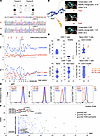 Figure 1
Genetic and immunologic characteristics of patients with different CD48 S220 variants. (A) Family trees showing male (square) and female (circle) family members; open symbols represent HDs, and solid symbols represent the patients (P1 and P2). Below, Sanger sequencing of the CD48 gene (exon 4), showing the identified variants in both patients. (B) The CD48 protein structure predicted using AlphaFold 2 (47) and colored by per-residue confidence (predicted local distance difference test). Blue, very high; light blue, high; yellow, low; orange, very low. The identified ω-site amino acid substitutions were modeled using PDB 8IMY, and the PIGK–UL16-Binding Protein 2 complex was visualized using ChimeraX (48). Conservation, ΔΔG stability change, and CADD scores were obtained using ProtVar (49). Conservation 0.45–0.60, moderate; ΔΔG < 2 kcal/mol, unlikely destabilizing; CADD 20–24.9, likely deleterious. (C) Change over time in the leukocyte (blue), lymphocyte (red), CD4+ T cell (red), and CD8+ T cell (blue) blood counts measured in giga per liter (G/L) in P1 (light red and light blue) and P2 (dark red and dark blue). Red bars indicate inflammatory episodes; dotted lines indicate reference intervals. (D) Truncated violin plots showing the median and quartiles of the frequencies of EM, terminally differentiated effector memory (TEMRA), and CD31+CD38+ naive CD4+ T cells, and naive, non-naive, and CD31+CD38+ naive CD8+ T cells in 15 adult HDs (blue dots) compared with P1 (orange and red dots) and P2 (dark red dots). The ages at measurement for P1 and P2 are indicated. Due to the low patient sample size, no statistical analysis was performed. (E) Overlaid flow cytometry histograms of CD48 surface expression, reported as geometric MFI (gMFI), in peripheral blood cell subsets in 2 adult HDs (blue), P1 (red), and P2 (dark red). (F) CADD–minor allele frequency (MAF) graph of CD48 variants reported in gnomAD. Heterozygous (HET) variants, light blue; HET loss of function (LOF), red; homozygous (HOM) isomorphic, green.
Both patients (at the time of publication, 30 and 22 years old) experienced early-onset inflammatory episodes accompanied by fever and urticarial rashes, which tended to become less frequent with age (Supplemental Figure 1A). Some episodes required hospitalization and were associated with lymphopenia (Figure 1C) and thrombocytopenia. In P1, some (but not all) inflammatory episodes met 5 of the 7 updated HLH-2004 diagnostic criteria (16, 17). An infectious trigger was identified on several occasions, including Streptococcus pneumoniae and Varicella-zoster virus (VZV) in P1 and norovirus, rotavirus, and Influenza A (2009-H1N1) in P2 (Supplemental Figure 1A). P1 had CD4+ lymphopenia, which was more severe during the inflammatory episodes, but tended to recover with age. P2 had CD4+ and CD8+ lymphopenia, which persisted at the most recent measurement (Figure 1C). Both patients exhibited a memory CD4+ phenotype, with the naive subset showing a relative enrichment of CD38+CD31+ cells, a phenotype previously associated with recent thymic emigrant–like features (18) (Figure 1D). By contrast, a memory CD8+ T cell phenotype was observed only in P1, whereas a relative enrichment of CD38+CD31+ naive CD8+ cells was detected only in P2, consistent with his CD8+ T cell lymphopenia (Figure 1D). Moreover, effector memory (EM) T cells in P1 showed a tendency toward a CD57+CD27– phenotype, whereas those in P2 tended to express CD38; both patterns have been associated with immune activation (19, 20) (Supplemental Figure 1B). Flow cytometry revealed low levels of CD48 protein surface expression in various leukocyte subsets, with a trend toward further reduction after 4 days of in vitro culture, in both patients (Figure 1E and Supplemental Figure 1C).
We examined public genome databases to identify additional rare CD48 variants consistent with haploinsufficiency and detected 13 heterozygous rare loss-of-function CD48 variants with a Combined Annotation Dependent Depletion (CADD) score above 20 in gnomAD v4.1.0 (21) (Figure 1F). Notably, no other S220 CD48 variants are listed in the database, apart from a synonymous p.S220S variant (21). Collectively, these findings support the presence of additional molecular mechanisms beyond haploinsufficiency that contribute to the observed phenotype.
Human S220 CD48 variants lead to altered CD48 cellular distribution. In the ER, GPI anchors are synthesized and attached to proteins that contain a C-terminal GPI attachment signal sequence, such as CD48, after cleavage of the peptide bond at the ω-site by the transamidase complex (22). The S220 residue is the ω-site of the CD48 precursor protein (23). Given that amino acid restrictions are very severe at the ω-site (24), the substitution of a small polar residue (e.g., serine) with a larger amino acid (e.g., tyrosine or phenylalanine) at the GPI linker position is likely to impair cleavage and GPI anchoring, as observed for other GPI-anchored proteins (24). It has been shown that uncleaved precursors of GPI-anchored proteins are retained in the ER and degraded (25).
We previously reported that HEK293 cells expressing the CD48 S220Y mutant showed markedly reduced CD48 surface levels compared with cells expressing WT CD48, despite similar mRNA levels (14). Accordingly, both patients had lower surface levels of CD48 (Figure 1E). Given that serum levels of soluble CD48 were not previously found to be elevated in P1, and thus secretion was not apparently increased (14), we hypothesized that the S220 CD48 mutant proteins were normally synthesized but had defective cell surface localization. Confocal microscopy of HEK293 cells expressing either the CD48 mutant proteins (S220Y or S220F) or the WT CD48 protein confirmed that the mutant proteins were predominantly localized intracellularly, whereas WT CD48 was primarily detected at the cell surface (Figure 2A).
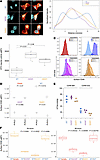 Figure 2
Human S220 CD48 variants lead to altered CD48 cellular distribution. (A) Microscopy analysis and quantification of the CD48 fluorescence intensity in HEK293 cells transfected with a plasmid encoding CD48 WT (light blue), S220F (purple), or S220Y (orange). Scale bars: 10 μm. (B) Box-and-whisker plots showing the median and quartiles of ATF4 reporter activity in HEK293 cells cotransfected with ATF4-mScarlet and either WT, S220F, or S220Y CD48 expression constructs. mScarlet fluorescence was measured by flow cytometry 24 hours after transfection. Expression levels are reported as the gMFI of the mScarlet signal. P values were determined using 1-way ANOVA followed by Dunnett’s post hoc test, with the WT used as reference. (C and D) Flow cytometry quantification of surface CD48 expression in HEK293 cells transfected with an empty vector (red), WT (blue), S220F (purple), or S220Y (orange) CD48 expression constructs, and either left untreated (–) or treated with PI-PLC (+). A representative experiment (C) and the relative quantification of the CD48 gMFI (D) are shown. The experiment was conducted twice. P values were determined by 2-tailed t tests. (E) Scatterplot of estimated binding free energies of the interaction between CD48 WT (light blue), CD48 S220F (purple), and CD48 S220Y (orange) with 2B4 and CD2. For each sample, the median of 3 measurements is shown. For each ligand, free energies were compared using Friedman’s test followed by Dunn’s multiple-comparison test. No significant differences were detected. (F) Flow cytometry quantification of surface CD48 expression in HEK293 cells cotransfected with equal quantities of CD48 WT and either an empty vector, or S220F, S220Y, or WT expression vectors, at 24 hours (left panel) and 48 hours (right panel) after transfection. Statistical comparisons between each experimental group and the control group (WT + empty vector) were performed using separate 2-tailed t tests. P values were not adjusted for multiple comparisons. The box-and-whisker plots depict the minimum and maximum values (whiskers), the upper and lower quartiles, and the median.
We further investigated the consequences of S220 CD48 mutant intracellular accumulation, presumably within the ER, where the transamidase complex localizes. To assess ER stress, we generated an ATF4 (activating transcription factor 4) reporter HEK293 cell line and measured reporter fluorescence 24 hours after transfection with S220 CD48 mutants or WT CD48. Whereas cells expressing the S220F mutant had significantly increased ATF4 reporter activity compared with WT cells, indicating enhanced ER stress, a similar trend, although not significant, was observed in cells expressing the S220Y mutant (Figure 2B). Thus, intracellular accumulation of CD48 S220 mutants is associated with activation of ER stress signaling.
We next examined whether the S220 substitutions affect GPI anchoring. The covalent linkage of GPI is initiated within the GPI transamidase by the cysteine protease activity of phosphatidylinositol glycan anchor biosynthesis class K (PIGK), in which the ω-site is positioned for stabilization of the negatively charged intermediate form in an oxyanion hole (22). Substitution with a bulky side group generates steric clashes that alter the positioning of the attacked carbonyl carbon (Figure 1B) but leave the remainder of the C-terminal signal peptide intact (24). We predict that this destabilization of the intermediate form impairs enzyme kinetics. To test this, we treated CD48-transfected HEK293 cells with phosphatidylinositol-specific PLC (PI-PLC), confirming that the identified surface CD48 was indeed GPI anchored (Figure 2, C and D). These mutant proteins are predicted to bind 2B4 and CD2 with binding free energy (reflecting their binding affinities) comparable to WT CD48 (Figure 2E). These findings indicate that the mutant CD48 precursor proteins are able to interact, at least to some extent, with the transamidase complex and that surface-expressed GPI-anchored proteins are likely stable and functional.
Given that a fraction of S220 CD48 proteins undergoes GPI anchoring, we investigated whether coexpression of S220 CD48 variants affects the surface expression of WT CD48. HEK293 cells were transfected with equal combinations of expression vectors encoding S220 CD48, WT CD48, or empty vectors. Indeed, the combination of WT CD48 with either the S220F or S220Y mutant resulted in significantly lower surface levels of CD48 at 24 and 48 hours compared with the combination of WT CD48 and empty vectors (Figure 2F).
These findings demonstrate that S220 CD48 proteins engage the GPI transamidase but reach the cell surface with reduced efficiency. The CD48 molecules accumulate within the ER, increasing ER stress.
Activation-associated intracellular CD48 accumulation in patient T cells correlates with impaired survival and function. Given the low surface but preserved intracellular CD48 levels previously detected in cells from P1 (14), we hypothesized that CD48 might accumulate intracellularly under conditions of high CD48 synthesis, such as during T cell activation (4). Accordingly, we found that the intracellular/surface CD48 ratio tended to increase upon polyclonal activation using anti-CD3/CD28/CD2 stimulation and was higher in gated activated (ICOS+CD25+) CD4+ and CD8+ T cells from both patients compared with healthy donors (HDs) (Figure 3A).
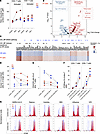 Figure 3
Activation-associated intracellular CD48 accumulation in patient T cells correlates with impaired survival and function. (A) Column graph showing the ratio of intracellular/surface CD48 gMFI in unstimulated (unstim.) and stimulated (stim.) CD4+ and CD8+ T cells, as well as in activated (ICOS+CD25+) stimulated CD4+ and CD8+ T cells from P1 (red), P2 (dark red), and 2 HDs (blue). (B) Volcano plot showing genes involved in type I IFN response, inflammation (*), apoptosis (°), and ER stress (^) differentially expressed between mitogen-stimulated PBMCs from P1 compared with a HD (log2 fold change threshold >1.5; FDR < 0.05). Genes shown in gray are not significantly differentially expressed (ns). (C) Heatmap showing expression levels of genes belonging to the BP category “response to ER stress” in mitogen-stimulated PBMCs from a HD compared with P1. Genes that also belong to the BP categories “ERAD pathway” and “intrinsic apoptosis to ER stress” are shown as blue and black circles, respectively. (D and E) Column graphs showing the fraction of annexin V+/Live-Dead+ cells and the CD4+/CD8+ ratio, respectively, in unstimulated and stimulated single cells from P1 (red), P2 (dark red), and 3 HDs (blue). P1 was analyzed twice in 2 independent experiments, and P2 was analyzed once. In one experiment, P1 was compared with 1 HD; in the other, P1 and P2 were compared with 2 HDs. (F) Column graphs showing the fraction of CFSElo cells in unstimulated and stimulated CD4+ and CD8+ T cells from P1 (red), P2 (dark red), and 2 HDs (blue). (G) Overlaid flow cytometry histograms showing T cell divisions by dilution of CFSE dye in memory (CD45RA–) CD4+ and CD8+ T cells from P1 (red), P2 (dark red), and 7 HDs (blue) stimulated with microbial antigens. Due to the low patient sample size in A and D–G, no statistical analysis was performed.
To investigate potential effects of CD48 intracellular accumulation, we compared previously published (14) transcriptomic data from unstimulated and mitogen-stimulated PBMCs derived from P1 to those from a HD. Mitogen-stimulated PBMCs from P1 showed a significant downregulation of genes implicated in type I IFN response to viruses and a significant upregulation of genes involved in inflammation, ER stress, and apoptosis (Figure 3B). This set of genes was not significantly differentially expressed in unstimulated PBMCs (Supplemental Figure 2A). The upregulation of the IL6 gene was consistent with elevated IL-6 serum levels in both patients (Supplemental Figure 2B). As an initial assessment of the core canonical ER stress response, we examined the expression of genes in the Hallmark Unfolded Protein Response pathway using GSEA but found no significant differences between P1 and HD (Supplemental Figure 2C). We next assessed genes in the broader Biological Process (BP) category response to ER stress from the Gene Ontology database, which includes downstream ER stress–related processes, using GSEA. We observed that 61 of 283 genes in this category were upregulated in P1 (including 21 associated with intrinsic apoptosis), whereas 21 were upregulated in HD (including 4 associated with intrinsic apoptosis) (Figure 3C).
Consistently, PBMCs derived from both patients exhibited reduced viability and increased apoptosis compared with those from HDs, with the differences being more pronounced after anti-CD3/CD2 stimulation (Figure 3D). Among surviving cells, the CD4+/CD8+ ratio tended to decline following stimulation in patients, indicating that CD4+ T cells may be more prone to apoptosis (Figure 3E). Surviving cells remained responsive to polyclonal stimulation (Figure 3F and Supplemental Figure 2D). By contrast, CD3+ proliferation and IFN-γ production in response to antigen-specific stimulation tended to be lower in both patients relative to healthy controls (Supplemental Figure 2E), with a more pronounced reduction observed in CD8+ T cells (Figure 3G), although prior antigen exposure could be inferred (Supplemental Figure 1A).
Collectively, these findings suggest that S220 CD48 variants may exert pathogenic effects, particularly during T cell activation, when CD48 is upregulated intracellularly, triggering inflammation, ER stress, and apoptosis and ultimately impairing T cell survival and function.
TCR repertoire abnormalities in patients with S220 CD48 variants. To assess potential effects of the observed impaired T cell survival and function on immune repertoire dynamics, we performed high-throughput TCR Vβ chain sequencing of magnetically sorted CD4+ and CD8+ T cells from P1 (age 28 years at assessment), P2 (age 21 years at assessment), and 2 age-matched HDs. While the number of T cells was balanced between patients and HDs, the number of productive (functional and in-frame) complementarity-determining region 3 (CDR3) templates ranged from 26,271 to 182,426 after exclusion of 2 samples with low numbers of templates (Supplemental Table 2). The following parameters were assessed as indicators of repertoire diversity: (a) the number of unique TCRs normalized with the total number of productive templates, (b) the downsampled productive Simpson clonality, (c) the Pielou evenness, and (d) the downsampled maximal productive frequency (Figure 4A). Overall, TCR repertoire diversity was markedly reduced in P1 compared with HD1, with the restriction being more pronounced in CD8+ T cells. CD8+ T cells from P2 also showed lower diversity, as indicated by the higher Simpson clonality and maximal productive frequency compared with the age-matched HD2 (Figure 4A). Consistently, the top 20 clonotypes (some of which matched viral-specific TCRs included in the Immune Epitope Database [IEDB]) (26) accounted for a larger fraction of the repertoire in CD4+ and CD8+ T cells from P1 and, less markedly, in CD8+ T cells from P2 compared with their respective age-matched controls (Figure 4B and Supplemental Table 3). Moreover, the fraction of overlapping clonotypes between CD4+ and CD8+ T cells was lower in P1 than in HD1 (Supplemental Figure 3A). A skewed TCR Vβ gene usage was observed in CD8+ T cells from P1 and, to a lesser extent, P2 (Supplemental Figure 3B), and CD8+ T cells from P1 also exhibited an increased frequency of 42-nucleotide TCRβ CDR3 sequences, suggesting a skewing of the TCR repertoire toward a specific CDR3 length (Supplemental Figure 3C).
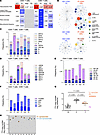 Figure 4
TCR repertoire abnormalities in patients with S220 CD48 variants. (A) Heatmap showing diversity metrics in CD4+ and CD8+ T cells from P1, P2, and 2 age-matched HDs (HD1 and HD2). The first row has a white-to-red color scale ranging from low (white) to high (red) template numbers. The remaining rows have a blue-to-white color scale ranging from low (blue) to high (white) diversity. (B) Cytoscape network representation of the top 20 most abundant clones, showing relative cumulative frequency in CD4+ and CD8+ T cells from HD1 compared with P1 and CD8+ T cells from HD2 compared with P2. Each node represents a clone; node size reflects its relative frequency, and color indicates the predicted antigen specificity. An asterisk indicates multiple predicted specificities, with a representative specificity selected for display. (C–F) Stacked bar plot illustrating the frequency of putative viral-specific TCRs. Each bar represents a sample, each color indicates a specificity, and the height reflects the cumulative TCR frequency. Thick lines: SARS-CoV-2 structural proteins, EBV lytic antigens, and immunodominant antigens of Influenza A (A) and B (B) viruses; intermediate lines: SARS-CoV-2 nonstructural or accessory immunodominant proteins and EBV latent immunodominant antigens; thin lines: SARS-CoV-2 accessory proteins and EBV less immunodominant antigens. NS1, nonstructural protein 1; M, matrix protein 2; NP, nucleoprotein; PB1, protein PB1-F2; M1, matrix protein 1; UL29/28, protein UL29/28; pp50, DNA polymerase processivity factor; IE-2, 45 kDa immediate-early protein 2; IE-1, immediate early protein IE1; pp65, 65 kDa phosphoprotein. (G) Blood TTV copy number (assessed by RT-PCR assay) during inflammatory episodes (light orange) or remission (dark orange) in P1 and P2 (pink) compared with immunocompromised patients (IC; n = 31, white) and HDs (n = 31, gray) using 1-way ANOVA followed by Tukey’s multiple-comparison test. (H) Change in TTV copy number over time in blood from P1 during inflammatory episodes (orange) or remission (light blue).
To identify TCRs potentially specific for SARS-CoV-2, TCR repertoires were cross-referenced with the ImmuneCODE database (27). P1 showed a reduced cumulative frequency of TCRs predicted to bind the structural proteins membrane (M), spike (S), and nucleocapsid (N) in both CD4+ and CD8+ T cells, with expansion of putative clones specific for the accessory immunodominant protein ORF3a in CD4+ T cells and the accessory proteins ORF7b and ORF10 in CD8+ T cells (28) (Figure 4C and Supplemental Table 4). In CD8+ T cells from P2, the cumulative frequency of TCRs predicted to bind the structural proteins was slightly reduced, whereas TCRs predicted specific for ORF1ab and ORF3a were largely preserved, and a limited expansion of TCRs potentially specific for the accessory protein ORF8 was observed (Figure 4C and Supplemental Table 4). TCRs predicted to recognize EBV, influenza virus, cytomegalovirus (CMV), and autoantigens were annotated using the VDJdb database (29). In P1, the frequency of TCRs predicted to be specific for lytic, immunodominant EBV peptides (such as BZLF1, BMLF1, and BRLF1) was reduced in both CD4+ and CD8+ T cells, with expansion of TCRs predicted to bind latent antigens (such as EBNA3B and LMP2A) in CD8+ T cells (Figure 4D and Supplemental Table 5). In addition, P1 showed a delayed EBV seroconversion (30, 31) (Supplemental Figure 1A and Supplemental Table 6). P2 exhibited a distribution of putative EBV-specific clonotypes comparable to that observed in HD2, despite the absence of detectable anti-EBV antibodies (Figure 4D and Supplemental Figure 1A). Furthermore, the frequency of putative influenza- and CMV-specific clonotypes was reduced in CD8+ T cells from P1 compared with HD1 (Figure 4, E and F). By contrast, the frequency of putative autoantigen-specific clonotypes did not differ between patients and HDs (Supplemental Figure 4D).
Analysis of P1’s plasma samples (collected over 13 years, during both remission and active phases) revealed persistently high levels (compared with controls) of torque teno virus (TTV), a common and typically nonpathogenic virus that has been associated with T cell–directed immunosuppression (32, 33) (Figure 4G). In an RT-PCR assay, the TTV loads during inflammatory episodes and remissions ranged from 105 to 107 copies/mL (Figure 4H). In contrast, the single plasma sample collected from P2 during an asymptomatic period tested negative for TTV (Figure 4G).
Collectively, these data suggest a restriction of TCR repertoire diversity in patients with CD48 S220 variants, reflecting peripheral clonal T cell expansions.
Delayed, dysregulated T cell responses to viral infection in CD48–/– mice. Given the above-mentioned important species differences that limit accurate modeling of the human missense variants, we analyzed the progression of Lymphocytic choriomeningitis virus (LCMV) infection in CD48–/–mice as a benchmark to evaluate the role of CD48 in antiviral T cell responses and the regulation of inflammation (Figure 5A). This approach was supported by previous data showing that CD48+/– mice also develop an inflammatory phenotype upon LCMV infection (14).
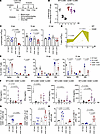 Figure 5
Impaired viral clearance, delayed immune reaction, and inflammation in CD48–/– mice. (A) Schematic of the in vivo experiments. 6 days: WT NaCl (n = 3), WT LCMV (n = 6), CD48–/– NaCl (n = 2), CD48–/– LCMV (n = 7); 15 days: WT NaCl (n = 4), WT LCMV (n = 8), CD48–/– NaCl (n = 6), CD48–/– LCMV (n = 9), 21 days: WT NaCl (n = 4), WT LCMV (n = 3), CD48–/– NaCl (n = 2), WT LCMV (n = 6), CD48–/– LCMV (n = 6). (B) Scatterplot showing real-time PCR analysis of total mRNA isolated from the spleens of WT and CD48–/– mice infected with LCMV at 6, 15, and 21 dpi. LCMV/β-actin relative expression was normalized to the WT at 15 dpi. (C) Scatterplots with bars showing blood lymphocyte counts at baseline and postinfection in CD48–/– and WT mice. (D) Blood T cell counts during infection in WT and CD48–/– mice. The shaded area represents the SD of the samples. (E) Scatterplot with bars showing a comparative analysis of naive, CM, and EM CD8+ T cells in the spleen during infection in CD48–/– and WT mice. (D and E) At each time point, differences between selected groups were assessed using 2-way ANOVA followed by Šidák’s multiple-comparison test. (F) Scatterplots with bars of IFN-γ, TNF-α, CCL2, and CXCL10 levels in mouse serum at different time points postinfection. (G and H) Scatterplots with bars showing the proportions of CD44+IFN-γ+CD8+ T cells in the blood and Ki-67+CD8+ T cells in the spleen at 6 and 21 dpi. At each time point in B, C, and F–H, differences between selected groups were assessed using 1-way ANOVA followed by Tukey’s multiple-comparison test. Graphs in B–H display the mean ± SD.
WT mice typically clear LCMV strain WE within 2 weeks (34). However, our results revealed a persistent LCMV WE infection in CD48–/–mice up to 21 days postinfection (dpi) (Figure 5B). Following LCMV infection, CD48–/– mice, compared with WT, showed low total circulating lymphocyte counts at 6 and 15 dpi and delayed T cell expansion, as evidenced by elevated counts at 21 dpi only (Figure 5, C and D). Circulating and splenic CD4+ and CD8+ T cell counts followed a similar temporal pattern, although circulating CD8+ T cell numbers remained at the lower range even at 21 dpi in CD48–/– mice (Supplemental Figure 4A). Interestingly, both circulating and splenic CD4+ and CD8+ EM T cells persisted at the lower range throughout all examined time points in CD48–/– mice (Figure 5E and Supplemental Figure 4A). Signs of delayed response were detectable also in circulating neutrophils and eosinophils, although less marked over time (Supplemental Figure 4B).
Another feature shared with the patients carrying CD48 S220 variants was an elevated proportion of NK cells that displayed an immature phenotype (Supplemental Figure 1B and Supplemental Figure 4C) and produced more IFN-γ upon stimulation (14) (Supplemental Figure 4D). Multiplex cytokine analysis revealed a delayed immune response in CD48–/– mice, with weak production of key cytokines (TNF-α, IFN-γ, CCL2, and CXCL10) during early time points and then elevated levels at 15 dpi — a time point at which cytokine levels had returned to baseline in WT mice (Figure 5F). The high baseline spleen volume in CD48–/– mice did not change during the early stages of the infection but had risen significantly by 21 dpi and coincided with elevated serum ferritin levels (Supplemental Figure 4E and Supplemental Figure 5A).
We further analyzed T cell responses in LCMV-infected CD48–/– mice. Following LCMV infection, CD48–/– mice showed lower proportions of circulating CD44+IFN-γ+CD8+ T cells and splenic proliferating Ki-67+CD8+ T cells at early time points compared with WT mice, whereas by 21 dpi these subsets were higher than in WT mice (Figure 5, G and H).
t-SNE and FlowSOM analyses of splenic CD8+ T cells at 21 dpi revealed marked differences between WT and CD48–/– mice upon LCMV infection. Specifically, EM cluster 1 was overrepresented in splenic CD8+ T cells from WT mice compared with CD48–/– mice, whereas central memory (CM) and EM cluster 4 cells were overrepresented in splenic CD8+ T cells from CD48–/– mice compared with WT mice (Supplemental Figure 5B). Further analysis of marker expression indicated that the EM cluster-1 in WT mice corresponded to memory precursor CD8+ T cells characterized by the expression of CD127 and CXCR3 and the absence of KLRG1 (35, 36) (Supplemental Figure 5C). In CD48–/– mice, this cluster was underrepresented and relatively enriched in PD-1+Ki-67+ cells (Supplemental Figure 5C). Conversely, the EM cluster-4 was characterized by the expression of KLRG1, Ki-67, granzyme B, and 2B4 and low expression of CD27, CD127, and PD-1 (Supplemental Figure 5C) and might correspond to terminal effector cells (36). A similar Ki-67+2B4+granzyme B+CD127lo (but KLRG1loPD1+CD27+, suggesting a less differentiated phenotype) was enriched in the blood of WT mice, whereas it was absent in the blood of CD48–/– mice (Supplemental Figure 5D). These findings suggest that, in CD48–/– mice, persistent viral stimulation may drive late-stage CD8+ T cell migration to the spleen and their terminal effector differentiation.
In summary, the absence of CD48 results in impaired viral clearance, inflammation, and delayed, dysregulated immune responses during LCMV infection. These observations emphasize the critical role of CD48 in generating timely and balanced immune responses to viral infections.


Copyright © 2026 American Society for Clinical Investigation
ISSN: 0021-9738 (print), 1558-8238 (online)