
Advertisement
Research ArticleCell biologyEndocrinologyHepatology
Open Access |  10.1172/JCI191101
The ULK1-NCOA3 axis restrains de novo lipogenesis and prevents diet-induced steatohepatitis and fibrosis in mice
Young Do Koo,1,2 Romilia Tatiana Castillo,2 Asha Sukumaran Nair,2 Michael Garneau,2 Chad Gochee,2 Zachary V. Campbell,2 Tashya Shreyas Vakil,1 Jua Ha,1 Alex Marti,2 Jamie Soto,2,3,4 Debajyoti Das,5,6 Nuria Martinez-Lopez,5,6 Shipra Sharma,7,8 Yennifer Delgado,7,8 Callie Phung,7,8 Immy A. Ashley,7,8 Edmund D. Kapelczak,9 Rashel Jacobo,9 Eric T. Weatherford,2,3 Dao-Fu Dai,10 Jihane N. Benhammou,5,6,11 Andrea G. Marshall,12 Antentor Hinton Jr.,12 Ling Yang,2,13 Renata O. Pereira,2 Tara TeSlaa,9 Mehdi Bouhaddou,7,8 Rajat Singh,5,6 and E. Dale Abel1,2
1Division of Endocrinology, Diabetes and Metabolism, Department of Medicine, David Geffen School of Medicine and UCLA Health, UCLA, Los Angeles, California, USA.
2Fraternal Order of Eagles Diabetes Research Center, Roy J. and Lucille A. Carver College of Medicine, and
3Mouse Metabolic Phenotyping Core, Carver College of Medicine, University of Iowa, Iowa City, Iowa, USA.
4Center for Translational Science, Florida International University, Port Saint Lucie, Florida, USA.
5Vatche and Tamar Manoukian Division of Digestive Diseases, David Geffen School of Medicine,
6Comprehensive Liver Research Center,
7Department of Microbiology, Immunology, and Molecular Genetics (MIMG),
8Institute for Quantitative and Computational Biosciences, and
9Department of Molecular and Medical Pharmacology, UCLA, Los Angeles, California, USA
10 Department of Pathology, Johns Hopkins University School of Medicine, Baltimore, Maryland, USA.
11Veterans’ Affairs Greater Los Angeles Healthcare System, Los Angeles, California, USA.
12Department of Molecular Physiology and Biophysics, Vanderbilt University, Nashville, Tennessee, USA.
13Department of Anatomy and Cell Biology, University of Iowa Carver College of Medicine, Iowa City, Iowa, USA.
Address correspondence to: E. Dale Abel, Department of Medicine, David Geffen School of Medicine at UCLA, 10833 Le Conte Ave, 37-121 CHS, 173617, Los Angeles, California 90095, USA. Phone: 310.267.3144; Email: DOMChair_DaleAbel@mednet.ucla.edu.
Find articles by Koo, Y. in: PubMed | Google Scholar
1Division of Endocrinology, Diabetes and Metabolism, Department of Medicine, David Geffen School of Medicine and UCLA Health, UCLA, Los Angeles, California, USA.
2Fraternal Order of Eagles Diabetes Research Center, Roy J. and Lucille A. Carver College of Medicine, and
3Mouse Metabolic Phenotyping Core, Carver College of Medicine, University of Iowa, Iowa City, Iowa, USA.
4Center for Translational Science, Florida International University, Port Saint Lucie, Florida, USA.
5Vatche and Tamar Manoukian Division of Digestive Diseases, David Geffen School of Medicine,
6Comprehensive Liver Research Center,
7Department of Microbiology, Immunology, and Molecular Genetics (MIMG),
8Institute for Quantitative and Computational Biosciences, and
9Department of Molecular and Medical Pharmacology, UCLA, Los Angeles, California, USA
10 Department of Pathology, Johns Hopkins University School of Medicine, Baltimore, Maryland, USA.
11Veterans’ Affairs Greater Los Angeles Healthcare System, Los Angeles, California, USA.
12Department of Molecular Physiology and Biophysics, Vanderbilt University, Nashville, Tennessee, USA.
13Department of Anatomy and Cell Biology, University of Iowa Carver College of Medicine, Iowa City, Iowa, USA.
Address correspondence to: E. Dale Abel, Department of Medicine, David Geffen School of Medicine at UCLA, 10833 Le Conte Ave, 37-121 CHS, 173617, Los Angeles, California 90095, USA. Phone: 310.267.3144; Email: DOMChair_DaleAbel@mednet.ucla.edu.
Find articles by Castillo, R. in: PubMed | Google Scholar
1Division of Endocrinology, Diabetes and Metabolism, Department of Medicine, David Geffen School of Medicine and UCLA Health, UCLA, Los Angeles, California, USA.
2Fraternal Order of Eagles Diabetes Research Center, Roy J. and Lucille A. Carver College of Medicine, and
3Mouse Metabolic Phenotyping Core, Carver College of Medicine, University of Iowa, Iowa City, Iowa, USA.
4Center for Translational Science, Florida International University, Port Saint Lucie, Florida, USA.
5Vatche and Tamar Manoukian Division of Digestive Diseases, David Geffen School of Medicine,
6Comprehensive Liver Research Center,
7Department of Microbiology, Immunology, and Molecular Genetics (MIMG),
8Institute for Quantitative and Computational Biosciences, and
9Department of Molecular and Medical Pharmacology, UCLA, Los Angeles, California, USA
10 Department of Pathology, Johns Hopkins University School of Medicine, Baltimore, Maryland, USA.
11Veterans’ Affairs Greater Los Angeles Healthcare System, Los Angeles, California, USA.
12Department of Molecular Physiology and Biophysics, Vanderbilt University, Nashville, Tennessee, USA.
13Department of Anatomy and Cell Biology, University of Iowa Carver College of Medicine, Iowa City, Iowa, USA.
Address correspondence to: E. Dale Abel, Department of Medicine, David Geffen School of Medicine at UCLA, 10833 Le Conte Ave, 37-121 CHS, 173617, Los Angeles, California 90095, USA. Phone: 310.267.3144; Email: DOMChair_DaleAbel@mednet.ucla.edu.
Find articles by Sukumaran Nair, A. in: PubMed | Google Scholar
1Division of Endocrinology, Diabetes and Metabolism, Department of Medicine, David Geffen School of Medicine and UCLA Health, UCLA, Los Angeles, California, USA.
2Fraternal Order of Eagles Diabetes Research Center, Roy J. and Lucille A. Carver College of Medicine, and
3Mouse Metabolic Phenotyping Core, Carver College of Medicine, University of Iowa, Iowa City, Iowa, USA.
4Center for Translational Science, Florida International University, Port Saint Lucie, Florida, USA.
5Vatche and Tamar Manoukian Division of Digestive Diseases, David Geffen School of Medicine,
6Comprehensive Liver Research Center,
7Department of Microbiology, Immunology, and Molecular Genetics (MIMG),
8Institute for Quantitative and Computational Biosciences, and
9Department of Molecular and Medical Pharmacology, UCLA, Los Angeles, California, USA
10 Department of Pathology, Johns Hopkins University School of Medicine, Baltimore, Maryland, USA.
11Veterans’ Affairs Greater Los Angeles Healthcare System, Los Angeles, California, USA.
12Department of Molecular Physiology and Biophysics, Vanderbilt University, Nashville, Tennessee, USA.
13Department of Anatomy and Cell Biology, University of Iowa Carver College of Medicine, Iowa City, Iowa, USA.
Address correspondence to: E. Dale Abel, Department of Medicine, David Geffen School of Medicine at UCLA, 10833 Le Conte Ave, 37-121 CHS, 173617, Los Angeles, California 90095, USA. Phone: 310.267.3144; Email: DOMChair_DaleAbel@mednet.ucla.edu.
Find articles by Garneau, M. in: PubMed | Google Scholar
1Division of Endocrinology, Diabetes and Metabolism, Department of Medicine, David Geffen School of Medicine and UCLA Health, UCLA, Los Angeles, California, USA.
2Fraternal Order of Eagles Diabetes Research Center, Roy J. and Lucille A. Carver College of Medicine, and
3Mouse Metabolic Phenotyping Core, Carver College of Medicine, University of Iowa, Iowa City, Iowa, USA.
4Center for Translational Science, Florida International University, Port Saint Lucie, Florida, USA.
5Vatche and Tamar Manoukian Division of Digestive Diseases, David Geffen School of Medicine,
6Comprehensive Liver Research Center,
7Department of Microbiology, Immunology, and Molecular Genetics (MIMG),
8Institute for Quantitative and Computational Biosciences, and
9Department of Molecular and Medical Pharmacology, UCLA, Los Angeles, California, USA
10 Department of Pathology, Johns Hopkins University School of Medicine, Baltimore, Maryland, USA.
11Veterans’ Affairs Greater Los Angeles Healthcare System, Los Angeles, California, USA.
12Department of Molecular Physiology and Biophysics, Vanderbilt University, Nashville, Tennessee, USA.
13Department of Anatomy and Cell Biology, University of Iowa Carver College of Medicine, Iowa City, Iowa, USA.
Address correspondence to: E. Dale Abel, Department of Medicine, David Geffen School of Medicine at UCLA, 10833 Le Conte Ave, 37-121 CHS, 173617, Los Angeles, California 90095, USA. Phone: 310.267.3144; Email: DOMChair_DaleAbel@mednet.ucla.edu.
Find articles by Gochee, C. in: PubMed | Google Scholar
1Division of Endocrinology, Diabetes and Metabolism, Department of Medicine, David Geffen School of Medicine and UCLA Health, UCLA, Los Angeles, California, USA.
2Fraternal Order of Eagles Diabetes Research Center, Roy J. and Lucille A. Carver College of Medicine, and
3Mouse Metabolic Phenotyping Core, Carver College of Medicine, University of Iowa, Iowa City, Iowa, USA.
4Center for Translational Science, Florida International University, Port Saint Lucie, Florida, USA.
5Vatche and Tamar Manoukian Division of Digestive Diseases, David Geffen School of Medicine,
6Comprehensive Liver Research Center,
7Department of Microbiology, Immunology, and Molecular Genetics (MIMG),
8Institute for Quantitative and Computational Biosciences, and
9Department of Molecular and Medical Pharmacology, UCLA, Los Angeles, California, USA
10 Department of Pathology, Johns Hopkins University School of Medicine, Baltimore, Maryland, USA.
11Veterans’ Affairs Greater Los Angeles Healthcare System, Los Angeles, California, USA.
12Department of Molecular Physiology and Biophysics, Vanderbilt University, Nashville, Tennessee, USA.
13Department of Anatomy and Cell Biology, University of Iowa Carver College of Medicine, Iowa City, Iowa, USA.
Address correspondence to: E. Dale Abel, Department of Medicine, David Geffen School of Medicine at UCLA, 10833 Le Conte Ave, 37-121 CHS, 173617, Los Angeles, California 90095, USA. Phone: 310.267.3144; Email: DOMChair_DaleAbel@mednet.ucla.edu.
Find articles by Campbell, Z. in: PubMed | Google Scholar
1Division of Endocrinology, Diabetes and Metabolism, Department of Medicine, David Geffen School of Medicine and UCLA Health, UCLA, Los Angeles, California, USA.
2Fraternal Order of Eagles Diabetes Research Center, Roy J. and Lucille A. Carver College of Medicine, and
3Mouse Metabolic Phenotyping Core, Carver College of Medicine, University of Iowa, Iowa City, Iowa, USA.
4Center for Translational Science, Florida International University, Port Saint Lucie, Florida, USA.
5Vatche and Tamar Manoukian Division of Digestive Diseases, David Geffen School of Medicine,
6Comprehensive Liver Research Center,
7Department of Microbiology, Immunology, and Molecular Genetics (MIMG),
8Institute for Quantitative and Computational Biosciences, and
9Department of Molecular and Medical Pharmacology, UCLA, Los Angeles, California, USA
10 Department of Pathology, Johns Hopkins University School of Medicine, Baltimore, Maryland, USA.
11Veterans’ Affairs Greater Los Angeles Healthcare System, Los Angeles, California, USA.
12Department of Molecular Physiology and Biophysics, Vanderbilt University, Nashville, Tennessee, USA.
13Department of Anatomy and Cell Biology, University of Iowa Carver College of Medicine, Iowa City, Iowa, USA.
Address correspondence to: E. Dale Abel, Department of Medicine, David Geffen School of Medicine at UCLA, 10833 Le Conte Ave, 37-121 CHS, 173617, Los Angeles, California 90095, USA. Phone: 310.267.3144; Email: DOMChair_DaleAbel@mednet.ucla.edu.
Find articles by Vakil, T. in: PubMed | Google Scholar
1Division of Endocrinology, Diabetes and Metabolism, Department of Medicine, David Geffen School of Medicine and UCLA Health, UCLA, Los Angeles, California, USA.
2Fraternal Order of Eagles Diabetes Research Center, Roy J. and Lucille A. Carver College of Medicine, and
3Mouse Metabolic Phenotyping Core, Carver College of Medicine, University of Iowa, Iowa City, Iowa, USA.
4Center for Translational Science, Florida International University, Port Saint Lucie, Florida, USA.
5Vatche and Tamar Manoukian Division of Digestive Diseases, David Geffen School of Medicine,
6Comprehensive Liver Research Center,
7Department of Microbiology, Immunology, and Molecular Genetics (MIMG),
8Institute for Quantitative and Computational Biosciences, and
9Department of Molecular and Medical Pharmacology, UCLA, Los Angeles, California, USA
10 Department of Pathology, Johns Hopkins University School of Medicine, Baltimore, Maryland, USA.
11Veterans’ Affairs Greater Los Angeles Healthcare System, Los Angeles, California, USA.
12Department of Molecular Physiology and Biophysics, Vanderbilt University, Nashville, Tennessee, USA.
13Department of Anatomy and Cell Biology, University of Iowa Carver College of Medicine, Iowa City, Iowa, USA.
Address correspondence to: E. Dale Abel, Department of Medicine, David Geffen School of Medicine at UCLA, 10833 Le Conte Ave, 37-121 CHS, 173617, Los Angeles, California 90095, USA. Phone: 310.267.3144; Email: DOMChair_DaleAbel@mednet.ucla.edu.
Find articles by Ha, J. in: PubMed | Google Scholar
1Division of Endocrinology, Diabetes and Metabolism, Department of Medicine, David Geffen School of Medicine and UCLA Health, UCLA, Los Angeles, California, USA.
2Fraternal Order of Eagles Diabetes Research Center, Roy J. and Lucille A. Carver College of Medicine, and
3Mouse Metabolic Phenotyping Core, Carver College of Medicine, University of Iowa, Iowa City, Iowa, USA.
4Center for Translational Science, Florida International University, Port Saint Lucie, Florida, USA.
5Vatche and Tamar Manoukian Division of Digestive Diseases, David Geffen School of Medicine,
6Comprehensive Liver Research Center,
7Department of Microbiology, Immunology, and Molecular Genetics (MIMG),
8Institute for Quantitative and Computational Biosciences, and
9Department of Molecular and Medical Pharmacology, UCLA, Los Angeles, California, USA
10 Department of Pathology, Johns Hopkins University School of Medicine, Baltimore, Maryland, USA.
11Veterans’ Affairs Greater Los Angeles Healthcare System, Los Angeles, California, USA.
12Department of Molecular Physiology and Biophysics, Vanderbilt University, Nashville, Tennessee, USA.
13Department of Anatomy and Cell Biology, University of Iowa Carver College of Medicine, Iowa City, Iowa, USA.
Address correspondence to: E. Dale Abel, Department of Medicine, David Geffen School of Medicine at UCLA, 10833 Le Conte Ave, 37-121 CHS, 173617, Los Angeles, California 90095, USA. Phone: 310.267.3144; Email: DOMChair_DaleAbel@mednet.ucla.edu.
Find articles by Marti, A. in: PubMed | Google Scholar
1Division of Endocrinology, Diabetes and Metabolism, Department of Medicine, David Geffen School of Medicine and UCLA Health, UCLA, Los Angeles, California, USA.
2Fraternal Order of Eagles Diabetes Research Center, Roy J. and Lucille A. Carver College of Medicine, and
3Mouse Metabolic Phenotyping Core, Carver College of Medicine, University of Iowa, Iowa City, Iowa, USA.
4Center for Translational Science, Florida International University, Port Saint Lucie, Florida, USA.
5Vatche and Tamar Manoukian Division of Digestive Diseases, David Geffen School of Medicine,
6Comprehensive Liver Research Center,
7Department of Microbiology, Immunology, and Molecular Genetics (MIMG),
8Institute for Quantitative and Computational Biosciences, and
9Department of Molecular and Medical Pharmacology, UCLA, Los Angeles, California, USA
10 Department of Pathology, Johns Hopkins University School of Medicine, Baltimore, Maryland, USA.
11Veterans’ Affairs Greater Los Angeles Healthcare System, Los Angeles, California, USA.
12Department of Molecular Physiology and Biophysics, Vanderbilt University, Nashville, Tennessee, USA.
13Department of Anatomy and Cell Biology, University of Iowa Carver College of Medicine, Iowa City, Iowa, USA.
Address correspondence to: E. Dale Abel, Department of Medicine, David Geffen School of Medicine at UCLA, 10833 Le Conte Ave, 37-121 CHS, 173617, Los Angeles, California 90095, USA. Phone: 310.267.3144; Email: DOMChair_DaleAbel@mednet.ucla.edu.
Find articles by Soto, J. in: PubMed | Google Scholar
1Division of Endocrinology, Diabetes and Metabolism, Department of Medicine, David Geffen School of Medicine and UCLA Health, UCLA, Los Angeles, California, USA.
2Fraternal Order of Eagles Diabetes Research Center, Roy J. and Lucille A. Carver College of Medicine, and
3Mouse Metabolic Phenotyping Core, Carver College of Medicine, University of Iowa, Iowa City, Iowa, USA.
4Center for Translational Science, Florida International University, Port Saint Lucie, Florida, USA.
5Vatche and Tamar Manoukian Division of Digestive Diseases, David Geffen School of Medicine,
6Comprehensive Liver Research Center,
7Department of Microbiology, Immunology, and Molecular Genetics (MIMG),
8Institute for Quantitative and Computational Biosciences, and
9Department of Molecular and Medical Pharmacology, UCLA, Los Angeles, California, USA
10 Department of Pathology, Johns Hopkins University School of Medicine, Baltimore, Maryland, USA.
11Veterans’ Affairs Greater Los Angeles Healthcare System, Los Angeles, California, USA.
12Department of Molecular Physiology and Biophysics, Vanderbilt University, Nashville, Tennessee, USA.
13Department of Anatomy and Cell Biology, University of Iowa Carver College of Medicine, Iowa City, Iowa, USA.
Address correspondence to: E. Dale Abel, Department of Medicine, David Geffen School of Medicine at UCLA, 10833 Le Conte Ave, 37-121 CHS, 173617, Los Angeles, California 90095, USA. Phone: 310.267.3144; Email: DOMChair_DaleAbel@mednet.ucla.edu.
Find articles by Das, D. in: PubMed | Google Scholar
1Division of Endocrinology, Diabetes and Metabolism, Department of Medicine, David Geffen School of Medicine and UCLA Health, UCLA, Los Angeles, California, USA.
2Fraternal Order of Eagles Diabetes Research Center, Roy J. and Lucille A. Carver College of Medicine, and
3Mouse Metabolic Phenotyping Core, Carver College of Medicine, University of Iowa, Iowa City, Iowa, USA.
4Center for Translational Science, Florida International University, Port Saint Lucie, Florida, USA.
5Vatche and Tamar Manoukian Division of Digestive Diseases, David Geffen School of Medicine,
6Comprehensive Liver Research Center,
7Department of Microbiology, Immunology, and Molecular Genetics (MIMG),
8Institute for Quantitative and Computational Biosciences, and
9Department of Molecular and Medical Pharmacology, UCLA, Los Angeles, California, USA
10 Department of Pathology, Johns Hopkins University School of Medicine, Baltimore, Maryland, USA.
11Veterans’ Affairs Greater Los Angeles Healthcare System, Los Angeles, California, USA.
12Department of Molecular Physiology and Biophysics, Vanderbilt University, Nashville, Tennessee, USA.
13Department of Anatomy and Cell Biology, University of Iowa Carver College of Medicine, Iowa City, Iowa, USA.
Address correspondence to: E. Dale Abel, Department of Medicine, David Geffen School of Medicine at UCLA, 10833 Le Conte Ave, 37-121 CHS, 173617, Los Angeles, California 90095, USA. Phone: 310.267.3144; Email: DOMChair_DaleAbel@mednet.ucla.edu.
Find articles by Martinez-Lopez, N. in: PubMed | Google Scholar
1Division of Endocrinology, Diabetes and Metabolism, Department of Medicine, David Geffen School of Medicine and UCLA Health, UCLA, Los Angeles, California, USA.
2Fraternal Order of Eagles Diabetes Research Center, Roy J. and Lucille A. Carver College of Medicine, and
3Mouse Metabolic Phenotyping Core, Carver College of Medicine, University of Iowa, Iowa City, Iowa, USA.
4Center for Translational Science, Florida International University, Port Saint Lucie, Florida, USA.
5Vatche and Tamar Manoukian Division of Digestive Diseases, David Geffen School of Medicine,
6Comprehensive Liver Research Center,
7Department of Microbiology, Immunology, and Molecular Genetics (MIMG),
8Institute for Quantitative and Computational Biosciences, and
9Department of Molecular and Medical Pharmacology, UCLA, Los Angeles, California, USA
10 Department of Pathology, Johns Hopkins University School of Medicine, Baltimore, Maryland, USA.
11Veterans’ Affairs Greater Los Angeles Healthcare System, Los Angeles, California, USA.
12Department of Molecular Physiology and Biophysics, Vanderbilt University, Nashville, Tennessee, USA.
13Department of Anatomy and Cell Biology, University of Iowa Carver College of Medicine, Iowa City, Iowa, USA.
Address correspondence to: E. Dale Abel, Department of Medicine, David Geffen School of Medicine at UCLA, 10833 Le Conte Ave, 37-121 CHS, 173617, Los Angeles, California 90095, USA. Phone: 310.267.3144; Email: DOMChair_DaleAbel@mednet.ucla.edu.
Find articles by Sharma, S. in: PubMed | Google Scholar
1Division of Endocrinology, Diabetes and Metabolism, Department of Medicine, David Geffen School of Medicine and UCLA Health, UCLA, Los Angeles, California, USA.
2Fraternal Order of Eagles Diabetes Research Center, Roy J. and Lucille A. Carver College of Medicine, and
3Mouse Metabolic Phenotyping Core, Carver College of Medicine, University of Iowa, Iowa City, Iowa, USA.
4Center for Translational Science, Florida International University, Port Saint Lucie, Florida, USA.
5Vatche and Tamar Manoukian Division of Digestive Diseases, David Geffen School of Medicine,
6Comprehensive Liver Research Center,
7Department of Microbiology, Immunology, and Molecular Genetics (MIMG),
8Institute for Quantitative and Computational Biosciences, and
9Department of Molecular and Medical Pharmacology, UCLA, Los Angeles, California, USA
10 Department of Pathology, Johns Hopkins University School of Medicine, Baltimore, Maryland, USA.
11Veterans’ Affairs Greater Los Angeles Healthcare System, Los Angeles, California, USA.
12Department of Molecular Physiology and Biophysics, Vanderbilt University, Nashville, Tennessee, USA.
13Department of Anatomy and Cell Biology, University of Iowa Carver College of Medicine, Iowa City, Iowa, USA.
Address correspondence to: E. Dale Abel, Department of Medicine, David Geffen School of Medicine at UCLA, 10833 Le Conte Ave, 37-121 CHS, 173617, Los Angeles, California 90095, USA. Phone: 310.267.3144; Email: DOMChair_DaleAbel@mednet.ucla.edu.
Find articles by Delgado, Y. in: PubMed | Google Scholar
1Division of Endocrinology, Diabetes and Metabolism, Department of Medicine, David Geffen School of Medicine and UCLA Health, UCLA, Los Angeles, California, USA.
2Fraternal Order of Eagles Diabetes Research Center, Roy J. and Lucille A. Carver College of Medicine, and
3Mouse Metabolic Phenotyping Core, Carver College of Medicine, University of Iowa, Iowa City, Iowa, USA.
4Center for Translational Science, Florida International University, Port Saint Lucie, Florida, USA.
5Vatche and Tamar Manoukian Division of Digestive Diseases, David Geffen School of Medicine,
6Comprehensive Liver Research Center,
7Department of Microbiology, Immunology, and Molecular Genetics (MIMG),
8Institute for Quantitative and Computational Biosciences, and
9Department of Molecular and Medical Pharmacology, UCLA, Los Angeles, California, USA
10 Department of Pathology, Johns Hopkins University School of Medicine, Baltimore, Maryland, USA.
11Veterans’ Affairs Greater Los Angeles Healthcare System, Los Angeles, California, USA.
12Department of Molecular Physiology and Biophysics, Vanderbilt University, Nashville, Tennessee, USA.
13Department of Anatomy and Cell Biology, University of Iowa Carver College of Medicine, Iowa City, Iowa, USA.
Address correspondence to: E. Dale Abel, Department of Medicine, David Geffen School of Medicine at UCLA, 10833 Le Conte Ave, 37-121 CHS, 173617, Los Angeles, California 90095, USA. Phone: 310.267.3144; Email: DOMChair_DaleAbel@mednet.ucla.edu.
Find articles by Phung, C. in: PubMed | Google Scholar
1Division of Endocrinology, Diabetes and Metabolism, Department of Medicine, David Geffen School of Medicine and UCLA Health, UCLA, Los Angeles, California, USA.
2Fraternal Order of Eagles Diabetes Research Center, Roy J. and Lucille A. Carver College of Medicine, and
3Mouse Metabolic Phenotyping Core, Carver College of Medicine, University of Iowa, Iowa City, Iowa, USA.
4Center for Translational Science, Florida International University, Port Saint Lucie, Florida, USA.
5Vatche and Tamar Manoukian Division of Digestive Diseases, David Geffen School of Medicine,
6Comprehensive Liver Research Center,
7Department of Microbiology, Immunology, and Molecular Genetics (MIMG),
8Institute for Quantitative and Computational Biosciences, and
9Department of Molecular and Medical Pharmacology, UCLA, Los Angeles, California, USA
10 Department of Pathology, Johns Hopkins University School of Medicine, Baltimore, Maryland, USA.
11Veterans’ Affairs Greater Los Angeles Healthcare System, Los Angeles, California, USA.
12Department of Molecular Physiology and Biophysics, Vanderbilt University, Nashville, Tennessee, USA.
13Department of Anatomy and Cell Biology, University of Iowa Carver College of Medicine, Iowa City, Iowa, USA.
Address correspondence to: E. Dale Abel, Department of Medicine, David Geffen School of Medicine at UCLA, 10833 Le Conte Ave, 37-121 CHS, 173617, Los Angeles, California 90095, USA. Phone: 310.267.3144; Email: DOMChair_DaleAbel@mednet.ucla.edu.
Find articles by Ashley, I. in: PubMed | Google Scholar
1Division of Endocrinology, Diabetes and Metabolism, Department of Medicine, David Geffen School of Medicine and UCLA Health, UCLA, Los Angeles, California, USA.
2Fraternal Order of Eagles Diabetes Research Center, Roy J. and Lucille A. Carver College of Medicine, and
3Mouse Metabolic Phenotyping Core, Carver College of Medicine, University of Iowa, Iowa City, Iowa, USA.
4Center for Translational Science, Florida International University, Port Saint Lucie, Florida, USA.
5Vatche and Tamar Manoukian Division of Digestive Diseases, David Geffen School of Medicine,
6Comprehensive Liver Research Center,
7Department of Microbiology, Immunology, and Molecular Genetics (MIMG),
8Institute for Quantitative and Computational Biosciences, and
9Department of Molecular and Medical Pharmacology, UCLA, Los Angeles, California, USA
10 Department of Pathology, Johns Hopkins University School of Medicine, Baltimore, Maryland, USA.
11Veterans’ Affairs Greater Los Angeles Healthcare System, Los Angeles, California, USA.
12Department of Molecular Physiology and Biophysics, Vanderbilt University, Nashville, Tennessee, USA.
13Department of Anatomy and Cell Biology, University of Iowa Carver College of Medicine, Iowa City, Iowa, USA.
Address correspondence to: E. Dale Abel, Department of Medicine, David Geffen School of Medicine at UCLA, 10833 Le Conte Ave, 37-121 CHS, 173617, Los Angeles, California 90095, USA. Phone: 310.267.3144; Email: DOMChair_DaleAbel@mednet.ucla.edu.
Find articles by Kapelczak, E. in: PubMed | Google Scholar
1Division of Endocrinology, Diabetes and Metabolism, Department of Medicine, David Geffen School of Medicine and UCLA Health, UCLA, Los Angeles, California, USA.
2Fraternal Order of Eagles Diabetes Research Center, Roy J. and Lucille A. Carver College of Medicine, and
3Mouse Metabolic Phenotyping Core, Carver College of Medicine, University of Iowa, Iowa City, Iowa, USA.
4Center for Translational Science, Florida International University, Port Saint Lucie, Florida, USA.
5Vatche and Tamar Manoukian Division of Digestive Diseases, David Geffen School of Medicine,
6Comprehensive Liver Research Center,
7Department of Microbiology, Immunology, and Molecular Genetics (MIMG),
8Institute for Quantitative and Computational Biosciences, and
9Department of Molecular and Medical Pharmacology, UCLA, Los Angeles, California, USA
10 Department of Pathology, Johns Hopkins University School of Medicine, Baltimore, Maryland, USA.
11Veterans’ Affairs Greater Los Angeles Healthcare System, Los Angeles, California, USA.
12Department of Molecular Physiology and Biophysics, Vanderbilt University, Nashville, Tennessee, USA.
13Department of Anatomy and Cell Biology, University of Iowa Carver College of Medicine, Iowa City, Iowa, USA.
Address correspondence to: E. Dale Abel, Department of Medicine, David Geffen School of Medicine at UCLA, 10833 Le Conte Ave, 37-121 CHS, 173617, Los Angeles, California 90095, USA. Phone: 310.267.3144; Email: DOMChair_DaleAbel@mednet.ucla.edu.
Find articles by Jacobo, R. in: PubMed | Google Scholar
1Division of Endocrinology, Diabetes and Metabolism, Department of Medicine, David Geffen School of Medicine and UCLA Health, UCLA, Los Angeles, California, USA.
2Fraternal Order of Eagles Diabetes Research Center, Roy J. and Lucille A. Carver College of Medicine, and
3Mouse Metabolic Phenotyping Core, Carver College of Medicine, University of Iowa, Iowa City, Iowa, USA.
4Center for Translational Science, Florida International University, Port Saint Lucie, Florida, USA.
5Vatche and Tamar Manoukian Division of Digestive Diseases, David Geffen School of Medicine,
6Comprehensive Liver Research Center,
7Department of Microbiology, Immunology, and Molecular Genetics (MIMG),
8Institute for Quantitative and Computational Biosciences, and
9Department of Molecular and Medical Pharmacology, UCLA, Los Angeles, California, USA
10 Department of Pathology, Johns Hopkins University School of Medicine, Baltimore, Maryland, USA.
11Veterans’ Affairs Greater Los Angeles Healthcare System, Los Angeles, California, USA.
12Department of Molecular Physiology and Biophysics, Vanderbilt University, Nashville, Tennessee, USA.
13Department of Anatomy and Cell Biology, University of Iowa Carver College of Medicine, Iowa City, Iowa, USA.
Address correspondence to: E. Dale Abel, Department of Medicine, David Geffen School of Medicine at UCLA, 10833 Le Conte Ave, 37-121 CHS, 173617, Los Angeles, California 90095, USA. Phone: 310.267.3144; Email: DOMChair_DaleAbel@mednet.ucla.edu.
Find articles by
Weatherford, E.
in:
PubMed
|
Google Scholar
|

1Division of Endocrinology, Diabetes and Metabolism, Department of Medicine, David Geffen School of Medicine and UCLA Health, UCLA, Los Angeles, California, USA.
2Fraternal Order of Eagles Diabetes Research Center, Roy J. and Lucille A. Carver College of Medicine, and
3Mouse Metabolic Phenotyping Core, Carver College of Medicine, University of Iowa, Iowa City, Iowa, USA.
4Center for Translational Science, Florida International University, Port Saint Lucie, Florida, USA.
5Vatche and Tamar Manoukian Division of Digestive Diseases, David Geffen School of Medicine,
6Comprehensive Liver Research Center,
7Department of Microbiology, Immunology, and Molecular Genetics (MIMG),
8Institute for Quantitative and Computational Biosciences, and
9Department of Molecular and Medical Pharmacology, UCLA, Los Angeles, California, USA
10 Department of Pathology, Johns Hopkins University School of Medicine, Baltimore, Maryland, USA.
11Veterans’ Affairs Greater Los Angeles Healthcare System, Los Angeles, California, USA.
12Department of Molecular Physiology and Biophysics, Vanderbilt University, Nashville, Tennessee, USA.
13Department of Anatomy and Cell Biology, University of Iowa Carver College of Medicine, Iowa City, Iowa, USA.
Address correspondence to: E. Dale Abel, Department of Medicine, David Geffen School of Medicine at UCLA, 10833 Le Conte Ave, 37-121 CHS, 173617, Los Angeles, California 90095, USA. Phone: 310.267.3144; Email: DOMChair_DaleAbel@mednet.ucla.edu.
Find articles by Dai, D. in: PubMed | Google Scholar
1Division of Endocrinology, Diabetes and Metabolism, Department of Medicine, David Geffen School of Medicine and UCLA Health, UCLA, Los Angeles, California, USA.
2Fraternal Order of Eagles Diabetes Research Center, Roy J. and Lucille A. Carver College of Medicine, and
3Mouse Metabolic Phenotyping Core, Carver College of Medicine, University of Iowa, Iowa City, Iowa, USA.
4Center for Translational Science, Florida International University, Port Saint Lucie, Florida, USA.
5Vatche and Tamar Manoukian Division of Digestive Diseases, David Geffen School of Medicine,
6Comprehensive Liver Research Center,
7Department of Microbiology, Immunology, and Molecular Genetics (MIMG),
8Institute for Quantitative and Computational Biosciences, and
9Department of Molecular and Medical Pharmacology, UCLA, Los Angeles, California, USA
10 Department of Pathology, Johns Hopkins University School of Medicine, Baltimore, Maryland, USA.
11Veterans’ Affairs Greater Los Angeles Healthcare System, Los Angeles, California, USA.
12Department of Molecular Physiology and Biophysics, Vanderbilt University, Nashville, Tennessee, USA.
13Department of Anatomy and Cell Biology, University of Iowa Carver College of Medicine, Iowa City, Iowa, USA.
Address correspondence to: E. Dale Abel, Department of Medicine, David Geffen School of Medicine at UCLA, 10833 Le Conte Ave, 37-121 CHS, 173617, Los Angeles, California 90095, USA. Phone: 310.267.3144; Email: DOMChair_DaleAbel@mednet.ucla.edu.
Find articles by Benhammou, J. in: PubMed | Google Scholar
1Division of Endocrinology, Diabetes and Metabolism, Department of Medicine, David Geffen School of Medicine and UCLA Health, UCLA, Los Angeles, California, USA.
2Fraternal Order of Eagles Diabetes Research Center, Roy J. and Lucille A. Carver College of Medicine, and
3Mouse Metabolic Phenotyping Core, Carver College of Medicine, University of Iowa, Iowa City, Iowa, USA.
4Center for Translational Science, Florida International University, Port Saint Lucie, Florida, USA.
5Vatche and Tamar Manoukian Division of Digestive Diseases, David Geffen School of Medicine,
6Comprehensive Liver Research Center,
7Department of Microbiology, Immunology, and Molecular Genetics (MIMG),
8Institute for Quantitative and Computational Biosciences, and
9Department of Molecular and Medical Pharmacology, UCLA, Los Angeles, California, USA
10 Department of Pathology, Johns Hopkins University School of Medicine, Baltimore, Maryland, USA.
11Veterans’ Affairs Greater Los Angeles Healthcare System, Los Angeles, California, USA.
12Department of Molecular Physiology and Biophysics, Vanderbilt University, Nashville, Tennessee, USA.
13Department of Anatomy and Cell Biology, University of Iowa Carver College of Medicine, Iowa City, Iowa, USA.
Address correspondence to: E. Dale Abel, Department of Medicine, David Geffen School of Medicine at UCLA, 10833 Le Conte Ave, 37-121 CHS, 173617, Los Angeles, California 90095, USA. Phone: 310.267.3144; Email: DOMChair_DaleAbel@mednet.ucla.edu.
Find articles by Marshall, A. in: PubMed | Google Scholar
1Division of Endocrinology, Diabetes and Metabolism, Department of Medicine, David Geffen School of Medicine and UCLA Health, UCLA, Los Angeles, California, USA.
2Fraternal Order of Eagles Diabetes Research Center, Roy J. and Lucille A. Carver College of Medicine, and
3Mouse Metabolic Phenotyping Core, Carver College of Medicine, University of Iowa, Iowa City, Iowa, USA.
4Center for Translational Science, Florida International University, Port Saint Lucie, Florida, USA.
5Vatche and Tamar Manoukian Division of Digestive Diseases, David Geffen School of Medicine,
6Comprehensive Liver Research Center,
7Department of Microbiology, Immunology, and Molecular Genetics (MIMG),
8Institute for Quantitative and Computational Biosciences, and
9Department of Molecular and Medical Pharmacology, UCLA, Los Angeles, California, USA
10 Department of Pathology, Johns Hopkins University School of Medicine, Baltimore, Maryland, USA.
11Veterans’ Affairs Greater Los Angeles Healthcare System, Los Angeles, California, USA.
12Department of Molecular Physiology and Biophysics, Vanderbilt University, Nashville, Tennessee, USA.
13Department of Anatomy and Cell Biology, University of Iowa Carver College of Medicine, Iowa City, Iowa, USA.
Address correspondence to: E. Dale Abel, Department of Medicine, David Geffen School of Medicine at UCLA, 10833 Le Conte Ave, 37-121 CHS, 173617, Los Angeles, California 90095, USA. Phone: 310.267.3144; Email: DOMChair_DaleAbel@mednet.ucla.edu.
Find articles by Hinton, A. in: PubMed | Google Scholar
1Division of Endocrinology, Diabetes and Metabolism, Department of Medicine, David Geffen School of Medicine and UCLA Health, UCLA, Los Angeles, California, USA.
2Fraternal Order of Eagles Diabetes Research Center, Roy J. and Lucille A. Carver College of Medicine, and
3Mouse Metabolic Phenotyping Core, Carver College of Medicine, University of Iowa, Iowa City, Iowa, USA.
4Center for Translational Science, Florida International University, Port Saint Lucie, Florida, USA.
5Vatche and Tamar Manoukian Division of Digestive Diseases, David Geffen School of Medicine,
6Comprehensive Liver Research Center,
7Department of Microbiology, Immunology, and Molecular Genetics (MIMG),
8Institute for Quantitative and Computational Biosciences, and
9Department of Molecular and Medical Pharmacology, UCLA, Los Angeles, California, USA
10 Department of Pathology, Johns Hopkins University School of Medicine, Baltimore, Maryland, USA.
11Veterans’ Affairs Greater Los Angeles Healthcare System, Los Angeles, California, USA.
12Department of Molecular Physiology and Biophysics, Vanderbilt University, Nashville, Tennessee, USA.
13Department of Anatomy and Cell Biology, University of Iowa Carver College of Medicine, Iowa City, Iowa, USA.
Address correspondence to: E. Dale Abel, Department of Medicine, David Geffen School of Medicine at UCLA, 10833 Le Conte Ave, 37-121 CHS, 173617, Los Angeles, California 90095, USA. Phone: 310.267.3144; Email: DOMChair_DaleAbel@mednet.ucla.edu.
Find articles by Yang, L. in: PubMed | Google Scholar
1Division of Endocrinology, Diabetes and Metabolism, Department of Medicine, David Geffen School of Medicine and UCLA Health, UCLA, Los Angeles, California, USA.
2Fraternal Order of Eagles Diabetes Research Center, Roy J. and Lucille A. Carver College of Medicine, and
3Mouse Metabolic Phenotyping Core, Carver College of Medicine, University of Iowa, Iowa City, Iowa, USA.
4Center for Translational Science, Florida International University, Port Saint Lucie, Florida, USA.
5Vatche and Tamar Manoukian Division of Digestive Diseases, David Geffen School of Medicine,
6Comprehensive Liver Research Center,
7Department of Microbiology, Immunology, and Molecular Genetics (MIMG),
8Institute for Quantitative and Computational Biosciences, and
9Department of Molecular and Medical Pharmacology, UCLA, Los Angeles, California, USA
10 Department of Pathology, Johns Hopkins University School of Medicine, Baltimore, Maryland, USA.
11Veterans’ Affairs Greater Los Angeles Healthcare System, Los Angeles, California, USA.
12Department of Molecular Physiology and Biophysics, Vanderbilt University, Nashville, Tennessee, USA.
13Department of Anatomy and Cell Biology, University of Iowa Carver College of Medicine, Iowa City, Iowa, USA.
Address correspondence to: E. Dale Abel, Department of Medicine, David Geffen School of Medicine at UCLA, 10833 Le Conte Ave, 37-121 CHS, 173617, Los Angeles, California 90095, USA. Phone: 310.267.3144; Email: DOMChair_DaleAbel@mednet.ucla.edu.
Find articles by Pereira, R. in: PubMed | Google Scholar
1Division of Endocrinology, Diabetes and Metabolism, Department of Medicine, David Geffen School of Medicine and UCLA Health, UCLA, Los Angeles, California, USA.
2Fraternal Order of Eagles Diabetes Research Center, Roy J. and Lucille A. Carver College of Medicine, and
3Mouse Metabolic Phenotyping Core, Carver College of Medicine, University of Iowa, Iowa City, Iowa, USA.
4Center for Translational Science, Florida International University, Port Saint Lucie, Florida, USA.
5Vatche and Tamar Manoukian Division of Digestive Diseases, David Geffen School of Medicine,
6Comprehensive Liver Research Center,
7Department of Microbiology, Immunology, and Molecular Genetics (MIMG),
8Institute for Quantitative and Computational Biosciences, and
9Department of Molecular and Medical Pharmacology, UCLA, Los Angeles, California, USA
10 Department of Pathology, Johns Hopkins University School of Medicine, Baltimore, Maryland, USA.
11Veterans’ Affairs Greater Los Angeles Healthcare System, Los Angeles, California, USA.
12Department of Molecular Physiology and Biophysics, Vanderbilt University, Nashville, Tennessee, USA.
13Department of Anatomy and Cell Biology, University of Iowa Carver College of Medicine, Iowa City, Iowa, USA.
Address correspondence to: E. Dale Abel, Department of Medicine, David Geffen School of Medicine at UCLA, 10833 Le Conte Ave, 37-121 CHS, 173617, Los Angeles, California 90095, USA. Phone: 310.267.3144; Email: DOMChair_DaleAbel@mednet.ucla.edu.
Find articles by TeSlaa, T. in: PubMed | Google Scholar
1Division of Endocrinology, Diabetes and Metabolism, Department of Medicine, David Geffen School of Medicine and UCLA Health, UCLA, Los Angeles, California, USA.
2Fraternal Order of Eagles Diabetes Research Center, Roy J. and Lucille A. Carver College of Medicine, and
3Mouse Metabolic Phenotyping Core, Carver College of Medicine, University of Iowa, Iowa City, Iowa, USA.
4Center for Translational Science, Florida International University, Port Saint Lucie, Florida, USA.
5Vatche and Tamar Manoukian Division of Digestive Diseases, David Geffen School of Medicine,
6Comprehensive Liver Research Center,
7Department of Microbiology, Immunology, and Molecular Genetics (MIMG),
8Institute for Quantitative and Computational Biosciences, and
9Department of Molecular and Medical Pharmacology, UCLA, Los Angeles, California, USA
10 Department of Pathology, Johns Hopkins University School of Medicine, Baltimore, Maryland, USA.
11Veterans’ Affairs Greater Los Angeles Healthcare System, Los Angeles, California, USA.
12Department of Molecular Physiology and Biophysics, Vanderbilt University, Nashville, Tennessee, USA.
13Department of Anatomy and Cell Biology, University of Iowa Carver College of Medicine, Iowa City, Iowa, USA.
Address correspondence to: E. Dale Abel, Department of Medicine, David Geffen School of Medicine at UCLA, 10833 Le Conte Ave, 37-121 CHS, 173617, Los Angeles, California 90095, USA. Phone: 310.267.3144; Email: DOMChair_DaleAbel@mednet.ucla.edu.
Find articles by Bouhaddou, M. in: PubMed | Google Scholar
1Division of Endocrinology, Diabetes and Metabolism, Department of Medicine, David Geffen School of Medicine and UCLA Health, UCLA, Los Angeles, California, USA.
2Fraternal Order of Eagles Diabetes Research Center, Roy J. and Lucille A. Carver College of Medicine, and
3Mouse Metabolic Phenotyping Core, Carver College of Medicine, University of Iowa, Iowa City, Iowa, USA.
4Center for Translational Science, Florida International University, Port Saint Lucie, Florida, USA.
5Vatche and Tamar Manoukian Division of Digestive Diseases, David Geffen School of Medicine,
6Comprehensive Liver Research Center,
7Department of Microbiology, Immunology, and Molecular Genetics (MIMG),
8Institute for Quantitative and Computational Biosciences, and
9Department of Molecular and Medical Pharmacology, UCLA, Los Angeles, California, USA
10 Department of Pathology, Johns Hopkins University School of Medicine, Baltimore, Maryland, USA.
11Veterans’ Affairs Greater Los Angeles Healthcare System, Los Angeles, California, USA.
12Department of Molecular Physiology and Biophysics, Vanderbilt University, Nashville, Tennessee, USA.
13Department of Anatomy and Cell Biology, University of Iowa Carver College of Medicine, Iowa City, Iowa, USA.
Address correspondence to: E. Dale Abel, Department of Medicine, David Geffen School of Medicine at UCLA, 10833 Le Conte Ave, 37-121 CHS, 173617, Los Angeles, California 90095, USA. Phone: 310.267.3144; Email: DOMChair_DaleAbel@mednet.ucla.edu.
Find articles by Singh, R. in: PubMed | Google Scholar
1Division of Endocrinology, Diabetes and Metabolism, Department of Medicine, David Geffen School of Medicine and UCLA Health, UCLA, Los Angeles, California, USA.
2Fraternal Order of Eagles Diabetes Research Center, Roy J. and Lucille A. Carver College of Medicine, and
3Mouse Metabolic Phenotyping Core, Carver College of Medicine, University of Iowa, Iowa City, Iowa, USA.
4Center for Translational Science, Florida International University, Port Saint Lucie, Florida, USA.
5Vatche and Tamar Manoukian Division of Digestive Diseases, David Geffen School of Medicine,
6Comprehensive Liver Research Center,
7Department of Microbiology, Immunology, and Molecular Genetics (MIMG),
8Institute for Quantitative and Computational Biosciences, and
9Department of Molecular and Medical Pharmacology, UCLA, Los Angeles, California, USA
10 Department of Pathology, Johns Hopkins University School of Medicine, Baltimore, Maryland, USA.
11Veterans’ Affairs Greater Los Angeles Healthcare System, Los Angeles, California, USA.
12Department of Molecular Physiology and Biophysics, Vanderbilt University, Nashville, Tennessee, USA.
13Department of Anatomy and Cell Biology, University of Iowa Carver College of Medicine, Iowa City, Iowa, USA.
Address correspondence to: E. Dale Abel, Department of Medicine, David Geffen School of Medicine at UCLA, 10833 Le Conte Ave, 37-121 CHS, 173617, Los Angeles, California 90095, USA. Phone: 310.267.3144; Email: DOMChair_DaleAbel@mednet.ucla.edu.
Find articles by
Abel, E.
in:
PubMed
|
Google Scholar
|
Published April 2, 2026 - More info
J Clin Invest. 2026;136(11):e191101. https://doi.org/10.1172/JCI191101.
© 2026 Koo et al. This work is licensed under the Creative Commons Attribution 4.0 International License. To view a copy of this license, visit http://creativecommons.org/licenses/by/4.0/.
Received: January 22, 2025; Accepted: March 31, 2026


-
Results
Human and murine MASLD associate with reduced ULK1 expression. To investigate the relationship between ULK1 expression and hepatic lipotoxicity, we analyzed large-scale human liver transcriptomic datasets and found a significant decline in ULK1 expression in patients with MASLD compared with healthy individuals, as well as in livers from HFD-fed mice. (Figure 1, A–D). Interestingly, when ULK1 expression was compared between men and women in the MASLD cohort, it was markedly reduced in women relative to men. We also examined expression levels of other ATG proteins (e.g., ATG7, ref. 21; ATG5, ref. 22; and ATG13, ref. 23), and we observed that the levels of these proteins were not decreased in the livers of HFD-fed mice (Supplemental Figure 1A; supplemental material available online with this article; https://doi.org/10.1172/JCI191101DS1).
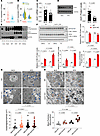 Figure 1
Human and murine MASLD associate with reduced ULK1 expression. (A) Box-and-whisker plot of ULK1 transcript abundance (fragments of kilobase per million mapped reads) values) in healthy (n = 356) versus MASLD (n = 503) human liver samples. (B) Bivariate violin plot of ULK1 expression stratified by sex. (C and D) mRNA (C) and protein (D) levels of ULK1 measured in livers of mice fed an NCD (n = 7) and those fed a 60% HFD (n = 7). (E) Generation of L-ULK1 KO mice and protein levels of ULK1 in liver and other tissues of WT (n = 8) and L-ULK1 KO (n = 9) mice. (F) Protein levels of markers for autophagosome formation in WT and L-ULK1 KO mice injected with 40 or 50 mg/kg CQ at 0, 6, 18, and 21 hours prior to euthanasia. (G) Electron micrographs of liver tissues of WT (n = 4) and L-ULK1 KO (n = 4) mice in NCD and HFD conditions. Blue arrows represent autophagosomes, which are quantified in bar graphs. (H) LC3B immunogold labeling of electron micrographs in liver tissues of WT (n = 5) and L-ULK1 KO (n = 5) mice in NCD and HFD conditions. Blue arrows indicate immunogold dots co-located with phagophore structures; orange arrows display representative nonphagophore immunogold labeling. All data represent the mean ± SEM. (A–D) Data were analyzed by 2-tailed Student’s t test and actual P values are shown. (F) Data were analyzed by 2-way ANOVA to assess the effects of genotype and CQ treatment, followed by Tukey’s post-hoc test; actual P values are shown. See Supporting Data files for genotype × treatment interaction 2-way ANOVA statistics. BAT, brown adipose tissue; SM, skeletal muscle; WAT, white adipose tissue.
Loss of ULK1 does not affect basal hepatic autophagy. To determine the consequence of loss of ULK1 in liver, we generated hepatocyte-specific ULK1 KO mice by crossing mice harboring the floxed ULK1 allele with those expressing the Cre recombinase driven by the hepatocyte-specific albumin promoter. As expected, ULK1 levels were depleted specifically in hepatocytes but remained intact in other tissues (i.e., heart, skeletal muscle, white adipose tissue, brown adipose tissue, kidney) (Figure 1E).
Given the regulatory role of ULK1/ATG1 in autophagy (9, 24), we sought to determine if loss of ULK1 impaired autophagic flux, which could potentially alter hepatic lipid metabolism observed during obesity and in the ULK1 KO mice. To this end, we determined autophagy flux in mice fed a normal chow diet (NCD) and HFD-fed mice by injecting them with intraperitoneal chloroquine (CQ) (25) and measuring the turnover rates of the autophagosome marker LC3-II and autophagy cargo p62/SQSTM1 (26). Although ULK1 has been shown to control nutrient-regulated autophagy (11, 27, 28), under basal fed conditions, autophagy flux (namely, p62 and LC3-II turnover) was not repressed in ULK1 KO livers relative to controls, indicated by equivalent turnover rate of LC3-II and p62, with greater overall increases in LC3-II levels after CQ injection (Figure 1F). The number of autophagosomes was increased in NCD- or HFD-fed mice with hepatic deficiency of ULK1 (Figure 1G). Importantly, immunogold labeling of membrane-bound LC3-II in electron micrographs of liver samples of ULK1-deficient mice fed an HFD was increased, further supporting the conclusion that autophagic flux was not decreased (Figure 1H). We also confirmed an increase in the number of autophagosomes and lysosomes in an in vitro system after ULK1 knockdown in Hepa1c1c7 cells (Supplemental Figure 1B). These data indicate loss of ULK1 does not affect basal autophagy in livers.
Autophagic flux was also assessed. After transfection of ULK1 siRNA in Hepa1c1c7 cells, autophagosome-lysosome fusion was inhibited by treatment with CQ. This assay confirmed that autophagy flux (P62 and LC3-II turnover) was not reduced in ULK1 knockdown relative to controls (Supplemental Figure 1C). Taken together, these data indicate ULK1 deficiency in hepatocytes does not inhibit autophagic flux under basal fed states.
Hepatocyte-specific deletion of ULK1 induces obesity and hepatic steatosis. To determine the contribution of loss of ULK1 in the development of hepatic steatosis, we subjected control and hepatocyte-specific ULK1 KO mice to 12-weeks of NCD or HFD feeding. As expected, HFD feeding reduced Ulk1 expression in control livers (Figure 2A). Interestingly, hepatocyte-specific ULK1 KO mice displayed marked obesity as indicated by increases in body weight and fat mass (Figure 2, B and C), with no difference in absolute lean mass when compared with control mice (Supplemental Figure 2A). However, as typically observed in obesity models, HFD-fed ULK1 KO mice had a proportionate decrease in lean mass when normalized to body weight (Supplemental Figure 2A).
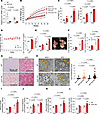 Figure 2
Hepatocyte-specific deficiency of ULK1 induces obesity and metabolic dysfunction–associated steatotic liver disease. (A) ULK1 mRNA levels measured in liver tissues from WT (n = 7–8) and L-ULK1 KO (n = 9) mice in NCD and HFD conditions for 12 weeks. (B and C) Body weights (B) and fat mass (C) of 18-week-old WT (n = 7–10) and L-ULK1 KO (n = 7–10) mice in NCD and HFD conditions. (D) Food intake of WT (n = 5) and L-ULK1 KO (n = 7) mice fed an NCD. (E) Liver weight of 18-week-old WT (n = 7-10) and L-ULK1 KO (n = 7–10) mice in NCD and HFD conditions. (F) Levels of liver TG and cholesterol content measured in WT and L-ULK1 KO mouse livers in NCD (n = 5) and HFD (n = 5) conditions. (G) Oil Red O staining of livers isolated from WT (n = 4) and L-ULK1 KO (n = 4) mice in NCD and HFD conditions. (H) Lipid droplet number determined from electron micrographs of liver tissues of WT (n = 7) and L-ULK1 KO (n = 6) mice under NCD and HFD conditions. (I–L) Serum concentrations of insulin (I), cholesterol (J), TG (K), and free fatty acids (L) in WT (n = 5) and L-ULK1 KO (n = 5) mice under NCD and HFD conditions. All data represent the mean ± SEM. Data in B and D were analyzed by 2-tailed Student’s t test. (A, C, E, F, and H–L) Data were analyzed by 2-way ANOVA to assess the effects of genotype and diet, followed by Tukey’s post hoc test for multiple comparisons; P values are shown. See Supporting Data files for genotype × treatment interaction 2-way ANOVA statistics.
To evaluate potential mechanisms for weight gain, food intake was manually measured, and energy expenditure determined in Comprehensive Lab Animal Monitoring System metabolic chambers. We observed a modest increase in food intake in hepatocyte-specific ULK1 KO mice (Figure 2D). There was no reduction in total energy expenditure in ULK1 KO mice relative to control mice (Supplemental Figure 2, B–E). Furthermore, Seahorse respirometry in frozen liver tissue showed no differences in tissue respiration in ULK1 KO mice compared with controls (Supplemental Figure 2F). Strikingly, deficiency of ULK1 led to markedly increased liver weight in HFD-fed mice (Figure 2E) that correlated with increases in liver TG and cholesterol levels (Figure 2F). Consistent with the onset of hepatic steatosis, Oil Red O staining of liver tissues from 20-week-old NCD- and HFD-fed mice showed increased lipid accumulation in ULK1 KO livers relative to controls (Figure 2G). These findings were corroborated using ultrastructural analysis by electron microscopy (Figure 2H). Consistent with the key features of the MASLD spectrum (i.e., insulin resistance and elevated circulating lipid levels), we observed significant increases in levels of circulating insulin, TGs, cholesterol, and free fatty acids in HFD-fed, hepatocyte-specific ULK1 KO mice relative to controls (Figure 2, I–L). Interestingly, significant increases in serum cholesterol and free fatty acid levels were observed even in the NCD-fed, hepatocyte-specific ULK1 KO mice, demonstrating a fundamental role of liver ULK1 in preventing MASLD, insulin resistance, and hyperlipidemia.
Liver ULK1 KO mice are glucose intolerant and insulin resistant. Because MASLD and MASH are hepatic manifestations of obesity and the metabolic syndrome (1, 29), and because hepatocyte-specific ULK1 KO mice had increases in body weight, fat mass, and circulating lipids, we investigated whether loss of ULK1 in hepatocytes in vivo leads to insulin resistance, a key factor in the development of MASLD and its progression to MASH or cirrhosis. Loss of liver ULK1 exacerbated glucose intolerance and insulin resistance upon HFD feeding and impaired insulin sensitivity in NCD-fed mice (Supplemental Figure 3, A and B). Consistently, deficiency of ULK1 in the liver attenuated insulin-mediated Ser473 AKT phosphorylation in both NCD- and HFD-fed mice, although HFD feeding led to a greater reduction in Ser473 AKT phosphorylation when compared with NCD-fed mice (Supplemental Figure 3C). Consistent with hepatic insulin resistance, NCD- and HFD-fed, hepatocyte-specific ULK1 KO mice had elevated rates of gluconeogenesis, indicated by abnormal pyruvate tolerance tests (Supplemental Figure 3D) and increased expression of genes encoding for rate-limiting gluconeogenic enzymes G6Pase and PEPCK (Supplemental Figure 3E). Taken together, these results show that ULK1 deficiency in the liver impairs systemic glucose homeostasis, which is a critical factor in the development of metabolic liver disease.
Deficiency of ULK2 in liver does not induce hepatic steatosis. Autophagy initiation requires the ULK kinases to functionally engage and phosphorylate components of ATG14L/Beclin1/VPS34/class III PI3K to generate the PI3Ps needed for autophagosome formation (30). ULK1 and ULK2 share a high degree of homology in terms of molecular size and the kinase domain (31). Although ULK1 and ULK2 are thought to have overlapping roles in autophagy initiation, there is growing evidence of functional differences between them. For example, ULK1 and ULK2 play different roles in lipid metabolism, at least in adipocytes (32). ULK1 and ULK2 may also exist in distinct molecular complexes, indicating they could potentially have independent functions or modalities of regulation (33).
To determine if ULK2 plays a role in MASLD pathogenesis, we tested the impact of ULK2 ablation on systemic and liver health, and observed that loss of ULK2, confirmed by qPCR (Supplemental Figure 4A), had no effect on body weight and liver weight (Supplemental Figure 4, B and C) and did not alter glucose tolerance (Supplemental Figure 4D) or insulin sensitivity (Supplemental Figure 4E). There were also no differences in circulating lipids or hepatic enzymes in hepatocyte-specific ULK2 KO mice compared with controls. (Supplemental Figure 4, F–J). Furthermore, combined deletion of ULK1 and ULK2 manifested phenotypes mirrored by the ULK1 KO mice (Supplemental Figure 5, A–K). Hence, we conclude it is loss of ULK1, but not ULK2, that leads to MASLD development.
Hepatic TG secretion is increased by hepatocyte specific ULK1 deficiency. To determine the mechanisms for development of steatosis in ULK1 KO livers, we first tested if reduced VLDL secretion contributes to hepatic steatosis. VLDL secretion is determined via a temporal assay that estimates the kinetics of TG release (34). To this end, we intraperitoneally injected control and ULK1 KO mice with Poloxamer 407 (35), a lipoprotein lipase inhibitor, and then collected blood at 1, 6, and 24 hours to determine blood TG levels. Consistently across the time course of this assay, we observed that levels of circulating TGs were markedly elevated in ULK1 KO mice regardless of NCD or HFD feeding (Supplemental Figure 6, A–C), indicating that impaired lipoprotein secretion in ULK1 KO livers does not contribute to steatosis, and it is likely that increased VLDL secretion occurs in parallel with steatosis and could be a compensatory mechanism to counter the onset of MASLD in these mice. In accordance with increased VLDL secretion in ULK1 KO mice, levels of hepatic microsomal TG transfer protein (36), an important mediator of hepatic TG release (37), was induced (Supplemental Figure 6D). These data indicate hepatic steatosis in ULK1 KO livers is independent of defects in hepatic TG secretion.
ULK1 deficiency increases the expression of lipogenic genes in liver. Having excluded changes in TG secretion or mitochondrial dysfunction as potential causes for the development of MASLD, we asked whether loss of ULK1 drives the lipogenic program in liver. Obesity and insulin resistance are well-known drivers of hepatic de novo lipogenesis (14). Accordingly, we examined mRNA expression and protein levels of key lipogenic genes Srebp1, Scd1, and Fasn (38), and noted that expression of these genes and their protein products was significantly induced by the deficiency of Ulk1 in liver (Figure 3, A and B). We determined if this role of ULK1 in suppression of lipogenesis is independent of canonical autophagy. Indeed, silencing core Atg genes, Atg3, Atg5, or Atg7, in Hepa1c1c7 cells via siRNAs did not increase the expression levels of Srebp1, Scd1, or Fasn, when compared with the marked increase in the lipogenic program in cells silenced for Ulk1 (Figure 3C). Furthermore, co-silencing ULK1 with each of these Atg genes led to similar increases in expression of lipogenic genes Srebp1, Scd1, and Fasn, indicating that induction of lipogenesis in siULK1 cells occurs independently of core Atg genes.
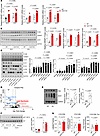 Figure 3
Hepatocyte-specific ULK1 deficiency drives lipogenesis, independent of insulin resistance. Relative (A) mRNA and (B) protein levels of lipogenic genes (SREBP1c, SCD1, and FAS) in liver tissues of WT (n = 4–5) and L-ULK1 KO (n = 4–5) mice under NCD and HFD conditions for 12-weeks. (C) Protein levels of lipogenesis regulators after silencing of ULK1 or other autophagy-related genes in hepa1c1c7 cells. (D) Volcano plot of RNA-Seq performed in 4-week-old WT and L-ULK1KO mice. (E and F) Protein levels of lipogenic regulators (E) and AKT phosphorylation (F) in liver tissues of 4-week-old WT (n = 5) and L-ULK1 KO (n = 5) mice. (G) Fractional labeling, concentration, and flux turnover of C16:0 palmitic acid in WT and liver-specific ULK1 KO mice at 4 weeks of age (n = 6–8/group). KO livers displayed a trend toward increased labeling and flux turnover. All data represent the mean ± SEM. In E and G, data were analyzed by 2-tailed Student’s t test; in C, 1-way ANOVA was used. Data in A, B, and F were analyzed by 2-way ANOVA to assess the effects of genotype and diet, followed by Tukey’s post hoc test for multiple comparisons; actual P values are shown. See Supporting Data files for genotype × treatment interaction 2-way ANOVA statistics.
To comprehensively elucidate how the transcriptional landscape is affected by ULK1 deficiency, bulk RNA-Seq was performed in livers obtained from 4-week-old mice, which exhibited increased expression of candidate lipogenic genes prior to onset of obesity and insulin resistance (Figure 2B, Figure 3F, and Supplemental Figure 7A). Volcano plots revealed global induction of the expression of lipogenic genes (Figure 3D), as exemplified by induction of mRNAs encoding for Scd1, Scd2, Pnpla3, Pnpla5, Acsl3, Pdk4, and Hmgcr (Supplemental Figure 7B). Indeed, pathway analysis revealed that lipid synthesis pathways were 3 of the most highly induced pathways, second only to the cell cycle, under ULK1-deficient conditions (Supplemental Figure 7C).
Increased lipogenic gene expression in ULK1 KO livers is not due to insulin resistance and obesity. We then examined if the induction of the lipogenic gene expression program in ULK1 KO livers is secondary to insulin resistance and obesity or whether this is a direct effect of loss of ULK1 per se. Strikingly, we observed increased levels of lipogenic proteins in livers of 4-week-old ULK1 KO mice in the fed state (Figure 3E). This early increase in levels of lipogenic proteins FAS and SCD1 in 4-week-old ULK1 KO mice occurred well before the onset of insulin resistance, because insulin-stimulated AKT phosphorylation was found to be equivalent in age-matched control and ULK1 KO livers (Figure 3F). Thus, induction of lipogenic genes is a likely direct effect of ULK1 deficiency and is not a secondary effect of insulin resistance.
Hepatic ULK1 deletion accelerates de novo lipogenesis. To determine whether hepatic ULK1 directly regulates DNL in vivo, we performed stable isotope tracing using deuterium oxide (99.9%) in 4-week-old mice with liver-specific ULK1 deletion. At this young age, variability in body weight and food intake is minimal, thereby excluding secondary contributions from dietary overload or obesity. Quantitative analysis of C16:0 palmitic acid revealed a consistent increase in deuterium oxide incorporation in ULK1-deficient livers relative to WT controls. Although the increase in fractional labeling and concentration did not reach statistical significance, flux turnover displayed a borderline elevation (Figure 3G), suggesting a trend toward enhanced lipogenic activity in the absence of ULK1.
We next assessed the total abundance of major DNL-derived fatty acids. Among these, C16:1 palmitoleic acid was significantly elevated in ULK1 KO mice (Supplemental Figure 6E), whereas other fatty acids, including C16:0, C18:0 stearic acid, and C18:1 oleic acid, showed upward trends. Because palmitoleic acid is generated through desaturation of palmitic acid, this increase is consistent with an accelerated flux through the lipogenic pathway. Isotopologue distribution analysis further confirmed these findings. Across all measured fatty acids, KO livers incorporated a greater proportion of labeled carbons, with the most striking enrichment observed in C16:1 palmitoleic acid (Supplemental Figure 6, F–I). These results indicate that loss of hepatic ULK1 enhances the synthesis of both saturated and monounsaturated fatty acids under basal dietary conditions.
Together, these data establish that ULK1 normally acts to restrain hepatic DNL and that its loss is sufficient to increase isotopic flux into lipids even in young, lean animals. Given these effects under basal conditions, we anticipate that the divergence between WT and KO livers would be further amplified under HFD feeding, thereby accelerating the progression toward hepatic steatosis.
ULK1 phosphorylates proteins with roles in lipid metabolism. Given that hepatic lipid accumulation in ULK1 KO livers appears to be unrelated to its known roles in autophagy, we tested the hypothesis that ULK1 mediates these effects by phosphorylating other downstream target proteins, which may have direct roles in regulating the lipogenic program. To this purpose, we performed liquid chromatography–tandem mass spectrometry–based phosphoproteomics on lysates of Hepa1c1c7 cells in which ULK1 was silenced, to determine the pool of dephosphorylated proteins in siULK1 cells when compared with controls. This analysis revealed several proteins whose phosphorylation is reduced after ULK1 silencing, including FAM122A, SF3B1, EIF4EBP1, IRS2, MAP1B, MAFK, and NCOA3 (Figure 4A). Interestingly, among the candidate proteins, FAM122A (39), SF3B1 (40), EIF4EBP1 (41), IRS2 (42), and NCOA3 (20) have each been reported to regulate lipid metabolism, suggesting that 1 or more of these downstream phosphoproteins of ULK1 is potentially involved in regulating the lipogenic program.
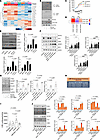 Figure 4
Phosphorylation of NCOA3 by ULK1 blocks lipogenesis by modulating transcriptional activity of the CREB-CBP complex. (A) Phosphoproteomic heatmap showing differential phosphorylation events in WT and ULK1 knockdown (KD) cultured hepatocytes. (B) Co-immunoprecipitation and immunoblot analyses demonstrating interaction of transfected myc-tagged ULK1 and NCOA3 in hepa1c1c7 cells. (C) In vitro kinase assay confirming direct ULK1-dependent phosphorylation of NCOA3. (D) Heatmap depicting repression of NCOA3 phosphorylation at S544, S847, and S850 in hepatocyte-specific ULK1 KO mice (UKO) fed NCD or HFD. Color scale represents log2 fold change, with red indicating increased phosphorylation and blue indicating decreased phosphorylation. (E) Protein levels of lipogenic regulators after combined silencing using siULK1 (50 nM) and siNCOA3 (50 nM) in hepa1c1c7 cells. (F) Hepa1c1c7 cells were transfected with siULK1 (50 nM), NCOA3 (300 ng), and a phosphorylation defective NCOA3 mutation (mut) (300 ng), and then protein levels of lipogenic regulators were measured. (G) Lipogenic regulators in hepa1c1c7 cells transfected with NCOA3 (300 ng), siNCOA3 (50 nM), and ULK1 M92A (300 ng). (H) CRE consensus sequence and expected CREB binding sites on the promoter region of SREBP1c. (I) Luciferase activity in hepa1c1c7 cells transfected with siULK1 (50 nM), siNCOA3 (50 nM), and luc-CRE (200 ng). (J) Lipogenic regulators in hepa1c1c7 cells transfected with siULK1 (50 nM), siNCOA3 (50 nM), siCREB (50 nM), and NCOA3 (300 ng). All data represent the mean ± SEM. Data were analyzed by 1-way ANOVA followed by Tukey’s post hoc test versus the control group (E–G, I, and J). Actual P values are shown; in F, *P < 0.05 versus control or NCOA3 WT. FC, fold change; HFDUKO, ULK1 KO mice fed an HFD; HFDWT, WT mice fed an HFD; MBP, myelin basic protein; NCDUKO, ULK1 KO mice fed an NCD; NCDWT, WT mice fed an NCD.
ULK1 phosphorylates NCOA3 to repress lipogenesis. Because phosphorylation of NCOA3 regulates transcription of several target genes by modulating transcription mediated by cAMP response element binding protein (CBP-CREB), and because CREB binds to response elements in the Srebp-1 gene to stimulate lipogenesis (43), we hypothesized that ULK1 phosphorylates NCOA3 to regulate de novo lipogenesis. Supporting this hypothesis, our co-immunoprecipitation results show that myc-tagged ULK1 interacts with NCOA3 (Figure 4B). An in vitro kinase assay (Supplemental Figure 8) also revealed that ULK1-mediated phosphorylation of both NCOA3 fragments (520–710 and 820–950) was comparable to phosphorylation levels of its known target and positive control, myelin basic protein. Expectedly, the negative control, which does not contain the substrate, yielded minimal luminescence, confirming the absence of signal generated from ULK1 auto-phosphorylation. Furthermore, kinetic luminescence measurements over 60 minutes demonstrated similar reaction profiles for both NCOA3 fragments and myelin basic protein, indicating that NCOA3 is a direct substrate of ULK1. These findings suggest that ULK1-mediated phosphorylation of NCOA3 is direct and involves multiple sites present in the tested fragments (Figure 4C).
We performed phosphor-proteomic analysis on liver tissues from ULK1 KO mice to identify which sites of NCOA3 are phosphorylated by ULK1 in an in vivo model. NCOA3 phosphorylation at three sites (S544, S847 and S850) was markedly suppressed in KO animals (Figure 4D). The similar NCOA3 abundance across groups indicates the decrease in NCOA3 phosphorylation is not due to reduced protein levels (Supplemental Figure 9), thereby supporting that ULK1 directly phosphorylates NCOA3. If increased lipogenesis in cells depleted of ULK1 is due to gain in function of NCOA3, then inhibiting NCOA3 should block the induction of lipogenesis observed in siULK1 cells. To test this possibility, Hepa1c1c7 cells were silenced for NCOA3 or ULK1 or both. Co-silencing of ULK1 and NCOA3 reversed the induction of lipogenic gene expression induced by ULK1 deficiency alone (Figure 4E), whereas depletion of NCOA3 alone had no effect on lipogenic gene expression (Figure 4E).
ULK1 regulates lipogenesis by phosphorylating NCOA3 and modulating the NCOA3-CBP-CREB complex. To evaluate the physiological relevance of NCOA3 phosphorylation by ULK1 in the regulation of hepatic lipogenesis, we conducted a search of the predicted phosphorylation sites within the NCOA3 protein, on the basis of its consensus sequences and of published literature (44, 45). We identified 14 serine phosphorylation sites within NCOA3 protein (as depicted in Supplemental Figure 10A). Accordingly, we created a NCOA3-mutant DNA construct by replacing all 14 predicted serine phosphorylation sites with alanine. Hepa1c1c7 cells were then transfected with ULK1 siRNA and WT or phospho-mutant NCOA3, after which we determined the functional interaction between ULK1 kinase and its substrate NCOA3 in the regulation of the de novo lipogenic program. Consistent with our hypothesis, expression of WT NCOA3 in cells with intact ULK1 did not induce the de novo lipogenic program, because active endogenous ULK1 likely restrains NCOA3 transcriptional activity through its phosphorylation. By contrast, overexpression of the phosphorylation-resistant NCOA3 mutant markedly induced levels of SREBP1, which was paralleled by significant increases in FASN and SCD1. However, with expression of WT or mutant NCOA3 in conjunction with ULK1 knockdown, we observed a synergistic induction of the lipogenic program, indicated by marked increases in levels of all 3 lipogenic proteins: SREBP1, FASN, and SCD1 (Figure 4F). Given this observation, we analyzed the effect of single NCOA3 mutants to determine which of these 14 candidate phosphorylation sites play a role in repressing de novo lipogenesis. The examination of the effect of expression of each phosphor-mutant on protein levels of SREBP1, SCD1 and FASN indicated there are differences in the pattern of regulation of expression of lipogenic genes (indicated by corresponding protein levels) as a function of the NCOA3 phosphorylation site that is mutated (Supplemental Figure 10B). Together, these findings suggest that NCOA3, as a downstream target of ULK1, plays a critical role in hepatic lipid metabolism, and that ULK1 KO affects this process by modulating its phosphorylation.
We then asked if ULK 1 kinase activity is required to repress lipogenic gene expression. To test this possibility, we generated the kinase-dead ULK1 M92A mutant (46). Expressing this M92A kinase-dead ULK1 mutant in Hepa1c1c7 cells markedly induced lipogenic gene expression, which phenocopied the induction of lipogenesis seen with ULK1 deficiency. To rigorously test the role of the ULK1-NCOA3 axis in blocking lipogenesis, we determined if silencing NCOA3 blocked the increase in lipogenic gene expression induced by overexpression of the kinase-dead ULK1 M92A mutant (Figure 4G). Indeed, depletion of NCOA3 normalized the induction of lipogenesis in ULK1 kinase-dead M92A mutants. Taken together, these data indicate ULK1 kinase activity represses the lipogenic gene expression program via a mechanism that likely relies on NCOA3 phosphorylation.
ULK1 regulates NCOA3 transcriptional activity. An important transcriptional target of NCOA3 that may potentially regulate the expression of lipogenic genes is the CREB-binding protein CBP. Given the observed changes to SREBP1, the master transcriptional regulator of lipogenic genes, including Scd1 and Fasn (38, 47), in livers silenced for Ulk1 (Figure 3B) or cells expressing the NCOA3 mutants (Figure 4F and Supplemental Figure 10B), we focused on SREBP1. Furthermore, the Srebp1 gene possesses CREB binding response elements (CREs), which facilitate transcriptional regulation by the CREB-CBP complex (48, 49). Our analyses of Srebp1 revealed 3 candidate CREs at –1,300, –1,450, and –1,600 bp in the promoter region of Srebp1 (Figure 4H). Consequently, we constructed a CRE consensus luciferase reporter and determined its activity in cells in which NCOA3 and ULK1 were individually or simultaneously silenced. Confirming our hypothesis, silencing ULK1 in Hepa1c1c7 cells increased CRE luciferase activity by 2-fold, whereas silencing NCOA3 alone did not alter basal luciferase activity. In clear contrast, silencing NCOA3 prevented the induction of luciferase activity in response to ULK1 depletion (Figure 4I). Consistently, epistasis experiments revealed that expression of NCOA3 in siULK1 Hepa1c1c7 cells led to markedly increased protein levels of SREBP1, SCD1, and FASN, whereas depleting CREB under these conditions abrogated the synergistic effect of ULK1 silencing and NCOA3 overexpression on the induction of SREBP1, SCD1, and FASN (Figure 4J). Taken together, these data indicate the interaction of CREB and NCOA3 is required for transactivating lipogenic gene expression under conditions when ULK1 levels are depleted, such as those observed in livers of obese mice and human patients with MASH.
ULK1-NCOA3 double-KO livers do not manifest MASLD or insulin resistance. To independently validate that ULK1 curtails hepatic lipogenesis by inhibiting NCOA3 function, we generated hepatocyte-specific ULK1-NCOA3 double-KO (DKO) mice, per the strategy depicted in Figure 5A. Interestingly, the obesity phenotype (increased body weight and fat mass) of hepatocyte-specific ULK1 KO mice was reversed when NCOA3 was simultaneously knocked out in liver (Figure 5, B and C). Consistently, hyperglycemia, insulin resistance, and the exaggerated induction of lipogenic gene expression due to ULK1 deficiency were all prevented in hepatocyte-specific ULK1-NCOA3 DKO mice (Supplemental Figure 11 and Figure 5D). Furthermore, the histological and ultrastructural changes induced by ULK1 deficiency, such as lipid droplet accumulation and Oil Red-O positivity, were both prevented after NCOA3 knockdown (Figure 5, E and F). Circulating metabolites reflecting dyslipidemia and insulin resistance (i.e., elevated insulin, TG, cholesterol, and free fatty acid levels) were each found to be normalized with NCOA3 knockdown (Figure 5G).
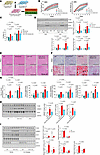 Figure 5
Hepatocyte-specific loss of NCOA3 prevents MASLD due to ULK1 deficiency. (A) Generation of hepatocyte specific DKO of ULK1 and NCOA3 (ULK1KO × NCOA3KO) mice. (B) Weekly body weight in WT (n = 6 or 4), L-NCOA3KO (n = 7), L-ULK1KO (n = 7 or 8), and L-ULK1KO × NCOA3 KO (n = 7) under NCD and HFD feeding for 12 weeks. (C) Fat mass in WT (n = 6), L-NCOA3KO (n = 7), L-ULK1KO (n = 7 or 8), and L-ULK1KO × NCOA3 KO (n = 7) after 12 weeks of NCD and HFD feeding. (D) Protein levels of lipogenic regulators (FASN, SREBP1, and SCD1) in WT (n = 3), L-NCOA3KO (n = 3), L-ULK1KO (n = 3), and L-ULK1KO × NCOA3KO (n = 3) after 12 weeks of NCD and HFD feeding. (E and F) H&E (E) and Oil Red-O staining (F) in livers obtained from WT (n = 4), L-NCOA3KO (n = 4), L-ULK1KO (n = 4), and DKO (n = 4) mice after 12 weeks of NCD and HFD feeding. (G) Serum concentrations of insulin, TG, cholesterol, and free fatty acids in WT (n = 3), L-NCOA3KO (n = 3), L-ULK1KO (n = 4 or 8), and L-ULK1KO × NCOA3KO (n = 3) mice after 12 weeks of NCD and HFD feeding. (H) Protein levels of lipogenic regulators and enzymes in liver tissues from 4-week-old WT, L-ULK1KO, and DKO mice. (I) We intraperitoneally injected 18-week-old WT and L-ULK1 KO mice fed an NCD with PBS and SI-2 (5 mg/kg) twice a day for 10 days and protein levels of lipogenic regulators and enzymes were examined. All data represent the mean ± SEM. Data in B were analyzed by 2-tailed Student’s t test. *P < 0.05 ULK1 KO versus WT; #P < 0.05 ULK1 KO × NCOA3 KO versus ULK1 KO. One-way ANOVA was used for H, and 2-way ANOVA for C, D, G, and I to assess the effects of genotype and diet or treatment, followed by Tukey’s post hoc test. Actual P values are shown. See Supporting Data files for genotype × treatment interaction 2-way ANOVA statistics.
To determine whether ULK1 directly regulates hepatic lipogenic gene expression in young mice and whether this effect requires NCOA3, we analyzed livers from 4-week-old mice. Immunoblot analysis revealed that the protein levels of SREBP1, SCD1, and FASN were significantly increased in ULK1 KO mice compared with WT controls. Importantly, this induction was abolished in ULK1/NCOA3 DKO mice, in which protein levels remained comparable to those in WT animals (Figure 5H). These findings demonstrate that ULK1 promotes the induction of hepatic lipogenic genes in an NCOA3-dependent manner.
Pharmacological inhibition of NCOA3 normalizes lipogenesis in ULK1 KO livers. SI-2 is a small-molecule inhibitor of NCOA3 that leads to NCOA3 degradation (50). We tested whether SI-2 could dampen the induction of lipogenesis in ULK1 KO livers. To this end, control and ULK1 KO mice were administered SI-2 (5 mg/kg) via intraperitoneal injection twice a day for 10 days, following which the expression of hepatic lipogenic genes was determined. Strikingly, SI-2 treatment markedly reduced NCOA3 protein levels and normalized lipogenic gene expression, induced by KO of ULK1 (Figure 5I). Similar observations were noted in Hepa1c1c7 cells treated for 24 hours with 200 nM or 500 nM SI-2, which reduced NCOA3 protein levels and concurrently blunted lipogenic gene expression in ULK1-deficient cells (Supplemental Figure 12).
The regulation of NCOA3 by ULK1 determines hepatic inflammation and fibrosis. Although it is well known that HFD feeding per se does not lead to hepatic fibrosis, we examined if loss of ULK1 leads to the onset of fibrosis as a function of diet and duration of feeding. Expectedly, no fibrosis was evident after 12 weeks of HFD feeding (Figure 6A); however, extensive fibrosis was observed in ULK1 KO livers at 60 weeks of HFD feeding, as indicated by increased trichrome staining (Figure 6B). The NAFLD Activity Score analysis revealed significantly higher scores in ULK1 KO mice relative to WT mice under both NCD and HFD conditions. HFD-fed KO mice had the highest scores, indicating more severe hepatic steatosis and inflammation (Figure 6C). Fibronectin, COL1A2, and COL1A1, established markers of fibrosis (51), were increased by ULK1 KO in mice who had been fed a long-term HFD, indicating that ULK1 may play a protective role in mitigating fibrosis under these conditions (Figure 6D).
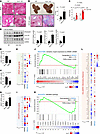 Figure 6
Fibrosis in ULK1-deficient murine livers and changes in lipogenic, inflammatory, and NRF2 target genes in human MASLD livers. (A) Representative trichrome staining of liver sections from WT and ULK1 KO mice fed an NCD or HFD for 12 weeks. (B) Gross appearance, trichrome staining, and quantification of fibrotic area in livers of WT (n = 5) and L-ULK1 KO (n = 5) mice after 60 weeks of HFD feeding. (C) NAFLD activity score (NAS) in ULK1 KO and WT mice after 60 weeks of NCD and HFD feeding. (D) Immunoblot analysis of fibronectin, COL1A2, and COL1A1 in WT and ULK1 KO mouse livers after 60 weeks of HFD feeding. (E–G) Relative hepatic mRNA levels of ULK1 (E), NRF2 (F), and KEAP1 (G) in normal versus MASLD human samples. (H–L) Analysis of human liver RNA-Seq datasets, (accession nos. GSE48452 and GSR126848) in 356 control individuals and 503 patients with MASLD. (H) Correlational analysis of ULK1 expression and SREBP targets with adjusted P < 0.05, in humans with or without MASLD. (I) Correlational analysis of ULK1 expression and the ARENRF2 pathway with adjusted P < 0.05, in humans with or without MASLD. (J) Gene Set Enrichment Analysis illustrating activation of SREBP/SREBF-driven lipogenic transcriptional programs (Reactome) (NES = 1.73; FDR q = 0.003). (K) GSEA illustrating suppression of the ARENRF2 antioxidant defense pathway (Biocarta) (NES = –1.26; FDR q = 0.015). (L) Correlation analysis of ULK1 expression and inflammatory response genes with adjusted P < 0.05 in humans with or without MASLD. Data are mean ± SEM. Data analyzed by 2-tailed Student’s t test in B and D–G and by 2-way ANOVA for C to assess the effects of genotype and diet, followed by Tukey’s post hoc test. Actual P values are shown. Genotype × treatment interaction 2-way ANOVA for NAS scores are in the Supporting Data file. Correlation coefficients (Pearson’s r) represent sample-wise correlations between ULK1 expression and respective target genes. *P < 0.05 vs. healthy.
The transition from steatosis to fibrosis is dependent on, among other factors, increases in oxidative stress–induced hepatocyte injury, inflammation, and stellate cell activation (52). Interestingly, our RNA-Seq data revealed that Nrf2 expression is repressed in ULK1 KO livers (Figure 3D). NRF2 is a key driver of the cellular antioxidant response (53). Given the role of ROS in the development and progression of steatohepatitis (54), reduced NRF2 could contribute to the transition from steatosis to hepatitis. Nrf2 induction prevents cellular damage and maintains normal liver function (55) by providing a coordinated cellular defense against oxygen radicals and oxidative stress (56), including antioxidant gene expression.
In addition to changes in gene expression, NRF2 is also regulated by KEAP1, a regulatory protein that binds to NRF2 and targets it for degradation. Under conditions of oxidative stress, KEAP1 releases NRF2, allowing it to drive the antioxidant program (56). In addition to reduced Nrf2 expression in ULK1 KO livers (Figure 3D), we also analyzed the mRNA expression of Ulk1, Nrf2, and Keap1 in liver tissue from patients with MASH and from normal individuals. As anticipated, the Ulk1 mRNA was decreased in patients with MASH. This occurred in concert with repression of Nrf2 and induction of Keap1 mRNA. (Figure 6, E–G). Together these changes suggest an impairment in antioxidant defense mechanisms.
Analysis of large-scale human liver transcriptomic datasets was performed to determine if these patterns could be replicated in a larger population cohort. Correlation analysis revealed negative correlations between Ulk1 expression and Srebp1 targets in normal control individuals, which were reversed in patients with MASLD (Figure 6H). Correlation analysis revealed inverse correlations between Ulk1 and Keap1 and Nfe2l3, which suggests they are regulated in opposite directions by ULK1 activity (Figure 6I). Gene Set Enrichment Analysis revealed that MASLD livers exhibited a robust enrichment of SREBP/SREBF-driven de novo lipogenic gene programs (Reactome) (normalized enrichment score [NES] = 1.73; FDR q = 0.003) (Figure 6J), consistent with excessive lipid biosynthesis, whereas the ARENRF2-mediated antioxidative response pathway (Biocarta) (NES = –1.26; FDR q = 0.015) was significantly suppressed, reflecting impaired redox homeostasis (Figure 6K). These data suggest ULK1 expression could be a nodal regulator linking lipid accumulation to defective antioxidant defense. Together, these findings identify ULK1 repression as an important molecular feature of MASLD that could contribute to metabolic overload through unchecked de novo lipogenesis while increasing vulnerability to oxidative stress, through impaired ARENRF2 signaling, thereby providing a mechanistic framework for how impaired ULK1 activity coordinately exacerbates disease progression independent of its canonical autophagy-related functions.
NCOA3 inhibition restores antioxidant defense and prevents inflammation in ULK1-deficient livers. We also observed an increase in the expression of KEAP1 protein, suggesting that NRF2 function is disrupted in ULK1 KO livers, reflecting an impairment in the overall hepatocellular antioxidant capacity (Figure 7A). Importantly, these changes in NRF2 and KEAP1 protein levels were reversed in ULK1 and NCOA3 DKO mice (Figure 7A). Consistent with dysregulation of NRF2/KEAP1 control of the antioxidant response, (57), we observed elevated ROS levels in ULK1-deficient livers, which were normalized by the loss of NCOA3 (Figure 7B). Hepatocellular injury and altered immune response are central to the pathophysiology of the MASLD spectrum. This is supported by correlation analysis revealing negative correlations between Ulk1 expression and inflammatory response genes in normal control individuals, which were reversed in patients with MASLD (Figure 6L). Thus, we explored whether pharmacological inhibition of NCOA3 is sufficient to reduce the onset of inflammation in ULK1 KO livers of NCD-fed mice. Indeed, intraperitoneal injection of SI-2, a pharmacological inhibitor of NCOA3, to control and hepatocyte-specific ULK1 KO (L-ULK1 KO) mice fed an NCD, normalized the disrupted NRF2-KEAP1 signaling cascade caused by ULK1 deficiency (Figure 7C). Additionally, the elevated ROS levels resulting from Ulk1 loss were restored to normal by NCOA3 inhibition (Figure 7D).
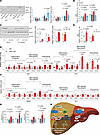 Figure 7
UKL1 deficiency represses NRF2 signaling and promotes oxidative stress and hepatic inflammation through NCOA3-dependent mechanisms. (A) Protein levels of NRF2 and Keap1 were examined in WT (n = 3), L-NCOA3KO (n = 3), L-ULK1KO (n = 3), and L-ULK1 KO × NCOA3 KO (DKO) (n = 3) after 12-weeks of NCD and HFD feeding. (B) ROS levels were determined in WT (n = 4), L-NCOA3KO (n = 4), L-ULK1KO (n = 4), and L-ULK1KO × NCOA3KO (n = 4) after 12-weeks of NCD and HFD feeding. (C) We intraperitoneally injected 18-week-old WT and L-ULK1 KO mice fed an NCD with PBS and SI-2 (5 mg/kg) twice a day for 10 days and protein levels of NRF2 and Keap1 were examined. (D) ROS levels were determined in the same mice described in (C). (E) mRNA levels of immune response–related genes in liver tissues of 18-week-old WT (n = 5–6) and L-ULK1 KO (n = 6–7) mice under NCD and HFD conditions, as in A. (F) qPCR was performed to measure RNA levels of immune response–related genes in liver tissues of 18-week-old NCD-fed WT (n = 4) and L-ULK1 KO (n = 4) mice after intraperitoneal injection with PBS and SI-2 (5 mg/kg) twice a day for 10 days. (G) Serum concentrations of alanine aminotransferase (ALT) and aspartate aminotransferase (AST) in WT (n = 3), L-NCOA3 KO (n = 3), L-ULK1 KO (n = 4), and L-ULK1KO × NCOA3KO (n = 3) mice under NCD and HFD conditions. (H) Schematic summarizing mechanisms linking ULK1 deficiency with the pathophysiology of hepatic steatosis and progression to MASH and fibrosis. All data represent the mean ± SEM. In A–G, data were analyzed by 2-way ANOVA to assess the effects of genotype and diet or treatment, followed by Tukey’s post hoc test. Actual P values are shown. See Supporting Data files for genotype × treatment interaction 2-way ANOVA statistics.
We examined the expression of inflammatory and profibrotic genes in control and ULK1 KO livers of mice fed an NCD and those fed an HFD, and we observed that expression of inflammatory and profibrotic genes were globally elevated in KO mice irrespective of diet, and HFD feeding of ULK1 KO mice further augmented inflammation pathway gene expression relative to NCD-fed KO mice (Figure 7E). Treatment of NCD-fed ULK1 KO mice with the NCOA3 inhibitor SI-2 normalized the expression of these transcripts (Figure 7F), suggesting that ULK1 phosphorylation of NCOA3 not only suppresses MASLD but also prevents the onset of inflammation and the progression to MASH or fibrosis in the context of ULK1 deficiency. Consistent with increased fibrosis at 60 weeks of HFD feeding in hepatocyte-specific ULK1 KO livers, we observed that hepatocellular injury reflected by increases in the circulating levels of transaminases alanine aminotransferase and aspartate aminotransferase as early as by 12 weeks of HFD feeding were normalized in ULK1 KO livers co-deleted for NCOA3 (ULK1 KO × NCOA3 KO) (Figure 7G). Collectively, these findings demonstrate that NCOA3 is required for the disruption of NRF2-KEAP1 signaling, oxidative stress, and inflammatory progression in ULK1-deficient livers, and that genetic or pharmacological inhibition of NCOA3 restores antioxidant defense and protects against hepatocellular injury (Figure 7H).


Copyright © 2026 American Society for Clinical Investigation
ISSN: 0021-9738 (print), 1558-8238 (online)