
Advertisement
Research ArticleCell biologyEndocrinology
Open Access |  10.1172/JCI177980
BAF60a-dependent chromatin remodeling preserves β cell function and contributes to the therapeutic benefits of GLP-1R agonists
Xinyuan Qiu,1,2,3,4 Ruo-Ran Wang,1,2,5 Qing-Qian Wu,1,2 Hongxing Fu,6 Shuaishuai Zhu,1,2 Wei Chen,7 Wen Wang,8 Haide Chen,9 Xiuyu Ji,1,2 Wenjing Zhang,1,2,10 Dandan Yan,11 Jing Yan,11 Li Jin,11 Rong Zhang,11 Mengjie Shi,1,2 Ping Luo,1,2 Yingqing Yang,3 Qintao Wang,1,2 Ziyin Zhang,1,2 Wei Ding,12 Xiaowen Pan,1,2 Chengbin Li,13 Bin Liang,13 Guoji Guo,9 Hai-long Piao,8 Min Zheng,14 Sheng Yan,6 Lingyun Zhu,3 Cheng Hu,11,15 and Zhuo-Xian Meng1,2,16
1Department of Pathology and Pathophysiology and Department of Hepatobiliary and Pancreatic Surgery of the Second Affiliated Hospital, Zhejiang University School of Medicine, Hangzhou, Zhejiang, China.
2Department of Geriatrics, Hangzhou First People’s Hospital, Hangzhou, Zhejiang, China.
3College of Science and
4College of Computer Science and Technology, National University of Defense Technology, Changsha, Hunan, China.
5School of Pharmaceutical Science and Technology, Hangzhou Institute for Advanced Study, University of Chinese Academy of Sciences, Hangzhou, Zhejiang, China.
6Department of Hepatobiliary and Pancreatic Surgery of the Second Affiliated Hospital, Zhejiang University School of Medicine, Hangzhou, Zhejiang, China.
7Gan & Lee Pharmaceuticals, Beijing, China.
8CAS Key Laboratory of Separation Science for Analytical Chemistry, Dalian Institute of Chemical Physics, Chinese Academy of Sciences, Dalian, China.
9Center for Stem Cell and Regenerative Medicine and
10Department of Endocrinology and Metabolism, Sir Run Run Shaw Hospital, Zhejiang University School of Medicine, Hangzhou, Zhejiang, China.
11Shanghai Diabetes Institute, Shanghai Key Laboratory of Diabetes Mellitus, Shanghai Clinical Center for Diabetes, Department of Endocrinology and Metabolism, Shanghai Sixth People’s Hospital Affiliated to Shanghai Jiao Tong University School of Medicine, Shanghai, China.
12Department of Pathology, The First Affiliated Hospital, Zhejiang University School of Medicine, Hangzhou, China.
13Center for Life Sciences, School of Life Sciences, Yunnan University, Kunming, Yunnan, China.
14State Key Laboratory for Diagnosis and Treatment of Infectious Diseases, National Clinical Research Center for Infectious Diseases, Collaborative Innovation Center for Diagnosis and Treatment of Infectious Diseases, The First Affiliated Hospital, Zhejiang University School of Medicine, Hangzhou, Zhejiang, China.
15Institute for Metabolic Disease, Fengxian Central Hospital Affiliated to Southern Medical University, Shanghai, China.
16Affiliated Huzhou Hospital, Zhejiang University School of Medicine, Hangzhou, Zhejiang, China.
Address correspondence to: Zhuo-Xian Meng, C303 Medical Research Building, Zhejiang University School of Medicine, 866 Yuhangtang Road, Xihu District, Hangzhou, Zhejiang 310058, China. Phone: 86.571.88981141; Email: zxmeng@zju.edu.cn. Or to: Cheng Hu, 600 Yishan Road, Shanghai Diabetes Institute, Shanghai Key Laboratory of Diabetes Mellitus, Shanghai Sixth People’s Hospital, Affiliated to Shanghai Jiao Tong University School of Medicine, Shanghai 200233, China. Email: alfredhc@sjtu.edu.cn. Or to: Lingyun Zhu, College of Science, National University of Defense Technology, No. 1 Fuyuan Rd., Kaifu District, Changsha 410073, China. Email: lingyunzhu@nudt.edu.cn.
Authorship note: XQ, RRW, QQW, HF, and SZ are co–first authors.
Find articles by
Qiu, X.
in:
PubMed
|
Google Scholar
|

1Department of Pathology and Pathophysiology and Department of Hepatobiliary and Pancreatic Surgery of the Second Affiliated Hospital, Zhejiang University School of Medicine, Hangzhou, Zhejiang, China.
2Department of Geriatrics, Hangzhou First People’s Hospital, Hangzhou, Zhejiang, China.
3College of Science and
4College of Computer Science and Technology, National University of Defense Technology, Changsha, Hunan, China.
5School of Pharmaceutical Science and Technology, Hangzhou Institute for Advanced Study, University of Chinese Academy of Sciences, Hangzhou, Zhejiang, China.
6Department of Hepatobiliary and Pancreatic Surgery of the Second Affiliated Hospital, Zhejiang University School of Medicine, Hangzhou, Zhejiang, China.
7Gan & Lee Pharmaceuticals, Beijing, China.
8CAS Key Laboratory of Separation Science for Analytical Chemistry, Dalian Institute of Chemical Physics, Chinese Academy of Sciences, Dalian, China.
9Center for Stem Cell and Regenerative Medicine and
10Department of Endocrinology and Metabolism, Sir Run Run Shaw Hospital, Zhejiang University School of Medicine, Hangzhou, Zhejiang, China.
11Shanghai Diabetes Institute, Shanghai Key Laboratory of Diabetes Mellitus, Shanghai Clinical Center for Diabetes, Department of Endocrinology and Metabolism, Shanghai Sixth People’s Hospital Affiliated to Shanghai Jiao Tong University School of Medicine, Shanghai, China.
12Department of Pathology, The First Affiliated Hospital, Zhejiang University School of Medicine, Hangzhou, China.
13Center for Life Sciences, School of Life Sciences, Yunnan University, Kunming, Yunnan, China.
14State Key Laboratory for Diagnosis and Treatment of Infectious Diseases, National Clinical Research Center for Infectious Diseases, Collaborative Innovation Center for Diagnosis and Treatment of Infectious Diseases, The First Affiliated Hospital, Zhejiang University School of Medicine, Hangzhou, Zhejiang, China.
15Institute for Metabolic Disease, Fengxian Central Hospital Affiliated to Southern Medical University, Shanghai, China.
16Affiliated Huzhou Hospital, Zhejiang University School of Medicine, Hangzhou, Zhejiang, China.
Address correspondence to: Zhuo-Xian Meng, C303 Medical Research Building, Zhejiang University School of Medicine, 866 Yuhangtang Road, Xihu District, Hangzhou, Zhejiang 310058, China. Phone: 86.571.88981141; Email: zxmeng@zju.edu.cn. Or to: Cheng Hu, 600 Yishan Road, Shanghai Diabetes Institute, Shanghai Key Laboratory of Diabetes Mellitus, Shanghai Sixth People’s Hospital, Affiliated to Shanghai Jiao Tong University School of Medicine, Shanghai 200233, China. Email: alfredhc@sjtu.edu.cn. Or to: Lingyun Zhu, College of Science, National University of Defense Technology, No. 1 Fuyuan Rd., Kaifu District, Changsha 410073, China. Email: lingyunzhu@nudt.edu.cn.
Authorship note: XQ, RRW, QQW, HF, and SZ are co–first authors.
Find articles by Wang, R. in: PubMed | Google Scholar
1Department of Pathology and Pathophysiology and Department of Hepatobiliary and Pancreatic Surgery of the Second Affiliated Hospital, Zhejiang University School of Medicine, Hangzhou, Zhejiang, China.
2Department of Geriatrics, Hangzhou First People’s Hospital, Hangzhou, Zhejiang, China.
3College of Science and
4College of Computer Science and Technology, National University of Defense Technology, Changsha, Hunan, China.
5School of Pharmaceutical Science and Technology, Hangzhou Institute for Advanced Study, University of Chinese Academy of Sciences, Hangzhou, Zhejiang, China.
6Department of Hepatobiliary and Pancreatic Surgery of the Second Affiliated Hospital, Zhejiang University School of Medicine, Hangzhou, Zhejiang, China.
7Gan & Lee Pharmaceuticals, Beijing, China.
8CAS Key Laboratory of Separation Science for Analytical Chemistry, Dalian Institute of Chemical Physics, Chinese Academy of Sciences, Dalian, China.
9Center for Stem Cell and Regenerative Medicine and
10Department of Endocrinology and Metabolism, Sir Run Run Shaw Hospital, Zhejiang University School of Medicine, Hangzhou, Zhejiang, China.
11Shanghai Diabetes Institute, Shanghai Key Laboratory of Diabetes Mellitus, Shanghai Clinical Center for Diabetes, Department of Endocrinology and Metabolism, Shanghai Sixth People’s Hospital Affiliated to Shanghai Jiao Tong University School of Medicine, Shanghai, China.
12Department of Pathology, The First Affiliated Hospital, Zhejiang University School of Medicine, Hangzhou, China.
13Center for Life Sciences, School of Life Sciences, Yunnan University, Kunming, Yunnan, China.
14State Key Laboratory for Diagnosis and Treatment of Infectious Diseases, National Clinical Research Center for Infectious Diseases, Collaborative Innovation Center for Diagnosis and Treatment of Infectious Diseases, The First Affiliated Hospital, Zhejiang University School of Medicine, Hangzhou, Zhejiang, China.
15Institute for Metabolic Disease, Fengxian Central Hospital Affiliated to Southern Medical University, Shanghai, China.
16Affiliated Huzhou Hospital, Zhejiang University School of Medicine, Hangzhou, Zhejiang, China.
Address correspondence to: Zhuo-Xian Meng, C303 Medical Research Building, Zhejiang University School of Medicine, 866 Yuhangtang Road, Xihu District, Hangzhou, Zhejiang 310058, China. Phone: 86.571.88981141; Email: zxmeng@zju.edu.cn. Or to: Cheng Hu, 600 Yishan Road, Shanghai Diabetes Institute, Shanghai Key Laboratory of Diabetes Mellitus, Shanghai Sixth People’s Hospital, Affiliated to Shanghai Jiao Tong University School of Medicine, Shanghai 200233, China. Email: alfredhc@sjtu.edu.cn. Or to: Lingyun Zhu, College of Science, National University of Defense Technology, No. 1 Fuyuan Rd., Kaifu District, Changsha 410073, China. Email: lingyunzhu@nudt.edu.cn.
Authorship note: XQ, RRW, QQW, HF, and SZ are co–first authors.
Find articles by Wu, Q. in: PubMed | Google Scholar
1Department of Pathology and Pathophysiology and Department of Hepatobiliary and Pancreatic Surgery of the Second Affiliated Hospital, Zhejiang University School of Medicine, Hangzhou, Zhejiang, China.
2Department of Geriatrics, Hangzhou First People’s Hospital, Hangzhou, Zhejiang, China.
3College of Science and
4College of Computer Science and Technology, National University of Defense Technology, Changsha, Hunan, China.
5School of Pharmaceutical Science and Technology, Hangzhou Institute for Advanced Study, University of Chinese Academy of Sciences, Hangzhou, Zhejiang, China.
6Department of Hepatobiliary and Pancreatic Surgery of the Second Affiliated Hospital, Zhejiang University School of Medicine, Hangzhou, Zhejiang, China.
7Gan & Lee Pharmaceuticals, Beijing, China.
8CAS Key Laboratory of Separation Science for Analytical Chemistry, Dalian Institute of Chemical Physics, Chinese Academy of Sciences, Dalian, China.
9Center for Stem Cell and Regenerative Medicine and
10Department of Endocrinology and Metabolism, Sir Run Run Shaw Hospital, Zhejiang University School of Medicine, Hangzhou, Zhejiang, China.
11Shanghai Diabetes Institute, Shanghai Key Laboratory of Diabetes Mellitus, Shanghai Clinical Center for Diabetes, Department of Endocrinology and Metabolism, Shanghai Sixth People’s Hospital Affiliated to Shanghai Jiao Tong University School of Medicine, Shanghai, China.
12Department of Pathology, The First Affiliated Hospital, Zhejiang University School of Medicine, Hangzhou, China.
13Center for Life Sciences, School of Life Sciences, Yunnan University, Kunming, Yunnan, China.
14State Key Laboratory for Diagnosis and Treatment of Infectious Diseases, National Clinical Research Center for Infectious Diseases, Collaborative Innovation Center for Diagnosis and Treatment of Infectious Diseases, The First Affiliated Hospital, Zhejiang University School of Medicine, Hangzhou, Zhejiang, China.
15Institute for Metabolic Disease, Fengxian Central Hospital Affiliated to Southern Medical University, Shanghai, China.
16Affiliated Huzhou Hospital, Zhejiang University School of Medicine, Hangzhou, Zhejiang, China.
Address correspondence to: Zhuo-Xian Meng, C303 Medical Research Building, Zhejiang University School of Medicine, 866 Yuhangtang Road, Xihu District, Hangzhou, Zhejiang 310058, China. Phone: 86.571.88981141; Email: zxmeng@zju.edu.cn. Or to: Cheng Hu, 600 Yishan Road, Shanghai Diabetes Institute, Shanghai Key Laboratory of Diabetes Mellitus, Shanghai Sixth People’s Hospital, Affiliated to Shanghai Jiao Tong University School of Medicine, Shanghai 200233, China. Email: alfredhc@sjtu.edu.cn. Or to: Lingyun Zhu, College of Science, National University of Defense Technology, No. 1 Fuyuan Rd., Kaifu District, Changsha 410073, China. Email: lingyunzhu@nudt.edu.cn.
Authorship note: XQ, RRW, QQW, HF, and SZ are co–first authors.
Find articles by Fu, H. in: PubMed | Google Scholar
1Department of Pathology and Pathophysiology and Department of Hepatobiliary and Pancreatic Surgery of the Second Affiliated Hospital, Zhejiang University School of Medicine, Hangzhou, Zhejiang, China.
2Department of Geriatrics, Hangzhou First People’s Hospital, Hangzhou, Zhejiang, China.
3College of Science and
4College of Computer Science and Technology, National University of Defense Technology, Changsha, Hunan, China.
5School of Pharmaceutical Science and Technology, Hangzhou Institute for Advanced Study, University of Chinese Academy of Sciences, Hangzhou, Zhejiang, China.
6Department of Hepatobiliary and Pancreatic Surgery of the Second Affiliated Hospital, Zhejiang University School of Medicine, Hangzhou, Zhejiang, China.
7Gan & Lee Pharmaceuticals, Beijing, China.
8CAS Key Laboratory of Separation Science for Analytical Chemistry, Dalian Institute of Chemical Physics, Chinese Academy of Sciences, Dalian, China.
9Center for Stem Cell and Regenerative Medicine and
10Department of Endocrinology and Metabolism, Sir Run Run Shaw Hospital, Zhejiang University School of Medicine, Hangzhou, Zhejiang, China.
11Shanghai Diabetes Institute, Shanghai Key Laboratory of Diabetes Mellitus, Shanghai Clinical Center for Diabetes, Department of Endocrinology and Metabolism, Shanghai Sixth People’s Hospital Affiliated to Shanghai Jiao Tong University School of Medicine, Shanghai, China.
12Department of Pathology, The First Affiliated Hospital, Zhejiang University School of Medicine, Hangzhou, China.
13Center for Life Sciences, School of Life Sciences, Yunnan University, Kunming, Yunnan, China.
14State Key Laboratory for Diagnosis and Treatment of Infectious Diseases, National Clinical Research Center for Infectious Diseases, Collaborative Innovation Center for Diagnosis and Treatment of Infectious Diseases, The First Affiliated Hospital, Zhejiang University School of Medicine, Hangzhou, Zhejiang, China.
15Institute for Metabolic Disease, Fengxian Central Hospital Affiliated to Southern Medical University, Shanghai, China.
16Affiliated Huzhou Hospital, Zhejiang University School of Medicine, Hangzhou, Zhejiang, China.
Address correspondence to: Zhuo-Xian Meng, C303 Medical Research Building, Zhejiang University School of Medicine, 866 Yuhangtang Road, Xihu District, Hangzhou, Zhejiang 310058, China. Phone: 86.571.88981141; Email: zxmeng@zju.edu.cn. Or to: Cheng Hu, 600 Yishan Road, Shanghai Diabetes Institute, Shanghai Key Laboratory of Diabetes Mellitus, Shanghai Sixth People’s Hospital, Affiliated to Shanghai Jiao Tong University School of Medicine, Shanghai 200233, China. Email: alfredhc@sjtu.edu.cn. Or to: Lingyun Zhu, College of Science, National University of Defense Technology, No. 1 Fuyuan Rd., Kaifu District, Changsha 410073, China. Email: lingyunzhu@nudt.edu.cn.
Authorship note: XQ, RRW, QQW, HF, and SZ are co–first authors.
Find articles by Zhu, S. in: PubMed | Google Scholar
1Department of Pathology and Pathophysiology and Department of Hepatobiliary and Pancreatic Surgery of the Second Affiliated Hospital, Zhejiang University School of Medicine, Hangzhou, Zhejiang, China.
2Department of Geriatrics, Hangzhou First People’s Hospital, Hangzhou, Zhejiang, China.
3College of Science and
4College of Computer Science and Technology, National University of Defense Technology, Changsha, Hunan, China.
5School of Pharmaceutical Science and Technology, Hangzhou Institute for Advanced Study, University of Chinese Academy of Sciences, Hangzhou, Zhejiang, China.
6Department of Hepatobiliary and Pancreatic Surgery of the Second Affiliated Hospital, Zhejiang University School of Medicine, Hangzhou, Zhejiang, China.
7Gan & Lee Pharmaceuticals, Beijing, China.
8CAS Key Laboratory of Separation Science for Analytical Chemistry, Dalian Institute of Chemical Physics, Chinese Academy of Sciences, Dalian, China.
9Center for Stem Cell and Regenerative Medicine and
10Department of Endocrinology and Metabolism, Sir Run Run Shaw Hospital, Zhejiang University School of Medicine, Hangzhou, Zhejiang, China.
11Shanghai Diabetes Institute, Shanghai Key Laboratory of Diabetes Mellitus, Shanghai Clinical Center for Diabetes, Department of Endocrinology and Metabolism, Shanghai Sixth People’s Hospital Affiliated to Shanghai Jiao Tong University School of Medicine, Shanghai, China.
12Department of Pathology, The First Affiliated Hospital, Zhejiang University School of Medicine, Hangzhou, China.
13Center for Life Sciences, School of Life Sciences, Yunnan University, Kunming, Yunnan, China.
14State Key Laboratory for Diagnosis and Treatment of Infectious Diseases, National Clinical Research Center for Infectious Diseases, Collaborative Innovation Center for Diagnosis and Treatment of Infectious Diseases, The First Affiliated Hospital, Zhejiang University School of Medicine, Hangzhou, Zhejiang, China.
15Institute for Metabolic Disease, Fengxian Central Hospital Affiliated to Southern Medical University, Shanghai, China.
16Affiliated Huzhou Hospital, Zhejiang University School of Medicine, Hangzhou, Zhejiang, China.
Address correspondence to: Zhuo-Xian Meng, C303 Medical Research Building, Zhejiang University School of Medicine, 866 Yuhangtang Road, Xihu District, Hangzhou, Zhejiang 310058, China. Phone: 86.571.88981141; Email: zxmeng@zju.edu.cn. Or to: Cheng Hu, 600 Yishan Road, Shanghai Diabetes Institute, Shanghai Key Laboratory of Diabetes Mellitus, Shanghai Sixth People’s Hospital, Affiliated to Shanghai Jiao Tong University School of Medicine, Shanghai 200233, China. Email: alfredhc@sjtu.edu.cn. Or to: Lingyun Zhu, College of Science, National University of Defense Technology, No. 1 Fuyuan Rd., Kaifu District, Changsha 410073, China. Email: lingyunzhu@nudt.edu.cn.
Authorship note: XQ, RRW, QQW, HF, and SZ are co–first authors.
Find articles by
Chen, W.
in:
PubMed
|
Google Scholar
|
1Department of Pathology and Pathophysiology and Department of Hepatobiliary and Pancreatic Surgery of the Second Affiliated Hospital, Zhejiang University School of Medicine, Hangzhou, Zhejiang, China.
2Department of Geriatrics, Hangzhou First People’s Hospital, Hangzhou, Zhejiang, China.
3College of Science and
4College of Computer Science and Technology, National University of Defense Technology, Changsha, Hunan, China.
5School of Pharmaceutical Science and Technology, Hangzhou Institute for Advanced Study, University of Chinese Academy of Sciences, Hangzhou, Zhejiang, China.
6Department of Hepatobiliary and Pancreatic Surgery of the Second Affiliated Hospital, Zhejiang University School of Medicine, Hangzhou, Zhejiang, China.
7Gan & Lee Pharmaceuticals, Beijing, China.
8CAS Key Laboratory of Separation Science for Analytical Chemistry, Dalian Institute of Chemical Physics, Chinese Academy of Sciences, Dalian, China.
9Center for Stem Cell and Regenerative Medicine and
10Department of Endocrinology and Metabolism, Sir Run Run Shaw Hospital, Zhejiang University School of Medicine, Hangzhou, Zhejiang, China.
11Shanghai Diabetes Institute, Shanghai Key Laboratory of Diabetes Mellitus, Shanghai Clinical Center for Diabetes, Department of Endocrinology and Metabolism, Shanghai Sixth People’s Hospital Affiliated to Shanghai Jiao Tong University School of Medicine, Shanghai, China.
12Department of Pathology, The First Affiliated Hospital, Zhejiang University School of Medicine, Hangzhou, China.
13Center for Life Sciences, School of Life Sciences, Yunnan University, Kunming, Yunnan, China.
14State Key Laboratory for Diagnosis and Treatment of Infectious Diseases, National Clinical Research Center for Infectious Diseases, Collaborative Innovation Center for Diagnosis and Treatment of Infectious Diseases, The First Affiliated Hospital, Zhejiang University School of Medicine, Hangzhou, Zhejiang, China.
15Institute for Metabolic Disease, Fengxian Central Hospital Affiliated to Southern Medical University, Shanghai, China.
16Affiliated Huzhou Hospital, Zhejiang University School of Medicine, Hangzhou, Zhejiang, China.
Address correspondence to: Zhuo-Xian Meng, C303 Medical Research Building, Zhejiang University School of Medicine, 866 Yuhangtang Road, Xihu District, Hangzhou, Zhejiang 310058, China. Phone: 86.571.88981141; Email: zxmeng@zju.edu.cn. Or to: Cheng Hu, 600 Yishan Road, Shanghai Diabetes Institute, Shanghai Key Laboratory of Diabetes Mellitus, Shanghai Sixth People’s Hospital, Affiliated to Shanghai Jiao Tong University School of Medicine, Shanghai 200233, China. Email: alfredhc@sjtu.edu.cn. Or to: Lingyun Zhu, College of Science, National University of Defense Technology, No. 1 Fuyuan Rd., Kaifu District, Changsha 410073, China. Email: lingyunzhu@nudt.edu.cn.
Authorship note: XQ, RRW, QQW, HF, and SZ are co–first authors.
Find articles by
Wang, W.
in:
PubMed
|
Google Scholar
|
1Department of Pathology and Pathophysiology and Department of Hepatobiliary and Pancreatic Surgery of the Second Affiliated Hospital, Zhejiang University School of Medicine, Hangzhou, Zhejiang, China.
2Department of Geriatrics, Hangzhou First People’s Hospital, Hangzhou, Zhejiang, China.
3College of Science and
4College of Computer Science and Technology, National University of Defense Technology, Changsha, Hunan, China.
5School of Pharmaceutical Science and Technology, Hangzhou Institute for Advanced Study, University of Chinese Academy of Sciences, Hangzhou, Zhejiang, China.
6Department of Hepatobiliary and Pancreatic Surgery of the Second Affiliated Hospital, Zhejiang University School of Medicine, Hangzhou, Zhejiang, China.
7Gan & Lee Pharmaceuticals, Beijing, China.
8CAS Key Laboratory of Separation Science for Analytical Chemistry, Dalian Institute of Chemical Physics, Chinese Academy of Sciences, Dalian, China.
9Center for Stem Cell and Regenerative Medicine and
10Department of Endocrinology and Metabolism, Sir Run Run Shaw Hospital, Zhejiang University School of Medicine, Hangzhou, Zhejiang, China.
11Shanghai Diabetes Institute, Shanghai Key Laboratory of Diabetes Mellitus, Shanghai Clinical Center for Diabetes, Department of Endocrinology and Metabolism, Shanghai Sixth People’s Hospital Affiliated to Shanghai Jiao Tong University School of Medicine, Shanghai, China.
12Department of Pathology, The First Affiliated Hospital, Zhejiang University School of Medicine, Hangzhou, China.
13Center for Life Sciences, School of Life Sciences, Yunnan University, Kunming, Yunnan, China.
14State Key Laboratory for Diagnosis and Treatment of Infectious Diseases, National Clinical Research Center for Infectious Diseases, Collaborative Innovation Center for Diagnosis and Treatment of Infectious Diseases, The First Affiliated Hospital, Zhejiang University School of Medicine, Hangzhou, Zhejiang, China.
15Institute for Metabolic Disease, Fengxian Central Hospital Affiliated to Southern Medical University, Shanghai, China.
16Affiliated Huzhou Hospital, Zhejiang University School of Medicine, Hangzhou, Zhejiang, China.
Address correspondence to: Zhuo-Xian Meng, C303 Medical Research Building, Zhejiang University School of Medicine, 866 Yuhangtang Road, Xihu District, Hangzhou, Zhejiang 310058, China. Phone: 86.571.88981141; Email: zxmeng@zju.edu.cn. Or to: Cheng Hu, 600 Yishan Road, Shanghai Diabetes Institute, Shanghai Key Laboratory of Diabetes Mellitus, Shanghai Sixth People’s Hospital, Affiliated to Shanghai Jiao Tong University School of Medicine, Shanghai 200233, China. Email: alfredhc@sjtu.edu.cn. Or to: Lingyun Zhu, College of Science, National University of Defense Technology, No. 1 Fuyuan Rd., Kaifu District, Changsha 410073, China. Email: lingyunzhu@nudt.edu.cn.
Authorship note: XQ, RRW, QQW, HF, and SZ are co–first authors.
Find articles by Chen, H. in: PubMed | Google Scholar
1Department of Pathology and Pathophysiology and Department of Hepatobiliary and Pancreatic Surgery of the Second Affiliated Hospital, Zhejiang University School of Medicine, Hangzhou, Zhejiang, China.
2Department of Geriatrics, Hangzhou First People’s Hospital, Hangzhou, Zhejiang, China.
3College of Science and
4College of Computer Science and Technology, National University of Defense Technology, Changsha, Hunan, China.
5School of Pharmaceutical Science and Technology, Hangzhou Institute for Advanced Study, University of Chinese Academy of Sciences, Hangzhou, Zhejiang, China.
6Department of Hepatobiliary and Pancreatic Surgery of the Second Affiliated Hospital, Zhejiang University School of Medicine, Hangzhou, Zhejiang, China.
7Gan & Lee Pharmaceuticals, Beijing, China.
8CAS Key Laboratory of Separation Science for Analytical Chemistry, Dalian Institute of Chemical Physics, Chinese Academy of Sciences, Dalian, China.
9Center for Stem Cell and Regenerative Medicine and
10Department of Endocrinology and Metabolism, Sir Run Run Shaw Hospital, Zhejiang University School of Medicine, Hangzhou, Zhejiang, China.
11Shanghai Diabetes Institute, Shanghai Key Laboratory of Diabetes Mellitus, Shanghai Clinical Center for Diabetes, Department of Endocrinology and Metabolism, Shanghai Sixth People’s Hospital Affiliated to Shanghai Jiao Tong University School of Medicine, Shanghai, China.
12Department of Pathology, The First Affiliated Hospital, Zhejiang University School of Medicine, Hangzhou, China.
13Center for Life Sciences, School of Life Sciences, Yunnan University, Kunming, Yunnan, China.
14State Key Laboratory for Diagnosis and Treatment of Infectious Diseases, National Clinical Research Center for Infectious Diseases, Collaborative Innovation Center for Diagnosis and Treatment of Infectious Diseases, The First Affiliated Hospital, Zhejiang University School of Medicine, Hangzhou, Zhejiang, China.
15Institute for Metabolic Disease, Fengxian Central Hospital Affiliated to Southern Medical University, Shanghai, China.
16Affiliated Huzhou Hospital, Zhejiang University School of Medicine, Hangzhou, Zhejiang, China.
Address correspondence to: Zhuo-Xian Meng, C303 Medical Research Building, Zhejiang University School of Medicine, 866 Yuhangtang Road, Xihu District, Hangzhou, Zhejiang 310058, China. Phone: 86.571.88981141; Email: zxmeng@zju.edu.cn. Or to: Cheng Hu, 600 Yishan Road, Shanghai Diabetes Institute, Shanghai Key Laboratory of Diabetes Mellitus, Shanghai Sixth People’s Hospital, Affiliated to Shanghai Jiao Tong University School of Medicine, Shanghai 200233, China. Email: alfredhc@sjtu.edu.cn. Or to: Lingyun Zhu, College of Science, National University of Defense Technology, No. 1 Fuyuan Rd., Kaifu District, Changsha 410073, China. Email: lingyunzhu@nudt.edu.cn.
Authorship note: XQ, RRW, QQW, HF, and SZ are co–first authors.
Find articles by Ji, X. in: PubMed | Google Scholar
1Department of Pathology and Pathophysiology and Department of Hepatobiliary and Pancreatic Surgery of the Second Affiliated Hospital, Zhejiang University School of Medicine, Hangzhou, Zhejiang, China.
2Department of Geriatrics, Hangzhou First People’s Hospital, Hangzhou, Zhejiang, China.
3College of Science and
4College of Computer Science and Technology, National University of Defense Technology, Changsha, Hunan, China.
5School of Pharmaceutical Science and Technology, Hangzhou Institute for Advanced Study, University of Chinese Academy of Sciences, Hangzhou, Zhejiang, China.
6Department of Hepatobiliary and Pancreatic Surgery of the Second Affiliated Hospital, Zhejiang University School of Medicine, Hangzhou, Zhejiang, China.
7Gan & Lee Pharmaceuticals, Beijing, China.
8CAS Key Laboratory of Separation Science for Analytical Chemistry, Dalian Institute of Chemical Physics, Chinese Academy of Sciences, Dalian, China.
9Center for Stem Cell and Regenerative Medicine and
10Department of Endocrinology and Metabolism, Sir Run Run Shaw Hospital, Zhejiang University School of Medicine, Hangzhou, Zhejiang, China.
11Shanghai Diabetes Institute, Shanghai Key Laboratory of Diabetes Mellitus, Shanghai Clinical Center for Diabetes, Department of Endocrinology and Metabolism, Shanghai Sixth People’s Hospital Affiliated to Shanghai Jiao Tong University School of Medicine, Shanghai, China.
12Department of Pathology, The First Affiliated Hospital, Zhejiang University School of Medicine, Hangzhou, China.
13Center for Life Sciences, School of Life Sciences, Yunnan University, Kunming, Yunnan, China.
14State Key Laboratory for Diagnosis and Treatment of Infectious Diseases, National Clinical Research Center for Infectious Diseases, Collaborative Innovation Center for Diagnosis and Treatment of Infectious Diseases, The First Affiliated Hospital, Zhejiang University School of Medicine, Hangzhou, Zhejiang, China.
15Institute for Metabolic Disease, Fengxian Central Hospital Affiliated to Southern Medical University, Shanghai, China.
16Affiliated Huzhou Hospital, Zhejiang University School of Medicine, Hangzhou, Zhejiang, China.
Address correspondence to: Zhuo-Xian Meng, C303 Medical Research Building, Zhejiang University School of Medicine, 866 Yuhangtang Road, Xihu District, Hangzhou, Zhejiang 310058, China. Phone: 86.571.88981141; Email: zxmeng@zju.edu.cn. Or to: Cheng Hu, 600 Yishan Road, Shanghai Diabetes Institute, Shanghai Key Laboratory of Diabetes Mellitus, Shanghai Sixth People’s Hospital, Affiliated to Shanghai Jiao Tong University School of Medicine, Shanghai 200233, China. Email: alfredhc@sjtu.edu.cn. Or to: Lingyun Zhu, College of Science, National University of Defense Technology, No. 1 Fuyuan Rd., Kaifu District, Changsha 410073, China. Email: lingyunzhu@nudt.edu.cn.
Authorship note: XQ, RRW, QQW, HF, and SZ are co–first authors.
Find articles by Zhang, W. in: PubMed | Google Scholar
1Department of Pathology and Pathophysiology and Department of Hepatobiliary and Pancreatic Surgery of the Second Affiliated Hospital, Zhejiang University School of Medicine, Hangzhou, Zhejiang, China.
2Department of Geriatrics, Hangzhou First People’s Hospital, Hangzhou, Zhejiang, China.
3College of Science and
4College of Computer Science and Technology, National University of Defense Technology, Changsha, Hunan, China.
5School of Pharmaceutical Science and Technology, Hangzhou Institute for Advanced Study, University of Chinese Academy of Sciences, Hangzhou, Zhejiang, China.
6Department of Hepatobiliary and Pancreatic Surgery of the Second Affiliated Hospital, Zhejiang University School of Medicine, Hangzhou, Zhejiang, China.
7Gan & Lee Pharmaceuticals, Beijing, China.
8CAS Key Laboratory of Separation Science for Analytical Chemistry, Dalian Institute of Chemical Physics, Chinese Academy of Sciences, Dalian, China.
9Center for Stem Cell and Regenerative Medicine and
10Department of Endocrinology and Metabolism, Sir Run Run Shaw Hospital, Zhejiang University School of Medicine, Hangzhou, Zhejiang, China.
11Shanghai Diabetes Institute, Shanghai Key Laboratory of Diabetes Mellitus, Shanghai Clinical Center for Diabetes, Department of Endocrinology and Metabolism, Shanghai Sixth People’s Hospital Affiliated to Shanghai Jiao Tong University School of Medicine, Shanghai, China.
12Department of Pathology, The First Affiliated Hospital, Zhejiang University School of Medicine, Hangzhou, China.
13Center for Life Sciences, School of Life Sciences, Yunnan University, Kunming, Yunnan, China.
14State Key Laboratory for Diagnosis and Treatment of Infectious Diseases, National Clinical Research Center for Infectious Diseases, Collaborative Innovation Center for Diagnosis and Treatment of Infectious Diseases, The First Affiliated Hospital, Zhejiang University School of Medicine, Hangzhou, Zhejiang, China.
15Institute for Metabolic Disease, Fengxian Central Hospital Affiliated to Southern Medical University, Shanghai, China.
16Affiliated Huzhou Hospital, Zhejiang University School of Medicine, Hangzhou, Zhejiang, China.
Address correspondence to: Zhuo-Xian Meng, C303 Medical Research Building, Zhejiang University School of Medicine, 866 Yuhangtang Road, Xihu District, Hangzhou, Zhejiang 310058, China. Phone: 86.571.88981141; Email: zxmeng@zju.edu.cn. Or to: Cheng Hu, 600 Yishan Road, Shanghai Diabetes Institute, Shanghai Key Laboratory of Diabetes Mellitus, Shanghai Sixth People’s Hospital, Affiliated to Shanghai Jiao Tong University School of Medicine, Shanghai 200233, China. Email: alfredhc@sjtu.edu.cn. Or to: Lingyun Zhu, College of Science, National University of Defense Technology, No. 1 Fuyuan Rd., Kaifu District, Changsha 410073, China. Email: lingyunzhu@nudt.edu.cn.
Authorship note: XQ, RRW, QQW, HF, and SZ are co–first authors.
Find articles by Yan, D. in: PubMed | Google Scholar
1Department of Pathology and Pathophysiology and Department of Hepatobiliary and Pancreatic Surgery of the Second Affiliated Hospital, Zhejiang University School of Medicine, Hangzhou, Zhejiang, China.
2Department of Geriatrics, Hangzhou First People’s Hospital, Hangzhou, Zhejiang, China.
3College of Science and
4College of Computer Science and Technology, National University of Defense Technology, Changsha, Hunan, China.
5School of Pharmaceutical Science and Technology, Hangzhou Institute for Advanced Study, University of Chinese Academy of Sciences, Hangzhou, Zhejiang, China.
6Department of Hepatobiliary and Pancreatic Surgery of the Second Affiliated Hospital, Zhejiang University School of Medicine, Hangzhou, Zhejiang, China.
7Gan & Lee Pharmaceuticals, Beijing, China.
8CAS Key Laboratory of Separation Science for Analytical Chemistry, Dalian Institute of Chemical Physics, Chinese Academy of Sciences, Dalian, China.
9Center for Stem Cell and Regenerative Medicine and
10Department of Endocrinology and Metabolism, Sir Run Run Shaw Hospital, Zhejiang University School of Medicine, Hangzhou, Zhejiang, China.
11Shanghai Diabetes Institute, Shanghai Key Laboratory of Diabetes Mellitus, Shanghai Clinical Center for Diabetes, Department of Endocrinology and Metabolism, Shanghai Sixth People’s Hospital Affiliated to Shanghai Jiao Tong University School of Medicine, Shanghai, China.
12Department of Pathology, The First Affiliated Hospital, Zhejiang University School of Medicine, Hangzhou, China.
13Center for Life Sciences, School of Life Sciences, Yunnan University, Kunming, Yunnan, China.
14State Key Laboratory for Diagnosis and Treatment of Infectious Diseases, National Clinical Research Center for Infectious Diseases, Collaborative Innovation Center for Diagnosis and Treatment of Infectious Diseases, The First Affiliated Hospital, Zhejiang University School of Medicine, Hangzhou, Zhejiang, China.
15Institute for Metabolic Disease, Fengxian Central Hospital Affiliated to Southern Medical University, Shanghai, China.
16Affiliated Huzhou Hospital, Zhejiang University School of Medicine, Hangzhou, Zhejiang, China.
Address correspondence to: Zhuo-Xian Meng, C303 Medical Research Building, Zhejiang University School of Medicine, 866 Yuhangtang Road, Xihu District, Hangzhou, Zhejiang 310058, China. Phone: 86.571.88981141; Email: zxmeng@zju.edu.cn. Or to: Cheng Hu, 600 Yishan Road, Shanghai Diabetes Institute, Shanghai Key Laboratory of Diabetes Mellitus, Shanghai Sixth People’s Hospital, Affiliated to Shanghai Jiao Tong University School of Medicine, Shanghai 200233, China. Email: alfredhc@sjtu.edu.cn. Or to: Lingyun Zhu, College of Science, National University of Defense Technology, No. 1 Fuyuan Rd., Kaifu District, Changsha 410073, China. Email: lingyunzhu@nudt.edu.cn.
Authorship note: XQ, RRW, QQW, HF, and SZ are co–first authors.
Find articles by Yan, J. in: PubMed | Google Scholar
1Department of Pathology and Pathophysiology and Department of Hepatobiliary and Pancreatic Surgery of the Second Affiliated Hospital, Zhejiang University School of Medicine, Hangzhou, Zhejiang, China.
2Department of Geriatrics, Hangzhou First People’s Hospital, Hangzhou, Zhejiang, China.
3College of Science and
4College of Computer Science and Technology, National University of Defense Technology, Changsha, Hunan, China.
5School of Pharmaceutical Science and Technology, Hangzhou Institute for Advanced Study, University of Chinese Academy of Sciences, Hangzhou, Zhejiang, China.
6Department of Hepatobiliary and Pancreatic Surgery of the Second Affiliated Hospital, Zhejiang University School of Medicine, Hangzhou, Zhejiang, China.
7Gan & Lee Pharmaceuticals, Beijing, China.
8CAS Key Laboratory of Separation Science for Analytical Chemistry, Dalian Institute of Chemical Physics, Chinese Academy of Sciences, Dalian, China.
9Center for Stem Cell and Regenerative Medicine and
10Department of Endocrinology and Metabolism, Sir Run Run Shaw Hospital, Zhejiang University School of Medicine, Hangzhou, Zhejiang, China.
11Shanghai Diabetes Institute, Shanghai Key Laboratory of Diabetes Mellitus, Shanghai Clinical Center for Diabetes, Department of Endocrinology and Metabolism, Shanghai Sixth People’s Hospital Affiliated to Shanghai Jiao Tong University School of Medicine, Shanghai, China.
12Department of Pathology, The First Affiliated Hospital, Zhejiang University School of Medicine, Hangzhou, China.
13Center for Life Sciences, School of Life Sciences, Yunnan University, Kunming, Yunnan, China.
14State Key Laboratory for Diagnosis and Treatment of Infectious Diseases, National Clinical Research Center for Infectious Diseases, Collaborative Innovation Center for Diagnosis and Treatment of Infectious Diseases, The First Affiliated Hospital, Zhejiang University School of Medicine, Hangzhou, Zhejiang, China.
15Institute for Metabolic Disease, Fengxian Central Hospital Affiliated to Southern Medical University, Shanghai, China.
16Affiliated Huzhou Hospital, Zhejiang University School of Medicine, Hangzhou, Zhejiang, China.
Address correspondence to: Zhuo-Xian Meng, C303 Medical Research Building, Zhejiang University School of Medicine, 866 Yuhangtang Road, Xihu District, Hangzhou, Zhejiang 310058, China. Phone: 86.571.88981141; Email: zxmeng@zju.edu.cn. Or to: Cheng Hu, 600 Yishan Road, Shanghai Diabetes Institute, Shanghai Key Laboratory of Diabetes Mellitus, Shanghai Sixth People’s Hospital, Affiliated to Shanghai Jiao Tong University School of Medicine, Shanghai 200233, China. Email: alfredhc@sjtu.edu.cn. Or to: Lingyun Zhu, College of Science, National University of Defense Technology, No. 1 Fuyuan Rd., Kaifu District, Changsha 410073, China. Email: lingyunzhu@nudt.edu.cn.
Authorship note: XQ, RRW, QQW, HF, and SZ are co–first authors.
Find articles by
Jin, L.
in:
PubMed
|
Google Scholar
|
1Department of Pathology and Pathophysiology and Department of Hepatobiliary and Pancreatic Surgery of the Second Affiliated Hospital, Zhejiang University School of Medicine, Hangzhou, Zhejiang, China.
2Department of Geriatrics, Hangzhou First People’s Hospital, Hangzhou, Zhejiang, China.
3College of Science and
4College of Computer Science and Technology, National University of Defense Technology, Changsha, Hunan, China.
5School of Pharmaceutical Science and Technology, Hangzhou Institute for Advanced Study, University of Chinese Academy of Sciences, Hangzhou, Zhejiang, China.
6Department of Hepatobiliary and Pancreatic Surgery of the Second Affiliated Hospital, Zhejiang University School of Medicine, Hangzhou, Zhejiang, China.
7Gan & Lee Pharmaceuticals, Beijing, China.
8CAS Key Laboratory of Separation Science for Analytical Chemistry, Dalian Institute of Chemical Physics, Chinese Academy of Sciences, Dalian, China.
9Center for Stem Cell and Regenerative Medicine and
10Department of Endocrinology and Metabolism, Sir Run Run Shaw Hospital, Zhejiang University School of Medicine, Hangzhou, Zhejiang, China.
11Shanghai Diabetes Institute, Shanghai Key Laboratory of Diabetes Mellitus, Shanghai Clinical Center for Diabetes, Department of Endocrinology and Metabolism, Shanghai Sixth People’s Hospital Affiliated to Shanghai Jiao Tong University School of Medicine, Shanghai, China.
12Department of Pathology, The First Affiliated Hospital, Zhejiang University School of Medicine, Hangzhou, China.
13Center for Life Sciences, School of Life Sciences, Yunnan University, Kunming, Yunnan, China.
14State Key Laboratory for Diagnosis and Treatment of Infectious Diseases, National Clinical Research Center for Infectious Diseases, Collaborative Innovation Center for Diagnosis and Treatment of Infectious Diseases, The First Affiliated Hospital, Zhejiang University School of Medicine, Hangzhou, Zhejiang, China.
15Institute for Metabolic Disease, Fengxian Central Hospital Affiliated to Southern Medical University, Shanghai, China.
16Affiliated Huzhou Hospital, Zhejiang University School of Medicine, Hangzhou, Zhejiang, China.
Address correspondence to: Zhuo-Xian Meng, C303 Medical Research Building, Zhejiang University School of Medicine, 866 Yuhangtang Road, Xihu District, Hangzhou, Zhejiang 310058, China. Phone: 86.571.88981141; Email: zxmeng@zju.edu.cn. Or to: Cheng Hu, 600 Yishan Road, Shanghai Diabetes Institute, Shanghai Key Laboratory of Diabetes Mellitus, Shanghai Sixth People’s Hospital, Affiliated to Shanghai Jiao Tong University School of Medicine, Shanghai 200233, China. Email: alfredhc@sjtu.edu.cn. Or to: Lingyun Zhu, College of Science, National University of Defense Technology, No. 1 Fuyuan Rd., Kaifu District, Changsha 410073, China. Email: lingyunzhu@nudt.edu.cn.
Authorship note: XQ, RRW, QQW, HF, and SZ are co–first authors.
Find articles by Zhang, R. in: PubMed | Google Scholar
1Department of Pathology and Pathophysiology and Department of Hepatobiliary and Pancreatic Surgery of the Second Affiliated Hospital, Zhejiang University School of Medicine, Hangzhou, Zhejiang, China.
2Department of Geriatrics, Hangzhou First People’s Hospital, Hangzhou, Zhejiang, China.
3College of Science and
4College of Computer Science and Technology, National University of Defense Technology, Changsha, Hunan, China.
5School of Pharmaceutical Science and Technology, Hangzhou Institute for Advanced Study, University of Chinese Academy of Sciences, Hangzhou, Zhejiang, China.
6Department of Hepatobiliary and Pancreatic Surgery of the Second Affiliated Hospital, Zhejiang University School of Medicine, Hangzhou, Zhejiang, China.
7Gan & Lee Pharmaceuticals, Beijing, China.
8CAS Key Laboratory of Separation Science for Analytical Chemistry, Dalian Institute of Chemical Physics, Chinese Academy of Sciences, Dalian, China.
9Center for Stem Cell and Regenerative Medicine and
10Department of Endocrinology and Metabolism, Sir Run Run Shaw Hospital, Zhejiang University School of Medicine, Hangzhou, Zhejiang, China.
11Shanghai Diabetes Institute, Shanghai Key Laboratory of Diabetes Mellitus, Shanghai Clinical Center for Diabetes, Department of Endocrinology and Metabolism, Shanghai Sixth People’s Hospital Affiliated to Shanghai Jiao Tong University School of Medicine, Shanghai, China.
12Department of Pathology, The First Affiliated Hospital, Zhejiang University School of Medicine, Hangzhou, China.
13Center for Life Sciences, School of Life Sciences, Yunnan University, Kunming, Yunnan, China.
14State Key Laboratory for Diagnosis and Treatment of Infectious Diseases, National Clinical Research Center for Infectious Diseases, Collaborative Innovation Center for Diagnosis and Treatment of Infectious Diseases, The First Affiliated Hospital, Zhejiang University School of Medicine, Hangzhou, Zhejiang, China.
15Institute for Metabolic Disease, Fengxian Central Hospital Affiliated to Southern Medical University, Shanghai, China.
16Affiliated Huzhou Hospital, Zhejiang University School of Medicine, Hangzhou, Zhejiang, China.
Address correspondence to: Zhuo-Xian Meng, C303 Medical Research Building, Zhejiang University School of Medicine, 866 Yuhangtang Road, Xihu District, Hangzhou, Zhejiang 310058, China. Phone: 86.571.88981141; Email: zxmeng@zju.edu.cn. Or to: Cheng Hu, 600 Yishan Road, Shanghai Diabetes Institute, Shanghai Key Laboratory of Diabetes Mellitus, Shanghai Sixth People’s Hospital, Affiliated to Shanghai Jiao Tong University School of Medicine, Shanghai 200233, China. Email: alfredhc@sjtu.edu.cn. Or to: Lingyun Zhu, College of Science, National University of Defense Technology, No. 1 Fuyuan Rd., Kaifu District, Changsha 410073, China. Email: lingyunzhu@nudt.edu.cn.
Authorship note: XQ, RRW, QQW, HF, and SZ are co–first authors.
Find articles by Shi, M. in: PubMed | Google Scholar
1Department of Pathology and Pathophysiology and Department of Hepatobiliary and Pancreatic Surgery of the Second Affiliated Hospital, Zhejiang University School of Medicine, Hangzhou, Zhejiang, China.
2Department of Geriatrics, Hangzhou First People’s Hospital, Hangzhou, Zhejiang, China.
3College of Science and
4College of Computer Science and Technology, National University of Defense Technology, Changsha, Hunan, China.
5School of Pharmaceutical Science and Technology, Hangzhou Institute for Advanced Study, University of Chinese Academy of Sciences, Hangzhou, Zhejiang, China.
6Department of Hepatobiliary and Pancreatic Surgery of the Second Affiliated Hospital, Zhejiang University School of Medicine, Hangzhou, Zhejiang, China.
7Gan & Lee Pharmaceuticals, Beijing, China.
8CAS Key Laboratory of Separation Science for Analytical Chemistry, Dalian Institute of Chemical Physics, Chinese Academy of Sciences, Dalian, China.
9Center for Stem Cell and Regenerative Medicine and
10Department of Endocrinology and Metabolism, Sir Run Run Shaw Hospital, Zhejiang University School of Medicine, Hangzhou, Zhejiang, China.
11Shanghai Diabetes Institute, Shanghai Key Laboratory of Diabetes Mellitus, Shanghai Clinical Center for Diabetes, Department of Endocrinology and Metabolism, Shanghai Sixth People’s Hospital Affiliated to Shanghai Jiao Tong University School of Medicine, Shanghai, China.
12Department of Pathology, The First Affiliated Hospital, Zhejiang University School of Medicine, Hangzhou, China.
13Center for Life Sciences, School of Life Sciences, Yunnan University, Kunming, Yunnan, China.
14State Key Laboratory for Diagnosis and Treatment of Infectious Diseases, National Clinical Research Center for Infectious Diseases, Collaborative Innovation Center for Diagnosis and Treatment of Infectious Diseases, The First Affiliated Hospital, Zhejiang University School of Medicine, Hangzhou, Zhejiang, China.
15Institute for Metabolic Disease, Fengxian Central Hospital Affiliated to Southern Medical University, Shanghai, China.
16Affiliated Huzhou Hospital, Zhejiang University School of Medicine, Hangzhou, Zhejiang, China.
Address correspondence to: Zhuo-Xian Meng, C303 Medical Research Building, Zhejiang University School of Medicine, 866 Yuhangtang Road, Xihu District, Hangzhou, Zhejiang 310058, China. Phone: 86.571.88981141; Email: zxmeng@zju.edu.cn. Or to: Cheng Hu, 600 Yishan Road, Shanghai Diabetes Institute, Shanghai Key Laboratory of Diabetes Mellitus, Shanghai Sixth People’s Hospital, Affiliated to Shanghai Jiao Tong University School of Medicine, Shanghai 200233, China. Email: alfredhc@sjtu.edu.cn. Or to: Lingyun Zhu, College of Science, National University of Defense Technology, No. 1 Fuyuan Rd., Kaifu District, Changsha 410073, China. Email: lingyunzhu@nudt.edu.cn.
Authorship note: XQ, RRW, QQW, HF, and SZ are co–first authors.
Find articles by Luo, P. in: PubMed | Google Scholar
1Department of Pathology and Pathophysiology and Department of Hepatobiliary and Pancreatic Surgery of the Second Affiliated Hospital, Zhejiang University School of Medicine, Hangzhou, Zhejiang, China.
2Department of Geriatrics, Hangzhou First People’s Hospital, Hangzhou, Zhejiang, China.
3College of Science and
4College of Computer Science and Technology, National University of Defense Technology, Changsha, Hunan, China.
5School of Pharmaceutical Science and Technology, Hangzhou Institute for Advanced Study, University of Chinese Academy of Sciences, Hangzhou, Zhejiang, China.
6Department of Hepatobiliary and Pancreatic Surgery of the Second Affiliated Hospital, Zhejiang University School of Medicine, Hangzhou, Zhejiang, China.
7Gan & Lee Pharmaceuticals, Beijing, China.
8CAS Key Laboratory of Separation Science for Analytical Chemistry, Dalian Institute of Chemical Physics, Chinese Academy of Sciences, Dalian, China.
9Center for Stem Cell and Regenerative Medicine and
10Department of Endocrinology and Metabolism, Sir Run Run Shaw Hospital, Zhejiang University School of Medicine, Hangzhou, Zhejiang, China.
11Shanghai Diabetes Institute, Shanghai Key Laboratory of Diabetes Mellitus, Shanghai Clinical Center for Diabetes, Department of Endocrinology and Metabolism, Shanghai Sixth People’s Hospital Affiliated to Shanghai Jiao Tong University School of Medicine, Shanghai, China.
12Department of Pathology, The First Affiliated Hospital, Zhejiang University School of Medicine, Hangzhou, China.
13Center for Life Sciences, School of Life Sciences, Yunnan University, Kunming, Yunnan, China.
14State Key Laboratory for Diagnosis and Treatment of Infectious Diseases, National Clinical Research Center for Infectious Diseases, Collaborative Innovation Center for Diagnosis and Treatment of Infectious Diseases, The First Affiliated Hospital, Zhejiang University School of Medicine, Hangzhou, Zhejiang, China.
15Institute for Metabolic Disease, Fengxian Central Hospital Affiliated to Southern Medical University, Shanghai, China.
16Affiliated Huzhou Hospital, Zhejiang University School of Medicine, Hangzhou, Zhejiang, China.
Address correspondence to: Zhuo-Xian Meng, C303 Medical Research Building, Zhejiang University School of Medicine, 866 Yuhangtang Road, Xihu District, Hangzhou, Zhejiang 310058, China. Phone: 86.571.88981141; Email: zxmeng@zju.edu.cn. Or to: Cheng Hu, 600 Yishan Road, Shanghai Diabetes Institute, Shanghai Key Laboratory of Diabetes Mellitus, Shanghai Sixth People’s Hospital, Affiliated to Shanghai Jiao Tong University School of Medicine, Shanghai 200233, China. Email: alfredhc@sjtu.edu.cn. Or to: Lingyun Zhu, College of Science, National University of Defense Technology, No. 1 Fuyuan Rd., Kaifu District, Changsha 410073, China. Email: lingyunzhu@nudt.edu.cn.
Authorship note: XQ, RRW, QQW, HF, and SZ are co–first authors.
Find articles by Yang, Y. in: PubMed | Google Scholar
1Department of Pathology and Pathophysiology and Department of Hepatobiliary and Pancreatic Surgery of the Second Affiliated Hospital, Zhejiang University School of Medicine, Hangzhou, Zhejiang, China.
2Department of Geriatrics, Hangzhou First People’s Hospital, Hangzhou, Zhejiang, China.
3College of Science and
4College of Computer Science and Technology, National University of Defense Technology, Changsha, Hunan, China.
5School of Pharmaceutical Science and Technology, Hangzhou Institute for Advanced Study, University of Chinese Academy of Sciences, Hangzhou, Zhejiang, China.
6Department of Hepatobiliary and Pancreatic Surgery of the Second Affiliated Hospital, Zhejiang University School of Medicine, Hangzhou, Zhejiang, China.
7Gan & Lee Pharmaceuticals, Beijing, China.
8CAS Key Laboratory of Separation Science for Analytical Chemistry, Dalian Institute of Chemical Physics, Chinese Academy of Sciences, Dalian, China.
9Center for Stem Cell and Regenerative Medicine and
10Department of Endocrinology and Metabolism, Sir Run Run Shaw Hospital, Zhejiang University School of Medicine, Hangzhou, Zhejiang, China.
11Shanghai Diabetes Institute, Shanghai Key Laboratory of Diabetes Mellitus, Shanghai Clinical Center for Diabetes, Department of Endocrinology and Metabolism, Shanghai Sixth People’s Hospital Affiliated to Shanghai Jiao Tong University School of Medicine, Shanghai, China.
12Department of Pathology, The First Affiliated Hospital, Zhejiang University School of Medicine, Hangzhou, China.
13Center for Life Sciences, School of Life Sciences, Yunnan University, Kunming, Yunnan, China.
14State Key Laboratory for Diagnosis and Treatment of Infectious Diseases, National Clinical Research Center for Infectious Diseases, Collaborative Innovation Center for Diagnosis and Treatment of Infectious Diseases, The First Affiliated Hospital, Zhejiang University School of Medicine, Hangzhou, Zhejiang, China.
15Institute for Metabolic Disease, Fengxian Central Hospital Affiliated to Southern Medical University, Shanghai, China.
16Affiliated Huzhou Hospital, Zhejiang University School of Medicine, Hangzhou, Zhejiang, China.
Address correspondence to: Zhuo-Xian Meng, C303 Medical Research Building, Zhejiang University School of Medicine, 866 Yuhangtang Road, Xihu District, Hangzhou, Zhejiang 310058, China. Phone: 86.571.88981141; Email: zxmeng@zju.edu.cn. Or to: Cheng Hu, 600 Yishan Road, Shanghai Diabetes Institute, Shanghai Key Laboratory of Diabetes Mellitus, Shanghai Sixth People’s Hospital, Affiliated to Shanghai Jiao Tong University School of Medicine, Shanghai 200233, China. Email: alfredhc@sjtu.edu.cn. Or to: Lingyun Zhu, College of Science, National University of Defense Technology, No. 1 Fuyuan Rd., Kaifu District, Changsha 410073, China. Email: lingyunzhu@nudt.edu.cn.
Authorship note: XQ, RRW, QQW, HF, and SZ are co–first authors.
Find articles by Wang, Q. in: PubMed | Google Scholar
1Department of Pathology and Pathophysiology and Department of Hepatobiliary and Pancreatic Surgery of the Second Affiliated Hospital, Zhejiang University School of Medicine, Hangzhou, Zhejiang, China.
2Department of Geriatrics, Hangzhou First People’s Hospital, Hangzhou, Zhejiang, China.
3College of Science and
4College of Computer Science and Technology, National University of Defense Technology, Changsha, Hunan, China.
5School of Pharmaceutical Science and Technology, Hangzhou Institute for Advanced Study, University of Chinese Academy of Sciences, Hangzhou, Zhejiang, China.
6Department of Hepatobiliary and Pancreatic Surgery of the Second Affiliated Hospital, Zhejiang University School of Medicine, Hangzhou, Zhejiang, China.
7Gan & Lee Pharmaceuticals, Beijing, China.
8CAS Key Laboratory of Separation Science for Analytical Chemistry, Dalian Institute of Chemical Physics, Chinese Academy of Sciences, Dalian, China.
9Center for Stem Cell and Regenerative Medicine and
10Department of Endocrinology and Metabolism, Sir Run Run Shaw Hospital, Zhejiang University School of Medicine, Hangzhou, Zhejiang, China.
11Shanghai Diabetes Institute, Shanghai Key Laboratory of Diabetes Mellitus, Shanghai Clinical Center for Diabetes, Department of Endocrinology and Metabolism, Shanghai Sixth People’s Hospital Affiliated to Shanghai Jiao Tong University School of Medicine, Shanghai, China.
12Department of Pathology, The First Affiliated Hospital, Zhejiang University School of Medicine, Hangzhou, China.
13Center for Life Sciences, School of Life Sciences, Yunnan University, Kunming, Yunnan, China.
14State Key Laboratory for Diagnosis and Treatment of Infectious Diseases, National Clinical Research Center for Infectious Diseases, Collaborative Innovation Center for Diagnosis and Treatment of Infectious Diseases, The First Affiliated Hospital, Zhejiang University School of Medicine, Hangzhou, Zhejiang, China.
15Institute for Metabolic Disease, Fengxian Central Hospital Affiliated to Southern Medical University, Shanghai, China.
16Affiliated Huzhou Hospital, Zhejiang University School of Medicine, Hangzhou, Zhejiang, China.
Address correspondence to: Zhuo-Xian Meng, C303 Medical Research Building, Zhejiang University School of Medicine, 866 Yuhangtang Road, Xihu District, Hangzhou, Zhejiang 310058, China. Phone: 86.571.88981141; Email: zxmeng@zju.edu.cn. Or to: Cheng Hu, 600 Yishan Road, Shanghai Diabetes Institute, Shanghai Key Laboratory of Diabetes Mellitus, Shanghai Sixth People’s Hospital, Affiliated to Shanghai Jiao Tong University School of Medicine, Shanghai 200233, China. Email: alfredhc@sjtu.edu.cn. Or to: Lingyun Zhu, College of Science, National University of Defense Technology, No. 1 Fuyuan Rd., Kaifu District, Changsha 410073, China. Email: lingyunzhu@nudt.edu.cn.
Authorship note: XQ, RRW, QQW, HF, and SZ are co–first authors.
Find articles by Zhang, Z. in: PubMed | Google Scholar
1Department of Pathology and Pathophysiology and Department of Hepatobiliary and Pancreatic Surgery of the Second Affiliated Hospital, Zhejiang University School of Medicine, Hangzhou, Zhejiang, China.
2Department of Geriatrics, Hangzhou First People’s Hospital, Hangzhou, Zhejiang, China.
3College of Science and
4College of Computer Science and Technology, National University of Defense Technology, Changsha, Hunan, China.
5School of Pharmaceutical Science and Technology, Hangzhou Institute for Advanced Study, University of Chinese Academy of Sciences, Hangzhou, Zhejiang, China.
6Department of Hepatobiliary and Pancreatic Surgery of the Second Affiliated Hospital, Zhejiang University School of Medicine, Hangzhou, Zhejiang, China.
7Gan & Lee Pharmaceuticals, Beijing, China.
8CAS Key Laboratory of Separation Science for Analytical Chemistry, Dalian Institute of Chemical Physics, Chinese Academy of Sciences, Dalian, China.
9Center for Stem Cell and Regenerative Medicine and
10Department of Endocrinology and Metabolism, Sir Run Run Shaw Hospital, Zhejiang University School of Medicine, Hangzhou, Zhejiang, China.
11Shanghai Diabetes Institute, Shanghai Key Laboratory of Diabetes Mellitus, Shanghai Clinical Center for Diabetes, Department of Endocrinology and Metabolism, Shanghai Sixth People’s Hospital Affiliated to Shanghai Jiao Tong University School of Medicine, Shanghai, China.
12Department of Pathology, The First Affiliated Hospital, Zhejiang University School of Medicine, Hangzhou, China.
13Center for Life Sciences, School of Life Sciences, Yunnan University, Kunming, Yunnan, China.
14State Key Laboratory for Diagnosis and Treatment of Infectious Diseases, National Clinical Research Center for Infectious Diseases, Collaborative Innovation Center for Diagnosis and Treatment of Infectious Diseases, The First Affiliated Hospital, Zhejiang University School of Medicine, Hangzhou, Zhejiang, China.
15Institute for Metabolic Disease, Fengxian Central Hospital Affiliated to Southern Medical University, Shanghai, China.
16Affiliated Huzhou Hospital, Zhejiang University School of Medicine, Hangzhou, Zhejiang, China.
Address correspondence to: Zhuo-Xian Meng, C303 Medical Research Building, Zhejiang University School of Medicine, 866 Yuhangtang Road, Xihu District, Hangzhou, Zhejiang 310058, China. Phone: 86.571.88981141; Email: zxmeng@zju.edu.cn. Or to: Cheng Hu, 600 Yishan Road, Shanghai Diabetes Institute, Shanghai Key Laboratory of Diabetes Mellitus, Shanghai Sixth People’s Hospital, Affiliated to Shanghai Jiao Tong University School of Medicine, Shanghai 200233, China. Email: alfredhc@sjtu.edu.cn. Or to: Lingyun Zhu, College of Science, National University of Defense Technology, No. 1 Fuyuan Rd., Kaifu District, Changsha 410073, China. Email: lingyunzhu@nudt.edu.cn.
Authorship note: XQ, RRW, QQW, HF, and SZ are co–first authors.
Find articles by Ding, W. in: PubMed | Google Scholar
1Department of Pathology and Pathophysiology and Department of Hepatobiliary and Pancreatic Surgery of the Second Affiliated Hospital, Zhejiang University School of Medicine, Hangzhou, Zhejiang, China.
2Department of Geriatrics, Hangzhou First People’s Hospital, Hangzhou, Zhejiang, China.
3College of Science and
4College of Computer Science and Technology, National University of Defense Technology, Changsha, Hunan, China.
5School of Pharmaceutical Science and Technology, Hangzhou Institute for Advanced Study, University of Chinese Academy of Sciences, Hangzhou, Zhejiang, China.
6Department of Hepatobiliary and Pancreatic Surgery of the Second Affiliated Hospital, Zhejiang University School of Medicine, Hangzhou, Zhejiang, China.
7Gan & Lee Pharmaceuticals, Beijing, China.
8CAS Key Laboratory of Separation Science for Analytical Chemistry, Dalian Institute of Chemical Physics, Chinese Academy of Sciences, Dalian, China.
9Center for Stem Cell and Regenerative Medicine and
10Department of Endocrinology and Metabolism, Sir Run Run Shaw Hospital, Zhejiang University School of Medicine, Hangzhou, Zhejiang, China.
11Shanghai Diabetes Institute, Shanghai Key Laboratory of Diabetes Mellitus, Shanghai Clinical Center for Diabetes, Department of Endocrinology and Metabolism, Shanghai Sixth People’s Hospital Affiliated to Shanghai Jiao Tong University School of Medicine, Shanghai, China.
12Department of Pathology, The First Affiliated Hospital, Zhejiang University School of Medicine, Hangzhou, China.
13Center for Life Sciences, School of Life Sciences, Yunnan University, Kunming, Yunnan, China.
14State Key Laboratory for Diagnosis and Treatment of Infectious Diseases, National Clinical Research Center for Infectious Diseases, Collaborative Innovation Center for Diagnosis and Treatment of Infectious Diseases, The First Affiliated Hospital, Zhejiang University School of Medicine, Hangzhou, Zhejiang, China.
15Institute for Metabolic Disease, Fengxian Central Hospital Affiliated to Southern Medical University, Shanghai, China.
16Affiliated Huzhou Hospital, Zhejiang University School of Medicine, Hangzhou, Zhejiang, China.
Address correspondence to: Zhuo-Xian Meng, C303 Medical Research Building, Zhejiang University School of Medicine, 866 Yuhangtang Road, Xihu District, Hangzhou, Zhejiang 310058, China. Phone: 86.571.88981141; Email: zxmeng@zju.edu.cn. Or to: Cheng Hu, 600 Yishan Road, Shanghai Diabetes Institute, Shanghai Key Laboratory of Diabetes Mellitus, Shanghai Sixth People’s Hospital, Affiliated to Shanghai Jiao Tong University School of Medicine, Shanghai 200233, China. Email: alfredhc@sjtu.edu.cn. Or to: Lingyun Zhu, College of Science, National University of Defense Technology, No. 1 Fuyuan Rd., Kaifu District, Changsha 410073, China. Email: lingyunzhu@nudt.edu.cn.
Authorship note: XQ, RRW, QQW, HF, and SZ are co–first authors.
Find articles by Pan, X. in: PubMed | Google Scholar
1Department of Pathology and Pathophysiology and Department of Hepatobiliary and Pancreatic Surgery of the Second Affiliated Hospital, Zhejiang University School of Medicine, Hangzhou, Zhejiang, China.
2Department of Geriatrics, Hangzhou First People’s Hospital, Hangzhou, Zhejiang, China.
3College of Science and
4College of Computer Science and Technology, National University of Defense Technology, Changsha, Hunan, China.
5School of Pharmaceutical Science and Technology, Hangzhou Institute for Advanced Study, University of Chinese Academy of Sciences, Hangzhou, Zhejiang, China.
6Department of Hepatobiliary and Pancreatic Surgery of the Second Affiliated Hospital, Zhejiang University School of Medicine, Hangzhou, Zhejiang, China.
7Gan & Lee Pharmaceuticals, Beijing, China.
8CAS Key Laboratory of Separation Science for Analytical Chemistry, Dalian Institute of Chemical Physics, Chinese Academy of Sciences, Dalian, China.
9Center for Stem Cell and Regenerative Medicine and
10Department of Endocrinology and Metabolism, Sir Run Run Shaw Hospital, Zhejiang University School of Medicine, Hangzhou, Zhejiang, China.
11Shanghai Diabetes Institute, Shanghai Key Laboratory of Diabetes Mellitus, Shanghai Clinical Center for Diabetes, Department of Endocrinology and Metabolism, Shanghai Sixth People’s Hospital Affiliated to Shanghai Jiao Tong University School of Medicine, Shanghai, China.
12Department of Pathology, The First Affiliated Hospital, Zhejiang University School of Medicine, Hangzhou, China.
13Center for Life Sciences, School of Life Sciences, Yunnan University, Kunming, Yunnan, China.
14State Key Laboratory for Diagnosis and Treatment of Infectious Diseases, National Clinical Research Center for Infectious Diseases, Collaborative Innovation Center for Diagnosis and Treatment of Infectious Diseases, The First Affiliated Hospital, Zhejiang University School of Medicine, Hangzhou, Zhejiang, China.
15Institute for Metabolic Disease, Fengxian Central Hospital Affiliated to Southern Medical University, Shanghai, China.
16Affiliated Huzhou Hospital, Zhejiang University School of Medicine, Hangzhou, Zhejiang, China.
Address correspondence to: Zhuo-Xian Meng, C303 Medical Research Building, Zhejiang University School of Medicine, 866 Yuhangtang Road, Xihu District, Hangzhou, Zhejiang 310058, China. Phone: 86.571.88981141; Email: zxmeng@zju.edu.cn. Or to: Cheng Hu, 600 Yishan Road, Shanghai Diabetes Institute, Shanghai Key Laboratory of Diabetes Mellitus, Shanghai Sixth People’s Hospital, Affiliated to Shanghai Jiao Tong University School of Medicine, Shanghai 200233, China. Email: alfredhc@sjtu.edu.cn. Or to: Lingyun Zhu, College of Science, National University of Defense Technology, No. 1 Fuyuan Rd., Kaifu District, Changsha 410073, China. Email: lingyunzhu@nudt.edu.cn.
Authorship note: XQ, RRW, QQW, HF, and SZ are co–first authors.
Find articles by Li, C. in: PubMed | Google Scholar
1Department of Pathology and Pathophysiology and Department of Hepatobiliary and Pancreatic Surgery of the Second Affiliated Hospital, Zhejiang University School of Medicine, Hangzhou, Zhejiang, China.
2Department of Geriatrics, Hangzhou First People’s Hospital, Hangzhou, Zhejiang, China.
3College of Science and
4College of Computer Science and Technology, National University of Defense Technology, Changsha, Hunan, China.
5School of Pharmaceutical Science and Technology, Hangzhou Institute for Advanced Study, University of Chinese Academy of Sciences, Hangzhou, Zhejiang, China.
6Department of Hepatobiliary and Pancreatic Surgery of the Second Affiliated Hospital, Zhejiang University School of Medicine, Hangzhou, Zhejiang, China.
7Gan & Lee Pharmaceuticals, Beijing, China.
8CAS Key Laboratory of Separation Science for Analytical Chemistry, Dalian Institute of Chemical Physics, Chinese Academy of Sciences, Dalian, China.
9Center for Stem Cell and Regenerative Medicine and
10Department of Endocrinology and Metabolism, Sir Run Run Shaw Hospital, Zhejiang University School of Medicine, Hangzhou, Zhejiang, China.
11Shanghai Diabetes Institute, Shanghai Key Laboratory of Diabetes Mellitus, Shanghai Clinical Center for Diabetes, Department of Endocrinology and Metabolism, Shanghai Sixth People’s Hospital Affiliated to Shanghai Jiao Tong University School of Medicine, Shanghai, China.
12Department of Pathology, The First Affiliated Hospital, Zhejiang University School of Medicine, Hangzhou, China.
13Center for Life Sciences, School of Life Sciences, Yunnan University, Kunming, Yunnan, China.
14State Key Laboratory for Diagnosis and Treatment of Infectious Diseases, National Clinical Research Center for Infectious Diseases, Collaborative Innovation Center for Diagnosis and Treatment of Infectious Diseases, The First Affiliated Hospital, Zhejiang University School of Medicine, Hangzhou, Zhejiang, China.
15Institute for Metabolic Disease, Fengxian Central Hospital Affiliated to Southern Medical University, Shanghai, China.
16Affiliated Huzhou Hospital, Zhejiang University School of Medicine, Hangzhou, Zhejiang, China.
Address correspondence to: Zhuo-Xian Meng, C303 Medical Research Building, Zhejiang University School of Medicine, 866 Yuhangtang Road, Xihu District, Hangzhou, Zhejiang 310058, China. Phone: 86.571.88981141; Email: zxmeng@zju.edu.cn. Or to: Cheng Hu, 600 Yishan Road, Shanghai Diabetes Institute, Shanghai Key Laboratory of Diabetes Mellitus, Shanghai Sixth People’s Hospital, Affiliated to Shanghai Jiao Tong University School of Medicine, Shanghai 200233, China. Email: alfredhc@sjtu.edu.cn. Or to: Lingyun Zhu, College of Science, National University of Defense Technology, No. 1 Fuyuan Rd., Kaifu District, Changsha 410073, China. Email: lingyunzhu@nudt.edu.cn.
Authorship note: XQ, RRW, QQW, HF, and SZ are co–first authors.
Find articles by Liang, B. in: PubMed | Google Scholar
1Department of Pathology and Pathophysiology and Department of Hepatobiliary and Pancreatic Surgery of the Second Affiliated Hospital, Zhejiang University School of Medicine, Hangzhou, Zhejiang, China.
2Department of Geriatrics, Hangzhou First People’s Hospital, Hangzhou, Zhejiang, China.
3College of Science and
4College of Computer Science and Technology, National University of Defense Technology, Changsha, Hunan, China.
5School of Pharmaceutical Science and Technology, Hangzhou Institute for Advanced Study, University of Chinese Academy of Sciences, Hangzhou, Zhejiang, China.
6Department of Hepatobiliary and Pancreatic Surgery of the Second Affiliated Hospital, Zhejiang University School of Medicine, Hangzhou, Zhejiang, China.
7Gan & Lee Pharmaceuticals, Beijing, China.
8CAS Key Laboratory of Separation Science for Analytical Chemistry, Dalian Institute of Chemical Physics, Chinese Academy of Sciences, Dalian, China.
9Center for Stem Cell and Regenerative Medicine and
10Department of Endocrinology and Metabolism, Sir Run Run Shaw Hospital, Zhejiang University School of Medicine, Hangzhou, Zhejiang, China.
11Shanghai Diabetes Institute, Shanghai Key Laboratory of Diabetes Mellitus, Shanghai Clinical Center for Diabetes, Department of Endocrinology and Metabolism, Shanghai Sixth People’s Hospital Affiliated to Shanghai Jiao Tong University School of Medicine, Shanghai, China.
12Department of Pathology, The First Affiliated Hospital, Zhejiang University School of Medicine, Hangzhou, China.
13Center for Life Sciences, School of Life Sciences, Yunnan University, Kunming, Yunnan, China.
14State Key Laboratory for Diagnosis and Treatment of Infectious Diseases, National Clinical Research Center for Infectious Diseases, Collaborative Innovation Center for Diagnosis and Treatment of Infectious Diseases, The First Affiliated Hospital, Zhejiang University School of Medicine, Hangzhou, Zhejiang, China.
15Institute for Metabolic Disease, Fengxian Central Hospital Affiliated to Southern Medical University, Shanghai, China.
16Affiliated Huzhou Hospital, Zhejiang University School of Medicine, Hangzhou, Zhejiang, China.
Address correspondence to: Zhuo-Xian Meng, C303 Medical Research Building, Zhejiang University School of Medicine, 866 Yuhangtang Road, Xihu District, Hangzhou, Zhejiang 310058, China. Phone: 86.571.88981141; Email: zxmeng@zju.edu.cn. Or to: Cheng Hu, 600 Yishan Road, Shanghai Diabetes Institute, Shanghai Key Laboratory of Diabetes Mellitus, Shanghai Sixth People’s Hospital, Affiliated to Shanghai Jiao Tong University School of Medicine, Shanghai 200233, China. Email: alfredhc@sjtu.edu.cn. Or to: Lingyun Zhu, College of Science, National University of Defense Technology, No. 1 Fuyuan Rd., Kaifu District, Changsha 410073, China. Email: lingyunzhu@nudt.edu.cn.
Authorship note: XQ, RRW, QQW, HF, and SZ are co–first authors.
Find articles by Guo, G. in: PubMed | Google Scholar
1Department of Pathology and Pathophysiology and Department of Hepatobiliary and Pancreatic Surgery of the Second Affiliated Hospital, Zhejiang University School of Medicine, Hangzhou, Zhejiang, China.
2Department of Geriatrics, Hangzhou First People’s Hospital, Hangzhou, Zhejiang, China.
3College of Science and
4College of Computer Science and Technology, National University of Defense Technology, Changsha, Hunan, China.
5School of Pharmaceutical Science and Technology, Hangzhou Institute for Advanced Study, University of Chinese Academy of Sciences, Hangzhou, Zhejiang, China.
6Department of Hepatobiliary and Pancreatic Surgery of the Second Affiliated Hospital, Zhejiang University School of Medicine, Hangzhou, Zhejiang, China.
7Gan & Lee Pharmaceuticals, Beijing, China.
8CAS Key Laboratory of Separation Science for Analytical Chemistry, Dalian Institute of Chemical Physics, Chinese Academy of Sciences, Dalian, China.
9Center for Stem Cell and Regenerative Medicine and
10Department of Endocrinology and Metabolism, Sir Run Run Shaw Hospital, Zhejiang University School of Medicine, Hangzhou, Zhejiang, China.
11Shanghai Diabetes Institute, Shanghai Key Laboratory of Diabetes Mellitus, Shanghai Clinical Center for Diabetes, Department of Endocrinology and Metabolism, Shanghai Sixth People’s Hospital Affiliated to Shanghai Jiao Tong University School of Medicine, Shanghai, China.
12Department of Pathology, The First Affiliated Hospital, Zhejiang University School of Medicine, Hangzhou, China.
13Center for Life Sciences, School of Life Sciences, Yunnan University, Kunming, Yunnan, China.
14State Key Laboratory for Diagnosis and Treatment of Infectious Diseases, National Clinical Research Center for Infectious Diseases, Collaborative Innovation Center for Diagnosis and Treatment of Infectious Diseases, The First Affiliated Hospital, Zhejiang University School of Medicine, Hangzhou, Zhejiang, China.
15Institute for Metabolic Disease, Fengxian Central Hospital Affiliated to Southern Medical University, Shanghai, China.
16Affiliated Huzhou Hospital, Zhejiang University School of Medicine, Hangzhou, Zhejiang, China.
Address correspondence to: Zhuo-Xian Meng, C303 Medical Research Building, Zhejiang University School of Medicine, 866 Yuhangtang Road, Xihu District, Hangzhou, Zhejiang 310058, China. Phone: 86.571.88981141; Email: zxmeng@zju.edu.cn. Or to: Cheng Hu, 600 Yishan Road, Shanghai Diabetes Institute, Shanghai Key Laboratory of Diabetes Mellitus, Shanghai Sixth People’s Hospital, Affiliated to Shanghai Jiao Tong University School of Medicine, Shanghai 200233, China. Email: alfredhc@sjtu.edu.cn. Or to: Lingyun Zhu, College of Science, National University of Defense Technology, No. 1 Fuyuan Rd., Kaifu District, Changsha 410073, China. Email: lingyunzhu@nudt.edu.cn.
Authorship note: XQ, RRW, QQW, HF, and SZ are co–first authors.
Find articles by Piao, H. in: PubMed | Google Scholar
1Department of Pathology and Pathophysiology and Department of Hepatobiliary and Pancreatic Surgery of the Second Affiliated Hospital, Zhejiang University School of Medicine, Hangzhou, Zhejiang, China.
2Department of Geriatrics, Hangzhou First People’s Hospital, Hangzhou, Zhejiang, China.
3College of Science and
4College of Computer Science and Technology, National University of Defense Technology, Changsha, Hunan, China.
5School of Pharmaceutical Science and Technology, Hangzhou Institute for Advanced Study, University of Chinese Academy of Sciences, Hangzhou, Zhejiang, China.
6Department of Hepatobiliary and Pancreatic Surgery of the Second Affiliated Hospital, Zhejiang University School of Medicine, Hangzhou, Zhejiang, China.
7Gan & Lee Pharmaceuticals, Beijing, China.
8CAS Key Laboratory of Separation Science for Analytical Chemistry, Dalian Institute of Chemical Physics, Chinese Academy of Sciences, Dalian, China.
9Center for Stem Cell and Regenerative Medicine and
10Department of Endocrinology and Metabolism, Sir Run Run Shaw Hospital, Zhejiang University School of Medicine, Hangzhou, Zhejiang, China.
11Shanghai Diabetes Institute, Shanghai Key Laboratory of Diabetes Mellitus, Shanghai Clinical Center for Diabetes, Department of Endocrinology and Metabolism, Shanghai Sixth People’s Hospital Affiliated to Shanghai Jiao Tong University School of Medicine, Shanghai, China.
12Department of Pathology, The First Affiliated Hospital, Zhejiang University School of Medicine, Hangzhou, China.
13Center for Life Sciences, School of Life Sciences, Yunnan University, Kunming, Yunnan, China.
14State Key Laboratory for Diagnosis and Treatment of Infectious Diseases, National Clinical Research Center for Infectious Diseases, Collaborative Innovation Center for Diagnosis and Treatment of Infectious Diseases, The First Affiliated Hospital, Zhejiang University School of Medicine, Hangzhou, Zhejiang, China.
15Institute for Metabolic Disease, Fengxian Central Hospital Affiliated to Southern Medical University, Shanghai, China.
16Affiliated Huzhou Hospital, Zhejiang University School of Medicine, Hangzhou, Zhejiang, China.
Address correspondence to: Zhuo-Xian Meng, C303 Medical Research Building, Zhejiang University School of Medicine, 866 Yuhangtang Road, Xihu District, Hangzhou, Zhejiang 310058, China. Phone: 86.571.88981141; Email: zxmeng@zju.edu.cn. Or to: Cheng Hu, 600 Yishan Road, Shanghai Diabetes Institute, Shanghai Key Laboratory of Diabetes Mellitus, Shanghai Sixth People’s Hospital, Affiliated to Shanghai Jiao Tong University School of Medicine, Shanghai 200233, China. Email: alfredhc@sjtu.edu.cn. Or to: Lingyun Zhu, College of Science, National University of Defense Technology, No. 1 Fuyuan Rd., Kaifu District, Changsha 410073, China. Email: lingyunzhu@nudt.edu.cn.
Authorship note: XQ, RRW, QQW, HF, and SZ are co–first authors.
Find articles by Zheng, M. in: PubMed | Google Scholar
1Department of Pathology and Pathophysiology and Department of Hepatobiliary and Pancreatic Surgery of the Second Affiliated Hospital, Zhejiang University School of Medicine, Hangzhou, Zhejiang, China.
2Department of Geriatrics, Hangzhou First People’s Hospital, Hangzhou, Zhejiang, China.
3College of Science and
4College of Computer Science and Technology, National University of Defense Technology, Changsha, Hunan, China.
5School of Pharmaceutical Science and Technology, Hangzhou Institute for Advanced Study, University of Chinese Academy of Sciences, Hangzhou, Zhejiang, China.
6Department of Hepatobiliary and Pancreatic Surgery of the Second Affiliated Hospital, Zhejiang University School of Medicine, Hangzhou, Zhejiang, China.
7Gan & Lee Pharmaceuticals, Beijing, China.
8CAS Key Laboratory of Separation Science for Analytical Chemistry, Dalian Institute of Chemical Physics, Chinese Academy of Sciences, Dalian, China.
9Center for Stem Cell and Regenerative Medicine and
10Department of Endocrinology and Metabolism, Sir Run Run Shaw Hospital, Zhejiang University School of Medicine, Hangzhou, Zhejiang, China.
11Shanghai Diabetes Institute, Shanghai Key Laboratory of Diabetes Mellitus, Shanghai Clinical Center for Diabetes, Department of Endocrinology and Metabolism, Shanghai Sixth People’s Hospital Affiliated to Shanghai Jiao Tong University School of Medicine, Shanghai, China.
12Department of Pathology, The First Affiliated Hospital, Zhejiang University School of Medicine, Hangzhou, China.
13Center for Life Sciences, School of Life Sciences, Yunnan University, Kunming, Yunnan, China.
14State Key Laboratory for Diagnosis and Treatment of Infectious Diseases, National Clinical Research Center for Infectious Diseases, Collaborative Innovation Center for Diagnosis and Treatment of Infectious Diseases, The First Affiliated Hospital, Zhejiang University School of Medicine, Hangzhou, Zhejiang, China.
15Institute for Metabolic Disease, Fengxian Central Hospital Affiliated to Southern Medical University, Shanghai, China.
16Affiliated Huzhou Hospital, Zhejiang University School of Medicine, Hangzhou, Zhejiang, China.
Address correspondence to: Zhuo-Xian Meng, C303 Medical Research Building, Zhejiang University School of Medicine, 866 Yuhangtang Road, Xihu District, Hangzhou, Zhejiang 310058, China. Phone: 86.571.88981141; Email: zxmeng@zju.edu.cn. Or to: Cheng Hu, 600 Yishan Road, Shanghai Diabetes Institute, Shanghai Key Laboratory of Diabetes Mellitus, Shanghai Sixth People’s Hospital, Affiliated to Shanghai Jiao Tong University School of Medicine, Shanghai 200233, China. Email: alfredhc@sjtu.edu.cn. Or to: Lingyun Zhu, College of Science, National University of Defense Technology, No. 1 Fuyuan Rd., Kaifu District, Changsha 410073, China. Email: lingyunzhu@nudt.edu.cn.
Authorship note: XQ, RRW, QQW, HF, and SZ are co–first authors.
Find articles by Yan, S. in: PubMed | Google Scholar
1Department of Pathology and Pathophysiology and Department of Hepatobiliary and Pancreatic Surgery of the Second Affiliated Hospital, Zhejiang University School of Medicine, Hangzhou, Zhejiang, China.
2Department of Geriatrics, Hangzhou First People’s Hospital, Hangzhou, Zhejiang, China.
3College of Science and
4College of Computer Science and Technology, National University of Defense Technology, Changsha, Hunan, China.
5School of Pharmaceutical Science and Technology, Hangzhou Institute for Advanced Study, University of Chinese Academy of Sciences, Hangzhou, Zhejiang, China.
6Department of Hepatobiliary and Pancreatic Surgery of the Second Affiliated Hospital, Zhejiang University School of Medicine, Hangzhou, Zhejiang, China.
7Gan & Lee Pharmaceuticals, Beijing, China.
8CAS Key Laboratory of Separation Science for Analytical Chemistry, Dalian Institute of Chemical Physics, Chinese Academy of Sciences, Dalian, China.
9Center for Stem Cell and Regenerative Medicine and
10Department of Endocrinology and Metabolism, Sir Run Run Shaw Hospital, Zhejiang University School of Medicine, Hangzhou, Zhejiang, China.
11Shanghai Diabetes Institute, Shanghai Key Laboratory of Diabetes Mellitus, Shanghai Clinical Center for Diabetes, Department of Endocrinology and Metabolism, Shanghai Sixth People’s Hospital Affiliated to Shanghai Jiao Tong University School of Medicine, Shanghai, China.
12Department of Pathology, The First Affiliated Hospital, Zhejiang University School of Medicine, Hangzhou, China.
13Center for Life Sciences, School of Life Sciences, Yunnan University, Kunming, Yunnan, China.
14State Key Laboratory for Diagnosis and Treatment of Infectious Diseases, National Clinical Research Center for Infectious Diseases, Collaborative Innovation Center for Diagnosis and Treatment of Infectious Diseases, The First Affiliated Hospital, Zhejiang University School of Medicine, Hangzhou, Zhejiang, China.
15Institute for Metabolic Disease, Fengxian Central Hospital Affiliated to Southern Medical University, Shanghai, China.
16Affiliated Huzhou Hospital, Zhejiang University School of Medicine, Hangzhou, Zhejiang, China.
Address correspondence to: Zhuo-Xian Meng, C303 Medical Research Building, Zhejiang University School of Medicine, 866 Yuhangtang Road, Xihu District, Hangzhou, Zhejiang 310058, China. Phone: 86.571.88981141; Email: zxmeng@zju.edu.cn. Or to: Cheng Hu, 600 Yishan Road, Shanghai Diabetes Institute, Shanghai Key Laboratory of Diabetes Mellitus, Shanghai Sixth People’s Hospital, Affiliated to Shanghai Jiao Tong University School of Medicine, Shanghai 200233, China. Email: alfredhc@sjtu.edu.cn. Or to: Lingyun Zhu, College of Science, National University of Defense Technology, No. 1 Fuyuan Rd., Kaifu District, Changsha 410073, China. Email: lingyunzhu@nudt.edu.cn.
Authorship note: XQ, RRW, QQW, HF, and SZ are co–first authors.
Find articles by Zhu, L. in: PubMed | Google Scholar
1Department of Pathology and Pathophysiology and Department of Hepatobiliary and Pancreatic Surgery of the Second Affiliated Hospital, Zhejiang University School of Medicine, Hangzhou, Zhejiang, China.
2Department of Geriatrics, Hangzhou First People’s Hospital, Hangzhou, Zhejiang, China.
3College of Science and
4College of Computer Science and Technology, National University of Defense Technology, Changsha, Hunan, China.
5School of Pharmaceutical Science and Technology, Hangzhou Institute for Advanced Study, University of Chinese Academy of Sciences, Hangzhou, Zhejiang, China.
6Department of Hepatobiliary and Pancreatic Surgery of the Second Affiliated Hospital, Zhejiang University School of Medicine, Hangzhou, Zhejiang, China.
7Gan & Lee Pharmaceuticals, Beijing, China.
8CAS Key Laboratory of Separation Science for Analytical Chemistry, Dalian Institute of Chemical Physics, Chinese Academy of Sciences, Dalian, China.
9Center for Stem Cell and Regenerative Medicine and
10Department of Endocrinology and Metabolism, Sir Run Run Shaw Hospital, Zhejiang University School of Medicine, Hangzhou, Zhejiang, China.
11Shanghai Diabetes Institute, Shanghai Key Laboratory of Diabetes Mellitus, Shanghai Clinical Center for Diabetes, Department of Endocrinology and Metabolism, Shanghai Sixth People’s Hospital Affiliated to Shanghai Jiao Tong University School of Medicine, Shanghai, China.
12Department of Pathology, The First Affiliated Hospital, Zhejiang University School of Medicine, Hangzhou, China.
13Center for Life Sciences, School of Life Sciences, Yunnan University, Kunming, Yunnan, China.
14State Key Laboratory for Diagnosis and Treatment of Infectious Diseases, National Clinical Research Center for Infectious Diseases, Collaborative Innovation Center for Diagnosis and Treatment of Infectious Diseases, The First Affiliated Hospital, Zhejiang University School of Medicine, Hangzhou, Zhejiang, China.
15Institute for Metabolic Disease, Fengxian Central Hospital Affiliated to Southern Medical University, Shanghai, China.
16Affiliated Huzhou Hospital, Zhejiang University School of Medicine, Hangzhou, Zhejiang, China.
Address correspondence to: Zhuo-Xian Meng, C303 Medical Research Building, Zhejiang University School of Medicine, 866 Yuhangtang Road, Xihu District, Hangzhou, Zhejiang 310058, China. Phone: 86.571.88981141; Email: zxmeng@zju.edu.cn. Or to: Cheng Hu, 600 Yishan Road, Shanghai Diabetes Institute, Shanghai Key Laboratory of Diabetes Mellitus, Shanghai Sixth People’s Hospital, Affiliated to Shanghai Jiao Tong University School of Medicine, Shanghai 200233, China. Email: alfredhc@sjtu.edu.cn. Or to: Lingyun Zhu, College of Science, National University of Defense Technology, No. 1 Fuyuan Rd., Kaifu District, Changsha 410073, China. Email: lingyunzhu@nudt.edu.cn.
Authorship note: XQ, RRW, QQW, HF, and SZ are co–first authors.
Find articles by
Hu, C.
in:
PubMed
|
Google Scholar
|
1Department of Pathology and Pathophysiology and Department of Hepatobiliary and Pancreatic Surgery of the Second Affiliated Hospital, Zhejiang University School of Medicine, Hangzhou, Zhejiang, China.
2Department of Geriatrics, Hangzhou First People’s Hospital, Hangzhou, Zhejiang, China.
3College of Science and
4College of Computer Science and Technology, National University of Defense Technology, Changsha, Hunan, China.
5School of Pharmaceutical Science and Technology, Hangzhou Institute for Advanced Study, University of Chinese Academy of Sciences, Hangzhou, Zhejiang, China.
6Department of Hepatobiliary and Pancreatic Surgery of the Second Affiliated Hospital, Zhejiang University School of Medicine, Hangzhou, Zhejiang, China.
7Gan & Lee Pharmaceuticals, Beijing, China.
8CAS Key Laboratory of Separation Science for Analytical Chemistry, Dalian Institute of Chemical Physics, Chinese Academy of Sciences, Dalian, China.
9Center for Stem Cell and Regenerative Medicine and
10Department of Endocrinology and Metabolism, Sir Run Run Shaw Hospital, Zhejiang University School of Medicine, Hangzhou, Zhejiang, China.
11Shanghai Diabetes Institute, Shanghai Key Laboratory of Diabetes Mellitus, Shanghai Clinical Center for Diabetes, Department of Endocrinology and Metabolism, Shanghai Sixth People’s Hospital Affiliated to Shanghai Jiao Tong University School of Medicine, Shanghai, China.
12Department of Pathology, The First Affiliated Hospital, Zhejiang University School of Medicine, Hangzhou, China.
13Center for Life Sciences, School of Life Sciences, Yunnan University, Kunming, Yunnan, China.
14State Key Laboratory for Diagnosis and Treatment of Infectious Diseases, National Clinical Research Center for Infectious Diseases, Collaborative Innovation Center for Diagnosis and Treatment of Infectious Diseases, The First Affiliated Hospital, Zhejiang University School of Medicine, Hangzhou, Zhejiang, China.
15Institute for Metabolic Disease, Fengxian Central Hospital Affiliated to Southern Medical University, Shanghai, China.
16Affiliated Huzhou Hospital, Zhejiang University School of Medicine, Hangzhou, Zhejiang, China.
Address correspondence to: Zhuo-Xian Meng, C303 Medical Research Building, Zhejiang University School of Medicine, 866 Yuhangtang Road, Xihu District, Hangzhou, Zhejiang 310058, China. Phone: 86.571.88981141; Email: zxmeng@zju.edu.cn. Or to: Cheng Hu, 600 Yishan Road, Shanghai Diabetes Institute, Shanghai Key Laboratory of Diabetes Mellitus, Shanghai Sixth People’s Hospital, Affiliated to Shanghai Jiao Tong University School of Medicine, Shanghai 200233, China. Email: alfredhc@sjtu.edu.cn. Or to: Lingyun Zhu, College of Science, National University of Defense Technology, No. 1 Fuyuan Rd., Kaifu District, Changsha 410073, China. Email: lingyunzhu@nudt.edu.cn.
Authorship note: XQ, RRW, QQW, HF, and SZ are co–first authors.
Find articles by
Meng, Z.
in:
PubMed
|
Google Scholar
|
Published October 6, 2025 - More info
J Clin Invest. 2025;135(23):e177980. https://doi.org/10.1172/JCI177980.
© 2025 Qiu et al. This work is licensed under the Creative Commons Attribution 4.0 International License. To view a copy of this license, visit http://creativecommons.org/licenses/by/4.0/.
Received: November 27, 2023; Accepted: September 24, 2025


-
Results
Identification of BAF60a as a key chromatin remodeling factor for β cell dysfunction in T2D. Global chromatin accessibility changes in pancreatic β cells have been widely reported in both humans with diabetes and murine models of the disease (14, 16–18, 21). Consistent with these findings, our ATAC-Seq analysis of islets from ob/ob and db/db mice revealed widespread alterations in chromatin accessibility relative to littermate controls (Figure 1A). We identified 43,867 and 22,963 differentially accessible peaks (DAPs) (|log2 fold change [log2FC]| > 0.5; FDR < 0.05) in ob/ob and db/db islets, respectively, with 8,163 peaks showing shared directional changes. Among these, 5,876 regions exhibited increased accessibility and 2,287 were less accessible, mapping to 4,809 genes. Gene Ontology (GO) analysis showed enrichment in pathways essential for β cell function, including insulin secretion, glucose homeostasis, and calcium ion regulation (Figure 1B). Notably, most of these regions were located within distal enhancer-like signature (dELS), suggesting that altered enhancer accessibility contributes to β cell dysfunction in T2D (Supplemental Figure 1A; supplemental material available online with this article; https://doi.org/10.1172/JCI177980DS1).
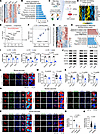 Figure 1
Multi-omics profiling identifies BAF60a inactivation as a key mediator of β cell dysfunction in T2D. (A) Heatmap of shared DAPs in islets from ob/ob and db/db mice. Scale bar: Z score. (B) GO analysis of genes annotated to DAPs in (A). (C) Schematic of siRNA screening pipeline. (D) Heatmap of chromatin remodeling genes downregulated in ob/ob (n = 3) and db/db (n = 5) islets. Scale bar: Z score. (E) Scatter plot of GSIS changes in Min6 cells transfected with siRNAs (n = 6 per gene). Significant hits are indicated in black, BAF60a in red. Control siRNA used for normalization. (F) Correlation between relative BAF60a expression and GSIS. Linear regression is shown with 95% CI (dashed). Mean ± SEM; n = 6 biological replicates. (G) Heatmap of altered BAF60a-binding peaks in db/db islets (|log2FC| > 0.5; FDR < 0.05). (H) GO analysis of genes linked to more-accessible (red) or less-accessible (blue) BAF60a-binding peaks. (I) Relative BAF60a, Slc2a2, and Pdx1 mRNA in HFD (n = 3), ob/ob (n = 4), and db/db (n = 3–5) islets. Mean ± SEM; 2-tailed unpaired Student’s t test. (J and K) Immunoblot and quantification of islet lysates (pooled from 3 mice/group). Mean ± SEM; 2-tailed unpaired Student’s t test. (L and M) Representative immunofluorescence images and quantification of mouse pancreas sections (n = 6). Scale bars: 100 μm and 10 μm. Quantification is shown per mouse (left) and per islet (right). Mean ± SEM; 2-tailed unpaired Student’s t test. (N–Q) Representative immunofluorescence images and quantification of monkey (n = 3/group in N and O) and human (n = 21/group in P and Q) pancreas sections. Scale bars: 100 μm and 10 μm. Gray dots indicate islets; colored dots indicate monkey or human individuals. Mean ± SEM; P values were determined by 1-way ANOVA (monkey individuals) or 2-tailed unpaired Student’s t test (human individuals). CTR, control; INS, insulin.
To identify upstream regulators of these chromatin changes, we performed transcriptomic profiling of islets from ob/ob and db/db mice. A combined analysis of RNA-Seq (ob/ob) and published microarray data (db/db; Gene Expression Omnibus GSE31953) revealed 668 coregulated genes, including 329 downregulated genes enriched for terms related to insulin secretion, glucose metabolism, and chromatin remodeling (Supplemental Figure 1B). These findings raise the possibility that downregulation of chromatin modifiers may contribute to β cell dysfunction under diabetic conditions.
Focusing on chromatin remodeling genes, we identified 13 of 74 known murine regulators (22) that were consistently downregulated in both models (Figure 1D). To evaluate their functional relevance, we performed a small-scale siRNA screen in Min6 cells targeting these candidates (Figure 1C). Knockdown of several factors, including BAF60a, Brd8, Hdac1, Dmap1, and others, led to a statistically significant reduction in glucose-stimulated insulin secretion (GSIS) (P < 0.05) (Figure 1E, Supplemental Figure 1, C and D, and Supplemental Table 1). Among these, BAF60a knockdown led to a 46.1% reduction in GSIS, and further experiments with independent siRNAs confirmed a strong correlation between BAF60a gene expression and GSIS capacity (r = 0.9691; P < 0.0001) (Figure 1F and Supplemental Figure 1, E and F), indicating a potential dose-dependent role of BAF60a in supporting β cell function.
We next examined whether BAF60a binds to chromatin regions altered in diabetic islets. CUT&Tag profiling in Min6 cells identified 16,885 BAF60a-binding peaks with >6-fold signal over BAF60a KO controls. These peaks were significantly enriched within the differentially accessible regions found in ob/ob and db/db islets (fold enrichment = 1.17; P = 1 × 10–14.5). In db/db islets, we observed increased accessibility at 996 BAF60a-bound loci and decreased accessibility at 575 loci (Figure 1G). Regions with enhanced accessibility were enriched for stress-related pathways (e.g., oxidative stress, unfolded protein response). In contrast, those with reduced accessibility were associated with insulin secretion, glucose sensing, and membrane excitability (Figure 1H).
Consistent with these chromatin changes, BAF60a mRNA was significantly reduced in islets from high-fat diet–fed (HFD-fed), ob/ob, and db/db mice, along with decreased expression of β cell identity and function genes such as Slc2a2 and Pdx1 (Figure 1, I–K). Western blotting and immunofluorescence confirmed a marked reduction of BAF60a protein in islets from diabetic mice (Figure 1, J–M), obese/diabetic monkeys (Figure 1, N and O), and patients with T2D (Figure 1, P and Q, and Supplemental Figure 1G).
Together, these data support a model in which downregulation of BAF60a under diabetic conditions contributes to β cell dysfunction by altering chromatin accessibility at genes critical for insulin secretion and glucose responsiveness.
β cell–specific BAF60a inactivation impairs insulin secretion and systemic glucose homeostasis. Given the marked downregulation of BAF60a in diabetic β cells, we generated BaβKO mice by crossing BAF60aflox/flox with MIP-CreERT mice. Tamoxifen induction at 12 weeks effectively reduced BAF60a expression in islets, whereas expression in other tissues remained unaffected (Figure 2, A and B, and Supplemental Figure 2A). Western blot and immunofluorescence confirmed BAF60a protein loss specifically in insulin-producing β cells (Figure 2, C and D).
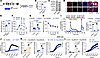 Figure 2
Ablation of BAF60a in β cells impairs insulin (Ins) secretion and glucose (Glu) homeostasis. (A) Workflow for generating BaβKO mice. (B) Relative BAF60a mRNA in flox/flox and BaβKO islets. Mean ± SEM; n = 3–4/group; 2-tailed unpaired Student’s t test. (C) Immunoblot of islet lysates (pooled from 3 mice/group). (D) Pancreas sections stained with indicated antibodies. Scale bar: 100 μm and 10 μm. (E) Short-fast blood glucose levels. Mean ± SEM; n = 4/group; 2-tailed unpaired Student’s t test. (F) OGTT results. Mean ± SEM; n = 4–5/group; 2-way ANOVA. (G) In vivo GSIS results. Mean ± SEM; n = 4–6/group; 2-way ANOVA. (H) ITT results. Mean ± SEM; n = 4–5 per group. (I) Dynamic GSIS and biphasic insulin release from islets pooled from 3 mice/group. Mean ± SD; n = 3 technical replicates; 2-tailed unpaired Student’s t test. (J) Intracellular Ca²+ influx in response to 16.8 mM glucose. Islets pooled from 3 mice. Mean ± SEM; n = 42–49 islets/group; 2-way ANOVA. (K and L) GSIS (left) and Ca²+ influx (right) in Min6 cells with BAF60a knockdown (K) or KO (L). Mean ± SEM; GSIS: n = 3 biological replicates; Ca²+ influx: n = 94–96 (K) or 46–51 (L) cells/group; 2-way ANOVA. CTR, control.
Intriguingly, BaβKO mice fed a chow diet had elevated fasting glucose levels and impaired glucose tolerance and in vivo GSIS (Figure 2, E–G), whereas insulin sensitivity remained unchanged (Figure 2H). Pancreatic histology and islet size were unaffected (Supplemental Figure 2B), and electron microscopy showed a minor reduction in the immature/total insulin granule ratio without altering overall granule number (Supplemental Figure 2C). Under HFD feeding, glucose intolerance of BaβKO mice worsened, again without changes in insulin sensitivity (Supplemental Figure 2D). These findings suggest BAF60a inactivation impairs glucose homeostasis primarily through defective β cell secretory function.
Dynamic perifusion studies revealed that BaβKO islets had markedly reduced first- and second-phase insulin secretion under both chow and HFD conditions (Figure 2I and Supplemental Figure 2E). Correspondingly, glucose-stimulated calcium influx was substantially reduced (Figure 2J). These phenotypes were also observed in an independent β cell–specific KO line (BaβKORIP) (Supplemental Figure 2, F–K). To examine cell-autonomous effects, we generated Min6 cell lines with BAF60a KO with CRISPR-Cas9 or knockdown via shRNA (Supplemental Figure 2, L and M). Both models showed impaired GSIS (1.5- to 4.1-fold reduction; P < 0.001) and diminished calcium influx (Figure 2, K and L), consistent with in vivo findings.
We next performed bulk RNA-Seq on islets from BaβKO and control mice 4 months after tamoxifen injection. A total of 2,299 genes were differentially expressed (|log2FC| > 0.5; FDR < 0.05), including 1,392 upregulated and 907 downregulated genes (Figure 3A). GO enrichment analysis showed dysregulation of pathways essential for β cell function, including insulin secretion, calcium transport, glucose homeostasis, and ER stress. Downregulated genes were enriched for insulin biosynthesis, granule formation, and calcium signaling; upregulated genes included potassium transporters and the dedifferentiation marker Aldh1a3 (Figure 3B). These transcriptomic changes likely contribute to the diabetic phenotype in BaβKO mice. Comparative analysis with the ob/ob model revealed a shared downregulation of genes involved in insulin secretion and glucose regulation (Supplemental Figure 3B), suggesting BAF60a deficiency alone can recapitulate key molecular features of T2D.
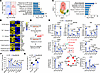 Figure 3
BAF60a regulates β cell function by modulating glucose metabolism–related genes. (A) Left: Differential expression analysis of RNA-Seq from flox/flox and BaβKO islets (RNA pooled from 3 mice; n = 3 biological replicates; |log2FC| > 0.5; FDR < 0.05). Right: GO analysis of significantly differentially expressed genes (DEGs) showing top nonredundant biological processes with gene counts and P values. (B) Heatmap of selected pathway-associated genes from (A). (C) Left: Uniform Manifold Approximation and Projection (UMAP) visualization of transcriptome-based clustering in flox/flox and BaβKO islets. Islets pooled from 3 mice; 4,077 and 4,078 cells analyzed, respectively. Right: GO analysis of DEGs in β cell cluster with top biological processes. (D) Workflow of 13C-glucose metabolic flux analysis in Min6 cells. (E) 13C-glucose tracing in control (CTR) and BAF60a-KO Min6 cells. M, unlabeled metabolite; M+n, metabolite mass with n labeled carbons. Mean ± SEM; n = 5 biological replicates; 2-tailed unpaired Student’s t test. (F) Molar percent enrichment (MPE) of 13C in glycolysis and TCA metabolites in CTR and BAF60a-KO Min6 cells. Mean ± SEM; n = 5 biological replicates; 2-tailed unpaired Student’s t test. (G) Intracellular ATP content in CTR and BAF60a-KO Min6 cells stimulated with 16.8 mM glucose. Mean ± SEM; n = 5–6 biological replicates; 2-way ANOVA.
To further investigate cellular heterogeneity, we performed single-cell RNA-Seq (scRNA-Seq) on BaβKO and control islets. Endocrine cell types were identified by expression of marker genes (Ins1, Gcg, Sst, and Ppy) (Figure 3C and Supplemental Figure 3C). BaβKO islets showed a modest reduction in β and pancreatic polypeptide cell proportions and an increase in α and δ cells, suggesting potential dedifferentiation or trans-differentiation events (Supplemental Figure 3C). GO analysis of differentially expressed genes within β cell clusters confirmed the downregulation of insulin secretion–related genes in BaβKO β cells (Figure 3C).
Because GSIS is tightly coupled to glucose metabolism, we next examined whether BAF60a deficiency alters glycolytic flux. Using uniformly labeled [U-13C] glucose tracing in BaKO Min6 cells, we observed reduced enrichment of mass units plus 6 (M+6) isotopologues for G6P/F6P and citrate, M+5 for α-ketoglutarate, and M+3 for fumarate, malate, and lactate, indicating impaired glycolytic and TCA cycle activity (Figure 3, D–F). Consistently, ATP levels were markedly decreased under both basal (2.8 mM) and stimulatory (16.8 mM) glucose conditions (Figure 3G). Because ATP generation is necessary for membrane depolarization and calcium influx, these findings suggest BAF60a supports β cell function in part by maintaining glucose metabolic activity.
AAV-mediated overexpression of BAF60a preserves β cell function and glucose homeostasis in diabetic mice. To examine the impact of BAF60a gain of function, we infused BAF60a-expressing AAV into the pancreatic ducts of BKS-db/db mice (Figure 4A). Western blotting, qPCR, and immunohistochemistry confirmed robust BAF60a overexpression in islets (Figure 4B and Supplemental Figure 4, A and B). Mice receiving AAV-CAG-BAF60a exhibited attenuated hyperglycemia progression (Figure 4C) and had improved glucose tolerance and in vivo GSIS (Figure 4, D and E). Interestingly, insulin sensitivity was also improved (Figure 4F), likely due to broader transgene expression from the CAG promoter (Supplemental Figure 4, C–E).
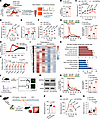 Figure 4
AAV-mediated overexpression of BAF60a preserves β cell function and glucose homeostasis in diabetic mice. (A) Pancreatic ductal AAV infusion and experimental design for (B–K). (B) Relative BAF60a mRNA in islets pooled from 3 mice/group. Mean ± SD; n = 3 technical replicates; 2-tailed unpaired Student’s t test. (C–F) Random glucose (C), ipGTT (D), in vivo GSIS (E), and ITT (F) in BKS-db/db mice. Mean ± SEM; n = 5–6 (C, E, and F) or n = 6 (D); 2-way ANOVA. (G) Biphasic insulin secretion in islets pooled from 3 mice/group. Mean ± SD; n = 3 technical replicates; 2-tailed unpaired Student’s t test. (H) Intracellular Ca²+ influx in islets pooled from 3 mice/group. Mean ± SEM; n = 32–33 islets; 2-way ANOVA. (I–K) Transcriptomics of AAV-GFP– versus AAV-BAF60a–treated islets, heatmap (I), relative mRNA expression (J), and GO analysis (K) of differentially expressed genes. (L–N) Design (L), immunoblot (M), and biphasic insulin secretion (N) in islets pooled from 3 mice/group. Mean ± SD; n = 3 replicates; 2-tailed unpaired Student’s t test. (O–R) Design (O), fasting blood glucose (P), OGTT (Q), and in vivo GSIS (R) in STZ-treated and islet-transplanted mice. Mean ± SEM; n = 6–9 (P and Q) or 6–8 (R); 2-tailed unpaired Student’s t test (P) or 2-way ANOVA (Q and R).
To evaluate whether these effects were β cell specific, we used AAV-RIP-BAF60a, which restricts expression to β cells via the rat insulin promoter (23). In this model, glucose homeostasis and GSIS were improved (Supplemental Figure 5, B and E), while body weight and insulin sensitivity remained unaffected (Supplemental Figure 5, C and D), suggesting systemic metabolic effects seen with CAG-driven BAF60a may involve extra–β cell tissues (Supplemental Figure 4F and Supplemental Figure 5A).
Perifusion assays confirmed that BAF60a overexpression, via either CAG or RIP constructs, enhanced first- and second-phase insulin secretion (~5.2-fold and ~2.6-fold; P < 0.001) (Figure 4G and Supplemental Figure 5E). Islets from treated mice also had elevated glucose-stimulated Ca²+ influx (Figure 4H). Transcriptomic profiling revealed upregulation of β cell identity and function genes (e.g., Slc2a2, Ucn3, Nkx6.1, Gipr, Pcsk1, G6pc2) (Figure 4, I and J), with GO enrichment highlighting enhanced pathways in insulin secretion, calcium signaling, and glucose sensing, and repression of inflammatory and adhesion-related programs (Figure 4K). These results suggest BAF60a overexpression restores β cell function in diabetic islets by reprogramming transcriptional networks and improving calcium signaling.
Islet transplantation has been recognized as an effective strategy for treating diabetes (24). However, human islet transplantation has been hampered by donor cell death associated with the islet preparation procedure before transplantation (25) One potential solution is AAV-mediated gene therapy of primary islets to enhance β cell function and its tolerance against the ex vivo culturing condition before transplantation. Hence, we tested whether AAV-mediated BAF60a overexpression could enhance function in cultured islets (Figure 4L). As shown in Figure 4M, Western blot analysis confirmed that AAV-BAF60a treatment led to a successful overexpression of BAF60a in islets isolated from C57BL/6J mice and cultured ex vivo for 5 days. Moreover, BAF60a overexpression increased phase I and II insulin secretion (~1.92-fold and ~2.50-fold; P < 0.001 and P < 0.0001, respectively) compared with AAV-GFP treated islets (Figure 4N). To assess whether BAF60a-enhanced islets improve transplantation outcomes, we transplanted AAV-treated islets into STZ-induced diabetic mice (Figure 4O). Mice receiving AAV-BAF60a islets had improved fasting glucose levels, enhanced glucose tolerance, and restored in vivo GSIS compared with controls (Figure 4, P–R), demonstrating the potential utility of BAF60a gene therapy in islet replacement strategies.
BAF60a modulates β cell function via Nkx6.1-dependent chromatin remodeling. BAF60a facilitates the recruitment of SWI/SNF complexes to specific genomic loci to regulate chromatin accessibility and gene expression (9, 26). To examine chromatin accessibility changes following BAF60a deficiency, we performed ATAC-Seq on islets from BaβKO and control mice. Genome-wide analysis revealed a broad reduction in chromatin accessibility surrounding transcription start sites (±3 kb from transcriptional start sites [TSSs]) in BaβKO islets (Figure 5A). Among the 85,691 accessible chromatin regions identified, 6,401 had reduced accessibility, termed less-accessible peaks (LAPs), and 11,468 had increased accessibility (more-accessible peaks [MAPs]) (Figure 5B). Notably, LAPs were substantially enriched for BAF60a binding, whereas MAPs lacked such enrichment (Figure 5C), indicating that BAF60a inactivation predominantly results in reduced accessibility at its target loci. Further annotation of these altered regions showed enrichment of distal enhancers and promoters within LAPs, especially those bound by BAF60a (Figure 5C), supporting the role of BAF60a as a positive regulator of enhancer and promoter accessibility. In contrast, MAPs were associated with distinct regulatory signatures.
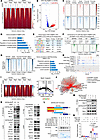 Figure 5
BAF60a modulates β cell function via Nkx6.1-dependent chromatin remodeling. (A) Metagene heatmap of ATAC-Seq signals across –3 kb to +3 kb of TSS (n = 3 biological replicates). (B) Differential accessibility analysis of ATAC peaks. MAPs (red) and LAPs (blue) defined by |log2FC| > 0.5, FDR < 0.05 (n = 3). (C) Metagene heatmap of BAF60a CUT&Tag-Seq signals and the Encyclopedia of DNA Elements (ENCODE) cis-regulatory elements around MAPs (red) and LAPs (blue). (D) GO enrichment of genes linked to LAPs. (E) Motif enrichment within LAPs with consensus sequence, transcription factor (TF) name, P value, and percentage of peaks containing motif. (F) ChIP-Seq enrichment of TFs at LAPs with fold enrichment and hypergeometric P values. (G) CUT&Tag-Seq heatmap and GO analysis of BAF60a-binding LAPs. (H) Browser tracks of Slc2a2 locus from RNA-Seq, ATAC-Seq, and CUT&Tag-Seq. (I) ATAC-Seq signal distribution at Nkx6.1-binding peaks (left) and TF footprinting of Nkx6.1 (right). (J) BAF60a interactome in Min6 cells. Red lines from BioID–mass spectrometry analysis, and gray lines from STRING datasets. (K and L) Immunoblots of BAF60a interactomes detected by BioID/Flag IP (K), and GST pull-down with GST-tagged BAF60a truncated proteins and His-Nkx6.1 (L). (M) BioID-immunoblots of BAF60a-Nkx6.1 interaction with or without TNF-α (50 ng/mL) and PA (0.5 mM) treatment. (N) GSIS in Min6 cells overexpressing BAF60a with or without Nkx6.1 KO under PA/TNF-α treatment. Mean ± SEM; n = 3 biological replicates; 2-way ANOVA. Strep, streptavidin.
GO analysis of LAP-associated genes revealed enrichment in processes essential for β cell function, including insulin secretion, calcium ion homeostasis, and regulation of membrane potential (Figure 5D), aligning with the GSIS impairment observed in BaβKO islets (Figure 2, I and J). By contrast, MAP-associated genes were largely linked to developmental and stress-related pathways (Supplemental Figure 6A). These findings suggest BAF60a loss disrupts β cell function primarily by reducing accessibility at regulatory elements controlling glucose metabolism and insulin exocytosis.
Given that BAF60a lacks a DNA-binding domain, it likely operates through interactions with β cell transcription factors (9). Motif enrichment analysis of LAPs identified overrepresentation of motifs for transcription factors Nkx6.1, Isl1, Foxa2, and NeuroD1 (Figure 5E). When we cross-referenced with published ChIP-Seq datasets (27–29), we found that LAPs were enriched for binding by Foxa2, Isl1, and especially Nkx6.1 (2.03-, 5.24-, and 3.45-fold enrichment, respectively), with Nkx6.1 having the strongest association (Figure 5F).
Importantly, BAF60a-bound LAPs, likely the primary epigenomic targets of BAF60a, were found to co-occupy regions with Nkx6.1 binding, particularly within distal enhancers and promoter elements (Figure 5G). These regions mapped to genes involved in glucose responsiveness, metal ion transport, and insulin production (Figure 5, G and H). Restoration of BAF60a in BaβKO islets using AAV largely recovered accessibility at these regions (Supplemental Figure 6B), highlighting the role of BAF60a in maintaining transcriptional competence of β cell regulatory elements.
Consistent with these findings, ATAC-Seq signal intensity at Nkx6.1 binding sites was markedly reduced in BaβKO islets (Figure 5I), and transcription factor footprinting showed decreased accessibility near Nkx6.1 motifs (Figure 5I). This suggests potential spatial and functional cooperation between BAF60a and Nkx6.1.
To identify BAF60a interactome, we performed BioID-based proteomics (30) in Min6 cells expressing BAF60a-BirA* fusion protein. Mass spectrometry identified multiple SWI/SNF subunits (e.g., BAF170, BAF155, BAF250) as well as transcription factors (e.g., Nkx6.1), histone modifiers (e.g., Hdac2, Hdac3), and additional cofactors (Figure 5J). Co-IP and glutathione S-transferase (GST) pull-down assays confirmed that BAF60a interacts with Nkx6.1, likely through its 1–167 and 167–344 domains (Figure 5, K and L). These findings support a model in which BAF60a cooperates with Nkx6.1 to control accessibility and expression of genes critical for β cell function.
Consistent with the central role of Nkx6.1 in β cell physiology (29), CRISPR-mediated depletion of Nkx6.1 led to impaired GSIS in Min6 cells (Supplemental Figure 6C). CUT&Tag profiling in Nkx6.1-KO Min6 cells revealed substantially reduced BAF60a occupancy (Supplemental Figure 6D), implying that Nkx6.1 is required for recruiting or stabilizing BAF60a at target loci. Genome browser analysis showed loss of accessibility and transcriptional downregulation at Slc2a2, Cpe, Scg2, Chga, and Chgb gene loci, all of which are co-occupied by BAF60a and Nkx6.1 (Figure 5H and Supplemental Figure 6E).
To identify upstream stress signals driving BAF60a suppression in T2D β cells, we treated Min6 cells with glucose, fatty acids, hormones, or cytokines. We found that palmitate acid (PA), but not oleate acid, reduced BAF60a gene expression by 39.3% (P = 0.001), and this effect was amplified with TNF-α cotreatment (Supplemental Figure 6, F and G). This PA plus TNF-α combination, which mimics lipotoxic inflammation, also impaired BAF60a-Nkx6.1 interaction (Figure 5M and Supplemental Figure 6H). BAF60a overexpression rescued GSIS under PA plus TNF-α conditions, but this rescue was abolished by Nkx6.1 KO (Figure 5N).
Together, these data demonstrate BAF60a regulates β cell transcriptional programs via physical and functional interactions with Nkx6.1, orchestrating chromatin remodeling at key gene loci involved in glucose metabolism and insulin secretion.
Human BAF60aV278M mutation impairs β cell insulin secretion. To evaluate the clinical relevance of BAF60a dysfunction in humans, we examined potential diabetes-associated variants of BAF60a. A heterozygous p.V278M substitution (c.832G>A [rs200921207]) in exon 7 (hereafter referred to as BAF60aV278M) was identified and found to be associated with β cell GSIS function (Figure 6A). This valine-to-methionine change occurs within a highly conserved region between the C1 and SWIB domains of BAF60a (Figure 6, A and B), and structural modeling using SWISS-MODEL suggested that the V278M mutation may alter the 3D structure of BAF60a (Figure 6C).
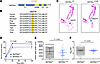 Figure 6
Human BAF60aV278M mutation impairs β cell insulin secretion. (A) Domain structure of human BAF60a showing SWIB and predicted coiled-coil domains (C1–C3, orange) and variant position. (B) Evolutionary conservation of V278 across species. (C) Predicted 3D models of BAF60aWT and BAF60aV278M. (D) Serum insulin levels of BAF60aWT and BAF60aV278M groups after OGTT assays. Mean ± SEM (n ≥ 13,777 people in BAF60aWT group and ≥57 people in BAF60aV278M group); P value was determined by a nonparametric test (Mann-Whitney test) for a skewed distribution. (E) AUC of serum insulin levels in (D). Values are presented as median with interquartile range (n = 13,766 people in BAF60aWT group and 58 people in BAF60aV278M group); 2-tailed unpaired Student’s t test (F) The difference of δ30 [(30-minute serum insulin – fasting serum insulin)/(30-minute plasma glucose – fasting plasma glucose)] in (D). Values are presented as median with interquartile range (n = 13,376 people in the BAF60aWT group and 54 people in the BAF60aV278M group); 2-tailed unpaired Student’s t test.
Of 13,903 individuals in a community-based cohort, we identified 61 heterozygous BAF60aV278M carriers (minor allele frequency 0.22%) (Supplemental Table 3). Compared with noncarriers, BAF60aV278M carriers had significantly lower serum insulin levels at 30 minutes and 120 minutes after a oral glucose tolerance test (OGTT), as well as a reduced insulin AUC (Figure 6, D and E), despite comparable plasma glucose levels (Supplemental Table 3). The insulin secretion index (δ30) was also significantly lower in mutation carriers (P < 0.05) (Figure 6F).
Linear regression analysis further confirmed the BAF60aV278M variant was significantly associated with lower 30-minute serum insulin levels after OGTT (β = –0.10 [95% CI –0.17 to –0.02]; P = 0.012) and with reduced insulin AUC (β = –0.09 [95% CI –0.15 to –0.02]; P = 0.010). Notably, analysis of public genomic datasets showed that this variant appears to be East Asian specific, with minor allele frequencies of 0.23% in the 1000 Genomes Project (n = 2,504) and 0.20% in the Exome Aggregation Consortium (n = 60,684).
Mice carrying BAF60aV278M mutation have impaired insulin secretion and systemic glucose homeostasis. To evaluate the physiological relevance of the BAF60aV278M mutation in vivo, we generated C57BL/6J mice harboring this variant using CRISPR/Cas9 and subjected them to a chow diet or HFD feeding for metabolic analysis (Figure 7A). Under chow diet feeding, mutant mice had reduced fasting insulin levels and impaired glucose tolerance (Figure 7, B and C). Perifusion of isolated islets revealed blunted GSIS (Figure 7D), accompanied by reduced glucose-stimulated Ca2+ influx (Figure 7E).
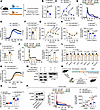 Figure 7
Mice carrying the BAF60aV278M mutation exhibit impaired insulin secretion and glucose homeostasis. (A) Experimental design for (B–K). (B) Plasma insulin in chow-fed BAF60aWT and BAF60aV278M mice. Mean ± SEM; n = 5–6; 2-tailed unpaired Student’s t test. (C) ipGTT in chow-fed mice. Mean ± SEM; n = 6; 2-way ANOVA. (D) Biphasic insulin secretion in islets pooled from 3 mice. Mean ± SD; n = 3 technical replicates; 2-tailed unpaired Student’s t test. (E) Ca²+ influx in chow-fed islets pooled from 3 mice. Mean ± SEM; n = 60–64; 2-way ANOVA. (F) Overnight fasting blood glucose level in HFD-fed mice. Mean ± SEM; n = 5–6; 2-tailed unpaired Student’s t test. (G) ipGTT in HFD-fed mice. Mean ± SEM; n = 8–9; 2-way ANOVA. (H) ipITT in HFD-fed mice. Mean ± SEM; n = 5–6; 2-way ANOVA. (I) In vivo GSIS in HFD-fed mice. Mean ± SEM; n = 5–6; 2-way ANOVA. (J) Biphasic insulin secretion in HFD-fed islets pooled from 3 mice. Mean ± SD; n = 3 technical replicates; 2-tailed unpaired Student’s t test. (K) Ca²+ influx in islets pooled from 3 mice. Mean ± SEM; n = 45–53; 2-way ANOVA. (L) Relative mRNA expression in islets isolated from HFD-fed mice. Mean ± SEM; n = 4 biological replicates; 2-tailed unpaired Student’s t test. (M) Flag IP and immunoblot analysis of BAF60aWT/BAF60aV278M and Nkx6.1 interactions in HEK293T cells. (N and O) Experimental design (N), and fasting/refeeding glucose levels (O) in STZ-treated mice transplanted with islets transduced with indicated AAVs. Mean ± SEM; n = 6–8; 1-way ANOVA. (P) Immunoblots (left), perifusion (middle), and quantification of phase I/II insulin secretion (right) in human islets transduced with indicated AAVs. Mean ± SD; n = 3 technical replicates; 1-way ANOVA.
Under HFD, BAF60aV278M mice exhibited approximately a 1.4-fold higher fasting glucose level and pronounced defects in glucose tolerance and insulin secretion compared with WT controls (Figure 7, F–I), whereas insulin sensitivity remained comparable (Figure 7H). Perifusion analysis showed reduced phase I (~59.3%; P < 0.001) and phase II (~58.2%; P < 0.001) insulin release (Figure 7J) with diminished Ca2+ response (Figure 7K). Consistently, transcriptome analysis revealed reduced expression of BAF60a- and Nkx6.1-regulated genes important for β cell function (Figure 7L).
Because V278 lies in the predicted Nkx6.1-interaction domain, we tested whether this mutation disrupts binding. Co-IP in HEK-293T cells expressing Flag-BAF60a variants and GST-Nkx6.1 showed that BAF60aV278M abolished interaction with Nkx6.1 (Figure 7M).
To assess the β cell–intrinsic effects of this mutation, we infected mouse islets with AAVs expressing GFP, BAF60aWT, or BAF60aV278M. Whereas BAF60aWT enhanced GSIS, the V278M variant markedly blunted this effect by 45.2% (phase I) and 41.2% (phase II) (P < 0.001) (Supplemental Figure 7). In islet transplantation experiments, BAF60aWT-treated mouse islets improved glycemic control in STZ-induced diabetic mice, but this benefit was lost in BAF60aV278M-expressing islets (Figure 7, N and O). A similar trend was observed in human islets: while BAF60aWT boosted insulin secretion, co-expression of BAF60aV278M suppressed phase I and II GSIS by 29.4% and 42.8%, respectively, compared with BAF60aWT-treated islets (P < 0.001) (Figure 7P).
Together, these findings support that the BAF60aV278M variant impairs β cell GSIS and glucose regulation, likely by disrupting BAF60a-Nkx6.1 interaction and downstream transcriptional programs.
BAF60a contributes to the therapeutic benefits of GLP-1R agonist possibly by modulating GLP-1R expression. Recent studies have shown that GLP-1R and GIPR agonists induce robust insulin secretion and weight loss in T2D (31, 32). Given that Nkx6.1 deficiency impairs Glp1r expression (29) and BAF60a function depends on Nkx6.1, we examined whether BAF60a modulates the expression of Glp1r and Gipr in β cells.
In BaβKO islets, genome browser tracks showed reduced Glp1r and Gipr expression, accompanied by decreased chromatin accessibility at BAF60a/Nkx6.1-bound enhancers and promoters (Figure 8, A and B). qPCR confirmed reduced Glp1r and Gipr transcription levels in islets from BaβKO mice (Figure 8C) and in primary mouse and human islets transfected with BAF60a-targeting siRNAs (Figure 8, D–F).
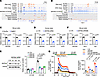 Figure 8
BAF60a contributes to the therapeutic benefits of GLP-1R agonists by modulating GLP-1R expression. (A and B) Representative RNA-Seq, ATAC-Seq, and CUT&Tag-Seq tracks of Gipr (A) and Glp1r (B) loci. RNA-Seq and ATAC-Seq tracks for flox/flox and BaβKO islets. (C) Relative mRNA in isolated islets from indicated groups. Mean ± SEM; n = 3 replicates; 2-tailed unpaired Student’s t test. (D) Relative mRNA in human islets transduced with control or BAF60a siRNA. Mean ± SEM; n = 3 replicates; 2-tailed unpaired Student’s t test. (E) Immunoblots (left) and GSIS (right) of WT islets transduced with control or BAF60a siRNA (1–3). Mean ± SEM; n = 4 replicates; 2-way ANOVA. (F) Relative mRNA in isolated islets from indicated groups. Mean ± SEM; n = 3 replicates; 2-tailed unpaired Student’s t test. (G) Dynamic (left) and quantification of phase I/II insulin secretion (right) in islets pooled from 3 mice. Mean ± SD; n = 3 technical replicates; 2-tailed unpaired Student’s t test. Interaction effect: P < 0.0001 (phase I) and P = 0.0016 (phase II), 2-way ANOVA.
To assess functional consequences, we measured insulin secretion in mouse islets treated with siRNA against BAF60a and stimulated with semaglutide, a GLP-1R agonist. While semaglutide increased phase I and II insulin secretion by approximately 2.6-fold and approximately 3.1-fold in control islets, BAF60a knockdown markedly blunted this response by approximately 35% in both phases (Figure 8G). Two-way ANOVA revealed significant interaction effects between BAF60a knockdown and semaglutide treatment (phase I: P < 0.0001; phase II: P = 0.0016), indicating a specific defect in GLP-1/GIP responsiveness beyond baseline β cell dysfunction.
Together, these data suggest BAF60a supports the insulinotropic response to incretin therapy, at least in part by maintaining Glp1r and Gipr expression in β cells.


Copyright © 2026 American Society for Clinical Investigation
ISSN: 0021-9738 (print), 1558-8238 (online)