
Advertisement
Research ArticleCell biologyMetabolismPulmonology
Open Access |  10.1172/JCI198031
Activation of the impaired NAMPT/SIRT7/SOD2 axis restores alveolar progenitor cell renewal in idiopathic pulmonary fibrosis
Xuexi Zhang,1 Xue Liu,1 Yujie Qiao,1 Anas Rabata,1 Ningshan Liu,1 Changfu Yao,1 Tanyalak Parimon,1 Danica Chen,2 Cory Hogaboam,1 Peter Chen,1,3 Barry Stripp,1 Stephen J. Gardell,4 Dianhua Jiang,1,3 Paul W. Noble,5 and Jiurong Liang1
1Department of Medicine and Women’s Guild Lung Institute, Cedars-Sinai Medical Center, Los Angeles, California, USA.
2Department of Nutritional Science and Toxicology, University of California, Berkeley, California, USA.
3Department of Biomedical Sciences, Cedars-Sinai Medical Center, Los Angeles, California, USA.
4Advent Health Translational Research Institute, Orlando, Florida, USA.
5Department of Medicine, David Geffen School of Medicine at UCLA, Los Angeles, California, USA.
Address correspondence to: Jiurong Liang, Department of Medicine, Cedars-Sinai Medical Center, 8700 Beverly Blvd., Los Angeles, California 90048, USA. Phone: 424.315.4303; Email: carol.liang@cshs.org. Or to: Paul W. Noble, Department of Medicine, Division of Pulmonary Diseases and Critical Care Medicine, University of North Carolina at Chapel Hill. CB# 7020, 130 Mason Farm Road, Chapel Hill, North Carolina 27599, USA. Phone: 310.384.6226; Email: paul_noble@med.umc.edu. Phone: 310.248.8069; Email: pnyale2004@yahoo.com.
Authorship note: PWN and JL are co–senior authors.
Find articles by Zhang, X. in: PubMed | Google Scholar
1Department of Medicine and Women’s Guild Lung Institute, Cedars-Sinai Medical Center, Los Angeles, California, USA.
2Department of Nutritional Science and Toxicology, University of California, Berkeley, California, USA.
3Department of Biomedical Sciences, Cedars-Sinai Medical Center, Los Angeles, California, USA.
4Advent Health Translational Research Institute, Orlando, Florida, USA.
5Department of Medicine, David Geffen School of Medicine at UCLA, Los Angeles, California, USA.
Address correspondence to: Jiurong Liang, Department of Medicine, Cedars-Sinai Medical Center, 8700 Beverly Blvd., Los Angeles, California 90048, USA. Phone: 424.315.4303; Email: carol.liang@cshs.org. Or to: Paul W. Noble, Department of Medicine, Division of Pulmonary Diseases and Critical Care Medicine, University of North Carolina at Chapel Hill. CB# 7020, 130 Mason Farm Road, Chapel Hill, North Carolina 27599, USA. Phone: 310.384.6226; Email: paul_noble@med.umc.edu. Phone: 310.248.8069; Email: pnyale2004@yahoo.com.
Authorship note: PWN and JL are co–senior authors.
Find articles by
Liu, X.
in:
PubMed
|
Google Scholar
|

1Department of Medicine and Women’s Guild Lung Institute, Cedars-Sinai Medical Center, Los Angeles, California, USA.
2Department of Nutritional Science and Toxicology, University of California, Berkeley, California, USA.
3Department of Biomedical Sciences, Cedars-Sinai Medical Center, Los Angeles, California, USA.
4Advent Health Translational Research Institute, Orlando, Florida, USA.
5Department of Medicine, David Geffen School of Medicine at UCLA, Los Angeles, California, USA.
Address correspondence to: Jiurong Liang, Department of Medicine, Cedars-Sinai Medical Center, 8700 Beverly Blvd., Los Angeles, California 90048, USA. Phone: 424.315.4303; Email: carol.liang@cshs.org. Or to: Paul W. Noble, Department of Medicine, Division of Pulmonary Diseases and Critical Care Medicine, University of North Carolina at Chapel Hill. CB# 7020, 130 Mason Farm Road, Chapel Hill, North Carolina 27599, USA. Phone: 310.384.6226; Email: paul_noble@med.umc.edu. Phone: 310.248.8069; Email: pnyale2004@yahoo.com.
Authorship note: PWN and JL are co–senior authors.
Find articles by Qiao, Y. in: PubMed | Google Scholar
1Department of Medicine and Women’s Guild Lung Institute, Cedars-Sinai Medical Center, Los Angeles, California, USA.
2Department of Nutritional Science and Toxicology, University of California, Berkeley, California, USA.
3Department of Biomedical Sciences, Cedars-Sinai Medical Center, Los Angeles, California, USA.
4Advent Health Translational Research Institute, Orlando, Florida, USA.
5Department of Medicine, David Geffen School of Medicine at UCLA, Los Angeles, California, USA.
Address correspondence to: Jiurong Liang, Department of Medicine, Cedars-Sinai Medical Center, 8700 Beverly Blvd., Los Angeles, California 90048, USA. Phone: 424.315.4303; Email: carol.liang@cshs.org. Or to: Paul W. Noble, Department of Medicine, Division of Pulmonary Diseases and Critical Care Medicine, University of North Carolina at Chapel Hill. CB# 7020, 130 Mason Farm Road, Chapel Hill, North Carolina 27599, USA. Phone: 310.384.6226; Email: paul_noble@med.umc.edu. Phone: 310.248.8069; Email: pnyale2004@yahoo.com.
Authorship note: PWN and JL are co–senior authors.
Find articles by Rabata, A. in: PubMed | Google Scholar
1Department of Medicine and Women’s Guild Lung Institute, Cedars-Sinai Medical Center, Los Angeles, California, USA.
2Department of Nutritional Science and Toxicology, University of California, Berkeley, California, USA.
3Department of Biomedical Sciences, Cedars-Sinai Medical Center, Los Angeles, California, USA.
4Advent Health Translational Research Institute, Orlando, Florida, USA.
5Department of Medicine, David Geffen School of Medicine at UCLA, Los Angeles, California, USA.
Address correspondence to: Jiurong Liang, Department of Medicine, Cedars-Sinai Medical Center, 8700 Beverly Blvd., Los Angeles, California 90048, USA. Phone: 424.315.4303; Email: carol.liang@cshs.org. Or to: Paul W. Noble, Department of Medicine, Division of Pulmonary Diseases and Critical Care Medicine, University of North Carolina at Chapel Hill. CB# 7020, 130 Mason Farm Road, Chapel Hill, North Carolina 27599, USA. Phone: 310.384.6226; Email: paul_noble@med.umc.edu. Phone: 310.248.8069; Email: pnyale2004@yahoo.com.
Authorship note: PWN and JL are co–senior authors.
Find articles by Liu, N. in: PubMed | Google Scholar
1Department of Medicine and Women’s Guild Lung Institute, Cedars-Sinai Medical Center, Los Angeles, California, USA.
2Department of Nutritional Science and Toxicology, University of California, Berkeley, California, USA.
3Department of Biomedical Sciences, Cedars-Sinai Medical Center, Los Angeles, California, USA.
4Advent Health Translational Research Institute, Orlando, Florida, USA.
5Department of Medicine, David Geffen School of Medicine at UCLA, Los Angeles, California, USA.
Address correspondence to: Jiurong Liang, Department of Medicine, Cedars-Sinai Medical Center, 8700 Beverly Blvd., Los Angeles, California 90048, USA. Phone: 424.315.4303; Email: carol.liang@cshs.org. Or to: Paul W. Noble, Department of Medicine, Division of Pulmonary Diseases and Critical Care Medicine, University of North Carolina at Chapel Hill. CB# 7020, 130 Mason Farm Road, Chapel Hill, North Carolina 27599, USA. Phone: 310.384.6226; Email: paul_noble@med.umc.edu. Phone: 310.248.8069; Email: pnyale2004@yahoo.com.
Authorship note: PWN and JL are co–senior authors.
Find articles by
Yao, C.
in:
PubMed
|
Google Scholar
|
1Department of Medicine and Women’s Guild Lung Institute, Cedars-Sinai Medical Center, Los Angeles, California, USA.
2Department of Nutritional Science and Toxicology, University of California, Berkeley, California, USA.
3Department of Biomedical Sciences, Cedars-Sinai Medical Center, Los Angeles, California, USA.
4Advent Health Translational Research Institute, Orlando, Florida, USA.
5Department of Medicine, David Geffen School of Medicine at UCLA, Los Angeles, California, USA.
Address correspondence to: Jiurong Liang, Department of Medicine, Cedars-Sinai Medical Center, 8700 Beverly Blvd., Los Angeles, California 90048, USA. Phone: 424.315.4303; Email: carol.liang@cshs.org. Or to: Paul W. Noble, Department of Medicine, Division of Pulmonary Diseases and Critical Care Medicine, University of North Carolina at Chapel Hill. CB# 7020, 130 Mason Farm Road, Chapel Hill, North Carolina 27599, USA. Phone: 310.384.6226; Email: paul_noble@med.umc.edu. Phone: 310.248.8069; Email: pnyale2004@yahoo.com.
Authorship note: PWN and JL are co–senior authors.
Find articles by
Parimon, T.
in:
PubMed
|
Google Scholar
|
1Department of Medicine and Women’s Guild Lung Institute, Cedars-Sinai Medical Center, Los Angeles, California, USA.
2Department of Nutritional Science and Toxicology, University of California, Berkeley, California, USA.
3Department of Biomedical Sciences, Cedars-Sinai Medical Center, Los Angeles, California, USA.
4Advent Health Translational Research Institute, Orlando, Florida, USA.
5Department of Medicine, David Geffen School of Medicine at UCLA, Los Angeles, California, USA.
Address correspondence to: Jiurong Liang, Department of Medicine, Cedars-Sinai Medical Center, 8700 Beverly Blvd., Los Angeles, California 90048, USA. Phone: 424.315.4303; Email: carol.liang@cshs.org. Or to: Paul W. Noble, Department of Medicine, Division of Pulmonary Diseases and Critical Care Medicine, University of North Carolina at Chapel Hill. CB# 7020, 130 Mason Farm Road, Chapel Hill, North Carolina 27599, USA. Phone: 310.384.6226; Email: paul_noble@med.umc.edu. Phone: 310.248.8069; Email: pnyale2004@yahoo.com.
Authorship note: PWN and JL are co–senior authors.
Find articles by Chen, D. in: PubMed | Google Scholar
1Department of Medicine and Women’s Guild Lung Institute, Cedars-Sinai Medical Center, Los Angeles, California, USA.
2Department of Nutritional Science and Toxicology, University of California, Berkeley, California, USA.
3Department of Biomedical Sciences, Cedars-Sinai Medical Center, Los Angeles, California, USA.
4Advent Health Translational Research Institute, Orlando, Florida, USA.
5Department of Medicine, David Geffen School of Medicine at UCLA, Los Angeles, California, USA.
Address correspondence to: Jiurong Liang, Department of Medicine, Cedars-Sinai Medical Center, 8700 Beverly Blvd., Los Angeles, California 90048, USA. Phone: 424.315.4303; Email: carol.liang@cshs.org. Or to: Paul W. Noble, Department of Medicine, Division of Pulmonary Diseases and Critical Care Medicine, University of North Carolina at Chapel Hill. CB# 7020, 130 Mason Farm Road, Chapel Hill, North Carolina 27599, USA. Phone: 310.384.6226; Email: paul_noble@med.umc.edu. Phone: 310.248.8069; Email: pnyale2004@yahoo.com.
Authorship note: PWN and JL are co–senior authors.
Find articles by Hogaboam, C. in: PubMed | Google Scholar
1Department of Medicine and Women’s Guild Lung Institute, Cedars-Sinai Medical Center, Los Angeles, California, USA.
2Department of Nutritional Science and Toxicology, University of California, Berkeley, California, USA.
3Department of Biomedical Sciences, Cedars-Sinai Medical Center, Los Angeles, California, USA.
4Advent Health Translational Research Institute, Orlando, Florida, USA.
5Department of Medicine, David Geffen School of Medicine at UCLA, Los Angeles, California, USA.
Address correspondence to: Jiurong Liang, Department of Medicine, Cedars-Sinai Medical Center, 8700 Beverly Blvd., Los Angeles, California 90048, USA. Phone: 424.315.4303; Email: carol.liang@cshs.org. Or to: Paul W. Noble, Department of Medicine, Division of Pulmonary Diseases and Critical Care Medicine, University of North Carolina at Chapel Hill. CB# 7020, 130 Mason Farm Road, Chapel Hill, North Carolina 27599, USA. Phone: 310.384.6226; Email: paul_noble@med.umc.edu. Phone: 310.248.8069; Email: pnyale2004@yahoo.com.
Authorship note: PWN and JL are co–senior authors.
Find articles by
Chen, P.
in:
PubMed
|
Google Scholar
|
1Department of Medicine and Women’s Guild Lung Institute, Cedars-Sinai Medical Center, Los Angeles, California, USA.
2Department of Nutritional Science and Toxicology, University of California, Berkeley, California, USA.
3Department of Biomedical Sciences, Cedars-Sinai Medical Center, Los Angeles, California, USA.
4Advent Health Translational Research Institute, Orlando, Florida, USA.
5Department of Medicine, David Geffen School of Medicine at UCLA, Los Angeles, California, USA.
Address correspondence to: Jiurong Liang, Department of Medicine, Cedars-Sinai Medical Center, 8700 Beverly Blvd., Los Angeles, California 90048, USA. Phone: 424.315.4303; Email: carol.liang@cshs.org. Or to: Paul W. Noble, Department of Medicine, Division of Pulmonary Diseases and Critical Care Medicine, University of North Carolina at Chapel Hill. CB# 7020, 130 Mason Farm Road, Chapel Hill, North Carolina 27599, USA. Phone: 310.384.6226; Email: paul_noble@med.umc.edu. Phone: 310.248.8069; Email: pnyale2004@yahoo.com.
Authorship note: PWN and JL are co–senior authors.
Find articles by Stripp, B. in: PubMed | Google Scholar
1Department of Medicine and Women’s Guild Lung Institute, Cedars-Sinai Medical Center, Los Angeles, California, USA.
2Department of Nutritional Science and Toxicology, University of California, Berkeley, California, USA.
3Department of Biomedical Sciences, Cedars-Sinai Medical Center, Los Angeles, California, USA.
4Advent Health Translational Research Institute, Orlando, Florida, USA.
5Department of Medicine, David Geffen School of Medicine at UCLA, Los Angeles, California, USA.
Address correspondence to: Jiurong Liang, Department of Medicine, Cedars-Sinai Medical Center, 8700 Beverly Blvd., Los Angeles, California 90048, USA. Phone: 424.315.4303; Email: carol.liang@cshs.org. Or to: Paul W. Noble, Department of Medicine, Division of Pulmonary Diseases and Critical Care Medicine, University of North Carolina at Chapel Hill. CB# 7020, 130 Mason Farm Road, Chapel Hill, North Carolina 27599, USA. Phone: 310.384.6226; Email: paul_noble@med.umc.edu. Phone: 310.248.8069; Email: pnyale2004@yahoo.com.
Authorship note: PWN and JL are co–senior authors.
Find articles by Gardell, S. in: PubMed | Google Scholar
1Department of Medicine and Women’s Guild Lung Institute, Cedars-Sinai Medical Center, Los Angeles, California, USA.
2Department of Nutritional Science and Toxicology, University of California, Berkeley, California, USA.
3Department of Biomedical Sciences, Cedars-Sinai Medical Center, Los Angeles, California, USA.
4Advent Health Translational Research Institute, Orlando, Florida, USA.
5Department of Medicine, David Geffen School of Medicine at UCLA, Los Angeles, California, USA.
Address correspondence to: Jiurong Liang, Department of Medicine, Cedars-Sinai Medical Center, 8700 Beverly Blvd., Los Angeles, California 90048, USA. Phone: 424.315.4303; Email: carol.liang@cshs.org. Or to: Paul W. Noble, Department of Medicine, Division of Pulmonary Diseases and Critical Care Medicine, University of North Carolina at Chapel Hill. CB# 7020, 130 Mason Farm Road, Chapel Hill, North Carolina 27599, USA. Phone: 310.384.6226; Email: paul_noble@med.umc.edu. Phone: 310.248.8069; Email: pnyale2004@yahoo.com.
Authorship note: PWN and JL are co–senior authors.
Find articles by
Jiang, D.
in:
PubMed
|
Google Scholar
|
1Department of Medicine and Women’s Guild Lung Institute, Cedars-Sinai Medical Center, Los Angeles, California, USA.
2Department of Nutritional Science and Toxicology, University of California, Berkeley, California, USA.
3Department of Biomedical Sciences, Cedars-Sinai Medical Center, Los Angeles, California, USA.
4Advent Health Translational Research Institute, Orlando, Florida, USA.
5Department of Medicine, David Geffen School of Medicine at UCLA, Los Angeles, California, USA.
Address correspondence to: Jiurong Liang, Department of Medicine, Cedars-Sinai Medical Center, 8700 Beverly Blvd., Los Angeles, California 90048, USA. Phone: 424.315.4303; Email: carol.liang@cshs.org. Or to: Paul W. Noble, Department of Medicine, Division of Pulmonary Diseases and Critical Care Medicine, University of North Carolina at Chapel Hill. CB# 7020, 130 Mason Farm Road, Chapel Hill, North Carolina 27599, USA. Phone: 310.384.6226; Email: paul_noble@med.umc.edu. Phone: 310.248.8069; Email: pnyale2004@yahoo.com.
Authorship note: PWN and JL are co–senior authors.
Find articles by Noble, P. in: PubMed | Google Scholar
1Department of Medicine and Women’s Guild Lung Institute, Cedars-Sinai Medical Center, Los Angeles, California, USA.
2Department of Nutritional Science and Toxicology, University of California, Berkeley, California, USA.
3Department of Biomedical Sciences, Cedars-Sinai Medical Center, Los Angeles, California, USA.
4Advent Health Translational Research Institute, Orlando, Florida, USA.
5Department of Medicine, David Geffen School of Medicine at UCLA, Los Angeles, California, USA.
Address correspondence to: Jiurong Liang, Department of Medicine, Cedars-Sinai Medical Center, 8700 Beverly Blvd., Los Angeles, California 90048, USA. Phone: 424.315.4303; Email: carol.liang@cshs.org. Or to: Paul W. Noble, Department of Medicine, Division of Pulmonary Diseases and Critical Care Medicine, University of North Carolina at Chapel Hill. CB# 7020, 130 Mason Farm Road, Chapel Hill, North Carolina 27599, USA. Phone: 310.384.6226; Email: paul_noble@med.umc.edu. Phone: 310.248.8069; Email: pnyale2004@yahoo.com.
Authorship note: PWN and JL are co–senior authors.
Find articles by Liang, J. in: PubMed | Google Scholar
Published May 7, 2026 - More info
J Clin Invest. 2026;136(12):e198031. https://doi.org/10.1172/JCI198031.
© 2026 Zhang et al. This work is licensed under the Creative Commons Attribution 4.0 International License. To view a copy of this license, visit http://creativecommons.org/licenses/by/4.0/.
Received: July 15, 2025; Accepted: April 21, 2026


-
Results
Decreased expression of a NAD+ biosynthesis enzyme, NAMPT, in IPF AT2 cells. NAD+ levels are decreased in IPF lung tissues (21, 22). The salvage pathway involving NAMPT is the major route for NAD+ biosynthesis in the lung (26). We recently published a single-cell RNA-seq (scRNA-seq) analysis using flow-enriched human lung epithelial cells from healthy and IPF lungs (8). Reanalysis with updated epithelial cell annotations and commonly used gene signatures refined the classification of epithelial subpopulations (Figure 1A and Supplemental Figure 1, A and B; supplemental material available online with this article; https://doi.org/10.1172/JCI198031DS1). Notably, NAMPT was found to be highly expressed in AT2 cells (Figure 1A), which was confirmed by integrative analysis of multiple published scRNA-seq datasets (61–64) (Supplemental Figure 1C). Interestingly, expression levels of NAMPT were dramatically lower in AT2 cells from IPF lungs compared with levels in healthy controls (Figure 1, B and C), which was also further evidenced in multiple recently published scRNA-seq datasets (61–64) (Figure 1D). Using freshly isolated AT2 cells from healthy and IPF lungs, we further showed decreased NAMPT expression at both mRNA levels by qPCR (Figure 1E) and protein levels by both single cell (Figure 1F) and conventional Western blotting (Figure 1G) in IPF AT2 cells. Immunofluorescence showed that NAMPT was colocalized with the human AT2 marker HTII-280 (Figure 1H), and fluorescence intensity of NAMPT staining in AT2 cells of IPF lungs was decreased compared with healthy controls (Figure 1, H and I).
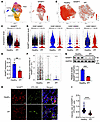 Figure 1
Decreased expression of the NAD+ biosynthesis enzyme NAMPT in IPF AT2 cells. (A) Uniform manifold approximation and projection (UMAP) visualization of epithelial cell types and NAMPT expression in healthy and IPF lung cells in the in-house scRNA-seq dataset. PNEC, pulmonary neuroendocrine cells. (B) UMAP visualization of NAMPT expression in AT2 cells from healthy and IPF lungs. (C and D) Violin plots showing NAMPT expression levels in AT2 cells from in-house (C) and recently published scRNA-seq datasets (D). (E) Real-time PCR analysis of NAMPT expression in freshly isolated AT2 cells from healthy and IPF lungs (n = 5–6/group; **P < 0.01, by unpaired, 2-tailed Student’s t test). (F) Single-cell Western blot analysis of NAMPT expression in freshly isolated AT2 cells from healthy and IPF lungs, with β-tubulin used as a loading control (****P < 0.0001, by 1-way ANOVA). (G) Western blot analysis and quantification of NAMPT expression in immortalized AT2 cells from healthy and IPF donors. GAPDH served as a loading control (n = 3/group; ***P < 0.001, by unpaired, 2-tailed Student’s t test). (H) Costaining of NAMPT (red) and HTII-280 (green, an AT2 marker) of healthy and IPF lung sections. The staining was performed with lung sections from 3 patients with IPF and 3 healthy donors. Representative cells (asterisks) are shown at higher magnification. Scale bars: 20 μm. Insets, original magnification, ×63. (I) Quantification of NAMPT staining (relative signal intensity) in individual AT2 cells (HTII-280+), shown as violin plots with median and quartiles (n = 50–60 cells/section, n = 3/group; ****P < 0.0001, by unpaired, 2-tailed Student’s t test). Data are shown as the mean ± SEM. All experiments were repeated at least 3 times.
We also compared NAMPT expression in fibroblasts from fibrotic lung tissues with integrated scRNA-seq data analysis (65). The expression levels of NAMPT were not significantly different between fibroblasts from healthy and IPF human lungs (Supplemental Figure 1D), or from bleomycin-induced fibrotic and control mouse lungs (Supplemental Figure 1E).
NAMPT regulates AT2 progenitor cell regeneration. Next, we evaluated the role of NAMPT in regulating AT2 progenitor cell regeneration. Small-molecule NAMPT activators (NAT, NAT-5r, and SBI-797812) were added to 3D organoid cultures of primary AT2 cells freshly isolated from healthy and IPF lungs, and colony forming efficiency (CFE) was determined. NAT (28) increased the CFE of AT2 cells from both healthy and IPF lungs in a dose-dependent manner (Figure 2, A and B). To determine whether NAT was exerting its effect via NAMPT, we generated immortalized human AT2 cell lines from healthy and IPF lungs (66) and knocked out NAMPT (NAMPTKO) with CRISPR/Cas9 in healthy AT2 cells (Supplemental Figure 2A). NAT increased the NAD+/NADH ratio in control cells but not in cells with NAMPT KO (Supplemental Figure 2B), confirming NAMPT as the molecular target of NAT. Similarly, the other NAMPT activators, SBI-797812 (33) and NAT-5r (28) (Figure 2, C and D), as well as polyphenolic derivative myricitrin (67) (Supplemental Figure 2C), also promoted AT2 renewal.
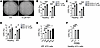 Figure 2
NAMPT regulates AT2 progenitor cell regeneration. (A) Representative images of human AT2 colonies cultured with NAT or DMSO control (Ctrl). Scale bar: 300 μm. (B–D) CFE in 3D organoid cultures of AT2 cells from healthy and IPF lungs treated with the NAMPT activators (B) NAT, (C) SBI797812, or (D) NAT-5r (n = 3/group; **P < 0.01, ***P < 0.001, ****P < 0.0001, by 2-way ANOVA). (E) CFE in 3D organoid cultures of AT2 cells from IPF lungs treated with the NAMPT precursors NR, NMN, or NAM, as well as the NAMPT activator NAT (n = 3/group; **P < 0.01, ****P < 0.0001, by 1-way ANOVA). (F) CFE in 3D organoid cultures of AT2 cells from healthy lungs treated with the NAMPT inhibitor FK866 at different concentrations or with vehicle control (n = 3/group; ***P < 0.001, ****P < 0.0001, by 1-way ANOVA). Data are shown as the mean ± SEM. All experiments were repeated at least 3 times.
To determine if NAD+ precursors could replicate the effects of NAT, we compared the effects of NR, NMN, and NAM with NAT in 3D organoid cultures. Our results indicated that NAT had the strongest effect on IPF AT2 cell renewal (Figure 2E). In contrast, blocking NAMPT activity with the highly potent and selective NAMPT inhibitor FK866 suppressed the renewal of human AT2 cells (Figure 2F), which further confirmed the role of NAMPT in regulating AT2 progenitor cell function. Additionally, neither NAT nor FK866 had a significant effect on AT2 cell growth (Supplemental Figure 2, D and E).
NAMPT expression correlates with SOD2 levels and the oxidative stress response in AT2 cells. To investigate the molecular mechanisms by which NAMPT regulates AT2 progenitor cell function, we separated human AT2 cells from healthy and IPF lungs by their NAMPT expression levels: NAMPT high (NAMPThi, expression levels >1) and NAMPT low (NAMPTlo, expression levels ≤1) AT2 cells (Figure 3A). In healthy lungs, the majority of AT2 cells (71.72%) were NAMPThi, whereas only a small fraction (14.27%) of AT2 cells from IPF lungs were NAMPThi (Figure 3B). Differentially expressed gene (DEG) analysis revealed that superoxide dismutase 2 (SOD2), a key mitochondrial antioxidant enzyme, was the most downregulated gene in NAMPTlo AT2 cells (Figure 3C). Other oxidative stress–response genes, including HIF1A and TXNRD1, along with the AT2 marker genes SLC34A2 and SFTPC, were also downregulated in NAMPTlo AT2 cells (Figure 3D).
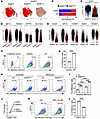 Figure 3
NAMPT is associated with SOD2 expression and the oxidative stress response in AT2 cells. (A) UMAP visualization of NAMPT expression in total, NAMPThi, and NAMPTlo human AT2 cells. (B) Cell frequencies of the NAMPThi versus NAMPTlo AT2 cells in healthy and IPF lungs. (C) Violin plots showing SOD2 expression levels in NAMPThi and NAMPTlo human AT2 cells. (D and E) Violin plots showing expression levels of representative top DEGs of NAMPThi versus NAMPTlo AT2 cells. (D) Expression of HIF1A, TXNRD1, SFTPC, and SLC34A2 in NAMPThi and NAMPTlo. (E) Expression of SOD2, HIF1A, TXNRD1, NQO1, and ROMO1 in healthy and IPF AT2 cells. (F and G) Flow cytometric analysis of mitochondrial superoxide levels in immortalized AT2 cells from healthy and IPF lungs. (F) Gating strategy and (G) percentages of mitochondrial superoxide high (MitoSOX+) cells (n = 3/group; ****P < 0.0001, by unpaired, 2-tailed Student’s t test). (H and I) Flow cytometric analysis of mitochondrial superoxide levels in NAMPTKO and control immortalized AT2 cells, with and without bleomycin (100 μg/mL) treatment. (H) Gating strategy and (I) percentages of mitochondrial superoxide high (MitoSOX+) cells (n = 3/group; ****P < 0.0001, by 2-way ANOVA). (J) Fold change in the expression of antioxidant genes in AT2 cells from patients with IPF treated with NAT (10 μM) or DMSO control, analyzed by bulk RNA-seq. (K and L) Flow cytometric analysis of mitochondrial superoxide levels in immortalized IPF AT2 cells treated with NAT (10 μM) or DMSO control. (K) Gating strategy and (L) percentages of mitochondrial superoxidehi (MitoSOX+) cells (n = 3/group; ****P < 0.0001, by unpaired, 2-tailed Student’s t test). Data are shown as the mean ± SEM. All experiments were repeated at least 3 times. SSC-A, side scatter area; PE, phycoerythrin.
Importantly, SOD2 and multiple oxidative stress-response genes (68–71), including NQO1, TXNRD1, and ROMO1, were downregulated in AT2 cells from IPF lungs compared with those from healthy controls (Figure 3E). Consistent with these transcriptomics results, we further showed that IPF AT2 cells had increased mitochondrial superoxide levels compared with healthy AT2 cells, as assayed by flow cytometry (Figure 3, F and G).
Next, we looked at the oxidative stress response of human AT2 cells with NAMPT KO (Supplemental Figure 2A). KO of NAMPT increased mitochondrial superoxide levels in AT2 cells both at baseline and after bleomycin treatment (Figure 3, H and I). To further confirm the function of NAMPT in oxidative stress responses in human AT2 cells, we performed bulk RNA-seq analysis of freshly isolated IPF AT2 cells treated with the NAMPT activator NAT for 48 hours. NAT treatment markedly increased the expression of SOD2 and other oxidative stress-response genes in IPF AT2 cells (Figure 3J). Functionally, NAT treatment also decreased mitochondrial superoxide levels in immortalized IPF AT2 cells (Figure 3, K and L).
These data suggest that NAMPT regulated oxidative stress responses in AT2 cells, with NAMPT deficiency leading to reduced SOD2 expression and increased oxidative stress in IPF AT2 cells, whereas NAMPT activation restored SOD2 level and oxidative balance.
NAMPT regulates SIRT7 expression and SIRT7 deacetylates SOD2 in AT2 cells. The enzyme activity of SOD2 is increased by deacetylation of lysine residues 68 (K68) and 122 (K122) situated at the SOD active site (72, 73). SOD2 is deacetylated by the NAD+-dependent deacetylases, the sirtuin family proteins (73–75). Using bulk RNA-seq analysis, we found that NAT treatment of freshly isolated IPF AT2 cells dramatically increased SIRT7 expression (Figure 4A), with modest upregulation of other sirtuins (SIRT1, 2, 3, and 5) (Figure 4A). SIRT7 was highly expressed in healthy AT2 cells but significantly downregulated in IPF AT2 cells, both in terms of median expression levels (Figure 4B) and the percentages of SIRT7+ cells (Figure 4C). We confirmed decreased SIRT7 protein levels in IPF AT2 cells by Western blot analysis (Figure 4D). NAMPT activation (NAMPTACT) in immortalized IPF AT2 cells by CRISPR/Cas9 increased SIRT7 protein levels (Figure 4E), while NAMPT KO in healthy AT2 cells decreased SIRT7 expression and increased K122-acetylation-SOD2 (SOD2-K122Ac, the inactive form of SOD2) (Figure 4F). Furthermore, KO of SIRT7 (SIRT7KO) in immortalized human AT2 cells increased SOD2-K122Ac levels without affecting total SOD2 levels (Figure 4G). These data suggested that SIRT7 deacetylated and activated SOD2 in AT2 cells.
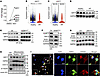 Figure 4
NAMPT regulates SIRT7 expression and SIRT7 deacetylates SOD2 in AT2 cells. (A) Fold change in the expression of sirtuin family genes in AT2 cells from patients with IPF treated with NAT (10 μM) or DMSO, analyzed by bulk RNA-seq. (B and C) Violin plots showing (B) SIRT7 expression levels and (C) the percentage of SIRT7+ cells in AT2 cells from healthy and IPF lungs in the scRNA-seq dataset. (D) Western blot analysis of SIRT7 expression in immortalized AT2 cells from healthy and IPF lungs. GAPDH served as a loading control. (E) Western blot analysis of the expression of NAMPT and SIRT7 in NAMPTACT and control immortalized AT2 cells. GAPDH served as a loading control. (F) Western blot analysis of the expression of NAMPT, SIRT7, and SOD2-K122Ac in NAMPTKO and control immortalized AT2 cells. GAPDH served as a loading control. (G) Western blot analysis of the expression of SIRT7, SOD2-K122Ac, and total SOD2 in SIRT7KO and control immortalized AT2 cells. GAPDH served as loading control. (H) Western blot analysis of SIRT7, mitochondrial proteins (HSP60 and COX IV), nuclear protein (lamin A/C), and cytosolic protein (β-tubulin) in mitochondria-isolated fractions from immortalized AT2 cells from healthy and IPF lungs. Whole-cell lysate was used as a control (left lane). (I) Immunofluorescence costaining of SIRT7 and TOM20 in immortalized healthy AT2 cells (left). Representative cells (boxed) are shown at higher magnification (right). Arrows indicated the costaining of SIRT7 and TOM20 in boxed cells. Scale bar: 100 μm, low- and high-magnification images). All experiments were repeated at least 3 times.
SIRT7 is primarily but not exclusively localized to the nucleus (38, 76–78). A recent study showed that SIRT7 protected neural stem cells by suppressing mitochondrial protein folding stress, suggesting that SIRT7 functions in mitochondria (79). To determine whether SIRT7 is localized to mitochondria in AT2 cells, we performed Western blot analysis of mitochondrial fractions from immortalized healthy and IPF AT2 cells. SIRT7 was present along with the classical mitochondrial markers HSP60 and complex IV subunit IV (COX IV) (Figure 4H), providing evidence of its localization within mitochondria. Notably, mitochondrial SIRT7 levels were markedly reduced in IPF AT2 cells compared with healthy AT2 cells (Figure 4H), suggesting that mitochondrial SIRT7 deficiency may contribute to AT2 dysfunction. As expected, immunofluorescence showed predominant nuclear localization of SIRT7, but, importantly, we observed abundant overlap of SIRT7 with the mitochondrial marker TOM20, further supporting its mitochondrial localization (Figure 4I and Supplemental Figure 3).
NAMPT regulates mitochondrial function and AT2 cell differentiation. Mitochondrial dysfunction impairs postnatal alveolar epithelial cell development (80). To determine whether NAMPT regulates mitochondrial function in AT2 cells, we first compared mitochondria-related gene expression profiles by defining a mitochondrial gene expression score (81) (Supplemental Table 1). As expected, NAMPTlo AT2 cells had a markedly decreased mitochondria-related gene score than did NAMPThi AT2 cells (Figure 5A). Seahorse mitochondria stress testing revealed decreased oxygen consumption rate (OCR) in IPF AT2 cells compared with healthy controls (Figure 5B). Importantly, inhibition of NAMPT with FK866 decreased the OCR of healthy AT2 cells (Figure 5C), which suggested that NAMPT has a direct role in regulating mitochondrial function. Conversely, NAMPT activation in freshly isolated IPF AT2 cells with NAT treatment increased the expression of mitochondria-related genes including COX5B, PINK1, and MFN2 (Figure 5D). Pathway analyses confirmed that NAMPT activation was positively correlated with mitochondrial signaling pathways (Figure 5E). Functionally, NAMPT activation increased mitochondrial membrane potential (Figure 5F), total ATP production (Figure 5G), and ATP production from mitochondrial respiration in AT2 cells (Figure 5G, red bars).
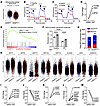 Figure 5
NAMPT regulates mitochondrial function and AT2 cell differentiation. (A) Violin plots showing comparison of the mitochondria-related gene scores for NAMPThi and NAMPTlo human AT2 cells in the scRNA-seq dataset. (B and C) The OCR of (B) immortalized healthy and IPF AT2 cells and (C) immortalized healthy AT2 cells treated with FK866 or vehicle control was measured by Seahorse analysis (n = 6/group). (D) Fold change in the expression of mitochondrial genes in AT2 cells from patients with IPF treated with NAT (10 μM) or DMSO control, analyzed by bulk RNA-seq. (E) Enrichment plot for Biocarta mitochondria pathway by gene set enrichment analysis (GSEA) of NAMPTACT versus control immortalized AT2 cells. Green curves indicate enrichment scores. The normalized enrichment score (NES) and family-wise error rate (FWER) P value are indicated in the graph. A NES of greater than 1.1 and a P value of less than 0.05 were considered statistically significant. (F) Mitochondrial membrane potential of immortalized healthy and IPF AT2 cells treated or not with NAT, evaluated by JC-1 staining followed by flow cytometry (n = 3/group; ****P < 0.0001, by 2-way ANOVA). (G) Mitochondrial ATP production of immortalized IPF AT2 cells with NAMPT activation by CRISPR/Cas9 and the control was measured by the Seahorse XF Real-Time ATP Rate Assay kit. Data are shown as the mean ± SEM from 6 replicates. **P < 0.01, by unpaired, 2-tailed Student’s t test. (H) Violin plots of transitional cell marker genes in NAMPThi versus NAMPTlo human AT2 cells. (I–M) Fold change in the expression of (I) AT2, (J) transitional genes, (K) AT1 cell marker genes, (L) proliferation genes, and (M) caspase genes in AT2 cells from patients with IPF treated with NAT or DMSO, analyzed by bulk RNA-seq. Data are shown as the mean ± SEM. All experiments were repeated at least 3 times. Rot/AA, rotenone/Antimycin A.
Mitochondrial complex I–driven NAD+ regeneration prevents pathologic integrated stress response activation and transitional cell accumulation during alveolar development (80), suggesting that mitochondrial dysfunction may promote transitional cell persistence. Supporting this observation, NAMPTlo AT2 cells also showed increased expression of transitional cell marker genes (82–84), including KRT8, KRT17, KRT19, and CLDN4 compared with NAMPThi AT2 cells (Figure 5H). To better visualize this phenotype, we defined a transitional cell score based on the average expression of the transitional cell signature genes (Supplemental Table 1). As previously reported (82), AT2 cells from IPF lungs exhibited significantly elevated transitional cell scores (Supplemental Figure 4A). Consistent with individual marker expression, NAMPTlo AT2 cells also had markedly higher transitional cell scores (Supplemental Figure 4B). These findings suggest that NAMPT deficiency contributes to transitional cell persistence and impaired AT2 differentiation in IPF lungs.
To further define the role of NAMPT in AT2 differentiation, we analyzed bulk RNA-seq on freshly isolated IPF AT2 cells treated with the NAMPT activator NAT. NAT treatment increased the expression of both AT2 and AT1 marker genes (Figure 5, I and K, respectively) while reduced the expression of transitional cell genes (Figure 5J). Meanwhile, genes associated with cell proliferation were significantly upregulated (Figure 5L), whereas apoptosis-related genes were downregulated (Figure 5M). Together, these data suggest that NAMPT activation promotes AT2 cell function and differentiation into AT1 cells and suppresses transitional cell persistence and apoptosis.
AT2-specific Nampt deletion impairs AT2 progenitor cell renewal in vivo and increases lung fibrosis. To examine the role of NAMPT in regulating AT2 progenitor cell function and lung fibrosis, we generated a mouse model with AT2-specific Nampt deletion (NamptAT2) by cross-breeding Namptfl mice (85, 86) with Sftpc-CreER mice (Supplemental Figure 5A). NAMPT expression was abrogated in AT2 cells upon tamoxifen treatment (Supplemental Figure 5B). To distinguish the AT2 cells from the NamptAT2 lungs, we performed scRNA-seq on epithelial cells from uninjured lungs and from lungs 4 days after bleomycin injury in NamptAT2 and littermate control mice. On the basis of canonical marker expression (Supplemental Figure 5C), we identified distinct epithelial cell subpopulations, including AT2 and AT1 clusters (Supplemental Figure 5, C and D). Notably, a cluster of transitional cells emerged following bleomycin injury (Supplemental Figure 5, C and D). Importantly, the proportion of these transitional cells was markedly increased in bleomycin-injured NamptAT2 mouse lungs compared with control lungs (Supplemental Figure 5, E and F). Similar to the observations in human NAMPTlo AT2 cells, AT2 cells from NamptAT2 lungs had decreased expression of oxidative stress–response genes, including Sirt7, Sod2, and Romo1, after bleomycin injury (Supplemental Figure 5G). Consistently, Nampt-deficient AT2 cells showed decreased mitochondria-related gene expression scores (Supplemental Figure 5H) and elevated mitochondrial superoxide levels compared with controls (Supplemental Figure 5I). These data further confirmed that NAMPT regulates oxidative stress and mitochondrial function in AT2 cells.
To further assess the effect of NAMPT deficiency on AT2 cell maintenance after injury, we quantified AT2 cells in the lungs of tamoxifen-treated NamptAT2 and control mice at baseline (day 0) and 5 days after bleomycin injury (day 5) by flow cytometry and cell counting. As expected, bleomycin treatment decreased AT2 cell numbers in both groups (Figure 6A). Notably, tamoxifen-treated NamptAT2 mice had fewer AT2 cells than did controls before (day 0) and 5 days after (day 5) bleomycin treatment (Figure 6A). A decrease in AT2 cells in bleomycin-injured NAMPTAT2 lungs was further confirmed by decreased percentages of SFTPC+ AT2 cells in immunostained lung sections (Supplemental Figure 5, J and K).
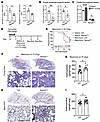 Figure 6
AT2-specific Nampt deletion impairs AT2 progenitor renewal and increases lung fibrosis. (A) Number of AT2 cells per lung for uninjured cells (day 0 [D0]) and cells 5 days after bleomycin injury (day 5 [D5]) in NamptAT2 and control mice (n = 3–4/group; *P < 0.05, **P < 0.01, by unpaired, 2-tailed Student’s t test). (B) CFE in MLg2908 feeder-supported 3D organoid cultures of AT2 cells from NamptAT2 and control mice, uninjured (day 0) or 5 days after bleomycin injury (day 5) (n = 4–5/group; *P < 0.05, **P < 0.01, by unpaired, 2-tailed Student’s t test). (C) CFE in feeder-free 3D organoid cultures of AT2 cells from NamptAT2 and control mice treated with NAT or DMSO 5 days after bleomycin injury (day 5) (n = 5/group; ****P < 0.0001, by 2-way ANOVA). (D) Experimental layout for young NamptAT2 and control mice treated with 1.25 U/kg for 14 days for survival curve analysis, or with 0.75 U/kg bleomycin for 21 days for fibrosis evaluation. (E) Survival curve (n = 15/group; *P < 0.05, by log-rank (Mantel-Cox) test) for young NamptAT2 and control mice treated with 1.25 U/kg bleomycin. (F) Trichrome staining and (G) hydroxyproline contents in the lungs of young NamptAT2 and control mice treated with 0.75 U/kg bleomycin and sacrificed on day 21 (control, n = 17, NamptAT2, n = 10; *P < 0.05, by unpaired, 2-tailed Student’s t test). Scale bar: 500 μm. (H) Trichrome staining and (I) Hydroxyproline contents in lungs of NamptAT2 mice at the age of 14 months (control, n = 13, NamptAT2, n = 17; *P < 0.05, by unpaired, 2-tailed Student’s t test). Scale bars: 500 μm. Boxed areas are shown at higher magnification (F and H). Scale bars: 500 μm (low-and high-magnification images). Data are shown as the mean ± SEM. All experiments were repeated at least 3 times.
We next assessed AT2 progenitor cell capacity from NamptAT2 mice using 3D organoid assays. AT2 cells isolated from NamptAT2 mice, both from day 0 and from day 5, displayed significantly reduced CFE compared with control cells in feeder-supported culture (Figure 6B and Supplemental Figure 5L). To eliminate any confounding effects of fibroblasts in the feeder-supported assay, we used a feeder-free 3D organoid assay (87) on AT2 cells from day 5 bleomycin-injured NamptAT2 and control mice with NAT or DMSO control. Consistent with the results in the feeder-supported 3D organoid assays, Nampt-deficient AT2 cells showed a pronounced decrease in CFE. NAT significantly enhanced CFE in AT2 cells from control lungs, but not AT2s from NamptAT2 mice (Figure 6C and Supplemental Figure 5M), indicating that NAMPT is essential for maintaining AT2 progenitor cell function following lung injury.
To study the role of NAMPT in bleomycin-induced lung fibrosis in vivo, we treated NamptAT2 and control mice with bleomycin (1.25 U/kg) two weeks after 4 doses of tamoxifen (Figure 6D). NamptAT2 mice showed increased mortality by day 14 compared with controls (Figure 6E). To increase the survival of mice for fibrosis assessment at day 21, we next reduced the bleomycin dose to 0.75 U/kg (Figure 6D). At this dose, NamptAT2 mice showed increased lung fibrosis compared with controls, as evidenced by enhanced pulmonary trichrome staining (Figure 6F) and elevated hydroxyproline content (Figure 6G). Given that NAMPT deficiency contributes to transitional cell accumulation following bleomycin-induced injury (Supplemental Figure 5F), we examined transitional cells using immunostaining for KRT8 and CLDN4. In uninjured lungs, only mild KRT8 expression was observed, primarily in SFTPC+ AT2 cells, in both NamptAT2 and control mice. In contrast, fibrotic lungs exhibited markedly increased KRT8 staining, with NamptAT2 lungs showing a dramatic elevation (Supplemental Figure 6, A and B). CLDN4, a more specific marker of transitional cells, was rarely detected in uninjured lungs but was strongly upregulated in fibrotic lungs, with NamptAT2 mice showing significantly higher levels than controls (Supplemental Figure 6, C and D).
We next investigated whether progressive NAMPT deficiency with aging contributes to the development of lung pathology. To test this, young NamptAT2 mice received 4 initial doses of tamoxifen, followed by 2 additional doses of tamoxifen per month until 14 months of age. Intriguingly, the NamptAT2 mice displayed increased collagen accumulation, as shown by both increased trichrome staining (Figure 6H) and significantly elevated hydroxyproline content in the lungs (Figure 6I), suggesting a potential spontaneous fibrosis. Consistently, fibronectin staining (a marker of matrix deposition) was markedly increased in aged NamptAT2 lungs, particularly in regions of heightened cellularity (Supplemental Figure 6E).
These observations revealed that NAMPT deficiency impaired AT2 regeneration, exacerbated bleomycin-induced fibrosis and transitional cell accumulation in young mice, and led to increased collagen deposition in aged mice. Together, these findings underscore the essential role of NAMPT in alveolar repair and long-term lung homeostasis and support its relevance as a major driver of fibrotic lung disease.
NAMPT activation in vivo promotes AT2 regeneration and attenuated lung fibrosis. Given the critical role of Nampt in maintaining AT2 progenitor cell function, we next investigated whether in vivo NAMPT activation enhances AT2 progenitor cell activity. Young C57BL/6J WT mice were administered NAT to activate NAMPT in vivo. The first treatment paradigm (Figure 7A) involved dosing of NAT (20 mg/kg) via i.p. injection daily from 3 days before to 3 days after bleomycin (2.5 U/kg) treatment. Control mice received bleomycin and vehicle treatment. Mice were sacrificed on day 5 after injury, and lung epithelial cells were isolated, analyzed by flow cytometry, and quantified by cell counting. NAT treatment significantly increased both the percentage (Figure 7, B and C) and total number (Figure 7D) of lung epithelial cells in mice after bleomycin injury. Within the lung epithelial cells, mice treated with NAT showed an increased percentage and number of AT2 cells recovered per lung (Figure 7, B, E, and F). The increase in AT2 cells following NAT treatment in bleomycin-injured lungs was further confirmed by a higher percentage of SFTPC+ AT2 cells on lung sections by immunostaining (Supplemental Figure 7, A and B). Interestingly, NAT treatment did not alter the number of total BAL cells or BAL-localized macrophages on day 5 (Supplemental Figure 7, C and D), indicating that NAT treatment did not promote lung inflammation.
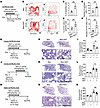 Figure 7
NAMPT activation in vivo promotes AT2 regeneration and attenuates lung fibrosis. (A) Experimental layout: 10- to 12-week old (young) C57BL/6J mice were treated with 20 mg/kg NAT and 2.5 U/kg bleomycin, and lungs were collected on day 5. (B) Flow cytometric gating strategies for lung epithelial and AT2 cells. Epithelial cells were gated as EPCAM+CD31–CD34–CD45– cells among live cells and AT2 cells as CD24–Sca-1– cells within epithelial cell populations. (C–F) Percentages and total cell numbers of epithelial and AT2 cells per lung (n = 5/group; **P < 0.01, by unpaired, 2-tailed Student’s t test). (G) Experimental layout: 10- to 12-week-old (young) C57BL/6J mice were treated with 20 mg/kg NAT (from day –3 to day 3) and 1.25 U/kg bleomycin (day 0), and lungs were collected on day 21. (H) Trichrome staining (scale bars: 500 μm) and (I) hydroxyproline contents (n = 6–10/group; *P < 0.05, by ANOVA) were used to assess collagen deposition. (J) Experimental layout: 10- to 12-week-old (young) C57BL/6J mice were administrated 0.75 U/kg bleomycin (day 0) and treated with 20 mg/kg NAT at the fibrotic stage (days 10–16), and lungs were collected on day 21. (K) Trichrome staining (scale bar: 500 μm) and (L) hydroxyproline in the lungs (n = 4–10/group; *P < 0.05, by 1-way ANOVA) were used to assess fibrosis. (M) Experimental layout: Aged C57BL/6J mice were treated with 20 mg/kg NAT (from day –3 to day 3) and 0.75 U/kg bleomycin (day 0), and lungs were collected on day 21. (N) Trichrome staining (scale bar: 500 μm) and (O) hydroxyproline in the lungs (n = 5–14/group; **P < 0.01, by 1-way ANOVA) were used to assess fibrosis. Boxed areas are shown at higher magnification, scale bars: 500 μm (H, K, and N). Data are shown as the mean ± SEM. All experiments were repeated at least 3 times. Bleo, bleomycin.
The second approach was designed to evaluate a prophylactic effect of NAT in a treatment model, in which the young C57BL/6J WT mice were treated with NAT (20 mg/kg) daily from 3 days before to 3 days after bleomycin administration (1.25 U/kg), and the mice were sacrificed on day 21 (Figure 7G). NAT pretreatment reduced fibrosis as assessed by trichrome staining (Figure 7H) and hydroxyproline levels (Figure 7I) compared with bleomycin alone. We further examined the role of NAT treatment on the transitional cell state of lung epithelial cells by immunostaining. Bleomycin injury induced KRT8 and CLDN4 in fibrotic lungs compared with uninjured lungs, whereas NAT pretreatment significantly lowered the expression of both KRT8 and CLDN4 compared with bleomycin alone (Supplemental Figure 7, E–H), suggesting that NAMPT activation attenuated transitional cell accumulation.
For our third attempt to evaluate the potential therapeutic efficacy of NAT in the bleomycin-induced fibrosis model (Figure 7J), young C57BL/6J WT mice received bleomycin followed by daily administration of 20 mg/kg NAT or vehicle starting on day 10 after bleomycin treatment (when lung fibrosis was well developed) for 7 days (Figure 7J). Mice were sacrificed on day 21, and their lungs were evaluated for fibrosis. Lungs from bleomycin-treated mice dosed with NAT displayed decreased trichrome staining (Figure 7K) and hydroxyproline levels (Figure 7L) compared with mice treated with bleomycin alone, indicating that NAMPT activation by NAT was efficacious for both the prevention and treatment of lung fibrosis in the murine bleomycin model.
IPF is an aging-associated lung disease with a dramatic increase in incidence in patients over 65 years of age. NAD+ levels decrease with aging (18, 19, 24). Hence, we tested both the prophylactic and therapeutic effects of NAT on bleomycin-induced lung fibrosis in aged mice. NAT (20 mg/kg/day) or vehicle was administrated either from 3 days before to 3 days after bleomycin injury (Figure 7M), or from day 10 to day 16 after injury (Supplemental Figure 7I). Lungs harvested on day 21 showed that both prophylactic (Figure 7, N and O) and therapeutic (Supplemental Figure 7J) NAT treatment reduced bleomycin-induced lung fibrosis in aged mice, as evidenced by decreased trichrome staining and hydroxyproline levels in the lungs.
These results demonstrate that NAMPT activation by NAT markedly improved lung epithelial cell recovery, increased AT2 cell numbers, and attenuated transitional cell accumulation in mice following bleomycin injury, without promoting inflammation. Both prophylactic and therapeutic NAT administration reduced lung fibrosis in both young and aged mice, demonstrating the therapeutic potential of NAMPT activation in pulmonary fibrosis.
AT2-specific Sirt7 deletion abolishes AT2 regeneration and fibrosis attenuation. Here, we demonstrated that NAMPT regulates the SIRT7/SOD2 axis, thereby increasing AT2 cell vulnerability to oxidative stress and mitochondrial dysfunction, ultimately impairing AT2 regenerative capacity and exacerbating lung fibrosis. To further validate this mechanism, we generated mice with AT2-specific deletion of Sirt7 (Sirt7AT2), produced by crossing Sirt7fl mice (38) with Sftpc-CreER mice (Figure 8A). We first assessed the progenitor cell capacity of AT2 cells from Sirt7AT2 mice using a feeder-free 3D organoid assay. AT2 cells were isolated from Sirt7AT2 mice on day 5 following bleomycin injury and cultured in the presence of NAT or vehicle. Sirt7-deficient AT2 cells formed significantly fewer organoids compared with controls, and, importantly, NAT treatment did not rescue CFE in these cells (Figure 8B). These findings indicate that the regenerative effect of NAMPT activation was abolished in the absence of SIRT7.
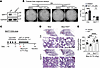 Figure 8
The effects of NAMPT activation on AT2 regeneration and lung fibrosis are abolished in AT2-specific, Sirt7-deleted mice. (A) Western blot analysis of SIRT7 expression in control and Sirt7AT2 AT2 cells. GAPDH served as a loading control. (B) Representative images and CFE of feeder-free 3D organoid cultures of AT2 cells from Sirt7AT2 and control mice 5 days after bleomycin injury (n = 5/group; ***P < 0.001, by 1-way ANOVA). Scale bar: 300 μm. (C) Experimental layout of young Sirt7AT2 and control mice treated with 20 mg/kg NAT or vehicle (from day –3 to day 3) and treated with 0.75 U/kg bleomycin (day 0) for 14 days for fibrosis evaluation. (D) Trichrome staining (scale bar: 500 μm, low- and high magnification images) and (E) hydroxyproline content (n = 7–11/group; **P < 0.01, ***P < 0.001, ****P < 0.0001, by 1-way ANOVA) were used to assess collagen levels in mouse lungs. Data are shown as the mean ± SEM. All experiments were repeated at least 3 times.
To determine whether this mechanism influences fibrosis progression, Sirt7AT2 and control mice received NAT or vehicle from 3 days before to 3 days after bleomycin administration (0.75 U/kg) (Figure 8C) and were sacrificed on day 14. Consistent with our in vitro findings, bleomycin-challenged Sirt7AT2 mice developed more severe fibrosis than did control mice, as shown by increased trichrome staining and hydroxyproline levels. Notably, while NAT treatment reduced fibrosis in control mice, it had no detectable protective effect in Sirt7AT2 mice (Figure 8, D and E). Collectively, these results demonstrate that NAMPT-induced protection was dependent on SIRT7 in AT2 cells. Loss of SIRT7 abolished both AT2 regenerative capacity and NAMPT-mediated fibrosis attenuation, supporting a critical role for the NAMPT/SIRT7/SOD2 axis in maintaining AT2 progenitor cell function during lung injury and repair.


Copyright © 2026 American Society for Clinical Investigation
ISSN: 0021-9738 (print), 1558-8238 (online)