
Advertisement
Research ArticleImmunologyPublic Health
Open Access |  10.1172/JCI196261
A protein-based pneumococcal vaccine elicits broad immunity associated with multifunctional antibody responses in humans
Kaiyi Li,1,2 Jinglu Yang,1,2 Xiaobing Zhai,1 Jinbo Gou,3 Xiuwen Sui,3 Bochao Wei,3 Yuan Wang,4 Xiaoling Su,2 Xiaoyun Yang,2 Shiqin Jin,1 Xuan Zhou,1 Yuxuan Zhang,1 Tao Zhu,3 Junxiang Wang,1 and Zhongfang Wang1,2,5
1State Key Laboratory of Respiratory Disease, National Clinical Research Center for Respiratory Disease, Guangzhou Institute of Respiratory Health, The First Affiliated Hospital of Guangzhou Medical University, Guangzhou, China.
2Guangzhou National Laboratory, Guangzhou, China.
3CanSino Biologics Inc., Tianjin, China.
4Key Laboratory of Emergency and Trauma of Ministry of Education, Engineering Research Center for Hainan Biological Sample Resources of Major Diseases, The Hainan Branch of National Clinical Research Center for Cancer, The First Clinical College, The First Affiliated Hospital, Hainan Medical University, Haikou, China.
5Shenzhen Hetao Institute of Guangzhou National Laboratory, Guangzhou, China.
Address correspondence to: Tao Zhu, CanSino Biologics Inc., No. 185 South Street, West District, Tianjin Economic-Technological Development Area, Tianjin, China. Phone: 400.922.2099; tao.zhu@cansinotech.com. Or to: Junxiang Wang or Zhongfang Wang, The First Affiliated Hospital of Guangzhou Medical University, No. 151 Yanjiang Road, Yuexiu District, Guangzhou, Guangdong Province, China. Phone: 1.562.621.1053; Email: 120298127@qq.com (JW). Phone: 1.392.952.1227; Email: wangzhongfang@gird.cn (ZW).
Authorship note: KL, JY, and X Zhai contributed equally to this work and are co–first authors.
Find articles by Li, K. in: PubMed | Google Scholar
1State Key Laboratory of Respiratory Disease, National Clinical Research Center for Respiratory Disease, Guangzhou Institute of Respiratory Health, The First Affiliated Hospital of Guangzhou Medical University, Guangzhou, China.
2Guangzhou National Laboratory, Guangzhou, China.
3CanSino Biologics Inc., Tianjin, China.
4Key Laboratory of Emergency and Trauma of Ministry of Education, Engineering Research Center for Hainan Biological Sample Resources of Major Diseases, The Hainan Branch of National Clinical Research Center for Cancer, The First Clinical College, The First Affiliated Hospital, Hainan Medical University, Haikou, China.
5Shenzhen Hetao Institute of Guangzhou National Laboratory, Guangzhou, China.
Address correspondence to: Tao Zhu, CanSino Biologics Inc., No. 185 South Street, West District, Tianjin Economic-Technological Development Area, Tianjin, China. Phone: 400.922.2099; tao.zhu@cansinotech.com. Or to: Junxiang Wang or Zhongfang Wang, The First Affiliated Hospital of Guangzhou Medical University, No. 151 Yanjiang Road, Yuexiu District, Guangzhou, Guangdong Province, China. Phone: 1.562.621.1053; Email: 120298127@qq.com (JW). Phone: 1.392.952.1227; Email: wangzhongfang@gird.cn (ZW).
Authorship note: KL, JY, and X Zhai contributed equally to this work and are co–first authors.
Find articles by Yang, J. in: PubMed | Google Scholar
1State Key Laboratory of Respiratory Disease, National Clinical Research Center for Respiratory Disease, Guangzhou Institute of Respiratory Health, The First Affiliated Hospital of Guangzhou Medical University, Guangzhou, China.
2Guangzhou National Laboratory, Guangzhou, China.
3CanSino Biologics Inc., Tianjin, China.
4Key Laboratory of Emergency and Trauma of Ministry of Education, Engineering Research Center for Hainan Biological Sample Resources of Major Diseases, The Hainan Branch of National Clinical Research Center for Cancer, The First Clinical College, The First Affiliated Hospital, Hainan Medical University, Haikou, China.
5Shenzhen Hetao Institute of Guangzhou National Laboratory, Guangzhou, China.
Address correspondence to: Tao Zhu, CanSino Biologics Inc., No. 185 South Street, West District, Tianjin Economic-Technological Development Area, Tianjin, China. Phone: 400.922.2099; tao.zhu@cansinotech.com. Or to: Junxiang Wang or Zhongfang Wang, The First Affiliated Hospital of Guangzhou Medical University, No. 151 Yanjiang Road, Yuexiu District, Guangzhou, Guangdong Province, China. Phone: 1.562.621.1053; Email: 120298127@qq.com (JW). Phone: 1.392.952.1227; Email: wangzhongfang@gird.cn (ZW).
Authorship note: KL, JY, and X Zhai contributed equally to this work and are co–first authors.
Find articles by Zhai, X. in: PubMed | Google Scholar
1State Key Laboratory of Respiratory Disease, National Clinical Research Center for Respiratory Disease, Guangzhou Institute of Respiratory Health, The First Affiliated Hospital of Guangzhou Medical University, Guangzhou, China.
2Guangzhou National Laboratory, Guangzhou, China.
3CanSino Biologics Inc., Tianjin, China.
4Key Laboratory of Emergency and Trauma of Ministry of Education, Engineering Research Center for Hainan Biological Sample Resources of Major Diseases, The Hainan Branch of National Clinical Research Center for Cancer, The First Clinical College, The First Affiliated Hospital, Hainan Medical University, Haikou, China.
5Shenzhen Hetao Institute of Guangzhou National Laboratory, Guangzhou, China.
Address correspondence to: Tao Zhu, CanSino Biologics Inc., No. 185 South Street, West District, Tianjin Economic-Technological Development Area, Tianjin, China. Phone: 400.922.2099; tao.zhu@cansinotech.com. Or to: Junxiang Wang or Zhongfang Wang, The First Affiliated Hospital of Guangzhou Medical University, No. 151 Yanjiang Road, Yuexiu District, Guangzhou, Guangdong Province, China. Phone: 1.562.621.1053; Email: 120298127@qq.com (JW). Phone: 1.392.952.1227; Email: wangzhongfang@gird.cn (ZW).
Authorship note: KL, JY, and X Zhai contributed equally to this work and are co–first authors.
Find articles by Gou, J. in: PubMed | Google Scholar
1State Key Laboratory of Respiratory Disease, National Clinical Research Center for Respiratory Disease, Guangzhou Institute of Respiratory Health, The First Affiliated Hospital of Guangzhou Medical University, Guangzhou, China.
2Guangzhou National Laboratory, Guangzhou, China.
3CanSino Biologics Inc., Tianjin, China.
4Key Laboratory of Emergency and Trauma of Ministry of Education, Engineering Research Center for Hainan Biological Sample Resources of Major Diseases, The Hainan Branch of National Clinical Research Center for Cancer, The First Clinical College, The First Affiliated Hospital, Hainan Medical University, Haikou, China.
5Shenzhen Hetao Institute of Guangzhou National Laboratory, Guangzhou, China.
Address correspondence to: Tao Zhu, CanSino Biologics Inc., No. 185 South Street, West District, Tianjin Economic-Technological Development Area, Tianjin, China. Phone: 400.922.2099; tao.zhu@cansinotech.com. Or to: Junxiang Wang or Zhongfang Wang, The First Affiliated Hospital of Guangzhou Medical University, No. 151 Yanjiang Road, Yuexiu District, Guangzhou, Guangdong Province, China. Phone: 1.562.621.1053; Email: 120298127@qq.com (JW). Phone: 1.392.952.1227; Email: wangzhongfang@gird.cn (ZW).
Authorship note: KL, JY, and X Zhai contributed equally to this work and are co–first authors.
Find articles by Sui, X. in: PubMed | Google Scholar
1State Key Laboratory of Respiratory Disease, National Clinical Research Center for Respiratory Disease, Guangzhou Institute of Respiratory Health, The First Affiliated Hospital of Guangzhou Medical University, Guangzhou, China.
2Guangzhou National Laboratory, Guangzhou, China.
3CanSino Biologics Inc., Tianjin, China.
4Key Laboratory of Emergency and Trauma of Ministry of Education, Engineering Research Center for Hainan Biological Sample Resources of Major Diseases, The Hainan Branch of National Clinical Research Center for Cancer, The First Clinical College, The First Affiliated Hospital, Hainan Medical University, Haikou, China.
5Shenzhen Hetao Institute of Guangzhou National Laboratory, Guangzhou, China.
Address correspondence to: Tao Zhu, CanSino Biologics Inc., No. 185 South Street, West District, Tianjin Economic-Technological Development Area, Tianjin, China. Phone: 400.922.2099; tao.zhu@cansinotech.com. Or to: Junxiang Wang or Zhongfang Wang, The First Affiliated Hospital of Guangzhou Medical University, No. 151 Yanjiang Road, Yuexiu District, Guangzhou, Guangdong Province, China. Phone: 1.562.621.1053; Email: 120298127@qq.com (JW). Phone: 1.392.952.1227; Email: wangzhongfang@gird.cn (ZW).
Authorship note: KL, JY, and X Zhai contributed equally to this work and are co–first authors.
Find articles by Wei, B. in: PubMed | Google Scholar
1State Key Laboratory of Respiratory Disease, National Clinical Research Center for Respiratory Disease, Guangzhou Institute of Respiratory Health, The First Affiliated Hospital of Guangzhou Medical University, Guangzhou, China.
2Guangzhou National Laboratory, Guangzhou, China.
3CanSino Biologics Inc., Tianjin, China.
4Key Laboratory of Emergency and Trauma of Ministry of Education, Engineering Research Center for Hainan Biological Sample Resources of Major Diseases, The Hainan Branch of National Clinical Research Center for Cancer, The First Clinical College, The First Affiliated Hospital, Hainan Medical University, Haikou, China.
5Shenzhen Hetao Institute of Guangzhou National Laboratory, Guangzhou, China.
Address correspondence to: Tao Zhu, CanSino Biologics Inc., No. 185 South Street, West District, Tianjin Economic-Technological Development Area, Tianjin, China. Phone: 400.922.2099; tao.zhu@cansinotech.com. Or to: Junxiang Wang or Zhongfang Wang, The First Affiliated Hospital of Guangzhou Medical University, No. 151 Yanjiang Road, Yuexiu District, Guangzhou, Guangdong Province, China. Phone: 1.562.621.1053; Email: 120298127@qq.com (JW). Phone: 1.392.952.1227; Email: wangzhongfang@gird.cn (ZW).
Authorship note: KL, JY, and X Zhai contributed equally to this work and are co–first authors.
Find articles by Wang, Y. in: PubMed | Google Scholar
1State Key Laboratory of Respiratory Disease, National Clinical Research Center for Respiratory Disease, Guangzhou Institute of Respiratory Health, The First Affiliated Hospital of Guangzhou Medical University, Guangzhou, China.
2Guangzhou National Laboratory, Guangzhou, China.
3CanSino Biologics Inc., Tianjin, China.
4Key Laboratory of Emergency and Trauma of Ministry of Education, Engineering Research Center for Hainan Biological Sample Resources of Major Diseases, The Hainan Branch of National Clinical Research Center for Cancer, The First Clinical College, The First Affiliated Hospital, Hainan Medical University, Haikou, China.
5Shenzhen Hetao Institute of Guangzhou National Laboratory, Guangzhou, China.
Address correspondence to: Tao Zhu, CanSino Biologics Inc., No. 185 South Street, West District, Tianjin Economic-Technological Development Area, Tianjin, China. Phone: 400.922.2099; tao.zhu@cansinotech.com. Or to: Junxiang Wang or Zhongfang Wang, The First Affiliated Hospital of Guangzhou Medical University, No. 151 Yanjiang Road, Yuexiu District, Guangzhou, Guangdong Province, China. Phone: 1.562.621.1053; Email: 120298127@qq.com (JW). Phone: 1.392.952.1227; Email: wangzhongfang@gird.cn (ZW).
Authorship note: KL, JY, and X Zhai contributed equally to this work and are co–first authors.
Find articles by Su, X. in: PubMed | Google Scholar
1State Key Laboratory of Respiratory Disease, National Clinical Research Center for Respiratory Disease, Guangzhou Institute of Respiratory Health, The First Affiliated Hospital of Guangzhou Medical University, Guangzhou, China.
2Guangzhou National Laboratory, Guangzhou, China.
3CanSino Biologics Inc., Tianjin, China.
4Key Laboratory of Emergency and Trauma of Ministry of Education, Engineering Research Center for Hainan Biological Sample Resources of Major Diseases, The Hainan Branch of National Clinical Research Center for Cancer, The First Clinical College, The First Affiliated Hospital, Hainan Medical University, Haikou, China.
5Shenzhen Hetao Institute of Guangzhou National Laboratory, Guangzhou, China.
Address correspondence to: Tao Zhu, CanSino Biologics Inc., No. 185 South Street, West District, Tianjin Economic-Technological Development Area, Tianjin, China. Phone: 400.922.2099; tao.zhu@cansinotech.com. Or to: Junxiang Wang or Zhongfang Wang, The First Affiliated Hospital of Guangzhou Medical University, No. 151 Yanjiang Road, Yuexiu District, Guangzhou, Guangdong Province, China. Phone: 1.562.621.1053; Email: 120298127@qq.com (JW). Phone: 1.392.952.1227; Email: wangzhongfang@gird.cn (ZW).
Authorship note: KL, JY, and X Zhai contributed equally to this work and are co–first authors.
Find articles by Yang, X. in: PubMed | Google Scholar
1State Key Laboratory of Respiratory Disease, National Clinical Research Center for Respiratory Disease, Guangzhou Institute of Respiratory Health, The First Affiliated Hospital of Guangzhou Medical University, Guangzhou, China.
2Guangzhou National Laboratory, Guangzhou, China.
3CanSino Biologics Inc., Tianjin, China.
4Key Laboratory of Emergency and Trauma of Ministry of Education, Engineering Research Center for Hainan Biological Sample Resources of Major Diseases, The Hainan Branch of National Clinical Research Center for Cancer, The First Clinical College, The First Affiliated Hospital, Hainan Medical University, Haikou, China.
5Shenzhen Hetao Institute of Guangzhou National Laboratory, Guangzhou, China.
Address correspondence to: Tao Zhu, CanSino Biologics Inc., No. 185 South Street, West District, Tianjin Economic-Technological Development Area, Tianjin, China. Phone: 400.922.2099; tao.zhu@cansinotech.com. Or to: Junxiang Wang or Zhongfang Wang, The First Affiliated Hospital of Guangzhou Medical University, No. 151 Yanjiang Road, Yuexiu District, Guangzhou, Guangdong Province, China. Phone: 1.562.621.1053; Email: 120298127@qq.com (JW). Phone: 1.392.952.1227; Email: wangzhongfang@gird.cn (ZW).
Authorship note: KL, JY, and X Zhai contributed equally to this work and are co–first authors.
Find articles by Jin, S. in: PubMed | Google Scholar
1State Key Laboratory of Respiratory Disease, National Clinical Research Center for Respiratory Disease, Guangzhou Institute of Respiratory Health, The First Affiliated Hospital of Guangzhou Medical University, Guangzhou, China.
2Guangzhou National Laboratory, Guangzhou, China.
3CanSino Biologics Inc., Tianjin, China.
4Key Laboratory of Emergency and Trauma of Ministry of Education, Engineering Research Center for Hainan Biological Sample Resources of Major Diseases, The Hainan Branch of National Clinical Research Center for Cancer, The First Clinical College, The First Affiliated Hospital, Hainan Medical University, Haikou, China.
5Shenzhen Hetao Institute of Guangzhou National Laboratory, Guangzhou, China.
Address correspondence to: Tao Zhu, CanSino Biologics Inc., No. 185 South Street, West District, Tianjin Economic-Technological Development Area, Tianjin, China. Phone: 400.922.2099; tao.zhu@cansinotech.com. Or to: Junxiang Wang or Zhongfang Wang, The First Affiliated Hospital of Guangzhou Medical University, No. 151 Yanjiang Road, Yuexiu District, Guangzhou, Guangdong Province, China. Phone: 1.562.621.1053; Email: 120298127@qq.com (JW). Phone: 1.392.952.1227; Email: wangzhongfang@gird.cn (ZW).
Authorship note: KL, JY, and X Zhai contributed equally to this work and are co–first authors.
Find articles by Zhou, X. in: PubMed | Google Scholar
1State Key Laboratory of Respiratory Disease, National Clinical Research Center for Respiratory Disease, Guangzhou Institute of Respiratory Health, The First Affiliated Hospital of Guangzhou Medical University, Guangzhou, China.
2Guangzhou National Laboratory, Guangzhou, China.
3CanSino Biologics Inc., Tianjin, China.
4Key Laboratory of Emergency and Trauma of Ministry of Education, Engineering Research Center for Hainan Biological Sample Resources of Major Diseases, The Hainan Branch of National Clinical Research Center for Cancer, The First Clinical College, The First Affiliated Hospital, Hainan Medical University, Haikou, China.
5Shenzhen Hetao Institute of Guangzhou National Laboratory, Guangzhou, China.
Address correspondence to: Tao Zhu, CanSino Biologics Inc., No. 185 South Street, West District, Tianjin Economic-Technological Development Area, Tianjin, China. Phone: 400.922.2099; tao.zhu@cansinotech.com. Or to: Junxiang Wang or Zhongfang Wang, The First Affiliated Hospital of Guangzhou Medical University, No. 151 Yanjiang Road, Yuexiu District, Guangzhou, Guangdong Province, China. Phone: 1.562.621.1053; Email: 120298127@qq.com (JW). Phone: 1.392.952.1227; Email: wangzhongfang@gird.cn (ZW).
Authorship note: KL, JY, and X Zhai contributed equally to this work and are co–first authors.
Find articles by Zhang, Y. in: PubMed | Google Scholar
1State Key Laboratory of Respiratory Disease, National Clinical Research Center for Respiratory Disease, Guangzhou Institute of Respiratory Health, The First Affiliated Hospital of Guangzhou Medical University, Guangzhou, China.
2Guangzhou National Laboratory, Guangzhou, China.
3CanSino Biologics Inc., Tianjin, China.
4Key Laboratory of Emergency and Trauma of Ministry of Education, Engineering Research Center for Hainan Biological Sample Resources of Major Diseases, The Hainan Branch of National Clinical Research Center for Cancer, The First Clinical College, The First Affiliated Hospital, Hainan Medical University, Haikou, China.
5Shenzhen Hetao Institute of Guangzhou National Laboratory, Guangzhou, China.
Address correspondence to: Tao Zhu, CanSino Biologics Inc., No. 185 South Street, West District, Tianjin Economic-Technological Development Area, Tianjin, China. Phone: 400.922.2099; tao.zhu@cansinotech.com. Or to: Junxiang Wang or Zhongfang Wang, The First Affiliated Hospital of Guangzhou Medical University, No. 151 Yanjiang Road, Yuexiu District, Guangzhou, Guangdong Province, China. Phone: 1.562.621.1053; Email: 120298127@qq.com (JW). Phone: 1.392.952.1227; Email: wangzhongfang@gird.cn (ZW).
Authorship note: KL, JY, and X Zhai contributed equally to this work and are co–first authors.
Find articles by Zhu, T. in: PubMed | Google Scholar
1State Key Laboratory of Respiratory Disease, National Clinical Research Center for Respiratory Disease, Guangzhou Institute of Respiratory Health, The First Affiliated Hospital of Guangzhou Medical University, Guangzhou, China.
2Guangzhou National Laboratory, Guangzhou, China.
3CanSino Biologics Inc., Tianjin, China.
4Key Laboratory of Emergency and Trauma of Ministry of Education, Engineering Research Center for Hainan Biological Sample Resources of Major Diseases, The Hainan Branch of National Clinical Research Center for Cancer, The First Clinical College, The First Affiliated Hospital, Hainan Medical University, Haikou, China.
5Shenzhen Hetao Institute of Guangzhou National Laboratory, Guangzhou, China.
Address correspondence to: Tao Zhu, CanSino Biologics Inc., No. 185 South Street, West District, Tianjin Economic-Technological Development Area, Tianjin, China. Phone: 400.922.2099; tao.zhu@cansinotech.com. Or to: Junxiang Wang or Zhongfang Wang, The First Affiliated Hospital of Guangzhou Medical University, No. 151 Yanjiang Road, Yuexiu District, Guangzhou, Guangdong Province, China. Phone: 1.562.621.1053; Email: 120298127@qq.com (JW). Phone: 1.392.952.1227; Email: wangzhongfang@gird.cn (ZW).
Authorship note: KL, JY, and X Zhai contributed equally to this work and are co–first authors.
Find articles by Wang, J. in: PubMed | Google Scholar
1State Key Laboratory of Respiratory Disease, National Clinical Research Center for Respiratory Disease, Guangzhou Institute of Respiratory Health, The First Affiliated Hospital of Guangzhou Medical University, Guangzhou, China.
2Guangzhou National Laboratory, Guangzhou, China.
3CanSino Biologics Inc., Tianjin, China.
4Key Laboratory of Emergency and Trauma of Ministry of Education, Engineering Research Center for Hainan Biological Sample Resources of Major Diseases, The Hainan Branch of National Clinical Research Center for Cancer, The First Clinical College, The First Affiliated Hospital, Hainan Medical University, Haikou, China.
5Shenzhen Hetao Institute of Guangzhou National Laboratory, Guangzhou, China.
Address correspondence to: Tao Zhu, CanSino Biologics Inc., No. 185 South Street, West District, Tianjin Economic-Technological Development Area, Tianjin, China. Phone: 400.922.2099; tao.zhu@cansinotech.com. Or to: Junxiang Wang or Zhongfang Wang, The First Affiliated Hospital of Guangzhou Medical University, No. 151 Yanjiang Road, Yuexiu District, Guangzhou, Guangdong Province, China. Phone: 1.562.621.1053; Email: 120298127@qq.com (JW). Phone: 1.392.952.1227; Email: wangzhongfang@gird.cn (ZW).
Authorship note: KL, JY, and X Zhai contributed equally to this work and are co–first authors.
Find articles by Wang, Z. in: PubMed | Google Scholar
Published February 2, 2026 - More info
J Clin Invest. 2026;136(3):e196261. https://doi.org/10.1172/JCI196261.
© 2026 Li et al. This work is licensed under the Creative Commons Attribution 4.0 International License. To view a copy of this license, visit http://creativecommons.org/licenses/by/4.0/.
Received: June 3, 2025; Accepted: December 1, 2025


-
Introduction
Streptococcus pneumoniae (SPn), a prominent respiratory pathogen, continues to pose substantial global health challenges through its association with invasive pneumococcal diseases (IPDs) such as bacterial pneumonia (accounting for 40%–50% of community-acquired pneumonia cases), otitis media, meningitis, and septicemia (1, 2). Recent epidemiological surveillance data revealed that adults ≥ 70 years old experience 3–5 times higher IPD incidence rates compared with younger populations, with case fatality rates exceeding 20% in geriatric patients with comorbidities (3). This vulnerability is exacerbated by antibiotic resistance, as demonstrated by 2024 surveillance data showing resistance to erythromycin and tetracyclines resistance in more than 83% of Chinese isolates and emerging resistance to trimethoprim/sulfamethoxazole in more than 50% of Chinese isolates (4). The antimicrobial resistance (AMR) crisis has dire consequences: modeling predicts 39 million AMR-related deaths globally between 2025 and 2050, with SPn contributing substantially to respiratory infection mortality (5, 6). Notably, age-stratified analysis indicates an 83% increase in AMR-attributable mortality among septuagenarians since 2020 (5). These data underscore the urgent need for enhanced immunization strategies and antimicrobial stewardship programs targeting vulnerable geriatric populations.
While SPn vaccination has reduced disease burden, with pneumococcal conjugate vaccines (PCVs) decreasing IPD incidence by 72%–83%, current vaccines — 23-valent pneumococcal polysaccharide vaccine (PPV23) and PCV13 — face marked limitations (7, 8). They protect against only 60%–70% of circulating strains, and nonvaccine types now account for 40% of IPD cases in adults aged ≥65 years (9). Implementing polysaccharide-based vaccines is hindered by manufacturing complexity, antigenic variation, and reduced immunogenicity. Protein-based vaccines, targeting conserved pneumococcal proteins, have emerged as a promising solution, demonstrating good efficacy against multiple serotypes in clinical trials (10, 11). These vaccines induce both humoral and cellular immunity, providing more durable protection, particularly in the elderly, while mitigating serotype replacement risks (12).
In addition to capsular polysaccharides, surface-exposed virulence proteins of SPn, particularly pneumococcal surface protein A (PspA) and pneumolysin (Ply), have emerged as promising immunogens for next-generation vaccine development (13). PspA, a choline-binding protein, modulates host immune responses by inhibiting complement deposition and opsonophagocytosis, while also conferring resistance to lactoferrin-mediated bacterial killing (14, 15). Ply, a pore-forming cytotoxin, disrupts ciliary function in the respiratory epithelium and enhances bacterial adherence to damaged bronchial cells, facilitating SPn invasion into the lower respiratory tract (16, 17). Preclinical studies have demonstrated that antibodies targeting PspA and Ply confer robust protection in murine models, with synergistic effects observed when these proteins are coadministered (18). Although PspA exhibits sequence variability in its N-terminal α-helical domain, leading to its classification into distinct clades, antibodies against PspA within the same clade exhibit cross-protective activity, and multiclade formulations can provide broader serotype coverage compared with polysaccharide-based vaccines (19–21). Ply, in contrast, is highly conserved across all SPn serotypes, making it an ideal candidate for universal vaccine development (22). This multiprotein strategy enhances immune protection breadth and durability, addressing polysaccharide vaccine limitations such as serotype replacement and incomplete coverage (23).
Building on the development of a recombinant protein-based pneumococcal vaccine (PBPV) by CanSino Biologics Inc. (24), which incorporates PspA-3296 (clade 3), PspA-5668 (clade 4), PspA-PRx1 (clade 2), and Ply as immunogens, we conducted a comprehensive evaluation of its immunogenicity, antibody profile composition, and functional antibody responses in a cohort of 50- to 69-year-olds (Tables 1 and 2). This study provides a rigorous assessment of PBPV efficacy in this high-risk demographic, addressing critical gaps in pneumococcal vaccine development for aging populations. By elucidating the vaccine’s ability to elicit robust and functional immune responses, our findings offer robust theoretical and empirical support for the advancement and implementation of next-generation SPn vaccines, particularly those leveraging multiprotein formulations to overcome the limitations of traditional polysaccharide-based approaches.


-
Results
PBPV elicits greater humoral responses at day 30 after vaccination, but lower Ply neutralization, relative to the conventional polysaccharide-based vaccine. To assess the immunogenicity of PBPV, we measured specific IgG antibody titers against P3296, P5668, PRx1, and Ply in the serum of 30 vaccinees at days 0, 30, 90, and 180 after vaccination (D0, D30, D90, and D180) (Figure 1A). The results demonstrated that PBPV effectively induced antibodies against all 4 proteins, with titers peaking at D30 and gradually declining thereafter. At D30, antibody titers against P3296, P5668, PRx1, and Ply were 16.0-, 17.5-, 13.2-, and 3.6-fold higher, respectively, compared with baseline levels at D0. Analysis of positive conversion rates (fold change ≥ 4) revealed that PspA-specific antibodies (P3296, P5668, and PRx1) exhibited markedly higher rates than Ply-specific antibodies. At D30, the positive conversion rates were 86.7% for P3296, 90.0% for P5668, 73.3% for PRx1, and only 40.0% for Ply. Notably, P5668 showed the highest positive conversion rate across all time points, while PRx1 maintained a stable rate between D30 and D90. In contrast, the positive conversion rate for Ply was consistently lower than that of PspA-specific antibodies and declined more rapidly (Figure 1B and Supplemental Figure 1A; supplemental material available online with this article; https://doi.org/10.1172/JCI196261DS1). In addition, we also measured the changes in antibody titers against P3296, P5668, PRx1, and Ply in individuals vaccinated with PPV23 at D0–D180. Although vaccination with PPV23 only slightly increased antibody titers at D30, it barely induced effective positive conversion rates (Supplemental Figure 2, A and B). These results highlight the superior immunogenicity of PspA-specific antibodies induced by PBPV, with sustained responses lasting up to D180, whereas Ply-specific antibodies showed weaker induction and maintenance.
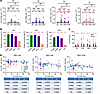 Figure 1
Binding antibodies and neutralizing antibodies induced by PBPV. (A) Specific antibody titers against P3296 (green), P5668 (blue), PRx1 (purple), and Ply (pink) were measured in the PBPV group (n = 30) at D0, D30, D90, and D180. (B) Positive conversion rates for P3296, P5668, PRx1, and Ply were assessed at D30, D90 and D180; positive response defined as a ≥4-fold increase in antibody titers compared with D0 levels. (C) Comparison of neutralizing antibody titers between the PBPV and PPV23 groups; data are shown as geometric mean with 95% CI. (D) Correlation analysis between specific antibody titers of the 4 PBPV immunogens (P3296, P5668, PRx1, and Ply) and neutralizing antibody titers against Ply. The numbers in magenta indicate the geometric mean titers in A and C and positive conversion rates in B. Significance was measured using Wilcoxon’s rank-sum test in A, Mann-Whitney test in C, and simple linear regression analysis in D. All P values were adjusted for multiple testing using the Benjamini–Hochberg (BH) method. **P < 0.01, ***P < 0.001.
Given the conserved nature and host cell–lysing properties of Ply, we further investigated the neutralizing ability of Ply-specific antibodies induced by PBPV. Using the rabbit erythrocyte-Ply lysis inhibition assay, we measured Ply-neutralizing antibody titers in the PBPV and PPV23 groups at D0, D30, D90, and D180 (Figure 1C). Although the PBPV group reached peak neutralizing antibody levels at D30, the increase was modest compared with baseline levels. Moreover, the Ply neutralization capacity of the PBPV group was comparable with that of the PPV23 group. Correlation analysis revealed that only Ply-specific antibody titers were significantly associated with Ply neutralization titers (Figure 1D). However, the Ply-neutralizing capacity of individuals vaccinated with PPV23 was largely derived from preexisting Ply-neutralizing antibodies and was not associated with the duration of PPV23 vaccination (Supplemental Figure 3, A–E). These results suggest that while PBPV induces Ply-specific antibodies, its ability to generate Ply-neutralizing antibodies remains limited.
PBPV induces a broader but less sustained opsonophagocytic ability compared with PPV23. Building on the findings that PBPV effectively induces PspA- and Ply-specific antibodies, with superior immunogenicity for PspA-specific responses but limited Ply-neutralizing activity, we further investigated whether these antibodies could mediate functional immune protection. To evaluate this, we performed opsonophagocytic activity (OPA) assays, which simulate in vivo immune protection by measuring antibody-mediated opsonophagocytic killing of bacteria in the presence of complement. Additionally, to assess whether PBPV provides broader immune protection against different SPn serotypes and to compare its immune protection strength and maintenance with the traditional PPV23, we measured the OPA indices in both PBPV- and PPV23-vaccinated populations. The OPA assay included 4 SPn serotypes (4, 11A, 17F, and 14) covered by PPV23 and 2 serotypes (6A and 38F) not included in PPV23, representing the 3 PspA families. Measurements were taken at D0, D30, D90, and D180.
The results revealed distinct serotype-specific immune responses between the PBPV and PPV23 groups. The PBPV group exhibited strong OPA against serotypes 6A, 4, and 11A, while the PPV23 group showed a dominant response primarily against serotype 17F (Figure 2, A and D). This indicates that PBPV induces broader immune protection across multiple serotypes, whereas PPV23 elicits a more targeted response to specific serotypes. Further analysis of the OPA indices for 4 pneumococcal serotypes (4, 14, 11A, and 17F) included in PPV23 showed that at least 7 individuals (7/30) in the PBPV group and 10 individuals (10/30) in the PPV23 group demonstrated OPA against at least 3 serotypes (Figure 2, A and D). Although the dominant serotype responses in both groups remained consistent at D90 and D180, the strength of the responses declined over time (Supplemental Figure 4, A and D, and Supplemental Figure 5, A and D). Notably, no significant correlation was observed between response strength and age in either the PBPV or PPV23 group (Figure 2, B and E, Supplemental Figure 4, B and E, and Supplemental Figure 5, B and E), which contrasts with the previously reported age-dependent effectiveness of PCV13 (25). Similarly, when comparing gender among vaccine recipients, no significant differences were observed in response strength, extent, or rank (Figure 2, C and F, Supplemental Figure 4, C and F, and Supplemental Figure 5, C and F).
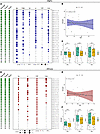 Figure 2
Comparative analysis of OPA induced by PBPV and PPV23 at D30. (A and D) The OPA elicited by PBPV and PPV23 at D30 is presented. The left panel illustrates the strength [log2(sum fold change)], extent, and rank of OPA reactions: strength means the sum of fold change values between baseline and D30 for all serotypes; extent means the number of serotypes (of 4) to which the donor elicits marked (that is, an OPA titer of ≥2) responses; and rank means an individual’s vaccine responsiveness in the cohort based on aggregate responses for all serotypes, where higher ranks represent stronger responses. The bubble plot uses color coding to indicate marked responses (log2 fold change > 1): blue and red denote a marked enhancement of OPA functionality (D30/D0 OPA value ≥ 2), and gray indicates a value ≤ 2. Bubble size represents the magnitude of the response. Information on participant ID, gender (F for female, M for male), and age is provided at right. (B and E) Correlation between OPA response intensity and age at D30 with PBPV and PPV23. (C and F) Gender-based differences in OPA response intensity, magnitude, and grade at D30 with PBPV and PPV23. Box-and-whisker plots display the median and IQR (25%–75%), with whiskers indicating values within 1.5 × IQR above and below the quartiles.
To further characterize the distinct immune protection profiles of PBPV and PPV23, we compared their opsonophagocytic activities against different SPn serotypes. PBPV demonstrated broad-spectrum efficacy, successfully mediating opsonophagocytosis against 2 serotypes (6A and 38F) not covered by PPV23, with activity persisting until D90 (Figure 3A). For serotypes 4, 14, 11A, and 17F, which are included in PPV23, both vaccines induced varying levels of OPA from D30 to D180. Notably, PPV23 exhibited superior activity against serotype 14 (D30: 6,375 vs. 3,797, 1.7-fold; D90: 6,383 vs. 2,657, 2.4-fold; D180: 4,916 vs. 1,657, 3.0-fold) and serotype 17F (D30: 9,261 vs. 3,108, 3.0-fold; D90: 9,220 vs. 2,521, 3.7-fold; D180: 7,137 vs. 1,374, 5.2-fold) compared with PBPV. In contrast, PBPV induced stronger activity against serotype 4 (D30: 11,672 vs. 3,202, 3.6-fold; D90: 7,028 vs. 2,753, 2.6-fold; D180: 3,927 vs. 2.220, 1.8-fold) and serotype 11A (D30: 13,007 vs. 3,598, 3.6-fold; D90: 6,128 vs. 3,291, 1.9-fold) compared with PPV23 (Figure 3A).
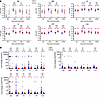 Figure 3
Comparative analysis of OPA between the PBPV and PPV23 groups. (A) OPA mediated by 6 serotypes (6A, 38F, 4, 11A, 14, and 17F) was assessed in 60 vaccine recipients (PBPV group, n = 30; PPV23 group, n = 30) at D0, D30, D90, and D180. The differences in OPA between the PBPV and PPV23 groups were evaluated across these time points. (B) Fold changes in OPA indices were analyzed to compare differences between PBPV and PPV23 at D30/D0, D30/D90, and D30/D180. The numbers in magenta indicate the geometric mean titers (GMT) in A and the mean fold change in each group in B. Significance was measured using the Mann-Whitney test in A and B. Data are shown as geometric mean with 95% CI in A and B. All P values were adjusted for multiple testing using the BH method. *P < 0.05, **P < 0.01, ***P < 0.001.
It is noteworthy that the temporal kinetics of immune protection revealed critical differences. While PBPV achieved rapid OPA induction (D30/D0 ratios exceeding PPV23), its activity declined more sharply over time, as evidenced by steeper D30/D180 ratios (Figure 3B). This contrasted with PPV23’s comparatively stable maintenance of OPA levels, particularly for its dominant serotypes. These findings clearly showed that PBPV is a broader candidate capable of targeting non-PPV23 serotypes, albeit with shorter-lived efficacy, while PPV23 maintains superiority for specific high-risk serotypes through durable protection.
PRx1-specific IgG3 exhibits weaker induction potency but stronger persistence. Characterizing the antibody subclass profiles is essential for understanding the composition and functional properties of the antibody repertoire induced by PBPV. The distinct composition of antibody subclasses, including IgG1, IgG2, IgG3, and IgG4, plays a critical role in determining the functional properties of antibodies, such as complement activation, opsonophagocytosis, and Fc-mediated effector functions. We analyzed the levels of P3296-, P5668-, and PRx1-specific IgG1, IgG2, IgG3, and IgG4 subclasses at 4 time points using ELISA. The overall kinetic trends of IgG1, IgG2, and IgG3 for P3296, P5668, and PRx1 were consistent with those of total IgG. Notably, IgG4 antibody titers for all 3 proteins were sustained at D180 after peaking at D30, showing no marked decline (Supplemental Figure 6, A–C). We then compared the induction (D30/D0) and maintenance (D30/D90) capabilities of the 3 protein-specific antibody subclasses. In terms of induction ability, P5668-specific IgG2 levels were substantially higher than those of P3296 (8.3 vs. 4.5, 1.9-fold) and PRx1 (8.3 vs. 4.2, 2.0-fold). PRx1-specific IgG3 levels were lower than those of P3296 (10.6 vs. 20.1, 1.9-fold) and P5668 (10.6 vs. 17.9, 1.7-fold). Similarly, PRx1-specific IgG4 levels tended to be lower than those of P5668 (2.9 vs. 11.9, 4.0-fold) (Figure 4A). Regarding maintenance ability, PRx1-specific IgG3 levels were higher than those of P3296 (2.5 vs. 1.9, 1.3-fold) and P5668 (2.4 vs. 1.9, 1.3-fold) (Figure 4B). These results indicate that the induction ability of PRx1-specific antibody subclasses was generally weaker compared with P3296 and P5668, while all 3 proteins exhibited similar maintenance abilities overall.
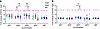 Figure 4
Antibody subclasses induced by PBPV. (A and B) Fold change in titers of antibody subclasses (IgG1, IgG2, IgG3, IgG4, and IgM) induced against P3296 (green), P5668 (blue), and PRx1 (purple) in vaccinated subjects. The numbers in magenta indicate the mean fold change in each group. Significance was measured using a paired, 2-tailed t test or Wilcoxon’s rank-sum test in A and B. Data are shown as geometric mean with 95% CI. All P values were adjusted for multiple testing using the BH method. *P < 0.05, **P < 0.01.
PspA-specific antibody subclasses mediating OPA differ across post-PBPV immunization time points. The specific antibody subclasses induced by different SPn vaccines varied markedly, and the dominant Ig subclass correlating with OPA also differed. To investigate the functional relevance of the antibody responses induced by PBPV, we first assessed the correlation between the 4 specific antibodies and the OPA indices of 6 serotypes using multiple correlation coefficient analysis. Notably, serotype 4 exhibited a strong and sustained association at D30 (R = 0.675), D90 (R = 0.737), and D180 (R = 0.748) (Figure 5A). In contrast, only serotype 11A showed a weak correlation (R = 0.4) with Ply-specific antibody titers (Supplemental Figure 7A). Combined with the earlier ELISA results (Figure 1, A and B), these findings suggest that the Ply-specific antibodies induced by PBPV are insufficient to effectively correlate with OPA.
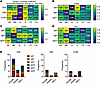 Figure 5
The dominant antibody subclass correlating OPA with different serotypes varies among different PspA proteins. (A) Multiple correlation coefficient analysis was conducted between the OPA indices for 6 serotypes (6A, 38F, 14, 4, 17F, and 11A) and the composite antibody titers of 4 immunogens in 30 subjects at D30, D90, and D180. The heatmap presents the correlation coefficients and corresponding P values. (B–D) Spearman’s correlation analysis between the antibody subclasses of P3296, P5668, and PRx1 and the OPA indices for the 6 serotypes at D30. (E) The frequency of serotype-specific responses elicited by different antibody subclasses at D30, D90, and D180. Significance was measured using Spearman’s correlation analysis in A–D. All P values were adjusted for multiple testing using the BH method. *P < 0.05, **P < 0.01, ***P < 0.001.
Based on these observations, we further evaluated the influence of PspA-specific antibody subclasses on OPA by performing Spearman’s correlation analysis between the OPA indices of different serotypes and the titers of P3296-, P5668-, and PRx1-specific antibody subclasses. Notably, the IgG titers of P3296, P5668, and PRx1 showed a significant correlation with the OPA indices of serotype 38F. Similarly, P3296 and PRx1 IgG titers exhibited an association with the OPA indices of serotype 6A, while P3296 IgG titers alone correlated significantly with the OPA indices of serotypes 4 and 11A. Interestingly, the OPA indices of serotype 14 was more strongly associated with IgM titers of the 3 PspA proteins rather than IgG titers, indicating that IgG-correlated OPA is markedly more potent than IgM-correlated OPA. Additionally, the dominant IgG subclass correlating with OPA varied across serotypes and proteins: (a) for P3296, the OPA indices of serotypes 6A, 38F, and 4 were significantly correlated with IgG1 titers (R = 0.509, 0.426 and 0.454). (b) For P5668, the IgG3 titers were correlated with the OPA indices of serotypes 6A and 11A (R = 0.575 and 0.481). (c) For PRx1, the OPA indices of serotypes 6A, 38F, and 4 were significantly correlated with the IgG2 titers (R = 0.575, 0.612, and 0.496) (Figure 5, B–D, and Supplemental Figure 7B).
Furthermore, the degree and number of correlations between the OPA indices of the 6 SPn serotypes and the titers of the 3 protein-specific antibodies (P3296, P5668, and PRx1) gradually decreased over time (Figure 5E and Supplemental Figure 8, A and B). Surprisingly, the P3296-specific IgG and IgG1 titers remained strongly associated with the OPA index of serotype 4 even at D180 (Figure 5B and Supplemental Figure 8, A and B). These results highlight the complex and dynamic nature of antibody-correlated OPA, with distinct roles for different antibody subclasses and proteins in correlating functional immune protection.
The dominant antibody subclasses correlating with ADNKA, ADCP, and ADNP varied across different PspA-specific antibodies. Antibodies bind epitopes via Fab regions and engage Fc receptors on immune cells through their Fc regions, correlating functions such as antibody-dependent NK cell activation (ADNKA), antibody-dependent cellular phagocytosis (ADCP), and antibody-dependent neutrophil phagocytosis (ADNP). While PspA-specific antibodies induce OPA, their roles in ADNKA, ADCP, and ADNP remain less explored. Investigating the contributions of P3296-, P5668-, and PRx1-specific antibodies and their subclasses to these functions not only reveals their broader immune roles but also provides a more comprehensive understanding of the PBPV-induced immune response in humans.
To assess the ADNKA-inducing capacity of P3296-, P5668-, and PRx1-specific antibodies, we performed an in vitro NK cell–antibody coculture assay. Compared with baseline (D0), D30 antibodies markedly enhanced NK cell secretion of IFN-γ, TNF, CD107a, and MIP-1β, with similar responses across the 3 protein-specific antibody groups (Figure 6, A–D). Correlation analysis revealed distinct dominant antibody subclasses correlating with ADNKA: P3296- and PRx1-specific IgG3 showed strong correlations, while P5668-specific IgG2 showed the strongest association (Figure 6, B–D, and Supplemental Figure 9, A and B). Notably, P3296-specific ADNKA correlated with OPA indices of serotypes 4 and 11A (Figure 6B and Supplemental Figure 9, A and B). These findings highlight the differential mechanisms of NK cell activation by PspA-specific antibodies and their potential contribution to OPA of specific serotype.
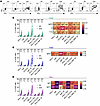 Figure 6
Analysis of dominant subclasses of different PspA-specific antibodies in inducing NK cell activation. (A) Representative flow cytometry dot plots. Responses include the secretion of IFN-γ, TNF, and MIP-1β and the expression of CD107a. NC, Negative Control, i.e., replacing the sample serum with Dulbecco’s PBS; all other operational procedures are consistent with those of the experimental group. (B–D) The left part presents the corresponding statistical analyses of NK cell responses to the 3 PspA proteins. The right part presents the correlation analysis linking NK cell effector functions with antibody titer and the OPA indices for the 6 serotypes. Significance was measured using Wilcoxon’s rank-sum test and Spearman’s correlation analysis in B–D. All P values were adjusted for multiple testing using the BH method. *P < 0.05, **P < 0.01, ***P < 0.001.
We further evaluated the ability of P3296-, P5668-, and PRx1-specific antibodies to correlate with ADCP. While P3296- and P5668-specific antibodies markedly enhanced THP-1 cell phagocytosis of their respective target proteins, PRx1-specific antibodies lacked this functionality (Figure 7, A and B). Among the 3, P5668-specific antibodies demonstrated the strongest ADCP-inducing capacity, followed by PRx1, with P3296 showing the weakest activity (Figure 7C). However, when we attempted to identify the potential IgG antibody subclasses that possibly correlate with ADCP through correlation analysis, we did not detect any significant correlations (Figure 7D). In addition, only P5668-specific ADCP correlated with OPA index against serotype 17F (R = 0.484) (Figure 7E), suggesting that P5668-specific antibodies may preferentially correlate phagocytic killing of this serotype through monocytes rather than neutrophils.
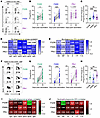 Figure 7
ADCP and ADNP induced by PBPV. (A and F) Representative flow cytometry dot plots illustrating the phagocytic ability of THP-1/neutrophil induced by PBPV. (B and G) The phagocytic capacity of THP-1/neutrophils induced by P3296, P5668, and PRx1 at D0 and D30. (C and H) Fold change in phagocytic capacity of THP-1/neutrophils induced by P3296, P5668, and PRx1 at D30. Data are presented as mean ± SEM. (D and I) Correlation analysis between phagocytic ability of THP-1/neutrophil and antibody titers against P3296, P5668, and PRx1. (E and J) Correlation analysis between phagocytic ability of THP-1/neutrophil and the OPA indices of 6 serotypes (6A, 38F, 14, 4, 17F, and 11A). Significance was measured using Wilcoxon’s rank-sum test in B, C, G, and H and Spearman’s correlation analysis in D, E, I, and J. All P values were adjusted for multiple testing using the BH method. *P < 0.05, **P < 0.01, ***P < 0.001.
In assessing ADNP induction, P3296-, P5668-, and PRx1-specific antibodies all markedly enhanced neutrophil phagocytosis (Figure 7, F and G), with PRx1-specific antibodies demonstrating the strongest activity (Figure 7H). Correlation analysis revealed distinct dominant antibody subclasses correlating with ADNP: P3296-associated ADNP correlated with IgG3 (R = 0.568) and P5668 with IgG2 (R = 0.494; Figure 7I), indicating variability in subclass dominance across proteins. Furthermore, ADNP induced by P3296 correlated with OPA against serotypes 4 and 11A (R = 0.514 and 0.441), while PRx1-associated ADNP only correlated with serotype 17F (R = 0.445) (Figure 7J). Combined with earlier OPA results, these findings suggest that neutrophil phagocytosis correlated by PspA-specific antibodies may be partially diminished without complement involvement, highlighting the critical role of complement activation in enhancing neutrophil-correlated immune responses.


Copyright © 2026 American Society for Clinical Investigation
ISSN: 0021-9738 (print), 1558-8238 (online)