
Advertisement
Research ArticleAutoimmunityImmunology
Open Access |  10.1172/JCI195214
ANKRD55 is a key regulator of T cell inflammation in multiple sclerosis
Chuyu Wu,1 Meiling Jiang,2 Xue Yang,1 Yixuan Liu,1 Bin Huang,1 Yi Guo,1 Runjing Cao,3 Zhihui Cui,4,5,6 Guozhen Deng,1 Weiyan Wang,1 Mengdi Guo,1 Zhiyong Lin,1 Jiahui Fan,1 Lin-ming Zhang,7 Lorenzo Di Cesare Mannelli,8 Tao Pang,9 Chenhui Wang,4,5,6 and Cun-Jin Zhang1
1Department of Neurology, Sichuan Provincial People’s Hospital, School of Medicine, University of Electronic Science and Technology of China, Chengdu, China.
2Department of Science and Technology, Sichuan Provincial People’s Hospital, University of Electronic Science and Technology of China, Chengdu, China.
3Center for Rehabilitation Medicine, Department of Neurology, Zhejiang Provincial People’s Hospital, Affiliated People’s Hospital, Hangzhou Medical College, Hangzhou, China.
4The Key Laboratory for Human Disease Gene Study of Sichuan Province and the Department of Laboratory Medicine, Sichuan Provincial People’s Hospital, University of Electronic Science and Technology of China, Chengdu, China.
5Research Unit for Blindness Prevention of the Chinese Academy of Medical Sciences, Sichuan Academy of Medical Sciences and Sichuan Provincial People’s Hospital, Chengdu, China.
6Sichuan Medical Laboratory Clinical Medical Research Center, Sichuan Provincial People’s Hospital, Chengdu, China.
7Department of Neurology, The First Affiliated Hospital of Kunming Medical University, Kunming, China.
8Department of Neurosciences, Psychology, Drug Research and Child Health (NEUROFARBA), Section of Pharmacology and Toxicology, University of Florence, Florence, Italy.
9State Key Laboratory of Natural Medicines, New Drug Screening and Pharmacodynamics Evaluation Center, Key Laboratory of Drug Quality Control and Pharmacovigilance (Ministry of Education), China Pharmaceutical University, Nanjing, China.
Address correspondence to: Tao Pang, China Pharmaceutical University, No. 24 Tongjia Lane, Nanjing 210009, China. Email: tpang@cpu.edu.cn. Or to: Chenhui Wang, Sichuan Provincial People’s Hospital University of Electronic Science and Technology of China, No. 4, Section 2, North Jianshe Road, Chengdu 610072, China. Email: wangch@uestc.edu.cn. Or to: Cun-Jin Zhang, Department of Neurology, Sichuan Provincial People’s Hospital, School of Medicine, University of Electronic Science and Technology of China, No. 4, Section 2, North Jianshe Road, Chengdu 610072, China. Phone: 86.028.83201060; Email: zhang-cunjin516@163.com.
Authorship note: C. Wu, MJ, and XY contributed equally to this work.
Find articles by Wu, C. in: PubMed | Google Scholar
1Department of Neurology, Sichuan Provincial People’s Hospital, School of Medicine, University of Electronic Science and Technology of China, Chengdu, China.
2Department of Science and Technology, Sichuan Provincial People’s Hospital, University of Electronic Science and Technology of China, Chengdu, China.
3Center for Rehabilitation Medicine, Department of Neurology, Zhejiang Provincial People’s Hospital, Affiliated People’s Hospital, Hangzhou Medical College, Hangzhou, China.
4The Key Laboratory for Human Disease Gene Study of Sichuan Province and the Department of Laboratory Medicine, Sichuan Provincial People’s Hospital, University of Electronic Science and Technology of China, Chengdu, China.
5Research Unit for Blindness Prevention of the Chinese Academy of Medical Sciences, Sichuan Academy of Medical Sciences and Sichuan Provincial People’s Hospital, Chengdu, China.
6Sichuan Medical Laboratory Clinical Medical Research Center, Sichuan Provincial People’s Hospital, Chengdu, China.
7Department of Neurology, The First Affiliated Hospital of Kunming Medical University, Kunming, China.
8Department of Neurosciences, Psychology, Drug Research and Child Health (NEUROFARBA), Section of Pharmacology and Toxicology, University of Florence, Florence, Italy.
9State Key Laboratory of Natural Medicines, New Drug Screening and Pharmacodynamics Evaluation Center, Key Laboratory of Drug Quality Control and Pharmacovigilance (Ministry of Education), China Pharmaceutical University, Nanjing, China.
Address correspondence to: Tao Pang, China Pharmaceutical University, No. 24 Tongjia Lane, Nanjing 210009, China. Email: tpang@cpu.edu.cn. Or to: Chenhui Wang, Sichuan Provincial People’s Hospital University of Electronic Science and Technology of China, No. 4, Section 2, North Jianshe Road, Chengdu 610072, China. Email: wangch@uestc.edu.cn. Or to: Cun-Jin Zhang, Department of Neurology, Sichuan Provincial People’s Hospital, School of Medicine, University of Electronic Science and Technology of China, No. 4, Section 2, North Jianshe Road, Chengdu 610072, China. Phone: 86.028.83201060; Email: zhang-cunjin516@163.com.
Authorship note: C. Wu, MJ, and XY contributed equally to this work.
Find articles by Jiang, M. in: PubMed | Google Scholar
1Department of Neurology, Sichuan Provincial People’s Hospital, School of Medicine, University of Electronic Science and Technology of China, Chengdu, China.
2Department of Science and Technology, Sichuan Provincial People’s Hospital, University of Electronic Science and Technology of China, Chengdu, China.
3Center for Rehabilitation Medicine, Department of Neurology, Zhejiang Provincial People’s Hospital, Affiliated People’s Hospital, Hangzhou Medical College, Hangzhou, China.
4The Key Laboratory for Human Disease Gene Study of Sichuan Province and the Department of Laboratory Medicine, Sichuan Provincial People’s Hospital, University of Electronic Science and Technology of China, Chengdu, China.
5Research Unit for Blindness Prevention of the Chinese Academy of Medical Sciences, Sichuan Academy of Medical Sciences and Sichuan Provincial People’s Hospital, Chengdu, China.
6Sichuan Medical Laboratory Clinical Medical Research Center, Sichuan Provincial People’s Hospital, Chengdu, China.
7Department of Neurology, The First Affiliated Hospital of Kunming Medical University, Kunming, China.
8Department of Neurosciences, Psychology, Drug Research and Child Health (NEUROFARBA), Section of Pharmacology and Toxicology, University of Florence, Florence, Italy.
9State Key Laboratory of Natural Medicines, New Drug Screening and Pharmacodynamics Evaluation Center, Key Laboratory of Drug Quality Control and Pharmacovigilance (Ministry of Education), China Pharmaceutical University, Nanjing, China.
Address correspondence to: Tao Pang, China Pharmaceutical University, No. 24 Tongjia Lane, Nanjing 210009, China. Email: tpang@cpu.edu.cn. Or to: Chenhui Wang, Sichuan Provincial People’s Hospital University of Electronic Science and Technology of China, No. 4, Section 2, North Jianshe Road, Chengdu 610072, China. Email: wangch@uestc.edu.cn. Or to: Cun-Jin Zhang, Department of Neurology, Sichuan Provincial People’s Hospital, School of Medicine, University of Electronic Science and Technology of China, No. 4, Section 2, North Jianshe Road, Chengdu 610072, China. Phone: 86.028.83201060; Email: zhang-cunjin516@163.com.
Authorship note: C. Wu, MJ, and XY contributed equally to this work.
Find articles by Yang, X. in: PubMed | Google Scholar
1Department of Neurology, Sichuan Provincial People’s Hospital, School of Medicine, University of Electronic Science and Technology of China, Chengdu, China.
2Department of Science and Technology, Sichuan Provincial People’s Hospital, University of Electronic Science and Technology of China, Chengdu, China.
3Center for Rehabilitation Medicine, Department of Neurology, Zhejiang Provincial People’s Hospital, Affiliated People’s Hospital, Hangzhou Medical College, Hangzhou, China.
4The Key Laboratory for Human Disease Gene Study of Sichuan Province and the Department of Laboratory Medicine, Sichuan Provincial People’s Hospital, University of Electronic Science and Technology of China, Chengdu, China.
5Research Unit for Blindness Prevention of the Chinese Academy of Medical Sciences, Sichuan Academy of Medical Sciences and Sichuan Provincial People’s Hospital, Chengdu, China.
6Sichuan Medical Laboratory Clinical Medical Research Center, Sichuan Provincial People’s Hospital, Chengdu, China.
7Department of Neurology, The First Affiliated Hospital of Kunming Medical University, Kunming, China.
8Department of Neurosciences, Psychology, Drug Research and Child Health (NEUROFARBA), Section of Pharmacology and Toxicology, University of Florence, Florence, Italy.
9State Key Laboratory of Natural Medicines, New Drug Screening and Pharmacodynamics Evaluation Center, Key Laboratory of Drug Quality Control and Pharmacovigilance (Ministry of Education), China Pharmaceutical University, Nanjing, China.
Address correspondence to: Tao Pang, China Pharmaceutical University, No. 24 Tongjia Lane, Nanjing 210009, China. Email: tpang@cpu.edu.cn. Or to: Chenhui Wang, Sichuan Provincial People’s Hospital University of Electronic Science and Technology of China, No. 4, Section 2, North Jianshe Road, Chengdu 610072, China. Email: wangch@uestc.edu.cn. Or to: Cun-Jin Zhang, Department of Neurology, Sichuan Provincial People’s Hospital, School of Medicine, University of Electronic Science and Technology of China, No. 4, Section 2, North Jianshe Road, Chengdu 610072, China. Phone: 86.028.83201060; Email: zhang-cunjin516@163.com.
Authorship note: C. Wu, MJ, and XY contributed equally to this work.
Find articles by Liu, Y. in: PubMed | Google Scholar
1Department of Neurology, Sichuan Provincial People’s Hospital, School of Medicine, University of Electronic Science and Technology of China, Chengdu, China.
2Department of Science and Technology, Sichuan Provincial People’s Hospital, University of Electronic Science and Technology of China, Chengdu, China.
3Center for Rehabilitation Medicine, Department of Neurology, Zhejiang Provincial People’s Hospital, Affiliated People’s Hospital, Hangzhou Medical College, Hangzhou, China.
4The Key Laboratory for Human Disease Gene Study of Sichuan Province and the Department of Laboratory Medicine, Sichuan Provincial People’s Hospital, University of Electronic Science and Technology of China, Chengdu, China.
5Research Unit for Blindness Prevention of the Chinese Academy of Medical Sciences, Sichuan Academy of Medical Sciences and Sichuan Provincial People’s Hospital, Chengdu, China.
6Sichuan Medical Laboratory Clinical Medical Research Center, Sichuan Provincial People’s Hospital, Chengdu, China.
7Department of Neurology, The First Affiliated Hospital of Kunming Medical University, Kunming, China.
8Department of Neurosciences, Psychology, Drug Research and Child Health (NEUROFARBA), Section of Pharmacology and Toxicology, University of Florence, Florence, Italy.
9State Key Laboratory of Natural Medicines, New Drug Screening and Pharmacodynamics Evaluation Center, Key Laboratory of Drug Quality Control and Pharmacovigilance (Ministry of Education), China Pharmaceutical University, Nanjing, China.
Address correspondence to: Tao Pang, China Pharmaceutical University, No. 24 Tongjia Lane, Nanjing 210009, China. Email: tpang@cpu.edu.cn. Or to: Chenhui Wang, Sichuan Provincial People’s Hospital University of Electronic Science and Technology of China, No. 4, Section 2, North Jianshe Road, Chengdu 610072, China. Email: wangch@uestc.edu.cn. Or to: Cun-Jin Zhang, Department of Neurology, Sichuan Provincial People’s Hospital, School of Medicine, University of Electronic Science and Technology of China, No. 4, Section 2, North Jianshe Road, Chengdu 610072, China. Phone: 86.028.83201060; Email: zhang-cunjin516@163.com.
Authorship note: C. Wu, MJ, and XY contributed equally to this work.
Find articles by Huang, B. in: PubMed | Google Scholar
1Department of Neurology, Sichuan Provincial People’s Hospital, School of Medicine, University of Electronic Science and Technology of China, Chengdu, China.
2Department of Science and Technology, Sichuan Provincial People’s Hospital, University of Electronic Science and Technology of China, Chengdu, China.
3Center for Rehabilitation Medicine, Department of Neurology, Zhejiang Provincial People’s Hospital, Affiliated People’s Hospital, Hangzhou Medical College, Hangzhou, China.
4The Key Laboratory for Human Disease Gene Study of Sichuan Province and the Department of Laboratory Medicine, Sichuan Provincial People’s Hospital, University of Electronic Science and Technology of China, Chengdu, China.
5Research Unit for Blindness Prevention of the Chinese Academy of Medical Sciences, Sichuan Academy of Medical Sciences and Sichuan Provincial People’s Hospital, Chengdu, China.
6Sichuan Medical Laboratory Clinical Medical Research Center, Sichuan Provincial People’s Hospital, Chengdu, China.
7Department of Neurology, The First Affiliated Hospital of Kunming Medical University, Kunming, China.
8Department of Neurosciences, Psychology, Drug Research and Child Health (NEUROFARBA), Section of Pharmacology and Toxicology, University of Florence, Florence, Italy.
9State Key Laboratory of Natural Medicines, New Drug Screening and Pharmacodynamics Evaluation Center, Key Laboratory of Drug Quality Control and Pharmacovigilance (Ministry of Education), China Pharmaceutical University, Nanjing, China.
Address correspondence to: Tao Pang, China Pharmaceutical University, No. 24 Tongjia Lane, Nanjing 210009, China. Email: tpang@cpu.edu.cn. Or to: Chenhui Wang, Sichuan Provincial People’s Hospital University of Electronic Science and Technology of China, No. 4, Section 2, North Jianshe Road, Chengdu 610072, China. Email: wangch@uestc.edu.cn. Or to: Cun-Jin Zhang, Department of Neurology, Sichuan Provincial People’s Hospital, School of Medicine, University of Electronic Science and Technology of China, No. 4, Section 2, North Jianshe Road, Chengdu 610072, China. Phone: 86.028.83201060; Email: zhang-cunjin516@163.com.
Authorship note: C. Wu, MJ, and XY contributed equally to this work.
Find articles by Guo, Y. in: PubMed | Google Scholar
1Department of Neurology, Sichuan Provincial People’s Hospital, School of Medicine, University of Electronic Science and Technology of China, Chengdu, China.
2Department of Science and Technology, Sichuan Provincial People’s Hospital, University of Electronic Science and Technology of China, Chengdu, China.
3Center for Rehabilitation Medicine, Department of Neurology, Zhejiang Provincial People’s Hospital, Affiliated People’s Hospital, Hangzhou Medical College, Hangzhou, China.
4The Key Laboratory for Human Disease Gene Study of Sichuan Province and the Department of Laboratory Medicine, Sichuan Provincial People’s Hospital, University of Electronic Science and Technology of China, Chengdu, China.
5Research Unit for Blindness Prevention of the Chinese Academy of Medical Sciences, Sichuan Academy of Medical Sciences and Sichuan Provincial People’s Hospital, Chengdu, China.
6Sichuan Medical Laboratory Clinical Medical Research Center, Sichuan Provincial People’s Hospital, Chengdu, China.
7Department of Neurology, The First Affiliated Hospital of Kunming Medical University, Kunming, China.
8Department of Neurosciences, Psychology, Drug Research and Child Health (NEUROFARBA), Section of Pharmacology and Toxicology, University of Florence, Florence, Italy.
9State Key Laboratory of Natural Medicines, New Drug Screening and Pharmacodynamics Evaluation Center, Key Laboratory of Drug Quality Control and Pharmacovigilance (Ministry of Education), China Pharmaceutical University, Nanjing, China.
Address correspondence to: Tao Pang, China Pharmaceutical University, No. 24 Tongjia Lane, Nanjing 210009, China. Email: tpang@cpu.edu.cn. Or to: Chenhui Wang, Sichuan Provincial People’s Hospital University of Electronic Science and Technology of China, No. 4, Section 2, North Jianshe Road, Chengdu 610072, China. Email: wangch@uestc.edu.cn. Or to: Cun-Jin Zhang, Department of Neurology, Sichuan Provincial People’s Hospital, School of Medicine, University of Electronic Science and Technology of China, No. 4, Section 2, North Jianshe Road, Chengdu 610072, China. Phone: 86.028.83201060; Email: zhang-cunjin516@163.com.
Authorship note: C. Wu, MJ, and XY contributed equally to this work.
Find articles by Cao, R. in: PubMed | Google Scholar
1Department of Neurology, Sichuan Provincial People’s Hospital, School of Medicine, University of Electronic Science and Technology of China, Chengdu, China.
2Department of Science and Technology, Sichuan Provincial People’s Hospital, University of Electronic Science and Technology of China, Chengdu, China.
3Center for Rehabilitation Medicine, Department of Neurology, Zhejiang Provincial People’s Hospital, Affiliated People’s Hospital, Hangzhou Medical College, Hangzhou, China.
4The Key Laboratory for Human Disease Gene Study of Sichuan Province and the Department of Laboratory Medicine, Sichuan Provincial People’s Hospital, University of Electronic Science and Technology of China, Chengdu, China.
5Research Unit for Blindness Prevention of the Chinese Academy of Medical Sciences, Sichuan Academy of Medical Sciences and Sichuan Provincial People’s Hospital, Chengdu, China.
6Sichuan Medical Laboratory Clinical Medical Research Center, Sichuan Provincial People’s Hospital, Chengdu, China.
7Department of Neurology, The First Affiliated Hospital of Kunming Medical University, Kunming, China.
8Department of Neurosciences, Psychology, Drug Research and Child Health (NEUROFARBA), Section of Pharmacology and Toxicology, University of Florence, Florence, Italy.
9State Key Laboratory of Natural Medicines, New Drug Screening and Pharmacodynamics Evaluation Center, Key Laboratory of Drug Quality Control and Pharmacovigilance (Ministry of Education), China Pharmaceutical University, Nanjing, China.
Address correspondence to: Tao Pang, China Pharmaceutical University, No. 24 Tongjia Lane, Nanjing 210009, China. Email: tpang@cpu.edu.cn. Or to: Chenhui Wang, Sichuan Provincial People’s Hospital University of Electronic Science and Technology of China, No. 4, Section 2, North Jianshe Road, Chengdu 610072, China. Email: wangch@uestc.edu.cn. Or to: Cun-Jin Zhang, Department of Neurology, Sichuan Provincial People’s Hospital, School of Medicine, University of Electronic Science and Technology of China, No. 4, Section 2, North Jianshe Road, Chengdu 610072, China. Phone: 86.028.83201060; Email: zhang-cunjin516@163.com.
Authorship note: C. Wu, MJ, and XY contributed equally to this work.
Find articles by Cui, Z. in: PubMed | Google Scholar
1Department of Neurology, Sichuan Provincial People’s Hospital, School of Medicine, University of Electronic Science and Technology of China, Chengdu, China.
2Department of Science and Technology, Sichuan Provincial People’s Hospital, University of Electronic Science and Technology of China, Chengdu, China.
3Center for Rehabilitation Medicine, Department of Neurology, Zhejiang Provincial People’s Hospital, Affiliated People’s Hospital, Hangzhou Medical College, Hangzhou, China.
4The Key Laboratory for Human Disease Gene Study of Sichuan Province and the Department of Laboratory Medicine, Sichuan Provincial People’s Hospital, University of Electronic Science and Technology of China, Chengdu, China.
5Research Unit for Blindness Prevention of the Chinese Academy of Medical Sciences, Sichuan Academy of Medical Sciences and Sichuan Provincial People’s Hospital, Chengdu, China.
6Sichuan Medical Laboratory Clinical Medical Research Center, Sichuan Provincial People’s Hospital, Chengdu, China.
7Department of Neurology, The First Affiliated Hospital of Kunming Medical University, Kunming, China.
8Department of Neurosciences, Psychology, Drug Research and Child Health (NEUROFARBA), Section of Pharmacology and Toxicology, University of Florence, Florence, Italy.
9State Key Laboratory of Natural Medicines, New Drug Screening and Pharmacodynamics Evaluation Center, Key Laboratory of Drug Quality Control and Pharmacovigilance (Ministry of Education), China Pharmaceutical University, Nanjing, China.
Address correspondence to: Tao Pang, China Pharmaceutical University, No. 24 Tongjia Lane, Nanjing 210009, China. Email: tpang@cpu.edu.cn. Or to: Chenhui Wang, Sichuan Provincial People’s Hospital University of Electronic Science and Technology of China, No. 4, Section 2, North Jianshe Road, Chengdu 610072, China. Email: wangch@uestc.edu.cn. Or to: Cun-Jin Zhang, Department of Neurology, Sichuan Provincial People’s Hospital, School of Medicine, University of Electronic Science and Technology of China, No. 4, Section 2, North Jianshe Road, Chengdu 610072, China. Phone: 86.028.83201060; Email: zhang-cunjin516@163.com.
Authorship note: C. Wu, MJ, and XY contributed equally to this work.
Find articles by Deng, G. in: PubMed | Google Scholar
1Department of Neurology, Sichuan Provincial People’s Hospital, School of Medicine, University of Electronic Science and Technology of China, Chengdu, China.
2Department of Science and Technology, Sichuan Provincial People’s Hospital, University of Electronic Science and Technology of China, Chengdu, China.
3Center for Rehabilitation Medicine, Department of Neurology, Zhejiang Provincial People’s Hospital, Affiliated People’s Hospital, Hangzhou Medical College, Hangzhou, China.
4The Key Laboratory for Human Disease Gene Study of Sichuan Province and the Department of Laboratory Medicine, Sichuan Provincial People’s Hospital, University of Electronic Science and Technology of China, Chengdu, China.
5Research Unit for Blindness Prevention of the Chinese Academy of Medical Sciences, Sichuan Academy of Medical Sciences and Sichuan Provincial People’s Hospital, Chengdu, China.
6Sichuan Medical Laboratory Clinical Medical Research Center, Sichuan Provincial People’s Hospital, Chengdu, China.
7Department of Neurology, The First Affiliated Hospital of Kunming Medical University, Kunming, China.
8Department of Neurosciences, Psychology, Drug Research and Child Health (NEUROFARBA), Section of Pharmacology and Toxicology, University of Florence, Florence, Italy.
9State Key Laboratory of Natural Medicines, New Drug Screening and Pharmacodynamics Evaluation Center, Key Laboratory of Drug Quality Control and Pharmacovigilance (Ministry of Education), China Pharmaceutical University, Nanjing, China.
Address correspondence to: Tao Pang, China Pharmaceutical University, No. 24 Tongjia Lane, Nanjing 210009, China. Email: tpang@cpu.edu.cn. Or to: Chenhui Wang, Sichuan Provincial People’s Hospital University of Electronic Science and Technology of China, No. 4, Section 2, North Jianshe Road, Chengdu 610072, China. Email: wangch@uestc.edu.cn. Or to: Cun-Jin Zhang, Department of Neurology, Sichuan Provincial People’s Hospital, School of Medicine, University of Electronic Science and Technology of China, No. 4, Section 2, North Jianshe Road, Chengdu 610072, China. Phone: 86.028.83201060; Email: zhang-cunjin516@163.com.
Authorship note: C. Wu, MJ, and XY contributed equally to this work.
Find articles by Wang, W. in: PubMed | Google Scholar
1Department of Neurology, Sichuan Provincial People’s Hospital, School of Medicine, University of Electronic Science and Technology of China, Chengdu, China.
2Department of Science and Technology, Sichuan Provincial People’s Hospital, University of Electronic Science and Technology of China, Chengdu, China.
3Center for Rehabilitation Medicine, Department of Neurology, Zhejiang Provincial People’s Hospital, Affiliated People’s Hospital, Hangzhou Medical College, Hangzhou, China.
4The Key Laboratory for Human Disease Gene Study of Sichuan Province and the Department of Laboratory Medicine, Sichuan Provincial People’s Hospital, University of Electronic Science and Technology of China, Chengdu, China.
5Research Unit for Blindness Prevention of the Chinese Academy of Medical Sciences, Sichuan Academy of Medical Sciences and Sichuan Provincial People’s Hospital, Chengdu, China.
6Sichuan Medical Laboratory Clinical Medical Research Center, Sichuan Provincial People’s Hospital, Chengdu, China.
7Department of Neurology, The First Affiliated Hospital of Kunming Medical University, Kunming, China.
8Department of Neurosciences, Psychology, Drug Research and Child Health (NEUROFARBA), Section of Pharmacology and Toxicology, University of Florence, Florence, Italy.
9State Key Laboratory of Natural Medicines, New Drug Screening and Pharmacodynamics Evaluation Center, Key Laboratory of Drug Quality Control and Pharmacovigilance (Ministry of Education), China Pharmaceutical University, Nanjing, China.
Address correspondence to: Tao Pang, China Pharmaceutical University, No. 24 Tongjia Lane, Nanjing 210009, China. Email: tpang@cpu.edu.cn. Or to: Chenhui Wang, Sichuan Provincial People’s Hospital University of Electronic Science and Technology of China, No. 4, Section 2, North Jianshe Road, Chengdu 610072, China. Email: wangch@uestc.edu.cn. Or to: Cun-Jin Zhang, Department of Neurology, Sichuan Provincial People’s Hospital, School of Medicine, University of Electronic Science and Technology of China, No. 4, Section 2, North Jianshe Road, Chengdu 610072, China. Phone: 86.028.83201060; Email: zhang-cunjin516@163.com.
Authorship note: C. Wu, MJ, and XY contributed equally to this work.
Find articles by Guo, M. in: PubMed | Google Scholar
1Department of Neurology, Sichuan Provincial People’s Hospital, School of Medicine, University of Electronic Science and Technology of China, Chengdu, China.
2Department of Science and Technology, Sichuan Provincial People’s Hospital, University of Electronic Science and Technology of China, Chengdu, China.
3Center for Rehabilitation Medicine, Department of Neurology, Zhejiang Provincial People’s Hospital, Affiliated People’s Hospital, Hangzhou Medical College, Hangzhou, China.
4The Key Laboratory for Human Disease Gene Study of Sichuan Province and the Department of Laboratory Medicine, Sichuan Provincial People’s Hospital, University of Electronic Science and Technology of China, Chengdu, China.
5Research Unit for Blindness Prevention of the Chinese Academy of Medical Sciences, Sichuan Academy of Medical Sciences and Sichuan Provincial People’s Hospital, Chengdu, China.
6Sichuan Medical Laboratory Clinical Medical Research Center, Sichuan Provincial People’s Hospital, Chengdu, China.
7Department of Neurology, The First Affiliated Hospital of Kunming Medical University, Kunming, China.
8Department of Neurosciences, Psychology, Drug Research and Child Health (NEUROFARBA), Section of Pharmacology and Toxicology, University of Florence, Florence, Italy.
9State Key Laboratory of Natural Medicines, New Drug Screening and Pharmacodynamics Evaluation Center, Key Laboratory of Drug Quality Control and Pharmacovigilance (Ministry of Education), China Pharmaceutical University, Nanjing, China.
Address correspondence to: Tao Pang, China Pharmaceutical University, No. 24 Tongjia Lane, Nanjing 210009, China. Email: tpang@cpu.edu.cn. Or to: Chenhui Wang, Sichuan Provincial People’s Hospital University of Electronic Science and Technology of China, No. 4, Section 2, North Jianshe Road, Chengdu 610072, China. Email: wangch@uestc.edu.cn. Or to: Cun-Jin Zhang, Department of Neurology, Sichuan Provincial People’s Hospital, School of Medicine, University of Electronic Science and Technology of China, No. 4, Section 2, North Jianshe Road, Chengdu 610072, China. Phone: 86.028.83201060; Email: zhang-cunjin516@163.com.
Authorship note: C. Wu, MJ, and XY contributed equally to this work.
Find articles by Lin, Z. in: PubMed | Google Scholar
1Department of Neurology, Sichuan Provincial People’s Hospital, School of Medicine, University of Electronic Science and Technology of China, Chengdu, China.
2Department of Science and Technology, Sichuan Provincial People’s Hospital, University of Electronic Science and Technology of China, Chengdu, China.
3Center for Rehabilitation Medicine, Department of Neurology, Zhejiang Provincial People’s Hospital, Affiliated People’s Hospital, Hangzhou Medical College, Hangzhou, China.
4The Key Laboratory for Human Disease Gene Study of Sichuan Province and the Department of Laboratory Medicine, Sichuan Provincial People’s Hospital, University of Electronic Science and Technology of China, Chengdu, China.
5Research Unit for Blindness Prevention of the Chinese Academy of Medical Sciences, Sichuan Academy of Medical Sciences and Sichuan Provincial People’s Hospital, Chengdu, China.
6Sichuan Medical Laboratory Clinical Medical Research Center, Sichuan Provincial People’s Hospital, Chengdu, China.
7Department of Neurology, The First Affiliated Hospital of Kunming Medical University, Kunming, China.
8Department of Neurosciences, Psychology, Drug Research and Child Health (NEUROFARBA), Section of Pharmacology and Toxicology, University of Florence, Florence, Italy.
9State Key Laboratory of Natural Medicines, New Drug Screening and Pharmacodynamics Evaluation Center, Key Laboratory of Drug Quality Control and Pharmacovigilance (Ministry of Education), China Pharmaceutical University, Nanjing, China.
Address correspondence to: Tao Pang, China Pharmaceutical University, No. 24 Tongjia Lane, Nanjing 210009, China. Email: tpang@cpu.edu.cn. Or to: Chenhui Wang, Sichuan Provincial People’s Hospital University of Electronic Science and Technology of China, No. 4, Section 2, North Jianshe Road, Chengdu 610072, China. Email: wangch@uestc.edu.cn. Or to: Cun-Jin Zhang, Department of Neurology, Sichuan Provincial People’s Hospital, School of Medicine, University of Electronic Science and Technology of China, No. 4, Section 2, North Jianshe Road, Chengdu 610072, China. Phone: 86.028.83201060; Email: zhang-cunjin516@163.com.
Authorship note: C. Wu, MJ, and XY contributed equally to this work.
Find articles by Fan, J. in: PubMed | Google Scholar
1Department of Neurology, Sichuan Provincial People’s Hospital, School of Medicine, University of Electronic Science and Technology of China, Chengdu, China.
2Department of Science and Technology, Sichuan Provincial People’s Hospital, University of Electronic Science and Technology of China, Chengdu, China.
3Center for Rehabilitation Medicine, Department of Neurology, Zhejiang Provincial People’s Hospital, Affiliated People’s Hospital, Hangzhou Medical College, Hangzhou, China.
4The Key Laboratory for Human Disease Gene Study of Sichuan Province and the Department of Laboratory Medicine, Sichuan Provincial People’s Hospital, University of Electronic Science and Technology of China, Chengdu, China.
5Research Unit for Blindness Prevention of the Chinese Academy of Medical Sciences, Sichuan Academy of Medical Sciences and Sichuan Provincial People’s Hospital, Chengdu, China.
6Sichuan Medical Laboratory Clinical Medical Research Center, Sichuan Provincial People’s Hospital, Chengdu, China.
7Department of Neurology, The First Affiliated Hospital of Kunming Medical University, Kunming, China.
8Department of Neurosciences, Psychology, Drug Research and Child Health (NEUROFARBA), Section of Pharmacology and Toxicology, University of Florence, Florence, Italy.
9State Key Laboratory of Natural Medicines, New Drug Screening and Pharmacodynamics Evaluation Center, Key Laboratory of Drug Quality Control and Pharmacovigilance (Ministry of Education), China Pharmaceutical University, Nanjing, China.
Address correspondence to: Tao Pang, China Pharmaceutical University, No. 24 Tongjia Lane, Nanjing 210009, China. Email: tpang@cpu.edu.cn. Or to: Chenhui Wang, Sichuan Provincial People’s Hospital University of Electronic Science and Technology of China, No. 4, Section 2, North Jianshe Road, Chengdu 610072, China. Email: wangch@uestc.edu.cn. Or to: Cun-Jin Zhang, Department of Neurology, Sichuan Provincial People’s Hospital, School of Medicine, University of Electronic Science and Technology of China, No. 4, Section 2, North Jianshe Road, Chengdu 610072, China. Phone: 86.028.83201060; Email: zhang-cunjin516@163.com.
Authorship note: C. Wu, MJ, and XY contributed equally to this work.
Find articles by Zhang, L. in: PubMed | Google Scholar
1Department of Neurology, Sichuan Provincial People’s Hospital, School of Medicine, University of Electronic Science and Technology of China, Chengdu, China.
2Department of Science and Technology, Sichuan Provincial People’s Hospital, University of Electronic Science and Technology of China, Chengdu, China.
3Center for Rehabilitation Medicine, Department of Neurology, Zhejiang Provincial People’s Hospital, Affiliated People’s Hospital, Hangzhou Medical College, Hangzhou, China.
4The Key Laboratory for Human Disease Gene Study of Sichuan Province and the Department of Laboratory Medicine, Sichuan Provincial People’s Hospital, University of Electronic Science and Technology of China, Chengdu, China.
5Research Unit for Blindness Prevention of the Chinese Academy of Medical Sciences, Sichuan Academy of Medical Sciences and Sichuan Provincial People’s Hospital, Chengdu, China.
6Sichuan Medical Laboratory Clinical Medical Research Center, Sichuan Provincial People’s Hospital, Chengdu, China.
7Department of Neurology, The First Affiliated Hospital of Kunming Medical University, Kunming, China.
8Department of Neurosciences, Psychology, Drug Research and Child Health (NEUROFARBA), Section of Pharmacology and Toxicology, University of Florence, Florence, Italy.
9State Key Laboratory of Natural Medicines, New Drug Screening and Pharmacodynamics Evaluation Center, Key Laboratory of Drug Quality Control and Pharmacovigilance (Ministry of Education), China Pharmaceutical University, Nanjing, China.
Address correspondence to: Tao Pang, China Pharmaceutical University, No. 24 Tongjia Lane, Nanjing 210009, China. Email: tpang@cpu.edu.cn. Or to: Chenhui Wang, Sichuan Provincial People’s Hospital University of Electronic Science and Technology of China, No. 4, Section 2, North Jianshe Road, Chengdu 610072, China. Email: wangch@uestc.edu.cn. Or to: Cun-Jin Zhang, Department of Neurology, Sichuan Provincial People’s Hospital, School of Medicine, University of Electronic Science and Technology of China, No. 4, Section 2, North Jianshe Road, Chengdu 610072, China. Phone: 86.028.83201060; Email: zhang-cunjin516@163.com.
Authorship note: C. Wu, MJ, and XY contributed equally to this work.
Find articles by Di Cesare Mannelli, L. in: PubMed | Google Scholar
1Department of Neurology, Sichuan Provincial People’s Hospital, School of Medicine, University of Electronic Science and Technology of China, Chengdu, China.
2Department of Science and Technology, Sichuan Provincial People’s Hospital, University of Electronic Science and Technology of China, Chengdu, China.
3Center for Rehabilitation Medicine, Department of Neurology, Zhejiang Provincial People’s Hospital, Affiliated People’s Hospital, Hangzhou Medical College, Hangzhou, China.
4The Key Laboratory for Human Disease Gene Study of Sichuan Province and the Department of Laboratory Medicine, Sichuan Provincial People’s Hospital, University of Electronic Science and Technology of China, Chengdu, China.
5Research Unit for Blindness Prevention of the Chinese Academy of Medical Sciences, Sichuan Academy of Medical Sciences and Sichuan Provincial People’s Hospital, Chengdu, China.
6Sichuan Medical Laboratory Clinical Medical Research Center, Sichuan Provincial People’s Hospital, Chengdu, China.
7Department of Neurology, The First Affiliated Hospital of Kunming Medical University, Kunming, China.
8Department of Neurosciences, Psychology, Drug Research and Child Health (NEUROFARBA), Section of Pharmacology and Toxicology, University of Florence, Florence, Italy.
9State Key Laboratory of Natural Medicines, New Drug Screening and Pharmacodynamics Evaluation Center, Key Laboratory of Drug Quality Control and Pharmacovigilance (Ministry of Education), China Pharmaceutical University, Nanjing, China.
Address correspondence to: Tao Pang, China Pharmaceutical University, No. 24 Tongjia Lane, Nanjing 210009, China. Email: tpang@cpu.edu.cn. Or to: Chenhui Wang, Sichuan Provincial People’s Hospital University of Electronic Science and Technology of China, No. 4, Section 2, North Jianshe Road, Chengdu 610072, China. Email: wangch@uestc.edu.cn. Or to: Cun-Jin Zhang, Department of Neurology, Sichuan Provincial People’s Hospital, School of Medicine, University of Electronic Science and Technology of China, No. 4, Section 2, North Jianshe Road, Chengdu 610072, China. Phone: 86.028.83201060; Email: zhang-cunjin516@163.com.
Authorship note: C. Wu, MJ, and XY contributed equally to this work.
Find articles by Pang, T. in: PubMed | Google Scholar
1Department of Neurology, Sichuan Provincial People’s Hospital, School of Medicine, University of Electronic Science and Technology of China, Chengdu, China.
2Department of Science and Technology, Sichuan Provincial People’s Hospital, University of Electronic Science and Technology of China, Chengdu, China.
3Center for Rehabilitation Medicine, Department of Neurology, Zhejiang Provincial People’s Hospital, Affiliated People’s Hospital, Hangzhou Medical College, Hangzhou, China.
4The Key Laboratory for Human Disease Gene Study of Sichuan Province and the Department of Laboratory Medicine, Sichuan Provincial People’s Hospital, University of Electronic Science and Technology of China, Chengdu, China.
5Research Unit for Blindness Prevention of the Chinese Academy of Medical Sciences, Sichuan Academy of Medical Sciences and Sichuan Provincial People’s Hospital, Chengdu, China.
6Sichuan Medical Laboratory Clinical Medical Research Center, Sichuan Provincial People’s Hospital, Chengdu, China.
7Department of Neurology, The First Affiliated Hospital of Kunming Medical University, Kunming, China.
8Department of Neurosciences, Psychology, Drug Research and Child Health (NEUROFARBA), Section of Pharmacology and Toxicology, University of Florence, Florence, Italy.
9State Key Laboratory of Natural Medicines, New Drug Screening and Pharmacodynamics Evaluation Center, Key Laboratory of Drug Quality Control and Pharmacovigilance (Ministry of Education), China Pharmaceutical University, Nanjing, China.
Address correspondence to: Tao Pang, China Pharmaceutical University, No. 24 Tongjia Lane, Nanjing 210009, China. Email: tpang@cpu.edu.cn. Or to: Chenhui Wang, Sichuan Provincial People’s Hospital University of Electronic Science and Technology of China, No. 4, Section 2, North Jianshe Road, Chengdu 610072, China. Email: wangch@uestc.edu.cn. Or to: Cun-Jin Zhang, Department of Neurology, Sichuan Provincial People’s Hospital, School of Medicine, University of Electronic Science and Technology of China, No. 4, Section 2, North Jianshe Road, Chengdu 610072, China. Phone: 86.028.83201060; Email: zhang-cunjin516@163.com.
Authorship note: C. Wu, MJ, and XY contributed equally to this work.
Find articles by Wang, C. in: PubMed | Google Scholar
1Department of Neurology, Sichuan Provincial People’s Hospital, School of Medicine, University of Electronic Science and Technology of China, Chengdu, China.
2Department of Science and Technology, Sichuan Provincial People’s Hospital, University of Electronic Science and Technology of China, Chengdu, China.
3Center for Rehabilitation Medicine, Department of Neurology, Zhejiang Provincial People’s Hospital, Affiliated People’s Hospital, Hangzhou Medical College, Hangzhou, China.
4The Key Laboratory for Human Disease Gene Study of Sichuan Province and the Department of Laboratory Medicine, Sichuan Provincial People’s Hospital, University of Electronic Science and Technology of China, Chengdu, China.
5Research Unit for Blindness Prevention of the Chinese Academy of Medical Sciences, Sichuan Academy of Medical Sciences and Sichuan Provincial People’s Hospital, Chengdu, China.
6Sichuan Medical Laboratory Clinical Medical Research Center, Sichuan Provincial People’s Hospital, Chengdu, China.
7Department of Neurology, The First Affiliated Hospital of Kunming Medical University, Kunming, China.
8Department of Neurosciences, Psychology, Drug Research and Child Health (NEUROFARBA), Section of Pharmacology and Toxicology, University of Florence, Florence, Italy.
9State Key Laboratory of Natural Medicines, New Drug Screening and Pharmacodynamics Evaluation Center, Key Laboratory of Drug Quality Control and Pharmacovigilance (Ministry of Education), China Pharmaceutical University, Nanjing, China.
Address correspondence to: Tao Pang, China Pharmaceutical University, No. 24 Tongjia Lane, Nanjing 210009, China. Email: tpang@cpu.edu.cn. Or to: Chenhui Wang, Sichuan Provincial People’s Hospital University of Electronic Science and Technology of China, No. 4, Section 2, North Jianshe Road, Chengdu 610072, China. Email: wangch@uestc.edu.cn. Or to: Cun-Jin Zhang, Department of Neurology, Sichuan Provincial People’s Hospital, School of Medicine, University of Electronic Science and Technology of China, No. 4, Section 2, North Jianshe Road, Chengdu 610072, China. Phone: 86.028.83201060; Email: zhang-cunjin516@163.com.
Authorship note: C. Wu, MJ, and XY contributed equally to this work.
Find articles by Zhang, C. in: PubMed | Google Scholar
Published October 15, 2025 - More info
J Clin Invest. 2025;135(20):e195214. https://doi.org/10.1172/JCI195214.
© 2025 Wu et al. This work is licensed under the Creative Commons Attribution 4.0 International License. To view a copy of this license, visit http://creativecommons.org/licenses/by/4.0/.
Received: May 2, 2025; Accepted: August 1, 2025


-
Results
ANKRD55 promotes disease progression in MOG35–55-induced EAE. Although the central role of pathogenic T cells in MS is well established, precise modulation of these T cells remains a significant therapeutic challenge. To identify key regulators controlling T cell inflammation in MS pathogenesis, we analyzed single-cell transcriptomic data (GSE138266; Gene Expression Omnibus [GEO] database) from CSF of MS patients, as published and shared by Schafflick et al. (29). Our findings revealed that ANKRD55 levels were elevated in MS patients compared with healthy controls (Figure 1, A and B).
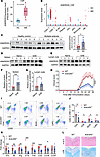 Figure 1
ANKRD55 promotes disease progression of MOG35–55-induced EAE. (A) Pseudo-bulk analysis of ANKRD55 expression in CSF cells from healthy controls (HC) and MS patients; each dot represents an individual sample. (B) The expression level of ANKRD55 was measured at single-cell resolution in diverse cells within CSF samples; each dot represents one cell. (C) Immunoblot analysis was performed to compare ANKRD55 expression between PBMCs from healthy human control subjects and MS patients. (D–G) Immunoblot analysis of ANKRD55 in spleen (D) and lymph node (E) of naive and EAE mice. Densitometric quantification of band intensities was performed using ImageJ, and protein expression levels were normalized to GAPDH (F and G). (H) The mean clinical score of EAE was assessed in WT and Ankrd55–/– mice (n = 11 mice per group) following active immunization with MOG35–55 peptide. (I and J) Infiltrated immune cells in the brain were analyzed by flow cytometry in WT and Ankrd55–/– mice at the peak of EAE disease. Data are presented as representative plots (I) and quantification of cells in the CNS (J). (K) Quantitative analysis of inflammatory cytokine and chemokine expression in the spinal cords of WT and Ankrd55–/– mice at the peak of EAE. (L) Representative histological images of spinal cord sections from WT and Ankrd55–/– mice at peak disease. LFB, Luxol fast blue. Scale bars: 200 μm. *P < 0.05, **P < 0.01, ***P < 0.001, ****P < 0.0001, based on unpaired, 2-tailed t test (A, C, F, G, J, and K) or 2-way ANOVA with Tukey’s multiple-comparison test (H). Data are shown as mean ± SEM.
We further investigated ANKRD55 expression in PBMCs of MS patients using immunoblotting analysis, which demonstrated significantly increased ANKRD55 levels in PBMCs from MS patients compared with healthy controls (Figure 1C). Additionally, we examined ANKRD55 expression in the spleen and lymph nodes of mice with MOG35–55-induced EAE. Our results showed that ANKRD55 expression was notably higher in these tissues of EAE model mice compared with naive mice (Figure 1, D–G). These findings suggest that ANKRD55 may play a critical role in the pathogenesis of both MS and EAE.
To directly evaluate the necessity of ANKRD55 for EAE progression, we generated Ankrd55-KO mice (Supplemental Figure 1A; supplemental material available online with this article; https://doi.org/10.1172/JCI195214DS1). Using flow cytometry, we analyzed cell distribution in the spleen and lymph nodes of both naive WT and Ankrd55-KO mice and observed no significant differences in cell types (Supplemental Figure 1, C–J). Furthermore, we compared disease severity between WT and Ankrd55-deficient (Ankrd55–/–) mice. Our results indicated that Ankrd55–/– mice exhibited significantly reduced disease severity compared with WT mice (Figure 1H). Inflammatory cell infiltration, including CD4+ T cells, B cells, and neutrophils, was also significantly reduced in Ankrd55–/– mice (Figure 1, I and J). Additionally, expression of inflammatory cytokines and chemokines in the spinal cord of Ankrd55–/– mice was notably decreased (Figure 1K). Consistently, histological analysis of spinal cords at the peak of disease revealed that Ankrd55–/– mice exhibited fewer infiltrating inflammatory cells and attenuated demyelination compared with WT mice (Figure 1L). These findings collectively demonstrate that deletion of ANKRD55 substantially protects mice from EAE pathogenesis, with a notable reduction in both disease severity and associated histopathological features.
ANKRD55 is predominantly expressed in CD4+ T cells and is associated with T cell development. Having identified that ANKRD55 promotes EAE progression, we next focused on ANKRD55 expression and cellular functions. We first investigated ANKRD55 expression across various tissues implicated in EAE progression, focusing on both peripheral immune organs (such as the spleen and lymph nodes) and the CNS. Our findings revealed that ANKRD55 is primarily expressed in the spleen and lymph nodes (Figure 2A and Supplemental Figure 8A).
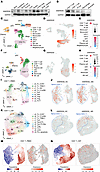 Figure 2
ANKRD55 is mainly expressed in CD4+ T cells and is engaged in T cell development. (A) Immunoblot analysis of ANKRD55 expression was performed in various tissues (brain, cerebellum, spinal cord, thymus, liver, spleen, lymph node, and gastrointestinal tract) from WT mice. (B) Immunoblot analysis of ANKRD55 expression was conducted in different immune cell populations (CD4+ T cells, CD8+ T cells, B cells, macrophages, and neutrophils) within WT mouse PBMCs. (C) Uniform Manifold Approximation and Projection (UMAP) visualization of 11 distinct subclusters of PBMCs. (D) UMAP visualization showing the distribution of ANKRD55-expressing cells (red dots) in PBMCs. (E) A bubble plot was generated to depict the expression level of ANKRD55 in individual cells within PBMC populations. (F) UMAP visualization of 8 distinct subclusters of CSF cells. (G) UMAP visualization showing the distribution of ANKRD55-expressing cells (red dots) in CSF cells. (H) A bubble plot was generated to show the expression levels of ANKRD55 in different CSF cell populations. (I) UMAP plot showing subclustering of CD4+ T cells from PBMCs. Cluster names were manually assigned. (J) UMAP visualization showing the distribution of ANKRD55-expressing cells (red dots) in CD4+ T cells from PBMCs. Naive CD4+ T cell clusters are outlined with blue dashed lines to highlight ANKRD55 enrichment in these regions. (L) UMAP visualization showing the distribution of ANKRD55-expressing cells (red dots) in CD4+ T cells from PBMCs. Naive CD4+ T cell clusters are outlined with blue dashed lines to highlight ANKRD55 enrichment in these regions. (M and N) Pseudotime trajectory analysis of CD4+ T cells inferred using Monocle 2 from PBMCs (M) and CSF (N), with cells colored by pseudotime values (blue to red), reflecting progression from naive to more differentiated states.
We further examined ANKRD55 expression in specific peripheral immune cell populations. We sorted different immune cells from mouse spleen and analyzed ANKRD55 protein levels by Western blotting. Our results revealed that ANKRD55 protein levels were significantly higher in CD4+ T cells compared with other immune cell types in mice (Figure 2B and Supplemental Figure 8B). This observation aligns with our analysis of single-cell RNA-Seq data from PBMCs and CSF of MS patients, which also indicates elevated ANKRD55 expression levels in CD4+ T cells (Figure 1B, Figure 2, C–H, and Supplemental Figure 2, A and B). By stratifying CD4+ T cells into distinct subpopulations, we found that ANKRD55 is predominantly expressed in naive CD4+ T cells (Figure 2, I–L, and Supplemental Figure 2, C and D). Pseudotime analysis revealed that ANKRD55 expression occurs early during CD4+ T cell differentiation (Figure 2, M and N). These results suggest that ANKRD55 is predominantly expressed in CD4+ T cells and may play a critical role in the early stages of CD4+ T cell differentiation.
ANKRD55 is essential for promoting Th1 and Th17 differentiation. Autoimmune conditions, particularly MS, are closely associated with the differentiation of Th1 and Th17 cells. Therefore, we investigated the impact of ANKRD55 on the differentiation of Th1 and Th17 cells. Our data showed no significant alterations in the ratio of Th1 to Th17 cells in the spleen and lymph node of untreated Ankrd55–/– mice in vivo (Supplemental Figure 3, A–D). However, naive CD4+ T cells from Ankrd55–/– mice exhibited impaired Th1 and Th17 cell polarization compared with WT mice (Figure 3, A and B). Ankrd55 KO also resulted in a significant reduction in the expression of both T-bet and RORγt (Figure 3, C and D), suggesting that ANKRD55 positively regulates the transcriptional programs associated with Th1 and Th17 differentiation. Additionally, we investigated whether ANKRD55 contributes to the priming of MOG-reactive T cell populations. Splenocytes isolated from EAE mice (day 10) were stimulated with MOG in exposure to IL-12 (Th1 polarization) or IL-23 (Th17 polarization), and we found that splenocyte differentiation into Th1 and Th17 cells was significantly inhibited in Ankrd55–/– mice in vitro (Figure 3, E and F).
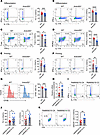 Figure 3
ANKRD55 critically promotes Th1 and Th17 differentiation. (A and B) Flow cytometry analysis of naive CD4+ T cells sorted by magnetic beads was performed. The cells were cultured on anti-CD3/CD28–coated plates under Th1 (n = 18) or Th17 (n = 12) polarization conditions. (C and D) Naive CD4+ T cells were isolated from WT and Ankrd55–/– mice and cultured under Th1- or Th17-polarizing conditions for 4 days. Expression of T-bet (C) (under Th1 conditions) and RORγt (D) (under Th17 conditions) was evaluated by intracellular staining followed by flow cytometry. Representative flow cytometry plots (left) and quantification of T-bet+ and RORγt+ cells (right) are shown (n = 10 or 12). (E and F) Cells isolated from the spleens of mice on day 10 after immunization were restimulated with MOG35–55 and induced to polarize toward Th1 or Th17, followed by intracellular staining for IL-17A and IFN-γ and analysis by flow cytometry (n = 12). (G) CD4+ T cells were sorted from mouse spleens using magnetic beads. The cells were labeled with CFSE (0.5 μM at 37°C for 5 minutes), and the proportion of proliferating cells was analyzed by flow cytometry after culturing for 48 hours on plates coated with anti-CD3 and anti-CD28 (n = 8). (H) Human PBMCs were divided into different groups based on single nucleotide polymorphism genotype of ANKRD55. Expression of ANKRD55 mRNA was detected by RT-qPCR (n = 11). (I–K) The proportion of CD4+ T cells secreting IFN-γ, IL-17A, and GM-CSF in PBMCs was analyzed by flow cytometry (n = 11). (I and J) IFN-γ and IL-17A; (K) GM-CSF. *P < 0.05, **P < 0.01, ***P < 0.001, ****P < 0.0001, based on unpaired, 2-tailed t test. Data are shown as mean ± SEM.
Additionally, we assessed the proliferative capacity of CD4+ T cells using CFSE dye following stimulation with CD3 and CD28 antibodies. Our results indicated that CD4+ T cells from Ankrd55–/– mice exhibited reduced proliferative ability compared with WT mice (Figure 3G). Furthermore, we evaluated the impact of Ankrd55 deletion on T cell activation by stimulating purified CD4+ and CD8+ T cells with anti-CD3/CD28 antibodies and assessing surface expression of CD69 (Supplemental Figure 3, G and H), a marker for early T cell activation, by flow cytometry. We observed that Ankrd55 deficiency impaired activation of both CD4+ and CD8+ T cells, with a more pronounced effect on CD4+ T cells. Genome-wide association studies have linked the C allele of rs6859219 in ANKRD55 to an increased risk of developing MS (30–32). We collected PBMCs from healthy volunteers and identified individuals carrying the rs6859219 mutation. Reverse transcription–quantitative PCR (RT-qPCR) analysis revealed that PBMCs from volunteers harboring more C alleles exhibited elevated ANKRD55 expression levels (Figure 3H). We further examined the proportions of Th1 and Th17 cells in PBMCs and observed a notably higher proportion of them in individuals carrying the C allele (Figure 3, I and J). Additionally, we found that CD4+ T cells from volunteers with the rs6859219 (C/C) genotype exhibited increased levels of GM-CSF, an inflammatory Th17 signature cytokine, compared with those with the C/A genotype (Figure 3K). These results further suggest that ANKRD55 is involved in the differentiation of Th1 and Th17 cells in both humans and the EAE mouse model.
Genetic deletion of ANKRD55 in T cells protects from both active and Th1/Th17-mediated EAE. Based on our findings highlighting the critical role of ANKRD55 in CD4+ T cell biology, we then investigated whether targeted depletion of Ankrd55 in T cells would mitigate EAE development. We generated T cell–specific Ankrd55–/– mice by crossing Ankrd55fl/fl mice with LckCre mice (Figure 4A and Supplemental Figure 4). Compared with Ankrd55fl/fl control mice, T cell–conditioned Ankrd55–/– mice exhibited significantly reduced disease severity after MOG35–55 immunization (Figure 4B). Importantly, we observed a marked decrease in immune cell infiltration into the brain at the peak of EAE, including reductions in CD4+ T cells, CD8+ T cells, B cells, monocytes, and neutrophils (Figure 4, C and D), along with diminished expression levels of inflammatory factors and chemokines in the spinal cord (Figure 4E). Additionally, we analyzed Th1, Th17, and Treg populations within the CNS at the peak of EAE (Supplemental Figure 4, B and C). Our results show that, compared with Ankrd55fl/fl mice, Ankrd55fl/fl LckCre mice exhibited a significant reduction in both Th1 and Th17 cell infiltration in the CNS, while the proportion of Treg cells remained unchanged. To exam in situ proliferation of CD4+ T cells within the EAE spinal cord, we performed Ki67 staining in combination with CD4 in CNS (Figure 4G). We found that deletion of Ankrd55 impaired the proliferation of CD4+ T cells. Histopathological analysis further revealed reduced immune cell accumulation and associated demyelination in the spinal cords of T cell–specific Ankrd55–/– mice compared with control mice (Figure 4F).
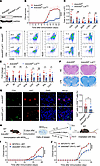 Figure 4
Genetic deletion of Ankrd55 in T cells protects from both active and Th1/Th17-mediated EAE. (A) Immunoblot analysis of ANKRD55 protein expression in CD4+ T cells from Ankrd55fl/fl mice and Ankrd55fl/fl LCKCre mice. (B) Mean clinical score of EAE in Ankrd55fl/fl mice and Ankrd55fl/fl LCKCre mice (n = 9 or 10 mice per group) induced by active immunization with MOG35–55. (C and D) Flow cytometry analysis of infiltrated immune cell in the brain at the peak of EAE disease in Ankrd55fl/fl mice and Ankrd55fl/fl LCKCre mice, including CD4+ T cells, CD8+ T cells, B cells, neutrophils, and monocytes. Data are presented as a summary plot of absolute cell counts (C) and a representative plot (D). (E) RT-qPCR analysis of inflammatory gene expression in the spinal cord during peak disease in Ankrd55fl/fl mice and Ankrd55fl/fl LCKCre mice. (F) Representative histological images of spinal cord sections from Ankrd55fl/fl and Ankrd55fl/fl LckCre mice at peak disease. LFB, Luxol fast blue. (G) Representative immunofluorescence staining of spinal cord sections from Ankrd55fl/fl and Ankrd55fl/fl LckCre mice at the peak of EAE. Sections were stained with antibodies against CD4, Ki67, and with DAPI. For quantification, 3 fields with evident immune cell infiltration were captured per mouse, and the percentage of Ki67+ cells among CD4+ T cells was calculated (n = 4 mice per group). Scale bars: 5 μm. (H) Schematic representation of the experiments in I and J. (I and J) Mean clinical score of EAE mice (n = 9 or 10 mice per group) induced by adoptive transfer of MOG-reactive Th1 (I) and Th17 (J) cells. *P < 0.05, **P < 0.01, ***P < 0.001, ****P < 0.0001, based on unpaired, 2-tailed t test (C, E, and G) or 2-way ANOVA with Tukey’s multiple-comparison test (B, I, and I). Data are shown as mean ± SEM.
To evaluate the impact of Ankrd55 deficiency on T cell function during EAE, we isolated splenocytes from WT and Ankrd55–/– mice and polarized them to Th1 or Th17 cells. These Th1 or Th17 cells were adoptively transferred to irradiated WT recipients for EAE induction (Figure 4H). Our results indicated that mice receiving Ankrd55–/– cells exhibited significantly reduced clinical scores compared with those receiving WT cells, regardless of whether the transferred cells were Th1 or Th17 subsets (Figure 4, I and J, and Supplemental Figure 5A). These findings collectively suggest that T cell–intrinsic ANKRD55 is essential for both active EAE and adaptive EAE progression.
ANKRD55 promotes TCR signal transduction. Given the critical role of ANKRD55 in CD4+ T cells, we further investigated the molecular mechanisms by which ANKRD55 mediates its effects. CD4+ T cells were sorted from mice spleens 10 days after MOG35–55 immunization and analyzed by RNA-Seq. Kyoto Encyclopedia of Genes and Genomes (KEGG) analysis indicated that the top pathways downregulated in Ankrd55–/– CD4+ T cells primarily included the TCR signaling pathway, Th1 and Th17 cell differentiation, and other processes (Figure 5A). Consistently, our previous results of single-cell analysis also suggested an important role of ANKRD55 in CD4+ T cell differentiation (Figure 2, M and N). Taken together, these results support the hypothesis that ANKRD55 plays a role in the early stages of T cell activation. Since the TCR is indispensable for the differentiation and activation of T cell subsets, we subsequently analyzed the TCR signaling pathway and found that expression of several TCR-associated molecules (such as Zap70, Pik3r1, CD3, LCK, and others) was significantly affected in Ankrd55–/– mice (Figure 5B). To confirm these results, CD4+ T cells were isolated from the spleen of EAE mice followed by RT-qPCR analysis, revealing a similar pattern of expression (Figure 5C). Among the TCR-related genes, 2 particularly important ones encoded the proinflammatory cytokines IFN-γ and TNF-α, which are secreted by activated inflammatory T cells. To evaluate the expression of IFN-γ and TNF-α, we isolated CD4+ T cells from naive Ankrd55–/– or WT mice, stimulated them with antibodies against CD3 and CD28 for up to 24 hours, and performed the RT-qPCR analysis. Under baseline conditions, there was no discernible difference in the expression of Ifng and Tnfa between the 2 groups. Following a 6-, 12-, and 24-hour stimulation with antibodies, CD4+ T cells from Ankrd55–/– mice exhibited significantly reduced expression of Ifng compared with WT mice (Figure 5D). Similarly, CD4+ T cells from Ankrd55–/– mice showed markedly diminished Tnfa expression compared with WT mice 6 hours after antibody stimulation (Figure 5E). Secretion of IL-2, a cytokine associated with T cell proliferation and activation, was examined in CD4+ T cells isolated from Ankrd55-KO and WT mice 48 hours after stimulation with antibodies against CD3 and CD28. The results demonstrated that Ankrd55 deficiency in CD4+ T cells inhibited IL-2 secretion, providing additional evidence for a role of ANKRD55 in TCR signaling (Figure 5F). Consistently, Ankrd55 deficiency was associated with reduced TCR signaling activation, which was revealed by detecting phosphorylation of CD3ζ, LCK, and ERK in naive CD4+ T cells (Figure 5H and Supplemental Figure 8C). In line with the data obtained from primary CD4+ T cells, overexpression of ANKRD55 in Jurkat cells, an immortalized human T lymphocyte cell line, led to a marked enhancement of IL-2 production and activation of the TCR signaling pathway (Figure 5, G and I, and Supplemental Figure 8D). Together, these findings suggest that ANKRD55 plays a key role in promoting the activation of the TCR signaling pathway.
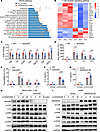 Figure 5
ANKRD55 promotes TCR signal transduction. (A) Through KEGG pathway analysis, the most significantly enriched signaling pathway in CD4+ T cells isolated from the spleens of WT and Ankrd55–/– mice was identified on day 10 after EAE induction. (B) Heatmap analysis of the TCR signaling pathway revealed genes with adjusted P value < 0.05, FDR < 0.05, and log2(fold change) > 1.2 in RNA-Seq data from CD4+ T cells of 3 pairs of WT and Ankrd55–/– mice on day 10 after EAE induction. (C–E) RT-qPCR analysis of CD4+ T cells isolated from the spleens of WT and Ankrd55–/– mice on day 10 after EAE induction (n = 8) demonstrated differential expression of target genes. (F) CD4+ T cells were isolated from the spleens of WT and Ankrd55–/– mice and cultured on plates coated with anti-CD3 and anti-CD28 for 48 hours. IL-2 secretion levels were analyzed using ELISA. (G) Measurement of IL-2 secretion in ANKRD55-overexpressing Jurkat cells. Jurkat cells stably overexpressing ANKRD55 or transfected with empty vector were cultured on plates coated with anti-CD3 and anti-CD28 for 48 hours. Culture supernatants were collected, and IL-2 levels were quantified by ELISA. (H and I) Immunoblot analysis of TCR signaling in primary and transformed T cells. (H) Naive CD4+ T cells isolated from WT and Ankrd55–/– mice were stimulated on plates coated with anti-CD3 and anti-CD28 for 0, 2, 15, or 30 minutes. Cell lysates were collected and subjected to immunoblotting to assess activation of TCR signaling pathways. (I) Jurkat cells stably overexpressing ANKRD55 or transfected with empty vector were treated under the same stimulation conditions, and protein lysates were analyzed by immunoblotting. *P < 0.05, **P < 0.01, ***P < 0.001, ****P < 0.0001, based on unpaired, 2-tailed t test (C–G). Data are shown as mean ± SEM.
ANKRD55 interacts with multiple subunits of the CCT complex required for TCR activation. Although ANKRD55 is tightly associated with TCR activation and T cell inflammation, the molecular mechanism of ANKRD55 function remains unknown. Given that the ankyrin repeat domain is one of the most prevalent protein-protein interaction motifs, ANKRD55 is likely involved in forming complexes with other proteins. To identify ANKRD55 interactors, we generated a stable Jurkat cell line overexpressing ANKRD55 and performed co-IP followed by mass spectrometry. We selected 10 proteins that have the potential to bind to ANKRD55 and verified whether they bind to ANKRD55 by co-IP experiments. T-complex protein 1 (TCP1) was identified as an interacting protein of ANKRD55 (Figure 6A). TCP1 is one of the subunits of TCP1-ring complex/CCT, also called CCT1. Previous studies have shown that the CCT controls changes in centromere mutual orientation and polarization of tubulin dynamics induced by TCRs in immune synapse–forming T lymphocytes, by which CCT controls T cell activation and polarity (33). This is consistent with our findings regarding the function of ANKRD55 in CD4+ T cells. We next demonstrated the endogenous interaction of ANKRD55 with TCP1 by co-IP assay in Jurkat cells (Figure 6B and Supplemental Figure 6A). We further validated the interaction between ANKRD55 and TCP1 by the proximity ligation assay (PLA), a highly sensitive technique that enables in situ detection of protein-protein interactions by generating a fluorescent signal only when 2 target proteins are in close proximity (Figure 6C), and immunofluorescence imaging (Figure 6D). Next, we engineered ANKRD55 and TCP1 fragments based on structural domains and explored which domains are involved in the interaction of ANKRD55 with TCP1 by co-IP experiments (Supplemental Figure 6, B and C), revealing that ANKRD55 (324–453 aa) and TCP1 (1–187 aa) are essential regions for their interaction. CCT is the most complex molecular chaperone, consisting of 8 parallel homologous subunits (CCT1–CCT8) assembled in a fixed order to form a double-ring structure, with the 2 rings stacked to form a barrel-shaped chamber and each ring containing 8 different subunits (34). We found that the mass spectrometry results of co-IP also contained other subunits of CCT, which suggested that ANKRD55 may function by interacting with TCP1 and its associated CCT complex. Therefore, we constructed plasmids expressing the other 7 subunits of the CCT complex to study their interactions with ANKRD55 by co-IP. The results indicated that ANKRD55 interacted with all subunits except CCT5 and CCT8 (Figure 6, E–K). These findings were verified by immunofluorescence imaging for protein colocalization (Figure 6L). We found that subunits of the CCT complex and ANKRD55 often colocalized significantly in a region near the nucleus. The centrosomes were always located in the cytoplasm near the nucleus, close to the center of the cell. Given the location where colocalization occurs, we hypothesized that ANKRD55 and CCT might aggregate near the centrosome. This was confirmed by immunofluorescence imaging, which revealed that ANKRD55 and TCP1 not only aggregated near the centrosomes, but also colocalized in the centrosomes (Figure 6M). Furthermore, knockdown of ANKRD55 in Jurkat cells led to a reduction in the expression of multiple subunits of the CCT complex, suggesting ANKRD55 is essential for CCT complex formation and stability (Figure 6, N–P, Supplemental Figure 6, D–H, and Supplemental Figure 8E). In summary, we have demonstrated the interaction of ANKRD55 with multiple subunits of CCT using orthogonal experimental methods. Our data suggest that ANKRD55 plays a significant role in the assembly and function of the CCT complex.
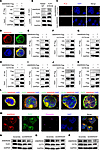 Figure 6
ANKRD55 interacts with multiple subunits of the CCT complex required for TCR activation. (A) Overexpression of ANKRD55 and TCP1 in HEK293T cells followed by co-IP analysis to determine their interaction. (B) Protein extraction from Jurkat cells with subsequent co-IP assay to determine the interaction between ANKRD55 and TCP1. (C) PLA experiment in Jurkat cells to assess the interaction between ANKRD55 and TCP1. Cells were fixed and incubated with primary antibodies against ANKRD55 and TCP1, followed by PLA probe ligation and amplification. Red fluorescent puncta indicate close proximity (<40 nm) between ANKRD55 and TCP1, suggesting a direct or complex-mediated interaction. Nuclei were counterstained with DAPI (blue). Representative images are shown. Scale bars: 2 μm (top), 5 μm (bottom). (D) Immunofluorescent staining of Jurkat cells to analyze the colocalization of ANKRD55 and TCP1. Scale bars: 2 μm. (E–K) Co-IP assays were performed using HEK293T cells to investigate the interactions between ANKRD55 and individual CCT subunits, including CCT2, CCT3, CCT4, CCT5, CCT6, CCT7, and CCT8. (L) Immunofluorescent staining of Jurkat cells to assess colocalization between ANKRD55 and specific CCT subunits (CCT2, CCT3, CCT4, and CCT7). Scale bars: 2 μm (first 4 panels), 1 μm (fifth panel). (M) Immunofluorescent staining of Jurkat cells to visualize the subcellular localization of ANKRD55, TCP1, and pericentrin. Scale bars: 5 μm. (N–P) Immunoblotting analysis of TCP1 (N), CCT3 (O), and CCT6 (P) expression levels in Jurkat cells following ANKRD55 knockdown.
ANKRD55 affects CCT complex assembly by competing with CCT5 binding to CCT1/3/6, thus promoting immune synapse formation and TCR activation. The CCT complex is essential for proper folding of actin and tubulin. To determine the role of ANKRD55 in CCT complex assembly, we conducted an in vitro microtubule sedimentation assay. Our results showed that α-tubulin successfully precipitated under polymerization conditions in control Jurkat cells, while TCP1 knockdown significantly reduced the levels of precipitated α-tubulin, confirming the function of TCP1 in α-tubulin polymerization (Figure 7A and Supplemental Figure 9A). Consistently, Ankrd55 knockdown significantly impaired microtubule polymerization compared with controls (Figure 7B and Supplemental Figure 9A). Overexpression of ANKRD55 in Jurkat cells treated with cycloheximide, an inhibitor of eukaryotic translation, prevented the degradation of TCP1, indicating that ANKRD55 stabilizes CCT subunits (Figure 7C and Supplemental Figure 9B). The assembly of CCT subunits is a tightly regulated process, often ending in sequential and precise CCT protein interactions. CCT5 has been identified as a key player in regulating CCT assembly, whereas misassembled CCT subunits are typically marked for degradation (35). Through co-IP experiments, we observed that increasing ANKRD55 levels reduced the interaction between CCT5 and CCT1/3/6 (Figure 7, D–F, Supplemental Figure 7, C–E, and Supplemental Figure 9C). Previous studies have highlighted the role of TCP1, CCT3, and CCT6 in the final stages of CCT assembly (35). Based on these findings, we hypothesize that ANKRD55 may compete with CCT5 for binding to TCP1, CCT3, and CCT6, thereby preventing misassembly and degradation.
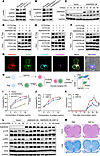 Figure 7
ANKRD55 affects CCT complex assembly by competing with CCT5 binding to CCT1/3/6, thus promoting immune synapse formation and TCR activation. (A and B) α-Tubulin immunoblotting in lysates and pellet determined by microtubule sedimentation assay in Jurkat cells with TCP1 (A) or ANKRD55 (B) knocked down. (C) TCP1 degradation rate analyzed via immunoblot after cycloheximide (CHX; 70 μM) treatment for 0–48 hours in control and Jurkat cells overexpressing ANKRD55. (D–F) Co-IP detection of interactions between CCT5 and TCP1 (D), CCT3 (E), or CCT6 (F) at varying concentrations of ANKRD55 in HEK293T. (G) Immunofluorescence analysis of immune synapse formation between Jurkat and Raji cells. Jurkat cells were prelabeled with CMAC. Raji cells were stimulated with SEE for 30 minutes. The 2 cell types were then cocultured for 30 minutes. Cells were stained with antibodies against ANKRD55, TCP1, pericentrin, and α-tubulin to visualize protein localization at the immune synapse. Scale bars: 2 μm. BF, bright-field; CMAC, CellTracker blue fluorescent probe. (H) Flow cytometry–based immune synapse (IS) pattern analysis. (I and J) Raji cells (APCs) stained with CFSE and stimulated with SEE for 30 minutes at 37°C and Jurkat cells (T cells) stained with CMTPX. T cell conjugation with APCs after 20 minutes of contact was analyzed by flow cytometry. Conjugate percentages were determined for Jurkat cells with ANKRD55 or TCP1 knocked down (I) and pretreatment with HSF1A (50 μM) for 2 hours (J). (K) Mean clinical score of EAE in mice injected intraperitoneally with PBS or HSF1A (20 mg/mL) (n = 7 or 8 mice per group), induced by active immunization with MOG35–55. (L) Immunoblot analysis of TCR signaling in Jurkat cells. Cells included vector control, a stable ANKRD55-overexpressing cell line, and ANKRD55-overexpressing cells pretreated with HSF1A (50 μM, 2 hours). All groups were stimulated on plates coated with anti-CD3 and anti-CD28. Lysates were collected at the indicated time points (1, 2, 15, and 30 minutes) and probed for TCR signaling–associated proteins. (M) H&E and Luxol fast blue (LFB) staining of spinal cord sections at the peak of EAE disease. Arrows indicate areas of demyelination. *P < 0.05, **P < 0.01, ***P < 0.001, ****P < 0.0001, by 2-way ANOVA with Tukey’s multiple-comparison test. Data are shown as mean ± SEM.
The microtubule-organizing center (MTOC) plays a crucial role in immune synapse formation. The MTOC of animal cells is the centrosome. During T cell activation, the MTOC translocates to the site of contact with APCs (36). Our colocalization studies revealed an interplay between ANKRD55 and TCP1 at the MTOC during immune synapse formation (Figure 7G). Given that CCT is known to assist in immune synapse formation by modulating tubulin folding (33), we propose that ANKRD55 may interact with CCT to facilitate immune synapse formation and enhance TCR signaling.
To validate these hypotheses, a human B cell line Raji was labeled with CFSE and stimulated with the staphylococcal enterotoxin E (SEE) antigen, followed by incubation with Jurkat cells labeled with CMTPX (CellTracker red fluorescent probe). Our data show that knockdown of either TCP1 or ANKRD55 significantly inhibited immune synapse formation, as detected by flow cytometry (Figure 7, H and I). Consistently, overexpression of ANKRD55 promoted synapse formation (Supplemental Figure 7F). Furthermore, treatment with HSF1A, a TCP1 inhibitor, reduced both the immune synapse formation and the EAE severity in animal models (Figure 7, J–M, Supplemental Figure 7, H and I, and Supplemental Figure 9D). Together, these findings demonstrate that ANKRD55 facilitates proper CCT complex assembly and microtubule polymerization, thereby promoting immune synapse formation and T cell activation through stabilization of CCT subunits and modulation of tubulin dynamics.


Copyright © 2026 American Society for Clinical Investigation
ISSN: 0021-9738 (print), 1558-8238 (online)