
Advertisement
Research ArticleCell biologyOncology
Open Access |  10.1172/JCI193790
A PP2A molecular glue overcomes RAS/MAPK inhibitor resistance in KRAS-mutant non–small cell lung cancer
Brynne Raines,1,2,3 Stephanie Tseng-Rogenski,2 Amanda C. Dowdican,2,3 Irene Peris,2,3 Matthew Hinderman,2,3 Kaitlin P. Zawacki,2,3 Kelsey Barrie,2,3 Gabrielle Hodges Onishi,2,4 Alexander M. Dymond,2,3 Tahra K. Luther,2,3 Sydney Musser,2 Behirda Karaj Majchrowski,5,6 J. Chad Brenner,1,3,5,6 Aqila Ahmed,2,3 Derek J. Taylor,4,7 Caitlin M. O’Connor,2,3 and Goutham Narla1,2,3
1Cellular and Molecular Biology Program and
2Department of Internal Medicine, Division of Genetic Medicine, University of Michigan, Ann Arbor, Michigan, USA.
3Rogel Cancer Center, University of Michigan Health, Ann Arbor, Michigan, USA.
4Department of Pharmacology, Case Western Reserve University, Cleveland, Ohio, USA.
5Department of Pharmacology and
6Department of Otolaryngology, University of Michigan, Ann Arbor, Michigan, USA.
7Department of Biochemistry, Case Western Reserve University, Cleveland, Ohio, USA.
Address correspondence to: Goutham Narla, Rogel Cancer Center, Room C3215, 1500 E. Medical Center Drive, Ann Arbor, Michigan, 48109, USA. Phone: 734.615.2411; Email: gnarla@umich.edu.
Find articles by Raines, B. in: PubMed | Google Scholar
1Cellular and Molecular Biology Program and
2Department of Internal Medicine, Division of Genetic Medicine, University of Michigan, Ann Arbor, Michigan, USA.
3Rogel Cancer Center, University of Michigan Health, Ann Arbor, Michigan, USA.
4Department of Pharmacology, Case Western Reserve University, Cleveland, Ohio, USA.
5Department of Pharmacology and
6Department of Otolaryngology, University of Michigan, Ann Arbor, Michigan, USA.
7Department of Biochemistry, Case Western Reserve University, Cleveland, Ohio, USA.
Address correspondence to: Goutham Narla, Rogel Cancer Center, Room C3215, 1500 E. Medical Center Drive, Ann Arbor, Michigan, 48109, USA. Phone: 734.615.2411; Email: gnarla@umich.edu.
Find articles by Tseng-Rogenski, S. in: PubMed | Google Scholar
1Cellular and Molecular Biology Program and
2Department of Internal Medicine, Division of Genetic Medicine, University of Michigan, Ann Arbor, Michigan, USA.
3Rogel Cancer Center, University of Michigan Health, Ann Arbor, Michigan, USA.
4Department of Pharmacology, Case Western Reserve University, Cleveland, Ohio, USA.
5Department of Pharmacology and
6Department of Otolaryngology, University of Michigan, Ann Arbor, Michigan, USA.
7Department of Biochemistry, Case Western Reserve University, Cleveland, Ohio, USA.
Address correspondence to: Goutham Narla, Rogel Cancer Center, Room C3215, 1500 E. Medical Center Drive, Ann Arbor, Michigan, 48109, USA. Phone: 734.615.2411; Email: gnarla@umich.edu.
Find articles by Dowdican, A. in: PubMed | Google Scholar
1Cellular and Molecular Biology Program and
2Department of Internal Medicine, Division of Genetic Medicine, University of Michigan, Ann Arbor, Michigan, USA.
3Rogel Cancer Center, University of Michigan Health, Ann Arbor, Michigan, USA.
4Department of Pharmacology, Case Western Reserve University, Cleveland, Ohio, USA.
5Department of Pharmacology and
6Department of Otolaryngology, University of Michigan, Ann Arbor, Michigan, USA.
7Department of Biochemistry, Case Western Reserve University, Cleveland, Ohio, USA.
Address correspondence to: Goutham Narla, Rogel Cancer Center, Room C3215, 1500 E. Medical Center Drive, Ann Arbor, Michigan, 48109, USA. Phone: 734.615.2411; Email: gnarla@umich.edu.
Find articles by Peris, I. in: PubMed | Google Scholar
1Cellular and Molecular Biology Program and
2Department of Internal Medicine, Division of Genetic Medicine, University of Michigan, Ann Arbor, Michigan, USA.
3Rogel Cancer Center, University of Michigan Health, Ann Arbor, Michigan, USA.
4Department of Pharmacology, Case Western Reserve University, Cleveland, Ohio, USA.
5Department of Pharmacology and
6Department of Otolaryngology, University of Michigan, Ann Arbor, Michigan, USA.
7Department of Biochemistry, Case Western Reserve University, Cleveland, Ohio, USA.
Address correspondence to: Goutham Narla, Rogel Cancer Center, Room C3215, 1500 E. Medical Center Drive, Ann Arbor, Michigan, 48109, USA. Phone: 734.615.2411; Email: gnarla@umich.edu.
Find articles by Hinderman, M. in: PubMed | Google Scholar
1Cellular and Molecular Biology Program and
2Department of Internal Medicine, Division of Genetic Medicine, University of Michigan, Ann Arbor, Michigan, USA.
3Rogel Cancer Center, University of Michigan Health, Ann Arbor, Michigan, USA.
4Department of Pharmacology, Case Western Reserve University, Cleveland, Ohio, USA.
5Department of Pharmacology and
6Department of Otolaryngology, University of Michigan, Ann Arbor, Michigan, USA.
7Department of Biochemistry, Case Western Reserve University, Cleveland, Ohio, USA.
Address correspondence to: Goutham Narla, Rogel Cancer Center, Room C3215, 1500 E. Medical Center Drive, Ann Arbor, Michigan, 48109, USA. Phone: 734.615.2411; Email: gnarla@umich.edu.
Find articles by Zawacki, K. in: PubMed | Google Scholar
1Cellular and Molecular Biology Program and
2Department of Internal Medicine, Division of Genetic Medicine, University of Michigan, Ann Arbor, Michigan, USA.
3Rogel Cancer Center, University of Michigan Health, Ann Arbor, Michigan, USA.
4Department of Pharmacology, Case Western Reserve University, Cleveland, Ohio, USA.
5Department of Pharmacology and
6Department of Otolaryngology, University of Michigan, Ann Arbor, Michigan, USA.
7Department of Biochemistry, Case Western Reserve University, Cleveland, Ohio, USA.
Address correspondence to: Goutham Narla, Rogel Cancer Center, Room C3215, 1500 E. Medical Center Drive, Ann Arbor, Michigan, 48109, USA. Phone: 734.615.2411; Email: gnarla@umich.edu.
Find articles by Barrie, K. in: PubMed | Google Scholar
1Cellular and Molecular Biology Program and
2Department of Internal Medicine, Division of Genetic Medicine, University of Michigan, Ann Arbor, Michigan, USA.
3Rogel Cancer Center, University of Michigan Health, Ann Arbor, Michigan, USA.
4Department of Pharmacology, Case Western Reserve University, Cleveland, Ohio, USA.
5Department of Pharmacology and
6Department of Otolaryngology, University of Michigan, Ann Arbor, Michigan, USA.
7Department of Biochemistry, Case Western Reserve University, Cleveland, Ohio, USA.
Address correspondence to: Goutham Narla, Rogel Cancer Center, Room C3215, 1500 E. Medical Center Drive, Ann Arbor, Michigan, 48109, USA. Phone: 734.615.2411; Email: gnarla@umich.edu.
Find articles by Hodges Onishi, G. in: PubMed | Google Scholar
1Cellular and Molecular Biology Program and
2Department of Internal Medicine, Division of Genetic Medicine, University of Michigan, Ann Arbor, Michigan, USA.
3Rogel Cancer Center, University of Michigan Health, Ann Arbor, Michigan, USA.
4Department of Pharmacology, Case Western Reserve University, Cleveland, Ohio, USA.
5Department of Pharmacology and
6Department of Otolaryngology, University of Michigan, Ann Arbor, Michigan, USA.
7Department of Biochemistry, Case Western Reserve University, Cleveland, Ohio, USA.
Address correspondence to: Goutham Narla, Rogel Cancer Center, Room C3215, 1500 E. Medical Center Drive, Ann Arbor, Michigan, 48109, USA. Phone: 734.615.2411; Email: gnarla@umich.edu.
Find articles by Dymond, A. in: PubMed | Google Scholar
1Cellular and Molecular Biology Program and
2Department of Internal Medicine, Division of Genetic Medicine, University of Michigan, Ann Arbor, Michigan, USA.
3Rogel Cancer Center, University of Michigan Health, Ann Arbor, Michigan, USA.
4Department of Pharmacology, Case Western Reserve University, Cleveland, Ohio, USA.
5Department of Pharmacology and
6Department of Otolaryngology, University of Michigan, Ann Arbor, Michigan, USA.
7Department of Biochemistry, Case Western Reserve University, Cleveland, Ohio, USA.
Address correspondence to: Goutham Narla, Rogel Cancer Center, Room C3215, 1500 E. Medical Center Drive, Ann Arbor, Michigan, 48109, USA. Phone: 734.615.2411; Email: gnarla@umich.edu.
Find articles by Luther, T. in: PubMed | Google Scholar
1Cellular and Molecular Biology Program and
2Department of Internal Medicine, Division of Genetic Medicine, University of Michigan, Ann Arbor, Michigan, USA.
3Rogel Cancer Center, University of Michigan Health, Ann Arbor, Michigan, USA.
4Department of Pharmacology, Case Western Reserve University, Cleveland, Ohio, USA.
5Department of Pharmacology and
6Department of Otolaryngology, University of Michigan, Ann Arbor, Michigan, USA.
7Department of Biochemistry, Case Western Reserve University, Cleveland, Ohio, USA.
Address correspondence to: Goutham Narla, Rogel Cancer Center, Room C3215, 1500 E. Medical Center Drive, Ann Arbor, Michigan, 48109, USA. Phone: 734.615.2411; Email: gnarla@umich.edu.
Find articles by Musser, S. in: PubMed | Google Scholar
1Cellular and Molecular Biology Program and
2Department of Internal Medicine, Division of Genetic Medicine, University of Michigan, Ann Arbor, Michigan, USA.
3Rogel Cancer Center, University of Michigan Health, Ann Arbor, Michigan, USA.
4Department of Pharmacology, Case Western Reserve University, Cleveland, Ohio, USA.
5Department of Pharmacology and
6Department of Otolaryngology, University of Michigan, Ann Arbor, Michigan, USA.
7Department of Biochemistry, Case Western Reserve University, Cleveland, Ohio, USA.
Address correspondence to: Goutham Narla, Rogel Cancer Center, Room C3215, 1500 E. Medical Center Drive, Ann Arbor, Michigan, 48109, USA. Phone: 734.615.2411; Email: gnarla@umich.edu.
Find articles by Karaj Majchrowski, B. in: PubMed | Google Scholar
1Cellular and Molecular Biology Program and
2Department of Internal Medicine, Division of Genetic Medicine, University of Michigan, Ann Arbor, Michigan, USA.
3Rogel Cancer Center, University of Michigan Health, Ann Arbor, Michigan, USA.
4Department of Pharmacology, Case Western Reserve University, Cleveland, Ohio, USA.
5Department of Pharmacology and
6Department of Otolaryngology, University of Michigan, Ann Arbor, Michigan, USA.
7Department of Biochemistry, Case Western Reserve University, Cleveland, Ohio, USA.
Address correspondence to: Goutham Narla, Rogel Cancer Center, Room C3215, 1500 E. Medical Center Drive, Ann Arbor, Michigan, 48109, USA. Phone: 734.615.2411; Email: gnarla@umich.edu.
Find articles by
Brenner, J.
in:
PubMed
|
Google Scholar
|

1Cellular and Molecular Biology Program and
2Department of Internal Medicine, Division of Genetic Medicine, University of Michigan, Ann Arbor, Michigan, USA.
3Rogel Cancer Center, University of Michigan Health, Ann Arbor, Michigan, USA.
4Department of Pharmacology, Case Western Reserve University, Cleveland, Ohio, USA.
5Department of Pharmacology and
6Department of Otolaryngology, University of Michigan, Ann Arbor, Michigan, USA.
7Department of Biochemistry, Case Western Reserve University, Cleveland, Ohio, USA.
Address correspondence to: Goutham Narla, Rogel Cancer Center, Room C3215, 1500 E. Medical Center Drive, Ann Arbor, Michigan, 48109, USA. Phone: 734.615.2411; Email: gnarla@umich.edu.
Find articles by Ahmed, A. in: PubMed | Google Scholar
1Cellular and Molecular Biology Program and
2Department of Internal Medicine, Division of Genetic Medicine, University of Michigan, Ann Arbor, Michigan, USA.
3Rogel Cancer Center, University of Michigan Health, Ann Arbor, Michigan, USA.
4Department of Pharmacology, Case Western Reserve University, Cleveland, Ohio, USA.
5Department of Pharmacology and
6Department of Otolaryngology, University of Michigan, Ann Arbor, Michigan, USA.
7Department of Biochemistry, Case Western Reserve University, Cleveland, Ohio, USA.
Address correspondence to: Goutham Narla, Rogel Cancer Center, Room C3215, 1500 E. Medical Center Drive, Ann Arbor, Michigan, 48109, USA. Phone: 734.615.2411; Email: gnarla@umich.edu.
Find articles by Taylor, D. in: PubMed | Google Scholar
1Cellular and Molecular Biology Program and
2Department of Internal Medicine, Division of Genetic Medicine, University of Michigan, Ann Arbor, Michigan, USA.
3Rogel Cancer Center, University of Michigan Health, Ann Arbor, Michigan, USA.
4Department of Pharmacology, Case Western Reserve University, Cleveland, Ohio, USA.
5Department of Pharmacology and
6Department of Otolaryngology, University of Michigan, Ann Arbor, Michigan, USA.
7Department of Biochemistry, Case Western Reserve University, Cleveland, Ohio, USA.
Address correspondence to: Goutham Narla, Rogel Cancer Center, Room C3215, 1500 E. Medical Center Drive, Ann Arbor, Michigan, 48109, USA. Phone: 734.615.2411; Email: gnarla@umich.edu.
Find articles by O’Connor, C. in: PubMed | Google Scholar
1Cellular and Molecular Biology Program and
2Department of Internal Medicine, Division of Genetic Medicine, University of Michigan, Ann Arbor, Michigan, USA.
3Rogel Cancer Center, University of Michigan Health, Ann Arbor, Michigan, USA.
4Department of Pharmacology, Case Western Reserve University, Cleveland, Ohio, USA.
5Department of Pharmacology and
6Department of Otolaryngology, University of Michigan, Ann Arbor, Michigan, USA.
7Department of Biochemistry, Case Western Reserve University, Cleveland, Ohio, USA.
Address correspondence to: Goutham Narla, Rogel Cancer Center, Room C3215, 1500 E. Medical Center Drive, Ann Arbor, Michigan, 48109, USA. Phone: 734.615.2411; Email: gnarla@umich.edu.
Find articles by
Narla, G.
in:
PubMed
|
Google Scholar
|
Published October 14, 2025 - More info
J Clin Invest. 2025;135(23):e193790. https://doi.org/10.1172/JCI193790.
© 2025 Raines et al. This work is licensed under the Creative Commons Attribution 4.0 International License. To view a copy of this license, visit http://creativecommons.org/licenses/by/4.0/.
Received: April 2, 2025; Accepted: September 16, 2025


-
Results
KRASG12C and MEK1/2 inhibition decreases carboxymethylated PP2ACα and destabilizes PP2A heterotrimers. Carboxymethylation is critically important to the formation and activity of tumor-suppressive PP2A heterotrimers. To determine whether RAS/MAPKi alters carboxymethylation, we evaluated carboxymethylated C subunit (mePP2ACα) expression in A549 and NCI-H358 NSCLC cell lines treated with trametinib or adagrasib. To determine the optimal drug concentrations able to decrease phosphorylated ERK (pERK) to undetectable levels, we treated cells with a range of drug concentrations (1–1,000 nM) (Supplemental Figure 1, A and C; supplemental material available online with this article; https://doi.org/10.1172/JCI193790DS1). We then set the in vitro trametinib concentration for further experiments to a dose of 30 nM, the lowest dose to maximally inhibit ERK signaling. In NCI-H358 cells, between 100 and 1,000 nM of adagrasib ablated pERK expression, and we selected a concentration of 300 nM for further studies. At these concentrations, we observed that trametinib and adagrasib induced time-dependent loss of mePP2ACα (Figure 1, A and B), which preceded the reactivation of pERK and hyperphosphorylation of AKT (pT308; pS473 AKT/t-AKT) (Figure 1, A and B, and Supplemental Figure 2). Therefore, the loss of mePP2ACα may contribute to known resistance programs in response to RAS/MAPKi. Total PP2ACα levels increased during the study, and the most significant changes occurred at the latest time points of 48 and 96 hours. This observation is consistent with previous studies, which suggest total PP2ACα protein levels increase when phosphatase activity is low (30). Similar effects on mePP2ACα and PP2ACα were detected across a panel of KRAS-mutant NSCLC cell lines treated with trametinib and adagrasib (Figure 1, C and D, and Supplemental Figures 6 and 7). Interestingly, there were no appreciable changes in the protein expression levels of LCMT1 or PME1 after RAS/MAPKi for any of the cell lines tested, suggesting that LCMT1 and PME1 enzymatic activity or interactions with the C-subunit may be regulated in response to treatment (Supplemental Figure 2, B and D, and Supplemental Figures 6 and 7).
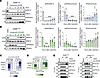 Figure 1
Inhibition of RAS/MAPK signaling in NSCLC reduces methylated PP2ACα and alters PP2A heterotrimer composition in vitro. (A and B) Western blot and quantification of pERK, ERK, mePP2ACα, and total PP2ACα in A549 cells treated with trametinib (30 nM) and NCI-H358 cells treated with adagrasib (300 nM) for the indicated time points. pERK was normalized to ERK; mePP2ACα and total PP2ACα were normalized to vinculin, and all targets are expressed relative to DMSO, 0 hours. Vinculin blots are shown in Supplemental Figure 2. Significance determined by 1-way ANOVA with Dunnett’s correction: *P ≤ 0.05, **P ≤ 0.01, ****P ≤ 0.0001. MS I, methylation-insensitive; MS, methylation-sensitive. (C and D) Heatmaps summarizing mePP2ACα and total PP2ACα levels in the indicated cell lines after trametinib or adagrasib treatment. Associated Western blots and quantification data are in Supplemental Figures 6 and 7 and the Supporting Data Values file. (E and F). Co-IP from A549 and H358 expressing V5-tagged PP2A-Aα showing altered holoenzyme composition 2 and 96 hours after trametinib or adagrasib treatment. Input controls are in Supplemental Figure 4; quantification is in Supplemental Figures 4 and 5. All data are presented as mean ± SEM (n ≥ 3).
We repeated the experiments using another set of chemically distinct inhibitors of MEK1/2 and KRASG12C, selumetinib (MEKi) and sotorasib (G12Ci). Again, we used optimal concentrations necessary to decrease pERK and those matched to relevant plasma exposures — 1 μM of selumetinib and 300 nM of sotorasib (Supplemental Figure 1, B and D). Both drugs reduced mePP2ACα and increased total PP2ACα expression (Supplemental Figure 3). These data indicate that RAS/MAPKi-induced changes in mePP2ACα and PP2ACα, independent of LCMT1 and PME1 expression, are not off-target products of trametinib and adagrasib but a product of general MEK1/2 or KRASG12C inhibition (Supplemental Figure 2, A and B, and Supplemental Figure 3, A and B). Given the loss of mePP2ACα, we assessed whether RAS/MAPKi altered the composition of PP2A heterotrimers. We stably overexpressed V5-tagged PP2A-Aα in A549 and NCI-H358 cells to immunoprecipitate PP2A complexes. After 96 hours of treatment with trametinib or adagrasib, we observed a dramatic reduction in the binding of the B56 family of regulatory subunits, including methylation-sensitive subunits like B56α and B56ε and some methylation-insensitive subunits like B56δ (Figure 1, E and F, and Supplemental Figures 4 and 5). Importantly, B56 regulatory subunit loss correlated with reduced binding between PP2A-Aα, mePP2ACα, and total PP2ACα, indicative of a disruption of AC dimerization. In A549 cells, the methylation-insensitive subunit PR130 increased binding to the scaffold, whereas binding between PP2A-Aα and PR130 decreased in NCI-H358 cells. Interestingly, we observed that trametinib, not adagrasib, upregulated PR130 levels in cells, which likely explains the enhanced binding between PR130 and the scaffold. Together, these data indicate that RAS/MAPKi altered PP2A heterotrimer composition and the availability of PP2A enzymes during the acquisition of resistance mechanisms in our experimental settings.
Demethylated PP2ACα drives resistance to RAS/MAPKi in vitro. To examine whether the loss of mePP2ACα could affect the drug response of RAS/MAPK inhibitors and drive resistance, we aimed to abolish carboxymethylation in A549 and NCI-H358 cells. We generated LCMT1–/– (LCMT1) KO or empty vector (EV) control lines using CRISPR/Cas9 (Figure 2, A and B, and Supplemental Figure 8, A and C). In A549 cells, we achieved undetectable levels of LCMT1 using 2 independent guide RNAs (gRNAs), resulting in a significant loss of mePP2ACα compared with the EV control (Figure 2A and Supplemental Figure 8, A and B). To determine whether the KO cells produced a differential response to MEKi, we treated EV and KO cells with increasing doses of trametinib for 72 hours and measured cell viability by CellTiter-Glo (CTG) assay. Both KO lines displayed increased resistance through an IC50 shift from 21.18 nM to 1 μM or greater in the KO cells (Figure 2C). Compared with the effects of LCMT1 KO on trametinib, adagrasib responses were more modest, possibly due to incomplete LCMT1 loss and retention of methylation in NCI-H358 cells (Figure 2B and Supplemental Figure 8, C and D). The KO lines displayed increased IC50 values compared with EV — 3-fold and 11-fold individually (Figure 2D).
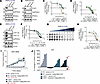 Figure 2
Demethylation of PP2ACα drives intrinsic resistance to RAS/MAPK inhibition in vitro and MEK1/2 inhibition in vivo. (A and B) Western blot of LCMT1, mePP2ACα, and PP2ACα in A549 and NCI-H358 cells expressing empty vector (EV) or LCMT1–/– using 2 gRNAs. (C and D) Cell viability of A549 and NCI-H358 EV or LCMT1–/– cells treated with trametinib or adagrasib (0–10 μM, 72 hours). (E) Western blot of A549 EV, LCMT1–/–, and V5-tagged LCMT1 (reconstitution) cells. (F) Corresponding trametinib cell viability (CTG) assay (0–10 μM, 72 hours). (G and H) Clonogenic assay of A549 EV, LCMT1–/–, and V5-tagged LCMT1 cells treated with trametinib (0–10 μM, 1.5 weeks), with growth inhibition (%) calculated in H. (I) Tumor growth curves for A549 EV and LCMT1–/– CDXs treated with vehicle or trametinib (1 mg/kg, QD). TGI was assessed at day 34. (J) Waterfall plot showing tumor response by RECIST: PD, progressive disease; SD, stable disease; PR, partial response; CR, complete response. All Western blot quantifications are in Supplemental Figure 8, and raw data are in Supporting Data Values file. One-way ANOVA with Tukey’s multiple-comparison test was used to calculate statistical significance in I: ****P ≤ 0.0001.
To assess whether the observed effect on drug response was a result of LCMT1–/– specifically, we restored LCMT1 expression using a V5-tagged LCMT1-expressing construct in A549 cells. Briefly, we lentivirally transduced A549 gRNA #1 LCMT1–/– cells with a V5-tagged LCMT1 (V5-LCMT1) plasmid containing a mutated PAM site such that it could not be recognized by Cas9. Restoration of LCMT1 and mePP2ACα were confirmed by Western blot (Figure 2E and Supplemental Figure 8, E and F). The reconstituted cells were then subjected to a CTG assay for 72 hours and clonogenic assay for 2 weeks. The results showed that the reconstitution of LCMT1 into the KO cells reversed intrinsic resistance to trametinib. For the CTG assay, the restoration of LCMT1 led to a 7-fold reduction in the IC50 (422 nM to 61 nM) (Figure 2F). By clonogenic assay, we determined that the LCMT1–/– cells were more resistant to trametinib compared with the EV control because after 2 weeks of treatment, 50% growth inhibition (GI50), defined as the concentration of drug required to reduce colony formation by 50% relative to untreated controls, was observed at a higher dose. The restoration of LCMT-1 led to a 10-fold or greater reduction in the GI50 to EV levels (165.8 nM to 10.41 nM) (Figure 2, G and H).
Together, these data suggest that decreased mePP2ACα caused by LCMT1–/– drives intrinsic resistance to RAS/MAPKi — more so trametinib than adagrasib. Therefore, a decrease in mePP2ACα in response to RAS/MAPKi, described above, contributed to the cellular response, resulting in acquired resistance to these inhibitors (Figure 1, A and B, and Supplemental Figures 6 and 7).
Demethylated PP2ACα drives resistance to MEK inhibition in vivo. To determine whether decreased mePP2ACα drives intrinsic resistance to trametinib in vivo, we generated A549 EV and LCMT1 gRNA#1 cell-derived xenografts (CDXs). First, 5 × 10⁶ cells were injected subcutaneously into the right flank of male nude mice. After tumors reached 100 mm3, mice were randomized into 2 treatment groups: vehicle or trametinib (1 mg/kg) treated once per day (QD) by oral gavage. The dose and timing of treatment were determined based on the literature for in vivo studies using trametinib (31). Tumor volumes were measured twice per week by caliper measurement. Consistent with our cell-based studies, LCMT1–/– trametinib tumors were indistinguishable from the vehicle tumors in that they did not respond to trametinib and had a tumor growth inhibition (TGI) of 27%. EV tumors treated with trametinib presented a TGI of 101% compared with vehicle controls and experienced regressions (Figure 2, I and J). We confirmed KO of LCMT1 and loss of mePP2ACα in the tumors at the conclusion of the study by Western blot (Supplemental Figure 8G). Importantly, the KO of LCMT1 and trametinib were well-tolerated as assessed by body weight (Supplemental Figure 8F).
At the end of the study, we found that EV-vehicle tumors were heavier than the EV-trametinib tumors, suggesting that trametinib was effective in this model. Of note, the LCMT1–/– tumors (vehicle and trametinib) showed more necrosis and tumor ulcerations compared with the EV controls, making it challenging to draw a definitive conclusion for the pair. Together, the data suggest that the inactivation of PP2A through a reduction of mePP2ACα can lead to resistance to MEK1/2 inhibition in vitro and in vivo (Supplemental Figure 8H).
PP2A-B56α loss confers resistance to RPT04402 and RAS/MAPKi in KRAS-mutant NSCLC cells. The treatment of NSCLC cells with a RAS/MAPKi not only affects mePP2ACα expression level but also PP2A heterotrimer stability, which requires it. Certain methylation-sensitive heterotrimers, namely PP2A-B56α, negatively regulate MAPK and AKT/mTOR signaling (10, 32). Based on this, we hypothesized that the loss of PP2A-B56α observed in previous studies (Figure 1, E and F) could drive RAS/MAPKi resistance and that preventing this loss could delay it. To address this, we developed a PP2A molecular glue, RPT04402, that selectively stabilizes PP2A-B56α heterotrimers. RPT04402 increases the affinity of B56α for the A/C dimer, and this interaction is enhanced when mePP2ACα is reduced (Derek J. Taylor, Case Western Reserve University, unpublished observations). Therefore, combining RPT04402 with a RAS/MAPKi should stabilize PP2A-B56α heterotrimers and bypass resistance mechanisms induced by RAS/MAPKi.
We performed single-agent experiments to evaluate the efficacy of RPT04402, trametinib, and adagrasib in promoting cytotoxicity and inhibiting proliferation. In 2D and 3D cell viability assays, RPT04402 triggered cell death in a dose-dependent manner, with no difference in IC50 values between the 2 settings (Supplemental Figure 9, A and B). Adagrasib showed variable sensitivity, inducing cytotoxicity in NCI-H358 but not in NCI-H2030 or 6652CL cells (Supplemental Figure 9, C and D). 6652CL, created from a KRAS G12C-mutant patient-derived xenograft, was the most resistant to adagrasib treatment. This result is in line with literature highlighting variable, often ineffective, responses to direct G12C inhibition in commercial and patient-derived models. Trametinib mainly induced cytostatic responses, with a moderately cytotoxic response in A549 cells and minimal effects in others (Supplemental Figure 9, E and F). In clonogenic assays, all drugs inhibited proliferation in a dose-dependent manner (Supplemental Figure 9, G and H).
To evaluate the functional specificity of RPT04402 for PP2A-B56α, we generated B56α-KO (B56α–/–) A549 and NCI-H358 cell lines using CRISPR/Cas9 (Supplemental Figure 10, A–D). Clonogenic assays were employed to investigate specificity, as RPT04402 exhibited a more pronounced antiproliferative effect compared with its impact on cell viability. In our clonogenic assays, B56α loss impaired the ability of trametinib and RPT04402 to inhibit cell proliferation. In A549 cells, B56α–/– increased resistance to trametinib (GI50 increased 8-fold) and RPT04402 (GI50 doubled). Similarly, in NCI-H358 cells, B56α–/– increased resistance to both adagrasib and RPT04402 (GI50 for RPT04402 increased from 48.19 μM to 810.3 μM). These data indicate that the effects of both trametinib and RPT04402 on cell proliferation are partially dependent on B56α in vitro (Supplemental Figures 10, E–J).
RPT04402 synergizes with MEK1/2 and KRASG12C inhibition to trigger cell death in NSCLC. To determine whether RPT04402 could enhance MEK1/2 inhibition in vitro, we evaluated the synergistic effect of RPT04402 and trametinib in A549, NCI-H2444, and 6652CL. Cell viability assays showed that RPT04402 synergized with trametinib to enhance cytotoxicity after 48 hours of treatment, as determined by the highest single-agent synergy model (≥ 10 = synergism) (Figure 3A). This model assumes a positive interaction when the combination of drugs induces a greater response than single-agent treatments. Trametinib and RPT04402 induced modest cell death (≤ 50%) as single-agent treatments but enhanced cytotoxicity by at least 80% when combined (Supplemental Figure 11A). Similar synergy profiles were observed in both 2D and 3D contexts, indicating no effect of the cell culture vessel on the phenotype (Figure 3A and Supplemental Figure 11). To assess the durability of the combinatorial activity between the 2 drugs, A549 and 6652CL were treated with trametinib, RPT04402, or the combination for 2 weeks. Both cell lines showed dose-dependent inhibition of colony growth as single-agent treatments (Figure 3B and Supplemental Figure 11, B and C). The combination of RPT04402 and trametinib inhibited cell proliferation, and there were no signs of regrowth (relative to control) in the combination-treated wells in either cell line (Figure 3B). The synergistic effect on cell death, as measured by CTG, was confirmed by live/dead staining in 2D and 3D conditions after treating cells for 48 hours. In both contexts, the combination groups produced a higher percentage of dead cells compared with either trametinib or RPT04402 alone in A549 and 6652CL cells. However, we did not observe any increase in cell death in the combination groups in NCI-H2444 cells (Figure 3, C and D). These findings highlight the context-dependent nature of drug responses, particularly in KRAS G12V-mutant cancers, which are known to exhibit variable sensitivity to MEK1/2 inhibition (33–35). Additionally, our live/dead study was based on the “most synergistic” combination of drugs from the in vitro synergism studies; therefore, the combination identified in that context may not elicit the same cytotoxic effect in our live/dead system.
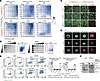 Figure 3
RPT04402 enhances the effects of trametinib by increasing cytotoxicity, reducing cell proliferation, and promoting apoptosis/cell death in NSCLC. (A) 2D contour plots of highest single-agent synergy scores for cell lines (A549, NCI-H2444, 6652CL) cultured as 2D monolayers or 3D spheroids. Cells were treated with increasing concentrations of RPT04402 or trametinib, either as single treatments or in combination, for 48 hours. (B) Clonogenic assay of A549 and 6652CL cells treated with increasing concentrations of trametinib, RPT04402, or the combination, and cultured for 2 weeks. (C and D) Representative images of 2D and 3D live/dead staining in A549 (trametinib: 2D/3D = 30 nM; RPT04402: 2D/3D = 25 μM), NCI-H2444 (trametinib: 2D/3D = 250/50 nM; RPT04402: 2D/3D = 25 μM), and 6652CL (trametinib: 2D/3D = 250 nM; RPT04402: 2D/3D = 25 μM) cells after 48 hours of treatment with trametinib, RPT04402, or the combination. Scale bar: 75 μm. (E) Annexin V/propidium iodide double staining assay of A549 (trametinib: 30 nM; RPT04402: 25 μM) and 6652CL (trametinib: 250 nM; RPT04402: 25 μM) cells treated with trametinib, RPT04402, or the combination for 48 hours. Data quantification is shown as bar graphs with individual data points and the mean ± SE (n ≥ 3). Statistical significance was assessed by 2-way ANOVA with Tukey’s post hoc analysis. (F) Western blot analysis of pERK and pAKT (pT308 and pS473) levels, normalized to tERK and tAKT, respectively, in A549 and 6652CL cells from the annexin V/propidium iodide assay. Blot quantifications are in Supplemental Figure 11. Raw values from all studies are in the Supporting Data Values file.
Next, we carried out annexin V/propidium iodide staining by flow cytometry to further examine the drug effects on apoptosis/cell death. A549 and 6652CL cells were treated for 48 hours with a combination of concentrations that produced the greatest amount of synergy in the 2D CTG assays (Supporting Data Values file). In both cell lines, single treatment of trametinib and RPT04402 did not significantly increase annexin V staining. However, the combination of trametinib and RPT04402 caused more than 50% of the cells to enter a late apoptotic/necrotic state (annexin V–negative, propidium iodide–positive) (Figure 3E). In both cell lines, we observed a statistically significant interaction effect (P ≤ 0.0001) and post hoc significance between trametinib and the combination (A549: P ≤ 0.0001; 662CL: P = 0.001). These data indicate that RPT04402 synergizes with trametinib to promote apoptosis/cell death.
We repeated our synergy experiments with adagrasib and RPT04402 in NCI-H358, NCI-H2030, and 6652CL cells. The combination exhibited synergistic effects in both 2D and 3D cultures (Figure 4A, Supplemental Figure 12A, and Supporting Data Values file). As noted previously, NCI-H2030 and 6652CL cells are intrinsically resistant to adagrasib compared with NCI-H358 cells (Supplemental Figure 9, C and D). When used alone, adagrasib resulted in IC50 values of 1 μM or higher in both resistant cell lines, but combining it with RPT04402 reduced the IC50 by more than 8-fold (Supplemental Figure 12A), suggesting that RPT04402 sensitizes resistant cells to adagrasib. This synergy was further supported by clonogenic assays, where NCI-H358 and 6652CL cells were treated with adagrasib, RPT04402, or their combination for 2 weeks. Both adagrasib and RPT04402 inhibited colony growth in a dose-dependent manner (Figure 4B). In NCI-H358 cells, RPT04402 enhanced the antiproliferative effect of adagrasib but only at lower concentrations of adagrasib (Supplemental Figure 12B). In contrast, adagrasib and RPT04402 alone induced minimal growth inhibition in 6652CL cells, while their combination increased cytotoxicity 80% or more, with the GI50 of adagrasib decreasing by 8-fold or greater when combined with RPT04402 at multiple concentrations (Supplemental Figure 12C).
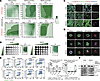 Figure 4
RPT04402 enhances the effects of adagrasib by increasing cytotoxicity, reducing cell proliferation, and promoting apoptosis/cell death in NSCLC. (A) 2D contour plots of highest single-agent synergy scores for cell lines (NCI-H358, NCI-2030, 6652CL) cultured as 2D monolayers or 3D spheroids. Cells were treated with increasing concentrations of RPT04402 or adagrasib, either as single treatments or in combination, for 48 hours. (B) Clonogenic assay of NCI-H358 and 6652CL cells treated with increasing concentrations of adagrasib, RPT04402, or the combination, and cultured for 2 weeks. (C and D) Representative images of 2D and 3D live/dead staining in NCI-H358 (adagrasib: 2D/3D = 150/3 nM; RPT04402: 2D/3D = 22.5 μM), NCI-H2030 (adagrasib: 2D/3D = 250 nM; RPT04402: 2D/3D = 27.5 μM), and 6652CL (adagrasib: 2D/3D = 250 nM; RPT04402: 2D/3D = 27.5 μM) cells after 48 hours of treatment with adagrasib, RPT04402, or the combination. Scale bar: 75 μm. (E) Annexin V/propidium iodide double staining assay of NCI-H358 (adagrasib: 150 nM; RPT04402: 25 μM) and 6652CL (adagrasib: 250 nM; RPT04402: 27.5 μM) cells treated with adagrasib, RPT04402, or the combination for 48 hours. Data quantification is shown as bar graphs with individual data points and the mean ± SE (n ≥ 3). Statistical significance was assessed by 2-way ANOVA with Tukey’s post hoc analysis. (F) Western blot analysis of pERK, pAKT (pT308 and pS473) levels, normalized to tERK and tAKT, respectively, in NCI-H358 and 6652CL cells from the annexin V/propidium iodide assay. Blot quantifications are in Supplemental Figure 12. The annexin V/propidium iodide plots for 6652CL treated with DMSO or RPT04402 are shared between Figures 3 and 4 given that all treatment groups were run simultaneously. Quantifications account for all pairwise comparisons made, and statistics were performed as described in Figure 3. Raw values from all studies are in the Supporting Data Values file.
Like our trametinib and RPT04402 studies, we confirmed synergy through live/dead staining in both 2D and 3D cultures. At the most synergistic concentrations, RPT04402 enhanced adagrasib’s cytotoxic effect in NCI-H358 cells and sensitized NCI-H2030 and 6652CL cells, which showed minimal cytotoxicity with adagrasib alone (Figure 4, C and D).
Annexin V/propidium iodide staining was performed 48 hours after treatment with the most synergistic concentrations in both cell lines. In NCI-H358 cells, adagrasib induced apoptosis, and the addition of RPT04402 further increased the percentage of double-positive (annexin V–positive, propidium iodide–positive) cells and of cells in a necrotic state (annexin V–negative, propidium iodide–positive). (Figure 4E). In 6652CL cells, treatment with adagrasib or RPT04402 alone modestly increased the percentage (≤ 20%) of cells in a late apoptotic/necrotic state. However, the combination treatment shifted more than 50% of the cells into this state (Figure 4E). In both cases, we observed a statistically significant interaction effect (P ≤ 0.0001) and post hoc significance between adagrasib and the combination (H358: P ≤ 0.0001; 662CL: P = 0.03).
Next, we aimed to determine how the addition of RPT04402 to either trametinib or adagrasib affected ERK and AKT pathway activation. In A549 and 6652CL cells, we observed that RPT04402 decreased pERK levels compared with the DMSO control in both cell lines (Figure 3F and Supplemental Figure 11, D and E). Interestingly, the combination of trametinib and RPT04402 also reduced pAKT (pT308 only in A549 cells and pS473 in both) compared with trametinib alone (Figure 3F and Supplemental Figure 10, D and E). The results with adagrasib and RPT04402 were more variable. In NCI-H358 cells, pERK levels rebounded 48 hours after adagrasib treatment; however, the addition of RPT04402 did not further suppress pERK to a level that reached statistical significance (Figure 4F and Supplemental Figure 11D). RPT04402 reduced pAKT hyperactivation, specifically at pS473 (but not pT308). In 6652CL cells, both drugs significantly decreased pERK compared with the DMSO control. Unlike the trametinib and RPT04402 combination, RPT04402 did not affect pAKT in 6652CL cells, as pAKT was not hyperphosphorylated at the selected concentration (Figure 4F and Supplemental Figure 11E). The variable effects on pERK and pAKT, despite the observed synergy between RPT04402 and either trametinib or adagrasib, suggest that the cooperation of these drugs extends beyond these 2 substrates.
Synergism between RPT04402 and RAS/MAPK inhibitors depends on PP2A-B56α in vitro. Next, we investigated whether the synergy between RPT04402 and trametinib or adagrasib could be affected by B56α loss. We repeated our cell viability and clonogenic assays in B56α–/– A549 and NCI-H358 cells. Briefly, B56α–/– cells were treated with increasing concentrations of RPT04402, trametinib, or adagrasib for 72 hours in a CTG assay (Figure 5A). B56α–/– reduced synergy scores in all settings (2D: 11.13 to 4.47 in A549 and 13.94 to –42.13 in H358; 3D: 13.14 to –3.29 in A549 and 13.46 to 6.00 in H358). In both cell lines, all drugs exhibited reduced effects on cell death, with some concentrations increasing viability compared with the DMSO control (NCI-H358) (Supplemental Figure 13, A and B). In addition, 2D and 3D live/dead staining confirmed the results of our CTG assay. For example, the combination of trametinib and RPT04402 in A549 B56α–/– cells diminished, but not entirely abolished, synergy; fewer cells were observed in the combination group, indicating greater growth suppression than single-agent treatment (Figure 5B). Similarly, B56α–/– did not entirely block the synergy between RPT04402 and adagrasib in NCI-H358 cells (Figure 5B).
 Figure 5
Loss of B56α abolishes synergy between RPT04402 and RAS/MAPK inhibition. (A) 2D contour plots of highest single-agent synergy scores for B56α–/– cell lines (A549, NCI-H358) cultured as 2D monolayers or 3D spheroids. Cells were treated with increasing concentrations of RPT04402, trametinib (A549), or adagrasib (NCI-H358), either as single treatments or in combination, for 48 hours. (B) Representative images of 2D and 3D live/dead staining in A549 (trametinib: 2D/3D = 30 nM; RPT04402: 2D/3D = 25 μM) and NCI-H358 (adagrasib: 2D/3D = 150/3 nM; RPT04402: 2D/3D = 22.5 μM) cells after 48 hours of treatment. Scale bar: 75 μm. (C) Clonogenic assay of A549 cells treated with increasing concentrations of trametinib, RPT04402, or the combination, cultured for 2 weeks. (D) Clonogenic assay of NCI-H358 cells treated with increasing concentrations of adagrasib, RPT04402, or the combination, and cultured for 2 weeks. (E) Western blot analysis of pERK, mePP2ACα, and PP2ACα in A549 EV and B56α–/– cells after 48 hours of treatment with trametinib (30 nM), RPT04402 (25 μM), and the combination. (F) Western blot analysis of pERK, mePP2ACα, and PP2ACα in NCI-H358 EV and B56α–/– cells after 48 hours of treatment with adagrasib (150 nM), RPT04402 (27.5 μM), and the combination. For both E and F, pERK is normalized to tERK and mePP2ACα, and PP2ACα is normalized to the loading control, vinculin. Densitometry data are expressed relative to the DMSO condition within the genetic background. Vinculin blots are in Supplemental Figure 13. Data in graphs are represented as mean ± SEM (n ≥ 3). Statistical significance was determined by 1-way ANOVA with Tukey’s post hoc analysis: *P ≤ 0.05, **P ≤ 0.01, ***P ≤ 0.001, ****P ≤ 0.0001. Raw values are in the Supporting Data Values file.
In contrast with the CTG assays, B56α–/– abolished synergy in our long-term clonogenic assays. In both cell lines, we found that the RAS/MAPK inhibitors and RPT04402 were unable to induce antiproliferative effects in the KO cells at the same concentrations as in parental cells, eliminating observed synergy in A549 (15.23 vs. 1.78) and NCI-H358 (18.84 vs. –0.79) (Figure 5, C and D).
Next, we examined the effects of the drug treatments on mePP2ACα, pERK, and pAKT in the KO cells compared with the EV control. In A549 EV cells, trametinib reduced mePP2ACα and increased total PP2ACα levels, consistent with our initial experiments (Figure 5E and Figure 1A). The reduction of mePP2ACα was also observed in the KO cells, indicating that the loss of B56α does not affect trametinib’s ability to directly alter mePP2ACα levels. Additionally, no changes were observed in pERK expression; for instance, single-agent trametinib reduced pERK, but the combination did not further suppress it, consistent with our parental results (Figure 5E and Figure 3F). In contrast to the parental and EV cells, the combination of trametinib and RPT04402 did not reduce hyperphosphorylation of AKT at either the pT308 or pS473 sites in the KO cells (Supplemental Figure 13F).
A similar pattern was observed in NCI-H358 cells, where both EV and KO cells showed a reduction in mePP2ACα in response to adagrasib treatment. No changes in pERK expression were observed (e.g., single-agent RPT04402 did not reduce pERK, nor did the combination treatment further enhance suppression) (Figure 5F). Furthermore, no effects on pAKT (pT308 or pS473) were detected in response to any of the drug treatments, whether administered as single agents or in combination (Supplemental Figure 13G).
RPT04402 promotes TGI in KRAS-mutant NSCLC. We have demonstrated that RPT04402 induces an antitumor response that is B56α dependent in endometrial cancer models (Irene Peris, University of Michigan, unpublished observations). To examine whether this dependency held true in KRAS-mutant NSCLC, we tested RPT04402 in the A549 CDX model, using both EV and B56α–/– tumors (Supplemental Figure 14F). After tumors reached 100 mm3, mice were treated with 10 mg/kg or 100 mg/kg RPT04402 (oral gavage; QD). In the EV group, 10 mg/kg and 100 mg/kg RPT04402 treatment led to 59% TGI (P = 0.0271) and 42% TGI (P = 0.0186), respectively. However, in B56α–/– tumors, neither dose inhibited growth, indicating that the antitumor effect of RPT04402 is B56α-dependent (Supplemental Figure 14, A, B, and E). Mouse body weights remained stable, with no signs of toxicity (Supplemental Figure 14, C and D). Further dose-efficacy studies were conducted in KRAS-mutant NSCLC CDX models, including NCI-H441 and NCI-H640. In the NCI-H441 model, 10 mg/kg and 30 mg/kg RPT04402 (oral gavage; QD) resulted in 50.5% TGI (P = 0.0011) and 42.4% TGI (P = 0.0034), respectively, with median survival of 79 days for the 10 mg/kg group and 67 days for the 30 mg/kg group (Supplemental Figure 15, F–H). In the NCI-H460 model, 10 mg/kg RPT04402 (oral gavage; QD) produced a TGI of 40.7% (P = 0.0053 1) (Supplemental Figure 15, K and L). Importantly, no toxicities were observed in these models (Supplemental Figure 15, J and N). Overall, daily doses of 10–30 mg/kg RPT04402 effectively inhibited tumor growth without affecting animals’ health. Furthermore, RPT04402 did not exhibit a linear dose-response relationship in our A549 and NCI-H441 models given that increasing the dose beyond 10 mg/kg did not enhance efficacy, suggesting a potential saturation point.
RPT04402 synergizes with MEK1/2 inhibition in NSCLC CDX. Although MEK1/2 inhibitors exhibit strong antitumor activity in mouse models, single-agent suppression of MEK1/2 typically results in transient TGI, which is soon followed by tumor regrowth. This regrowth is often associated with the reactivation of MAPK signaling or the activation of compensatory pathways. In our cell-based experiments, we found that trametinib synergized with RPT04402 to enhance cytotoxicity, trigger apoptosis, and inhibit cell proliferation. Based on these results, we sought to determine whether the combination of trametinib and RPT04402 could prevent acquired resistance in vivo, as indicated by changes in tumor regrowth. We investigated the combination of trametinib and RPT04402 in an A549 CDX (Supplemental Figure 16A). Both trametinib (1 mg/kg, QD) and RPT04402 (30 mg/kg, QD) led to significant TGI, with mean TGI of 97% and 69%, respectively (Figure 6A, Supplemental Figure 16D). On day 48, the first animal in the vehicle group reached the study endpoint tumor volume (~2,000 mm³), and all vehicle-treated mice were removed by day 56. In contrast, the trametinib and RPT04402 single-agent treatment groups achieved median survivals of 130 and 84 days and increased lifespans of 150% and 62%, respectively, relative to vehicle (Figure 6C). Notably, both single-agent treatment groups eventually developed resistance, whereas the combination group did not. On day 48, the combination group produced a TGI of 103% (estimation plot in Supplemental Figure 16B), which was maintained for the duration of the study (~140 days) with an increased lifespan of 169% (Figure 6C). Furthermore, a waterfall plot revealed that 100% of the animals in the combination group had a greater than 50% decrease in tumor burden, with all mice in the combination arm maintaining tumor volumes below 100 mm³ (Supplemental Figure 16, E and F). In contrast, 100% of the animals in the trametinib group exhibited progressive disease (Figure 6B). These data suggest that RPT04402 can prevent trametinib-induced acquired resistance and that the combination promotes a durable antitumor response in vivo. Importantly, the combination was well tolerated, with no changes in body weight or condition (Supplemental Figure 16C).
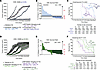 Figure 6
RPT04402 delays RAS/MAPKi-induced acquired resistance in KRAS-mutant NSCLC in vivo. (A) Tumor growth curves of A549 CDX mice treated with vehicle (n = 9), trametinib (1 mg/kg QD, n = 10), RPT04402 (30 mg/kg QD, n = 8), or the combination (n = 7). TGI was assessed at day 48; 2-way ANOVA with Tukey’s post hoc analysis was used for statistical significance. Statistical comparisons for vehicle versus all treatments: ***P ≤ 0.001, ****P ≤ 0.0001; trametinib versus combination: ##P ≤ 0.01. (B) Waterfall plot displaying the percentage change in tumor volume at day 48. RECIST criteria were used to categorize responses (PD, progressive disease; SD, stable disease; PR, partial response; CR, complete response). (C) Kaplan-Meier survival curves for A549 CDX. Median survival and increase in lifespan (increased lifespan) are shown; significance was determined using the log-rank (Mantel-Cox) test comparisons: vehicle versus all treatments: ****P ≤ 0.0001; trametinib versus combination: ##P ≤ 0.01. (D) Tumor growth curve for NCI-H358 CDX mice treated with vehicle (n = 8), adagrasib (30 mg/kg QD, n = 9), RPT04402 (10 mg/kg QD, n = 8), and the combination (n = 9). TGI was assessed at day 29. Statistical comparisons for vehicle versus all treatments: **P ≤ 0.01, ***P ≤ 0.0001; adagrasib versus combination, #P ≤ 0.05. (E) Waterfall plot displaying the percentage change in tumor volume on day 29, categorized by RECIST. (F) Kaplan-Meier curves for NCI-H358 CDX with median survival and increased lifespan indicated. Log-rank test comparisons: vehicle versus all treatments, **P ≤ 0.01; adagrasib versus combination, #P = 0.053.
All mice in this study were treated continuously after developing resistance, based on findings from an A549 CDX pilot study where doses were assigned prior to the conclusion of our pharmacokinetic studies. In our initial experiments, we tested 100 mg/kg and 300 mg/kg RPT04402, dosed every other day for 34 days and observed statistically significant TGI of 70% (P ≤ 0.001) and 80% (P ≤ 0.0001), respectively (Supplemental Figure 17, A and B). We combined the most efficacious dose of 300 mg/kg RPT04402 with 3 mg/kg trametinib and treated mice every other day. This dose of trametinib was chosen based on published dosing regimens of in vivo trametinib efficacy studies (31). As seen in our main study, the combination of trametinib and RPT04402 prevented tumor regrowth compared with either drug alone (Supplemental Figure 17F). However, when treatment ended on day 80, tumors in the combination group began to regrow (Supplemental Figure 17, E–H). Despite this regrowth, the combination still maintained a TGI of 103% for about 40 days after treatment cessation.
RPT04402 potentiates KRAS-G12C inhibition in NSCLC CDX. Our cell-based studies demonstrated that RPT04402 synergizes with adagrasib to enhance cytotoxicity, trigger apoptosis, and reduce cell proliferation. To assess the in vivo durability of this combination, we next evaluated adagrasib and RPT04402 in an NCI-H358 CDX model (Supplemental Figure 18A). As expected, adagrasib (30 mg/kg, QD) significantly inhibited tumor growth, achieving a mean TGI of 96%. In contrast, RPT04402 (10 mg/kg, QD) resulted in modest TGI, with a mean and median TGI of 17% and 54%, respectively (Figure 6D). On day 29, the first animal in the vehicle group reached the study endpoint tumor volume of 2,500 mm3, and the median survival of the vehicle group was 77 days (Figure 6F). One animal in the RPT04402 arm also reached the endpoint on day 29, and rapid tumor regrowth was observed in this group; median survival was 71 days (Figure 6F). Interestingly, animals in the RPT04402 arms at lower doses (1 or 5 mg/kg, QD) exhibited higher TGI on day 29 (56% and 42%, respectively) and median survival periods of 141 and 107 days, respectively (Supplemental Figure 15, A and C), underscoring a possible saturation point at 10 mg/kg in this model. Combined with our single-agent A549 and NCI-H441 CDX studies, this finding illustrates the context-dependent nature of RPT04402 response.
Although RPT04402 (10 mg/kg, QD) alone did not achieve significant TGI in the H358 CDX, the combination of adagrasib and RPT04402 enhanced TGI compared with adagrasib alone; the combination produced a TGI of 112% compared with a TGI of 96% by single-agent adagrasib (Figure 6D and Supplemental Figure 18 B, D–F). By day 29, 50% (6/12) of the adagrasib-treated animals had stable or progressive disease, whereas 100% (12/12) of the combination-treated animals displayed reductions in tumor burden (70%–95%) (Figure 6E). The combination group also reached a median survival of 153 days (increased lifespan = 99%), compared with 93 days (increased lifespan = 21%) for the adagrasib-only group. The difference between the adagrasib and combination curves was not statistically significant (P = 0.053), though it approached the conventional threshold. As observed in the A549 CDX study, the combination was well tolerated, with no significant changes in body weight or condition (Supplemental Figure 18C). These findings suggest that although RPT04402 potentiates the antitumor effects of adagrasib and delays the onset of acquired resistance, it does not completely prevent resistance development, which could potentially be achieved using a different dose of RPT04402 in this model.
RPT04402 potentiates trametinib-induced apoptosis and antiproliferative activity in vivo. A pharmacodynamic study was conducted to evaluate the effects of RAS/MAPK inhibitors, RPT04402, and their combination on key RAS/MAPK signaling effectors, including pERK, pAKT, me-PP2ACα, and methylation modulators. This study was necessary because our long-term combination studies induced significant tumor regression, making it difficult to collect sufficient tumor tissue for molecular analyses.
The investigation focused on the A549 CDX model and the trametinib-RPT04402 combination, which demonstrated the most pronounced effect in delaying tumor regrowth. Briefly, 5 × 10⁶ A549 cells were injected subcutaneously into male nude mice. After tumors reached a size of 300–500 mm3, mice were randomized into 4 groups: vehicle, 1 mg/kg trametinib, 30 mg/kg RPT04402, and the combination. Treatments were administered orally once daily for 7 days (Figure 7A), based on our initial combination study where tumor regression was observed by day 7 (Figure 6A). For downstream analyses, mice were euthanized at 3, 6, 24, or 48 hours after the final dose. By the end of the treatment period, there were no significant differences in tumor volume or weight across groups (Figure 7B and Supplemental Figure 19, A and B).
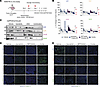 Figure 7
RPT04402 enhances trametinib-induced apoptosis in vivo. (A) Schematic of the A549 pharmacodynamic study. Mice were treated daily for 7 days with vehicle, trametinib (1 mg/kg), RPT04402 (30 mg/kg), or the combination. Mice were euthanized 3, 6, 24, or 48 hours after the final dose for analysis. (B) Waterfall plots displaying the percentage change in tumor volume for each treatment arm 3, 6, 24, and 48 hours after the final dose. The plot indicates responses based on RECIST criteria: PD, progressive disease; SD, stable disease; PR, partial response; CR, complete response. (C) Western blot analysis of mePP2ACα in tumors from A549 CDX. Blot quantifications are located in Supplemental Figure 21. (D) Representative images of TUNEL staining (green) from histological sections of A549 CDX tumors harvested 3, 6, 24, and 48 hours after the final dose. Between 5 and 15 images per tumor slice were captured to calculate the average percentage of TUNEL-positive cells. (E) Representative images of Ki67 staining (green) from A549 CDX pharmacodynamics as described in D. Nuclei are stained with DAPI. Scale bar: 75 μm. Graphs and quantifications are in Supplemental Figure 21. Raw values are in the Supporting Data Values file.
Western blot analysis of A549 tumors revealed that trametinib monotherapy effectively suppressed pERK expression, with the most pronounced effect observed 3 and 6 hours after the final dose (Supplemental Figure 20, A and B). In contrast, RPT04402 alone had no effect on pERK expression at any time compared with the vehicle control. The combination treatment mirrored the effect of trametinib monotherapy, indicating that the suppression of pERK was driven entirely by trametinib. Additionally, pERK reactivation was observed in both single-agent and combination groups at 24 and 48 hours after treatment. Interestingly, total ERK levels were significantly reduced in the combination group at 3 hours after treatment, a finding not observed with either monotherapy. However, this effect was transient, and although a statistically significant reduction in total ERK levels was noted at 48 hours in the combination group, it was driven by a single outlier in the vehicle control group (Supporting Data Values file).
Next, we examined p-AKT (pT308 and pS473) and total AKT expression. Trametinib monotherapy did not induce hyperactivation of p-AKT at either phosphosite. Instead, it reduced p-AKT levels at both pT308 and pS473, with the reduction at 48 hours being statistically significant (Supplemental Figure 20, A–D). RPT04402 alone had no consistent impact on p-AKT levels except for an isolated increase in pT308 at 24 hours, which was driven by a single tumor. In the combination group, p-AKT (pT308) was elevated at 3 hours after treatment, but this effect was not sustained at later time points. Like trametinib monotherapy, the combination group showed reductions in both pT308 and pS473 levels at 48 hours, with a greater effect on pS473 compared with trametinib alone (Supplemental Figure 20D). Consistent with other in vivo studies, trametinib was the primary driver of reductions in total AKT expression in both the single-agent and combination groups (Supporting Data Values file). In contrast, RPT04402 had virtually no effect on total AKT levels compared with the vehicle control, except for a transient increase at the 24-hour time point, which was not observed at any other time point or treatment condition (Supporting Data Values file).
IHC-based TUNEL staining confirmed that trametinib induced apoptosis in vivo (Figure 7D). The percentage of TUNEL-positive cells in the trametinib group was 7-fold higher than the control (36.1% vs. 5.5%), with this difference maintained across all time points (3, 6, 24, and 48 hours). The addition of RPT04402 to trametinib significantly enhanced apoptosis, with nearly 50% more TUNEL-positive cells compared with trametinib alone (Figure 7D and Supplemental Figure 21B). In contrast, single-agent RPT04402 did not induce apoptosis (Figure 7D), aligning with the tumor volume changes (Figure 7B), where only the trametinib and combination groups showed tumor regressions. This suggests that the tumor regressions observed in our A549 CDXs were primarily driven by trametinib, while RPT04402 resulted in tumor stasis or a slower growth rate (Figure 7B and Supplemental Figures 15 and 17). However, RPT04402 appeared to enhance the apoptotic/cell death effects of trametinib.
We next evaluated the effects of each treatment on proliferation using Ki67 staining. As expected, vehicle-treated tumors had the highest proliferative index, and both trametinib and the combination arms consistently reduced Ki67 staining (Figure 7E and Supplemental Figure 21C). RPT04402 also reduced Ki67 levels but only 3 hours after the final dose. Like the TUNEL staining, the primary inhibitory effects on proliferation seemed to be driven by trametinib. At early time points (3 and 6 hours), the combination of trametinib and RPT04402 enhanced proliferation inhibition compared with trametinib alone (3 hours: P = 0.02; 6 hours: P = 0.03), though this effect was diminished by 24 and 48 hours. At the later time points, single-agent trametinib consistently reduced proliferation relative to vehicle; however, the combination produced and maintained a 10-fold or greater reduction in Ki67-positive cells that was significantly greater than that observed for trametinib alone (vehicle vs. trametinib and vehicle vs. combination) (Supplemental Figure 21C). These findings align with the TUNEL staining, where increased cell death in the combination (relative to trametinib) coincided with the largest reduction in proliferation. Similarly, RPT04402 alone did not reduce Ki67 staining, mirroring its limited impact on cell death or proliferation. Overall, combining RPT04402 with trametinib bolstered both the proapoptotic and antiproliferative effects of trametinib.
Finally, we examined the expression of mePP2ACα, PP2ACα, B56α, PME1, and LCMT1. Trametinib treatment reduced mePP2ACα expression in both the single-agent and combination arms (Figure 7C and Supplemental Figure 21A). Although statistical significance was only achieved at the 48-hour time point, this variability likely reflects small sample sizes and the limitations of significance testing, given that the Western blots consistently showed a clear reduction compared with the vehicle control. RPT04402 alone increased mePP2ACα expression at the 24-hour time point; however, its addition to trametinib in the combination groups did not rescue mePP2ACα expression. Total PP2ACα levels remained largely unchanged except at the 24-hour and 48-hour time points. At 24 hours, trametinib treatment increased PP2ACα expression, whereas at 48 hours, the combination group showed reduced expression compared with the vehicle control (Supplemental Figure 20, A–D). For PME1 and LCMT1 expression, trametinib monotherapy consistently reduced their levels. The addition of RPT04402 did not restore PME1 or LCMT1 expression; however, at 24 hours, Western blots showed a retention of LCMT1 expression in the combination arm compared with trametinib alone, though this was not statistically significant (P = 0.0819) (Supplemental Figure 19, C–F).
Trametinib also decreased B56α expression at all time points, with peaks at 24 hours (P < 0.001) and 48 hours (P = 0.0242). In contrast, single-agent RPT04402 enhanced B56α expression at 3 hours (P = 0.0101), 6 hours (P = 0.0692), and 24 hours (P = 0.0057) after treatment compared with the vehicle control. However, this enhancement was abolished by 48 hours (Supplemental Figures 19, C–F). Interestingly, at 6 hours after treatment, the combination group began to show B56α expression retention compared with trametinib monotherapy (P = 0.0638). By 24 hours, the combination group displayed a statistically significant retention of B56α expression compared with trametinib alone (P = 0.0255) (Supplemental Figure 19E). This rescue of B56α may have contributed to the enhanced cell death and antiproliferative effects observed in the combination arm, which peaked at 24 hours in this study (Figure 7, D and E).
Our pharmacodynamic analyses suggest that the synergy between trametinib and RPT04402 is driven by enhanced cell death, apoptosis, and antiproliferative effects compared with trametinib monotherapy. The combination did not permanently prevent the reactivation of pERK or pAKT but did lead to a reduction in total ERK and total AKT levels, particularly in the combination groups. This reduction likely reflects a compensatory response by tumor cells to counteract cell death induced by other effectors modulated by the combination.


Copyright © 2026 American Society for Clinical Investigation
ISSN: 0021-9738 (print), 1558-8238 (online)