
Advertisement
Research ArticleGeneticsImmunology
Open Access |  10.1172/JCI191469
Posttranscriptional regulation of PD-1 by PRMT5/WDR77 complex shapes T cell effector function and antitumor immunity
Yinmin Gu,1,2 Yongbo Pan,2 Chang Pan,3 Qiang Pang,2 Zhantong Tang,4 Yiwen Chen,2 Haojing Zang,2,5 Xiaodong Wang,2,6 Chang Huang,2,7 Qingqing Zhang,2 Facai Yang,4 Xiaofeng Zhu,2,7 Yibi Zhang,8 Xujie Zhao,2 and Shan Gao2
1The Second Affiliated Hospital, Zhejiang University School of Medicine, Hangzhou, China.
2Zhongda Hospital, School of Life Sciences and Technology, Advanced Institute for Life and Health, Southeast University, Nanjing, China.
3Haiyuan College, Kunming Medical University, Kunming, China.
4School of Medicine, Advanced Institute for Life and Health, Southeast University, Nanjing, China.
5Department of Microbiology and Immunology, Shanxi Medical University, Taiyuan, China.
6Department of Immunology, School of Basic Medical Sciences, Hubei University of Medicine, Shiyan, China.
7Medical College, Guizhou University, Guiyang, China.
8Department of Gynecology, Women’s Hospital of Nanjing Medical University (Nanjing Women and Children’s Healthcare Hospital), Nanjing, China.
Address correspondence to: Shan Gao, Zhongda Hospital, School of Life Sciences and Technology, Advanced Institute for Life and Health, Southeast University, Nanjing, 210096, China. Email: gaos@sibet.ac.cn.
Authorship note: YG and YP contributed equally to this work and are co–first authors.
Find articles by Gu, Y. in: PubMed | Google Scholar
1The Second Affiliated Hospital, Zhejiang University School of Medicine, Hangzhou, China.
2Zhongda Hospital, School of Life Sciences and Technology, Advanced Institute for Life and Health, Southeast University, Nanjing, China.
3Haiyuan College, Kunming Medical University, Kunming, China.
4School of Medicine, Advanced Institute for Life and Health, Southeast University, Nanjing, China.
5Department of Microbiology and Immunology, Shanxi Medical University, Taiyuan, China.
6Department of Immunology, School of Basic Medical Sciences, Hubei University of Medicine, Shiyan, China.
7Medical College, Guizhou University, Guiyang, China.
8Department of Gynecology, Women’s Hospital of Nanjing Medical University (Nanjing Women and Children’s Healthcare Hospital), Nanjing, China.
Address correspondence to: Shan Gao, Zhongda Hospital, School of Life Sciences and Technology, Advanced Institute for Life and Health, Southeast University, Nanjing, 210096, China. Email: gaos@sibet.ac.cn.
Authorship note: YG and YP contributed equally to this work and are co–first authors.
Find articles by Pan, Y. in: PubMed | Google Scholar
1The Second Affiliated Hospital, Zhejiang University School of Medicine, Hangzhou, China.
2Zhongda Hospital, School of Life Sciences and Technology, Advanced Institute for Life and Health, Southeast University, Nanjing, China.
3Haiyuan College, Kunming Medical University, Kunming, China.
4School of Medicine, Advanced Institute for Life and Health, Southeast University, Nanjing, China.
5Department of Microbiology and Immunology, Shanxi Medical University, Taiyuan, China.
6Department of Immunology, School of Basic Medical Sciences, Hubei University of Medicine, Shiyan, China.
7Medical College, Guizhou University, Guiyang, China.
8Department of Gynecology, Women’s Hospital of Nanjing Medical University (Nanjing Women and Children’s Healthcare Hospital), Nanjing, China.
Address correspondence to: Shan Gao, Zhongda Hospital, School of Life Sciences and Technology, Advanced Institute for Life and Health, Southeast University, Nanjing, 210096, China. Email: gaos@sibet.ac.cn.
Authorship note: YG and YP contributed equally to this work and are co–first authors.
Find articles by Pan, C. in: PubMed | Google Scholar
1The Second Affiliated Hospital, Zhejiang University School of Medicine, Hangzhou, China.
2Zhongda Hospital, School of Life Sciences and Technology, Advanced Institute for Life and Health, Southeast University, Nanjing, China.
3Haiyuan College, Kunming Medical University, Kunming, China.
4School of Medicine, Advanced Institute for Life and Health, Southeast University, Nanjing, China.
5Department of Microbiology and Immunology, Shanxi Medical University, Taiyuan, China.
6Department of Immunology, School of Basic Medical Sciences, Hubei University of Medicine, Shiyan, China.
7Medical College, Guizhou University, Guiyang, China.
8Department of Gynecology, Women’s Hospital of Nanjing Medical University (Nanjing Women and Children’s Healthcare Hospital), Nanjing, China.
Address correspondence to: Shan Gao, Zhongda Hospital, School of Life Sciences and Technology, Advanced Institute for Life and Health, Southeast University, Nanjing, 210096, China. Email: gaos@sibet.ac.cn.
Authorship note: YG and YP contributed equally to this work and are co–first authors.
Find articles by Pang, Q. in: PubMed | Google Scholar
1The Second Affiliated Hospital, Zhejiang University School of Medicine, Hangzhou, China.
2Zhongda Hospital, School of Life Sciences and Technology, Advanced Institute for Life and Health, Southeast University, Nanjing, China.
3Haiyuan College, Kunming Medical University, Kunming, China.
4School of Medicine, Advanced Institute for Life and Health, Southeast University, Nanjing, China.
5Department of Microbiology and Immunology, Shanxi Medical University, Taiyuan, China.
6Department of Immunology, School of Basic Medical Sciences, Hubei University of Medicine, Shiyan, China.
7Medical College, Guizhou University, Guiyang, China.
8Department of Gynecology, Women’s Hospital of Nanjing Medical University (Nanjing Women and Children’s Healthcare Hospital), Nanjing, China.
Address correspondence to: Shan Gao, Zhongda Hospital, School of Life Sciences and Technology, Advanced Institute for Life and Health, Southeast University, Nanjing, 210096, China. Email: gaos@sibet.ac.cn.
Authorship note: YG and YP contributed equally to this work and are co–first authors.
Find articles by Tang, Z. in: PubMed | Google Scholar
1The Second Affiliated Hospital, Zhejiang University School of Medicine, Hangzhou, China.
2Zhongda Hospital, School of Life Sciences and Technology, Advanced Institute for Life and Health, Southeast University, Nanjing, China.
3Haiyuan College, Kunming Medical University, Kunming, China.
4School of Medicine, Advanced Institute for Life and Health, Southeast University, Nanjing, China.
5Department of Microbiology and Immunology, Shanxi Medical University, Taiyuan, China.
6Department of Immunology, School of Basic Medical Sciences, Hubei University of Medicine, Shiyan, China.
7Medical College, Guizhou University, Guiyang, China.
8Department of Gynecology, Women’s Hospital of Nanjing Medical University (Nanjing Women and Children’s Healthcare Hospital), Nanjing, China.
Address correspondence to: Shan Gao, Zhongda Hospital, School of Life Sciences and Technology, Advanced Institute for Life and Health, Southeast University, Nanjing, 210096, China. Email: gaos@sibet.ac.cn.
Authorship note: YG and YP contributed equally to this work and are co–first authors.
Find articles by Chen, Y. in: PubMed | Google Scholar
1The Second Affiliated Hospital, Zhejiang University School of Medicine, Hangzhou, China.
2Zhongda Hospital, School of Life Sciences and Technology, Advanced Institute for Life and Health, Southeast University, Nanjing, China.
3Haiyuan College, Kunming Medical University, Kunming, China.
4School of Medicine, Advanced Institute for Life and Health, Southeast University, Nanjing, China.
5Department of Microbiology and Immunology, Shanxi Medical University, Taiyuan, China.
6Department of Immunology, School of Basic Medical Sciences, Hubei University of Medicine, Shiyan, China.
7Medical College, Guizhou University, Guiyang, China.
8Department of Gynecology, Women’s Hospital of Nanjing Medical University (Nanjing Women and Children’s Healthcare Hospital), Nanjing, China.
Address correspondence to: Shan Gao, Zhongda Hospital, School of Life Sciences and Technology, Advanced Institute for Life and Health, Southeast University, Nanjing, 210096, China. Email: gaos@sibet.ac.cn.
Authorship note: YG and YP contributed equally to this work and are co–first authors.
Find articles by Zang, H. in: PubMed | Google Scholar
1The Second Affiliated Hospital, Zhejiang University School of Medicine, Hangzhou, China.
2Zhongda Hospital, School of Life Sciences and Technology, Advanced Institute for Life and Health, Southeast University, Nanjing, China.
3Haiyuan College, Kunming Medical University, Kunming, China.
4School of Medicine, Advanced Institute for Life and Health, Southeast University, Nanjing, China.
5Department of Microbiology and Immunology, Shanxi Medical University, Taiyuan, China.
6Department of Immunology, School of Basic Medical Sciences, Hubei University of Medicine, Shiyan, China.
7Medical College, Guizhou University, Guiyang, China.
8Department of Gynecology, Women’s Hospital of Nanjing Medical University (Nanjing Women and Children’s Healthcare Hospital), Nanjing, China.
Address correspondence to: Shan Gao, Zhongda Hospital, School of Life Sciences and Technology, Advanced Institute for Life and Health, Southeast University, Nanjing, 210096, China. Email: gaos@sibet.ac.cn.
Authorship note: YG and YP contributed equally to this work and are co–first authors.
Find articles by Wang, X. in: PubMed | Google Scholar
1The Second Affiliated Hospital, Zhejiang University School of Medicine, Hangzhou, China.
2Zhongda Hospital, School of Life Sciences and Technology, Advanced Institute for Life and Health, Southeast University, Nanjing, China.
3Haiyuan College, Kunming Medical University, Kunming, China.
4School of Medicine, Advanced Institute for Life and Health, Southeast University, Nanjing, China.
5Department of Microbiology and Immunology, Shanxi Medical University, Taiyuan, China.
6Department of Immunology, School of Basic Medical Sciences, Hubei University of Medicine, Shiyan, China.
7Medical College, Guizhou University, Guiyang, China.
8Department of Gynecology, Women’s Hospital of Nanjing Medical University (Nanjing Women and Children’s Healthcare Hospital), Nanjing, China.
Address correspondence to: Shan Gao, Zhongda Hospital, School of Life Sciences and Technology, Advanced Institute for Life and Health, Southeast University, Nanjing, 210096, China. Email: gaos@sibet.ac.cn.
Authorship note: YG and YP contributed equally to this work and are co–first authors.
Find articles by Huang, C. in: PubMed | Google Scholar
1The Second Affiliated Hospital, Zhejiang University School of Medicine, Hangzhou, China.
2Zhongda Hospital, School of Life Sciences and Technology, Advanced Institute for Life and Health, Southeast University, Nanjing, China.
3Haiyuan College, Kunming Medical University, Kunming, China.
4School of Medicine, Advanced Institute for Life and Health, Southeast University, Nanjing, China.
5Department of Microbiology and Immunology, Shanxi Medical University, Taiyuan, China.
6Department of Immunology, School of Basic Medical Sciences, Hubei University of Medicine, Shiyan, China.
7Medical College, Guizhou University, Guiyang, China.
8Department of Gynecology, Women’s Hospital of Nanjing Medical University (Nanjing Women and Children’s Healthcare Hospital), Nanjing, China.
Address correspondence to: Shan Gao, Zhongda Hospital, School of Life Sciences and Technology, Advanced Institute for Life and Health, Southeast University, Nanjing, 210096, China. Email: gaos@sibet.ac.cn.
Authorship note: YG and YP contributed equally to this work and are co–first authors.
Find articles by Zhang, Q. in: PubMed | Google Scholar
1The Second Affiliated Hospital, Zhejiang University School of Medicine, Hangzhou, China.
2Zhongda Hospital, School of Life Sciences and Technology, Advanced Institute for Life and Health, Southeast University, Nanjing, China.
3Haiyuan College, Kunming Medical University, Kunming, China.
4School of Medicine, Advanced Institute for Life and Health, Southeast University, Nanjing, China.
5Department of Microbiology and Immunology, Shanxi Medical University, Taiyuan, China.
6Department of Immunology, School of Basic Medical Sciences, Hubei University of Medicine, Shiyan, China.
7Medical College, Guizhou University, Guiyang, China.
8Department of Gynecology, Women’s Hospital of Nanjing Medical University (Nanjing Women and Children’s Healthcare Hospital), Nanjing, China.
Address correspondence to: Shan Gao, Zhongda Hospital, School of Life Sciences and Technology, Advanced Institute for Life and Health, Southeast University, Nanjing, 210096, China. Email: gaos@sibet.ac.cn.
Authorship note: YG and YP contributed equally to this work and are co–first authors.
Find articles by Yang, F. in: PubMed | Google Scholar
1The Second Affiliated Hospital, Zhejiang University School of Medicine, Hangzhou, China.
2Zhongda Hospital, School of Life Sciences and Technology, Advanced Institute for Life and Health, Southeast University, Nanjing, China.
3Haiyuan College, Kunming Medical University, Kunming, China.
4School of Medicine, Advanced Institute for Life and Health, Southeast University, Nanjing, China.
5Department of Microbiology and Immunology, Shanxi Medical University, Taiyuan, China.
6Department of Immunology, School of Basic Medical Sciences, Hubei University of Medicine, Shiyan, China.
7Medical College, Guizhou University, Guiyang, China.
8Department of Gynecology, Women’s Hospital of Nanjing Medical University (Nanjing Women and Children’s Healthcare Hospital), Nanjing, China.
Address correspondence to: Shan Gao, Zhongda Hospital, School of Life Sciences and Technology, Advanced Institute for Life and Health, Southeast University, Nanjing, 210096, China. Email: gaos@sibet.ac.cn.
Authorship note: YG and YP contributed equally to this work and are co–first authors.
Find articles by Zhu, X. in: PubMed | Google Scholar
1The Second Affiliated Hospital, Zhejiang University School of Medicine, Hangzhou, China.
2Zhongda Hospital, School of Life Sciences and Technology, Advanced Institute for Life and Health, Southeast University, Nanjing, China.
3Haiyuan College, Kunming Medical University, Kunming, China.
4School of Medicine, Advanced Institute for Life and Health, Southeast University, Nanjing, China.
5Department of Microbiology and Immunology, Shanxi Medical University, Taiyuan, China.
6Department of Immunology, School of Basic Medical Sciences, Hubei University of Medicine, Shiyan, China.
7Medical College, Guizhou University, Guiyang, China.
8Department of Gynecology, Women’s Hospital of Nanjing Medical University (Nanjing Women and Children’s Healthcare Hospital), Nanjing, China.
Address correspondence to: Shan Gao, Zhongda Hospital, School of Life Sciences and Technology, Advanced Institute for Life and Health, Southeast University, Nanjing, 210096, China. Email: gaos@sibet.ac.cn.
Authorship note: YG and YP contributed equally to this work and are co–first authors.
Find articles by Zhang, Y. in: PubMed | Google Scholar
1The Second Affiliated Hospital, Zhejiang University School of Medicine, Hangzhou, China.
2Zhongda Hospital, School of Life Sciences and Technology, Advanced Institute for Life and Health, Southeast University, Nanjing, China.
3Haiyuan College, Kunming Medical University, Kunming, China.
4School of Medicine, Advanced Institute for Life and Health, Southeast University, Nanjing, China.
5Department of Microbiology and Immunology, Shanxi Medical University, Taiyuan, China.
6Department of Immunology, School of Basic Medical Sciences, Hubei University of Medicine, Shiyan, China.
7Medical College, Guizhou University, Guiyang, China.
8Department of Gynecology, Women’s Hospital of Nanjing Medical University (Nanjing Women and Children’s Healthcare Hospital), Nanjing, China.
Address correspondence to: Shan Gao, Zhongda Hospital, School of Life Sciences and Technology, Advanced Institute for Life and Health, Southeast University, Nanjing, 210096, China. Email: gaos@sibet.ac.cn.
Authorship note: YG and YP contributed equally to this work and are co–first authors.
Find articles by Zhao, X. in: PubMed | Google Scholar
1The Second Affiliated Hospital, Zhejiang University School of Medicine, Hangzhou, China.
2Zhongda Hospital, School of Life Sciences and Technology, Advanced Institute for Life and Health, Southeast University, Nanjing, China.
3Haiyuan College, Kunming Medical University, Kunming, China.
4School of Medicine, Advanced Institute for Life and Health, Southeast University, Nanjing, China.
5Department of Microbiology and Immunology, Shanxi Medical University, Taiyuan, China.
6Department of Immunology, School of Basic Medical Sciences, Hubei University of Medicine, Shiyan, China.
7Medical College, Guizhou University, Guiyang, China.
8Department of Gynecology, Women’s Hospital of Nanjing Medical University (Nanjing Women and Children’s Healthcare Hospital), Nanjing, China.
Address correspondence to: Shan Gao, Zhongda Hospital, School of Life Sciences and Technology, Advanced Institute for Life and Health, Southeast University, Nanjing, 210096, China. Email: gaos@sibet.ac.cn.
Authorship note: YG and YP contributed equally to this work and are co–first authors.
Find articles by Gao, S. in: PubMed | Google Scholar
Published February 2, 2026 - More info
J Clin Invest. 2026;136(3):e191469. https://doi.org/10.1172/JCI191469.
© 2026 Gu et al. This work is licensed under the Creative Commons Attribution 4.0 International License. To view a copy of this license, visit http://creativecommons.org/licenses/by/4.0/.
Received: January 21, 2025; Accepted: November 25, 2025

-
Results
PRMT5 and WDR77 binds to the PDCD1 3′ UTR. To investigate the potential regulatory role of the PDCD1 3′ UTR, we constructed a pmirGLO-PDCD1 3′ UTR firefly luciferase (F-luc) reporter, which showed that both RNA level and activity of F-luc were significantly reduced in the 3′ UTR reporter compared with the empty vector (Figure 1, A and B, and Supplemental Figure 1, A and B; supplemental material available online with this article; https://doi.org/10.1172/JCI191469DS1). After actinomycin D (Act D) treatment, the PDCD1 3′ UTR inhibited the mRNA stability of F-luc (Figure 1C and Supplemental Figure 1C). Consistently, mouse Pdcd1 3′ UTR also decreased the RNA level/stability and activity of F-luc (Figure 1, D–F), suggesting that in both human and mouse, PDCD1 is negatively regulated by its 3′ UTR. Given that the 3′ UTRs of mRNA are generally bound and mediated by RBPs (19), we performed a MS2 pull-down assay (Figure 1G) followed by liquid chromatography tandem mass spectrometry (LC-MS/MS) to identify potential RBPs bound to the 3′ UTR of PDCD1. Notably, a known PRMT5/WDR77 complex was found to be most associated with the 3′ UTR of PDCD1 (Figure 1, H and I). We performed a MS2 pull-down assay followed by immunoblotting assays, which showed that PDCD1 3′ UTR was binding with either PRMT5 or WDR77 (Figure 1, J and K, and Supplemental Figure 1D). Furthermore, RNA immunoprecipitation-quantitative real-time PCR (RIP-qPCR) assays revealed that the endogenous PDCD1 3′ UTR, but not the GAPDH control, were significantly enriched in either PRMT5 or WDR77 immunoprecipitation (IP) (Figure 1, L and M, and Supplemental Figure 1, E–G), thereby implying that PRMT5 and WDR77 physically associate with the PDCD1 3′ UTR. Consistently, the RPIseq program (20) showed that PRMT5 binds to the 3′ UTRs with high probability using 2 methods, whereas WDR77 positively interacts with the 3′ UTRs using RPISeq-RF method, but not RPISeq-SVM method (Supplemental Figure 1H). Subsequently, we applied CRISPR-assisted RNA-protein interaction detection (CARPID) method (21) to test whether the complex specifically binds to 3′ UTR region of PDCD1 transcript (Figure 1N and Supplemental Figure 1I). Nuclease-active CasRx showed specific digestion of targeted regions by these gRNAs (Figure 1O). Immunoblotting confirmed the specific associations of PRMT5 and WDR77 with the 3′ UTR region of PDCD1, especially the PDCD1 3′ UTR tail fragment (Figure 1P). 3′ UTR had been reported to regulate protein complex formation (22), thus we examined whether the PDCD1 3′ UTR affect the interaction between PRMT5 and WDR77. Co-Immunoprecipitation (Co-IP) assays showed that neither PDCD1 3′ UTR knockdown (KD) in NCI-1299 cells expressing PD-1 (23) nor overexpression (OE) in 293T cells alter the association between PRMT5 and WDR77 (Supplemental Figure 1, J–O). Collectively, these results indicate that either PRMT5 or WDR77 binds to the endogenous PDCD1 3′ UTR of either human or mice.
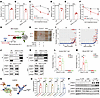 Figure 1
PRMT5 and WDR77 bind to the PDCD1 3′ UTR. (A–F) qPCR assays showing the relative mRNA abundance of F-Luc (A and D) or dual-luciferase assays showing the relative luciferase activities (B and E) and RNA stability assays showing the half lives of F-Luc (C and F) in HEK293T cells expressing PDCD1 or Pdcd1 3′ UTR reporters. ActD, Actinomycin D; NC, negative control. (G) Schematic representation for MS2 aptamer-tagged PDCD1 3′ UTR/MS2-FLAG (MS2 system) RNA pull-down system. (H) Visualization of silver-stained protein bands from HEK293T cell lysates using MS2 aptamer-tagged PDCD1 3′ UTR. Red arrows for specific bands. MW, molecular weight. IP, immunoprecipitation. (I) Mass spectrometry showing the number of identified peptides and protein ranking for ~72 KDa (#1) and 40~55 KDa (#2) from H. (J and K) Immunoblotting analysis of the specific association of PRMT5 and WDR77 with MS2 aptamer-tagged PDCD1 (J) or Pdcd-1 (K) 3′ UTR in HEK293T cells. (L and M) RIP-qPCR analysis of PDCD1 (L) or Pdcd1 (M) 3′ UTR enriched by PRMT5 and WDR77 in human (L) and mouse (M) CD8+ T cells. (N) Schematic representation for the CRISPR-assisted RNA-protein interaction detection (CARPID) workflow. (O) qPCR assays showing the specificity of the CRISPR/CasRx system for PDCD1, normalized with GADPH (P). Immunoblotting analysis of PRMT5 and WDR77 in streptavidin IP samples of control and 5 XIST gRNA sets. For A–F and O (n = 3), by unpaired 2-tailed Student’s t test; For L and M (n = 3), by 1-way ANOVA with Dunnett’s test. Data are presented as mean ± SEM or SD. *P < 0.05, **P < 0.01, ***P < 0.001.
PRMT5/WDR77 complex decreases PDCD1 mRNA stability. To determine the effects of PRMT5/WDR77 complex on PDCD1 expression, we performed qPCR and fluorescence activated cell sorting (FACS) assays. Results showed that KD of either PRMT5 or WDR77 upregulated, whereas OE of either PRMT5 or WDR77 reduced the mRNA and cell surface expression of PD-1 (Figure 2, A–N, and Supplemental Figure 2, A–H). Consistently, heterozygous knockout (KO) of either PRMT5 or WDR77 increased the mRNA and cell surface expression of PD-1 (Supplemental Figure 3, A–H). These results suggested that PRMT5 and WDR77 suppress the mRNA and protein levels of PD-1. Given that our observation that PDCD1 3′ UTR inhibits the stability of F-luc, we examined whether PRMT5 and WDR77 affects the mRNA stability of PDCD1. RNA stability assays revealed that both KD and KO of either PRMT5 or WDR77 increased, while OE of either PRMT5 or WDR77 inhibited the mRNA stability of PDCD1 (Figure 2, O and P, and Supplemental Figure 3I). Moreover, RNA decay analysis using nascent RNA in living cells labeled with 4-Thiouridine (4-SU) revealed that both KD and KO of either PRMT5 or WDR77 elevated, whereas OE of either PRMT5 or WDR77 suppressed, the abundance and stability of nascent PDCD1 (Figure 2, Q and R, and Supplemental Figure 3, J–M). Altogether, these data indicate that PRMT5 and WDR77 negatively regulate PDCD1 mRNA stability.
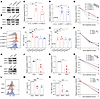 Figure 2
PRMT5 and WDR77 negatively regulate PDCD1. (A and B) Immunoblotting analysis of PRMT5 and WDR77 expression in PRMT5 (A) or WDR77 (B) KD Jurkat cells. (C–G) The relative mRNA levels of PDCD1 (C and D), mean fluorescence intensity (MFI) plots (E), percentages of positive cells (F) and relative MFI levels (G) of PD-1 in PRMT5 or WDR77 KD Jurkat cells stimulated with phytohaemagglutinin (PHA). (H and I) Immunoblotting analysis of PRMT5 and WDR77 expression in PRMT5 (H) or WDR77 (I) OE Jurkat cells. (J–N) The relative mRNA levels of PDCD1 (J and K), MFI plots (L), percentages of positive cells (M) and relative MFI levels (N) of PD-1 in PRMT5 or WDR77 OE Jurkat cells stimulated with PHA. (O and P) Half-lives of PDCD1 in the indicated Jurkat cells treated with PHA. (Q and R) 4sU pulse labeling and pulse chase analysis of the RNA decay for PDCD1 in the indicated Jurkat cells treated with PHA for 48 hours. For C–G and M–R (n = 3), by 1-way ANOVA with Dunnett’s test; for J and K (n = 3), by unpaired 2-tailed Student’s t test. Data are presented as mean ± SEM or SD. *P < 0.05, **P < 0.01, ***P < 0.001.
We next evaluated the relationship between PRMT5 and WDR77 in regulating the PDCD1 expression. The rescue experiments showed that WDR77 OE did not abrogate the effects of PRMT5 silencing on the mRNA abundance/stability and cell surface expression of PD-1 (Supplemental Figure 4, A–D). Conversely, PRMT5 OE did not reverse the increased mRNA abundance/stability and cell surface expression of PD-1 induced by WDR77 KD (Supplemental Figure 4, E–H), suggesting that PRMT5 and WDR77 is interdependent for regulation of PDCD1 expression. Moreover, the simultaneous KD of PRMT5 and WDR77 further enhanced both the mRNA abundance/stability and protein expression levels of PD-1 (Supplemental Figure 4, I–K). Together, these results demonstrate that PRMT5 and WDR77 may cooperate to decrease PDCD1 expression. Since PD-1 expression is markedly upregulated upon T cell receptor (TCR) activation, maintaining its expression within an appropriate range is critical for preserving T cell homeostasis (9, 24). We therefore assessed whether TCR signals regulate PRMT5 and WDR77. Analysis of quiescent versus activated human and murine T cells revealed significant upregulation of both proteins following activation (Supplemental Figure 4, L and M), suggesting that TCR-induced increases in PRMT5 and WDR77 help maintain PD-1 expression within an optimal range in proficient T cells.
PRMT5 is a RBP to regulate PDCD1 expression. As an arginine methyltransferase, PRMT5 in complex with WDR77 regulates gene transcription and mRNA splicing and stability (16), which led us to examine whether PRMT5 regulates PDCD1 expression dependent on its methyltransferase activity. We used 2 substrate-competitive PRMT5 inhibitors (25, 26) to assess the PDCD1 expression. The expression levels of p53 as a positive control were increased by EPZ015666 or GSK3326595 in a dose-dependent manner (Supplemental Figure 5, A–D). However, mRNA and cell surface expressions of PD-1 were not affected by the 2 inhibitors (Supplemental Figure 5, E–T), supporting that PRMT5 regulates PDCD1 expression independently of its methyltransferase activity. Furthermore, we performed LC-MS/MS to determine whether PRMT5 functions as an RNA methyltransferase, which showed that either PRMT5 or WDR77 KD had no significant effect on the levels of 29 common RNA modifications, including RNA methyl modifications (Supplemental Figure 5U), suggesting that PRMT5 has no methyltransferase activity on RNA.
Given that the binding of PRMT5 and WDR77 to the PDCD1 3′ UTR, we speculated PRMT5 and WDR77 as potential RBPs. The published proteome-wide studies of RBPs showed that PRMT5 and WDR77 were detected, respectively, in 11 and 4 independent datasets (Figure 3A and Supplemental Table 1), highlighting a possibility for PRMT5 and WDR77 as RBPs. To further validate this, we employed oligo (dT) beads to pull down poly (A) mRNAs and assessed the binding abilities of the complex to mRNAs. The immunoblotting assays showed that PRMT5, but not WDR77 bound to poly (A) RNAs (Figure 3B). In addition, capture of the newly transcribed RNA interactome using click chemistry (RICK) (27) followed by immunoblotting assays also showed that PRMT5, but not WDR77, interacted with EU-labeled RNAs, which was abrogated by RNase A treatment (Figure 3C), implying that PRMT5 is able to directly bind to RNA. To verify the direct binding of endogenous PRMT5 to RNA, we applied the orthogonal organic phase separation (OOPS) method (28), which revealed that UV crosslinking resulted in the partitioning of endogenous IGF2BP3 and PRMT5, but not WDR77 and SMC2, in the acidic guanidinium-thiocyanate-phenol-chloroform (AGPC) interphase (Figure 3D), further confirming that the binding ability of PRMT5 to RNA in intact cells. Moreover, 2 replicate samples of crosslinked RIP-sequencing (RIP-seq) identified 8,297 RNA targets that interact with PRMT5 (Supplemental Figure 6A and Supplemental Table 2), including PDCD1 mRNA (Figure 3E). Through Kyoto Encyclopedia of Genes and Genomes (KEGG) pathway analysis, some of these targets were enriched in pathways of the immune system, including the “PD-L1 expression and PD-1 checkpoint pathway in cancer” and “T cell receptor signaling pathway” (Supplemental Figure 6B), suggesting that PRMT5 may act as an RBP to regulate immune processes. Together, these data support that PRMT5, but not WDR77, is a RBP in human and mouse.
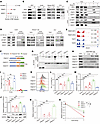 Figure 3
PRMT5 acts as a RBP to regulate PDCD1 expression. (A) Published proteome-wide studies of RBPs showing the possibility of PRMT5 and WDR77 as RBP. (B) Immunoblotting analysis of PRMT5 and WDR77 binding to oligo(dT) beads in the indicated cells. SMC2 as a negative control and IGF2BP3 as a positive control. (C and D) Immunoblotting analysis for PRMT5 and WDR77 either binding to EU-labeled RNA (C) or in OOPS interphase (D) in the indicated cells. (E) RIP-seq showing the enrichment of PRMT5 in PDCD1 mRNA. (F) Schematic representation for the mutants of PRMT5. (G) Immunoblotting of OOPS interphase for FLAG in HEK293T cells expressing the indicated constructs. (H) Immunoblotting for indicated proteins binding to oligo (dT) beads in varying amounts of total RNA. (I) RIP-qPCR analysis of PDCD1 3′ UTR enriched by FLAG in Jurkat cells expressing the indicated constructs. (J) The relative levels of PDCD1 (top) and immunoblotting analysis for FLAG (bottom) in PHA-stimulated Jurkat cells expressing the indicated constructs. (K–M) Representative MFI plots (K), percentages of positive cells (L) and relative MFI levels (M) of PD-1 in PHA-stimulated Jurkat cells expressing the indicate. (N and O) 4sU pulse labeling and pulse-chase analysis of the nascent RNA levels (N) and RNA decay (O) of PDCD1 in PHA-stimulated Jurkat cells expressing the indicated constructs. For I, J, and L–O (n = 3), by 1-way ANOVA with Dunnett’s test. Data are presented as mean ± SEM or SD. *P < 0.05, **P < 0.01, ***P < 0.001. NS, not significant.
We next identified which domain of PRMT5 is responsible for binding RNA. We first utilized RNABindRPlus (29) to predict the RNA-binding region (RBR) of PRMT5. Intriguingly, one of the key predicted regions is located in the C-terminal of PRMT5 (Supplemental Figure 6C). As expected, any notable RBR of WDR77 was not observed (Supplemental Figure 6C). Then, a deletion mutant (PRMT5DEL) of the predicted RBR for PRMT5 was constructed (Figure 3F). Additionally, we also constructed the other 2 mutants of PRMT5, including the catalytically dead (PRMT5CD: G367A, R368A) (30) and substrate recruitment motif mutants (PRMT5ADA: N239A, K240D, F243A) (15) (Figure 3F). The OOPS assays showed that PRMT5WT, PRMT5CD, and PRMT5DEL were detected in the interphase, but not WDR77WT and PRMT5ADA (Figure 3G). Moreover, oligo (dT) pulldown assays revealed that the binding abilities of in vitro translated–PRMT5WT (IVT-PRMT5WT), PRMT5CD, and PRMT5DEL to RNAs were increased in a dose-dependent manner, which were not observed in IVT-WDR77WT and PRMT5ADA (Figure 3H), indicating that PRMT5 binds to RNA dependent on substrate recruitment motif. Moreover, PDCD1 3′ UTR did not affect the level of endogenous symmetric dimethylarginine (SDMA) and p53 expression (Supplemental Figure 6D), suggesting that the enrichment of RNA on the PRMT5 may not affect the PRMT5-dependent arginine methylation. These data support that the substrate recruitment motif is the RBD of PRMT5, which is necessary for its binding to RNA.
To further explore the regulation of these PRMT5 mutants on PD-1 expression, we firstly performed RIP-qPCR assays, which revealed that PRMT5CD and PRMT5DEL had comparable enrichment levels on either human or mouse PDCD1 3′ UTR with PRMT5WT, but the interactions between PRMT5ADA and the 3′ UTRs were obviously impaired (Figure 3I and Supplemental Figure 6E). Furthermore, PRMT5WT, PRMT5CD and PRMT5DEL reduced the mRNA abundance and cell surface expression of PD-1, but these effects were significantly abolished in PRMT5ADA OE cells (Figure 3, J–M, and Supplemental Figure 6, F and G). Moreover, PRMT5WT and PRMT5CD, but not PRMT5ADA, reduced the abundance and stability of nascent PDCD1 (Figure 3, N–O). All together, these data suggest that PRMT5 functions as an RBP to regulate PDCD1 expression at RNA level.
The argonaute (AGO) proteins, AGO1–4, are highly conserved ribonuclease proteins involved in RNA silencing pathways (31). In Arabidopsis, AGO2 interacts with PRMT5 (32), prompting us to explore whether PRMT5 regulates PDCD1 RNA stability through AGO2. Co-IP assays confirmed that PRMT5 associated with AGO2 in T cells (Supplemental Figure 7, A–D), while KD of PRMT5 or AGO2 did not affect each other’s expression (Supplemental Figure 7, E and F). RIP-qPCR assays showed that PDCD1 3′ UTR was enriched by AGO2 that markedly reduced upon PRMT5 KD and enhanced upon PRMT5 OE (Supplemental Figure 7, G and H). Functionally, AGO2 KD mirrored PRMT5 KD, increasing PD-1 mRNA abundance, stability, and surface expression (Supplemental Figure 7, I–L), whereas AGO2 OE partially rescued the PD-1 upregulation caused by PRMT5 KD (Supplemental Figure 7, M–P). Collectively, these findings suggest that PRMT5 promotes PDCD1 mRNA degradation via AGO2.
PRMT5 regulates PDCD1 mRNA level through an AU-Rich element of 3′UTR. To further determine the exact PDCD1 3′ UTR region responsible for binding the PRMT5/WDR77 complex and inhibiting PDCD1 expression, we firstly constructed 4 luciferase reporters containing different PDCD1 3′ UTR fragments and found that all of these fragments can reduce the F-luc activity (Supplemental Figure 8, A and B), suggesting that any regions of the PDCD1 3′ UTR led to reduced inhibitory activity, which was also observed in a previous report (33). Furthermore, MS2 pull-down assays showed the 3′ UTR #4 and full-length (FL) fragments associated with the PRMT5 and WDR77 (Supplemental Figure 8C), suggesting that the 3′ UTR#4 fragment contains potential regulatory elements for binding the PRMT5/WDR77 complex. We further performed a conservative analysis for the PDCD1 3′ UTR among mammalian species, which revealed that a well conserved AU-rich element (ARE) across multiple species is defined as conserved ARE (cARE) (Supplemental Figure 8D). Additionally, we noted another ARE termed as non-cARE in human PDCD1 3′ UTR, but not in mouse (Supplemental Figure 8E). AREs are widely known as RBP binding sites and control mRNA stability (34), thus, we speculated that these AREs mediate the effect of the PRMT5/WDR77 complex on PDCD1 expression. To validate this, the point or deletion mutant of 2 AREs for PDCD1 3′ UTR were constructed. RIP-qPCR and MS2 pull-down system assays showed that mutated cARE (M-cARE) and deletion (ΔARE) mutants, but not the M-non-cARE, decreased the enrichment of PRMT5/WDR77 complex in the PDCD1 3′ UTR (Supplemental Figure 8, F and G). Furthermore, luciferase reporter assays showed that either PRMT5 or WDR77 KD increased F-luc activities of the WT and M-non-cARE reporter, but not of the M-cARE reporter (Supplemental Figure 8H). Similar to the observations of PDCD1 3′ UTR, both M-ARE and ΔARE mutants of the mouse Pdcd1 3′ UTR restrained the association of PRMT5/WDR77 complex and the 3′ UTR (Supplemental Figure 8, I and J). All together, these results reveal that the cARE is critical for PDCD1 mRNA decay in a PRMT5/WDR77-dependent manner.
To further investigate the interaction between PRMT5 and WDR77 in association with PDCD1 3′ UTR, we performed RIP-qPCR assays, which showed that either PRMT5 or WDR77 KD reduced, whereas either PRMT5 or WDR77 OE increased their enrichment on PDCD1 3′ UTR (Supplemental Figure 9, A–D). However, PRMT5ADA did not affect the association of WDR77 with PDCD1 3′ UTR (Supplemental Figure 9D). Next, we performed electrophoretic mobility shift assay (EMSA), which showed that either PDCD1 or Pdcd1 3′ UTR probes bound to ITV PRMT5WT, PRMT5CD, and PRMT5DEL, but not ITV WDR77WT and PRMT5ADA (Supplemental Figure 8, E and F), whereas the mutate probes exhibited poor affinity with ITV PRMT5WT (Supplemental Figure 8, G and H). Notably, cold probe decreased the binding of ITV PRMT5WT with cARE (Supplemental Figure 8, G and H), further confirming the specificity of the interaction of PRMT5 with cARE. To confirm that PRMT5 regulates PDCD1 mRNA in an RBP-dependent manner, we used a tethered reporter (Supplemental Figure 8I) and found that PRMT5WT that was fused to the λΝ peptide reduced F-luc activities of reporters containing the WT PDCD1 or Pdcd1 3′ UTR, but not PRMT5ADA fused to the λΝ peptide (Supplemental Figure 8, J and K). M-cARE also ablated the inhibitory effects of PRMT5WT on either PDCD1 or Pdcd1 3′ UTRs (Supplemental Figure 8, J and K). Overall, these data indicate that PRMT5 restrains PDCD1 expression by directly binding to the cARE of the PDCD1 3′ UTR in a WDR77-dependent manner.
PRMT5/WDR77 maintains peripheral T cell homeostasis independently of the PD-1 pathway. To further explore the role of PRMT5 and WDR77 in regulating T cell function and antitumor immunity in vivo, we generated their specific deletion in T cells of conditional knockout (Prmt5CKO or Wdr77CKO) and knockdown (Prmt5CKD or Wdr77CKD) mice through crossing their flox mice with CD4cre mice (Supplemental Figure 10, A–D). Immunoblotting assays confirmed that PRMT5 or WDR77 proteins were deleted or reduced in T cells from spleen of these mice (Supplemental Figure 10, E–H). Naive T cells of the both mice had normal cell surface levels of T cell receptor (TCR) and CD28 (Supplemental Figure 10, I and J). Subsequently, we analyzed the T cell populations from the thymus and periphery of Prmt5CKO and Wdr77CKO mice. T cell development in the thymus of Prmt5CKO and Wdr77CKO mice did not differ markedly from their respective WT littermate controls (Supplemental Figure 10, K–N). However, compared with WT mice in spleen and lymph nodes, both Prmt5CKO and Wdr77CKO mice showed decreased numbers and frequencies of CD3+ and CD8+ T cells, and reduced numbers of CD4+ T cells, which accompanied by impaired frequencies of Ki-67, except for the spleen of Wdr77CKO mice (Supplemental Figure 11, A–L), indicating that the peripheral T cell homeostasis from Prmt5CKO and Wdr77CKO mice was dysregulated, which may be due to the defects in T cell expansion. Most notably, the cell surface expression of PD-1 was upregulated in the CD8+ T cells of both Prmt5CKO and Wdr77CKO mice (Supplemental Figure 11, B, E, H, and K), which led us to test whether the deficiency of PRMT5 or WDR77 disrupt the peripheral T cell homeostasis through the PD-1 pathway. Administration of anti–PD-1 antibody failed to rescue the numbers and frequencies of T cells from the spleen and lymph nodes of both Prmt5CKO and Wdr77CKO mice (Supplemental Figure 12, A–J), suggesting that PRMT5 and WDR77 regulate the peripheral T cell homeostasis independently of the PD-1 pathway.
PRMT5/WDR77 maintains T cell effector function and antitumor immunity through PD-1. Similar to the Jurkat cells, in activated CD8+ or CD4+ mouse T cells, the deficiency of PRMT5 or WDR77 increased the mRNA abundance/stability and cell surface expression of PD-1 and almost completely abolished the enrichment of them with the Pdcd1 3′ UTR (Figure 4, A–H, and Supplemental Figure 13, A–D), further supporting that either PRMT5 or WDR77 led to reduced expression of PD-1 through binding the Pdcd1 3′ UTR. Given that PD-1 has a key role in T cell functions (2), we next tested whether the deficiency of PRMT5 or WDR77 impairs T cell function. FACS assays showed that ex vivo stimulation of CD8+ T cells purified from Prmt5CKO and Wdr77CKO mice elevated cell death and decreased amounts of CD44, Ki-67, granzyme B (Gzmb), and cytokines, which showed a trend toward partial restoration upon PD-1 blockade (Figure 4, I–T, and Supplemental Figure 13, E–G). The similar results of CD4+ T cell effector function were also observed in Prmt5CKO mice (Supplemental Figure 13, H–M). However, the expression of exhaustion-associated molecules, T cell immunoglobulin and mucin domain–containing protein 3 (TIM-3), and lymphocyte-activation gene 3 (LAG-3) were comparable in activated CD8+ T cells from Prmt5CKO or Wdr77CKO and control mice (Supplemental Figure 13, N–Q). These results indicate that PRMT5 and WDR77 maintain T cell effector function partially through PD-1 signaling. PD-1 ligation impairs the activity of 2 signaling cascades, the PI3K/AKT and the MAPK/ERK pathways (23, 35), so we explored the effects of PRMT5 or WDR77 deficiency on the 2 signaling pathways. Indeed, phosphorylated levels of AKT, ERK, and S6 were dramatically decreased in activated CD8+ T cells from Prmt5CKO or Wdr77CKO mice compared with control T cells, which were partially reversed by anti–PD-1 antibody (Figure 4, U and V). Altogether, these data demonstrate that PD-1 is indispensable for PRMT5 and WDR77 in sustaining T cell effector function.
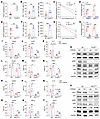 Figure 4
PRMT5/WDR77 maintain CD8+ T cell effector function through PD-1. (A–H) qPCR assays showing mRNA levels of Pdcd1 (A and E) or FACS assays showing percentages of positive cells (left) and MFI levels of PD-1 (right) (B and F) or RNA stability assays showing half-lives of Pdcd1 (C and G) and RIP-qPCR analysis of Pdcd1 3′ UTR enriched by PRMT5 and WDR77 (D and H) in the anti-CD3/28–stimulated CD8+ T cells from Prmt5CKO or Wdr77CKO and their WT mice. Delta threshold cycle (ΔCt) normalized to 18S. (I–T) Effector molecule production in activated CD8+ T cells treated with anti–PD-1 antibody from Prmt5CKO (I–N) or Wdr77CKO (O–T) and their WT mice measured by CD44, Ki-67, IL-2, Gzmb, TNF-α, and IFN-γ. (U and V) Immunoblotting for phosphorylated AKT, ERK, and S6 in activated CD8+ T cells treated with anti–PD-1 antibody from Prmt5CKO (U) or Wdr77CKO (V) and their WT mice. For A, B, and E–G (n = 6), for C (n = 5), for D and H (n = 4), by unpaired 2-tailed Student’s t test; for I–T (n = 4), by 2-way ANOVA. Data are presented as mean ± SEM or SD. *P < 0.05, **P < 0.01, ***P < 0.001.
To examine whether PRMT5 and WDR77 affects the cytotoxic activity of CD8+ T cells, we performed in vitro T cell killing assays. Compared with the control group, apoptosis of MC38 cells expressing ovalbumin (OVA) was significantly decreased in the group of coculture with either PRMT5 or WDR77-deficient OT-1 CD8+ T cells, which could be partially rescued by anti–PD-1 antibodies (Figure 5, A–D), suggesting that PRMT5 and WDR77 maintain the cytotoxic activity of CD8+ T cells through PD-1. We next investigated the importance of PRMT5 and WDR77 deficiency in anti-tumor immunity in vivo. We used mouse B16F10 melanoma or MC38 colorectal carcinoma models and found that both Prmt5CKO and Wdr77CKO mice showed faster tumor progression and shorter survival rates than WT mice (Supplemental Figure 14, A–C). Subsequently, we treated these mice with anti–PD-1 or control IgG antibodies, and found that anti–PD-1 treatment produces a larger reduction in tumor growth in Prmt5CKO or Wdr77CKO mice than in their respective WT littermate controls, suggesting that PRMT5 or WDR77 deficiency in T cells sensitize tumors to PD-1 blockade (Figure 5, E–H and O–Q). Moreover, tumors from either Prmt5CKO or Wdr77CKO mice showed a concomitant decrease in both CD3+ T cell and CD8+ T cell populations, the increased expression of PD-1, and the reduced expression of cytokines in tumor-infiltrating (TIL) CD8+ T cells (Figure 5, I–N and R–W). Anti–PD-1 therapy partially rescued expression of cytokines, but not the CD3+ and CD8+ population (Figure 5, I–N and R–W), which may account for the slightly larger tumor size observed in Prmt5CKO or Wdr77CKO mice compared with WT mice after anti–PD-1 treatment. Collectively, these results suggest that PRMT5 and WDR77 partially maintain antitumor immunity through PD-1.
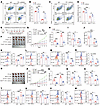 Figure 5
PRMT5/WDR77 maintain antitumor immunity through PD-1. (A–D) Representative flow cytometry plots (A and C) and quantification (B and D) of in vitro killing of MC38-OVA cells by CD8+ T cells from Prmt5CKO or Wdr77CKO OT-1 mice with or without anti–PD-1 treatment. (E) A schematic treatment plan for Prmt5CKO or Wdr77CKO and their WT mice bearing subcutaneous MC38 tumors. (F–W) Endpoint tumor size (F and O), tumor growth curves (G and P), and tumor mass (H and Q) of MC38 tumors in Prmt5CKO or Wdr77CKO and their WT mice treated with IgG or anti–PD-1 antibody. Flow cytometry analysis showing the percentage of CD3+ (I and R) /CD8+ (J and S) and the MFI of PD-1 (K and T) /TNF-α (L and U) /IFN-γ (M and V) /Gzmb (N and W) in the indicated cell populations of subcutaneous MC38 tumors from Prmt5CKO or Wdr77CKO and their WT mice with indicated treatments. For B and D (n =4), for G–N and P–W (n = 5), by 2-way ANOVA. Data are presented as mean ± SEM or SD. *P < 0.05, **P < 0.01, ***P < 0.001.
Type I IFN/STAT1 signaling mediates PD-1 downregulation through transcriptional activation of PRMT5 and WDR77. To study upstream signals regulating expression of PRMT5/WDR77 in T cells, we predicted the common transcription factors of PRMT5 and WDR77 using software (36–38) and identified STAT1 as a candidate for its known function in T cells (39, 40) (Supplemental Figure 15A). We further analyzed public datasets (41) and found that both PRMT5 and WDR77 were positively correlated with the related genes of the IFN-JAK/STAT1 signaling pathway (Supplemental Figure 15B). Moreover, multiple ChIP-sequence datasets revealed the presence of STAT1 on either PRMT5 or WDR77 promoter in both mouse and human (Supplemental Figure 15, C–G), implying that STAT1 is an evolutionarily conserved transcription factor for the PRMT5 and WDR77. We next respectively constructed luciferase reporters with either PRMT5 or WDR77 promoter and found that STAT1 OE increased the F-luc activities of either PRMT5 or WDR77 promoter reporter (Supplemental Figure 16A). qPCR and immunoblotting assays showed that STAT1 KD decreased, whereas STAT1 OE increased, the mRNA and protein levels of PRMT5 and WDR77 (Figure 6, A–C and Supplemental Figure 16, B–D). Furthermore, STAT1 KD upregulated, while STAT1 OE downregulated, the cell surface levels of PD-1 expression (Supplemental Figure 16, E and F). These data demonstrated that STAT1 transcriptionally activates PRMT5 and WDR77, which subsequently results in reduced expression of PD-1. Both type I (mainly IFN-α and IFN-β) and type II (IFN-γ) IFNs induce the formation of STAT1/STAT1 homodimers that translocate to the nucleus, thereby activating the transcription of genes (42, 43). Thus, we next investigated which IFNs mediated the effects of STAT1 on PRMT5 and WDR77 and found that IFN-α and IFN-β, but not IFN-γ, increased the mRNA and protein levels of PRMT5 and WDR77 (Figure 6, D–G, and Supplemental Figure 16, G–R), suggesting that type I IFN is involved in the regulation of STAT1 on PRMT5 and WDR77. Furthermore, both IFN-α and IFN-β treatments resulted in increased enrichment of STAT1 on either PRMT5 or WDR77 promoter (Figure 6, H and I), and led to elevated enrichment of PRMT5 and WDR77 on the PDCD1 3′ UTR (Figure 6J and Supplemental Figure 16S). Moreover, either IFN-α or IFN-β partially reduced the enhanced expression of PD-1 induced by either PRMT5 or WDR77 insufficiency (Supplemental Figure 16, T and U). Taken together, these findings indicate that the type I IFN/STAT1 pathway increases the expression of PRMT5 and WDR77, thereby suppressing PD-1 expression.
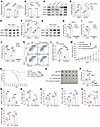 Figure 6
The type I IFN/STAT1 pathway decreases PD-1 expression through activation of PRMT5 and WDR77 transcriptionally. (A and B) The relative mRNA levels of PRMT5 and WDR77 in STAT1 KD (A) and OE (B) Jurkat cells. (C) Immunoblotting of PRMT5 and WDR77 expression in STAT1 KD (left) and OE (right) Jurkat cells. (D–G) The relative mRNA levels (D and F) and protein (E and G) levels of PRMT5 and WDR77 in Jurkat cells treated with IFN-α or IFN-β. (H and I) ChIP-qPCR analysis of PRMT5 (H) or WDR77 (I) promoter enriched by STAT1 in Jurkat cells treated with IFN-α or IFN-β. (J) RIP-qPCR analysis of PDCD1 3′ UTR enriched by PRMT5 or WDR77 in Jurkat cells treated with IFN-α or IFN-β. (K and L) Representative flow cytometry plots (K) and quantification (L) of in vitro killing of MC38-OVA cells by OT-1 CD8+ T cells with or without fludarabine or anti–PD-1 treatment. (M and N) Tumor growth curves (M) and survival rates (N) were assessed in mice treated with fludarabine and anti–PD-1. (O–V) Endpoint tumor size (O), tumor mass (P), and flow cytometry analysis (Q–V) showing the percentage of CD8+ T cells in CD3+ T cells (S), the percentage of PRMT5+ (Q), PD-1+ (R), IFN-γ+ (T), TNF-α+ (U),and Gzmb+ (V) in CD8+ T cell populations of subcutaneous MC38 tumors from mice treated with fludarabine and anti–PD-1. For A, D, F, and H–J (n = 3), by 1-way ANOVA with Dunnett’s test; for B (n = 3), by unpaired 2-tailed Student’s t test; For L (n = 4,) M (n = 8), and P–V (n = 5), by 2-way ANOVA. Data are presented as mean ± SEM or SD. *P < 0.05, **P < 0.01, ***P < 0.001.
Fludarabine, a STAT1 inhibitor, is effective in the treatment of patients with advanced chronic lymphocytic leukemia (44), thus, we wondered whether fludarabine treatment enhances sensitivity to anti–PD-1 therapy through promoting PD-1 expression. Indeed, fludarabine treatment reduced the expression of STAT1, PRMT5, and WDR77, while increasing PD-1 expression (Supplemental Figure 17, A and B). When combined with anti–PD-1, fludarabine exerted a markedly synergistic effect on enhancement of the cytotoxic activity of CD8+ T cells in vitro (Figure 6, K and L, and Supplemental Figure 17C), suppressing tumor growth and improving survival rates of tumor-bearing mice, compared with anti–PD-1 treatment (Figure 6, M–P). Remarkably, tumors from 4 mice disappeared after 28 days of the combination therapy. FACS analysis of TILs further revealed that fludarabine decreased the proportion of PRMT5+ cells while increasing PD-1+ cells within the CD8+ T cell population (Figure 6, Q and R). The combination therapy further prompted CD8+ T cell infiltration and enhanced their cytokine production (Figure 6, S–V). Consistent with previous reports (10, 45, 46), either fludarabine or anti–PD-1 reduced the regulatory T cell (Tregs) percentages (Supplemental Figure 17D). Compared with anti–PD-1 treatment alone, the combination therapy did not significantly alter the frequencies of Tregs, monocytic (M) Myeloid-Derived Suppressor Cells (MDSCs), polymorphonuclear (P) MDSCs, myeloid dendritic cells (mDCs), conventional type 1 DCs (cDC1s), or plasmacytoid DCs (pDCs), tumor-associated macrophages (TAMs) (Supplemental Figure 17, E–J). Importantly, no significant changes in blood pressure, routine blood parameters, or liver function (Supplemental Figure 17, K–W), indicating that fludarabine enhances anti–PD-1 efficacy primarily through suppression of PRMT5, leading to PD-1 upregulation and reinforcement of antitumor immunity. Collectively, these findings highlight a critical role of the type I IFN/STAT1–PRMT5/WDR77–PD-1 axis in regulating antitumor immune responses.
PRMT5 and WDR77 in T cells are associated with PDCD1 and the outcomes of anti–PD-1 therapy. To further explore the significance of the PRMT5/WDR77-PD-1 axis in patients with cancer, we first investigated the correlation of expression between PRMT5 /WDR77 and PD-1. Analysis using TISIDB (47) and TIGER (48) softwares revealed a negative correlation between PRMT5/WDR77 and PDCD1 expression, as well as T cell dysfunction across multiple tumor types in the TCGA dataset (Supplemental Figure 18A), implying a potential immunomodulatory role for PRMT5/WDR77 in the tumor microenvironment. Single-cell RNA-seq (scRNA-seq) data from patients with lung and colorectal cancer (49, 50) further confirmed that PRMT5 and WDR77 expression were negatively correlated with PDCD1 in total and CD8+ T cells within TILs (Figure 7, A and B, and Supplemental Figure 18, B and C). Consistently, the 10K Immunomes dataset (51) revealed a negative correlation between PRMT5 or WDR77 and PDCD1 expression across multiple T cell subsets (Supplemental Figure 18, D and E). These data further support that PRMT5/WDR77 indeed inhibit the PD-1 expression in T cell.
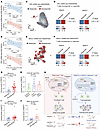 Figure 7
PRMT5 and WDR77 in T cells are associated with PDCD1 and the outcomes of anti–PD-1 therapy. (A and B) Correlation analysis between PRMT5 (top) or WDR77 (down) expression and PDCD1 in total T cells within TILs with lung cancer (A) and colorectal cancer (CRC) (B). (C–F) UMAP plots (C and E) of T cells from single-cell immunotherapy datasets showing populations from patients with differential responses to PD-1 blockade. Heatmaps (D and F) showing the normalized expression levels of PRMT5 and WDR77 in responder versus nonresponder patient groups based on PD-1 blockade response. (G–J) Expression levels of PRMT5 and WDR77 in patients with differential responses to PD-1 blockade in melanoma (G and I) or colorectal carcinoma (H) or basal cell carcinoma (J). (K) Proposed model for the type I IFN/STAT1 pathway transcriptionally activates PRMT5 and WDR77, leading to decreased PD-1 expression and improving antitumor immunity (left). In vivo, disruption of PRMT5 or WDR77 in T cells enhances tumor response to anti–PD-1 immunotherapy (right). For A and B, by Pearson correlation analysis; for G, I, and J, by Mann-Whitney test; for H, by Kruskal-Wallis test. Data are presented as mean ± SEM or SD.
We further analyzed the association between PRMT5/WDR77 levels in T cells and response to anti–PD-1 therapy. In 2 cohorts of colorectal cancer and non–small cell lung cancer treated with anti–PD-1 (52, 53), T cells from responders exhibited significantly lower PRMT5 and WDR77 expression compared with nonresponders (Figure 7, C–F). Upon further examination of CD8+ T cell transcriptomic dataset (54) from patients with varying anti–PD-1 responses, we observed a significantly higher PRMT5 and WDR77 expression in the nonresponding group compared with responders (Figure 7, G–J). Collectively, these results suggest that an inverse correlation between PRMT5/WDR77 expression levels in T cells and response to anti–PD-1 therapy, indicating that this axis may represent a potential target for sensitizing tumors to immune checkpoint blockade.


Copyright © 2026 American Society for Clinical Investigation
ISSN: 0021-9738 (print), 1558-8238 (online)