
Go to JCI Insight
  • About
  • Editors
  • Consulting Editors
  • For authors
  • Publication ethics
  • Publication alerts by email
  • Advertising
  • Job board
  • Contact
  • Clinical Research and Public Health
  • Current issue
  • Past issues
  • By specialty
    • COVID-19
    • Cardiology
    • Gastroenterology
    • Immunology
    • Metabolism
    • Nephrology
    • Neuroscience
    • Oncology
    • Pulmonology
    • Vascular biology
    • All ...
  • Videos
    • Conversations with Giants in Medicine
    • Video Abstracts
  • Reviews
    • View all reviews ...
    • Clinical innovation and scientific progress in GLP-1 medicine (Nov 2025)
    • Pancreatic Cancer (Jul 2025)
    • Complement Biology and Therapeutics (May 2025)
    • Evolving insights into MASLD and MASH pathogenesis and treatment (Apr 2025)
    • Microbiome in Health and Disease (Feb 2025)
    • Substance Use Disorders (Oct 2024)
    • Clonal Hematopoiesis (Oct 2024)
    • View all review series ...
  • Viewpoint
  • Collections
    • In-Press Preview
    • Clinical Research and Public Health
    • Research Letters
    • Letters to the Editor
    • Editorials
    • Commentaries
    • Editor's notes
    • Reviews
    • Viewpoints
    • 100th anniversary
    • Top read articles

  • Current issue
  • Past issues
  • Specialties
  • Reviews
  • Review series
  • Conversations with Giants in Medicine
  • Video Abstracts
  • In-Press Preview
  • Clinical Research and Public Health
  • Research Letters
  • Letters to the Editor
  • Editorials
  • Commentaries
  • Editor's notes
  • Reviews
  • Viewpoints
  • 100th anniversary
  • Top read articles
  • About
  • Editors
  • Consulting Editors
  • For authors
  • Publication ethics
  • Publication alerts by email
  • Advertising
  • Job board
  • Contact
Top
  • View PDF
  • Download citation information
  • Send a comment
  • Terms of use
  • Standard abbreviations
  • Need help? Email the journal
  • Top
  • Abstract
  • Introduction
  • Results
  • Discussion
  • Methods
  • Author contributions
  • Funding support
  • Supplemental material
  • Acknowledgments
  • Footnotes
  • References
  • Version history
  • Article usage
  • Citations to this article

Advertisement

Research ArticleImmunologyInfectious disease Open Access | 10.1172/JCI191103

Endoglucanase 2 (Eng2), a shared immunodominant antigen in dimorphic fungi that elicits immunity during infection

Uju J. Okaa,1 Cleison Ledesma Taira,1 Lucas dos Santos Dias,2 Hannah Dobson,3 Gregory C. Kujoth,1 Althea Campuzano,4 E. Jane Homan,5 George R. Thompson,6 Chiung-Yu Hung,4 George S. Deepe Jr,7 Marcel Wüthrich,1 and Bruce S. Klein1,8,9

1Departments of Pediatrics, University of Wisconsin–Madison (UW-Madison), Madison, Wisconsin, USA.

2Fungal Pathogenesis Section, Laboratory of Clinical Immunology and Microbiology, and

3Molecular Mycology and Immunity Unit, Laboratory of Host Immunity and Microbiome, National Institute of Allergy and Infectious Diseases (NIAID), NIH, Bethesda, Maryland, USA.

4General Dynamics Information Technologies, The Air Force Research Laboratory, Fort Sam Houston, Texas, USA.

5ioGenetics LLC, Madison, Wisconsin, USA.

6Department of Internal Medicine, University of California Davis Medical Center, Sacramento, California, USA.

7Department of Medicine, Division of Infectious Diseases, University of Cincinnati College of Medicine, Cincinnati, Ohio, USA.

8Internal Medicine, and

9Medical Microbiology and Immunology, University of Wisconsin School of Medicine and Public Health, UW-Madison, Madison, Wisconsin, USA.

Address correspondence to: Bruce Klein or Marcel Wüthrich, University of Wisconsin–Madison, 1550 Linden Drive, Madison, Wisconsin, 53706 USA. Phone: 608.263.9217; Email: bsklein@wisc.edu (BK). Phone: 608.262.7703; Email: mwuethri@wisc.edu (MW).

Authorship note: UJO and CLT contributed equally to this work. MW and BSK are co–senior authors.

Find articles by Okaa, U. in: PubMed | Google Scholar

1Departments of Pediatrics, University of Wisconsin–Madison (UW-Madison), Madison, Wisconsin, USA.

2Fungal Pathogenesis Section, Laboratory of Clinical Immunology and Microbiology, and

3Molecular Mycology and Immunity Unit, Laboratory of Host Immunity and Microbiome, National Institute of Allergy and Infectious Diseases (NIAID), NIH, Bethesda, Maryland, USA.

4General Dynamics Information Technologies, The Air Force Research Laboratory, Fort Sam Houston, Texas, USA.

5ioGenetics LLC, Madison, Wisconsin, USA.

6Department of Internal Medicine, University of California Davis Medical Center, Sacramento, California, USA.

7Department of Medicine, Division of Infectious Diseases, University of Cincinnati College of Medicine, Cincinnati, Ohio, USA.

8Internal Medicine, and

9Medical Microbiology and Immunology, University of Wisconsin School of Medicine and Public Health, UW-Madison, Madison, Wisconsin, USA.

Address correspondence to: Bruce Klein or Marcel Wüthrich, University of Wisconsin–Madison, 1550 Linden Drive, Madison, Wisconsin, 53706 USA. Phone: 608.263.9217; Email: bsklein@wisc.edu (BK). Phone: 608.262.7703; Email: mwuethri@wisc.edu (MW).

Authorship note: UJO and CLT contributed equally to this work. MW and BSK are co–senior authors.

Find articles by Ledesma Taira, C. in: PubMed | Google Scholar

1Departments of Pediatrics, University of Wisconsin–Madison (UW-Madison), Madison, Wisconsin, USA.

2Fungal Pathogenesis Section, Laboratory of Clinical Immunology and Microbiology, and

3Molecular Mycology and Immunity Unit, Laboratory of Host Immunity and Microbiome, National Institute of Allergy and Infectious Diseases (NIAID), NIH, Bethesda, Maryland, USA.

4General Dynamics Information Technologies, The Air Force Research Laboratory, Fort Sam Houston, Texas, USA.

5ioGenetics LLC, Madison, Wisconsin, USA.

6Department of Internal Medicine, University of California Davis Medical Center, Sacramento, California, USA.

7Department of Medicine, Division of Infectious Diseases, University of Cincinnati College of Medicine, Cincinnati, Ohio, USA.

8Internal Medicine, and

9Medical Microbiology and Immunology, University of Wisconsin School of Medicine and Public Health, UW-Madison, Madison, Wisconsin, USA.

Address correspondence to: Bruce Klein or Marcel Wüthrich, University of Wisconsin–Madison, 1550 Linden Drive, Madison, Wisconsin, 53706 USA. Phone: 608.263.9217; Email: bsklein@wisc.edu (BK). Phone: 608.262.7703; Email: mwuethri@wisc.edu (MW).

Authorship note: UJO and CLT contributed equally to this work. MW and BSK are co–senior authors.

Find articles by dos Santos Dias, L. in: PubMed | Google Scholar

1Departments of Pediatrics, University of Wisconsin–Madison (UW-Madison), Madison, Wisconsin, USA.

2Fungal Pathogenesis Section, Laboratory of Clinical Immunology and Microbiology, and

3Molecular Mycology and Immunity Unit, Laboratory of Host Immunity and Microbiome, National Institute of Allergy and Infectious Diseases (NIAID), NIH, Bethesda, Maryland, USA.

4General Dynamics Information Technologies, The Air Force Research Laboratory, Fort Sam Houston, Texas, USA.

5ioGenetics LLC, Madison, Wisconsin, USA.

6Department of Internal Medicine, University of California Davis Medical Center, Sacramento, California, USA.

7Department of Medicine, Division of Infectious Diseases, University of Cincinnati College of Medicine, Cincinnati, Ohio, USA.

8Internal Medicine, and

9Medical Microbiology and Immunology, University of Wisconsin School of Medicine and Public Health, UW-Madison, Madison, Wisconsin, USA.

Address correspondence to: Bruce Klein or Marcel Wüthrich, University of Wisconsin–Madison, 1550 Linden Drive, Madison, Wisconsin, 53706 USA. Phone: 608.263.9217; Email: bsklein@wisc.edu (BK). Phone: 608.262.7703; Email: mwuethri@wisc.edu (MW).

Authorship note: UJO and CLT contributed equally to this work. MW and BSK are co–senior authors.

Find articles by Dobson, H. in: PubMed | Google Scholar

1Departments of Pediatrics, University of Wisconsin–Madison (UW-Madison), Madison, Wisconsin, USA.

2Fungal Pathogenesis Section, Laboratory of Clinical Immunology and Microbiology, and

3Molecular Mycology and Immunity Unit, Laboratory of Host Immunity and Microbiome, National Institute of Allergy and Infectious Diseases (NIAID), NIH, Bethesda, Maryland, USA.

4General Dynamics Information Technologies, The Air Force Research Laboratory, Fort Sam Houston, Texas, USA.

5ioGenetics LLC, Madison, Wisconsin, USA.

6Department of Internal Medicine, University of California Davis Medical Center, Sacramento, California, USA.

7Department of Medicine, Division of Infectious Diseases, University of Cincinnati College of Medicine, Cincinnati, Ohio, USA.

8Internal Medicine, and

9Medical Microbiology and Immunology, University of Wisconsin School of Medicine and Public Health, UW-Madison, Madison, Wisconsin, USA.

Address correspondence to: Bruce Klein or Marcel Wüthrich, University of Wisconsin–Madison, 1550 Linden Drive, Madison, Wisconsin, 53706 USA. Phone: 608.263.9217; Email: bsklein@wisc.edu (BK). Phone: 608.262.7703; Email: mwuethri@wisc.edu (MW).

Authorship note: UJO and CLT contributed equally to this work. MW and BSK are co–senior authors.

Find articles by Kujoth, G. in: PubMed | Google Scholar

1Departments of Pediatrics, University of Wisconsin–Madison (UW-Madison), Madison, Wisconsin, USA.

2Fungal Pathogenesis Section, Laboratory of Clinical Immunology and Microbiology, and

3Molecular Mycology and Immunity Unit, Laboratory of Host Immunity and Microbiome, National Institute of Allergy and Infectious Diseases (NIAID), NIH, Bethesda, Maryland, USA.

4General Dynamics Information Technologies, The Air Force Research Laboratory, Fort Sam Houston, Texas, USA.

5ioGenetics LLC, Madison, Wisconsin, USA.

6Department of Internal Medicine, University of California Davis Medical Center, Sacramento, California, USA.

7Department of Medicine, Division of Infectious Diseases, University of Cincinnati College of Medicine, Cincinnati, Ohio, USA.

8Internal Medicine, and

9Medical Microbiology and Immunology, University of Wisconsin School of Medicine and Public Health, UW-Madison, Madison, Wisconsin, USA.

Address correspondence to: Bruce Klein or Marcel Wüthrich, University of Wisconsin–Madison, 1550 Linden Drive, Madison, Wisconsin, 53706 USA. Phone: 608.263.9217; Email: bsklein@wisc.edu (BK). Phone: 608.262.7703; Email: mwuethri@wisc.edu (MW).

Authorship note: UJO and CLT contributed equally to this work. MW and BSK are co–senior authors.

Find articles by Campuzano, A. in: PubMed | Google Scholar

1Departments of Pediatrics, University of Wisconsin–Madison (UW-Madison), Madison, Wisconsin, USA.

2Fungal Pathogenesis Section, Laboratory of Clinical Immunology and Microbiology, and

3Molecular Mycology and Immunity Unit, Laboratory of Host Immunity and Microbiome, National Institute of Allergy and Infectious Diseases (NIAID), NIH, Bethesda, Maryland, USA.

4General Dynamics Information Technologies, The Air Force Research Laboratory, Fort Sam Houston, Texas, USA.

5ioGenetics LLC, Madison, Wisconsin, USA.

6Department of Internal Medicine, University of California Davis Medical Center, Sacramento, California, USA.

7Department of Medicine, Division of Infectious Diseases, University of Cincinnati College of Medicine, Cincinnati, Ohio, USA.

8Internal Medicine, and

9Medical Microbiology and Immunology, University of Wisconsin School of Medicine and Public Health, UW-Madison, Madison, Wisconsin, USA.

Address correspondence to: Bruce Klein or Marcel Wüthrich, University of Wisconsin–Madison, 1550 Linden Drive, Madison, Wisconsin, 53706 USA. Phone: 608.263.9217; Email: bsklein@wisc.edu (BK). Phone: 608.262.7703; Email: mwuethri@wisc.edu (MW).

Authorship note: UJO and CLT contributed equally to this work. MW and BSK are co–senior authors.

Find articles by Homan, E. in: PubMed | Google Scholar

1Departments of Pediatrics, University of Wisconsin–Madison (UW-Madison), Madison, Wisconsin, USA.

2Fungal Pathogenesis Section, Laboratory of Clinical Immunology and Microbiology, and

3Molecular Mycology and Immunity Unit, Laboratory of Host Immunity and Microbiome, National Institute of Allergy and Infectious Diseases (NIAID), NIH, Bethesda, Maryland, USA.

4General Dynamics Information Technologies, The Air Force Research Laboratory, Fort Sam Houston, Texas, USA.

5ioGenetics LLC, Madison, Wisconsin, USA.

6Department of Internal Medicine, University of California Davis Medical Center, Sacramento, California, USA.

7Department of Medicine, Division of Infectious Diseases, University of Cincinnati College of Medicine, Cincinnati, Ohio, USA.

8Internal Medicine, and

9Medical Microbiology and Immunology, University of Wisconsin School of Medicine and Public Health, UW-Madison, Madison, Wisconsin, USA.

Address correspondence to: Bruce Klein or Marcel Wüthrich, University of Wisconsin–Madison, 1550 Linden Drive, Madison, Wisconsin, 53706 USA. Phone: 608.263.9217; Email: bsklein@wisc.edu (BK). Phone: 608.262.7703; Email: mwuethri@wisc.edu (MW).

Authorship note: UJO and CLT contributed equally to this work. MW and BSK are co–senior authors.

Find articles by Thompson, G. in: PubMed | Google Scholar |

1Departments of Pediatrics, University of Wisconsin–Madison (UW-Madison), Madison, Wisconsin, USA.

2Fungal Pathogenesis Section, Laboratory of Clinical Immunology and Microbiology, and

3Molecular Mycology and Immunity Unit, Laboratory of Host Immunity and Microbiome, National Institute of Allergy and Infectious Diseases (NIAID), NIH, Bethesda, Maryland, USA.

4General Dynamics Information Technologies, The Air Force Research Laboratory, Fort Sam Houston, Texas, USA.

5ioGenetics LLC, Madison, Wisconsin, USA.

6Department of Internal Medicine, University of California Davis Medical Center, Sacramento, California, USA.

7Department of Medicine, Division of Infectious Diseases, University of Cincinnati College of Medicine, Cincinnati, Ohio, USA.

8Internal Medicine, and

9Medical Microbiology and Immunology, University of Wisconsin School of Medicine and Public Health, UW-Madison, Madison, Wisconsin, USA.

Address correspondence to: Bruce Klein or Marcel Wüthrich, University of Wisconsin–Madison, 1550 Linden Drive, Madison, Wisconsin, 53706 USA. Phone: 608.263.9217; Email: bsklein@wisc.edu (BK). Phone: 608.262.7703; Email: mwuethri@wisc.edu (MW).

Authorship note: UJO and CLT contributed equally to this work. MW and BSK are co–senior authors.

Find articles by Hung, C. in: PubMed | Google Scholar

1Departments of Pediatrics, University of Wisconsin–Madison (UW-Madison), Madison, Wisconsin, USA.

2Fungal Pathogenesis Section, Laboratory of Clinical Immunology and Microbiology, and

3Molecular Mycology and Immunity Unit, Laboratory of Host Immunity and Microbiome, National Institute of Allergy and Infectious Diseases (NIAID), NIH, Bethesda, Maryland, USA.

4General Dynamics Information Technologies, The Air Force Research Laboratory, Fort Sam Houston, Texas, USA.

5ioGenetics LLC, Madison, Wisconsin, USA.

6Department of Internal Medicine, University of California Davis Medical Center, Sacramento, California, USA.

7Department of Medicine, Division of Infectious Diseases, University of Cincinnati College of Medicine, Cincinnati, Ohio, USA.

8Internal Medicine, and

9Medical Microbiology and Immunology, University of Wisconsin School of Medicine and Public Health, UW-Madison, Madison, Wisconsin, USA.

Address correspondence to: Bruce Klein or Marcel Wüthrich, University of Wisconsin–Madison, 1550 Linden Drive, Madison, Wisconsin, 53706 USA. Phone: 608.263.9217; Email: bsklein@wisc.edu (BK). Phone: 608.262.7703; Email: mwuethri@wisc.edu (MW).

Authorship note: UJO and CLT contributed equally to this work. MW and BSK are co–senior authors.

Find articles by Deepe, G. in: PubMed | Google Scholar

1Departments of Pediatrics, University of Wisconsin–Madison (UW-Madison), Madison, Wisconsin, USA.

2Fungal Pathogenesis Section, Laboratory of Clinical Immunology and Microbiology, and

3Molecular Mycology and Immunity Unit, Laboratory of Host Immunity and Microbiome, National Institute of Allergy and Infectious Diseases (NIAID), NIH, Bethesda, Maryland, USA.

4General Dynamics Information Technologies, The Air Force Research Laboratory, Fort Sam Houston, Texas, USA.

5ioGenetics LLC, Madison, Wisconsin, USA.

6Department of Internal Medicine, University of California Davis Medical Center, Sacramento, California, USA.

7Department of Medicine, Division of Infectious Diseases, University of Cincinnati College of Medicine, Cincinnati, Ohio, USA.

8Internal Medicine, and

9Medical Microbiology and Immunology, University of Wisconsin School of Medicine and Public Health, UW-Madison, Madison, Wisconsin, USA.

Address correspondence to: Bruce Klein or Marcel Wüthrich, University of Wisconsin–Madison, 1550 Linden Drive, Madison, Wisconsin, 53706 USA. Phone: 608.263.9217; Email: bsklein@wisc.edu (BK). Phone: 608.262.7703; Email: mwuethri@wisc.edu (MW).

Authorship note: UJO and CLT contributed equally to this work. MW and BSK are co–senior authors.

Find articles by Wüthrich, M. in: PubMed | Google Scholar

1Departments of Pediatrics, University of Wisconsin–Madison (UW-Madison), Madison, Wisconsin, USA.

2Fungal Pathogenesis Section, Laboratory of Clinical Immunology and Microbiology, and

3Molecular Mycology and Immunity Unit, Laboratory of Host Immunity and Microbiome, National Institute of Allergy and Infectious Diseases (NIAID), NIH, Bethesda, Maryland, USA.

4General Dynamics Information Technologies, The Air Force Research Laboratory, Fort Sam Houston, Texas, USA.

5ioGenetics LLC, Madison, Wisconsin, USA.

6Department of Internal Medicine, University of California Davis Medical Center, Sacramento, California, USA.

7Department of Medicine, Division of Infectious Diseases, University of Cincinnati College of Medicine, Cincinnati, Ohio, USA.

8Internal Medicine, and

9Medical Microbiology and Immunology, University of Wisconsin School of Medicine and Public Health, UW-Madison, Madison, Wisconsin, USA.

Address correspondence to: Bruce Klein or Marcel Wüthrich, University of Wisconsin–Madison, 1550 Linden Drive, Madison, Wisconsin, 53706 USA. Phone: 608.263.9217; Email: bsklein@wisc.edu (BK). Phone: 608.262.7703; Email: mwuethri@wisc.edu (MW).

Authorship note: UJO and CLT contributed equally to this work. MW and BSK are co–senior authors.

Find articles by Klein, B. in: PubMed | Google Scholar

Authorship note: UJO and CLT contributed equally to this work. MW and BSK are co–senior authors.

Published October 8, 2025 - More info

Published in Volume 135, Issue 22 on November 17, 2025
J Clin Invest. 2025;135(22):e191103. https://doi.org/10.1172/JCI191103.
© 2025 Okaa et al. This work is licensed under the Creative Commons Attribution 4.0 International License. To view a copy of this license, visit http://creativecommons.org/licenses/by/4.0/.
Published October 8, 2025 - Version history
Received: January 14, 2025; Accepted: September 22, 2025
View PDF

Related article:

Fungal vaccines: so needed, so feasible, and yet so far off
Arturo Casadevall
Arturo Casadevall
Commentary

Fungal vaccines: so needed, so feasible, and yet so far off

  • Text
  • PDF
Abstract

Invasive fungal infections carry high morbidity and mortality, but there are no fungal vaccines. In this issue of the JCI, Okaa et al. report that endonuclease 2 (Eng2), an antigen shared by the Blastomyces, Histoplasma, and Coccidioides species of fungi, elicits protective immunity in mice against blastomycosis, histoplasmosis, and coccidioidomycosis. These results establish a common antigen that can elicit protection against multiple mycoses, encouraging the development of a pan-fungal vaccine. The road to fungal vaccines is made difficult by the need for effectiveness in immunocompromised individuals, the sporadic nature of fungal disease, and the economics of vaccine development. Despite these hurdles, there is optimism that such vaccines can be developed and perhaps find usefulness as adjuncts to antifungal therapy.

Authors

Arturo Casadevall

×

Abstract

We describe here a shared surface and cell wall protein, endoglucanase 2 (Eng2), expressed on the etiological agents that cause the endemic systemic mycoses of North America — Blastomyces, Coccidioides, and Histoplasma. We demonstrate that, despite sequence variation of the protein across these related fungi, exposure to Eng2 vaccinated and protected inbred and humanized HLA-DR4 strains of mice against lethal experimental infections with these fungi by eliciting adaptive immunity mediated by CD4+ T cells. We also show that CD4+ T cell precursors against Eng2 were detectable in naive individuals and that patients who had recovered from these infections evinced a memory and recall CD4+ T cell response to Eng2 and its immunodominant epitopes that we have mapped. We created and cataloged new tools and information, such as immunodominant peptide epitopes of Eng2 from each fungus recognized by inbred mice and humans, and we engineered peptide–MHC II tetramers to track T cells in inbred and HLA-DR4–humanized mice. These tools and tetramers will be useful for those who study these infections in mice and humans. Last, because most patients demonstrated immune memory and recall responses against Eng2, our work offers tools for the diagnosis of this collection of infectious diseases across North America.

Introduction

The endemic dimorphic fungi of North America including Blastomyces, Coccidioides, and Histoplasma collectively cause over a million new infections each year and represent the most common cause of fungal pneumonia in otherwise healthy individuals. Many of these infections are mild or asymptomatic, but increasing numbers represent reactivation or new acquisition of severe disease in the setting of biologics and other forms of immune suppression. The endemic zones of these pathogens also are spreading, probably due to anthropurgic behavior and climate.

Vaccination against infectious diseases has substantially improved public health. Once-common and deadly bacterial and viral diseases are now rare or eliminated in vaccinated populations (1). Despite these successes and the growing clinical need, there are currently no fungal vaccines licensed for human use (2). A major limitation for developing vaccines against fungi stems from the lack of knowledge of highly protective antigens, especially those that are shared and can protect against multiple fungi. Such immunodominant antigens could also be used for developing better methods of diagnosis.

We recently discovered Blastomyces endoglucanase 2 (Bl-Eng2), a glycoprotein in Blastomyces dermatitidis that harbors potent antigenic (3) and adjuvant properties (4). Bl-Eng2 elicits cellular immunity and protects against experimental infection with this fungus. A peptide-MHC tetramer specific to an immunodominant region of the antigen demonstrated that vaccination and infection expanded and recruited several hundred thousand T cells to the lung after infection (3). To our knowledge, this is the largest activation and expansion of functional antifungal T cells reported to date. The potency and functional versatility of this antigen and its similarity across the dimorphic fungi prompted us to investigate whether vaccination with Bl-Eng2 or its homologs could protect against infection with the other dimorphic fungi of North America and thus serve as a pan-fungal antigen for vaccination and diagnostics.

Here, we report that vaccination with Eng2 homologs protected against experimental infection with corresponding dimorphic fungi in inbred C57BL/6 mice and humanized HLA-DR4 mice. We also show that CD4+ T cell precursors against these antigens were detectable in the blood of infection-naive participants and observed that patients who had recovered from each of these infections demonstrated a memory or recall CD4+ T cell response to the antigen. Given the immunological relevance of Eng2, we mapped the immunogenic T cell epitopes. Importantly, we have now created and cataloged a compendium of new epitope information and related immunological tools such as the immunodominant peptides of the Eng2 homolog in each dimorphic fungus for both strains of mice and study participants, as well as peptide–MHC II tetramers for tracking CD4+ T cells in inbred C57BL/6 and HLA-DR4 humanized mice. This new information and the accompanying tools will be invaluable for large numbers of investigators who study basic and clinical questions about immunity to these infections in mice and humans. Last, as most patients demonstrate memory immunity and recall responses against Eng2, our work offers tools for the diagnosis of this collection of important infectious diseases across North America.

Results

Eng2 homologs are shared and associated with the cell wall of dimorphic fungi. Subcutaneous vaccination with Bl-Eng2 protects mice against experimental infection with B. dermatitidis (3). We found that the aa sequences for the respective Eng2 homologs of the 3 dimorphic fungi B. dermatitidis (Bl-Eng2), Coccidioides posadasii (Cp-Eng2), and Histoplasma capsulatum (Hc-Eng2) was shared (Figure 1A). The sequence similarity for the 3 homologs ranged from 50%–68%, and the identity ranged from 38%–60% (Figure 1B). Given these results, we sought to test whether vaccination with Bl-Eng2 also protects mice against infection with C. possadasii and H. capsulatum. We found that lung CFU of Bl-Eng2–vaccinated mice were similar to those of unvaccinated mice after infection with C. possadasii or H. capsulatum (Supplemental Figure 1; supplemental material available online with this article; https://doi.org/10.1172/JCI191103DS1). Thus, despite the sequence similarity and identity of Eng2 across these dimorphic fungi, vaccination with Bl-Eng2 did not cross-protect against experimental infection with C. posadasii or H. capsulatum. We thus cloned the homologs of the respective dimorphic fungi, expressed them in Pichia pastoris (Figure 1C), and raised antibodies against each protein homolog. Staining of yeast with these antibodies and analysis by fluorescence microscopy and FACS localized Eng2 homologs to the cell wall (Figure 1, D and E).

Alignment of Eng2 aa sequences of dimorphic fungi.Figure 1

Alignment of Eng2 aa sequences of dimorphic fungi. (A) Amino acid sequences of the Eng2 homologs. Sequences were aligned using the T-Coffee algorithm. The GH16 endoglucanase domains and associated predicted active sites and catalytic residues were annotated by the NCBI Conserved Domain Database. The serine/threonine-rich domains were calculated as in González et al. (36) (with parameter density = 40%, limit = 8, window = 20, separator = 5). The outlined regions are as follows: orange, native signal peptide; blue, region homologous to GH16 subfamily 1; maroon, predicted active site residues; red, predicted catalytic residues; pink, serine/threonine-rich domain. (B) The percentage of identical and similar aa between Eng2 homologs was determined by T-Coffee multiple sequence alignment. (C) Domains of recombinant Eng2 proteins: yellow, α-factor secretory signal; SP, signal peptide (orange), native Eng2 signal peptide; blue, GH16 domain; pink, serine/threonine-rich domain; gray, c-Myc tag; and black, histidine tag. (D) Immunofluorescence microscopy images showing cell wall localization of Eng2 in B. dermatitidis yeast, C. posadasii spherules, and Hc yeast. CFW, Calcofluor White staining of fungal chitin; AF-555, Alexa Fluor 555 rabbit polyclonal anti-Eng2 antibody raised against each homolog. Scale bars: 10 μm. (E) Flow cytometric analysis of B. dermatitidis and H. capsulatum yeast and C. posadasii spherules stained with rabbit preimmune control serum and anti-Eng2 rabbit immune serum. “Normalized to mode” refers to a y-axis scaling option for histograms that normalizes each peak to its highest point, making all peaks appear at the same height, even if the populations have different numbers of events. This is helpful for visualizing and comparing populations with varying event counts.

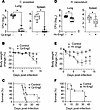
Protective efficacy of Eng2 homologs against endemic dimorphic fungi. To investigate whether vaccination with Cp-Eng2 or Hc-Eng2 protects mice against respective infection with C. posadasii and H. capsulatum, we purified recombinant proteins and generally loaded them into glucan-chitin particles (GCPs) as described before (5). Vaccination with Cp-Eng2 followed by infection with C. posadasii reduced CFU in the lung and spleen by 3–4 logs compared with unvaccinated controls (Figure 2 A). As a consequence of increased resistance, vaccinated mice did not lose weight, unlike the unvaccinated mice (Figure 2B), and showed an increased survival rate following lethal pulmonary infection compared with unvaccinated control mice (Figure 2C). Similarly, vaccination with Hc-Eng2 protected C57BL6 mice against H. capsulatum following lethal pulmonary infection (Figure 2, D–F).
Protective efficacy of Eng2 against endemic dimorphic fungi.Figure 2

Protective efficacy of Eng2 against endemic dimorphic fungi. The homologous Eng2 proteins Cp-Eng2 and Hc-Eng2 were respectively used to vaccinate C57BL/6 mice against C. posadasii (A–C) and H. capsulatum (D–F), as described in Methods. Burden of infection (measured in CFU), weight loss, and survival (from top to bottom). Percentage of body weight change is depicted for mice monitored daily. Data shown are from a representative experiment of 2–3 experiments (n = 10 mice/group). CFU are expressed as log10 and plotted using box-and-whisker plots showing the median as well as the minimum and maximum values of all the data as noted in Methods. *P < 0.05, by 2-tailed Mann-Whitney t test. Other data are mean ± SD.

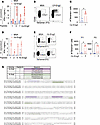
Identification of immunogenic CD4+ T cell epitopes of Cp-Eng2 and Hc-Eng2 in C57BL6 mice. Since vaccine protection required immunization with homologous Eng2 proteins, we hypothesized that the immunogenic T cell epitopes are different for each homolog. To test this idea, we mapped the Eng2 peptide epitopes recognized by CD4+ T cells and generated class II MHC–peptide tetramers as described previously (5, 6). We analyzed the Cp-Eng2 and Hc-Eng2 homologs for MHC class II peptide–binding sequences. Of 7 predicted peptide epitopes from these homolog, three 13 mers from each one triggered IFN-γ production by CD4+ T cells isolated from the spleens of mice vaccinated with the corresponding Eng2 protein (Figure 3, A and D). Peptide 3 from Cp-Eng2 (TVWFFPRGNIPDD) and peptides 1 and 5 from Hc-Eng2 (NFFNGPDPSNGYV and SSWARPIAHFTGC) induced the strongest IFN-γ response (Figure 3, A, D, and G). Thus, mapping the position of the immunogenic Cp-Eng2 and Hc-Eng2 peptides indicated different locations of the immunodominant CD4+ T cell epitopes in each homolog (Figure 3G). These regions also differed from that in Bl-Eng2 (data not shown) (3).
Mapping of Eng2 immunodominant epitopes in C. posadasii and H. capsulatum iFigure 3

Mapping of Eng2 immunodominant epitopes in C. posadasii and H. capsulatum in C57BL/6 mice. (A and D) Identification of immunodominant epitopes of Cp-Eng2 and Hc-Eng2. Mice (n = 5/group) were vaccinated with Cp-Eng2 or Hc-Eng2 as described in Methods. Two weeks after the boost, splenocytes were restimulated ex vivo with peptide P3 from Cp-Eng2 (C and D) or P1 and P5 from Hc-Eng2. (B, C, E, and F) Splenocytes from vaccinated mice were stained with tetramers containing peptide P3 (Cp-Eng2), P1 (Hc-Eng2), or P5 (Hc-Eng2) and analyzed by flow cytometry. The frequency and number of tetramer+ cells are illustrated in B, C, E, and F. The data shown are representative of 2 independent experiments and are presented as the mean ± SD. *P < 0.05, by 2-tailed Mann-Whitney U test. (G) Cp-Eng2 and Hc-Eng2 sequences were aligned with the T-Coffee algorithm using MacVector 18.5.1. Experimentally determined immunodominant epitopes are highlighted in purple and green gradient-shaded boxes for Cp-Eng2 and Hc-Eng2, respectively. Peptides that elicited the most IFN-γ (Cp-P3 and Hc-P1) are shaded dark purple or green.

We used the immunodominant peptides to create MHC class II tetramers and to demonstrate expansion of primed Eng2 antigen–specific memory CD4+ T cells in the spleens of vaccinated mice (Figure 3, B, C, E, and F). Approximately 12% of CD4+ T cells stained with the tetramer and the CD44 activation marker after vaccination with Cp-Eng2 and approximately 3% of CD4+ T cells did so following vaccination with Hc-Eng2. We validated that tetramer binding was specific, since few CD8+ T cells bound to the respective tetramers (Supplemental Figure 2A). The precursor frequency of naive (CD44lo) Eng2-specific CD4+ T cells in unvaccinated mice was 32 for Hc-Eng2, 97 for Bl-Eng2, and 130 for Cp-Eng2) (Supplemental Figure 2C). Vaccination with the corresponding Eng2-homologs activated and expanded tetramer+ CD4+ T cells by 7- to 29-fold compared with the numbers present in naive mice (Supplemental Figure 2, B and C). In sum, mapping the position of the immunogenic Cp-Eng2 and Hc-Eng2 peptides indicated different locations of the T cell epitopes (Figure 3G). Thus, we have generated tetramers against all 3 homologs of Eng2 proteins, which allowed tracking and enumeration of Eng2-specific CD4+ T cells during the evolution of immunity against these endemic systemic mycoses.

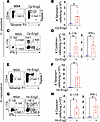
Functional analysis of Eng2-specific CD4+ T cells in vaccinated C57BL/6 mice following infection with C. posadasii and H. capsulatum. We previously reported that Bl-Eng2–specific CD4+ T cells are recalled to the lungs in substantial numbers upon infection in vaccinated C57BL/6 mice (3). Here, we investigated whether Cp- and Hc-Eng2–specific CD4+ T cells also accumulate in the lungs in substantial numbers in vaccinated mice infected with either fungus. The frequencies and numbers of activated (CD44+) tetramer+ T cells were at least 10 times higher in vaccinated mice compared with unvaccinated mice at post-infection day 5 or 6 after infection with H. capsulatum or C. posadasii, respectively (Figure 4, A, B, E, and F). Since vaccine immunity to dimorphic fungi is primarily mediated by Th1 and Th17 cells that respectively produce IFN-γ and IL-17 (5, 7–11), we stimulated primed T cells with the peptides that were used to generate the tetramers and measured cytokine production by intracellular staining. The frequencies and numbers of IFN-γ– and IL-17-producing T cells from vaccinated mice were significantly increased compared with unvaccinated controls and indicated a mixed Th1/Th17 phenotype (Figure 4, C, D, G, and H). Thus, the tetramer+ cells were functional with respect to cytokine production.
Functional analysis of Eng2-specific CD4+ T cells following experimental puFigure 4

Functional analysis of Eng2-specific CD4+ T cells following experimental pulmonary infection with C. posadasii and H. capsulatum. Tetramer+ cells were determined after C57BL/6 mice were vaccinated as described in Methods with Cp-Eng2 (A–D) or Hc-Eng2 (E–H) (n = 5/group). Mice were experimentally infected as in methods and sacrificed 4 or 5 days after challenge followed by enumeration of CD4+ tetramer+ T cells in the lungs. A and E show contour flow plots with the percentages of tetramer+ CD4+ T cells; B and F show histogram bar graphs with the total number of tetramer+ cells. After intracellular staining of IFN-γ and IL-17, the frequencies (C and E) and numbers (D and H) of cytokine-producing cells were analyzed. Data are represented as the mean ± SD. *P < 0.05 versus the control group; data were analyzed with the 2-tailed Mann-Whitney U test.

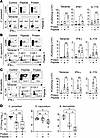
Vaccine protection is conferred by immunodominant peptides versus full-length Eng2 proteins in C57BL/6 mice. Vaccination with full-length recombinant proteins offers the advantage that multiple epitopes likely induce a polyclonal and multi-epitope–driven T cell response that could result in optimal protection. Alternatively, some epitopes could activate Tregs that dampen a vaccine benefit (12). Thus, identifying protective T cell epitopes and combining them in multi-epitope vaccines could augment vaccine efficacy (13, 14). Here, we investigated CD4+ T cell responses and protective efficacy elicited by immunodominant peptides versus full-length recombinant Eng2 homologs. Vaccination with peptide 3 from Cp-Eng2 generally induced the expansion of tetramer+ CD4+ T cells and the development of Th1 and Th17 cells (Figure 5A). Similarly, peptides P1 and P5 from Hc-Eng2 and P1 from Bl-Eng2 each induced tetramer+ Th1 and Th17 cells that were comparable with the CD4+ T cell responses in mice vaccinated with the respective full-length protein (Figure 5, B and C). Although the tetramer response to vaccination with peptide 1 in Cp-Eng2 was lower than that for the full-length protein (Figure 5A), peptide 1 reduced lung CFU of C. posadasii by several logs, similar to that with the full-length protein (Figure 5D). Likewise, vaccination with peptide 3 from Bl-Eng2 reduced lung CFU similar to what was observed with the full-length protein. Conversely, vaccination with P1 and P5 from Hc-Eng2 combined did not reduce lung CFU (Figure 5D). This was likely due to the overall modest protection achieved by the Hc-Eng2 protein. Nevertheless, the peptide vaccine was as effective as the full-length protein vaccine in protecting against C. posadasii and B. dermatitidis.
Vaccine protection conferred by immunodominant peptide versus the full-lengFigure 5

Vaccine protection conferred by immunodominant peptide versus the full-length protein homolog in WT C57BL/6 mice. Mice were vaccinated with Cp-Eng2, Hc-Eng2, and Bl-Eng2 or an equimolar amount of immunodominant peptides from each homolog as described in Methods. Three weeks after the last boost, mice were challenged with a lethal dose of each organism. (A–C) Lung CD4+ T cells were analyzed for the frequency and number of tetramer+ cytokine-producing T cells at day 6 (C. posadasii), day 5 (H. capsulatum), and day 4 (B. dermatitidis) after infection (n = 5 mice/group). Data are represented as the mean ± SD and were analyzed using 1-way ANOVA with post hoc Dunnett’s test. (D) Lung CFU were analyzed 2 weeks after infection when mice in the control group was moribund (n = 10 mice/group). CFU are expressed as log10 and plotted using box-and-whisker plots with error bars showing minimum and maximum values. *P < 0.05 versus all other groups; &P < 0.05 versus protein-vaccinated mice. Data were analyzed using 1-way ANOVA with post hoc analysis by Dunnett’s test.

Protective efficacy of Eng2 homologs and mapping of T cell epitopes in humanized DR4 mice. To translate our findings from C57BL/6 mice to humans, we vaccinated humanized HLA-DR4 (DRB1*0401) transgenic mice that express human MHC II and lack murine endogenous MHC class II molecules (15). Vaccination with Cp-Eng2, Hc-Eng2, or Bl-Eng2 protected HLA-DR4 mice against infection with the corresponding fungus (Figure 6A). HLA-DR4 mice vaccinated with Cp-Eng2 also lost less weight and survived longer than did control mice (Supplemental Figure 3, A and B).
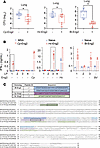
Protective efficacy of Eng2 homologs and mapping of Eng2 epitopes in humaniFigure 6

Protective efficacy of Eng2 homologs and mapping of Eng2 epitopes in humanized HLA-DR4 mice. (A) Mice were vaccinated with the respective Eng2 homologs and challenged and sacrificed as described in Methods. CFU are expressed as log10 and plotted using box-and-whisker plots, with error bars showing minimum and maximum values. (B) To assay peptide recognition, splenocytes from mice vaccinated with Eng2 homologs were stimulated ex vivo with the predicted peptides that ranged from 25–30 aa. Cell culture supernatants were assayed for IFN-γ after 5 days of stimulation, and results are presented as the mean ± SD. *P < 0.05 versus the corresponding MSA control groups. (C) The sequences of the Eng2 homologs were aligned with the T-coffee algorithm using MacVector 18.5.1. Experimentally determined immunodominant HLA-DR4 epitopes are highlighted in colors. Peptides that elicited the strongest IFN-γ response (Cp-P1, Hc-P3, and Bd-P1) are shaded in darker colors. The 13 mers of the immunodominant epitopes indicated in black boxes are shared between C57BL6 and HLA-DR4 mice.

To test whether a natural infection induces immunity to Eng2, HLA-DR4 mice were sublethally infected with H. capsulatum, and their splenocytes were analyzed for cytokine responses to restimulation with Hc-Eng2 protein and peptides. CD4+ T cells primed during infection produced IFN-γ when restimulated ex vivo with Hc-Eng2 protein but not with peptides (Supplemental Figure 3F). Thus, Hc-Eng2 was expressed on H. capsulatum yeast during pulmonary infection, and Hc-Eng2–specific CD4+ T cells were induced during infection. Below, we demonstrate that PBMCs from individuals that had recovered from H. capsulatum infection also reacted to Hc-Eng2 protein and peptides and therefore harbored antigen-specific memory CD4+ T cells.

We next determined the immunogenic peptides of Eng2 proteins that are recognized by human HLA-DR4. Using Immunoinformatics analytics software from Eigenbio, we predicted peptides for each Eng2 homolog. We initially synthesized long peptides (LPs) ranging from 2–30 aa to accommodate recognition of multiple HLAs (in addition to DR4) in testing immunogenicity with the human blood samples. To identify immunogenic peptides, we recalled Eng2 homolog–primed T cells ex vivo with these peptides. Peptides LP1 from Cp-Eng2, LP3 from Hc-Eng2, and LP1 and LP3 from Bl-Eng2 triggered IFN-γ production (Figure 6B). To map the 9 core aa (plus 3 flanking aa on either side) that bind to HLA-DR4 and are recognized by the cognate T cell receptor (TCR), we synthesized 15 mers that overlapped by 14 aa (referred to as peptide walking). GVYAMEWTSDEITVW (peptide 1) from Cp-LP1; NFNFFNGPDPSNGYV (peptide 1) from Hc-LP3; and PRYQIPSNINDENPD (peptide 15) from Bd-LP1; and VKNNPWAFSEAFWSI (peptide 16) from Bd-LP3 were identified as the immunogenic 15 mers (Supplemental Figure 3, C, E, and G). The sequence and location of the most immunogenic peptides in each of these Eng2 proteins restricted by HLA class II are depicted in Figure 6C.

To validate our peptide mapping, we created a tetramer to track Cp-Eng2–specific CD4+ T cells in HLA-DR4 mice. After vaccinating mice with Cp-Eng2 and infecting them with C. posadasii, we detected 4% tetramer+ CD4+ T cells in the lungs (Supplemental Figure 3D). We assessed vaccine immunity and protection by immunodominant peptides in HLA-DR4 mice. Vaccination induced the generation of IFN-γ–producing CD4+ T cells (Supplemental Figure 4, A, C, and E). However, only vaccination with immunogenic peptides from Cp-Eng2 was able to reduce lung CFU in HLA-DR4 mice (Supplemental Figure 4, B, D, and F). We used the long immunogenic peptides identified in HLA-DR4 mice to test and confirm reactivity by naive precursor CD4+ T cells in humans as outlined below.

Identification of immunogenic peptides recognized by naive CD4+ T cells from humans. To identify naive human precursor CD4+ T cells that recognize Eng2 homologs and their immunogenic peptides, we exploited the Sanofi System as outlined in Methods (Figure 7A). Briefly, antigens were loaded onto CD14+ monocytes and naive human CD4+ T cells primed for 14 days. Primed T cells were restimulated with “fresh” DCs and stimulated with antigens for 5–7 hours while blocking intracellular protein transport to accumulate cytokines. CD4+ T cells from naive donors produced increased intracellular IFN-γ, IL-2, TNF-α, IL-4, and IL-17 after Eng2 antigen priming and restimulation with the antigen compared with medium alone (Figure 7B). The majority of primed CD4+ T cells were polyfunctional and produced multiple cytokines, as indicated by Boolean analysis (Figure 7C). The limited responses to Hc-Eng2 and peptides likely stemmed from the low precursor cell frequency (Supplemental Figure 2C). Interestingly, peptide-primed CD4+ T cells showed higher stimulation indices for activated (CD154+) and IFN-γ–producing cells than did the full-length protein–primed cells when restimulated with peptides (Figure 7D). We assessed whether different immunodominant peptides from an individual Eng2 protein influenced the Th phenotypes in an HLA haplotype–specific manner. Peptides 2 and 3 from Cp-Eng2 and peptide 1 from Bl-Eng2 favored the development of Th1 cells when presented by most HLA-DR haplotypes (Figure 7E), although the sample size was insufficient to achieve statistical significance.
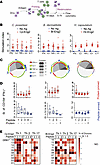
Response of CD4+ T cell–naive participants to predicted epitopes.Figure 7

Response of CD4+ T cell–naive participants to predicted epitopes. (A) Schematic of antigen-priming strategy using Sanofi’s MIMIC System as described in Methods. (B) Naive CD4+ T cells from 16 healthy donors were primed and restimulated with full length Eng2 protein homologs from C. posadasii, B. dermatitidis, and H. capsulatum using the MIMIC System. Data are expressed as the SI, which is the ratio of cytokines produced by cells that were primed and restimulated versus cultured in medium alone. Ag, antigen. (C) Boolean analysis of the multifunctional cytokine response depicted in B, illustrating the fraction of activated donor CD4+ T cells that produced more than 1 cytokine following Eng2 stimulation (color). “Function” denotes the number of cytokine products. (D) Response of donor-derived naive CD4+ T cells to priming with protein (top row) or peptide pool (bottom row) and restimulation with individual peptides or protein in the MIMIC System. Data variation is displayed as box-and-whisker plots with variation as noted in Methods. (E) Heatmap of responses to peptides P1–P4 with different Th profiles according to individual HLA haplotype among the naive study cohort. Peptide sequences are provided in Supplemental Table 1.

Memory T cell responses from patients recovered from infection with dimorphic fungi. We studied a total of 35 individuals who recovered from infection with C. posadasii, H. capsulatum, or B. dermatitidis infection and 25 healthy control individuals. We assessed whether patients harbored a pool of memory CD4+ T cells specific for the corresponding Eng2 protein homolog and respective immunogenic peptides identified above. PBMCs from 20 patients recovered from confirmed C. posadasii infection all responded to positive control antigens (attenuated C. posadasii strain DCps1 [refs. 16–19] and C. albicans) and 16 (80%) produced IFN-γ or IL-17 in response to stimulation with Cp-Eng2 protein (Figure 8A). Twelve control individuals did not respond to Cp-Eng2, and all but 1 responded to a positive control. Five of the patients manifested disseminated disease at the time of diagnosis (4 with meningitis). Each was receiving antifungal treatment at the time of testing — several for a number of years. Individuals with prior disseminated C. posadasii infection produced IFN-γ or IL-17 in response to Cp-Eng2 when tested. Seven patients who had recovered from C. posadasii were also assessed for responses to Cp-Eng2 peptides 1–3 (Figure 8B), and peptide 3 was found to elicit the strongest response (Figure 8B).
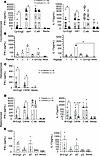
Eng2-specific memory T cells in fungi-exposed patients.Figure 8

Eng2-specific memory T cells in fungi-exposed patients. Recall response of CD4+ T cells from patients with coccidioidomycosis and healthy control individuals after stimulation with (A) Cp-Eng2 protein or (B) peptides. CD4+ T cells were expanded by coculturing them with CD14+ monocytes in the presence of various stimuli for 7 days. IFN-γ and IL-17 were measured in the culture supernatant by ELISA. Heat-killed Dcps1 spores were used to confirm the patient had immunity to C. posadasii, and Candida yeast served as a control to exclude anergy. Stimulation media alone served as a negative control. (C) Ex vivo response of PBMCs from healthy blood donors previously exposed to H. capsulatum following 5 days of stimulation with Hc-Eng2 or H. capsulatum CW/M antigen as an indicator of prior infection. Patients with blastomycosis and healthy control individuals were stimulated with Bl-Eng2 protein or positive control antigens (D), or Bl-Eng2 peptides (E). Each symbol represents a patient or control. Data are presented as the mean ± SD. *P ≤ 0.05, by 2-tailed Mann-Whitney U test or 1-way ANOVA with post hoc analysis by Dunnett’s test. Peptide sequences are provided in Supplemental Table 1.

Approximately 80% of people who live in the H. capsulatum–endemic region of Ohio have evidence of prior infection with the fungus. We identified individuals previously infected with H. capsulatum by testing their PBMCs for production of IFN-γ in response to cell wall membrane (CW/M) extract from H. capsulatum as described previously (20). Eight of the 10 individuals tested had evidence of CW/M reactivity, indicating prior infection; all 8 also responded strongly to Hc-Eng2 (Figure 8C), often more so than to CW/M. Seven healthy controls participants from outside the endemic area failed to respond to Hc-Eng2 (and CW/M), confirming the specificity of the response to Hc-Eng2.

Six of the 7 patients who had recovered from confirmed infection with B. dermatitidis and responded to the positive control stimulus of CW/M extract from B. dermatitidis also responded to Bl-Eng2 by producing IFN-γ or IL-17 (Figure 8D). Two other individuals with a confirmed case of acute infection in whom treatment had just been initiated failed to respond to a positive control stimulus and were not evaluable. Six healthy control participants did not respond to Bl-Eng2. Cells from 6 patients were also tested for responses to Bl-Eng2 peptides (Figure 8E). Peptide 2 elicited the strongest IFN-γ and IL-17 response.

These data suggest that most individuals who had recovered from infections with these endemic mycoses responded to the corresponding Eng2 homolog. A number of these individuals also responded to immunogenic peptides identified in our studies of humanized mice and infection-naive individuals.

We tested 15 patients who had recovered from infection for cross-reactivity to the 3 Eng2 proteins: 7 patients with C. posadasii and 4 patients each with H. capsulatum or B. dermatitidis. Each person had responded to the Eng2 protein corresponding to their infection. Of the 7 patients with C. posadasii infection, 4 had cross-reactions to Hc-Eng2 but not to Bl-Eng2. Of the 4 individuals with H. capsulatum infection, none had a cross-reaction to the other Eng2 proteins. Of the 4 patients tested for B. dermatitidis, each cross-reacted to both Hc- and Cp-Eng2. Thus, among 15 individuals tested for cross-reactivity, 8 cross-reacted to 1 of the heterologous Eng2 proteins. This finding suggests that there are shared CD4+ T cell epitopes within the Eng2 proteins that elicit responses to heterologous Eng2 among patients with an endemic mycosis, although these epitopes are distinct from those eliciting protection in animal models.

Discussion

Endemic systemic mycoses are invasive fungal diseases that usually occur in previously healthy individuals and are not limited to hosts with impaired cellular or humoral immunity. We report here that Eng2 from the cell wall of the causative fungi elicited immunity in both humans and mice and protected the latter against experimental lethal pulmonary infection. Thus, vaccination with the respective Eng2 homolog protected C57BL6 and humanized HLA-DR4 mice against corresponding infections with C. posadasii, H. capsulatum, or B. dermatitidis. Despite some sequence similarity among the Eng2 homologs, we did not observe cross-protection by Bl-Eng2 against infection with C. posadasii or H. capsulatum. Nevertheless, each of the respective homologs induced resistance in mice and adaptive immunity in humans during their infections. Thus, persons recovered from infection displayed reactivity to the respective protein, suggesting that these antigens could have diagnostic value for the detection of infection.

By mapping immunodominant T cell epitopes for each Eng2 homolog, we learned that the peptides differed in sequence and location. This contrasts with our findings with the conserved antigen, calnexin, that confers vaccine protection against C. posadasii, H. capsulatum, and B. dermatitidis by an identical 13 aa epitope (5). Corresponding 1807 TCR transgenic (calnexin-specific) T cells expanded not only after infection with B. dermatitidis but also after challenge with other dimorphic fungi including C. posadasii and H. capsulatum (21). Furthermore, infection with other clinically relevant ascomycetes such as Aspergillus fumigatus, Fonsecaea pedrosoi, and Pseudogymnoascus destructans triggered the expansion of calnexin peptide–MHC II tetramers (5). The calnexin study thus demonstrated the possibility of exploiting a single conserved epitope/antigen as a target for the development of broadly reactive antifungal vaccines. However, a limitation for the development of a calnexin-specific antifungal vaccine is the low precursor frequency of naive endogenous CD4+ T cells and the modest expansion and protective efficacy after vaccination and infection (5). We overcame this limitation here with the discovery of Eng2 homologs. The precursor frequency of the immunodominant epitopes of Cp- and Bl-Eng2–specific naive endogenous CD4+ T cells in C57BL/6 mice was 97–130 cells, compared with a frequency of only 29 cells for calnexin-specific precursor cells (5) and 32–47 for Hc-Eng2–specific precursor cells. Consequently, vaccine-induced expansion of antigen-specific T cells and protection were much higher for experimental C. posadasii and B. dermatitidis infection compared with the expansion and protection seen with Hc-Eng2. Our data support the concept that a large population of T cell precursors is associated with increased TCR diversity and a greater primary immune response and explain why immune responses to some peptides are stronger than others (22).

We chose C57BL/6 mice as the strain to model these infections given its common use. This strain harbors a common structural defect in dectin 1 associated with a splice variant known as dectin 1B (23). Dectin 1B thus lacks a stalk region present in the full-length dectin 1A isoform. The shorter variant arises from the deletion of exon 3 during splicing of CLEC7A, which encodes dectin-1. The defect is associated with susceptibility to coccidioidomycosis in C57BL/6 mice (24). Polymorphisms in dectin 1 have also been linked to susceptibility to disseminated coccidioidomycosis in patients (25). We chose this strain of mouse despite its susceptibility to this mycosis as a means of rigorously testing the efficacy of Eng2-mediated protection in a manner that would be relevant for human populations at risk. Our findings imply that even vulnerable individuals with genetic predisposition(s) can acquire vaccine immunity.

We translated our findings from C57BL/6 mice to humans. We first vaccinated humanized HLA-DR4 mice to confirm protection and identify the immunogenic T cell epitopes. Vaccination with all three Eng2 homologs protected HLA-DR4 mice against infection with the respective dimorphic fungi, suggesting that human T cells could be primed during immunization. For example, Bl-Eng2 protects against B. dermatitidis, and Cp-Eng2 protects against C. posadasii, and Hc-Eng2 protects against H. capsulatum. This idea was supported by the observation that vaccination with Eng2 homologs and peptides primed HLA-DR4–restricted CD4+ T cells that produced IFN-γ upon recall in vitro. Since the immunogenic epitopes for the three Eng2 homologs differed in aa sequence and/or location, it is conceivable that they could be engineered as a multi-epitope vaccine that would be broadly reactive and elicit protective immunity against endemic systemic mycoses. A recombinant chimeric polypeptide antigen (rCpa1) has been genetically engineered, encompassing 5 epitopes derived from C. posadasii–specific aspartyl protease (Pep10), a mannosidase (Amn1), and phospholipase B (Plb) antigens (14, 26). The vaccine elicits a mixed Th1 and Th17 immune response and confers protection in C57BL6 and HLA-DR4 mice against multiple isolates of C. posadasii and Coccidioides immitis (27).

We used long “promiscuous” peptides identified in HLA-DR4 mice to survey infection-naive individuals for reactive T cell precursors. CD14+ monocytes from these individuals, loaded with Eng2 homologs or the immunogenic peptides, primed and expanded autologous naive CD4+ T cells and triggered the production of multiple cytokines. Interestingly, peptide-primed CD4+ T cells produced larger amounts of cytokines when recalled with the corresponding peptides than did protein-primed T cells. The increase in cytokine production likely occurred because the peptide-primed T cells were not subject to clonal competition, whereas protein-primed T cells had to compete for antigen and deal with clonal competition. While only peptide 1 for Cp-Eng2 was immunogenic in vaccinated HLA-DR4 mice, peptides 1–3 were found to be immunogenic in the Modular Immune In vitro Construct (MIMIC) System assay using naive T cells. The diversity of HLA haplotypes of the human T cells likely accounted for the recognition and immunogenicity of the additional peptides.

We hypothesized that human infection with these dimorphic fungi elicits adaptive immunity to the Eng2 homologs, given their immunodominance and vaccine effect. Our observation that pulmonary infection of HLA-DR4 mice with H. capsulatum yeast primed antigen-specific CD4+ T cells that produced IFN-γ upon recall in vitro with Hc-Eng2 supported this hypothesis and prompted us to study Eng2-specific T cell responses in individuals recovered from the corresponding infections. Such individuals harbored memory T cells that produced cytokines in response to recall in vitro with Eng2 homologs, indicating that human T cells recognized this antigen during natural infection. These memory T cells were selected by HLA restriction and subjected to antigen and clonal competition. Peptides 1–3 from Cp-Eng2 triggered IFN-γ production by memory T cells, but the epitope hierarchy was dominated by peptide 3, which was different than the balanced epitope hierarchy we observed with naive T cells in the MIMIC System. Thus, cytokine production by human memory T cells in response to immunogenic peptides is likely a consequence of several factors, including HLA restriction (e.g., some peptides are not presented by each HLA during infection), immunodominance, precursor frequency and hierarchy of T cell epitopes in response to the fungal infection, and the polyclonal nature of the T cell response.

The findings here could lead to the generation of a vaccine against all 3 fungi by reverse-engineering the endoglucanase from 1 strain to express the other T cell epitopes with site-directed mutagenesis. Alternatively, one could imagine developing mRNA or antigen cocktails in a single vaccine against these 3 fungal species. Furthermore, since patients with prior infection demonstrated reactivity to 1 or more Eng2 proteins, individuals with recent or remote infection could be identified and removed from the target population for vaccination, as reinfection is uncommon, particularly for coccidioidomycosis and blastomycosis.

A limitation of this study is the small number of patients tested for endemic mycoses, with even smaller numbers when one considers each individual mycosis. Larger numbers of patients should be studied to confirm and extend these findings.

Among patients, some cross-reactivity to heterologous Eng2 proteins is not surprising, since Eng2 is shared among these 3 fungi. Thus, while the immunodominant epitopes may be distinct between the Eng2 proteins, there are likely to be minor, subdominant epitopes that are shared. Surface galactomannan on the endemic fungi presents an analogous situation, as it is conserved, while showing some structural differences. Thus, clinicians often find that the urine antigen test is positive for both Histoplasma and Blastomyces in patients with blastomycosis, as an example. The result is of value in establishing the presence of a mycotic infection and allows the clinician to have a high level of confidence that a given patient is infected with one of these fungi. The clinical and epidemiological features help to determine the likely infection.

In summary, we conclude from this study that Eng2 homologs were expressed on the infectious or tissue form of these dimorphic fungi during natural infection and elicited functional memory CD4+ T cells with clinical significance. Our findings have implications for strategies to prevent and also reliably diagnose the systemic endemic mycoses of North America, which represent a substantial and growing public health problem.

Methods

Sex as a biological variable. Both male and female C57BL/6 and HLA-DR4 mice were used in the vaccination experiments, and similar outcomes were found. Our human studies included both male and female participants without explicit analysis dedicated to determination of sex as a biological variable.

Fungi. WT B. dermatitidis strain ATCC 26199, C. posadasii virulent clinical isolate C735 (American Type Culture Collection [ATCC] 96335), and H. ccapsulatum G217B and C. albicans strain ATCC SC5314 were used for this study. B. dermatitidis 26199 was grown as yeast on Middlebrook 7H10 agar with oleic acid–albumin complex (MilliporeSigma) at 39°C. Saprobic phase C. posadasii was grown on 2× GYE agar (2% glucose, 1% yeast extract, 1.5% agar) at 30°C to produce spores as reported previously (28). Culturing and harvesting of C. posadasii were done in a biosafety level 3 (BSL3) laboratory located at the UW-Madison. H. capsulatum was grown on brain heart infusion agar blood at 37°C for 15 days. Candida yeast was grown on yeast extract, peptone, and dextrose agar at 30°C.

Mouse strains. Male and female mice were 7 to 8 weeks of age at the time of these experiments. Inbred WT C57BL/6 mice (stock no. 664) obtained from The Jackson Laboratory were bred at our facility. A breeding colony of HLA-DR4 (DRB1*0401) transgenic mice that express human MHC class II molecules (15) (Taconic, model no. 4149) was used in this study. HLA-DR4 mice were engineered from a C57BL/6 background and backcrossed with MHC class II–deficient mice lacking IA and IE alleles to eliminate production of endogenous murine MHC class II molecules. Mice were housed and cared for in a specific pathogen–free environment in our animal facility, as per guidelines of the UW-Madison Animal Care Committee, who approved all aspects of this work. Mice were transported to the animal BSL3 (ABSL3) laboratory for challenge with live C. posadasii spores.

Immunoinformatics and epitope mapping. Immunogenic peptides were predicted using the Eigenbio immunoinformatics platform described elsewhere (29, 30). Briefly, the mean and SD of the natural log of IC50 MHC II allele binding for each sequential 15 aa peptide in the protein were predicted by artificial neural network ensembles using algorithms based on vectors derived from the principal components of the physical and chemical characteristics of each aa. Mean predicted binding was standardized to a zero mean unit variance (normal) distribution within the protein to provide a relative competitive index of predicted binding for each peptide in the protein. This places binding predictions of all MHC alleles on the same scale. This metric is expressed in SD units relative to the mean for that protein. Comparison with other prediction systems indicates that a predicted binding affinity of less than –1 SD unit below the mean is a probable epitope (31). Predicted peptides were synthesized at greater than 75% purity by GenScript and provided as lyophilized material in measured amounts of peptide. Each peptide was analyzed by GenScript for purity using high-performance liquid chromatography (HPLC), mass spectrometry, and nitrogen analysis. Depending on their solubility, peptides were dissolved in water or 100% DMSO. Stock solutions of each peptide were adjusted to 10 mM and stored at –80°C.

Generation and purification of recombinant Eng2 homologs. Cp-Eng2 and Hc-Eng2 were cloned and expressed in P. pastoris and E. coli using standard recombinant techniques and have been described for Bl-Eng2 (32). Recombinant proteins were purified using Ni-NTA agarose (Qiagen) according to the manufacturer’s protocol and dialyzed against PBS. The purity of recombinant proteins was assessed by SDS-PAGE and silver staining.

We tested recombinant Eng2 enzymatic activity as a measure of quality control. We investigated cleavage of b-1-3 glucan because the conserved endoglucanase domains closely resemble Laminarinase Lam16A from Phanerochaete chrysosporium (33). We documented Eng2 enzymatic activity using the dinitrosalicylic acid (DNS) method (34) (Supplemental Figure 5). The DNS method is used to estimate the concentration of reducing sugars in enzymatic hydrolysates. Briefly, the DNS reagent is mixed with a sample and heated to catalyze the reaction, and the visible absorbance of the products (particularly 3-amino-5-nitrosalicylic acid) is measured as described previously. We added 20 μL of 0.75% laminarin (substrate) (MilliporeSigma) to 200 μg enzyme (laminarinase, positive control) (MilliporeSigma) or Eng2. After plates were incubated at 50°C for 10 minutes, 100 μL DNS reagent was added and incubated at 95°C for 5 minutes. After cooling, plates were read at 540 nm. Absorbance was converted to micromolars of reduced sugar according to a standard glucose curve.

Generation of rabbit anti-Eng2 antibody and surface staining of dimorphic fungi. Rabbit polyclonal antibody was generated by Envigo Research and Model Service. Briefly, rabbits were vaccinated 3 times with 1 mg recombinant vaccine of each Eng2 homolog, and serum was harvested on day 112 after the first vaccination.

Yeast or spherules were washed and fixed in 4% formaldehyde for 15 minutes at room temperature, washed, and then resuspended in blocking buffer containing 1% BSA in PBS plus 0.1% Tween 20 for 15 minutes. After washing, fungi were stained with the corresponding polyclonal anti-Eng2 rabbit antibodies at a 1:800 dilution and incubated at 4°C overnight. After washing, fungi were stained with 5 μg/mL secondary donkey anti– rabbit IgG antibody conjugated with Alexa Fluor 647 (Invitrogen, Thermo Fisher Scientific, catalog A-31573) for 2 hours. After washing, fungi were stained with 10 μg/mL Calcofluor White Blue (MilliporeSigma) for 20 minutes and washed again. Samples were resuspended in mounting medium (VECTASHIELD Vibrance Antifade Mounting Medium, Vector Laboratories), transferred onto microscope slides, covered with a coverslip (Circular Coverglass 12 mm, Electron Microscopy Sciences), and stored at 4°C. A Nikon A1R confocal microscope was used to capture the slide images.

Vaccination and fungal infection. Ten micrograms of Bl-Eng2, 20 mg Cp-Eng2, or 30 mg Hc-Eng2 or equimolar amounts of synthetic peptides were loaded into GCPs. For vaccination with peptide pools, individual peptides were resuspended in DMSO, and equal amounts of each peptide were pooled and mixed with 50% CAF01 (Statens Serum Institute) or 10% adjuplex (Empirion). Mice were vaccinated s.c. with Eng2 full-length proteins 3 times, 2 weeks apart as described before (35), with antigen loaded into GCPs; controls in these experiments were GCPs loaded with mouse serum albumin (MSA) (Gary Ostroff, University of Massachusetts Chan Medical School). In limited experiments, Freund’s adjuvant (MilliporeSigma) was used for vaccination. Two weeks after the vaccine boost, mice were challenged intratracheally (i.t.) with 2 × 10⁴ WT B. dermatitidis yeast, 100–150 C. posadasii spores, or 106 to 107 H. capsulatum yeast in 30 mL PBS. At post-infection days 4–6, lung T cell responses were analyzed, and lung CFU were counted. Two weeks after infection, when control or unvaccinated mice were moribund, fungal burden was determined by plating lung CFU.

Generation of MHC II tetramers. Tetramers for detection of Eng2-specific CD4+ T cells in C57BL6 were generated at the NIH Tetramer Core facility at Emory University Atlanta, Georgia, USA). A tetramer that recognizes Cp-Eng2–specific CD4+ T cells in HLA-DR4 mice was generated by ProImmune (Oxford, England).

Human donors and PBMC isolation. For MIMIC assays, PBMCs were obtained from healthy donors who enrolled in a Sanofi VaxDesign apheresis study (protocol CRRI 0906009) after providing informed consent. Leukocytes were enriched by centrifugation over a Ficoll-Histopaque PLUS (General Electric Healthcare) density gradient (33), collected at the gradient interface, washed, and cryopreserved in IMDM (Lonza) containing autologous serum and 10% DMSO (MilliporeSigma). Blood products were negative for blood-borne pathogens as detected by standard assays. For blood samples from patients recovered from infection, cases of blastomycosis and coccidioidomycosis were confirmed by culture or histopathology. For histoplasmosis, we received deidentified blood from the Hoxworth Blood Bank of the University of Cincinnati College of Medicine (Cincinnai, Ohio, USA).

MIMIC System CD4+ T cell LTE assay. Sanofi’s proprietary MIMIC System was used to assay whether naive human CD4+ T cells recognize peptides in Eng2 homologs. Human donors were selected on the basis of their HLA-DRB1 haplotypes to achieve a diverse sampling of more commonly expressed HLA-types. CD14+ cells and CD4+ T cells from donor PBMCs were purified using CD14-positive and CD4-negative selection isolation kits (STEMCELL Technologies). CD14+ cells were treated with recombinant IL-4 and GM-CSF (R&D Systems) to promote DC differentiation. One week after isolation, these cytokine-derived DCs (CDDCs) were loaded with antigens at doses ranging from 1–5 mg/mL. A vehicle control was included to assess donor background responses. Antigen-loaded DCs were cocultured with purified donor-matched CD4+ T cells for 14 days as part of the primary stimulation phase. Unpulsed DCs, or those pulsed with irrelevant antigen, served as negative controls.

After 2 weeks, cocultured cells were harvested and restimulated with fresh CDDC loaded with the same protein or peptide or related antigen. Cells were then assayed for CD154+ expression (activation) (anti–CD154-APC-Cy7) (BioLegend: clone 24-31, catalog 310822) and intracellular cytokines. To assay intracellular cytokines, cultures received brefeldin A for 5–7 hours of restimulation. After restimulation, cells were fixed, permeabilized, and stained with a panel of antibodies to detect intracellular IFN-γ (anti–IFN-γ–PECy7, eBioscience: clone 4S.B3, catalog AB2535390), TNF-α (anti–TNF-PE, BioLegend: clone MAB11, catalog 502909), and IL-2 (anti–IL-2–APC (BioLegend: clone W19046A, catalog 310605) (demark Th1 cells), IL-4 (anti–IL-4–PerCP-Cy5.5, BioLegend: clone MP4-25D2, catalog 500822) (Th2 cells) and IL-17 (anti–IL-17 A488, BioLegend: clone BL168, catalog 512307) (Th17 cells). Data were analyzed with FlowJo, GraphPad Prism, Microsoft Excel, and Spice (version 5.3). The stimulation indices (SIs) were calculated as a ratio of the frequency of T cells producing cytokines in response to peptide or protein compared with unstimulated T cells.

ELISA. Cytokine concentrations in cell culture supernatants were determined using IFN-γ and IL-17A Duoset ELISA kits (R&D Systems) according to the manufacturer’s instructions.

Tetramer pulldown. Miltenyi LS columns on a quadroMACS magnet were used to enrich tetramer+ cells from secondary lymphoid organs (SLOs). Spleens and draining lymph nodes were harvested and mashed through 40 μm filters. RBCs were lysed with ACK buffer (Thermo Fisher Scientific). Samples were washed with RPMI and resuspended in cold sorter buffer (PBS with 2% FBS) to a volume twice the size of the pellet. Fc block (2 μL) was added to each sample and incubated for 5 minutes before adding tetramer (5–25 nM). Tetramer staining was done for 1 hour at room temperature in the dark. Samples were then washed and kept on ice. Miltenyi anti-PE microbeads (100 μL) (Miltenyi 130–048–801) were added to each sample and incubated for 30 minutes on ice, and then washed and resuspended in 3 mL sorter buffer. LS columns were pre-wet and samples filtered through 40 μm filters into fresh columns. Columns were washed with cold sorter buffer thrice before eluting bound fractions. Fractions were stained with Invitrogen’s LIVE/ DEAD stain and surface markers. AccuCheck Counting Beads (50 mL) (Invitrogen, Thermo Fisher Scientific, PCB100) were added to each sample to determine the total number of tetramer+ cells.

T cell stimulation and flow cytometry. Lungs were dissociated in Miltenyi MACS tubes and digested with collagenase (1 mg/mL) (MilliporeSigma) and DNase (1 μg/mL) (MilliporeSigma) for 25 minutes at 37°C. Digested lungs were resuspended in 5 mL of 40% Percoll, and 3 mL of 66% Percoll was underlaid (GE Healthcare, catalog 17–0891–01). Samples were spun for 20 minutes at 2,000 rpm at room temperature. Lymphocytes in the buffy coat were harvested and resuspended in RPMI (10% FBS, 1% penicillin and streptomycin). For T cell stimulation ex vivo, cells were incubated at 37°C for 5 hours with 5 μM peptide and 1 μg anti–mouse CD28 (BD, catalog 553294). After 1 hour, BD GolgiStop (BD, catalog 554724) was added to samples. FACS samples were stained with Invitrogen’s LIVE/DEAD stain and Fc block for 10 minutes at room temperature. Cells were stained with tetramer for 1 hour at room temperature, or for surface antigens (anti–CD45-AF488, BioLegend: clone 30-F11, catalog 103122); anti–PerCpCy5.5 (BioLegend: clone 53.67, catalog 100734); anti–CD90.2-BV421 (BioLegend: clone 30H12, catalog 105341); anti–CD44-BV786 (BioLegend: clone IM7, catalog 103059); anti–CD4-BUV737 (BD Bioscience: clone RM4-5, catalog 612844) and dump channel antibodies (anti–CD11c-APC (BioLegend: clone N418, catalog117310); anti–CD11b-APC (BioLegend: clone M1/70, catalog 101212); anti–NK1.1-APC (BioLegend: clone P136, catalog 108710); anti–B220-APC (BioLegend: clone RA3-6B2, catalog 103212) or intracellular targets (anti–IFN-γ–PE-Cy7 (BioLegend: clone XMG1.2, catalog 505826); anti–IL-17A–PE (BioLegend: clone TC11-18H10.1, catalog 506904); anti–IL-5–BV421 (BioLegend: clone TRFK5, catalog 504311); anti–IL-13–eFlour450 (eBioscience: eBio13A, catalog 48-7133-82) for 20 minutes at 4°C. Transcription factors were stained on primed, resting cells using the Foxp3 Transcription Factor Staining Kit (eBioscience, catalog 00–5523–00). All panels included a dump channel (Dump markers: CD11b, CD11c, NK1.1, CD19 B220). AccuCheck Counting Beads (50 mL) (Invitrogen, Thermo Fisher Scientific, PCB100) were added to samples to determine absolute cell counts. Samples were acquired on a LSR Fortessa (BD Biosciences).

Statistics. A 2-tailed, Mann-Whitney U test was primarily used to analyze the differences between 2 treatment groups for cytokine ELISAs, cytokine concentrations, calculations of the number of lung- infiltrating immune cells, and percentages of specific cytokine-producing T cells. In some instances, 1-way ANOVA was used when comparing multiple groups, and when a result was significant, a Tukey’s or Dunnett’s post hoc test was used to adjust for multiple comparisons. Differences in fungal burden (expressed as CFU) between 2 groups were analyzed using the Mann-Whitney U test for ranking data. For comparison of fungal burden among 3 or more groups of mice, the Kruskal-Wallis test, a nonparametric ranking method was used. Survival data were examined by the Kaplan-Meier test using log-rank analysis to compare survival plots as reported previously (6). A P value of 0.05 or less was considered statistically significant. Comparisons in many experiments yielded P values at or below the value of 0.05, however we consistently used only 1 asterisk throughout to denote any statistically significant difference, regardless of the exact P value below 0.05.

Data in the figures are illustrated in either of 2 ways: arithmetic mean and SD indicating the typical amount of variation of the dataset. Alternatively, in some figures, we depicted variation with box-and-whisker plots showing the median and minimum and maximum values for all the data. The box represents the middle 50% of the data, extending from the first to the third quartile; the line in the box represents the median.

Study approvals. Animal studies adhered to protocol M005891 approved by the IACUC of UW-Madison. The studies were compliant with provisions established by the Animal Welfare Act and the Public Health Services Policy on the Humane Care and Use of Laboratory Animals. Studies involving the collection of blood samples from study participants were approved by Human Subject Institutional Review Boards at the UW-Madison, the University of Cincinnati, and the UCD. Written informed consent was obtained from study participants prior to their participation. Mice were housed and cared for in a specific pathogen–free environment in our animal facility as per guidelines of the University of Wisconsin Animal Care Committee, who approved all aspects of this work.

Data availability. Values for all data points in graphs are reported in the Supporting Data Values file.

Author contributions

MW, BSK, GCK, and CYH designed the research studies. UJO, CLT, LDSD, HD, AC, and GSD performed experiments. EJH performed peptide analysis and predictions. UJO, CLT, LDSD, HD, AC, and GSD acquired data. UJO, CLT, LSD, HD, and AC analyzed data. GRT and GSD provided reagents and samples. UJO and CLT wrote the manuscript. MW and BK edited the manuscript.

Funding support

This work is the result of NIH funding, in whole or in part, and is subject to the NIH Public Access Policy. Through acceptance of this federal funding, the NIH has been given a right to make the work publicly available in PubMed Central.

  • NIH grants: BAA-NIAID-DAIT-AI201800007, contract no. 75N93019C00064, R01AI93553 (to MW); R01AI040996 (to BK and MW); R01 AI168370 (to BK); U01 AI124299 (to BK); R37 AI035681 (to BK); R01AI178010 (to GSD); R01AI135005 (to CYH); and U19AI166761 (to CYH).
  • Division of Intramural Research, NIAID, NIH (to LSD).
  • American Heart Association Postdoctoral Fellowship no. 835129 (to LSD).
  • NIH shared instrumentation grant 1S100OD018202-01 and University of Wisconsin Carbone Cancer Center Support grant P30 CA014520 (funding of BD LSR Fortessa for flow sample processing at the University of Wisconsin Carbone Cancer Center [UWCCC] Flow Core Facility).
  • UW-Madison Department of Biochemistry Endowment (support for microscopy performed at the UW-Madison Biochemistry Optical Core, RRID:SCR_023952).
Supplemental material

View Supplemental data

View Supporting data values

Acknowledgments

We thank Brian Schanen, Emily Sassano, and Chinh Dao at Sanofi for assistance with the MMIC assays; Elena Alfara, Bridget Johnson, and Cassie Nelson, Department of Pediatrics, University of Wisconsin School of Medicine and Public Health, for assistance with research involving study participants; Kate Feldt for assistance with graphic design; and Tristan Brandhorst for suggestions concerning endoglucanase function assays.

Address correspondence to: Bruce Klein or Marcel Wüthrich, University of Wisconsin–Madison, 1550 Linden Drive, Madison, Wisconsin, 53706 USA. Phone: 608.263.9217; Email: bsklein@wisc.edu (BK). Phone: 608.262.7703; Email: mwuethri@wisc.edu (MW).

Footnotes

Conflict of interest: EJH holds an equity interest in ioGenetics LLC and is inventor of patents (US10,706,955, US11,640,847) underpinning the EigenBio informatics platform. BSK is an advisory board member of Zepto Life Technology.

Copyright: © 2025, Okaa et al. This is an open access article published under the terms of the Creative Commons Attribution 4.0 International License.

Reference information: J Clin Invest. 2025;135(22):e191103.https://doi.org/10.1172/JCI191103.

See the related Commentary at Fungal vaccines: so needed, so feasible, and yet so far off.

References
  1. Levitz SM, Golenbock DT. Beyond empiricism: informing vaccine development through innate immunity research. Cell. 2012;148(6):1284–1292.
    View this article via: CrossRef PubMed Google Scholar
  2. Oliveira LVN, et al. Vaccines for human fungal diseases: close but still a long way to go. NPJ Vaccines. 2021;6(1):33.
    View this article via: CrossRef PubMed Google Scholar
  3. Dobson HE, et al. Antigen discovery unveils resident memory and migratory cell roles in antifungal resistance. Mucosal Immunol. 2020;13(3):518–529.
    View this article via: CrossRef PubMed Google Scholar
  4. Dos Santos Dias L, et al. Structural basis of Blastomyces Endoglucanase-2 adjuvancy in anti-fungal and -viral immunity. PLoS Pathog. 2021;17(3):e1009324.
    View this article via: CrossRef PubMed Google Scholar
  5. Wüthrich M, et al. Calnexin induces expansion of antigen-specific CD4(+) T cells that confer immunity to fungal ascomycetes via conserved epitopes. Cell Host Microbe. 2015;17(4):452–465.
    View this article via: CrossRef PubMed Google Scholar
  6. Nelson RW, et al. T cell receptor cross-reactivity between similar foreign and self peptides influences naive cell population size and autoimmunity. Immunity. 2015;42(1):95–107.
    View this article via: CrossRef PubMed Google Scholar
  7. Hung CY, et al. Vaccine immunity to coccidioidomycosis occurs by early activation of three signal pathways of T helper cell response (Th1, Th2, and Th17). Infect Immun. 2011;79(11):4511–4522.
    View this article via: CrossRef PubMed Google Scholar
  8. Wüthrich M, et al. Vaccine-induced protection against 3 systemic mycoses endemic to North America requires Th17 cells in mice. J Clin Invest. 2011;121(2):554–568.
    View this article via: JCI CrossRef PubMed Google Scholar
  9. Vinh DC, et al. Refractory disseminated coccidioidomycosis and mycobacteriosis in interferon-gamma receptor 1 deficiency. Clin Infect Dis. 2009;49(6):e62–e65.
    View this article via: CrossRef PubMed Google Scholar
  10. Duplessis CA, et al. Two cases illustrating successful adjunctive interferon-γ immunotherapy in refractory disseminated coccidioidomycosis. J Infect. 2011;63(3):223–228.
    View this article via: CrossRef PubMed Google Scholar
  11. Zerbe CS, Holland SM. Disseminated histoplasmosis in persons with interferon-gamma receptor 1 deficiency. Clin Infect Dis. 2005;41(4):e38–e41.
    View this article via: CrossRef PubMed Google Scholar
  12. Wan YY. Regulatory T cells: immune suppression and beyond. Cell Mol Immunol. 2010;7(3):204–210.
    View this article via: CrossRef PubMed Google Scholar
  13. Jeffreys S, et al. Development and evaluation of an immunoinformatics-based multi-peptide vaccine against Acinetobacter baumannii infection. Vaccines (Basel). 2024;12(4):358.
    View this article via: CrossRef PubMed Google Scholar
  14. Campuzano A, et al. CARD9-associated Dectin-1 and Dectin-2 are required for protective immunity of a multivalent vaccine against Coccidioides posadasii infection. J Immunol. 2020;204(12):3296–3306.
    View this article via: CrossRef PubMed Google Scholar
  15. Ito K, et al. HLA-DR4-IE chimeric class II transgenic, murine class II-deficient mice are susceptible to experimental allergic encephalomyelitis. J Exp Med. 1996;183(6):2635–2644.
    View this article via: CrossRef PubMed Google Scholar
  16. Galgiani JN, et al. Vaccines to prevent Coccidioidomycosis: a gene-deletion mutant of Coccidioides Posadasii as a viable candidate for human trials. J Fungi (Basel). 2022;8(8):838.
    View this article via: CrossRef PubMed Google Scholar
  17. Shubitz LF, et al. Δcps1 vaccine protects dogs against experimentally induced coccidioidomycosis. Vaccine. 2021;39(47):6894–6901.
    View this article via: CrossRef PubMed Google Scholar
  18. Shubitz LF, et al. Viable spores of Coccidioides posadasii Δcps1 are required for vaccination and provide long lasting immunity. Vaccine. 2018;36(23):3375–3380.
    View this article via: CrossRef PubMed Google Scholar
  19. Narra HP, et al. A Coccidioides posadasii CPS1 deletion mutant is avirulent and protects mice from lethal infection. Infect Immun. 2016;84(10):3007–3016.
    View this article via: CrossRef PubMed Google Scholar
  20. Henderson HM, et al. Recognition of histoplasma capsulatum yeast-cell antigens by human lymphocytes and human T-cell clones. J Leukoc Biol. 1992;51(5):432–436.
    View this article via: CrossRef PubMed Google Scholar
  21. Wüthrich M, et al. A TCR transgenic mouse reactive with multiple systemic dimorphic fungi. J Immunol. 2011;187(3):1421–1431.
    View this article via: CrossRef PubMed Google Scholar
  22. Moon JJ, et al. Naive CD4(+) T cell frequency varies for different epitopes and predicts repertoire diversity and response magnitude. Immunity. 2007;27(2):203–213.
    View this article via: CrossRef PubMed Google Scholar
  23. Heinsbroek SE, et al. Expression of functionally different dectin-1 isoforms by murine macrophages. J Immunol. 2006;176(9):5513–5518.
    View this article via: CrossRef PubMed Google Scholar
  24. del Pilar Jimenez AM, et al. Susceptibility to Coccidioides species in C57BL/6 mice is associated with expression of a truncated splice variant of Dectin-1 (Clec7a). Genes Immun. 2008;9(4):338–348.
    View this article via: CrossRef PubMed Google Scholar
  25. Hsu AP, et al. Immunogenetics associated with severe coccidioidomycosis. JCI Insight. 2022;7(22):e159491.
    View this article via: JCI Insight CrossRef PubMed Google Scholar
  26. Hung CY, et al. Glucan-chitin particles enhance Th17 response and improve protective efficacy of a multivalent antigen (rCpa1) against pulmonary Coccidioides posadasii infection. Infect Immun. 2018;86(11):e00070-18.
    View this article via: CrossRef PubMed Google Scholar
  27. Campuzano A, et al. A recombinant multivalent vaccine (rCpa1) induces protection for C57BL/6 and HLA transgenic mice against pulmonary infection with both species of Coccidioides. Vaccines (Basel). 2024;12(1):67.
    View this article via: CrossRef PubMed Google Scholar
  28. Hurtgen BJ, et al. Construction and evaluation of a novel recombinant T cell epitope-based vaccine against Coccidioidomycosis. Infect Immun. 2012;80(11):3960–3974.
    View this article via: CrossRef PubMed Google Scholar
  29. Bremel RD, Homan EJ. An integrated approach to epitope analysis II: A system for proteomic-scale prediction of immunological characteristics. Immunome Res. 2010;6:8.
    View this article via: CrossRef PubMed Google Scholar
  30. Bremel RD, Homan EJ. Recognition of higher order patterns in proteins: immunologic kernels. PLoS One. 2013;8(7):e70115.
    View this article via: CrossRef PubMed Google Scholar
  31. Homan EJ, Bremel RD. Patterns of predicted T-cell epitopes associated with antigenic drift in influenza H3N2 hemagglutinin. PLoS One. 2011;6(10):e26711.
    View this article via: CrossRef PubMed Google Scholar
  32. Wang H, et al. Ligation of Dectin-2 with a novel microbial ligand promotes adjuvant activity for vaccination. PLoS Pathog. 2017;13(8):e1006568.
    View this article via: CrossRef PubMed Google Scholar
  33. Vasur J, et al. X-ray crystallographic native sulfur SAD structure determination of laminarinase Lam16A from Phanerochaete chrysosporium. Acta Crystallogr D Biol Crystallogr. 2006;62(pt 11):1422–1429.
    View this article via: CrossRef PubMed Google Scholar
  34. Ramada MH, et al. Optimized microplate beta-1,3-glucanase assay system for Trichoderma spp. screening. J Microbiol Methods. 2010;81(1):6–10.
    View this article via: CrossRef PubMed Google Scholar
  35. Wüthrich M, et al. Mutation of the WI-1 gene yields an attenuated blastomyces dermatitidis strain that induces host resistance. J Clin Invest. 2000;106(11):1381–1389.
    View this article via: JCI CrossRef PubMed Google Scholar
  36. Gonzalez M, et al. High abundance of Serine/Threonine-rich regions predicted to be hyper-O-glycosylated in the secretory proteins coded by eight fungal genomes. BMC Microbiol. 2012;12:213.
    View this article via: CrossRef PubMed Google Scholar
Version history
  • Version 1 (October 8, 2025): In-Press Preview
  • Version 2 (November 17, 2025): Electronic publication

Article tools

  • View PDF
  • Download citation information
  • Send a comment
  • Terms of use
  • Standard abbreviations
  • Need help? Email the journal

Metrics

  • Article usage
  • Citations to this article

Go to

  • Top
  • Abstract
  • Introduction
  • Results
  • Discussion
  • Methods
  • Author contributions
  • Funding support
  • Supplemental material
  • Acknowledgments
  • Footnotes
  • References
  • Version history
Advertisement
Advertisement

Copyright © 2025 American Society for Clinical Investigation
ISSN: 0021-9738 (print), 1558-8238 (online)

Sign up for email alerts