
Advertisement
Research ArticleImmunologyOncology
Open Access |  10.1172/JCI190557
Tumor-derived neutrophil extracellular trap–associated DNA impairs treatment efficacy in breast cancer via CCDC25-dependent epithelial-mesenchymal transition
Heliang Li,1,2 Yetong Zhang,1 Jianghua Lin,1 Jiayi Zeng,1 Xinyan Liang,1 Linxi Xu,1 Jiang Li,1 Xiaoming Zhong,1 Xu Liu,1 Zhou Liu,1,3 Xinyu Yang,1 Yunyi Zhang,1 Shun Wang,1 Erwei Song,1,4,5 Man Nie,6 and Linbin Yang1,4
1Breast Tumor Center, Guangdong Provincial Key Laboratory of Malignant Tumor Epigenetics and Gene Regulation, Medical Research Center, and
2Department of Thyroid Surgery, Sun Yat-Sen Memorial Hospital, Sun Yat-Sen University, Guangzhou, Guangdong, China.
3Department of Breast and Thyroid Surgery, Renmin Hospital of Wuhan University, Wuhan, Hubei, China.
4Zenith Institute of Medical Sciences, Guangzhou, Guangdong, China.
5State Key Laboratory of Proteomics, Beijing, China.
6Department of Medical Oncology, State Key Laboratory of Oncology in South China, Guangdong Provincial Clinical Research Center for Cancer, Collaborative Innovation Center for Cancer Medicine, Sun Yat-sen University Cancer Center, Guangzhou, Guangdong, China.
Address correspondence to: Linbin Yang, Sun Yat-Sen Memorial Hospital, 107 Yan Jiang West Road, Yuexiu District, Guangzhou 510120, China. Email: yanglb8@mail.sysu.edu.cn. Or to: Man Nie, Sun Yat-Sen University Cancer Center, 651 Dongfeng Road East, Guangzhou 510060, China. Email: nieman@sysucc.org.cn. Or to Erwei Song, Sun Yat-Sen Memorial Hospital, 107 Yan Jiang West Road, Yuexiu District, Guangzhou 510120, China. Email: songew@mail.sysu.edu.cn.
Authorship note: HL, Yetong Zhang, J Lin, and JZ contributed equally to this work.
Find articles by Li, H. in: PubMed | Google Scholar
1Breast Tumor Center, Guangdong Provincial Key Laboratory of Malignant Tumor Epigenetics and Gene Regulation, Medical Research Center, and
2Department of Thyroid Surgery, Sun Yat-Sen Memorial Hospital, Sun Yat-Sen University, Guangzhou, Guangdong, China.
3Department of Breast and Thyroid Surgery, Renmin Hospital of Wuhan University, Wuhan, Hubei, China.
4Zenith Institute of Medical Sciences, Guangzhou, Guangdong, China.
5State Key Laboratory of Proteomics, Beijing, China.
6Department of Medical Oncology, State Key Laboratory of Oncology in South China, Guangdong Provincial Clinical Research Center for Cancer, Collaborative Innovation Center for Cancer Medicine, Sun Yat-sen University Cancer Center, Guangzhou, Guangdong, China.
Address correspondence to: Linbin Yang, Sun Yat-Sen Memorial Hospital, 107 Yan Jiang West Road, Yuexiu District, Guangzhou 510120, China. Email: yanglb8@mail.sysu.edu.cn. Or to: Man Nie, Sun Yat-Sen University Cancer Center, 651 Dongfeng Road East, Guangzhou 510060, China. Email: nieman@sysucc.org.cn. Or to Erwei Song, Sun Yat-Sen Memorial Hospital, 107 Yan Jiang West Road, Yuexiu District, Guangzhou 510120, China. Email: songew@mail.sysu.edu.cn.
Authorship note: HL, Yetong Zhang, J Lin, and JZ contributed equally to this work.
Find articles by Zhang, Y. in: PubMed | Google Scholar
1Breast Tumor Center, Guangdong Provincial Key Laboratory of Malignant Tumor Epigenetics and Gene Regulation, Medical Research Center, and
2Department of Thyroid Surgery, Sun Yat-Sen Memorial Hospital, Sun Yat-Sen University, Guangzhou, Guangdong, China.
3Department of Breast and Thyroid Surgery, Renmin Hospital of Wuhan University, Wuhan, Hubei, China.
4Zenith Institute of Medical Sciences, Guangzhou, Guangdong, China.
5State Key Laboratory of Proteomics, Beijing, China.
6Department of Medical Oncology, State Key Laboratory of Oncology in South China, Guangdong Provincial Clinical Research Center for Cancer, Collaborative Innovation Center for Cancer Medicine, Sun Yat-sen University Cancer Center, Guangzhou, Guangdong, China.
Address correspondence to: Linbin Yang, Sun Yat-Sen Memorial Hospital, 107 Yan Jiang West Road, Yuexiu District, Guangzhou 510120, China. Email: yanglb8@mail.sysu.edu.cn. Or to: Man Nie, Sun Yat-Sen University Cancer Center, 651 Dongfeng Road East, Guangzhou 510060, China. Email: nieman@sysucc.org.cn. Or to Erwei Song, Sun Yat-Sen Memorial Hospital, 107 Yan Jiang West Road, Yuexiu District, Guangzhou 510120, China. Email: songew@mail.sysu.edu.cn.
Authorship note: HL, Yetong Zhang, J Lin, and JZ contributed equally to this work.
Find articles by Lin, J. in: PubMed | Google Scholar
1Breast Tumor Center, Guangdong Provincial Key Laboratory of Malignant Tumor Epigenetics and Gene Regulation, Medical Research Center, and
2Department of Thyroid Surgery, Sun Yat-Sen Memorial Hospital, Sun Yat-Sen University, Guangzhou, Guangdong, China.
3Department of Breast and Thyroid Surgery, Renmin Hospital of Wuhan University, Wuhan, Hubei, China.
4Zenith Institute of Medical Sciences, Guangzhou, Guangdong, China.
5State Key Laboratory of Proteomics, Beijing, China.
6Department of Medical Oncology, State Key Laboratory of Oncology in South China, Guangdong Provincial Clinical Research Center for Cancer, Collaborative Innovation Center for Cancer Medicine, Sun Yat-sen University Cancer Center, Guangzhou, Guangdong, China.
Address correspondence to: Linbin Yang, Sun Yat-Sen Memorial Hospital, 107 Yan Jiang West Road, Yuexiu District, Guangzhou 510120, China. Email: yanglb8@mail.sysu.edu.cn. Or to: Man Nie, Sun Yat-Sen University Cancer Center, 651 Dongfeng Road East, Guangzhou 510060, China. Email: nieman@sysucc.org.cn. Or to Erwei Song, Sun Yat-Sen Memorial Hospital, 107 Yan Jiang West Road, Yuexiu District, Guangzhou 510120, China. Email: songew@mail.sysu.edu.cn.
Authorship note: HL, Yetong Zhang, J Lin, and JZ contributed equally to this work.
Find articles by Zeng, J. in: PubMed | Google Scholar
1Breast Tumor Center, Guangdong Provincial Key Laboratory of Malignant Tumor Epigenetics and Gene Regulation, Medical Research Center, and
2Department of Thyroid Surgery, Sun Yat-Sen Memorial Hospital, Sun Yat-Sen University, Guangzhou, Guangdong, China.
3Department of Breast and Thyroid Surgery, Renmin Hospital of Wuhan University, Wuhan, Hubei, China.
4Zenith Institute of Medical Sciences, Guangzhou, Guangdong, China.
5State Key Laboratory of Proteomics, Beijing, China.
6Department of Medical Oncology, State Key Laboratory of Oncology in South China, Guangdong Provincial Clinical Research Center for Cancer, Collaborative Innovation Center for Cancer Medicine, Sun Yat-sen University Cancer Center, Guangzhou, Guangdong, China.
Address correspondence to: Linbin Yang, Sun Yat-Sen Memorial Hospital, 107 Yan Jiang West Road, Yuexiu District, Guangzhou 510120, China. Email: yanglb8@mail.sysu.edu.cn. Or to: Man Nie, Sun Yat-Sen University Cancer Center, 651 Dongfeng Road East, Guangzhou 510060, China. Email: nieman@sysucc.org.cn. Or to Erwei Song, Sun Yat-Sen Memorial Hospital, 107 Yan Jiang West Road, Yuexiu District, Guangzhou 510120, China. Email: songew@mail.sysu.edu.cn.
Authorship note: HL, Yetong Zhang, J Lin, and JZ contributed equally to this work.
Find articles by Liang, X. in: PubMed | Google Scholar
1Breast Tumor Center, Guangdong Provincial Key Laboratory of Malignant Tumor Epigenetics and Gene Regulation, Medical Research Center, and
2Department of Thyroid Surgery, Sun Yat-Sen Memorial Hospital, Sun Yat-Sen University, Guangzhou, Guangdong, China.
3Department of Breast and Thyroid Surgery, Renmin Hospital of Wuhan University, Wuhan, Hubei, China.
4Zenith Institute of Medical Sciences, Guangzhou, Guangdong, China.
5State Key Laboratory of Proteomics, Beijing, China.
6Department of Medical Oncology, State Key Laboratory of Oncology in South China, Guangdong Provincial Clinical Research Center for Cancer, Collaborative Innovation Center for Cancer Medicine, Sun Yat-sen University Cancer Center, Guangzhou, Guangdong, China.
Address correspondence to: Linbin Yang, Sun Yat-Sen Memorial Hospital, 107 Yan Jiang West Road, Yuexiu District, Guangzhou 510120, China. Email: yanglb8@mail.sysu.edu.cn. Or to: Man Nie, Sun Yat-Sen University Cancer Center, 651 Dongfeng Road East, Guangzhou 510060, China. Email: nieman@sysucc.org.cn. Or to Erwei Song, Sun Yat-Sen Memorial Hospital, 107 Yan Jiang West Road, Yuexiu District, Guangzhou 510120, China. Email: songew@mail.sysu.edu.cn.
Authorship note: HL, Yetong Zhang, J Lin, and JZ contributed equally to this work.
Find articles by Xu, L. in: PubMed | Google Scholar
1Breast Tumor Center, Guangdong Provincial Key Laboratory of Malignant Tumor Epigenetics and Gene Regulation, Medical Research Center, and
2Department of Thyroid Surgery, Sun Yat-Sen Memorial Hospital, Sun Yat-Sen University, Guangzhou, Guangdong, China.
3Department of Breast and Thyroid Surgery, Renmin Hospital of Wuhan University, Wuhan, Hubei, China.
4Zenith Institute of Medical Sciences, Guangzhou, Guangdong, China.
5State Key Laboratory of Proteomics, Beijing, China.
6Department of Medical Oncology, State Key Laboratory of Oncology in South China, Guangdong Provincial Clinical Research Center for Cancer, Collaborative Innovation Center for Cancer Medicine, Sun Yat-sen University Cancer Center, Guangzhou, Guangdong, China.
Address correspondence to: Linbin Yang, Sun Yat-Sen Memorial Hospital, 107 Yan Jiang West Road, Yuexiu District, Guangzhou 510120, China. Email: yanglb8@mail.sysu.edu.cn. Or to: Man Nie, Sun Yat-Sen University Cancer Center, 651 Dongfeng Road East, Guangzhou 510060, China. Email: nieman@sysucc.org.cn. Or to Erwei Song, Sun Yat-Sen Memorial Hospital, 107 Yan Jiang West Road, Yuexiu District, Guangzhou 510120, China. Email: songew@mail.sysu.edu.cn.
Authorship note: HL, Yetong Zhang, J Lin, and JZ contributed equally to this work.
Find articles by Li, J. in: PubMed | Google Scholar
1Breast Tumor Center, Guangdong Provincial Key Laboratory of Malignant Tumor Epigenetics and Gene Regulation, Medical Research Center, and
2Department of Thyroid Surgery, Sun Yat-Sen Memorial Hospital, Sun Yat-Sen University, Guangzhou, Guangdong, China.
3Department of Breast and Thyroid Surgery, Renmin Hospital of Wuhan University, Wuhan, Hubei, China.
4Zenith Institute of Medical Sciences, Guangzhou, Guangdong, China.
5State Key Laboratory of Proteomics, Beijing, China.
6Department of Medical Oncology, State Key Laboratory of Oncology in South China, Guangdong Provincial Clinical Research Center for Cancer, Collaborative Innovation Center for Cancer Medicine, Sun Yat-sen University Cancer Center, Guangzhou, Guangdong, China.
Address correspondence to: Linbin Yang, Sun Yat-Sen Memorial Hospital, 107 Yan Jiang West Road, Yuexiu District, Guangzhou 510120, China. Email: yanglb8@mail.sysu.edu.cn. Or to: Man Nie, Sun Yat-Sen University Cancer Center, 651 Dongfeng Road East, Guangzhou 510060, China. Email: nieman@sysucc.org.cn. Or to Erwei Song, Sun Yat-Sen Memorial Hospital, 107 Yan Jiang West Road, Yuexiu District, Guangzhou 510120, China. Email: songew@mail.sysu.edu.cn.
Authorship note: HL, Yetong Zhang, J Lin, and JZ contributed equally to this work.
Find articles by Zhong, X. in: PubMed | Google Scholar
1Breast Tumor Center, Guangdong Provincial Key Laboratory of Malignant Tumor Epigenetics and Gene Regulation, Medical Research Center, and
2Department of Thyroid Surgery, Sun Yat-Sen Memorial Hospital, Sun Yat-Sen University, Guangzhou, Guangdong, China.
3Department of Breast and Thyroid Surgery, Renmin Hospital of Wuhan University, Wuhan, Hubei, China.
4Zenith Institute of Medical Sciences, Guangzhou, Guangdong, China.
5State Key Laboratory of Proteomics, Beijing, China.
6Department of Medical Oncology, State Key Laboratory of Oncology in South China, Guangdong Provincial Clinical Research Center for Cancer, Collaborative Innovation Center for Cancer Medicine, Sun Yat-sen University Cancer Center, Guangzhou, Guangdong, China.
Address correspondence to: Linbin Yang, Sun Yat-Sen Memorial Hospital, 107 Yan Jiang West Road, Yuexiu District, Guangzhou 510120, China. Email: yanglb8@mail.sysu.edu.cn. Or to: Man Nie, Sun Yat-Sen University Cancer Center, 651 Dongfeng Road East, Guangzhou 510060, China. Email: nieman@sysucc.org.cn. Or to Erwei Song, Sun Yat-Sen Memorial Hospital, 107 Yan Jiang West Road, Yuexiu District, Guangzhou 510120, China. Email: songew@mail.sysu.edu.cn.
Authorship note: HL, Yetong Zhang, J Lin, and JZ contributed equally to this work.
Find articles by Liu, X. in: PubMed | Google Scholar
1Breast Tumor Center, Guangdong Provincial Key Laboratory of Malignant Tumor Epigenetics and Gene Regulation, Medical Research Center, and
2Department of Thyroid Surgery, Sun Yat-Sen Memorial Hospital, Sun Yat-Sen University, Guangzhou, Guangdong, China.
3Department of Breast and Thyroid Surgery, Renmin Hospital of Wuhan University, Wuhan, Hubei, China.
4Zenith Institute of Medical Sciences, Guangzhou, Guangdong, China.
5State Key Laboratory of Proteomics, Beijing, China.
6Department of Medical Oncology, State Key Laboratory of Oncology in South China, Guangdong Provincial Clinical Research Center for Cancer, Collaborative Innovation Center for Cancer Medicine, Sun Yat-sen University Cancer Center, Guangzhou, Guangdong, China.
Address correspondence to: Linbin Yang, Sun Yat-Sen Memorial Hospital, 107 Yan Jiang West Road, Yuexiu District, Guangzhou 510120, China. Email: yanglb8@mail.sysu.edu.cn. Or to: Man Nie, Sun Yat-Sen University Cancer Center, 651 Dongfeng Road East, Guangzhou 510060, China. Email: nieman@sysucc.org.cn. Or to Erwei Song, Sun Yat-Sen Memorial Hospital, 107 Yan Jiang West Road, Yuexiu District, Guangzhou 510120, China. Email: songew@mail.sysu.edu.cn.
Authorship note: HL, Yetong Zhang, J Lin, and JZ contributed equally to this work.
Find articles by Liu, Z. in: PubMed | Google Scholar
1Breast Tumor Center, Guangdong Provincial Key Laboratory of Malignant Tumor Epigenetics and Gene Regulation, Medical Research Center, and
2Department of Thyroid Surgery, Sun Yat-Sen Memorial Hospital, Sun Yat-Sen University, Guangzhou, Guangdong, China.
3Department of Breast and Thyroid Surgery, Renmin Hospital of Wuhan University, Wuhan, Hubei, China.
4Zenith Institute of Medical Sciences, Guangzhou, Guangdong, China.
5State Key Laboratory of Proteomics, Beijing, China.
6Department of Medical Oncology, State Key Laboratory of Oncology in South China, Guangdong Provincial Clinical Research Center for Cancer, Collaborative Innovation Center for Cancer Medicine, Sun Yat-sen University Cancer Center, Guangzhou, Guangdong, China.
Address correspondence to: Linbin Yang, Sun Yat-Sen Memorial Hospital, 107 Yan Jiang West Road, Yuexiu District, Guangzhou 510120, China. Email: yanglb8@mail.sysu.edu.cn. Or to: Man Nie, Sun Yat-Sen University Cancer Center, 651 Dongfeng Road East, Guangzhou 510060, China. Email: nieman@sysucc.org.cn. Or to Erwei Song, Sun Yat-Sen Memorial Hospital, 107 Yan Jiang West Road, Yuexiu District, Guangzhou 510120, China. Email: songew@mail.sysu.edu.cn.
Authorship note: HL, Yetong Zhang, J Lin, and JZ contributed equally to this work.
Find articles by Yang, X. in: PubMed | Google Scholar
1Breast Tumor Center, Guangdong Provincial Key Laboratory of Malignant Tumor Epigenetics and Gene Regulation, Medical Research Center, and
2Department of Thyroid Surgery, Sun Yat-Sen Memorial Hospital, Sun Yat-Sen University, Guangzhou, Guangdong, China.
3Department of Breast and Thyroid Surgery, Renmin Hospital of Wuhan University, Wuhan, Hubei, China.
4Zenith Institute of Medical Sciences, Guangzhou, Guangdong, China.
5State Key Laboratory of Proteomics, Beijing, China.
6Department of Medical Oncology, State Key Laboratory of Oncology in South China, Guangdong Provincial Clinical Research Center for Cancer, Collaborative Innovation Center for Cancer Medicine, Sun Yat-sen University Cancer Center, Guangzhou, Guangdong, China.
Address correspondence to: Linbin Yang, Sun Yat-Sen Memorial Hospital, 107 Yan Jiang West Road, Yuexiu District, Guangzhou 510120, China. Email: yanglb8@mail.sysu.edu.cn. Or to: Man Nie, Sun Yat-Sen University Cancer Center, 651 Dongfeng Road East, Guangzhou 510060, China. Email: nieman@sysucc.org.cn. Or to Erwei Song, Sun Yat-Sen Memorial Hospital, 107 Yan Jiang West Road, Yuexiu District, Guangzhou 510120, China. Email: songew@mail.sysu.edu.cn.
Authorship note: HL, Yetong Zhang, J Lin, and JZ contributed equally to this work.
Find articles by Zhang, Y. in: PubMed | Google Scholar
1Breast Tumor Center, Guangdong Provincial Key Laboratory of Malignant Tumor Epigenetics and Gene Regulation, Medical Research Center, and
2Department of Thyroid Surgery, Sun Yat-Sen Memorial Hospital, Sun Yat-Sen University, Guangzhou, Guangdong, China.
3Department of Breast and Thyroid Surgery, Renmin Hospital of Wuhan University, Wuhan, Hubei, China.
4Zenith Institute of Medical Sciences, Guangzhou, Guangdong, China.
5State Key Laboratory of Proteomics, Beijing, China.
6Department of Medical Oncology, State Key Laboratory of Oncology in South China, Guangdong Provincial Clinical Research Center for Cancer, Collaborative Innovation Center for Cancer Medicine, Sun Yat-sen University Cancer Center, Guangzhou, Guangdong, China.
Address correspondence to: Linbin Yang, Sun Yat-Sen Memorial Hospital, 107 Yan Jiang West Road, Yuexiu District, Guangzhou 510120, China. Email: yanglb8@mail.sysu.edu.cn. Or to: Man Nie, Sun Yat-Sen University Cancer Center, 651 Dongfeng Road East, Guangzhou 510060, China. Email: nieman@sysucc.org.cn. Or to Erwei Song, Sun Yat-Sen Memorial Hospital, 107 Yan Jiang West Road, Yuexiu District, Guangzhou 510120, China. Email: songew@mail.sysu.edu.cn.
Authorship note: HL, Yetong Zhang, J Lin, and JZ contributed equally to this work.
Find articles by Wang, S. in: PubMed | Google Scholar
1Breast Tumor Center, Guangdong Provincial Key Laboratory of Malignant Tumor Epigenetics and Gene Regulation, Medical Research Center, and
2Department of Thyroid Surgery, Sun Yat-Sen Memorial Hospital, Sun Yat-Sen University, Guangzhou, Guangdong, China.
3Department of Breast and Thyroid Surgery, Renmin Hospital of Wuhan University, Wuhan, Hubei, China.
4Zenith Institute of Medical Sciences, Guangzhou, Guangdong, China.
5State Key Laboratory of Proteomics, Beijing, China.
6Department of Medical Oncology, State Key Laboratory of Oncology in South China, Guangdong Provincial Clinical Research Center for Cancer, Collaborative Innovation Center for Cancer Medicine, Sun Yat-sen University Cancer Center, Guangzhou, Guangdong, China.
Address correspondence to: Linbin Yang, Sun Yat-Sen Memorial Hospital, 107 Yan Jiang West Road, Yuexiu District, Guangzhou 510120, China. Email: yanglb8@mail.sysu.edu.cn. Or to: Man Nie, Sun Yat-Sen University Cancer Center, 651 Dongfeng Road East, Guangzhou 510060, China. Email: nieman@sysucc.org.cn. Or to Erwei Song, Sun Yat-Sen Memorial Hospital, 107 Yan Jiang West Road, Yuexiu District, Guangzhou 510120, China. Email: songew@mail.sysu.edu.cn.
Authorship note: HL, Yetong Zhang, J Lin, and JZ contributed equally to this work.
Find articles by Song, E. in: PubMed | Google Scholar
1Breast Tumor Center, Guangdong Provincial Key Laboratory of Malignant Tumor Epigenetics and Gene Regulation, Medical Research Center, and
2Department of Thyroid Surgery, Sun Yat-Sen Memorial Hospital, Sun Yat-Sen University, Guangzhou, Guangdong, China.
3Department of Breast and Thyroid Surgery, Renmin Hospital of Wuhan University, Wuhan, Hubei, China.
4Zenith Institute of Medical Sciences, Guangzhou, Guangdong, China.
5State Key Laboratory of Proteomics, Beijing, China.
6Department of Medical Oncology, State Key Laboratory of Oncology in South China, Guangdong Provincial Clinical Research Center for Cancer, Collaborative Innovation Center for Cancer Medicine, Sun Yat-sen University Cancer Center, Guangzhou, Guangdong, China.
Address correspondence to: Linbin Yang, Sun Yat-Sen Memorial Hospital, 107 Yan Jiang West Road, Yuexiu District, Guangzhou 510120, China. Email: yanglb8@mail.sysu.edu.cn. Or to: Man Nie, Sun Yat-Sen University Cancer Center, 651 Dongfeng Road East, Guangzhou 510060, China. Email: nieman@sysucc.org.cn. Or to Erwei Song, Sun Yat-Sen Memorial Hospital, 107 Yan Jiang West Road, Yuexiu District, Guangzhou 510120, China. Email: songew@mail.sysu.edu.cn.
Authorship note: HL, Yetong Zhang, J Lin, and JZ contributed equally to this work.
Find articles by Nie, M. in: PubMed | Google Scholar
1Breast Tumor Center, Guangdong Provincial Key Laboratory of Malignant Tumor Epigenetics and Gene Regulation, Medical Research Center, and
2Department of Thyroid Surgery, Sun Yat-Sen Memorial Hospital, Sun Yat-Sen University, Guangzhou, Guangdong, China.
3Department of Breast and Thyroid Surgery, Renmin Hospital of Wuhan University, Wuhan, Hubei, China.
4Zenith Institute of Medical Sciences, Guangzhou, Guangdong, China.
5State Key Laboratory of Proteomics, Beijing, China.
6Department of Medical Oncology, State Key Laboratory of Oncology in South China, Guangdong Provincial Clinical Research Center for Cancer, Collaborative Innovation Center for Cancer Medicine, Sun Yat-sen University Cancer Center, Guangzhou, Guangdong, China.
Address correspondence to: Linbin Yang, Sun Yat-Sen Memorial Hospital, 107 Yan Jiang West Road, Yuexiu District, Guangzhou 510120, China. Email: yanglb8@mail.sysu.edu.cn. Or to: Man Nie, Sun Yat-Sen University Cancer Center, 651 Dongfeng Road East, Guangzhou 510060, China. Email: nieman@sysucc.org.cn. Or to Erwei Song, Sun Yat-Sen Memorial Hospital, 107 Yan Jiang West Road, Yuexiu District, Guangzhou 510120, China. Email: songew@mail.sysu.edu.cn.
Authorship note: HL, Yetong Zhang, J Lin, and JZ contributed equally to this work.
Find articles by Yang, L. in: PubMed | Google Scholar
Published January 2, 2026 - More info
J Clin Invest. 2026;136(1):e190557. https://doi.org/10.1172/JCI190557.
© 2026 Li et al. This work is licensed under the Creative Commons Attribution 4.0 International License. To view a copy of this license, visit http://creativecommons.org/licenses/by/4.0/.
Received: December 23, 2024; Accepted: November 6, 2025


-
Results
Chemotherapy and radiotherapy promote NET generation in breast cancer. To understand the tumor microenvironment (TME) shaped by chemotherapy at single-cell resolution, we performed a comprehensive scRNA-Seq analysis of mouse primary tumor treated with or without chemotherapy. For this, we used a well-established breast cancer model of inoculating 4T1 tumor cells into the fourth fat pads of syngeneic BALB/c mice, treating with doxorubicin (Dox) or matched vehicle when tumors were palpable, and isolating tumors after 2 dosages of drugs (day 21) (Figure 1A). Cells that passed quality control were divided into 13 independent subtypes based on the most variable genes, including neutrophils, tumor cells, CD8+ T cells, macrophages, CD4+ T cells, fibroblasts, B cells, proliferating cells, natural killer T (NKT) cells, epithelial cells, endothelial cells, plasmacytoid dendritic cells (pDCs), and plasma cells (Figure 1B and Supplemental Figure 1A; supplemental material available online with this article; https://doi.org/10.1172/JCI190557DS1). ScRNA-Seq analysis indicated that neutrophil was the most prominent immune cell population in both Dox- and vehicle-treated groups and increased significantly after Dox treatment. Besides, the proportions of CD4+ and CD8+ T cells among immune cells were obviously elevated in the Dox-treated group (Figure 1C). In line with previous reports (17), Gene Ontology (GO) pathways related to antitumor immunity were enriched in CD4+ and CD8+ T cells from Dox-treated tumors (Supplemental Figure 1B). Also, neutrophil transcriptomic signature was characterized by substantial upregulation of various biologically active signaling pathways in the Dox-treated group, including increased expression of genes involved in neutrophil migration, degranulation, activation, ROS metabolic process, and NET formation (Figure 1D). These data indicated that neutrophils might play an important role in Dox-induced pro-tumor microenvironment, matching prior reports highlighting the crucial contribution of neutrophil infiltration and NETs toward tumor progression (18, 19). Particularly, gene set enrichment analysis (GSEA) showed that the Kyoto Encyclopedia of Genes and Genomes (KEGG) pathway of NET formation was significantly enriched in the neutrophil cluster from the Dox-treated group (Figure 1E).
 Figure 1
Chemotherapy and radiotherapy promote NET generation in breast cancer. (A) Workflow of scRNA-Seq of 4T1 tumors (n = 3/group). (B) Uniform manifold approximation and projection (UMAP) plot of cell subsets from vehicle (Veh) and Dox groups. The gray circle represents immune cells. (C) Stacked bar graph for percentage of immune cells (χ2 test). Bar colors represent corresponding subtypes described in B. (D) Expression levels of differentially expressed genes (DEGs) from GO and KEGG terms in neutrophils (adj. P < 0.05). Dot size and color indicate fraction of cells and average expression. (E) GSEA revealed enrichment of NET formation pathway in neutrophils from Dox group (permutation test). NOM, normalized. (F–I) Tumors, metastatic livers, lungs, and serum from 4T1-bearing mice were isolated and analyzed (n = 8/group). (F) Quantification of tumoral Ly6G+ cells (unpaired t test). (G) Representative H&E images and immunofluorescence images. Scale bars, 50 μm and 100 μm. * indicates areas magnified in the top-left insets. (H) Quantification of NET expression. Tumor, Mann-Whitney test. Liver and lung, unpaired t test. (I) Serum levels of MPO-DNA (Mann-Whitney test). (J and K) Quantification of NET expression in MCF-7 tumors (J) and MMTV-PyMT FVB/NJ mouse tumors (K) (n = 5/group, unpaired t test). (L) Schematic illustration. (M and N) Representative immunofluorescence images (M) and quantification (N) in paired pre- and post-NAC breast tumors (n = 81 pairs, Wilcoxon matched pairs signed-rank test). Scale bars, 50 μm and 1,000 μm. (O) Plasma levels of MPO-DNA in patients treated with or without chemotherapy (n = 40 and 41, respectively; Mann-Whitney test). (P) Quantification of NETs in untreated or radiotherapy-treated (radio) 4T1 tumors (n = 6/group, Mann-Whitney test). (Q) Quantification of neutrophil xCell score (GSE59733) from paired pre- and post-radio breast tumors (n = 9 pairs, paired t test) (22). (R) GSEA reveals enrichment of NET formation pathway in post-radio tumors (GSE59733) (22). Schematic illustration in A and L is created with BioRender.com. Data represent mean ± SD (F, H–K, and P) and mean ± SEM (O). ****P < 0.0001, ***P < 0.001, **P < 0.01, *P < 0.05.
In the context of breast cancer, we previously observed an upregulation of NETs in metastatic liver and lung tissues, while the primary tumor contained fewer NETs (16). To further verify whether neutrophil infiltration and NET formation were enhanced by chemotherapy, we performed tissue immunofluorescence and ELISA detection of serum myeloperoxidase-DNA (MPO-DNA) complex in 4T1 tumor–bearing mice with Dox or vehicle treatments. As expected, we observed elevated Ly6G+ neutrophil infiltration and NET formation (costained for citrullinated histone 3 [H3cit] and MPO) in mouse primary tumors from Dox-treated group (Figure 1, F–H, and Supplemental Figure 1C). Additionally, Dox treatment also increased NET formation in metastatic lung and liver tissues and serum samples (Figure 1, H and I, and Supplemental Figure 1D). To exclude the possibility of subtype-specific effects, we also used a hormone receptor–positive (HR+) orthotopic MCF-7 cancer model in NOD/SCID mice and a human epidermal growth factor receptor 2–enriched (HER2-enriched), transgenic, spontaneous mouse mammary tumor virus–polyoma middle T antigen (MMTV-PyMT) mouse model on FVB/NJ background (20, 21). As expected, both tumoral Ly6G+ neutrophils (Supplemental Figure 1, E and F) and NET levels (Figure 1, J and K, and Supplemental Figure 1, G and H) were significantly increased by Dox treatment. Besides, we found that NET formation in lung and liver metastasis was also enhanced after Dox treatment in MMTV-PyMT FVB/NJ mice (Supplemental Figure 1, I and J). We also employed paired pretreatment biopsy samples and posttreatment resected tumor samples from 81 patients with breast cancer, who had received neoadjuvant chemotherapy (NAC), and examined NET expression (Figure 1L). In line with the results from mouse models, NET expression in paired patient primary tumor was significantly upregulated after chemotherapy (Figure 1, M and N). This was further verified by the relatively higher levels of plasma NETs in patients who underwent NAC, compared with those without chemotherapy before surgery (Figure 1O).
Also, local radiotherapy conducted in the mouse breast cancer model increased neutrophil accumulation and NET expression in primary tumor (Figure 1P and Supplemental Figure 2, A–C). This phenomenon was further verified in paired tumor RNA-Seq data from patients with breast cancer (22), showing increased neutrophil score and enriched NET formation pathway after radiotherapy (Figure 1, Q and R). As radiotherapy is crucial in lung cancer treatment, we also analyzed public scRNA-Seq data of Lewis’s lung cancer (23) and found that both neutrophil proportion and NETosis pathway were enhanced after radiotherapy (RT04 group) (Supplemental Figure 2, D–F). Collectively, these results suggest that chemotherapy and radiotherapy could promote NET formation in breast cancer.
Enhanced NET generation impairs the efficacy of chemotherapy and radiotherapy. To investigate whether chemotherapy-induced NETs contributed to therapeutic resistance, we first screened for the enriched KEGG pathways in resistant post-NAC breast tumor samples from a public dataset (24) (Figure 2A and Supplemental Figure 3A). We observed the NET formation among the upregulated pathways. To further verify this phenomenon, we conducted prognosis analysis in an independent breast cancer patient cohort who had undergone NAC. Using the median value of our cohort as a cutoff, we stratified patients into 2 groups based on tumoral NET expression levels: high (above median) or low (below median). We found that high NET expression in primary tumor was associated with shorter patient survival, demonstrated by both the overall survival (OS) and disease-free survival (DFS) (Figure 2, B and C). We then explored the impact of NET expression level and other baseline clinical variables on DFS and OS in the same patient cohort using the Cox regression model. Significantly, univariate analysis confirmed that high NET level or advanced clinical stage was strongly correlated with worse OS and DFS, while positive HR status was associated with improved OS and DFS. Besides, multivariable analysis, which adjusted for potential confounding factors like HR status and clinical stage, further confirmed that high NET levels were closely associated with shorter OS and DFS, suggesting that NETs were independently associated with poor prognosis in our study (Supplemental Table 1). Besides, NETs were significantly higher in patients who were refractory to NAC, compared with those who were sensitive (Figure 2D). Also, patients with high tumoral NET levels had worse therapeutic response than those with low NET levels (Figure 2E).
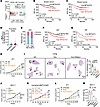 Figure 2
Enhanced NET generation impairs the efficacy of chemotherapy and radiotherapy in breast cancer. (A) GSEA reveals NET formation pathway enrichment in resistant breast cancer (GSE18728) (24). (B and C) OS (B) and DFS (C) of patients containing low and high NETs (n = 233/group, log-rank test). HR, hazard ratio; CI, confidence interval. (D) Quantification of NETs in post-NAC breast tumors from patients sensitive or resistant to NAC (n = 265 and 201, respectively; Mann-Whitney test). (E) Response rates in patients with low or high NETs (Fisher’s exact test). (F and G) DFS of HR+ (F) and HR– (G) patients containing low (HR+: n = 186, HR–: 47) and high (HR+: n = 187, HR–: 46) NETs (log-rank test). (H and I) Tumor growth (H) and lung H&E staining in 4T1-bearing mice (n = 6/group; H, 2-way repeated measures ANOVA with Tukey’s test; I, 1-way ANOVA with Tukey’s test). (J–L) Tumor growth in MCF-7–bearing mice (n = 5/group) (J), MMTV-PyMT-bearing wild-type (WT) or Pad4–/– mice (n = 7–9/group) (K), and 4T1-bearing mice (n = 4/group) (L) (2-way repeated measures ANOVA with Tukey’s test). (M) MCF-7 tumor weight (n = 4/group, Welch’s ANOVA with Dunnett’s T3 test). Data represent mean ± SD (H–M) and mean ± SEM in D. ****P < 0.0001, ***P < 0.001, **P < 0.01, *P < 0.05.
To clarify whether the clinical significance varies with the characteristics of patients with breast cancer, we further grouped the patients by pathologic subtypes and evaluated prognosis data in different groups. Interestingly, high NET level was closely associated with worse survival in patients with HR+ subtypes, demonstrated by both OS and DFS (Figure 2F and Supplemental Figure 3B). On the other hand, in patients with HR– breast cancer, a trend of shorter survival was also observed in those with high levels of NETs, though the statistical difference was not significant for either DFS or OS (Figure 2G and Supplemental Figure 3B).
To explore the role of NETs in chemotherapy resistance in vivo, we constructed orthotopic 4T1 and MCF-7 tumor models, as well as transgenic MMTV-PyMT FVB/NJ mice, and treated mice with Dox in the presence or absence of DNase I (a nuclease that degrades NET-DNA) (25). In 4T1 tumor models and MMTV-PyMT FVB/NJ mice, we observed that Dox combined with DNase I more significantly reduced both tumor growth and lung or liver metastasis compared with Dox or DNase I monotherapy (Figure 2, H and I, and Supplemental Figure 3, C–E). In the MCF-7 tumor model, which barely metastasizes to lung and liver (26), we also found that tumor volume and weight in mice from the combination of Dox and DNase I group were the lowest (Figure 2J and Supplemental Figure 3F). Additionally, we inoculated fresh tumor cells isolated from spontaneous mammary tumors of MMTV-PyMT mice to wild-type C57BL/6J (WT) or syngeneic peptidylarginine deiminase 4–knockout (Pad4–/–) mice (the latter showed substantially impaired capacity to generate NETs) (16), then treated them with Dox or vehicle. Consistent with the results in DNase I treatment mouse models, Dox treatment more significantly decreased the tumor volume of Pad4–/– mice compared with WT mice (Figure 2K). In parallel, tumoral NET expression was remarkably decreased in DNase I–treated or Pad4–/– mice (Supplemental Figure 4, A–C). Moreover, in 4T1 and MCF-7 tumor models, radiotherapy combined with DNase I treatment more significantly suppressed tumor growth and lung metastasis (4T1 tumor model) than radiation or DNase I treatment alone (Figure 2, L and M, and Supplemental Figure 4D) and degraded radiotherapy-induced tumoral NET formation (Supplemental Figure 4E). Together, these data suggest that targeting NET-DNA induced by chemotherapy or radiotherapy, either through DNase I or in Pad4–/– mice, could reduce primary breast cancer growth as well as lung and liver metastasis.
Macrophage-derived CXCL1/2 and CFB promote neutrophil infiltration and NETosis under chemotherapy and radiotherapy. Next, we sought to explore how neutrophil migration and NET generation were induced by anticancer therapeutics. Using Cellchat analysis, we investigated the cell-cell interaction in scRNA-Seq of mouse 4T1 tumors and focused on the cell type that exhibited the most proximity with neutrophils. Notably, the macrophage subtype showed stronger interaction with neutrophils, compared with other subtypes (Figure 3A and Supplemental Figure 5A). In primary tumors from patients and mice under chemotherapy, we also observed that neutrophil aggregation and NETs were frequently confined to the macrophage-rich region (Figure 3B and Supplemental Figure 5B). Collectively, these data suggest that macrophages might be a critical contributor to neutrophil migration and NETosis after chemotherapy.
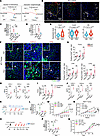 Figure 3
Macrophage-derived CXCL1/2 and CFB promote neutrophil infiltration and NETosis under chemotherapy and radiotherapy. (A) Circle plots showing the interaction number (left) and weight/strength (right) between neutrophils and other immune cells in scRNA-Seq. (B) Representative immunofluorescence images in Dox-treated tumors. (C and D) Quantification of tumoral NETs (C, n = 5/group, Welch’s ANOVA with Dunnett’s T3 test; D, n = 3/group, 1-way ANOVA with Tukey’s test). Clod, clodronate liposome. (E) Violin plots showing Cxcl1/2 and Cfb expression in macrophages (Welch’s t test). Dots represent individual cells. Box bounds indicate the 25th and 75th percentiles and middle lines the median. Whiskers represent interquartile range. (F and G) Representative tumoral immunofluorescence images (F) and quantification in tumors, livers, and lungs (n = 8/group) (G). For tumor CXCL1 and CFB, liver CFB, lung CXCL2 and CFB, Mann-Whitney test. For tumor CXCL2, liver CXCL1/2, and lung CXCL1, unpaired t test. (H) Serum levels of CXCL1/2 and CFB (n = 8/group, Mann-Whitney test). (I) Quantification of CXCL1/2+F4/80+ or CFB+F4/80+ cells in 4T1 tumors (n = 6/group). CXCL1, Mann-Whitney test. CXCL2 and CFB, unpaired t test. (J) Serum levels of CXCL1/2 and CFB (n = 6/group). CXCL1 and CFB, unpaired t test. CXCL2, Mann-Whitney test. (K–M) Experimental schematic (K), quantification of NETs (L), and tumor growth curves (M) (n = 6/group; L, Welch’s ANOVA with Dunnett’s T3 test; M, 2-way repeated measures ANOVA with Tukey’s test). SB02, SB225002. LNP, LNP023. (N) MCF-7 tumor growth curves (n = 5/group, 2-way repeated measures ANOVA with Tukey’s test). (O–Q) WT, Cxcr2–/–, and Cfb–/– mice inoculated with PY8119 cells with indicated treatments (n = 6/group). (O) Experimental schematic. (P) Quantification of NETs (Welch’s ANOVA with Dunnett’s T3 test). (Q) Tumor growth curves (2-way repeated measures ANOVA with Tukey’s test). Schematic illustration in K and O is created with BioRender.com. Data represent mean ± SD. Scale bars, 50 μm. ****P < 0.0001, ***P < 0.001, **P < 0.01, *P < 0.05.
To further evaluate the importance of macrophages in NETosis in vivo, we removed mouse macrophages using anti–colony-stimulating factor 1 receptor (anti-CSF1R) monoclonal antibody (mAb) (27) or clodronate liposomes (28) and detected neutrophil infiltration and NET generation induced by Dox administration (Supplemental Figure 5, C–F). As anticipated, macrophage removal significantly reduced Dox-induced Ly6G+ neutrophil infiltration and NET formation, implying macrophage-derived factors induced neutrophil migration and NETosis (Figure 3, C and D, and Supplemental Figure 5, G–K). Previous studies have reported that a series of cytokines and complement activation products C3a and C5a are intensely involved in neutrophil migration and NETosis (18). Therefore, we searched for potential cytokines or complement factors reported to be associated with neutrophil migration and NETosis in scRNA-Seq of 4T1 tumors. Among them, we found that expression of Cxcl1/2 and Cfb was significantly upregulated in macrophages derived from Dox-treated tumors versus those treated with vehicle (Figure 3E and Supplemental Figure 5, L–N). Next, we confirmed that macrophage-derived CXCL1/2 and CFB were upregulated in tumors, liver and lung tissues, as well as serum from mice orthotopically inoculated with 4T1 breast cancer cells after Dox treatment by immunofluorescence staining (Figure 3, F and G, and Supplemental Figure 6A) and ELISAs (Figure 3H). This was also verified by orthotopic MCF-7 cancer model and spontaneous MMTV-PyMT FVB/NJ mouse model, where Dox treatment obviously stimulated the production of CXCL1/2 and CFB from tumoral macrophages (Supplemental Figure 6, B and C). Indeed, macrophage depletion via anti-CSF1R mAb or clodronate liposomes significantly decreased the number of cells expressing CXCL1/2 and CFB in tumor (Supplemental Figure 6, D and E), as well as the levels of C3a and C5a (Supplemental Figure 5K). Moreover, in line with the results of chemotherapy, the expression of CXCL1/2 and CFB in macrophages was significantly increased in response to local radiation, evidenced by data from immunofluorescence (Figure 3I and Supplemental Figure 6F), Western blot (Supplemental Figure 6G), scRNA-Seq (Supplemental Figure 6H), and ELISA (Figure 3J) in mouse cancer models.
To evaluate the importance of CXCL1/2 and CFB in driving NET formation under treatments, we applied Dox in combination with SB225002 or LNP023, the inhibitors of CXCR2 (the co-receptor of CXCL1/2) or CFB, respectively, in orthotopic 4T1 and MCF-7 tumor model (Figure 3K and Supplemental Figure 7A) (29, 30). Our data indicated that blockade of CXCR2 or CFB efficiently prohibited Dox-induced NET generation (Figure 3L and Supplemental Figure 7, B–E) and enhanced chemotherapy effects, leading to markedly decreased tumor growth (Figure 3, M and N). We also constructed Cxcr2- and Cfb-knockout (Cxcr2–/– and Cfb–/–) mice and implanted mouse breast cancer cells into the fourth fat pads, followed by Dox administration (Figure 3O). In agreement, Dox also exhibited better therapeutic efficacy in Cxcr2–/– and Cfb–/– mice with reduced tumor growth and decreased tumoral NET level (Figure 3, P and Q, and Supplemental Figure 7F). After demonstrating the elevated production of CXCL1/2 and CFB by macrophages in lung and liver metastatic niches (Figure 3G and Supplemental Figure 6A), we next sought to validate their contribution to NET formation in metastatic organs and exacerbation of metastatic progression. To exclude the confounding effects induced by primary tumor, we constructed lung or liver experimental metastasis models by injecting 4T1 cells via tail vein or EO771 cells intrasplenically and applied Dox with or without CXCR2 or CFB inhibition. Consistently, both NET formation and lung or liver metastatic nodules were remarkably reduced when CXCR2 and CFB were blocked or knocked out (Supplemental Figure 7, G–L). Furthermore, in orthotopic EO771 tumor model, we demonstrated that primary tumors from Cxcr2–/– and Cfb–/– mice were also smaller after radiotherapy compared with WT mice, with a significant suppression of serum NET level (Supplemental Figure 7, M and N). Together, these data suggest that macrophage-derived CXCL1/2 and CFB serve as key drivers of neutrophil aggregation and NET formation in breast cancer following chemotherapy and radiotherapy.
Phagocytosis of tumor debris by macrophages contributes to CXCL1/2 and CFB elevation and NETosis. As we showed that macrophages mainly contributed to NETosis postchemotherapy, we next set out to determine the functional impact of chemotherapy on macrophages. Dramatically, in scRNA-Seq data of 4T1 tumors, GSEA revealed that macrophages from Dox-treated 4T1 tumors exhibited increased expression of genes associated with KEGG pathways, including phagosome, antigen processing and presentation, and Fc gamma R-mediated phagocytosis, predicting their potentially enhanced phagocytic activity (Figure 4A). This result was consistent with a public RNA-Seq dataset of tumors from patients with breast cancer postchemotherapy in comparison with prechemotherapy, where postchemotherapy tumors showed enriched phagocytosis-associated pathways (24) (Figure 4B). We also observed that phagocytosis- and efferocytosis-associated pathways were significantly enriched in macrophages after radiotherapy (Supplemental Figure 8A), which was also confirmed by another external dataset (31) (Supplemental Figure 8B). Previous studies have demonstrated that anticancer therapies could cause increased damage to tumor cells and induce the production of tumor debris, subsequently reprogramming the TME and paradoxically facilitating tumor progression (32, 33). Besides, it is widely accepted that macrophages possess stronger phagocytic capability compared with other cell subtypes (34). Therefore, based on the possibly increased phagocytic ability of macrophages after chemotherapy and radiotherapy, we sought to investigate whether the engulfment of tumor debris was enhanced under treatment. Using luciferase (Luci), green fluorescent protein (GFP), or PyMT as a surrogate for tumor cells, we observed that the proportions of Luci+F4/80+ cells, GFP+F4/80+ cells, and PyMT+F4/80+ cells (which represent macrophages with phagocytosed tumor debris) in total F4/80+ macrophages were remarkably upregulated after chemotherapy in tumors and metastatic organs (Figure 4, C–F, and Supplemental Figure 8C). Moreover, local radiotherapy also resulted in obviously increased proportions of macrophages that had engulfed tumor debris in 4T1 tumors (Supplemental Figure 8D).
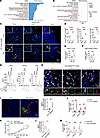 Figure 4
Macrophages promote CXCL1/2 and CFB elevation and NETosis via phagocytosis of treatment-induced tumor debris. (A) GSEA showing functional enrichment of KEGG pathways in macrophage subset from scRNA-Seq of 4T1 tumors (permutation test). (B) GSEA showing functional enrichment of KEGG pathways in RNA-Seq of patient breast tumors post-chemotherapy versus pretreatment (GSE18728; pre: n = 21, post: n = 22; permutation test). (C and D) Representative immunofluorescence images (C) and quantification of the proportions of Luci+F4/80+ cells (D) in tumors, livers, and lungs (n = 5/group). Luci, luciferase. * indicates areas magnified in the top-left insets. Tumor and liver, unpaired t test. Lung, Mann-Whitney test. (E) Quantification of the proportions of GFP+F4/80+ cells in MCF-7 tumors (n = 5/ group, unpaired t test). (F) Quantification of the proportions of tumoral PyMT+F4/80+ cells in MMTV-PyMT FVB/NJ mice (n = 5/group, Mann-Whitney test). (G) ELISA levels of CXCL1/2 and CFB in culture medium of BMDMs with indicated treatments (n = 3/group, 1-way ANOVA with Tukey’s test). (H) Representative immunofluorescence images in 4T1 tumors after chemotherapy. White boxes indicate areas magnified in the next row. Data represent 3 independent experiments. (I and J) 4T1 cells were injected alone or coinjected with 4T1 debris orthotopically in BALB/c mice (n = 5/group). (I) Representative images and quantification of tumoral NETs. (J) Quantification of tumoral CXCL1+F4/80+, CXCL2+F4/80+, and CFB+F4/80+ cells (Mann-Whitney test). Scale bar, 20 μm. (K–M) Orthotopic 4T1 tumors treated with Dox together with UNC2250 or vehicle (n = 5/group). (K) Tumor growth curves. (L) Quantification of NETs. (M) Quantification of CXCL1+F4/80+, CXCL2+F4/80+, and CFB+F4/80+ cell counts. Data were analyzed by 2-way repeated measures ANOVA with Šídák’s test and compared on day 29 (K), or unpaired t test (L and M). Data represent mean ± SD. ****P < 0.0001, ***P < 0.001, **P < 0.01, *P < 0.05.
To further evaluate the impact of macrophage-mediated debris engulfment on the upregulation of CXCL1/2 and CFB, we suppressed phagocytic capability of macrophages in vitro using an inhibitor of actin polymerization, cytochalasin B (CytoB) (35). The results of ELISA and qRT-PCR assay revealed that tumor debris stimulation and engulfment remarkably elevated the expression of CXCL1/2 and CFB in mouse bone marrow–derived macrophages (BMDMs), whereas intact tumor cell treatment exerted less effect on CXCL1/2 or CFB production (Figure 4G and Supplemental Figure 8, E and F). In contrast, CytoB reduced phagocytosis of macrophages cocultured with tumor debris (Supplemental Figure 8, G and H) and decreased the induction of CXCL1/2 and CFB expression in macrophages (Figure 4G and Supplemental Figure 8F). In addition, we employed UNC2250, an inhibitor of tyrosine protein kinase Mer (MerTK), which was one of the most critical phagocytic receptors on macrophages (36). As expected, pretreatment of human peripheral monocyte-derived macrophages with UNC2250 decreased tumor cell debris–induced elevation of CXCL1/2 and CFB (Supplemental Figure 8I), suggesting that increased engulfment of tumor debris promoted CXCL1/2 and CFB production.
To test these findings in vivo, we constructed a tumor xenograft model with GFP+ tumor cells, followed by administration of Dox. The expression of CXCL1/2 or CFB was markedly elevated in macrophages that had engulfed GFP+ tumor (Figure 4H). To further evaluate the effects of tumor debris, we isolated Dox-induced 4T1 cell debris in vitro and coinjected it with live 4T1 cells into BALB/c mice as previously described (32). Of note, coinjection of 4T1 cells with their debris enhanced tumoral NETosis (Figure 4I) and the expression of CXCL1/2 and CFB (Figure 4J) in comparison with 4T1 cell injection alone. Similar to in vitro experiments, mice were also treated with UNC2250 for 16 consecutive days since chemotherapy began, and then tumors were isolated for examination of phagocytosis efficacy and NET level. As expected, macrophage engulfment of debris, tumor growth, NETosis, and CXCL1/2 and CFB expression were obviously reduced in the presence of UNC2250 (Figure 4, K–M, and Supplemental Figure 8J). These findings suggest that tumor debris induced by anticancer therapies could promote the expression of CXCL1/2 and CFB in macrophages, which induce NETosis.
The protein CTSC in tumor debris induces CXCL1/2 and CFB expression. To investigate the specific component within tumor debris that played a main role in eliciting macrophage expression of CXCL1/2 and CFB, heat inactivation or nuclease treatment was performed to diminish protein or nucleic acid components, respectively, in vitro (Figure 5A). Of note, heat denaturation, rather than nuclease application, more significantly reduced the production of Cxcl1/2 and Cfb mRNA induced by tumor debris, indicating that proteins from tumor debris were more critically involved (Figure 5B).
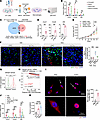 Figure 5
The protein CTSC in tumor debris contributes to NETosis after chemotherapy. (A) Schematic showing qRT-PCR analysis of BMDMs stimulated with Dox-induced 4T1 debris with different pretreatments. Created with BioRender.com. (B) Cxcl1/2 and Cfb mRNA expression in BMDMs (n = 3/group, 1-way ANOVA with Tukey’s test). (C) Venn diagram showing the overlapping DEGs upregulated in scRNA-Seq of 4T1 tumors and RNA-Seq (GSE25066). (D) Cxcl1/2 and Cfb mRNA expression in BMDMs treated with or without recombinant CTSC protein (n = 5/group, Mann-Whitney test). (E and F) Tumor growth curves (E), representative NET images, and quantification (F) of 4T1-shNC or 4T1-shCtsc tumors with indicated treatments (n = 5/group). Scale bar, 20 μm. Data were analyzed by 2-way repeated measures ANOVA with Tukey’s test and compared at day 21 (E), or 2-way ANOVA with Tukey’s test (F). (G) Violin plot showing CTSC expression in breast tumors and normal breast tissues from the TNMplot database (normal: n = 242; tumor: n = 7,569; Mann-Whitney test). The lower and upper bounds of boxes indicate the 25th and 75th percentiles, and the middle lines the median values. The whiskers represent the interquartile range. (H) Kaplan-Meier curves for OS in substratified patients with breast cancer receiving chemotherapy with high (n = 617) and low (n = 578) CTSC expression from the KMPLOT database (log-rank test). (I) BMDMs were treated with PBS or recombinant CTSC protein. Immunostaining of p65 and quantification are shown (n = 4/group, Mann-Whitney test). The white arrows indicate the areas that are magnified in the next row. Scale bars, 20 μm and 10 μm. (J) Cxcl1/2 and Cfb mRNA expression in BMDMs with indicated treatments (n = 3/group, 1-way ANOVA with Tukey’s test). (K) Quantification of TLR4/RAB5 colocalization in BMDMs (n = 5/group, 1-way ANOVA with Tukey’s test). Data represent mean ± SD. ****P < 0.0001, ***P < 0.001, **P < 0.01, *P < 0.05.
After showing the close association between NET formation and chemotherapy resistance in breast cancer, we analyzed the transcriptionally upregulated genes of chemoresistant tumors versus chemosensitive tumors in RNA-Seq data from a public dataset (37) (Figure 5C). We also searched for the upregulated genes in the tumor cell subcluster from our scRNA-Seq of 4T1 tumors with Dox or vehicle treatments (Figure 5C). Overlapping analysis revealed 11 genes that were consistently upregulated in the 2 datasets, among which CTSC was specifically noticed for its reported association with NETosis (38) (Figure 5C). To exclude the possibility that other proteins may function in debris-induced cytokine expression, we employed siRNA-mediated knockdown of several proteins, including Ctsc, high mobility group box 1 (Hmgb1), S100 calcium binding protein A9 (S100a9), translationally controlled tumor protein (Tctp), and heat shock protein70 (Hsp70), which had been reported to induce CXCL1/2 or CFB production (39–43). As expected, the expression of debris-induced CXCL1/2 and CFB was most obviously decreased after targeting Ctsc, compared with other targeted proteins (Supplemental Figure 9A). Besides, stimulating macrophages with recombinant CTSC protein in vitro increased the expression of Cxcl1/2 and Cfb (Figure 5D).
To further validate the function of CTSC in vivo, we transfected 4T1 cells with lentiviruses knocking down Ctsc or the negative control (NC) and orthotopically injected them into mice (Supplemental Figure 9B). After chemotherapy application, we found 4T1 tumors with CTSC knockdown (shCtsc) grew much slower than those transfected with NC lentiviruses (shNC) (Figure 5E), and tumoral NET expression was inhibited in accordance (Figure 5F), suggesting CTSC in tumor debris worked as an important contributor to NETosis in postchemotherapy breast tumor. Using the TNMplot database (44), we observed that tumoral CTSC expression was significantly higher than adjacent normal tissues in patients with breast and colon cancer (Figure 5G and Supplemental Figure 9C). We next utilized the Kaplan-Meier plotter website to confirm the impact of CTSC expression on patient prognosis (45). Obviously, patients with higher CTSC level exhibited significantly shorter survival, validated by 2 independent cohorts of patients with breast and colon cancer who had received chemotherapy (Figure 5H and Supplemental Figure 9D). Collectively, these data demonstrate that CTSC promotes NETosis in tumor, impairs chemotherapy efficacy, and predicts poor patient outcomes.
We next sought to investigate the underlying mechanism of CTSC in inducing CXCL1/2 and CFB expression. We found that inhibitors targeting enzyme activity of cathepsins (38, 46) exerted negligible influence on Cxcl1/2 and Cfb levels (Supplemental Figure 9E), suggesting that CXCL1/2 and CFB upregulation was not attributed to enzyme activity of CTSC. To investigate the underlying mechanism, we performed RNA-Seq on mouse macrophages treated with PBS control or tumor debris (Supplemental Figure 9F). Particularly, we noticed that a series of GO pathways associated with TLR activation were enriched in debris-treated macrophages in our RNA-Seq data (Supplemental Figure 9G). As reported by numerous studies, ligands binding to TLRs often activated downstream NF-κB through myeloid differentiation factor 88 (MyD88) or TIR domain–containing adaptor inducing interferon-β (TRIF) adaptors (47, 48). As NF-κB was the main transcriptional factor responsible for the expression of CXCL1/2 and CFB (49–51), we treated macrophages with recombinant CTSC and detected the nuclear translocation of p65 via immunofluorescence. As expected, CTSC coculturing elicited increased levels of intranuclear p65 (Figure 5I), suggesting the activation of NF-κB signaling. In parallel, we observed that blockade of the NF-κB pathway with inhibitors JSH-23 or Sc-3060 decreased Cxcl1/2 and Cfb expression induced by recombinant CTSC in vitro (Supplemental Figure 9H). The cathepsins were reported to bind and activate TLR4-mediated pathways (52, 53). Thus, we used siRNA-dependent silencing of Tlr4, Myd88, and Trif in macrophages to assess whether TLR4 was the receptor of CTSC. Significantly, the CTSC-induced Cxcl1/2 and Cfb were more obviously decreased after silencing Tlr4 or Trif in macrophages, while Myd88 knockdown elicited relatively less impact (Figure 5J). Besides, with the addition of recombinant CTSC or tumor debris, TLR4 was colocalized with RAB5 (the indicator of early endosome) in macrophages (Figure 5K and Supplemental Figure 9I), consistent with the point that TRIF adaptor was preferentially activated in endosomes (54). Collectively, our findings suggest that CTSC promotes CXCL1/2 and CFB expression in macrophages via activating the TLR4/TRIF/NF-κB pathway.
NETs promote therapeutic resistance of breast cancer via CCDC25. Having recognized the detrimental effect of NETs on chemotherapy response and tumor progression, we aimed to explore the underlying mechanism and identify a clinically druggable target. We recently identified CCDC25 as a NET-DNA sensor that is overexpressed on the cancer cell membrane and promotes cancer metastasis (16). Thus, we investigated whether CCDC25 played a role in NET-mediated chemoresistance. Clinically, in our cohort of patients with breast cancer receiving NAC, high tumoral expression of CCDC25 was correlated with reduced long-term survival (Figure 6, A–C), and this was corroborated by 2 online databases (45, 55) (Supplemental Figure 10, A and B). In addition, we observed that high CCDC25 level was significantly associated with shorter DFS and OS in the patients with HR+ subtypes but not in the patients with HR– breast cancer (Figure 6, D and E, and Supplemental Figure 10, C and D). To further ascertain whether CCDC25 correlates with chemotherapy response in HR+ patients, we stratified patients depending on their response to chemotherapy and analyzed the tumoral intensity of CCDC25 in different groups. Consistently, CCDC25 expression was inversely associated with chemotherapeutic efficacy in HR+ patients (Figure 6F). Additionally, we found HR+ patients with low CCDC25 levels had better therapeutic outcomes than those with high CCDC25 levels after neoadjuvant treatment (Figure 6G).
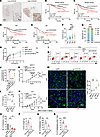 Figure 6
NETs promote therapeutic resistance of breast cancer via CCDC25. (A) Representative images showing CCDC25 expression in breast cancer (n = 466). Black boxes indicate areas that are magnified in bottom-right corner insets. Scale bars, 2 mm and 50 μm. (B and C) OS (B) and DFS (C) of patients with low and high CCDC25 (n = 311 or 155, respectively; log-rank test). (D and E) Kaplan-Meier curves revealing DFS for HR+ (D) and HR– (E) patients with low (HR+: n = 259, HR–: 52) and high (HR+: n = 114, HR–: 41) CCDC25 (log-rank test). (F) Quantification of CCDC25 expression in HR+ tumors post-NAC with different therapeutic responses (Kruskal-Wallis test followed by Dunn’s test). CR, complete response (n = 10); PR, partial response (n = 196); SD, stable disease (n = 147); PD, progressive disease (n = 20). (G) Response rates of NAC in HR+ breast cancer with high or low CCDC25 (χ2 test). (H) Growth inhibition rates of Dox on sgNC or sgCCDC25 MCF-7 cells (n = 3/group, 2-way ANOVA with Šídák’s test). sg, single-guide. (I and J) The proportions of annexin V+FVD– (early apoptosis) and annexin V+FVD+ (late apoptosis) cells (I) and quantification (J) (n = 3/group, 1-way ANOVA with Tukey’s test). (K–M) Tumor growth curves (K), tumor weight (L), and representative images and quantification of TUNEL+CK+ cells (M) in MCF-7–bearing mice (n = 5/group; K, 2-way repeated measures ANOVA with Tukey’s test; L and M, 2-way ANOVA with Tukey’s test). (N and O) Tumor growth (N) and quantification of lung metastases (O) in 4T1-bearing mice (n = 5/group; N, 2-way repeated measures ANOVA with Tukey’s test; O, 2-way ANOVA with Tukey’s test). Scale bar, 20 μm. (P–R) Tumor weight (P), lung metastases (Q), and liver metastasis (R) in MMTV-PyMT FVB/NJ mice (n = 5/group, unpaired t test). Data represent mean ± SEM (F) and mean ± SD (H and J–R). ****P < 0.0001, ***P < 0.001, **P < 0.01, *P < 0.05.
We next investigated the role of CCDC25 in NET-mediated chemoresistance in vitro. In line with the clinical data, NET treatment in vitro impaired the cytotoxic efficacy of anthracycline drugs, which was efficiently reduced by CCDC25 knockout in HR+ breast cancer cells, including MCF-7 cells and T47D cells (Figure 6H and Supplemental Figure 10, E–H). In contrast, NETs did not compromise the efficacy of chemotherapy in mesenchymal HR– breast cancer cells like MDA-MB-231 cells (Supplemental Figure 10I). Besides, pretreatment with neutralizing antibody against CCDC25, but not isotype control, significantly attenuated the NET-induced chemoresistance in HR+ breast cancer cells (Figure 6, I and J). In vivo, knocking out CCDC25 in MCF-7 cells that were inoculated into NOD/SCID mice significantly improved the efficacy of chemotherapy, demonstrated by the reduced tumor growth (Figure 6, K and L) and increased proportion of CK+TUNEL+ tumor cells (Figure 6M). To exclude the possibility that better response was due to less NET generation, we analyzed NET level in 4 groups and found that NET expression was similar in chemotherapy groups with or without CCDC25 knockout (Supplemental Figure 10J). Similarly, targeting Ccdc25 in 4T1 tumor cells also inhibited primary tumor growth, increased the number of CK+TUNEL+ tumor cells, and reduced lung metastasis (Figure 6, N and O, and Supplemental Figure 10, K–M). Moreover, in 4T1 tumors treated by radiotherapy, Ccdc25 knockdown promoted tumor regression and significantly increased the number of TUNEL+ tumor cells (Supplemental Figure 10, N and O). To further clarify whether NET-DNA-CCDC25 axis also leads to chemoresistance in HER2-enriched breast cancer, we applied an anti-CCDC25 neutralizing mAb combined with chemotherapy in the spontaneous MMTV-PyMT FVB/NJ mouse model, which is a widely used genetically engineered mouse model to investigate EMT-related mechanisms (56). Consistently, the combination of anti-CCDC25 neutralizing mAb and chemotherapy significantly reduced tumor growth (Figure 6P) and lung and liver metastasis (Figure 6, Q and R), while NET levels were comparable in the presence or absence of anti-CCDC25 neutralizing antibody (Supplemental Figure 10, P and Q). Collectively, we demonstrate that NET-CCDC25 interaction triggers chemotherapy resistance in breast cancer.
NET-CCDC25 interaction promotes tumor cell chemoresistance via STAT3 activation and EMT. To investigate the mechanism of NET-induced chemoresistance, we performed transcriptome analysis via RNA-Seq on MCF-7 cells stimulated with or without NETs in vitro. Principal component analysis segregated NET-treated cells from PBS-treated cells, indicating that NETs induced obvious transcriptional variance (Supplemental Figure 11A). Next, we employed enrichment analysis of the Hallmark gene set depending on DEGs in 2 groups. Among the top 15 enriched terms observed after NET treatment, we identified the presence of epithelial-mesenchymal transition pathway (Figure 7A), which was further confirmed by GSEA (Figure 7B).
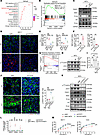 Figure 7
NET-CCDC25 interaction promotes tumor cell chemoresistance via STAT3 activation and EMT. (A and B) Enrichment analysis showing top 15 upregulated Hallmark pathways (A) and GSEA of the enriched epithelial mesenchymal transition pathway (B) in NET-treated MCF-7 cells from RNA-Seq. P values for GSEA were determined by permutation test. (C) Representative immunoblot of TWIST1, SNAIL, E-cadherin (E-cad), Vimentin (Vim), and N-cadherin (N-cad) in MCF-7 cells with indicated treatments. (D and E) Representative images staining for E-cad and N-cad (D) and quantification (E) in MCF-7 tumors with indicated treatments (n = 5/group, 2-way ANOVA with Šídák’s test). Scale bar, 20 μm. (F) Quantification of the percentage of E-cad+ and N-cad+ cells in tumors from MMTV-PyMT FVB/NJ mice (n = 5/group, Mann-Whitney test). (G) GSEA showing the enriched Reactome pathway in NET-treated MCF-7 cells (permutation test). (H and I) Representative immunoblot of pY705-STAT3 and STAT3 in indicated groups (H) and quantification of relative protein levels using ImageJ software (n = 3/group, 1-way ANOVA with Tukey’s test) (I). (J) Representative images staining for pY705-STAT3 and CK and quantification of pY705-STAT3+ CK+ cells in 4T1 tumors from indicated groups (n = 5/group, 2-way ANOVA with Tukey’s test). Scale bar, 20 μm. (K) Representative immunoblot of pY705-STAT3, STAT3, TWIST1, SNAIL, E-cad, Vim, and N-cad in MCF-7 cells with indicated treatments. (L) Localizations of STAT3 to the promoters of TWIST1, SNAIL, and SLUG genes in MCF-7 cells from indicated groups were analyzed by ChIP assay using anti-STAT3 antibody or control IgG (n = 3/group, 2-way ANOVA with Šídák’s test). (M) The growth inhibition rates of Dox on MCF-7 cells and T47D cells in indicated groups (n = 3/group). Data were compared at 5 or 4 μg/mL Dox, respectively, and analyzed by 2-way ANOVA with Šídák’s test. Data represent mean ± SD. Data represent 3 independent experiments in (C and K). ****P < 0.0001, ***P < 0.001, **P < 0.01, *P < 0.05.
EMT program represents a potential mechanism through which malignant cells acquire aggressive traits, such as invasion, migration, and therapeutic resistance (57, 58). It was recently shown that NETs could induce EMT in breast cancer cells and promote distant metastasis (59), but the mechanism remained obscure. Therefore, we evaluated whether the NET-induced EMT was associated with CCDC25. As anticipated, NET treatment led to decrease of epithelial marker E-cadherin; increase of mesenchymal markers Vimentin and N-cadherin and of EMT-related transcriptional factors (EMT-TFs) TWIST1, SNAIL, and SLUG (57); and the conversion from a rounded shape to an elongated one, as evidenced by Western blotting (Figure 7C), immunofluorescence (Supplemental Figure 11B), and qRT-PCR (Supplemental Figure 11C). By comparison, pretreatment with neutralizing antibody against CCDC25 or its knockout substantially reversed the mesenchymal state elicited by NETs (Figure 7C and Supplemental Figure 11, B and C). Additionally, in agreement with findings in vitro, chemotherapy- or radiotherapy-treated breast tumor also upregulated the EMT markers, while silencing of CCDC25 in tumor cells or application of anti-CCDC25 neutralizing mAb decreased this effect (Figure 7, D–F, and Supplemental Figure 11, D–G), suggesting that NET-CCDC25 interaction played an indispensable role in EMT. Previous investigations have reported that the deficiency of HR in triple-negative breast cancer drives the shift toward the mesenchymal phenotype (60, 61). Thus, this may explain the limited induction of chemoresistance in mesenchymal MDA-MB-231 cells treated by NETs that have undergone EMT. These findings further support our observation that NETs and CCDC25 have greater prognostic value in patients with HR+ rather than HR– breast cancer.
To unravel the mechanism of CCDC25 in EMT promotion, we focused on STAT3-related pathway and TGF-β signaling, which were significantly enriched under NET stimulation in RNA-Seq of MCF-7 cells (Figure 7, A and G, and Supplemental Figure 11H). To validate this finding and clarify which pathway is mainly responsible for CCDC25-mediated changes, we treated MCF-7 cells with NETs in the presence or absence of CCDC25 blockade and found that NETs induced higher level of STAT3 phosphorylation and nuclear translocation of STAT3 via CCDC25 (Figure 7, H and I, and Supplemental Figure 11I), which was also confirmed by the 4T1 and MMTV-PyMT FVB/NJ mouse model with chemotherapy (Figure 7J and Supplemental Figure 11J). In contrast, though NET treatment slightly promoted activation of TGF-β signaling, shown by the elevated phosphorylation of SMAD3, this could not be reversed by CCDC25 blockade (Supplemental Figure 11K), suggesting that TGF-β activation was independent of CCDC25-mediated EMT.
Thus, we asked whether NET/CCDC25/STAT3 pathway could induce EMT and chemoresistance. Indeed, Western blot and immunofluorescence assay confirmed that knocking down STAT3 or applying STAT3 phosphorylation inhibitor Stattic markedly decreased NET-induced STAT3 phosphorylation and interrupted the conversion of the EMT process (Figure 7K and Supplemental Figure 11, L and M). Furthermore, we performed ChIP assay with an anti-STAT3 antibody to detect whether NET treatment could promote enhanced binding of STAT3 to the promoter region of EMT-TFs. In agreement, enhanced binding of STAT3 toward EMT-TF promoters was observed was observed after NET treatment, which was decreased by CCDC25 knockout (Figure 7L). Furthermore, we demonstrated that silencing STAT3 largely reversed NET-induced chemoresistance (Figure 7M). Therefore, these data suggest that NET-CCDC25 interaction enhances phosphorylation of STAT3, thus promoting EMT and chemoresistance.
To further determine the downstream effector protein that binds to CCDC25 and induces STAT3 phosphorylation, we performed a pull-down assay using the lysate of MCF-7 cells transfected with His-tagged CCDC25. Based on the results of silver staining (Supplemental Figure 12A), we isolated the proteins that showed increased expression and fell within a molecular weight range of 40–70 kDa for subsequent mass spectrometry (MS) analysis. We further identified PKM2, which exhibited increased interaction with CCDC25 in the cells stimulated with NETs (Supplemental Figure 12, B and C). PKM2, a well-known rate-limiting enzyme that catalyzes the final step of glycolysis, also functions as an active protein kinase capable of phosphorylating STAT3 at Tyr705 (hereafter abbreviated as Y705), thereby activating gene transcription within the nucleus (62, 63). The binding of PKM2 with CCDC25 was further confirmed by an immunoprecipitation assay (Supplemental Figure 12D). Next, we transfected MCF-7 cells with PKM2 shRNAs to verify whether PKM2 plays an indispensable role in NET-DNA/CCDC25–induced STAT3 phosphorylation. As expected, targeting PKM2 largely inhibited NET-mediated STAT3 phosphorylation (Supplemental Figure 12E). As reported previously, PKM2 nuclear translocation activates its protein kinase function while decreasing pyruvate kinase activity (62). Thus, we applied Shikonin, a small molecular inhibitor known to block PKM2 nuclear translocation (64). Consistently, Shikonin markedly suppressed NET-induced STAT3 phosphorylation at Y705 (Supplemental Figure 12F). In accordance, NET-induced PKM2 nuclear translocation in MCF-7 cells was also inhibited by both high and low levels of Shikonin (Supplemental Figure 12G). Furthermore, to verify whether PKM2 acts downstream of NET-induced EMT in cancer cells, we stimulated control or PKM2-knockdown MCF-7 cells with or without NETs and detected EMT via immunofluorescence staining. In accordance, NET-mediated EMT was largely decreased after PKM2 knockdown using shRNA (Supplemental Figure 12H), further demonstrating that PKM2 is a downstream effector of the NET-DNA/CCDC25 pathway, which induces STAT3 phosphorylation and EMT.


Copyright © 2026 American Society for Clinical Investigation
ISSN: 0021-9738 (print), 1558-8238 (online)