
Advertisement
Research ArticleCell biologyOncology
Open Access |  10.1172/JCI180106
Auranofin attenuates TOPBP1-mediated ATR replication stress response and improves chemotherapeutic response in breast tumor models
Shuai Ma,1 Yingying Han,1 Rui Gu,1 Qi Chen,1 Qiushi Guo,1 Yuan Yue,1 Cheng Cao,2 Ling Liu,1 Zhenzhen Yang,1 Yan Qin,1 Ying Yang,3 Kai Zhang,1 Fei Liu,4 Lin Liu,4 Na Yang,4 Jihui Hao,1 Jie Yang,1 Zhi Yao,1 Xiaoyun Mao,5 and Lei Shi1
1Key Laboratory of Breast Cancer Prevention and Therapy (Ministry of Education), National Key Laboratory of Blood Science, Key Laboratory of Immune Microenvironment and Disease (Ministry of Education), The Province and Ministry Co-sponsored Collaborative Innovation Center for Medical Epigenetics, Tianjin Medical University Cancer Institute and Hospital, National Clinical Research Center for Cancer, Tianjin Medical University, Tianjin, China.
2Center for Reproduction and Genetics, Department of Obstetrics and Gynecology, The First Affiliated Hospital of University of Science and Technology of China (USTC), Division of Life Sciences and Medicine, USTC, Hefei, China.
3Core Facilities Center, Capital Medical University, Beijing, China.
4State Key Laboratory of Medicinal Chemical Biology, College of Pharmacy, Nankai University, Tianjin, China.
5Breast Surgery, The First Affiliated Hospital of China Medical University, Liaoning, China.
Address correspondence to: Lei Shi, Department of Biochemistry and Molecular Biology, Tianjin Medical University, 22 Qixiangtai Road, Tianjin 300070, China. Phone: 86.22.83336998; Email: shilei@tmu.edu.cn. Or to: Xiaoyun Mao, Breast Surgery, The First Affiliated Hospital of China Medical University, Liaoning, China. Phone: 86.24.83283342; Email: xymao@cmu.edu.cn.
Authorship note: SM, YH, and RG contributed equally to this work.
Find articles by Ma, S. in: PubMed | Google Scholar
1Key Laboratory of Breast Cancer Prevention and Therapy (Ministry of Education), National Key Laboratory of Blood Science, Key Laboratory of Immune Microenvironment and Disease (Ministry of Education), The Province and Ministry Co-sponsored Collaborative Innovation Center for Medical Epigenetics, Tianjin Medical University Cancer Institute and Hospital, National Clinical Research Center for Cancer, Tianjin Medical University, Tianjin, China.
2Center for Reproduction and Genetics, Department of Obstetrics and Gynecology, The First Affiliated Hospital of University of Science and Technology of China (USTC), Division of Life Sciences and Medicine, USTC, Hefei, China.
3Core Facilities Center, Capital Medical University, Beijing, China.
4State Key Laboratory of Medicinal Chemical Biology, College of Pharmacy, Nankai University, Tianjin, China.
5Breast Surgery, The First Affiliated Hospital of China Medical University, Liaoning, China.
Address correspondence to: Lei Shi, Department of Biochemistry and Molecular Biology, Tianjin Medical University, 22 Qixiangtai Road, Tianjin 300070, China. Phone: 86.22.83336998; Email: shilei@tmu.edu.cn. Or to: Xiaoyun Mao, Breast Surgery, The First Affiliated Hospital of China Medical University, Liaoning, China. Phone: 86.24.83283342; Email: xymao@cmu.edu.cn.
Authorship note: SM, YH, and RG contributed equally to this work.
Find articles by Han, Y. in: PubMed | Google Scholar
1Key Laboratory of Breast Cancer Prevention and Therapy (Ministry of Education), National Key Laboratory of Blood Science, Key Laboratory of Immune Microenvironment and Disease (Ministry of Education), The Province and Ministry Co-sponsored Collaborative Innovation Center for Medical Epigenetics, Tianjin Medical University Cancer Institute and Hospital, National Clinical Research Center for Cancer, Tianjin Medical University, Tianjin, China.
2Center for Reproduction and Genetics, Department of Obstetrics and Gynecology, The First Affiliated Hospital of University of Science and Technology of China (USTC), Division of Life Sciences and Medicine, USTC, Hefei, China.
3Core Facilities Center, Capital Medical University, Beijing, China.
4State Key Laboratory of Medicinal Chemical Biology, College of Pharmacy, Nankai University, Tianjin, China.
5Breast Surgery, The First Affiliated Hospital of China Medical University, Liaoning, China.
Address correspondence to: Lei Shi, Department of Biochemistry and Molecular Biology, Tianjin Medical University, 22 Qixiangtai Road, Tianjin 300070, China. Phone: 86.22.83336998; Email: shilei@tmu.edu.cn. Or to: Xiaoyun Mao, Breast Surgery, The First Affiliated Hospital of China Medical University, Liaoning, China. Phone: 86.24.83283342; Email: xymao@cmu.edu.cn.
Authorship note: SM, YH, and RG contributed equally to this work.
Find articles by Gu, R. in: PubMed | Google Scholar
1Key Laboratory of Breast Cancer Prevention and Therapy (Ministry of Education), National Key Laboratory of Blood Science, Key Laboratory of Immune Microenvironment and Disease (Ministry of Education), The Province and Ministry Co-sponsored Collaborative Innovation Center for Medical Epigenetics, Tianjin Medical University Cancer Institute and Hospital, National Clinical Research Center for Cancer, Tianjin Medical University, Tianjin, China.
2Center for Reproduction and Genetics, Department of Obstetrics and Gynecology, The First Affiliated Hospital of University of Science and Technology of China (USTC), Division of Life Sciences and Medicine, USTC, Hefei, China.
3Core Facilities Center, Capital Medical University, Beijing, China.
4State Key Laboratory of Medicinal Chemical Biology, College of Pharmacy, Nankai University, Tianjin, China.
5Breast Surgery, The First Affiliated Hospital of China Medical University, Liaoning, China.
Address correspondence to: Lei Shi, Department of Biochemistry and Molecular Biology, Tianjin Medical University, 22 Qixiangtai Road, Tianjin 300070, China. Phone: 86.22.83336998; Email: shilei@tmu.edu.cn. Or to: Xiaoyun Mao, Breast Surgery, The First Affiliated Hospital of China Medical University, Liaoning, China. Phone: 86.24.83283342; Email: xymao@cmu.edu.cn.
Authorship note: SM, YH, and RG contributed equally to this work.
Find articles by Chen, Q. in: PubMed | Google Scholar
1Key Laboratory of Breast Cancer Prevention and Therapy (Ministry of Education), National Key Laboratory of Blood Science, Key Laboratory of Immune Microenvironment and Disease (Ministry of Education), The Province and Ministry Co-sponsored Collaborative Innovation Center for Medical Epigenetics, Tianjin Medical University Cancer Institute and Hospital, National Clinical Research Center for Cancer, Tianjin Medical University, Tianjin, China.
2Center for Reproduction and Genetics, Department of Obstetrics and Gynecology, The First Affiliated Hospital of University of Science and Technology of China (USTC), Division of Life Sciences and Medicine, USTC, Hefei, China.
3Core Facilities Center, Capital Medical University, Beijing, China.
4State Key Laboratory of Medicinal Chemical Biology, College of Pharmacy, Nankai University, Tianjin, China.
5Breast Surgery, The First Affiliated Hospital of China Medical University, Liaoning, China.
Address correspondence to: Lei Shi, Department of Biochemistry and Molecular Biology, Tianjin Medical University, 22 Qixiangtai Road, Tianjin 300070, China. Phone: 86.22.83336998; Email: shilei@tmu.edu.cn. Or to: Xiaoyun Mao, Breast Surgery, The First Affiliated Hospital of China Medical University, Liaoning, China. Phone: 86.24.83283342; Email: xymao@cmu.edu.cn.
Authorship note: SM, YH, and RG contributed equally to this work.
Find articles by Guo, Q. in: PubMed | Google Scholar
1Key Laboratory of Breast Cancer Prevention and Therapy (Ministry of Education), National Key Laboratory of Blood Science, Key Laboratory of Immune Microenvironment and Disease (Ministry of Education), The Province and Ministry Co-sponsored Collaborative Innovation Center for Medical Epigenetics, Tianjin Medical University Cancer Institute and Hospital, National Clinical Research Center for Cancer, Tianjin Medical University, Tianjin, China.
2Center for Reproduction and Genetics, Department of Obstetrics and Gynecology, The First Affiliated Hospital of University of Science and Technology of China (USTC), Division of Life Sciences and Medicine, USTC, Hefei, China.
3Core Facilities Center, Capital Medical University, Beijing, China.
4State Key Laboratory of Medicinal Chemical Biology, College of Pharmacy, Nankai University, Tianjin, China.
5Breast Surgery, The First Affiliated Hospital of China Medical University, Liaoning, China.
Address correspondence to: Lei Shi, Department of Biochemistry and Molecular Biology, Tianjin Medical University, 22 Qixiangtai Road, Tianjin 300070, China. Phone: 86.22.83336998; Email: shilei@tmu.edu.cn. Or to: Xiaoyun Mao, Breast Surgery, The First Affiliated Hospital of China Medical University, Liaoning, China. Phone: 86.24.83283342; Email: xymao@cmu.edu.cn.
Authorship note: SM, YH, and RG contributed equally to this work.
Find articles by Yue, Y. in: PubMed | Google Scholar
1Key Laboratory of Breast Cancer Prevention and Therapy (Ministry of Education), National Key Laboratory of Blood Science, Key Laboratory of Immune Microenvironment and Disease (Ministry of Education), The Province and Ministry Co-sponsored Collaborative Innovation Center for Medical Epigenetics, Tianjin Medical University Cancer Institute and Hospital, National Clinical Research Center for Cancer, Tianjin Medical University, Tianjin, China.
2Center for Reproduction and Genetics, Department of Obstetrics and Gynecology, The First Affiliated Hospital of University of Science and Technology of China (USTC), Division of Life Sciences and Medicine, USTC, Hefei, China.
3Core Facilities Center, Capital Medical University, Beijing, China.
4State Key Laboratory of Medicinal Chemical Biology, College of Pharmacy, Nankai University, Tianjin, China.
5Breast Surgery, The First Affiliated Hospital of China Medical University, Liaoning, China.
Address correspondence to: Lei Shi, Department of Biochemistry and Molecular Biology, Tianjin Medical University, 22 Qixiangtai Road, Tianjin 300070, China. Phone: 86.22.83336998; Email: shilei@tmu.edu.cn. Or to: Xiaoyun Mao, Breast Surgery, The First Affiliated Hospital of China Medical University, Liaoning, China. Phone: 86.24.83283342; Email: xymao@cmu.edu.cn.
Authorship note: SM, YH, and RG contributed equally to this work.
Find articles by Cao, C. in: PubMed | Google Scholar
1Key Laboratory of Breast Cancer Prevention and Therapy (Ministry of Education), National Key Laboratory of Blood Science, Key Laboratory of Immune Microenvironment and Disease (Ministry of Education), The Province and Ministry Co-sponsored Collaborative Innovation Center for Medical Epigenetics, Tianjin Medical University Cancer Institute and Hospital, National Clinical Research Center for Cancer, Tianjin Medical University, Tianjin, China.
2Center for Reproduction and Genetics, Department of Obstetrics and Gynecology, The First Affiliated Hospital of University of Science and Technology of China (USTC), Division of Life Sciences and Medicine, USTC, Hefei, China.
3Core Facilities Center, Capital Medical University, Beijing, China.
4State Key Laboratory of Medicinal Chemical Biology, College of Pharmacy, Nankai University, Tianjin, China.
5Breast Surgery, The First Affiliated Hospital of China Medical University, Liaoning, China.
Address correspondence to: Lei Shi, Department of Biochemistry and Molecular Biology, Tianjin Medical University, 22 Qixiangtai Road, Tianjin 300070, China. Phone: 86.22.83336998; Email: shilei@tmu.edu.cn. Or to: Xiaoyun Mao, Breast Surgery, The First Affiliated Hospital of China Medical University, Liaoning, China. Phone: 86.24.83283342; Email: xymao@cmu.edu.cn.
Authorship note: SM, YH, and RG contributed equally to this work.
Find articles by Liu, L. in: PubMed | Google Scholar
1Key Laboratory of Breast Cancer Prevention and Therapy (Ministry of Education), National Key Laboratory of Blood Science, Key Laboratory of Immune Microenvironment and Disease (Ministry of Education), The Province and Ministry Co-sponsored Collaborative Innovation Center for Medical Epigenetics, Tianjin Medical University Cancer Institute and Hospital, National Clinical Research Center for Cancer, Tianjin Medical University, Tianjin, China.
2Center for Reproduction and Genetics, Department of Obstetrics and Gynecology, The First Affiliated Hospital of University of Science and Technology of China (USTC), Division of Life Sciences and Medicine, USTC, Hefei, China.
3Core Facilities Center, Capital Medical University, Beijing, China.
4State Key Laboratory of Medicinal Chemical Biology, College of Pharmacy, Nankai University, Tianjin, China.
5Breast Surgery, The First Affiliated Hospital of China Medical University, Liaoning, China.
Address correspondence to: Lei Shi, Department of Biochemistry and Molecular Biology, Tianjin Medical University, 22 Qixiangtai Road, Tianjin 300070, China. Phone: 86.22.83336998; Email: shilei@tmu.edu.cn. Or to: Xiaoyun Mao, Breast Surgery, The First Affiliated Hospital of China Medical University, Liaoning, China. Phone: 86.24.83283342; Email: xymao@cmu.edu.cn.
Authorship note: SM, YH, and RG contributed equally to this work.
Find articles by Yang, Z. in: PubMed | Google Scholar
1Key Laboratory of Breast Cancer Prevention and Therapy (Ministry of Education), National Key Laboratory of Blood Science, Key Laboratory of Immune Microenvironment and Disease (Ministry of Education), The Province and Ministry Co-sponsored Collaborative Innovation Center for Medical Epigenetics, Tianjin Medical University Cancer Institute and Hospital, National Clinical Research Center for Cancer, Tianjin Medical University, Tianjin, China.
2Center for Reproduction and Genetics, Department of Obstetrics and Gynecology, The First Affiliated Hospital of University of Science and Technology of China (USTC), Division of Life Sciences and Medicine, USTC, Hefei, China.
3Core Facilities Center, Capital Medical University, Beijing, China.
4State Key Laboratory of Medicinal Chemical Biology, College of Pharmacy, Nankai University, Tianjin, China.
5Breast Surgery, The First Affiliated Hospital of China Medical University, Liaoning, China.
Address correspondence to: Lei Shi, Department of Biochemistry and Molecular Biology, Tianjin Medical University, 22 Qixiangtai Road, Tianjin 300070, China. Phone: 86.22.83336998; Email: shilei@tmu.edu.cn. Or to: Xiaoyun Mao, Breast Surgery, The First Affiliated Hospital of China Medical University, Liaoning, China. Phone: 86.24.83283342; Email: xymao@cmu.edu.cn.
Authorship note: SM, YH, and RG contributed equally to this work.
Find articles by Qin, Y. in: PubMed | Google Scholar
1Key Laboratory of Breast Cancer Prevention and Therapy (Ministry of Education), National Key Laboratory of Blood Science, Key Laboratory of Immune Microenvironment and Disease (Ministry of Education), The Province and Ministry Co-sponsored Collaborative Innovation Center for Medical Epigenetics, Tianjin Medical University Cancer Institute and Hospital, National Clinical Research Center for Cancer, Tianjin Medical University, Tianjin, China.
2Center for Reproduction and Genetics, Department of Obstetrics and Gynecology, The First Affiliated Hospital of University of Science and Technology of China (USTC), Division of Life Sciences and Medicine, USTC, Hefei, China.
3Core Facilities Center, Capital Medical University, Beijing, China.
4State Key Laboratory of Medicinal Chemical Biology, College of Pharmacy, Nankai University, Tianjin, China.
5Breast Surgery, The First Affiliated Hospital of China Medical University, Liaoning, China.
Address correspondence to: Lei Shi, Department of Biochemistry and Molecular Biology, Tianjin Medical University, 22 Qixiangtai Road, Tianjin 300070, China. Phone: 86.22.83336998; Email: shilei@tmu.edu.cn. Or to: Xiaoyun Mao, Breast Surgery, The First Affiliated Hospital of China Medical University, Liaoning, China. Phone: 86.24.83283342; Email: xymao@cmu.edu.cn.
Authorship note: SM, YH, and RG contributed equally to this work.
Find articles by Yang, Y. in: PubMed | Google Scholar
1Key Laboratory of Breast Cancer Prevention and Therapy (Ministry of Education), National Key Laboratory of Blood Science, Key Laboratory of Immune Microenvironment and Disease (Ministry of Education), The Province and Ministry Co-sponsored Collaborative Innovation Center for Medical Epigenetics, Tianjin Medical University Cancer Institute and Hospital, National Clinical Research Center for Cancer, Tianjin Medical University, Tianjin, China.
2Center for Reproduction and Genetics, Department of Obstetrics and Gynecology, The First Affiliated Hospital of University of Science and Technology of China (USTC), Division of Life Sciences and Medicine, USTC, Hefei, China.
3Core Facilities Center, Capital Medical University, Beijing, China.
4State Key Laboratory of Medicinal Chemical Biology, College of Pharmacy, Nankai University, Tianjin, China.
5Breast Surgery, The First Affiliated Hospital of China Medical University, Liaoning, China.
Address correspondence to: Lei Shi, Department of Biochemistry and Molecular Biology, Tianjin Medical University, 22 Qixiangtai Road, Tianjin 300070, China. Phone: 86.22.83336998; Email: shilei@tmu.edu.cn. Or to: Xiaoyun Mao, Breast Surgery, The First Affiliated Hospital of China Medical University, Liaoning, China. Phone: 86.24.83283342; Email: xymao@cmu.edu.cn.
Authorship note: SM, YH, and RG contributed equally to this work.
Find articles by Zhang, K. in: PubMed | Google Scholar
1Key Laboratory of Breast Cancer Prevention and Therapy (Ministry of Education), National Key Laboratory of Blood Science, Key Laboratory of Immune Microenvironment and Disease (Ministry of Education), The Province and Ministry Co-sponsored Collaborative Innovation Center for Medical Epigenetics, Tianjin Medical University Cancer Institute and Hospital, National Clinical Research Center for Cancer, Tianjin Medical University, Tianjin, China.
2Center for Reproduction and Genetics, Department of Obstetrics and Gynecology, The First Affiliated Hospital of University of Science and Technology of China (USTC), Division of Life Sciences and Medicine, USTC, Hefei, China.
3Core Facilities Center, Capital Medical University, Beijing, China.
4State Key Laboratory of Medicinal Chemical Biology, College of Pharmacy, Nankai University, Tianjin, China.
5Breast Surgery, The First Affiliated Hospital of China Medical University, Liaoning, China.
Address correspondence to: Lei Shi, Department of Biochemistry and Molecular Biology, Tianjin Medical University, 22 Qixiangtai Road, Tianjin 300070, China. Phone: 86.22.83336998; Email: shilei@tmu.edu.cn. Or to: Xiaoyun Mao, Breast Surgery, The First Affiliated Hospital of China Medical University, Liaoning, China. Phone: 86.24.83283342; Email: xymao@cmu.edu.cn.
Authorship note: SM, YH, and RG contributed equally to this work.
Find articles by Liu, F. in: PubMed | Google Scholar
1Key Laboratory of Breast Cancer Prevention and Therapy (Ministry of Education), National Key Laboratory of Blood Science, Key Laboratory of Immune Microenvironment and Disease (Ministry of Education), The Province and Ministry Co-sponsored Collaborative Innovation Center for Medical Epigenetics, Tianjin Medical University Cancer Institute and Hospital, National Clinical Research Center for Cancer, Tianjin Medical University, Tianjin, China.
2Center for Reproduction and Genetics, Department of Obstetrics and Gynecology, The First Affiliated Hospital of University of Science and Technology of China (USTC), Division of Life Sciences and Medicine, USTC, Hefei, China.
3Core Facilities Center, Capital Medical University, Beijing, China.
4State Key Laboratory of Medicinal Chemical Biology, College of Pharmacy, Nankai University, Tianjin, China.
5Breast Surgery, The First Affiliated Hospital of China Medical University, Liaoning, China.
Address correspondence to: Lei Shi, Department of Biochemistry and Molecular Biology, Tianjin Medical University, 22 Qixiangtai Road, Tianjin 300070, China. Phone: 86.22.83336998; Email: shilei@tmu.edu.cn. Or to: Xiaoyun Mao, Breast Surgery, The First Affiliated Hospital of China Medical University, Liaoning, China. Phone: 86.24.83283342; Email: xymao@cmu.edu.cn.
Authorship note: SM, YH, and RG contributed equally to this work.
Find articles by Liu, L. in: PubMed | Google Scholar
1Key Laboratory of Breast Cancer Prevention and Therapy (Ministry of Education), National Key Laboratory of Blood Science, Key Laboratory of Immune Microenvironment and Disease (Ministry of Education), The Province and Ministry Co-sponsored Collaborative Innovation Center for Medical Epigenetics, Tianjin Medical University Cancer Institute and Hospital, National Clinical Research Center for Cancer, Tianjin Medical University, Tianjin, China.
2Center for Reproduction and Genetics, Department of Obstetrics and Gynecology, The First Affiliated Hospital of University of Science and Technology of China (USTC), Division of Life Sciences and Medicine, USTC, Hefei, China.
3Core Facilities Center, Capital Medical University, Beijing, China.
4State Key Laboratory of Medicinal Chemical Biology, College of Pharmacy, Nankai University, Tianjin, China.
5Breast Surgery, The First Affiliated Hospital of China Medical University, Liaoning, China.
Address correspondence to: Lei Shi, Department of Biochemistry and Molecular Biology, Tianjin Medical University, 22 Qixiangtai Road, Tianjin 300070, China. Phone: 86.22.83336998; Email: shilei@tmu.edu.cn. Or to: Xiaoyun Mao, Breast Surgery, The First Affiliated Hospital of China Medical University, Liaoning, China. Phone: 86.24.83283342; Email: xymao@cmu.edu.cn.
Authorship note: SM, YH, and RG contributed equally to this work.
Find articles by Yang, N. in: PubMed | Google Scholar
1Key Laboratory of Breast Cancer Prevention and Therapy (Ministry of Education), National Key Laboratory of Blood Science, Key Laboratory of Immune Microenvironment and Disease (Ministry of Education), The Province and Ministry Co-sponsored Collaborative Innovation Center for Medical Epigenetics, Tianjin Medical University Cancer Institute and Hospital, National Clinical Research Center for Cancer, Tianjin Medical University, Tianjin, China.
2Center for Reproduction and Genetics, Department of Obstetrics and Gynecology, The First Affiliated Hospital of University of Science and Technology of China (USTC), Division of Life Sciences and Medicine, USTC, Hefei, China.
3Core Facilities Center, Capital Medical University, Beijing, China.
4State Key Laboratory of Medicinal Chemical Biology, College of Pharmacy, Nankai University, Tianjin, China.
5Breast Surgery, The First Affiliated Hospital of China Medical University, Liaoning, China.
Address correspondence to: Lei Shi, Department of Biochemistry and Molecular Biology, Tianjin Medical University, 22 Qixiangtai Road, Tianjin 300070, China. Phone: 86.22.83336998; Email: shilei@tmu.edu.cn. Or to: Xiaoyun Mao, Breast Surgery, The First Affiliated Hospital of China Medical University, Liaoning, China. Phone: 86.24.83283342; Email: xymao@cmu.edu.cn.
Authorship note: SM, YH, and RG contributed equally to this work.
Find articles by Hao, J. in: PubMed | Google Scholar
1Key Laboratory of Breast Cancer Prevention and Therapy (Ministry of Education), National Key Laboratory of Blood Science, Key Laboratory of Immune Microenvironment and Disease (Ministry of Education), The Province and Ministry Co-sponsored Collaborative Innovation Center for Medical Epigenetics, Tianjin Medical University Cancer Institute and Hospital, National Clinical Research Center for Cancer, Tianjin Medical University, Tianjin, China.
2Center for Reproduction and Genetics, Department of Obstetrics and Gynecology, The First Affiliated Hospital of University of Science and Technology of China (USTC), Division of Life Sciences and Medicine, USTC, Hefei, China.
3Core Facilities Center, Capital Medical University, Beijing, China.
4State Key Laboratory of Medicinal Chemical Biology, College of Pharmacy, Nankai University, Tianjin, China.
5Breast Surgery, The First Affiliated Hospital of China Medical University, Liaoning, China.
Address correspondence to: Lei Shi, Department of Biochemistry and Molecular Biology, Tianjin Medical University, 22 Qixiangtai Road, Tianjin 300070, China. Phone: 86.22.83336998; Email: shilei@tmu.edu.cn. Or to: Xiaoyun Mao, Breast Surgery, The First Affiliated Hospital of China Medical University, Liaoning, China. Phone: 86.24.83283342; Email: xymao@cmu.edu.cn.
Authorship note: SM, YH, and RG contributed equally to this work.
Find articles by
Yang, J.
in:
PubMed
|
Google Scholar
|

1Key Laboratory of Breast Cancer Prevention and Therapy (Ministry of Education), National Key Laboratory of Blood Science, Key Laboratory of Immune Microenvironment and Disease (Ministry of Education), The Province and Ministry Co-sponsored Collaborative Innovation Center for Medical Epigenetics, Tianjin Medical University Cancer Institute and Hospital, National Clinical Research Center for Cancer, Tianjin Medical University, Tianjin, China.
2Center for Reproduction and Genetics, Department of Obstetrics and Gynecology, The First Affiliated Hospital of University of Science and Technology of China (USTC), Division of Life Sciences and Medicine, USTC, Hefei, China.
3Core Facilities Center, Capital Medical University, Beijing, China.
4State Key Laboratory of Medicinal Chemical Biology, College of Pharmacy, Nankai University, Tianjin, China.
5Breast Surgery, The First Affiliated Hospital of China Medical University, Liaoning, China.
Address correspondence to: Lei Shi, Department of Biochemistry and Molecular Biology, Tianjin Medical University, 22 Qixiangtai Road, Tianjin 300070, China. Phone: 86.22.83336998; Email: shilei@tmu.edu.cn. Or to: Xiaoyun Mao, Breast Surgery, The First Affiliated Hospital of China Medical University, Liaoning, China. Phone: 86.24.83283342; Email: xymao@cmu.edu.cn.
Authorship note: SM, YH, and RG contributed equally to this work.
Find articles by Yao, Z. in: PubMed | Google Scholar
1Key Laboratory of Breast Cancer Prevention and Therapy (Ministry of Education), National Key Laboratory of Blood Science, Key Laboratory of Immune Microenvironment and Disease (Ministry of Education), The Province and Ministry Co-sponsored Collaborative Innovation Center for Medical Epigenetics, Tianjin Medical University Cancer Institute and Hospital, National Clinical Research Center for Cancer, Tianjin Medical University, Tianjin, China.
2Center for Reproduction and Genetics, Department of Obstetrics and Gynecology, The First Affiliated Hospital of University of Science and Technology of China (USTC), Division of Life Sciences and Medicine, USTC, Hefei, China.
3Core Facilities Center, Capital Medical University, Beijing, China.
4State Key Laboratory of Medicinal Chemical Biology, College of Pharmacy, Nankai University, Tianjin, China.
5Breast Surgery, The First Affiliated Hospital of China Medical University, Liaoning, China.
Address correspondence to: Lei Shi, Department of Biochemistry and Molecular Biology, Tianjin Medical University, 22 Qixiangtai Road, Tianjin 300070, China. Phone: 86.22.83336998; Email: shilei@tmu.edu.cn. Or to: Xiaoyun Mao, Breast Surgery, The First Affiliated Hospital of China Medical University, Liaoning, China. Phone: 86.24.83283342; Email: xymao@cmu.edu.cn.
Authorship note: SM, YH, and RG contributed equally to this work.
Find articles by Mao, X. in: PubMed | Google Scholar
1Key Laboratory of Breast Cancer Prevention and Therapy (Ministry of Education), National Key Laboratory of Blood Science, Key Laboratory of Immune Microenvironment and Disease (Ministry of Education), The Province and Ministry Co-sponsored Collaborative Innovation Center for Medical Epigenetics, Tianjin Medical University Cancer Institute and Hospital, National Clinical Research Center for Cancer, Tianjin Medical University, Tianjin, China.
2Center for Reproduction and Genetics, Department of Obstetrics and Gynecology, The First Affiliated Hospital of University of Science and Technology of China (USTC), Division of Life Sciences and Medicine, USTC, Hefei, China.
3Core Facilities Center, Capital Medical University, Beijing, China.
4State Key Laboratory of Medicinal Chemical Biology, College of Pharmacy, Nankai University, Tianjin, China.
5Breast Surgery, The First Affiliated Hospital of China Medical University, Liaoning, China.
Address correspondence to: Lei Shi, Department of Biochemistry and Molecular Biology, Tianjin Medical University, 22 Qixiangtai Road, Tianjin 300070, China. Phone: 86.22.83336998; Email: shilei@tmu.edu.cn. Or to: Xiaoyun Mao, Breast Surgery, The First Affiliated Hospital of China Medical University, Liaoning, China. Phone: 86.24.83283342; Email: xymao@cmu.edu.cn.
Authorship note: SM, YH, and RG contributed equally to this work.
Find articles by
Shi, L.
in:
PubMed
|
Google Scholar
|
Published December 15, 2025 - More info
J Clin Invest. 2025;135(24):e180106. https://doi.org/10.1172/JCI180106.
© 2025 Ma et al. This work is licensed under the Creative Commons Attribution 4.0 International License. To view a copy of this license, visit http://creativecommons.org/licenses/by/4.0/.
Received: February 7, 2024; Accepted: October 17, 2025

-
Results
Auranofin directly targets TOPBP1 BRCT 7–8. By focusing on the BRCT 7–8 domains, we aimed to identify potential inhibitors of TOPBP1. First, we employed the NanoLuc Binary Technology–based (NanoBiT-based) protein-protein interaction system, a structural complementation reporter, to screen over 2,500 FDA-approved drugs for their ability to disrupt the binding of BRCT 7–8 to its cognate protein-ligand (Figure 1A). Specifically, the Large BiT (LgBiT) was fused to BRCT 7–8, and the complementary Small BiT (SmBiT) was fused to the C-terminal fragment of PHF8 (PHF8/C), which contains an acidic patch sequence (APS) capable of tightly interacting with BRCT 7–8 (28, 34). Upon stable integration of these 2 separate modules into cells, protein-protein interaction mediated by BRCT 7–8 and APS brings the split subunits (LgBiT and SmBiT) into proximity to form a functional enzyme that generates a bright luminescent signal. After 4 hours of incubation with individual drugs, luminescence was assessed in live cells, and an initial screening identified 47 drugs that exhibited a fold decrease of less than 0.4 in reducing the interaction between BRCT 7–8 and PHF8/C (Figure 1B). Using similar strategies, we then performed a second round of screening with the 47 drugs to test for their ability to inhibit the binding of BRCT 7–8 to the C-terminal region of FANCJ (FANCJ/C), whose phosphorylation at Thr1133 mediates the interaction (29, 38). This helped us to narrow down the number of drug candidates from 47 to 4 (Figure 1C). Calcein-acetoxymethyl ester (Calcein-AM), a known TOPBP1 inhibitor (30), was used as a positive control.
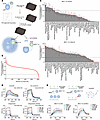 Figure 1
Auranofin directly targets TOPBP1 BRCT 7–8. (A) Schematic illustration of drug screening based on the NanoBiT system. HeLa cells stably expressing LgBiT-BRCT 7–8 and SmBiT-PHF8/C were treated with DMSO and 2,579 FDA-approved drugs (10 μM) for 4 hours followed by luminescent signal detection in live cells. (B) Summary of the initial drug screening. The luminescent signals in cells treated with different compounds were normalized with that of cells treated with DMSO; 47 compounds with normalized values lower than 0.4 (black line) were considered as potential candidates. (C) Secondary small-scale drug screening in HeLa cells stably expressing LgBiT-BRCT 7–8-SmBiT-PHF8/C and LgBiT-BRCT 7–8-SmBiT-FANCJ/C. These cells were cultured in the presence of 47 candidate compounds followed by an assessment of the luminescent signals. Calcein-AM was included as a positive control. Data are shown as mean ± SD. (D) Quantitation of the binding affinity between 4 candidate drugs and the His-tagged recombinant BRCT 7–8 purified from E coli cells by biolayer interferometry (BLI). BLI sensorgrams and the KD for each group are shown. Black lines are fitted curves; color traces are raw data. (E) BLI analysis of the inhibitory effect of auranofin on BRCT 7–8 binding to PHF8/APS peptide and phosphorylated Thr1133 containing peptide of FANCJ (pFANCJ). His-tagged BRCT 7–8 (1 μM) was preincubated with auranofin at the indicated concentrations before examining peptide-protein interactions. The experimental schemes and BLI sensorgrams are shown. Black lines are fitted curves; color traces are raw data.
To identify small molecules that could directly target BRCT 7–8, we next employed biolayer interferometry (BLI), an optical biosensing technology that analyzes biomolecular interactions in real time, without the need for fluorescent labeling, to analyze the interactions between BRCT 7–8 and the 4 candidate drugs in vitro. The results showed that 3 of these drugs displayed a KD in the near micro-molar range in binding to the recombinant BRCT 7–8 purified from bacterial cells (Figure 1D). To further determine which one could functionally target BRCT 7–8, we measured the affinity change of BRCT 7–8 with APS peptide and phosphorylated FANCJ (pFANCJ) peptide by adding different concentrations of the drugs. Compared with the other two, BLI analysis showed that only auranofin, a gold (I)-containing phosphine compound, could effectively disrupt the interaction of BRCT 7–8 with the tested peptides (Figure 1E and Supplemental Figure 1, A and B; supplemental material available online with this article; https://doi.org/10.1172/JCI180106DS1). These findings suggest that auranofin has the potential to occupy the surfaces on BRCT 7–8 and block the interaction between BRCT 7–8 and both PHF8 and FANCJ.
Auranofin disrupts the interaction of TOPBP1 with PHF8 and FANCJ. To verify the blockage activity of auranofin in vivo, we first titrated the inhibitory effect of auranofin with the NanoBiT system. The luminescence score in cells stably expressing LgBiT-BRCT7–8 and SmBiT-PHF8/C or SmBiT-FANCJ/C was decreased by auranofin in a dose-dependent manner (Figure 2A). Then, IP followed by immunoblotting revealed that auranofin markedly attenuated the interaction of FLAG-tagged TOPBP1 with PHF8 and FANCJ (Figure 2B). Similarly, auranofin was found to be an effective blocker of endogenous TOPBP1-PHF8 and TOPBP1-FANCJ interactions in HeLa cells cultured at a lower concentration of 2 μM (Figure 2C).
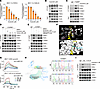 Figure 2
Auranofin disrupts the interaction of TOPBP1 with PHF8 and FANCJ. (A) Analysis of the interaction of BRCT 7–8 with PHF8/C and FANCJ/C by the NanoBiT system in HeLa cells treated with auranofin for 2 hours at the indicated concentrations. Data are shown as mean ± SD. (B) IP followed by immunoblotting with cellular extracts from FLAG-TOPBP1-expressing HeLa cells under 2 hours of treatment with auranofin at the indicated doses. (C) Co-IP analysis of the interactions of TOPBP1-PHF8 and TOPBP1-FANCJ with cellular extracts from HeLa cells treated with auranofin (2 μM, 2 hours). (D) Co-IP analysis of the interactions of TOPBP1-PHF8 and TOPBP1-FANCJ in HeLa cells cultured in the presence of auranofin (2 μM, 2 hours) or different doses of Calcein-AM (4 hours). (E) Co-IP analysis of the interactions of TOPBP1-PHF8 and TOPBP1-FANCJ in HeLa cells treated by auranofin (2 μM, 2 hours), PMX464 (10 μM, 4 hours), or piperlongumine (10 μM, 4 hours). (F) Predicted structure of auranofin docking to the hydrophobic pocket on BRCT 7–8. The hydrophobic pocket (dashed circle) and critical hydrophobic interactions based on crystal structures of BRCT 7–8-PHF8/APS (PDB ID: 7CMZ) and BRCT 7–8-pFANCJ (PDB ID: 3AL3) are shown. (G) BLI analysis of auranofin binding to recombinant BRCT 7–8/WT and BRCT 7–8/F1411A (n = 2). BLI sensorgrams and the KD for each group are shown. Black lines are fitted curves; color traces are raw data. (H) Schematic representation of the prime editing system and the representative sequencing results of F1411A-edited genomes from HeLa cells. The sequences of critical elements of the epegRNA are shown. (I) Co-IP analysis of the association of TOPBP1 with PHF8 and FANCJ in control and F1411A-edited HeLa cells treated with vehicle or auranofin (2 μM, 2 hours). All immunoblots were repeated at least twice and one of them is shown.
Importantly, auranofin elicited a much stronger inhibitory effect on TOPBP1 than Calcein-AM (Figure 2D). In addition, we found that auranofin acts independently of its canonical target, thioredoxin reductase (TrxR) (36, 37), as evidenced by the negligible effects of TrxR inhibitors such as piperlongumine and PMX464 on TOPBP1 binding to PHF8 and FANCJ (Figure 2E). We further excluded the possibility that auranofin’s impact on the molecular interactions of TOPBP1 is connected to mitochondrial permeability. This conclusion is supported by the observation that cyclosporine, which acts as a mitochondrial permeability blocker (39), did not affect the inhibitory role of auranofin on the interactions between TOPBP1 and either PHF8 or FANCJ (Supplemental Figure 2A).
To further understand the molecular mechanism of auranofin’s inhibitory activity, we performed a molecular docking assay. Consistent with its hydrophobicity (40, 41), auranofin was found to successfully engage the hydrophobic pocket of BRCT 7–8 (Figure 2F). Since the aromatic residue Phe1411 in this pocket is critical for PHF8 and FANCJ binding (28), we hypothesized that Phe1411 should be required for auranofin to target BRCT 7–8. To this end, Phe1411 was replaced by alanine, and WT BRCT 7–8 (BRCT 7–8/WT) and BRCT 7–8/F1411A were purified from bacterial cells. BLI analysis with these recombinant proteins revealed that alanine substitution (F1411A) markedly reduced the ability of auranofin to bind to BRCT 7–8 (Figure 2G and Supplemental Figure 2B). To test the importance of Phe1411 in auranofin engagement and thus protein complex deformation, a prime editing tool (42) was employed to modify genomes and generate F1411A-edited HeLa cells (Figure 2H). Of note, auranofin and F1411A mutation could disrupt TOPBP1-PHF8 and TOPBP1-FANCJ interactions to a similar extent, while auranofin failed to further challenge the formation of these protein complexes in F1411A-edited cells (Figure 2I). Because of the absence of cysteine residues around the hydrophobic pocket of BRCT 7–8 (Figure 2F), we thought that the action of auranofin toward BRCT 7–8 would not be based on covalent interactions induced by the thiol side chain in cysteines and dissociated gold ions of auranofin. Taken together, these data highly suggest that auranofin disrupts the interaction of TOPBP1 with PHF8 and FANCJ by competitively engaging the hydrophobic pocket of BRCT 7–8.
We consistently demonstrated that the formation of TOPBP1-POLQ complex, which also depends on BRCT 7–8 (43), and the recruitment of POLQ to double-strand break sites during mitosis, are susceptible to auranofin treatment (Supplemental Figure 2, C and D). The following evidence supports the molecular basis: (a) a comparison of the co-crystal structures with the AlphaFold-multimer-predicted structures indicates that, as with PHF8 and FANCJ (28, 38), the relatively conserved aromatic residue F1491 of POLQ forms a π-π stacking interaction with the F1411 residue in the hydrophobic pocket of BRCT 7–8 (Supplemental Figure 2E); (b) F1411A mutation markedly attenuated TOPBP1-POLQ interaction (Supplemental Figure 2F); (c) POLQ’s F1491 residue is essential for its binding to TOPBP1 and recruitment to mitotic double-strand breaks (Supplemental Figure 2, G and H). Given the conservation of the hydrophobic motif at the BRCT 7–8 interface among tandem BRCT domain–containing proteins such as TOPBP1, BRCA1, and ECT2 (44), we next investigated the specificity of auranofin toward these BRCTs. As shown in Supplemental Figure 2I, auranofin had minimal to no impact on the interaction between TOPBP1 BRCT 0–2 and 53BP1, RAD9, and HTATSF1 (45, 46), or between TOPBP1 BRCT 4–5 and BLM (47). Additionally, we found that BRCA1 and ECT2 could still interact effectively with FANCJ and RACGAP1 (48, 49) in the presence of auranofin (Supplemental Figure 2J). Utilizing a chemo-proteomics strategy with biotin-labeled auranofin, we identified TOPBP1 as one of the top candidate interactors (Supplemental Figure 2, K, M, and N, and Supplemental Table 1), and the other BRCT domain–containing proteins could not be captured by auranofin (Supplemental Figure 2L). These findings imply that auranofin may specifically target the BRCT 7–8 region of TOPBP1, likely involving specific residues beyond the hydrophobic motif.
Auranofin impairs TOPBP1 recruitment and ATR activation. Considering that both PHF8 and FANCJ play important roles in TOPBP1 loading at sites of replication stress (28, 29), we thought that auranofin administration may lead to defective recruitment of TOPBP1 by disassembling protein complexes mediated by BRCT 7–8. Immunostaining followed by confocal microscopy analysis demonstrated that the foci formation of TOPBP1 was significantly compromised at camptothecin-induced replication stress sites in auranofin-treated cells (Figure 3A). Notably, these defects could not be overcome by ROS scavenger N-acetylcysteine (NAC), which could effectively counteract ROS-induced DNA damage (50) (Figure 3A and Supplemental Figure 3A). In addition, TOPBP1 foci formation was largely unaffected by TrxR inhibitors piperlongumine and PMX464 in camptothecin-treated cells (Figure 3A). By contrast, auranofin marginally altered the association of TOPBP1 with actively replicating chromatins in unstressed cells (Supplemental Figure 3B). These observations suggest that auranofin functionally inhibits TOPBP1 loading in the context of replication stress.
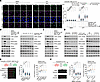 Figure 3
Auranofin impairs TOPBP1 recruitment and ATR activation. (A) Immunostaining and confocal microscopy analysis of TOPBP1 foci formation. U2OS cells were treated with auranofin (2 μM), PMX464 (10 μM), and piperlongumine (10 μM) in the absence or presence of NAC (50 μM) for 3 hours followed by additional 1 hour of camptothecin (CPT; 2 μM) challenge before pre-extraction and fixation. Cells undergoing active replication were labeled with EdU (10 μM, 1 hour), and the intensity of foci in EdU-positive cells was quantified and shown (n > 60). (B and C) Immunoblotting analysis of ATR kinase activity in U2OS cells under the treatment as indicated. (D) Analysis of ATR kinase activity by immunoblotting with cellular extracts from U2OS cells expressing TOPBP1 siRNA (left) and F1411A-edited HeLa cells (right) under the treatment as indicated. (E) Analysis of the fork lengths of restarted replication forks (CldU only) and the percentage of stalled (IdU only) or restarted forks (IdU-CldU) by DNA fiber assay in HeLa cells cultured in the presence of auranofin (2 μM), auranofin and NAC (50 μM), or VE-821 (10 μM). Cells were treated with hydroxyurea (HU; 2 mM) for 2 hours between IdU and CldU labeling to arrest replication forks (n > 90). (F) Analysis of fork lengths of restarted replication forks and the percentage of stalled or restarted forks by DNA fiber assay in control or F1411A-edited HeLa cells under vehicle or auranofin treatment (n > 100). Data are shown as mean ± SD (A, E, and F) from biological triplicate experiments. **P < 0.01; NS, not significant; 1-way ANOVA followed by Tukey’s multiple-comparison test (A, E, and F). Scale bars: 10 μm. All immunoblots were repeated at least twice and one of them is shown.
We next asked whether the auranofin-induced TOPBP1 loading defect suppresses ATR activity. First, we examined the phosphorylation level of CHK1 and RPA2, which are canonical substrates of ATR (20). Immunoblotting analysis showed that auranofin did not stimulate but impaired camptothecin-triggered CHK1 and RPA2 phosphorylation in a dose-dependent manner (Figure 3B), and this effect could not be ameliorated by NAC (Figure 3C). Importantly, we found that auranofin failed to further attenuate ATR activity in TOPBP1-depleted U2OS cells or F1411A-edited HeLa cells (Figure 3D). To further assess the inhibitory role of auranofin in ATR activation, we next examined replication fork integrity in the absence or presence of auranofin. Specifically, newly synthesized DNA was labeled with 5-iodo-2’-deoxyuridine (IdU), then treated with hydroxyurea, an inhibitor of the ribonucleotide reductase, and subsequently labeled with 5-chloro-2’-deoxyuridine (CldU) after removing hydroxyurea. Consistent with ATR inhibition as previously reported (51) and shown here, the addition of auranofin led to a significant reduction in replication strand lengths, an increased proportion of stalled replication forks, and a concomitant reduction of restarted forks (Figure 3E). Again, none of these effects were alleviated by NAC (Figure 3E). Similar phenotypes were observed in F1411A-edited cells, and no additive defects in replication integrity were observed upon auranofin administration (Figure 3F). Taken together, these data suggest that auranofin suppresses ATR activity by disrupting TOPBP1 recruitment.
Auranofin dissolves TOPBP1 liquid-liquid condensate. It has been reported that TOPBP1 undergoes LLPS to self-assemble into micrometer-sized reaction centers to switch on ATR/CHK1 signaling (22). Therefore, we wondered whether auranofin is capable of interfering with TOPBP1 condensate formation. To this end, we first purified GFP-tagged BRCT 6–8, containing BRCT 6, ATR activation domain (AAD), and BRCT 7–8 domains. The recombinant BRCT 6–8 readily formed liquid droplets in vitro as reported (22), and they were, to a comparable extent, extremely sensitive to auranofin and 1,6-hexanediol (1,6-HD) (Figure 4A), which is widely used as a control to dissolve LLPS assemblies in phase-separation studies (52, 53). Furthermore, F1411A was found to markedly compromise the liquid-like structures of BRCT 6–8 (Figure 4B).
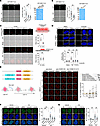 Figure 4
Auranofin dissolves TOPBP1 liquid-liquid condensate. (A) Liquid droplet formation of BRCT 6-8/WT observed by confocal and differential interference contrast (DIC) microscopy in the presence of vehicle, auranofin, and 1,6-hexanediol (1,6-HD) as indicated. The occupied areas of the droplets were quantified and shown. The GFP-tagged recombinant proteins purified from bacterial cells were examined by Coomassie brilliant blue (CBB) staining. (B) Representative micrographs and quantitative analysis of BRCT 6-8/WT and BRCT 6-8/F1411A droplet. The GFP-tagged recombinant proteins were examined by CBB staining. (C) Representative micrographs and quantitative analysis of the puncta intensity of mCherry-LacI-TOPBP1 and mCherry-LacI under 1,6-HD treatment (2.5%, 5 minutes) and removal (10 minutes later). U2OS cells stably integrated with 256 × LacO repeats were transfected with mCherry-LacI-TOPBP1 and mCherry-LacI, and the intensity of mCherry-marked puncta at each time point was quantified and shown (n ≥ 4). (D) Representative micrographs and quantitative analysis of the puncta intensity of mCherry-LacI-TOPBP1/WT, mCherry-LacI-TOPBP1/F1411A, and mCherry-LacI under auranofin treatment (n > 17). (E) Quantitative analysis of time-lapse opto-droplet formation of mCherry-Cry2–tagged proteins under vehicle or auranofin treatment after blue light activation (n > 15). A schematic of opto-droplet induction is shown. (F) Droplet formation of endogenous TOPBP1 under the indicated treatment. The number of larger puncta of nucleolar TOPBP1 under nonstressed conditions and nuclear-wide smaller TOPBP1 foci under hydroxyurea (HU) treatment in HeLa cells was quantified and shown (n > 60). (G) Representative micrographs and quantitative analysis of TOPBP1/WT and TOPBP1/F1411A droplets under the indicated treatment (n > 85). Data are shown as mean ± SD (A–G) from biological triplicate experiments. **P < 0.01; NS, not significant; 1-way ANOVA followed by Tukey’s multiple-comparison test (A, D, F, and G); unpaired 2-tailed t test with Welch’s correction for B and C; 2-way ANOVA for E. Scale bars: 5 μm for A and B; 10 μm for C–G.
We then took advantage of a LacO-LacI interaction system (46, 54) to test TOPBP1 phase separation. Interestingly, mCherry-LacI-TOPBP1 was able to form much larger puncta than mCherry-LacI (Figure 4C). Similar to 1,6-HD, auranofin treatment significantly disengaged the condensate of mCherry-LacI-TOPBP1 but not mCherry-LacI (Figure 4C). In contrast to TOPBP1/WT, the smaller TOPBP1/F1411A puncta were resistant to 1,6-HD and auranofin (Figure 4D). Next, we used an optogenetic tool (55, 56) to evaluate the role of auranofin in suppressing TOPBP1 self-organizing biomolecular condensates. TOPBP1 was fused to arabidopsis-derived cryptochrome 2 (Cry2), an optogenetic protein that oligomerizes upon exposure to 488 nm light (Figure 4E). The results showed that TOPBP1/WT efficiently formed light-induced opto-droplets in living cells, whereas either F1411A mutation or auranofin treatment nearly abolished the clustering signal of opto-TOPBP1 (Figure 4E).
To further probe the effect of auranofin on biomolecular condensation of TOPBP1, we examined LLPS of endogenous TOPBP1. As reported (22), TOPBP1 forms distinctive puncta in the nucleolus under physiological conditions, whereas these droplets were disrupted by auranofin and 1,6-HD (Figure 4F). In response to hydroxyurea-induced replication stress, TOPBP1 exhibited numerous substructured clusters of nano-condensates, which were largely disintegrated by auranofin and 1,6-HD (Figure 4F). Likewise, a defective phase separation of TOPBP1 was observed in F1411A-edited cells (Figure 4G). Taken together, these results suggest that auranofin acts as a strong inhibitor of TOPBP1 liquid condensation.
Given the critical role of the low-complexity region in the AAD for TOPBP1 condensation (22), we propose that the intermolecular interaction between BRCT 7–8 and AAD, along with the weak AAD-AAD contacts, may collaboratively facilitate the formation of liquid-like droplet structures of TOPBP1. To test this hypothesis, we first analyzed the primary sequence of AAD (Supplemental Figure 4A). We found that residues Y989 and F1071 in TOPBP1 AAD correspond to Y852 of PHF8 (28) and Y1137 of FANCJ (38), both of which are critical for their interaction with BRCT 7–8. AlphaFold-multimer analysis indicated that either Y989 or F1071 formed a π-π stacking interaction with F1411 in the hydrophobic pocket of BRCT 7–8 (Supplemental Figure 4B). Furthermore, BLI analysis confirmed the essentiality of these residues in binding to BRCT 7–8 (Supplemental Figure 4, C and D), and auranofin effectively disrupted the interaction of BRCT 7–8 with either Y989- or F1071-containing peptide (Supplemental Figure 4E). Similar to F1071A (22), Y989A mutation also diminished TOPBP1’s ability to form condensates both in vitro and in vivo (Supplemental Figure 4, F and G). Remarkably, the double mutation produced a phenotype comparable to that observed with the TOPBP1 F1411A or treatment with auranofin (Supplemental Figure 4, F and G). These data suggest that BRCT 7–8–mediated intermolecular interactions of TOPBP1 are critical for its condensate formation, shedding light on the mechanisms behind auranofin-induced disruption of TOPBP1 condensation.
We next investigated the contribution of PHF8 and FANCJ to TOPBP1 LLPS formation. First, we demonstrated that PHF8 and FANCJ coalesced into prominent foci with mCherry-LacI-TOPBP1 around the LacO locus (Supplemental Figure 4, H–J). These foci were sensitive to treatment with 1,6-HD or auranofin (Supplemental Figure 4, H–J). Moreover, the depletion of either PHF8 or FANCJ resulted in a mild reduction in the size of TOPBP1 condensates (Supplemental Figure 4, K and L). These observations suggest that PHF8 and FANCJ could integrate into TOPBP1 condensates and contribute to its liquid condensation. Collectively, we propose that auranofin inhibits the assembly of TOPBP1 condensates by interrupting both the intermolecular interaction of TOPBP1 and the association of TOPBP1 with its protein partners.
Auranofin prevents RPA loading to perturbed replication forks. Given that TOPBP1-FANCJ interaction is required for the deposition of RPA onto ssDNA during replication stress (29) and that this interaction is sensitive to auranofin, we next sought to determine whether auranofin plays an adverse role in RPA loading. Immunofluorescence analysis showed that RPA2 as well as RPA2 pS33 foci formation was markedly compromised by auranofin, but not by piperlongumine and PMX 464, at camptothecin-induced replication stress sites, while NAC treatment had little to no effect on the auranofin-triggered RPA loading defect (Figure 5A). Similar results were obtained when examining the recruitment of RPA1 and TOPBP1 in F1411A-edited cells (Figure 5B). Consistently, auranofin caused a substantial decrease of chromatin-bound RPA and TOPBP1 in hydroxyurea-treated cells regardless of the absence or presence of NAC (Figure 5C). We then showed that neither FANCJ nor RPA could be captured by biotin-auranofin, and the formation of FANCJ-RPA complex (8) was resistant to auranofin (Supplemental Figure 5, A and B). Although auranofin has been reported to inhibit proteasome and proteasome-associated deubiquitinases UCHL5 and USP14 (35), it appeared that neither proteasome inhibition by bortezomib nor depletion of UCHL5 or USP14 apparently altered the foci formation of TOPBP1, RPA2, and RPA2 pS33, suggesting that auranofin acts independently of the ubiquitin-proteasome system in poisoning replication stress response (Supplemental Figure 5, C-E).
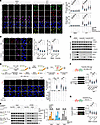 Figure 5
Auranofin prevents RPA loading to perturbed replication forks. (A) Immunostaining and confocal microscopy analysis of RPA2 and RPA2 pS33 foci formation. U2OS cells were treated with auranofin (2 μM), PMX464 (10 μM), and piperlongumine (10 μM) with or without NAC (50 μM) for 3 hours, followed by additional 1 hour of camptothecin (CPT; 2 μM) challenge before pre-extraction and fixation. The intensity of foci in EdU-positive cells was quantified and shown (n > 55). (B) Immunostaining and confocal microscopy analysis of TOPBP1 and RPA1 foci formation in CPT-treated control and F1411A-edited HeLa cells with or without auranofin. The intensity of foci in EdU-positive cells was quantified and shown (n > 60). (C) Immunoblotting analysis with soluble and chromatin fractions from HeLa cells under indicated treatment. (D) In situ analysis of protein interactions at DNA replication forks of interaction of RPA1 with nascent DNA (biotinylated EdU) in HeLa cells under indicated treatment. The proximity ligation assay foci number in each cell was quantified and shown (n > 70). (E) Isolation of proteins on nascent DNA analysis of proteins associated with blocked replication forks in HeLa cells under indicated treatments. (F) Replication fork stability was examined by DNA fiber assays in cells under indicated treatment. HeLa cells were sequentially labeled with IdU and CldU followed by hydroxyurea treatment in the absence or presence of mirin (100 μM, 4 hours). Ratios of CldU/IdU were quantified and shown (n > 60). (G) Replication fork stability examined by DNA fiber assays in control or F1411A-edited HeLa cells under indicated treatment (n > 60). Data are shown as mean ± SD (A, B, and D–G) from biological triplicate experiments. **P < 0.01; NS, not significant; 1-way ANOVA followed by Tukey’s multiple-comparison test (A, B, and D–G). Scale bars: 10 μm. All immunoblots were repeated at least twice and one of them is shown.
We next used in situ analysis of protein interactions at DNA replication forks to further assess whether auranofin blocks RPA loading at nascent replication forks (57). Briefly, HeLa cells were treated with hydroxyurea to induce fork stalling, and the interaction between RPA and nascent ssDNA was detected by proximity ligation assay (58) with primary antibodies against RPA1 and the biotinylated EdU, so that a productive proximity ligation assay signal of RPA1-EdU was produced only when RPA was localized within 40 nm of the nascent ssDNA. The results showed that RPA1 was localized at replication stress sites, whereas RPA1-EdU signal was significantly reduced under auranofin treatment without perturbation by NAC (Figure 5D). The same was true when the association of RPA1, RPA2, and TOPBP1 with nascent replication fork at blocked replicating chromatins was examined by isolation of proteins on nascent DNA assay (59) (Figure 5E). However, gel shift assays showed that the binding of recombinant RPA to ssDNA was not affected by auranofin, ruling out the possibility that auranofin could directly block RPA-ssDNA interaction (Supplemental Figure 5F). Nondenaturing BrdU staining demonstrated that auranofin addition led to a significant increase in the formation of BrdU foci upon replication stress (Supplemental Figure 5G). This suggests an increase in ssDNA accumulation, likely resulting from excessive firing of new origins due to ATR inactivation or exposure of ssDNA caused by the loss of RPA protection. Therefore, the defects in RPA loading in auranofin-treated cells could not be a result of a decrease in ssDNA generation. These results suggest that auranofin indirectly suppresses the loading of RPA onto ssDNA at replication stress sites, at least by deforming TOPBP1-scaffolded protein complexes.
DNA fiber analysis was then performed to assess fork deprotection caused by the auranofin-induced RPA loading defect at single-molecule resolution. HeLa cells were sequentially labeled with IdU and CldU and then treated with hydroxyurea for 4 hours. The lengths of DNA fiber tracks with continuous IdU and CldU were measured, and fork stability was reflected by the ratios of the lengths of adjacent CldU and IdU. The ratios approached unity under hydroxyurea treatment in control cells, indicating that the integrity of stalled forks was largely unaffected during replication stress. In contrast, the CldU/IdU ratios were significantly reduced in auranofin-treated cells (Figure 5F), implying a defect in stalled fork protection. This was prevented by addition of the nuclease inhibitor mirin (60) but not by NAC (Figure 5F). Consistently, nascent DNA degradation at stalled forks was observed in F1411A-edited cells, and there was no additive effect when these cells were cultured in the presence of auranofin (Figure 5G). These data suggest that auranofin compromises fork integrity in the presence of replication stress by inhibiting TOPBP1-FANCJ–mediated RPA loading.
Auranofin confers vulnerability of breast cancer cells to chemotherapeutics. In our previous study, we found that disrupting TOPBP1-PHF8 interaction suppresses breast tumorigenesis and creates a breast tumor–specific susceptibility to PARP inhibitor rucaparib and platinum drug cisplatin (34). Therefore, we investigated the potential antitumor role of auranofin in breast cancer cells. First, co-IP with cellular extracts collected from breast cancer cell MDA-MB-231 confirmed that auranofin impaired TOPBP1-PHF8 and TOPBP1-FANCJ interactions (Figure 6A). Next, immunoblotting analysis demonstrated that camptothecin- or rucaparib-induced ATR activation was dose dependently inhibited by auranofin (Figure 6B), and immunostaining followed by confocal microscopy revealed that auranofin disrupted RPA loading onto perturbed replication forks in MDA-MB-231 cells (Figure 6C). Consistently, auranofin dramatically increased γH2AX levels in cells treated with camptothecin or rucaparib (Figure 6D). Of note, we found that the inhibitory effect of auranofin on ATR activation, RPA loading, and genome stability was largely independent of the ROS system (61, 62), given that the antioxidant agent NAC failed to reverse any of the above phenotypes (Figure 6, B–D).
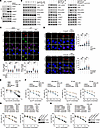 Figure 6
Auranofin confers vulnerability of breast cancer cells to chemotherapeutics. (A) Co-IP analysis of the interactions of TOPBP1-PHF8 and TOPBP1-FANCJ with cellular extracts from MDA-MB-231 cells treated with auranofin (2 μM, 2 hours). (B) Analysis of ATR kinase activity by immunoblotting with cellular extracts from MDA-MB-231 cells under the indicated treatments. (C) Representative micrographs and quantitative analysis of RPA1 and RPA2 foci formation. MDA-MB-231 cells were treated with auranofin (2 μM) in the absence or presence of NAC (50 μM) for 3 hours followed by additional 1 hour of camptothecin (CPT; 2 μM) challenge before pre-extraction and fixation. The intensity of foci in EdU-positive cells was quantified and shown (n > 40). (D) Representative micrographs and quantitative analysis of γH2AX foci formation in MDA-MB-231 cells under the indicated treatment. The intensity of γH2AX foci in each cell was quantified and shown (n > 50). (E) Survival analysis of human mammary epithelial cells and multiple breast cancer cells under different doses of auranofin treatment. The IC50 is calculated and shown. (F) Survival analysis of the synthetic lethality of auranofin (1.5 μM) and CPT or rucaparib in the absence or presence of NAC using MDA-MB-231 cells and BT-549 cells. (G) Survival analysis of the synthetic lethality of auranofin (1.5 μM) and CPT or rucaparib in TrxR-depleted MDA-MB-231 cells. The knockdown effect was confirmed by immunoblotting. (H) Survival analysis of the synthetic lethality of auranofin (1.5 μM) and CPT or rucaparib in TOPBP1-depleted MDA-MB-231 cells. The knockdown effect was confirmed by immunoblotting. Data are shown as mean ± SD (C, D, and E–H) from biological triplicate experiments. **P < 0.01; NS, not significant; 1-way ANOVA followed by Tukey’s multiple-comparison test for C and D; 2-way ANOVA for E–H. Scale bars: 10 μm. All immunoblots were repeated at least twice and one of them is shown.
We next examined the effect of auranofin on cell survival and demonstrated that multiple breast cancer cells exhibited concentration-dependent vulnerability to auranofin treatment. In contrast, this effect was much less evident in human mammary epithelial cells (HMECs), highlighting the specific antitumor role of auranofin in breast cancer cells (Figure 6E). We then investigated the clinical relevance of auranofin in breast tumor chemotherapy and found that, unlike HMECs (Supplemental Figure 6, A and B), auranofin-treated MDA-MB-231 cells and BT-549 cells were more sensitive to camptothecin and rucaparib (Figure 6F). Importantly, this effect was unaffected by NAC (Figure 6F) and could not be phenocopied by TrxR depletion (Figure 6G). Thereby, auranofin is expected to increase the replication stress in cancer cells to a level that exceeds their tolerance threshold, leading to their selective death while sparing normal cells. Moreover, we found that auranofin did not elicit a more pronounced viability defect in TOPBP1-depleted breast cancer cells (Figure 6H). These findings suggest that auranofin synergizes with camptothecin or rucaparib by directly targeting TOPBP1 in breast cancer cells.
Breast tumors are synthetically susceptible to the action of auranofin and rucaparib. To further investigate the antitumor activity of auranofin and its synthetic lethality with rucaparib, we established MDA-MB-231 xenografts in NOD/SCID mice and intraperitoneally injected vehicle, auranofin, rucaparib, or auranofin together with rucaparib. To circumvent the inhibitory effect of auranofin on TrxR, a low dose of auranofin was administered at 5 mg/kg. The results showed that auranofin and rucaparib alone mildly inhibited xenograft growth, while the combination of auranofin and rucaparib significantly suppressed tumor development (Figure 7A). Next, we injected E0771 cells, a murine breast cancer cell line on a C57BL/6J background, into the mammary gland of C57BL/6J mice to investigate the synergistic lethality of auranofin and rucaparib. Consistently, coadministration of these drugs resulted in a remarkable regression of E0771 tumors compared with each drug alone (Figure 7B).
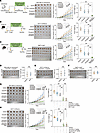 Figure 7
Breast tumor is synthetically susceptible to the action of auranofin and rucaparib. (A) Tumor size and weight of xenografts from MDA-MB-231 cells. NOD/SCID mice carrying tumors were treated with rucaparib (25 mg/kg), auranofin (5 mg/kg), or both every 2 days. The experimental scheme is shown. (B) Tumor size and weight of xenografts from E0771 cells. C57BL/6J mice carrying tumors were treated with rucaparib (25 mg/kg), auranofin (5 mg/kg), or both every 2 days. The experimental scheme is shown. (C) Tumor size and weight of genetically engineered mammary gland tumors. PyMT mice carrying tumors were treated with rucaparib (25 mg/kg), auranofin (5 mg/kg), or both every 2 days. The experimental scheme is shown. (D–F) Tumor weight of MDA-MB-231 cells (D), E0771 cells (E), and genetically engineered mammary gland tumors (F) under combinatorial auranofin and rucaparib treatment in the absence or presence of NAC (1 g/L in feeding water). (G) Tumor size and weight of xenografts from MDA-MB-231 cells. NOD/SCID mice carrying tumors were treated with rucaparib (25 mg/kg), auranofin (1 mg/kg), or both in the absence or presence of NAC every 2 days. (H) Tumor size and weight of xenografts from E0771 cells. C57BL/6J mice carrying tumors were treated with rucaparib (25 mg/kg), auranofin (1 mg/kg), or both every 2 days in the absence or presence of NAC (1 g/L). Data are shown as mean ± SD (A–H). **P < 0.01; NS, not significant; 2-way ANOVA for the left panels of A–C, G, and H; 1-way ANOVA followed by Tukey’s multiple-comparison test for the right panels of A–C, G, and H; unpaired 2-tailed t test with Welch’s correction (D–F).
We then used the mammary-specific polyomavirus middle T antigen overexpression mouse model (MMTV-PyMT), which has similar molecular and histological progression as human breast tumors, to confirm the antitumor function of auranofin. The results showed that auranofin significantly sensitized mammary gland tumors to rucaparib treatment (Figure 7C). It appeared that ROS-induced ferroptosis was unlikely to be involved in this process because low-dose auranofin administration only attenuated iron overload but not ferroptosis in mice (63). At the same time, we noticed that the growth defects of the 3 types of breast tumor could not be ameliorated by NAC administration, further suggesting the synergistic effect independent of causing higher levels of ROS (Figure 7, D–F). The body weight of mice under each treatment was essentially unchanged in the above experiments using different mouse tumor models (Supplemental Figure 7, A–F).
Moreover, auranofin showed a dose-dependent effect on E0771 tumors, with nondetectable toxicity indicated by changes in mouse weight, intestinal epithelium structure and proliferation, and blood parameters (Supplemental Figure 7, G–J). Despite the profound tumor regression and minimal toxicity observed in mice with the auranofin (5 mg/kg) and rucaparib combination (Supplemental Figure 7, G-J), we proceeded to investigate whether a clinically relevant dosage of auranofin (1 mg/kg administered every 2 days equivalent to 6.5 mg daily for a 65 kg patient by allometric scaling) could produce a synergistic antitumor effect with rucaparib. The results showed that this drug combination strategy led to MDA-MB-231 or E0771 tumor suppression almost comparable to that observed at a dose of 5 mg/kg auranofin (Figure 7, G and H). Meanwhile, these outcomes exhibited resilience to NAC treatment (Figure 7, G and H). Taken together, these findings highlight the translational potential of combining auranofin and rucaparib for treating breast tumors.


Copyright © 2026 American Society for Clinical Investigation
ISSN: 0021-9738 (print), 1558-8238 (online)