
Advertisement
Research ArticleInflammationMetabolism
Open Access |  10.1172/JCI172380
α-Ketoglutarate protects against cartilage damage via epigenetically driven metabolic reprogramming in osteoarthritis models
Shuaijun Li,1,2 Jiefeng Huang,1 Ting Shang,3 Laiya Lu,4 Orion R. Fan,2,5 Peisheng Jin,6 Xin Zou,7 Zixin Cai,1 Wuyan Lu,1 Shuangmeng Jia,1 Linxiao Li,1 Ke Fang,1 Fengting Niu,1 Jiaojiao Li,1 Cheng Zhao,2 Qian Wang,2 Ruizhu Sun,2 Si Shi,2 Feng Yin,4 Yun Zhang,4 Yi Eve Sun,2,5,8 and Lei Cui1,2,9
1Department of Plastic Surgery, Shanghai Tenth People’s Hospital and
2Stem Cell Translational Research Center, School of Medicine, Tongji University, Shanghai, China.
3Department of Plastic Surgery, Beijing Shijitan Hospital affiliated with Capital Medical University, Beijing, China.
4Department of Joint Surgery and
5Institute for Regenerative Medicine, Shanghai East Hospital, Tongji University School of Medicine, Shanghai, China.
6Department of Plastic Surgery, Affiliated Hospital of Xuzhou Medical University, Xuzhou, China.
7Jinshan Hospital Center for Tumor Diagnosis & Therapy, Jinshan Hospital, Fudan University, Shanghai, China.
8Faculty of Life and Health Sciences, Shenzhen University of Advanced Technology, Shenzhen, Guangdong, China.
9Department of Plastic Surgery, First Affiliated Hospital of Xinjiang Medical University, Urumqi, China.
Address correspondence to: Feng Yin or Yun Zhang, No. 150 Jimo Road, Pudong New District, Shanghai, China. Phone: 86.13901824938; Email: 001yinfeng@sina.com (FY). Phone: 86.13524186192; Email: yunzhang_tongji@sina.com (YZ). Or to: Yi Eve Sun, Ln 128, Linhong Road, Changning District, Shanghai, China. Phone: 86.13817432290; Email: yi.eve.sun@gmail.com. Or to: Lei Cui, 727 North Zhongshan Road, Jing’an District, Shanghai, China. Phone: 86.18616872882; Email: 14209@tongji.edu.cn.
Find articles by Li, S. in: PubMed | Google Scholar
1Department of Plastic Surgery, Shanghai Tenth People’s Hospital and
2Stem Cell Translational Research Center, School of Medicine, Tongji University, Shanghai, China.
3Department of Plastic Surgery, Beijing Shijitan Hospital affiliated with Capital Medical University, Beijing, China.
4Department of Joint Surgery and
5Institute for Regenerative Medicine, Shanghai East Hospital, Tongji University School of Medicine, Shanghai, China.
6Department of Plastic Surgery, Affiliated Hospital of Xuzhou Medical University, Xuzhou, China.
7Jinshan Hospital Center for Tumor Diagnosis & Therapy, Jinshan Hospital, Fudan University, Shanghai, China.
8Faculty of Life and Health Sciences, Shenzhen University of Advanced Technology, Shenzhen, Guangdong, China.
9Department of Plastic Surgery, First Affiliated Hospital of Xinjiang Medical University, Urumqi, China.
Address correspondence to: Feng Yin or Yun Zhang, No. 150 Jimo Road, Pudong New District, Shanghai, China. Phone: 86.13901824938; Email: 001yinfeng@sina.com (FY). Phone: 86.13524186192; Email: yunzhang_tongji@sina.com (YZ). Or to: Yi Eve Sun, Ln 128, Linhong Road, Changning District, Shanghai, China. Phone: 86.13817432290; Email: yi.eve.sun@gmail.com. Or to: Lei Cui, 727 North Zhongshan Road, Jing’an District, Shanghai, China. Phone: 86.18616872882; Email: 14209@tongji.edu.cn.
Find articles by Huang, J. in: PubMed | Google Scholar
1Department of Plastic Surgery, Shanghai Tenth People’s Hospital and
2Stem Cell Translational Research Center, School of Medicine, Tongji University, Shanghai, China.
3Department of Plastic Surgery, Beijing Shijitan Hospital affiliated with Capital Medical University, Beijing, China.
4Department of Joint Surgery and
5Institute for Regenerative Medicine, Shanghai East Hospital, Tongji University School of Medicine, Shanghai, China.
6Department of Plastic Surgery, Affiliated Hospital of Xuzhou Medical University, Xuzhou, China.
7Jinshan Hospital Center for Tumor Diagnosis & Therapy, Jinshan Hospital, Fudan University, Shanghai, China.
8Faculty of Life and Health Sciences, Shenzhen University of Advanced Technology, Shenzhen, Guangdong, China.
9Department of Plastic Surgery, First Affiliated Hospital of Xinjiang Medical University, Urumqi, China.
Address correspondence to: Feng Yin or Yun Zhang, No. 150 Jimo Road, Pudong New District, Shanghai, China. Phone: 86.13901824938; Email: 001yinfeng@sina.com (FY). Phone: 86.13524186192; Email: yunzhang_tongji@sina.com (YZ). Or to: Yi Eve Sun, Ln 128, Linhong Road, Changning District, Shanghai, China. Phone: 86.13817432290; Email: yi.eve.sun@gmail.com. Or to: Lei Cui, 727 North Zhongshan Road, Jing’an District, Shanghai, China. Phone: 86.18616872882; Email: 14209@tongji.edu.cn.
Find articles by Shang, T. in: PubMed | Google Scholar
1Department of Plastic Surgery, Shanghai Tenth People’s Hospital and
2Stem Cell Translational Research Center, School of Medicine, Tongji University, Shanghai, China.
3Department of Plastic Surgery, Beijing Shijitan Hospital affiliated with Capital Medical University, Beijing, China.
4Department of Joint Surgery and
5Institute for Regenerative Medicine, Shanghai East Hospital, Tongji University School of Medicine, Shanghai, China.
6Department of Plastic Surgery, Affiliated Hospital of Xuzhou Medical University, Xuzhou, China.
7Jinshan Hospital Center for Tumor Diagnosis & Therapy, Jinshan Hospital, Fudan University, Shanghai, China.
8Faculty of Life and Health Sciences, Shenzhen University of Advanced Technology, Shenzhen, Guangdong, China.
9Department of Plastic Surgery, First Affiliated Hospital of Xinjiang Medical University, Urumqi, China.
Address correspondence to: Feng Yin or Yun Zhang, No. 150 Jimo Road, Pudong New District, Shanghai, China. Phone: 86.13901824938; Email: 001yinfeng@sina.com (FY). Phone: 86.13524186192; Email: yunzhang_tongji@sina.com (YZ). Or to: Yi Eve Sun, Ln 128, Linhong Road, Changning District, Shanghai, China. Phone: 86.13817432290; Email: yi.eve.sun@gmail.com. Or to: Lei Cui, 727 North Zhongshan Road, Jing’an District, Shanghai, China. Phone: 86.18616872882; Email: 14209@tongji.edu.cn.
Find articles by Lu, L. in: PubMed | Google Scholar
1Department of Plastic Surgery, Shanghai Tenth People’s Hospital and
2Stem Cell Translational Research Center, School of Medicine, Tongji University, Shanghai, China.
3Department of Plastic Surgery, Beijing Shijitan Hospital affiliated with Capital Medical University, Beijing, China.
4Department of Joint Surgery and
5Institute for Regenerative Medicine, Shanghai East Hospital, Tongji University School of Medicine, Shanghai, China.
6Department of Plastic Surgery, Affiliated Hospital of Xuzhou Medical University, Xuzhou, China.
7Jinshan Hospital Center for Tumor Diagnosis & Therapy, Jinshan Hospital, Fudan University, Shanghai, China.
8Faculty of Life and Health Sciences, Shenzhen University of Advanced Technology, Shenzhen, Guangdong, China.
9Department of Plastic Surgery, First Affiliated Hospital of Xinjiang Medical University, Urumqi, China.
Address correspondence to: Feng Yin or Yun Zhang, No. 150 Jimo Road, Pudong New District, Shanghai, China. Phone: 86.13901824938; Email: 001yinfeng@sina.com (FY). Phone: 86.13524186192; Email: yunzhang_tongji@sina.com (YZ). Or to: Yi Eve Sun, Ln 128, Linhong Road, Changning District, Shanghai, China. Phone: 86.13817432290; Email: yi.eve.sun@gmail.com. Or to: Lei Cui, 727 North Zhongshan Road, Jing’an District, Shanghai, China. Phone: 86.18616872882; Email: 14209@tongji.edu.cn.
Find articles by Fan, O. in: PubMed | Google Scholar
1Department of Plastic Surgery, Shanghai Tenth People’s Hospital and
2Stem Cell Translational Research Center, School of Medicine, Tongji University, Shanghai, China.
3Department of Plastic Surgery, Beijing Shijitan Hospital affiliated with Capital Medical University, Beijing, China.
4Department of Joint Surgery and
5Institute for Regenerative Medicine, Shanghai East Hospital, Tongji University School of Medicine, Shanghai, China.
6Department of Plastic Surgery, Affiliated Hospital of Xuzhou Medical University, Xuzhou, China.
7Jinshan Hospital Center for Tumor Diagnosis & Therapy, Jinshan Hospital, Fudan University, Shanghai, China.
8Faculty of Life and Health Sciences, Shenzhen University of Advanced Technology, Shenzhen, Guangdong, China.
9Department of Plastic Surgery, First Affiliated Hospital of Xinjiang Medical University, Urumqi, China.
Address correspondence to: Feng Yin or Yun Zhang, No. 150 Jimo Road, Pudong New District, Shanghai, China. Phone: 86.13901824938; Email: 001yinfeng@sina.com (FY). Phone: 86.13524186192; Email: yunzhang_tongji@sina.com (YZ). Or to: Yi Eve Sun, Ln 128, Linhong Road, Changning District, Shanghai, China. Phone: 86.13817432290; Email: yi.eve.sun@gmail.com. Or to: Lei Cui, 727 North Zhongshan Road, Jing’an District, Shanghai, China. Phone: 86.18616872882; Email: 14209@tongji.edu.cn.
Find articles by Jin, P. in: PubMed | Google Scholar
1Department of Plastic Surgery, Shanghai Tenth People’s Hospital and
2Stem Cell Translational Research Center, School of Medicine, Tongji University, Shanghai, China.
3Department of Plastic Surgery, Beijing Shijitan Hospital affiliated with Capital Medical University, Beijing, China.
4Department of Joint Surgery and
5Institute for Regenerative Medicine, Shanghai East Hospital, Tongji University School of Medicine, Shanghai, China.
6Department of Plastic Surgery, Affiliated Hospital of Xuzhou Medical University, Xuzhou, China.
7Jinshan Hospital Center for Tumor Diagnosis & Therapy, Jinshan Hospital, Fudan University, Shanghai, China.
8Faculty of Life and Health Sciences, Shenzhen University of Advanced Technology, Shenzhen, Guangdong, China.
9Department of Plastic Surgery, First Affiliated Hospital of Xinjiang Medical University, Urumqi, China.
Address correspondence to: Feng Yin or Yun Zhang, No. 150 Jimo Road, Pudong New District, Shanghai, China. Phone: 86.13901824938; Email: 001yinfeng@sina.com (FY). Phone: 86.13524186192; Email: yunzhang_tongji@sina.com (YZ). Or to: Yi Eve Sun, Ln 128, Linhong Road, Changning District, Shanghai, China. Phone: 86.13817432290; Email: yi.eve.sun@gmail.com. Or to: Lei Cui, 727 North Zhongshan Road, Jing’an District, Shanghai, China. Phone: 86.18616872882; Email: 14209@tongji.edu.cn.
Find articles by Zou, X. in: PubMed | Google Scholar
1Department of Plastic Surgery, Shanghai Tenth People’s Hospital and
2Stem Cell Translational Research Center, School of Medicine, Tongji University, Shanghai, China.
3Department of Plastic Surgery, Beijing Shijitan Hospital affiliated with Capital Medical University, Beijing, China.
4Department of Joint Surgery and
5Institute for Regenerative Medicine, Shanghai East Hospital, Tongji University School of Medicine, Shanghai, China.
6Department of Plastic Surgery, Affiliated Hospital of Xuzhou Medical University, Xuzhou, China.
7Jinshan Hospital Center for Tumor Diagnosis & Therapy, Jinshan Hospital, Fudan University, Shanghai, China.
8Faculty of Life and Health Sciences, Shenzhen University of Advanced Technology, Shenzhen, Guangdong, China.
9Department of Plastic Surgery, First Affiliated Hospital of Xinjiang Medical University, Urumqi, China.
Address correspondence to: Feng Yin or Yun Zhang, No. 150 Jimo Road, Pudong New District, Shanghai, China. Phone: 86.13901824938; Email: 001yinfeng@sina.com (FY). Phone: 86.13524186192; Email: yunzhang_tongji@sina.com (YZ). Or to: Yi Eve Sun, Ln 128, Linhong Road, Changning District, Shanghai, China. Phone: 86.13817432290; Email: yi.eve.sun@gmail.com. Or to: Lei Cui, 727 North Zhongshan Road, Jing’an District, Shanghai, China. Phone: 86.18616872882; Email: 14209@tongji.edu.cn.
Find articles by Cai, Z. in: PubMed | Google Scholar
1Department of Plastic Surgery, Shanghai Tenth People’s Hospital and
2Stem Cell Translational Research Center, School of Medicine, Tongji University, Shanghai, China.
3Department of Plastic Surgery, Beijing Shijitan Hospital affiliated with Capital Medical University, Beijing, China.
4Department of Joint Surgery and
5Institute for Regenerative Medicine, Shanghai East Hospital, Tongji University School of Medicine, Shanghai, China.
6Department of Plastic Surgery, Affiliated Hospital of Xuzhou Medical University, Xuzhou, China.
7Jinshan Hospital Center for Tumor Diagnosis & Therapy, Jinshan Hospital, Fudan University, Shanghai, China.
8Faculty of Life and Health Sciences, Shenzhen University of Advanced Technology, Shenzhen, Guangdong, China.
9Department of Plastic Surgery, First Affiliated Hospital of Xinjiang Medical University, Urumqi, China.
Address correspondence to: Feng Yin or Yun Zhang, No. 150 Jimo Road, Pudong New District, Shanghai, China. Phone: 86.13901824938; Email: 001yinfeng@sina.com (FY). Phone: 86.13524186192; Email: yunzhang_tongji@sina.com (YZ). Or to: Yi Eve Sun, Ln 128, Linhong Road, Changning District, Shanghai, China. Phone: 86.13817432290; Email: yi.eve.sun@gmail.com. Or to: Lei Cui, 727 North Zhongshan Road, Jing’an District, Shanghai, China. Phone: 86.18616872882; Email: 14209@tongji.edu.cn.
Find articles by Lu, W. in: PubMed | Google Scholar
1Department of Plastic Surgery, Shanghai Tenth People’s Hospital and
2Stem Cell Translational Research Center, School of Medicine, Tongji University, Shanghai, China.
3Department of Plastic Surgery, Beijing Shijitan Hospital affiliated with Capital Medical University, Beijing, China.
4Department of Joint Surgery and
5Institute for Regenerative Medicine, Shanghai East Hospital, Tongji University School of Medicine, Shanghai, China.
6Department of Plastic Surgery, Affiliated Hospital of Xuzhou Medical University, Xuzhou, China.
7Jinshan Hospital Center for Tumor Diagnosis & Therapy, Jinshan Hospital, Fudan University, Shanghai, China.
8Faculty of Life and Health Sciences, Shenzhen University of Advanced Technology, Shenzhen, Guangdong, China.
9Department of Plastic Surgery, First Affiliated Hospital of Xinjiang Medical University, Urumqi, China.
Address correspondence to: Feng Yin or Yun Zhang, No. 150 Jimo Road, Pudong New District, Shanghai, China. Phone: 86.13901824938; Email: 001yinfeng@sina.com (FY). Phone: 86.13524186192; Email: yunzhang_tongji@sina.com (YZ). Or to: Yi Eve Sun, Ln 128, Linhong Road, Changning District, Shanghai, China. Phone: 86.13817432290; Email: yi.eve.sun@gmail.com. Or to: Lei Cui, 727 North Zhongshan Road, Jing’an District, Shanghai, China. Phone: 86.18616872882; Email: 14209@tongji.edu.cn.
Find articles by Jia, S. in: PubMed | Google Scholar
1Department of Plastic Surgery, Shanghai Tenth People’s Hospital and
2Stem Cell Translational Research Center, School of Medicine, Tongji University, Shanghai, China.
3Department of Plastic Surgery, Beijing Shijitan Hospital affiliated with Capital Medical University, Beijing, China.
4Department of Joint Surgery and
5Institute for Regenerative Medicine, Shanghai East Hospital, Tongji University School of Medicine, Shanghai, China.
6Department of Plastic Surgery, Affiliated Hospital of Xuzhou Medical University, Xuzhou, China.
7Jinshan Hospital Center for Tumor Diagnosis & Therapy, Jinshan Hospital, Fudan University, Shanghai, China.
8Faculty of Life and Health Sciences, Shenzhen University of Advanced Technology, Shenzhen, Guangdong, China.
9Department of Plastic Surgery, First Affiliated Hospital of Xinjiang Medical University, Urumqi, China.
Address correspondence to: Feng Yin or Yun Zhang, No. 150 Jimo Road, Pudong New District, Shanghai, China. Phone: 86.13901824938; Email: 001yinfeng@sina.com (FY). Phone: 86.13524186192; Email: yunzhang_tongji@sina.com (YZ). Or to: Yi Eve Sun, Ln 128, Linhong Road, Changning District, Shanghai, China. Phone: 86.13817432290; Email: yi.eve.sun@gmail.com. Or to: Lei Cui, 727 North Zhongshan Road, Jing’an District, Shanghai, China. Phone: 86.18616872882; Email: 14209@tongji.edu.cn.
Find articles by Li, L. in: PubMed | Google Scholar
1Department of Plastic Surgery, Shanghai Tenth People’s Hospital and
2Stem Cell Translational Research Center, School of Medicine, Tongji University, Shanghai, China.
3Department of Plastic Surgery, Beijing Shijitan Hospital affiliated with Capital Medical University, Beijing, China.
4Department of Joint Surgery and
5Institute for Regenerative Medicine, Shanghai East Hospital, Tongji University School of Medicine, Shanghai, China.
6Department of Plastic Surgery, Affiliated Hospital of Xuzhou Medical University, Xuzhou, China.
7Jinshan Hospital Center for Tumor Diagnosis & Therapy, Jinshan Hospital, Fudan University, Shanghai, China.
8Faculty of Life and Health Sciences, Shenzhen University of Advanced Technology, Shenzhen, Guangdong, China.
9Department of Plastic Surgery, First Affiliated Hospital of Xinjiang Medical University, Urumqi, China.
Address correspondence to: Feng Yin or Yun Zhang, No. 150 Jimo Road, Pudong New District, Shanghai, China. Phone: 86.13901824938; Email: 001yinfeng@sina.com (FY). Phone: 86.13524186192; Email: yunzhang_tongji@sina.com (YZ). Or to: Yi Eve Sun, Ln 128, Linhong Road, Changning District, Shanghai, China. Phone: 86.13817432290; Email: yi.eve.sun@gmail.com. Or to: Lei Cui, 727 North Zhongshan Road, Jing’an District, Shanghai, China. Phone: 86.18616872882; Email: 14209@tongji.edu.cn.
Find articles by Fang, K. in: PubMed | Google Scholar
1Department of Plastic Surgery, Shanghai Tenth People’s Hospital and
2Stem Cell Translational Research Center, School of Medicine, Tongji University, Shanghai, China.
3Department of Plastic Surgery, Beijing Shijitan Hospital affiliated with Capital Medical University, Beijing, China.
4Department of Joint Surgery and
5Institute for Regenerative Medicine, Shanghai East Hospital, Tongji University School of Medicine, Shanghai, China.
6Department of Plastic Surgery, Affiliated Hospital of Xuzhou Medical University, Xuzhou, China.
7Jinshan Hospital Center for Tumor Diagnosis & Therapy, Jinshan Hospital, Fudan University, Shanghai, China.
8Faculty of Life and Health Sciences, Shenzhen University of Advanced Technology, Shenzhen, Guangdong, China.
9Department of Plastic Surgery, First Affiliated Hospital of Xinjiang Medical University, Urumqi, China.
Address correspondence to: Feng Yin or Yun Zhang, No. 150 Jimo Road, Pudong New District, Shanghai, China. Phone: 86.13901824938; Email: 001yinfeng@sina.com (FY). Phone: 86.13524186192; Email: yunzhang_tongji@sina.com (YZ). Or to: Yi Eve Sun, Ln 128, Linhong Road, Changning District, Shanghai, China. Phone: 86.13817432290; Email: yi.eve.sun@gmail.com. Or to: Lei Cui, 727 North Zhongshan Road, Jing’an District, Shanghai, China. Phone: 86.18616872882; Email: 14209@tongji.edu.cn.
Find articles by Niu, F. in: PubMed | Google Scholar
1Department of Plastic Surgery, Shanghai Tenth People’s Hospital and
2Stem Cell Translational Research Center, School of Medicine, Tongji University, Shanghai, China.
3Department of Plastic Surgery, Beijing Shijitan Hospital affiliated with Capital Medical University, Beijing, China.
4Department of Joint Surgery and
5Institute for Regenerative Medicine, Shanghai East Hospital, Tongji University School of Medicine, Shanghai, China.
6Department of Plastic Surgery, Affiliated Hospital of Xuzhou Medical University, Xuzhou, China.
7Jinshan Hospital Center for Tumor Diagnosis & Therapy, Jinshan Hospital, Fudan University, Shanghai, China.
8Faculty of Life and Health Sciences, Shenzhen University of Advanced Technology, Shenzhen, Guangdong, China.
9Department of Plastic Surgery, First Affiliated Hospital of Xinjiang Medical University, Urumqi, China.
Address correspondence to: Feng Yin or Yun Zhang, No. 150 Jimo Road, Pudong New District, Shanghai, China. Phone: 86.13901824938; Email: 001yinfeng@sina.com (FY). Phone: 86.13524186192; Email: yunzhang_tongji@sina.com (YZ). Or to: Yi Eve Sun, Ln 128, Linhong Road, Changning District, Shanghai, China. Phone: 86.13817432290; Email: yi.eve.sun@gmail.com. Or to: Lei Cui, 727 North Zhongshan Road, Jing’an District, Shanghai, China. Phone: 86.18616872882; Email: 14209@tongji.edu.cn.
Find articles by Li, J. in: PubMed | Google Scholar
1Department of Plastic Surgery, Shanghai Tenth People’s Hospital and
2Stem Cell Translational Research Center, School of Medicine, Tongji University, Shanghai, China.
3Department of Plastic Surgery, Beijing Shijitan Hospital affiliated with Capital Medical University, Beijing, China.
4Department of Joint Surgery and
5Institute for Regenerative Medicine, Shanghai East Hospital, Tongji University School of Medicine, Shanghai, China.
6Department of Plastic Surgery, Affiliated Hospital of Xuzhou Medical University, Xuzhou, China.
7Jinshan Hospital Center for Tumor Diagnosis & Therapy, Jinshan Hospital, Fudan University, Shanghai, China.
8Faculty of Life and Health Sciences, Shenzhen University of Advanced Technology, Shenzhen, Guangdong, China.
9Department of Plastic Surgery, First Affiliated Hospital of Xinjiang Medical University, Urumqi, China.
Address correspondence to: Feng Yin or Yun Zhang, No. 150 Jimo Road, Pudong New District, Shanghai, China. Phone: 86.13901824938; Email: 001yinfeng@sina.com (FY). Phone: 86.13524186192; Email: yunzhang_tongji@sina.com (YZ). Or to: Yi Eve Sun, Ln 128, Linhong Road, Changning District, Shanghai, China. Phone: 86.13817432290; Email: yi.eve.sun@gmail.com. Or to: Lei Cui, 727 North Zhongshan Road, Jing’an District, Shanghai, China. Phone: 86.18616872882; Email: 14209@tongji.edu.cn.
Find articles by Zhao, C. in: PubMed | Google Scholar
1Department of Plastic Surgery, Shanghai Tenth People’s Hospital and
2Stem Cell Translational Research Center, School of Medicine, Tongji University, Shanghai, China.
3Department of Plastic Surgery, Beijing Shijitan Hospital affiliated with Capital Medical University, Beijing, China.
4Department of Joint Surgery and
5Institute for Regenerative Medicine, Shanghai East Hospital, Tongji University School of Medicine, Shanghai, China.
6Department of Plastic Surgery, Affiliated Hospital of Xuzhou Medical University, Xuzhou, China.
7Jinshan Hospital Center for Tumor Diagnosis & Therapy, Jinshan Hospital, Fudan University, Shanghai, China.
8Faculty of Life and Health Sciences, Shenzhen University of Advanced Technology, Shenzhen, Guangdong, China.
9Department of Plastic Surgery, First Affiliated Hospital of Xinjiang Medical University, Urumqi, China.
Address correspondence to: Feng Yin or Yun Zhang, No. 150 Jimo Road, Pudong New District, Shanghai, China. Phone: 86.13901824938; Email: 001yinfeng@sina.com (FY). Phone: 86.13524186192; Email: yunzhang_tongji@sina.com (YZ). Or to: Yi Eve Sun, Ln 128, Linhong Road, Changning District, Shanghai, China. Phone: 86.13817432290; Email: yi.eve.sun@gmail.com. Or to: Lei Cui, 727 North Zhongshan Road, Jing’an District, Shanghai, China. Phone: 86.18616872882; Email: 14209@tongji.edu.cn.
Find articles by Wang, Q. in: PubMed | Google Scholar
1Department of Plastic Surgery, Shanghai Tenth People’s Hospital and
2Stem Cell Translational Research Center, School of Medicine, Tongji University, Shanghai, China.
3Department of Plastic Surgery, Beijing Shijitan Hospital affiliated with Capital Medical University, Beijing, China.
4Department of Joint Surgery and
5Institute for Regenerative Medicine, Shanghai East Hospital, Tongji University School of Medicine, Shanghai, China.
6Department of Plastic Surgery, Affiliated Hospital of Xuzhou Medical University, Xuzhou, China.
7Jinshan Hospital Center for Tumor Diagnosis & Therapy, Jinshan Hospital, Fudan University, Shanghai, China.
8Faculty of Life and Health Sciences, Shenzhen University of Advanced Technology, Shenzhen, Guangdong, China.
9Department of Plastic Surgery, First Affiliated Hospital of Xinjiang Medical University, Urumqi, China.
Address correspondence to: Feng Yin or Yun Zhang, No. 150 Jimo Road, Pudong New District, Shanghai, China. Phone: 86.13901824938; Email: 001yinfeng@sina.com (FY). Phone: 86.13524186192; Email: yunzhang_tongji@sina.com (YZ). Or to: Yi Eve Sun, Ln 128, Linhong Road, Changning District, Shanghai, China. Phone: 86.13817432290; Email: yi.eve.sun@gmail.com. Or to: Lei Cui, 727 North Zhongshan Road, Jing’an District, Shanghai, China. Phone: 86.18616872882; Email: 14209@tongji.edu.cn.
Find articles by Sun, R. in: PubMed | Google Scholar
1Department of Plastic Surgery, Shanghai Tenth People’s Hospital and
2Stem Cell Translational Research Center, School of Medicine, Tongji University, Shanghai, China.
3Department of Plastic Surgery, Beijing Shijitan Hospital affiliated with Capital Medical University, Beijing, China.
4Department of Joint Surgery and
5Institute for Regenerative Medicine, Shanghai East Hospital, Tongji University School of Medicine, Shanghai, China.
6Department of Plastic Surgery, Affiliated Hospital of Xuzhou Medical University, Xuzhou, China.
7Jinshan Hospital Center for Tumor Diagnosis & Therapy, Jinshan Hospital, Fudan University, Shanghai, China.
8Faculty of Life and Health Sciences, Shenzhen University of Advanced Technology, Shenzhen, Guangdong, China.
9Department of Plastic Surgery, First Affiliated Hospital of Xinjiang Medical University, Urumqi, China.
Address correspondence to: Feng Yin or Yun Zhang, No. 150 Jimo Road, Pudong New District, Shanghai, China. Phone: 86.13901824938; Email: 001yinfeng@sina.com (FY). Phone: 86.13524186192; Email: yunzhang_tongji@sina.com (YZ). Or to: Yi Eve Sun, Ln 128, Linhong Road, Changning District, Shanghai, China. Phone: 86.13817432290; Email: yi.eve.sun@gmail.com. Or to: Lei Cui, 727 North Zhongshan Road, Jing’an District, Shanghai, China. Phone: 86.18616872882; Email: 14209@tongji.edu.cn.
Find articles by Shi, S. in: PubMed | Google Scholar
1Department of Plastic Surgery, Shanghai Tenth People’s Hospital and
2Stem Cell Translational Research Center, School of Medicine, Tongji University, Shanghai, China.
3Department of Plastic Surgery, Beijing Shijitan Hospital affiliated with Capital Medical University, Beijing, China.
4Department of Joint Surgery and
5Institute for Regenerative Medicine, Shanghai East Hospital, Tongji University School of Medicine, Shanghai, China.
6Department of Plastic Surgery, Affiliated Hospital of Xuzhou Medical University, Xuzhou, China.
7Jinshan Hospital Center for Tumor Diagnosis & Therapy, Jinshan Hospital, Fudan University, Shanghai, China.
8Faculty of Life and Health Sciences, Shenzhen University of Advanced Technology, Shenzhen, Guangdong, China.
9Department of Plastic Surgery, First Affiliated Hospital of Xinjiang Medical University, Urumqi, China.
Address correspondence to: Feng Yin or Yun Zhang, No. 150 Jimo Road, Pudong New District, Shanghai, China. Phone: 86.13901824938; Email: 001yinfeng@sina.com (FY). Phone: 86.13524186192; Email: yunzhang_tongji@sina.com (YZ). Or to: Yi Eve Sun, Ln 128, Linhong Road, Changning District, Shanghai, China. Phone: 86.13817432290; Email: yi.eve.sun@gmail.com. Or to: Lei Cui, 727 North Zhongshan Road, Jing’an District, Shanghai, China. Phone: 86.18616872882; Email: 14209@tongji.edu.cn.
Find articles by Yin, F. in: PubMed | Google Scholar
1Department of Plastic Surgery, Shanghai Tenth People’s Hospital and
2Stem Cell Translational Research Center, School of Medicine, Tongji University, Shanghai, China.
3Department of Plastic Surgery, Beijing Shijitan Hospital affiliated with Capital Medical University, Beijing, China.
4Department of Joint Surgery and
5Institute for Regenerative Medicine, Shanghai East Hospital, Tongji University School of Medicine, Shanghai, China.
6Department of Plastic Surgery, Affiliated Hospital of Xuzhou Medical University, Xuzhou, China.
7Jinshan Hospital Center for Tumor Diagnosis & Therapy, Jinshan Hospital, Fudan University, Shanghai, China.
8Faculty of Life and Health Sciences, Shenzhen University of Advanced Technology, Shenzhen, Guangdong, China.
9Department of Plastic Surgery, First Affiliated Hospital of Xinjiang Medical University, Urumqi, China.
Address correspondence to: Feng Yin or Yun Zhang, No. 150 Jimo Road, Pudong New District, Shanghai, China. Phone: 86.13901824938; Email: 001yinfeng@sina.com (FY). Phone: 86.13524186192; Email: yunzhang_tongji@sina.com (YZ). Or to: Yi Eve Sun, Ln 128, Linhong Road, Changning District, Shanghai, China. Phone: 86.13817432290; Email: yi.eve.sun@gmail.com. Or to: Lei Cui, 727 North Zhongshan Road, Jing’an District, Shanghai, China. Phone: 86.18616872882; Email: 14209@tongji.edu.cn.
Find articles by
Zhang, Y.
in:
PubMed
|
Google Scholar
|

1Department of Plastic Surgery, Shanghai Tenth People’s Hospital and
2Stem Cell Translational Research Center, School of Medicine, Tongji University, Shanghai, China.
3Department of Plastic Surgery, Beijing Shijitan Hospital affiliated with Capital Medical University, Beijing, China.
4Department of Joint Surgery and
5Institute for Regenerative Medicine, Shanghai East Hospital, Tongji University School of Medicine, Shanghai, China.
6Department of Plastic Surgery, Affiliated Hospital of Xuzhou Medical University, Xuzhou, China.
7Jinshan Hospital Center for Tumor Diagnosis & Therapy, Jinshan Hospital, Fudan University, Shanghai, China.
8Faculty of Life and Health Sciences, Shenzhen University of Advanced Technology, Shenzhen, Guangdong, China.
9Department of Plastic Surgery, First Affiliated Hospital of Xinjiang Medical University, Urumqi, China.
Address correspondence to: Feng Yin or Yun Zhang, No. 150 Jimo Road, Pudong New District, Shanghai, China. Phone: 86.13901824938; Email: 001yinfeng@sina.com (FY). Phone: 86.13524186192; Email: yunzhang_tongji@sina.com (YZ). Or to: Yi Eve Sun, Ln 128, Linhong Road, Changning District, Shanghai, China. Phone: 86.13817432290; Email: yi.eve.sun@gmail.com. Or to: Lei Cui, 727 North Zhongshan Road, Jing’an District, Shanghai, China. Phone: 86.18616872882; Email: 14209@tongji.edu.cn.
Find articles by Sun, Y. in: PubMed | Google Scholar
1Department of Plastic Surgery, Shanghai Tenth People’s Hospital and
2Stem Cell Translational Research Center, School of Medicine, Tongji University, Shanghai, China.
3Department of Plastic Surgery, Beijing Shijitan Hospital affiliated with Capital Medical University, Beijing, China.
4Department of Joint Surgery and
5Institute for Regenerative Medicine, Shanghai East Hospital, Tongji University School of Medicine, Shanghai, China.
6Department of Plastic Surgery, Affiliated Hospital of Xuzhou Medical University, Xuzhou, China.
7Jinshan Hospital Center for Tumor Diagnosis & Therapy, Jinshan Hospital, Fudan University, Shanghai, China.
8Faculty of Life and Health Sciences, Shenzhen University of Advanced Technology, Shenzhen, Guangdong, China.
9Department of Plastic Surgery, First Affiliated Hospital of Xinjiang Medical University, Urumqi, China.
Address correspondence to: Feng Yin or Yun Zhang, No. 150 Jimo Road, Pudong New District, Shanghai, China. Phone: 86.13901824938; Email: 001yinfeng@sina.com (FY). Phone: 86.13524186192; Email: yunzhang_tongji@sina.com (YZ). Or to: Yi Eve Sun, Ln 128, Linhong Road, Changning District, Shanghai, China. Phone: 86.13817432290; Email: yi.eve.sun@gmail.com. Or to: Lei Cui, 727 North Zhongshan Road, Jing’an District, Shanghai, China. Phone: 86.18616872882; Email: 14209@tongji.edu.cn.
Find articles by Cui, L. in: PubMed | Google Scholar
Published March 2, 2026 - More info
J Clin Invest. 2026;136(5):e172380. https://doi.org/10.1172/JCI172380.
© 2026 Li et al. This work is licensed under the Creative Commons Attribution 4.0 International License. To view a copy of this license, visit http://creativecommons.org/licenses/by/4.0/.
Received: May 17, 2023; Accepted: January 5, 2026


-
Results
Gln metabolism is impaired in OA chondrocytes. Obesity is a well-established risk factor for OA (22). Our 2-sample Mendelian randomization analysis provided genetic evidence that both grade 1 obesity and OA are causally associated with reduced blood Gln levels. The substantial negative causal effect of genetically predicted grade 1 obesity was corroborated by sensitivity analyses showing no evidence of heterogeneity or horizontal pleiotropy (Supplemental Figure 1, A–D; supplemental material available online with this article; https://doi.org/10.1172/JCI172380DS1). Similarly, a marked negative causal relationship was identified for OA, which remained robust after outlier exclusion and across various sensitivity analyses (Supplemental Figure 1, E–H). These findings collectively establish both conditions as causal factors in lowering blood Gln levels.
We next sought to characterize the role of Gln metabolism in OA pathogenesis. Through liquid chromatography–mass spectrometry (LC-MS) analysis, Gln and Glu were found to be the most downregulated amino acids in cartilage tissues of mice after destabilization of the medial meniscus (DMM) as well as IL-1β–treated chondrocytes (Figure 1, A and B, and Supplemental Figure 2A). Subsequent experiments on mouse articular chondrocytes treated with IL-1β demonstrated a time-dependent decrease in Gln levels (Supplemental Figure 2B). However, supplementation of Gln (8 mM) did not augment intracellular Gln levels, nor did it influence the expression of anabolic and catabolic factors in IL-1β–treated chondrocytes (Figure 1, C–E, and Supplemental Figure 2, C and D). The amino acid transporter Slc1a5 is the principal mediator of Gln uptake in mammalian cells (Figure 1F). Microarray analyses showed that upon IL-1β stimulation, multiple key factors of glutaminolysis, including Gln transporter Slc1a5, Gls1, and Glu dehydrogenase (Glud1), were all downregulated (Supplemental Figure 2E), The downregulation of Slc1a5 and Gls1 was validated at both mRNA and protein levels (Figure 1G and Supplemental Figure 2F). Additionally, reduced expression of SLC1A5 and GLS1 as well as decreased Gln levels were observed in the knee cartilage of DMM mice (Figure 1H and Supplemental Figure 2, A and G).
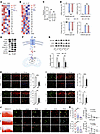 Figure 1
OA cartilage had lower Gln levels and reduced glutaminolysis. (A) Heatmap of amino acid content analyzed by LC-MS in sham- and DMM-operated knee cartilage (n = 3 and 2, respectively) of mice at 8 weeks after surgery. (B) Heatmap of amino acid levels analyzed by LC-MS in chondrocytes treated with or without IL-1β (5 ng/mL) for 36 hours (n = 4 per group). Ctrl, control. (C) Intracellular Gln levels in IL-1β–treated chondrocytes supplemented with Gln (4 or 8 mM) for 24 hours (n = 3 per group). (D and E) Quantitative analysis of qRT-PCR (n = 4 per group) (D) and Western blot (E) analysis for the indicated anabolic and catabolic factors in IL-1β–treated chondrocytes supplemented with Gln (4 or 8 mM) for 24 hours. (F) Schematic of Gln metabolism. (G) Western blot analysis for SLC1A5 and GLS1 in chondrocytes treated with or without IL-1β for 24 hours (n = 3 per group). (H) Representative images of SLC1A5 and GLS1 immunofluorescence and mean intensity in joint cartilage of sham- or DMM-operated mice at 8 weeks after surgery (n = 5 mice per group). Scale bars: 20 μm. (I) Representative images of SLC1A5 and GLS1 immunofluorescence and mean intensity in mice fed a standard diet (SD) and those fed an HFD (n = 5 mice per group). Scale bars: 20 μm. (J) Representative images from safranin O staining and SLC1A5 and GLS1 immunofluorescence in undamaged (n = 10), mildly damaged (n = 10), and severely damaged (SevD) (n = 7) human OA cartilage. Scale bars: 20 μm. (K) Gln and Glu levels in undamaged (UD) (n = 10), mildly damaged (MD) (n = 10) and SevD (n = 7) human OA cartilage. The correlation between Gln levels and ICRS grading scores is shown in the right column. Scale bars: 200 μm. The data are presented as box plots or as the mean ± SEM, and the dots represent biological replicates. *P < 0.05, **P < 0.01, ***P < 0.001.
To explore the link with obesity, we compared mice fed a high-fat diet (HFD) with those fed a standard diet. HFD-fed mice exhibited more severe cartilage destruction and a near-complete loss of the cartilage layer 8 weeks after DMM surgery (Supplemental Figure 2, H, J, and K). In obese individuals, the levels of circulating inflammatory factors were elevated with concomitant decrease in Gln levels (23). Furthermore, obese mice demonstrated decreased levels of SLC1A5 and GLS1 mRNA and protein expression, as well as lower Gln levels in cartilage, compared with lean control mice (Figure 1I and Supplemental Figure 2, A and I), indicative of Gln transporter impairment in obese mice.
To support the human relevance of these findings, the levels of amino acids were compared between undamaged and damaged regions in OA cartilage from knee joints of individuals who had undergone arthroplasty. LC-MS analyses revealed that levels of Gln and Glu were also decreased in damaged human OA cartilage (Supplemental Figure 2L). In addition, undamaged cartilage from humans with OA exhibited increased SLC1A5 and GLS1 mRNA and protein levels compared with moderately and severely damaged counterparts (Figure 1J and Supplemental Figure 2, M and N), indicative of conservation among species. The levels of Gln and Glu decreased with severity of OA and inversely correlated with International Cartilage Repair Society (ICRS) grading scores (Figure 1K). Together, these results demonstrate that glutaminolysis was impaired in OA and could not be rescued by exogenous Gln supplementation due to reduced expression of Gln transporter SLC1A5.
Defective glutaminolysis induced the onset and progression of OA. To address how Gln deficiency is associated with OA, catabolic and anabolic factors in chondrocytes were examined upon Gln deprivation, a condition of which resulted in slight but substantial increases in all 4 catabolic factors (MMP3, MMP13, ADAMTS5, and NOS2) and decreases in 3 anabolic factors (SOX9, COL2A1, and ACAN) (Figure 2, A and B, and Supplemental Figure 3A). Upon IL-1β treatment, the imbalance between anabolic and catabolic factors was further exacerbated in chondrocytes deprived of Gln (Figure 2, A and B, and Supplemental Figure 3A). Slc1a5 knockdown in primary-culture chondrocytes markedly reduced Gln levels, decreased anabolic factors, and elevated catabolic factors (Supplemental Figure 3, B–E). A similar phenotype was observed in chondrocytes treated with a pharmacological inhibitor of Slc1a5 (γ-l-glutamyl-p-nitroanilide [GPNA]) (Supplemental Figure 3F). Furthermore, the imbalance between anabolic and catabolic factors was further exacerbated in the presence of IL-1β (Supplemental Figure 3, D and E), whereas overexpression of Ad-Slc1a5 ameliorated the highly imbalanced anabolism and catabolism in IL-1β–treated chondrocytes (Supplemental Figure 3, G–I).
 Figure 2
SLC1A5 mediates the pathogenesis of OA. (A) qRT-PCR (n = 3 per group) and (B) Western blot of anabolic and catabolic factors in IL-1β–treated chondrocytes with (w) or without (w/o) Gln conditions for 24 hours. Blots are representative of 3 independent experiments. (C) Representative images of safranin O/fast green staining, OARSI scores in mice at 8 weeks after sham and DMM surgery. Ad-shCtrl or Ad-shSlc1a5 was intra-articularly injected once per week for 3 weeks beginning at 10 days after surgery. Sham+Ad-shCtrl (n = 8), Sham+Ad-shSlc1a5 (n = 8), DMM+Ad-shCtrl (n = 8), DMM+Ad-shSlc1a5 (n = 9). (D) Representative images of IHC staining and quantification of MMP13- and NOS2-positive cells in joint sections of mice at 8 weeks after sham and DMM surgery, Ad-shCtrl or Ad-shSlc1a5 was intra-articularly injected once per week for 3 weeks beginning at 10 days after surgery. n = 5 mice per group. (E) Representative safranin O/fast green staining images and OARSI scores (n = 8–9 mice per group) in Ad-Ctrl or Ad-Slc1a5 mice at 8 weeks after sham and DMM surgery. The data are presented as box plots or as the mean ± SEM, and the dots represent biological replicates. One-way ANOVA with Tukey’s multiple comparisons tests were used for statistical analyses in A and D; Mann-Whitney U tests for OARSI grades were used in C and E. *P < 0.05, **P < 0.01, ***P < 0.001.
The in vivo functions of Slc1a5 during the pathogenesis of OA were investigated by gene overexpression as well as gene-knockdown approaches in mouse joint tissues. Slc1a5 knockdown by intra-articular injection of Ad-shSlc1a5 induced mild cartilage degradation in sham-operated cartilage, and exacerbated cartilage destruction in DMM-treated cartilage with higher Osteoarthritis Research Society International (OARSI) scores, as well as increased numbers of MMP13- and NOS2-positive cells at 8 weeks after surgery (Figure 2, C and D, and Supplemental Figure 3J). The role of Slc1a5 was further validated in whole-joint tissues via intra-articular injection of an adenoviral vector carrying the Slc1a5 overexpression cassette (Supplemental Figure 3K). Intra-articular administration of Ad-Slc1a5 rescued matrix destruction in DMM-operated cartilage and reduced numbers of MMP13- and NOS2-positive cells (Figure 2E and Supplemental Figure 3L). Collectively, these results suggest Gln deficiency mediates the pathogenesis of OA.
Gls1 acts as the rate-limiting enzyme catalyzing hydrolysis of Gln into Glu during glutaminolysis. Pharmacological inhibition of Gls1 upregulated expression of the catabolic gene set and downregulated the anabolic gene set, with or without IL-1β treatment (Figure 3, A and B, and Supplemental Figure 4, A and B). Overexpression of Gls1 in primary chondrocyte cultures attenuated IL-1β–induced increases in catabolic genes and restored the expression of anabolic genes (Supplemental Figure 4, C–E). The in vivo function of Gls1 during OA pathogenesis was analyzed using genetic ablation of Gls1 and adenoviral vector–mediated Gls1 overexpression (Ad-Gls1) in mice. By generating chondrocyte-specific Gls1–conditional KO (cKO) mice, spontaneous development of mild OA in knee joint could be observed even without DMM surgery at 8 weeks after tamoxifen injection (Figure 3C and Supplemental Figure 4F). Four weeks later, after DMM surgery, cKO mice had already developed OA with remarkable cartilage destruction and higher OARSI scores, whereas control DMM mice had only mild cartilage degradation (Supplemental Figure 4G). By 8 weeks after surgery, cKO mice had extensive loss of cartilage across the entire surface of the knee joint, with substantially increased OARSI scores and percentages of MMP13- and NOS2-positive cells in joint cartilage (Figure 3, C and D). The role of GLS1 was further validated in whole-joint tissues through adenoviral vector–mediated overexpression of Gls1 after intra-articular viral injection. Cartilage destruction and percentages of MMP13- and NOS2-positive cells were partly inhibited by Gls1 overexpression in mice (Figure 3E and Supplemental Figure 4, H and I). Together, these results demonstrated that defective glutaminolysis in chondrocytes resulted in an imbalance of anabolism and catabolism in chondrocytes, which accelerated the onset and progression of OA.
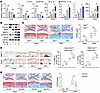 Figure 3
GLS1 plays a key mechanistic role in the development of OA. (A and B) mRNA (A) and Western blot (B) analysis of the indicated anabolic and catabolic factors in chondrocytes treated with BPTES or IL-1β alone or with combined BPTES and IL-1β for 24 hours. The culture medium contained 4 mM Gln. Blots are representative of 3 independent experiments. Ctrl, control. (C) Representative safranin O/fast green staining images and OARSI scores (n = 8 mice per group) in Gls1−/− mice and their Gls1fl/fl control littermates at 8 weeks after sham and DMM surgery. (D) Representative MMP13 and NOS2 IHC staining images and quantification of cells positive for MMP13 and NOS2 (n = 5 mice per group) in Gls1−/− mice and their Gls1fl/fl control littermates at 8 weeks after sham and DMM surgery. (E) Safranin O/fast green staining and OARSI scores in joint sections of mice at 8 weeks after DMM surgery. Ad-Ctrl or Ad-Gls1 was intra-articularly injected once per week for 3 weeks beginning at 10 days after surgery (n = 8 mice per group). Scale bars: 20 μm. The data are presented as box plots or as the mean ± SEM, and the dots represent biological replicates. *P < 0.05, **P < 0.01, ***P < 0.001.
Supplementation of αKG rescued the anabolic/catabolic imbalance caused by defective glutaminolysis. The metabolite αKG represents the major downstream product of glutaminolysis, which could enter the TCA cycle (24). Levels of αKG were markedly reduced in cartilage of obese and DMM mice, as well as in IL-1β–treated chondrocytes, after SLC1A5 blockade or GLS1 inhibition (Figure 4A). Using gas chromatography–mass spectrometry to trace the fate of uniformly 13C-labeled Gln, we found that approximately 55% of αKG was derived from 13C-Gln. Labeled carbons in Glu (m+5) and αKG (m+5) were decreased by IL-1β, along with reductions in fumarate (m+4), malate (m+4), and aspartate (m+4), which were partly derived from 13C-Gln. These reductions indicated decreased generation of αKG from glutaminolysis in OA chondrocytes (Figure 4, B and C, and Supplemental Figure 5A).
 Figure 4
αKG protected against cartilage destruction by restoration of anabolic and catabolic factors. (A) αKG level in chondrocytes stimulated with IL-1β for 36 hours and infected with Ad-shCtrl or Ad-shSlc1a5 or treated with BPTES (20 μM) for 72 hours. Knee cartilage of mice fed a standard diet (SD) or an HFD, as well as in sham- or DMM-operated knee cartilage. (B) Metabolic map showing uniformly labeled Gln (U-13C) generating metabolites associated with the TCA cycle. (C) The fractional enrichment of the 13C isotopologs in each metabolite as determined by LC-MS analysis in chondrocytes treated with IL-1β for 6 hours. (D) Heatmap showing differentially expressed anabolic and catabolic genes regulated by DM-αKG supplementation (7 mM) in chondrocytes treated with IL-1β for 24 hours by RNA-seq. (E) Quantitative analysis of qRT-PCR (n = 3 per group) and Western blot analysis for the indicated anabolic and catabolic factors regulated by αKG supplementation in IL-1β–treated chondrocytes. (F) Safranin O staining and IHC staining for COL2A1, MMP13, and NOS2 of the indicated anabolic and catabolic factors in pellet cultures of human OA chondrocytes treated with or without DM-αKG for 21 days. Scale bars: 200 μm. (G) Safranin O/fast green staining and OARSI scores of knee joints at 6 weeks after sham or DMM surgery in HFD mice. (H) Representative images of safranin O/fast green staining and OARSI scores in mouse knee joints at 8 weeks after sham or DMM surgery. (I) qRT-PCR of Mmp3, Mmp13, Adamts5, and Nos2 in cartilage injected with vehicle (veh) or DM-αKG. (J) IHC staining for MMP13 and NOS2 and quantification of MMP13- and NOS2-positive cells in mouse knee joints injected with veh or DM-αKG. The data are presented as box plots or as the mean ± SEM, and the dots represent biological replicates. *P < 0.05, **P < 0.01, ***P < 0.001. Ctrl, control.
Because key upstream modulators of glutaminolysis were suppressed under the inflammatory milieu, the potential effect of supplementation of dimethyl-αKG (DM-αKG), a cell-permeable analog of αKG, to rescue the anabolic/catabolic imbalance caused by impaired glutaminolysis was investigated. Consistent with expectations, supplementation of DM-αKG substantially reversed the expression of catabolic factors and anabolic factors in GPNA- or BPTES-treated chondrocytes (Supplemental Figure 6, A and B). Moreover, RNA-seq analysis, quantitative PCR (qPCR), and Western blotting confirmed the reversal of IL-1β–induced alterations in the anabolism/catabolism balance by DM-αKG (Figure 4, D and E, and Supplemental Figure 6, C–E). Furthermore, onetime intra-articular injection of DM-αKG resulted in marked and sustained increases in αKG levels in articular cartilage for 7 days (Supplemental Figure 7A). Therefore, weekly intra-articular injections of DM-αKG (0.7 M) were applied starting at 3 weeks after DMM surgery and were continued for 5 consecutive weeks. This approach markedly attenuated cartilage destruction, substantially improved OARSI scores in both obese and lean mice (Figure 4, G and H), and decreased percentages of MMP13- and NOS2-positive cells as well as corresponding mRNA levels (Figure 4, I and J). The protective effect of DM-αKG was dose dependent (Supplemental Figure 7B) and was sustained for up to 12 weeks after surgery (Supplemental Figure 7C). In pellet cultures generated from human OA chondrocytes, DM-αKG also markedly upregulated COL2A1 and reduced MMP13 and NOS2 signatures in IHC assays (Figure 4F and Supplemental Figure 7D). Together, these results demonstrated that DM-αKG supplementation rescued the anabolic/catabolic imbalance in OA chondrocytes and exerted a protective effect against the cartilage destruction.
To determine whether the rescuing effect of αKG on anabolism/catabolism imbalance is mediated by replenishing the TCA cycle, succinyl phosphonate trisodium salt (200 μM) was used to inhibit αKG dehydrogenase, which catalyzes conversion of αKG into succinate in the TCA cycle. This approach elicited limited, if any, effects on the expression of anabolic and catabolic factors examined in normal chondrocytes (Supplemental Figure 8, A and B). In the presence of IL-1β, TCA blockade did lead to a mild increase in anabolic/catabolic imbalance (Supplemental Figure 8, A and B). However, treatment of chondrocytes with diethyl succinate, a cell-permeable analog of succinate, failed to rescue IL-1β–induced metabolic imbalance (Supplemental Figure 8, C and D), suggesting that αKG does not exert its rescue effects via entering the TCA cycle. In addition, αKG also has been reported to serve as an essential cofactor for prolyl hydroxylases, enzymes that regulate HIF-1α stability (25). In fact, DM-αKG supplementation induced dose-dependent HIF-1α accumulation in both cytosolic and nuclear fractions in normal chondrocytes (Supplemental Figure 9, A and B). However, co-treatment with PX-478 (40 μM), an inhibitor of HIF-1α, did not abrogate the chondroprotective effects of DM-αKG (Supplemental Figure 9, C and D). These data collectively demonstrate that αKG-mediated chondroprotection operates in a TCA cycle– and HIF-1α–independent manner.
DM-αKG restored glycolysis and oxidative phosphorylation reprogramming in OA chondrocytes. Although the heterogeneity of articular chondrocytes was well documented in our previous study as well as by others (26–28), alterations in Gln metabolism within specific subsets of OA chondrocytes remain poorly understood. Furthermore, the mechanism by which αKG restores the anabolism/catabolism balance has not been fully elucidated. To this end, we performed single-cell RNA-seq (scRNA-seq) on cells isolated from the medial tibial condyles of normal, DMM, and DM-αKG–rescued mice. Among the 7 clusters identified (Supplemental Figure 10, A and B), the one with high expression of Sox9, Acan, Comp, and Fn was characterized as a chondrocyte population (Supplemental Figure 10C) that could be subsequently subdivided into superficial-zone (C1), middle-zone (C2), and deep-zone (C3) subsets (Figure 5, A and B) and was validated by immunofluorescence staining (Supplemental Figure 10D). Gene Ontology (GO) analysis revealed that each cluster was enriched with featured gene profiles (Supplemental Figure 10E). We further performed GO analysis to elucidate the transcriptomic changes in anabolism and catabolism of each chondrocyte subset from control, DMM, and DM-αKG–supplemented DMM mice. The genes that were upregulated by DMM were related to ossification, growth factor binding, and extracellular matrix organization, which were generally decreased by DM-αKG in all 3 subsets (Supplemental Figure 11A). Data from scRNA-seq clearly displayed Gln metabolism with comparable expression of Slc1a5 and Gls1 within each subset of chondrocytes (Figure 5C). Consistent with in vitro and in vivo results, scRNA-seq showed that the overall Gln metabolism was reduced in all 3 DMM subsets (Figure 5C). These results suggested that chondrocytes undergo a degree of Gln metabolism in heathy cartilage, and all 3 subsets displayed impairment in Gln metabolism in OA cartilage.
 Figure 5
Supplementation of DM-αKG restored metabolic reprogramming in OA chondrocytes. (A) Three clusters of chondrocytes sourced from the medial tibial condyle were identified with a t-distributed stochastic neighbor embedding (t-SNE) plot. (B) Heatmap revealing the top 20 substantially differentially expressed genes in each cluster. (C) The expression levels of genes associated with Gln metabolism in the C1, C2, and C3 clusters; control; DMM; and DMM+DM-αKG groups of each cluster. (D) The expression levels of genes associated with glycolysis and OXPHOS in the C1, C2, and C3 clusters. (E) Expression levels of genes associated with glycolysis and OXPHOS in the control, DMM, and DMM+DM-αKG groups of each cluster. (F) ECAR of chondrocytes treated with IL-1β alone, IL-1β+ DM-αKG, and combined IL-1β and Bay-11-7085, as measured by the Seahorse Analyzer. (G) Quantification of glycolysis from 1 time point in the glycolysis stress test. (H) OCR of chondrocytes treated with IL-1β, IL-1β, and DM-αKG in combination, combined IL-1β and Bay-11-7085, as measured by the Seahorse Analyzer. (I) Quantification of maximal respiration and spare respiratory capacity (SRC) for 1 time point each from Mito Stress test. (J) Chondrocytes were cultured for 24 hours with or without Gln, and the OCR was measured using a Seahorse XF96 analyzer. (K) Quantification of maximal respiration and SRC for 1 time point each from Mito Stress test. (L) RT-PCR and Western blotting of the indicated anabolic and catabolic factors regulated by 3-bromopyruvate (3BP) supplementation in IL-1β–treated chondrocytes for 24 hours. Blots are representative of 3 independent experiments. (M) Safranin O staining and scoring of osteophyte size and osteophyte maturity at 8 weeks after DMM surgery. Black arrow indicates fibrocartilage, blue arrow indicates neocartilage formation, and red arrow indicates ossification. Scale bars: 50 μm. The data are presented as the mean ± SEM, and the dots represent biological replicates. **P < 0.01, ***P < 0.001. Ctrl, control; FCCP, carbonyl cyanide p-trifluoromethoxyphenylhydrazone; w/, with; w/o, without.
Given that alterations in glycolysis have been linked to enhanced catabolic activity in OA chondrocytes, it is interesting to find by scRNA-seq that glycolysis was increased in all 3 DMM clusters (Figure 5, D and E, and Supplemental Figure 11B), and this was evidenced by enhanced extracellular acidification rate (ECAR) and glycolysis in IL-1β–treated chondrocytes (Figure 5, F and G). Indeed, we found that inhibiting glycolysis by 3-bromopyruvate, a potent hexokinase II inhibitor, led to marked reduction in catabolic factors (Figure 5L). In contrast with scRNA-seq data, which showed an overall increase of oxidative phosphorylation (OXPHOS), in vitro studies revealed that OXPHOS was decreased upon IL-1β stimulation (Figure 5, H–K). This discrepancy could be due to the cartilage at late-stage OA being harvested for scRNA-seq, where OXPHOS was required for supporting fibrosis and ossification (29), and this was evidenced by elevated enrichment for angiogenesis and ossification and by histology showing osteophyte formation (Figure 5M and Supplemental Figure 11, C–F) in the DMM joint. Yet, DM-αKG supplementation could restore, in part, the reprogrammed glycolysis and the maximal and spare respiratory capacity in OXPHOS in OA chondrocytes, respectively (Figure 5, E–I). Together, these results revealed that dysregulation of Gln metabolism occurs in all 3 chondrocyte subsets in OA cartilage, with accompanied glycolysis and OXPHOS reprogramming.
Epigenetic inhibition of glutaminolysis genes via H3K27me3 methylation is regulated by αKG availability. After treatment with DM-αKG, a partial recovery of Gln metabolism was observed in DMM mice (Supplemental Figure 12E). Given that JHDMs depend on αKG as a cofactor for H3K27me3 demethylation, and considering the documented association between H3K27me3 and OA progression (19, 30), we explored whether histone modifications contribute to OA pathogenesis by repressing key glutaminolysis genes. Treatment with EPZ005687, an inhibitor of the H3K27 methyltransferase Ezh2, reduced H3K27me3 levels and markedly increased the expression of Slc1a5 and Gls1 in chondrocytes at both mRNA and protein levels (Supplemental Figure 12, A and B). Furthermore, EPZ005687 counteracted the IL-1β–induced reduction in intracellular Gln and αKG levels, as well as the elevation in H3K27me3 modification (Supplemental Figure 12C). ChIP assays further confirmed enhanced H3K27me3 enrichment at the promoter regions of Slc1a5 and Gls1 after IL-1β stimulation (Supplemental Figure 12D), supporting epigenetic repression of these genes.
We next examined the role of αKG in restoring glutaminolysis. Supplementation with DM-αKG attenuated H3K27me3 accumulation and restored the expression of Slc1a5 and Gls1 (Supplemental Figure 12, E–G). Importantly, the demethylase inhibitor GSK-J4 abrogated the rescue effects mediated by DM-αKG (Supplemental Figure 12, F and G), confirming the dependence on JHDM activity. Collectively, these data demonstrate that inflammatory cytokine–induced epigenetic reprogramming through H3K27me3 hypermethylation directly suppresses Slc1a5 and Gls1 expression and that this repression is dynamically regulated by αKG-dependent histone demethylation.
UBE2O induced by αKG is mediated by histone H3K27me3 demethylation. Notably, inhibition of the NF-κB pathway using Bay11-7085, an inhibitor of IκBα phosphorylation, restored both glycolysis and OXPHOS to an extent comparable to that of αKG supplementation (Figure 5, E–I), prompting us to investigate whether αKG ameliorates metabolic reprogramming via suppression of NF-κB signaling. Using RNA-seq analysis and Western blot, we discovered that NF-κB activation induced by IL-1β, including nuclear translocation of p65, as well as phosphorylation of IκB kinase-α and IκB kinase-β (IKKα/β), IκBα, and p65, were markedly inhibited by DM-αKG (Figure 6, A–E, and Supplemental Figure 13A).
 Figure 6
αKG-induced Ube2o is mediated by histone methylation on H3K27me3. (A) GO enrichment analysis of the categories of downregulated genes regulated by αKG supplementation in IL-1β–treated chondrocytes. (B) Heatmap of NF-κB pathway genes downregulated by DM-αKG that were upregulated by IL-1β in chondrocytes. n = 3 per group. Western blot analysis of p65, IKKα/β, p-IKKα/β, IκBα, and p-IκBα in IL-1β–treated chondrocytes (C) supplemented with DM-αKG and (D) deprived of Gln, respectively. Blots are representative of 3 independent experiments. WCL, whole-cell lysate. (E) Western blot analysis of p65, IKKα/β, p-IKKα/β, IκBα, and p-IκBα in chondrocytes stimulated with IL-1β in medium with or without BPTES or supplemented with vehicle (control [ctrl]) or DM-αKG (7 mM). Blots are representative of 3 independent experiments. (F) Heatmap of differentially expressed genes in control, IL-1β–, and DM-αKG–supplemented (7 mM) chondrocytes for 24 hours by RNA-seq (n = 3 per group). (G) qRT-PCR analyses of Kdm6a and Kdm6b in chondrocytes after supplementation of αKG for 6H (n = 4 per group). (H) Western blot analyses of H3K27me3 in chondrocytes after supplementation of αKG for 6 hours. Blots are representative of 3 independent experiments. (I) qRT-PCR (n = 4 per group) of UBE2O in DM-αKG– and Gsk-J4–treated chondrocytes for 6 hours. (J) ChIP-qPCR showed that αKG decreased the occupancy of H3K27me3 in the promoter regions of UBE2O (n = 4 per group). The data are presented as the mean ± SEM, and the dots represent biological replicates. **P < 0.01, ***P < 0.001. ECM, extracellular matrix; max, maximum; min, minimum.
Among the genes that were upregulated by αKG, a gene encoding the E2 ubiquitin-conjugating enzyme protein, Ube2o, was noteworthy because Ube2o is a putative negative regulator of NF-κB signaling (Figure 6F). The epigenetic role of αKG is well characterized; it acts as a cofactor for JHDMs in modulating gene expression. The expression levels and activities of the HDM Kdm6b, an H3K27me3 demethylase, were also found to be modified by αKG (Figure 6, F and G). As expected, αKG-treated chondrocytes had reduced levels of H3K27me3 methylation (Figure 6H).
The induction of Ube2o was hypothesized to result from Kdm6b-mediated epigenetic modification. To test this, chondrocytes were treated with Gsk-J4, an inhibitor that targets Kdm6b, along with αKG treatment. Indeed, Ube2o expression was induced by αKG and was reduced in Gsk-J4-treated chondrocytes (Figure 6I), further supporting the mechanistic role of H3K27me3 demethylation in the chondroprotective effects of αKG.
UBE2O expression induced by αKG inhibited TNF receptor associated factor 6 ubiquitination and downstream NF-κB signaling in OA chondrocytes. The results here revealed a marked decrease in H3K27me3 levels in chondrocytes upon DM-αKG treatment. Furthermore, ChIP analysis using an antibody against H3K27me3 demonstrated a decrease in H3K27me3 at the promoter region of Ube2o after αKG treatment (Figure 6J). The E2 ubiquitin–conjugating enzyme Ube2o functions as a negative regulator of TNF receptor associated factor 6–mediated (TRAF6-mediated) NF-κB activation by impeding TRAF6 polyubiquitination (31). Transfection of Myc-tagged Ube2o in HEK293T cells with or without HA-tagged TRAF6 and Flag-tagged K63-Ub demonstrated that Ube2o overexpression resulted in a substantial decrease in TRAF6 ubiquitin levels (Figure 7, A and B). Gln metabolic deficiency generated by treating the chondrocytes with BPTES (20 μM) (a Gls1 inhibitor), l-methionine-dl-sulfoximine (60 μM; a Gln synthetase [GS] inhibitor), or R162 (20 μM; a Glud1 inhibitor) further enhanced IL-1β–induced TRAF6 ubiquitination (Figure 7C and Supplemental Figure 13B). By coimmunoprecipitation assays, DM-αKG supplementation reduced IL-1β–induced K63-linked ubiquitination of TRAF6 in chondrocytes (Figure 7D).
 Figure 7
αKG inhibited the TRAF6 ubiquitination via inducing the expression of UBE2O in OA chondrocytes. (A) IB analysis of K63-linked ubiquitination of TRAF6 in HEK293T cells transfected to express HA-TRAF6 with or without Flag-tagged K63-linked ubiquitin (Flag-K63-Ub) and MYC-tagged UBE2O (MYC-UBE2O). (B) Densitometry of the bands in A, showing the ubiquitination (Ub) of TRAF6, presented relative to results obtained with cells transfected to express empty vector, set as 100%. (C) Western blot analysis of K63-linked ubiquitination of endogenous TRAF6 in IL-1β–stimulated chondrocytes in the presence of BPTES. Blots are representative of 3 independent experiments. (D) Western blot analysis of K63-linked ubiquitination of endogenous TRAF6 that was immunoprecipitated and TRAF6 from IL-1β– and DM-αKG–stimulated chondrocytes. (E) Western blot analysis of K63-linked ubiquitination of endogenous TRAF6 immunoprecipitated from Ad-shCtrl and Ad-shUbe2o chondrocytes stimulated with IL-1β and DM-αKG. (F) Protein quantitative analysis of the nuclear p65 from Ad-shCtrl and Ad-shUbe2o chondrocytes stimulated with IL-1β and DM-αKG for 60 minutes. (G and H) Quantitative analysis of qRT-PCR (G) and Western blot (H) analysis for the indicated anabolic and catabolic factors from Ad-shCtrl and Ad-shUbe2o chondrocytes stimulated with IL-1β and DM-αKG. (I) IHC staining for pIκBα, p-p65, and quantification of pIκBα- and p-p65–positive cells at 25 weeks in mice fed a standard diet (SD) or HFD. (J) IHC staining for pIκBα, p-p65, and quantification of pIκBα- and p-p65–positive cells in Gls1−/− mice and their Gls1fl/fl control littermates after DMM surgery. veh, vehicle. (K) Schematic depicting the described findings: αKG inhibited the TRAF6 ubiquitination via inducing the expression of UBE2O in OA chondrocytes. The data are presented as box plots or as the mean ± SEM, and the dots represent biological replicates. *P < 0.05, **P < 0.01, ***P < 0.001.
To further address the role of αKG on TRAF6 ubiquitylation, we transiently transfected HEK293T cells with plasmids encoding HA-tagged TRAF6 and Flag-tagged K63-Ub. These transfected cells demonstrated a decrease in the abundance of Flag-K63-Ub upon DM-αKG treatment (Supplemental Figure 13C). Knockdown of UBE2O by shRNA reversed the suppression of TRAF6 ubiquitination by DM-αKG in IL-1β–treated chondrocytes (Figure 7E), as well as TRAF6 downstream nuclear p65 (Figure 7F and Supplemental Figure 13D), indicating that Ube2o deficiency resulted in insensitivity to DM-αKG supplementation. As expected, Ube2o knockdown partly reverted the beneficial effects of DM-αKG on the anabolic/catabolic balance (Figure 7, G and H; Supplemental Figure 13, G and H; and Supplemental Figure 14, A and B), suggesting Ube2o is a major downstream mediator for DM-αKG.
In vivo, the percentages of phospho-IκBα–positive (p-IκBα–positive) and p-p65–positive cells in obese mice (Gln deficient) were higher than in lean mice (Figure 7I). More importantly, intra-articular administration of DM-αKG substantially decreased the percentages of cells positive for phosphorylation of IκBα and p65 in obese mice and DMM cartilage (Figure 7I and Supplemental Figure 13F). Concurring with previous results, Gls1-cKO mice exhibited worsened pathology in DMM joint cartilage compared with Gls1fl/fl control mice. Accordingly, the percentages of cells positive for phosphorylated IκBα and p65 in DMM cartilage were also elevated substantially in Gls1-cKO mice, and DM-αKG administration markedly reduced cells with activated NF-κB signaling (Figure 7J). Cumulatively, these results demonstrated that αKG inhibited NF-κB signaling by suppressing TRAF6 ubiquitination via induction of Ube2o expression (Figure 7K).


Copyright © 2026 American Society for Clinical Investigation
ISSN: 0021-9738 (print), 1558-8238 (online)