
Advertisement
Research ArticleCell biologyMetabolismOncology
Open Access |  10.1172/JCI203835
Epigenetic and oncogenic inhibitors converge to drive a metabolic catastrophe in castration-resistant prostate cancer
Rhea Sahu,1,2 Miriam Enos,1,2 Swastika Sharma,1,2 Amy E. Schade,1,2 Alycia Gardner,1,2 Akiko Yoshinaga,1,2 Alexandra Indeglia,1,2 Eleanor Minogue,3 Songhua Hu,3 Kiran Kurmi,3 Shakchhi Joshi,3 Daniel R. Schmidt,4,5 Samkyu Yaffe,4,5 Van T.M. Nguyen,6 Fang Xie,7 Steven P. Balk,7 Matthew G. Vander Heiden,4,5 Kristian Helin,6 Marcia C. Haigis,3 and Karen Cichowski1,2,8
1Genetics Division, Department of Medicine, Brigham and Women’s Hospital, Boston, Massachusetts, USA.
2Department of Medicine and
3Department of Cell Biology, Harvard Medical School, Boston, Massachusetts, USA.
4Koch Institute for Integrative Cancer Research and Department of Biology, Massachusetts Institute of Technology, Cambridge, Massachusetts, USA.
5Department of Medical Oncology, Dana-Farber Cancer Institute, Boston, Massachusetts, USA.
6Division of Cancer Biology, The Institute of Cancer Research, London, United Kingdom.
7Division of Medical Oncology and Cancer Center, Beth Israel Deaconess Medical Center, and
8Ludwig Center at Harvard, Harvard Medical School, Boston, Massachusetts, USA.
Address correspondence to: Karen Cichowski, Cichowski Lab, 77 Avenue Louis Pasteur, Veritas Science Center, Room 458D, Boston, MA 02115 USA. Email: kcichowski@rics.bwh.harvard.edu.
Find articles by Sahu, R. in: PubMed | Google Scholar
1Genetics Division, Department of Medicine, Brigham and Women’s Hospital, Boston, Massachusetts, USA.
2Department of Medicine and
3Department of Cell Biology, Harvard Medical School, Boston, Massachusetts, USA.
4Koch Institute for Integrative Cancer Research and Department of Biology, Massachusetts Institute of Technology, Cambridge, Massachusetts, USA.
5Department of Medical Oncology, Dana-Farber Cancer Institute, Boston, Massachusetts, USA.
6Division of Cancer Biology, The Institute of Cancer Research, London, United Kingdom.
7Division of Medical Oncology and Cancer Center, Beth Israel Deaconess Medical Center, and
8Ludwig Center at Harvard, Harvard Medical School, Boston, Massachusetts, USA.
Address correspondence to: Karen Cichowski, Cichowski Lab, 77 Avenue Louis Pasteur, Veritas Science Center, Room 458D, Boston, MA 02115 USA. Email: kcichowski@rics.bwh.harvard.edu.
Find articles by Enos, M. in: PubMed | Google Scholar
1Genetics Division, Department of Medicine, Brigham and Women’s Hospital, Boston, Massachusetts, USA.
2Department of Medicine and
3Department of Cell Biology, Harvard Medical School, Boston, Massachusetts, USA.
4Koch Institute for Integrative Cancer Research and Department of Biology, Massachusetts Institute of Technology, Cambridge, Massachusetts, USA.
5Department of Medical Oncology, Dana-Farber Cancer Institute, Boston, Massachusetts, USA.
6Division of Cancer Biology, The Institute of Cancer Research, London, United Kingdom.
7Division of Medical Oncology and Cancer Center, Beth Israel Deaconess Medical Center, and
8Ludwig Center at Harvard, Harvard Medical School, Boston, Massachusetts, USA.
Address correspondence to: Karen Cichowski, Cichowski Lab, 77 Avenue Louis Pasteur, Veritas Science Center, Room 458D, Boston, MA 02115 USA. Email: kcichowski@rics.bwh.harvard.edu.
Find articles by Sharma, S. in: PubMed | Google Scholar
1Genetics Division, Department of Medicine, Brigham and Women’s Hospital, Boston, Massachusetts, USA.
2Department of Medicine and
3Department of Cell Biology, Harvard Medical School, Boston, Massachusetts, USA.
4Koch Institute for Integrative Cancer Research and Department of Biology, Massachusetts Institute of Technology, Cambridge, Massachusetts, USA.
5Department of Medical Oncology, Dana-Farber Cancer Institute, Boston, Massachusetts, USA.
6Division of Cancer Biology, The Institute of Cancer Research, London, United Kingdom.
7Division of Medical Oncology and Cancer Center, Beth Israel Deaconess Medical Center, and
8Ludwig Center at Harvard, Harvard Medical School, Boston, Massachusetts, USA.
Address correspondence to: Karen Cichowski, Cichowski Lab, 77 Avenue Louis Pasteur, Veritas Science Center, Room 458D, Boston, MA 02115 USA. Email: kcichowski@rics.bwh.harvard.edu.
Find articles by
Schade, A.
in:
PubMed
|
Google Scholar
|

1Genetics Division, Department of Medicine, Brigham and Women’s Hospital, Boston, Massachusetts, USA.
2Department of Medicine and
3Department of Cell Biology, Harvard Medical School, Boston, Massachusetts, USA.
4Koch Institute for Integrative Cancer Research and Department of Biology, Massachusetts Institute of Technology, Cambridge, Massachusetts, USA.
5Department of Medical Oncology, Dana-Farber Cancer Institute, Boston, Massachusetts, USA.
6Division of Cancer Biology, The Institute of Cancer Research, London, United Kingdom.
7Division of Medical Oncology and Cancer Center, Beth Israel Deaconess Medical Center, and
8Ludwig Center at Harvard, Harvard Medical School, Boston, Massachusetts, USA.
Address correspondence to: Karen Cichowski, Cichowski Lab, 77 Avenue Louis Pasteur, Veritas Science Center, Room 458D, Boston, MA 02115 USA. Email: kcichowski@rics.bwh.harvard.edu.
Find articles by Gardner, A. in: PubMed | Google Scholar
1Genetics Division, Department of Medicine, Brigham and Women’s Hospital, Boston, Massachusetts, USA.
2Department of Medicine and
3Department of Cell Biology, Harvard Medical School, Boston, Massachusetts, USA.
4Koch Institute for Integrative Cancer Research and Department of Biology, Massachusetts Institute of Technology, Cambridge, Massachusetts, USA.
5Department of Medical Oncology, Dana-Farber Cancer Institute, Boston, Massachusetts, USA.
6Division of Cancer Biology, The Institute of Cancer Research, London, United Kingdom.
7Division of Medical Oncology and Cancer Center, Beth Israel Deaconess Medical Center, and
8Ludwig Center at Harvard, Harvard Medical School, Boston, Massachusetts, USA.
Address correspondence to: Karen Cichowski, Cichowski Lab, 77 Avenue Louis Pasteur, Veritas Science Center, Room 458D, Boston, MA 02115 USA. Email: kcichowski@rics.bwh.harvard.edu.
Find articles by Yoshinaga, A. in: PubMed | Google Scholar
1Genetics Division, Department of Medicine, Brigham and Women’s Hospital, Boston, Massachusetts, USA.
2Department of Medicine and
3Department of Cell Biology, Harvard Medical School, Boston, Massachusetts, USA.
4Koch Institute for Integrative Cancer Research and Department of Biology, Massachusetts Institute of Technology, Cambridge, Massachusetts, USA.
5Department of Medical Oncology, Dana-Farber Cancer Institute, Boston, Massachusetts, USA.
6Division of Cancer Biology, The Institute of Cancer Research, London, United Kingdom.
7Division of Medical Oncology and Cancer Center, Beth Israel Deaconess Medical Center, and
8Ludwig Center at Harvard, Harvard Medical School, Boston, Massachusetts, USA.
Address correspondence to: Karen Cichowski, Cichowski Lab, 77 Avenue Louis Pasteur, Veritas Science Center, Room 458D, Boston, MA 02115 USA. Email: kcichowski@rics.bwh.harvard.edu.
Find articles by Indeglia, A. in: PubMed | Google Scholar
1Genetics Division, Department of Medicine, Brigham and Women’s Hospital, Boston, Massachusetts, USA.
2Department of Medicine and
3Department of Cell Biology, Harvard Medical School, Boston, Massachusetts, USA.
4Koch Institute for Integrative Cancer Research and Department of Biology, Massachusetts Institute of Technology, Cambridge, Massachusetts, USA.
5Department of Medical Oncology, Dana-Farber Cancer Institute, Boston, Massachusetts, USA.
6Division of Cancer Biology, The Institute of Cancer Research, London, United Kingdom.
7Division of Medical Oncology and Cancer Center, Beth Israel Deaconess Medical Center, and
8Ludwig Center at Harvard, Harvard Medical School, Boston, Massachusetts, USA.
Address correspondence to: Karen Cichowski, Cichowski Lab, 77 Avenue Louis Pasteur, Veritas Science Center, Room 458D, Boston, MA 02115 USA. Email: kcichowski@rics.bwh.harvard.edu.
Find articles by Minogue, E. in: PubMed | Google Scholar
1Genetics Division, Department of Medicine, Brigham and Women’s Hospital, Boston, Massachusetts, USA.
2Department of Medicine and
3Department of Cell Biology, Harvard Medical School, Boston, Massachusetts, USA.
4Koch Institute for Integrative Cancer Research and Department of Biology, Massachusetts Institute of Technology, Cambridge, Massachusetts, USA.
5Department of Medical Oncology, Dana-Farber Cancer Institute, Boston, Massachusetts, USA.
6Division of Cancer Biology, The Institute of Cancer Research, London, United Kingdom.
7Division of Medical Oncology and Cancer Center, Beth Israel Deaconess Medical Center, and
8Ludwig Center at Harvard, Harvard Medical School, Boston, Massachusetts, USA.
Address correspondence to: Karen Cichowski, Cichowski Lab, 77 Avenue Louis Pasteur, Veritas Science Center, Room 458D, Boston, MA 02115 USA. Email: kcichowski@rics.bwh.harvard.edu.
Find articles by Hu, S. in: PubMed | Google Scholar
1Genetics Division, Department of Medicine, Brigham and Women’s Hospital, Boston, Massachusetts, USA.
2Department of Medicine and
3Department of Cell Biology, Harvard Medical School, Boston, Massachusetts, USA.
4Koch Institute for Integrative Cancer Research and Department of Biology, Massachusetts Institute of Technology, Cambridge, Massachusetts, USA.
5Department of Medical Oncology, Dana-Farber Cancer Institute, Boston, Massachusetts, USA.
6Division of Cancer Biology, The Institute of Cancer Research, London, United Kingdom.
7Division of Medical Oncology and Cancer Center, Beth Israel Deaconess Medical Center, and
8Ludwig Center at Harvard, Harvard Medical School, Boston, Massachusetts, USA.
Address correspondence to: Karen Cichowski, Cichowski Lab, 77 Avenue Louis Pasteur, Veritas Science Center, Room 458D, Boston, MA 02115 USA. Email: kcichowski@rics.bwh.harvard.edu.
Find articles by Kurmi, K. in: PubMed | Google Scholar
1Genetics Division, Department of Medicine, Brigham and Women’s Hospital, Boston, Massachusetts, USA.
2Department of Medicine and
3Department of Cell Biology, Harvard Medical School, Boston, Massachusetts, USA.
4Koch Institute for Integrative Cancer Research and Department of Biology, Massachusetts Institute of Technology, Cambridge, Massachusetts, USA.
5Department of Medical Oncology, Dana-Farber Cancer Institute, Boston, Massachusetts, USA.
6Division of Cancer Biology, The Institute of Cancer Research, London, United Kingdom.
7Division of Medical Oncology and Cancer Center, Beth Israel Deaconess Medical Center, and
8Ludwig Center at Harvard, Harvard Medical School, Boston, Massachusetts, USA.
Address correspondence to: Karen Cichowski, Cichowski Lab, 77 Avenue Louis Pasteur, Veritas Science Center, Room 458D, Boston, MA 02115 USA. Email: kcichowski@rics.bwh.harvard.edu.
Find articles by Joshi, S. in: PubMed | Google Scholar
1Genetics Division, Department of Medicine, Brigham and Women’s Hospital, Boston, Massachusetts, USA.
2Department of Medicine and
3Department of Cell Biology, Harvard Medical School, Boston, Massachusetts, USA.
4Koch Institute for Integrative Cancer Research and Department of Biology, Massachusetts Institute of Technology, Cambridge, Massachusetts, USA.
5Department of Medical Oncology, Dana-Farber Cancer Institute, Boston, Massachusetts, USA.
6Division of Cancer Biology, The Institute of Cancer Research, London, United Kingdom.
7Division of Medical Oncology and Cancer Center, Beth Israel Deaconess Medical Center, and
8Ludwig Center at Harvard, Harvard Medical School, Boston, Massachusetts, USA.
Address correspondence to: Karen Cichowski, Cichowski Lab, 77 Avenue Louis Pasteur, Veritas Science Center, Room 458D, Boston, MA 02115 USA. Email: kcichowski@rics.bwh.harvard.edu.
Find articles by Schmidt, D. in: PubMed | Google Scholar
1Genetics Division, Department of Medicine, Brigham and Women’s Hospital, Boston, Massachusetts, USA.
2Department of Medicine and
3Department of Cell Biology, Harvard Medical School, Boston, Massachusetts, USA.
4Koch Institute for Integrative Cancer Research and Department of Biology, Massachusetts Institute of Technology, Cambridge, Massachusetts, USA.
5Department of Medical Oncology, Dana-Farber Cancer Institute, Boston, Massachusetts, USA.
6Division of Cancer Biology, The Institute of Cancer Research, London, United Kingdom.
7Division of Medical Oncology and Cancer Center, Beth Israel Deaconess Medical Center, and
8Ludwig Center at Harvard, Harvard Medical School, Boston, Massachusetts, USA.
Address correspondence to: Karen Cichowski, Cichowski Lab, 77 Avenue Louis Pasteur, Veritas Science Center, Room 458D, Boston, MA 02115 USA. Email: kcichowski@rics.bwh.harvard.edu.
Find articles by Yaffe, S. in: PubMed | Google Scholar
1Genetics Division, Department of Medicine, Brigham and Women’s Hospital, Boston, Massachusetts, USA.
2Department of Medicine and
3Department of Cell Biology, Harvard Medical School, Boston, Massachusetts, USA.
4Koch Institute for Integrative Cancer Research and Department of Biology, Massachusetts Institute of Technology, Cambridge, Massachusetts, USA.
5Department of Medical Oncology, Dana-Farber Cancer Institute, Boston, Massachusetts, USA.
6Division of Cancer Biology, The Institute of Cancer Research, London, United Kingdom.
7Division of Medical Oncology and Cancer Center, Beth Israel Deaconess Medical Center, and
8Ludwig Center at Harvard, Harvard Medical School, Boston, Massachusetts, USA.
Address correspondence to: Karen Cichowski, Cichowski Lab, 77 Avenue Louis Pasteur, Veritas Science Center, Room 458D, Boston, MA 02115 USA. Email: kcichowski@rics.bwh.harvard.edu.
Find articles by Nguyen, V. in: PubMed | Google Scholar
1Genetics Division, Department of Medicine, Brigham and Women’s Hospital, Boston, Massachusetts, USA.
2Department of Medicine and
3Department of Cell Biology, Harvard Medical School, Boston, Massachusetts, USA.
4Koch Institute for Integrative Cancer Research and Department of Biology, Massachusetts Institute of Technology, Cambridge, Massachusetts, USA.
5Department of Medical Oncology, Dana-Farber Cancer Institute, Boston, Massachusetts, USA.
6Division of Cancer Biology, The Institute of Cancer Research, London, United Kingdom.
7Division of Medical Oncology and Cancer Center, Beth Israel Deaconess Medical Center, and
8Ludwig Center at Harvard, Harvard Medical School, Boston, Massachusetts, USA.
Address correspondence to: Karen Cichowski, Cichowski Lab, 77 Avenue Louis Pasteur, Veritas Science Center, Room 458D, Boston, MA 02115 USA. Email: kcichowski@rics.bwh.harvard.edu.
Find articles by
Xie, F.
in:
PubMed
|
Google Scholar
|
1Genetics Division, Department of Medicine, Brigham and Women’s Hospital, Boston, Massachusetts, USA.
2Department of Medicine and
3Department of Cell Biology, Harvard Medical School, Boston, Massachusetts, USA.
4Koch Institute for Integrative Cancer Research and Department of Biology, Massachusetts Institute of Technology, Cambridge, Massachusetts, USA.
5Department of Medical Oncology, Dana-Farber Cancer Institute, Boston, Massachusetts, USA.
6Division of Cancer Biology, The Institute of Cancer Research, London, United Kingdom.
7Division of Medical Oncology and Cancer Center, Beth Israel Deaconess Medical Center, and
8Ludwig Center at Harvard, Harvard Medical School, Boston, Massachusetts, USA.
Address correspondence to: Karen Cichowski, Cichowski Lab, 77 Avenue Louis Pasteur, Veritas Science Center, Room 458D, Boston, MA 02115 USA. Email: kcichowski@rics.bwh.harvard.edu.
Find articles by Balk, S. in: PubMed | Google Scholar
1Genetics Division, Department of Medicine, Brigham and Women’s Hospital, Boston, Massachusetts, USA.
2Department of Medicine and
3Department of Cell Biology, Harvard Medical School, Boston, Massachusetts, USA.
4Koch Institute for Integrative Cancer Research and Department of Biology, Massachusetts Institute of Technology, Cambridge, Massachusetts, USA.
5Department of Medical Oncology, Dana-Farber Cancer Institute, Boston, Massachusetts, USA.
6Division of Cancer Biology, The Institute of Cancer Research, London, United Kingdom.
7Division of Medical Oncology and Cancer Center, Beth Israel Deaconess Medical Center, and
8Ludwig Center at Harvard, Harvard Medical School, Boston, Massachusetts, USA.
Address correspondence to: Karen Cichowski, Cichowski Lab, 77 Avenue Louis Pasteur, Veritas Science Center, Room 458D, Boston, MA 02115 USA. Email: kcichowski@rics.bwh.harvard.edu.
Find articles by Vander Heiden, M. in: PubMed | Google Scholar
1Genetics Division, Department of Medicine, Brigham and Women’s Hospital, Boston, Massachusetts, USA.
2Department of Medicine and
3Department of Cell Biology, Harvard Medical School, Boston, Massachusetts, USA.
4Koch Institute for Integrative Cancer Research and Department of Biology, Massachusetts Institute of Technology, Cambridge, Massachusetts, USA.
5Department of Medical Oncology, Dana-Farber Cancer Institute, Boston, Massachusetts, USA.
6Division of Cancer Biology, The Institute of Cancer Research, London, United Kingdom.
7Division of Medical Oncology and Cancer Center, Beth Israel Deaconess Medical Center, and
8Ludwig Center at Harvard, Harvard Medical School, Boston, Massachusetts, USA.
Address correspondence to: Karen Cichowski, Cichowski Lab, 77 Avenue Louis Pasteur, Veritas Science Center, Room 458D, Boston, MA 02115 USA. Email: kcichowski@rics.bwh.harvard.edu.
Find articles by Helin, K. in: PubMed | Google Scholar
1Genetics Division, Department of Medicine, Brigham and Women’s Hospital, Boston, Massachusetts, USA.
2Department of Medicine and
3Department of Cell Biology, Harvard Medical School, Boston, Massachusetts, USA.
4Koch Institute for Integrative Cancer Research and Department of Biology, Massachusetts Institute of Technology, Cambridge, Massachusetts, USA.
5Department of Medical Oncology, Dana-Farber Cancer Institute, Boston, Massachusetts, USA.
6Division of Cancer Biology, The Institute of Cancer Research, London, United Kingdom.
7Division of Medical Oncology and Cancer Center, Beth Israel Deaconess Medical Center, and
8Ludwig Center at Harvard, Harvard Medical School, Boston, Massachusetts, USA.
Address correspondence to: Karen Cichowski, Cichowski Lab, 77 Avenue Louis Pasteur, Veritas Science Center, Room 458D, Boston, MA 02115 USA. Email: kcichowski@rics.bwh.harvard.edu.
Find articles by Haigis, M. in: PubMed | Google Scholar
1Genetics Division, Department of Medicine, Brigham and Women’s Hospital, Boston, Massachusetts, USA.
2Department of Medicine and
3Department of Cell Biology, Harvard Medical School, Boston, Massachusetts, USA.
4Koch Institute for Integrative Cancer Research and Department of Biology, Massachusetts Institute of Technology, Cambridge, Massachusetts, USA.
5Department of Medical Oncology, Dana-Farber Cancer Institute, Boston, Massachusetts, USA.
6Division of Cancer Biology, The Institute of Cancer Research, London, United Kingdom.
7Division of Medical Oncology and Cancer Center, Beth Israel Deaconess Medical Center, and
8Ludwig Center at Harvard, Harvard Medical School, Boston, Massachusetts, USA.
Address correspondence to: Karen Cichowski, Cichowski Lab, 77 Avenue Louis Pasteur, Veritas Science Center, Room 458D, Boston, MA 02115 USA. Email: kcichowski@rics.bwh.harvard.edu.
Find articles by Cichowski, K. in: PubMed | Google Scholar
Published June 9, 2026 - More info
J Clin Invest. 2026;136(16):e203835. https://doi.org/10.1172/JCI203835.
© 2026 Sahu et al. This work is licensed under the Creative Commons Attribution 4.0 International License. To view a copy of this license, visit http://creativecommons.org/licenses/by/4.0/.
Received: December 22, 2025; Accepted: May 28, 2026


-
Results
EZH2 and PI3K/AKT/mTOR complex 1 inhibitors synergize to kill advanced prostate cancer in vitro. To evaluate the effects of EZH2 and PI3K pathway inhibitors in advanced prostate cancer, we first assessed a variety of agents in CRPC models in vitro. Importantly, all of these models harbor PI3K pathway alterations and equivalently overexpress EZH2 (Supplemental Figure 1, A and B; supplemental material available online with this article; https://doi.org/10.1172/JCI203835DS1). Cells were first treated with an EZH2 inhibitor, either GSK-126 or tazemetostat, for 6 days to permit the turnover and loss of H3K27me3. This was followed by the addition of drugs that target different components of the PI3K pathway: the pan-PI3K inhibitor GDC-0941, the AKT inhibitor ipatasertib, or the mTOR complex 1 (mTORC1) inhibitor RMC-5552 (9, 23) (treatment scheme shown in Supplemental Figure 1C). In all cases, previously published drug concentrations that effectively suppress their targets but exert minimal cytotoxic effects were used for these studies. In the PTEN-null C4.2B model, each agent individually reduced proliferation to some extent; however, a dramatic 50%–75% net loss of cells was observed only when PI3K pathway and EZH2 inhibitors were combined (Figure 1A). GDC-0941 was primarily included as an investigational tool to broadly probe the PI3K pathway; however, GDC-0941, ipatasertib, and RMC-5552 each exerted a similar response when combined with an EZH2 inhibitor. Western blots confirmed effective target inhibition by PI3K, AKT, mTORC1, and EZH2 inhibitors (Figure 1B).
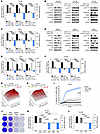 Figure 1
EZH2 and PI3K signaling pathway inhibitors synergize to kill advanced prostate cancer in vitro. (A, C, E, and F) Graphs depicting log2 fold-change of cell number after 4 days of combined treatment with EZH2 inhibitor (EZH2i) and PI3K/AKT/mTORC1 inhibitor in C4.2B (A), 22Rv1 (C), PC3 (E), and LNCaP (F) cells. n = 3. Note: AKT inhibitor and mTORC1 inhibitor experiments for LNCaP and PC3 (E and F) were performed in parallel and share the same DMSO and EZH2i data. EZH2 inhibitors: GSK-126 (GSK), tazemetostat (Taz). PI3K pathway inhibitors: PI3K inhibitor GDC-0941 (GDC), AKT inhibitor ipatasertib (Ipata), and mTORC1 inhibitor RMC-5552 (RMC). (B and D) Immunoblots confirming PI3K signaling (p-AKT, p-PRAS40, p-S6, p-4EBP1) and EZH2 (H3K27me3) target inhibition with relevant loading controls after 9 hours of treatment in C4.2B (B) and 22Rv1 (D). (G and H) Plot depicting synergy between EZH2 and AKT inhibitors using the HSA model of synergy in C4.2B (G) and 22Rv1 (H). Score > 10 indicates synergy. n = 2. (I) Graph depicting percentage of C4.2B cells undergoing apoptosis over time, as determined by a caspase-3/7 reporter and Incucyte imaging. n = 4 for AKTi and EZH2i; n = 5 for DMSO and combo. (J) Crystal violet staining of C4.2B cells after 3 weeks of cotreatment with EZH2 and AKT inhibitors. n = 3. (K) Graph depicting log2 fold-change of cell number after 4 days of combined treatment with EZH2i tazemetostat or EED inhibitor MAK683 (MAK) with AKT inhibitor ipatasertib in C4.2B. n = 3. (L) Graph depicting log2 fold-change of cell number after 4 days of combined treatment with EZH2i tazemetostat and AKT inhibitor capivasertib (Capi) in C4.2B. n = 3. Error bars represent ± SD, and P values were determined using 1-way ANOVA and Tukey’s test. ****P < 0.0001.
The 22Rv1 CRPC model does not harbor defects in PTEN but instead possesses a phosphatidylinositol-4,5-bisphosphate 3-kinase catalytic subunit alpha (PIK3CA) mutation. In this context PI3K pathway inhibitors were more effective at slowing proliferation than EZH2 inhibitors, but again only the combined inhibition of EZH2 and a PI3K pathway component resulted in a potent loss of cells after treatment (Figure 1, C and D). Interestingly, EZH2 and PI3K pathway inhibitors also cooperatively killed the AR-negative, castration-resistant PC3 cell model, albeit less well, suggesting that these cytotoxic effects are not dependent on AR (Figure 1E and Supplemental Figure 1D). Of note, these combinations were also effective in androgen-sensitive prostate cancer cells (LNCaP) (Figure 1F and Supplemental Figure 1E). Importantly, however, these agents were not generally cytotoxic, as EZH2 and AKT inhibitors exerted minimal effects on immortalized prostate epithelial cells and other unrelated cell lines lacking EZH2 and PI3K pathway defects (Supplemental Figure 1F).
Responses to combined EZH2/AKT or EZH2/PI3K inhibitors were synergistic, as reflected by the highest single agent (HSA) synergy model with scores > 10 in multiple cell lines (24) (Figure 1, G and H, and Supplemental Figure 1G). To determine whether cells were dying by apoptosis, Incucyte live-cell imaging (Sartorius) was performed with a caspase-3/7 reporter. Strikingly, combined EZH2 and AKT inhibitors triggered apoptosis in approximately 70% of cells within 40 hours, with apoptosis increasing and killing over 85% of cells in 4–5 days (Figure 1I). These responses were durable for ≥3 weeks, as illustrated by crystal violet staining of drug-treated cells (Figure 1J). Similar effects were observed when the EZH2 inhibitor was replaced with the EED inhibitor MAK683 (25), which inhibits another obligate component of the PRC2 complex (Figure 1K and Supplemental Figure 1H). The EZH2 inhibitor tazemetostat also cooperated with capivasertib, an FDA-approved AKT inhibitor (26) (Figure 1L).
EZH2 and PI3K/AKT pathway inhibitors promote tumor regression in CRPC models in vivo. We next evaluated these agents in cell and patient-derived xenograft tumor models. Similar to the design of in vitro studies, established tumors were pretreated for 1 week with EZH2 inhibitors, followed by the addition of vehicle or PI3K pathway inhibitors. The EZH2 inhibitor GSK-126 and the pan-PI3K inhibitor GDC-0941 were first evaluated in C4.2B xenografts, as a proof-of-principle study. While GSK-126 and GDC-0941 each slowed the growth of tumors, only the combined agents promoted tumor regression (Figure 2A).
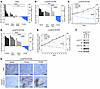 Figure 2
EZH2 and PI3K pathway inhibitors promote the regression of CRPC tumors in vivo. (A) Waterfall plot depicting log2 fold-change in tumor volume of established C4.2B xenografts in response to vehicle, EZH2 inhibitor GSK-126, and/or PI3K inhibitor GDC-0941 at endpoint (18–20 days, with 7 days of pretreatment with EZH2 inhibitor). (B and C) Waterfall plot at endpoint (B) or line graph (C) depicting log2 fold-change in tumor volume of established LuCaP35-CR PDX tumors treated with vehicle, EZH2 inhibitor tazemetostat, and/or AKT inhibitor ipatasertib (21 days, with 7 days of pretreatment with EZH2 inhibitor). * Denotes vehicle-treated mice that died on day 17 of study. (D and E) Waterfall plot at endpoint (D) or line graph (E) depicting log2 fold-change in tumor volume of established LuCaP70-CR PDX tumors treated with vehicle, tazemetostat, and/or ipatasertib at endpoint (28 days, with 7 days of pretreatment with EZH2 inhibitor). (F) Immunoblot confirms PI3K signaling and EZH2 target inhibition with relevant loading controls in 2 independent combination-treated LuCaP70-CR PDX tumors after 3 days of cotreatment versus tumors from vehicle-treated mice. (G) Immunohistochemistry images showing a decrease in the proliferation marker Ki67 and an increase in the apoptotic marker cleaved caspase-3 in 2 independent combination-treated tumors after 3 days of treatment with EZH2 and AKT inhibitors in LuCaP35-CR PDX tumors. Error bars represent ± SEM, and P values were determined using 1-way ANOVA and Tukey’s test. **P < 0.01; ****P < 0.0001.
Patient-derived CRPC tumor models were then selected for further study with more clinically relevant agents. Specifically, the EZH2 inhibitor tazemetostat and the AKT inhibitor ipatasertib were evaluated in LuCaP35-CR and LuCaP70-CR patient-derived xenograft (PDX) models, which both harbor alterations in PTEN and express high levels of EZH2 (27). In each of these models, tazemetostat and ipatasertib alone exerted minimal effects. However, LuCaP35-CR tumors shrank on average by 51.6% in response to both agents (Figure 2, B and C), and LuCaP70-CR tumors also regressed on average by 29.7% (Figure 2, D and E). These combinations were well tolerated in mice, as assessed by body condition scoring and weight loss (Supplemental Figure 2). Immunoblots derived from tumors on treatment confirmed effective target inhibition in vivo (Figure 2F). Additionally, tumors exposed to EZH2 and AKT inhibitors exhibited a decrease in proliferation, demonstrated by reduced anti-Ki67 staining, and an increase in apoptosis, marked by cleaved caspase-3 expression, within 3 days of combined treatment (Figure 2G). Thus, EZH2 and PI3K pathway inhibitors together promote the regression of robust CRPC models in vivo.
EZH2 and PI3K pathway inhibitors cooperatively suppress glycolysis and oxidative phosphorylation, resulting in a catastrophic energy crisis. To elucidate the mechanism of action, we performed RNA-seq in cells treated with tazemetostat, ipatasertib, or both agents after 24 hours, before cell death. An unbiased analysis of transcriptional profiles using gene set enrichment analysis (GSEA) (28–30) demonstrated that the top signatures were associated with multiple metabolic pathways, including glycolysis and oxidative phosphorylation, which were potently suppressed in response to combined EZH2 and AKT inhibitors (Figure 3A). Additionally, we observed a substantial decrease in target genes of MYC, a transcription factor known to critically regulate glycolysis, oxidative phosphorylation, and amino acid metabolism (31–34) (Figure 3A). Single sample GSEA (ssGSEA) analysis of transcriptional profiles from all 4 treatment arms further revealed that EZH2 and AKT inhibitors cooperatively suppressed genes associated with glycolysis, the TCA cycle, and oxidative phosphorylation in CRPC cells (Figure 3B). Transcriptional heatmaps illustrating the cooperative effects on individual genes within these pathways are shown in Supplemental Figure 3A. Similar results were obtained when cells were treated with PI3K inhibitor GDC-0941 and EZH2 inhibitor GSK-126 (Supplemental Figure 3B).
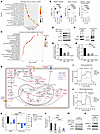 Figure 3
EZH2 and PI3K pathway inhibitors cooperatively suppress glycolysis and oxidative phosphorylation, triggering a catastrophic energy crisis. (A) RNA-seq GSEA depicting significantly downregulated Hallmark gene sets in C4.2B treated for 24 hours with combination of EZH2i tazemetostat and AKTi ipatasertib compared with DMSO (FDR < 0.25). n = 3. (B) ssGSEA highlights cooperative suppression of glycolysis, TCA cycle, and oxidative phosphorylation. KEGG, Kyoto Encyclopedia of Genes and Genomes. (C) Plot of steady-state metabolomics data showing top 25 pathways that decrease after 6 hours of combo in C4.2B. n = 3. (D) Metabolism map comparing gene expression of enzymes (circled) and metabolite levels in glycolysis and TCA cycle in C4.2B. Red indicates genes/metabolites that decrease; blue marks genes/metabolites that increase with combo. Created using BioRender. (E and F) Immunoblot showing decrease of HK2 and GLUT1 within 9 hours of combo in C4.2B (E) and after 2–3 days of combo in LuCaP70-CR PDX (F). (G and H) Graph depicting relative changes in glucose (G) and lactate (H) in C4.2B culture media after 24 hours of combo. n = 3. (I and J) Graphs of Seahorse glycolysis stress test (I) and mitochondrial stress test (J) normalized to C4.2B cell counts after 12 hours of combo. Error bars represent ± SEM. n = 7 for DMSO and AKTi, n = 8 for EZH2i and combo. ECAR, extracellular acidification rate. OCR, oxygen consumption rate.(K) Log2 fold-change of cell number over 4 days of treatment with glycolysis inhibitor 2-DG or oxidative phosphorylation inhibitor rotenone with EZH2i in C4.2B. n = 3. (L) Graph of ATP produced per C4.2B cell after 24 hours of EZH2i and AKTi. n = 6. (M and N) Immunoblot depicting p-AMPK induction after 24 hours of combo in C4.2B (M) and 4 days of combo in LuCaP70-CR PDX (N). Unless otherwise noted, error bars represent ± SD. P values were determined using 1-way ANOVA and Tukey’s test. **P < 0.01; ***P < 0.001; ****P < 0.0001.
To determine whether these transcriptional events were accompanied by metabolic changes, steady-state metabolomics was performed 6 hours after combined treatment with EZH2 and AKT inhibitors (note that cells were pretreated with EZH2 inhibitors where indicated). Strikingly, even at this early time point, dramatic changes in glycolysis, the TCA cycle, and the electron transport chain were observed in cells treated with both agents (Figure 3C). To summarize, a cartoon depicting the broad suppression of various metabolites together with the transcriptional suppression of regulatory genes is shown in Figure 3D, where all suppressed metabolites (listed) and genes (circled) are depicted in red. Western blots confirmed that EZH2 and AKT inhibitors rapidly suppressed the expression of HK2, the rate-limiting enzyme of glycolysis, and GLUT1, the major glucose transporter (32) (Figure 3E and Supplemental Figure 3C). Specifically, EZH2 inhibition alone suppressed GLUT1 whereas EZH2 and AKT inhibitors cooperatively decreased the expression of HK2 (Figure 3E and Supplemental Figure 3C). Importantly, both HK2 and GLUT1 expression were also potently suppressed in PDX tumor tissue after only 2–3 days of treatment with the combination in vivo (Figure 3F).
The decrease in GLUT1 and HK2 expression, as well as the potent reduction in glycolysis and oxidative phosphorylation genes and metabolites, prompted us to measure changes in glycolysis and mitochondrial respiration. Indeed, together EZH2 and AKT inhibitors cooperatively blocked glucose uptake (Figure 3G) and lactate secretion (Figure 3H), demonstrating that glucose is not being utilized for glycolysis. Seahorse glycolysis and mitochondrial stress tests (Agilent) further confirmed that EZH2 and AKT inhibitors cooperatively suppressed both glycolysis and mitochondrial respiration at early time points before cell death (Figure 3, I and J, and Supplemental Figure 3, D and E). To determine whether we could prevent cell death by merely bypassing the suppressive effects on glucose uptake/glycolysis, we added exogenous pyruvate. However, the addition of pyruvate did not alter the cytotoxic effect of EZH2 and AKT inhibitors (Supplemental Figure 3F), consistent with the observation that these agents also independently suppress genes that regulate the TCA cycle and oxidative phosphorylation.
To confirm a metabolic role for EZH2 inhibition, tazemetostat was combined with either the glycolysis inhibitor 2-deoxy-d-glucose (2-DG) or an oxidative phosphorylation inhibitor, rotenone. Although these metabolic agents alone exerted cytostatic or partially cytostatic effects, when either agent was combined with tazemetostat, potent cytotoxic responses were observed (Figure 3K). Consistent with a collapse of cellular energy metabolism, ATP levels were potently suppressed in response to EZH2 and AKT inhibitors within 24 hours (Figure 3L). In addition, AMPK, a sensor of low ATP levels and therefore low cellular energy, was activated by phosphorylation, both in vitro (Figure 3M) and in vivo in tumors treated with both drugs (Figure 3N). Together, these data demonstrate that while EZH2 and AKT inhibitors each modestly reduce energy metabolism, when combined they drive a catastrophic energy crisis and ultimately cell death in CRPC.
Metabolic assays and steady-state metabolomics all revealed that combined EZH2 and AKT inhibitors exerted profound effects on metabolism within 6 hours (Figure 3, C and D, and Supplemental Figure 3, D and E), well before the initiation of apoptosis (Figure 1I), supporting the possibility that metabolic suppression could be a cause rather than an effect of cell death. Nevertheless, we sought to confirm that inhibition of metabolic transcriptional signatures was not a general feature of dying cells. Importantly, these signatures were not suppressed when EZH2 inhibitors were combined with MEK inhibitors, which killed colorectal cancer models (Supplemental Figure 3G) (35). Thus, the cooperative inhibition of these major metabolic pathways is not a general feature of cell death, even in the context of other EZH2 inhibitor–based combinations (35).
EZH2 and PI3K/AKT inhibitors function by suppressing major metabolism regulators: MYC and HIF-1A. Given the broad effects of these agents on metabolism and their regulatory genes, we considered transcription factors that are known to regulate metabolism. As shown in Figure 3A, MYC target signatures were substantially decreased in cells treated with EZH2 and AKT inhibitors. Notably, MYC regulates both glycolysis and oxidative phosphorylation genes (31–34), and MYC overexpression has been shown to enhance glycolysis (36) and oxidative phosphorylation (37) in prostate cancer. We also considered HIF-1A, another transcription factor known to regulate most glycolytic genes (38). In fact, HIF-1A and MYC overexpression have both been associated with aggressive prostate cancer (37, 39–42). ssGSEA revealed that MYC and HIF-1A signatures were both suppressed by EZH2 and AKT inhibitors (Figure 4A). Interestingly, MYC transcriptional signatures were more potently inhibited by EZH2 inhibition, whereas HIF-1A target gene signature was primarily suppressed by the AKT inhibitor. Importantly, these transcriptional changes included the potent suppression of glycolysis and oxidative phosphorylation target genes of HIF-1A and MYC (Figure 4B). Immunoblotting further demonstrated that EZH2 inhibition alone was sufficient to inhibit MYC protein expression and the AKT inhibitor was sufficient to inhibit HIF-1A protein expression in multiple prostate cancer cell lines (Figure 4C and Supplemental Figure 4A).
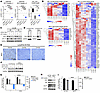 Figure 4
EZH2 and AKT inhibitors function by suppressing major metabolism regulators: MYC and HIF-1A. (A) RNA-seq ssGSEA in C4.2B cells shows that HIF-1A and MYC transcriptional targets are suppressed by AKTi ipatasertib and EZH2i tazemetostat. n = 3. (B) Heatmaps depicting changes in gene expression of known MYC and HIF-1A glycolysis and oxidative phosphorylation target genes in response to EZH2 and AKT inhibitors. n = 3. (C) Immunoblot highlighting decrease of MYC with EZH2 inhibition and HIF-1A with AKT inhibition in C4.2B after 6 and 9 hours of combination treatment. GAPDH is used as a loading control. (D) Immunoblot showing decrease of MYC and HIF-1A in LuCaP70-CR PDX tumor tissue after 2–3 days of combination treatment. Each lane indicates an independent tumor. Note: these blots are from the same experiment and have the same loading controls as Figure 3F. (E) Immunohistochemistry images of LuCaP35-CR PDX tumor tissue depicting decrease in MYC staining in 2 independent tumors after 3 days of combination treatment with EZH2 and AKT inhibitors. (F and G) Immunoblot after 9 hours (F) and bar graph showing log2 fold-change of cell number after 4 days (G) of cotreatment with EZH2i and AKTi in C4.2B cells cultured in media with or without cobalt chloride (CoCl2) to stabilize HIF-1A protein levels. n = 3. (H and I) Immunoblot after 24 hours (H) and graph depicting log2 fold-change in cell number after 4 days (I) of treatment with AKTi in C4.2B cells with or without knockdown of MYC. n = 3. Error bars represent ± SD, and P values were determined using 1-way ANOVA and Tukey’s test. * P < 0.05; **** P < 0.0001; NS, P > 0.05 or not significant.
PI3K pathway activation is well known to regulate HIF-1A expression, largely by enhancing its translation (43), consistent with the suppressive effect of PI3K/AKT inhibitors on HIF-1A protein expression in CRPC (Figure 4C and Supplemental Figure 4A). Accordingly, mTORC1 inhibition also suppressed HIF-1A expression in CRPC (Supplemental Figure 4B). However, MYC suppression is not a general response to EZH2 inhibition and is not observed in colorectal cancer, triple-negative breast cancer, or other noncancerous cells (Supplemental Figure 4C). Nevertheless, immunoblots and immunohistochemical analysis confirmed the potent decrease in both MYC and HIF-1A in PDX tumor tissue treated with EZH2 and AKT inhibitors, before tumor regression (Figure 4, D and E), consistent with the notion that concomitant suppression of these 2 major metabolic regulators, HIF-1A and MYC, may contribute to the therapeutic response in CRPC.
To first investigate whether HIF-1A suppression was required, cells were treated with cobalt chloride, which stabilizes HIF-1A by preventing its hydroxylation and subsequent recognition by the ubiquitin ligase VHL (44). Cobalt chloride partially stabilized HIF-1A in the presence of EZH2 and AKT inhibitors (Figure 4F) and decreased the sensitivity of cells to this therapeutic combination (Figure 4G). We were unable to ectopically express MYC in these cells using multiple methods, in part, due to its known toxicity when overexpressed in many settings. Therefore, to determine whether the decrease in MYC by EZH2 inhibitor might be contributing to the therapeutic response, we instead ablated MYC expression with pooled siRNA sequences. We initially hypothesized that MYC knockdown might recapitulate the effects of tazemetostat and cooperate with ipatasertib to suppress metabolic genes and kill cells. Indeed, MYC ablation inhibited the expression of GLUT1 and cooperatively suppressed the expression of HK2, similar to our previous observations (Figure 4H). Moreover, while MYC or AKT suppression alone exerted minimal effects on proliferation, together they exerted a profound cytostatic response (Figure 4I). Nevertheless, combined suppression of MYC and AKT did not recapitulate the robust cytotoxic response conferred by EZH2 and AKT inhibitors (Figure 4G and throughout this study). Additional metabolic studies suggested that tazemetostat may exert slightly greater effects than MYC knockdown in this therapeutic context, which could contribute to the enhanced response (Supplemental Figure 4D); however, we also considered the possibility that additional nonmetabolic targets of EZH2 might also play a role in driving apoptosis.
EZH2 inhibition concomitantly derepresses a sensor of cellular stress that drives apoptosis. To identify additional signals that might be involved in triggering apoptosis, we examined the expression of Bcl-2 family members. Interestingly, the proapoptotic protein BMF was the most highly upregulated Bcl-2 family member in response to these agents (Figure 5A). BMF is a stress sensor that is normally sequestered in an inactive state; however, in response to a variety of cellular stresses, it binds and neutralizes prosurvival BH3-containing proteins, thereby triggering apoptosis (45, 46). Specifically, we found that BMF was upregulated by more than 10-fold in CRPC models in response to EZH2 or EZH2/AKT inhibition (Figure 5B and Supplemental Figure 5A). CUT&TAG using an H3K27me3 antibody further demonstrated that repressive H3K27me3 marks were present on histones throughout the BMF locus (Figure 5C) and at upstream sites (Supplemental Figure 5B), which were lost upon treatment with tazemetostat or the combination (Figure 5C and Supplemental Figure 5B). Accordingly, EZH2 inhibition was sufficient to dramatically increase both BMF mRNA and protein expression (Figure 5, B and D, and Supplemental Figure 5C), suggesting that the PRC2 complex normally represses the BMF locus and that EZH2 inhibitors relieve this repression. To determine if BMF was required for the therapeutic response to EZH2 and AKT inhibitors, BMF was ablated with pooled siRNA sequences. Indeed, BMF suppression prevented the cytotoxicity conferred by EZH2 and AKT inhibitors (Figure 5, E and F). Together these findings demonstrate that BMF upregulation is required for cell death; however, upregulation alone is not sufficient, consistent with the known function and regulation of BMF, which triggers apoptosis but only when it senses cellular stress (45, 46).
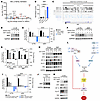 Figure 5
EZH2 inhibition concomitantly derepresses a sensor of cellular stress that drives apoptosis. (A) Volcano plot comparing expression of BCL-2 family members in C4.2B treated with combination of EZH2i tazemetostat and AKTi ipatasertib compared with DMSO. (B) Normalized RNA-seq counts of proapoptotic protein BMF in C4.2B cells treated with EZH2i and/or AKTi. n = 3. Significance determined by DESeq2 adjusted P value. (C) CUT&TAG reveals loss of H3K27me3 along the BMF gene in EZH2i-treated C4.2B. n = 2. (D) Immunoblot depicting induction of BMF with EZH2i, with or without AKTi, after 24 hours of combo in C4.2B. (E) Log2 fold-change in cell number after 4 days of combo in C4.2B, with or without BMF knockdown. n = 3. (F) Immunoblot confirms BMF knockdown after 24 hours of treatment. (G) Log2 fold-change in cell number after 4 days of AKTi in C4.2B cells that express BMF and have MYC knocked down via siRNA (and relevant controls). n = 3. (H) Immunoblot confirms BMF expression, MYC knockdown, GLUT1 suppression, and HIF-1A suppression by AKTi after 24 hours. (I) Log2 fold-change in cell number after 4 days of treatment with glycolysis inhibitor 2-DG or oxidative phosphorylation inhibitor rotenone with EZH2i in C4.2B — with or without BMF knockdown. n = 3. (J) Immunoblot showing induction of BMF in LuCaP70-CR PDX tumors after 4 days of cotreatment with EZH2i and AKTi. Note: these blots are from the same experiment and have the same loading control as Figure 3N. (K) Immunoblot showing changes in BMF, MYC, HIF-1A, HK2, and GLUT1 with AKTi and EZH2i in C4.2B. (L) Model of cell death caused by inhibitors of the PRC2 complex (EZH2 or EED) combined with inhibitors of the PI3K pathway (PI3K, AKT, or mTORC1) in CRPC. Created using BioRender. Error bars represent ± SD, and P values were determined using 1-way ANOVA and Tukey’s test. ***P < 0.001; ****P < 0.0001.
We previously reported that EZH2 and histone deacetylase (HDAC) inhibitors can cooperatively kill prostate cancers through the induction of a different stress response gene, activating transcription factor 3 (ATF3) (11). ATF3 was not induced by EZH2 and AKT inhibitors, consistent with the known additional requirement of HDAC suppression for histone deacetylation and transcriptional activation of the ATF3 locus (Supplemental Figure 5D) (11). However, because EZH2 inhibition is sufficient for BMF expression, it was indeed upregulated by EZH2 and HDAC inhibitors (Supplemental Figure 5D). Moreover, BMF ablation also impaired the therapeutic response to these agents (Supplemental Figure 5E), suggesting that ATF3 and BMF collaboratively function in this former therapeutic context and underscoring BMF’s importance in broadly mediating cell death in response to cellular stress in prostate cancer.
Based on these findings, we hypothesized that EZH2 and AKT inhibitors potently suppress glycolysis and oxidative phosphorylation by decreasing MYC and HIF-1A protein levels, respectively, which triggers an energy crisis that BMF senses. Consistent with this model, ectopic expression of BMF was able to kill CRPC cells only when there was both a suppression of MYC (by siRNAs) and a decrease in HIF-1A (by the AKT inhibitor) (Figure 5, G and H). Conversely, when glycolysis or oxidative phosphorylation inhibitors were combined with tazemetostat, BMF ablation prevented the cytotoxic response, supporting the notion that BMF is required to kill cells in response to energy stress (Figure 5I). Importantly, the potent induction of BMF was observed in multiple cell lines (Figure 5D and Supplemental Figure 5C) and in PDX tumors upon treatment in vivo (Figure 5J). This striking increase in BMF was observed alongside the potent suppression of metabolic targets MYC, HIF-1A, GLUT1, and HK2 (Figure 5K). Together, these findings demonstrate that EZH2 and PI3K pathway inhibitors kill CRPC by promoting irresolvable metabolic stress. EZH2 inhibitors concomitantly increase BMF expression, which then acts as a sensor of this energy crisis and triggers apoptosis (Figure 5L).


Copyright © 2026 American Society for Clinical Investigation
ISSN: 0021-9738 (print), 1558-8238 (online)