
Advertisement
- Corrigendum (September 2026)
Research ArticleGeneticsOncology
Open Access |  10.1172/JCI201639
Genome-wide CRISPR screen identifies a cytokine-enhancer circuit driving HIF-2α activation in renal cancer
Jun Fang,1 Jeremy M. Simon,2,3 Tao Wang,1 Yunpeng Gao,1 Xianju Bi,4 Lianxin Hu,5 Chengheng Liao,1 Cheng Zhang,1 Yayoi Adachi,1 Jin Zhou,1 Hongyi Liu,1 Qian Liang,1 James A. Nathan,6 Ram Mani,1 James Brugarolas,7,8 and Qing Zhang1,9
1Department of Pathology, University of Texas Southwestern Medical Center, Dallas, Texas, USA.
2Department of Data Science, Dana-Farber Cancer Institute, Boston, Massachusetts, USA.
3Department of Biostatistics, Harvard T.H. Chan School of Public Health, Boston, Massachusetts, USA.
4Department of Molecular Biology, University of Texas Southwestern Medical Center, Dallas, Texas, USA.
5Department of Urology, Institute of Urologic Science and Technology, The First Affiliated Hospital, School of Medicine, Zhejiang University, Hangzhou, Zhejiang, China.
6Cambridge Institute of Therapeutic Immunology and Infectious Disease (CITIID), Jeffrey Cheah Biomedical Centre, Department of Medicine, University of Cambridge, Cambridge, United Kingdom.
7Kidney Cancer Program, Simmons Comprehensive Cancer Center,
8Department of Internal Medicine, and
9Simmons Comprehensive Cancer Center, University of Texas Southwestern Medical Center, Dallas, Texas, USA.
Address correspondence to: Qing Zhang, UT Southwestern Medical Center, 5323 Harry Hines Blvd., NB7.208, Dallas, Texas 75390-9072, USA. Phone: 214.645.4671; Email: Qing.Zhang@UTSouthwestern.edu.
Find articles by Fang, J. in: PubMed | Google Scholar
1Department of Pathology, University of Texas Southwestern Medical Center, Dallas, Texas, USA.
2Department of Data Science, Dana-Farber Cancer Institute, Boston, Massachusetts, USA.
3Department of Biostatistics, Harvard T.H. Chan School of Public Health, Boston, Massachusetts, USA.
4Department of Molecular Biology, University of Texas Southwestern Medical Center, Dallas, Texas, USA.
5Department of Urology, Institute of Urologic Science and Technology, The First Affiliated Hospital, School of Medicine, Zhejiang University, Hangzhou, Zhejiang, China.
6Cambridge Institute of Therapeutic Immunology and Infectious Disease (CITIID), Jeffrey Cheah Biomedical Centre, Department of Medicine, University of Cambridge, Cambridge, United Kingdom.
7Kidney Cancer Program, Simmons Comprehensive Cancer Center,
8Department of Internal Medicine, and
9Simmons Comprehensive Cancer Center, University of Texas Southwestern Medical Center, Dallas, Texas, USA.
Address correspondence to: Qing Zhang, UT Southwestern Medical Center, 5323 Harry Hines Blvd., NB7.208, Dallas, Texas 75390-9072, USA. Phone: 214.645.4671; Email: Qing.Zhang@UTSouthwestern.edu.
Find articles by Simon, J. in: PubMed | Google Scholar
1Department of Pathology, University of Texas Southwestern Medical Center, Dallas, Texas, USA.
2Department of Data Science, Dana-Farber Cancer Institute, Boston, Massachusetts, USA.
3Department of Biostatistics, Harvard T.H. Chan School of Public Health, Boston, Massachusetts, USA.
4Department of Molecular Biology, University of Texas Southwestern Medical Center, Dallas, Texas, USA.
5Department of Urology, Institute of Urologic Science and Technology, The First Affiliated Hospital, School of Medicine, Zhejiang University, Hangzhou, Zhejiang, China.
6Cambridge Institute of Therapeutic Immunology and Infectious Disease (CITIID), Jeffrey Cheah Biomedical Centre, Department of Medicine, University of Cambridge, Cambridge, United Kingdom.
7Kidney Cancer Program, Simmons Comprehensive Cancer Center,
8Department of Internal Medicine, and
9Simmons Comprehensive Cancer Center, University of Texas Southwestern Medical Center, Dallas, Texas, USA.
Address correspondence to: Qing Zhang, UT Southwestern Medical Center, 5323 Harry Hines Blvd., NB7.208, Dallas, Texas 75390-9072, USA. Phone: 214.645.4671; Email: Qing.Zhang@UTSouthwestern.edu.
Find articles by Wang, T. in: PubMed | Google Scholar
1Department of Pathology, University of Texas Southwestern Medical Center, Dallas, Texas, USA.
2Department of Data Science, Dana-Farber Cancer Institute, Boston, Massachusetts, USA.
3Department of Biostatistics, Harvard T.H. Chan School of Public Health, Boston, Massachusetts, USA.
4Department of Molecular Biology, University of Texas Southwestern Medical Center, Dallas, Texas, USA.
5Department of Urology, Institute of Urologic Science and Technology, The First Affiliated Hospital, School of Medicine, Zhejiang University, Hangzhou, Zhejiang, China.
6Cambridge Institute of Therapeutic Immunology and Infectious Disease (CITIID), Jeffrey Cheah Biomedical Centre, Department of Medicine, University of Cambridge, Cambridge, United Kingdom.
7Kidney Cancer Program, Simmons Comprehensive Cancer Center,
8Department of Internal Medicine, and
9Simmons Comprehensive Cancer Center, University of Texas Southwestern Medical Center, Dallas, Texas, USA.
Address correspondence to: Qing Zhang, UT Southwestern Medical Center, 5323 Harry Hines Blvd., NB7.208, Dallas, Texas 75390-9072, USA. Phone: 214.645.4671; Email: Qing.Zhang@UTSouthwestern.edu.
Find articles by
Gao, Y.
in:
PubMed
|
Google Scholar
|

1Department of Pathology, University of Texas Southwestern Medical Center, Dallas, Texas, USA.
2Department of Data Science, Dana-Farber Cancer Institute, Boston, Massachusetts, USA.
3Department of Biostatistics, Harvard T.H. Chan School of Public Health, Boston, Massachusetts, USA.
4Department of Molecular Biology, University of Texas Southwestern Medical Center, Dallas, Texas, USA.
5Department of Urology, Institute of Urologic Science and Technology, The First Affiliated Hospital, School of Medicine, Zhejiang University, Hangzhou, Zhejiang, China.
6Cambridge Institute of Therapeutic Immunology and Infectious Disease (CITIID), Jeffrey Cheah Biomedical Centre, Department of Medicine, University of Cambridge, Cambridge, United Kingdom.
7Kidney Cancer Program, Simmons Comprehensive Cancer Center,
8Department of Internal Medicine, and
9Simmons Comprehensive Cancer Center, University of Texas Southwestern Medical Center, Dallas, Texas, USA.
Address correspondence to: Qing Zhang, UT Southwestern Medical Center, 5323 Harry Hines Blvd., NB7.208, Dallas, Texas 75390-9072, USA. Phone: 214.645.4671; Email: Qing.Zhang@UTSouthwestern.edu.
Find articles by Bi, X. in: PubMed | Google Scholar
1Department of Pathology, University of Texas Southwestern Medical Center, Dallas, Texas, USA.
2Department of Data Science, Dana-Farber Cancer Institute, Boston, Massachusetts, USA.
3Department of Biostatistics, Harvard T.H. Chan School of Public Health, Boston, Massachusetts, USA.
4Department of Molecular Biology, University of Texas Southwestern Medical Center, Dallas, Texas, USA.
5Department of Urology, Institute of Urologic Science and Technology, The First Affiliated Hospital, School of Medicine, Zhejiang University, Hangzhou, Zhejiang, China.
6Cambridge Institute of Therapeutic Immunology and Infectious Disease (CITIID), Jeffrey Cheah Biomedical Centre, Department of Medicine, University of Cambridge, Cambridge, United Kingdom.
7Kidney Cancer Program, Simmons Comprehensive Cancer Center,
8Department of Internal Medicine, and
9Simmons Comprehensive Cancer Center, University of Texas Southwestern Medical Center, Dallas, Texas, USA.
Address correspondence to: Qing Zhang, UT Southwestern Medical Center, 5323 Harry Hines Blvd., NB7.208, Dallas, Texas 75390-9072, USA. Phone: 214.645.4671; Email: Qing.Zhang@UTSouthwestern.edu.
Find articles by Hu, L. in: PubMed | Google Scholar
1Department of Pathology, University of Texas Southwestern Medical Center, Dallas, Texas, USA.
2Department of Data Science, Dana-Farber Cancer Institute, Boston, Massachusetts, USA.
3Department of Biostatistics, Harvard T.H. Chan School of Public Health, Boston, Massachusetts, USA.
4Department of Molecular Biology, University of Texas Southwestern Medical Center, Dallas, Texas, USA.
5Department of Urology, Institute of Urologic Science and Technology, The First Affiliated Hospital, School of Medicine, Zhejiang University, Hangzhou, Zhejiang, China.
6Cambridge Institute of Therapeutic Immunology and Infectious Disease (CITIID), Jeffrey Cheah Biomedical Centre, Department of Medicine, University of Cambridge, Cambridge, United Kingdom.
7Kidney Cancer Program, Simmons Comprehensive Cancer Center,
8Department of Internal Medicine, and
9Simmons Comprehensive Cancer Center, University of Texas Southwestern Medical Center, Dallas, Texas, USA.
Address correspondence to: Qing Zhang, UT Southwestern Medical Center, 5323 Harry Hines Blvd., NB7.208, Dallas, Texas 75390-9072, USA. Phone: 214.645.4671; Email: Qing.Zhang@UTSouthwestern.edu.
Find articles by
Liao, C.
in:
PubMed
|
Google Scholar
|
1Department of Pathology, University of Texas Southwestern Medical Center, Dallas, Texas, USA.
2Department of Data Science, Dana-Farber Cancer Institute, Boston, Massachusetts, USA.
3Department of Biostatistics, Harvard T.H. Chan School of Public Health, Boston, Massachusetts, USA.
4Department of Molecular Biology, University of Texas Southwestern Medical Center, Dallas, Texas, USA.
5Department of Urology, Institute of Urologic Science and Technology, The First Affiliated Hospital, School of Medicine, Zhejiang University, Hangzhou, Zhejiang, China.
6Cambridge Institute of Therapeutic Immunology and Infectious Disease (CITIID), Jeffrey Cheah Biomedical Centre, Department of Medicine, University of Cambridge, Cambridge, United Kingdom.
7Kidney Cancer Program, Simmons Comprehensive Cancer Center,
8Department of Internal Medicine, and
9Simmons Comprehensive Cancer Center, University of Texas Southwestern Medical Center, Dallas, Texas, USA.
Address correspondence to: Qing Zhang, UT Southwestern Medical Center, 5323 Harry Hines Blvd., NB7.208, Dallas, Texas 75390-9072, USA. Phone: 214.645.4671; Email: Qing.Zhang@UTSouthwestern.edu.
Find articles by Zhang, C. in: PubMed | Google Scholar
1Department of Pathology, University of Texas Southwestern Medical Center, Dallas, Texas, USA.
2Department of Data Science, Dana-Farber Cancer Institute, Boston, Massachusetts, USA.
3Department of Biostatistics, Harvard T.H. Chan School of Public Health, Boston, Massachusetts, USA.
4Department of Molecular Biology, University of Texas Southwestern Medical Center, Dallas, Texas, USA.
5Department of Urology, Institute of Urologic Science and Technology, The First Affiliated Hospital, School of Medicine, Zhejiang University, Hangzhou, Zhejiang, China.
6Cambridge Institute of Therapeutic Immunology and Infectious Disease (CITIID), Jeffrey Cheah Biomedical Centre, Department of Medicine, University of Cambridge, Cambridge, United Kingdom.
7Kidney Cancer Program, Simmons Comprehensive Cancer Center,
8Department of Internal Medicine, and
9Simmons Comprehensive Cancer Center, University of Texas Southwestern Medical Center, Dallas, Texas, USA.
Address correspondence to: Qing Zhang, UT Southwestern Medical Center, 5323 Harry Hines Blvd., NB7.208, Dallas, Texas 75390-9072, USA. Phone: 214.645.4671; Email: Qing.Zhang@UTSouthwestern.edu.
Find articles by Adachi, Y. in: PubMed | Google Scholar
1Department of Pathology, University of Texas Southwestern Medical Center, Dallas, Texas, USA.
2Department of Data Science, Dana-Farber Cancer Institute, Boston, Massachusetts, USA.
3Department of Biostatistics, Harvard T.H. Chan School of Public Health, Boston, Massachusetts, USA.
4Department of Molecular Biology, University of Texas Southwestern Medical Center, Dallas, Texas, USA.
5Department of Urology, Institute of Urologic Science and Technology, The First Affiliated Hospital, School of Medicine, Zhejiang University, Hangzhou, Zhejiang, China.
6Cambridge Institute of Therapeutic Immunology and Infectious Disease (CITIID), Jeffrey Cheah Biomedical Centre, Department of Medicine, University of Cambridge, Cambridge, United Kingdom.
7Kidney Cancer Program, Simmons Comprehensive Cancer Center,
8Department of Internal Medicine, and
9Simmons Comprehensive Cancer Center, University of Texas Southwestern Medical Center, Dallas, Texas, USA.
Address correspondence to: Qing Zhang, UT Southwestern Medical Center, 5323 Harry Hines Blvd., NB7.208, Dallas, Texas 75390-9072, USA. Phone: 214.645.4671; Email: Qing.Zhang@UTSouthwestern.edu.
Find articles by Zhou, J. in: PubMed | Google Scholar
1Department of Pathology, University of Texas Southwestern Medical Center, Dallas, Texas, USA.
2Department of Data Science, Dana-Farber Cancer Institute, Boston, Massachusetts, USA.
3Department of Biostatistics, Harvard T.H. Chan School of Public Health, Boston, Massachusetts, USA.
4Department of Molecular Biology, University of Texas Southwestern Medical Center, Dallas, Texas, USA.
5Department of Urology, Institute of Urologic Science and Technology, The First Affiliated Hospital, School of Medicine, Zhejiang University, Hangzhou, Zhejiang, China.
6Cambridge Institute of Therapeutic Immunology and Infectious Disease (CITIID), Jeffrey Cheah Biomedical Centre, Department of Medicine, University of Cambridge, Cambridge, United Kingdom.
7Kidney Cancer Program, Simmons Comprehensive Cancer Center,
8Department of Internal Medicine, and
9Simmons Comprehensive Cancer Center, University of Texas Southwestern Medical Center, Dallas, Texas, USA.
Address correspondence to: Qing Zhang, UT Southwestern Medical Center, 5323 Harry Hines Blvd., NB7.208, Dallas, Texas 75390-9072, USA. Phone: 214.645.4671; Email: Qing.Zhang@UTSouthwestern.edu.
Find articles by Liu, H. in: PubMed | Google Scholar
1Department of Pathology, University of Texas Southwestern Medical Center, Dallas, Texas, USA.
2Department of Data Science, Dana-Farber Cancer Institute, Boston, Massachusetts, USA.
3Department of Biostatistics, Harvard T.H. Chan School of Public Health, Boston, Massachusetts, USA.
4Department of Molecular Biology, University of Texas Southwestern Medical Center, Dallas, Texas, USA.
5Department of Urology, Institute of Urologic Science and Technology, The First Affiliated Hospital, School of Medicine, Zhejiang University, Hangzhou, Zhejiang, China.
6Cambridge Institute of Therapeutic Immunology and Infectious Disease (CITIID), Jeffrey Cheah Biomedical Centre, Department of Medicine, University of Cambridge, Cambridge, United Kingdom.
7Kidney Cancer Program, Simmons Comprehensive Cancer Center,
8Department of Internal Medicine, and
9Simmons Comprehensive Cancer Center, University of Texas Southwestern Medical Center, Dallas, Texas, USA.
Address correspondence to: Qing Zhang, UT Southwestern Medical Center, 5323 Harry Hines Blvd., NB7.208, Dallas, Texas 75390-9072, USA. Phone: 214.645.4671; Email: Qing.Zhang@UTSouthwestern.edu.
Find articles by Liang, Q. in: PubMed | Google Scholar
1Department of Pathology, University of Texas Southwestern Medical Center, Dallas, Texas, USA.
2Department of Data Science, Dana-Farber Cancer Institute, Boston, Massachusetts, USA.
3Department of Biostatistics, Harvard T.H. Chan School of Public Health, Boston, Massachusetts, USA.
4Department of Molecular Biology, University of Texas Southwestern Medical Center, Dallas, Texas, USA.
5Department of Urology, Institute of Urologic Science and Technology, The First Affiliated Hospital, School of Medicine, Zhejiang University, Hangzhou, Zhejiang, China.
6Cambridge Institute of Therapeutic Immunology and Infectious Disease (CITIID), Jeffrey Cheah Biomedical Centre, Department of Medicine, University of Cambridge, Cambridge, United Kingdom.
7Kidney Cancer Program, Simmons Comprehensive Cancer Center,
8Department of Internal Medicine, and
9Simmons Comprehensive Cancer Center, University of Texas Southwestern Medical Center, Dallas, Texas, USA.
Address correspondence to: Qing Zhang, UT Southwestern Medical Center, 5323 Harry Hines Blvd., NB7.208, Dallas, Texas 75390-9072, USA. Phone: 214.645.4671; Email: Qing.Zhang@UTSouthwestern.edu.
Find articles by
Nathan, J.
in:
PubMed
|
Google Scholar
|
1Department of Pathology, University of Texas Southwestern Medical Center, Dallas, Texas, USA.
2Department of Data Science, Dana-Farber Cancer Institute, Boston, Massachusetts, USA.
3Department of Biostatistics, Harvard T.H. Chan School of Public Health, Boston, Massachusetts, USA.
4Department of Molecular Biology, University of Texas Southwestern Medical Center, Dallas, Texas, USA.
5Department of Urology, Institute of Urologic Science and Technology, The First Affiliated Hospital, School of Medicine, Zhejiang University, Hangzhou, Zhejiang, China.
6Cambridge Institute of Therapeutic Immunology and Infectious Disease (CITIID), Jeffrey Cheah Biomedical Centre, Department of Medicine, University of Cambridge, Cambridge, United Kingdom.
7Kidney Cancer Program, Simmons Comprehensive Cancer Center,
8Department of Internal Medicine, and
9Simmons Comprehensive Cancer Center, University of Texas Southwestern Medical Center, Dallas, Texas, USA.
Address correspondence to: Qing Zhang, UT Southwestern Medical Center, 5323 Harry Hines Blvd., NB7.208, Dallas, Texas 75390-9072, USA. Phone: 214.645.4671; Email: Qing.Zhang@UTSouthwestern.edu.
Find articles by
Mani, R.
in:
PubMed
|
Google Scholar
|
1Department of Pathology, University of Texas Southwestern Medical Center, Dallas, Texas, USA.
2Department of Data Science, Dana-Farber Cancer Institute, Boston, Massachusetts, USA.
3Department of Biostatistics, Harvard T.H. Chan School of Public Health, Boston, Massachusetts, USA.
4Department of Molecular Biology, University of Texas Southwestern Medical Center, Dallas, Texas, USA.
5Department of Urology, Institute of Urologic Science and Technology, The First Affiliated Hospital, School of Medicine, Zhejiang University, Hangzhou, Zhejiang, China.
6Cambridge Institute of Therapeutic Immunology and Infectious Disease (CITIID), Jeffrey Cheah Biomedical Centre, Department of Medicine, University of Cambridge, Cambridge, United Kingdom.
7Kidney Cancer Program, Simmons Comprehensive Cancer Center,
8Department of Internal Medicine, and
9Simmons Comprehensive Cancer Center, University of Texas Southwestern Medical Center, Dallas, Texas, USA.
Address correspondence to: Qing Zhang, UT Southwestern Medical Center, 5323 Harry Hines Blvd., NB7.208, Dallas, Texas 75390-9072, USA. Phone: 214.645.4671; Email: Qing.Zhang@UTSouthwestern.edu.
Find articles by Brugarolas, J. in: PubMed | Google Scholar
1Department of Pathology, University of Texas Southwestern Medical Center, Dallas, Texas, USA.
2Department of Data Science, Dana-Farber Cancer Institute, Boston, Massachusetts, USA.
3Department of Biostatistics, Harvard T.H. Chan School of Public Health, Boston, Massachusetts, USA.
4Department of Molecular Biology, University of Texas Southwestern Medical Center, Dallas, Texas, USA.
5Department of Urology, Institute of Urologic Science and Technology, The First Affiliated Hospital, School of Medicine, Zhejiang University, Hangzhou, Zhejiang, China.
6Cambridge Institute of Therapeutic Immunology and Infectious Disease (CITIID), Jeffrey Cheah Biomedical Centre, Department of Medicine, University of Cambridge, Cambridge, United Kingdom.
7Kidney Cancer Program, Simmons Comprehensive Cancer Center,
8Department of Internal Medicine, and
9Simmons Comprehensive Cancer Center, University of Texas Southwestern Medical Center, Dallas, Texas, USA.
Address correspondence to: Qing Zhang, UT Southwestern Medical Center, 5323 Harry Hines Blvd., NB7.208, Dallas, Texas 75390-9072, USA. Phone: 214.645.4671; Email: Qing.Zhang@UTSouthwestern.edu.
Find articles by Zhang, Q. in: PubMed | Google Scholar
Published March 24, 2026 - More info
J Clin Invest. 2026;136(10):e201639. https://doi.org/10.1172/JCI201639.
© 2026 Fang et al. This work is licensed under the Creative Commons Attribution 4.0 International License. To view a copy of this license, visit http://creativecommons.org/licenses/by/4.0/.
Received: October 24, 2025; Accepted: March 19, 2026

-
Results
FACS-based whole-genome CRISPR screen identifies HIF-2α positive regulators. To identify genes involved in the regulation of HIF-2α, we adapted a dynamic HIF-mCherry reporter (24) to generate a HIF-2α-specific reporter (Figure 1A). This system provides a dual-function readout for (a) genes that affect HIF function (as determined by reduced expression of target sequences) and (b) genes that affect oxygen-dependent degradation (through a chimeric protein incorporating the HIF-2α oxygen degradation domain). This dual-function reporter utilizes a triplicate consensus hypoxia response element (HRE) to drive mCherry expression upon endogenous HIF binding, but protein accumulation is also contingent on eluding VHL-mediated proteasomal degradation. The reporter was stably introduced into a VHL-null ccRCC cell line, 786-O (which expresses HIF-2α but no HIF-1α (25)) that constitutively expresses Cas9 (Supplemental Figure 1A; supplemental material available online with this article; https://doi.org/10.1172/JCI201639DS1). A single-cell clone was selected to establish a stable HIF-2α reporter cell line. This reporter system enables detection of both increased and decreased HIF-2α activity through mCherry fluorescence intensity following gene perturbation (Supplemental Figure 1, B and C).
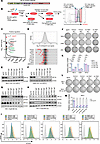 Figure 1
FACS-based whole-genome CRISPR screen identifies HIF-2α positive regulators. (A) Schematic of the HRE- HIF-2α ODD mCherry reporter construct. (B) Diagram of the loss-of-function, genome-wide screen using the human lentiviral sgRNA library (Brunello) in the HIF-2α reporter 786-O cell line. Ten percent of cells with either low or high signal intensity were sorted for NGS to identify factors that regulate HIF-2α activity. (C) Top genes identified for positive regulation of HIF-2α activity versus their log10 robust rank aggregation (RRA) scores in the genome-wide loss-of-function screen. Red circles are regulators reported before and green circles are genes related to the mRNA export pathway. (D) Distribution of sgRNA log fold change (LFC) comparing the mCherry-low group with the presorted group (positive regulators). Red bars represent 4 individual sgRNAs for the indicated genes. (E–H) Immunoblot analysis of cells with TREX component KOs. (E and F) 786-O and A498 ccRCC cell lines. (G and H) HKC and HK2 epithelial cell lines were treated with 10 μM MG132 for 6 hours prior to harvesting. (I)FACS-based analysis of HIF-2α activity in 786-O HIF-2α reporter cells following KO of RNA export pathway components. Each gene was targeted with 2 independent sgRNAs, and HIF-2α sgRNAs were used as positive controls. (J and K) Representative soft agar growth (J) and corresponding quantification (n = 3) (K) of 786-O, A498, and HKC cells expressing control (sgCtrl) or sgRNAs targeting the TREX components THOC2 and ALYREF. Scale bars: 1 mm. (L and M) Representative soft agar growth (L) and corresponding quantification (n = 3) (M) of 786-O cells with EV or HIF-2α overexpression that were then transduced with sgRNAs targeting TREX components or control. *P < 0.05, **P < 0.01, ***P < 0.001, and ****P < 0.0001, by 2-way ANOVA followed by Tukey’s multiple-comparison test (J) or multiple, unpaired t test (L). Data show the mean ± SEM.
We conducted a genome-wide mutagenesis screen by transducing Cas9-expressing 786-O HRE-HIF-2α(ODD)-mCh reporter cells with the Brunello sgRNA library (26) (Figure 1B). Following transduction, the top 10% of cells exhibiting either increased or decreased mCherry fluorescence were isolated using FACS. To identify candidate genes regulating HIF-2α activity, enriched sgRNAs from the sorted cell populations were analyzed by high-throughput deep sequencing and compared with the sgRNA distribution in the presorted cell population. HIF-2α (EPAS1) sgRNAs were highly enriched in the positive regulator pool (mCherry-low population), validating the robustness of our screening strategy (Figure 1, C and D). Several other top-ranked genes identified in the screen, including KEAP1, CUL3, and SP1, have previously been implicated in the regulation of HIF signaling, further serving as internal positive controls. KEAP1 and CUL3 function together as components of a CUL3-based E3 ubiquitin ligase complex that regulates NRF2, a central transcription factor in the cellular oxidative stress response (27). Elevated intracellular ROS can inhibit PHD2 activity, leading to stabilization of HIF-α proteins (28–31). In addition, SP1 has been reported to directly bind the EPAS1 promoter and act as a transcriptional activator of HIF-2α expression (32). Together, the recovery of these established HIF regulators highlights the screen’s ability to capture both transcriptional and posttranslational mechanisms governing HIF-2α activity.
Notably, beyond these known regulators, the screen also identified multiple components of the TREX complex — including THOC2, THOC6, and ALYREF — as well as additional genes involved in mRNA export, such as PABPC1 and NXT1 (Figure 1, C and D, and Supplemental Table 1). Components of the RNA export pathway involved in HIF-2α regulation were validated across multiple cell lines, including ccRCC cell lines (786-O, A498, and UMRC2) and kidney epithelial cell lines (HKC and HK2). Notably, the effects of THOC2 and ALYREF inactivation were more pronounced in ccRCC cell lines 786-O and A498, whereas UMRC2 cells showed a comparatively modest response. This reduced sensitivity was consistent with the lower basal HIF-2α expression in UMRC2 cells relative to the other ccRCC lines examined (Figure 1, E–I, and Supplemental Figure 1, D–F). KO of TREX complex components resulted in reduced colony formation in HIF-2α–dependent ccRCC cell lines 786-O and A498 (16), while having a minimal effect on colony formation in HKC cells (Figure 1, J and K). Reexpression of HIF-2α partially rescued the growth defects observed in THOC2- or ALYREF-deficient 786-O cells (Figure 1, L and M, and Supplemental Figure 1G), indicating that impaired HIF-2α activity contributed to, but did not fully account for, the cytotoxic effects associated with TREX complex inactivation. Although the majority of mRNAs are exported via bulk export pathways, growing evidence suggests that mRNA export in mammals can be highly selective. The TREX complex has been shown to mediate the selective export of specific subsets of mRNAs, influencing a range of biological processes including DNA repair, pluripotency, stress responses, cell proliferation, survival, and hematopoiesis (33–37). Our data suggest that HIF-2α may be similarly regulated by the TREX/mRNA export pathway (Supplemental Figure 1H).
In addition, we validated 2 other top candidates, BRD7 and SMARCD1, in 786-O HIF-2α reporter cells, however, their effects on HIF-2α regulation appeared to be less consistent across cell lines compared with TREX complex components, suggesting a more cell-type–specific regulation on HIF-2α (Supplemental Figure 1, I and J).
SOCS3 is identified as the most significantly negative regulator of HIF-2α. In our investigation of HIF-2α negative regulators, VHL was not recovered in the CRISPR screen, which was expected, given that 786-O cells are VHL null. While HIF stability and transcriptional activity are primarily controlled by oxygen availability and VHL-mediated degradation, the mTORC1 pathway also plays a key role in regulating HIF expression, particularly by modulating HIF mRNA translation (17, 38–40). We identified several canonical mTORC1 inhibitors including TSC1 and TSC2 as the top-enriched candidates (Figure 2, A and B, and Supplemental Table 2), further validating the robustness of our screening approach. Among all the HIF-2α negative regulators, SOCS3 emerged as the most significantly enriched candidate. Targeting SOCS3 with 2 independent sgRNAs produced a robust increase in mCherry fluorescence intensity in 786-O HIF-2α reporter cells, as assessed by both fluorescence imaging and FACS analysis (Figure 2, C and D). This finding was further validated in an independent cell model, UMRC2 HIF-2α reporter cells, in which SOCS3 KO similarly resulted in a substantial elevation of mCherry signal (Supplemental Figure 2, A and B). We further confirmed the suppressive role of SOCS3 in regulating HIF-2α by examining HIF-2α protein levels via Western blotting across multiple cell lines, including kidney epithelial cell lines (HK-2 and HKC), ccRCC cell lines (786-O, A498, UMRC6, and Caki-1), as well as a patient-derived xenograft (PDX) cell line, XP258 (Figure 2, E–K). In addition to protein analysis, we evaluated the effect of SOCS3 depletion on HIF-2α transcript levels. Reverse transcription quantitative PCR (RT-qPCR) analysis revealed a significant upregulation of HIF-2α mRNA in SOCS3-KO cells across multiple cell lines (i.e., HKC, HK-2, 786-O, A498, UMRC6, Caki-1, and XP258) (Figure 2, L–S). To determine whether this increase reflected altered mRNA stability, we treated cells with the transcriptional inhibitor actinomycin D and performed pulse-chase analyses to assess HIF2A mRNA decay. We show that, in 786-O, EPAS1 mRNA in SOCS3-KO cells had faster turnover than did control cells, while in A498, SOCS3-KO cells showed comparable degradation rates. Even though SOCS3-KO cells had a faster degradation rate in some contexts, EPAS1 mRNA levels remained consistently higher in SOCS3-deficient cells compared with sgControl (sgCtrl) cells throughout the chase period. From these observations, we conclude that SOCS3 regulated HIF-2α expression through mRNA transcription rather than by modulating mRNA stability (Supplemental Figure 2, C and D). While SOCS3 depletion robustly increased HIF-2α expression, we also observed a modest but reproducible induction of HIF-1α following SOCS3 inactivation. Across all cell lines examined, HIF2A mRNA levels typically increased by approximately 1.5-fold, whereas HIF2A mRNA levels increased by 2- to 8-fold under the same conditions (Supplemental Figure 2, E–K). These findings indicate that, although SOCS3 could regulate both HIF-α paralogs, HIF-2α was substantially more sensitive to SOCS3-mediated suppression.
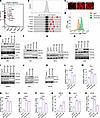 Figure 2
SOCS3 is identified as the most significantly negative regulator of HIF-2α. (A) Top genes identified for negative regulation of HIF-2α activity versus their log10 RRA scores in the genome-wide loss-of-function screen. Red circles are regulators reported previously. (B) Distribution of sgRNA LFC comparing the mCherry-enriched group with the presorted group (negative regulators). Red bars represent sgRNAs for those genes. (C) Representative images of mCherry fluorescence in 786-O HIF-2α reporter cells transduced with 2 individual sgRNAs targeting SOCS3. Scale bars: 9μM. (D) FACS-based analysis of HIF-2α activity in 786-O HIF-2α reporter cells following SOCS3 KO using 2 independent sgRNAs. (E and F) Immunoblot analysis of the kidney epithelial cell lines HKC (E) and HK-2 (F) transduced with sgRNAs targeting SOCS3 or VHL using the indicated antibodies. (G–K) Immunoblot analysis of the ccRCC cell lines 786-O (G), A498 (H), UMRC6 (I), Caki-1 (J), and PDX XP258 cells (K) transduced with sgRNAs targeting SOCS3 or EPAS1 using the indicated antibodies. (L–S) RT-qPCR quantification of HIF2A mRNA levels of the indicated cell lines transduced with sgCtrl or sgRNAs targeting SOCS3. *P < 0.05, **P < 0.01 ***P < 0.001, and ****P < 0.0001, by 1-way ANOVA followed by Tukey’s multiple-comparison test. Data show the mean ± SEM.
Importantly, the comparatively limited induction of HIF-1α should be interpreted in the context of its distinct and context-dependent role in ccRCC. Genetic and functional studies from the Kaelin group and others have demonstrated that HIF-1α can act as a tumor suppressor in ccRCC, with frequent loss of the HIF1A locus on chromosome 14q and tumor-inhibitory effects of HIF-1α reexpression in renal cancer models (41). In contrast, HIF-2α functions as a dominant oncogenic driver in ccRCC. Thus, the preferential effect of SOCS3 loss on HIF-2α expression, coupled with only modest effects on HIF-1α, further supports a selective role for SOCS3 in restraining oncogenic HIF-2α signaling rather than broadly activating hypoxia responses.
Consistent with increased HIF-2α abundance, the expression of several canonical HIF-2α target genes — including VEGFA, CCND1, and NDRG1 — was often elevated following SOCS3 depletion (Supplemental Figure 2L), indicating that SOCS3 loss can enhance the transcriptional output of HIF-2α signaling, although the response may vary depending on the cellular context. Similar effects were observed in U2OS cells, a non-ccRCC osteosarcoma line, where SOCS3 KO led to increased HIF-2α mRNA and protein levels, as well as upregulation of its downstream targets (Supplemental Figure 2, M–P), suggesting that this regulatory mechanism is conserved across different cell types.
SOCS3 overexpression suppresses HIF-2α levels and inhibits ccRCC tumorigenesis. To further investigate the regulatory function of SOCS3 in ccRCC, we established a doxycycline-inducible (DOX-inducible) SOCS3 overexpression system in 3 independent ccRCC cell lines: 786-O, A498, and UMRC2. In 786-O cells, SOCS3 expression increased in a DOX dose–dependent manner, which was accompanied by a progressive reduction in HIF-2α protein levels; a concentration of 200 ng/mL DOX was sufficient to induce robust SOCS3 expression and a significant decrease in HIF-2α abundance (Supplemental Figure 3, A and B). On the basis of these dose-response experiments, we selected 200 ng/mL DOX for subsequent analyses. Treatment of 786-O and A498 inducible cell lines with 200 ng/mL DOX resulted in a consistent reduction of HIF-2α protein levels (Figure 3, A and B). This suppression was also reflected at the transcriptional level, as HIF2A mRNA expression was significantly downregulated upon SOCS3 induction, as measured by RT-qPCR (Figure 3, C and D). Given the inhibitory effect of SOCS3 on HIF-2α expression, we next evaluated its functional consequences on cell growth using 3D soft agar colony formation assays. In both 786-O and A498 cells, SOCS3 overexpression impaired cell growth (Figure 3, E, F, H, I, and K). In contrast, UMRC2 cells, which are less reliant on HIF-2α signaling (16), were largely unaffected. This is consistent with the known dependency of 786-O and A498 cells on HIF-2α for proliferation. To confirm that the observed growth defect was mediated through HIF-2α suppression, we induced ectopic reexpression of HIF-2α in SOCS3-overexpressing cells. Restoration of HIF-2α rescued colony formation in 786-O and A498 cells, indicating that the growth suppression resulting from SOCS3 overexpression was HIF-2α dependent (Figure 3, G, J, and K).
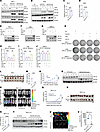 Figure 3
SOCS3 overexpression suppresses HIF-2α levels and inhibits ccRCC tumorigenesis. (A and B) Immunoblots of ccRCC cell lines 786-O (A) and A498 (B) expressing DOX-inducible EV or SOCS3, treated with 200 ng/mL DOX. iSOCS3-rep, independent biological replicates of DOX-induced SOCS3 expression. (C and D) RT-qPCR quantification of HIF-2α mRNA levels in 786-O (C) and A498 (D) cells with EV or SOCS3 expression induced by 200 ng/mL DOX. (E–G) Immunoblots of 786-O (E), A498 (F), and UMRC2 (G) cells expressing EV or DOX-induced SOCS3 and coexpressing SOCS3 and GFP or HIF-2α. (H–J) Soft agar growth quantification of 786-O (H), A498 (I), and UMRC2 (J) cells expressing EV or DOX-induced SOCS3, and coexpressing SOCS3 and GFP or HIF-2α. (K) Representative soft agar growth of 786-O, A498, and UMRC2 cells expressing EV or DOX-induced SOCS3 and coexpressing SOCS3 and GFP or HIF-2α (n = 3). Scale bars: 1 mm. (L–O) 786-O cells transduced with DOX-inducible SOCS3 or EV subcutaneous injection. Image of tumors after dissection (scale bar: 1 cm) (L), tumor weights (M), subcutaneous tumor growth (N), and immunoblots of tumor lysates (O). (P–V) 786-O cell lines with SOCS3-inducible expression were injected orthotopically into the renal capsule of NSG mice. Representative bioluminescence images at 0 weeks and 10 weeks after DOX treatment (P), corresponding quantification data (Q), Image of kidney orthotopic tumors (scale bar: 1 cm) (R), tumor weights (S), immunoblots of representative tumor samples (T), representative lung ex vivo bioluminescence images (U), and quantification of ex vivo imaging (V). Data show the mean ± SEM. *P < 0.05, **P < 0.01, and ***P < 0.001, by 1-way ANOVA followed by Tukey’s multiple-comparison test (H–J) or unpaired Student’s t test (C, D, M, N, Q, S, and V).
To assess the effect of SOCS3 overexpression on tumor growth in vivo, we performed subcutaneous xenograft experiments using DOX-inducible 786-O and A498 cells. Mice treated with DOX to induce SOCS3 expression developed significantly smaller tumors than did control mice, as evidenced by reduced tumor volumes and weights (Figure 3, L–N, and Supplemental Figure 3, C–E). Immunoblot analysis of tumor lysates confirmed sustained SOCS3 induction and a corresponding downregulation of HIF-2α in these tumors (Figure 3O and Supplemental Figure 3F).
To further investigate the effects of SOCS3 overexpression in a more physiologically relevant setting, we established an orthotopic model by injecting luciferase-expressing 786-O cells into the renal capsule of NSG mice. SOCS3 induction by DOX significantly suppressed tumor growth, as revealed by longitudinal bioluminescence imaging and endpoint tumor weight measurements (Figure 3, P–S). Immunoblot analysis of orthotopic tumor lysates demonstrated reduced HIF-2α protein levels in response to SOCS3 expression (Figure 3T). SOCS3 overexpression also markedly suppressed lung metastasis, as shown by ex vivo bioluminescence imaging and quantification (Figure 3, U and V). Together, these results demonstrate that SOCS3 acted as a potent suppressor of HIF-2α expression and ccRCC tumor progression. Its overexpression not only reduced HIF-2α transcription and protein stability but also impaired tumor growth and metastatic dissemination in vivo.
Loss of SOCS3 leads to JAK1 activation and promotes HIF-2α transcription. SOCS3 is a known inhibitor of Janus kinases, including JAK1 and JAK2, acting through its SH2 domain and kinase-inhibitory region to block kinase activity and promote proteasomal degradation (20, 21). To determine whether the elevated HIF-2α expression observed upon SOCS3 loss is mediated through JAK signaling, we treated SOCS3-deficient 786-O HIF-2α reporter cells with ruxolitinib, a clinically approved dual JAK1/2 inhibitor. Ruxolitinib treatment significantly reduced HIF-2α level induced by SOCS3 KO, as shown by fluorescence microscopy, FACS analysis, Western blotting, and RT-qPCR (Figure 4, A–G, and Supplemental Figure 4, A–D), suggesting that JAK signaling is required for HIF-2α transcription in the absence of SOCS3. In contrast, other JAK/STAT pathway inhibitors tested at the indicated concentrations were notably less effective in suppressing HIF-2α expression (Supplemental Figure 4, A–C). To distinguish between JAK1 and JAK2, we performed siRNA-mediated knockdown of each kinase in SOCS3-deficient 786-O reporter cells. Knockdown of JAK1, but not JAK2, suppressed both HIF-2α protein and mRNA expression and diminished mCherry reporter activity (Figure 4, H–M). These results established JAK1 as the dominant effector responsible for HIF-2α induction in this context. To further substantiate the role of JAK1, we tested itacitinib, a structurally distinct and highly selective JAK1 inhibitor. Similar to ruxolitinib, itacitinib suppressed SOCS3 loss–induced HIF-2α expression in a dose-dependent manner (Supplemental Figure 4, E and F), providing pharmacologic confirmation of JAK1 dependence. We next assessed whether this mechanism was conserved across additional models. In HKC cells, SOCS3 KO elevated HIF-2α expression, which was reversed by either ruxolitinib treatment or JAK1 knockdown, as shown by immunoblot and RT-qPCR analyses (Figure 4, N–Q). Similarly, in A498 ccRCC cells, JAK1 inhibition or knockdown reduced HIF-2α levels induced by SOCS3 loss, whereas JAK2 silencing had no significant effect (Figure 4, R–U). To confirm the clinical relevance of this axis, we examined XP258, a patient-derived ccRCC model (42). SOCS3 KO in XP258 cells also increased HIF-2α, which was suppressed by ruxolitinib treatment (Supplemental Figure 4, G and H), further supporting a conserved SOCS3/JAK1/HIF-2α–regulatory mechanism.
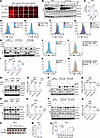 Figure 4
Loss of SOCS3 leads to JAK1 activation and promotes HIF-2α transcription. (A) Representative fluorescence images of 786-O reporter cells transduced with the indicated sgRNA and ruxolitinib (Ruxo) for the indicated concentration for 48 hours. Scale bars: 90µm. (B) Corresponding immunoblots analysis for A. (C) RT-qPCR quantification of HIF2A mRNA for 786-O cells treated with the indicated inhibitor for 48 hours. (D–G) FACS-based analysis of HIF-2α activity in 786-O reporter cells. Cells were transduced with the indicated sgRNA and treated with 2 μM ruxolitinib for 48 hours. (H) Immunoblots of 786-O cells transduced with the indicated sgRNA and siRNA. (I) RT-qPCR quantification of HIF2A mRNA for 786-O cells transduced with the indicated sgRNA and siRNA for 48 hours. (J–M) FACS-based analysis of HIF-2α activity in 786-O reporter cells upon treatment with the indicated sgRNA and siRNA. (N and O) Immunoblots (N) and RT-qPCR quantification of HIF2A mRNA (O) for HKC cells transduced with the indicated sgRNA and ruxolitinib for 48 hours. Cells for immunoblots were treated with 10 μM MG132 for 6 hours. (P and Q) Immunoblots (P) and RT-qPCR quantification of HIF2A mRNA levels (Q) of HKC cells transduced with the indicated sgRNA and siRNA. Cells for immunoblots were treated with 10 μM MG132 for 6 hours. (R and S) Immunoblots (R) and RT-qPCR quantification of HIF-2α mRNA (S) for A498 cells transduced with indicated sgRNA and ruxolitinib for 48 hours. (T and U) Immunoblots (T) and RT-qPCR quantification of HIF2A mRNA (U) for A498 cells transduced with the indicated sgRNA and siRNA. (V–X) Image of tumors (V), tumor weights after dissection (W), and tumor growth (X) after treatment with the JAK1 inhibitor ruxolitinib (120 mg/kg/d, oral gavage) in the 786-O–derived xenograft model (NSG, n = 7). *P < 0.05, **P < 0.01, ***P < 0.001, and ****P < 0.0001, by 2-way ANOVA followed by Tukey’s multiple-comparison test (I, O, Q, S, and U) or 2-tailed Student’s t test (C, W, and X). Data show the mean ± SEM.
We then assessed whether JAK inhibition could suppress ccRCC cell growth. In 3D soft agar assays, ruxolitinib treatment significantly reduced colony formation in 786-O and A498 cells, but had a minimal effect on UMRC2 cells (Supplemental Figure 4, I and J). This pattern aligns with our SOCS3 overexpression experiments in which 786-O and A498 — but not UMRC2 — showed growth suppression upon HIF-2α inhibition, reflecting their differential dependence on HIF-2α signaling (16). Overexpression of HIF-2α in 786-O cells conferred increased resistance to ruxolitinib treatment, indicating that the cytotoxic effects of ruxolitinib were mediated, at least in part, through suppression of HIF-2α activity (Supplemental Figure 4, K and L). Importantly, RCC10 cells — which remain dependent on HIF-2α signaling yet are resistant to pharmacologic HIF-2α antagonists — were nevertheless sensitive to ruxolitinib treatment (Supplemental Figure 4, M and N). These findings suggest that targeting the SOCS3/JAK1 axis can suppress HIF-2α–dependent tumor growth through mechanisms distinct from direct HIF-2α binding and may therefore represent a therapeutic strategy for treating ccRCC tumors that have acquired resistance to HIF-2α inhibitors such as belzutifan.
To evaluate the in vivo relevance of JAK signaling, we treated NSG mice bearing 786-O xenografts with ruxolitinib. JAK1/2 inhibition significantly impaired tumor growth and reduced endpoint tumor weights compared with vehicle-treated controls (Figure 4, V–X), demonstrating that JAK activity supported in vivo tumor progression in HIF-2α–dependent ccRCC, even in the absence of SOCS3 perturbation.
Collectively, these findings support a model in which JAK1/HIF-2α signaling promotes both ccRCC cell growth and in vivo tumor development in ccRCC. These results highlight the SOCS3/JAK1/HIF-2α axis as a critical regulatory pathway and a potential therapeutic target in HIF-2α–driven kidney cancer.
STAT3 mediates the effect of SOCS3/JAK1 on HIF-2α expression. Having established JAK1 as the principal mediator of HIF-2α upregulation following SOCS3 loss, we next investigated the downstream effector responsible for this regulation. STAT3 is a well-characterized transcription factor activated by JAK1, and although it has been shown to regulate HIF-1α in other tumor contexts (19, 22, 23, 43), its role in modulating HIF-2α (EPAS1) remains largely unexplored. To determine whether STAT3 contributes to HIF-2α regulation in ccRCC, we first treated 786-O HIF-2α reporter cells with niclosamide, a small-molecule inhibitor of STAT3 (44). Niclosamide treatment led to a dose-dependent reduction in mCherry fluorescence, HIF-2α protein levels, and EPAS1 mRNA expression following SOCS3 inactivation (Figure 5, A–E). Importantly, niclosamide also suppressed the expression of multiple HIF-2α downstream target genes, including VEGFA, CCND1, and NDRG1, in a dose-dependent manner upon SOCS3 inactivation (Supplemental Figure 5, A–D). However, niclosamide had a limited effect on HIF-2α expression in SOCS3-proficient cells, suggesting that its inhibitory effects were more prominent in the context of JAK/STAT pathway activation. Because small-molecule inhibitors like niclosamide can exhibit off-target effects, incomplete pathway inhibition, and variable cellular uptake, we used siRNA-mediated knockdown of STAT3 to validate specificity. STAT3 knockdown not only recapitulated the niclosamide effects in SOCS3-deficient 786-O cells, but also reduced HIF-2α levels in parental (SOCS3-proficient) cells (especially at the mRNA level), indicating that STAT3 was required for basal HIF-2α expression as well (Figure 5, F–J). This STAT3-dependent regulation was conserved across cell types; STAT3 knockdown similarly suppressed HIF-2α protein levels in A498, HKC, UMRC6, and HK-2 cells (Figure 5, K–O). In contrast, STAT1 knockdown had a minimal effect on HIF-2α expression in these cells (Figure 5, M and P, and Supplemental Figure 5, E and F), reinforcing the idea that STAT3 is the predominant transcriptional regulator of HIF-2α in this pathway.
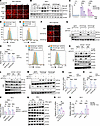 Figure 5
STAT3 mediates the effect of SOCS3/JAK1 on HIF-2α expression. (A–C) Representative fluorescence imaging (A) of 786-O HIF-2α mCherry reporter cells transduced with SOCS3 KO and treated with increasing concentrations of niclosamide, a STAT3 inhibitor for 48 hours, corresponding immunoblot analysis of HIF-2α and STAT3 levels (B), and RT-qPCR quantification of HIF2A mRNA levels (C). (D and E) FACS-based analysis of HIF-2α activity in 786-O reporter cells transduced with SOCS3 sgRNAs sg1 (D) and sg2 (E) and treated with 1 μM niclosamide. (F–H) Representative fluorescence images (F) of 786-O HIF-2α mCherry reporter cells transduced with SOCS3 KO combined with STAT3 siRNA and the corresponding immunoblot analysis (G) and RT-qPCR quantification of HIF2A mRNA levels (H). (I and J) FACS-based analysis of HIF-2α activity in 786-O reporter cells transduced with SOCS3 sgRNA sg1 (I) and sg2 (J) combined with STAT3 siRNA. (K and L) Immunoblot analysis of HKC cells (K) and A498 cells (L) transduced with sgCtrl or SOCS3 sg1 and sg2 and treated with STAT3 siRNA for 48 hours. HKC cells were treated with 10 μM MG132 for 6 hours before harvesting. (M) Immunoblot analysis of UMRC6 cells transduced with sgCtrl or SOCS3 sg1 and sg2 and treated with STAT1 siRNA or STAT3 siRNA for 48 hours. (N–P) RT-qPCR quantification of HIF2A mRNA levels of A498 cells (N), HKC cells (O), and HK-2 cells (P) transduced with sgCtrl or SOCS3 sg1 and sg2 and treated with the indicated siRNAs for 48 hours. (Q–S) Immunoblot analysis (Q), RT-qPCR quantification of HIF2A mRNA levels (R) and RT-qPCR analysis (S) of HIF-2α downstream targets for HK-2 cells treated with IFN-γ at the indicated concentration and combined with ruxolitinib treatment. *P < 0.05, **P < 0.01, and ****P < 0.0001, by 2-way ANOVA followed by Tukey’s multiple-comparison test (C, H, N–P, and S) or 1-way ANOVA followed by Tukey’s multiple-comparison test (Q). Data show the mean ± SEM.
To further validate that STAT3 activation is sufficient to induce HIF-2α expression, we treated HK-2 cells with IFN-γ, a cytokine known to activate JAK1/-2/STAT signaling (45–47). IFN-γ stimulation resulted in increased levels of phosphorylated STAT3 (p-STAT3) and elevated HIF-2α protein expression (Figure 5Q). We observed a similar result in HKC cells (Supplemental Figure 5G). Consistent with the enhanced HIF-2α activity, IFN-γ treatment also led to significant upregulation of HIF-2α downstream target genes, including CCND1 and NDRG1. Importantly, cotreatment with ruxolitinib effectively inhibited IFN-γ–induced HIF-2α upregulation, demonstrating that this response was dependent on JAK activity and confirming that the JAK/STAT3 pathway mediated cytokine-driven HIF-2α induction (Figure 5, R and S).
Together, these results establish STAT3 as both necessary and sufficient for HIF-2α induction, acting downstream of JAK1 and providing a direct mechanistic link between cytokine signaling and HIF-2α activation. This identifies the SOCS3/JAK1/STAT3/HIF-2α axis as what we believe to be a novel and targetable regulatory pathway in ccRCC.
STAT3 binds to the enhancer region upstream of the HIF-2α gene to regulate its expression. To investigate the mechanism by which STAT3 regulates EPAS1 (HIF-2α) expression, we performed STAT3 ChIP-seq in 786-O cells, which revealed 2 prominent STAT3-binding peaks located approximately 60 kb and 20 kb upstream of the EPAS1 transcription start site (TSS). These peaks overlap with active enhancer histone marks, including H3K27ac and H3K4me1, consistent with enhancer activity. Hi-ChIP chromatin interaction data showed a looping interaction between these STAT3-bound regions and the EPAS1 promoter for the 20 kb enhancer (Figure 6A), supporting a model of long-range transcriptional regulation. In contrast, the –60 kb STAT3-bound region showed weaker or inconsistent promoter interactions under the conditions examined, suggesting a more context-dependent or auxiliary regulatory role. Consistent with the findings from 786-O cells, we also observed STAT3 binding at the same enhancer regions at the 20 kb upstream region in HKC cells, reinforcing the notion that this enhancer-mediated regulation is conserved across multiple cell lines (Supplemental Figure 6A). Moreover, tumor samples from 2 patients with RCC exhibited increased activity at these 2 enhancers compared with their respective normal controls, suggesting that these enhancers may serve to enhance transcription of HIF-2α in tumors (Supplemental Figure 6B) (48). On the basis of its strong promoter contact and reproducibility across datasets, we therefore focused our functional studies on the –20 kb enhancer.
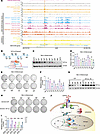 Figure 6
STAT3 binds to the enhancer region upstream of the HIF-2α gene to regulate its expression. (A) HiChIP chromatin interaction analysis and ChIP-seq binding peaks for STAT3, HIF-2α, HIF1B, H3K4me1, H3K4me3, H3K27ac, and H3K27me3 upstream of the HIF-2α gene (EPAS1) in 786-O cells. (B) Schematic representation of the CRISPRi system (dCas9-KRAB) and the targeted sites within the HIF-2α enhancer region indicated in A. (C and D) Immunoblot analysis (C) and RT-qPCR quantification of HIF2A mRNA levels (D) in cells treated with the dCas9-KRAB system targeting the HIF-2α enhancer region using 9 individual sgRNAs. (E and F) Representative soft agar growth (n = 3) (E) and corresponding quantification (F) of cells from B. (G–I) Immunoblot analysis (G), representative soft agar growth (H), and corresponding quantification (I) of cells reexpressing HIF-2α after applying the dCas9-KRAB system. (J) Schematic representation of the SOCS3-mediated regulation of HIF-2α expression through the JAK1/STAT3 signaling pathway. Cytokine binding activates JAK1, leading to STAT3 phosphorylation. In the absence of SOCS3, STAT3 is hyperactivated and binds to enhancer regions located upstream of the HIF-2α gene (EPAS1), facilitating the formation of a long-range chromatin loop between the enhancer and the HIF-2α promoter. This interaction promotes transcriptional activation of HIF-2α. In the presence of SOCS3, it inhibits JAK1 activity, preventing STAT3 phosphorylation and subsequent HIF-2α upregulation. CRISPRi (dCas9-KRAB) targeting of STAT3-bound enhancers leads to reduced HIF-2α expression and impaired tumorigenic potential in ccRCC cells. ***P < 0.001 and ****P < 0.0001, by 1-way ANOVA followed by Tukey’s multiple-comparison test (D and F) or 2-way ANOVA followed by Tukey’s multiple-comparison test (I). Data represent the mean ± SEM.
To determine whether this enhancer is required for endogenous HIF-2α expression, we applied CRISPRi using dCas9-KRAB targeting the STAT3-bound sites. Repression of the enhancers led to a marked reduction in both EPAS1 mRNA and HIF-2α protein levels (Figure 6, B–D) and significantly impaired colony formation in a 3D soft agar assay (Figure 6, E and F), confirming their functional importance. To further verify the specificity of the enhancer-mediated regulation, we performed a rescue experiment by reexpressing HIF-2α in CRISPRi-treated cells. Notably, HIF-2α reexpression successfully restored the colony formation ability, indicating that the loss of tumorigenic capacity upon enhancer repression was directly attributable to reduced HIF-2α levels (Figure 6, G–I). These findings highlight the critical role of STAT3-bound enhancers in maintaining HIF-2α expression and demonstrate that disruption of these enhancers specifically compromised HIF-2α–dependent tumor growth.
Previous studies have shown that STAT3 regulates HIF-1α, often via posttranslational mechanisms such as inhibition of phosphorylated von Hippel–Lindau–mediated (p-VHL-mediated) degradation (23). However, the regulation of HIF-2α by STAT3 has remained largely unexplored. Our findings identify what we believe to be a novel mechanism in which STAT3 binds to and activates distal enhancer elements located upstream of EPAS1, promoting HIF-2α transcription. This enhancer-mediated regulation is distinct from the known STAT3–HIF-1α interaction and reveals a previously unrecognized cytokine-responsive pathway controlling HIF-2α expression in ccRCC.


Copyright © 2026 American Society for Clinical Investigation
ISSN: 0021-9738 (print), 1558-8238 (online)