
Go to JCI Insight
  • About
  • Editors
  • Consulting Editors
  • For authors
  • Publication ethics
  • Publication alerts by email
  • Advertising
  • Job board
  • Contact
  • Clinical Research and Public Health
  • Current issue
  • Past issues
  • By specialty
    • COVID-19
    • Cardiology
    • Gastroenterology
    • Immunology
    • Metabolism
    • Nephrology
    • Neuroscience
    • Oncology
    • Pulmonology
    • Vascular biology
    • All ...
  • Videos
    • ASCI Milestone Awards
    • Video Abstracts
    • Conversations with Giants in Medicine
  • Reviews
    • View all reviews ...
    • The cGAS-STING pathway: DNA sensing in health and disease (Jun 2026)
    • Neurodegeneration (Mar 2026)
    • Clinical innovation and scientific progress in GLP-1 medicine (Nov 2025)
    • Pancreatic Cancer (Jul 2025)
    • Complement Biology and Therapeutics (May 2025)
    • Evolving insights into MASLD and MASH pathogenesis and treatment (Apr 2025)
    • Microbiome in Health and Disease (Feb 2025)
    • View all review series ...
  • Viewpoint
  • Collections
    • In-Press Preview
    • Clinical Research and Public Health
    • Research Letters
    • Letters to the Editor
    • Editorials
    • Commentaries
    • Editor's notes
    • Reviews
    • Viewpoints
    • 100th anniversary
    • Top read articles

  • Current issue
  • Past issues
  • Specialties
  • Reviews
  • Review series
  • ASCI Milestone Awards
  • Video Abstracts
  • Conversations with Giants in Medicine
  • In-Press Preview
  • Clinical Research and Public Health
  • Research Letters
  • Letters to the Editor
  • Editorials
  • Commentaries
  • Editor's notes
  • Reviews
  • Viewpoints
  • 100th anniversary
  • Top read articles
  • About
  • Editors
  • Consulting Editors
  • For authors
  • Publication ethics
  • Publication alerts by email
  • Advertising
  • Job board
  • Contact
Top
  • View PDF
  • Download citation information
  • Send a comment
  • Terms of use
  • Standard abbreviations
  • Need help? Email the journal
  • Top
  • Abstract
  • Introduction
  • Results
  • Discussion
  • Methods
  • Author contributions
  • Conflict of interest
  • Funding support
  • Supplemental material
  • Acknowledgments
  • Footnotes
  • References
  • Version history
  • Article usage
  • Citations to this article

Advertisement

Clinical Research and Public HealthEndocrinologyNeuroscience Open Access | 10.1172/JCI199725

Disrupted neurovascular-endocrine coupling in type 1 diabetes with impaired awareness of hypoglycemia

Pavel Filip,1,2,3 Antonietta Canna,1 Heidi Grohn,1,4 Amir A. Moheet,5 Anjali F. Kumar,5 Xiufeng Li,1 Yuan Zhang,6 Lynn E. Eberly,1,6 Elizabeth R. Seaquist,5 and Silvia Mangia1

1Center for Magnetic Resonance Research, University of Minnesota, Minneapolis, Minnesota, USA.

2Department of Neurology, Charles University, First Faculty of Medicine and General University Hospital, Prague, Czech Republic.

3Department of Cybernetics, Czech Technical University in Prague, Prague, Czech Republic.

4Kuopio University Hospital, Diagnostic Imaging Center, Kuopio, Finland.

5Department of Medicine and

6Division of Biostatistics and Health Data Science, University of Minnesota, Minneapolis, Minnesota, USA

Address correspondence to: Silvia Mangia, Center for Magnetic Resonance Research, University of Minnesota, 2021 Sixth St. SE, Minneapolis, Minnesota 55455, USA. Phone: 1.612.625.4920; Email: mangia@umn.edu.

Find articles by Filip, P. in: PubMed | Google Scholar

1Center for Magnetic Resonance Research, University of Minnesota, Minneapolis, Minnesota, USA.

2Department of Neurology, Charles University, First Faculty of Medicine and General University Hospital, Prague, Czech Republic.

3Department of Cybernetics, Czech Technical University in Prague, Prague, Czech Republic.

4Kuopio University Hospital, Diagnostic Imaging Center, Kuopio, Finland.

5Department of Medicine and

6Division of Biostatistics and Health Data Science, University of Minnesota, Minneapolis, Minnesota, USA

Address correspondence to: Silvia Mangia, Center for Magnetic Resonance Research, University of Minnesota, 2021 Sixth St. SE, Minneapolis, Minnesota 55455, USA. Phone: 1.612.625.4920; Email: mangia@umn.edu.

Find articles by Canna, A. in: PubMed | Google Scholar

1Center for Magnetic Resonance Research, University of Minnesota, Minneapolis, Minnesota, USA.

2Department of Neurology, Charles University, First Faculty of Medicine and General University Hospital, Prague, Czech Republic.

3Department of Cybernetics, Czech Technical University in Prague, Prague, Czech Republic.

4Kuopio University Hospital, Diagnostic Imaging Center, Kuopio, Finland.

5Department of Medicine and

6Division of Biostatistics and Health Data Science, University of Minnesota, Minneapolis, Minnesota, USA

Address correspondence to: Silvia Mangia, Center for Magnetic Resonance Research, University of Minnesota, 2021 Sixth St. SE, Minneapolis, Minnesota 55455, USA. Phone: 1.612.625.4920; Email: mangia@umn.edu.

Find articles by Grohn, H. in: PubMed | Google Scholar

1Center for Magnetic Resonance Research, University of Minnesota, Minneapolis, Minnesota, USA.

2Department of Neurology, Charles University, First Faculty of Medicine and General University Hospital, Prague, Czech Republic.

3Department of Cybernetics, Czech Technical University in Prague, Prague, Czech Republic.

4Kuopio University Hospital, Diagnostic Imaging Center, Kuopio, Finland.

5Department of Medicine and

6Division of Biostatistics and Health Data Science, University of Minnesota, Minneapolis, Minnesota, USA

Address correspondence to: Silvia Mangia, Center for Magnetic Resonance Research, University of Minnesota, 2021 Sixth St. SE, Minneapolis, Minnesota 55455, USA. Phone: 1.612.625.4920; Email: mangia@umn.edu.

Find articles by Moheet, A. in: PubMed | Google Scholar

1Center for Magnetic Resonance Research, University of Minnesota, Minneapolis, Minnesota, USA.

2Department of Neurology, Charles University, First Faculty of Medicine and General University Hospital, Prague, Czech Republic.

3Department of Cybernetics, Czech Technical University in Prague, Prague, Czech Republic.

4Kuopio University Hospital, Diagnostic Imaging Center, Kuopio, Finland.

5Department of Medicine and

6Division of Biostatistics and Health Data Science, University of Minnesota, Minneapolis, Minnesota, USA

Address correspondence to: Silvia Mangia, Center for Magnetic Resonance Research, University of Minnesota, 2021 Sixth St. SE, Minneapolis, Minnesota 55455, USA. Phone: 1.612.625.4920; Email: mangia@umn.edu.

Find articles by Kumar, A. in: PubMed | Google Scholar

1Center for Magnetic Resonance Research, University of Minnesota, Minneapolis, Minnesota, USA.

2Department of Neurology, Charles University, First Faculty of Medicine and General University Hospital, Prague, Czech Republic.

3Department of Cybernetics, Czech Technical University in Prague, Prague, Czech Republic.

4Kuopio University Hospital, Diagnostic Imaging Center, Kuopio, Finland.

5Department of Medicine and

6Division of Biostatistics and Health Data Science, University of Minnesota, Minneapolis, Minnesota, USA

Address correspondence to: Silvia Mangia, Center for Magnetic Resonance Research, University of Minnesota, 2021 Sixth St. SE, Minneapolis, Minnesota 55455, USA. Phone: 1.612.625.4920; Email: mangia@umn.edu.

Find articles by Li, X. in: PubMed | Google Scholar

1Center for Magnetic Resonance Research, University of Minnesota, Minneapolis, Minnesota, USA.

2Department of Neurology, Charles University, First Faculty of Medicine and General University Hospital, Prague, Czech Republic.

3Department of Cybernetics, Czech Technical University in Prague, Prague, Czech Republic.

4Kuopio University Hospital, Diagnostic Imaging Center, Kuopio, Finland.

5Department of Medicine and

6Division of Biostatistics and Health Data Science, University of Minnesota, Minneapolis, Minnesota, USA

Address correspondence to: Silvia Mangia, Center for Magnetic Resonance Research, University of Minnesota, 2021 Sixth St. SE, Minneapolis, Minnesota 55455, USA. Phone: 1.612.625.4920; Email: mangia@umn.edu.

Find articles by Zhang, Y. in: PubMed | Google Scholar

1Center for Magnetic Resonance Research, University of Minnesota, Minneapolis, Minnesota, USA.

2Department of Neurology, Charles University, First Faculty of Medicine and General University Hospital, Prague, Czech Republic.

3Department of Cybernetics, Czech Technical University in Prague, Prague, Czech Republic.

4Kuopio University Hospital, Diagnostic Imaging Center, Kuopio, Finland.

5Department of Medicine and

6Division of Biostatistics and Health Data Science, University of Minnesota, Minneapolis, Minnesota, USA

Address correspondence to: Silvia Mangia, Center for Magnetic Resonance Research, University of Minnesota, 2021 Sixth St. SE, Minneapolis, Minnesota 55455, USA. Phone: 1.612.625.4920; Email: mangia@umn.edu.

Find articles by Eberly, L. in: PubMed | Google Scholar

1Center for Magnetic Resonance Research, University of Minnesota, Minneapolis, Minnesota, USA.

2Department of Neurology, Charles University, First Faculty of Medicine and General University Hospital, Prague, Czech Republic.

3Department of Cybernetics, Czech Technical University in Prague, Prague, Czech Republic.

4Kuopio University Hospital, Diagnostic Imaging Center, Kuopio, Finland.

5Department of Medicine and

6Division of Biostatistics and Health Data Science, University of Minnesota, Minneapolis, Minnesota, USA

Address correspondence to: Silvia Mangia, Center for Magnetic Resonance Research, University of Minnesota, 2021 Sixth St. SE, Minneapolis, Minnesota 55455, USA. Phone: 1.612.625.4920; Email: mangia@umn.edu.

Find articles by Seaquist, E. in: PubMed | Google Scholar

1Center for Magnetic Resonance Research, University of Minnesota, Minneapolis, Minnesota, USA.

2Department of Neurology, Charles University, First Faculty of Medicine and General University Hospital, Prague, Czech Republic.

3Department of Cybernetics, Czech Technical University in Prague, Prague, Czech Republic.

4Kuopio University Hospital, Diagnostic Imaging Center, Kuopio, Finland.

5Department of Medicine and

6Division of Biostatistics and Health Data Science, University of Minnesota, Minneapolis, Minnesota, USA

Address correspondence to: Silvia Mangia, Center for Magnetic Resonance Research, University of Minnesota, 2021 Sixth St. SE, Minneapolis, Minnesota 55455, USA. Phone: 1.612.625.4920; Email: mangia@umn.edu.

Find articles by Mangia, S. in: PubMed | Google Scholar

Published February 19, 2026 - More info

Published in Volume 136, Issue 8 on April 15, 2026
J Clin Invest. 2026;136(8):e199725. https://doi.org/10.1172/JCI199725.
© 2026 Filip et al. This work is licensed under the Creative Commons Attribution 4.0 International License. To view a copy of this license, visit http://creativecommons.org/licenses/by/4.0/.
Published February 19, 2026 - Version history
Received: August 29, 2025; Accepted: February 12, 2026
View PDF

Related article:

Unconscious uncoupling: dysfunctional neurovascular responses to low glucose in type 1 diabetes and impaired hypoglycemia awareness
Stephanie A Amiel, Fernando O Zelaya
Commentary

Unconscious uncoupling: dysfunctional neurovascular responses to low glucose in type 1 diabetes and impaired hypoglycemia awareness

  • Text
  • PDF
Abstract

Approximately 25% of individuals with type 1 diabetes (T1D) experience impaired awareness of hypoglycemia (IAH), a weakening of symptomatic neurohumoral responses to falling glucose levels that sharply increases risk of severe hypoglycemia. A recent study by Filip et al. used MRI-based arterial spin labeling to compare regional cerebral blood flow (CBF) responses to experimental hypoglycemia across 3 groups: individuals without T1D and individuals with T1D, with or without IAH. All groups showed a CBF response to hypoglycemia in brain regions involved in learning and interoception, among others, but the responses were qualitatively different between groups and blunted in the presence of IAH. The association between the regional CBF and the hormonal responses to hypoglycemia was inverted in IAH, compared with that in individuals with preserved awareness. The findings add to work linking changes in cognitive processing to IAH development and its persistence in some individuals.

Authors

Stephanie A Amiel, Fernando O Zelaya

×

Abstract

BACKGROUND. Recurrent hypoglycemia in type 1 diabetes (T1D) may culminate in impaired awareness of hypoglycemia (IAH). While neuroimaging studies identified affected brain regions, more complex perspectives integrating vascular dynamics with endocrine profile are needed.

METHODS. Here, 26 healthy adults, 30 T1D patients with normal hypoglycemia awareness (NAH), and 25 T1D patients with IAH underwent a hyperinsulinemic stepped clamp (euglycemia → hypoglycemia 50 mg/dL) combined with pseudo-continuous arterial spin-labeling MRI. Cerebral blood flow (CBF) and sympathetic vasomotor range (0.02–0.05 Hz) CBF oscillations were modeled against serially sampled plasma cortisol, epinephrine, norepinephrine, and glucagon.

RESULTS. In healthy individuals treated as controls, hypoglycemia evoked robust thalamo-striatal and salience–interoceptive CBF increases (mean Cohen’s d across significant clusters = 0.93) and suppression of vasomotor oscillations (d = 0.71). T1D retained CBF response but failed to attenuate oscillations (dT1D>controls = 0.43). IAH further blunted hypoglycemia-associated CBF increase, especially in thalamus, striatum, and insula (dNAH>IAH = 0.51). Hormone-CBF coupling differed quantitatively: cortisol/epinephrine–CBF correlations were positive in controls (r = 0.37/0.26), negative in NAH (–0.16/–0.40), and strongly positive in IAH (0.42/0.46).

CONCLUSION. Thus, our findings indicate that T1D disrupts dynamic, sympathetic modulation of CBF, whereas IAH additionally impairs perfusion reserve and shows maladaptive catecholamine-dependent CBF regulation, suggesting a qualitatively distinct neurovascular phenotype.

TRIAL REGISTRATION. ClinicalTrials.gov: NCT02747680 and NCT02866435.

FUNDING. NIH (P41-EB-015894, P30-NS-076408, R01-DK-099137, R56-DK-099137, and DP1 AG093028); National Center for Advancing Translational Sciences of the NIH (KL2-TR-000113 and UL1-TR-000114); DP1 AG093028; Charles University, Czech Republic (Cooperatio Program, research area NEUR), Brain Dynamics (grant number CZ.02.01.01/00/22_008/0004643); General University Hospital in Prague (MH CZ-DRO-VFN64165).

Introduction

The human brain relies almost exclusively on a continuous glucose supply from the bloodstream; its capacity to utilize alternative substrates is limited, yet its metabolic demands are high and endogenous energy reserves are restricted (1). Levels 2 and 3 hypoglycemia (HG) — defined as blood glucose (BG) of concentrations below 54 mg/dL (3.0 mmol/L) or a severe HG episode necessitating external assistance for recovery due to impaired cognitive function (2) — therefore constitute an acute threat to cerebral energetic stability with potentially severe consequences including seizures, coma, or even death if uncorrected.

To mitigate these dangers, the organism mobilizes a multilayered regulatory cascade operating across several timescales and involving many diverse, often partially redundant, mechanisms. Recent findings suggest that the initial response to declining glycemia may comprise metabolic hyperpolarization of vascular smooth muscle cells and pericytes in the brain (3, 4) coupled with astrocytic release of potent mediators (5), which ensures rapid vasodilation. This is followed by the activation of a distributed autonomic network centered on glucose-sensing neurons within the ventromedial and lateral hypothalamus, the paraventricular nucleus, and several nodes of the ascending reticular activating system (ARAS) (6, 7). Such a complex response then provides systemic hemodynamic support while also modulating regional cerebral blood flow (CBF) patterns to shield metabolically vulnerable territories. Furthermore, it may also be one of the initiators of the counterregulatory hormonal and symptomatic responses necessary for glycemic recovery (8). Concurrently, the systemic surge in circulating epinephrine not only contributes to the development of HG symptoms, but it also modulates both hepatic glucose output and suppresses peripheral glucose uptake, thereby elevating systemic glycemia. Nonetheless, this sympathoadrenal response is generally considered to have a limited impact on overall cerebral parenchymal perfusion (9, 10).

Failure of these physiological safeguards — a scenario not uncommon in type 1 diabetes (T1D) mellitus after recurrent HG episodes — gives rise to impaired awareness of hypoglycemia (IAH). IAH is characterized by a shift of the counterregulatory and symptom awareness thresholds to lower glucose levels together with a reduction in the overall magnitude of those responses. One of its major symptomatic consequences is the diminished ability to perceive the development of decreasing BG levels. IAH T1D patients fail to experience the usual warning symptoms of HG and may remain unaware until neuroglycopenia manifests as confusion or leads to the loss of consciousness (11). Affected patients with IAH lose the typical thalamo-cortical CBF increase seen during HG (12, 13), yet their global CBF may be retained or even exaggerated, with potential regional redistribution. Orbitofrontal and dorsolateral prefrontal hyperemia have been observed only in nondiabetic subjects or T1D patients with normal awareness of hypoglycemia (NAH), while hippocampal hypoperfusion has been reported in both NAH and IAH (14, 15). Furthermore, functional MRI has revealed absent recruitment of cortico-striatal and frontoparietal networks in patients with IAH (16).

Collectively though, the referenced literature remains fragmented, occasionally contradictory, and frequently underpowered — often reduced to statements on null within-group findings rather than statistically more rigorous group-by-condition effects. Larger cohorts, particularly of patients with IAH, with joint modeling of CBF and systemic hormonal responses to HG, are notably absent, thereby constraining further elucidation of cerebrovascular adaptation specific to IAH.

In this context, the present study pursued 3 main objectives: (a) to characterize the canonical cerebral perfusion response to acute HG and its physiological coupling with counterregulatory hormone release, (b) to determine the manner in which T1D and IAH distort these neurovascular responses, and (c) to establish the manner in which T1D and IAH distort the hormone-neurovascular response coupling. We approached the analysis in a hierarchical manner, first characterizing the broader alteration present in T1D in general and only then identifying additional deviations specific to IAH within that pathological context. This framework was designed to evaluate whether IAH represents merely a quantitative continuum of T1D pathology or a qualitatively distinct pattern. To provide a more nuanced understanding, we interrogated advanced CBF estimation methodologies with cortical surface reconstructions alongside quantified low-frequency (0.02–0.05 Hz) autonomic CBF fluctuations, a putative proxy of regional sympathetic vasomotor tone (17–19).

Results

Basic demographic and clinical information is provided in Table 1; the enrollment and exclusion process is summarized in Supplemental Figure 2 (supplemental material available online with this article; https://doi.org/10.1172/JCI199725DS1). Ultimately, 26 patients acting as healthy controls (HCs) and 55 patients with T1D (30 NAH and 25 IAH) were included in the final analysis. Most exclusions were necessitated by incomplete datasets or second pseudo-continuous arterial spin-labeling (PCASL) MRI protocol incompatibility, which exhibited 2 orders of magnitude larger robust Mahalanobis distance (median D2 ≈ 525) than the other 2 acquisition protocols (median D2 ≈ 5.5). While HCs (32.1 ± 11.8 years; 12 female/14 male patients) with physiological glycated hemoglobin (HbA1c) values (5.2% ± 0.3 %) did not differ substantially from the aggregated T1D cohort (35.7 ± 13.0 years; 32 female/23 male patients), NAH patients were significantly younger compared with IAH patients (29.6 ± 9.0 years vs. 43.0 ± 13.4 years; P < 0.001), with shorter disease duration (15.8 ± 7.5 vs. 26.1 ± 13.4 years, P = 0.002) and lower Clarke (1.1 ± 1.0 vs. 4.4 ± 1.2, P < 0.001) and Gold scores (2.5 ± 1.0 vs. 4.4 ± 1.3, P < 0.001). There were no statistically significant differences in BG control based on glycated hemoglobin levels between IAH and NAH. Clamp-related BG development over the course of the experiment is depicted in Supplemental Figure 3.

Table 1

Basic demographic and clinical characteristics

Physiological counterregulatory response. Among HCs, linear mixed-effects modeling (LMEM) revealed significant HG-associated hormonal level linear increase over time for cortisol, epinephrine, glucagon, and norepinephrine alike (PFDR < 0.001). See Table 2 and Figure 1 for further information.
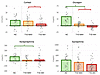
Hormonal response to HG.Figure 1

Hormonal response to HG. Bar heights above 0 represent subgroup averages, calculated as the average of the last 2 HG measurements minus the average of the 2 baseline measurements (5 samples in total; the initial hypoglycemic value was excluded to obtain a steadier estimate for this simplified visualization). Individual participant values are depicted as gray circles, with jitter along the x axis for better visibility. Significant intergroup differences between HCs and pooled T1D patients based on linear mixed-effect models (see Table 2) are marked with green bar and asterisk; significant differences between IAH and NAH T1D subgroups are marked with red bar and asterisk (*PFDR < 0.05). See Table 2 for formal statistical evaluation considering full time course of hormonal response.

Table 2

Hormonal response to HG in HCs and across T1D groups

Cerebral hemodynamic response to acute HG and its coupling with hormonal response in HCs. HG produced a marked CBF increase (mean effect size [Cohen’s d] across all clusters 0.927) within the bilateral salience–interoceptive network encompassing the anterior and mid-cingulate cortices, anterior insula, and dorsolateral prefrontal cortex (DLPFC), extending over the premotor and inferior parietal cortex (Figure 2A and Supplemental Table 1). Subcortically, a robust rise in CBF within thalamus, striatum, and pallidum was accompanied by posterior hypothalamus and mesencephalic reticular formation. Contrary to perfusion, low-frequency CBF fluctuations were suppressed during HG throughout the same salience–interoceptive circuit, but also brainstem monoaminergic nuclei, thalamus, and hippocampus (mean d = 0.713).
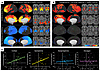
Cerebral hemodynamic response to HG in HCs.Figure 2

Cerebral hemodynamic response to HG in HCs. (A) HG > EU contrast for CBF and spontaneous CBF oscillations. (B) Interaction between HG and composite hormonal response (cortisol, epinephrine, norepinephrine, and glucagon) by omnibus F test. Maps are provided as z statistics with threshold-free cluster enhancement, displayed at P < 0.05 (FDR corrected jointly across parcellation units, modalities, and contrasts). Warm colors (yellow–red) indicate significant increase; cool colors (blue) denote the reverse effect. Subcortical structures illustrated on 6 axial slices (MNI z = 15, 6, –3, –12, –21, and –30). Images follow neurological convention (right = right). (C) Scatterplots depicting HG-induced responses in absolute units of cortical CBF (x axis) versus individual hormones (y axis) for each hormone separately, with superimposed linear trend lines for visualization. For detailed cluster statistics and anatomical labels, see Supplemental Tables 1 and 2. For comparison of CBF versus hormonal response relationship in IAH, see Figure 4.

The magnitude of the integrated hormonal response (omnibus F test) was associated with CBF increase in a limbic–fronto–striatal axis (Figure 2B and Supplemental Table 2), specifically anterior/posterior cingulate, insula, DLPFC, amygdala, ventral striatum, and anterior-inferior hypothalamus. Cortisol and epinephrine (Figure 2C and see below) were the primary drivers of these findings.

Effect of T1D on counterregulatory response, CBF, and vasomotor fluctuations. Multivariate comparison of the overall hormonal response between HCs and the pooled T1D group confirmed significant overall intergroup differences (F = 7.716, PFDR = 0.003), driven by significantly attenuated slope for glucagon (PFDR < 0.001) and norepinephrine (PFDR = 0.001), whereas no significant differences were observed for cortisol (PFDR = 0.133) or epinephrine (PFDR = 0.109) (Table 1).

Moreover, T1D patients failed to show the HG-induced CBF fluctuation suppression detected in HCs, exhibiting differences from HCs in the hippocampus, posterior cingulate, parietal association cortex, insula, and basal ganglia, as well as within the hypothalamus and pontine reticular complex (mean d = 0.430; Figure 3A and Supplemental Table 3). T1D also displayed divergent hormone-dependent CBF modulation in a bilateral, but right side–dominant, cingulate–insula–DLPFC network, bilateral thalami, intermediate hypothalamus, and cerebellar midline (Figure 4A and Supplemental Table 5).
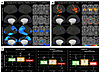
Group contrasts for cerebral hemodynamic response to HG.Figure 3

Group contrasts for cerebral hemodynamic response to HG. (A) HCs versus pooled cohort of T1D patients. (B) T1D patients with NAH versus IAH. Each panel shows maps of z statistic with threshold-free cluster enhancement for CBF and spontaneous CBF oscillations, displayed at P < 0.05 (FDR corrected jointly across parcellation units, modalities, and contrasts). Warm colors (yellow–red) denote a greater response in the first group; cool colors denote the reverse effect. Subcortical effects illustrated on 6 axial slices (MNI z = 15, 6, –3, –12, –21, and –30). Images follow neurological convention (right = right). (C) Regional CBF response (absolute difference in mL/100 g/min) in 3 regions of interest derived from contrast B (insular cortex, striatum, and thalamus). White circles represent individual participants (jittered along the x axis for clarity); bar heights above 0 represent group means for HCs, T1D patients with NAH, and T1D patients with IAH; asterisks mark statistically significant differences as the basis for the selection of regions of interest (*PFDR < 0.05). For detailed cluster statistics and anatomical labels, see Supplemental Tables 3 and 4. ROI, region of interest.
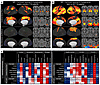
Group differences in HG-elicited hormone-CBF coupling.Figure 4

Group differences in HG-elicited hormone-CBF coupling. (A) HCs versus pooled cohort of T1D patients. (B) T1D patients with NAH versus IAH. Each panel shows maps of z statistics with threshold-free cluster enhancement for CBF and spontaneous CBF oscillations, modeling the interaction between group and the composite hormonal response. Maps are thresholded at P < 0.05 (FDR corrected jointly across parcellation units, modalities, and contrasts). Subcortical effects illustrated on 6 axial slices (MNI z = 15, 6, –3, –12, –21, and –30). Images follow neurological convention (right = right). (C) Heatmap matrices (Pearson’s r) summarizing hormone-brain response correlation separately for all 4 hormones considered and 3 subject groups in aggregated regions of interest derived from B. Red hues denote negative and blue hues positive coupling coefficients. Hormone (left) and subject group (right side) column aggregation provided separately for better concept visualization. For detailed cluster statistics and anatomical labels, see Supplemental Tables 5 and 6.

Effect of IAH on counterregulatory response, CBF, and vasomotor fluctuations. Multivariate analysis confirmed significantly different global hormonal response profiles between NAH and IAH (F = 6.677, PFDR = 0.008). Specifically, glucagon response was significantly lower in patients with IAH (PFDR < 0.001), with more modest intergroup difference in cortisol (PFDR = 0.0113). No significant differences were detected for epinephrine (PFDR = 0.293) or norepinephrine (PFDR = 0.862). Counterregulatory symptom scores failed to reveal any significant intergroup differences (Table 1 and Supplemental Figure 4).

IAH led to blunted HG-evoked CBF rise when compared with NAH in the bilateral thalami, pallidum, dorsal striatum, and insula, as well as in sensorimotor cortices and cerebellar vermis (mean d = 0.506; Figure 3, B and C, and Supplemental Table 4). By contrast, no statistically significant differences in CBF fluctuations were detected in the IAH versus NAH comparison.

Supplemental 3-group, 1-way ANOVA showed similar regional patterns (Supplemental Figure 5). NAH T1D patients exhibited consistently closer HG CBF response profiles to HCs, out of 14 significant clusters for NAH versus IAH general linear models (GLMs). NAH patients were closer to HCs in 12 clusters, with a mean absolute NAH-HC gap of 1.36 compared with 3.94 mL/100 g/min in IAH.

Furthermore, IAH affected endocrine coupling differences for both CBF and its fluctuations, additionally encompassing diffuse prefrontal, parietal, and visual cortex territories, combined with striato-pallidal complex, amygdala, hippocampus, ARAS, and cerebellar cortex (Figure 4B, Supplemental Table 6).

In the post hoc analysis (Figure 4C), HCs exhibited modest positive coupling between CBF and its fluctuations with both cortisol and epinephrine secretory response, most pronounced in the cortex and basal ganglia, whereas both norepinephrine and glucagon were largely neutral or borderline negative. In NAH T1D, this pattern was actually inverted: cortisol and epinephrine correlations became negative (r = –0.16 and –0.40, respectively, for the full mask). This sign reversal trend held true across cortex, thalamus, and the basal ganglia. Norepinephrine associations remained neutral for absolute CBF response but turned negative for CBF fluctuations. Finally, IAH T1D showed exaggerated positive CBF coupling compared with HCs for both cortisol and epinephrine (r = 0.42 and 0.46 for the full mask, respectively), holding true for all the regions considered. Norepinephrine correlations were uniformly negative for both CBF and its fluctuations, whereas glucagon exhibited positive coupling with CBF and its fluctuations.

Discussion

Our investigation provides a comprehensive characterization of cerebral hemodynamic and counterregulatory response to acute HG and its endocrine control in health, T1D, and IAH. Using one of the largest, clamp-controlled cohorts published, we confirmed a robust rise in mean CBF across the thalamus, basal ganglia, and salience–interoceptive network, scaling positively with the integrated counterregulatory hormone response, accompanied by synchronous suppression of very-low-frequency (0.02–0.05 Hz) vasomotor oscillations. T1D was associated with failure to attenuate these vasomotor fluctuations, and in IAH, HG-associated CBF increase was further blunted, especially in thalamo-striatal regions and insular cortex. Most importantly, we identified a qualitative alteration in endocrine-CBF coupling. In individuals with NAH, surges in cortisol and epinephrine were associated with CBF reductions, suggesting an inverted coupling pattern relative to HCs. By contrast, in patients with IAH, elevations in these hormones elicited an exaggerated hyperemic response, signifying qualitatively distinct pathophysiology of IAH superimposed on a T1D background.

Characteristics of physiological response to HG. The robust increase in mean CBF documented here in HCs has been hypothesized as the brain’s primary safeguard against energetic failure, mobilizing multiple vascular (5) and autonomic pathways (8). This response (Figure 2) spreads not only to regions detecting declining glucose levels and initiating counterregulatory responses as hypothalamus and ARAS (7, 20), but also to networks mediating conscious recognition and behavioral responses to HG, such as insula and anterior cingulate (21). In parallel, the observed suppression of vasomotor-range CBF fluctuations — a physiological oscillatory constrictor component (17) — may be seen as an effective sympathetic withdrawal at the cerebrovascular level, reducing neurogenic vasomotor tone to stabilize flow in a manner similar to decreased heart rate variability during stress (22). At the systemic level, the detected elevations in cortisol, epinephrine, glucagon, and norepinephrine (Figure 1) restore glycemia and sustain systemic perfusion pressure. Nonetheless, the circulating epinephrine has been shown to exert α1-adrenergic vasoconstriction, paradoxically reducing microvascular flow (10). However, parenchymal arterioles and capillary pericytes rich in β2 receptors have been reported to offset this effect (23, 24), effectively reinforcing the locally initiated metabolic vasodilatation. But most likely, both endocrine response and CBF reflect a multifactorial convergence of response mechanisms whose combined effect yields the detected correlation.

Effect of T1D on CBF, vasomotor fluctuations, and hormonal response to HG. Endocrinologically, early and near-universal loss of the HG-induced glucagon secretion and attenuated sympathetic catecholamine output (Figure 1) reduce mobilization of systemic response mechanisms, yet the ability to raise HG-elicited CBF increase remained largely intact (Figure 3A). While this finding may seem contradictory in the light of some (12, 14, 15) but not all previous reports (25, 26), the distinction between NAH and IAH T1D, often standing at the core of previous research, is important here. The categorization of NAH and IAH in T1D is based on a clinical assessment of an individual’s real-life experience with HG that has been routinely used in this field for more than 20 years. In this dataset, NAH and IAH T1D patients exhibited often diverging response patterns from the levels detected in HCs, effectively averaging out. The preserved or even slightly exaggerated CBF response in NAH T1D patients compared with HCs was contrasted against the marked attenuation of this compensatory mechanism in IAH, most notably within insular cortex, thalamus, striatum, and pallidum (Figure 3, B and C, and Supplemental Table 4). However, the near absence of low-frequency CBF fluctuation suppression in both NAH and IAH suggests a general failure of neurogenic vasoregulatory response. Whether due to defective central-vascular coupling in autonomic neuropathy, albeit otherwise subclinical (27), or vascular structure stiffening and pericyte dysfunction arising from advanced glycation end products in chronic hyperglycemia (28), the vasculature’s ability to follow neural inputs may be compromised. Nevertheless, metabolically driven vasodilation pathways appear to remain largely intact, at least in NAH patients, despite the absence of adequate smoothing of flow dynamics resulting from dysregulated sympathetic tone.

IAH as a qualitative disruption of global response to HG. IAH constitutes a multilevel habituation to recurrent HG, combining attenuated afferent signaling from glucosensors in the ventromedial hypothalamus and impaired autonomic response to HG (29). In addition to inadequate cortisol surge (Figure 1), IAH was also associated with blunted thalamic and striato-insular HG-induced hyperemia — regions crucial for interoceptive awareness (30). While this might seem to be a linear deterioration of T1D-related pathology — initial loss of neurogenic vasomotor responsiveness followed by the dysfunction of metabolically driven vasodilatation manifested in loss of CBF response — the qualitatively distinct endocrine-CBF coupling disruption (Figure 4C) portrays IAH rather as a distinct maladaptive phenotype.

The exaggerated positive correlations between both cortisol and epinephrine responses and CBF in IAH (Figure 4C), despite attenuated endocrine reactivity in IAH (Figure 1), may reflect maladaptive sensitization of adrenergic or glucocorticoid receptors after chronic counterregulatory overstimulation, a phenomenon previously implicated in β2 adrenergic receptor regulation (31). Conversely, this mechanism may lie at the core of a viable strategy of HG awareness restoration (32). The differences in norepinephrine behavior may be attributable to its cerebrovascular actions dominated by α1-adrenergic vasoconstriction (9) in the environment of concurrent suppression of glucagon and cortisol responses (Figure 1). Nonetheless, without more comprehensive insights into the biological interplay between hormonal dysregulation and metabolic alterations, such conclusions remain largely speculative.

Several limitations to this study must be considered. First, although the present cohort constitutes one of the largest yet examined with combined PCASL and endocrine phenotyping, subgroup sizes still limit detection of subtle regional effects and fine-grained analyses of the principal hormonal axes considered. Second, 3 variants of M0 calibration were utilized over the course of data acquisition. While an extensive quality control (QC) framework was applied, ultimately necessitating the exclusion of the second protocol, residual interrun variance cannot be entirely ruled out. Third, the cross-sectional design precludes causal inference and remains susceptible to a wide range of confounders — from the intrinsic pathophysiological heterogeneity of the T1D cohort to inconspicuous factors such as mere caffeine intake variability (33). Finally, IAH was classified on the basis of subjective questionnaires about participants’ real-world experience with HG. This is the approach generally taken in classifying individuals in HG research (34), but it does not guarantee that all participants with IAH will have blunted hormonal and symptom responses to HG compared with participants with NAH. Events in the weeks before the clamp study, such as HG or hyperglycemia episodes, exercise, and sleep disturbance, have all been hypothesized to impact the response to clamped HG, but these variables were not controlled in our study. In addition, C-peptide concentration assessment was not implemented within the study protocol, thus precluding the evaluation of eventual residual β cell function as the basis for the reported modest glucagon responses in the NAH group.

Future research would benefit from multicenter longitudinal designs following T1D patients over several years, employing the latest PCASL protocols established within Human Connectome Project (HCP) efforts with adequate off-resonance artifact mitigation and participant-specific hematocrit measurements. Ideally, such investigations would incorporate more complex evaluation of hormonal and pancreatic polypeptide responses (35), history of severe HG episodes (36), additional modalities further elucidating CBF fluctuations, and other direct and surrogate markers of autonomic system tone.

Conclusion. The present study extends the prevailing understanding of HG-induced regionally targeted CBF increase into a more nuanced and dynamic cerebrovascular response also involving the suppression of autonomic CBF oscillations, all tightly linked to endocrine activation. Moreover, our findings indicate that T1D in general disrupts the dynamic component of cerebrovascular control, whereas IAH, governed by qualitatively altered neuro-endocrine integration, further compromises CBF reserve. These insights underscore not only the heightened cerebral vulnerability associated with recurrent HG, but also the imperative to foreground neurovascular-endocrine models in diabetes research.

Methods

Sex as a biological variable. Group allocation was based on HG awareness status, irrespective of sex. Sex was included as a nuisance variable in all statistical analyses to account for potential sex-related differences. The findings are therefore expected to be relevant to both sexes, even though the study was not intended, nor powered, to test for sex-specific effects.

Participants. Seventy-nine patients with T1D (HbA1c < 8 %) were recruited from the Endocrine Clinic at the University of Minnesota between 2015 and 2020. Forty-five age-, sex-, and BMI-matched healthy volunteers (HCs) were enrolled from the local community. Exclusion criteria comprised history of stroke, seizures, neurosurgical procedure, cardiac arrhythmia, pregnancy, or medication altering glucose homeostasis (with the exception of insulin). IAH was defined by a Clarke score > 3 (37) (or a Clarke score = 3 with a Gold score > 3) (38); scores below these thresholds were considered NAH.

Experimental protocol. Studies were conducted in the morning, typically beginning around 9 am. After an overnight fast, 2 intravenous cannulae were inserted (forearm for infusions and lower leg vein for sampling following arterialization of the venous blood as previously described in ref. 39), and the ambulatory insulin pump, if present, was removed. Variable insulin infusion was titrated to achieve euglycemia (EU) (BG ≈ 95 mg/dL), guided by BG measurements performed every 5 min (Analox). At time 0, the insulin rate was fixed at 2.0 mU/kg/min and potassium phosphate (4 mmol/h) was initiated. Stable BG at 95 mg/dL was maintained via a variable 20% dextrose infusion during the anatomical and PCASL scans (~25 min). The dextrose infusion was then temporarily stopped, allowing BG to fall to 50 mg/dL; this HG plateau was held for approximately 20 min using variable 20% dextrose infusion during a further PCASL acquisition before BG was restored to EU. Two baseline and 3 HG samples were stored for glucagon, epinephrine, norepinephrine, and cortisol assays. Symptom scores (0–6 for 12 autonomic and neuroglycopenic symptoms) (40) were recorded immediately before scanning (EU) and at the end of the HG plateau. Upon completion, infusions were discontinued, a meal was provided, and T1D participants resumed their usual insulin regimen.

A schematic of the clamp sequence is provided in Supplemental Figure 1.

MRI protocol. Scanning was performed on a Siemens 3T MAGNETOM Prisma with the following sequences: (a) T1-weighted MPRAGE: 1 mm isotropic; repetition time (TR)/echo time (TE)/inversion time = 2,150/2.47/1,000 ms; flip angle 8°; GRAPPA 2; (b) T2-weighted SPACE: 1 mm isotropic; TR/TE = 3,200/147 ms; GRAPPA 2; and (c) PCASL: TR/TE = 5,000/14 ms; 36 slices, 3 mm isotropic, 20% interslice gap, 2D single-shot gradient-echo echo-planar imaging readout; field of view 210 × 210 mm². The following parameters were employed: labeling duration = 1,600 ms, single postlabeling delay = 1,600 ms; labeling slab 10 mm thick, 90 mm caudal to the center of the imaging volume; and 80 label/control pairs per run (41). For equilibrium magnetization (M0) calibration, 3 calibration variants were used over the duration of the study: 1 M0 image was acquired before the label control series, 1 M0 image was acquired after the series, and 2 M0 images were acquired after the series.

PCASL was acquired separately during EU, EU→HG transition (excluded from subsequent analyses), and HG.

Neuroimaging data preprocessing. PCASL data were preprocessed using a custom pipeline built around the Bayesian Inference for Arterial Spin Labelling framework (42) and integrated with the HCP minimal preprocessing pipeline (43). After rigid-body motion correction, the analysis used a single-compartment kinetic model with a fixed bolus duration and a single postlabeling delay, employing individualized arterial blood T1 based on age- and sex-related hematocrit values derived from predefined age bins (44, 45). Absolute quantification used M0-based calibration referenced to cerebrospinal fluid (CSF), incorporating TE-specific T2 correction for CSF and arterial blood and reference CSF T1/T2 (tissue relaxation parameters were used exclusively for calibration, not the kinetic model). If 2 M0 images were present, their average was used. A Bayesian inference framework with spatial regularization imposed by Gaussian Markov random field prior was applied. Posterior CBF maps were deconvolved with the resampled tissue probability maps derived from the subject’s structural image to separate perfusion signal contributions from gray and white matter. The final outputs included absolute CBF maps and calibrated perfusion time series based on a sliding window approach, whereby each epoch consisted of 2 consecutive label-control pairs with an overlap of 1 adjacent label-control pair (i.e., 39 partially overlapping epochs per each dataset). This strategy allowed for reasonably fine-grained temporal characterization of perfusion dynamics while preserving sufficient signal averaging within each window to maintain robustness to noise.

Both mean CBF maps (estimated from the full acquisitions) and CBF time series were projected onto subject-specific mid-thickness cortical surfaces, with mapping constrained to the cortical ribbon derived from the HCP minimal preprocessing pipeline. Interpolation was performed along the cortical thickness direction, weighting voxel contributions according to the proportion of gray matter intersected by the sampling trajectory to reduce partial volume effects from adjacent white matter and CSF. A multimodal HCP atlas (46) was used for subsequent parcellation, providing 180 cortical parcels per hemisphere. Subcortical segmentation was based on multiple probabilistic atlases collectively covering all subcortical gray matter structures: Oxford thalamic connectivity atlas (47), Oxford-GSK-Imanova connectivity striatal atlas (48), probabilistic structural cerebellar atlas (49), ATAG atlas (50), hypothalamus atlas (51), and ARAS atlas (52). Furthermore, high-resolution FreeSurfer automatic subregion segmentation for hippocampus substructures and amygdala nuclei was implemented (53, 54). Relevant masks were nonlinearly warped from standard atlas space to each subject’s native T1-weighted anatomical space (standard space atlases) and rigid-body transformed to the target PCASL space in 1 step (both standard space atlases and FreeSurfer-derived individual hippocampus and amygdala subfields). For each region of interest, the weighted average signal was computed as the ratio of the voxel-wise intensity-probability product to the sum of probabilities to ensure each voxel’s contribution was scaled by its probabilistic membership in the respective region.

For each subject, CBF time series parcellated in this manner was linearly detrended and truncated to an even length before applying a fast Fourier transform. Power spectral density was derived from the squared fast Fourier transform amplitude, and CBF oscillation amplitude was defined as the square root of the total power within the neurogenic vasomotor 0.02–0.05 Hz frequency band (17–19).

In addition to visual review of both raw and processed PCASL data, quantitative QC was implemented at 3 tiers. First, hard veto excluded any PCASL acquisition (EU or HG) exhibiting excessive motion spikes (95th percentile framewise displacement > ½ voxel width [1.5 mm]). Second, each acquisition (EU and HY) was subjected to acquisition-wise multivariate QC based on 5 reasonably orthogonal stability metrics: head motion (95th percentile framewise displacement), sudden intensity jumps (DVARS of tag–control difference series), temporal stability (temporal signal-to-noise ratio of tag–control difference), low-frequency hardware drift (power spectral density integrated over 0–0.01 Hz), and distributional shape of mean CBF map (skewness). Robust Mahalanobis distances were computed from the orthogonalized Gnanadesikan–Kettenring scatter matrix. Acquisitions with D2 > χ2(5; 0.99) = 15.09 were deemed outliers and relayed for the next level of QC. Third, plausibility check converted parcellated mean CBF, vasomotor band power spectral density (0.02–0.05 Hz), and global connectivity strength to robust z scores within each condition; |z|> 3 disqualified acquisitions previously flagged by tier 2. Only participants whose both condition acquisitions satisfied these criteria were retained.

Counterregulatory response modeling. Singular missing hormone measurements (0.3% of all data points) were imputed using modified Akima piecewise interpolation within each participant’s hormone time series to preserve local monotonicity and minimize artifactual oscillations. Residual gaps (an entire hormone panel missing for 5 participants, 1.5% of data points) were substituted with group- and hormone-stratified time point means. All subsequent tests were conducted on the imputed data set.

Before modeling the cerebral-perfusion response to HG and its coupling with the counterregulatory response to address our aims, we wanted to understand the group-specific counterregulatory responses to HG. Hormonal responses were analyzed using LMEM to account for interindividual variability in both baseline levels and sampling times. Each hormone was modeled independently, with time relative to HG onset (2 consecutive BG measurements < 50 mg/dL) entered as a continuous fixed-effect predictor and a random intercept specified for each participant to account for intra-individual correlation in repeated measures. Degrees of freedom were estimated using Satterthwaite approximation. Group comparisons in hormonal linear trajectories were tested for (a) HCs versus pooled T1D patients and (b) T1D IAH versus NAH separately. To assess the multivariate (global) intergroup divergence in hormonal profiles, a nonparametric permutational multivariate analysis of variance (PERMANOVA) was conducted on subject-wise trajectories using Mahalanobis distance to account for interhormonal covariance, with 10,000 permutations per test. Comparisons were performed separately for HCs versus pooled T1D patients and IAH versus NAH. All reported P values across hormones and model terms of interest (LMEM and PERMANOVA jointly) were corrected using the Benjamini-Hochberg FDR procedure.

Statistics. Absolute CBF and CBF fluctuation differences were considered in the analysis to preserve consistency with standard hormonal response evaluation and prior literature, as a physiologically meaningful, directly interpretable quantity (mL/100 g/min for CBF) and to avoid potential baseline-dependent bias. All presented analyses were performed on the HG–EU differences rather than on the separate EU or HG condition.

Changes in CBF and its low-frequency fluctuations in response to HG, as well modulations of the HG effect by hormonal responses, were analyzed using nonparametric permutation testing in the PALM toolbox (55). All analyses were conducted on parcellated CIFTI maps with 10,000 permutations per test and anatomical proximity-based threshold-free cluster enhancement, followed by distribution tail approximation. Correction for multiple testing was applied using FDR across parcels, modalities (CBF and its low-frequency fluctuations), and contrasts of interest, with a statistical significance threshold of α = 0.05. Designs involving multiple hormonal predictors employed constrained maximum statistic combination to restrict inference to the contrasts relevant to the interaction term.

The following GLMs, all including age and sex as nuisance covariates, were tested.

(a) Canonical physiological neurovascular response to HG and coupling with hormonal response: within-subject contrast of HG versus EU and interaction analysis of that contrast with separate regressors for each hormonal response, including an omnibus F test for joint evaluation encompassing all hormones. Both GLMs were limited to HCs.

(b) Distortion of the neurovascular response to HG: between-group contrast comparing the main HG versus EU effect for HCs versus pooled T1D cohort and separately for IAH versus NAH T1D. As a sensitivity analysis, a supplemental 3-group, 1-way ANOVA (HC, NAH, and IAH) was performed with a pooled variance across all 3 groups and to evaluate robustness to the alternative grouping scheme.

(c) Distortion of hormonal-neurovascular coupling: assessed by regressing neurovascular response on 4 hormone responses, groups, and their interactions. A multivariate F test evaluated whether hormone-neurovascular response slopes differed between groups, separately for CBF and for its low-frequency fluctuations as neurovascular metrics, and separately for the HC versus pooled T1D cohort and IAH versus NAH T1D as groups.

Study approval. All procedures conformed to the Declaration of Helsinki and the US Code of Federal Regulations and were approved by the Institutional Review Board of the University of Minnesota (1608M92941 and 0301M40641). Written informed consent was obtained from all participants before the study.

Data availability. Unprocessed datasets are not publicly available due to the sensitive nature of the dataset. However, data will be provided upon reasonable request to the corresponding author. Processed parcellated outputs are provided in the supplemental tables. Values for all data points in graphs are provided in the Supporting Data Values file.

Author contributions

Conceptualization: PF, LEE, ERS, and SM. Data curation: PF, AC, HG, AFK, and SM. Formal analysis: PF, YZ, LEE, and SM. Funding acquisition: SM. Investigation: PF, AC, HG, AAM, AFK, and SM. Methodology: PF, XL, ERS, and SM. Software: PF and AC. Visualization and writing (original): PF and SM. Writing (review and editing): PF, AC, HG, AAM, AFK, XL, YZ, LEE, ERS, and SM.

Conflict of interest

The authors have declared that no conflict of interest exists.

Funding support

This work is the result of NIH funding, in whole or in part, and is subject to the NIH Public Access Policy. Through acceptance of this federal funding, the NIH has been given a right to make the work publicly available in PubMed Central.

  • NIH awards P41-EB-015894, P30-NS-076408, R01-DK-099137 (to SM), R56-DK-099137 (to SM), and DP1 AG093028 (to SM).
  • National Center for Advancing Translational Sciences of the NIH (awards KL2-TR-000113 and UL1-TR-000114).
  • Charles University, Czech Republic (Cooperatio Program, research area NEUR), Brain Dynamics (grant number CZ.02.01.01/00/22_008/0004643) to PF.
  • General University Hospital in Prague (MH CZ-DRO-VFN64165) to PF.
Supplemental material

View Supplemental data

View ICMJE disclosure forms

View Supplemental table 1

View Supporting data values

Acknowledgments

The authors are grateful to the volunteers who participated in the study and thereby made this research possible. The authors are also grateful to the MRI support available at the Center for Magnetic Resonance Research (namely, Erik Solheid, Wendy Elvendahl, and Matthew White) and the support of the study staff (Michelle Snyder, Kathryn France, Char Geis, and Shannon Smith). In addition, the authors thank Petr Bednarik for helping with data acquisition, Daniele Mascali for helping with interim analyses, and Mauro DiNuzzo for helpful discussions. The content is solely the responsibility of the authors and does not necessarily represent the official views of the funding agencies.

Address correspondence to: Silvia Mangia, Center for Magnetic Resonance Research, University of Minnesota, 2021 Sixth St. SE, Minneapolis, Minnesota 55455, USA. Phone: 1.612.625.4920; Email: mangia@umn.edu.

Footnotes

Copyright: © 2026, Filip et al. This is an open access article published under the terms of the Creative Commons Attribution 4.0 International License.

Reference information: J Clin Invest. 2026;136(8):e199725.https://doi.org/10.1172/JCI199725.

See the related Commentary at Unconscious uncoupling: dysfunctional neurovascular responses to low glucose in type 1 diabetes and impaired hypoglycemia awareness.

References
  1. Dienel GA. Brain glucose metabolism: Integration of energetics with function. Physiol Rev. 2019;99(1):949–1045.
    View this article via: CrossRef PubMed Google Scholar
  2. International Hypoglycaemia Study Group. Glucose concentrations of less than 3.0 mmol/L (54 mg/dL) should be reported in Clinical Trials: a joint position statement of the American Diabetes Association and the European Association for the Study of Diabetes. Diabetes Care. 2016;40(1):155–157.
    View this article via: CrossRef PubMed Google Scholar
  3. Hariharan A, et al. Brain capillary pericytes are metabolic sentinels that control blood flow through a KATP channel-dependent energy switch. Cell Rep. 2022;41(13):111872.
    View this article via: CrossRef PubMed Google Scholar
  4. Horinaka N, et al. Blockade of cerebral blood flow response to insulin-induced hypoglycemia by caffeine and glibenclamide in conscious rats. J Cereb Blood Flow Metab. 1997;17(12):1309–1318.
    View this article via: CrossRef PubMed Google Scholar
  5. Nippert AR, et al. Astrocyte regulation of cerebral blood flow during hypoglycemia. J Cereb Blood Flow Metab. 2022;42(8):1534–1546.
    View this article via: CrossRef PubMed Google Scholar
  6. Chambers ME, et al. Brain regulation of cardiac function during hypoglycemia. Metabolites. 2023;13(10):1089.
    View this article via: CrossRef PubMed Google Scholar
  7. Hirschberg PR, et al. Ventromedial hypothalamus glucose-inhibited neurones: A role in glucose and energy homeostasis? J Neuroendocrinol. 2020;32(1):e12773.
    View this article via: CrossRef PubMed Google Scholar
  8. Meek TH, et al. Functional identification of a neurocircuit regulating blood glucose. Proc Natl Acad Sci U S A. 2016;113(14):E2073–E2082.
    View this article via: CrossRef PubMed Google Scholar
  9. Froese L, et al. The cerebrovascular response to norepinephrine: a scoping systematic review of the animal and human literature. Pharmacol Res Perspect. 2020;8(5):e00655.
    View this article via: CrossRef PubMed Google Scholar
  10. Ristagno G, et al. Epinephrine reduces cerebral perfusion during cardiopulmonary resuscitation. Crit Care Med. 2009;37(4):1408–1415.
    View this article via: CrossRef PubMed Google Scholar
  11. Dagogo-Jack SE, et al. Hypoglycemia-associated autonomic failure in insulin-dependent diabetes mellitus. Recent antecedent hypoglycemia reduces autonomic responses to, symptoms of, and defense against subsequent hypoglycemia. J Clin Invest. 1993;91(3):819–828.
    View this article via: JCI CrossRef PubMed Google Scholar
  12. Mangia S, et al. Hypoglycemia-induced increases in thalamic cerebral blood flow are blunted in subjects with type 1 diabetes and hypoglycemia unawareness. J Cereb Blood Flow Metab. 2012;32(11):2084–2090.
    View this article via: CrossRef PubMed Google Scholar
  13. Wiegers EC, et al. Cerebral blood flow response to hypoglycemia is altered in patients with type 1 diabetes and impaired awareness of hypoglycemia. J Cereb Blood Flow Metab. 2017;37(6):1994–2001.
    View this article via: CrossRef PubMed Google Scholar
  14. Nwokolo M, et al. Impaired awareness of hypoglycemia disrupts blood flow to brain regions involved in arousal and decision making in type 1 diabetes. Diabetes Care. 2019;42(11):2127–2135.
    View this article via: CrossRef PubMed Google Scholar
  15. Nwokolo M, et al. Hypoglycemic thalamic activation in type 1 diabetes is associated with preserved symptoms despite reduced epinephrine. J Cereb Blood Flow Metab. 2020;40(4):787–798.
    View this article via: CrossRef PubMed Google Scholar
  16. Hwang JJ, et al. Hypoglycemia unawareness in type 1 diabetes suppresses brain responses to hypoglycemia. J Clin Invest. 2018;128(4):1485–1495.
    View this article via: JCI CrossRef PubMed Google Scholar
  17. Tan Q, et al. Age-related alterations in phase synchronization of oxyhemoglobin concentration changes in prefrontal tissues as measured by near-infrared spectroscopy signals. Microvasc Res. 2016;103:19–25.
    View this article via: CrossRef PubMed Google Scholar
  18. Hilz MJ, et al. Partial pharmacologic blockade demonstrates sympathetic influence on the phase angle between oscillations in blood pressure and cerebral blood flow modulation. Auton Neurosci Basic Clin. 2015;192:96.
    View this article via: CrossRef Google Scholar
  19. Söderström T, et al. Involvement of sympathetic nerve activity in skin blood flow oscillations in humans. Am J Physiol Heart Circ Physiol. 2003;284(5):H1638–H1646.
    View this article via: CrossRef PubMed Google Scholar
  20. Marty N, et al. Brain glucose sensing, counterregulation, and energy homeostasis. Physiology (Bethesda). 2007;22(4):241–251.
    View this article via: PubMed CrossRef Google Scholar
  21. Lamotte G, et al. Stress and central autonomic network. Auton Neurosci. 2021;235:102870.
    View this article via: CrossRef PubMed Google Scholar
  22. Järvelin-Pasanen S, et al. Heart rate variability and occupational stress-systematic review. Ind Health. 2018;56(6):500–511.
    View this article via: CrossRef PubMed Google Scholar
  23. Wilffert B, et al. Interaction between beta 2-adrenoceptor-mediated vasodilation and alpha 2-adrenoceptor-mediated vasoconstriction in the pithed normotensive rat. J Cardiovasc Pharmacol. 1983;5(5):822–828.
    View this article via: CrossRef PubMed Google Scholar
  24. Putzer G, et al. Adrenaline improves regional cerebral blood flow, cerebral oxygenation and cerebral metabolism during CPR in a porcine cardiac arrest model using low-flow extracorporeal support. Resuscitation. 2021;168:151–159.
    View this article via: CrossRef PubMed Google Scholar
  25. Filip P, et al. Structural alterations in deep brain structures in type 1 diabetes. Diabetes. 2020;69(11):2458–2466.
    View this article via: CrossRef PubMed Google Scholar
  26. Fülesdi B, et al. Impairment of cerebrovascular reactivity in long-term type 1 diabetes. Diabetes. 1997;46(11):1840–1845.
    View this article via: CrossRef PubMed Google Scholar
  27. Nasr N, et al. Autonomic neuropathy is associated with impairment of dynamic cerebral autoregulation in type 1 diabetes. Auton Neurosci. 2011;160(1-2):59–63.
    View this article via: CrossRef PubMed Google Scholar
  28. Li P, Fan H. Pericyte loss in diseases. Cells. 2023;12(15):1931.
    View this article via: CrossRef PubMed Google Scholar
  29. Rickels MR. Hypoglycemia-associated autonomic failure, counterregulatory responses, and therapeutic options in type 1 diabetes. Ann N Y Acad Sci. 2019;1454(1):68–79.
    View this article via: CrossRef PubMed Google Scholar
  30. Fermin ASR, et al. An insula hierarchical network architecture for active interoceptive inference. R Soc Open Sci. 2022;9(6):220226.
    View this article via: CrossRef PubMed Google Scholar
  31. Schouwenberg BJJW, et al. The effect of antecedent hypoglycaemia on β2-adrenergic sensitivity in healthy participants with the Arg16Gly polymorphism of the β2-adrenergic receptor. Diabetologia. 2011;54(5):1212–1218.
    View this article via: CrossRef PubMed Google Scholar
  32. Fritsche A, et al. Avoidance of hypoglycemia restores hypoglycemia awareness by increasing beta-adrenergic sensitivity in type 1 diabetes. Ann Intern Med. 2001;134(9 pt 1):729–736.
    View this article via: CrossRef PubMed Google Scholar
  33. Chen Y, Parrish TB. Caffeine dose effect on activation-induced BOLD and CBF responses. Neuroimage. 2009;46(3):577–583.
    View this article via: CrossRef PubMed Google Scholar
  34. Rubin NT, et al. Relationship between hypoglycemia awareness status on clarke/gold methods and counterregulatory response to hypoglycemia. J Endocr Soc. 2022;6(9):bvac107.
    View this article via: CrossRef PubMed Google Scholar
  35. White NH, et al. Plasma pancreatic polypeptide response to insulin-induced hypoglycemia as a marker for defective glucose counterregulation in insulin-dependent diabetes mellitus. Diabetes. 1985;34(9):870–875.
    View this article via: CrossRef PubMed Google Scholar
  36. Svensson CH, et al. Association between recent exposure to continuous glucose monitoring-recorded hypoglycaemia and counterregulatory and symptom responses to subsequent controlled hypoglycaemia in people with type 1 diabetes. Diabetes Obes Metab. 2024;26(8):3213–3222.
    View this article via: CrossRef PubMed Google Scholar
  37. Clarke WL, et al. Reduced awareness of hypoglycemia in adults with IDDM. A prospective study of hypoglycemic frequency and associated symptoms. Diabetes Care. 1995;18(4):517–522.
    View this article via: CrossRef PubMed Google Scholar
  38. Gold AE, et al. Frequency of severe hypoglycemia in patients with type I diabetes with impaired awareness of hypoglycemia. Diabetes Care. 1994;17(7):697–703.
    View this article via: CrossRef PubMed Google Scholar
  39. Seaquist ER. Comparison of arterialized venous sampling from the hand and foot in the assessment of in vivo glucose metabolism. Metabolism. 1997;46(11):1364–1366.
    View this article via: CrossRef PubMed Google Scholar
  40. Deary IJ, et al. Partitioning the symptoms of hypoglycaemia using multi-sample confirmatory factor analysis. Diabetologia. 1993;36(8):771–777.
    View this article via: CrossRef PubMed Google Scholar
  41. Li X, et al. Theoretical and experimental evaluation of multi-band EPI for high-resolution whole brain pCASL Imaging. Neuroimage. 2015;106:170–181.
    View this article via: CrossRef PubMed Google Scholar
  42. Chappell MA, et al. BASIL: a toolbox for perfusion quantification using arterial spin labelling. Imaging Neurosci (Camb). 2023;1:1.
    View this article via: PubMed CrossRef Google Scholar
  43. Glasser MF, et al. The minimal preprocessing pipelines for the Human Connectome Project. Neuroimage. 2013;80:105–124.
    View this article via: CrossRef PubMed Google Scholar
  44. Lu H, et al. Determining the longitudinal relaxation time (T1) of blood at 3.0 Tesla. Magn Reson Med. 2004;52(3):679–682.
    View this article via: CrossRef PubMed Google Scholar
  45. Mahlknecht U, Kaiser S. Age-related changes in peripheral blood counts in humans. Exp Ther Med. 2010;1(6):1019–1025.
    View this article via: CrossRef PubMed Google Scholar
  46. Glasser MF, et al. A multi-modal parcellation of human cerebral cortex. Nature. 2016;536(7615):171–178.
    View this article via: CrossRef PubMed Google Scholar
  47. Behrens TEJ, et al. Non-invasive mapping of connections between human thalamus and cortex using diffusion imaging. Nat Neurosci. 2003;6(7):750–757.
    View this article via: CrossRef PubMed Google Scholar
  48. Tziortzi AC, et al. Connectivity-based functional analysis of dopamine release in the striatum using diffusion-weighted MRI and positron emission tomography. Cereb Cortex. 2014;24(5):1165–1177.
    View this article via: CrossRef PubMed Google Scholar
  49. Diedrichsen J, et al. A probabilistic MR atlas of the human cerebellum. Neuroimage. 2009;46(1):39–46.
    View this article via: CrossRef PubMed Google Scholar
  50. Keuken MC, et al. Effects of aging on T1, T2*, and QSM MRI values in the subcortex. Brain Struct Funct. 2017;222(6):2487–2505.
    View this article via: CrossRef PubMed Google Scholar
  51. Spindler M, et al. Automated diffusion-based parcellation of the hypothalamus reveals subunit-specific associations with obesity. Sci Rep. 2020;10(1):22238.
    View this article via: CrossRef PubMed Google Scholar
  52. Edlow BL, et al. Neuroanatomic connectivity of the human ascending arousal system critical to consciousness and its disorders. J Neuropathol Exp Neurol. 2012;71(6):531–546.
    View this article via: CrossRef PubMed Google Scholar
  53. Iglesias JE, et al. A computational atlas of the hippocampal formation using ex vivo, ultra-high resolution MRI: application to adaptive segmentation of in vivo MRI. Neuroimage. 2015;115:117–137.
    View this article via: CrossRef PubMed Google Scholar
  54. Saygin ZM, et al. High-resolution magnetic resonance imaging reveals nuclei of the human amygdala: manual segmentation to automatic atlas. Neuroimage. 2017;155:370–382.
    View this article via: CrossRef PubMed Google Scholar
  55. Winkler AM, et al. Permutation inference for the general linear model. Neuroimage. 2014;92(100):381–397.
    View this article via: CrossRef PubMed Google Scholar
Version history
  • Version 1 (February 19, 2026): In-Press Preview
  • Version 2 (April 15, 2026): Electronic publication

Article tools

  • View PDF
  • Download citation information
  • Send a comment
  • Terms of use
  • Standard abbreviations
  • Need help? Email the journal

Metrics

  • Article usage
  • Citations to this article

Go to

  • Top
  • Abstract
  • Introduction
  • Results
  • Discussion
  • Methods
  • Author contributions
  • Conflict of interest
  • Funding support
  • Supplemental material
  • Acknowledgments
  • Footnotes
  • References
  • Version history
Advertisement
Advertisement

Copyright © 2026 American Society for Clinical Investigation
ISSN: 0021-9738 (print), 1558-8238 (online)

Sign up for email alerts