
Advertisement
Research ArticleCell biologyOncology
Open Access |  10.1172/JCI195840
EZH2 crosstalk with RNA methylation promotes prostate cancer progression through modulation of m6A autoregulation pathway
Yang Yi,1,2 Joshua Fry,1,3 Chaehyun Yum,1 Rui Wang,1 Siqi Wu,1 Sharath Narayan,4 Qi Liu,1 Xingxing Zhang,1 Htoo Zarni Oo,5,6 Ning Xie,5,6 Yanqiang Li,7,8,9 Xinlei Gao,7,8,9 Xufen Yu,10 Xiaoping Hu,10 Qiaqia Li,1 Kemal Keseroglu,11 Ertuğrul M. Özbudak,11 Sarki A. Abdulkadir,1,2,12 Kaifu Chen,7,8,9 Jian Jin,10 Jonathan C. Zhao,13,14 Xuesen Dong,5,6 Daniel Arango,2,15 Rendong Yang,1,2 and Qi Cao1,2
1Department of Urology and
2Robert H. Lurie Comprehensive Cancer Center, Feinberg School of Medicine, Northwestern University, Chicago, Illinois, USA.
3Bioinformatics and Computational Biology Program, University of Minnesota, Minneapolis, Minnesota, USA.
4Driskill Graduate Program in Life Sciences, Feinberg School of Medicine, Northwestern University, Chicago, Illinois, USA.
5Vancouver Prostate Centre, Vancouver General Hospital, Vancouver, British Columbia, Canada.
6Department of Urologic Sciences, University of British Columbia, Vancouver, British Columbia, Canada.
7Basic and Translational Research Division, Department of Cardiology, Boston Children’s Hospital, Boston, Massachusetts, USA.
8Department of Pediatrics, Harvard Medical School, Boston, Massachusetts, USA.
9Prostate Cancer Program, Dana-Farber Harvard Cancer Center, Boston, Massachusetts, USA.
10Mount Sinai Center for Therapeutics Discovery, Departments of Pharmacological Sciences and Oncological Sciences, Tisch Cancer Institute, Icahn School of Medicine at Mount Sinai, New York, New York, USA.
11Department of Cell and Developmental Biology and
12Department of Pathology, Feinberg School of Medicine, Northwestern University, Chicago, Illinois, USA.
13Department of Human Genetics and
14Winship Cancer Institute, Emory University School of Medicine, Atlanta, Georgia, USA.
15Department of Pharmacology, Feinberg School of Medicine, Northwestern University, Chicago, Illinois, USA.
Address correspondence to: Yang Yi, 303 E Superior ST, Lurie 6-103, Chicago, Illinois, 60611, USA. Phone: 312.503.2971; Email: yang.yi@northwestern.edu. Or to: Rendong Yang, 303 E Superior ST, Lurie 6-109, Chicago, Illinois, 60611, USA. Phone: 312.503.6537; Email: rendong.yang@northwestern.edu. Or to: Qi Cao, 303 E Superior ST, Lurie 6-115, Chicago, Illinois, 60611, USA. Phone: 312.503.5990; Email: qi.cao@northwestern.edu.
Authorship note: YY, JF, and CY contributed equally to this work.
Find articles by Yi, Y. in: PubMed | Google Scholar
1Department of Urology and
2Robert H. Lurie Comprehensive Cancer Center, Feinberg School of Medicine, Northwestern University, Chicago, Illinois, USA.
3Bioinformatics and Computational Biology Program, University of Minnesota, Minneapolis, Minnesota, USA.
4Driskill Graduate Program in Life Sciences, Feinberg School of Medicine, Northwestern University, Chicago, Illinois, USA.
5Vancouver Prostate Centre, Vancouver General Hospital, Vancouver, British Columbia, Canada.
6Department of Urologic Sciences, University of British Columbia, Vancouver, British Columbia, Canada.
7Basic and Translational Research Division, Department of Cardiology, Boston Children’s Hospital, Boston, Massachusetts, USA.
8Department of Pediatrics, Harvard Medical School, Boston, Massachusetts, USA.
9Prostate Cancer Program, Dana-Farber Harvard Cancer Center, Boston, Massachusetts, USA.
10Mount Sinai Center for Therapeutics Discovery, Departments of Pharmacological Sciences and Oncological Sciences, Tisch Cancer Institute, Icahn School of Medicine at Mount Sinai, New York, New York, USA.
11Department of Cell and Developmental Biology and
12Department of Pathology, Feinberg School of Medicine, Northwestern University, Chicago, Illinois, USA.
13Department of Human Genetics and
14Winship Cancer Institute, Emory University School of Medicine, Atlanta, Georgia, USA.
15Department of Pharmacology, Feinberg School of Medicine, Northwestern University, Chicago, Illinois, USA.
Address correspondence to: Yang Yi, 303 E Superior ST, Lurie 6-103, Chicago, Illinois, 60611, USA. Phone: 312.503.2971; Email: yang.yi@northwestern.edu. Or to: Rendong Yang, 303 E Superior ST, Lurie 6-109, Chicago, Illinois, 60611, USA. Phone: 312.503.6537; Email: rendong.yang@northwestern.edu. Or to: Qi Cao, 303 E Superior ST, Lurie 6-115, Chicago, Illinois, 60611, USA. Phone: 312.503.5990; Email: qi.cao@northwestern.edu.
Authorship note: YY, JF, and CY contributed equally to this work.
Find articles by Fry, J. in: PubMed | Google Scholar
1Department of Urology and
2Robert H. Lurie Comprehensive Cancer Center, Feinberg School of Medicine, Northwestern University, Chicago, Illinois, USA.
3Bioinformatics and Computational Biology Program, University of Minnesota, Minneapolis, Minnesota, USA.
4Driskill Graduate Program in Life Sciences, Feinberg School of Medicine, Northwestern University, Chicago, Illinois, USA.
5Vancouver Prostate Centre, Vancouver General Hospital, Vancouver, British Columbia, Canada.
6Department of Urologic Sciences, University of British Columbia, Vancouver, British Columbia, Canada.
7Basic and Translational Research Division, Department of Cardiology, Boston Children’s Hospital, Boston, Massachusetts, USA.
8Department of Pediatrics, Harvard Medical School, Boston, Massachusetts, USA.
9Prostate Cancer Program, Dana-Farber Harvard Cancer Center, Boston, Massachusetts, USA.
10Mount Sinai Center for Therapeutics Discovery, Departments of Pharmacological Sciences and Oncological Sciences, Tisch Cancer Institute, Icahn School of Medicine at Mount Sinai, New York, New York, USA.
11Department of Cell and Developmental Biology and
12Department of Pathology, Feinberg School of Medicine, Northwestern University, Chicago, Illinois, USA.
13Department of Human Genetics and
14Winship Cancer Institute, Emory University School of Medicine, Atlanta, Georgia, USA.
15Department of Pharmacology, Feinberg School of Medicine, Northwestern University, Chicago, Illinois, USA.
Address correspondence to: Yang Yi, 303 E Superior ST, Lurie 6-103, Chicago, Illinois, 60611, USA. Phone: 312.503.2971; Email: yang.yi@northwestern.edu. Or to: Rendong Yang, 303 E Superior ST, Lurie 6-109, Chicago, Illinois, 60611, USA. Phone: 312.503.6537; Email: rendong.yang@northwestern.edu. Or to: Qi Cao, 303 E Superior ST, Lurie 6-115, Chicago, Illinois, 60611, USA. Phone: 312.503.5990; Email: qi.cao@northwestern.edu.
Authorship note: YY, JF, and CY contributed equally to this work.
Find articles by Yum, C. in: PubMed | Google Scholar
1Department of Urology and
2Robert H. Lurie Comprehensive Cancer Center, Feinberg School of Medicine, Northwestern University, Chicago, Illinois, USA.
3Bioinformatics and Computational Biology Program, University of Minnesota, Minneapolis, Minnesota, USA.
4Driskill Graduate Program in Life Sciences, Feinberg School of Medicine, Northwestern University, Chicago, Illinois, USA.
5Vancouver Prostate Centre, Vancouver General Hospital, Vancouver, British Columbia, Canada.
6Department of Urologic Sciences, University of British Columbia, Vancouver, British Columbia, Canada.
7Basic and Translational Research Division, Department of Cardiology, Boston Children’s Hospital, Boston, Massachusetts, USA.
8Department of Pediatrics, Harvard Medical School, Boston, Massachusetts, USA.
9Prostate Cancer Program, Dana-Farber Harvard Cancer Center, Boston, Massachusetts, USA.
10Mount Sinai Center for Therapeutics Discovery, Departments of Pharmacological Sciences and Oncological Sciences, Tisch Cancer Institute, Icahn School of Medicine at Mount Sinai, New York, New York, USA.
11Department of Cell and Developmental Biology and
12Department of Pathology, Feinberg School of Medicine, Northwestern University, Chicago, Illinois, USA.
13Department of Human Genetics and
14Winship Cancer Institute, Emory University School of Medicine, Atlanta, Georgia, USA.
15Department of Pharmacology, Feinberg School of Medicine, Northwestern University, Chicago, Illinois, USA.
Address correspondence to: Yang Yi, 303 E Superior ST, Lurie 6-103, Chicago, Illinois, 60611, USA. Phone: 312.503.2971; Email: yang.yi@northwestern.edu. Or to: Rendong Yang, 303 E Superior ST, Lurie 6-109, Chicago, Illinois, 60611, USA. Phone: 312.503.6537; Email: rendong.yang@northwestern.edu. Or to: Qi Cao, 303 E Superior ST, Lurie 6-115, Chicago, Illinois, 60611, USA. Phone: 312.503.5990; Email: qi.cao@northwestern.edu.
Authorship note: YY, JF, and CY contributed equally to this work.
Find articles by Wang, R. in: PubMed | Google Scholar
1Department of Urology and
2Robert H. Lurie Comprehensive Cancer Center, Feinberg School of Medicine, Northwestern University, Chicago, Illinois, USA.
3Bioinformatics and Computational Biology Program, University of Minnesota, Minneapolis, Minnesota, USA.
4Driskill Graduate Program in Life Sciences, Feinberg School of Medicine, Northwestern University, Chicago, Illinois, USA.
5Vancouver Prostate Centre, Vancouver General Hospital, Vancouver, British Columbia, Canada.
6Department of Urologic Sciences, University of British Columbia, Vancouver, British Columbia, Canada.
7Basic and Translational Research Division, Department of Cardiology, Boston Children’s Hospital, Boston, Massachusetts, USA.
8Department of Pediatrics, Harvard Medical School, Boston, Massachusetts, USA.
9Prostate Cancer Program, Dana-Farber Harvard Cancer Center, Boston, Massachusetts, USA.
10Mount Sinai Center for Therapeutics Discovery, Departments of Pharmacological Sciences and Oncological Sciences, Tisch Cancer Institute, Icahn School of Medicine at Mount Sinai, New York, New York, USA.
11Department of Cell and Developmental Biology and
12Department of Pathology, Feinberg School of Medicine, Northwestern University, Chicago, Illinois, USA.
13Department of Human Genetics and
14Winship Cancer Institute, Emory University School of Medicine, Atlanta, Georgia, USA.
15Department of Pharmacology, Feinberg School of Medicine, Northwestern University, Chicago, Illinois, USA.
Address correspondence to: Yang Yi, 303 E Superior ST, Lurie 6-103, Chicago, Illinois, 60611, USA. Phone: 312.503.2971; Email: yang.yi@northwestern.edu. Or to: Rendong Yang, 303 E Superior ST, Lurie 6-109, Chicago, Illinois, 60611, USA. Phone: 312.503.6537; Email: rendong.yang@northwestern.edu. Or to: Qi Cao, 303 E Superior ST, Lurie 6-115, Chicago, Illinois, 60611, USA. Phone: 312.503.5990; Email: qi.cao@northwestern.edu.
Authorship note: YY, JF, and CY contributed equally to this work.
Find articles by Wu, S. in: PubMed | Google Scholar
1Department of Urology and
2Robert H. Lurie Comprehensive Cancer Center, Feinberg School of Medicine, Northwestern University, Chicago, Illinois, USA.
3Bioinformatics and Computational Biology Program, University of Minnesota, Minneapolis, Minnesota, USA.
4Driskill Graduate Program in Life Sciences, Feinberg School of Medicine, Northwestern University, Chicago, Illinois, USA.
5Vancouver Prostate Centre, Vancouver General Hospital, Vancouver, British Columbia, Canada.
6Department of Urologic Sciences, University of British Columbia, Vancouver, British Columbia, Canada.
7Basic and Translational Research Division, Department of Cardiology, Boston Children’s Hospital, Boston, Massachusetts, USA.
8Department of Pediatrics, Harvard Medical School, Boston, Massachusetts, USA.
9Prostate Cancer Program, Dana-Farber Harvard Cancer Center, Boston, Massachusetts, USA.
10Mount Sinai Center for Therapeutics Discovery, Departments of Pharmacological Sciences and Oncological Sciences, Tisch Cancer Institute, Icahn School of Medicine at Mount Sinai, New York, New York, USA.
11Department of Cell and Developmental Biology and
12Department of Pathology, Feinberg School of Medicine, Northwestern University, Chicago, Illinois, USA.
13Department of Human Genetics and
14Winship Cancer Institute, Emory University School of Medicine, Atlanta, Georgia, USA.
15Department of Pharmacology, Feinberg School of Medicine, Northwestern University, Chicago, Illinois, USA.
Address correspondence to: Yang Yi, 303 E Superior ST, Lurie 6-103, Chicago, Illinois, 60611, USA. Phone: 312.503.2971; Email: yang.yi@northwestern.edu. Or to: Rendong Yang, 303 E Superior ST, Lurie 6-109, Chicago, Illinois, 60611, USA. Phone: 312.503.6537; Email: rendong.yang@northwestern.edu. Or to: Qi Cao, 303 E Superior ST, Lurie 6-115, Chicago, Illinois, 60611, USA. Phone: 312.503.5990; Email: qi.cao@northwestern.edu.
Authorship note: YY, JF, and CY contributed equally to this work.
Find articles by Narayan, S. in: PubMed | Google Scholar
1Department of Urology and
2Robert H. Lurie Comprehensive Cancer Center, Feinberg School of Medicine, Northwestern University, Chicago, Illinois, USA.
3Bioinformatics and Computational Biology Program, University of Minnesota, Minneapolis, Minnesota, USA.
4Driskill Graduate Program in Life Sciences, Feinberg School of Medicine, Northwestern University, Chicago, Illinois, USA.
5Vancouver Prostate Centre, Vancouver General Hospital, Vancouver, British Columbia, Canada.
6Department of Urologic Sciences, University of British Columbia, Vancouver, British Columbia, Canada.
7Basic and Translational Research Division, Department of Cardiology, Boston Children’s Hospital, Boston, Massachusetts, USA.
8Department of Pediatrics, Harvard Medical School, Boston, Massachusetts, USA.
9Prostate Cancer Program, Dana-Farber Harvard Cancer Center, Boston, Massachusetts, USA.
10Mount Sinai Center for Therapeutics Discovery, Departments of Pharmacological Sciences and Oncological Sciences, Tisch Cancer Institute, Icahn School of Medicine at Mount Sinai, New York, New York, USA.
11Department of Cell and Developmental Biology and
12Department of Pathology, Feinberg School of Medicine, Northwestern University, Chicago, Illinois, USA.
13Department of Human Genetics and
14Winship Cancer Institute, Emory University School of Medicine, Atlanta, Georgia, USA.
15Department of Pharmacology, Feinberg School of Medicine, Northwestern University, Chicago, Illinois, USA.
Address correspondence to: Yang Yi, 303 E Superior ST, Lurie 6-103, Chicago, Illinois, 60611, USA. Phone: 312.503.2971; Email: yang.yi@northwestern.edu. Or to: Rendong Yang, 303 E Superior ST, Lurie 6-109, Chicago, Illinois, 60611, USA. Phone: 312.503.6537; Email: rendong.yang@northwestern.edu. Or to: Qi Cao, 303 E Superior ST, Lurie 6-115, Chicago, Illinois, 60611, USA. Phone: 312.503.5990; Email: qi.cao@northwestern.edu.
Authorship note: YY, JF, and CY contributed equally to this work.
Find articles by Liu, Q. in: PubMed | Google Scholar
1Department of Urology and
2Robert H. Lurie Comprehensive Cancer Center, Feinberg School of Medicine, Northwestern University, Chicago, Illinois, USA.
3Bioinformatics and Computational Biology Program, University of Minnesota, Minneapolis, Minnesota, USA.
4Driskill Graduate Program in Life Sciences, Feinberg School of Medicine, Northwestern University, Chicago, Illinois, USA.
5Vancouver Prostate Centre, Vancouver General Hospital, Vancouver, British Columbia, Canada.
6Department of Urologic Sciences, University of British Columbia, Vancouver, British Columbia, Canada.
7Basic and Translational Research Division, Department of Cardiology, Boston Children’s Hospital, Boston, Massachusetts, USA.
8Department of Pediatrics, Harvard Medical School, Boston, Massachusetts, USA.
9Prostate Cancer Program, Dana-Farber Harvard Cancer Center, Boston, Massachusetts, USA.
10Mount Sinai Center for Therapeutics Discovery, Departments of Pharmacological Sciences and Oncological Sciences, Tisch Cancer Institute, Icahn School of Medicine at Mount Sinai, New York, New York, USA.
11Department of Cell and Developmental Biology and
12Department of Pathology, Feinberg School of Medicine, Northwestern University, Chicago, Illinois, USA.
13Department of Human Genetics and
14Winship Cancer Institute, Emory University School of Medicine, Atlanta, Georgia, USA.
15Department of Pharmacology, Feinberg School of Medicine, Northwestern University, Chicago, Illinois, USA.
Address correspondence to: Yang Yi, 303 E Superior ST, Lurie 6-103, Chicago, Illinois, 60611, USA. Phone: 312.503.2971; Email: yang.yi@northwestern.edu. Or to: Rendong Yang, 303 E Superior ST, Lurie 6-109, Chicago, Illinois, 60611, USA. Phone: 312.503.6537; Email: rendong.yang@northwestern.edu. Or to: Qi Cao, 303 E Superior ST, Lurie 6-115, Chicago, Illinois, 60611, USA. Phone: 312.503.5990; Email: qi.cao@northwestern.edu.
Authorship note: YY, JF, and CY contributed equally to this work.
Find articles by Zhang, X. in: PubMed | Google Scholar
1Department of Urology and
2Robert H. Lurie Comprehensive Cancer Center, Feinberg School of Medicine, Northwestern University, Chicago, Illinois, USA.
3Bioinformatics and Computational Biology Program, University of Minnesota, Minneapolis, Minnesota, USA.
4Driskill Graduate Program in Life Sciences, Feinberg School of Medicine, Northwestern University, Chicago, Illinois, USA.
5Vancouver Prostate Centre, Vancouver General Hospital, Vancouver, British Columbia, Canada.
6Department of Urologic Sciences, University of British Columbia, Vancouver, British Columbia, Canada.
7Basic and Translational Research Division, Department of Cardiology, Boston Children’s Hospital, Boston, Massachusetts, USA.
8Department of Pediatrics, Harvard Medical School, Boston, Massachusetts, USA.
9Prostate Cancer Program, Dana-Farber Harvard Cancer Center, Boston, Massachusetts, USA.
10Mount Sinai Center for Therapeutics Discovery, Departments of Pharmacological Sciences and Oncological Sciences, Tisch Cancer Institute, Icahn School of Medicine at Mount Sinai, New York, New York, USA.
11Department of Cell and Developmental Biology and
12Department of Pathology, Feinberg School of Medicine, Northwestern University, Chicago, Illinois, USA.
13Department of Human Genetics and
14Winship Cancer Institute, Emory University School of Medicine, Atlanta, Georgia, USA.
15Department of Pharmacology, Feinberg School of Medicine, Northwestern University, Chicago, Illinois, USA.
Address correspondence to: Yang Yi, 303 E Superior ST, Lurie 6-103, Chicago, Illinois, 60611, USA. Phone: 312.503.2971; Email: yang.yi@northwestern.edu. Or to: Rendong Yang, 303 E Superior ST, Lurie 6-109, Chicago, Illinois, 60611, USA. Phone: 312.503.6537; Email: rendong.yang@northwestern.edu. Or to: Qi Cao, 303 E Superior ST, Lurie 6-115, Chicago, Illinois, 60611, USA. Phone: 312.503.5990; Email: qi.cao@northwestern.edu.
Authorship note: YY, JF, and CY contributed equally to this work.
Find articles by Oo, H. in: PubMed | Google Scholar
1Department of Urology and
2Robert H. Lurie Comprehensive Cancer Center, Feinberg School of Medicine, Northwestern University, Chicago, Illinois, USA.
3Bioinformatics and Computational Biology Program, University of Minnesota, Minneapolis, Minnesota, USA.
4Driskill Graduate Program in Life Sciences, Feinberg School of Medicine, Northwestern University, Chicago, Illinois, USA.
5Vancouver Prostate Centre, Vancouver General Hospital, Vancouver, British Columbia, Canada.
6Department of Urologic Sciences, University of British Columbia, Vancouver, British Columbia, Canada.
7Basic and Translational Research Division, Department of Cardiology, Boston Children’s Hospital, Boston, Massachusetts, USA.
8Department of Pediatrics, Harvard Medical School, Boston, Massachusetts, USA.
9Prostate Cancer Program, Dana-Farber Harvard Cancer Center, Boston, Massachusetts, USA.
10Mount Sinai Center for Therapeutics Discovery, Departments of Pharmacological Sciences and Oncological Sciences, Tisch Cancer Institute, Icahn School of Medicine at Mount Sinai, New York, New York, USA.
11Department of Cell and Developmental Biology and
12Department of Pathology, Feinberg School of Medicine, Northwestern University, Chicago, Illinois, USA.
13Department of Human Genetics and
14Winship Cancer Institute, Emory University School of Medicine, Atlanta, Georgia, USA.
15Department of Pharmacology, Feinberg School of Medicine, Northwestern University, Chicago, Illinois, USA.
Address correspondence to: Yang Yi, 303 E Superior ST, Lurie 6-103, Chicago, Illinois, 60611, USA. Phone: 312.503.2971; Email: yang.yi@northwestern.edu. Or to: Rendong Yang, 303 E Superior ST, Lurie 6-109, Chicago, Illinois, 60611, USA. Phone: 312.503.6537; Email: rendong.yang@northwestern.edu. Or to: Qi Cao, 303 E Superior ST, Lurie 6-115, Chicago, Illinois, 60611, USA. Phone: 312.503.5990; Email: qi.cao@northwestern.edu.
Authorship note: YY, JF, and CY contributed equally to this work.
Find articles by Xie, N. in: PubMed | Google Scholar
1Department of Urology and
2Robert H. Lurie Comprehensive Cancer Center, Feinberg School of Medicine, Northwestern University, Chicago, Illinois, USA.
3Bioinformatics and Computational Biology Program, University of Minnesota, Minneapolis, Minnesota, USA.
4Driskill Graduate Program in Life Sciences, Feinberg School of Medicine, Northwestern University, Chicago, Illinois, USA.
5Vancouver Prostate Centre, Vancouver General Hospital, Vancouver, British Columbia, Canada.
6Department of Urologic Sciences, University of British Columbia, Vancouver, British Columbia, Canada.
7Basic and Translational Research Division, Department of Cardiology, Boston Children’s Hospital, Boston, Massachusetts, USA.
8Department of Pediatrics, Harvard Medical School, Boston, Massachusetts, USA.
9Prostate Cancer Program, Dana-Farber Harvard Cancer Center, Boston, Massachusetts, USA.
10Mount Sinai Center for Therapeutics Discovery, Departments of Pharmacological Sciences and Oncological Sciences, Tisch Cancer Institute, Icahn School of Medicine at Mount Sinai, New York, New York, USA.
11Department of Cell and Developmental Biology and
12Department of Pathology, Feinberg School of Medicine, Northwestern University, Chicago, Illinois, USA.
13Department of Human Genetics and
14Winship Cancer Institute, Emory University School of Medicine, Atlanta, Georgia, USA.
15Department of Pharmacology, Feinberg School of Medicine, Northwestern University, Chicago, Illinois, USA.
Address correspondence to: Yang Yi, 303 E Superior ST, Lurie 6-103, Chicago, Illinois, 60611, USA. Phone: 312.503.2971; Email: yang.yi@northwestern.edu. Or to: Rendong Yang, 303 E Superior ST, Lurie 6-109, Chicago, Illinois, 60611, USA. Phone: 312.503.6537; Email: rendong.yang@northwestern.edu. Or to: Qi Cao, 303 E Superior ST, Lurie 6-115, Chicago, Illinois, 60611, USA. Phone: 312.503.5990; Email: qi.cao@northwestern.edu.
Authorship note: YY, JF, and CY contributed equally to this work.
Find articles by Li, Y. in: PubMed | Google Scholar
1Department of Urology and
2Robert H. Lurie Comprehensive Cancer Center, Feinberg School of Medicine, Northwestern University, Chicago, Illinois, USA.
3Bioinformatics and Computational Biology Program, University of Minnesota, Minneapolis, Minnesota, USA.
4Driskill Graduate Program in Life Sciences, Feinberg School of Medicine, Northwestern University, Chicago, Illinois, USA.
5Vancouver Prostate Centre, Vancouver General Hospital, Vancouver, British Columbia, Canada.
6Department of Urologic Sciences, University of British Columbia, Vancouver, British Columbia, Canada.
7Basic and Translational Research Division, Department of Cardiology, Boston Children’s Hospital, Boston, Massachusetts, USA.
8Department of Pediatrics, Harvard Medical School, Boston, Massachusetts, USA.
9Prostate Cancer Program, Dana-Farber Harvard Cancer Center, Boston, Massachusetts, USA.
10Mount Sinai Center for Therapeutics Discovery, Departments of Pharmacological Sciences and Oncological Sciences, Tisch Cancer Institute, Icahn School of Medicine at Mount Sinai, New York, New York, USA.
11Department of Cell and Developmental Biology and
12Department of Pathology, Feinberg School of Medicine, Northwestern University, Chicago, Illinois, USA.
13Department of Human Genetics and
14Winship Cancer Institute, Emory University School of Medicine, Atlanta, Georgia, USA.
15Department of Pharmacology, Feinberg School of Medicine, Northwestern University, Chicago, Illinois, USA.
Address correspondence to: Yang Yi, 303 E Superior ST, Lurie 6-103, Chicago, Illinois, 60611, USA. Phone: 312.503.2971; Email: yang.yi@northwestern.edu. Or to: Rendong Yang, 303 E Superior ST, Lurie 6-109, Chicago, Illinois, 60611, USA. Phone: 312.503.6537; Email: rendong.yang@northwestern.edu. Or to: Qi Cao, 303 E Superior ST, Lurie 6-115, Chicago, Illinois, 60611, USA. Phone: 312.503.5990; Email: qi.cao@northwestern.edu.
Authorship note: YY, JF, and CY contributed equally to this work.
Find articles by Gao, X. in: PubMed | Google Scholar
1Department of Urology and
2Robert H. Lurie Comprehensive Cancer Center, Feinberg School of Medicine, Northwestern University, Chicago, Illinois, USA.
3Bioinformatics and Computational Biology Program, University of Minnesota, Minneapolis, Minnesota, USA.
4Driskill Graduate Program in Life Sciences, Feinberg School of Medicine, Northwestern University, Chicago, Illinois, USA.
5Vancouver Prostate Centre, Vancouver General Hospital, Vancouver, British Columbia, Canada.
6Department of Urologic Sciences, University of British Columbia, Vancouver, British Columbia, Canada.
7Basic and Translational Research Division, Department of Cardiology, Boston Children’s Hospital, Boston, Massachusetts, USA.
8Department of Pediatrics, Harvard Medical School, Boston, Massachusetts, USA.
9Prostate Cancer Program, Dana-Farber Harvard Cancer Center, Boston, Massachusetts, USA.
10Mount Sinai Center for Therapeutics Discovery, Departments of Pharmacological Sciences and Oncological Sciences, Tisch Cancer Institute, Icahn School of Medicine at Mount Sinai, New York, New York, USA.
11Department of Cell and Developmental Biology and
12Department of Pathology, Feinberg School of Medicine, Northwestern University, Chicago, Illinois, USA.
13Department of Human Genetics and
14Winship Cancer Institute, Emory University School of Medicine, Atlanta, Georgia, USA.
15Department of Pharmacology, Feinberg School of Medicine, Northwestern University, Chicago, Illinois, USA.
Address correspondence to: Yang Yi, 303 E Superior ST, Lurie 6-103, Chicago, Illinois, 60611, USA. Phone: 312.503.2971; Email: yang.yi@northwestern.edu. Or to: Rendong Yang, 303 E Superior ST, Lurie 6-109, Chicago, Illinois, 60611, USA. Phone: 312.503.6537; Email: rendong.yang@northwestern.edu. Or to: Qi Cao, 303 E Superior ST, Lurie 6-115, Chicago, Illinois, 60611, USA. Phone: 312.503.5990; Email: qi.cao@northwestern.edu.
Authorship note: YY, JF, and CY contributed equally to this work.
Find articles by Yu, X. in: PubMed | Google Scholar
1Department of Urology and
2Robert H. Lurie Comprehensive Cancer Center, Feinberg School of Medicine, Northwestern University, Chicago, Illinois, USA.
3Bioinformatics and Computational Biology Program, University of Minnesota, Minneapolis, Minnesota, USA.
4Driskill Graduate Program in Life Sciences, Feinberg School of Medicine, Northwestern University, Chicago, Illinois, USA.
5Vancouver Prostate Centre, Vancouver General Hospital, Vancouver, British Columbia, Canada.
6Department of Urologic Sciences, University of British Columbia, Vancouver, British Columbia, Canada.
7Basic and Translational Research Division, Department of Cardiology, Boston Children’s Hospital, Boston, Massachusetts, USA.
8Department of Pediatrics, Harvard Medical School, Boston, Massachusetts, USA.
9Prostate Cancer Program, Dana-Farber Harvard Cancer Center, Boston, Massachusetts, USA.
10Mount Sinai Center for Therapeutics Discovery, Departments of Pharmacological Sciences and Oncological Sciences, Tisch Cancer Institute, Icahn School of Medicine at Mount Sinai, New York, New York, USA.
11Department of Cell and Developmental Biology and
12Department of Pathology, Feinberg School of Medicine, Northwestern University, Chicago, Illinois, USA.
13Department of Human Genetics and
14Winship Cancer Institute, Emory University School of Medicine, Atlanta, Georgia, USA.
15Department of Pharmacology, Feinberg School of Medicine, Northwestern University, Chicago, Illinois, USA.
Address correspondence to: Yang Yi, 303 E Superior ST, Lurie 6-103, Chicago, Illinois, 60611, USA. Phone: 312.503.2971; Email: yang.yi@northwestern.edu. Or to: Rendong Yang, 303 E Superior ST, Lurie 6-109, Chicago, Illinois, 60611, USA. Phone: 312.503.6537; Email: rendong.yang@northwestern.edu. Or to: Qi Cao, 303 E Superior ST, Lurie 6-115, Chicago, Illinois, 60611, USA. Phone: 312.503.5990; Email: qi.cao@northwestern.edu.
Authorship note: YY, JF, and CY contributed equally to this work.
Find articles by Hu, X. in: PubMed | Google Scholar
1Department of Urology and
2Robert H. Lurie Comprehensive Cancer Center, Feinberg School of Medicine, Northwestern University, Chicago, Illinois, USA.
3Bioinformatics and Computational Biology Program, University of Minnesota, Minneapolis, Minnesota, USA.
4Driskill Graduate Program in Life Sciences, Feinberg School of Medicine, Northwestern University, Chicago, Illinois, USA.
5Vancouver Prostate Centre, Vancouver General Hospital, Vancouver, British Columbia, Canada.
6Department of Urologic Sciences, University of British Columbia, Vancouver, British Columbia, Canada.
7Basic and Translational Research Division, Department of Cardiology, Boston Children’s Hospital, Boston, Massachusetts, USA.
8Department of Pediatrics, Harvard Medical School, Boston, Massachusetts, USA.
9Prostate Cancer Program, Dana-Farber Harvard Cancer Center, Boston, Massachusetts, USA.
10Mount Sinai Center for Therapeutics Discovery, Departments of Pharmacological Sciences and Oncological Sciences, Tisch Cancer Institute, Icahn School of Medicine at Mount Sinai, New York, New York, USA.
11Department of Cell and Developmental Biology and
12Department of Pathology, Feinberg School of Medicine, Northwestern University, Chicago, Illinois, USA.
13Department of Human Genetics and
14Winship Cancer Institute, Emory University School of Medicine, Atlanta, Georgia, USA.
15Department of Pharmacology, Feinberg School of Medicine, Northwestern University, Chicago, Illinois, USA.
Address correspondence to: Yang Yi, 303 E Superior ST, Lurie 6-103, Chicago, Illinois, 60611, USA. Phone: 312.503.2971; Email: yang.yi@northwestern.edu. Or to: Rendong Yang, 303 E Superior ST, Lurie 6-109, Chicago, Illinois, 60611, USA. Phone: 312.503.6537; Email: rendong.yang@northwestern.edu. Or to: Qi Cao, 303 E Superior ST, Lurie 6-115, Chicago, Illinois, 60611, USA. Phone: 312.503.5990; Email: qi.cao@northwestern.edu.
Authorship note: YY, JF, and CY contributed equally to this work.
Find articles by Li, Q. in: PubMed | Google Scholar
1Department of Urology and
2Robert H. Lurie Comprehensive Cancer Center, Feinberg School of Medicine, Northwestern University, Chicago, Illinois, USA.
3Bioinformatics and Computational Biology Program, University of Minnesota, Minneapolis, Minnesota, USA.
4Driskill Graduate Program in Life Sciences, Feinberg School of Medicine, Northwestern University, Chicago, Illinois, USA.
5Vancouver Prostate Centre, Vancouver General Hospital, Vancouver, British Columbia, Canada.
6Department of Urologic Sciences, University of British Columbia, Vancouver, British Columbia, Canada.
7Basic and Translational Research Division, Department of Cardiology, Boston Children’s Hospital, Boston, Massachusetts, USA.
8Department of Pediatrics, Harvard Medical School, Boston, Massachusetts, USA.
9Prostate Cancer Program, Dana-Farber Harvard Cancer Center, Boston, Massachusetts, USA.
10Mount Sinai Center for Therapeutics Discovery, Departments of Pharmacological Sciences and Oncological Sciences, Tisch Cancer Institute, Icahn School of Medicine at Mount Sinai, New York, New York, USA.
11Department of Cell and Developmental Biology and
12Department of Pathology, Feinberg School of Medicine, Northwestern University, Chicago, Illinois, USA.
13Department of Human Genetics and
14Winship Cancer Institute, Emory University School of Medicine, Atlanta, Georgia, USA.
15Department of Pharmacology, Feinberg School of Medicine, Northwestern University, Chicago, Illinois, USA.
Address correspondence to: Yang Yi, 303 E Superior ST, Lurie 6-103, Chicago, Illinois, 60611, USA. Phone: 312.503.2971; Email: yang.yi@northwestern.edu. Or to: Rendong Yang, 303 E Superior ST, Lurie 6-109, Chicago, Illinois, 60611, USA. Phone: 312.503.6537; Email: rendong.yang@northwestern.edu. Or to: Qi Cao, 303 E Superior ST, Lurie 6-115, Chicago, Illinois, 60611, USA. Phone: 312.503.5990; Email: qi.cao@northwestern.edu.
Authorship note: YY, JF, and CY contributed equally to this work.
Find articles by Keseroglu, K. in: PubMed | Google Scholar
1Department of Urology and
2Robert H. Lurie Comprehensive Cancer Center, Feinberg School of Medicine, Northwestern University, Chicago, Illinois, USA.
3Bioinformatics and Computational Biology Program, University of Minnesota, Minneapolis, Minnesota, USA.
4Driskill Graduate Program in Life Sciences, Feinberg School of Medicine, Northwestern University, Chicago, Illinois, USA.
5Vancouver Prostate Centre, Vancouver General Hospital, Vancouver, British Columbia, Canada.
6Department of Urologic Sciences, University of British Columbia, Vancouver, British Columbia, Canada.
7Basic and Translational Research Division, Department of Cardiology, Boston Children’s Hospital, Boston, Massachusetts, USA.
8Department of Pediatrics, Harvard Medical School, Boston, Massachusetts, USA.
9Prostate Cancer Program, Dana-Farber Harvard Cancer Center, Boston, Massachusetts, USA.
10Mount Sinai Center for Therapeutics Discovery, Departments of Pharmacological Sciences and Oncological Sciences, Tisch Cancer Institute, Icahn School of Medicine at Mount Sinai, New York, New York, USA.
11Department of Cell and Developmental Biology and
12Department of Pathology, Feinberg School of Medicine, Northwestern University, Chicago, Illinois, USA.
13Department of Human Genetics and
14Winship Cancer Institute, Emory University School of Medicine, Atlanta, Georgia, USA.
15Department of Pharmacology, Feinberg School of Medicine, Northwestern University, Chicago, Illinois, USA.
Address correspondence to: Yang Yi, 303 E Superior ST, Lurie 6-103, Chicago, Illinois, 60611, USA. Phone: 312.503.2971; Email: yang.yi@northwestern.edu. Or to: Rendong Yang, 303 E Superior ST, Lurie 6-109, Chicago, Illinois, 60611, USA. Phone: 312.503.6537; Email: rendong.yang@northwestern.edu. Or to: Qi Cao, 303 E Superior ST, Lurie 6-115, Chicago, Illinois, 60611, USA. Phone: 312.503.5990; Email: qi.cao@northwestern.edu.
Authorship note: YY, JF, and CY contributed equally to this work.
Find articles by Özbudak, E. in: PubMed | Google Scholar
1Department of Urology and
2Robert H. Lurie Comprehensive Cancer Center, Feinberg School of Medicine, Northwestern University, Chicago, Illinois, USA.
3Bioinformatics and Computational Biology Program, University of Minnesota, Minneapolis, Minnesota, USA.
4Driskill Graduate Program in Life Sciences, Feinberg School of Medicine, Northwestern University, Chicago, Illinois, USA.
5Vancouver Prostate Centre, Vancouver General Hospital, Vancouver, British Columbia, Canada.
6Department of Urologic Sciences, University of British Columbia, Vancouver, British Columbia, Canada.
7Basic and Translational Research Division, Department of Cardiology, Boston Children’s Hospital, Boston, Massachusetts, USA.
8Department of Pediatrics, Harvard Medical School, Boston, Massachusetts, USA.
9Prostate Cancer Program, Dana-Farber Harvard Cancer Center, Boston, Massachusetts, USA.
10Mount Sinai Center for Therapeutics Discovery, Departments of Pharmacological Sciences and Oncological Sciences, Tisch Cancer Institute, Icahn School of Medicine at Mount Sinai, New York, New York, USA.
11Department of Cell and Developmental Biology and
12Department of Pathology, Feinberg School of Medicine, Northwestern University, Chicago, Illinois, USA.
13Department of Human Genetics and
14Winship Cancer Institute, Emory University School of Medicine, Atlanta, Georgia, USA.
15Department of Pharmacology, Feinberg School of Medicine, Northwestern University, Chicago, Illinois, USA.
Address correspondence to: Yang Yi, 303 E Superior ST, Lurie 6-103, Chicago, Illinois, 60611, USA. Phone: 312.503.2971; Email: yang.yi@northwestern.edu. Or to: Rendong Yang, 303 E Superior ST, Lurie 6-109, Chicago, Illinois, 60611, USA. Phone: 312.503.6537; Email: rendong.yang@northwestern.edu. Or to: Qi Cao, 303 E Superior ST, Lurie 6-115, Chicago, Illinois, 60611, USA. Phone: 312.503.5990; Email: qi.cao@northwestern.edu.
Authorship note: YY, JF, and CY contributed equally to this work.
Find articles by Abdulkadir, S. in: PubMed | Google Scholar
1Department of Urology and
2Robert H. Lurie Comprehensive Cancer Center, Feinberg School of Medicine, Northwestern University, Chicago, Illinois, USA.
3Bioinformatics and Computational Biology Program, University of Minnesota, Minneapolis, Minnesota, USA.
4Driskill Graduate Program in Life Sciences, Feinberg School of Medicine, Northwestern University, Chicago, Illinois, USA.
5Vancouver Prostate Centre, Vancouver General Hospital, Vancouver, British Columbia, Canada.
6Department of Urologic Sciences, University of British Columbia, Vancouver, British Columbia, Canada.
7Basic and Translational Research Division, Department of Cardiology, Boston Children’s Hospital, Boston, Massachusetts, USA.
8Department of Pediatrics, Harvard Medical School, Boston, Massachusetts, USA.
9Prostate Cancer Program, Dana-Farber Harvard Cancer Center, Boston, Massachusetts, USA.
10Mount Sinai Center for Therapeutics Discovery, Departments of Pharmacological Sciences and Oncological Sciences, Tisch Cancer Institute, Icahn School of Medicine at Mount Sinai, New York, New York, USA.
11Department of Cell and Developmental Biology and
12Department of Pathology, Feinberg School of Medicine, Northwestern University, Chicago, Illinois, USA.
13Department of Human Genetics and
14Winship Cancer Institute, Emory University School of Medicine, Atlanta, Georgia, USA.
15Department of Pharmacology, Feinberg School of Medicine, Northwestern University, Chicago, Illinois, USA.
Address correspondence to: Yang Yi, 303 E Superior ST, Lurie 6-103, Chicago, Illinois, 60611, USA. Phone: 312.503.2971; Email: yang.yi@northwestern.edu. Or to: Rendong Yang, 303 E Superior ST, Lurie 6-109, Chicago, Illinois, 60611, USA. Phone: 312.503.6537; Email: rendong.yang@northwestern.edu. Or to: Qi Cao, 303 E Superior ST, Lurie 6-115, Chicago, Illinois, 60611, USA. Phone: 312.503.5990; Email: qi.cao@northwestern.edu.
Authorship note: YY, JF, and CY contributed equally to this work.
Find articles by Chen, K. in: PubMed | Google Scholar
1Department of Urology and
2Robert H. Lurie Comprehensive Cancer Center, Feinberg School of Medicine, Northwestern University, Chicago, Illinois, USA.
3Bioinformatics and Computational Biology Program, University of Minnesota, Minneapolis, Minnesota, USA.
4Driskill Graduate Program in Life Sciences, Feinberg School of Medicine, Northwestern University, Chicago, Illinois, USA.
5Vancouver Prostate Centre, Vancouver General Hospital, Vancouver, British Columbia, Canada.
6Department of Urologic Sciences, University of British Columbia, Vancouver, British Columbia, Canada.
7Basic and Translational Research Division, Department of Cardiology, Boston Children’s Hospital, Boston, Massachusetts, USA.
8Department of Pediatrics, Harvard Medical School, Boston, Massachusetts, USA.
9Prostate Cancer Program, Dana-Farber Harvard Cancer Center, Boston, Massachusetts, USA.
10Mount Sinai Center for Therapeutics Discovery, Departments of Pharmacological Sciences and Oncological Sciences, Tisch Cancer Institute, Icahn School of Medicine at Mount Sinai, New York, New York, USA.
11Department of Cell and Developmental Biology and
12Department of Pathology, Feinberg School of Medicine, Northwestern University, Chicago, Illinois, USA.
13Department of Human Genetics and
14Winship Cancer Institute, Emory University School of Medicine, Atlanta, Georgia, USA.
15Department of Pharmacology, Feinberg School of Medicine, Northwestern University, Chicago, Illinois, USA.
Address correspondence to: Yang Yi, 303 E Superior ST, Lurie 6-103, Chicago, Illinois, 60611, USA. Phone: 312.503.2971; Email: yang.yi@northwestern.edu. Or to: Rendong Yang, 303 E Superior ST, Lurie 6-109, Chicago, Illinois, 60611, USA. Phone: 312.503.6537; Email: rendong.yang@northwestern.edu. Or to: Qi Cao, 303 E Superior ST, Lurie 6-115, Chicago, Illinois, 60611, USA. Phone: 312.503.5990; Email: qi.cao@northwestern.edu.
Authorship note: YY, JF, and CY contributed equally to this work.
Find articles by
Jin, J.
in:
PubMed
|
Google Scholar
|

1Department of Urology and
2Robert H. Lurie Comprehensive Cancer Center, Feinberg School of Medicine, Northwestern University, Chicago, Illinois, USA.
3Bioinformatics and Computational Biology Program, University of Minnesota, Minneapolis, Minnesota, USA.
4Driskill Graduate Program in Life Sciences, Feinberg School of Medicine, Northwestern University, Chicago, Illinois, USA.
5Vancouver Prostate Centre, Vancouver General Hospital, Vancouver, British Columbia, Canada.
6Department of Urologic Sciences, University of British Columbia, Vancouver, British Columbia, Canada.
7Basic and Translational Research Division, Department of Cardiology, Boston Children’s Hospital, Boston, Massachusetts, USA.
8Department of Pediatrics, Harvard Medical School, Boston, Massachusetts, USA.
9Prostate Cancer Program, Dana-Farber Harvard Cancer Center, Boston, Massachusetts, USA.
10Mount Sinai Center for Therapeutics Discovery, Departments of Pharmacological Sciences and Oncological Sciences, Tisch Cancer Institute, Icahn School of Medicine at Mount Sinai, New York, New York, USA.
11Department of Cell and Developmental Biology and
12Department of Pathology, Feinberg School of Medicine, Northwestern University, Chicago, Illinois, USA.
13Department of Human Genetics and
14Winship Cancer Institute, Emory University School of Medicine, Atlanta, Georgia, USA.
15Department of Pharmacology, Feinberg School of Medicine, Northwestern University, Chicago, Illinois, USA.
Address correspondence to: Yang Yi, 303 E Superior ST, Lurie 6-103, Chicago, Illinois, 60611, USA. Phone: 312.503.2971; Email: yang.yi@northwestern.edu. Or to: Rendong Yang, 303 E Superior ST, Lurie 6-109, Chicago, Illinois, 60611, USA. Phone: 312.503.6537; Email: rendong.yang@northwestern.edu. Or to: Qi Cao, 303 E Superior ST, Lurie 6-115, Chicago, Illinois, 60611, USA. Phone: 312.503.5990; Email: qi.cao@northwestern.edu.
Authorship note: YY, JF, and CY contributed equally to this work.
Find articles by Zhao, J. in: PubMed | Google Scholar
1Department of Urology and
2Robert H. Lurie Comprehensive Cancer Center, Feinberg School of Medicine, Northwestern University, Chicago, Illinois, USA.
3Bioinformatics and Computational Biology Program, University of Minnesota, Minneapolis, Minnesota, USA.
4Driskill Graduate Program in Life Sciences, Feinberg School of Medicine, Northwestern University, Chicago, Illinois, USA.
5Vancouver Prostate Centre, Vancouver General Hospital, Vancouver, British Columbia, Canada.
6Department of Urologic Sciences, University of British Columbia, Vancouver, British Columbia, Canada.
7Basic and Translational Research Division, Department of Cardiology, Boston Children’s Hospital, Boston, Massachusetts, USA.
8Department of Pediatrics, Harvard Medical School, Boston, Massachusetts, USA.
9Prostate Cancer Program, Dana-Farber Harvard Cancer Center, Boston, Massachusetts, USA.
10Mount Sinai Center for Therapeutics Discovery, Departments of Pharmacological Sciences and Oncological Sciences, Tisch Cancer Institute, Icahn School of Medicine at Mount Sinai, New York, New York, USA.
11Department of Cell and Developmental Biology and
12Department of Pathology, Feinberg School of Medicine, Northwestern University, Chicago, Illinois, USA.
13Department of Human Genetics and
14Winship Cancer Institute, Emory University School of Medicine, Atlanta, Georgia, USA.
15Department of Pharmacology, Feinberg School of Medicine, Northwestern University, Chicago, Illinois, USA.
Address correspondence to: Yang Yi, 303 E Superior ST, Lurie 6-103, Chicago, Illinois, 60611, USA. Phone: 312.503.2971; Email: yang.yi@northwestern.edu. Or to: Rendong Yang, 303 E Superior ST, Lurie 6-109, Chicago, Illinois, 60611, USA. Phone: 312.503.6537; Email: rendong.yang@northwestern.edu. Or to: Qi Cao, 303 E Superior ST, Lurie 6-115, Chicago, Illinois, 60611, USA. Phone: 312.503.5990; Email: qi.cao@northwestern.edu.
Authorship note: YY, JF, and CY contributed equally to this work.
Find articles by
Dong, X.
in:
PubMed
|
Google Scholar
|
1Department of Urology and
2Robert H. Lurie Comprehensive Cancer Center, Feinberg School of Medicine, Northwestern University, Chicago, Illinois, USA.
3Bioinformatics and Computational Biology Program, University of Minnesota, Minneapolis, Minnesota, USA.
4Driskill Graduate Program in Life Sciences, Feinberg School of Medicine, Northwestern University, Chicago, Illinois, USA.
5Vancouver Prostate Centre, Vancouver General Hospital, Vancouver, British Columbia, Canada.
6Department of Urologic Sciences, University of British Columbia, Vancouver, British Columbia, Canada.
7Basic and Translational Research Division, Department of Cardiology, Boston Children’s Hospital, Boston, Massachusetts, USA.
8Department of Pediatrics, Harvard Medical School, Boston, Massachusetts, USA.
9Prostate Cancer Program, Dana-Farber Harvard Cancer Center, Boston, Massachusetts, USA.
10Mount Sinai Center for Therapeutics Discovery, Departments of Pharmacological Sciences and Oncological Sciences, Tisch Cancer Institute, Icahn School of Medicine at Mount Sinai, New York, New York, USA.
11Department of Cell and Developmental Biology and
12Department of Pathology, Feinberg School of Medicine, Northwestern University, Chicago, Illinois, USA.
13Department of Human Genetics and
14Winship Cancer Institute, Emory University School of Medicine, Atlanta, Georgia, USA.
15Department of Pharmacology, Feinberg School of Medicine, Northwestern University, Chicago, Illinois, USA.
Address correspondence to: Yang Yi, 303 E Superior ST, Lurie 6-103, Chicago, Illinois, 60611, USA. Phone: 312.503.2971; Email: yang.yi@northwestern.edu. Or to: Rendong Yang, 303 E Superior ST, Lurie 6-109, Chicago, Illinois, 60611, USA. Phone: 312.503.6537; Email: rendong.yang@northwestern.edu. Or to: Qi Cao, 303 E Superior ST, Lurie 6-115, Chicago, Illinois, 60611, USA. Phone: 312.503.5990; Email: qi.cao@northwestern.edu.
Authorship note: YY, JF, and CY contributed equally to this work.
Find articles by Arango, D. in: PubMed | Google Scholar
1Department of Urology and
2Robert H. Lurie Comprehensive Cancer Center, Feinberg School of Medicine, Northwestern University, Chicago, Illinois, USA.
3Bioinformatics and Computational Biology Program, University of Minnesota, Minneapolis, Minnesota, USA.
4Driskill Graduate Program in Life Sciences, Feinberg School of Medicine, Northwestern University, Chicago, Illinois, USA.
5Vancouver Prostate Centre, Vancouver General Hospital, Vancouver, British Columbia, Canada.
6Department of Urologic Sciences, University of British Columbia, Vancouver, British Columbia, Canada.
7Basic and Translational Research Division, Department of Cardiology, Boston Children’s Hospital, Boston, Massachusetts, USA.
8Department of Pediatrics, Harvard Medical School, Boston, Massachusetts, USA.
9Prostate Cancer Program, Dana-Farber Harvard Cancer Center, Boston, Massachusetts, USA.
10Mount Sinai Center for Therapeutics Discovery, Departments of Pharmacological Sciences and Oncological Sciences, Tisch Cancer Institute, Icahn School of Medicine at Mount Sinai, New York, New York, USA.
11Department of Cell and Developmental Biology and
12Department of Pathology, Feinberg School of Medicine, Northwestern University, Chicago, Illinois, USA.
13Department of Human Genetics and
14Winship Cancer Institute, Emory University School of Medicine, Atlanta, Georgia, USA.
15Department of Pharmacology, Feinberg School of Medicine, Northwestern University, Chicago, Illinois, USA.
Address correspondence to: Yang Yi, 303 E Superior ST, Lurie 6-103, Chicago, Illinois, 60611, USA. Phone: 312.503.2971; Email: yang.yi@northwestern.edu. Or to: Rendong Yang, 303 E Superior ST, Lurie 6-109, Chicago, Illinois, 60611, USA. Phone: 312.503.6537; Email: rendong.yang@northwestern.edu. Or to: Qi Cao, 303 E Superior ST, Lurie 6-115, Chicago, Illinois, 60611, USA. Phone: 312.503.5990; Email: qi.cao@northwestern.edu.
Authorship note: YY, JF, and CY contributed equally to this work.
Find articles by Yang, R. in: PubMed | Google Scholar
1Department of Urology and
2Robert H. Lurie Comprehensive Cancer Center, Feinberg School of Medicine, Northwestern University, Chicago, Illinois, USA.
3Bioinformatics and Computational Biology Program, University of Minnesota, Minneapolis, Minnesota, USA.
4Driskill Graduate Program in Life Sciences, Feinberg School of Medicine, Northwestern University, Chicago, Illinois, USA.
5Vancouver Prostate Centre, Vancouver General Hospital, Vancouver, British Columbia, Canada.
6Department of Urologic Sciences, University of British Columbia, Vancouver, British Columbia, Canada.
7Basic and Translational Research Division, Department of Cardiology, Boston Children’s Hospital, Boston, Massachusetts, USA.
8Department of Pediatrics, Harvard Medical School, Boston, Massachusetts, USA.
9Prostate Cancer Program, Dana-Farber Harvard Cancer Center, Boston, Massachusetts, USA.
10Mount Sinai Center for Therapeutics Discovery, Departments of Pharmacological Sciences and Oncological Sciences, Tisch Cancer Institute, Icahn School of Medicine at Mount Sinai, New York, New York, USA.
11Department of Cell and Developmental Biology and
12Department of Pathology, Feinberg School of Medicine, Northwestern University, Chicago, Illinois, USA.
13Department of Human Genetics and
14Winship Cancer Institute, Emory University School of Medicine, Atlanta, Georgia, USA.
15Department of Pharmacology, Feinberg School of Medicine, Northwestern University, Chicago, Illinois, USA.
Address correspondence to: Yang Yi, 303 E Superior ST, Lurie 6-103, Chicago, Illinois, 60611, USA. Phone: 312.503.2971; Email: yang.yi@northwestern.edu. Or to: Rendong Yang, 303 E Superior ST, Lurie 6-109, Chicago, Illinois, 60611, USA. Phone: 312.503.6537; Email: rendong.yang@northwestern.edu. Or to: Qi Cao, 303 E Superior ST, Lurie 6-115, Chicago, Illinois, 60611, USA. Phone: 312.503.5990; Email: qi.cao@northwestern.edu.
Authorship note: YY, JF, and CY contributed equally to this work.
Find articles by Cao, Q. in: PubMed | Google Scholar
Published November 18, 2025 - More info
J Clin Invest. 2026;136(2):e195840. https://doi.org/10.1172/JCI195840.
© 2026 Yi et al. This work is licensed under the Creative Commons Attribution 4.0 International License. To view a copy of this license, visit http://creativecommons.org/licenses/by/4.0/.
Received: May 20, 2025; Accepted: November 12, 2025


-
Results
EZH2 promotes RNA m6A methylation in PCa cells. To investigate the potential role of EZH2 in m6A regulation, we first measured the m6A levels in a panel of PCa cell lines along with human normal primary prostate epithelial cells (PrEC) and benign prostatic hyperplasia cell line BPH-1 using m6A ELISA. As compared with PrEC, which bears rare endogenous EZH2, most of the PCa cell lines characterized by EZH2 overexpression were accompanied with elevated m6A ratio (Figure 1, A and B). In addition, siRNA-mediated EZH2 knockdown in PCa cell lines of C4-2 and PC-3 significantly decreased RNA m6A levels (Figure 1C), while overexpression of EZH2 in PrEC inversely increased the total m6A levels (Figure 1D). Meanwhile, the immunofluorescence (IF) results also indicated much more weakened m6A signals in EZH2-deficient PCa cells as compared with control cells (Figure 1E and Supplemental Figure 1A; supplemental material available online with this article; https://doi.org/10.1172/JCI195840DS1), further supporting our conclusion. We next treated PCa cells with a series of EZH2 enzymatic inhibitors GSK126 (25) and EPZ6438 (26) or protein degraders DZNeP (27), MS1943 (28), MS8815 (29), MS8847 (30),and MS177 (17). Notably, either blockade of EZH2’s enzymatic activity or elimination of EZH2 proteins induced a marked m6A reduction in both PCa cell lines (Figure 1F and Supplemental Figure 1B), suggesting that the methyltransferase activity of EZH2 alone is enough to modulate m6A.
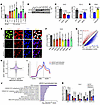 Figure 1
EZH2 maintains a hyper-m6A state in PCa cells. (A) The m6A ELISA to measure the global m6A levels in PrEC and BPH-1 benign prostate cells, along with a panel of PCa cell lines. (B) Western blot to detect the EZH2 expression level in all cell types tested in A. (C and D) The m6A ELISA to measure the global m6A levels in 2 PCa cell lines upon EZH2 knockdown (C), or in PrEC cells with EZH2 overexpression (D). (E) Representative fluorescence images to show the RNA m6A staining in control and EZH2-deficient C4-2 cells. Endogenous EZH2 were costained by anti-EZH2 antibody, and the nuclei were visualized by DAPI (Scale bar: 20 μm). (F) The m6A ELISA to measure the global m6A levels in C4-2 cells treated with a series of EZH2 inhibitors. For DZNeP, GSK126, and EPZ6438, a concentration of 5 μM was used. For all the MS drugs, a concentration of 1 μM was used. (G) Scatter plot showing the m6A methylation in C4-2 cells upon EZH2 depletion, with siEZH2 hypomethylated sites in blue and hypermethylated sites in red. (H) Violin plot to show the differential m6A ratio upon EZH2 knockdown in C4-2 cells. (I) The distribution of EZH2-affected m6A sites across the transcript. (J) Gene Ontology enrichment analysis of genes with hypomethylated m6A sites upon EZH2 knockdown in C4-2 cells. Statistical significance was assessed using the hypergeometric test with P values corrected for multiple testing with the g:SCS method using g:Profiler. (K) The m6A CUT&RUN-qPCR analysis to validate the EZH2-affected m6A sites in each indicated transcript of C4-2 cells. One-way ANOVA followed by Dunnett’s multiple-comparison test was used for statistical analysis in A, C, F, and K. Two-tailed Student’s t test was used in D.
To comprehensively understand the effect of EZH2 on m6A regulation, we applied the cutting-edge Nanopore-seq method for genome-wide m6A identification. CHEUI, a recently developed algorithm, which enables m6A detection at read level, was recruited for data analysis (31). To test the reliability of our model, we first conducted Nanopore-seq in C4-2 cells undergoing METTL3 (the major m6A writer) knockdown. As expected, the vast majority of our identified m6A sites were hypomethylated upon METTL3 suppression (Supplemental Figure 1C and Supplemental Table 1). In addition, the hypomethylated sites, but not hypermethylated sites, showed a canonical m6A enrichment around the stop codon of transcripts (Supplemental Figure 1D), matching the role of METTL3 as a m6A writer. Similar to METTL3 suppression, the number of hypomethylated m6A sites in EZH2-deficient cells was also significantly higher than the hypermethylated sites (Figure 1G and Supplemental Table 1), which resulted in a global m6A downregulation upon EZH2 depletion (Figure 1H). Consistently, only the hypomethylated sites upon EZH2 knockdown could match the conventional m6A distribution pattern (Figure 1I), suggesting that EZH2 is more likely to enhance m6A methylation. Meanwhile, Gene Set Enrichment Analysis (GSEA) of the gene transcripts with hypomethylated m6A sites upon EZH2 deficiency revealed an enrichment towards multiple translation-related pathways (Figure 1J). We next validated the top EZH2-affected m6A sites from our Nanopore-seq results by m6A CUT&RUN-qPCR assay. As presented in Figure 1K and Supplemental Figure 1E, all tested sites showed dramatic m6A decreases in response to EZH2 knockdown in 2 PCa cell lines. Collectively, these data demonstrate that EZH2 functions in upregulating global mRNA m6A levels in PCa cells.
EZH2 activates an m6A autoregulation pathway via YTHDF1-METTL14/WTAP signaling. To uncover the mechanism underlying the EZH2-mediated m6A regulation in PCa, we first checked the expression change of a set of m6A modifiers. As depicted in Figure 2A, the protein level of 3 tested candidates, including m6A writers of METTL14 and WTAP as well as m6A reader of YTHDF1, were significantly downregulated upon EZH2 suppression. Intriguingly, with respect to transcription level, only the mRNAs of YTHDF1, but not METTL14 and WTAP, were coincidentally decreased in response to EZH2 depletion (Supplemental Figure 2, A–C), suggesting that these two m6A writers were specifically modulated at the translational level. This finding was reminiscent of our previous report that EZH2 could exert a PRC2-independent function in translational control through fibrillarin (FBL) (14). However, silencing of FBL in PCa cells barely affected the protein levels of METTL14 and WTAP, excluding this possibility (Supplemental Figure 2D). We next shifted the spotlight on the m6A intrinsic network. YTHDF1 is known as an m6A reader, which promotes the translation initiation of m6A-modified mRNAs (32). This information prompted us to examine whether the diminished YTHDF1 expression is directly responsible for the impaired translation of METTL14 and WTAP in EZH2-deficient PCa cells. To this end, we reanalyzed our own methylated RNA immunoprecipitation sequencing (MeRIP-seq) data in both C4-2 and PrEC cells (33). In accordance with our speculation, evident m6A peaks could be found around the stop codon of METTL14 and WTAP mRNAs, but were absent in the transcript of METTL3 (Figure 2B). Moreover, these m6A peaks were much higher in C4-2 cells relative to PrEC, correlating with their endogenous EZH2 levels. This observation was further verified by m6A CUT&RUN-qPCR assay in C4-2 and PC-3 cell lines (Figure 2C). We next performed RNA immunoprecipitation–qPCR (RIP-qPCR) experiment and confirmed METTL14 and WTAP transcripts as binding targets of YTHDF1 in PCa cells (Supplemental Figure 2E). In addition, treatment of PCa cells with m6A inhibitor STM2457 substantially reduced the amounts of YTHDF1-binding METTL14 and WTAP mRNAs (Supplemental Figure 2F), indicating that the YTHDF1-METTL14/WTAP interaction is m6A-dependent. To study the consequence of these YTHDF1-m6A recognitions, we used a previously described in vitro luciferase reporter system (Figure 2D) (4). This system contains the m6A-enriched fraction of METTL14 or WTAP, with 3 predicted m6A sites in each insert. In addition, we mutated the A to T to inactivate the potential YTHDF1 binding. As shown in Figure 2E, depletion of either YTHDF1 or EZH2 efficiently reduced the relative luciferase activity of both WT vectors. However, no significant change of luciferase activity occurred in the mutation reporters (Figure 2E), indicating that the m6A modification is critical for the YTHDF1-mediated translation promotion. In line with our above evidence, depletion of YTHDF1 in PCa cells markedly reduced the protein level of both m6A writers (Figure 2F), while their mRNA abundance remained unchanged (Supplemental Figure 2G). In comparison, suppression of METTL14 or WTAP in PCa cells had no impact on YTHDF1 expression (Supplemental Figure 2H), further proving our rationale that YTHDF1, but not METTL14 or WTAP, serves as the upstream regulator of this m6A intrinsic network.
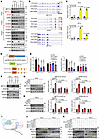 Figure 2
YTHDF1 promotes the translation of METTL14 and WTAP in an m6A-dependent manner. (A) Western blot to detect the expression change of 11 common m6A mediators upon EZH2 suppression in 2 PCa cell lines. (B) Genome browser tracks to show the MeRIP-seq data at each indicated loci in C4-2 and PrEC cells, with the peaks around the stop codon and 3′-UTR regions being highlighted. (C) The m6A CUT&RUN-qPCR assay in 2 PCa cell lines to show the m6A enrichment in each indicated transcript. (D) Schematic of luciferase reporter constructs. Fragments of METTL14 or WTAP containing 3 predicted m6A consensus motifs were cloned downstream of the luciferase coding sequence (labeled as “WT”). In the mutant constructs (“Mut”), the adenosines at these m6A consensus sites were substituted with thymidines to disrupt potential m6A deposition and YTHDF1 binding. Fluc, firefly luciferase; Rluc, Renilla luciferase. (E) Luciferase reporter assay showing relative activity of WT versus mutant constructs in control, EZH2-deficient, or YTHDF1-deficient C4-2 cells. (F) Western blot to detect the change of METTL14 and WTAP proteins upon YTHDF1 suppression in 2 PCa cell lines. (G and H) Control, EZH2-, and YTHDF1-deficient C4-2 (G) and PC-3 (H) cells were treated with or without Proteasome inhibitor MG-132, followed by Western blot analysis to detect the change of METTL14 and WTAP proteins. Graph showing the relative METTL14 and WTAP protein levels in each indicated group based on 3 biologically independent experiments. (I) General overview of the site-specific RNA targeting using dCas13b-YTHDF1N fusion protein, which can trigger the assembly of translation machinery. Created with BioRender.com. (J and K) YTHDF1-deficient PCa cells were transfected with dCas13b-YTHDF1N and gRNAs targeting METTL14 (J) or WTAP (K), followed by Western blot analysis to measure the expression change of METTL14 and WTAP, respectively. Since the anti-YTHDF1 antibody we used cannot detect YTHDF1N, the anti-Flag antibody was utilized to capture the dCas13b-YTHDF1N proteins. One-way ANOVA followed by Dunnett’s multiple-comparison test was used for statistical analysis in E, G, and H. Two-tailed Student’s t test was used in C.
As the final production of a protein is dictated by both the protein synthesis and degradation rates, we next sought to determine which process is controlled by YTHDF1 to modulate METTL14/WTAP translation. Control, EZH2-, and YTHDF1-deficient PCa cells were treated with either cycloheximide (CHX) to block the de novo protein synthesis, or MG-132 to inhibit proteasomal degradation, followed by immunoblot analyses. In accordance with the role of YTHDF1 in translation promotion, the synthesis of nascent METTL14 and WTAP proteins were significantly suppressed in EZH2- or YTHDF1-deficient cells (Figure 2, G and H), while their protein decay rates were unaltered (Supplemental Figure 2I). To consolidate this finding, we recruited the dCas13b-YTHDF1 system to study the molecular basis behind YTHDF1-mediated translation regulation at METTL14 and WTAP transcripts (34). In brief, the N-terminal domain of YTHDF1 (YTHDF1N) was fused to a catalytically inactive PspCas13b protein, which can target the reader to the RNA of interest by specific guide RNAs (gRNAs) (Figure 2I). Since the C-terminal m6A-binding domain of YTHDF1 was fully removed from the fusion protein, this construct allows us to study the m6A-initiated downstream effect of YTHDF1 decoupled from its native regulatory context. As revealed in Figure 2, J and K, and Supplemental Figure 2, J and K, when dCas13b-YTHDF1N was recruited to target METTL14 or WTAP mRNAs by gRNAs, the reduced protein level of these 2 m6A writers in YTHDF1-deficient PCa cells could be specifically rescued. Together, these results demonstrate that YTHDF1 serves as an upstream regulator of METTL14 and WTAP to control its translation via an m6A-dependent pathway.
Upregulation of FOXA1 by EZH2 enhances YTHDF1 expression transcriptionally. We then aimed to unveil the EZH2-YTHDF1 regulatory network. By searching for both The Cancer Genome Atlas (TCGA) and Stand Up To Cancer (SU2C) databases, we observed that the mRNA level of YTHDF1 was gradually upregulated with the advancement of PCa and positively correlated with that of EZH2 (Figure 3, A and B). IHC assay was next performed using serially sectioned PCa tissue microarray (TMA) slides. Compared with benign prostate controls, PCa specimens with high Gleason scores exhibited significant upregulation of YTHDF1 expression (Figure 3, C and D). Meanwhile, the median survival time of the patient group with high YTHDF1 staining was significantly shorter than that of the group with low YTHDF1 signal (Figure 3E). In agreement with the transcriptomic result, a positive coexpression pattern of YTHDF1 and EZH2 proteins could also be observed (Figure 3, F and G), indicating a strong link between these 2 genes in PCa.
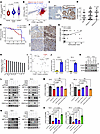 Figure 3
EZH2 activates YTHDF1 transcription through FOXA1 to regulate m6A globally. (A) Violin plot showing the mRNA level of YTHDF1 in normal (n = 52), primary PCa (n = 497), and mCRPC (n = 101) specimens using data from TCGA and SU2C. P values were calculated by 2-tailed Wilcoxon rank-sum test and adjusted for multiple comparisons using Bonferroni correction. mCRPC: metastatic castration-resistant prostate cancer. (B) Scatter plot showing the relationship between EZH2 and YTHDF1 mRNA expressions using data from TCGA-PRAD and SU2C, with Spearman correlation coefficient (R) and P value as indicated. TPM, transcript per million. (C) Representative IHC images of YTHDF1 expression in BPH and high Gleason score PCa tissues as indicated. Scale bar: 100 μm. BPH, benign prostatic hyperplasia. (D) Graph showing the YTHDF1 protein levels based on the TMA results from BPH (n = 20), Gleason 6–7 PCa (n = 83) and Gleason 8–10 PCa (n = 44) tissues. (E) The association between YTHDF1 expression and PSA recurrence-free survival time of patients with PCa was analyzed by Kaplan-Meier analysis using the patient dataset corresponding to the TMA slide we used. Patients were divided into low (H-score 0–100) and high (H-score ≥ 150) YTHDF1 groups based on the median expression value, which coincided with a natural separation in the frequency distribution. P value was calculated by Log-rank (Mantel-Cox) test. PSA, prostate-specific antigen. (F) Representative IHC staining of PCa TMA slides using the indicated antibodies. Scale bar: 100 μm. (G) Scatter plot showing the correlation between protein levels of EZH2 and YTHDF1, as revealed by the PCa TMA IHC data. The R and P value were calculated as indicated. (H) Bar chart showing aggregate rank scores for the top 10 transcription factors based on YTHDF1 correlation and Regulatory Potential (RP) Score. (I) Scatter plot showing the relationship between YTHDF1 Pearson correlation (x-axis) and Regulatory Potential Score (y-axis) for various transcription factors, with FOXA1 position highlighted in red. (J) ChIP-qPCR assay to monitor the enrichment of FOXA1 at YTHDF1 gene loci in 2 PCa cell lines. (K) Western blot to detect the change of YTHDF1 protein level upon FOXA1 knockdown in 2 PCa cell lines. (L) Western blot to detect the change of 3 m6A mediators upon forced expression of FOXA1, EZH2-WT, or EZH2-H689A in EZH2-deficient PCa cells. (M) The m6A ELISA was conducted to measure the m6A levels in each group of L. (N) Western blot to validate the reexpression of METTL14 and WTAP in EZH2-deficient PCa cells. (O) The m6A ELISA was conducted to measure the m6A levels in each group of N. One-way ANOVA followed by Dunnett’s multiple-comparison test was used for statistical analysis in D, M, and O. Two-tailed Student’s t test was used in J.
Beyond its canonical role as a transcriptional repressor, EZH2 also functions as a transcription coactivator by interacting with several transcription factors (TFs) (35). Therefore, we speculated that EZH2 may stimulate YTHDF1 transcription via manipulating the latter’s binding TFs. Through interrogating a series of public PCa Chromatin immunoprecipitation–seq (ChIP-seq) profiles, FOXA1 was nominated as the top TF, which is widely distributed throughout the gene body of YTHDF1 (Figure 3, H and I, and Supplemental Figure 3A). Both TCGA and SU2C analyses of PCa specimens revealed a positive correlation between YTHDF1 and FOXA1 mRNA expressions (Supplemental Figure 3B). Meanwhile, the protein levels of both YTHDF1 and FOXA1 are also positively correlated in PCa tissues (Supplemental Figure 3, C and D). Remarkably, emerging evidence has demonstrated that EZH2 could directly methylate FOXA1 protein in PCa cells to protect it from degradation (36, 37), suggesting that FOXA1 might be involved into EZH2-YTHDF1 regulatory axis. In accordance with these reports, silencing of EZH2 by both siRNAs and EZH2 enzymatic inhibitors led to a dramatic downregulation of FOXA1 proteins in PCa cells (Supplemental Figure 3, E and F). Consistently, time-course CHX treatment assay further revealed that either EZH2 knockdown or inhibition of EZH2’s enzymatic activity substantially shortened the half lives of FOXA1 protein (Supplemental Figure 3, G and H). It has been proven that EZH2 monomethylates FOXA1 protein at K295 site to prevent its ubiquitination (36). To recapitulate this finding in our model, PCa cells undergoing either EZH2 knockdown or EZH2 inhibitor treatment were incubated with 10 μM MG-132 for 14 hours and then subjected to coimmunoprecipitation (co-IP) using an anti-FOXA1 antibody. The results showed that EZH2 silencing by both siRNAs and enzymatic inhibitors significantly reduced the FOXA1 K295me1 levels, along with a marked increase of ubiquitinated FOXA1 (Supplemental Figure 3, I and J). To further confirm the relationship between K295me1 and FOXA1 ubiquitination, we overexpressed WT, K295A, or K295R FOXA1 in PCa cells, followed by MG-132 treatment and co-IP assay. As presented in Supplemental Figure 3K, both K295A and K295R mutations markedly boosted the FOXA1 ubiquitination level, indicating an essential role of K295me1 in protecting FOXA1 from degradation. Based on these data, we concluded that EZH2 could stabilize FOXA1 protein in PCa cells through K295me1 deposition.
We then assessed the enrichment of FOXA1 at YTHDF1 gene loci by ChIP-qPCR and confirmed their regulatory relations through Western blot (Figure 3, J and K). To further evaluate the involvement of FOXA1-YTHDF1-METTL14/WTAP signaling axis in the EZH2-mediated m6A regulation, we conducted a rescue assay in 2 PCa cell lines. As shown in Figure 3L, overexpression of FOXA1 or EZH2-WT significantly restored the expression of YTHDF1 along with METTL14 and WTAP in EZH2-deficient cells, while forced expression of EZH2-H689A, a catalytically dead mutant, failed to induce the reexpression of all 3 m6A modifiers. Consequentially, ectopic expression of FOXA1 or EZH2-WT, but not EZH2-H689A, rescued the decreased m6A level in EZH2-deficient PCa cells (Figure 3M). Meanwhile, concurrent reexpression of METTL14 and WTAP in EZH2-deficient cells also achieved a full m6A restoration (Figure 3, N and O), further supporting our mechanism. Taken together, our results provide a new model whereby EZH2 controls a previously unappreciated m6A autoregulation pathway to enhance the global m6A level in PCa cells.
A PRC2- and m6A-dependent function of EZH2 in translational control. We previously reported a PRC2-independent role of EZH2 in PCa-related translational promotion through activating rRNA 2′-O-methylation and ribosome biosynthesis (14). Intriguingly, our current study indicates that EZH2 may further accelerate the translation efficiency (TE) of a group of m6A-modified mRNAs through upregulating YTHDF1 expression in a PRC2- and lysine trimethylation (Kme3)-dependent manner. To test this notion, we first performed the puromycylation assay to monitor the global protein synthesis by labelling the nascent peptides with puromycin (38). Treatment of C4-2 cells with EZH2 enzymatic inhibitors of GSK126 and EPZ6438 both induced a broad decrease of de novo protein synthesis without affecting EZH2 expressions (Figure 4A and Supplemental Figure 4A), proving that the methyltransferase activity of EZH2 has an impact on translation. Similarly, depletion of YTHDF1 also led to a reduced production of newly synthesized proteins (Figure 4B and Supplemental Figure 4B), matching its established role in enhancing translation (32).
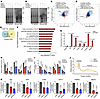 Figure 4
EZH2 exerts a methylation-dependent function in translational control. (A and B) Puromycylation assay was conducted in C4-2 cells undergoing EZH2 enzymatic inhibitor treatment (5 μM) (A) or YTHDF1 deficiency (B). Before WB analysis, the whole protein extracts were visualized by UV and shown in the left panel as reference. (C and D) Scatter plots showing expression changes of mRNA levels and RPFs between control and EPZ6438-treated (C) or YTHDF1-deficient (D) C4-2 cells. Genes are colored according to their regulation mode. (E) Venn diagram showing the overlap between downregulated genes from translation mode after EPZ6438 treatment or YTHDF1 knockdown (KD). (F) Gene enrichment analysis of the overlapping genes in E using Reactome pathways. Statistical significance was assessed using the hypergeometric test with FDR-corrected P values. Only the top 8 enriched pathways are presented. (G) RIP-qPCR assay in C4-2 cells to test the binding of YTHDF1 proteins to each mRNA candidate as indicated. (H) The m6A CUT&RUN-qPCR assay in C4-2 cells upon GSK126 or EPZ6438 treatment to show the m6A alterations in each indicated transcript. (I) RIP-qPCR assay in C4-2 cells upon GSK126 or EPZ6438 treatment to monitor the change of YTHDF1 binding to each mRNA candidate as indicated. (J) Cytoplasmic polysome patterns of DMSO-, GSK126- and EPZ6438-treated C4-2 cells. (K) Quantification of the ratio of each polysomal-bound mRNA candidate to the total cytoplasmic mRNA of its own. One-way ANOVA followed by Dunnett’s multiple-comparison test was used for statistical analysis in H, I, and K. Two-tailed Student’s t test was used in G.
To systematically understand the Kme3 & m6A-dependent role of EZH2 in TE regulation, we utilized RiboLace to capture the ribosome-protected fragments (RPFs) in C4-2 cells undergoing EPZ6438 treatment or YTHDF1 deficiency for sequencing. The mRNA abundance in each group was measured in parallel by RNA-seq. As an optimized approach of the traditional Ribosome sequencing (Ribo-seq), RiboLace requires much less starting material and avoids the tedious ultracentrifugation steps (39). By conjoint analyses of RiboLace and RNA-seq data, differential genes were divided into 3 groups of (a) “translation”, genes with evident change in RPF but not in mRNA; (b) “buffering”, genes with changes in mRNA without corresponding changes in RPF; (c) “mRNA abundance”, genes with changes in RPF that keep pace with that in mRNA.
Upon EPZ6438 treatment, 908 genes were identified in the translation group; 3,615 in the buffering group; and 1,510 in the mRNA abundance group (Figure 4C and Supplemental Table 2). Meanwhile, depletion of YTHDF1 led to 659 genes in the translation group; 2,351 in the buffering group; and 793 in the mRNA abundance group (Figure 4D and Supplemental Table 2). The expression changes in each group matched the desired setting, supporting the effectiveness of the classification algorithm (Supplemental Figure 4C). By comparing the EPZ6438 treatment RiboLace data with our previously obtained Ribo-seq results in EZH2-knockdown C4-2 cells, we observed a much lower gene number in the translation group (908 versus 2,687), while the size of mRNA abundance group remained in the same scale (1,510 versus 1,548) (14). These data indicated that both the PRC2-dependent and -independent roles of EZH2 contribute to the translational control, while its enzymatic activity is solely responsible for the transcriptional regulation. To evaluate the coregulatory function of EZH2 and YTHDF1 in TE, we recruited the translation-down and mRNA abundance-down subsets from both conditions for analysis. According to the RiboLace classification, the translation-down subgroup contains genes with impaired TE, while genes in the mRNA abundance-down subgroup are solely repressed at the transcriptional level. In line with our prediction, genes in the translation-down subgroups of EPZ6438-treated and YTHDF1-deficient cells were significantly overlapped and coenriched in multiple cellular pathways (Figure 4, E and F, P < 0.001, hypergeometric test). Meanwhile, the overlap between the 2 mRNA abundance-down subgroups was not statistically significant. (Supplemental Figure 4D; P = 0.24, hypergeometric test). These data demonstrate that EZH2 and YTHDF1 tend to share a function in governing the translation, but not the transcription process.
To validate the RiboLace results, we focused on the 70 overlapping genes that showed diminished TE in response to both EPZ6438 treatment and YTHDF1 deficiency in C4-2 cells (Figure 4E). These genes are deemed to be regulated by EZH2 solely at the translation level via targeting of YTHDF1 in a m6A-dependent manner. As expected, 45 out of the 70 genes contain m6A sites within their transcripts, as revealed by our Nanopore-seq and MeRIP-seq data (Supplemental Table 3). Most of their m6A sites are located within the 3′-UTR region and conform to the consensus DRACH motif (Supplemental Figure 4, E and F). We then selected 6 candidates for in-depth investigation, since they are all cancer-related genes with at least one m6A site in mRNA. The binding of YTHDF1 to these candidates was first confirmed by RIP-qPCR assay (Figure 4G). Upon GSK126 or EPZ6438 treatment, the m6A levels in all candidates were significantly decreased, along with their YTHDF1 binding intensity (Figure 4, H and I). These data suggested that all candidates are subjected to the EZH2-YTHDF1-m6A regulation in PCa cells. To further unveil the impact of EZH2’s enzymatic activity on the TE of these genes, we performed polysome profiling analysis and found that GSK126 or EPZ6438-treated C4-2 cells exhibited a much lower profiling than the control sample (Figure 4J), which is largely identical to the pattern upon YTHDF1 silencing (Supplemental Figure 4G). We then collected the polysome fractions to measure the mRNA distribution of each candidate. The results showed that both GSK126/EPZ6438 treatment and YTHDF1 knockdown significantly impaired the amount of each candidate’s mRNA that bound to polysomes (Figure 4K and Supplemental Figure 4H). In summary, the above results provide evidence that the enzymatic activity of EZH2 is capable of profoundly reshaping the TE pattern in PCa cells through targeting of YTHDF1.
YTHDF1 as a key determinant for EZH2 to exert its oncogenic functions. A number of studies have proven that EZH2 canonically drives cancer progression through epigenetic silencing of tumor suppressive genes via catalyzing H3K27me3 (40). Remarkably, our above evidence supports a notion that EZH2 may further facilitate oncogenesis via enhancing the translation of a series of cancer regulators through its catalytic activity, with YTHDF1 playing a pivotal role in this process. To assess this, we first confirmed that suppression of YTHDF1 substantially reduced the proliferative rate of PCa cells (Supplemental Figure 5A), along with their migratory and invasive capabilities (Supplemental Figure 5, B and C). Interestingly, when comparing the polysomal profiles, we noted that forced expression of YTHDF1 in C4-2 cells could significantly overcome the decreased proportion of polysomes induced by GSK126 or EPZ6438 (Figure 5A). In addition, YTHDF1 overexpression restored the mRNA amount of all the above examined TE-affected genes on polysomes (Figure 5B). METTL14 and WTAP, 2 key downstream targets of YTHDF1 in our model, also exhibited an evidently reduced mRNA enrichment in polysomal fractions upon GSK126 or EPZ6438 treatment, and the impairment was robustly rescued upon YTHDF1 reexpression (Figure 5B). Among all of these tested candidates, CCNB1, RAP1A, METTL14, and WTAP are previously validated prostatic oncogenes (6, 41–43). As expected, all 4 oncogenes showed an alteration in protein level that matched their TE changes, supporting the essential role of YTHDF1 in EZH2-mediated oncogenesis (Figure 5C). Consistently, reexpression of YTHDF1 evidently reversed the repressed proliferation in PCa cells incubated with GSK126 or EPZ6438 (Figure 5D). Colony formation assays also showed that the abolished PCa cell growth upon long-term treatment of GSK126 or EPZ6438 was restored by concurrent expression of ectopic YTHDF1 (Figure 5E). To recapitulate these findings in vivo, we conducted a zebrafish embryo metastasis assay using GFP-labeled PCa cells and observed the same tendency (Figure 5F and Supplemental Figure 5D). Above all, our data support YTHDF1 as a critical downstream effector of EZH2 to promote prostate carcinogenesis.
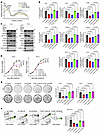 Figure 5
EZH2 enzymatic inhibitors suppress PCa progression through YTHDF1. (A) Cytoplasmic polysome pattern of C4-2 cells in each group as indicated. (B) Quantification of the ratio of indicated polysomal-bound mRNAs to the total cytoplasmic mRNA of their own. (C) Western blot to detect the expression of CCNB1, RAP1A, METTL14, and WTAP in each group of 2 PCa cell lines as indicated. (D) Cell viability assay to assess the proliferative capacity of GSK126- or EPZ6438-treated PCa cells (5 μM for each) overexpressing YTHDF1. (E) Colony formation assay was performed in each group as indicated. Graphs showing the percentage of the area in each well covered by crystal violet–stained cell colonies. (F) GFP-labeled C4-2 cells in each condition were injected into zebrafish embryos. Tumor cell invasion was examined upon 3 days and images were taken under 4× magnification. Embryos exhibiting positive circulation signals were classified as “invaded.” Graph showing the mean fluorescence intensity (%), with individual data points representing each measurement. For each group, 3 zebrafish larvae were randomly selected, and 2 distinct regions per larvae were analyzed to measure fluorescence intensity. One-way ANOVA followed by Dunnett’s multiple-comparisons test was used in panels B, E, and F when multiple groups were compared. For comparisons involving only 2 groups, an unpaired 2-tailed Student’s t test was applied (B, E, and F). In D, statistical significance was assessed using an unpaired 2-tailed Student’s t test at the final timepoint.
Targeting EZH2 and m6A synergistically kills PCa tumors. Targeting of m6A and its regulators has emerged as a promising avenue for anticancer therapy (44). As the first-in-class small-molecule m6A inhibitor, STM2457 selectively reduces RNA m6A levels by disrupting the METTL3-METTL14 interaction (45). As expected, STM2457 reduced the total m6A level in PCa cells without affecting the expression of two m6A enzymes (Supplemental Figure 6, A and B). Although lower than that in BPH-1 cells, the half-maximal inhibitory concentration (IC50) of STM2457 was still above 15 μM in 2 PCa cell lines, indicating a modest inhibitory effect (Supplemental Figure 6C). We then expected that EZH2 inhibitors may strengthen the efficacy of STM2457 in treating EZH2high m6Ahigh tumors (i.e., advanced PCa types) by further elimination of m6A via downregulation of YTHDF1/METTL14/WTAP along with blocking the multifaceted tumorigenic functions of EZH2. MS8815, a recently discovered EZH2 proteolysis targeting chimera (PROTAC) degrader, was employed for EZH2 elimination in our model (29). Remarkably, dual treatment of STM2457 and MS8815 in PCa cells achieved a more dramatic m6A reduction as compared with single drug use (Figure 6, A and B). Furthermore, combinatorial use of STM2457 and MS8815 reached an evident synergistic effect in killing PCa cells (Figure 6C). In comparison, these 2 drugs only created an additive effect in BPH-1 cells (Figure 6C), suggesting that the synergy tends to be limited in EZH2high m6Ahigh models. To further test this strategy in vivo, we delivered STM2457 and MS8815 into male mice bearing LuCaP 35CR, an advanced castration-resistant PCa (CRPC) patient-derived xenograft (PDX) (46). In accordance with our in vitro observations, combinational treatment of STM2457 and MS8815 reduced the tumor burden more effectively when compared with those utilizing one drug only (Figure 6, D–F). The follow-up analyses of the resulting tumors confirmed the on-target drug effects in reducing EZH2, YTHDF1, and m6A levels (Figure 6, G and H, and Supplemental Figure 6D). In conclusion, these data demonstrated that combinational targeting of EZH2 and m6A activities may serve as a more effective approach over EZH2 targeting only for advanced PCa therapy.
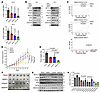 Figure 6
Combinational targeting of EZH2 and m6A achieves a synergistic effect in treating aggressive PCa. (A) The m6A ELISA to measure the global m6A level in 2 PCa cell lines treated with STM2457 (5 μM), MS8815 (1 μM), or combination. (B) Western blot to detect the expression of indicated proteins in each group of A. (C) Representation of combination index plot of STM2457 combined with MS8815 in 2 PCa cell lines and BPH-1 cells. Doses below the dotted line represent the synergistic effect, while doses above the dotted line indicate the antagonistic effect. (D–F) The LuCaP 35CR PDX tumors were implanted subcutaneously into NCG mice, followed by delivery of STM2457, MS8815, or combination. Tumor volume was measured by caliper twice a week and plotted in D. Day 0 corresponds to the time point when the tumor volume reached approximately 100 mm3, at which time drug administration was initiated. At the end point of measurement, tumors were harvested, weighed (E), and pictured (F). Data represent Mean ± SD from n = 6 mice in each group. (G and H) Three randomly selected tumors from F were subjected to WB analysis to detect the expression of three m6A mediators as indicated (G), along with m6A ELISA to measure the m6A changes (H). One-way ANOVA followed by Dunnett’s multiple-comparison test was used for statistical analysis in A, D, E, and H.


Copyright © 2026 American Society for Clinical Investigation
ISSN: 0021-9738 (print), 1558-8238 (online)