
Advertisement
Research ArticleGastroenterologyOncology
Open Access |  10.1172/JCI194243
Cancer-associated fibroblasts enhance colorectal cancer lymphatic metastasis via CLEC11A/LGR5-mediated WNT pathway activation
Chuhan Zhang,1,2,3,4 Teng Pan,5 Yuyuan Zhang,1,3,4 Yushuai Wu,6 Anning Zuo,1 Shutong Liu,1 Yuhao Ba,1 Benyu Liu,7 Shuaixi Yang,8 Yukang Chen,1 Hui Xu,1 Peng Luo,9 Quan Cheng,10 Siyuan Weng,11 Long Liu,12 Xing Zhou,13 Jingyuan Ning,14 Xinwei Han,1,3,4 Jinhai Deng,15 and Zaoqu Liu1,3,4,16
1Department of Interventional Radiology and
2Department of Oncology, The First Affiliated Hospital of Zhengzhou University, Zhengzhou, Henan, China.
3Interventional Institute of Zhengzhou University, Zhengzhou, Henan, China.
4Interventional Treatment and Clinical Research Center of Henan Province, Zhengzhou, Henan, China.
5Longgang District Maternity and Child Healthcare Hospital of Shenzhen City (Longgang Maternity and Child Institute of Shantou University Medical College), Shenzhen, Guangdong, China.
6Shanghai Academy of Artificial Intelligence for Science, Shanghai, China.
7Tianjian Laboratory of Advanced Biomedical Sciences, Academy of Medical Sciences, Zhengzhou University, Zhengzhou, Henan, China.
8Department of Colorectal Surgery, The First Affiliated Hospital of Zhengzhou University, Zhengzhou, Henan, China.
9Department of Oncology, Zhujiang Hospital, Southern Medical University, Guangzhou, Guangdong, China.
10Department of Neurosurgery, Xiangya Hospital, Central South University, Changsha, Hunan, China.
11National Cancer Center/National Clinical Research Center for Cancer/Cancer Hospital, Chinese Academy of Medical Sciences and Peking Union Medical College, Beijing, China.
12Department of Hepatobiliary Surgery, The First Affiliated Hospital of Xi’an Jiaotong University, Xi’an, Shanxi, China.
13Department of Pediatric Surgery, The First Affiliated Hospital of Zhengzhou University, Zhengzhou, Henan, China.
14State Key Laboratory of Common Mechanism Research for Major Diseases & Department of Medical Genetics, Institute of Basic Medical Sciences & School of Basic Medicine, Chinese Academy of Medical Sciences & Peking Union Medical College, Beijing, China.
15Richard Dimbleby Laboratory of Cancer Research, Comprehensive Cancer Centre, King’s College London, London, United Kingdom.
16Institute of Basic Medical Sciences, Chinese Academy of Medical Sciences and Peking Union Medical College, Beijing, China.
Address correspondence to: Xinwei Han, Department of Interventional Radiology, The First Affiliated Hospital of Zhengzhou University, Zhengzhou, Henan 450052, China. Email: fcchanxw@zzu.edu.cn. Or to: Jinhai Deng, Richard Dimbleby Laboratory of Cancer Research, School of Cancer & Pharmaceutical Sciences, King’s College London, London, SE1 1UL, United Kingdom. Email: jinhaideng_kcl@163.com. Or to: Zaoqu Liu, Department of Interventional Radiology, The First Affiliated Hospital of Zhengzhou University, Zhengzhou, Henan 450052, China. Email: liuzaoqu@163.com.
Authorship note: CZ, TP, YZ, and YW contributed equally to this work and are co–first authors.
Find articles by Zhang, C. in: PubMed | Google Scholar
1Department of Interventional Radiology and
2Department of Oncology, The First Affiliated Hospital of Zhengzhou University, Zhengzhou, Henan, China.
3Interventional Institute of Zhengzhou University, Zhengzhou, Henan, China.
4Interventional Treatment and Clinical Research Center of Henan Province, Zhengzhou, Henan, China.
5Longgang District Maternity and Child Healthcare Hospital of Shenzhen City (Longgang Maternity and Child Institute of Shantou University Medical College), Shenzhen, Guangdong, China.
6Shanghai Academy of Artificial Intelligence for Science, Shanghai, China.
7Tianjian Laboratory of Advanced Biomedical Sciences, Academy of Medical Sciences, Zhengzhou University, Zhengzhou, Henan, China.
8Department of Colorectal Surgery, The First Affiliated Hospital of Zhengzhou University, Zhengzhou, Henan, China.
9Department of Oncology, Zhujiang Hospital, Southern Medical University, Guangzhou, Guangdong, China.
10Department of Neurosurgery, Xiangya Hospital, Central South University, Changsha, Hunan, China.
11National Cancer Center/National Clinical Research Center for Cancer/Cancer Hospital, Chinese Academy of Medical Sciences and Peking Union Medical College, Beijing, China.
12Department of Hepatobiliary Surgery, The First Affiliated Hospital of Xi’an Jiaotong University, Xi’an, Shanxi, China.
13Department of Pediatric Surgery, The First Affiliated Hospital of Zhengzhou University, Zhengzhou, Henan, China.
14State Key Laboratory of Common Mechanism Research for Major Diseases & Department of Medical Genetics, Institute of Basic Medical Sciences & School of Basic Medicine, Chinese Academy of Medical Sciences & Peking Union Medical College, Beijing, China.
15Richard Dimbleby Laboratory of Cancer Research, Comprehensive Cancer Centre, King’s College London, London, United Kingdom.
16Institute of Basic Medical Sciences, Chinese Academy of Medical Sciences and Peking Union Medical College, Beijing, China.
Address correspondence to: Xinwei Han, Department of Interventional Radiology, The First Affiliated Hospital of Zhengzhou University, Zhengzhou, Henan 450052, China. Email: fcchanxw@zzu.edu.cn. Or to: Jinhai Deng, Richard Dimbleby Laboratory of Cancer Research, School of Cancer & Pharmaceutical Sciences, King’s College London, London, SE1 1UL, United Kingdom. Email: jinhaideng_kcl@163.com. Or to: Zaoqu Liu, Department of Interventional Radiology, The First Affiliated Hospital of Zhengzhou University, Zhengzhou, Henan 450052, China. Email: liuzaoqu@163.com.
Authorship note: CZ, TP, YZ, and YW contributed equally to this work and are co–first authors.
Find articles by Pan, T. in: PubMed | Google Scholar
1Department of Interventional Radiology and
2Department of Oncology, The First Affiliated Hospital of Zhengzhou University, Zhengzhou, Henan, China.
3Interventional Institute of Zhengzhou University, Zhengzhou, Henan, China.
4Interventional Treatment and Clinical Research Center of Henan Province, Zhengzhou, Henan, China.
5Longgang District Maternity and Child Healthcare Hospital of Shenzhen City (Longgang Maternity and Child Institute of Shantou University Medical College), Shenzhen, Guangdong, China.
6Shanghai Academy of Artificial Intelligence for Science, Shanghai, China.
7Tianjian Laboratory of Advanced Biomedical Sciences, Academy of Medical Sciences, Zhengzhou University, Zhengzhou, Henan, China.
8Department of Colorectal Surgery, The First Affiliated Hospital of Zhengzhou University, Zhengzhou, Henan, China.
9Department of Oncology, Zhujiang Hospital, Southern Medical University, Guangzhou, Guangdong, China.
10Department of Neurosurgery, Xiangya Hospital, Central South University, Changsha, Hunan, China.
11National Cancer Center/National Clinical Research Center for Cancer/Cancer Hospital, Chinese Academy of Medical Sciences and Peking Union Medical College, Beijing, China.
12Department of Hepatobiliary Surgery, The First Affiliated Hospital of Xi’an Jiaotong University, Xi’an, Shanxi, China.
13Department of Pediatric Surgery, The First Affiliated Hospital of Zhengzhou University, Zhengzhou, Henan, China.
14State Key Laboratory of Common Mechanism Research for Major Diseases & Department of Medical Genetics, Institute of Basic Medical Sciences & School of Basic Medicine, Chinese Academy of Medical Sciences & Peking Union Medical College, Beijing, China.
15Richard Dimbleby Laboratory of Cancer Research, Comprehensive Cancer Centre, King’s College London, London, United Kingdom.
16Institute of Basic Medical Sciences, Chinese Academy of Medical Sciences and Peking Union Medical College, Beijing, China.
Address correspondence to: Xinwei Han, Department of Interventional Radiology, The First Affiliated Hospital of Zhengzhou University, Zhengzhou, Henan 450052, China. Email: fcchanxw@zzu.edu.cn. Or to: Jinhai Deng, Richard Dimbleby Laboratory of Cancer Research, School of Cancer & Pharmaceutical Sciences, King’s College London, London, SE1 1UL, United Kingdom. Email: jinhaideng_kcl@163.com. Or to: Zaoqu Liu, Department of Interventional Radiology, The First Affiliated Hospital of Zhengzhou University, Zhengzhou, Henan 450052, China. Email: liuzaoqu@163.com.
Authorship note: CZ, TP, YZ, and YW contributed equally to this work and are co–first authors.
Find articles by Zhang, Y. in: PubMed | Google Scholar
1Department of Interventional Radiology and
2Department of Oncology, The First Affiliated Hospital of Zhengzhou University, Zhengzhou, Henan, China.
3Interventional Institute of Zhengzhou University, Zhengzhou, Henan, China.
4Interventional Treatment and Clinical Research Center of Henan Province, Zhengzhou, Henan, China.
5Longgang District Maternity and Child Healthcare Hospital of Shenzhen City (Longgang Maternity and Child Institute of Shantou University Medical College), Shenzhen, Guangdong, China.
6Shanghai Academy of Artificial Intelligence for Science, Shanghai, China.
7Tianjian Laboratory of Advanced Biomedical Sciences, Academy of Medical Sciences, Zhengzhou University, Zhengzhou, Henan, China.
8Department of Colorectal Surgery, The First Affiliated Hospital of Zhengzhou University, Zhengzhou, Henan, China.
9Department of Oncology, Zhujiang Hospital, Southern Medical University, Guangzhou, Guangdong, China.
10Department of Neurosurgery, Xiangya Hospital, Central South University, Changsha, Hunan, China.
11National Cancer Center/National Clinical Research Center for Cancer/Cancer Hospital, Chinese Academy of Medical Sciences and Peking Union Medical College, Beijing, China.
12Department of Hepatobiliary Surgery, The First Affiliated Hospital of Xi’an Jiaotong University, Xi’an, Shanxi, China.
13Department of Pediatric Surgery, The First Affiliated Hospital of Zhengzhou University, Zhengzhou, Henan, China.
14State Key Laboratory of Common Mechanism Research for Major Diseases & Department of Medical Genetics, Institute of Basic Medical Sciences & School of Basic Medicine, Chinese Academy of Medical Sciences & Peking Union Medical College, Beijing, China.
15Richard Dimbleby Laboratory of Cancer Research, Comprehensive Cancer Centre, King’s College London, London, United Kingdom.
16Institute of Basic Medical Sciences, Chinese Academy of Medical Sciences and Peking Union Medical College, Beijing, China.
Address correspondence to: Xinwei Han, Department of Interventional Radiology, The First Affiliated Hospital of Zhengzhou University, Zhengzhou, Henan 450052, China. Email: fcchanxw@zzu.edu.cn. Or to: Jinhai Deng, Richard Dimbleby Laboratory of Cancer Research, School of Cancer & Pharmaceutical Sciences, King’s College London, London, SE1 1UL, United Kingdom. Email: jinhaideng_kcl@163.com. Or to: Zaoqu Liu, Department of Interventional Radiology, The First Affiliated Hospital of Zhengzhou University, Zhengzhou, Henan 450052, China. Email: liuzaoqu@163.com.
Authorship note: CZ, TP, YZ, and YW contributed equally to this work and are co–first authors.
Find articles by Wu, Y. in: PubMed | Google Scholar
1Department of Interventional Radiology and
2Department of Oncology, The First Affiliated Hospital of Zhengzhou University, Zhengzhou, Henan, China.
3Interventional Institute of Zhengzhou University, Zhengzhou, Henan, China.
4Interventional Treatment and Clinical Research Center of Henan Province, Zhengzhou, Henan, China.
5Longgang District Maternity and Child Healthcare Hospital of Shenzhen City (Longgang Maternity and Child Institute of Shantou University Medical College), Shenzhen, Guangdong, China.
6Shanghai Academy of Artificial Intelligence for Science, Shanghai, China.
7Tianjian Laboratory of Advanced Biomedical Sciences, Academy of Medical Sciences, Zhengzhou University, Zhengzhou, Henan, China.
8Department of Colorectal Surgery, The First Affiliated Hospital of Zhengzhou University, Zhengzhou, Henan, China.
9Department of Oncology, Zhujiang Hospital, Southern Medical University, Guangzhou, Guangdong, China.
10Department of Neurosurgery, Xiangya Hospital, Central South University, Changsha, Hunan, China.
11National Cancer Center/National Clinical Research Center for Cancer/Cancer Hospital, Chinese Academy of Medical Sciences and Peking Union Medical College, Beijing, China.
12Department of Hepatobiliary Surgery, The First Affiliated Hospital of Xi’an Jiaotong University, Xi’an, Shanxi, China.
13Department of Pediatric Surgery, The First Affiliated Hospital of Zhengzhou University, Zhengzhou, Henan, China.
14State Key Laboratory of Common Mechanism Research for Major Diseases & Department of Medical Genetics, Institute of Basic Medical Sciences & School of Basic Medicine, Chinese Academy of Medical Sciences & Peking Union Medical College, Beijing, China.
15Richard Dimbleby Laboratory of Cancer Research, Comprehensive Cancer Centre, King’s College London, London, United Kingdom.
16Institute of Basic Medical Sciences, Chinese Academy of Medical Sciences and Peking Union Medical College, Beijing, China.
Address correspondence to: Xinwei Han, Department of Interventional Radiology, The First Affiliated Hospital of Zhengzhou University, Zhengzhou, Henan 450052, China. Email: fcchanxw@zzu.edu.cn. Or to: Jinhai Deng, Richard Dimbleby Laboratory of Cancer Research, School of Cancer & Pharmaceutical Sciences, King’s College London, London, SE1 1UL, United Kingdom. Email: jinhaideng_kcl@163.com. Or to: Zaoqu Liu, Department of Interventional Radiology, The First Affiliated Hospital of Zhengzhou University, Zhengzhou, Henan 450052, China. Email: liuzaoqu@163.com.
Authorship note: CZ, TP, YZ, and YW contributed equally to this work and are co–first authors.
Find articles by Zuo, A. in: PubMed | Google Scholar
1Department of Interventional Radiology and
2Department of Oncology, The First Affiliated Hospital of Zhengzhou University, Zhengzhou, Henan, China.
3Interventional Institute of Zhengzhou University, Zhengzhou, Henan, China.
4Interventional Treatment and Clinical Research Center of Henan Province, Zhengzhou, Henan, China.
5Longgang District Maternity and Child Healthcare Hospital of Shenzhen City (Longgang Maternity and Child Institute of Shantou University Medical College), Shenzhen, Guangdong, China.
6Shanghai Academy of Artificial Intelligence for Science, Shanghai, China.
7Tianjian Laboratory of Advanced Biomedical Sciences, Academy of Medical Sciences, Zhengzhou University, Zhengzhou, Henan, China.
8Department of Colorectal Surgery, The First Affiliated Hospital of Zhengzhou University, Zhengzhou, Henan, China.
9Department of Oncology, Zhujiang Hospital, Southern Medical University, Guangzhou, Guangdong, China.
10Department of Neurosurgery, Xiangya Hospital, Central South University, Changsha, Hunan, China.
11National Cancer Center/National Clinical Research Center for Cancer/Cancer Hospital, Chinese Academy of Medical Sciences and Peking Union Medical College, Beijing, China.
12Department of Hepatobiliary Surgery, The First Affiliated Hospital of Xi’an Jiaotong University, Xi’an, Shanxi, China.
13Department of Pediatric Surgery, The First Affiliated Hospital of Zhengzhou University, Zhengzhou, Henan, China.
14State Key Laboratory of Common Mechanism Research for Major Diseases & Department of Medical Genetics, Institute of Basic Medical Sciences & School of Basic Medicine, Chinese Academy of Medical Sciences & Peking Union Medical College, Beijing, China.
15Richard Dimbleby Laboratory of Cancer Research, Comprehensive Cancer Centre, King’s College London, London, United Kingdom.
16Institute of Basic Medical Sciences, Chinese Academy of Medical Sciences and Peking Union Medical College, Beijing, China.
Address correspondence to: Xinwei Han, Department of Interventional Radiology, The First Affiliated Hospital of Zhengzhou University, Zhengzhou, Henan 450052, China. Email: fcchanxw@zzu.edu.cn. Or to: Jinhai Deng, Richard Dimbleby Laboratory of Cancer Research, School of Cancer & Pharmaceutical Sciences, King’s College London, London, SE1 1UL, United Kingdom. Email: jinhaideng_kcl@163.com. Or to: Zaoqu Liu, Department of Interventional Radiology, The First Affiliated Hospital of Zhengzhou University, Zhengzhou, Henan 450052, China. Email: liuzaoqu@163.com.
Authorship note: CZ, TP, YZ, and YW contributed equally to this work and are co–first authors.
Find articles by Liu, S. in: PubMed | Google Scholar
1Department of Interventional Radiology and
2Department of Oncology, The First Affiliated Hospital of Zhengzhou University, Zhengzhou, Henan, China.
3Interventional Institute of Zhengzhou University, Zhengzhou, Henan, China.
4Interventional Treatment and Clinical Research Center of Henan Province, Zhengzhou, Henan, China.
5Longgang District Maternity and Child Healthcare Hospital of Shenzhen City (Longgang Maternity and Child Institute of Shantou University Medical College), Shenzhen, Guangdong, China.
6Shanghai Academy of Artificial Intelligence for Science, Shanghai, China.
7Tianjian Laboratory of Advanced Biomedical Sciences, Academy of Medical Sciences, Zhengzhou University, Zhengzhou, Henan, China.
8Department of Colorectal Surgery, The First Affiliated Hospital of Zhengzhou University, Zhengzhou, Henan, China.
9Department of Oncology, Zhujiang Hospital, Southern Medical University, Guangzhou, Guangdong, China.
10Department of Neurosurgery, Xiangya Hospital, Central South University, Changsha, Hunan, China.
11National Cancer Center/National Clinical Research Center for Cancer/Cancer Hospital, Chinese Academy of Medical Sciences and Peking Union Medical College, Beijing, China.
12Department of Hepatobiliary Surgery, The First Affiliated Hospital of Xi’an Jiaotong University, Xi’an, Shanxi, China.
13Department of Pediatric Surgery, The First Affiliated Hospital of Zhengzhou University, Zhengzhou, Henan, China.
14State Key Laboratory of Common Mechanism Research for Major Diseases & Department of Medical Genetics, Institute of Basic Medical Sciences & School of Basic Medicine, Chinese Academy of Medical Sciences & Peking Union Medical College, Beijing, China.
15Richard Dimbleby Laboratory of Cancer Research, Comprehensive Cancer Centre, King’s College London, London, United Kingdom.
16Institute of Basic Medical Sciences, Chinese Academy of Medical Sciences and Peking Union Medical College, Beijing, China.
Address correspondence to: Xinwei Han, Department of Interventional Radiology, The First Affiliated Hospital of Zhengzhou University, Zhengzhou, Henan 450052, China. Email: fcchanxw@zzu.edu.cn. Or to: Jinhai Deng, Richard Dimbleby Laboratory of Cancer Research, School of Cancer & Pharmaceutical Sciences, King’s College London, London, SE1 1UL, United Kingdom. Email: jinhaideng_kcl@163.com. Or to: Zaoqu Liu, Department of Interventional Radiology, The First Affiliated Hospital of Zhengzhou University, Zhengzhou, Henan 450052, China. Email: liuzaoqu@163.com.
Authorship note: CZ, TP, YZ, and YW contributed equally to this work and are co–first authors.
Find articles by Ba, Y. in: PubMed | Google Scholar
1Department of Interventional Radiology and
2Department of Oncology, The First Affiliated Hospital of Zhengzhou University, Zhengzhou, Henan, China.
3Interventional Institute of Zhengzhou University, Zhengzhou, Henan, China.
4Interventional Treatment and Clinical Research Center of Henan Province, Zhengzhou, Henan, China.
5Longgang District Maternity and Child Healthcare Hospital of Shenzhen City (Longgang Maternity and Child Institute of Shantou University Medical College), Shenzhen, Guangdong, China.
6Shanghai Academy of Artificial Intelligence for Science, Shanghai, China.
7Tianjian Laboratory of Advanced Biomedical Sciences, Academy of Medical Sciences, Zhengzhou University, Zhengzhou, Henan, China.
8Department of Colorectal Surgery, The First Affiliated Hospital of Zhengzhou University, Zhengzhou, Henan, China.
9Department of Oncology, Zhujiang Hospital, Southern Medical University, Guangzhou, Guangdong, China.
10Department of Neurosurgery, Xiangya Hospital, Central South University, Changsha, Hunan, China.
11National Cancer Center/National Clinical Research Center for Cancer/Cancer Hospital, Chinese Academy of Medical Sciences and Peking Union Medical College, Beijing, China.
12Department of Hepatobiliary Surgery, The First Affiliated Hospital of Xi’an Jiaotong University, Xi’an, Shanxi, China.
13Department of Pediatric Surgery, The First Affiliated Hospital of Zhengzhou University, Zhengzhou, Henan, China.
14State Key Laboratory of Common Mechanism Research for Major Diseases & Department of Medical Genetics, Institute of Basic Medical Sciences & School of Basic Medicine, Chinese Academy of Medical Sciences & Peking Union Medical College, Beijing, China.
15Richard Dimbleby Laboratory of Cancer Research, Comprehensive Cancer Centre, King’s College London, London, United Kingdom.
16Institute of Basic Medical Sciences, Chinese Academy of Medical Sciences and Peking Union Medical College, Beijing, China.
Address correspondence to: Xinwei Han, Department of Interventional Radiology, The First Affiliated Hospital of Zhengzhou University, Zhengzhou, Henan 450052, China. Email: fcchanxw@zzu.edu.cn. Or to: Jinhai Deng, Richard Dimbleby Laboratory of Cancer Research, School of Cancer & Pharmaceutical Sciences, King’s College London, London, SE1 1UL, United Kingdom. Email: jinhaideng_kcl@163.com. Or to: Zaoqu Liu, Department of Interventional Radiology, The First Affiliated Hospital of Zhengzhou University, Zhengzhou, Henan 450052, China. Email: liuzaoqu@163.com.
Authorship note: CZ, TP, YZ, and YW contributed equally to this work and are co–first authors.
Find articles by Liu, B. in: PubMed | Google Scholar
1Department of Interventional Radiology and
2Department of Oncology, The First Affiliated Hospital of Zhengzhou University, Zhengzhou, Henan, China.
3Interventional Institute of Zhengzhou University, Zhengzhou, Henan, China.
4Interventional Treatment and Clinical Research Center of Henan Province, Zhengzhou, Henan, China.
5Longgang District Maternity and Child Healthcare Hospital of Shenzhen City (Longgang Maternity and Child Institute of Shantou University Medical College), Shenzhen, Guangdong, China.
6Shanghai Academy of Artificial Intelligence for Science, Shanghai, China.
7Tianjian Laboratory of Advanced Biomedical Sciences, Academy of Medical Sciences, Zhengzhou University, Zhengzhou, Henan, China.
8Department of Colorectal Surgery, The First Affiliated Hospital of Zhengzhou University, Zhengzhou, Henan, China.
9Department of Oncology, Zhujiang Hospital, Southern Medical University, Guangzhou, Guangdong, China.
10Department of Neurosurgery, Xiangya Hospital, Central South University, Changsha, Hunan, China.
11National Cancer Center/National Clinical Research Center for Cancer/Cancer Hospital, Chinese Academy of Medical Sciences and Peking Union Medical College, Beijing, China.
12Department of Hepatobiliary Surgery, The First Affiliated Hospital of Xi’an Jiaotong University, Xi’an, Shanxi, China.
13Department of Pediatric Surgery, The First Affiliated Hospital of Zhengzhou University, Zhengzhou, Henan, China.
14State Key Laboratory of Common Mechanism Research for Major Diseases & Department of Medical Genetics, Institute of Basic Medical Sciences & School of Basic Medicine, Chinese Academy of Medical Sciences & Peking Union Medical College, Beijing, China.
15Richard Dimbleby Laboratory of Cancer Research, Comprehensive Cancer Centre, King’s College London, London, United Kingdom.
16Institute of Basic Medical Sciences, Chinese Academy of Medical Sciences and Peking Union Medical College, Beijing, China.
Address correspondence to: Xinwei Han, Department of Interventional Radiology, The First Affiliated Hospital of Zhengzhou University, Zhengzhou, Henan 450052, China. Email: fcchanxw@zzu.edu.cn. Or to: Jinhai Deng, Richard Dimbleby Laboratory of Cancer Research, School of Cancer & Pharmaceutical Sciences, King’s College London, London, SE1 1UL, United Kingdom. Email: jinhaideng_kcl@163.com. Or to: Zaoqu Liu, Department of Interventional Radiology, The First Affiliated Hospital of Zhengzhou University, Zhengzhou, Henan 450052, China. Email: liuzaoqu@163.com.
Authorship note: CZ, TP, YZ, and YW contributed equally to this work and are co–first authors.
Find articles by Yang, S. in: PubMed | Google Scholar
1Department of Interventional Radiology and
2Department of Oncology, The First Affiliated Hospital of Zhengzhou University, Zhengzhou, Henan, China.
3Interventional Institute of Zhengzhou University, Zhengzhou, Henan, China.
4Interventional Treatment and Clinical Research Center of Henan Province, Zhengzhou, Henan, China.
5Longgang District Maternity and Child Healthcare Hospital of Shenzhen City (Longgang Maternity and Child Institute of Shantou University Medical College), Shenzhen, Guangdong, China.
6Shanghai Academy of Artificial Intelligence for Science, Shanghai, China.
7Tianjian Laboratory of Advanced Biomedical Sciences, Academy of Medical Sciences, Zhengzhou University, Zhengzhou, Henan, China.
8Department of Colorectal Surgery, The First Affiliated Hospital of Zhengzhou University, Zhengzhou, Henan, China.
9Department of Oncology, Zhujiang Hospital, Southern Medical University, Guangzhou, Guangdong, China.
10Department of Neurosurgery, Xiangya Hospital, Central South University, Changsha, Hunan, China.
11National Cancer Center/National Clinical Research Center for Cancer/Cancer Hospital, Chinese Academy of Medical Sciences and Peking Union Medical College, Beijing, China.
12Department of Hepatobiliary Surgery, The First Affiliated Hospital of Xi’an Jiaotong University, Xi’an, Shanxi, China.
13Department of Pediatric Surgery, The First Affiliated Hospital of Zhengzhou University, Zhengzhou, Henan, China.
14State Key Laboratory of Common Mechanism Research for Major Diseases & Department of Medical Genetics, Institute of Basic Medical Sciences & School of Basic Medicine, Chinese Academy of Medical Sciences & Peking Union Medical College, Beijing, China.
15Richard Dimbleby Laboratory of Cancer Research, Comprehensive Cancer Centre, King’s College London, London, United Kingdom.
16Institute of Basic Medical Sciences, Chinese Academy of Medical Sciences and Peking Union Medical College, Beijing, China.
Address correspondence to: Xinwei Han, Department of Interventional Radiology, The First Affiliated Hospital of Zhengzhou University, Zhengzhou, Henan 450052, China. Email: fcchanxw@zzu.edu.cn. Or to: Jinhai Deng, Richard Dimbleby Laboratory of Cancer Research, School of Cancer & Pharmaceutical Sciences, King’s College London, London, SE1 1UL, United Kingdom. Email: jinhaideng_kcl@163.com. Or to: Zaoqu Liu, Department of Interventional Radiology, The First Affiliated Hospital of Zhengzhou University, Zhengzhou, Henan 450052, China. Email: liuzaoqu@163.com.
Authorship note: CZ, TP, YZ, and YW contributed equally to this work and are co–first authors.
Find articles by Chen, Y. in: PubMed | Google Scholar
1Department of Interventional Radiology and
2Department of Oncology, The First Affiliated Hospital of Zhengzhou University, Zhengzhou, Henan, China.
3Interventional Institute of Zhengzhou University, Zhengzhou, Henan, China.
4Interventional Treatment and Clinical Research Center of Henan Province, Zhengzhou, Henan, China.
5Longgang District Maternity and Child Healthcare Hospital of Shenzhen City (Longgang Maternity and Child Institute of Shantou University Medical College), Shenzhen, Guangdong, China.
6Shanghai Academy of Artificial Intelligence for Science, Shanghai, China.
7Tianjian Laboratory of Advanced Biomedical Sciences, Academy of Medical Sciences, Zhengzhou University, Zhengzhou, Henan, China.
8Department of Colorectal Surgery, The First Affiliated Hospital of Zhengzhou University, Zhengzhou, Henan, China.
9Department of Oncology, Zhujiang Hospital, Southern Medical University, Guangzhou, Guangdong, China.
10Department of Neurosurgery, Xiangya Hospital, Central South University, Changsha, Hunan, China.
11National Cancer Center/National Clinical Research Center for Cancer/Cancer Hospital, Chinese Academy of Medical Sciences and Peking Union Medical College, Beijing, China.
12Department of Hepatobiliary Surgery, The First Affiliated Hospital of Xi’an Jiaotong University, Xi’an, Shanxi, China.
13Department of Pediatric Surgery, The First Affiliated Hospital of Zhengzhou University, Zhengzhou, Henan, China.
14State Key Laboratory of Common Mechanism Research for Major Diseases & Department of Medical Genetics, Institute of Basic Medical Sciences & School of Basic Medicine, Chinese Academy of Medical Sciences & Peking Union Medical College, Beijing, China.
15Richard Dimbleby Laboratory of Cancer Research, Comprehensive Cancer Centre, King’s College London, London, United Kingdom.
16Institute of Basic Medical Sciences, Chinese Academy of Medical Sciences and Peking Union Medical College, Beijing, China.
Address correspondence to: Xinwei Han, Department of Interventional Radiology, The First Affiliated Hospital of Zhengzhou University, Zhengzhou, Henan 450052, China. Email: fcchanxw@zzu.edu.cn. Or to: Jinhai Deng, Richard Dimbleby Laboratory of Cancer Research, School of Cancer & Pharmaceutical Sciences, King’s College London, London, SE1 1UL, United Kingdom. Email: jinhaideng_kcl@163.com. Or to: Zaoqu Liu, Department of Interventional Radiology, The First Affiliated Hospital of Zhengzhou University, Zhengzhou, Henan 450052, China. Email: liuzaoqu@163.com.
Authorship note: CZ, TP, YZ, and YW contributed equally to this work and are co–first authors.
Find articles by Xu, H. in: PubMed | Google Scholar
1Department of Interventional Radiology and
2Department of Oncology, The First Affiliated Hospital of Zhengzhou University, Zhengzhou, Henan, China.
3Interventional Institute of Zhengzhou University, Zhengzhou, Henan, China.
4Interventional Treatment and Clinical Research Center of Henan Province, Zhengzhou, Henan, China.
5Longgang District Maternity and Child Healthcare Hospital of Shenzhen City (Longgang Maternity and Child Institute of Shantou University Medical College), Shenzhen, Guangdong, China.
6Shanghai Academy of Artificial Intelligence for Science, Shanghai, China.
7Tianjian Laboratory of Advanced Biomedical Sciences, Academy of Medical Sciences, Zhengzhou University, Zhengzhou, Henan, China.
8Department of Colorectal Surgery, The First Affiliated Hospital of Zhengzhou University, Zhengzhou, Henan, China.
9Department of Oncology, Zhujiang Hospital, Southern Medical University, Guangzhou, Guangdong, China.
10Department of Neurosurgery, Xiangya Hospital, Central South University, Changsha, Hunan, China.
11National Cancer Center/National Clinical Research Center for Cancer/Cancer Hospital, Chinese Academy of Medical Sciences and Peking Union Medical College, Beijing, China.
12Department of Hepatobiliary Surgery, The First Affiliated Hospital of Xi’an Jiaotong University, Xi’an, Shanxi, China.
13Department of Pediatric Surgery, The First Affiliated Hospital of Zhengzhou University, Zhengzhou, Henan, China.
14State Key Laboratory of Common Mechanism Research for Major Diseases & Department of Medical Genetics, Institute of Basic Medical Sciences & School of Basic Medicine, Chinese Academy of Medical Sciences & Peking Union Medical College, Beijing, China.
15Richard Dimbleby Laboratory of Cancer Research, Comprehensive Cancer Centre, King’s College London, London, United Kingdom.
16Institute of Basic Medical Sciences, Chinese Academy of Medical Sciences and Peking Union Medical College, Beijing, China.
Address correspondence to: Xinwei Han, Department of Interventional Radiology, The First Affiliated Hospital of Zhengzhou University, Zhengzhou, Henan 450052, China. Email: fcchanxw@zzu.edu.cn. Or to: Jinhai Deng, Richard Dimbleby Laboratory of Cancer Research, School of Cancer & Pharmaceutical Sciences, King’s College London, London, SE1 1UL, United Kingdom. Email: jinhaideng_kcl@163.com. Or to: Zaoqu Liu, Department of Interventional Radiology, The First Affiliated Hospital of Zhengzhou University, Zhengzhou, Henan 450052, China. Email: liuzaoqu@163.com.
Authorship note: CZ, TP, YZ, and YW contributed equally to this work and are co–first authors.
Find articles by Luo, P. in: PubMed | Google Scholar
1Department of Interventional Radiology and
2Department of Oncology, The First Affiliated Hospital of Zhengzhou University, Zhengzhou, Henan, China.
3Interventional Institute of Zhengzhou University, Zhengzhou, Henan, China.
4Interventional Treatment and Clinical Research Center of Henan Province, Zhengzhou, Henan, China.
5Longgang District Maternity and Child Healthcare Hospital of Shenzhen City (Longgang Maternity and Child Institute of Shantou University Medical College), Shenzhen, Guangdong, China.
6Shanghai Academy of Artificial Intelligence for Science, Shanghai, China.
7Tianjian Laboratory of Advanced Biomedical Sciences, Academy of Medical Sciences, Zhengzhou University, Zhengzhou, Henan, China.
8Department of Colorectal Surgery, The First Affiliated Hospital of Zhengzhou University, Zhengzhou, Henan, China.
9Department of Oncology, Zhujiang Hospital, Southern Medical University, Guangzhou, Guangdong, China.
10Department of Neurosurgery, Xiangya Hospital, Central South University, Changsha, Hunan, China.
11National Cancer Center/National Clinical Research Center for Cancer/Cancer Hospital, Chinese Academy of Medical Sciences and Peking Union Medical College, Beijing, China.
12Department of Hepatobiliary Surgery, The First Affiliated Hospital of Xi’an Jiaotong University, Xi’an, Shanxi, China.
13Department of Pediatric Surgery, The First Affiliated Hospital of Zhengzhou University, Zhengzhou, Henan, China.
14State Key Laboratory of Common Mechanism Research for Major Diseases & Department of Medical Genetics, Institute of Basic Medical Sciences & School of Basic Medicine, Chinese Academy of Medical Sciences & Peking Union Medical College, Beijing, China.
15Richard Dimbleby Laboratory of Cancer Research, Comprehensive Cancer Centre, King’s College London, London, United Kingdom.
16Institute of Basic Medical Sciences, Chinese Academy of Medical Sciences and Peking Union Medical College, Beijing, China.
Address correspondence to: Xinwei Han, Department of Interventional Radiology, The First Affiliated Hospital of Zhengzhou University, Zhengzhou, Henan 450052, China. Email: fcchanxw@zzu.edu.cn. Or to: Jinhai Deng, Richard Dimbleby Laboratory of Cancer Research, School of Cancer & Pharmaceutical Sciences, King’s College London, London, SE1 1UL, United Kingdom. Email: jinhaideng_kcl@163.com. Or to: Zaoqu Liu, Department of Interventional Radiology, The First Affiliated Hospital of Zhengzhou University, Zhengzhou, Henan 450052, China. Email: liuzaoqu@163.com.
Authorship note: CZ, TP, YZ, and YW contributed equally to this work and are co–first authors.
Find articles by Cheng, Q. in: PubMed | Google Scholar
1Department of Interventional Radiology and
2Department of Oncology, The First Affiliated Hospital of Zhengzhou University, Zhengzhou, Henan, China.
3Interventional Institute of Zhengzhou University, Zhengzhou, Henan, China.
4Interventional Treatment and Clinical Research Center of Henan Province, Zhengzhou, Henan, China.
5Longgang District Maternity and Child Healthcare Hospital of Shenzhen City (Longgang Maternity and Child Institute of Shantou University Medical College), Shenzhen, Guangdong, China.
6Shanghai Academy of Artificial Intelligence for Science, Shanghai, China.
7Tianjian Laboratory of Advanced Biomedical Sciences, Academy of Medical Sciences, Zhengzhou University, Zhengzhou, Henan, China.
8Department of Colorectal Surgery, The First Affiliated Hospital of Zhengzhou University, Zhengzhou, Henan, China.
9Department of Oncology, Zhujiang Hospital, Southern Medical University, Guangzhou, Guangdong, China.
10Department of Neurosurgery, Xiangya Hospital, Central South University, Changsha, Hunan, China.
11National Cancer Center/National Clinical Research Center for Cancer/Cancer Hospital, Chinese Academy of Medical Sciences and Peking Union Medical College, Beijing, China.
12Department of Hepatobiliary Surgery, The First Affiliated Hospital of Xi’an Jiaotong University, Xi’an, Shanxi, China.
13Department of Pediatric Surgery, The First Affiliated Hospital of Zhengzhou University, Zhengzhou, Henan, China.
14State Key Laboratory of Common Mechanism Research for Major Diseases & Department of Medical Genetics, Institute of Basic Medical Sciences & School of Basic Medicine, Chinese Academy of Medical Sciences & Peking Union Medical College, Beijing, China.
15Richard Dimbleby Laboratory of Cancer Research, Comprehensive Cancer Centre, King’s College London, London, United Kingdom.
16Institute of Basic Medical Sciences, Chinese Academy of Medical Sciences and Peking Union Medical College, Beijing, China.
Address correspondence to: Xinwei Han, Department of Interventional Radiology, The First Affiliated Hospital of Zhengzhou University, Zhengzhou, Henan 450052, China. Email: fcchanxw@zzu.edu.cn. Or to: Jinhai Deng, Richard Dimbleby Laboratory of Cancer Research, School of Cancer & Pharmaceutical Sciences, King’s College London, London, SE1 1UL, United Kingdom. Email: jinhaideng_kcl@163.com. Or to: Zaoqu Liu, Department of Interventional Radiology, The First Affiliated Hospital of Zhengzhou University, Zhengzhou, Henan 450052, China. Email: liuzaoqu@163.com.
Authorship note: CZ, TP, YZ, and YW contributed equally to this work and are co–first authors.
Find articles by Weng, S. in: PubMed | Google Scholar
1Department of Interventional Radiology and
2Department of Oncology, The First Affiliated Hospital of Zhengzhou University, Zhengzhou, Henan, China.
3Interventional Institute of Zhengzhou University, Zhengzhou, Henan, China.
4Interventional Treatment and Clinical Research Center of Henan Province, Zhengzhou, Henan, China.
5Longgang District Maternity and Child Healthcare Hospital of Shenzhen City (Longgang Maternity and Child Institute of Shantou University Medical College), Shenzhen, Guangdong, China.
6Shanghai Academy of Artificial Intelligence for Science, Shanghai, China.
7Tianjian Laboratory of Advanced Biomedical Sciences, Academy of Medical Sciences, Zhengzhou University, Zhengzhou, Henan, China.
8Department of Colorectal Surgery, The First Affiliated Hospital of Zhengzhou University, Zhengzhou, Henan, China.
9Department of Oncology, Zhujiang Hospital, Southern Medical University, Guangzhou, Guangdong, China.
10Department of Neurosurgery, Xiangya Hospital, Central South University, Changsha, Hunan, China.
11National Cancer Center/National Clinical Research Center for Cancer/Cancer Hospital, Chinese Academy of Medical Sciences and Peking Union Medical College, Beijing, China.
12Department of Hepatobiliary Surgery, The First Affiliated Hospital of Xi’an Jiaotong University, Xi’an, Shanxi, China.
13Department of Pediatric Surgery, The First Affiliated Hospital of Zhengzhou University, Zhengzhou, Henan, China.
14State Key Laboratory of Common Mechanism Research for Major Diseases & Department of Medical Genetics, Institute of Basic Medical Sciences & School of Basic Medicine, Chinese Academy of Medical Sciences & Peking Union Medical College, Beijing, China.
15Richard Dimbleby Laboratory of Cancer Research, Comprehensive Cancer Centre, King’s College London, London, United Kingdom.
16Institute of Basic Medical Sciences, Chinese Academy of Medical Sciences and Peking Union Medical College, Beijing, China.
Address correspondence to: Xinwei Han, Department of Interventional Radiology, The First Affiliated Hospital of Zhengzhou University, Zhengzhou, Henan 450052, China. Email: fcchanxw@zzu.edu.cn. Or to: Jinhai Deng, Richard Dimbleby Laboratory of Cancer Research, School of Cancer & Pharmaceutical Sciences, King’s College London, London, SE1 1UL, United Kingdom. Email: jinhaideng_kcl@163.com. Or to: Zaoqu Liu, Department of Interventional Radiology, The First Affiliated Hospital of Zhengzhou University, Zhengzhou, Henan 450052, China. Email: liuzaoqu@163.com.
Authorship note: CZ, TP, YZ, and YW contributed equally to this work and are co–first authors.
Find articles by Liu, L. in: PubMed | Google Scholar
1Department of Interventional Radiology and
2Department of Oncology, The First Affiliated Hospital of Zhengzhou University, Zhengzhou, Henan, China.
3Interventional Institute of Zhengzhou University, Zhengzhou, Henan, China.
4Interventional Treatment and Clinical Research Center of Henan Province, Zhengzhou, Henan, China.
5Longgang District Maternity and Child Healthcare Hospital of Shenzhen City (Longgang Maternity and Child Institute of Shantou University Medical College), Shenzhen, Guangdong, China.
6Shanghai Academy of Artificial Intelligence for Science, Shanghai, China.
7Tianjian Laboratory of Advanced Biomedical Sciences, Academy of Medical Sciences, Zhengzhou University, Zhengzhou, Henan, China.
8Department of Colorectal Surgery, The First Affiliated Hospital of Zhengzhou University, Zhengzhou, Henan, China.
9Department of Oncology, Zhujiang Hospital, Southern Medical University, Guangzhou, Guangdong, China.
10Department of Neurosurgery, Xiangya Hospital, Central South University, Changsha, Hunan, China.
11National Cancer Center/National Clinical Research Center for Cancer/Cancer Hospital, Chinese Academy of Medical Sciences and Peking Union Medical College, Beijing, China.
12Department of Hepatobiliary Surgery, The First Affiliated Hospital of Xi’an Jiaotong University, Xi’an, Shanxi, China.
13Department of Pediatric Surgery, The First Affiliated Hospital of Zhengzhou University, Zhengzhou, Henan, China.
14State Key Laboratory of Common Mechanism Research for Major Diseases & Department of Medical Genetics, Institute of Basic Medical Sciences & School of Basic Medicine, Chinese Academy of Medical Sciences & Peking Union Medical College, Beijing, China.
15Richard Dimbleby Laboratory of Cancer Research, Comprehensive Cancer Centre, King’s College London, London, United Kingdom.
16Institute of Basic Medical Sciences, Chinese Academy of Medical Sciences and Peking Union Medical College, Beijing, China.
Address correspondence to: Xinwei Han, Department of Interventional Radiology, The First Affiliated Hospital of Zhengzhou University, Zhengzhou, Henan 450052, China. Email: fcchanxw@zzu.edu.cn. Or to: Jinhai Deng, Richard Dimbleby Laboratory of Cancer Research, School of Cancer & Pharmaceutical Sciences, King’s College London, London, SE1 1UL, United Kingdom. Email: jinhaideng_kcl@163.com. Or to: Zaoqu Liu, Department of Interventional Radiology, The First Affiliated Hospital of Zhengzhou University, Zhengzhou, Henan 450052, China. Email: liuzaoqu@163.com.
Authorship note: CZ, TP, YZ, and YW contributed equally to this work and are co–first authors.
Find articles by Zhou, X. in: PubMed | Google Scholar
1Department of Interventional Radiology and
2Department of Oncology, The First Affiliated Hospital of Zhengzhou University, Zhengzhou, Henan, China.
3Interventional Institute of Zhengzhou University, Zhengzhou, Henan, China.
4Interventional Treatment and Clinical Research Center of Henan Province, Zhengzhou, Henan, China.
5Longgang District Maternity and Child Healthcare Hospital of Shenzhen City (Longgang Maternity and Child Institute of Shantou University Medical College), Shenzhen, Guangdong, China.
6Shanghai Academy of Artificial Intelligence for Science, Shanghai, China.
7Tianjian Laboratory of Advanced Biomedical Sciences, Academy of Medical Sciences, Zhengzhou University, Zhengzhou, Henan, China.
8Department of Colorectal Surgery, The First Affiliated Hospital of Zhengzhou University, Zhengzhou, Henan, China.
9Department of Oncology, Zhujiang Hospital, Southern Medical University, Guangzhou, Guangdong, China.
10Department of Neurosurgery, Xiangya Hospital, Central South University, Changsha, Hunan, China.
11National Cancer Center/National Clinical Research Center for Cancer/Cancer Hospital, Chinese Academy of Medical Sciences and Peking Union Medical College, Beijing, China.
12Department of Hepatobiliary Surgery, The First Affiliated Hospital of Xi’an Jiaotong University, Xi’an, Shanxi, China.
13Department of Pediatric Surgery, The First Affiliated Hospital of Zhengzhou University, Zhengzhou, Henan, China.
14State Key Laboratory of Common Mechanism Research for Major Diseases & Department of Medical Genetics, Institute of Basic Medical Sciences & School of Basic Medicine, Chinese Academy of Medical Sciences & Peking Union Medical College, Beijing, China.
15Richard Dimbleby Laboratory of Cancer Research, Comprehensive Cancer Centre, King’s College London, London, United Kingdom.
16Institute of Basic Medical Sciences, Chinese Academy of Medical Sciences and Peking Union Medical College, Beijing, China.
Address correspondence to: Xinwei Han, Department of Interventional Radiology, The First Affiliated Hospital of Zhengzhou University, Zhengzhou, Henan 450052, China. Email: fcchanxw@zzu.edu.cn. Or to: Jinhai Deng, Richard Dimbleby Laboratory of Cancer Research, School of Cancer & Pharmaceutical Sciences, King’s College London, London, SE1 1UL, United Kingdom. Email: jinhaideng_kcl@163.com. Or to: Zaoqu Liu, Department of Interventional Radiology, The First Affiliated Hospital of Zhengzhou University, Zhengzhou, Henan 450052, China. Email: liuzaoqu@163.com.
Authorship note: CZ, TP, YZ, and YW contributed equally to this work and are co–first authors.
Find articles by Ning, J. in: PubMed | Google Scholar
1Department of Interventional Radiology and
2Department of Oncology, The First Affiliated Hospital of Zhengzhou University, Zhengzhou, Henan, China.
3Interventional Institute of Zhengzhou University, Zhengzhou, Henan, China.
4Interventional Treatment and Clinical Research Center of Henan Province, Zhengzhou, Henan, China.
5Longgang District Maternity and Child Healthcare Hospital of Shenzhen City (Longgang Maternity and Child Institute of Shantou University Medical College), Shenzhen, Guangdong, China.
6Shanghai Academy of Artificial Intelligence for Science, Shanghai, China.
7Tianjian Laboratory of Advanced Biomedical Sciences, Academy of Medical Sciences, Zhengzhou University, Zhengzhou, Henan, China.
8Department of Colorectal Surgery, The First Affiliated Hospital of Zhengzhou University, Zhengzhou, Henan, China.
9Department of Oncology, Zhujiang Hospital, Southern Medical University, Guangzhou, Guangdong, China.
10Department of Neurosurgery, Xiangya Hospital, Central South University, Changsha, Hunan, China.
11National Cancer Center/National Clinical Research Center for Cancer/Cancer Hospital, Chinese Academy of Medical Sciences and Peking Union Medical College, Beijing, China.
12Department of Hepatobiliary Surgery, The First Affiliated Hospital of Xi’an Jiaotong University, Xi’an, Shanxi, China.
13Department of Pediatric Surgery, The First Affiliated Hospital of Zhengzhou University, Zhengzhou, Henan, China.
14State Key Laboratory of Common Mechanism Research for Major Diseases & Department of Medical Genetics, Institute of Basic Medical Sciences & School of Basic Medicine, Chinese Academy of Medical Sciences & Peking Union Medical College, Beijing, China.
15Richard Dimbleby Laboratory of Cancer Research, Comprehensive Cancer Centre, King’s College London, London, United Kingdom.
16Institute of Basic Medical Sciences, Chinese Academy of Medical Sciences and Peking Union Medical College, Beijing, China.
Address correspondence to: Xinwei Han, Department of Interventional Radiology, The First Affiliated Hospital of Zhengzhou University, Zhengzhou, Henan 450052, China. Email: fcchanxw@zzu.edu.cn. Or to: Jinhai Deng, Richard Dimbleby Laboratory of Cancer Research, School of Cancer & Pharmaceutical Sciences, King’s College London, London, SE1 1UL, United Kingdom. Email: jinhaideng_kcl@163.com. Or to: Zaoqu Liu, Department of Interventional Radiology, The First Affiliated Hospital of Zhengzhou University, Zhengzhou, Henan 450052, China. Email: liuzaoqu@163.com.
Authorship note: CZ, TP, YZ, and YW contributed equally to this work and are co–first authors.
Find articles by
Han, X.
in:
PubMed
|
Google Scholar
|

1Department of Interventional Radiology and
2Department of Oncology, The First Affiliated Hospital of Zhengzhou University, Zhengzhou, Henan, China.
3Interventional Institute of Zhengzhou University, Zhengzhou, Henan, China.
4Interventional Treatment and Clinical Research Center of Henan Province, Zhengzhou, Henan, China.
5Longgang District Maternity and Child Healthcare Hospital of Shenzhen City (Longgang Maternity and Child Institute of Shantou University Medical College), Shenzhen, Guangdong, China.
6Shanghai Academy of Artificial Intelligence for Science, Shanghai, China.
7Tianjian Laboratory of Advanced Biomedical Sciences, Academy of Medical Sciences, Zhengzhou University, Zhengzhou, Henan, China.
8Department of Colorectal Surgery, The First Affiliated Hospital of Zhengzhou University, Zhengzhou, Henan, China.
9Department of Oncology, Zhujiang Hospital, Southern Medical University, Guangzhou, Guangdong, China.
10Department of Neurosurgery, Xiangya Hospital, Central South University, Changsha, Hunan, China.
11National Cancer Center/National Clinical Research Center for Cancer/Cancer Hospital, Chinese Academy of Medical Sciences and Peking Union Medical College, Beijing, China.
12Department of Hepatobiliary Surgery, The First Affiliated Hospital of Xi’an Jiaotong University, Xi’an, Shanxi, China.
13Department of Pediatric Surgery, The First Affiliated Hospital of Zhengzhou University, Zhengzhou, Henan, China.
14State Key Laboratory of Common Mechanism Research for Major Diseases & Department of Medical Genetics, Institute of Basic Medical Sciences & School of Basic Medicine, Chinese Academy of Medical Sciences & Peking Union Medical College, Beijing, China.
15Richard Dimbleby Laboratory of Cancer Research, Comprehensive Cancer Centre, King’s College London, London, United Kingdom.
16Institute of Basic Medical Sciences, Chinese Academy of Medical Sciences and Peking Union Medical College, Beijing, China.
Address correspondence to: Xinwei Han, Department of Interventional Radiology, The First Affiliated Hospital of Zhengzhou University, Zhengzhou, Henan 450052, China. Email: fcchanxw@zzu.edu.cn. Or to: Jinhai Deng, Richard Dimbleby Laboratory of Cancer Research, School of Cancer & Pharmaceutical Sciences, King’s College London, London, SE1 1UL, United Kingdom. Email: jinhaideng_kcl@163.com. Or to: Zaoqu Liu, Department of Interventional Radiology, The First Affiliated Hospital of Zhengzhou University, Zhengzhou, Henan 450052, China. Email: liuzaoqu@163.com.
Authorship note: CZ, TP, YZ, and YW contributed equally to this work and are co–first authors.
Find articles by
Deng, J.
in:
PubMed
|
Google Scholar
|
1Department of Interventional Radiology and
2Department of Oncology, The First Affiliated Hospital of Zhengzhou University, Zhengzhou, Henan, China.
3Interventional Institute of Zhengzhou University, Zhengzhou, Henan, China.
4Interventional Treatment and Clinical Research Center of Henan Province, Zhengzhou, Henan, China.
5Longgang District Maternity and Child Healthcare Hospital of Shenzhen City (Longgang Maternity and Child Institute of Shantou University Medical College), Shenzhen, Guangdong, China.
6Shanghai Academy of Artificial Intelligence for Science, Shanghai, China.
7Tianjian Laboratory of Advanced Biomedical Sciences, Academy of Medical Sciences, Zhengzhou University, Zhengzhou, Henan, China.
8Department of Colorectal Surgery, The First Affiliated Hospital of Zhengzhou University, Zhengzhou, Henan, China.
9Department of Oncology, Zhujiang Hospital, Southern Medical University, Guangzhou, Guangdong, China.
10Department of Neurosurgery, Xiangya Hospital, Central South University, Changsha, Hunan, China.
11National Cancer Center/National Clinical Research Center for Cancer/Cancer Hospital, Chinese Academy of Medical Sciences and Peking Union Medical College, Beijing, China.
12Department of Hepatobiliary Surgery, The First Affiliated Hospital of Xi’an Jiaotong University, Xi’an, Shanxi, China.
13Department of Pediatric Surgery, The First Affiliated Hospital of Zhengzhou University, Zhengzhou, Henan, China.
14State Key Laboratory of Common Mechanism Research for Major Diseases & Department of Medical Genetics, Institute of Basic Medical Sciences & School of Basic Medicine, Chinese Academy of Medical Sciences & Peking Union Medical College, Beijing, China.
15Richard Dimbleby Laboratory of Cancer Research, Comprehensive Cancer Centre, King’s College London, London, United Kingdom.
16Institute of Basic Medical Sciences, Chinese Academy of Medical Sciences and Peking Union Medical College, Beijing, China.
Address correspondence to: Xinwei Han, Department of Interventional Radiology, The First Affiliated Hospital of Zhengzhou University, Zhengzhou, Henan 450052, China. Email: fcchanxw@zzu.edu.cn. Or to: Jinhai Deng, Richard Dimbleby Laboratory of Cancer Research, School of Cancer & Pharmaceutical Sciences, King’s College London, London, SE1 1UL, United Kingdom. Email: jinhaideng_kcl@163.com. Or to: Zaoqu Liu, Department of Interventional Radiology, The First Affiliated Hospital of Zhengzhou University, Zhengzhou, Henan 450052, China. Email: liuzaoqu@163.com.
Authorship note: CZ, TP, YZ, and YW contributed equally to this work and are co–first authors.
Find articles by Liu, Z. in: PubMed | Google Scholar
Published October 15, 2025 - More info
J Clin Invest. 2025;135(20):e194243. https://doi.org/10.1172/JCI194243.
© 2025 Zhang et al. This work is licensed under the Creative Commons Attribution 4.0 International License. To view a copy of this license, visit http://creativecommons.org/licenses/by/4.0/.
Received: April 7, 2025; Accepted: August 7, 2025


-
Results
Cellular hypoxia–predicting classifier based on the LLM. Despite the progress in single-cell analysis, several key challenges remain in accurately identifying hypoxic cells. First, existing methods often fail to achieve robust and generalizable performance across different datasets. While some approaches may outperform raw count–based methods on specific classification models, they often lack the ability to consistently deliver superior results across all datasets, raising concerns about potential overfitting and insufficient generalization. Second, the demand for a large amount of training data poses a hurdle. Although high information density could theoretically reduce the need for extensive training data, in practice, obtaining a sufficient volume of labeled data from various datasets is often unfeasible. Finally, the issue of gene mismatching due to differences in sequencing conditions and postsequencing processing further complicates the process. Traditional methods relying solely on raw counts are highly sensitive to gene missingness, rendering them ineffective when certain genes are absent. This lack of flexibility in handling incomplete gene data limits the applicability and transferability of trained models across diverse sequencing datasets (32, 33).
To better characterize cellular hypoxia in CRC, we integrated multiple machine-learning models to develop a cellular hypoxia–predicting classifier (CHPC) that leveraged an LLM-inspired framework (Figure 1A).
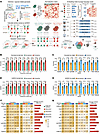 Figure 1
Construction and validation of the CHPC based on the LLM. (A) Overview of the CHPC based on the LLM. DEGs, differentially expressed genes; ssGSEA, single-sample gene set enrichment analysis. (B–E) Differences in accuracy (B) and AUROC (D) between the 2 matrices across varying test set sizes, as well as accuracy (C) and AUROC (E) across different machine-learning models. (F and G) Differences in accuracy (F) and AUROC (G) between the 2 matrices across various machine-learning models and datasets when using 10% of the training data. XGBoost, eXtreme Gradient Boosting; SVM, Support Vector Machine; RF, Random Forest; NB, Naive Bayes; MLP, Multilayer Perceptron; LR, Logistic Regression; LightGBM, Light Gradient Boosting Machine; GBM, Gradient Boosting Machine; DT, Decision Tree; CatBoost, Categorical Boosting. All data are presented as means ± SEM. *P < 0.05, **P < 0.01, ****P < 0.0001; by distribution type, normally distributed data were analyzed using paired t test, whereas non-normally distributed data were examined by Wilcoxon’s signed-rank test (B–E).
First, we analyzed 177,202 cells from 57 untreated CRC samples to characterize cellular hypoxia status. Cells were stratified into high-confidence hypoxic/normoxic populations and low-confidence groups using a Gaussian Mixture Model (GMM) based on activity scores derived from canonical hypoxia pathway signatures (34). Finally, we obtained 4,331 positive and 43,603 negative single-cell samples for further training.
Inspired by the capabilities of foundation models in single-cell representation, particularly their exceptional performance in cross-task transfer and few-shot learning, here we applied a pretrained single-cell model, scGPT (35), to generate cell embeddings. These LLM-derived embeddings serve as reliable feature inputs for constructing machine-learning classifiers, particularly for low-confidence cells.
To evaluate the advantages of our approach, we implemented a 10%–100% equal-interval sampling strategy to partition training and validation sets from both high-confidence single-cell cohorts and 4 independent real-world hypoxic cell line validation datasets (36–38). Through systematic comparisons of 10 machine-learning models, we found that classifiers based on the embedding matrix consistently outperformed traditional methods across all experimental conditions, achieving improvements in accuracy, area under the receiver operating characteristic curve (AUROC), and F1 score (Figure 1, B–E, and Supplemental Figure 1, A–E; supplemental material available online with this article; https://doi.org/10.1172/JCI194243DS1). Notably, even with only 10% training data, the embedding matrix demonstrated its high information density by improving mean accuracy by 0.16 (Figure 1F), AUROC by 0.17, and F1-score by 0.20 (Figure 1G and Supplemental Figure 1F), showcasing its superior generalization capability in low-sample-size scenarios. As the training set increased, performance gains were minimal (Supplemental Figure 2, A and B), further highlighting the efficiency of LLM-generated embeddings in capturing cellular features with limited data. Moreover, the LLM-inspired framework’s ability to tolerate gene missingness was evident, as the embeddings could effectively compensate for missing genes based on gene relationships, unlike raw count–based methods that fail when genes are absent. Ultimately, cross-validation based on the average rankings across all metrics identified the CatBoost model as the top performer among the evaluated classifiers (Supplemental Figure 1, G–J), and it was subsequently selected for hypoxia state classification of low-confidence cells.
HCAFs exhibit stronger interactions with tumor cells, correlating with poor prognosis and increased lymphangiogenesis. Using classical cell markers, we identified 9 distinct cell types in single-cell RNA-Seq (scRNA-Seq) data (Figure 2A and Supplemental Figure 3A). The InferCNV algorithm (39) was applied to distinguish malignant epithelial cells (Supplemental Figure 3, B and C). We then applied the classifier to identify cellular hypoxia states, revealing that the proportion of hypoxic cells was more prevalent in myeloid cells, fibroblasts, and mast cells. Additionally, hypoxic cells were enriched in tumor tissues compared with adjacent normal tissue (Figure 2, B and C). To explore cell–cell interactions, we utilized the CellphoneDB algorithm (40), which demonstrated that HCAFs exhibited the highest interaction frequency with malignant epithelial cells (Figure 2D). Additionally, through spatial transcriptomic data and multiplex immunohistochemistry (mIHC) staining using various hypoxic markers (HIF-1α, CA9, and GLUT1), we further confirmed that HCAFs are predominantly enriched in the hypoxic regions of tumor tissues (Supplemental Figure 4, A–C, and Supplemental Figure 5, A–C). Furthermore, the spatial transcriptomics results revealed that HCAFs are in close spatial proximity to malignant epithelial cells (Figure 2E, Supplemental Figure 3D, and Supplemental Figure 6, A–C), suggesting that HCAFs may play a pivotal role in tumor progression. Next, we reclustered CAFs into 4 subgroups: mCAFs, iCAFs, apCAFs, and proliferative CAFs (pCAFs) (Figure 2, F and G) (21, 22, 41). Interestingly, there were no differences in the distribution of these classical CAF subpopulations between hypoxic and normoxic conditions (Figure 2, H and I, and Supplemental Figure 3E), indicating that traditional CAF markers may have limited sensitivity for capturing hypoxia-induced alterations.
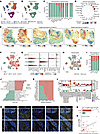 Figure 2
HCAFs interact strongly with tumor cells and are linked to lymphangiogenesis. (A) Dimensionality reduction plot showing the distribution of 9 major cell types. (B) Dimensionality reduction plot showing the distribution of the hypoxia status. UMAP, uniform manifold approximation and projection. (C) Stacked bar charts depicting the distribution of hypoxic and normoxic cells across major cell types, epithelial cells, and different tissues. (D) Intercellular communication network between malignant epithelial (EpiT) and other cells. (E) Spatial transcriptomics revealing the spatial proximity between HCAFs and EpiT. (F) Dimensionality reduction plot depicting the distribution of 4 CAF subtypes, including mCAFs, iCAFs, apCAFs, and pCAFs. (G) Dot plot showing the expression of classical CAF-type markers across identified cell populations. (H) Dimensionality reduction plot showing the distribution of the hypoxia status in classical CAF types. (I) Stacked bar charts depicting the distribution of hypoxic and normoxic cells across 4 CAF types. (J) Functional enrichment analysis of HCAFs and NCAFs. (K) Bar plots displaying the relative information flow of differential signaling pathways between HCAFs and NCAFs. (L) Prediction of ligand–receptor interactions between HCAFs, NCAFs, and other cells. (M) mIHC revealing the spatial relationships among HIF-1α, α-SMA, LYVE1, and EPCAM. Scale bar: 50 μm. (N) Box plot illustrating the distribution of HCAF proportions across different N stages (n = 20). (O) Correlation analysis showing a positive correlation between the number of HCAFs and lymphatic vessel density. All data are presented as means ± SEM. **P < 0.01, by Mann-Whitney U test (N) and Spearman’s rank correlation test (O).
Further analysis revealed that HCAFs exhibited biological functions in lipid metabolism, immune response, and angiogenesis, while normoxic CAFs (NCAFs) primarily retained typical fibroblast functions such as collagen contraction (Figure 2J). Cell–cell interaction analyses highlighted increased activity in multiple signaling pathways in HCAFs, including the IL6 pathway (inflammation and immunity), the VEGF pathway (angiogenesis), and pathways involved in cellular proliferation and differentiation (GDF, WNT, TGF-β, and NOTCH), compared with NCAFs (Figure 2K). At the ligand-receptor level, HCAFs showed heightened expression of ligands and receptors involved in WNT and TGF-β pathways with tumor cells, VEGF signaling with endothelial cells, and IL6 signaling with immune cells (Figure 2L). These findings are consistent with previous studies on the roles of HCAFs in angiogenesis, immune responses, ECM modulation, and metabolic reprogramming, further supporting the accuracy of the classifier in identifying hypoxic cells (42–45). Bulk transcriptomic analysis revealed the role of HCAFs in promoting CRC lymphatic metastasis (Supplemental Figure 3F). Then, mIHC and spatial transcriptomic analysis revealed that HCAFs were spatially adjacent not only to tumor cells but also in close proximity to lymphatic endothelial cells (Figure 2M and Supplemental Figure 6). In tissues with lymphatic metastasis, the abundance of HIF-1α+α-SMA+ cells was also significantly elevated (Figure 2N). The analysis also showed a positive correlation between HIF-1α+α-SMA+ cells and the extent of lymphatic vessel formation (Figure 2O; R = 0.46, P = 0.0079), indicating the involvement of HCAFs in lymphangiogenesis.
HCAF-secreted CLEC11A is linked to unfavorable prognosis and lymphatic metastasis. To elucidate how HCAFs promote CRC progression, we first compared the differential expression profiles between NCAFs and HCAFs. This analysis revealed that HCAFs upregulated multiple ECM-related genes (Figure 3A). Consistently, differential analyses of TCGA-CRC transcriptomic and CPTAC proteomic datasets confirmed that ECM-related genes were markedly upregulated in tumor tissues (Figure 3B). Next, we applied the Mfuzz algorithm (46) to examine the transcriptional dynamics of CRC lymphatic metastasis, which identified 6 distinct gene clusters. Notably, expression in cluster 5 increased with advancing node stage (Figure 3C). Functional enrichment analysis indicated that genes within cluster 5 are predominantly involved in ECM remodeling, WNT signaling, cell adhesion and migration, and epithelial proliferation (Figure 3C). By integrating upregulated genes from single-cell, TCGA, and CPTAC data with those in cluster 5, we identified 22 shared genes (Figure 3D). Cox regression analysis indicated that CLEC11A exhibited the highest hazard ratio among these shared genes, suggesting a key role in CRC progression and lymphatic metastasis (Figure 3E).
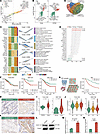 Figure 3
CLEC11A secreted by HCAFs is associated with poor prognosis and lymphatic metastasis. (A) Volcano plot displaying differentially expressed genes (DEGs) between HCAFs and NCAFs. (B) Volcano plot of DEGs between normal and tumor tissues from TCGA-CRC (left) and CPTAC datasets (right). (C) Mfuzz analysis revealing different gene expression patterns dependent on lymph node stages. The left panel shows the gene expression heatmap, the middle shows gene expression curves, and the right shows the results of pathway enrichment analysis. (D) Venn diagram of upregulated genes in HCAFs, tumor upregulated genes, and genes in the cluster 5. (E) Univariate Cox plot of the 22 shared genes. TMA, tissue microarray cohort. (F and G) Kaplan-Meier survival curve from independent CRC transcriptome datasets (F) and proteomic tissue microarray cohorts (n = 90) (G), indicating the poorer overall survival in patients with high CLEC11A expression. (H) Representative images of IHC staining for CLEC11A in CRC tissues. (I) Violin plots displaying CLEC11A expression levels in CRC tissues from 2 independent transcriptomes. (J) Violin plots displaying CLEC11A expression levels in different lymph node stages from 2 independent CRC transcriptomes. (K) IHC staining of CLEC11A in CRC tissues with and without lymph node metastasis. (L) WB analysis showing the expression levels of CLEC11A in HCAFs and NCAFs. (M) RT-qPCR analysis of CLEC11A mRNA levels in HCAFs and NCAFs (n = 4 per group). (N) ELISA quantification of CLEC11A levels in HCAFs and NCAFs (n = 4 per group). Scale bars: 50 μm (H and K). All data are presented as means ± SEM. **P < 0.01, ****P < 0.0001, by empirical Bayes moderated t test with Benjamini-Hochberg correction (A–C), Wald’s test (E), log-rank test (F and G), Student’s t test (M, N, and I; GSE77953), Mann-Whitney U test (I; TCGA-CRC), Kruskal-Wallis test (J; GSE41258), and 1-way ANOVA (J; TCGA-CRC).
Subsequent analyses across multiple transcriptomic datasets (Figure 3, F and G, and Supplemental Figure 7C) and a proteomic tissue microarray cohort confirmed that high CLEC11A expression was strongly associated with poor prognosis. Multivariate regression analysis demonstrated that elevated CLEC11A expression exhibited the most significant adverse impact on prognosis compared with other clinical parameters (P < 0.001; Supplemental Figure 8). Moreover, transcriptomic analysis and IHC showed CLEC11A was significantly upregulated in tumor tissues (Figure 3, H and I, Supplemental Figure 7D, and Supplemental Figure 9) as well as in primary tumors exhibiting lymphatic metastasis (Figure 3, J and K, and Supplemental Figure 9). Finally, experiments using CAFs under hypoxic conditions found a substantial upregulation of CLEC11A at the protein level (Western blot, Figure 3L), at the mRNA level (reverse transcription quantitative PCR [RT-qPCR], Figure 3M), and in its secreted form as detected in the culture supernatant by ELISA (Figure 3N).
Hypoxia-activated HIF1A in CAFs and transcriptionally upregulated CLEC11A expression. To investigate the transition between NCAFs and HCAFs, we employed both the VECTOR (47) and Monocle (48) algorithms to reconstruct the differentiation trajectory (Figure 4, A–C). Monocle analysis revealed a positive correlation between pseudotime and the activity of hypoxia, WNT, and VEGF pathways, with gene expression gradually increasing along the differentiation trajectory (Figure 4D). Functional enrichment analysis of pseudotime-associated genes indicated notable involvement in hypoxic responses, angiogenesis, epithelial cell proliferation and migration, and epithelial-mesenchymal transition (EMT) (Figure 4, E and F).
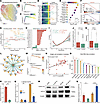 Figure 4
Hypoxia-activated HIF1A in CAFs transcriptionally enhanced the expression of CLEC11A. (A–C) VECTOR (A) and Monocle (B and C) analyses of the transition from NCAFs to HCAFs. UMAP, uniform manifold approximation and projection. (D) Changes in gene expression (left) and pathway activity correlation (right) along Monocle pseudotime. (E) Gene Ontology Biological Process enrichment analysis of pseudotime-associated genes. (F) Gene set enrichment analysis revealed the association of pseudotime-associated genes related to hypoxia and EMT pathways. NES, normalized enrichment score. (G) GeneSwitches analysis identifying key transcription factors involved in the transition from NCAFs to HCAFs. TFs, transcription factors. (H) Significant (P value < 0.05) differences in transcription factor activity between NCAFs and HCAFs. (I) HIF1A regulon activity, expression, and pseudotime correlation. (J and K) Box plot showing differences in HIF1A regulatory specificity (J) and expression (K) between NCAFs and HCAFs. (L) The downstream target gene network of HIF1A. (M) Expression dynamics of HIF1A and CLEC11A along Monocle pseudotime. (N and O) Correlation of HIF1A and CLEC11A in single-cell (N) and bulk transcriptomic datasets (O). (P) ChIP-qPCR analysis showing significant enrichment of HIF1A at the promoter region of CLEC11A (n = 4 per group). (Q) Luciferase assay showing that HIF1A enhances WT over mutant CLEC11A promoter activity (n = 4 per group). (R) WB analysis of CLEC11A and HIF1A protein levels in CAFs. (S) RT-qPCR analysis of CLEC11A mRNA levels in CAFs (n = 4 per group). All data are presented as means ± SEM. **P < 0.01, ***P < 0.001, ****P < 0.0001, by Spearman’s rank correlation test (D, I, and O), Pearson’s correlation test (N), hypergeometric test with Benjamini-Hochberg correction (E), permutation test with Benjamini-Hochberg correction (F), empirical Bayes moderated t test with Benjamini-Hochberg correction (H), Mann-Whitney U test (J, K, and P), and 1-way ANOVA with Tukey’s post test (Q and S).
To further elucidate the regulatory factors driving the NCAF-to-HCAF transition, we used the GeneSwitches (49) tool, which revealed dynamic changes in the activity of several transcription factors, including IRF1, KLF4, ATF3, NR4A1, and HIF1A (Figure 4G). Subsequent validation using the single-cell regulatory network inference and clustering (SCENIC) algorithm (50) confirmed that HIF1A exhibits strong regulatory activity specifically in HCAFs (Figure 4H). Moreover, correlation analysis showed a positive association between the regulatory activity and expression levels of HIF1A and the differentiated pseudotime (Figure 4I). HIF1A, a key transcription factor in the hypoxic response (51), exhibited regulatory and expression specificity in HCAFs (31, 52, 53), which was further validated by our findings (Figure 4, J and K).
HIF1A has been reported as a transcription factor of CLEC11A (Figure 4L) (54). The expression patterns of CLEC11A and HIF1A during the transition from NCAFs to HCAFs were similar (Figure 4M). Both single-cell and multiple bulk transcriptomic analyses revealed the positive correlation between HIF1A and CLEC11A (Figure 4, N and O). ChIP-qPCR analysis demonstrated significant enrichment of HIF1A at the CLEC11A promoter region (Figure 4P), and luciferase reporter assays showed that HIF1A markedly enhanced CLEC11A promoter activity (Figure 4Q). Furthermore, CAF cell lines overexpressing HIF1A (CAF-OE-HIF1A), generated via lentiviral transduction (Supplemental Figure 10), exhibited a significant increase in CLEC11A expression at both the protein level (Western blot, Figure 4R) and mRNA level (RT-qPCR, Figure 4S). In contrast, knockdown of HIF1A (CAF-si-HIF1A) led to a reduction in CLEC11A expression (Figure 4, R and S). These findings indicate that HIF1A plays a crucial role in driving the transition from NCAFs to HCAFs and transcriptionally upregulating CLEC11A.
CLEC11A promotes lymphangiogenesis and lymphatic metastasis in vivo. To investigate the role of CLEC11A in CRC lymphatic metastasis, we established the popliteal lymph node metastasis model in immunodeficient nude mice. In this model, CAFs with stable overexpression (CAF-OE-CLEC11A) or knockdown (CAF-sh-CLEC11A) of CLEC11A were coinjected with SW480 or HCT116 cells into the footpad (Figure 5, A and B). In vivo fluorescence imaging results showed that the lymph node fluorescence intensity in the CAF-OE-CLEC11A and HCT116 cell coinjection group was higher than that in the tumor cell–only injection group and the CAF-vector coinjection group. Meanwhile, the fluorescence intensity in the CAF-sh-CLEC11A coinjection group was lower than that in the CAF-sh-NC coinjection group (Figure 5, C and D). In both the SW480 and HCT116 models, overexpression of CLEC11A in CAFs significantly increased the lymph node volume and metastasis rate compared with other groups. Conversely, the CAF-sh-CLEC11A group exhibited significantly smaller lymph node volumes and a reduced metastasis rate compared with the CAF-sh-NC group, further confirming the role of CLEC11A in promoting CRC lymphatic metastasis (Figure 5, E–G). Additionally, IHC analysis demonstrated that CLEC11A overexpression elevated lymph vessel density in footpad tumors and enhanced cytokeratin 20 expression in popliteal lymph nodes, indicating a higher level of metastatic spread. In contrast, CLEC11A knockdown suppressed these effects (Figure 5, H–J). These findings suggest that CLEC11A contributes to CRC lymphatic metastasis in vivo.
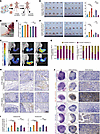 Figure 5
CLEC11A promotes lymphangiogenesis and metastasis in vivo. (A) Schematic diagram of popliteal lymph node metastasis model establishment in nude mice. (B) Representative images of popliteal lymph node metastasis in a nude mouse model. (C and D) Representative bioluminescence images (C) and bioluminescence quantification (D) of popliteal lymph node metastasis in the mouse model (n = 5 per group). (E and F) Representative images of the mouse popliteal lymph node metastasis model generated using specific CAFs and SW480 (E) or HCT116 (F) cell treatment. Histograms quantifying lymph node volumes (mm³) in nude mice (n = 5 per group). (G) Lymph node metastasis rates in nude mice inoculated with specific CAFs and SW480 (left) or HCT116 (right) cells (n = 15 per group). (H and I) Representative images (H) of anti-LYVE1 staining in plantar tumor tissues. and histogram (I) showing the ratio of LYVE1-positive lymphatic vessels (n = 3 per group). (J) IHC with anti–cytokeratin 20 (CK20) antibody and H&E staining was performed on the CLEC11A overexpression group and CLEC11A knockdown group, showing representative images of the popliteal lymph nodes. Scale bars: 100 μm (H), 50 μm (J, right), 500 μm (J, left and middle). All data are presented as means ± SEM. *P < 0.05, **P < 0.01, ***P < 0.001, ****P < 0.0001, by 1-way ANOVA with Tukey’s post test (D–F and I) and χ2 test (G).
Tumor cell–dependent CLEC11A promotes lymphatic vessel abnormalities and lymphangiogenesis in vitro. Although CLEC11A promotes lymphangiogenesis and lymph node metastasis in vivo, its direct impact on human lymphatic endothelial cells (HLECs) under in vitro conditions remains unclear. In vitro experiments demonstrated that neither treatment of CAFs with recombinant human CLEC11A (rhCLEC11A) protein nor modulation of CLEC11A expression (overexpression/knockdown) in CAFs affected the tube formation or migration capabilities of HLECs (Figure 6, A and B). These findings suggest that, while CLEC11A contributes to lymphangiogenesis and lymph node metastasis in CRC in vivo, its direct effect on HLECs is limited under in vitro conditions. To further investigate whether the role of CLEC11A in promoting lymphangiogenesis and lymph node metastasis in vivo is tumor cell dependent, we used the conditioned medium of rhCLEC11A-treated SW480 cell line to culture HLECs. Phalloidin staining revealed that HLECs in the rhCLEC11A-treated group transitioned from a typical cobblestone morphology to a spindle shape (Figure 6C), suggesting potential alterations in their functional state. Western blot (WB) analysis further revealed that rhCLEC11A treatment reduced VE-cadherin expression in HLECs, indicating weakened intercellular adhesion and enhanced migratory capacity (Figure 6D). Functional assays showed that rhCLEC11A treatment markedly increased HLEC lymphangiogenic and migratory abilities while disrupting lymphatic vessel integrity (Figure 6, E and F). These findings suggest that CLEC11A may mediate HLEC dysfunction through tumor cells, promoting aberrant lymphangiogenesis and tumor lymphatic metastasis.
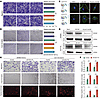 Figure 6
CLEC11A promotes lymphatic vessel abnormalities and lymphangiogenesis in vitro in a tumor cell–dependent manner. (A and B) Representative images (left) and quantification (right) of HLEC migration (A) and tube formation assays (B) (n = 3 per group). (C) Experimental grouping under different conditions and representative phalloidin/DAPI staining images of HLECs. (D) WB analysis of VE-cadherin in HLECs cultured in conditioned medium of CRC cell line with different treatments. (E and F) Representative images (E) and quantitative analysis (F) of HLEC migration (top), tube formation (middle), and SW480/HCT116 cell transendothelial migration (bottom) in coculture with HLECs using CRC cell line–conditioned media under different treatment conditions (n = 3 per group). Scale bars: 100 μm (A, B, and E), 50 μm (C). All data are presented as means ± SEM. *P < 0.05, **P < 0.01, by 1-way ANOVA (A and B) and Student’s t test (F).
CLEC11A targets tumor cells to promote EMT and VEGFC production, leading to lymphangiogenesis and lymphatic metastasis. To further investigate how CLEC11A promotes lymphangiogenesis and lymphatic metastasis through its effects on tumor cells, we first analyzed the correlation between CLEC11A and cancer hallmark pathways (55). Both single-cell and bulk analyses revealed a significant positive correlation between CLEC11A expression and the EMT pathway, as well as with EMT-related genes (Figure 7, A and B). Immunofluorescence results showed that treatment with rhCLEC11A enhanced the expression of EMT-related genes in the SW480 and HCT116 cell lines (Figure 7C), which was further supported by WB analysis (Figure 7D).
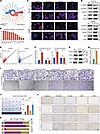 Figure 7
CLEC11A promotes EMT and VEGFC production in tumor cells, leading to lymphangiogenesis and lymphatic metastasis. (A) CLEC11A showing a strong association with EMT pathway activity in both single-cell and bulk datasets. (B) CLEC11A expression showing the significant correlation with EMT-related genes (P < 0.05) in the TCGA-CRC dataset. (C and D) Immunofluorescence (C) and WB (D) analysis of EMT-related genes in CRC cell lines treated with rhCLEC11A. (E) Correlation plot showing positive associations between CLEC11A and VEGFC/VEGFD gene expression in the TCGA-CRC dataset. (F) RT-qPCR analysis of VEGFC and VEGFD expression in SW480 and HCT116 cells treated with rhCLEC11A (n = 4 per group). (G) WB analysis of VEGFC expression in SW480 and HCT116 cells treated with rhCLEC11A. (H) ELISA quantification of VEGFC levels in HCT116 cells treated with rhCLEC11A (n = 4 per group). (I) Representative images of HLEC migration (top) and tube formation (bottom) assays cultured in conditioned media under specific treatments. (J) Representative images of popliteal lymph nodes from the mouse metastasis model established using HCT116 cells coinjected with CAFs subjected to specific treatments. Histograms quantify lymph node volumes (mm³) in nude mice (n = 6 per group). (K) Ratio of metastasis to total dissected lymph nodes in mice inoculated with specific CAFs and HCT116 cells (n = 15 per group). (L) IHC staining of E-cadherin, N-cadherin, Vimentin, ZEB1, and VEGFC. Scale bars: 20 μm (C), 100 μm (I), 200 μm (L). All data are presented as means ± SEM. *P < 0.05, ***P < 0.001, ****P < 0.0001, by Spearman’s rank correlation test (A, B, and E), Welch’s t test (F and H), 1-way ANOVA with Tukey’s post test (J), and χ2 test (K).
Previous studies have demonstrated that VEGF family members, particularly VEGFC and VEGFD, are crucial in promoting lymphangiogenesis and lymphatic metastasis in various cancers (56). By analyzing the TCGA-CRC dataset, we identified a significant correlation between CLEC11A expression and that of VEGFC (R = 0.66, P < 2.2e-16; Figure 7E) and VEGFD (R = 0.29, P = 1e-13; Figure 7E). Subsequently, RT-qPCR and WB analyses revealed that rhCLEC11A treatment upregulated VEGFC expression in tumor cells, with no significant effect on VEGFD expression (Figure 7, F and G). Further ELISA analysis confirmed a significant increase in VEGFC expression at the protein level (Figure 7H and Supplemental Figure 11).
Next, we investigated whether CLEC11A-induced lymphangiogenesis and lymphatic metastasis depend on VEGFC. In vitro experiments demonstrated that silencing VEGFC or using the VEGFR3 inhibitor (SAR131675) to block the VEGFC/VEGFR3 signaling pathway reduced CLEC11A-induced lymphatic vessel migration and formation (Figure 7I and Supplemental Figure 12, A–E). In the popliteal lymph node metastasis animal model, blocking VEGFC/VEGFR3 signaling inhibited the effects of CLEC11A, resulting in smaller lymph nodes and reduced lymphatic metastasis (Figure 7, J and K, and Supplemental Figure 12, F and G). IHC analysis further showed that in the CLEC11A-overexpressing group, VEGFC and EMT-related gene expression levels were elevated. However, after blocking the VEGFC/VEGFR3 signaling pathway, their expression levels decreased (Figure 7L). In conclusion, these in vitro and in vivo findings indicate that CLEC11A promotes lymphangiogenesis and lymphatic metastasis by enhancing the EMT process in tumor cells and upregulating VEGFC expression.
CLEC11A binds to the LGR5 receptor on tumor cells to promote lymphangiogenesis and lymphatic metastasis. To investigate how CLEC11A secreted by HCAFs acts on tumor cells, we utilized the TimeCCI tool based on our previous study (57) to examine the temporal correlation of potential ligand–receptor interactions in cell–cell communications (Figure 8A). The analysis revealed that the CLEC11A–LGR5 interaction exhibited the highest Spearman’s correlation coefficient within the CLEC11A signaling (Figure 8B), suggesting a strong and specific interaction exclusively between HCAFs and tumor cells (Figure 8C). Spatial transcriptomic (ST) data further validated the extensive CLEC11A–LGR5 interactions within the TME (Figure 8D and Supplemental Figure 13A).
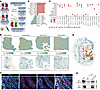 Figure 8
CLEC11A promotes lymphangiogenesis and lymphatic metastasis through its interaction with LGR5 on tumor cells. (A) Identification of ligand-receptor pairs and a schematic of the TimeCCI pipeline, illustrating the calculation of Spearman’s correlation coefficients (SCC) for covarying ligand-receptor pairs between HCAFs and tumor cells. (B) CLEC11A-LGR5 is the top ligand-receptor pair, with the highest SCC among CLEC11A interactions. (C) Normalized interaction probabilities between CLEC11A and its receptors across different cell types. (D) ST data showing CLEC11A-LGR5 interactions. (E) Molecular dynamics simulation of the CLEC11A-LGR5 complex, with structural visualization of key interacting residues. (F) mIHC revealing spatial colocalization between CLEC11A and LGR5. Scale bar: 50 μm. (G) Co-IP confirmed the physical interaction between CLEC11A and LGR5 in SW480 cells.
To evaluate the stability and binding affinity of the CLEC11A–LGR5 interaction, we conducted molecular dynamics simulations. These simulations indicated that CLEC11A and LGR5 interact through hydrogen bonds, contributing to the stability of the complex (Figure 8E). Root mean square deviation analysis indicated that the complex reached a stable state early in the simulation, and additional analyses of the radius of gyration and buried surface area confirmed a compact and stable interaction interface (Supplemental Figure 13B). These results suggest that the CLEC11A-LGR5 complex exhibited strong binding affinity and structural integrity. Using mIHC, we observed the spatial proximity between LGR5+ tumor cells and CLEC11A+ CAFs (Figure 8F). Furthermore, co-IP assays detected the specific interaction between CLEC11A and LGR5 (Figure 8G). Together, these results indicate that CLEC11A binds to LGR5 on tumor cells, providing insights into its role in promoting lymphangiogenesis and lymphatic metastasis.
CLEC11A activates the WNT/β-catenin pathway via LGR5 on tumor cells to promote EMT and VEGFC secretion. To investigate the mechanism underlying the interaction between CLEC11A and LGR5 in promoting EMT and VEGFC expression in tumor cells, we performed transcriptomic sequencing on SW480 CRC cells treated with PBS or rhCLEC11A. The results revealed that ECM- and WNT pathway–related genes were upregulated in rhCLEC11A-treated cells (Figure 9A). Enrichment analysis revealed that the WNT signaling pathway was enriched in rhCLEC11A-treated cells (Figure 9B). Meanwhile, gene set variation analysis using the TCGA-CRC dataset showed a positive correlation between CLEC11A expression and WNT pathway activity, along with upregulation of WNT-related genes (Figure 9, C and D).
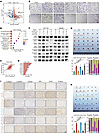 Figure 9
CLEC11A promotes EMT and VEGFC secretion of tumor cells through the interaction with LGR5 to activate the WNT/β-catenin pathway. (A) Volcano plot displaying differentially expressed genes (DEGs) between SW480 CRC cells treated with either PBS or rhCLEC11A. (B) Gene Ontology enrichment analysis of DEGs highlighting significant enrichment in the WNT signaling pathway. (C) Correlation analysis showing a positive association between CLEC11A expression and WNT pathway scores in the TCGA-CRC cohort. (D) Bar plots depicting correlations between CLEC11A expression and WNT-related genes in the TCGA-CRC cohort. (E) Representative images of HLEC migration (top) and tube formation (bottom) after culture with HCT116 cell line–conditioned media under different treatments. (F) WB analysis of LGR5, β-catenin, VEGFC, ZEB1, N-cadherin, E-cadherin, and Vimentin protein expression in HCT116 or SW480 cells treated with rhCLEC11A, sh-LGR5, or KYA1797K. (G) Representative images (top) and quantification (bottom left) (n = 6 per group) of popliteal metastatic lymph node volume in mice models generated using HCT116 cells and CAFs subjected to specific treatments. Metastasis rates and the ratio of metastatic to total dissected lymph nodes are shown (bottom right) (n = 15 per group). (H) Representative images (top) and quantification (bottom left) (n = 6 per group) of popliteal metastatic lymph node volume in mice models generated using SW480 cells and CAFs subjected to specific treatments. Metastasis rates and the ratio of metastatic to total dissected lymph nodes are shown (bottom right) (n = 15 per group). (I) IHC staining for protein expression of E-cadherin, N-cadherin, Vimentin, ZEB1, VEGFC, and β-catenin. Scale bars: 100 μm (E), 20 μm (I). All data are presented as means ± SEM. ***P < 0.001, ****P < 0.0001, by empirical Bayes moderated t test with Benjamini-Hochberg correction (A), hypergeometric test with Benjamini-Hochberg correction (B), Spearman’s rank correlation test (C and D), 1-way ANOVA with Tukey’s post test (G and H, bottom left), and χ2 test (G and H, bottom right).
In vitro experiments demonstrated that inhibition of LGR5 or treatment with the WNT/β-catenin inhibitor (KYA1797K) suppressed the migratory and tube formation abilities of HLECs (Figure 9E and Supplemental Figure 14, A–F). WB analysis further demonstrated that LGR5 inhibition or KYA1797K treatment reversed the rhCLEC11A-induced upregulation of β-catenin, VEGFC, N-cadherin, ZEB1, and Vimentin expression in tumor cells, while restoring E-cadherin expression levels (Figure 9F). In the lymph node metastasis model, both the LGR5 knockdown group and the KYA1797K treatment group exhibited reduced lymph node volume and lower incidence of lymphatic metastasis (Figure 9, G and H). IHC analysis further showed that the LGR5 knockdown group and KYA1797K treatment group exhibited reduced expression of β-catenin, VEGFC, N-cadherin, ZEB1, and Vimentin, along with increased E-cadherin expression, compared with the control and CLEC11A overexpression groups (Figure 9I).
Overall, these findings suggested that CLEC11A promotes lymphatic metastasis in CRC by activating the WNT/β-catenin pathway via LGR5, thereby enhancing EMT and VEGFC secretion.


Copyright © 2026 American Society for Clinical Investigation
ISSN: 0021-9738 (print), 1558-8238 (online)