
Advertisement
Research ArticleImmunologyMetabolismOncology
Open Access |  10.1172/JCI193370
Targeting plasticity in the pyrimidine synthesis pathway potentiates macrophage-mediated phagocytosis in pancreatic cancer models
Jie Zhao,1,2 Xinghao Li,1 Xinyu Li,1 Pengfei Ren,3 Yilan Wu,1 Hao Gong,1 Lijian Wu,1 Junran Huang,1 Saisai Wang,1 Ziwei Guo,1 Mo Chen,1 Zexian Zeng,2,3 and Deng Pan1,2
1Department of Basic Medical Sciences, State Key Laboratory of Molecular Oncology, Tsinghua University, Beijing, China.
2Tsinghua-Peking Joint Centre for Life Sciences and
3Center for Quantitative Biology, Academy for Advanced Interdisciplinary Studies, Peking University, Beijing, China.
Address correspondence to: Deng Pan, Department of Basic Medical Sciences, Tsinghua University, Medical Building B1005, Tsinghua University, Beijing, 100084, China. Phone: 86.10.62790448; Email: dpan@tsinghua.edu.cn. Or to: Zexian Zeng, Center for Quantitative Biology, Peking University. Lu-Zhihe Building 235, Peking University, Beijing, 100084, China. Phone: 86.10.62750092; Email: zexianzeng@pku.edu.cn. Or to: Mo Chen, Department of Basic Medical Sciences, Tsinghua University. Zhengyutong Medical Building,Tsinghua University, Beijing, 100084, China. Phone: 86.10.62798087; Email: mochen@mail.tsinghua.edu.cn.
Find articles by Zhao, J. in: PubMed | Google Scholar
1Department of Basic Medical Sciences, State Key Laboratory of Molecular Oncology, Tsinghua University, Beijing, China.
2Tsinghua-Peking Joint Centre for Life Sciences and
3Center for Quantitative Biology, Academy for Advanced Interdisciplinary Studies, Peking University, Beijing, China.
Address correspondence to: Deng Pan, Department of Basic Medical Sciences, Tsinghua University, Medical Building B1005, Tsinghua University, Beijing, 100084, China. Phone: 86.10.62790448; Email: dpan@tsinghua.edu.cn. Or to: Zexian Zeng, Center for Quantitative Biology, Peking University. Lu-Zhihe Building 235, Peking University, Beijing, 100084, China. Phone: 86.10.62750092; Email: zexianzeng@pku.edu.cn. Or to: Mo Chen, Department of Basic Medical Sciences, Tsinghua University. Zhengyutong Medical Building,Tsinghua University, Beijing, 100084, China. Phone: 86.10.62798087; Email: mochen@mail.tsinghua.edu.cn.
Find articles by Li, X. in: PubMed | Google Scholar
1Department of Basic Medical Sciences, State Key Laboratory of Molecular Oncology, Tsinghua University, Beijing, China.
2Tsinghua-Peking Joint Centre for Life Sciences and
3Center for Quantitative Biology, Academy for Advanced Interdisciplinary Studies, Peking University, Beijing, China.
Address correspondence to: Deng Pan, Department of Basic Medical Sciences, Tsinghua University, Medical Building B1005, Tsinghua University, Beijing, 100084, China. Phone: 86.10.62790448; Email: dpan@tsinghua.edu.cn. Or to: Zexian Zeng, Center for Quantitative Biology, Peking University. Lu-Zhihe Building 235, Peking University, Beijing, 100084, China. Phone: 86.10.62750092; Email: zexianzeng@pku.edu.cn. Or to: Mo Chen, Department of Basic Medical Sciences, Tsinghua University. Zhengyutong Medical Building,Tsinghua University, Beijing, 100084, China. Phone: 86.10.62798087; Email: mochen@mail.tsinghua.edu.cn.
Find articles by Li, X. in: PubMed | Google Scholar
1Department of Basic Medical Sciences, State Key Laboratory of Molecular Oncology, Tsinghua University, Beijing, China.
2Tsinghua-Peking Joint Centre for Life Sciences and
3Center for Quantitative Biology, Academy for Advanced Interdisciplinary Studies, Peking University, Beijing, China.
Address correspondence to: Deng Pan, Department of Basic Medical Sciences, Tsinghua University, Medical Building B1005, Tsinghua University, Beijing, 100084, China. Phone: 86.10.62790448; Email: dpan@tsinghua.edu.cn. Or to: Zexian Zeng, Center for Quantitative Biology, Peking University. Lu-Zhihe Building 235, Peking University, Beijing, 100084, China. Phone: 86.10.62750092; Email: zexianzeng@pku.edu.cn. Or to: Mo Chen, Department of Basic Medical Sciences, Tsinghua University. Zhengyutong Medical Building,Tsinghua University, Beijing, 100084, China. Phone: 86.10.62798087; Email: mochen@mail.tsinghua.edu.cn.
Find articles by Ren, P. in: PubMed | Google Scholar
1Department of Basic Medical Sciences, State Key Laboratory of Molecular Oncology, Tsinghua University, Beijing, China.
2Tsinghua-Peking Joint Centre for Life Sciences and
3Center for Quantitative Biology, Academy for Advanced Interdisciplinary Studies, Peking University, Beijing, China.
Address correspondence to: Deng Pan, Department of Basic Medical Sciences, Tsinghua University, Medical Building B1005, Tsinghua University, Beijing, 100084, China. Phone: 86.10.62790448; Email: dpan@tsinghua.edu.cn. Or to: Zexian Zeng, Center for Quantitative Biology, Peking University. Lu-Zhihe Building 235, Peking University, Beijing, 100084, China. Phone: 86.10.62750092; Email: zexianzeng@pku.edu.cn. Or to: Mo Chen, Department of Basic Medical Sciences, Tsinghua University. Zhengyutong Medical Building,Tsinghua University, Beijing, 100084, China. Phone: 86.10.62798087; Email: mochen@mail.tsinghua.edu.cn.
Find articles by Wu, Y. in: PubMed | Google Scholar
1Department of Basic Medical Sciences, State Key Laboratory of Molecular Oncology, Tsinghua University, Beijing, China.
2Tsinghua-Peking Joint Centre for Life Sciences and
3Center for Quantitative Biology, Academy for Advanced Interdisciplinary Studies, Peking University, Beijing, China.
Address correspondence to: Deng Pan, Department of Basic Medical Sciences, Tsinghua University, Medical Building B1005, Tsinghua University, Beijing, 100084, China. Phone: 86.10.62790448; Email: dpan@tsinghua.edu.cn. Or to: Zexian Zeng, Center for Quantitative Biology, Peking University. Lu-Zhihe Building 235, Peking University, Beijing, 100084, China. Phone: 86.10.62750092; Email: zexianzeng@pku.edu.cn. Or to: Mo Chen, Department of Basic Medical Sciences, Tsinghua University. Zhengyutong Medical Building,Tsinghua University, Beijing, 100084, China. Phone: 86.10.62798087; Email: mochen@mail.tsinghua.edu.cn.
Find articles by Gong, H. in: PubMed | Google Scholar
1Department of Basic Medical Sciences, State Key Laboratory of Molecular Oncology, Tsinghua University, Beijing, China.
2Tsinghua-Peking Joint Centre for Life Sciences and
3Center for Quantitative Biology, Academy for Advanced Interdisciplinary Studies, Peking University, Beijing, China.
Address correspondence to: Deng Pan, Department of Basic Medical Sciences, Tsinghua University, Medical Building B1005, Tsinghua University, Beijing, 100084, China. Phone: 86.10.62790448; Email: dpan@tsinghua.edu.cn. Or to: Zexian Zeng, Center for Quantitative Biology, Peking University. Lu-Zhihe Building 235, Peking University, Beijing, 100084, China. Phone: 86.10.62750092; Email: zexianzeng@pku.edu.cn. Or to: Mo Chen, Department of Basic Medical Sciences, Tsinghua University. Zhengyutong Medical Building,Tsinghua University, Beijing, 100084, China. Phone: 86.10.62798087; Email: mochen@mail.tsinghua.edu.cn.
Find articles by Wu, L. in: PubMed | Google Scholar
1Department of Basic Medical Sciences, State Key Laboratory of Molecular Oncology, Tsinghua University, Beijing, China.
2Tsinghua-Peking Joint Centre for Life Sciences and
3Center for Quantitative Biology, Academy for Advanced Interdisciplinary Studies, Peking University, Beijing, China.
Address correspondence to: Deng Pan, Department of Basic Medical Sciences, Tsinghua University, Medical Building B1005, Tsinghua University, Beijing, 100084, China. Phone: 86.10.62790448; Email: dpan@tsinghua.edu.cn. Or to: Zexian Zeng, Center for Quantitative Biology, Peking University. Lu-Zhihe Building 235, Peking University, Beijing, 100084, China. Phone: 86.10.62750092; Email: zexianzeng@pku.edu.cn. Or to: Mo Chen, Department of Basic Medical Sciences, Tsinghua University. Zhengyutong Medical Building,Tsinghua University, Beijing, 100084, China. Phone: 86.10.62798087; Email: mochen@mail.tsinghua.edu.cn.
Find articles by Huang, J. in: PubMed | Google Scholar
1Department of Basic Medical Sciences, State Key Laboratory of Molecular Oncology, Tsinghua University, Beijing, China.
2Tsinghua-Peking Joint Centre for Life Sciences and
3Center for Quantitative Biology, Academy for Advanced Interdisciplinary Studies, Peking University, Beijing, China.
Address correspondence to: Deng Pan, Department of Basic Medical Sciences, Tsinghua University, Medical Building B1005, Tsinghua University, Beijing, 100084, China. Phone: 86.10.62790448; Email: dpan@tsinghua.edu.cn. Or to: Zexian Zeng, Center for Quantitative Biology, Peking University. Lu-Zhihe Building 235, Peking University, Beijing, 100084, China. Phone: 86.10.62750092; Email: zexianzeng@pku.edu.cn. Or to: Mo Chen, Department of Basic Medical Sciences, Tsinghua University. Zhengyutong Medical Building,Tsinghua University, Beijing, 100084, China. Phone: 86.10.62798087; Email: mochen@mail.tsinghua.edu.cn.
Find articles by Wang, S. in: PubMed | Google Scholar
1Department of Basic Medical Sciences, State Key Laboratory of Molecular Oncology, Tsinghua University, Beijing, China.
2Tsinghua-Peking Joint Centre for Life Sciences and
3Center for Quantitative Biology, Academy for Advanced Interdisciplinary Studies, Peking University, Beijing, China.
Address correspondence to: Deng Pan, Department of Basic Medical Sciences, Tsinghua University, Medical Building B1005, Tsinghua University, Beijing, 100084, China. Phone: 86.10.62790448; Email: dpan@tsinghua.edu.cn. Or to: Zexian Zeng, Center for Quantitative Biology, Peking University. Lu-Zhihe Building 235, Peking University, Beijing, 100084, China. Phone: 86.10.62750092; Email: zexianzeng@pku.edu.cn. Or to: Mo Chen, Department of Basic Medical Sciences, Tsinghua University. Zhengyutong Medical Building,Tsinghua University, Beijing, 100084, China. Phone: 86.10.62798087; Email: mochen@mail.tsinghua.edu.cn.
Find articles by Guo, Z. in: PubMed | Google Scholar
1Department of Basic Medical Sciences, State Key Laboratory of Molecular Oncology, Tsinghua University, Beijing, China.
2Tsinghua-Peking Joint Centre for Life Sciences and
3Center for Quantitative Biology, Academy for Advanced Interdisciplinary Studies, Peking University, Beijing, China.
Address correspondence to: Deng Pan, Department of Basic Medical Sciences, Tsinghua University, Medical Building B1005, Tsinghua University, Beijing, 100084, China. Phone: 86.10.62790448; Email: dpan@tsinghua.edu.cn. Or to: Zexian Zeng, Center for Quantitative Biology, Peking University. Lu-Zhihe Building 235, Peking University, Beijing, 100084, China. Phone: 86.10.62750092; Email: zexianzeng@pku.edu.cn. Or to: Mo Chen, Department of Basic Medical Sciences, Tsinghua University. Zhengyutong Medical Building,Tsinghua University, Beijing, 100084, China. Phone: 86.10.62798087; Email: mochen@mail.tsinghua.edu.cn.
Find articles by Chen, M. in: PubMed | Google Scholar
1Department of Basic Medical Sciences, State Key Laboratory of Molecular Oncology, Tsinghua University, Beijing, China.
2Tsinghua-Peking Joint Centre for Life Sciences and
3Center for Quantitative Biology, Academy for Advanced Interdisciplinary Studies, Peking University, Beijing, China.
Address correspondence to: Deng Pan, Department of Basic Medical Sciences, Tsinghua University, Medical Building B1005, Tsinghua University, Beijing, 100084, China. Phone: 86.10.62790448; Email: dpan@tsinghua.edu.cn. Or to: Zexian Zeng, Center for Quantitative Biology, Peking University. Lu-Zhihe Building 235, Peking University, Beijing, 100084, China. Phone: 86.10.62750092; Email: zexianzeng@pku.edu.cn. Or to: Mo Chen, Department of Basic Medical Sciences, Tsinghua University. Zhengyutong Medical Building,Tsinghua University, Beijing, 100084, China. Phone: 86.10.62798087; Email: mochen@mail.tsinghua.edu.cn.
Find articles by Zeng, Z. in: PubMed | Google Scholar
1Department of Basic Medical Sciences, State Key Laboratory of Molecular Oncology, Tsinghua University, Beijing, China.
2Tsinghua-Peking Joint Centre for Life Sciences and
3Center for Quantitative Biology, Academy for Advanced Interdisciplinary Studies, Peking University, Beijing, China.
Address correspondence to: Deng Pan, Department of Basic Medical Sciences, Tsinghua University, Medical Building B1005, Tsinghua University, Beijing, 100084, China. Phone: 86.10.62790448; Email: dpan@tsinghua.edu.cn. Or to: Zexian Zeng, Center for Quantitative Biology, Peking University. Lu-Zhihe Building 235, Peking University, Beijing, 100084, China. Phone: 86.10.62750092; Email: zexianzeng@pku.edu.cn. Or to: Mo Chen, Department of Basic Medical Sciences, Tsinghua University. Zhengyutong Medical Building,Tsinghua University, Beijing, 100084, China. Phone: 86.10.62798087; Email: mochen@mail.tsinghua.edu.cn.
Find articles by Pan, D. in: PubMed | Google Scholar
Published November 17, 2025 - More info
J Clin Invest. 2025;135(22):e193370. https://doi.org/10.1172/JCI193370.
© 2025 Zhao et al. This work is licensed under the Creative Commons Attribution 4.0 International License. To view a copy of this license, visit http://creativecommons.org/licenses/by/4.0/.
Received: March 14, 2025; Accepted: September 3, 2025

-
Results
Loss of function of tumor-intrinsic de novo pyrimidine synthesis pathway sensitized pancreatic cancer cells to macrophage-mediated phagocytosis. To pinpoint genes that modulate the vulnerability of tumor cells to macrophage-mediated phagocytosis, we devised a robust high-throughput screening assay. We genetically modified the Panc02 pancreatic cancer cells to express IgG Fc fragment in a reversed orientation on the cell surface (19), thereby simulating antibody-dependent cellular phagocytosis (ADCP) processes (Supplemental Figure 1A; supplemental material available online with this article; https://doi.org/10.1172/JCI193370DS1). We observed that Panc02 cells expressing the inverted Fc domain (Panc02-Fc; ZsGreen+) underwent substantial phagocytosis by bone marrow–derived macrophages (BMDMs, as indicated by the increased presence of ZsGreen and F4/80 double-positive cells)as compared with the vector control group (Supplemental Figure 1, B and C). As expected, the enhanced phagocytosis events were diminished in the presence of LAT-A, an inhibitor of actin polymerization and phagocytosis (20) (Supplemental Figure 1, B and C). To validate whether our system could identify tumor-intrinsic modulators of phagocytosis, we knocked out the expression of CD47, a well-established do-not-eat-me signal (7), in Panc02-Fc cells. While we observed only a modest depletion of CD47-KO cells in the presence of BMDMs, the depletion signal was notably more pronounced when IgG-Fc fragment was introduced (Supplemental Figure 1, D and E). Collectively, these results demonstrate that our coculture system imposes a strong selective pressure through macrophage-mediated phagocytosis on tumor cells.
To uncover the intrinsic regulators of macrophage-mediated phagocytosis in cancer, we conducted a genome-wide CRISPR screen in Panc02-Fc cells, which were cocultured with BMDMs and then subjected to phagocytosis (Figure 1A). Notably, our screen revealed several top hits that regulate sensitivity to phagocytosis (Figure 1B and Supplemental Figure 2A). These top depleted hits include genes encoding the well-known antiphagocytic molecule CD47, the CD47-modifying enzyme QPCTL (21), suggesting that our screen could successfully recapitulate known regulators in the phagocytosis process (Figure 1B). Remarkably, sgRNAs targeting key enzymes in the de novo pyrimidine synthesis pathway (Cad, Dhodh, and Umps) were strongly depleted (Figure 1B), suggesting that inhibiting the de novo pyrimidine synthesis pathway might increase the susceptibility of Panc02 cells to macrophage-mediated phagocytosis. Consistently, the nucleotide biosynthesis pathway was the top enriched pathway among the depleted hits from the screen (Figure 1C). By comparing the changes in sgRNA abundance under normal cell culture conditions, we found that the inactivation of Cad, Dhodh, and Umps had negligible effects on tumor growth (Supplemental Figure 2B), ruling out the possibility that the loss of function of de novo pyrimidine synthesis leads to cell death through a nonspecific mechanism.
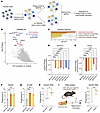 Figure 1
Loss of function of de novo pyrimidine synthesis pathway sensitized pancreatic tumor cells to macrophage-mediated phagocytosis. (A) Workflow of CRISPR screen for tumor-intrinsic regulators of macrophage-mediated phagocytosis. (B) Scatter plot showing the top depleted sgRNAs based on mean log2 fold change of sgRNA counts in BMDM coculture condition versus control condition. Annotated genes represent the CD47 pathway (red), the de novo pyrimidine synthesis pathway (blue), and endocytosis regulators (black). (C) Metascape analysis of pathways among top depleted hits (FDR < 0.1). (D and E) In vitro competition assay based on coculture of BMDMs and Panc02 tumor cells expressing Fc fragment (D) or parental Panc02 cells (E). Control Panc02-Fc cells were mixed with cells with indicated genes knocked out (labeled with CFSE) and then cocultured with BMDMs for 24 hours. Log2 fold change of the percentage of KO cells upon coculture with BMDMs was shown. (F and G) In vitro phagocytosis assay. BMDMs were cocultured with CFSE-labeled control or Cad-KO Panc02 (F) or KC-806 (G) cells for 24 hours. Percentages of phagocytosis (F4/80+ CSFE+) were quantified by FACS. (H) In vitro phagocytosis assay by using tumor-educated macrophages (TEMs). TEMs were cocultured with CFSE-labeled control or Cad-KO Panc02 cells for 24 hours. Percentages of phagocytosis (F4/80+CSFE+) were quantified by FACS. (I) In vitro phagocytosis assay by using TAMs isolated from an autochthonous pancreatic cancer model driven by KrasG12D expression and P53 inactivation. Coculture assays were performed using TAMs and CFSE-labeled Panc02 cells. Phagocytosis percentages (F4/80+CFSE+) were quantified by FACS. A schematic representation of TAM isolation from the autochthonous pancreatic tumor (created using BioRender.com) and statistical analysis are shown. Data are presented as mean ± SD and analyzed by 1-way ANOVA (D–G) or unpaired t test (H and I). *P < 0.05, **P < 0.01, ***P < 0.001, ****P < 0.0001. Data are representative of at least 2 independent experiments (D–I).
To confirm the role of pyrimidine synthesis enzymes in macrophage-mediated phagocytosis, we employed CRISPR/Cas9 to KO Cad, Dhodh, and Umps in Panc02-Fc cells (Supplemental Figure 2, C–E). Our in vitro competition assay revealed that KO of these genes substantially enhanced the susceptibility of Panc02-Fc cells to macrophage-mediated phagocytosis compared with the control group (Figure 1D). To determine whether these effects were specific to Fc-receptor–mediated phagocytosis, we replicated these KOs in both the parental Panc02 and the KC-806 cell line, the latter derived from the KC (KrasG12D; Cdkn2a KO) pancreatic cancer model, in which spontaneous pancreatic tumors were driven by oncogenic KrasG12D and inactivation of Cdkn2a and Smad4 (22). In both cell lines without Fc fragments, the KO of genes related to the de novo pyrimidine synthesis pathway similarly resulted in reduced cell numbers upon coculturing with BMDMs (Figure 1E and Supplemental Figure 2, F and G). Consistently, we observed an increased sensitivity to macrophage-mediated phagocytosis (Figure 1, F and G, and Supplemental Figure 2H). To investigate whether tumor cells become more susceptible to phagocytosis mediated by TAMs, we first cocultured Cad-KO Panc02 cells with tumor-educated macrophages (TEMs) generated by incubating BMDMs with tumor-derived supernatant. Cad-KO Panc02 cells were consistently more susceptible to TEM-mediated phagocytosis as compared with control cells (Figure 1H). To further validate these findings, we cocultured Cad-KO Panc02 cells with TAMs isolated from an autochthonous pancreatic cancer model (Figure 1I and Supplemental Figure 2I). This model was generated by injecting adeno-associated virus (AAV) carrying sgRNAs targeting the tumor suppressor gene p53 into LSL-KrasG12D; LSL-Cas9; Pdx1-Cre transgenic mice (23). Consistent with the TEM coculture experiments, Cad-KO Panc02 cells showed substantially increased susceptibility to TAM-mediated phagocytosis (Figure 1I). Collectively, these results indicate that Cad inactivation enhances the susceptibility of tumor cells to phagocytosis mediated by both TEMs and TAMs.
Inactivation of tumor-intrinsic de novo pyrimidine synthesis pathway enhances macrophage-mediated antitumor effect in vivo. To explore the role of the tumor-intrinsic de novo pyrimidine synthesis pathway in modulating antitumor immunity in vivo, we first examined the effect of Cad KO in tumor growth using Panc02 tumor models. KO of Cad led to substantially slower tumor growth compared with control groups (Supplemental Figure 3A). To assess the effect of TAMs on Cad-deficient tumors, we depleted macrophages using clodronate liposomes prior to inoculating Cad-KO and control tumors into NSG and WT mice, respectively (Figure 2A and Supplemental Figure 3B). While Cad KO resulted in substantially slower tumor growth in both WT C57BL/6 (B6) and NSG mice, TAMs depletion by clodronate liposomes rescued the antitumor effects of Cad KO in both tumor models (Figure 2B and Supplemental Figure 3, C–E), indicating that the antitumor activity upon Cad inactivation relies on the presence of macrophages. Consistent with in vitro findings, the inactivation of Cad led to a substantial increase in phagocytosis levels, as demonstrated by the higher ratio of Td-Tomato+ macrophages (Cd11b+F4/80+) in both Panc02 and KC-806 mouse models (Figure 2, C–E, and Supplemental Figure 3, F–I). Taken together, these results suggest that tumors deficient in Cad enhanced macrophage-mediated antitumor effect and phagocytosis in vivo.
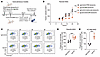 Figure 2
Inactivation of Cad potentiates macrophage-mediated tumor control and phagocytosis in subcutaneous models. (A) Schematic of pancreatic tumor subcutaneous administration. Created using BioRender.com. (B) Growth curves of control or Cad-KO Panc02 tumors following treatment of control vehicle (PBS liposome) or clodronate liposome in NSG mice. (C) Representative FACS plots of phagocytic macrophages in Panc02-Td-Tomato tumors. TAMs were gated on F4/80+ and Cd11b+. Phagocytic macrophages were identified as double positive for F4/80 and Td-Tomato. (D and E) Quantification of normalized cell number of phagocytic macrophages in Panc02-Td-Tomato (D) or KC-806-Td-Tomato (E) subcutaneous tumors. Data are represented as mean ± SEM and were analyzed by mixed-effects model (REML) test (B) or unpaired t test (D and E). **P < 0.01, ***P < 0.001. All data are representative of at least 2 independent experiments.
To better evaluate the relevance of our findings in pancreatic cancer, we orthotopically inoculated Cad-KO and control Panc02 cells into the pancreas of WT B6 or NSG mice, both of which contained TAMs (Figure 3A). Consistent with subcutaneous tumor models, Cad KO substantially reduced tumor burden in both B6 and NSG mice (Figure 3, B–D). Depletion of TAMs using aCSF1R antibodies (Supplemental Figure 3, J and K) resulted in comparable tumor burden between control and Cad KO tumors, indicating that macrophages are crucial for controlling orthotopically inoculated Cad-KO Panc02 tumors (Figure 3, B–D, and Supplemental Figure 3L). Additionally, Cad inactivation led to a higher proportion of phagocytic macrophages (Figure 3, E–H). We also validated these findings using the KC-806 tumor model orthotopically, obtaining consistent results that inactivation of Cad induced smaller tumors in a macrophage-dependent manner (Supplemental Figure 3, L and M) and enhanced phagocytosis (Supplemental Figure 3N). Together, these data indicate the inactivation of Cad potentiates macrophage-mediated tumor control in multiple pancreatic tumor models.
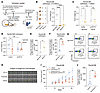 Figure 3
Inactivation of de novo pyrimidine synthesis pathway potentiates macrophage-mediated tumor control and phagocytosis in vivo. (A) Schematic of pancreatic tumor orthotopic administration. Created using BioRender.com. (B) 5 × 10⁵ of control or Cad-KO Panc02 cells were orthotopically implanted into B6 mice, and tumor weight was measured on day 28 after implantation. Tumor images (left) and weights (right) are shown. (C) 1 × 10⁶ of control or Cad-KO Panc02 cells were orthotopically implanted into B6 mice, with or without aCSF1R antibody treatment. Tumor weight was measured on day 28 after implantation. (D) 5 × 10⁵ of control or Cad KO-Panc02 cells was orthotopically implanted into NSG mice, with or without aCSF1R antibody treatment. Tumor weight was measured on day 16 after implantation. (E–H) Quantification of the normalized percentage of phagocytic macrophages in Panc02-Td-Tomato orthotopic tumors in B6 (E) and NSG (F) mice. Representative FACS plots are shown in G. Representative images showing overlay signals of CD11b (green) and Td-Tomato (red), as determined by imaging flow cytometry, are displayed in H. (I and J) B6 mice were inoculated with Td-Tomato-labeled Panc02 cells, treated with BAY2402234 or vehicle at 4mg/kg every 3 days (intratumorally), with or without anti-CSF1R antibody as indicated. Tumor growth curves (I) and statistics of phagocytic macrophages (J) are shown. Data are represented as mean ± SEM and analyzed by 1-way ANOVA (B), 2-way ANOVA (C and D), unpaired t test (E, F, and J), or mixed-effects model (REML) test (I). *P < 0.05, **P < 0.01, ***P < 0.001 and ****P < 0.0001. All data are representative of at least 2 independent experiments.
Next, we tested whether inhibition of de novo pyrimidine synthesis pathway could potentiate macrophage-mediated antitumor immunity. To this end, we administrated DHODH-specific inhibitor BAY2402234 to Panc02 tumors. Treatment of BAY2402234 substantially inhibited the growth of Panc02 tumor (Figure 3I and Supplemental Figure 3O). However, this DHODH inhibition–mediated antitumor effect was largely abolished when macrophages were depleted (Figure 3I and Supplemental Figure 3O). Consistently, we observed an increase of phagocytic macrophages in BAY2402234 treatment group compared with vehicle group (Figure 3J and Supplemental Figure 3P), indicating that pharmacological inhibition of DHODH could inhibit tumor growth and potentiate phagocytosis in pancreatic cancer model.
Inactivation of Cad increased the exposure of PtdSer in the presence of macrophages. Next, we investigated the underlying mechanisms making these KO cells more susceptible to phagocytosis. To this end, we analyzed the expression levels of known eat-me and do-not-eat-me signals. Inactivation of de novo pyrimidine synthesis did not affect CD47 levels on the cell surface (Supplemental Figure 4A), indicating that the Cad pathway influences macrophage phagocytosis through a CD47-independent mechanism. Intriguingly, in Cad-KO cells, but not control Panc02 or KC-806 cells, coculture with BMDMs resulted in substantially increased Annexin V staining, indicating elevated externalization of PtdSer, a principal eat-me signal (Figure 4, A and B, and Supplemental Figure 4B). Similarly, when Panc02 cells were cocultured with TEMs, we observed substantially higher levels of Annexin V+ cells (Figure 4, C and D). Notably, while these cells were Annexin V+, they remained negative for cell death markers such as propidium iodide (PI) (Supplemental Figure 4B) or Zombie dye (Figure 4D) staining. We also assessed the proliferation rates of Cad-KO and control Panc02 and KC-806 cells and found no differences (Supplemental Figure 4, C–E). Additionally, Cad KO did not trigger caspase-3/7 activation (Supplemental Figure 4, F and G) or reduce mitochondrial membrane potential as determined by CMXRos (Supplemental Figure 4, H and I). These data together indicate that while the presence of macrophages induces the externalization of PtdSer in Cad-KO cells, these cells were alive and not yet apoptotic.
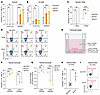 Figure 4
Inactivation of Cad increased the exposure of phosphatidylserine in the presence of macrophages. (A and B) Panc02 (A) or KC-806 (B) cells were either cultivated alone or cocultured with BMDMs for 24 hours. The levels of Annexin V+ PI– cells were quantified by FACS. (C and D) Panc02 cells were either cultivated alone or cocultured with TEMs. The levels of Annexin V+ Zombie– cells were quantified by FACS. Percentage of Annexin V+ Zombie- cells (C) and representative FACS plots (D) are shown. (E) Schematic illustration of the macrophage-Panc02 Transwell coculture assay. Created using BioRender.com. (F) Control or Cad-KO Panc02 cells were cultured as described in E at an E/T ratio of 2:1 for 24 hours. The percentage of Annexin V+ Zombie– tumor cells in both the upper and lower chambers was quantified by FACS. (G) Control or Cad-KO Panc02 cells (CFSE+) were mixed with WT Panc02 cells and then cultured as described in E at an E: T ratio of 4:1 for 24 hours. Log2 fold changes of the percentage of KO cells in both chambers are shown. (H and I) In vivo quantification of Annexin V+ PI– tumor cells in control or Cad-KO Panc02 tumors. Statistical analysis (H) and representative FACS plots (I) are shown. For A–C, F, and G, data are represented as mean ± SD and analyzed by 2-way ANOVA. For H, data are represented as mean ± SEM and analyzed by unpaired t test. **P < 0.01, ***P < 0.001 and ****P < 0.0001. All data are representative of at least 2 independent experiments.
To further investigate whether macrophage-mediated phagocytosis is necessary to eliminate Cad-KO tumor cells in vitro, we designed a Transwell experiment in which BMDMs were cocultured with a mixture of Cad-KO and control tumor cells in the lower chamber, while only tumor cells were present in the upper chamber (Figure 4E). This setup ensured that only the tumor cells in the lower chamber could directly interact with macrophages. Enhanced Annexin V staining was observed in Cad-KO cells in both upper and lower chambers, again indicating that the presence of macrophages could trigger enhanced externalization of PtdSer in Cad-KO cells (Figure 4F). Interestingly, the proportion of Annexin V+ cells was much lower in the lower chamber, where tumor cells were cocultured with macrophages, suggesting that Annexin V+ cells were likely eliminated by macrophages through phagocytosis (Figure 4F). In terms of tumor cell number, only the Cad-KO cells were depleted in the lower chamber, indicating that direct contact with macrophages is required for their elimination (Figure 4G). These data indicate that macrophages are not only necessary to induce the PtdSer externalization but also required to eliminate Cad-KO cells. To further examine the relevance of this finding in vivo, we stained Cad-KO and control Panc02 tumor cells (Td-Tomato+) with Annexin V. Consistent with the in vitro findings, Cad KO tumor cells exhibited higher levels of Annexin V+ cells (gating based on PI-negative cells) compared with control tumor cells (Figure 4, H and I, and Supplemental Figure 4J). Together, these data suggest that Cad KO also resulted in enhanced levels of externalized PtdSer in vivo.
Macrophages suppress the UMP salvage pathway and increase the dependency of de novo pyrimidine synthesis in tumor cells. We then explored the downstream mechanisms of how macrophages interact with the de novo pyrimidine synthesis pathway in tumor cells. UMP can be synthesized through two distinct routes: the de novo pathway, which relies on the enzymes Cad, Dhodh, and Umps, and the salvage pathway, which converts uridine or uracil into UMP (Figure 5A). The Cad-KO cells are defective for the de novo pathway whereas the UMP salvage pathway is not affected. Notably, supplementing uridine or cytidine in the coculture assays completely reversed the phagocytosis susceptibility observed in Cad- and Dhodh-KO cells (Figure 5, B–D, and Supplemental Figure 5, A–C), suggesting that the heightened sensitivity to phagocytosis is linked to a defect in UMP salvage pathway: conversion of uridine to UMP. Consistently, the level of Annexin V+ cells upon coculture with macrophages could also be rescued by the addition of uridine (Figure 5E).
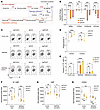 Figure 5
Macrophages suppress the UMP salvage pathway in tumor cells. (A) Depiction of de novo synthesis, salvage, and degradation pathways of UMP. (B and C) Tumor-macrophage coculture competition experiments, with the addition of indicated metabolites to the culture medium at 200 μM, including uridine, glutamine, and glucose. Control Panc02 cells were mixed with CSFE-labeled cells transduced with sgRNA targeting indicated genes. The cell mixtures were then cocultured with BMDMs. Log2 fold changes of the percentage of KO cells upon coculture with BMDMs are shown in B. Representative FACS results are presented in C. (D) Phagocytosis assay of BMDMs cocultured with CFSE-labeled control or Cad-KO Panc02 cells in the presence or absence of supplemented uridine (200 μM). The percentages of phagocytosis (F4/80+CSFE+) were quantified by FACS. (E) Control or Cad-KO Panc02 cells were either cultivated alone or cocultured with BMDMs in the presence or absence of uridine (200 μM). The percentage of Annexin V+ PI– cells was quantified by FACS. (F–H) Control or Cad-KO Panc02 cells were either cultured alone (tumor only) or cocultured with BMDMs for 24 hours, and then tumor cells were sorted for mass spectrometry analysis. Normalized peak area of labeled N15-UMP (F), unlabeled UMP (G), or uridine (H) are presented. Data are represented as mean ± SD and analyzed by 2-way ANOVA (B and D–H). *P < 0.05, **P < 0.01, ***P < 0.001, ****P < 0.0001. All data are representative of at least 2 independent experiments.
To directly investigate whether macrophages could influence UMP synthesis in tumor cells, we measured UMP from de novo synthesis pathway by tracing the incorporation of amide-15N-labeled glutamine into UMP in Panc02 cells. We observed a reduction of N15-labeled UMP in Cad-KO cells upon coculture with BMDMs, confirming the critical role of Cad in de novo UMP synthesis in the presence of macrophages (Figure 5F). Next, we assessed the total UMP levels using mass spectrometry in Panc02 cells under regular culture conditions (tumor only) or coculture with BMDMs. First, in the absence of BMDMs (tumor-only condition), there was no significant change in UMP between control and Cad-KO Panc02 cells (Figure 5G), suggesting that the salvage pathway is sufficient to compensate for UMP level when de novo synthesis pathway is inactivated. In contrast, when Cad-KO cells were cocultured with BMDMs, the total UMP levels were dramatically reduced, indicating that macrophages could suppress the UMP salvage pathway in tumor cells (Figure 5G). We next examined the level of uridine, which converts to UMP in the salvage pathway. In line with UMP data, we observed that uridine levels were substantially reduced in control Panc02 cells upon coculture with BMDMs, implying a reduced pool of uridine of the salvage pathway in generating UMP when macrophages are present (Figure 5H). Interestingly, in Cad-KO cells, the uridine levels were also reduced without BMDM coculture, potentially due to increased uridine consumption to maintain an adequate UMP pool when the de novo synthesis pathway is defective (Figure 5H). Uridine concentrations in the cell-culture supernatants showed no difference between control and Cad KO groups (Supplemental Figure 5, D and E), thereby ruling out reduced uridine supply as a potential cause of the UMP defect. Together, these data suggest that the presence of BMDMs suppresses the salvage pathways and reduces the UMP pool in tumor cells.
Macrophages suppress UMP salvage pathway through the induction of Upp1, which facilitates the degradation of uridine. Next, we asked how macrophages suppress the UMP salvage pathway in tumor cells. To investigate this, we conducted RNA-Seq analysis on Cad-KO Panc02 tumor cells, which lack de novo synthesis, thus enabling us to examine compensatory effects from the UMP salvage pathway. These cells were either cultured alone or cocultured with BMDMs. GSEA analysis revealed that coculturing with macrophages induced substantial changes in gene expression in tumor cells, affecting many pathways, including upregulation of pathways associated with hypoxia and interferon response (Supplemental Figure 6, A and B). Interestingly, upon coculture with BMDMs, the expression of Upp1, the key enzyme that catalyzes the phosphorylation of uridine (or 2′-deoxyuridine) to uracil and ribose-1-phosphate (Figure 6A), was substantially upregulated upon coculture with BMDMs (Figure 6B and Supplemental Figure 6, A and B). We hypothesized that the upregulated UPP1 led to increased uridine catabolism and compromised the salvage pathway of UMP. Consistent with this hypothesis, overexpression of Upp1 in Panc02 cells lead to enhanced sensitivity to macrophage-mediated phagocytosis (Figure 6, C and D, and Supplemental Figure 6C). Importantly, knocking out Upp1 could fully rescue the sensitized phenotype to phagocytosis caused by the inactivation of Cad, suggesting that the increased level of UPP1 is responsible for enhanced sensitivity to phagocytosis in Cad-deficient cells (Figure 6, E and F, and Supplemental Figure 6, D and E). Consistently, the upregulation of Annexin V+/PI– percentages in the Cad-deficient group were also restored by Upp1 KO (Figure 6G). We then performed mass spectrometry to determine the level of UMP in WT and Upp1-deficient Panc02 cells. When tumors were cultured without BMDMs, we observed that Upp1 KO did not substantially change UMP levels (Figure 6H). In contrast, in the presence of BMDMs, UMP levels of Cad KO groups were dramatically reduced (Figure 6I), aligning with our previous observations (Figure 5G), indicating that macrophages suppress the salvage pathway of UMP synthesis. Notably, Upp1 KO completely reversed this effect, resulting in similar levels of UMP in both control and Cad-KO cells (Figure 6I).
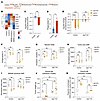 Figure 6
Macrophage-induced upregulation of Upp1 in cancer cells enhances their reliance on the de novo pyrimidine synthesis pathway. (A) Depiction of degradation pathways of uridine. (B) Heatmap showing the expression level of genes related to UMP metabolism in Cad-KO Panc02 cells in the absence or presence of BMDMs. Upp1 is highlighted. (C) Control Panc02 cells were mixed with CFSE-labeled control or Upp1 overexpression Panc02 cells and cocultured with BMDMs for 24 hours. Log2 fold changes are shown. (D) CFSE-labeled Panc02 cells were cocultured with BMDMs for 24 hours, and the percentages of phagocytic BMDMs were quantified by FACS. (E) Panc02 tumor cells with indicated genes knocked out were labeled with pHrodo; then mixed with control cells under the same genetic background, respectively; and cocultured with BMDMs for 24 hours. Log2 fold changes are shown. (F) pHrodo-labeled Panc02 cells were cocultured with BMDMs for 24 hours, and percentages of phagocytic BMDMs were quantified by FACS. (G) Panc02 tumor cells with indicated genes knocked out were cocultured with TEMs 24 hours. The levels of Annexin V+ Zombie– cells were quantified by FACS. (H and I) Metabolite analysis of UMP in Cad single-KO or Cad/Upp1 double-KO Panc02 cells cultured without (H) or with (I) BMDMs for 24 hours. (J) 1 × 10⁶ Panc02-Td-Tomato cells with indicated genes knocked out were orthotopically implanted into B6 mice. Tumor weight was measured on day 34 after implantation. (K) Quantification of phagocytic macrophages as described in J. For C–I, data are represented as mean ± SD and analyzed by unpaired t test (C and D) or 2-way ANOVA (E–I). For J and K, data are represented as mean ± SEM and analyzed by 2-way ANOVA. *P < 0.05, **P < 0.01, ***P < 0.001, ****P < 0.0001. Data are representative of at least 2 independent experiments (C–K).
To further validate whether Upp1 KO could recapitulate the in vitro findings in vivo, we conducted in vivo orthotopic experiments using B6 mice. In line with the ex vivo data, Upp1 KO mitigated the tumor growth suppression induced by Cad KO (Figure 6J and Supplemental Figure 6F). Additionally, the proportion of phagocytic macrophages was restored in Upp1/Cad double-KO (DKO) groups (Figure 6K and Supplemental Figure 6G). Collectively, these results suggest that the upregulation of Upp1 is essential for promoting phagocytosis in Cad-KO tumor cells.
Macrophage-released cytokines, including IL-1 and TNF-α, induce the expression of Upp1 in tumor cells. To investigate the mechanisms by which macrophages stimulate Upp1 expression in tumor cells, we utilized the CytoSig database (https://cytosig.ccr.cancer.gov/), which systematically assessed the cytokine signaling activity at tissue and single-cell levels (24). This resource enabled us to identify potential macrophage-released cytokines that might upregulate Upp1 expression. CytoSig analysis revealed that genes encoding for proinflammatory cytokines, specifically TNF and IL1A, are likely to induce Upp1 expression, as evidenced by RNA-Seq data from various cell lines (Figure 7A). By analyzing published single-cell RNA-Seq data, we confirmed that both TNF-α and IL-1 were highly expressed in TAMs and BMDMs, respectively (Supplemental Figure 7, A–D). To determine whether Upp1 could be induced by TNF-α, we conducted RNA-Seq analysis on Panc02 cells with and without TNF-α treatment. TNF-α treatment induced a strong NF-κB gene expression signature as well as Upp1 expression (Figure 7, B and C), consistent with previous literature indicating that the promoter of Upp1 could be bound by NF-κB (25, 26). Coculture of BMDMs with tumor cells similarly upregulated Upp1 expression in tumor cells (Figure 7D). Notably, this increase was substantially reduced when IL-1 or TNF-α receptors were genetically ablated (Figure 7D), underscoring the essential roles of TNF-α and IL-1 in Upp1 upregulation in tumor cells cocultured with macrophages. To further confirm the importance of these cytokines in mediating tumor cell susceptibility to macrophage-induced phagocytosis, we knocked out either TNF-α receptor (Tnfrsf1 KO) or IL-1 receptor (Il1r1 KO) (Supplemental Figure 7E). Knocking out either of the receptors mitigated the increased sensitivity of Cad-KO cells to BMDM-induced phagocytosis (Supplemental Figure 7F). Remarkably, KO of both receptors (DKO) (Supplemental Figure 7E) completely abolished the sensitive phenotype (Figure 7E), suggesting that the presence of both cytokines is crucial for sensitizing Panc02 cells to macrophage-induced phagocytosis.
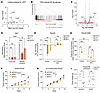 Figure 7
TNF-α and IL-1 are the key cytokines that induce the expression of Upp1 to modulate the dependency on Cad. (A) CytoSig analysis of cytokines that are predicted to upregulate Upp1 expression. (B) GSEA analysis of RNA-Seq data showing the enrichment of NF-κB pathway activation upon TNF-α treatment in Panc02 cells. (C) Volcano plot of RNA-Seq analysis showing the induction of Upp1 in Panc02 cells upon treatment with TNF-α. Pyrimidine synthesis–associated genes are highlighted in red. (D) Upp1 mRNA expression level, quantified by qPCR, in control, Tnfrsf1a-, or Il1r1-KO Panc02 cells in the presence or absence of BMDMs. (E) Control or Tnfrsf1a/Il1r1 double-KO (DKO) Panc02 cells were transduced with control sgRNAs or sgRNAs targeting Cad. These cells (pHrodo+) were then mixed with control cells under the same genetic background and then cocultured with BMDMs for 24 hours for phagocytosis. Log2 fold change of the percentage of pHrodo+ cells upon coculture with BMDMs is presented. (F and G) Growth curves of control or Cad-KO conditions in parental Panc02 (F) or Tnfrsf1a/Il1r1 double-KO Panc02 tumors (G) in NSG mice. (H) Quantification of phagocytic macrophages in Panc02-GFP tumors in experiments as described in F and G. TAMs were gated on F4/80 and Cd11b. Phagocytic macrophages were determined based on the double positive of F4/80 and GFP. (I) 1 × 10⁶ of Panc02 pancreatic cancer cells with indicated genes knocked out were orthotopically implanted into B6 mice. Tumor weight was measured on day 28 after implantation. For D and E, data are represented as mean ± SD and analyzed by 2-way ANOVA. For F–I, data are represented as mean ± SEM and analyzed by mixed-effects model (REML) test (F and G) or 2-way ANOVA (H and I). *P < 0.05, **P < 0.01, ***P < 0.001, ****P < 0.0001. Data are representative of at least 2 independent experiments (D–I).
To explore the in vivo implications of the TNF-α/IL-1 link with the pyrimidine metabolism pathway, we inoculated NSG mice with Cad-KO and control cells in WT and DKO Panc02 cell backgrounds. Consistent with our previous findings, Cad KO substantially slower tumor growth in Panc02 tumor model (Figure 7F). In contrast, the DKO of TNF-α/IL-1 receptors rescued the phenotype in Cad-KO tumors, resulting in similar growth rates for both tumors (Figure 7G). Consistently, DKO of TNF-α/IL-1 receptors similarly rescued the enhanced phagocytosis levels in Cad-KO tumors in vivo (Figure 7H and Supplemental Figure 7G). As expected, single KO of each receptor could also partially rescue the phenotype in Cad-KO tumor (Supplemental Figure 7, H–J). Using orthotopic Panc02 model, DKO of TNF-α/IL-1 receptors consistently rescued the tumor growth suppression phenotype induced by Cad KO (Figure 7I). Taken together, our results demonstrate that signaling of TNF-α and IL-1 is crucial for the antitumor effect mediated by Cad-KO tumor cells.
Pyrimidine metabolism in tumor cells interacts with macrophages in clinical datasets. We evaluated the potential relationship among pyrimidine metabolism pathways, proinflammatory cytokines (TNF-α/IL-1), and macrophages across multiple pan-cancer The Cancer Genome Atlas (TCGA; https://www.cancer.gov/ccg/research/genome-sequencing/tcga) clinical data cohorts. We examined the association between the pyrimidine metabolism pathway and the estimated level of macrophages in bulk tumors. Overall, in most cancer types, the expression level of UPP1 is positively correlated with the estimated level of macrophage infiltration, as inferred by tumor deconvolution tools, including EPIC (27), TIMER (28), and CIBERSORT (29, 30) (Figure 8A). Additionally, the UPP1 level is also positively correlated with the levels of TNF-α and IL-1β in most cancer types (Figure 8A), consistent with our findings suggesting that both cytokines are required to upregulate UPP1 (Figure 7D). Since both tumor and immune cells express UPP1, we conducted further analyses using single-cell RNA-Seq datasets to delineate the source of UPP1 expression in each cell type within the tumor microenvironment. We performed a correlation analysis between the levels of TNF-α and IL-1β expression in macrophages and UPP1 levels in tumor cells (see Methods, Figure 8B). Consistent with our experimental data, the expression of UPP1 in tumor cells is positively correlated with the expression of both cytokines in macrophages (Figure 8B).
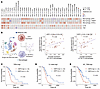 Figure 8
Human relevance for targeting de novo pyrimidine synthesis pathway in the presence of cytokine secrete macrophages. (A) Heatmap showing the correlation of UPP1 expression and macrophage infiltration (top panel) and the correlation of UPP1 expression and TNF and IL1B levels (bottom panel) in the TCGA cohort in TCGA bulk RNA-Seq datasets. (B) Single-cell analysis of the correlation between UPP1 expression level in tumor cells and TNF-α or IL-1β expression levels of macrophages in pancreatic cancer cohort. The left panel shows the strategy for single-cell analysis. Created using BioRender.com. The right panels show the correlation between UPP1 and TNF-α/IL-1β. (C–E) Overall survival of TCGA pancreatic adenocarcinoma based on the level of UMPS expression under the conditions of TNF-α expression level (C), IL-1β expression level (D), or estimated level of M1-like macrophage infiltration (E). Statistical analyses were performed by linear regression model (B) and log-rank test (C–E).
Next, we explored the interaction between the pyrimidine metabolism pathway and TNF-α/IL-1β expression levels. To this end, we divided patients into 4 groups based on their TNF-α/IL-1β and de novo pyrimidine synthesis gene expression levels. Overall, we found that patients with high TNF-α/IL-1β expression and low de novo pyrimidine synthesis gene expression, in particular UMPS, show better survival compared with the other groups (Supplemental Figure 8, A–F). We further analyzed the potential interaction between de novo pyrimidine pathway levels and cytokine expression levels. To this end, we examined a pancreatic cancer cohort for additional stratification into subgroups. We divided the patients into groups based on low or high expression of TNF-α/IL-1β or low or high levels of M1/M2 macrophage infiltration and examined the correlation of UMPS expression level with overall survival. Notably, low levels of UMPS expression were strongly correlated with survival benefits in patients with high TNF-α/IL-1β expression or in tumors heavily infiltrated with M1-like macrophages, where TNF-α and IL-1β are highly expressed (Figure 8, C–E, and Supplemental Figure 8, G–I), but not in tumors with high levels of M2-like macrophage infiltration (Supplemental Figure 8, J and K). However, these UMPS-associated survival benefits diminished in patients with low levels of TNF-α/IL-1β or M1-like macrophages (Figure 8, C–E, and Supplemental Figure 8, G–I). This finding aligns with our hypothesis that reduced pyrimidine synthesis may make tumors more susceptible to TNF-α/IL-1β+ macrophage-mediated immunity. Finally, we further validated our finding in a human system using primary human monocyte-derived macrophages cocultured with a PANC1 cell line. Consistent with murine data, CAD KO in PANC1 cells sensitized tumor cells to macrophage-mediated phagocytosis (Figure 9 and Supplemental Figure 8L). In summary, these data indicate that the de novo pyrimidine pathway in human pancreatic cancer cells modulates macrophage-mediated antitumor activity.
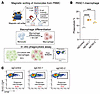 Figure 9
Loss of function of CAD sensitized pancreatic tumor cells to PBMC-derived macrophage-mediated phagocytosis. (A–C) In vitro phagocytosis assay by using human PBMC-derived macrophages. Monocytes were isolated from human PBMC and differentiated for 7 days. Coculture assays were then performed using monocyte-derived macrophages and CFSE-labeled human PANC1 cells. Phagocytosis percentages (CD45+CFSE+) were quantified by FACS. Statistical analysis of phagocytosis in the coculture assay is shown. (A) Illustration of phagocytosis assay performed by monocyte-derived macrophages. Created using BioRender.com. (B) Statistical analysis of phagocytosis in the coculture assay. (C) Representative flow plots of Figure 7B. For B, data are represented as mean ± SD and analyzed by 1-way ANOVA. ***P < 0.001, ****P < 0.0001. Data are representative of at least 2 independent experiments.


Copyright © 2026 American Society for Clinical Investigation
ISSN: 0021-9738 (print), 1558-8238 (online)