
Advertisement
Research ArticleCell biologyMetabolism
Open Access |  10.1172/JCI191075
Secretory kinase FAM20C triggers adipocyte dysfunction, inciting insulin resistance and inflammation in obesity
Ankit Gilani,1 Benjamin D. Stein,2 Anne Hoffmann,3 Renan Pereira de Lima,1 Elizabeth E. Ha,1 Edwin A. Homan,1 Lunkun Ma,1 Alfonso Rubio-Navarro,1 Tint Tha Ra Wun,1 Gabriel Jose Ayala Carrascal,1 Bhavneet Bhinder,4 Adhideb Ghosh,5 Falko Noé,5 Olivier Elemento,4 Christian Wolfrum,5 Matthias Blüher,4,6 and James C. Lo1
1Division of Cardiology, Department of Medicine, Weill Center for Metabolic Health, Cardiovascular Research Institute, and
2Department of Medicine, Weill Cornell Medicine, New York, New York, USA.
3Helmholtz Institute for Metabolic, Obesity, and Vascular Research, Helmholtz Center Munich, University of Leipzig and University Hospital Leipzig, Leipzig, Germany.
4Englander Institute of Precision Medicine, Weill Cornell Medicine, New York, New York, USA.
5Institute of Food, Nutrition and Health, ETH Zurich, Switzerland.
6Medical Department III — Endocrinology, Nephrology, Rheumatology, University of Leipzig Medical Center, Leipzig, Germany.
Address correspondence to: James C. Lo, 413 East 69th St., New York, New York 10021, USA. Phone: 646.962.2038; Email: jlo@med.cornell.edu.
Find articles by Gilani, A. in: PubMed | Google Scholar
1Division of Cardiology, Department of Medicine, Weill Center for Metabolic Health, Cardiovascular Research Institute, and
2Department of Medicine, Weill Cornell Medicine, New York, New York, USA.
3Helmholtz Institute for Metabolic, Obesity, and Vascular Research, Helmholtz Center Munich, University of Leipzig and University Hospital Leipzig, Leipzig, Germany.
4Englander Institute of Precision Medicine, Weill Cornell Medicine, New York, New York, USA.
5Institute of Food, Nutrition and Health, ETH Zurich, Switzerland.
6Medical Department III — Endocrinology, Nephrology, Rheumatology, University of Leipzig Medical Center, Leipzig, Germany.
Address correspondence to: James C. Lo, 413 East 69th St., New York, New York 10021, USA. Phone: 646.962.2038; Email: jlo@med.cornell.edu.
Find articles by Stein, B. in: PubMed | Google Scholar
1Division of Cardiology, Department of Medicine, Weill Center for Metabolic Health, Cardiovascular Research Institute, and
2Department of Medicine, Weill Cornell Medicine, New York, New York, USA.
3Helmholtz Institute for Metabolic, Obesity, and Vascular Research, Helmholtz Center Munich, University of Leipzig and University Hospital Leipzig, Leipzig, Germany.
4Englander Institute of Precision Medicine, Weill Cornell Medicine, New York, New York, USA.
5Institute of Food, Nutrition and Health, ETH Zurich, Switzerland.
6Medical Department III — Endocrinology, Nephrology, Rheumatology, University of Leipzig Medical Center, Leipzig, Germany.
Address correspondence to: James C. Lo, 413 East 69th St., New York, New York 10021, USA. Phone: 646.962.2038; Email: jlo@med.cornell.edu.
Find articles by Hoffmann, A. in: PubMed | Google Scholar
1Division of Cardiology, Department of Medicine, Weill Center for Metabolic Health, Cardiovascular Research Institute, and
2Department of Medicine, Weill Cornell Medicine, New York, New York, USA.
3Helmholtz Institute for Metabolic, Obesity, and Vascular Research, Helmholtz Center Munich, University of Leipzig and University Hospital Leipzig, Leipzig, Germany.
4Englander Institute of Precision Medicine, Weill Cornell Medicine, New York, New York, USA.
5Institute of Food, Nutrition and Health, ETH Zurich, Switzerland.
6Medical Department III — Endocrinology, Nephrology, Rheumatology, University of Leipzig Medical Center, Leipzig, Germany.
Address correspondence to: James C. Lo, 413 East 69th St., New York, New York 10021, USA. Phone: 646.962.2038; Email: jlo@med.cornell.edu.
Find articles by Pereira de Lima, R. in: PubMed | Google Scholar
1Division of Cardiology, Department of Medicine, Weill Center for Metabolic Health, Cardiovascular Research Institute, and
2Department of Medicine, Weill Cornell Medicine, New York, New York, USA.
3Helmholtz Institute for Metabolic, Obesity, and Vascular Research, Helmholtz Center Munich, University of Leipzig and University Hospital Leipzig, Leipzig, Germany.
4Englander Institute of Precision Medicine, Weill Cornell Medicine, New York, New York, USA.
5Institute of Food, Nutrition and Health, ETH Zurich, Switzerland.
6Medical Department III — Endocrinology, Nephrology, Rheumatology, University of Leipzig Medical Center, Leipzig, Germany.
Address correspondence to: James C. Lo, 413 East 69th St., New York, New York 10021, USA. Phone: 646.962.2038; Email: jlo@med.cornell.edu.
Find articles by Ha, E. in: PubMed | Google Scholar
1Division of Cardiology, Department of Medicine, Weill Center for Metabolic Health, Cardiovascular Research Institute, and
2Department of Medicine, Weill Cornell Medicine, New York, New York, USA.
3Helmholtz Institute for Metabolic, Obesity, and Vascular Research, Helmholtz Center Munich, University of Leipzig and University Hospital Leipzig, Leipzig, Germany.
4Englander Institute of Precision Medicine, Weill Cornell Medicine, New York, New York, USA.
5Institute of Food, Nutrition and Health, ETH Zurich, Switzerland.
6Medical Department III — Endocrinology, Nephrology, Rheumatology, University of Leipzig Medical Center, Leipzig, Germany.
Address correspondence to: James C. Lo, 413 East 69th St., New York, New York 10021, USA. Phone: 646.962.2038; Email: jlo@med.cornell.edu.
Find articles by Homan, E. in: PubMed | Google Scholar
1Division of Cardiology, Department of Medicine, Weill Center for Metabolic Health, Cardiovascular Research Institute, and
2Department of Medicine, Weill Cornell Medicine, New York, New York, USA.
3Helmholtz Institute for Metabolic, Obesity, and Vascular Research, Helmholtz Center Munich, University of Leipzig and University Hospital Leipzig, Leipzig, Germany.
4Englander Institute of Precision Medicine, Weill Cornell Medicine, New York, New York, USA.
5Institute of Food, Nutrition and Health, ETH Zurich, Switzerland.
6Medical Department III — Endocrinology, Nephrology, Rheumatology, University of Leipzig Medical Center, Leipzig, Germany.
Address correspondence to: James C. Lo, 413 East 69th St., New York, New York 10021, USA. Phone: 646.962.2038; Email: jlo@med.cornell.edu.
Find articles by Ma, L. in: PubMed | Google Scholar
1Division of Cardiology, Department of Medicine, Weill Center for Metabolic Health, Cardiovascular Research Institute, and
2Department of Medicine, Weill Cornell Medicine, New York, New York, USA.
3Helmholtz Institute for Metabolic, Obesity, and Vascular Research, Helmholtz Center Munich, University of Leipzig and University Hospital Leipzig, Leipzig, Germany.
4Englander Institute of Precision Medicine, Weill Cornell Medicine, New York, New York, USA.
5Institute of Food, Nutrition and Health, ETH Zurich, Switzerland.
6Medical Department III — Endocrinology, Nephrology, Rheumatology, University of Leipzig Medical Center, Leipzig, Germany.
Address correspondence to: James C. Lo, 413 East 69th St., New York, New York 10021, USA. Phone: 646.962.2038; Email: jlo@med.cornell.edu.
Find articles by
Rubio-Navarro, A.
in:
PubMed
|
Google Scholar
|

1Division of Cardiology, Department of Medicine, Weill Center for Metabolic Health, Cardiovascular Research Institute, and
2Department of Medicine, Weill Cornell Medicine, New York, New York, USA.
3Helmholtz Institute for Metabolic, Obesity, and Vascular Research, Helmholtz Center Munich, University of Leipzig and University Hospital Leipzig, Leipzig, Germany.
4Englander Institute of Precision Medicine, Weill Cornell Medicine, New York, New York, USA.
5Institute of Food, Nutrition and Health, ETH Zurich, Switzerland.
6Medical Department III — Endocrinology, Nephrology, Rheumatology, University of Leipzig Medical Center, Leipzig, Germany.
Address correspondence to: James C. Lo, 413 East 69th St., New York, New York 10021, USA. Phone: 646.962.2038; Email: jlo@med.cornell.edu.
Find articles by Tha Ra Wun, T. in: PubMed | Google Scholar
1Division of Cardiology, Department of Medicine, Weill Center for Metabolic Health, Cardiovascular Research Institute, and
2Department of Medicine, Weill Cornell Medicine, New York, New York, USA.
3Helmholtz Institute for Metabolic, Obesity, and Vascular Research, Helmholtz Center Munich, University of Leipzig and University Hospital Leipzig, Leipzig, Germany.
4Englander Institute of Precision Medicine, Weill Cornell Medicine, New York, New York, USA.
5Institute of Food, Nutrition and Health, ETH Zurich, Switzerland.
6Medical Department III — Endocrinology, Nephrology, Rheumatology, University of Leipzig Medical Center, Leipzig, Germany.
Address correspondence to: James C. Lo, 413 East 69th St., New York, New York 10021, USA. Phone: 646.962.2038; Email: jlo@med.cornell.edu.
Find articles by Ayala Carrascal, G. in: PubMed | Google Scholar
1Division of Cardiology, Department of Medicine, Weill Center for Metabolic Health, Cardiovascular Research Institute, and
2Department of Medicine, Weill Cornell Medicine, New York, New York, USA.
3Helmholtz Institute for Metabolic, Obesity, and Vascular Research, Helmholtz Center Munich, University of Leipzig and University Hospital Leipzig, Leipzig, Germany.
4Englander Institute of Precision Medicine, Weill Cornell Medicine, New York, New York, USA.
5Institute of Food, Nutrition and Health, ETH Zurich, Switzerland.
6Medical Department III — Endocrinology, Nephrology, Rheumatology, University of Leipzig Medical Center, Leipzig, Germany.
Address correspondence to: James C. Lo, 413 East 69th St., New York, New York 10021, USA. Phone: 646.962.2038; Email: jlo@med.cornell.edu.
Find articles by Bhinder, B. in: PubMed | Google Scholar
1Division of Cardiology, Department of Medicine, Weill Center for Metabolic Health, Cardiovascular Research Institute, and
2Department of Medicine, Weill Cornell Medicine, New York, New York, USA.
3Helmholtz Institute for Metabolic, Obesity, and Vascular Research, Helmholtz Center Munich, University of Leipzig and University Hospital Leipzig, Leipzig, Germany.
4Englander Institute of Precision Medicine, Weill Cornell Medicine, New York, New York, USA.
5Institute of Food, Nutrition and Health, ETH Zurich, Switzerland.
6Medical Department III — Endocrinology, Nephrology, Rheumatology, University of Leipzig Medical Center, Leipzig, Germany.
Address correspondence to: James C. Lo, 413 East 69th St., New York, New York 10021, USA. Phone: 646.962.2038; Email: jlo@med.cornell.edu.
Find articles by
Ghosh, A.
in:
PubMed
|
Google Scholar
|
1Division of Cardiology, Department of Medicine, Weill Center for Metabolic Health, Cardiovascular Research Institute, and
2Department of Medicine, Weill Cornell Medicine, New York, New York, USA.
3Helmholtz Institute for Metabolic, Obesity, and Vascular Research, Helmholtz Center Munich, University of Leipzig and University Hospital Leipzig, Leipzig, Germany.
4Englander Institute of Precision Medicine, Weill Cornell Medicine, New York, New York, USA.
5Institute of Food, Nutrition and Health, ETH Zurich, Switzerland.
6Medical Department III — Endocrinology, Nephrology, Rheumatology, University of Leipzig Medical Center, Leipzig, Germany.
Address correspondence to: James C. Lo, 413 East 69th St., New York, New York 10021, USA. Phone: 646.962.2038; Email: jlo@med.cornell.edu.
Find articles by Noé, F. in: PubMed | Google Scholar
1Division of Cardiology, Department of Medicine, Weill Center for Metabolic Health, Cardiovascular Research Institute, and
2Department of Medicine, Weill Cornell Medicine, New York, New York, USA.
3Helmholtz Institute for Metabolic, Obesity, and Vascular Research, Helmholtz Center Munich, University of Leipzig and University Hospital Leipzig, Leipzig, Germany.
4Englander Institute of Precision Medicine, Weill Cornell Medicine, New York, New York, USA.
5Institute of Food, Nutrition and Health, ETH Zurich, Switzerland.
6Medical Department III — Endocrinology, Nephrology, Rheumatology, University of Leipzig Medical Center, Leipzig, Germany.
Address correspondence to: James C. Lo, 413 East 69th St., New York, New York 10021, USA. Phone: 646.962.2038; Email: jlo@med.cornell.edu.
Find articles by
Elemento, O.
in:
PubMed
|
Google Scholar
|
1Division of Cardiology, Department of Medicine, Weill Center for Metabolic Health, Cardiovascular Research Institute, and
2Department of Medicine, Weill Cornell Medicine, New York, New York, USA.
3Helmholtz Institute for Metabolic, Obesity, and Vascular Research, Helmholtz Center Munich, University of Leipzig and University Hospital Leipzig, Leipzig, Germany.
4Englander Institute of Precision Medicine, Weill Cornell Medicine, New York, New York, USA.
5Institute of Food, Nutrition and Health, ETH Zurich, Switzerland.
6Medical Department III — Endocrinology, Nephrology, Rheumatology, University of Leipzig Medical Center, Leipzig, Germany.
Address correspondence to: James C. Lo, 413 East 69th St., New York, New York 10021, USA. Phone: 646.962.2038; Email: jlo@med.cornell.edu.
Find articles by Wolfrum, C. in: PubMed | Google Scholar
1Division of Cardiology, Department of Medicine, Weill Center for Metabolic Health, Cardiovascular Research Institute, and
2Department of Medicine, Weill Cornell Medicine, New York, New York, USA.
3Helmholtz Institute for Metabolic, Obesity, and Vascular Research, Helmholtz Center Munich, University of Leipzig and University Hospital Leipzig, Leipzig, Germany.
4Englander Institute of Precision Medicine, Weill Cornell Medicine, New York, New York, USA.
5Institute of Food, Nutrition and Health, ETH Zurich, Switzerland.
6Medical Department III — Endocrinology, Nephrology, Rheumatology, University of Leipzig Medical Center, Leipzig, Germany.
Address correspondence to: James C. Lo, 413 East 69th St., New York, New York 10021, USA. Phone: 646.962.2038; Email: jlo@med.cornell.edu.
Find articles by Blüher, M. in: PubMed | Google Scholar
1Division of Cardiology, Department of Medicine, Weill Center for Metabolic Health, Cardiovascular Research Institute, and
2Department of Medicine, Weill Cornell Medicine, New York, New York, USA.
3Helmholtz Institute for Metabolic, Obesity, and Vascular Research, Helmholtz Center Munich, University of Leipzig and University Hospital Leipzig, Leipzig, Germany.
4Englander Institute of Precision Medicine, Weill Cornell Medicine, New York, New York, USA.
5Institute of Food, Nutrition and Health, ETH Zurich, Switzerland.
6Medical Department III — Endocrinology, Nephrology, Rheumatology, University of Leipzig Medical Center, Leipzig, Germany.
Address correspondence to: James C. Lo, 413 East 69th St., New York, New York 10021, USA. Phone: 646.962.2038; Email: jlo@med.cornell.edu.
Find articles by Lo, J. in: PubMed | Google Scholar
Published October 28, 2025 - More info
J Clin Invest. 2026;136(1):e191075. https://doi.org/10.1172/JCI191075.
© 2025 Gilani et al. This work is licensed under the Creative Commons Attribution 4.0 International License. To view a copy of this license, visit http://creativecommons.org/licenses/by/4.0/.
Received: February 6, 2025; Accepted: October 21, 2025


-
Results
Obesity induces Fam20c, a serine/threonine kinase, in adipocytes. To identify adipocyte-derived factors that drive early obesity and T2D, we assessed AT, adipocyte, and stromal vascular fraction (SVF) in the well-established B6 model of diet-induced obesity (Figure 1A). B6 WT mice were placed on a 60% high-fat diet (HFD) or regular chow diet (CD) for 4 weeks. Unbiased transcriptomic analyses on visceral (VIS) white adipose tissue (WAT) revealed over 200 genes induced in response to obesity (Figure 1B). Pathway analysis of differentially expressed genes (DEGs) revealed enrichment of cholesterol biosynthesis and metabolism, focal adhesion, and PI3K/AKT/mTOR signaling pathways (Supplemental Figure 1A; supplemental material available online with this article; https://doi.org/10.1172/JCI191075DS1). We also performed an unbiased transcriptomic analysis of the adipocyte fraction and the SVF from these mice (Figure 1, C and D). Similar to the whole AT, pathways associated with focal adhesion and PI3K/AKT/mTOR signaling were also enriched in the adipocyte fraction (Supplemental Figure 1B), whereas pathways for P53 signaling, oxidative stress, and redox pathways were enriched in SVF (Supplemental Figure 1C). To identify adipocyte-specific factors that initiate dysfunction, we performed a preliminary screening of the top candidate genes highly induced in adipocytes in obesity. Lentiviral vector transduction of these factors in primary differentiated adipocytes identified Fam20c as a substantial inducer (2- to 6-fold) of Il6 and Ccl2 (Figure 1E), indicating a potential role in promoting adipose inflammation. Beyond its transcriptional effects, Fam20c was prioritized for further study based on its biochemical classification as a secreted protein and a kinase, both categories of proteins previously implicated in adipose inflammation and dysfunction. We found that Fam20c expression was robustly induced early in obesity (Figure 1B) and was specific to the adipocyte fraction (Figure 1C), as Fam20c expression was unchanged in the SVF (Figure 1D). These data indicate that Fam20c is specifically induced in adipocytes within WAT in response to obesity. Figure 1F shows a schematic of mouse FAM20C, a 579-aa protein, with its kinase domain, a putative propeptide, a proline-rich region, and N-linked glycosylation sites. The kinase domain contains the D473 metal-binding site essential for its enzymatic activity.
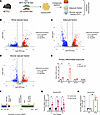 Figure 1
FAM20C is an obesity-induced serine/threonine kinase in adipocytes. (A) Schematic of VIS WAT collection from diet-induced obesity (DIO) model of B6/J mice and its fractionation into adipocyte and stromal vascular compartments. (B) Volcano plot of DEGs from whole AT, (C) adipocyte fraction, and (D) SVFs of HFD- versus CD-fed B6/J mice. (E) Relative mRNA expression of proinflammatory genes in primary adipocytes of B6/J transduced with respective viral constructs (n = 3 per group). (F) Schematic of mouse FAM20C protein with highlighted key domains and catalytic sites. NLS, nuclear localization signal. (G) Fam20c mRNA expression from VIS WAT of CD- and HFD-fed B6/J mice at respective time points (n = 4 per group). (H) Fam20c mRNA expression from VIS WAT of 6-week-old WT B6/J and leptin-deficient ob/ob mice on CD (n = 5 per group). *P < 0.05, **P < 0.01; unpaired, 2-tailed Student’s t test. Data are shown as the mean ± SEM.
Fam20c expression was 2.5-, 3.4-, and 2.8-fold higher at 2, 4, and 15 weeks of HFD feeding, respectively, indicating an early and sustained induction throughout obesity (Figure 1G). Fam20c was similarly induced in the subcutaneous (SC) WAT and brown adipose tissue (BAT) depots of HFD-fed mice compared with CD-fed mice (Supplemental Figure 1, D and E). We also examined basal expression of Fam20c in various tissues from chow-fed WT mice, including BAT, SC WAT, VIS WAT, bone, heart, muscle, liver, and brain. Expression of Fam20c in adipose depots was comparable with that in bone, a mineralized tissue previously reported to have high Fam20c expression (Supplemental Figure 1F) (33). Moreover, Fam20c was upregulated in ATs but not in other metabolic tissues such as liver (Supplemental Figure 1, G–I). It is possible that the increased Fam20c in HFD-fed mice results from nutrient composition (e.g., lipid content) of the diet rather than obesity. VIS WAT of genetically obese ob/ob mice fed a CD demonstrated 5-fold higher Fam20c expression compared with WT controls, suggesting that obesity rather than specific dietary factors drives Fam20c induction (Figure 1H). These findings establish Fam20c as an early obesity-induced kinase expressed in adipocytes.
The strong induction of Fam20c in adipocytes during obesity led us to examine whether this regulation was linked to specific adipocyte subpopulations by analyzing single-cell and single-nucleus RNA-seq datasets of mouse and human WAT (34). In mice, Fam20c was upregulated across all 6 adipocyte subclusters following HFD, with the strongest induction in mAd1–3 and mAd6 (Supplemental Figure 2A). In human WAT, FAM20C expression was substantially enriched in the hAd5 subcluster, and the proportion of hAd5 cells positively correlated with BMI, suggesting an association between FAM20C expression and obesity-driven expansion of specific adipocyte populations (Supplemental Figure 2B). Together, these results suggest that Fam20c upregulation is a conserved, obesity-associated feature of specific adipocyte subtypes in both mice and humans.
Fam20c induces a broad proinflammatory gene expression pattern and insulin resistance in adipocytes. We hypothesized that Fam20c in adipocytes may promote adipose inflammation and adipocyte dysfunction to trigger metabolic impairment and T2D. To assess the effect of FAM20C kinase in adipocytes, we overexpressed Fam20c in primary differentiated adipocytes using adenovirus carrying the mouse Fam20c WT gene (Figure 2A and Supplemental Figure 2, C and D). Forced expression of Fam20c resulted in a substantial (2- to 6-fold) increase in chemokine and cytokine genes, including Ccl2, Ccl5, Il1b, and Tnf (Figure 2B). To ascertain if these effects require FAM20C’s kinase activity, we engineered a catalytically inactive mutant (D473A) of FAM20C (Figure 2A). By contrast, the Fam20c D473A mutant did not elicit an increase in chemokine and cytokine expression (Figure 2B). To determine the full extent of the effects of Fam20c on adipocytes, we performed unbiased transcriptomic analyses on primary adipocytes transduced with Fam20c. The majority of genes regulated in response to Fam20c were related to inflammation, indicating that FAM20C preferentially induces a broad proinflammatory expression pattern (Figure 2C). Importantly, the kinase activity of FAM20C was necessary for these effects as the kinase-dead FAM20C mutant failed to elicit the same response as the WT (Figure 2C). Pathway analysis revealed activation of TNF-α signaling, inflammatory response, and IL-6/JAK/STAT3 pathways (Figure 2D). Forced expression of Fam20c in the L1 adipocyte cell line recapitulated the inflammatory gene expression seen in primary adipocytes (Supplemental Figure 2E), supporting a direct cell-autonomous role of FAM20C in promoting robust inflammatory gene expression pattern in adipocytes.
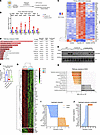 Figure 2
Induction of adipocyte Fam20c elicits a proinflammatory gene expression signature. (A) Schematic of viral transduction of primary differentiated adipocytes with respective constructs. (B) Relative mRNA expression of proinflammatory genes in primary adipocytes transduced with respective viral constructs (n = 4 per group). (C) Heatmap of DEGs in primary adipocytes transduced with respective viral constructs (n = 4 per group). (D) Hallmark pathway analysis of top DEGs between Fam20c WT and Fam20c D473A (kinase-dead mutant) groups. (E) Representative Western blot images and (F) quantification of insulin-mediated p-AKT S473 induction in primary adipocytes transduced with respective viral constructs and stimulated with either PBS or insulin (10 nM for 10 minutes) (n = 4 per group). Three independent experiments were performed. (G) Heatmap of DEGs in primary differentiated adipocytes from control and Ad-Fam20c–KO mice (n = 4 per group). (H) Hallmark pathway analysis of DEGs between primary differentiated adipocytes from control and Ad-Fam20c–KO mice. NES, normalized enrichment score. (I) Upstream analysis showing top activated and inactivated pathways and (J) upstream cytokine pathways based on DEGs in primary differentiated adipocytes from control and Ad-Fam20c–KO mice. An activation z score of ≥2 was used as the cutoff. *P < 0.05, **P < 0.01, ***P < 0.001, ****P < 0.0001; 2-way ANOVA followed by Bonferroni’s multiple-comparison test for B and 1-way ANOVA for F. Data are shown as the mean ± SEM.
Building on the link between Fam20c upregulation and adipocyte dysfunction, we investigated whether Fam20c directly contributes to insulin resistance. To this end, we performed in vitro insulin sensitivity assays in primary adipocytes overexpressing either WT or catalytically inactive Fam20c. Overexpression of Fam20c in adipocytes caused a striking approximately 70% reduction in insulin-stimulated AKT phosphorylation compared with GFP control, indicating profound impairment in insulin signaling (Figure 2, E and F). In contrast, the D473A mutant had no effect, indicating that this impairment is dependent on FAM20C’s kinase activity. Together, these findings support a direct, kinase-dependent role for FAM20C in promoting adipocyte inflammation and insulin resistance.
Identification of Fam20c-dependent transcriptional changes in adipocytes under physiological conditions. To investigate the role of Fam20c in adipocytes, we ablated Fam20c specifically in adipocytes by crossing Fam20c-floxed and Adiponectin-Cre transgenic mice. Primary differentiated adipocytes from control (Fam20c-floxed) and Ad-Fam20c–KO (Fam20c-floxed/Adiponectin-Cre) mice were subjected to RNA-seq to identify Fam20c-dependent transcriptional alterations. Analysis of DEGs revealed a significant downregulation of 63 transcripts and upregulation of 5 transcripts in the KO adipocytes (P < 0.05; Figure 2G). Pathway enrichment analysis revealed suppression of pathways linked to adipocyte dysfunction, including epithelial-mesenchymal transition, apical junction assembly, KRAS signaling, and inflammatory response, whereas pathways associated with enhanced adipocyte function, including fatty acid metabolism, adipogenesis, and oxidative phosphorylation, were upregulated in the adipocytes devoid of Fam20c (Figure 2H). Adipocyte dysfunction is often associated with an imbalance of adipokine secretion leading to inflammation and insulin resistance. To determine whether Fam20c regulates the adipocyte secretome, we filtered for genes encoding secreted proteins or extracellular space components. Among these, Esm1 (endothelial cell–specific molecule 1) exhibited the most significant downregulation in KO adipocytes (Supplemental Figure 2F). Esm1 regulates fatty acid synthesis, cell migration, integrin binding, and angiogenesis (35, 36), suggesting that its decreased expression in KO adipocytes may correspond to reduced immune cell infiltration and inflammation. Expression of several proinflammatory cytokines (Ccl6, Ccl8, Cxcl16, and Il16) was also reduced in the KO adipocytes (Supplemental Figure 2G).
Upstream analysis revealed activation of transcription factors associated with improved adipocyte metabolism in KO adipocytes. PPARGC1A was notably activated, a key regulator of AT metabolism and thermogenesis (37) (Figure 2I). Conversely, transcription factors linked to cell growth and inflammatory signaling, such as RICTOR and WNT3A, were inactivated. Upstream cytokine analysis showed substantial inactivation of proinflammatory cytokines, such as TNF, CCL2, and CCL20, in KO adipocytes (Figure 2J). Remarkably, NAMPT, a cytokine associated with improved insulin sensitivity in AT (38), was upregulated in the KO group. These findings suggest that under physiological conditions, adipocyte Fam20c drives the activation of proinflammatory cytokines and chemokines, while repressing transcription factors and cytokines linked to enhanced adipocyte function and insulin sensitivity.
Adipocyte-specific KO of Fam20c in obese and diabetic mice improves glucose metabolism and insulin sensitivity. To investigate the pathophysiological role of adipocyte Fam20c, we generated constitutive (Ad-Fam20c–KO) and inducible (iAd-Fam20c–KO) adipocyte-specific Fam20c-KO mice by crossing Fam20c-floxed with Adiponectin-Cre and Adiponectin-CreERT transgenic lines, respectively. When fed a CD, neither model exhibited significant metabolic alterations. In Ad-Fam20c–KO mice, body weight and glucose tolerance were comparable with controls (Supplemental Figure 3, A and B). Similarly, in iAd-Fam20c–KO mice, in which Fam20c deletion was induced in 12-week-old adults, body weight and glucose tolerance remained unchanged relative to controls (Supplemental Figure 3, C and D). Furthermore, the weights of major metabolic tissues, including BAT, SC and VIS WAT depots, and liver, were not different between groups (Supplemental Figure 3E).
To determine the potential of FAM20C inhibition as a disease modifying therapy for T2D, control and iAd-Fam20c–KO mice were fed HFD for 3 months to induce obesity and insulin resistance. Subsequently, tamoxifen was administered to selectively ablate adipocyte Fam20c (Figure 3A and Supplemental Figure 3, F and G). Following acute Fam20c deletion (2 weeks after injection), body weights were not significantly different between the groups (39.4 ± 3.5g vs. 38.6 ± 3.5g for controls) (Figure 3B). Acute deletion of Fam20c significantly improved glucose tolerance in iAd-Fam20c–KO mice compared with controls (Figure 3, C and D). Additionally, insulin tolerance tests revealed that iAd-Fam20c–KO mice displayed enhanced insulin sensitivity relative to controls (Figure 3, E and F). These findings suggest that acute deletion of adipocyte Fam20c ameliorates glucose homeostasis and insulin resistance in the context of diet-induced obesity.
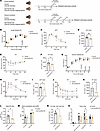 Figure 3
Adipocyte-specific deletion of Fam20c corrects metabolic impairments of diet-induced obesity. (A) Schematic of mouse models employing acute (2 weeks) and chronic (12 weeks) KO of adipocyte Fam20c as a disease-modifying therapy for obesity-induced T2D. (B) Body weights at different time points, (C) glucose tolerance test (GTT), and (E) insulin tolerance test (ITT) for control and iAd-Fam20c–KO mice following acute deletion of adipocyte Fam20c (n = 11 per group). (D and F) AUC calculations for C and E, respectively. (G) Body weights at different time points, (H) GTT, and (J) ITT for control and iAd-Fam20c–KO mice following chronic deletion of adipocyte Fam20c (n = 10 per group). (I and K) AUC calculations for H and J, respectively. (L) Adipo-IR as a marker of adipose insulin sensitivity, (M) body composition analysis by EchoMRI, and (N) fat mass/lean mass ratio from HFD-fed control and iAd-Fam20c–KO mice following chronic Fam20c deletion (n = 6 per group). (O) Mass of AT depots and liver from HFD-fed control and iAd-Fam20c–KO mice following chronic Fam20c deletion (n = 10 per group). *P < 0.05, **P < 0.01, ***P < 0.001; unpaired, 2-tailed Student’s t test for D, F, I, and K–O and repeated-measure 2-way ANOVA for C, E, H, and J. Data are shown as the mean ± SEM.
To further evaluate sustained effects of adipocyte Fam20c deletion on glucose metabolism, we extended the study to determine longer-term effects of FAM20C disruption. Control and iAd-Fam20c–KO mice were maintained on HFD for an additional 12 weeks with monthly tamoxifen injections to maintain Fam20c KO (Figure 3A). Although body weight was not changed (Figure 3G), chronic deletion of adipocyte Fam20c continued to confer substantial metabolic benefits. Both glucose tolerance and insulin sensitivity continued to improve by approximately 25% and >100%, respectively, compared with controls (Figure 3, H–K). These results indicate that the therapeutic benefits of adipocyte Fam20c deletion on glucose metabolism and insulin sensitivity are sustained over an extended period of metabolic stress. Additionally, we assessed AT insulin sensitivity using the adipose tissue insulin resistance index (adipo-IR) index, which integrates plasma free fatty acids (FFAs) and insulin. The adipo-IR index was approximately 40% lower in iAd-Fam20c–KO mice compared with controls (0.75 ± 0.04 vs. 1.24 ± 0.46, P = 0.03), suggesting that Fam20c deletion ameliorates AT insulin resistance (Figure 3L). Taken together, these data support the hypothesis that adipocyte Fam20c deletion enhances glucose metabolism and insulin sensitivity, providing a potential therapeutic avenue for improving metabolic function in established T2D.
Adipocyte-specific KO of Fam20c results in a reduction of VIS WAT mass. To assess the impact of adipocyte Fam20c deletion on body composition, we conducted metabolic and histological analyses in control and iAd-Fam20c–KO mice with chronic Fam20c deletion. EchoMRI analysis revealed that iAd-Fam20c–KO mice exhibited a mild but significant increase in lean mass (27.3 ± 0.4 g vs. 26 ± 0.4 g, P = 0.04) compared with controls, while total fat mass was unchanged (14.7 ± 1.5 g vs. 17.2 ± 1.3 g, P = 0.25), suggesting a redistribution of body mass (Figure 3M). Consistent with this, the fat/lean mass ratio was significantly lower in iAd-Fam20c–KO mice (0.55 ± 0.07 vs. 0.74 ± 0.11, P = 0.02 for controls), indicating a decrease in overall adiposity relative to lean tissue (Figure 3N). Additionally, iAd-Fam20c–KO mice displayed a striking 40% selective reduction in VIS WAT mass compared with controls, with no significant differences observed in BAT or SC WAT (Figure 3O). To investigate whether the observed reduction in VIS WAT mass was associated with changes in adipocyte morphology, we performed histological analysis of H&E-stained sections (Figure 4A). While the average adipocyte diameter was unchanged (Figure 4B), frequency distribution analysis revealed a significant shift in adipocyte size distribution. Specifically, iAd-Fam20c–KO mice exhibited a significantly higher proportion of smaller adipocytes and a correspondingly lower proportion of larger adipocytes (Figure 4C). This shift in adipocyte size distribution likely contributes to the reduced VIS WAT mass. To assess for adipose inflammation, we stained for macrophage markers and quantified crown-like structures (CLSs) in the VIS WAT. Numbers of adipose tissue macrophages (ATMs) and CLSs were not different between control and iAd-Fam20c–KO mice (Supplemental Figure 4, A–C), indicating that chronic Fam20c deletion following HFD feeding may not be sufficient to reverse CLS formation and associated proinflammatory changes.
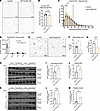 Figure 4
Adipocyte-specific deletion of Fam20c shifts adipocyte size distribution toward smaller adipocytes, decreases ATMs, and improves insulin sensitivity. (A) Representative images of H&E-stained VIS WAT sections of HFD-fed control and iAd-Fam20c–KO mice following chronic Fam20c deletion. Scale bars: 100 μm. (B) Mean adipocyte diameter and (C) frequency size distribution for adipocyte size in HFD-fed control and iAd-Fam20c–KO mice following chronic Fam20c deletion (n = 6 per group). (D) Number of ATMs (F4/80+CD11b+), B cells (CD19+), CD4+ cells, and CD8+ cells in control and iAd-Fam20c–KO mice fed HFD for 4 weeks followed by acute Fam20c deletion (n = 4–6 per group). (E) Representative images of Mac-2 staining, (F) quantification of macrophage (Mac-2–stained) area represented as percentage of total adipose area, and (G) quantification of CLSs represented as CLS per 10,000 adipocytes from VIS WAT sections of control and iAd-Fam20c–KO mice fed HFD for 4 weeks followed by acute Fam20c deletion (n = 4 per group). Scale bars: 100 μm. (H) Representative Western blot images for insulin-mediated p-AKT stimulation in SC and VIS WAT of control and iAd-Fam20c–KO mice fed HFD for 4 weeks followed by acute Fam20c deletion. (I and J) Quantifications of p-AKT/AKT from H for SC and VIS WAT, respectively (n = 4 per group). (K) Representative Western blot images for insulin-mediated p-AKT stimulation in liver and skeletal muscle of control and iAd-Fam20c–KO mice fed HFD for 4 weeks followed by acute Fam20c deletion. (L and M) Quantifications for p-AKT/AKT from K for liver and skeletal muscle, respectively. *P < 0.05, **P < 0.01, ****P < 0.0001; unpaired, 2-tailed Student’s t test. Data are shown as the mean ± SEM.
Collectively, these findings demonstrate that Fam20c regulates VIS WAT expansion and adipocyte size distribution, and its deletion protects against VIS adiposity and obesity-induced insulin resistance.
Adipocyte Fam20c promotes early inflammatory remodeling and insulin resistance during diet-induced obesity. To define the contribution of adipocyte Fam20c to immune cell infiltration during early obesity, we disrupted adipocyte FAM20C after 4 weeks of HFD using inducible iAd-Fam20c–KO and control mice. Masses of AT depots and livers remained unchanged between control and iAd-Fam20c–KO mice (Supplemental Figure 4D). However, flow cytometry analysis of the VIS WAT SVF revealed a 25% reduction in F4/80+CD11b+ ATMs in iAd-Fam20c–KO mice compared with controls (Figure 4D and Supplemental Figure 4E). VIS WAT tissue B cells as well as CD4+ and CD8+ cells were unchanged between the groups (Figure 4D). Consistent with this, immunohistochemistry of VIS WAT revealed that iAd-Fam20c–KO mice had 49% lower macrophage area and 44% lower CLS compared with controls (Figure 4, E–G). These results indicate that adipocyte FAM20C facilitates early macrophage infiltration and proinflammatory remodeling of VIS WAT during obesity onset.
We next examined whether Fam20c influences insulin signaling in peripheral tissues during early obesity. Control and iAd-Fam20c–KO mice received HFD for 4 weeks followed by acute Fam20c deletion and then were challenged in vivo with insulin. Insulin-stimulated AKT phosphorylation (p-AKT Ser473) was measured in SC and VIS WAT, liver, and skeletal muscle (Figure 4, H–M). Early and acute adipocyte ablation of Fam20c in the course of obesity resulted in substantial improvements in insulin signaling with elevations in insulin-stimulated p-AKT by 1.6-fold in SC WAT, 1.5-fold in VIS WAT, 1.9-fold in liver, and 2.9-fold in skeletal muscle compared with controls, indicating enhanced insulin responsiveness in multiple metabolic tissues (Figure 4, H–M). Together, these findings suggest that Fam20c facilitates early adipose inflammation and systemic insulin resistance during the initial stages of diet-induced obesity.
FAM20C regulates phosphorylation of intracellular and secreted proteins in adipocytes, modulating inflammatory and metabolic pathways. FAM20C is a serine/threonine kinase localized to the Golgi apparatus that phosphorylates secreted proteins (21). Since the kinase-dead D473A mutant of FAM20C did not elicit an inflammatory gene expression phenotype, we hypothesized that FAM20C actions in adipocytes are mediated via protein phosphorylation. We performed unbiased phosphoproteomics on primary adipocytes transduced with either Fam20c WT, the kinase-dead mutant (D473A), or a control (Gfp) virus (Figure 5A). Forced expression of Fam20c WT led to the identification of a distinct set of >500 phosphorylated peptides, which were absent in cells overexpressing the Fam20c D473A mutant, confirming the kinase-dependent nature of these phosphopeptides (Figure 5B). Motif analysis revealed that a majority of these phosphosites exhibited a S-x-E consensus sequence, a known motif specifically targeted by FAM20C among secretory pathway kinases (Figure 5C). Pathway enrichment analysis of FAM20C-regulated phosphopeptides identified involvement of focal adhesion, PI3K/AKT/mTOR signaling, and inflammatory response pathways (Figure 5D), implicating that FAM20C regulates key processes involved in cellular metabolism, immune response, and protein trafficking in adipocytes.
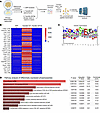 Figure 5
Adipocyte FAM20C phosphorylates a distinct set of intracellular proteins. (A) Schematic for liquid chromatography–tandem mass spectrometry–based (LC-MS/MS–based) unbiased phosphoproteomic analysis of intracellular proteins from primary differentiated adipocytes transduced with respective viral constructs. (B) Heatmap showing top differentially phosphorylated proteins in primary adipocytes transduced with respective viral constructs. (C) Motif analysis and sitemap of top identified FAM20C-dependent phosphosites in B. (D) Pathway analysis of differentially expressed phosphopeptides from primary adipocytes transduced with either a WT construct of Fam20c or a kinase-dead mutant (D473A).
Next, to explore the role of FAM20C in modulating phosphorylation of adipocyte secretome, we conducted phosphoproteomics on conditioned media of primary differentiated adipocytes derived from control and Ad-Fam20c–KO mice (Figure 6A). Secreted phosphopeptides enriched by Fam20c included LAMA4-Ser283/Ser949, FGF23-Ser212, FN1-Ser2475, and COL4A2-Ser708, all ECM proteins implicated in fibrosis (Figure 6B). Most sites conformed to the FAM20C consensus motif of S-x-E (Figure 6C). Pathway analysis of these secreted phosphopeptides also revealed enrichment of focal adhesion, PI3K/AKT/mTOR, and integrin signaling (Figure 6D). These findings suggest that FAM20C-mediated phosphorylation regulates the secretion of ECM proteins and signaling molecules that contribute to adipocyte dysfunction, potentially through mechanisms linked to fibrosis and inflammation. Additionally, we observed that FAM20C phosphorylated Patatin-like phospholipase domain–containing protein 2 (PNPLA2, also known as ATGL) at Ser468 (Figure 6B). PNPLA2 plays a pivotal role in the initiation of triglyceride hydrolysis, suggesting that FAM20C may regulate adipocyte lipolysis through PNPLA2. To investigate the impact of FAM20C on adipose lipolysis, we conducted an ex vivo lipolysis assay using VIS WAT explants from either control or Ad-Fam20c–KO mice after 8 weeks of HFD. Basal release of FFA and glycerol was reduced by approximately 45% and 50%, respectively, in KO explants compared with controls, consistent with improved metabolic regulation following Fam20c deletion (Figure 6, E–H). Stimulation with the β3-adrenoceptor agonist CL-316,243 (0.5 μM) induced similar lipolytic responses in both groups (Figure 6, E–H). These findings are consistent with the established observation that obesity is associated with elevated basal lipolysis due to the blunted antilipolytic effect of insulin and catecholamine resistance (39–41). Our results suggest that ablation of adipocyte FAM20C reduces basal lipolysis in obesity, likely due to improved insulin sensitivity, without affecting catecholamine responsiveness.
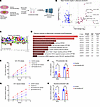 Figure 6
Adipocyte FAM20C phosphorylates a distinct set of secreted proteins. (A) Schematic of LC-MS/MS–based unbiased phosphoproteomic analysis of secreted proteins from control and Fam20c-deficient primary adipocytes. (B) Volcano plot showing top differentially phosphorylated secreted proteins in primary adipocytes with and without Fam20c. (C) Motif analysis and sitemap of top identified FAM20C-dependent phosphosites in B. (D) Pathway analysis of differentially expressed secreted phosphoproteins in primary adipocytes with and without Fam20c. (E) FFA release plotted over time and (F) rate of FFA production per hour from VAT explants of HFD-fed control and Ad-Fam20c–KO mice treated with either vehicle or 0.5 μM CL-316243 (n = 6 per group). (G) Glycerol release plotted over time and (H) rate of glycerol production per hour from VAT explants of HFD-fed control and Ad-Fam20c–KO mice treated with either vehicle or 0.5 μM CL-316243 (n = 6 per group). *P < 0.05; 2-way ANOVA followed by Šidák’s post hoc multiple-comparison test. Data are shown as the mean ± SEM.
Together, these data provide strong evidence that FAM20C is a critical kinase in adipocytes, influencing both intracellular and secreted protein phosphorylation. By regulating key pathways involved in focal adhesion, PI3K/AKT/mTOR signaling, inflammatory response, and lipolysis, FAM20C modulates adipocyte function and contributes to insulin resistance in obesity.
Obesity-induced Fam20c in the VIS WAT phosphorylates proteins involved in adipogenesis and AT dysfunction. To identify pathological substrates of FAM20C in vivo, we performed phosphoproteomics on VIS WAT of control and Ad-Fam20c–KO mice on a HFD for 8 weeks to increase FAM20C expression in controls (Figure 7A). This experimental setup generated a high signal/noise ratio, allowing comprehensive assessment of FAM20C’s role in AT dysfunction during obesity. A volcano plot revealed significant changes in phosphorylation patterns between the 2 groups (Figure 7B), with most phosphosites conforming to the S-x-E motif, confirming FAM20C specificity (Figure 7C). Pathway analysis of differentially phosphorylated proteins identified enrichment in integrin-mediated cell adhesion, insulin signaling, and regulation of the actin cytoskeleton, suggesting a critical role for FAM20C in these processes under pathological conditions of obesity (Supplemental Figure 5A).
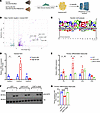 Figure 7
Obesity-induced FAM20C in VIS WAT phosphorylates proteins, causing AT dysfunction. (A) Schematic of LC-MS/MS–based unbiased phosphoproteomic analysis of VIS WAT from HFD-fed control and Ad-Fam20c–KO mice. (B) Volcano plot showing top differentially phosphorylated proteins in VIS WAT of control versus Ad-Fam20c–KO mice. (C) Motif analysis and sitemap of top identified FAM20C-dependent phosphosites in B. (D) Relative expression of mouse Cnpy4 transcript variant 1 (Cnpy4-1), transcript variant 2 (Cnpy4-2), and transcript variant 3 (Cnpy4-3) in B6 WT mice fed either CD or HFD for 12 weeks (n = 5 per group). (E) Relative mRNA expression of proinflammatory genes in primary adipocytes transduced with respective viral constructs (n = 4 per group). (F) Representative Western blot images and (G) quantification of insulin-mediated p-AKT S473 induction in primary adipocytes transduced with respective viral constructs and stimulated with either PBS or insulin (10 nM for 10 minutes) (n = 4 per group). Three independent experiments were conducted. *P < 0.05, **P < 0.01, ****P < 0.0001; 2-tailed Student’s t test for D, 2-way ANOVA for E, and 1-way ANOVA for G. Data are shown as the mean ± SEM.
A key substrate of FAM20C identified through phosphoproteomics was Canopy FGF signaling regulator 4 (CNPY4), phosphorylated at Ser64 in a FAM20C-dependent manner (Figure 7B). CNPY4 is a secreted protein shown to regulate the cell surface expression of TLR4, which propagates the production of proinflammatory cytokines (42, 43). This prompted us to investigate CNPY4’s role in mediating the effect of FAM20C on AT inflammation. Notably, mouse Cnpy4 encodes 3 isoforms, and variant-specific qPCR revealed a distinct expression pattern in VIS WAT during obesity. Isoform 2 was markedly upregulated, isoform 1 was downregulated, and isoform 3 remained unchanged at low expression levels (Figure 7D). We focused subsequent mechanistic studies on isoform 2 due to its obesity-inducible expression. To test the hypothesis that CNPY4 phosphorylation by FAM20C promotes inflammation, we overexpressed CNPY4 WT and CNPY4 S64A mutant in primary differentiated adipocytes (Figure 7E and Supplemental Figure 5, B and C). Adipocytes overexpressing CNPY4 WT exhibited a significant increase in expression of proinflammatory cytokines, including Tnf, Il6, and Ccl2, compared with controls (Figure 7E). In contrast, adipocytes overexpressing the S64A mutant, which lacks the FAM20C phosphorylation site, did not show any increase in inflammatory gene expression of Tnf and Il6. Ccl2 is a FAM20C-regulated cytokine but was not regulated by its phosphorylation of CNPY4, indicating that CNPY4 may induce Ccl2 by a FAM20C-independent mechanism. Another FAM20C-regulated cytokine Ccl5 was also unaffected, suggesting CNPY4 mediates part of FAM20C’s actions on adipose inflammation.
To investigate whether CNPY4 also mediates insulin resistance downstream of FAM20C, we performed in vitro insulin signaling assays. Following insulin stimulation, primary adipocytes overexpressing WT CNPY4 exhibited significantly reduced AKT phosphorylation (p-AKT Ser473) compared with controls, consistent with impaired insulin signaling (Figure 7, F and G). In contrast, overexpression of the CNPY4 S64A mutant did not impair p-AKT induction by insulin, indicating that FAM20C-dependent phosphorylation of CNPY4 at Ser64 is required to impair insulin signaling. Taken together, these results suggest that FAM20C-mediated phosphorylation of CNPY4 at Ser64 promotes proinflammatory gene expression and contributes to AT insulin resistance in obesity. These findings also highlight the importance of FAM20C in regulating key signaling proteins involved in adipocyte inflammation and dysfunction in obesity.
Adipose FAM20C levels in humans positively correlate to insulin resistance. To investigate the relationship between FAM20C expression and metabolic dysfunction in humans, we analyzed FAM20C expression in a cross-sectional cohort comprising paired omental (VIS) and abdominal (SC) ATs from 1,480 individuals in the Leipzig Obesity Biobank (LOBB). FAM20C expression was significantly higher in VIS than in SC ATs in individuals with obesity (Figure 8A). However, no significant differences in FAM20C were observed between individuals with and without obesity in either VIS or SC AT, though this could be underpowered due to the small number of individuals without obesity (N = 31). We then examined the correlation between FAM20C expression and various metabolic parameters, including body weight, BMI, body fat percentage, fasting plasma insulin (FPI), homeostasis model assessment of insulin resistance (HOMA-IR), and HbA1c (Figure 8B). In both VIS and SC ATs, FAM20C levels positively correlated with HOMA-IR, a well-established indicator of insulin resistance (Figure 8, C and D). Additionally, FAM20C expression showed significant positive correlation with FPI, suggesting a state of hyperinsulinemia in association with insulin resistance (Figure 8, E and F). These findings suggest a potential role for adipose FAM20C in the development of insulin resistance in humans.
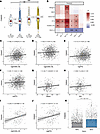 Figure 8
Adipose FAM20C expression in humans positively correlates with insulin resistance. (A) FAM20C gene expression comparison for SC and VIS ATs for patient subgroups with and without obesity. The box plots depict the minimum and maximum values (whiskers), the upper and lower quartiles, and the median. (B) FAM20C gene correlation analysis with metabolic parameters. (C) Correlation of SC FAM20C gene expression with HOMA-IR. (D) Correlation of VIS FAM20C gene expression with HOMA-IR. (E) Correlation of SC FAM20C gene expression with FPI. (F) Correlation of VIS FAM20C gene expression with FPI. (G) Correlation of SC FAM20C gene expression with body weight for males. (H) Correlation of VIS FAM20C gene expression with BMI for males. (I) Correlation of VIS FAM20C gene expression with HOMA-IR in individuals not receiving antihyperglycemic medications. (J) Correlation of VIS FAM20C gene expression with FPI in individuals not receiving antihyperglycemic medications. (K) VIS adipocyte FAM20C expression from single-nucleus RNA-seq study in MHO and MUO individuals. *P < 0.05, **P < 0.01, ***P < 0.001; Welch’s 1-way ANOVA with Games-Howell post hoc test for A, Spearman’s correlation coefficient analysis with a confidence interval of 0.95 for B–J, and 2-tailed Student’s t test for K.
In males, FAM20C levels in SC AT also correlated positively with body weight and BMI (Figure 8, G and H), suggesting that higher FAM20C expression in this depot may be linked to adiposity. To control for the potential confounding effects of antidiabetic medications, we excluded patients receiving glucose lowering treatments, including insulin, metformin, DPP-4 inhibitors, sulfonylureas, and glitazones (Supplemental Figure 6, A and B). In this subset, we observed a strong positive correlation between VIS AT FAM20C levels and both FPI and HOMA-IR (Figure 8, I and J). However, no significant correlations were found for FAM20C levels in SC AT (Supplemental Figure 6, C and D), further supporting the notion that VIS FAM20C may be a key contributor to the development of insulin resistance in obesity. Taken together, these data suggest that elevated FAM20C in VIS AT is strongly associated with insulin resistance and hyperinsulinemia in individuals with obesity. In contrast, the correlation between FAM20C and metabolic parameters appears to be weaker in SC AT, highlighting the specific role of VIS FAM20C in metabolic dysfunction. VIS adipose remodeling is a hallmark of MUO and is closely linked to AT dysfunction and systemic insulin resistance. To investigate FAM20C expression in this pathological phenotype, we reanalyzed the publicly available single-nucleus RNA-seq dataset profiling VAT from individuals with either MHO or MUO (44). Our analysis revealed 60% higher FAM20C expression in VIS adipocytes from MUO individuals compared with MHO counterparts (P = 1.19 × 10−¹7) (Figure 8K and Supplemental Figure 6E). These results identify elevated FAM20C expression as a molecular feature of MUO-associated adipocytes, reinforcing its role in the development of metabolic dysfunction in obesity.


Copyright © 2026 American Society for Clinical Investigation
ISSN: 0021-9738 (print), 1558-8238 (online)