
Advertisement
Research ArticleGastroenterologyHepatology
Open Access |  10.1172/JCI190635
Adipocyte death promotes hepatic infiltration of S100A8+ macrophages and steatotic liver disease progression in mice
Yukun Guan,1 Yeonsoo Kim,2 Yang Wang,1 Ye Eun Cho,2 Xiaogang Xiang,1 Seung-Jin Kim,1 Tiantian Yao,1 Dechun Feng,1 Seonghwan Hwang,1,2 and Bin Gao1
1Laboratory of Liver Diseases, National Institute on Alcohol Abuse and Alcoholism (NIAAA), NIH, Bethesda, Maryland, USA.
2College of Pharmacy and Research Institute for Drug Development, Pusan National University, Busan, South Korea.
Address correspondence to: Seonghwan Hwang, College of Pharmacy and Research Institute for Drug Development, Pusan National University, 63-2 Busandaehak-ro, Geumjeong-gu, Busan 46241, South Korea. Phone: 82.51.510.2817; Email: shhwang@pusan.ac.kr. Or to: Bin Gao, Laboratory of Liver Diseases, NIAAA/NIH, 5625 Fishers Lane, Bethesda, Maryland 20892, USA. Phone: 301.443.3998; Email: bgao@mail.nih.gov.
Authorship note: YG and YK contributed equally to this work and are co–first authors. SH and BG are the co–senior authors.
Find articles by
Guan, Y.
in:
PubMed
|
Google Scholar
|

1Laboratory of Liver Diseases, National Institute on Alcohol Abuse and Alcoholism (NIAAA), NIH, Bethesda, Maryland, USA.
2College of Pharmacy and Research Institute for Drug Development, Pusan National University, Busan, South Korea.
Address correspondence to: Seonghwan Hwang, College of Pharmacy and Research Institute for Drug Development, Pusan National University, 63-2 Busandaehak-ro, Geumjeong-gu, Busan 46241, South Korea. Phone: 82.51.510.2817; Email: shhwang@pusan.ac.kr. Or to: Bin Gao, Laboratory of Liver Diseases, NIAAA/NIH, 5625 Fishers Lane, Bethesda, Maryland 20892, USA. Phone: 301.443.3998; Email: bgao@mail.nih.gov.
Authorship note: YG and YK contributed equally to this work and are co–first authors. SH and BG are the co–senior authors.
Find articles by Kim, Y. in: PubMed | Google Scholar
1Laboratory of Liver Diseases, National Institute on Alcohol Abuse and Alcoholism (NIAAA), NIH, Bethesda, Maryland, USA.
2College of Pharmacy and Research Institute for Drug Development, Pusan National University, Busan, South Korea.
Address correspondence to: Seonghwan Hwang, College of Pharmacy and Research Institute for Drug Development, Pusan National University, 63-2 Busandaehak-ro, Geumjeong-gu, Busan 46241, South Korea. Phone: 82.51.510.2817; Email: shhwang@pusan.ac.kr. Or to: Bin Gao, Laboratory of Liver Diseases, NIAAA/NIH, 5625 Fishers Lane, Bethesda, Maryland 20892, USA. Phone: 301.443.3998; Email: bgao@mail.nih.gov.
Authorship note: YG and YK contributed equally to this work and are co–first authors. SH and BG are the co–senior authors.
Find articles by Wang, Y. in: PubMed | Google Scholar
1Laboratory of Liver Diseases, National Institute on Alcohol Abuse and Alcoholism (NIAAA), NIH, Bethesda, Maryland, USA.
2College of Pharmacy and Research Institute for Drug Development, Pusan National University, Busan, South Korea.
Address correspondence to: Seonghwan Hwang, College of Pharmacy and Research Institute for Drug Development, Pusan National University, 63-2 Busandaehak-ro, Geumjeong-gu, Busan 46241, South Korea. Phone: 82.51.510.2817; Email: shhwang@pusan.ac.kr. Or to: Bin Gao, Laboratory of Liver Diseases, NIAAA/NIH, 5625 Fishers Lane, Bethesda, Maryland 20892, USA. Phone: 301.443.3998; Email: bgao@mail.nih.gov.
Authorship note: YG and YK contributed equally to this work and are co–first authors. SH and BG are the co–senior authors.
Find articles by Cho, Y. in: PubMed | Google Scholar
1Laboratory of Liver Diseases, National Institute on Alcohol Abuse and Alcoholism (NIAAA), NIH, Bethesda, Maryland, USA.
2College of Pharmacy and Research Institute for Drug Development, Pusan National University, Busan, South Korea.
Address correspondence to: Seonghwan Hwang, College of Pharmacy and Research Institute for Drug Development, Pusan National University, 63-2 Busandaehak-ro, Geumjeong-gu, Busan 46241, South Korea. Phone: 82.51.510.2817; Email: shhwang@pusan.ac.kr. Or to: Bin Gao, Laboratory of Liver Diseases, NIAAA/NIH, 5625 Fishers Lane, Bethesda, Maryland 20892, USA. Phone: 301.443.3998; Email: bgao@mail.nih.gov.
Authorship note: YG and YK contributed equally to this work and are co–first authors. SH and BG are the co–senior authors.
Find articles by
Xiang, X.
in:
PubMed
|
Google Scholar
|
1Laboratory of Liver Diseases, National Institute on Alcohol Abuse and Alcoholism (NIAAA), NIH, Bethesda, Maryland, USA.
2College of Pharmacy and Research Institute for Drug Development, Pusan National University, Busan, South Korea.
Address correspondence to: Seonghwan Hwang, College of Pharmacy and Research Institute for Drug Development, Pusan National University, 63-2 Busandaehak-ro, Geumjeong-gu, Busan 46241, South Korea. Phone: 82.51.510.2817; Email: shhwang@pusan.ac.kr. Or to: Bin Gao, Laboratory of Liver Diseases, NIAAA/NIH, 5625 Fishers Lane, Bethesda, Maryland 20892, USA. Phone: 301.443.3998; Email: bgao@mail.nih.gov.
Authorship note: YG and YK contributed equally to this work and are co–first authors. SH and BG are the co–senior authors.
Find articles by Kim, S. in: PubMed | Google Scholar
1Laboratory of Liver Diseases, National Institute on Alcohol Abuse and Alcoholism (NIAAA), NIH, Bethesda, Maryland, USA.
2College of Pharmacy and Research Institute for Drug Development, Pusan National University, Busan, South Korea.
Address correspondence to: Seonghwan Hwang, College of Pharmacy and Research Institute for Drug Development, Pusan National University, 63-2 Busandaehak-ro, Geumjeong-gu, Busan 46241, South Korea. Phone: 82.51.510.2817; Email: shhwang@pusan.ac.kr. Or to: Bin Gao, Laboratory of Liver Diseases, NIAAA/NIH, 5625 Fishers Lane, Bethesda, Maryland 20892, USA. Phone: 301.443.3998; Email: bgao@mail.nih.gov.
Authorship note: YG and YK contributed equally to this work and are co–first authors. SH and BG are the co–senior authors.
Find articles by Yao, T. in: PubMed | Google Scholar
1Laboratory of Liver Diseases, National Institute on Alcohol Abuse and Alcoholism (NIAAA), NIH, Bethesda, Maryland, USA.
2College of Pharmacy and Research Institute for Drug Development, Pusan National University, Busan, South Korea.
Address correspondence to: Seonghwan Hwang, College of Pharmacy and Research Institute for Drug Development, Pusan National University, 63-2 Busandaehak-ro, Geumjeong-gu, Busan 46241, South Korea. Phone: 82.51.510.2817; Email: shhwang@pusan.ac.kr. Or to: Bin Gao, Laboratory of Liver Diseases, NIAAA/NIH, 5625 Fishers Lane, Bethesda, Maryland 20892, USA. Phone: 301.443.3998; Email: bgao@mail.nih.gov.
Authorship note: YG and YK contributed equally to this work and are co–first authors. SH and BG are the co–senior authors.
Find articles by Feng, D. in: PubMed | Google Scholar
1Laboratory of Liver Diseases, National Institute on Alcohol Abuse and Alcoholism (NIAAA), NIH, Bethesda, Maryland, USA.
2College of Pharmacy and Research Institute for Drug Development, Pusan National University, Busan, South Korea.
Address correspondence to: Seonghwan Hwang, College of Pharmacy and Research Institute for Drug Development, Pusan National University, 63-2 Busandaehak-ro, Geumjeong-gu, Busan 46241, South Korea. Phone: 82.51.510.2817; Email: shhwang@pusan.ac.kr. Or to: Bin Gao, Laboratory of Liver Diseases, NIAAA/NIH, 5625 Fishers Lane, Bethesda, Maryland 20892, USA. Phone: 301.443.3998; Email: bgao@mail.nih.gov.
Authorship note: YG and YK contributed equally to this work and are co–first authors. SH and BG are the co–senior authors.
Find articles by Hwang, S. in: PubMed | Google Scholar
1Laboratory of Liver Diseases, National Institute on Alcohol Abuse and Alcoholism (NIAAA), NIH, Bethesda, Maryland, USA.
2College of Pharmacy and Research Institute for Drug Development, Pusan National University, Busan, South Korea.
Address correspondence to: Seonghwan Hwang, College of Pharmacy and Research Institute for Drug Development, Pusan National University, 63-2 Busandaehak-ro, Geumjeong-gu, Busan 46241, South Korea. Phone: 82.51.510.2817; Email: shhwang@pusan.ac.kr. Or to: Bin Gao, Laboratory of Liver Diseases, NIAAA/NIH, 5625 Fishers Lane, Bethesda, Maryland 20892, USA. Phone: 301.443.3998; Email: bgao@mail.nih.gov.
Authorship note: YG and YK contributed equally to this work and are co–first authors. SH and BG are the co–senior authors.
Find articles by Gao, B. in: PubMed | Google Scholar
Published November 3, 2025 - More info
J Clin Invest. 2025;135(21):e190635. https://doi.org/10.1172/JCI190635.
© 2025 Guan et al. This work is licensed under the Creative Commons Attribution 4.0 International License. To view a copy of this license, visit http://creativecommons.org/licenses/by/4.0/.
Received: December 27, 2024; Accepted: August 20, 2025


-
Results
Temporal correlation between epididymal adipocyte death and hepatic steatosis after HFD feeding. To examine the temporal relationship between pathological changes in the adipose tissue and liver during MASLD progression, we analyzed organ weights and pathological markers in HFD-fed mice. Mice showed a continuous increase in body weight and subcutaneous fat weight over 4 months of HFD feeding (Supplemental Figure 1A; supplemental material available online with this article; https://doi.org/10.1172/JCI190635DS1), whereas epididymal fat weight peaked at 2 months and decreased thereafter (Figure 1A). Interestingly, the reduction in epididymal fat weight coincided with an increase in liver weight, which remained unchanged until 2 months of HFD feeding and increased thereafter (Figure 1A). The reduction in epididymal fat weight was associated with a corresponding decrease in the expression of perilipin (a lipid droplet membrane protein), and the increase in liver weight corresponded to elevated levels of liver triglycerides (Figure 1A and Supplemental Figure 1B). Perilipin is expressed on the surfaces of adipocyte lipid droplets (38), and its loss is a recognized hallmark of dead adipocytes (39).
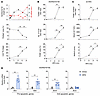 Figure 1
Adipocyte death is correlated with liver fat accumulation and MASLD severity during high-fat diet feeding in mice. (A–C) C57BL/6J mice (male) were fed a high-fat diet (HFD) for the specified durations. (A) Temporal changes in epididymal fat weight (black) and liver weight (red) (top). Area positive for immunofluorescence of perilipin in epididymal fat (middle). Hepatic triglyceride content (bottom). (B) Number of TUNEL-positive cells in epididymal fat (top). Number of crown-like structures in epididymal fat (middle). F4/80-positive area in epididymal fat (bottom). (C) Number of F4/80-positive clusters in the liver (top). Serum alanine aminotransferase levels (middle). MASLD score (bottom). Representative images for quantification and analysis are included in Supplemental Figures 1 and 2. (D) C57BL/6J mice (male) were fed an HFD or chow diet for 3 months. Epididymal fat mRNA levels were assessed by reverse transcription quantitative PCR (RT-qPCR) analysis. Values represent the mean ± SEM. Statistical evaluation was performed using Student’s t test or 1-way ANOVA with Tukey’s post hoc test for multiple comparisons (*P < 0.05; **P < 0.01).
To verify whether the reduction in epididymal fat is linked to adipocyte death, we conducted TUNEL, assessed crown-like structures, and performed F4/80 macrophage staining. Our data revealed a significant increase in TUNEL-positive cells in epididymal fat after 3 months of HFD feeding compared with 2 months. Additionally, both crown-like structure formation and the F4/80-positive area in epididymal fat were notably elevated at 3 months (Figure 1B and Supplemental Figure 1B), indicating an increase of dead cells and inflammation in epididymal fat.
Hepatic F4/80-positive clusters, serum alanine aminotransferase (ALT), and MASLD scores were significantly higher at 3 months compared with 2 months (Figure 1C and Supplemental Figure 2A), indicating that steatosis became more pronounced at 3 months. Furthermore, hepatic mRNA levels of inflammatory and fibrogenic genes increased at 3 months and remained consistently elevated thereafter (Supplemental Figure 2B).
It is well established that female mice are more resistant to the development of obesity and steatosis in part due to estrogen signaling (40). However, the temporal relationship between adipocyte death/inflammation and liver steatosis has not been thoroughly explored in the context of sex differences. To address this, we subjected female mice to 4 months of HFD feeding. In contrast with male mice, female mice exhibited marked resistance to adipose crown-like structure formation and macrophage infiltration, and their periovarian adipose tissue continued to expand throughout the 4-month period (Supplemental Figure 3). The number of crown-like structures in 4-month HFD-fed female mice was around 8 per 100× field (Supplemental Figure 3C), which was much lower than that (~25 per 100× field) in 4-month HFD-fed male mice (Figure 1B). This suggests that female adipocytes are more resistant to cell death compared with those in males. Correspondingly, the liver weight of HFD-fed female mice increased gradually over time but remained below 1.3 g, substantially lower than the approximately 3.5 g observed in male counterparts, as described in Figure 1. These findings indicate that the resistance of female mice to HFD-induced hepatic steatosis may be linked to their reduced adipocyte death and associated inflammatory responses.
To explore mechanisms underlying adipocyte death after HFD feeding, we assessed the expression of proapoptotic and antiapoptotic genes. As shown in Figure 1D, 3 months of HFD feeding in mice significantly upregulated Bax and Bak, key proapoptotic factors, in epididymal fat. Interestingly, Bcl-xL, an antiapoptotic gene, was also upregulated, potentially as a compensatory mechanism to counteract apoptosis. In contrast, Bcl2, another major antiapoptotic factor, showed no significant upregulation in epididymal adipose tissues after HFD feeding. Taken together, these findings suggest that epididymal fat reduction and adipocyte death align temporally with the onset of hepatic steatosis during prolonged HFD feeding in mice.
Blockade of adipocyte death prevents fat redistribution from adipocytes to hepatocytes and ameliorates MASLD in HFD-fed mice. As mentioned above, 3 months of HFD feeding triggered a compensatory upregulation of Bcl-xL, whereas the expression of Bcl2, another antiapoptotic factor, was not induced by HFD feeding. This led us to hypothesize that targeted overexpression of the Bcl2 gene in adipocytes could prevent adipocyte death, reduce lipid redistribution to hepatocytes, and ameliorate MASLD progression. To test this hypothesis, we developed an adipocyte-specific transgenic mouse model (termed Bcl2AdTG mice) engineered to overexpress Bcl2 exclusively in adipocytes.
Bcl2AdTG mice displayed markedly elevated levels of both Bcl2 mRNA and BCL2 protein in epididymal fat compared with WT mice after 3 months of HFD feeding (Figure 2A). Remarkably, epididymal fat weight was significantly higher in Bcl2AdTG mice than WT mice after 3 and 4 months of HFD feeding (Figure 2B and Supplemental Figure 4A). Neither body weight nor subcutaneous fat weight was different between WT mice and Bcl2AdTG mice on an HFD (Supplemental Figure 4A). A positive correlation was observed between epididymal fat weight and Bcl2 mRNA levels in Bcl2AdTG mice (Figure 2B). The loss of perilipin expression in epididymal fat observed after 3 and 4 months of HFD feeding was markedly attenuated in Bcl2AdTG mice (Figure 2C), highlighting the protective role of BCL2 in preventing HFD-induced adipocyte death. This finding was further confirmed by the reduction in TUNEL+ cells in the epididymal fat of Bcl2AdTG mice after 4 months of HFD feeding compared with WT mice (Supplemental Figure 5A). Moreover, the reduction in adipocyte death due to BCL2 overexpression alleviated HFD-induced inflammation and fibrosis in epididymal fat, as demonstrated by a decrease in crown-like structure formation, F4/80+ areas, and Sirius red+ areas (Figure 2C and Supplemental Figure 5B). In contrast with epididymal fat, crown-like structure formation and the loss of perilipin expression were not observed in the subcutaneous fat of WT mice after 4 months of HFD feeding, and these changes remained unaffected by BCL2 overexpression (Supplemental Figure 4B). In epididymal fat, the F4/80+CD11b+ cell population within the stromal vascular fraction was notably reduced in Bcl2AdTG mice compared with WT mice (Figure 2D). This macrophage reduction corresponded to a reduced expression of inflammatory genes in epididymal fat of Bcl2AdTG mice (Figure 2E).
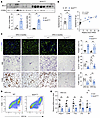 Figure 2
Overexpression of the Bcl2 gene in adipocytes reduces high-fat diet–induced adipocyte death in mice. Male Bcl2AdTG mice and WT littermates were fed a high-fat diet (HFD) for 3 or 4 months, and epididymal fat tissues were collected for analyses. (A) Immunoblot analysis of BCL2 (top) and the quantification of BCL2 protein normalized to β-actin (bottom left). RT-qPCR analysis of Bcl2 (bottom right). (B) Epididymal fat weight (left). The correlation between epididymal fat weight and Bcl2 mRNA levels (right). Solid line indicates linear regression. (C) Perilipin staining (top), H&E staining (middle), and F4/80 staining (bottom) of epididymal fat tissues. Scale bars: 200 μm. (D) Flow cytometry analysis of F4/80 and CD11b in the stromal vascular fraction from epididymal fat tissues of mice fed an HFD for 3 months. The values in red represent the percentage of CD11b+F4/80+ cells. (E) RT-qPCR analysis of inflammatory genes in epididymal fat tissues of 3-month HFD-fed mice. Values represent mean ± SEM. Statistical evaluation was performed using Student’s t test (*P < 0.05; **P < 0.01).
We next tested whether adipocyte-specific overexpression of BCL2 affects fat redistribution from adipocytes to hepatocytes during HFD feeding. H&E staining revealed reduced lipid deposition in hepatocytes from Bcl2AdTG mice compared with WT mice after HFD feeding (Figure 3A). This reduction in hepatic lipid content was corroborated by lower liver triglyceride levels in Bcl2AdTG mice (Figure 3B). Additionally, the expression of genes associated with fatty acid uptake (Cd36) and lipogenesis was markedly downregulated in Bcl2AdTG mice after 3 months of HFD feeding (Figure 3C).
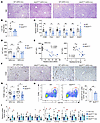 Figure 3
Overexpression of the Bcl2 gene in adipocytes reduces high-fat diet–induced liver steatosis and MASLD in mice. Male Bcl2AdTG mice and WT littermates were fed a high-fat diet (HFD) for 3 or 4 months. (A) H&E staining of the paraffin-embedded liver tissues. (B) Liver triglyceride levels. (C) RT-qPCR analysis of genes involved in fatty acid uptake and lipogenesis. Apob was used as a reference gene. (D) Serum alanine aminotransferase (ALT) levels. (E) The correlation between serum ALT levels and epididymal fat Bcl2 mRNA levels (left) and epididymal fat weight (right). Solid lines stand for linear regression. (F and G) IHC analysis of F4/80 in the liver. Scale bars: 200 μm. (H) Liver mononuclear cells were subjected to flow cytometry analysis. The values in red represent the percentage of CD11b+CCR2+ cells among CD45+ cells. (I) RT-qPCR analysis of inflammatory and fibrotic genes in the liver. Values represent mean ± SEM. Statistical evaluation was performed using Student’s t test (B–D, G, and H) or 1-way ANOVA with Tukey’s post hoc test for multiple comparisons (I). *P < 0.05; **P < 0.01.
Next, we examined whether blockade of adipocyte death in Bcl2AdTG mice ameliorates liver injury after HFD feeding. As illustrated in Figure 3D, serum ALT levels were lower in Bcl2AdTG mice than WT mice after 3 and 4 months of HFD feeding. In addition, a negative correlation was observed between serum ALT and epididymal fat Bcl2 mRNA levels (Figure 3E). Furthermore, epididymal fat weight, which was higher in Bcl2AdTG mice, was negatively correlated with ALT levels (Figure 3E).
F4/80 staining revealed a decrease in macrophage aggregates (Figure 3, F and G), suggesting a reduction in HFD-associated liver inflammation, which was verified by flow cytometric analysis showing a decreased infiltration of CCR2+CD11b+ macrophages in the liver of Bcl2AdTG mice (Figure 3H). Attenuated inflammation was further supported by the downregulation of monocyte chemoattractant CCL2 and macrophage marker CD68 (Figure 3I). In addition, BCL2 overexpression in adipocytes downregulated hepatic fibrogenic genes (Figure 3I) in HFD-fed mice. Notably, the reduction in inflammatory and fibrotic expression due to BCL2 overexpression was observed exclusively in HFD-fed mice but not in chow-fed mice (Supplemental Figure 6).
The role of adipocyte death in fat redistribution from adipocytes to hepatocytes and MASLD progression was further assessed in mice subjected to 1 year of HFD feeding, which induced marked inflammation and fibrosis in the liver. After a year of HFD feeding, Bcl2AdTG mice showed greater epididymal fat weight compared with WT mice, and subcutaneous fat weight and body weight were similar between the 2 genotypes (Supplemental Figure 7A). Furthermore, compared with WT mice, Bcl2AdTG mice exhibited a decrease in epididymal fat inflammation and a reduction in liver injury, inflammation, and fibrosis (Supplemental Figure 7, B–F).
To further investigate the impact of BCL2 overexpression in adipocytes on liver gene expression, we performed RNA-Seq analysis on liver tissues from Bcl2AdTG mice and WT littermates fed either a chow diet or HFD for 3 months. Principal component analysis of the RNA-Seq data showed a distinct clustering of gene expression profiles between chow- and HFD-fed mice, and between Bcl2AdTG and WT mice, indicating that Bcl2AdTG markedly altered the transcriptional response to HFD feeding (Figure 4A). Differential expression analysis revealed substantial changes in gene expression in the livers of HFD-fed Bcl2AdTG mice compared with HFD-fed WT mice, with 107 genes being significantly upregulated and 330 genes downregulated (Figure 4B). Notably, the substantial changes in gene expression observed in the livers of HFD-fed WT mice were largely reversed in HFD-fed Bcl2AdTG mice, whose gene expression patterns more closely resembled those of chow-fed mice (Figure 4C). Furthermore, Reactome analysis highlighted that the pathways related to extracellular matrix organization and collagen synthesis, which were upregulated in HFD-fed WT mice, were notably reversed in HFD-fed Bcl2AdTG mice (Figure 4D and Supplemental Figure 8A). Gene set enrichment analysis showed that genes involved in cytokine production, immune response, and liver cancer were downregulated in HFD-fed Bcl2AdTG mice compared with HFD-fed WT mice (Figure 4E and Supplemental Figure 8, A–D). Collectively, our data suggest a protective role of BCL2 overexpression in adipose tissues against hepatic inflammation and fibrosis.
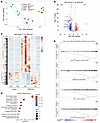 Figure 4
RNA-Seq analysis shows that BCL2 overexpression in adipocytes reverses gene changes in the liver of WT mice fed a high-fat diet. Male Bcl2AdTG mice and WT littermates were fed a chow diet or high-fat diet (HFD) for 3 months, and liver tissues were subjected to RNA-Seq analysis. (A) Principal component analysis plot shows different gene expression pattern in chow- and HFD-fed Bcl2AdTG mice and WT littermates. (B) Volcano plot of differentially expressed genes in the livers of HFD-fed Bcl2AdTG and WT mice. The x axis represents the log2 fold change (Bcl2AdTG versus WT), and the y axis represents the −log10 P value. Blue dots indicate downregulated genes (log2[fold change] < −1, P < 0.05); red dots indicate upregulated genes (log2[fold change] > 1, P < 0.05). (C) Heatmap of differentially expressed genes in the livers of Bcl2AdTG and WT mice (|log2[fold change]| > 1, P < 0.05). (D) Reactome pathway analysis of differentially expressed genes in the livers of Bcl2AdTG and WT mice (|log2[fold change]| > 1, P < 0.05). (E) Gene set enrichment analysis of collagen- and inflammation-related pathways in the livers of HFD-fed Bcl2AdTG versus WT mice.
HFD feeding induces an enrichment of liver S100A8+ macrophages in WT mice, which is reversed in Bcl2AdTG mice. To gain deeper insights into the cellular mechanisms by which BCL2 overexpression in adipocytes modulates liver inflammation and fibrosis, we performed scRNA-Seq on liver tissues from Bcl2AdTG and WT mice after 4 months of HFD feeding. Our analysis identified 19,134 feature genes expressed across 17,031 cells from WT and Bcl2AdTG mouse livers (Figure 5A). Unsupervised clustering of liver cells, performed using 30 principal components at a resolution of 0.1, revealed 14 distinct cell populations (Figure 5A). Liver cell types were annotated based on marker genes (Figure 5B), identifying hepatocytes, endothelial cells, hepatic stellate cells, cholangiocytes, neutrophils, B cells, NK/innate lymphoid cells, T cells, plasmacytoid DCs, macrophages, Kupffer cells, conventional DC type 1 (cDC1), and a mixed population of cDC2/monocyte-derived DCs. Notably, macrophages constituted a major fraction of the immune cell population, and we identified a distinct subset of macrophages expressing S100a8 (cluster 6, F4/80+S100A8+), which were lower in the livers of HFD-fed Bcl2AdTG mice (118 cells) compared with HFD-fed WT mice (704 cells) (Figure 5, A–D, and Supplemental Figure 9). In contrast, the TREM2+ macrophage population (clusters 3 and 8), which is associated with MASLD pathogenesis (41–43), remained unchanged between the 2 groups, with Bcl2AdTG mice having 1,171 TREM2+ macrophages and WT mice having 1,142 TREM2+ macrophages (Figure 5, A–C, and Supplemental Figure 9).
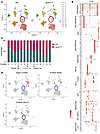 Figure 5
Single-cell RNA-Seq reveals an increase in S100A8+ macrophages in the liver of WT mice compared with Bcl2AdTG mice. Male Bcl2AdTG mice and WT littermates were fed a high-fat diet for 4 months, and single cells were isolated from the livers and subjected to single-cell RNA (scRNA) sequencing analysis. (A) scRNA-Seq data of liver cells were analyzed, integrated, and clustered using Seurat v5. Uniform manifold approximation and projection (UMAP) plots displaying all liver cells from Bcl2AdTG mice and WT littermates. (B) Dot plots of the signature genes defining the specific cell types of each cluster. (C) The percentage of cells in each cluster is compared between Bcl2AdTG and WT mice. (D) Feature plots for the gene expression of Adgre1 (F4/80), S100a8 (Mrp8), and S100a9 (Mrp14) among all the cells. MΦ, macrophages.
The reduction in S100A8+ macrophages in Bcl2AdTG mice was further corroborated by IHC analysis of ionized calcium-binding adapter molecule 1 (IBA1) (a macrophage marker) and S100A8. Liver sections from HFD-fed Bcl2AdTG mice demonstrated a significant reduction in S100A8+IBA1+ macrophages compared with HFD-fed WT mice (Figure 6, A and B), indicating that HFD-induced adipocyte death induces the increase of hepatic S100A8+ macrophages. Consistently, S100A8+IBA1+ macrophages were significantly increased in liver samples from patients with MASH compared with healthy controls (Figure 6, C and D), reinforcing the relevance of these findings to human disease and implicating S100A8+ macrophages as a link between adipocyte death and the pathogenesis of MASLD in patients.
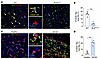 Figure 6
Hepatic S100A8+ macrophages are decreased in Bcl2AdTG mice and increased in patients with metabolic dysfunction–associated steatohepatitis. (A) Male Bcl2AdTG mice and WT littermates were fed a high-fat diet for 4 months. IHC analysis of IBA1 and S100A8 in the livers of WT and Bcl2AdTG mice. Yellow arrows indicate S100A8+ MΦ, and cyan arrows indicate S100A8+ neutrophils. Scale bars: 50 μm. (B) Percentage of S100A8+ MΦ out of total MΦ per field. (C) IHC analysis of IBA1 and S100A8 in the livers of healthy individuals and patients with metabolic dysfunction–associated steatohepatitis (MASH). Yellow arrows indicate S100A8+ MΦ, and cyan arrows indicate S100A8+ neutrophils. (D) Percentage of S100A8+ MΦ out of total MΦ per field. Scale bars: 50 μm. Values represent mean ± SEM. Statistical evaluation was performed by Student’s t test (**P < 0.01). MΦ, macrophages.
The hepatic S100A8+ macrophage population, further validated by flow cytometric analysis using S100a8-Cre-ires/GFP mice, was markedly elevated after HFD feeding (Supplemental Figure 10). Consistently, IHC analysis of hepatic S100A8+IBA1+ macrophages in mice fed an HFD for 1, 2, 3, or 4 months revealed that the number of S100A8+IBA1+ macrophages progressively increased in proportion to HFD feeding duration (Supplemental Figure 11). Notably, a marked accumulation of S100A8+IBA1+ macrophages was observed after 4 months of HFD feeding, when adipocyte death is remarkable.
FFAs released by apoptotic adipocytes induce the elevation of S100A8+ macrophages. We then sought to determine whether adipocyte apoptosis induces S100A8+ macrophage elevation. To this end, we first tested whether conditioned media from apoptotic adipocytes can directly induce S100A8 expression in macrophages in vitro by differentiating 3T3-L1 preadipocytes into adipocytes and then treating them with FasL, which induces adipocyte apoptosis (13). Exposure to the conditioned media obtained from FasL-treated, apoptotic 3T3-L1 cells increased S100a8 mRNA levels in bone marrow-derived macrophages (BMDMs), suggesting that adipocyte death can enhance S100A8 expression in macrophages (Figure 7A). Exposure of macrophages to FasL-containing media without 3T3-L1 cells did not increase S100a8 mRNA levels, ruling out the possibility that FasL itself induces S100A8 (Figure 7A). Similarly, conditioned media obtained from FasL-treated apoptotic adipocytes elevated S100a8 mRNA levels in monocytes (Figure 7B). Adipocyte apoptosis caused by FasL was accompanied by a release of FFAs (Figure 7C) (44), leading us to hypothesize that FFAs released from apoptotic adipocytes upregulate S100a8 mRNA levels in macrophages. Given that treatment with 0.3 mM palmitic acid (PA) induces mild cytotoxicity in BMDMs (45), we tested the effect of PA concentrations below 0.3 mM on the viability of BMDMs. As illustrated in Supplemental Figure 12A, cell counting kit-8 assays revealed that 0.2 mM PA did not affect BMDM viability. Thus, we selected 0.2 mM PA and found that treatment with 0.2 mM PA elevated the transcript levels of S100a8 in BMDMs and monocytes (Figure 7, D and E). In addition to PA, C18:1 fatty acids, such as oleic acid and elaidic acid, function as major components of adipocyte lipid droplets, and their hepatic levels are elevated in patients with MASLD (46, 47). Thus, we also investigated the effect of oleic acid (C18:1 cis-9), elaidic acid (C18:1 trans-9), and their combination with PA on S100a8 mRNA levels in BMDMs. As Supplemental Figure 12B shows, although combined treatment with PA, oleic acid (C18:1 cis-9), and elaidic acid (C18:1 trans-9) significantly upregulated S100a8 mRNA, treatment with either oleic acid or elaidic acid alone failed to induce S100a8 mRNA expression.
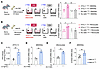 Figure 7
Soluble factors released by apoptotic adipocytes and hepatocytes induce S100A8+ macrophages. (A and B) 3T3-L1 preadipocytes were differentiated into adipocytes and treated with FasL (2 ng/mL) or vehicle for 12 hours to prepare the conditioned media (CM). A control CM was prepared by adding FasL or vehicle to the culture media without 3T3-L1 cells. Mouse BM-derived macrophages (BMDMs) (A) or monocytes (B) were incubated with either the CM from 3T3-L1 cultures or with the control CM for 24 hours. RNA extracted from monocytes was subjected to RT-qPCR analysis. (C) Levels of free fatty acids in the culture supernatant of 3T3-L1 cells treated with vehicle or FasL (2 ng/mL). (D and E) BM-derived macrophages (D) and monocytes (E) were treated with palmitic acid (PA, 0.2 mM) or vehicle for 24 hours. RNA was subjected to RT-qPCR analysis. (F) AML12 cells were treated with PA (0.6 mM) or vehicle for 6 hours, after which the media were removed. The PA- or vehicle-treated cells were then further cultured in fresh media for an additional 18 hours to obtain the CM. Afterward, BMDMs were treated with the CM for 24 hours. S100a8 mRNA expression was analyzed by RT-qPCR (n = 6; data combined from 2 independent experiments). Values represent mean ± SEM from 3 independent experiments. Statistical evaluation was performed by Student’s t test (C–F) or 1-way ANOVA with Tukey’s post hoc test for multiple comparisons (A and B). *P < 0.05; **P < 0.01.
In addition to FFAs, dying adipocytes also release a variety of bioactive components, including extracellular vesicles (EVs) and damage-associated molecular patterns (DAMPs), such as high mobility group box 1 (HMGB1). To investigate whether EVs may also contribute to S100a8 induction after adipocyte death, we treated BMDMs with EVs isolated from FasL-treated adipocytes. EVs derived from FasL-treated adipocytes significantly induced S100a8 expression in BMDMs (Supplemental Figure 12C), suggesting that apoptotic adipocyte–derived EVs are able to promote S100a8 upregulation in macrophages. Treatment with HMGB1 did not alter S100a8 mRNA levels in BMDMs (Supplemental Figure 12D). Taken together, our findings indicate that adipocyte apoptosis increases the S100A8+ macrophage population through FFA release in conjunction with other factors, such as EVs.
Mice fed an HFD exhibit not only adipocyte death but also hepatocyte injury, albeit to a lesser extent. Therefore, we investigated whether upregulation of S100a8 in macrophages is locally induced by nearby lipid-laden hepatocytes undergoing lipotoxic stress. To address this, we cultured BMDMs in conditioned media from hepatocytes treated with or without PA. Treatment with 0.6 mM PA significantly reduced the viability of AML12 hepatocytes (Supplemental Figure 13), indicating the induction of lipotoxicity. In addition, conditioned media obtained from PA-treated, lipotoxic AML12 hepatocytes upregulated S100a8 in BMDMs (Figure 7F), suggesting that lipid-laden, lipotoxic hepatocytes could trigger S100a8 induction in macrophages, presumably by releasing soluble factors, such as FFAs, similar to injured adipocytes.
S100A8+ macrophages increase the expression of CD36 in hepatocytes. We next investigated how S100A8+ macrophages, increased by adipocyte apoptosis, promote lipid accumulation in hepatocytes. Given that CD36, a key FFA transporter, was downregulated in HFD-fed Bcl2AdTG mice compared with HFD-fed WT mice as illustrated in Figure 3C, we hypothesized that S100A8+ macrophages promote CD36 expression in hepatocytes and a reduction of S100A8+ macrophages contributes to the downregulation of CD36 in HFD-fed Bcl2AdTG mice. As illustrated in Figure 8A, Cd36 mRNA levels were higher in the livers of mice fed an HFD for 3 months compared with 2 months, indicating that Cd36 upregulation correlates with increased adipocyte death and hepatic fat accumulation. In contrast, BCL2 overexpression, which mitigated adipocyte death, reduced Cd36 mRNA levels in the liver of HFD-fed mice (Figure 8B). These results indicate that adipocyte death may induce Cd36 expression, thereby promoting fatty acid uptake and lipotoxicity during MASLD progression.
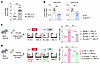 Figure 8
S100A8+ macrophages contribute to adipocyte death–associated Cd36 expression in hepatocytes. (A) Male C57BL/6J mice were fed a high-fat diet (HFD) for 2 and 3 months, and mouse livers were subjected to RT-qPCR analysis of Cd36. (B) RT-qPCR analysis of Cd36 was performed in the livers of 3-month HFD-fed Bcl2AdTG (left), 4-month HFD-fed Bcl2AdTG (right), and their WT littermates. (C) Mouse BM macrophages were treated with palmitic acid (PA, 0.2 mM) or vehicle for 24 hours to prepare conditioned media (CM). A control CM was prepared by adding PA or vehicle to the culture media without macrophages. AML12 cells were incubated with either the CM obtained from macrophage cultures or with the control CM for 24 hours. RNA extracted from AML12 cells was subjected to RT-qPCR analysis. (D) Mouse BM macrophages were isolated and electroporated with siRNAs against Gfp or S100a8. Then, the macrophages were treated with PA (0.2 mM) or vehicle for 24 hours to obtain the CM. Afterward, AML12 cells were treated with the CM for 24 hours. Cd36 mRNA expression was analyzed by RT-qPCR. Values represent mean ± SEM. Statistical evaluation was performed by Student’s t test (A and B) or 1-way ANOVA with Tukey’s post hoc test for multiple comparisons (C and D). *P < 0.05; **P < 0.01.
Previous studies have reported that PPARγ transactivates Cd36 (48) and that PPARγ is implicated in MASLD development in both mice and humans (49). To better understand the mechanism underlying the upregulation of CD36 by adipocyte apoptosis, we analyzed the expression of PPARγ and multiple downstream target genes in the livers of Bcl2AdTG and WT mice. HFD feeding that induced adipocyte death led to the upregulation of a number of PPARγ target genes (e.g., Pparg, Cd36, Cidec, Serpine1, Ucp2, Plin2, Fabp4) in WT mice. Notably, this upregulation was attenuated in Bcl2AdTG transgenic mice (Supplemental Figure 14), indicating that suppression of adipocyte apoptosis inhibits hepatic activation of the PPARγ/CD36 axis.
To further test whether S100A8+ macrophages contribute to adipocyte death–induced hepatic fat accumulation, we cocultured AML12 hepatocytes with PA-treated macrophages (PA treatment increases S100A8 expression). Conditioned media obtained from PA-treated macrophages significantly elevated Cd36 expression in AML12 cells (Figure 8C). To rule out the possibility that PA itself included in the conditioned media upregulates Cd36 in AML12 cells, we compared the effects of conditioned media from PA-treated macrophages with PA itself. Although PA alone elevated Cd36 transcripts in AML12 cells, conditioned media from PA-treated macrophages caused a much greater increase in Cd36 mRNA (Figure 8C). Moreover, we conducted an additional experiment to rule out the possibility that residual PA in the conditioned media could influence CD36 expression. In this experiment, BMDMs were treated with PA for 6 hours, after which the PA-containing media were replaced with fresh media, and the PA-treated cells were cultured for 18 hours to collect conditioned media. AML12 cells were then treated with these conditioned media, which were devoid of PA. This approach ensured that any direct effects of PA were eliminated. Notably, CD36 expression remained elevated in response to the conditioned media even after PA removal, further supporting that PA in the conditioned media was not required for CD36 induction in hepatocytes (Supplemental Figure 15). We performed similar experiments using BM-derived monocytes. Consistently, conditioned media obtained from PA-treated monocytes promoted Cd36 expression in AML12 cells more effectively than PA alone (Supplemental Figure 16). However, mRNA levels of lipogenic genes, such as Srebf1, Fasn, Acc1, and Scd1, did not significantly change after coculture (Supplemental Figure 17). We then tested whether S100A8+ macrophages are the specific macrophage subset that facilitates Cd36 induction in hepatocytes by comparing the effects of conditioned media from WT and S100a8-silenced BMDMs. Conditioned media from S100a8-silenced BMDMs showed a reduced ability to upregulate Cd36 in AML12 cells compared with controls (Figure 8D).
In Figure 6C, we show that MASH livers from patients exhibited an elevation of the S100A8+ macrophage population. To explore the potential link of these S100A8+ macrophages and CD36 expression in hepatocytes in MASH livers from patients, we performed coimmunostaining with antibodies against CD36, Heppar1 (a hepatocyte marker), and IBA1 (a macrophage marker), and found that CD36 expression was induced in both hepatocytes and macrophages (Supplemental Figure 18). These results suggest that hepatocyte CD36 expression is associated with the predominance of S100A8+ macrophages and MASLD progression in humans.
In addition, we investigated whether S100A8+ macrophages affect hepatocyte death or inflammation. Notably, conditioned media from PA-treated BMDMs did not significantly induce cell death or inflammatory gene expression (Supplemental Figure 19), suggesting that an exposure to the macrophage-derived conditioned media alone is not strong enough to induce hepatocyte death or inflammation. Taken together, these results suggest that PA-treated S100A8+ macrophages promote Cd36 expression in hepatocytes, which may in turn contribute to fat accumulation in hepatocytes.
Conditional deletion of S100a8 in macrophages reduces steatosis in HFD-fed mice. To further investigate the role of S100A8+ macrophages in MASLD progression, we generated macrophage-specific S100a8-deficient mice (S100a8fl/flCx3cr1Cre) and subjected them to HFD feeding for 4 months. Although S100A8 is expressed by both neutrophils and macrophages, IHC analysis confirmed deletion of S100A8 in macrophages but not in neutrophils from S100a8fl/flCx3cr1Cre mice (Supplemental Figure 20). Loss of S100a8 in macrophages led to a reduction in liver injury and steatosis, as evidenced by lower serum ALT levels and reduced liver weight compared with WT controls (Figure 9A). The reduction of lipid droplet formation was clearly observed in S100a8fl/flCx3cr1Cre mice (Figure 9B). Deletion of S100a8 in macrophages significantly reduced hepatic Cd36 mRNA levels in HFD-fed mice (Figure 9C), supporting the involvement of CD36 in mediating hepatic fat accumulation by S100A8+ macrophages. Next, we examined whether macrophage-specific deletion of S100a8 also affects adipose tissues. Our data revealed that adipose tissue weight was not altered by S100a8 deletion (Supplemental Figure 21A), while fibrotic changes in adipose tissues were attenuated in S100a8fl/flCx3cr1Cre mice (Supplemental Figure 21B).
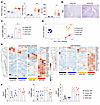 Figure 9
Macrophage-specific deletion of S100a8 attenuates steatosis development with a downregulation of Cd36 in the liver of mice fed a high-fat diet. Macrophage-specific S100a8-KO (S100a8fl/flCx3cr1Cre) mice and WT (S100a8fl/fl) littermates were fed a chow diet or a high-fat diet (HFD) for 3 months. (A) Body weight, liver weight, and serum alanine aminotransferase (ALT) levels are shown. (B) Paraffin-embedded liver tissues were subjected to H&E staining. (C) Liver tissues were subjected to RT-qPCR analysis of Cd36. (D and E) Liver tissues analyzed by RNA-Seq, principal component analysis plot (D), and heatmaps of genes involved in lipid biosynthesis (E) show different gene expression patterns in chow- and HFD-fed S100a8fl/flCx3cr1Cre and S100a8fl/fl littermates. (F) Fold changes of RNA-Seq counts for Srebf1, Fasn, and Scd1 are shown. Statistical evaluation was performed by 1-way ANOVA with Tukey’s post hoc test for multiple comparisons (A, C, and F). *P < 0.05; **P < 0.01. WT: S100a8fl/fl; KO: S100a8fl/flCx3cr1Cre.
To determine whether the reduction in hepatic fat accumulation and ALT levels is attributable to a unique property inherent to macrophages, we isolated S100A8+ and S100A8– macrophage populations from HFD-fed S100a8-Cre-ires/GFP mice using FACS-assisted sorting and analyzed the expression of genes associated with inflammation, fibrosis, and lipid handling. Notably, Apoe expression was elevated in S100A8+ macrophages, suggesting a potential role in promoting the uptake of cholesterol- and triglyceride-rich lipoproteins (Supplemental Figure 22). In addition, C1qa, C1qb, and C1qc were also upregulated (Supplemental Figure 22). These genes encode subunits of C1q complex, a key component of the classical complement pathway that facilitates efferocytosis, a phagocytic clearance of apoptotic cells, thereby modulating inflammation and tissue homeostasis. In contrast, the expression of inflammatory mediators, such as Il1b, Tnfa, Icam1, Cxcl1, Cxcl2, Anxa2, and Trem2, were not significantly different between the 2 macrophage subsets. These findings suggest that S100A8+ macrophages possess distinct features related to lipid metabolism and efferocytosis rather than classical proinflammatory activation.
To determine the additional mediators that may attenuate steatosis in S100a8-deficient mice, we performed RNA-Seq analysis of liver tissues from S100a8fl/flCx3cr1Cre and S100a8fl/fl littermates on either a chow diet or HFD, which revealed distinct gene expression patterns between S100a8fl/flCx3cr1Cre mice and S100a8fl/fl littermates on the HFD (Figure 9D and Supplemental Figure 23A). However, genes involved in lipid biosynthesis were not significantly reduced in HFD-fed S100a8-deficient mice (Figure 9E and Supplemental Figure 23B). In particular, the master regulator of lipogenesis, Srebf1, and its downstream lipogenic genes (e.g., Fasn, Scd1) were not significantly different between the 2 genotypes (Figure 9F).
Deletion of S100a8 in macrophages may result in a compensatory increase in other macrophage subsets. Previous studies have identified several populations of monocyte-derived macrophages associated with liver disease, including lipid-associated macrophages (50), nonalcoholic steatohepatitis–associated macrophages (51), and scar-associated macrophages (52). Additionally, we have previously reported a subset of necrotic lesion–associated macrophages involved in concanavalin A-induced liver necrosis lesion resolution (53). The gene signatures associated with these macrophages were also analyzed in the transcriptomic data from HFD-fed WT and HFD-fed S100a8fl/flCx3cr1Cre mice, and we found that the majority of signature genes associated with these macrophage populations were similarly upregulated in the livers from both WT and S100a8fl/flCx3cr1Cre mice after HFD feeding (Supplemental Figure 24). This suggests that various disease-associated macrophage populations share overlapping gene signatures and that both HFD-fed WT and HFD-fed S100a8-deficient mice recruit inflammatory macrophages to the liver. Several of these genes, such as Trem2, Gpnmb, Fabp4, and Fabp5, were more highly expressed in S100a8-deficient mice under HFD conditions (Figure 9E and Supplemental Figure 24). Notably, TREM2+ macrophages have been demonstrated to play a protective role against MASLD pathogenesis (42), and Trem2 expression was elevated in the liver of S100a8-deficient mice (Figure 9E), suggesting an increased recruitment of the reparative macrophage subset. However, the upregulation of several inflammatory and lipid-associated genes in S100a8-deficient mice indicates a complex regulatory mechanism governing macrophage recruitment after S100a8 deletion.
Deletion of S100a8 in macrophages upregulates the production of CCN3, which suppresses CD36 expression in hepatocytes. To elucidate the factors that mediate hepatocyte Cd36 induction by S100A8+ macrophages, we further analyzed our RNA-Seq data and identified a variety of differentially expressed genes, including 29 genes downregulated and 182 genes upregulated in HFD-fed S100a8fl/flCx3cr1Cre mice compared with their S100a8fl/fl littermates (Figure 10A). Among the differentially expressed genes, we aimed to identify the soluble factors produced by macrophages that may affect Cd36 expression in hepatocytes. In this regard, CCN3 and CCN5 were found to be the most highly upregulated soluble factors (Figure 10A).
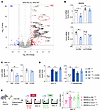 Figure 10
S100A8+ macrophages contribute to hepatocyte lipid accumulation by downregulating CCN3. (A) Macrophage-specific S100a8-KO (S100a8fl/flCx3cr1Cre) mice and WT (S100a8fl/fl) littermates were fed a chow diet or high-fat diet (HFD) for 3 months. Liver tissues were analyzed by RNA-Seq, and a volcano plot of differentially expressed genes in the livers of HFD-fed S100a8fl/flCx3cr1Cre versus S100a8fl/fl littermates is shown. Blue dots (log2[fold change] < –1, P < 0.05), red dots (log2[fold change] > 1, P < 0.05). (B) Mouse BM macrophages were isolated and electroporated with siRNAs against Gfp or S100a8. Then, cells were treated with PA (0.2 mM) or vehicle for 24 hours, and RNA was subjected to RT-qPCR analysis. (C) AML12 cells were treated with a recombinant CCN3 or CCN5 (100 ng/mL) for 6 hours, and RNA was subjected to RT-qPCR analysis. (D) AML12 cells and primary hepatocytes were cultured in conditioned media (CM) obtained from PA-treated macrophages or vehicle-treated macrophages. Concomitantly, the cells were treated with a recombinant CCN3 or CCN5 for 6 hours, and RNA was subjected to RT-qPCR analysis. (E) Mouse BM-derived macrophages were electroporated with siRNAs against Gfp or Ccn3. Then, cells were treated with PA (0.2 mM) or vehicle for 24 hours, and RNA was subjected to RT-qPCR analysis. Values represent mean ± SEM. Statistical evaluation was performed by Student’s t test (C) or 1-way ANOVA with Tukey’s post hoc test for multiple comparisons (B, D, and E). *P < 0.05; **P < 0.01. WT: S100a8fl/fl; KO: S100a8fl/flCx3cr1Cre.
Previous studies have demonstrated that CCN3 and CCN5 are produced by macrophages (54–56), and myeloid-specific Ccn3 deletion elevates Cd36 expression and increases steatosis in the liver, although the regulatory mechanisms were not elucidated (37). In addition, Cd36 expression was elevated in Ccn5-deficient mice fed an HFD (57). Thus, we hypothesized that PA-stimulated S100A8+ macrophages downregulate CCN3 and/or CCN5, relieving their inhibitory effect on CD36 and facilitating hepatocyte fat accumulation. To test this hypothesis, we performed several in vitro experiments. First, we found that PA treatment downregulated the expression of Ccn3 and Ccn5 in control macrophages, but such reduction was not observed in S100a8-KD macrophages (Figure 10B). The S100A8-dependent suppression of CCN3 was further supported by the observation that Ccn3 mRNA levels were significantly lower in S100A8+ macrophages than in S100A8– macrophages (Supplemental Figure 22). Second, treatment with CCN3 reduced Cd36 expression in AML12 hepatocytes, whereas CCN5 failed to reduce Cd36 expression (Figure 10C). CCN3 treatment also led to a reduction in FFA uptake in AML12 hepatocytes (Supplemental Figure 25). Third, conditioned media from PA-treated macrophages increased Cd36 expression, which was reversed by adding CCN3, but not by CCN5, in AML12 cells and primary mouse hepatocytes (Figure 10D). Furthermore, conditioned media from Ccn3-silenced BMDMs elevated Cd36 mRNA levels in the absence of PA, where basal Ccn3 expression is high and Cd36 expression is low. In contrast, in the presence of PA, where Ccn3 expression is already reduced, additional Ccn3 KD did not significantly enhance Cd36 expression (Figure 10E). These results indicate that S100A8+ macrophages stimulate Cd36 expression in hepatocytes by reducing the release of CCN3, thereby facilitating lipid accumulation in hepatocytes. Treatment with recombinant CCN3 reduced PPARγ expression in primary hepatocytes (Supplemental Figure 26), suggesting a possibility that CCN3 inhibits CD36 through PPARγ inhibition.
To further investigate the S100A8-dependent regulatory network of PPARγ, we examined whether S100A8+ macrophages induce PPARγ target genes beyond CD36. Transcriptomic analysis revealed that PPARγ target genes were mostly upregulated in response to HFD feeding, whereas macrophage-specific deletion of S100a8 did not downregulate PPARγ target genes in HFD-fed mice (Supplemental Figure 27). These findings suggest that the regulation of PPARγ target genes is complex and not exclusively dependent on PPARγ, requiring the interplay of multiple factors.
-
Discussion
Although mice show immediate increases in body weight and adipose tissue mass upon exposure to an obesogenic HFD, hepatic fat accumulation exhibits a delayed onset. Notably, epididymal adipose atrophy and adipocyte death emerge after 3 months of HFD feeding, which coincides with the onset of hepatic fat accumulation, suggesting that adipocyte death may drive the redistribution of fat from epididymal adipose tissue to the liver. Building upon this observation, our current study provides the evidence linking adipocyte death to steatosis development in mice and identifies the underlying mechanisms. In detail, we have observed that adipocyte death increases the S100A8+ macrophage population in steatotic liver, and such S100A8 induction is likely mediated via fatty acids and EVs released by injured adipocytes. S100A8+ macrophages direct hepatocytes to store lipids by inducing CD36 in hepatocytes, which is in part mediated via the downregulation of CCN3, a macrophage-derived soluble factor that inhibits CD36 (Figure 11).
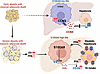 Figure 11
An illustration depicting how adipocyte death triggers hepatic lipid accumulation by activating S100A8+ macrophages. Adipocyte death in obesity elevates the S100A8+ macrophage population in steatotic liver, and such S100A8 induction is partially mediated via fatty acids and extracellular vesicles released by injured adipocytes and fatty acids from injured steatotic hepatocytes. S100A8+ macrophages direct hepatocytes to store lipids by inducing CD36 in hepatocytes, which is in part mediated via the downregulation of CCN3, a macrophage-derived soluble factor that inhibits CD36.
Adipocyte death is often observed in mice and humans with obesity (8, 9). With regard to apoptosis, it has been demonstrated that apoptosis-related proteins, such as caspases, are upregulated in the adipose tissues of obese individuals, while antiapoptotic factors, such as BCL2, are downregulated (15). The current study employed a genetically modified mouse model that overexpresses BCL2 in adipocytes and found that blockade of adipocyte death via the overexpression of BCL2 mitigated hepatic lipid accumulation, tissue injury, and inflammation induced by HFD feeding. These results clearly indicate that adipocyte apoptosis contributes to lipid redistribution from adipocytes to hepatocytes and MASLD in mice.
The current study yielded several findings suggesting that liver-infiltrating macrophages mediate adipocyte death–associated fat redistribution from adipocytes to hepatocytes and lipotoxicity during MASLD progression. Preventing adipocyte apoptosis by BCL2 overexpression reduced hepatic macrophage infiltration in HFD-fed mice. We have previously reported that infiltration and activation of macrophages are implicated in liver injury and inflammation caused by acute adipocyte death (58). Expanding on these findings, we identified S100A8+ macrophages, in particular, as a potential player in mediating adipocyte death–induced hepatic fat accumulation and MASLD development. Four months of HFD feeding, which induces adipocyte death, substantially elevated the S100A8+ macrophage population in the liver of mice. In addition, adipocyte-specific BCL2 overexpression clearly reduced the S100A8+ macrophage population in the liver. We also gained in vitro evidence suggesting that adipocyte apoptosis promotes S100A8 expression in macrophages, potentially mediated by FFAs and EVs released by apoptotic adipocytes.
S100A8 is highly expressed in myeloid cells, such as neutrophils and macrophages (59). S100A8 performs both intracellular and extracellular functions (17, 59). Intracellularly, S100A8 is involved in cytoskeleton modulation, which is essential for processes such as cell migration, phagocytosis, and exocytosis. In addition, S100A8 regulates ROS production, as well as the differentiation and proliferation of myeloid cells (60). Extracellularly, S100A8 released by myeloid cells facilitates leukocyte recruitment and stimulates cytokine production by inflammatory cells (17). We previously demonstrated that S100A8 released by neutrophils in adipose tissue contributes to the progression of MASLD (22). Regarding the specific role of S100A8+ macrophages in liver diseases, Liu et al. reported that S100A8 promotes liver fibrosis in a carbon tetrachloride–induced mouse model by activating the TLR4/NF-κB signaling pathway in macrophages and inducing NLRP3 inflammasome-dependent pyroptosis (28). However, there was no conclusive in vivo evidence supporting these reported functions of S100A8 due to the lack of S100a8-KO mice, given that global deletion of the S100a8 gene is embryonic lethal (23), and the role of S100A8+ macrophages in hepatic fat accumulation and the progression of steatosis remains unclear.
To address the knowledge gap regarding S100A8+ macrophage–derived mediators that induce fat accumulation in hepatocytes, we generated macrophage-specific S100a8-KO mice to study the role of macrophage S100A8 in promoting steatosis after HFD feeding, and we identified the ability of S100A8+ macrophages to alleviate CCN3-induced CD36 suppression as a potential mechanism contributing to hepatocyte fat accumulation. Previous studies have reported that CD36 expression is increased in CCN3-KO mice (37); however, the direct effect of CCN3 on CD36 remains unexplored. In this study, we found that CCN3 treatment reduced Cd36 mRNA levels in AML12 hepatocytes. Furthermore, PA-treated S100A8+ macrophages significantly increased CD36 expression in AML12 cells, which was reversed by concomitant treatment with CCN3. Despite these observations, the precise mechanism by which CCN3 suppresses CD36 remains unclear. Martinerie et al. have reported that Ccn3 deletion upregulates PPARγ coactivator-1 alpha (PGC-1α) (61). Because PGC-1α serves as a coactivator of PPARγ, a transcriptional regulator of CD36 (48), further studies are needed to determine whether CCN3 inhibits CD36 via suppression of the PPARγ signaling pathway. In addition, CCN3 has been identified as a noncanonical ligand for NOTCH1, capable of activating NOTCH1 signaling (62). Exploring the involvement of these signaling pathways could provide valuable insights into the mechanisms underlying CCN3-mediated downregulation of CD36 and the inhibition of fat accumulation in hepatocytes. The current study provides evidence that elevated expression of CCN3 in the liver of macrophage-specific S100a8-KO mice inhibits CD36 expression and suppresses hepatic steatosis. In addition, the decrease in steatosis itself may also secondarily suppress CD36 expression by suppressing PPARγ, a transcriptional activator of CD36. Further investigation into this possibility will be essential to fully elucidate the molecular mechanisms underlying CD36 downregulation and steatosis attenuation in S100a8-KO mice.
The current study highlighted S100A8+ macrophages as the potential mediator connecting epididymal adipocyte death to hepatic lipid accumulation; however, the complete mechanistic links remain to be fully established. Our in vitro studies demonstrated that S100A8 expression was elevated in macrophages by treatment with PA and in the EVs and conditioned media obtained from apoptotic adipocytes. Previous studies have identified transcription factors, including C/EBP and activator protein 1 (AP-1), as upstream regulators of S100A8 expression (63). Thus, it would be interesting to test whether PA or EVs from apoptotic adipocytes upregulate S100A8 expression by regulating C/EBP and AP-1. In addition, there are several possibilities by which FFAs increase the S100A8+ macrophage population in the liver. First, adipocyte death selectively enhances the recruitment of monocytes/macrophages with high S100A8 expression to the liver; second, FFAs promote S100A8 expression in circulating monocytes prior to their migration into the liver, thereby increasing the overall population of S100A8+ monocytes in the circulation; third, FFAs directly upregulate S100A8 expression in liver-resident macrophages. Detailed investigations incorporating markers that distinguish monocyte-derived macrophages, resident macrophages, and other macrophage subsets will be essential to accurately identify the specific origins of S100A8+ macrophages in the liver and their role in the pathogenesis of hepatic steatosis.
Although the current study primarily focused on the role of PAs in promoting adipocyte death–associated induction of S100A8 in macrophages, it is likely that various factors released from dying adipocytes, such as EVs and DAMPs, also contribute to the regulation of S100A8 expression. Indeed, we also found that the treatment of macrophages with EVs derived from dying adipocytes significantly upregulated S100A8 expression in macrophages. In contrast, treatment with recombinant HMGB1 did not increase S100A8 levels, suggesting that HMGB1 alone is insufficient. Nevertheless, the involvement of other DAMPs, such as heat shock proteins or extracellular DNA, in modulating S100A8 expression cannot be excluded.
Clinical relevance of the current study. The traditional “two-hit” theory of MASLD pathogenesis posits a sequential model in which hepatic fat accumulation, lipotoxicity, and inflammation act as the primary drivers of disease progression. However, the limited success of therapeutic approaches targeting individual components of this cascade has prompted a shift toward the “multiple-hit” theory (64). This updated concept emphasizes that various factors such as gut microbiome, adipose tissue dysfunction, dietary influences, and genetic predispositions collectively contribute to MASLD development. In this context, our study focuses on interorgan crosstalk and highlights the critical role of adipocyte death and S100A8+ macrophages in mediating lipid redistribution from adipose tissue to the liver during MASLD development in mice. Although we were unable to directly test this notion in patients due to the difficulty of obtaining paired liver and adipose tissues from the same patients, several lines of evidence support a link between adipocyte death and steatosis/MASLD in patients via the activation of S100A8+ macrophages. First, adipose tissues from obese individuals exhibit pronounced adipocyte death, enhanced expression of caspase-3, and reduced expression of antiapoptotic factors such as BCL2 (15). Second, in the current study, we detected an increased population of S100A8+ macrophages in MASLD livers from patients, which was accompanied by upregulated hepatocyte CD36 expression in these patients. Moreover, a recent study by Ojeda et al. reported that individuals with hepatic steatosis exhibit elevated levels of PA included in VLDLs produced by hepatocytes, reflecting PA accumulation in the liver (65). Given that PA induces S100A8 expression as revealed by the current study, this finding further supports the clinical relevance of S100A8+ macrophage induction in steatosis. Collectively, these findings underscore a pathogenic axis linking adipocyte death, PA accumulation, S100A8+ macrophage activation, and CD36-mediated hepatic lipid uptake. The current study highlights the need for future clinical investigations to validate this axis and its therapeutic potential in patients with MASLD. Finally, we also acknowledge that the physiological and pathological differences between mice and humans may limit the translation of our findings to humans. For example, significant anatomical differences in adipose tissue exist between mice and humans. In addition, mouse MASLD models do not fully replicate the pathogenesis of MASLD in humans. Although we observed an increase in S100A8+ macrophages in human MASLD, similar to mice, interspecies differences in immune responses that are unidentified could hinder our understanding of the interactions between adipocytes and hepatocytes in humans. Further experiments focused on the interspecies differences are essential to address these limitations and clarify the mechanistic pathways involved in patients with MASLD. Moreover, future clinical studies exploring sex differences in adipocyte death and MASLD in patients would provide valuable insights and further enhance the translational relevance of our findings into clinical practice and treatment.


Copyright © 2026 American Society for Clinical Investigation
ISSN: 0021-9738 (print), 1558-8238 (online)