
Advertisement
Research ArticleGastroenterologyInflammation
Open Access |  10.1172/JCI186032
TNFSF13 insufficiency disrupts human colonic epithelial cell growth and associated B cell dynamics
Xianghui Ma,1 Shaneice K. Nettleford,1 Yuhua Tian,1,2 Noor Dawany,3 Ayano Kondo,4 Yalan Li,2 Kelly Maurer,5 Tatiana A. Karakasheva,1 Rawan Shraim,1,3 Patrick A. Williams,1 Louis R. Parham,1 Lauren A. Simon,1 Charles H. Danan,1 Maire A. Conrad,1 David A. Piccoli,1 Marcella Devoto,6,7 Neil Romberg,5 Kathleen E. Sullivan,5 Klaus H. Kaestner,3 Judith R. Kelsen,1 and Kathryn E. Hamilton1,8
1Division of Gastroenterology, Hepatology, and Nutrition, Department of Pediatrics, Children’s Hospital of Philadelphia, Philadelphia, Pennsylvania, USA.
2State Key Laboratory of Metabolic Dysregulation & Prevention and Treatment of Esophageal Cancer, Tianjian Laboratory of Advanced Biomedical Sciences, School of Convergence Medicine, Zhengzhou University, Zhengzhou, Henan, China.
3Department of Biomedical and Health Informatics, Children’s Hospital of Philadelphia, Philadelphia, Pennsylvania, USA.
4Department of Genetics and Center for Molecular Studies in Digestive and Liver Diseases, Perelman School of Medicine, University of Pennsylvania, Philadelphia, Pennsylvania, USA.
5Division of Allergy Immunology, Children’s Hospital of Philadelphia, Philadelphia, Pennsylvania, USA.
6Institute for Research in Genetics and Biomedicine, CNR, Cagliari, Italy.
7Department of Translational and Precision Medicine, University Sapienza, Rome, Italy.
8Institute for Regenerative Medicine, University of Pennsylvania, Philadelphia, Pennsylvania, USA.
Address correspondence to: Kathryn E. Hamilton, 902F Abramson Research Building, Children’s Hospital of Philadelphia, 3615 Civic Center Blvd., Philadelphia, Pennsylvania 19104, USA. Phone: 267.426.5266; Email: hamiltonk1@chop.edu. Or to: Judith R. Kelsen, Children’s Hospital of Philadelphia, HUB 6th Floor, 3500 Civic Center Blvd., Philadelphia, Pennsylvania 19104, USA. Phone: 215.590.3247; Email: kelsen@chop.edu.
Authorship note: XM, SKN, and YT are co-first authors. KEH and JRK are co–corresponding authors.
Find articles by
Ma, X.
in:
PubMed
|
Google Scholar
|

1Division of Gastroenterology, Hepatology, and Nutrition, Department of Pediatrics, Children’s Hospital of Philadelphia, Philadelphia, Pennsylvania, USA.
2State Key Laboratory of Metabolic Dysregulation & Prevention and Treatment of Esophageal Cancer, Tianjian Laboratory of Advanced Biomedical Sciences, School of Convergence Medicine, Zhengzhou University, Zhengzhou, Henan, China.
3Department of Biomedical and Health Informatics, Children’s Hospital of Philadelphia, Philadelphia, Pennsylvania, USA.
4Department of Genetics and Center for Molecular Studies in Digestive and Liver Diseases, Perelman School of Medicine, University of Pennsylvania, Philadelphia, Pennsylvania, USA.
5Division of Allergy Immunology, Children’s Hospital of Philadelphia, Philadelphia, Pennsylvania, USA.
6Institute for Research in Genetics and Biomedicine, CNR, Cagliari, Italy.
7Department of Translational and Precision Medicine, University Sapienza, Rome, Italy.
8Institute for Regenerative Medicine, University of Pennsylvania, Philadelphia, Pennsylvania, USA.
Address correspondence to: Kathryn E. Hamilton, 902F Abramson Research Building, Children’s Hospital of Philadelphia, 3615 Civic Center Blvd., Philadelphia, Pennsylvania 19104, USA. Phone: 267.426.5266; Email: hamiltonk1@chop.edu. Or to: Judith R. Kelsen, Children’s Hospital of Philadelphia, HUB 6th Floor, 3500 Civic Center Blvd., Philadelphia, Pennsylvania 19104, USA. Phone: 215.590.3247; Email: kelsen@chop.edu.
Authorship note: XM, SKN, and YT are co-first authors. KEH and JRK are co–corresponding authors.
Find articles by Nettleford, S. in: PubMed | Google Scholar
1Division of Gastroenterology, Hepatology, and Nutrition, Department of Pediatrics, Children’s Hospital of Philadelphia, Philadelphia, Pennsylvania, USA.
2State Key Laboratory of Metabolic Dysregulation & Prevention and Treatment of Esophageal Cancer, Tianjian Laboratory of Advanced Biomedical Sciences, School of Convergence Medicine, Zhengzhou University, Zhengzhou, Henan, China.
3Department of Biomedical and Health Informatics, Children’s Hospital of Philadelphia, Philadelphia, Pennsylvania, USA.
4Department of Genetics and Center for Molecular Studies in Digestive and Liver Diseases, Perelman School of Medicine, University of Pennsylvania, Philadelphia, Pennsylvania, USA.
5Division of Allergy Immunology, Children’s Hospital of Philadelphia, Philadelphia, Pennsylvania, USA.
6Institute for Research in Genetics and Biomedicine, CNR, Cagliari, Italy.
7Department of Translational and Precision Medicine, University Sapienza, Rome, Italy.
8Institute for Regenerative Medicine, University of Pennsylvania, Philadelphia, Pennsylvania, USA.
Address correspondence to: Kathryn E. Hamilton, 902F Abramson Research Building, Children’s Hospital of Philadelphia, 3615 Civic Center Blvd., Philadelphia, Pennsylvania 19104, USA. Phone: 267.426.5266; Email: hamiltonk1@chop.edu. Or to: Judith R. Kelsen, Children’s Hospital of Philadelphia, HUB 6th Floor, 3500 Civic Center Blvd., Philadelphia, Pennsylvania 19104, USA. Phone: 215.590.3247; Email: kelsen@chop.edu.
Authorship note: XM, SKN, and YT are co-first authors. KEH and JRK are co–corresponding authors.
Find articles by Tian, Y. in: PubMed | Google Scholar
1Division of Gastroenterology, Hepatology, and Nutrition, Department of Pediatrics, Children’s Hospital of Philadelphia, Philadelphia, Pennsylvania, USA.
2State Key Laboratory of Metabolic Dysregulation & Prevention and Treatment of Esophageal Cancer, Tianjian Laboratory of Advanced Biomedical Sciences, School of Convergence Medicine, Zhengzhou University, Zhengzhou, Henan, China.
3Department of Biomedical and Health Informatics, Children’s Hospital of Philadelphia, Philadelphia, Pennsylvania, USA.
4Department of Genetics and Center for Molecular Studies in Digestive and Liver Diseases, Perelman School of Medicine, University of Pennsylvania, Philadelphia, Pennsylvania, USA.
5Division of Allergy Immunology, Children’s Hospital of Philadelphia, Philadelphia, Pennsylvania, USA.
6Institute for Research in Genetics and Biomedicine, CNR, Cagliari, Italy.
7Department of Translational and Precision Medicine, University Sapienza, Rome, Italy.
8Institute for Regenerative Medicine, University of Pennsylvania, Philadelphia, Pennsylvania, USA.
Address correspondence to: Kathryn E. Hamilton, 902F Abramson Research Building, Children’s Hospital of Philadelphia, 3615 Civic Center Blvd., Philadelphia, Pennsylvania 19104, USA. Phone: 267.426.5266; Email: hamiltonk1@chop.edu. Or to: Judith R. Kelsen, Children’s Hospital of Philadelphia, HUB 6th Floor, 3500 Civic Center Blvd., Philadelphia, Pennsylvania 19104, USA. Phone: 215.590.3247; Email: kelsen@chop.edu.
Authorship note: XM, SKN, and YT are co-first authors. KEH and JRK are co–corresponding authors.
Find articles by Dawany, N. in: PubMed | Google Scholar
1Division of Gastroenterology, Hepatology, and Nutrition, Department of Pediatrics, Children’s Hospital of Philadelphia, Philadelphia, Pennsylvania, USA.
2State Key Laboratory of Metabolic Dysregulation & Prevention and Treatment of Esophageal Cancer, Tianjian Laboratory of Advanced Biomedical Sciences, School of Convergence Medicine, Zhengzhou University, Zhengzhou, Henan, China.
3Department of Biomedical and Health Informatics, Children’s Hospital of Philadelphia, Philadelphia, Pennsylvania, USA.
4Department of Genetics and Center for Molecular Studies in Digestive and Liver Diseases, Perelman School of Medicine, University of Pennsylvania, Philadelphia, Pennsylvania, USA.
5Division of Allergy Immunology, Children’s Hospital of Philadelphia, Philadelphia, Pennsylvania, USA.
6Institute for Research in Genetics and Biomedicine, CNR, Cagliari, Italy.
7Department of Translational and Precision Medicine, University Sapienza, Rome, Italy.
8Institute for Regenerative Medicine, University of Pennsylvania, Philadelphia, Pennsylvania, USA.
Address correspondence to: Kathryn E. Hamilton, 902F Abramson Research Building, Children’s Hospital of Philadelphia, 3615 Civic Center Blvd., Philadelphia, Pennsylvania 19104, USA. Phone: 267.426.5266; Email: hamiltonk1@chop.edu. Or to: Judith R. Kelsen, Children’s Hospital of Philadelphia, HUB 6th Floor, 3500 Civic Center Blvd., Philadelphia, Pennsylvania 19104, USA. Phone: 215.590.3247; Email: kelsen@chop.edu.
Authorship note: XM, SKN, and YT are co-first authors. KEH and JRK are co–corresponding authors.
Find articles by
Kondo, A.
in:
PubMed
|
Google Scholar
|
1Division of Gastroenterology, Hepatology, and Nutrition, Department of Pediatrics, Children’s Hospital of Philadelphia, Philadelphia, Pennsylvania, USA.
2State Key Laboratory of Metabolic Dysregulation & Prevention and Treatment of Esophageal Cancer, Tianjian Laboratory of Advanced Biomedical Sciences, School of Convergence Medicine, Zhengzhou University, Zhengzhou, Henan, China.
3Department of Biomedical and Health Informatics, Children’s Hospital of Philadelphia, Philadelphia, Pennsylvania, USA.
4Department of Genetics and Center for Molecular Studies in Digestive and Liver Diseases, Perelman School of Medicine, University of Pennsylvania, Philadelphia, Pennsylvania, USA.
5Division of Allergy Immunology, Children’s Hospital of Philadelphia, Philadelphia, Pennsylvania, USA.
6Institute for Research in Genetics and Biomedicine, CNR, Cagliari, Italy.
7Department of Translational and Precision Medicine, University Sapienza, Rome, Italy.
8Institute for Regenerative Medicine, University of Pennsylvania, Philadelphia, Pennsylvania, USA.
Address correspondence to: Kathryn E. Hamilton, 902F Abramson Research Building, Children’s Hospital of Philadelphia, 3615 Civic Center Blvd., Philadelphia, Pennsylvania 19104, USA. Phone: 267.426.5266; Email: hamiltonk1@chop.edu. Or to: Judith R. Kelsen, Children’s Hospital of Philadelphia, HUB 6th Floor, 3500 Civic Center Blvd., Philadelphia, Pennsylvania 19104, USA. Phone: 215.590.3247; Email: kelsen@chop.edu.
Authorship note: XM, SKN, and YT are co-first authors. KEH and JRK are co–corresponding authors.
Find articles by Li, Y. in: PubMed | Google Scholar
1Division of Gastroenterology, Hepatology, and Nutrition, Department of Pediatrics, Children’s Hospital of Philadelphia, Philadelphia, Pennsylvania, USA.
2State Key Laboratory of Metabolic Dysregulation & Prevention and Treatment of Esophageal Cancer, Tianjian Laboratory of Advanced Biomedical Sciences, School of Convergence Medicine, Zhengzhou University, Zhengzhou, Henan, China.
3Department of Biomedical and Health Informatics, Children’s Hospital of Philadelphia, Philadelphia, Pennsylvania, USA.
4Department of Genetics and Center for Molecular Studies in Digestive and Liver Diseases, Perelman School of Medicine, University of Pennsylvania, Philadelphia, Pennsylvania, USA.
5Division of Allergy Immunology, Children’s Hospital of Philadelphia, Philadelphia, Pennsylvania, USA.
6Institute for Research in Genetics and Biomedicine, CNR, Cagliari, Italy.
7Department of Translational and Precision Medicine, University Sapienza, Rome, Italy.
8Institute for Regenerative Medicine, University of Pennsylvania, Philadelphia, Pennsylvania, USA.
Address correspondence to: Kathryn E. Hamilton, 902F Abramson Research Building, Children’s Hospital of Philadelphia, 3615 Civic Center Blvd., Philadelphia, Pennsylvania 19104, USA. Phone: 267.426.5266; Email: hamiltonk1@chop.edu. Or to: Judith R. Kelsen, Children’s Hospital of Philadelphia, HUB 6th Floor, 3500 Civic Center Blvd., Philadelphia, Pennsylvania 19104, USA. Phone: 215.590.3247; Email: kelsen@chop.edu.
Authorship note: XM, SKN, and YT are co-first authors. KEH and JRK are co–corresponding authors.
Find articles by Maurer, K. in: PubMed | Google Scholar
1Division of Gastroenterology, Hepatology, and Nutrition, Department of Pediatrics, Children’s Hospital of Philadelphia, Philadelphia, Pennsylvania, USA.
2State Key Laboratory of Metabolic Dysregulation & Prevention and Treatment of Esophageal Cancer, Tianjian Laboratory of Advanced Biomedical Sciences, School of Convergence Medicine, Zhengzhou University, Zhengzhou, Henan, China.
3Department of Biomedical and Health Informatics, Children’s Hospital of Philadelphia, Philadelphia, Pennsylvania, USA.
4Department of Genetics and Center for Molecular Studies in Digestive and Liver Diseases, Perelman School of Medicine, University of Pennsylvania, Philadelphia, Pennsylvania, USA.
5Division of Allergy Immunology, Children’s Hospital of Philadelphia, Philadelphia, Pennsylvania, USA.
6Institute for Research in Genetics and Biomedicine, CNR, Cagliari, Italy.
7Department of Translational and Precision Medicine, University Sapienza, Rome, Italy.
8Institute for Regenerative Medicine, University of Pennsylvania, Philadelphia, Pennsylvania, USA.
Address correspondence to: Kathryn E. Hamilton, 902F Abramson Research Building, Children’s Hospital of Philadelphia, 3615 Civic Center Blvd., Philadelphia, Pennsylvania 19104, USA. Phone: 267.426.5266; Email: hamiltonk1@chop.edu. Or to: Judith R. Kelsen, Children’s Hospital of Philadelphia, HUB 6th Floor, 3500 Civic Center Blvd., Philadelphia, Pennsylvania 19104, USA. Phone: 215.590.3247; Email: kelsen@chop.edu.
Authorship note: XM, SKN, and YT are co-first authors. KEH and JRK are co–corresponding authors.
Find articles by
Karakasheva, T.
in:
PubMed
|
Google Scholar
|
1Division of Gastroenterology, Hepatology, and Nutrition, Department of Pediatrics, Children’s Hospital of Philadelphia, Philadelphia, Pennsylvania, USA.
2State Key Laboratory of Metabolic Dysregulation & Prevention and Treatment of Esophageal Cancer, Tianjian Laboratory of Advanced Biomedical Sciences, School of Convergence Medicine, Zhengzhou University, Zhengzhou, Henan, China.
3Department of Biomedical and Health Informatics, Children’s Hospital of Philadelphia, Philadelphia, Pennsylvania, USA.
4Department of Genetics and Center for Molecular Studies in Digestive and Liver Diseases, Perelman School of Medicine, University of Pennsylvania, Philadelphia, Pennsylvania, USA.
5Division of Allergy Immunology, Children’s Hospital of Philadelphia, Philadelphia, Pennsylvania, USA.
6Institute for Research in Genetics and Biomedicine, CNR, Cagliari, Italy.
7Department of Translational and Precision Medicine, University Sapienza, Rome, Italy.
8Institute for Regenerative Medicine, University of Pennsylvania, Philadelphia, Pennsylvania, USA.
Address correspondence to: Kathryn E. Hamilton, 902F Abramson Research Building, Children’s Hospital of Philadelphia, 3615 Civic Center Blvd., Philadelphia, Pennsylvania 19104, USA. Phone: 267.426.5266; Email: hamiltonk1@chop.edu. Or to: Judith R. Kelsen, Children’s Hospital of Philadelphia, HUB 6th Floor, 3500 Civic Center Blvd., Philadelphia, Pennsylvania 19104, USA. Phone: 215.590.3247; Email: kelsen@chop.edu.
Authorship note: XM, SKN, and YT are co-first authors. KEH and JRK are co–corresponding authors.
Find articles by Shraim, R. in: PubMed | Google Scholar
1Division of Gastroenterology, Hepatology, and Nutrition, Department of Pediatrics, Children’s Hospital of Philadelphia, Philadelphia, Pennsylvania, USA.
2State Key Laboratory of Metabolic Dysregulation & Prevention and Treatment of Esophageal Cancer, Tianjian Laboratory of Advanced Biomedical Sciences, School of Convergence Medicine, Zhengzhou University, Zhengzhou, Henan, China.
3Department of Biomedical and Health Informatics, Children’s Hospital of Philadelphia, Philadelphia, Pennsylvania, USA.
4Department of Genetics and Center for Molecular Studies in Digestive and Liver Diseases, Perelman School of Medicine, University of Pennsylvania, Philadelphia, Pennsylvania, USA.
5Division of Allergy Immunology, Children’s Hospital of Philadelphia, Philadelphia, Pennsylvania, USA.
6Institute for Research in Genetics and Biomedicine, CNR, Cagliari, Italy.
7Department of Translational and Precision Medicine, University Sapienza, Rome, Italy.
8Institute for Regenerative Medicine, University of Pennsylvania, Philadelphia, Pennsylvania, USA.
Address correspondence to: Kathryn E. Hamilton, 902F Abramson Research Building, Children’s Hospital of Philadelphia, 3615 Civic Center Blvd., Philadelphia, Pennsylvania 19104, USA. Phone: 267.426.5266; Email: hamiltonk1@chop.edu. Or to: Judith R. Kelsen, Children’s Hospital of Philadelphia, HUB 6th Floor, 3500 Civic Center Blvd., Philadelphia, Pennsylvania 19104, USA. Phone: 215.590.3247; Email: kelsen@chop.edu.
Authorship note: XM, SKN, and YT are co-first authors. KEH and JRK are co–corresponding authors.
Find articles by Williams, P. in: PubMed | Google Scholar
1Division of Gastroenterology, Hepatology, and Nutrition, Department of Pediatrics, Children’s Hospital of Philadelphia, Philadelphia, Pennsylvania, USA.
2State Key Laboratory of Metabolic Dysregulation & Prevention and Treatment of Esophageal Cancer, Tianjian Laboratory of Advanced Biomedical Sciences, School of Convergence Medicine, Zhengzhou University, Zhengzhou, Henan, China.
3Department of Biomedical and Health Informatics, Children’s Hospital of Philadelphia, Philadelphia, Pennsylvania, USA.
4Department of Genetics and Center for Molecular Studies in Digestive and Liver Diseases, Perelman School of Medicine, University of Pennsylvania, Philadelphia, Pennsylvania, USA.
5Division of Allergy Immunology, Children’s Hospital of Philadelphia, Philadelphia, Pennsylvania, USA.
6Institute for Research in Genetics and Biomedicine, CNR, Cagliari, Italy.
7Department of Translational and Precision Medicine, University Sapienza, Rome, Italy.
8Institute for Regenerative Medicine, University of Pennsylvania, Philadelphia, Pennsylvania, USA.
Address correspondence to: Kathryn E. Hamilton, 902F Abramson Research Building, Children’s Hospital of Philadelphia, 3615 Civic Center Blvd., Philadelphia, Pennsylvania 19104, USA. Phone: 267.426.5266; Email: hamiltonk1@chop.edu. Or to: Judith R. Kelsen, Children’s Hospital of Philadelphia, HUB 6th Floor, 3500 Civic Center Blvd., Philadelphia, Pennsylvania 19104, USA. Phone: 215.590.3247; Email: kelsen@chop.edu.
Authorship note: XM, SKN, and YT are co-first authors. KEH and JRK are co–corresponding authors.
Find articles by Parham, L. in: PubMed | Google Scholar
1Division of Gastroenterology, Hepatology, and Nutrition, Department of Pediatrics, Children’s Hospital of Philadelphia, Philadelphia, Pennsylvania, USA.
2State Key Laboratory of Metabolic Dysregulation & Prevention and Treatment of Esophageal Cancer, Tianjian Laboratory of Advanced Biomedical Sciences, School of Convergence Medicine, Zhengzhou University, Zhengzhou, Henan, China.
3Department of Biomedical and Health Informatics, Children’s Hospital of Philadelphia, Philadelphia, Pennsylvania, USA.
4Department of Genetics and Center for Molecular Studies in Digestive and Liver Diseases, Perelman School of Medicine, University of Pennsylvania, Philadelphia, Pennsylvania, USA.
5Division of Allergy Immunology, Children’s Hospital of Philadelphia, Philadelphia, Pennsylvania, USA.
6Institute for Research in Genetics and Biomedicine, CNR, Cagliari, Italy.
7Department of Translational and Precision Medicine, University Sapienza, Rome, Italy.
8Institute for Regenerative Medicine, University of Pennsylvania, Philadelphia, Pennsylvania, USA.
Address correspondence to: Kathryn E. Hamilton, 902F Abramson Research Building, Children’s Hospital of Philadelphia, 3615 Civic Center Blvd., Philadelphia, Pennsylvania 19104, USA. Phone: 267.426.5266; Email: hamiltonk1@chop.edu. Or to: Judith R. Kelsen, Children’s Hospital of Philadelphia, HUB 6th Floor, 3500 Civic Center Blvd., Philadelphia, Pennsylvania 19104, USA. Phone: 215.590.3247; Email: kelsen@chop.edu.
Authorship note: XM, SKN, and YT are co-first authors. KEH and JRK are co–corresponding authors.
Find articles by Simon, L. in: PubMed | Google Scholar
1Division of Gastroenterology, Hepatology, and Nutrition, Department of Pediatrics, Children’s Hospital of Philadelphia, Philadelphia, Pennsylvania, USA.
2State Key Laboratory of Metabolic Dysregulation & Prevention and Treatment of Esophageal Cancer, Tianjian Laboratory of Advanced Biomedical Sciences, School of Convergence Medicine, Zhengzhou University, Zhengzhou, Henan, China.
3Department of Biomedical and Health Informatics, Children’s Hospital of Philadelphia, Philadelphia, Pennsylvania, USA.
4Department of Genetics and Center for Molecular Studies in Digestive and Liver Diseases, Perelman School of Medicine, University of Pennsylvania, Philadelphia, Pennsylvania, USA.
5Division of Allergy Immunology, Children’s Hospital of Philadelphia, Philadelphia, Pennsylvania, USA.
6Institute for Research in Genetics and Biomedicine, CNR, Cagliari, Italy.
7Department of Translational and Precision Medicine, University Sapienza, Rome, Italy.
8Institute for Regenerative Medicine, University of Pennsylvania, Philadelphia, Pennsylvania, USA.
Address correspondence to: Kathryn E. Hamilton, 902F Abramson Research Building, Children’s Hospital of Philadelphia, 3615 Civic Center Blvd., Philadelphia, Pennsylvania 19104, USA. Phone: 267.426.5266; Email: hamiltonk1@chop.edu. Or to: Judith R. Kelsen, Children’s Hospital of Philadelphia, HUB 6th Floor, 3500 Civic Center Blvd., Philadelphia, Pennsylvania 19104, USA. Phone: 215.590.3247; Email: kelsen@chop.edu.
Authorship note: XM, SKN, and YT are co-first authors. KEH and JRK are co–corresponding authors.
Find articles by Danan, C. in: PubMed | Google Scholar
1Division of Gastroenterology, Hepatology, and Nutrition, Department of Pediatrics, Children’s Hospital of Philadelphia, Philadelphia, Pennsylvania, USA.
2State Key Laboratory of Metabolic Dysregulation & Prevention and Treatment of Esophageal Cancer, Tianjian Laboratory of Advanced Biomedical Sciences, School of Convergence Medicine, Zhengzhou University, Zhengzhou, Henan, China.
3Department of Biomedical and Health Informatics, Children’s Hospital of Philadelphia, Philadelphia, Pennsylvania, USA.
4Department of Genetics and Center for Molecular Studies in Digestive and Liver Diseases, Perelman School of Medicine, University of Pennsylvania, Philadelphia, Pennsylvania, USA.
5Division of Allergy Immunology, Children’s Hospital of Philadelphia, Philadelphia, Pennsylvania, USA.
6Institute for Research in Genetics and Biomedicine, CNR, Cagliari, Italy.
7Department of Translational and Precision Medicine, University Sapienza, Rome, Italy.
8Institute for Regenerative Medicine, University of Pennsylvania, Philadelphia, Pennsylvania, USA.
Address correspondence to: Kathryn E. Hamilton, 902F Abramson Research Building, Children’s Hospital of Philadelphia, 3615 Civic Center Blvd., Philadelphia, Pennsylvania 19104, USA. Phone: 267.426.5266; Email: hamiltonk1@chop.edu. Or to: Judith R. Kelsen, Children’s Hospital of Philadelphia, HUB 6th Floor, 3500 Civic Center Blvd., Philadelphia, Pennsylvania 19104, USA. Phone: 215.590.3247; Email: kelsen@chop.edu.
Authorship note: XM, SKN, and YT are co-first authors. KEH and JRK are co–corresponding authors.
Find articles by Conrad, M. in: PubMed | Google Scholar
1Division of Gastroenterology, Hepatology, and Nutrition, Department of Pediatrics, Children’s Hospital of Philadelphia, Philadelphia, Pennsylvania, USA.
2State Key Laboratory of Metabolic Dysregulation & Prevention and Treatment of Esophageal Cancer, Tianjian Laboratory of Advanced Biomedical Sciences, School of Convergence Medicine, Zhengzhou University, Zhengzhou, Henan, China.
3Department of Biomedical and Health Informatics, Children’s Hospital of Philadelphia, Philadelphia, Pennsylvania, USA.
4Department of Genetics and Center for Molecular Studies in Digestive and Liver Diseases, Perelman School of Medicine, University of Pennsylvania, Philadelphia, Pennsylvania, USA.
5Division of Allergy Immunology, Children’s Hospital of Philadelphia, Philadelphia, Pennsylvania, USA.
6Institute for Research in Genetics and Biomedicine, CNR, Cagliari, Italy.
7Department of Translational and Precision Medicine, University Sapienza, Rome, Italy.
8Institute for Regenerative Medicine, University of Pennsylvania, Philadelphia, Pennsylvania, USA.
Address correspondence to: Kathryn E. Hamilton, 902F Abramson Research Building, Children’s Hospital of Philadelphia, 3615 Civic Center Blvd., Philadelphia, Pennsylvania 19104, USA. Phone: 267.426.5266; Email: hamiltonk1@chop.edu. Or to: Judith R. Kelsen, Children’s Hospital of Philadelphia, HUB 6th Floor, 3500 Civic Center Blvd., Philadelphia, Pennsylvania 19104, USA. Phone: 215.590.3247; Email: kelsen@chop.edu.
Authorship note: XM, SKN, and YT are co-first authors. KEH and JRK are co–corresponding authors.
Find articles by Piccoli, D. in: PubMed | Google Scholar
1Division of Gastroenterology, Hepatology, and Nutrition, Department of Pediatrics, Children’s Hospital of Philadelphia, Philadelphia, Pennsylvania, USA.
2State Key Laboratory of Metabolic Dysregulation & Prevention and Treatment of Esophageal Cancer, Tianjian Laboratory of Advanced Biomedical Sciences, School of Convergence Medicine, Zhengzhou University, Zhengzhou, Henan, China.
3Department of Biomedical and Health Informatics, Children’s Hospital of Philadelphia, Philadelphia, Pennsylvania, USA.
4Department of Genetics and Center for Molecular Studies in Digestive and Liver Diseases, Perelman School of Medicine, University of Pennsylvania, Philadelphia, Pennsylvania, USA.
5Division of Allergy Immunology, Children’s Hospital of Philadelphia, Philadelphia, Pennsylvania, USA.
6Institute for Research in Genetics and Biomedicine, CNR, Cagliari, Italy.
7Department of Translational and Precision Medicine, University Sapienza, Rome, Italy.
8Institute for Regenerative Medicine, University of Pennsylvania, Philadelphia, Pennsylvania, USA.
Address correspondence to: Kathryn E. Hamilton, 902F Abramson Research Building, Children’s Hospital of Philadelphia, 3615 Civic Center Blvd., Philadelphia, Pennsylvania 19104, USA. Phone: 267.426.5266; Email: hamiltonk1@chop.edu. Or to: Judith R. Kelsen, Children’s Hospital of Philadelphia, HUB 6th Floor, 3500 Civic Center Blvd., Philadelphia, Pennsylvania 19104, USA. Phone: 215.590.3247; Email: kelsen@chop.edu.
Authorship note: XM, SKN, and YT are co-first authors. KEH and JRK are co–corresponding authors.
Find articles by Devoto, M. in: PubMed | Google Scholar
1Division of Gastroenterology, Hepatology, and Nutrition, Department of Pediatrics, Children’s Hospital of Philadelphia, Philadelphia, Pennsylvania, USA.
2State Key Laboratory of Metabolic Dysregulation & Prevention and Treatment of Esophageal Cancer, Tianjian Laboratory of Advanced Biomedical Sciences, School of Convergence Medicine, Zhengzhou University, Zhengzhou, Henan, China.
3Department of Biomedical and Health Informatics, Children’s Hospital of Philadelphia, Philadelphia, Pennsylvania, USA.
4Department of Genetics and Center for Molecular Studies in Digestive and Liver Diseases, Perelman School of Medicine, University of Pennsylvania, Philadelphia, Pennsylvania, USA.
5Division of Allergy Immunology, Children’s Hospital of Philadelphia, Philadelphia, Pennsylvania, USA.
6Institute for Research in Genetics and Biomedicine, CNR, Cagliari, Italy.
7Department of Translational and Precision Medicine, University Sapienza, Rome, Italy.
8Institute for Regenerative Medicine, University of Pennsylvania, Philadelphia, Pennsylvania, USA.
Address correspondence to: Kathryn E. Hamilton, 902F Abramson Research Building, Children’s Hospital of Philadelphia, 3615 Civic Center Blvd., Philadelphia, Pennsylvania 19104, USA. Phone: 267.426.5266; Email: hamiltonk1@chop.edu. Or to: Judith R. Kelsen, Children’s Hospital of Philadelphia, HUB 6th Floor, 3500 Civic Center Blvd., Philadelphia, Pennsylvania 19104, USA. Phone: 215.590.3247; Email: kelsen@chop.edu.
Authorship note: XM, SKN, and YT are co-first authors. KEH and JRK are co–corresponding authors.
Find articles by Romberg, N. in: PubMed | Google Scholar
1Division of Gastroenterology, Hepatology, and Nutrition, Department of Pediatrics, Children’s Hospital of Philadelphia, Philadelphia, Pennsylvania, USA.
2State Key Laboratory of Metabolic Dysregulation & Prevention and Treatment of Esophageal Cancer, Tianjian Laboratory of Advanced Biomedical Sciences, School of Convergence Medicine, Zhengzhou University, Zhengzhou, Henan, China.
3Department of Biomedical and Health Informatics, Children’s Hospital of Philadelphia, Philadelphia, Pennsylvania, USA.
4Department of Genetics and Center for Molecular Studies in Digestive and Liver Diseases, Perelman School of Medicine, University of Pennsylvania, Philadelphia, Pennsylvania, USA.
5Division of Allergy Immunology, Children’s Hospital of Philadelphia, Philadelphia, Pennsylvania, USA.
6Institute for Research in Genetics and Biomedicine, CNR, Cagliari, Italy.
7Department of Translational and Precision Medicine, University Sapienza, Rome, Italy.
8Institute for Regenerative Medicine, University of Pennsylvania, Philadelphia, Pennsylvania, USA.
Address correspondence to: Kathryn E. Hamilton, 902F Abramson Research Building, Children’s Hospital of Philadelphia, 3615 Civic Center Blvd., Philadelphia, Pennsylvania 19104, USA. Phone: 267.426.5266; Email: hamiltonk1@chop.edu. Or to: Judith R. Kelsen, Children’s Hospital of Philadelphia, HUB 6th Floor, 3500 Civic Center Blvd., Philadelphia, Pennsylvania 19104, USA. Phone: 215.590.3247; Email: kelsen@chop.edu.
Authorship note: XM, SKN, and YT are co-first authors. KEH and JRK are co–corresponding authors.
Find articles by Sullivan, K. in: PubMed | Google Scholar
1Division of Gastroenterology, Hepatology, and Nutrition, Department of Pediatrics, Children’s Hospital of Philadelphia, Philadelphia, Pennsylvania, USA.
2State Key Laboratory of Metabolic Dysregulation & Prevention and Treatment of Esophageal Cancer, Tianjian Laboratory of Advanced Biomedical Sciences, School of Convergence Medicine, Zhengzhou University, Zhengzhou, Henan, China.
3Department of Biomedical and Health Informatics, Children’s Hospital of Philadelphia, Philadelphia, Pennsylvania, USA.
4Department of Genetics and Center for Molecular Studies in Digestive and Liver Diseases, Perelman School of Medicine, University of Pennsylvania, Philadelphia, Pennsylvania, USA.
5Division of Allergy Immunology, Children’s Hospital of Philadelphia, Philadelphia, Pennsylvania, USA.
6Institute for Research in Genetics and Biomedicine, CNR, Cagliari, Italy.
7Department of Translational and Precision Medicine, University Sapienza, Rome, Italy.
8Institute for Regenerative Medicine, University of Pennsylvania, Philadelphia, Pennsylvania, USA.
Address correspondence to: Kathryn E. Hamilton, 902F Abramson Research Building, Children’s Hospital of Philadelphia, 3615 Civic Center Blvd., Philadelphia, Pennsylvania 19104, USA. Phone: 267.426.5266; Email: hamiltonk1@chop.edu. Or to: Judith R. Kelsen, Children’s Hospital of Philadelphia, HUB 6th Floor, 3500 Civic Center Blvd., Philadelphia, Pennsylvania 19104, USA. Phone: 215.590.3247; Email: kelsen@chop.edu.
Authorship note: XM, SKN, and YT are co-first authors. KEH and JRK are co–corresponding authors.
Find articles by
Kaestner, K.
in:
PubMed
|
Google Scholar
|
1Division of Gastroenterology, Hepatology, and Nutrition, Department of Pediatrics, Children’s Hospital of Philadelphia, Philadelphia, Pennsylvania, USA.
2State Key Laboratory of Metabolic Dysregulation & Prevention and Treatment of Esophageal Cancer, Tianjian Laboratory of Advanced Biomedical Sciences, School of Convergence Medicine, Zhengzhou University, Zhengzhou, Henan, China.
3Department of Biomedical and Health Informatics, Children’s Hospital of Philadelphia, Philadelphia, Pennsylvania, USA.
4Department of Genetics and Center for Molecular Studies in Digestive and Liver Diseases, Perelman School of Medicine, University of Pennsylvania, Philadelphia, Pennsylvania, USA.
5Division of Allergy Immunology, Children’s Hospital of Philadelphia, Philadelphia, Pennsylvania, USA.
6Institute for Research in Genetics and Biomedicine, CNR, Cagliari, Italy.
7Department of Translational and Precision Medicine, University Sapienza, Rome, Italy.
8Institute for Regenerative Medicine, University of Pennsylvania, Philadelphia, Pennsylvania, USA.
Address correspondence to: Kathryn E. Hamilton, 902F Abramson Research Building, Children’s Hospital of Philadelphia, 3615 Civic Center Blvd., Philadelphia, Pennsylvania 19104, USA. Phone: 267.426.5266; Email: hamiltonk1@chop.edu. Or to: Judith R. Kelsen, Children’s Hospital of Philadelphia, HUB 6th Floor, 3500 Civic Center Blvd., Philadelphia, Pennsylvania 19104, USA. Phone: 215.590.3247; Email: kelsen@chop.edu.
Authorship note: XM, SKN, and YT are co-first authors. KEH and JRK are co–corresponding authors.
Find articles by Kelsen, J. in: PubMed | Google Scholar
1Division of Gastroenterology, Hepatology, and Nutrition, Department of Pediatrics, Children’s Hospital of Philadelphia, Philadelphia, Pennsylvania, USA.
2State Key Laboratory of Metabolic Dysregulation & Prevention and Treatment of Esophageal Cancer, Tianjian Laboratory of Advanced Biomedical Sciences, School of Convergence Medicine, Zhengzhou University, Zhengzhou, Henan, China.
3Department of Biomedical and Health Informatics, Children’s Hospital of Philadelphia, Philadelphia, Pennsylvania, USA.
4Department of Genetics and Center for Molecular Studies in Digestive and Liver Diseases, Perelman School of Medicine, University of Pennsylvania, Philadelphia, Pennsylvania, USA.
5Division of Allergy Immunology, Children’s Hospital of Philadelphia, Philadelphia, Pennsylvania, USA.
6Institute for Research in Genetics and Biomedicine, CNR, Cagliari, Italy.
7Department of Translational and Precision Medicine, University Sapienza, Rome, Italy.
8Institute for Regenerative Medicine, University of Pennsylvania, Philadelphia, Pennsylvania, USA.
Address correspondence to: Kathryn E. Hamilton, 902F Abramson Research Building, Children’s Hospital of Philadelphia, 3615 Civic Center Blvd., Philadelphia, Pennsylvania 19104, USA. Phone: 267.426.5266; Email: hamiltonk1@chop.edu. Or to: Judith R. Kelsen, Children’s Hospital of Philadelphia, HUB 6th Floor, 3500 Civic Center Blvd., Philadelphia, Pennsylvania 19104, USA. Phone: 215.590.3247; Email: kelsen@chop.edu.
Authorship note: XM, SKN, and YT are co-first authors. KEH and JRK are co–corresponding authors.
Find articles by
Hamilton, K.
in:
PubMed
|
Google Scholar
|
Published April 1, 2026 - More info
J Clin Invest. 2026;136(7):e186032. https://doi.org/10.1172/JCI186032.
© 2026 Ma et al. This work is licensed under the Creative Commons Attribution 4.0 International License. To view a copy of this license, visit http://creativecommons.org/licenses/by/4.0/.
Received: September 10, 2024; Accepted: January 30, 2026


-
Results
A novel TNFSF13 variant reduces TNFSF13 expression and alters epithelial proliferation. The current study emerged from a patient with severe colonic infantile onset IBD diagnosed at age 4 months (Supplemental Figure 1A and Supplemental Table 1; supplemental material available online with this article; https://doi.org/10.1172/JCI186032DS1), with clinical history described in Methods. Whole exome sequencing (WES) was performed on the patient and his parents and identified a de novo heterozygous frameshift mutation (an inserted T in exon 3) in TNFSF13 gene (NM_003808: c.372_373insT, pAla125_Thr126fs) in the patient (Supplemental Figure 1B). Repeat immune work up was performed and while his initial immune evaluation was unrevealing, due to refractory disease, repeat studies demonstrated increased transitional B cells. While other, predominantly homozygous TNFSF13 variants have been reported (https://mastermind.genomenon.com /detail?mutation = NC_000017.11:g.7559652A%3EG), our variant was not found in 1000 Genomes, ESP, ExAC or gnomAD sequence databases and no predictions were available from PolyPhen or SIFT.
Sanger sequencing confirmed the presence of the TNFSF13 variant strand in peripheral blood mononuclear cells (PBMCs) and colonoids from the patient (Supplemental Figure 1B). qPCR with 3 different probes around variant TNFSF13 indicated a significant decrease in TNFSF13 mRNA compared with healthy controls and patients with VEO-IBD without an identified monogenic defect, defined herein as TNFSF13 wild type VEO-IBD (denoted as VEO-IBD below) (Supplemental Figure 1C). This frameshift mutation caused a premature stop codon, leading to a predicted truncation in the protein via SWISS-MODEL (Supplemental Figure 1D). Typically, functional TNFSF13 is assembled into a homo- or hetero-trimer (21). Although it retained the intact transmembrane region and furin cleavage site, the truncated variant protein is predicted to lack most of its soluble region (Supplemental Figure 1, D–G). ELISA confirmed a significant decrease in secreted TNFSF13 in variant colonoid media compared to healthy control and VEO-IBD colonoids (Figure 1A). RNAscope for TNFSF13 in variant colonoids and colon biopsies demonstrated decrease in epithelial TNFSF13 transcript levels (indicated by individual red dots) compared to controls (Figure 1, B and C; technical controls in Supplemental Figure 2, A–C). Taken together, these data demonstrate a significant decrease of TNFSF13 on mRNA and protein levels in variant tissue.
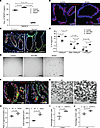 Figure 1
TNFSF13 variant colonoids/organoids exhibit enhanced colonoid formation efficiency and proliferation. (A) ELISA for secreted TNFSF13 in colonoid conditioned media (n = 3 patient lines for control and VEO-IBD; n = 3 passages for variant). (B) Representative TNFSF13 RNAscope in colonoids from control and variant participants (scale bar: 50 μm; n = 3 patient lines for control; n = 3 passages for variant). (C) Costaining of TNFSF13 and FAS RNAscope probes with Ki67 antibody in colon biopsies. Arrows indicate cells accumulated outside epithelial crypts (n = 3 patients for control; n = 3 tissue blocks for variant). (D) Representative images of colonoid formation assays at day 6 after seeding (scale bar: 300 μm). (E) Quantification of newly formed colonoids by size at day 6. Each passage included 2 technical replicates (n = 4 patient lines for control and VEO-IBD; n = 4 passages for variant). (F) TNFSF13 and FAS RNAscope with E-cadherin immunostaining in WT and variant iPSC-derived colon organoids at day 7 (scale bar: 50 μm; n = 3 passages). (G) Representative colonoid formation in WT and variant iPSC-derived organoids at day 9 (scale bar: 400 μm; n = 3 passages, each with ≥ 2 technical replicates). (H) Quantification of colonoid formation rate and area at day 9. Colonoid size calculated by maximum vertical projection area. (I and J) Percentage of EdU+ cells following IgG or TNFSF13 neutralizing antibody (nTNFSF13) treatment in (I) control tissue–derived colonoids (n = 3 patient lines) or (J) WT iPSC-organoids at day 7 (n = 3 passages). 2-way ANOVA with multiple comparisons was used for (A and E); 2-tailed Student’s t test for (H–J). P values shown on graphs unless P > 0.05.
Upon visual inspection, we noticed an increase in colonoid number and size in TNFSF13 variant versus control patient colonoids (healthy subjects and TNFSF13 wild type VEO-IBD) at day 6 post-seeding (Figure 1, D and E, and Supplemental Figure 2D). We directly assessed organoid formation efficiency via single cell plating and measured colonoid size as a proxy for proliferative capacity. Colonoids were significantly more numerous and larger in TNFSF13 variant versus controls (Figure 1, D and E). To confirm whether the observed colonoid formation efficiency and size phenotypes were driven by variant TNFSF13 and not a consequence of the tissue state at the time of biopsy, we generated a human induced pluripotent stem cell (iPSC) line with the same variant and compared it to a WT TNFSF13 isogenic control line. After directed differentiation into colon organoids (22), RNAscope, qPCR, and ELISA demonstrated the variant line had decreased TNFSF13 compared with WT (Figure 1F and Supplemental Figure 2, E–G). Furthermore, single cell–seeded organoid formation assays showed higher organoid formation efficiency and size in TNFSF13 variant versus WT organoids (Figure 1, G and H, Supplemental Figure 2H). Since our data demonstrated that epithelial TNFSF13 may have antiproliferative roles in nonvariant cells, we used a TNFSF13 neutralizing antibody on control colonoids and WT iPSC-derived colon organoids to evaluate proliferation directly using EdU incorporation. We confirmed the ability of the antibody to neutralize TNFSF13 using dose curves in mouse splenic B cell proliferation assays as published previously (23) (Supplemental Figure 3, A–C). We observed an increase in EdU+ proliferative cells in both control patient colonoids and WT colon organoids treated with TNFSF13 neutralizing antibody compared to IgG control (Figure 1, I and J). Conversely, the percentage of EdU+ cells in variant colonoids was rescued after treatment with recombinant TNFSF13 (Supplemental Figure 3, D and E). Taken together, TNFSF13 neutralization and rescue data are consistent with our observation that decreased TNFSF13 expression promotes increased organoid size as a result of increased proliferation.
TNFSF13 binds FAS receptor in colonic epithelial cells. TNFSF13 can bind to multiple surface receptors in different cell types (12–14). We investigated expression of these receptors in tissue-derived colonoids and iPSC-derived colon organoids. Flow cytometry (FACS) analysis revealed that TACI and BCMA, which are abundant in B cells and plasma cells, are not detected by FACS in colonic epithelial cells (Supplemental Figure 4, A and B). Instead, FACS implicated the lesser known TNFSF13 receptors FAS and HVEM (24) were detected in colonoids and iPSC colon organoids (Figure 2, A and B). TNFSF13 and FAS interactions have been predicted in synovium-DRG neuron interactome (25). Since FAS has been associated previously with proliferation and apoptosis (26), we next tested whether TNFSF13 can interact with the FAS receptor in colonic epithelial cells via co-immunoprecipitation (co-IP). We observed that FAS is only detected when the capture antibody for TNFSF13 is present, in contrast to IgG controls (Figure 2C). To verify TNFSF13 binding FAS protein, we conducted in silico analyses using the HDOCK online server (http://hdock.phys.hust.edu.cn/) (27) and found multiple specific interactions between FAS and TNFSF13: Ser172 and Lys148 of FAS formed hydrogen bonds with Gln51 and Tyr212 of TNFSF13, with bond distances of 2.2 Å and 2.4 Å, respectively (Supplemental Figure 5A lower). In addition, His142 of FAS formed two hydrogen bonds with Arg144 of TNFSF13, with distances of 2.5 Å and 2.8 Å. A salt bridge was also observed between Asp144 of FAS and Arg144 of TNFSF13, with 3.9 Å (Supplemental Figure 5A, lower panel). Furthermore, multiple hydrophobic interactions contributed to the stabilization of the FAS–TNFSF13 complex (Supplemental Figure 5A lower). We also evaluated the well-defined ligand of FAS (FASL) as a positive control, which can bind to Trp14, Glu87, Glu32, Thr312, Arg192 of FAS through Thr40, Tyr244, Arg44, Gly41, Thr34 of FASL, respectively (Supplemental Figure 5A, upper panel). Docking and confidence scores calculations suggest that FAS is predicted to interact with FASL more strongly than TNFSF13 (docking score = −322.73, confidence = 96% versus docking score = −284.45, confidence = 93%); however, typical protein-protein interactions in the Protein Data Bank have a docking score of around -200 or better (more negative) with a confidence score above 70% indicating the two molecules would be very likely to bind. As such, both TNFSF13 and FASL are predicted to bind to FAS. Finally, we performed Surface Plasmon Resonance (SPR) to quantify direct binding interactions between FAS and TNSF13 and FASL. Both TNFSF13 and FASL exhibited concentration-dependent binding to immobilized FAS with clear saturation kinetics (Figure 2D). Fitting sensorgrams with to a 1:1 kinetic binding model indicated equilibrium dissociation constants of 60 nM for FAS-TNFSF13 and 4.09 nM for FAS–FASL, indication higher affinity of FAS for FASL than for TNFSF13 (Figure 2D). To assess whether TNFSF13 and FASL compete for FAS binding, we performed competitive SPR assays. Neither condition resulted in detectable changes in binding response for the competing ligand, suggesting that TNFSF13 and FASL do not compete for FAS binding under these conditions (Supplemental Figure 5B).
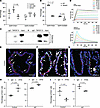 Figure 2
FAS is a receptor for TNFSF13 in colonic epithelial cells. Percentage of FAS+ and HVEM+ cells by flow cytometry at day 7 after seeding in (A) colonoids (n = 3 patient lines for control and VEO-IBD; n = 3 passages for variant) or (B) iPSC-organoids (n = 3 passages per line). (C) Representative Western blot for FAS from coimmunoprecipitation supernatant in control and VEO-IBD colonoids at day 7. TNFSF13 antibody used for capture. Protein ladder lane (M) not shown in overlay (n ≥ 4 patient lines for control and VEO-IBD). (D) SPR binding analyses of FASL-FAS (upper) and TNFSF13-FAS (lower) interactions at various concentrations (n = 3 independent experiments). (E) Costaining of TNFSF13 and FAS RNAscope probes in control colonoids at day 7. Arrows indicate coexpression (scale bar: 100 μm; n = 3 experiments). (F) Co staining of TNFSF13 and FAS RNAscope probes with Ki67 antibody in control colonoids at day 7. Arrows indicate triple-positive cells (scale bar: 100 μm; n = 3 experiments). (G) Costaining of TNFSF13 and FAS RNAscope probes with FABP2 antibody in control colonoids at day 7. Arrows indicate triple-positive cells (scale bar: 100 μm; n = 3 experiments). (H and I) Percentage of EdU+ cells in control colonoids (left) or WT iPSC-organoids (right) at day 7 following treatment with (H) IgG or FAS neutralizing antibody (nFAS) or (I) IgG or recombinant human FAS ligand (rFASL). Two-way ANOVA with multiple comparisons for (A and B); 2-tailed Student’s t test for (H and I). P values shown unless P > 0.05.
We performed additional studies to interrogate TNFSF13-FAS interactions. RNAscope data indicate expression of TNFSF13 and FAS in human colonoids, providing spatial evidence of their co-expression in the same and neighboring cells, including in Ki67+ proliferating cells and FABP2+ enterocytes (Figure 2, E–G, white arrowheads). Immunofluorescence staining (IF) data further show TNFSF13 and FAS co-localized in FAS-expressing HEK293T cells (Supplemental Figure 5C). To functionally validate FAS in colonic epithelial cells, we treated control colonoids and WT iPSC colon organoids with a FAS neutralizing antibody and observed a significant increase in EdU+ cells by flow cytometry (Figure 2H). Conversely, recombinant human FAS ligand decreased EdU+ cells (28, 29) (Figure 2I). Variant colonoids and variant iPSC colon organoids exhibited similar responses to FAS modulation, suggesting that the proliferative phenotype observed in variant organoids at baseline likely results from loss of TNFSF13-mediated FAS activation (Supplemental Figure 5, D and E). FAS is a TNF superfamily receptor commonly described as a pro-apoptotic factor; however, some studies demonstrate additional roles such as NFκB activation, among other roles (30). FAS neutralization phenocopied the proliferative effect of TNFSF13 neutralization in our cultures systems, supporting a model in which TNFSF13-FAS signaling negatively regulates colonic epithelial proliferation in vitro.
Transcriptome analysis reveals altered apoptosis pathways in TNFSF13 variant epithelium. We next evaluated transcriptional differences between control, TNFSF13 wild type VEO-IBD and TNFSF13 variant colonoids via single cell RNA sequencing (scRNA-Seq). Based on previously annotated marker genes (31), we identified and assigned colonic epithelial cells to 9 clusters: 2 stem cell clusters, 3 transit-amplifying (TA) cell clusters, 3 goblet cell clusters and 1 enterocyte cluster which were visualized by uniform manifold approximation and project (UMAP) (Figure 3, A and B; cell counts in Supplemental Table 3). UMAP and dot plot of combined samples demonstrated broad expression of TNFSF13 and FAS in human colonoids, especially in TA cells and colonocytes (Figure 3A; dark purple dots on UMAP). Overall, we observed moderate but likely inconsequential shifts in other cell type proportions when evaluating UMAPs of control, VEO-IBD, and variant colonoids separately (Figure 3B and Supplemental Figure 6A).
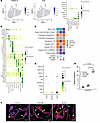 Figure 3
Transcriptomic profiling in human colonoids. (A) UMAP showing the expression pattern of TNFSF13 and FAS in scRNA-seq data from human tissue–derived colonoids. (n = 2 lines of colonoids from 2 different patients for control and VEO-IBD, n = 2 independent passages of colonoids for variant.) Dot plot indicating the relative expression pattern of selected genes of TNFSF13 family and related receptors and enterocyte markers among annotated clusters for human colonoids scRNA-seq data. (B) Dot plot with relative expression of top 5 changed genes for each annotated cluster for scRNA-seq datasets in human colonoids. (C) Color scale indicates group with higher percentage of cells within a given cluster in each comparison. The color indicates the condition with higher percentage of a cluster in each pairwise comparison. (D) Dot plot with relative expression of selected genes of TNFSF13 family and related receptors and enterocyte markers among control, VEO-IBD and variants in human colonoids. (E) qPCR for ALDOB in colonoids on d7 after seeding. n = 3 lines of colonoids from 3 different patients for control and VEO-IBD, n = 3 passages of colonoids for variant. One-way ANOVA (with multiple comparisons) was used for statistical analysis. (F) Representative IF images for FABP2 and E-cadherin in human colonoids. White arrows denote FABP2+ cells. Scale bar: 50 μm. P values are shown on bar graphs unless P > 0.05.
Evaluation of cell type proportions demonstrated that stem cells with expression of inflammatory marker LCN2 are significantly increased in TNFSF13 variant colonoids (denoted as “Stem Cell OLFM4+LCN2+”), as are goblet cells (denoted as “Goblet TFF1+” and “Goblet TFF1–IGFBP2–”) and colonocytes (Figure 3C). Likewise, gene expression analysis demonstrated increased expression of goblet cell marker TFF3 and enterocyte markers ALDOB (32) and FABP2 (33) in TNFSF13 variant colonoids, albeit in a small percentage of cells (Figure 3D). We confirmed increased expression of ALDOB by qPCR (Figure 3E) and immunofluorescence (IF) staining for FABP2 (Figure 3F; white arrows) in TNFSF13 variant colonoids compared with control and VEO-IBD colonoids. We also performed scRNA-seq on fresh biopsies from the same TNFSF13 variant participant and an additional healthy control participant (Supplemental Table 3) and annotated clusters using published cell markers from human biopsies (34). Analysis of biopsy scRNA-seq data confirmed expression of TNFSF13 and FAS in epithelial cells and a similar lack of robust differences in cell type proportions between TNFSF13 variant and controls, as seen in respective colonoid lines (Supplemental Figure 6, B–F). We conclude that phenotypic differences between TNFSF13 variants and controls are not due to significant changes in lineage allocation between groups.
To explore putative mechanisms of the TNFSF13-FAS axis in colonic epithelial cells, we performed Gene Ontology (GO) enrichment analysis of the combined scRNA-seq data (Supplemental Table 4). Consistent with phenotypic data, we observed an enrichment of pathways involved in epithelial cell proliferation and apoptosis in TNFSF13 variant versus VEO-IBD or healthy controls (Supplemental Figure 7A, red arrowheads). Colonoid qPCR data confirmed the relative increased expression of proliferation-associated genes, ID1 and ECM1 (35, 36) (Figure 4, A and B), and mitochondrial anti-apoptotic genes, ACAA2 (37) and BCL2L1 (38) (Figure 4, C and D) in TNFSF13 variant versus VEO-IBD or healthy controls. Immunostaining for apoptosis (TUNEL) demonstrated significantly fewer TUNEL+ cells and TUNEL+ FABP2+ cells in TNFSF13 variant versus control colonoids (Figure 4, E–G), which could explain the increase in enterocytes observed in TNFSF13 variant colonoids in Figure 3. Flow cytometry for AnnexinV and PI confirmed a significant increase in apoptotic cells in rTNFSF13- or rFASL-treated Jurkat T cells compared with IgG control (Figure 4H), with FASL inducing a stronger apoptotic response than TNFSF13. Consistently, immunoblot indicated increased BCL-XL (antiapoptotic protein encoded by BCL2L1) (38) and cleaved capase3 in both TNFSF13 variant colonoids and iPSC colon organoids compared with respective controls (Supplemental Figure 7, B and C). We observed more cleaved caspase 3 and caspase 8 in rTNFSF13- or rFASL-treated Jurkat T cells compared with IgG control, whereas BCL-XL levels did not show the same changes observed in organoid models (Supplemental Figure 7D). The discrepancy between primary organoid models and Jurkat T cells could be due to differences in cellular context and experimental system, or through other mechanisms to be evaluated in future studies. Taken together, transcriptomics, histological analyses, and immunoblot data support the conclusion that TNFSF13 insufficiency both enhances proliferation and limits apoptosis in colonic epithelial cells, particularly colonocytes.
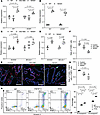 Figure 4
TNFSF13 augments the balance of apoptosis and proliferation through FAS-apoptosis pathway. (A) qPCR for ID and ECM1 in colonoids and (B) iPSC-derived colon organoids. (C) qPCR for ACAA2 and BCL2L1 in tissue-derived colonoids from control, VEO-IBD, variant, and (D) iPSC organoids from WT and variants. n = 3 lines of colonoids from 3 different patients for Control and VEO-IBD, n = 3 passages of colonoids for variants. (E) Representative immunostaining images for TUNEL and FABP2 in colonoids. Scale bar: 100 μm. (F) Quantification for ratio of TUNEL+ cells per colonoid and (G) TUNEL+FABP2+ cells in FABP2+ cells. One-way ANOVA (with multiple comparisons) was used for statistical analysis with 3 independent replicates. (H) Left: Representative flow cytometry plots for apoptotic cells in IgG, rTNFSF13 and rFASL treated Jurkat T cells. Right: Percentage of PI+AnnexinV+ (late apoptotic) and PI–AnnexinV+ (early apoptotic) populations across treatments. Three independent experimental replicates are shown. P-value shown in the bar graphs unless P > 0.05. Two-way ANOVA (with multiple comparisons) was used for statistical analysis in A–D and H and 1-way ANOVA (with multiple comparisons) for F and G.
Epithelial TNFSF13 regulates tissue-associated memory B cell differentiation. TNFSF13 is best characterized for its roles in regulating proliferation and differentiation in B cells and plasma cells. We therefore evaluated circulating and tissue immune populations in TNFSF13 variant and control participants. We first examined peripheral blood immune changes using flow cytometry of PBMCs (Supplemental Figure 8A). We observed an increase in CD19+ B cells in TNFSF13 variant blood compared with healthy controls, but not as much as compared with TNFSF13 WT VEO-IBD (Supplemental Figure 8, A and B). CD19+CD27+CD38+ plasmablasts, switched plasmablasts, and IgM memory B cells were relatively lower in TNFSF13 variants compared with VEO-IBD (Supplemental Figure 7B). There were no significant differences in IgM+ plasmablasts, nor in memory, class-switched memory (CSM), naive or transitional B cells, or other immune cells (T cell, nature killer cell, and monocyte) in TNFSF13 variants compared with healthy control and VEO-IBD PBMCs (Supplemental Figure 8, B and C). Interestingly, although He et al. showed that epithelial-derived TNFSF13 promotes IgA class switching in mice (9), our data did not show obvious change in class-switched memory B cells, which may be due to the difference between human and mouse. Consistent with the previous report of increased IgM+IgDlowCD27+ B cells (MZB) (15), the percentage of the marginal zone–like (MZ-like) B cells in the variant patient is also relatively increased compared with VEO-IBD. Taken together, there were moderate but nonsignificant differences in peripheral B cells in TNFSF13 variant versus control participants.
The immune cells within the intestinal mucosa play an essential role in the establishment and regulation of intestinal inflammation and injury in IBD (39). We therefore explored immune changes in colonic tissue of TNFSF13 variant and control participants. We first evaluated 6,014 variant and 4,755 control cells in the scRNA-seq data of lamina propria layer from the same biopsies as described above, which were subclustered into 6 subsets (Supplemental Figure 9, A–C). We further subclustered B cells (germinal center B cells [GC B cells], memory B cells, and naive B cells) and plasma cells (7 clusters based on Ig types IgA, IgK, IgL, IgG, and NFKBIA signature) populations (40) (Figure 5A). Cell type abundance analysis indicated fewer germinal center B cells and naive B cells, but more memory B cells in TNFSF13 variants compared with control biopsies (Figure 5, B and C). These findings are consistent with prior reports of increased memory B cell recruitment and differentiation to plasma cells under inflammatory conditions (41). For plasma cells, although the population of IgA+IgK+NFκBIA– and IgA+IgL+NFκBIA– cells are relatively increased, total IgA+ PCs (approximately 69.3%) were relatively decreased in TNFSF13 variant compared with control (approximately 74.9%) (Figure 5C). In contrast, we noticed IgG+ plasma cells, which have been reported to contribute to IBD (41), were relatively increased.
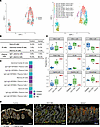 Figure 5
Increased abundance of memory B cells and depletion of IgA+ plasma cells observed in TNFSF13 variant colon. (A) UMAP visualizations of scRNA-seq data for B cell and plasma cell clusters among lamina propria cells from control and variant colon biopsies. n = 1 patient for control and variant. Left: Overlay of control and variant samples; Right: Annotated cell clusters of control and variant samples. (B) Table indicates abundance (%) of B cell and PC subsets in control and variant samples from scRNA-seq data from variant and control colon biopsies. (C) Comparison of cell type abundance between samples from scRNA-seq data from variant and control colon biopsies. Color scale indicates which group has a higher percentage of cells within a given cluster. (D) Representative IMC overlay images of epithelial (white), B cell (green), and plasma cell (yellow) markers in colon from control, VEO-IBD and variant patient. Scale bar: 100 μm. Marker for B cell: CD20+; Markers for plasma cell: CD20–CD27+CD38+. n = 3 different patients for Control and VEO-IBD, n = 3 slides from different blocks for variants. (E) Boxplot showing the rate of immune cell composition quantified by calculating the proportion of specific markers in all cells at the same region (both lamina propria and epithelial cell populations). n = 3 different patients for control and VEO-IBD, n = 3 slides from different blocks for variant.
Imaging mass cytometry (IMC) is a multiplexed imaging platform that utilizes antibodies conjugated to heavy metal isotopes, permitting quantification of different cell types within local tissue niches (42). IMC identified 9 major immune cell populations within colon sections from 7 patients (3 controls, 3 TNFSF13 WT VEO-IBD, and 1 TNFSF13 variant with 2 different biopsies)): CD3+ T cells, CD4+ T cells (T helper cells), CD8+ T cells (cytotoxic T cells), FOXP3+ regulatory T cells (Tregs), B cells, PCs, myeloid cells, dendritic cells, and macrophages (Figure 5D, Supplemental Figure 10, A and B, and Supplemental Table 5). Cell annotation markers are listed in Supplemental Materials and Methods. Because IMC retains the X and Y coordinates of each cell in each image, we were able to assess immune cell composition with spatial resolution. We found increased CD20+ total B cells near epithelial crypts in TNFSF13 variants compared with control and VEO-IBD tissue (Figure 5, D and E, pictured in green at crypt base). Plasma cell numbers in TNFSF13 variants were lower than VEO-IBD, but higher than controls (Figure 5E). Given that TNFSF13 promotes proliferation and differentiation of B and plasma cells (9), we evaluated cell abundance of proliferative B cells and plasma cells combined with Ki67 staining for proliferation as a putative explanation for aggregation of B cells in TNFSF13 variant tissue. The percentage of Ki67+ total B cells in TNFSF13 variant sections was lower than control and TNFSF13 WT VEO-IBD sections, suggesting that accumulated B cells in TNFSF13 variant tissue is likely due to enhanced recruitment rather than increased B cell proliferation (Supplemental Figure 10C). Similarly, the percentage of Ki67+ plasma cells in TNFSF13 variant tissue was lower than in VEO-IBD tissue (Supplemental Figure 10C). Taken together, scRNA-seq and IMC data suggest that decreased TNFSF13 in variant tissue might reduce differentiation of memory B cells to IgA-producing plasma cells and could contribute to accumulation of B cells near epithelial crypts. These newly described phenotypes in TNFSF13 variant tissue may separately contribute to mucosal damage via (a) reduced beneficial epithelial–plasma cell interactions (43) and (b) aberrant B cell accumulation in the epithelial compartment, which studies in mice suggest may hinder stromal contributions to mucosal healing (44).
Coculture studies confirm epithelial TNFSF13-mediated B cell modulation. Through engagement of BCMA and TACI, TNFSF13 has been reported to promote plasma cell maintenance, class-switch recombination, and immunoglobulin secretion, thereby supporting humoral immune responses and B cell homeostasis across multiple tissue contexts (12–14). Prior studies reported that TNFSF13 defects in dendritic cells or monocyte-derived dendritic cells differentiated from iPSCs impaired memory B cell proliferation and differentiation to plasmablasts and then to plasma cells (15, 16). To investigate the function of epithelial-secreted TNFSF13 on memory B cell differentiation, we developed a series of methods to either directly coculture human colonoids with memory B cells or use human colonoid–conditioned media to treat memory B cells or naive B cells activated with R848 (Figure 6A). Coculture of sorted human memory B cells (flow sorted Zombie UV–CD19+CD20+CD27+ or isolation with EasySep Human Memory B Cell Isolation Kit) with equal numbers of human control, VEO-IBD, and variant colonoids at day 8 after seeding indicated that the percentage of differentiated plasmablasts (ZombieUV–FSChiCD20+CD27+CD38+CD138lo) significantly decreased in variant conditions (Figure 6B and Supplemental Figure 11, A and B, and Supplemental Figure 12A). Since mixing colonoid and B cell media at a ratio of 1:1 only permitted short-term coculture, we collected 2-day conditioned media from equal numbers of human control, VEO-IBD, and variant colonoids and mixed it with human B cell media (ratio of 1:1) for treatment of cultured B cells. Consistent with coculture studies, we found the percentage of plasmablasts differentiated from sorted/isolated human memory B cells significantly decreased in variants at day 8 after seeding with colonoid conditioned media and B cell media mixture (Figure 6C, Supplemental Figure 11, A and B, and Supplemental Figure 12, A–C). We also found a reduction in the percentage of plasma cells (ZombieUV–FSChiCD20−CD27hiCD38hiCD138+) that differentiated from plasmablasts at day 14 after seeding in variant media–treated B cell cultures (Figure 6D). Given that plasma cells are an important source of immunoglobin, including IgA, IgG, and IgM, we examined the IgA+ population in total plasma cells, which revealed a decrease in the percentage of IgA+ plasma cells in variant media conditions (Figure 6E). ELISA for IgA in media at day 14 after seeding confirmed that secreted IgA was decreased in B cells with variant conditioned media compared with control and VEO-IBD (Figure 6F). We next evaluated the role of TNFSF13 in differentiation of plasmablasts to plasma cells by maintaining memory B cells in B cell media for 6 days to get an equal percentage of plasmablasts and then changing to conditioned media mixture from control, VEO-IBD, or variant colonoids at day 6 after seeding. Flow cytometry and ELISA data at day 14 after seeding indicate the percentage of both plasma cells and IgA+ plasma cells decreased in variant media conditions, which is consistent with differentiation directly from memory B cells (Figure 6, G–I, and Supplemental Figure 12D). Similarly, we investigated the expression level of IgG (presumably from IgG+ memory B cells) and IgM and found both were relatively decreased in variant media–treated memory B cells (Figure 6, J and K, and Supplemental Figure 12, E and F).
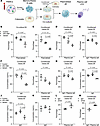 Figure 6
Epithelial-secreted TNFSF13 modulates differentiation of memory B cells to plasmablasts and plasma cells. (A) Schematic of human memory B cell and colonoid coculture experimental model. (B) Percentage of plasmablasts differentiated from sorted human memory B cells at day 8 via co-culture with equal numbers of control, VEO-IBD, or variant colonoids in IntestiCult:B cell media (1:1). (C) Percentage of plasmablasts at day 8 cultured in B cell media:conditioned media (1:1). (D and E) Percentage of (D) plasma cells and (E) IgA+ plasma cells differentiated at day 14 in B cell media:conditioned media (1:1). (F) IgA ELISA from differentiated B cell culture media at day 14. (G and H) Percentage of (G) plasma cells and (H) IgA+ plasma cells at day 14 when conditioned media mixture was added starting day 7 (cells cultured in B cell media alone days 0–6. (I) IgA ELISA from B cell culture media at day 14 with conditioned media added starting day 6 (n = 3 independent replicates). (J) ELISA for IgG in media from differentiated human memory B cells at day 14 and (K) at day 14 with delayed (day 6) conditioned media addition. (L and M) Percentage of (L) plasma cells and (M) IgA+ plasma cells at day 14 from IgG or FAS neutralizing antibody–treated (nFAS-treated) B cells cultured in control colonoid-conditioned media:B cell media (1:1). Three independent control colonoid lines used. Unless otherwise noted, n = 3 patient lines for control and VEO-IBD; n = 3 passages for variant colonoids and iPSC-organoids; n = 11 independent B cell donors. One-way ANOVA with multiple comparisons or 2-tailed Student’s t test used for statistical analysis. P values shown unless P > 0.05.
Since naive B cells also can differentiate into short-lived plasma cells (45, 46), we examined differentiation of naive B cells treated with a combination of variant colonoid–conditioned media and B cell media supplemented with R848. Flow cytometry data indicated that the percentage of plasmablasts and plasma cells decreased in variant media–treated naive B cells (Supplemental Figure 12, G and H). Our data and those from other groups (47) indicate that FAS is broadly expressed in memory B cells and lymphocytes (Supplemental Figure 12 I, left). To test whether FAS modulation can augment memory B cell differentiation, we treated memory B cells with the FAS neutralizing antibody described above (nFAS) or IgG control in control conditioned media. The percentage of plasmablasts did not change in nFAS-treated memory B cells at day 8 after seeding (Supplemental Figure 12 I, right); however, both plasma cells and IgA+ plasma cells were significantly increased compared with IgG control (Figure 6, L and M). To determine whether this FAS-mediated effect requires TNFSF13, we repeated these experiments in variant conditioned media. FAS neutralization in variant media did not significantly change plasmablast, plasma cell, or IgA+ plasma cell frequencies (Supplemental Figure 13, A and B). Conversely, treatment with recombinant FASL in variant media significantly decreased both plasmablasts and plasma cells compared with IgG control (Supplemental Figure 13, C and D). These data support a potential role for FAS in memory B cell differentiation and suggest that this regulatory function is, in part, dependent on TNFSF13. While our findings were initially unexpected, a recent study leveraged FAS-deficient B cells from patients with autoimmune lymphoproliferative syndrome (ALPS) to uncover nonapoptotic roles for FAS signaling in B cell fate decisions. In that study, authors describe a mechanism in which nonapoptotic FAS signaling modulates mTOR activation in FAS-competent B cells, which they demonstrate is defective in B cells from patients with ALPS with deficient FAS signaling that may underlie low memory B cells in patients with ALPS (48). Given the importance of memory B cells and immunoglobulin-producing plasma cells for immune homeostasis in the gastrointestinal tract (43), our data suggest that changes in the epithelial-secreted TNFSF13-FAS axis may be an unappreciated mechanism contributing to disease (6).


Copyright © 2026 American Society for Clinical Investigation
ISSN: 0021-9738 (print), 1558-8238 (online)