
Advertisement
Research ArticleHepatologyOncology
Open Access |  10.1172/JCI182322
Adipocyte-derived FABP4 promotes metabolism-associated steatotic liver–induced hepatocellular carcinoma by driving ITGB1-mediated β-catenin activation
Carmen Oi Ning Leung,1 Shilpa Gurung,1 Katherine Po Sin Chung,1 Rainbow Wing Hei Leung,1 Martina Mang Leng Lei,1 Mandy Sze Man Chan,1 Gregory Kenneth Muliawan,1 Shakeel Ahmad Khan,1 Xue Qian Wu,1 Jun Yu,2 Hui Lian Zhu,3 Yin Ying Lu,4 Stephanie Ma,5,6 Xiaoping Wu,7 Ruby Lai Chong Hoo,7 and Terence Kin Wah Lee1,8
1Department of Applied Biology and Chemical Technology, The Hong Kong Polytechnic University, Hong Kong, China.
2Institute of Digestive Disease and Department of Medicine and Therapeutics, State Key Laboratory of Digestive Disease, Li Ka Shing Institute of Health Sciences, The Chinese University of Hong Kong, Hong Kong, China.
3School of Public Health, Sun Yat Sen University, Guangzhou, China.
4Comprehensive Liver Cancer Center, The Fifth Medical Center of PLA General Hospital, Beijing, China.
5School of Biomedical Sciences, Li Ka Shing Faculty of Medicine,
6State Key Laboratory of Liver Research, and
7Department of Pharmacology and Pharmacy, Li Ka Shing Faculty of Medicine, The University of Hong Kong, Hong Kong, China.
8Research Institute for Future Food, The Hong Kong Polytechnic University, Hong Kong, China.
Address correspondence to: Terence K.W. Lee, Room 805, Block Y, Department of Applied Biology and Chemical Technology, Lee Shau Kee Building, The Hong Kong Polytechnic University, Hong Kong, China. Phone: 852.3400.8799; Email: terence.kw.lee@polyu.edu.hk. Or to: Carmen O.N. Leung, Room 1208, Block Y, Department of Applied Biology and Chemical Technology, Lee Shau Kee Building, The Hong Kong Polytechnic University, Hong Kong. Email: carmen.on.leung@polyu.edu.hk.
Authorship note: CONL, SG, and KPSC contributed equally to this work.
Find articles by Leung, C. in: PubMed | Google Scholar
1Department of Applied Biology and Chemical Technology, The Hong Kong Polytechnic University, Hong Kong, China.
2Institute of Digestive Disease and Department of Medicine and Therapeutics, State Key Laboratory of Digestive Disease, Li Ka Shing Institute of Health Sciences, The Chinese University of Hong Kong, Hong Kong, China.
3School of Public Health, Sun Yat Sen University, Guangzhou, China.
4Comprehensive Liver Cancer Center, The Fifth Medical Center of PLA General Hospital, Beijing, China.
5School of Biomedical Sciences, Li Ka Shing Faculty of Medicine,
6State Key Laboratory of Liver Research, and
7Department of Pharmacology and Pharmacy, Li Ka Shing Faculty of Medicine, The University of Hong Kong, Hong Kong, China.
8Research Institute for Future Food, The Hong Kong Polytechnic University, Hong Kong, China.
Address correspondence to: Terence K.W. Lee, Room 805, Block Y, Department of Applied Biology and Chemical Technology, Lee Shau Kee Building, The Hong Kong Polytechnic University, Hong Kong, China. Phone: 852.3400.8799; Email: terence.kw.lee@polyu.edu.hk. Or to: Carmen O.N. Leung, Room 1208, Block Y, Department of Applied Biology and Chemical Technology, Lee Shau Kee Building, The Hong Kong Polytechnic University, Hong Kong. Email: carmen.on.leung@polyu.edu.hk.
Authorship note: CONL, SG, and KPSC contributed equally to this work.
Find articles by Gurung, S. in: PubMed | Google Scholar
1Department of Applied Biology and Chemical Technology, The Hong Kong Polytechnic University, Hong Kong, China.
2Institute of Digestive Disease and Department of Medicine and Therapeutics, State Key Laboratory of Digestive Disease, Li Ka Shing Institute of Health Sciences, The Chinese University of Hong Kong, Hong Kong, China.
3School of Public Health, Sun Yat Sen University, Guangzhou, China.
4Comprehensive Liver Cancer Center, The Fifth Medical Center of PLA General Hospital, Beijing, China.
5School of Biomedical Sciences, Li Ka Shing Faculty of Medicine,
6State Key Laboratory of Liver Research, and
7Department of Pharmacology and Pharmacy, Li Ka Shing Faculty of Medicine, The University of Hong Kong, Hong Kong, China.
8Research Institute for Future Food, The Hong Kong Polytechnic University, Hong Kong, China.
Address correspondence to: Terence K.W. Lee, Room 805, Block Y, Department of Applied Biology and Chemical Technology, Lee Shau Kee Building, The Hong Kong Polytechnic University, Hong Kong, China. Phone: 852.3400.8799; Email: terence.kw.lee@polyu.edu.hk. Or to: Carmen O.N. Leung, Room 1208, Block Y, Department of Applied Biology and Chemical Technology, Lee Shau Kee Building, The Hong Kong Polytechnic University, Hong Kong. Email: carmen.on.leung@polyu.edu.hk.
Authorship note: CONL, SG, and KPSC contributed equally to this work.
Find articles by Chung, K. in: PubMed | Google Scholar
1Department of Applied Biology and Chemical Technology, The Hong Kong Polytechnic University, Hong Kong, China.
2Institute of Digestive Disease and Department of Medicine and Therapeutics, State Key Laboratory of Digestive Disease, Li Ka Shing Institute of Health Sciences, The Chinese University of Hong Kong, Hong Kong, China.
3School of Public Health, Sun Yat Sen University, Guangzhou, China.
4Comprehensive Liver Cancer Center, The Fifth Medical Center of PLA General Hospital, Beijing, China.
5School of Biomedical Sciences, Li Ka Shing Faculty of Medicine,
6State Key Laboratory of Liver Research, and
7Department of Pharmacology and Pharmacy, Li Ka Shing Faculty of Medicine, The University of Hong Kong, Hong Kong, China.
8Research Institute for Future Food, The Hong Kong Polytechnic University, Hong Kong, China.
Address correspondence to: Terence K.W. Lee, Room 805, Block Y, Department of Applied Biology and Chemical Technology, Lee Shau Kee Building, The Hong Kong Polytechnic University, Hong Kong, China. Phone: 852.3400.8799; Email: terence.kw.lee@polyu.edu.hk. Or to: Carmen O.N. Leung, Room 1208, Block Y, Department of Applied Biology and Chemical Technology, Lee Shau Kee Building, The Hong Kong Polytechnic University, Hong Kong. Email: carmen.on.leung@polyu.edu.hk.
Authorship note: CONL, SG, and KPSC contributed equally to this work.
Find articles by Leung, R. in: PubMed | Google Scholar
1Department of Applied Biology and Chemical Technology, The Hong Kong Polytechnic University, Hong Kong, China.
2Institute of Digestive Disease and Department of Medicine and Therapeutics, State Key Laboratory of Digestive Disease, Li Ka Shing Institute of Health Sciences, The Chinese University of Hong Kong, Hong Kong, China.
3School of Public Health, Sun Yat Sen University, Guangzhou, China.
4Comprehensive Liver Cancer Center, The Fifth Medical Center of PLA General Hospital, Beijing, China.
5School of Biomedical Sciences, Li Ka Shing Faculty of Medicine,
6State Key Laboratory of Liver Research, and
7Department of Pharmacology and Pharmacy, Li Ka Shing Faculty of Medicine, The University of Hong Kong, Hong Kong, China.
8Research Institute for Future Food, The Hong Kong Polytechnic University, Hong Kong, China.
Address correspondence to: Terence K.W. Lee, Room 805, Block Y, Department of Applied Biology and Chemical Technology, Lee Shau Kee Building, The Hong Kong Polytechnic University, Hong Kong, China. Phone: 852.3400.8799; Email: terence.kw.lee@polyu.edu.hk. Or to: Carmen O.N. Leung, Room 1208, Block Y, Department of Applied Biology and Chemical Technology, Lee Shau Kee Building, The Hong Kong Polytechnic University, Hong Kong. Email: carmen.on.leung@polyu.edu.hk.
Authorship note: CONL, SG, and KPSC contributed equally to this work.
Find articles by Lei, M. in: PubMed | Google Scholar
1Department of Applied Biology and Chemical Technology, The Hong Kong Polytechnic University, Hong Kong, China.
2Institute of Digestive Disease and Department of Medicine and Therapeutics, State Key Laboratory of Digestive Disease, Li Ka Shing Institute of Health Sciences, The Chinese University of Hong Kong, Hong Kong, China.
3School of Public Health, Sun Yat Sen University, Guangzhou, China.
4Comprehensive Liver Cancer Center, The Fifth Medical Center of PLA General Hospital, Beijing, China.
5School of Biomedical Sciences, Li Ka Shing Faculty of Medicine,
6State Key Laboratory of Liver Research, and
7Department of Pharmacology and Pharmacy, Li Ka Shing Faculty of Medicine, The University of Hong Kong, Hong Kong, China.
8Research Institute for Future Food, The Hong Kong Polytechnic University, Hong Kong, China.
Address correspondence to: Terence K.W. Lee, Room 805, Block Y, Department of Applied Biology and Chemical Technology, Lee Shau Kee Building, The Hong Kong Polytechnic University, Hong Kong, China. Phone: 852.3400.8799; Email: terence.kw.lee@polyu.edu.hk. Or to: Carmen O.N. Leung, Room 1208, Block Y, Department of Applied Biology and Chemical Technology, Lee Shau Kee Building, The Hong Kong Polytechnic University, Hong Kong. Email: carmen.on.leung@polyu.edu.hk.
Authorship note: CONL, SG, and KPSC contributed equally to this work.
Find articles by Chan, M. in: PubMed | Google Scholar
1Department of Applied Biology and Chemical Technology, The Hong Kong Polytechnic University, Hong Kong, China.
2Institute of Digestive Disease and Department of Medicine and Therapeutics, State Key Laboratory of Digestive Disease, Li Ka Shing Institute of Health Sciences, The Chinese University of Hong Kong, Hong Kong, China.
3School of Public Health, Sun Yat Sen University, Guangzhou, China.
4Comprehensive Liver Cancer Center, The Fifth Medical Center of PLA General Hospital, Beijing, China.
5School of Biomedical Sciences, Li Ka Shing Faculty of Medicine,
6State Key Laboratory of Liver Research, and
7Department of Pharmacology and Pharmacy, Li Ka Shing Faculty of Medicine, The University of Hong Kong, Hong Kong, China.
8Research Institute for Future Food, The Hong Kong Polytechnic University, Hong Kong, China.
Address correspondence to: Terence K.W. Lee, Room 805, Block Y, Department of Applied Biology and Chemical Technology, Lee Shau Kee Building, The Hong Kong Polytechnic University, Hong Kong, China. Phone: 852.3400.8799; Email: terence.kw.lee@polyu.edu.hk. Or to: Carmen O.N. Leung, Room 1208, Block Y, Department of Applied Biology and Chemical Technology, Lee Shau Kee Building, The Hong Kong Polytechnic University, Hong Kong. Email: carmen.on.leung@polyu.edu.hk.
Authorship note: CONL, SG, and KPSC contributed equally to this work.
Find articles by Muliawan, G. in: PubMed | Google Scholar
1Department of Applied Biology and Chemical Technology, The Hong Kong Polytechnic University, Hong Kong, China.
2Institute of Digestive Disease and Department of Medicine and Therapeutics, State Key Laboratory of Digestive Disease, Li Ka Shing Institute of Health Sciences, The Chinese University of Hong Kong, Hong Kong, China.
3School of Public Health, Sun Yat Sen University, Guangzhou, China.
4Comprehensive Liver Cancer Center, The Fifth Medical Center of PLA General Hospital, Beijing, China.
5School of Biomedical Sciences, Li Ka Shing Faculty of Medicine,
6State Key Laboratory of Liver Research, and
7Department of Pharmacology and Pharmacy, Li Ka Shing Faculty of Medicine, The University of Hong Kong, Hong Kong, China.
8Research Institute for Future Food, The Hong Kong Polytechnic University, Hong Kong, China.
Address correspondence to: Terence K.W. Lee, Room 805, Block Y, Department of Applied Biology and Chemical Technology, Lee Shau Kee Building, The Hong Kong Polytechnic University, Hong Kong, China. Phone: 852.3400.8799; Email: terence.kw.lee@polyu.edu.hk. Or to: Carmen O.N. Leung, Room 1208, Block Y, Department of Applied Biology and Chemical Technology, Lee Shau Kee Building, The Hong Kong Polytechnic University, Hong Kong. Email: carmen.on.leung@polyu.edu.hk.
Authorship note: CONL, SG, and KPSC contributed equally to this work.
Find articles by Khan, S. in: PubMed | Google Scholar
1Department of Applied Biology and Chemical Technology, The Hong Kong Polytechnic University, Hong Kong, China.
2Institute of Digestive Disease and Department of Medicine and Therapeutics, State Key Laboratory of Digestive Disease, Li Ka Shing Institute of Health Sciences, The Chinese University of Hong Kong, Hong Kong, China.
3School of Public Health, Sun Yat Sen University, Guangzhou, China.
4Comprehensive Liver Cancer Center, The Fifth Medical Center of PLA General Hospital, Beijing, China.
5School of Biomedical Sciences, Li Ka Shing Faculty of Medicine,
6State Key Laboratory of Liver Research, and
7Department of Pharmacology and Pharmacy, Li Ka Shing Faculty of Medicine, The University of Hong Kong, Hong Kong, China.
8Research Institute for Future Food, The Hong Kong Polytechnic University, Hong Kong, China.
Address correspondence to: Terence K.W. Lee, Room 805, Block Y, Department of Applied Biology and Chemical Technology, Lee Shau Kee Building, The Hong Kong Polytechnic University, Hong Kong, China. Phone: 852.3400.8799; Email: terence.kw.lee@polyu.edu.hk. Or to: Carmen O.N. Leung, Room 1208, Block Y, Department of Applied Biology and Chemical Technology, Lee Shau Kee Building, The Hong Kong Polytechnic University, Hong Kong. Email: carmen.on.leung@polyu.edu.hk.
Authorship note: CONL, SG, and KPSC contributed equally to this work.
Find articles by Wu, X. in: PubMed | Google Scholar
1Department of Applied Biology and Chemical Technology, The Hong Kong Polytechnic University, Hong Kong, China.
2Institute of Digestive Disease and Department of Medicine and Therapeutics, State Key Laboratory of Digestive Disease, Li Ka Shing Institute of Health Sciences, The Chinese University of Hong Kong, Hong Kong, China.
3School of Public Health, Sun Yat Sen University, Guangzhou, China.
4Comprehensive Liver Cancer Center, The Fifth Medical Center of PLA General Hospital, Beijing, China.
5School of Biomedical Sciences, Li Ka Shing Faculty of Medicine,
6State Key Laboratory of Liver Research, and
7Department of Pharmacology and Pharmacy, Li Ka Shing Faculty of Medicine, The University of Hong Kong, Hong Kong, China.
8Research Institute for Future Food, The Hong Kong Polytechnic University, Hong Kong, China.
Address correspondence to: Terence K.W. Lee, Room 805, Block Y, Department of Applied Biology and Chemical Technology, Lee Shau Kee Building, The Hong Kong Polytechnic University, Hong Kong, China. Phone: 852.3400.8799; Email: terence.kw.lee@polyu.edu.hk. Or to: Carmen O.N. Leung, Room 1208, Block Y, Department of Applied Biology and Chemical Technology, Lee Shau Kee Building, The Hong Kong Polytechnic University, Hong Kong. Email: carmen.on.leung@polyu.edu.hk.
Authorship note: CONL, SG, and KPSC contributed equally to this work.
Find articles by
Yu, J.
in:
PubMed
|
Google Scholar
|

1Department of Applied Biology and Chemical Technology, The Hong Kong Polytechnic University, Hong Kong, China.
2Institute of Digestive Disease and Department of Medicine and Therapeutics, State Key Laboratory of Digestive Disease, Li Ka Shing Institute of Health Sciences, The Chinese University of Hong Kong, Hong Kong, China.
3School of Public Health, Sun Yat Sen University, Guangzhou, China.
4Comprehensive Liver Cancer Center, The Fifth Medical Center of PLA General Hospital, Beijing, China.
5School of Biomedical Sciences, Li Ka Shing Faculty of Medicine,
6State Key Laboratory of Liver Research, and
7Department of Pharmacology and Pharmacy, Li Ka Shing Faculty of Medicine, The University of Hong Kong, Hong Kong, China.
8Research Institute for Future Food, The Hong Kong Polytechnic University, Hong Kong, China.
Address correspondence to: Terence K.W. Lee, Room 805, Block Y, Department of Applied Biology and Chemical Technology, Lee Shau Kee Building, The Hong Kong Polytechnic University, Hong Kong, China. Phone: 852.3400.8799; Email: terence.kw.lee@polyu.edu.hk. Or to: Carmen O.N. Leung, Room 1208, Block Y, Department of Applied Biology and Chemical Technology, Lee Shau Kee Building, The Hong Kong Polytechnic University, Hong Kong. Email: carmen.on.leung@polyu.edu.hk.
Authorship note: CONL, SG, and KPSC contributed equally to this work.
Find articles by Zhu, H. in: PubMed | Google Scholar
1Department of Applied Biology and Chemical Technology, The Hong Kong Polytechnic University, Hong Kong, China.
2Institute of Digestive Disease and Department of Medicine and Therapeutics, State Key Laboratory of Digestive Disease, Li Ka Shing Institute of Health Sciences, The Chinese University of Hong Kong, Hong Kong, China.
3School of Public Health, Sun Yat Sen University, Guangzhou, China.
4Comprehensive Liver Cancer Center, The Fifth Medical Center of PLA General Hospital, Beijing, China.
5School of Biomedical Sciences, Li Ka Shing Faculty of Medicine,
6State Key Laboratory of Liver Research, and
7Department of Pharmacology and Pharmacy, Li Ka Shing Faculty of Medicine, The University of Hong Kong, Hong Kong, China.
8Research Institute for Future Food, The Hong Kong Polytechnic University, Hong Kong, China.
Address correspondence to: Terence K.W. Lee, Room 805, Block Y, Department of Applied Biology and Chemical Technology, Lee Shau Kee Building, The Hong Kong Polytechnic University, Hong Kong, China. Phone: 852.3400.8799; Email: terence.kw.lee@polyu.edu.hk. Or to: Carmen O.N. Leung, Room 1208, Block Y, Department of Applied Biology and Chemical Technology, Lee Shau Kee Building, The Hong Kong Polytechnic University, Hong Kong. Email: carmen.on.leung@polyu.edu.hk.
Authorship note: CONL, SG, and KPSC contributed equally to this work.
Find articles by Lu, Y. in: PubMed | Google Scholar
1Department of Applied Biology and Chemical Technology, The Hong Kong Polytechnic University, Hong Kong, China.
2Institute of Digestive Disease and Department of Medicine and Therapeutics, State Key Laboratory of Digestive Disease, Li Ka Shing Institute of Health Sciences, The Chinese University of Hong Kong, Hong Kong, China.
3School of Public Health, Sun Yat Sen University, Guangzhou, China.
4Comprehensive Liver Cancer Center, The Fifth Medical Center of PLA General Hospital, Beijing, China.
5School of Biomedical Sciences, Li Ka Shing Faculty of Medicine,
6State Key Laboratory of Liver Research, and
7Department of Pharmacology and Pharmacy, Li Ka Shing Faculty of Medicine, The University of Hong Kong, Hong Kong, China.
8Research Institute for Future Food, The Hong Kong Polytechnic University, Hong Kong, China.
Address correspondence to: Terence K.W. Lee, Room 805, Block Y, Department of Applied Biology and Chemical Technology, Lee Shau Kee Building, The Hong Kong Polytechnic University, Hong Kong, China. Phone: 852.3400.8799; Email: terence.kw.lee@polyu.edu.hk. Or to: Carmen O.N. Leung, Room 1208, Block Y, Department of Applied Biology and Chemical Technology, Lee Shau Kee Building, The Hong Kong Polytechnic University, Hong Kong. Email: carmen.on.leung@polyu.edu.hk.
Authorship note: CONL, SG, and KPSC contributed equally to this work.
Find articles by
Ma, S.
in:
PubMed
|
Google Scholar
|
1Department of Applied Biology and Chemical Technology, The Hong Kong Polytechnic University, Hong Kong, China.
2Institute of Digestive Disease and Department of Medicine and Therapeutics, State Key Laboratory of Digestive Disease, Li Ka Shing Institute of Health Sciences, The Chinese University of Hong Kong, Hong Kong, China.
3School of Public Health, Sun Yat Sen University, Guangzhou, China.
4Comprehensive Liver Cancer Center, The Fifth Medical Center of PLA General Hospital, Beijing, China.
5School of Biomedical Sciences, Li Ka Shing Faculty of Medicine,
6State Key Laboratory of Liver Research, and
7Department of Pharmacology and Pharmacy, Li Ka Shing Faculty of Medicine, The University of Hong Kong, Hong Kong, China.
8Research Institute for Future Food, The Hong Kong Polytechnic University, Hong Kong, China.
Address correspondence to: Terence K.W. Lee, Room 805, Block Y, Department of Applied Biology and Chemical Technology, Lee Shau Kee Building, The Hong Kong Polytechnic University, Hong Kong, China. Phone: 852.3400.8799; Email: terence.kw.lee@polyu.edu.hk. Or to: Carmen O.N. Leung, Room 1208, Block Y, Department of Applied Biology and Chemical Technology, Lee Shau Kee Building, The Hong Kong Polytechnic University, Hong Kong. Email: carmen.on.leung@polyu.edu.hk.
Authorship note: CONL, SG, and KPSC contributed equally to this work.
Find articles by Wu, X. in: PubMed | Google Scholar
1Department of Applied Biology and Chemical Technology, The Hong Kong Polytechnic University, Hong Kong, China.
2Institute of Digestive Disease and Department of Medicine and Therapeutics, State Key Laboratory of Digestive Disease, Li Ka Shing Institute of Health Sciences, The Chinese University of Hong Kong, Hong Kong, China.
3School of Public Health, Sun Yat Sen University, Guangzhou, China.
4Comprehensive Liver Cancer Center, The Fifth Medical Center of PLA General Hospital, Beijing, China.
5School of Biomedical Sciences, Li Ka Shing Faculty of Medicine,
6State Key Laboratory of Liver Research, and
7Department of Pharmacology and Pharmacy, Li Ka Shing Faculty of Medicine, The University of Hong Kong, Hong Kong, China.
8Research Institute for Future Food, The Hong Kong Polytechnic University, Hong Kong, China.
Address correspondence to: Terence K.W. Lee, Room 805, Block Y, Department of Applied Biology and Chemical Technology, Lee Shau Kee Building, The Hong Kong Polytechnic University, Hong Kong, China. Phone: 852.3400.8799; Email: terence.kw.lee@polyu.edu.hk. Or to: Carmen O.N. Leung, Room 1208, Block Y, Department of Applied Biology and Chemical Technology, Lee Shau Kee Building, The Hong Kong Polytechnic University, Hong Kong. Email: carmen.on.leung@polyu.edu.hk.
Authorship note: CONL, SG, and KPSC contributed equally to this work.
Find articles by Hoo, R. in: PubMed | Google Scholar
1Department of Applied Biology and Chemical Technology, The Hong Kong Polytechnic University, Hong Kong, China.
2Institute of Digestive Disease and Department of Medicine and Therapeutics, State Key Laboratory of Digestive Disease, Li Ka Shing Institute of Health Sciences, The Chinese University of Hong Kong, Hong Kong, China.
3School of Public Health, Sun Yat Sen University, Guangzhou, China.
4Comprehensive Liver Cancer Center, The Fifth Medical Center of PLA General Hospital, Beijing, China.
5School of Biomedical Sciences, Li Ka Shing Faculty of Medicine,
6State Key Laboratory of Liver Research, and
7Department of Pharmacology and Pharmacy, Li Ka Shing Faculty of Medicine, The University of Hong Kong, Hong Kong, China.
8Research Institute for Future Food, The Hong Kong Polytechnic University, Hong Kong, China.
Address correspondence to: Terence K.W. Lee, Room 805, Block Y, Department of Applied Biology and Chemical Technology, Lee Shau Kee Building, The Hong Kong Polytechnic University, Hong Kong, China. Phone: 852.3400.8799; Email: terence.kw.lee@polyu.edu.hk. Or to: Carmen O.N. Leung, Room 1208, Block Y, Department of Applied Biology and Chemical Technology, Lee Shau Kee Building, The Hong Kong Polytechnic University, Hong Kong. Email: carmen.on.leung@polyu.edu.hk.
Authorship note: CONL, SG, and KPSC contributed equally to this work.
Find articles by Lee, T. in: PubMed | Google Scholar
Published December 15, 2025 - More info
J Clin Invest. 2025;135(24):e182322. https://doi.org/10.1172/JCI182322.
© 2025 Leung et al. This work is licensed under the Creative Commons Attribution 4.0 International License. To view a copy of this license, visit http://creativecommons.org/licenses/by/4.0/.
Received: April 29, 2025; Accepted: October 17, 2025


-
Results
Adipocytes, not preadipocytes, enhance liver cancer stemness and drug resistance in HCC cells. An increase in visceral fat results in increased production of proinflammatory adipokines (26), and this dysregulation of adipokines via visceral adipose tissue contributes to the development of MASH (27); hence, we established human adipocytes from in vitro differentiation of commercially available human visceral preadipocyte cells. Successful establishment of functional visceral adipocytes was evidenced by the presence of intracellular lipids and upregulation of specific genes related to adipocyte differentiation and adipogenesis, including FABP4 and PPARG, compared with their preadipocyte counterparts (Figure 1A). Coculturing these adipocytes with HCC cells in a Transwell experimental setup promoted significant increase in self-renewal ability of HCC cells in comparison to coculture in untreated condition or treated with undifferentiated preadipocytes (Figure 1B). This result suggested that adipocytes regulate liver CSCs via paracrine secretion. To verify this, we collected the conditioned medium of adipocytes (ADCM) for an in vivo limiting dilution assay. Pretreatment of HCC cells with ADCM increased the size and number of HCC tumors (Figure 1C and Supplemental Table 1; supplemental material available online with this article; https://doi.org/10.1172/JCI182322DS1). In addition, pretreatment of HCC cells with ADCM also expression of liver CSC markers, including CD47 and CD90 (Figure 1D); migration and invasion (Figure 1E); and resistance to doxorubicin and sorafenib (Figure 1F). All these results suggest that adipocyte secretomes exert CSC-enhancing effects in a paracrine manner.
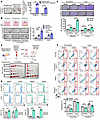 Figure 1
Adipocytes enhanced self-renewal and tumorigenicity and drove drug resistance in HCC cells in a paracrine manner. (A) Representative images of intracellular lipids in adipocytes after differentiation. mRNA expression of functional genes of adipocytes (n = 3). Scale bars: 100 μm. (B) Schematic diagram of coculturing setup for sphere formation. Representative images of sphere formation (n = 3). Scale bars: 100 μm. (C) Schematic diagram showing the workflow of adipocyte-condition medium (ADCM) collection, pretreatment of HCC cells, and subcutaneous injection of cells into NOD/SCID gamma (NSG) mice. Representative images of tumors. Scale bars: 1 cm. (D) Expression of liver CSC markers (n = 3-4). (E) The migration and invasive abilities of HCC cells were evaluated (n = 3). Representative images of stained cells. Scale bar: 250 μm. (F) Apoptosis of pretreated (DMEM or ADCM) HCC cells induced by doxorubicin or sorafenib (n = 3). Data represent mean ± SD. *P < 0.05, **P < 0.01, ***P < 0.001, 2-tailed t test.
Mass spectrometry profiling revealed that FABP4 is preferentially secreted by adipocytes in coculture with HCC cells. In our pilot study, we found that adipocyte secretomes promoted self-renewal of HCC cells, and the CSC-enhancing effect was further enhanced upon incubation with conditioned medium from coculturing of ADCM and HCC cells (stimulated adipocyte CM, CAACM) (Supplemental Figure 1A). Based on these findings, we aimed to determine the secretory factors crucial for driving CSC functions by identifying those that are not only released by adipocytes but also, and most importantly, further enhanced in coculture with HCC cells. For this purpose, we collected ADCM and CAACM and profiled them by Orbitrap mass spectrometry analysis (Figure 2A). Using DMEM as a control, we identified the top 22 adipocyte-specific secretory proteins from ADCM (Supplemental Table 2). Among these candidates, 9 were found to be further upregulated in CAACM (Figure 2B), making them our potential targets of interest. Among the 2 targets (GOLM1 and FABP4) with the highest fold increase, we selected FABP4 for further functional characterization, as GOLM1 was found to be abundantly secreted in CM of HCC cells (HCCCM) based on our mass spectrometry data (Supplemental Table 2). Next, we compared secretory FABP4 levels in human visceral preadipocytes, differentiated adipocytes, HCC cell lines, and activated human hepatic stellate cells (hTERT-HSCs). Both HCC cell lines and hTERT-HSCs produced negligible or no FABP4, similar to negative control DMEM-treated cells and preadipocytes, whereas differentiated adipocytes produced a marked level of FABP4, indicating adipocytes as the primary FABP4 source (Figure 2C). Furthermore, we observed about a 4-fold increase in the secretory level of FABP4 (a mean of 95 ng/mL) in CAACM compared with that in ADCM based on the conditioned media collection shown in Supplemental Figure 1, B and C. To investigate the functional role of adipocyte-derived FABP4 in the regulation of liver CSC properties, we examined the CSC properties of HCC cells by administering recombinant human FABP4 protein (rhFABP4) at 20 ng/mL, 40 ng/mL, and 100 ng/mL, where these concentrations represent physiological levels from ADCM and CAACM. rhFABP4 promoted liver CSC properties, including self-renewal (Figure 2D), tumorigenicity (Figure 2E and Supplemental Table 3), expression of liver CSC markers (Figure 2F), migration and invasion (Figure 2G), and resistance to doxorubicin and sorafenib treatment (Figure 2H). These data, together with our functional observation showing attenuation of the effects of ADCM on liver CSC properties in HCC upon treatment with the FABP4-specific inhibitor BMS-309403 (Supplemental Figure 2, A–D), further suggested the critical role of adipocyte-derived FABP4 in the promotion of cancer stemness.
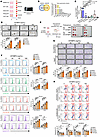 Figure 2
Identification of FABP4 as an important secretome conferring CSC properties in HCC cells. (A) Schematic diagram illustrating the workflow for collection of adipocyte-conditioned medium (ADCM), HCC cells only (HCCCM), ADCM cotreated with HCC cells (CAACM), and DMEM only (control) for mass spectrometry analysis. For further details, see Supplemental Figure 1A. (B) Venn diagram illustrating 61 proteins commonly found in both ADCM and CAACM (n = 1). Nine targets were found to be further upregulated in CAACM. (C) Secreted FABP4 in 72 hour-CM (n = 3). (D) Sphere formation assay demonstrated the role of recombinant human FABP4 (rhFABP4) in regulation of self-renewal ability of HCC cells (n = 4). Representative images of tumorspheres. Scale bar: 100 μm. (E) Schematic diagram of pretreatment of HCC cells with rhFABP4 for subcutaneous inoculation using NOD/SCID mice. Representative photos of tumors. Scale bars: 1 cm. (F) Expression of liver CSC markers including CD44, CD47, CD90, and CD133 (n = 4). (G) Migration (M) and invasive (I) abilities of HCC cells were evaluated (n = 4). Representative images of stained cells. Scale bar: 100 μm. (H) Apoptosis of pretreated HCC cells with either PBS (rhFABP4 0 ng/mL) or rhFABP4 induced by doxorubicin or sorafenib was measured (n = 4). Data represent mean ± SD. *P < 0.05, **P < 0.01, ***P < 0.001, ****P < 0.0001. C, D, and F–H: 1-way ANOVA followed by Tukey’s multiple-comparison test.
Genetic ablation of FABP4 delays the onset of tumor development in a MASLD-HCC mouse model. To determine the role of FABP4 in MASLD-HCC, we subjected Fabp4-KO (Fabp4–/–) male mice and their WT littermates to N-nitrosodiethylamine (DEN) treatment at 2 weeks of age and fed them a high-fat diet (HFD) at 6 weeks of age for 29 weeks to induce MASLD-HCC formation (Figure 3A). We did not detect any secreted FABP4 in the Fabp4–/– mice, and these mice exhibited significantly greater body weight than their WT counterparts (Figure 3B). Consistent with our hypothesis, we observed impaired tumor growth in Fabp4–/– mice, as evidenced by a significant decrease in liver mass and the number of tumor nodules (Figure 3C). The suppression of tumor growth was also reflected by histological staining and a significant decrease in the serum α-fetoprotein (AFP) level (Figure 3D). Interestingly, genetic loss of FABP4 attenuated liver steatosis, inflammation, and fibrosis, as demonstrated by steatosis and lobular inflammation scores, lipid deposition, reduced expression of inflammatory and fibrotic genes, collagen deposition, α-SMA expression, F4/80 macrophages, and M1/M2 macrophage ratio (Supplemental Figure 3, A–H). Our qPCR analysis revealed visceral adipocytes as the primary distant source of secreted FABP4 in mice with MASLD, contributing to the above liver phenotypes (Supplemental Figure 3I). This aligns with protein atlas single-cell data showing that adipocytes had the highest FABP4 expression among the cell types examined (Supplemental Figure 3J). Furthermore, we observed preferential colocalization of FABP4 with perilipin-1+ (PLIN1+) compared with CD31+ endothelial cells and F4/80+ macrophages, indicating that FABP4 was preferentially expressed in lipid droplets within steatotic hepatocytes (Figure 3E and Supplemental Figure 3K). The specificity of FABP4 as found in the lipid droplets was also evident in human fatty liver tissue (Figure 3F). These findings indicate that visceral adipocytes and lipid droplet-rich in steatotic hepatocytes were the major sources of secretory FABP4 in MASLD-induced mice.
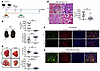 Figure 3
FABP4 deficiency delayed the onset of tumor development in DEN-injected and HFD-induced MASLD-HCC mouse model. (A) Schematic diagram showing establishment of DEN-injected and HFD-induced MASLD-HCC mouse model. (B) Representative photos of WT and Fapb4–/– mice after feeding with HFD for 29 weeks. Scale bar: 1 cm. Expression of FABP4 in mouse sera and body weight (WT n = 11 mice and Fabp4–/– n = 10 mice). (C) Representative photos of livers. Graphs showing liver mass and number of tumor nodules. Blue arrowheads: tumor nodules. Scale bars: 1 cm. (D) Representative images of H&E staining of the tumors (T). Expression of AFP in mouse sera. Scale bars: 100 μm. (E and F) Expression of FABP4 (green) and perilipin-1 (red) in mouse livers and human fatty liver tissue. DAPI: nuclei, blue; Scale bar: 100 μm and 50 μm, respectively. Data represent mean ± SD. **P < 0.01, ***P < 0.001, ****P < 0.0001, 2-tailed t test.
FABP4 is sporadically expressed in MASLD-induced HCC patients with clinical significance. Analysis of paired tumor and nontumor samples from The Cancer Genome Atlas Liver Hepatocellular Carcinoma (TCGA-LIHC) cohort showed no significant change in FABP4 expression (Figure 4A). However, nontumor samples from the same cohort indicated that patients with high FABP4 levels had shorter overall survival (Figure 4B). We further examined the effect of rhFABP4 in a more clinically relevant setting — an organotypic ex vivo culture of primary HCC tumor, i.e., HCC patient–derived organoids (HK-HCC P1 and HCC#23). rhFABP4 conferred self-renewal and increased the size of organoids and their proliferative rate in a dose-dependent manner (Figure 4, C and D). Likewise, the secretome in ADCM increased the invasiveness and proliferation rate of HCC organoids (Supplemental Figure 4, A and B). In our in-house MASLD-HCC mouse model, Fabp4 mRNA levels were significantly upregulated in MASLD-HCC, showing a gradient increase from steatosis to MASH and subsequently to HCC (Supplemental Figure 5). Patients with MASLD exhibiting high FABP4 expression were at an elevated risk for developing HCC (Figure 4E). Next, we examined the expression level of FABP4 in patients with MASLD-HCC. FABP4 was upregulated in MASLD-induced HCC clinical samples compared with their adjacent normal counterparts in a publicly available dataset and our in-house cohort (Figure 4F). Overexpression of FABP4 in these patients in a different cohort showed a trend of HCC recurrence (GSE214432, P = 0.0994, data not shown). To further confirm the specificity of FABP4 in MASLD-HCC, we compared serum samples from patients with steatosis, HBV-associated HCC, and MASLD-induced HCC. Our results indicated that serum FABP4 levels were significantly elevated in MASLD-HCC patients, with a mean level of 16.24 ng/mL, compared with both the HBV-HCC and steatosis groups. This underscores the specificity of FABP4 in MASLD-induced HCC (Figure 4G).
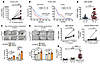 Figure 4
Clinical relevance of FABP4 in HCC. (A) FABP4 expression in paired non-tumor and tumor of HCC patients in the TCGA-LIHC cohort (P = 0.1080). (B) HCC patients with high FABP4 had a poorer overall survival rate than those with lower expression in non-tumor in TCGA-LIHC. (C) rhFABP4 conferred HCC patient–derived organoids with self-renewal ability (n = 3). (D) Growth of HCC patient–derived organoids upon administration of rhFABP4 (n = 5). Representative images of organoids. Scale bars in C and D: 250 μm. (E) FABP4 mRNA in patients with MASLD in GSE193080. (F) FABP4 expression in GSE146049 and 17 paired MASLD-HCC of in-house cohort by RNA-seq. (G) Serum FABP4 levels in patients with HBV-HCC, steatosis, and MASLD-HCC. Data represent mean ± SD. *P < 0.05, **P < 0.01, ***P < 0.001, ****P < 0.0001. A, E, F: 2-tailed t test; B: log-rank test; C, D, G: 1-way ANOVA followed by Tukey’s multiple-comparison test.
FABP4 activates the Wnt/β-catenin pathway via phosphorylation of AKT. To elucidate the mechanisms by which FABP4 regulates cancer stemness of HCC cells, we performed bulk RNA-seq profiling using PLC/PRF/5 cells that were pretreated with 0 ng/mL or 100 ng/mL rhFABP4 for 24 hours. Kyoto Encyclopedia of Genes and Genomes (KEGG) pathway enrichment analysis using the Database for Annotation, Visualization, and Integrated Discovery (DAVID; https://davidbioinformatics.nih.gov/) showed that PI3K/AKT signaling was enriched upon treatment with rhFABP4 (Figure 5A). Furthermore, we analyzed the enriched signaling pathways in tumors harvested from WT and Fabp4–/– mice after HFD feeding based on KEGG pathway enrichment analysis using the Partek Genomics Suite (Illumina) (Figure 5B). Among the top 10 enriched pathways, the Wnt signaling pathway was the only stemness-related pathway enriched in WT tumors (Figure 5C), in which Ctnnb1 was downregulated in Fabp4–/– tumors (data not shown). By Western blot analysis, we found that AKT was consistently activated through phosphorylation at Ser473 upon ADCM and rhFABP4 treatment, in turn leading to inactivation of GSK3β via phosphorylation at Ser9, which resulted in accumulation of total β-catenin (Figure 5D). Transactivation of β-catenin was also enhanced, as determined by TOP/FOP reporter assay (Figure 5E). We further confirmed that the protein level of β-catenin was significantly lower in liver tumors of Fabp4–/– mice (Figure 5F). Last, we confirmed the critical involvement of β-catenin in FABP4-mediated CSC function by suppressing this protein in rhFABP4-treated HCC cells (Figure 5G). The above results suggested that exogenous FABP4 regulates Wnt/β-catenin signaling through activation of PI3K/AKT in HCC cells.
 Figure 5
FABP4 activates the PI3K/AKT/Wnt/β-catenin signaling pathway. (A) RNA-seq was conducted on PLC/PRF/5 cells treated with rhFABP4. The differentially expressed genes (DEGs) with a fold change >1.5 were subjected to KEGG pathway enrichment. (B) Criteria for selection of DEGs upon RNA-seq in tumors from WT and Fabp4–/– mouse liver after HFD. (C) The top 10 enriched pathways were identified based on KEGG pathway enrichment analysis in from WT compared with Fabp4–/– mouse tumor. (D) Western blotting of HCC cells after treatment with either ADCM or rhFABP4. (E) Transactivating activity of β-catenin was examined after treatment with either ADCM or rhFABP4 for 24 hours (n = 3). (F) Immunohistochemical images of β-catenin in resected mouse livers (n = 8 mice). Scale bars: 50 μm. (G) Limiting dilution sphere analysis showed the role of rhFABP4 in regulation of self-renewal ability upon knockdown of CTNNB1 (n = 2). Data represent mean ± SD. *P < 0.05, **P < 0.01, ***P < 0.001. E left, F: 2-tailed t test; E right: 1-way ANOVA followed by Tukey’s multiple-comparison test; G: extreme limiting dilution analysis with χ2 test.
Exogenous FABP4 directly binds to the membrane receptor ITGB1, driving the PI3K/AKT/β-catenin signaling cascade. We employed mass spectrometry analysis to identify potential FABP4-binding receptors on the membrane surface of Huh7 cells using biotinylated rhFAPB4 (Figure 6A and Supplemental Figure 6, A–C). In total, 4 surface proteins were detected (Figure 6B). These surface proteins, together with FABP4 and the main canonical components controlling Wnt/β-catenin signaling, were subjected to STRING analysis. ITGB1 potentially interacted with AKT1, GSK3β, and CTNNB1 (β-catenin) (Figure 6C), suggesting that ITGB1 may play a role in the regulatory circuit through which FABP4 mediates the activation of Wnt/β-catenin signaling in HCC. Clinically, in HCC patients with a MASLD background, high ITGB1 expression was associated with a trend toward shorter overall survival (Figure 6D). Furthermore, we found that FABP4 expression was positively correlated with ITGB1 and CTNNB1 in MASLD-related HCC patients and MASLD patients at high risk of HCC (Figure 6E and Supplemental Figure 7). Consistent with the mass spectrometry findings, the immunoprecipitation data revealed a physical interaction between FABP4 and ITGB1 (Figure 6F). The physical interaction between the FABP4 and ITGB1 complex was further examined using molecular docking analysis. The protein-protein docking result demonstrated that the FABP4-ITGB1 complex was structurally robust (rank-sum score of 458), with a highly complementary binding interface that stabilized by a sophisticated network of high-affinity contacts (Supplemental Figure 6D). Stable knockdown of ITGB1 in HCC cells led to downregulation of p-AKT (Ser473) and p-GSK3β (Ser9), resulting in a reduction in total β-catenin accumulation and transactivation (Figure 6, G and H). The effects of exogenous FABP4 could be eliminated by repression of ITGB1 (Figure 6, G and H). Furthermore, we found that the enhancing effects of rhFABP4 on self-renewal ability, drug resistance, and migration and invasion capabilities were offset upon the repression of ITGB1 (Figure 6, I–K). Our in vivo observations also showed that suppression of ITGB1 mitigated the effect of rhFABP4-induced HCC tumor growth (Figure 6, L and M). Collectively, these data suggest that ITGB1 is a crucial membrane receptor that mediates cancer stemness and drug resistance in HCC cells via the PI3K/AKT/β-catenin signaling cascade.
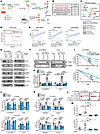 Figure 6
ITGB1 was identified as a receptor of exogenous FABP4 that mediates CSC functions by driving the PI3K/AKT/β-catenin signaling cascade. (A) Workflow for analysis of potential FABP4-binding proteins on the membrane surface of Huh7 cells using biotinylated rhFABP4 (n = 1). (B) Surface proteins detected with ≥2 unique peptides. (C) Interactions between potential FABP4-binding proteins and main players in Wnt/β-catenin signaling. (D) Among HCC patients with MASLD as risk factor in TCGA-LIHC, those with high ITGB1 had poorer overall survival rate than those with low ITGB1 (log-rank test). (E) According to GSE192959, GSE193080, and GSE193066, FABP4 was positively correlated with ITGB1 in patients with MASLD-related HCC and MASLD patients at high risk of HCC (Pearson’s correlation). (F) Reciprocal coimmunoprecipitation demonstrated the interaction between exogenous FABP4 and ITGB1 (n = 2). (G) Western blot analyses of shITGB1 HCC cells upon rhFABP4 treatment. (H) Transactivating activity of β-catenin was examined in shITGB1 HCC cells after treatment with rhFABP4 for 24 hours (n = 3). (I) Limiting dilution sphere analysis showed the role of ITGB1 in regulation of FABP4-driven self-renewal ability (n = 2). NTC, non-target control. (J) Apoptosis of ITGB1-silenced HCC cells pretreated with PBS (rhFABP4 0 ng/mL), rhFABP4 (100 ng/mL), doxorubicin, or sorafenib for 48 hours. n = 4–5. (K) Effect of rhFABP4 on cell migration and invasion upon silencing of ITGB1 (n = 4–6). (L) ITGB1-knockdown and control HCC cells pretreated with either PBS or rhFAPB4 at 100 ng/mL for 24 hours were subcutaneously inoculated into nude mice. Images of xenograft tumors. Scale bars: 1 cm. (M) Graphs showing the tumor masses (n = 5 mice per group). Data represent mean ± SD. *P < 0.01, **P < 0.01, ***P < 0.001, ****P < 0.0001. D: log-rank test; H, J, K, M: 1-way ANOVA followed by Tukey’s multiple-comparison test; I: extreme limiting dilution analysis with χ2 test.
Anti-FABP4 neutralizing mAb suppresses cancer stemness and inhibits tumor growth in a MASLD-HCC mouse model. We developed a monoclonal antibody targeting FABP4 (anti-FABP4 mAb, 3I19-1) and evaluated its therapeutic potential for MASLD-HCC. Among several ascites samples we generated, ascite 6 showed the greatest neutralizing effect on rhFABP4 in HCC cells and was selected for generation of purified anti-FABP4 mAb (Supplemental Figure 8). The specificity of the antibody was confirmed in DKK-tagged FABP4-overexpressing 293T cells via Western blotting, which revealed a clear band at approximately 12 kDa (Figure 7A). We next sought to examine the neutralizing effect of this anti-FABP4 mAb on FABP4-driven cancer stemness. The anti-FABP4 mAb effectively abolished the ability of rhFABP4 to enhance self-renewal, cell migration and invasion, and drug resistance (Figure 7, B–D). Furthermore, the neutralizing effect of the anti-FABP4 mAb on rhFABP4-induced tumor incidence rate and tumor growth was also evidenced in PLC/PRF/5 cells when these cells were cotreated with 100 ng/mL rhFABP4 prior to subcutaneous injection into nude mice (Figure 7, E–G). Next, we investigated the therapeutic potential of the anti-FABP4 mAb in suppressing tumor growth in a MASLD-HCC mouse model induced by orthotopic injection of RIL-175 mouse HCC cells into the liver of mice fed a HFD for 13 weeks (Figure 7H). We observed a drastic increase in the serum FABP4 level in the HFD group compared with the standard diet (STD) group (Figure 7I). After tumor development 1 week after implantation, anti-FABP4 mAbs were administered, at 400 μg, 800 μg, and 1,200 μg, via i.p. injection. After treatment for 17 days, 1,200 μg of the anti-FABP4 mAb effectively suppressed tumor growth (Figure 7, J–L). During this experiment, no obvious loss of body weight was observed in the animals (Supplemental Figure 9). Upon treatment, HCC cells showed a decreased number of proliferating cell nuclear antigen–positive (PCNA-positive) nuclei (Figure 7M). Additionally, expression levels of p-AKT (Ser473), p-GSK3b (Ser9), and β-catenin began to decrease with the introduction of anti-FABP4 antibody at concentrations as low as 400 μg (Figure 7N). Furthermore, FABP4 neutralization mitigated the steatotic and inflammatory states, as evidenced by decreased lipid accumulation, inhibition of inflammatory gene expression, and a reduced M1/M2 macrophage ratio (Supplemental Figure 10, A–D). Echoing the findings in the DEN-HFD MASLD-HCC mouse model, FABP4 was also found to be colocalized with lipid droplet–enriched steatotic hepatocytes (Supplemental Figure 10E). Taken together, these findings indicate that targeting adipocyte-derived FABP4 signaling pathway is a promising effective treatment for MASLD-related HCC.
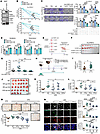 Figure 7
The effect of the anti-FABP4 mAb on CSC properties and tumor suppression in a MASLD-HCC mouse model. (A) Western blot showing specificity of FABP4 mAb. (B) Limiting dilution sphere analysis of the effect of rhFABP4 on HCC cells following treatment with FABP4 mAb (n = 2). (C) Effect of ablation of FABP4 on migration (M) and invasion (I) abilities of cells (n = 3–4). Representative images of stained cells. Scale bar: 200 μm. (D) Apoptosis of HCC cells treated with either PBS (0 ng/mL rhFABP4) or rhFABP4 (100 ng/mL) or in combination with the antiFABP4 mAb induced by doxorubicin or sorafenib for 48 hours (n = 4). (E) Workflow of pretreatment of HCC cells with rhFABP4 and anti-FABP4 mAb prior to subcutaneous inoculation in nude mice. (F) Images of xenograft tumors. Scale bar: 1 cm. (G) Graph showing the mass of xenograft tumors (n = 10 mice). (H) Experimental design for orthotopic MASLD-HCC mouse model with anti-FABP4 mAb treatment. (I) Serum FABP4 after 13 weeks of HFD or STD before orthotopic implantation (2-tailed t test). (J) Image of HCC tumors. Untreated HCC tumors of STD group were included. Scale bar: 1 cm. (K) Luciferase signal intensity of livers (STD: n = 4 mice and HFD: n = 6 mice per group). (L) Graph of mouse liver/body weight ratio. (M) Immunohistochemical images of PCNA in resected tumors (n = 5 random fields). Scale bars: 5 μm. (N) Expression of p-AKT (Ser473) (white), p-GSK3β (Ser9) (green), and β-catenin (red) in resected tumors (n = 5–10 random fields). Scale bars: 25 μm. B: extreme limiting dilution analysis with χ2 test; C, D, G, K–N: 1-way ANOVA followed by Tukey’s multiple-comparison test. DAPI: nuclei, blue. Data represent mean ± SD. *P < 0.05. **P < 0.01, ***P < 0.001, ****P < 0.0001.


Copyright © 2025 American Society for Clinical Investigation
ISSN: 0021-9738 (print), 1558-8238 (online)