
Advertisement
Research ArticleCell biologyInflammationNeuroscience
Open Access |  10.1172/JCI179985
Peroxisomal integrity in demyelination-associated microglia enables cellular debris clearance and myelin renewal in mice
Joseph A. Barnes-Vélez,1,2,3 Xiaohong Zhang,1 Yaren L. Peña Señeriz,4 Kiersten A. Scott,2 Yinglu Guan,1 and Jian Hu1,2,5
1Department of Cancer Biology, MD Anderson Cancer Center, Houston, Texas, USA.
2University of Texas MD Anderson Cancer Center UTHealth Graduate School of Biomedical Sciences, Houston, Texas, USA,
3University of Puerto Rico School of Medicine, San Juan, Puerto Rico.
4University of Puerto Rico at Cayey, Cayey, Puerto Rico.
5Cancer Neuroscience Program, MD Anderson Cancer Center, Houston, Texas, USA.
Address correspondence to: Jian Hu, 1881 East Rd, South Campus Research Building 3, Houston, Texas 77030, USA. Phone: 713.794.5238; Email: jhu3@mdanderson.org.
Find articles by Barnes-Vélez, J. in: PubMed | Google Scholar
1Department of Cancer Biology, MD Anderson Cancer Center, Houston, Texas, USA.
2University of Texas MD Anderson Cancer Center UTHealth Graduate School of Biomedical Sciences, Houston, Texas, USA,
3University of Puerto Rico School of Medicine, San Juan, Puerto Rico.
4University of Puerto Rico at Cayey, Cayey, Puerto Rico.
5Cancer Neuroscience Program, MD Anderson Cancer Center, Houston, Texas, USA.
Address correspondence to: Jian Hu, 1881 East Rd, South Campus Research Building 3, Houston, Texas 77030, USA. Phone: 713.794.5238; Email: jhu3@mdanderson.org.
Find articles by Zhang, X. in: PubMed | Google Scholar
1Department of Cancer Biology, MD Anderson Cancer Center, Houston, Texas, USA.
2University of Texas MD Anderson Cancer Center UTHealth Graduate School of Biomedical Sciences, Houston, Texas, USA,
3University of Puerto Rico School of Medicine, San Juan, Puerto Rico.
4University of Puerto Rico at Cayey, Cayey, Puerto Rico.
5Cancer Neuroscience Program, MD Anderson Cancer Center, Houston, Texas, USA.
Address correspondence to: Jian Hu, 1881 East Rd, South Campus Research Building 3, Houston, Texas 77030, USA. Phone: 713.794.5238; Email: jhu3@mdanderson.org.
Find articles by Peña Señeriz, Y. in: PubMed | Google Scholar
1Department of Cancer Biology, MD Anderson Cancer Center, Houston, Texas, USA.
2University of Texas MD Anderson Cancer Center UTHealth Graduate School of Biomedical Sciences, Houston, Texas, USA,
3University of Puerto Rico School of Medicine, San Juan, Puerto Rico.
4University of Puerto Rico at Cayey, Cayey, Puerto Rico.
5Cancer Neuroscience Program, MD Anderson Cancer Center, Houston, Texas, USA.
Address correspondence to: Jian Hu, 1881 East Rd, South Campus Research Building 3, Houston, Texas 77030, USA. Phone: 713.794.5238; Email: jhu3@mdanderson.org.
Find articles by Scott, K. in: PubMed | Google Scholar
1Department of Cancer Biology, MD Anderson Cancer Center, Houston, Texas, USA.
2University of Texas MD Anderson Cancer Center UTHealth Graduate School of Biomedical Sciences, Houston, Texas, USA,
3University of Puerto Rico School of Medicine, San Juan, Puerto Rico.
4University of Puerto Rico at Cayey, Cayey, Puerto Rico.
5Cancer Neuroscience Program, MD Anderson Cancer Center, Houston, Texas, USA.
Address correspondence to: Jian Hu, 1881 East Rd, South Campus Research Building 3, Houston, Texas 77030, USA. Phone: 713.794.5238; Email: jhu3@mdanderson.org.
Find articles by Guan, Y. in: PubMed | Google Scholar
1Department of Cancer Biology, MD Anderson Cancer Center, Houston, Texas, USA.
2University of Texas MD Anderson Cancer Center UTHealth Graduate School of Biomedical Sciences, Houston, Texas, USA,
3University of Puerto Rico School of Medicine, San Juan, Puerto Rico.
4University of Puerto Rico at Cayey, Cayey, Puerto Rico.
5Cancer Neuroscience Program, MD Anderson Cancer Center, Houston, Texas, USA.
Address correspondence to: Jian Hu, 1881 East Rd, South Campus Research Building 3, Houston, Texas 77030, USA. Phone: 713.794.5238; Email: jhu3@mdanderson.org.
Find articles by
Hu, J.
in:
PubMed
|
Google Scholar
|

Published November 6, 2025 - More info
J Clin Invest. 2026;136(1):e179985. https://doi.org/10.1172/JCI179985.
© 2025 Barnes-Vélez et al. This work is licensed under the Creative Commons Attribution 4.0 International License. To view a copy of this license, visit http://creativecommons.org/licenses/by/4.0/.
Received: February 2, 2024; Accepted: October 31, 2025


-
Results
Validation of PEX5 depletion in myeloid cells. We asked whether microglia intrinsically depend on peroxisomes to facilitate a response to demyelination. To address this question, we achieved PEX5cKO using Cx3cr1CreERT2/wt, Pex5lox/lox mice (11, 12), in which tamoxifen-inducible Cre recombinase drives PEX5 depletion in myeloid cells, including microglia. Cx3Cr1CreERT2/wt, Pex5lox/wt,wt/wt littermates served as controls. In vitro, 4-hydroxytamoxifen exposure downregulated both Pex5 mRNA and PEX5 protein in PEX5cKO bone marrow–derived macrophages relative to controls (Supplemental Figure 1, A–C; supplemental material available online with this article; https://doi.org/10.1172/JCI179985DS1). Because PEX5 loss undermines peroxisome biogenesis (13), we examined peroxisome integrity. Immunolabeling for peroxisome membrane protein 70 (PMP70) revealed that PEX5cKO macrophages, relative to controls, had fewer and larger PMP70+ punctae, suggestive of enlarged ghost peroxisomes or peroxisomal clumping (Supplemental Figure 1, D–F) indicative of disrupted peroxisome homeostasis (13).
Experimental design to assess the role of PEX5 in DMAMs. To evaluate the effects of PEX5 loss in DMAMs, we fed adult PEX5cKO and control littermates a 0.2% CPZ diet for 6 weeks (Supplemental Figure 1G). Two weeks prior to starting CPZ, both PEX5cKO and control littermates received tamoxifen (2 mg daily, 5 consecutive days) to induce PEX5 KO and enable turnover of healthy peroxisomes to dysfunctional peroxisomes (14). After 6 weeks of CPZ, brain samples were collected to assess peak demyelination. Baseline condition consisted of PEX5cKO and control littermates fed standard chow throughout the study (Supplemental Figure 1G). Whole-brain samples were collected and submitted to single-nuclei RNA-Seq (snRNA-Seq) for transcriptional profiling of the cell types of interest.
PEX5 loss diverges DMAM evolution after demyelination. After quality control, dimensionality reduction, cell clustering, and cell marker–based annotation (Supplemental Figure 2, A–C, and Supplemental Table 1), we detected 29 cell clusters, 24 of which were neuronal (Syt1 enriched) and further categorized into glutamatergic (expressing Slc17a7 and Slc17a6) and GABAergic (expressing Gad1 and Gad2) subtypes (Figure 1, A and B, and Supplemental Figure 2C). Non-neuronal clusters included oligodendrocytes, immune cells, oligodendrocyte progenitor cells (OPCs), astrocytes, and vascular leptomeningeal cells (Figure 1A and Supplemental Figure 2C). Samples from the CPZ group exhibited oligodendrocyte loss alongside increased immune cell and OPC counts relative to baseline (Figure 1B); these findings were consistent with oligodendrocyte cell death, inflammation, and increased remyelination-mediating OPCs expected with CPZ exposure (15).
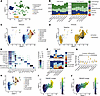 Figure 1
DMAM2 cluster emerges from PEX5cKO microglia after demyelination. (A) Uniform manifold approximation and projection (UMAP) of combined whole-brain nuclei detected from baseline and CPZ conditions colored according to major cell-type identity. (B) Cell count and cell fraction per major cell type identified in baseline and CPZ conditions across PEX5cKO and control (Ctrl) samples. (C) UMAP of immune subclusters colored according to subcluster identity and split by conditions. (D) UMAP of immune subclusters colored according to genotype and split by condition. (E) Average gene expression of marker genes per immune subcluster. Dot color and size correspond to average expression and percentage expressed, respectively. (F) Cell count and cell fraction per immune subcluster identified within each library generated from baseline (n = 1 per genotype) and CPZ (n = 3 per genotype) conditions. (G) Cell fraction log2 fold change relative to control per immune subcluster. Individual data points correspond to libraries generated from the CPZ condition. Bars correspond to the mean log2 fold change. *P < 0.05, unpaired, 2-tailed t test. (H) Inferred lineages for microglial subclusters derived from slingshot analysis superimposed onto immune cell UMAP, with the homeostatic subcluster designated as the origin cluster. (I) Pseudotime trajectory for DMAM1 lineage. (J) Pseudotime trajectory for DMAM2 lineage. Ave., average; IRM, interferon-responsive microglia; VLMC, vascular and leptomeningeal cell.
Because PEX5 loss was targeted to myeloid cells and microglia, we performed immune cell subanalysis. Among immune cells, we detected 9 subclusters, of which 7 comprised microglia, characterized by Hexb and Tgfbr1 enrichment (Figure 1, C–E, and Supplemental Table 2). The remaining 2 nonmicroglial clusters included macrophages (expressing Mrc1 and F13a1) and lymphocytes (expressing Skap1 and Itk) (Figure 1E). Under baseline conditions, the bulk of microglia expressed the homeostatic genes P2ry12 and Cx3cr1 (16) (Figure 1, C, E, and F).
Within the CPZ arm, microglia underwent a marked shift in cell states. Microglia exhibiting intermediate expression of activation-related genes (Axl, Apoe) were labeled as intermediate microglia (Figure 1E). Microglia that strongly upregulated activation-related genes and downregulated homeostatic genes were classified as DMAMs and were subclassified into 3 clusters labeled DMAM0, DMAM1, and DMAM2 (Figure 1E). Relative to DMAM0, the DMAM1 and DMAM2 clusters acquired additional markers beyond hallmark activation genes. Among marker genes, DMAM1 exhibited high expression of Lpl and Csf1 and intermediate expression of Lgals3, whereas DMAM2 demonstrated high expression of Lgals3 and high expression of Gpnmb (Figure 1, C and E). Consistent with an inflammatory response, we also identified proliferating microglia (i.e., cycling) and interferon-responsive microglia enriched for interferon pathway genes (Figure 1E).
Notably, the DMAM2 cluster was almost exclusively identified in PEX5cKO samples within the CPZ arm, whereas control DMAMs predominantly consisted of DMAM0 and DMAM1 clusters (Figure 1F). Fold-change analysis confirmed a significant increase in the DMAM2 cell fraction in PEX5cKO CPZ samples, accompanied by a reduction in DMAM0 and DMAM1 cell fractions relative to control CPZ samples (Figure 1G).
We next performed pseudotime analysis to elucidate the developmental trajectory of the DMAM clusters (17). Selecting homeostatic microglia as the origin cluster, pseudotime analysis revealed a sequential developmental trajectory of homeostatic microglia into intermediate and DMAM0 microglia (Figure 1H). From the DMAM0 state, activated microglia then diverged into DMAM1 or DMAM2 states (Figure 1, H–J). Coupling pseudotime and fold-change analyses indicated that PEX5cKO reprogrammed the DMAM evolution, redirecting DMAMs away from the DMAM1 state and toward the PEX5cKO-enriched DMAM2 state.
PEX5cKO undermines Apoe expression in activated microglia. To identify molecular changes driving the altered DMAM states downstream of PEX5 depletion, we performed pseudobulk analysis comparing control and PEX5cKO genotypes across the immune clusters within the CPZ arm. Using an adjusted P-value cutoff of 0.15, we identified relatively few differentially expressed genes (DEGs) across the subclusters (Figure 2A and Supplemental Table 3). No DEGs were identified in the DMAM2 cluster, likely because the cluster predominantly comprised PEX5cKO cells (Figure 2A). However, triangulation of downregulated DEGs revealed that Apoe expression was decreased in PEX5cKO samples across the DMAM0, DMAM1, and intermediate clusters (Figure 2B). The Apoe gene encodes for apolipoprotein E (APOE), a critical activation-related protein. Apoe expression is strongly induced in DMAMs after demyelination, as was observed in our snRNA-Seq data (Figure 2C), which demonstrated both increased average as well as higher percent expression of Apoe in intermediate and DMAM clusters relative to homeostatic microglia. However, Apoe expression in the intermediate and DMAM clusters was significantly impaired in PEX5cKO samples (Figure 2D). Thus, Apoe expression in the context of CPZ-induced demyelination is dependent on PEX5 and, presumably, peroxisome integrity in microglia.
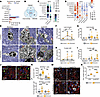 Figure 2
PEX5 loss impairs Apoe expression, aggravating lipid droplet burden and promoting lipid crystal accumulation. (A) Upregulated and downregulated pseudobulk-derived DEGs per immune subcluster. Numbers over bars indicate DEG count >0. (B) Venn diagram triangulating downregulated DEGs detected in DMAM0, DMAM1, and intermediate subclusters. (C) Apoe average expression per immune subcluster split by genotype. (D) Per immune subcluster Apoe-scaled expression across libraries within the CPZ condition. (E) Representative TEM micrographs of phagocytes. Red circles and red arrowheads mark lipid droplets and crystal clefts, respectively. Nonphagocyte area is shaded blue to ease visualization of phagocyte. Scale bar: 2.0 μm. (F) Lipid droplet–positive cells as fraction of total cells imaged. (G) Lipid droplet count per cell assessed. (H) Crystal-positive cells as a fraction of total cells imaged. (I) Crystal cleft count detected per cell. (J) Representative micrographs for BODIPY and lectin staining within the CPZ condition. Nuclei are stained with propidium iodide dye. Scale bar: 10 μm. (K) BODIPY–positive cell count /mm2. (L) BODIPY–positive droplet count per lectin–positive cell. (M) Representative micrographs of dual confocal and reflective microscopy imaging lectin stain and reflective particles (Ref. Par.). Nuclei are stained with propidium iodide. Scale bar: 10 μm. (N) Average area of reflective particle microclusters. (E–N) Representative images were acquired from corpus callosum; cells analyzed and quantitated were imaged from corpus callosum. (F, H, K, and N) Individual data points correspond to biological replicates. (F and H) Square and error bar correspond to mean and SD, respectively. (G, I, and L) Data points represent dataset outliers. Cell number assessed per group are given below each box plot. Statistical analysis for F–I, K, L, and N) involved ANOVA followed by Tukey’s HSD. Adjusted P values are indicated as follows: NS indicates P > 0.05; *P < 0.05, **P < 0.01, ***P < 0.001, ****P < 0.0001. IRM, interferon-responsive microglia; Pos, positive.
Impaired Apoe expression correlates with exacerbated lipid droplet accumulation and crystal precipitation in PEX5cKO tissue. After cell debris uptake, DMAMs upregulate lipid droplet biogenesis and Apoe-dependent lipid export (18). Apoe downregulation and impaired lipid export undermine the pro-remyelinating properties and exacerbate lipid droplet burden in microglia (19). To assess for lipid droplets, we used transmission electron microscopy (TEM) to quantitate lipid droplets within lesion-associated phagocytes. Additionally, to assess the impact of PEX5 depletion on remyelination, a third experimental arm was added, wherein after 6 weeks of a CPZ diet, PEX5cKO and control littermates were switched back to standard chow for 10 days (post-CPZ) (Supplemental Figure 1G).
Using TEM, lipid droplets were visualized in CPZ and post-CPZ conditions relative to baseline, consistent with the expected increase in lipid droplet biogenesis in DMAMs during demyelination (Figure 2, E–G). In agreement with impaired Apoe gene expression, we observed that lipid droplet counts per phagocyte were elevated in PEX5cKO relative to controls in both the CPZ and post-CPZ conditions (Figure 2, E–G). Lipid droplet burden peaked in the CPZ arm and declined in the post-CPZ arm for both PEX5cKO and controls, indicating that although PEX5 loss exacerbated lipid droplet burden, lipid droplet clearance remained intact (Figure 2, E–G).
Lipid droplet processing requires the export of cholesterol via lipoproteins, including APOE (20). Control DMAMs expressing APOE are expected to more effectively extrude lipids via lipoprotein-dependent mechanisms. Apoe downregulation in PEX5cKO DMAMs suggests the resolution of lipid droplets was associated with defective lipid export. Impaired lipid export after lipid droplet catabolism can lead to aberrant accumulation of lipids in other subcellular structures, including lipid crystals (19). Elevated intracellular sterol concentration secondary to APOE loss in myelin debris–clearing microglia is associated with sterol crystal precipitation (19). Accordingly, we observed a marked increase in crystal clefts within PEX5cKO phagocytes (Figure 2, H and I). Both frequency of crystal positive phagocytes and per-cell crystal burden peaked in PEX5cKO post-CPZ samples, following an inverse trend relative to lipid droplet burden (Figure 2, H and I). In contrast, crystals were less frequently observed in control samples during demyelination and remained undetected within control post-CPZ samples (Figure 2, H and I). Therefore, unlike in control samples, lipid droplet resolution in PEX5cKO samples was directly associated with crystal accumulation.
Consistent with the TEM analysis, lipid droplets were readily detected in lectin+ phagocytes after demyelination using BODIPY dye (Figure 2J). Although BODIPY+ cell counts resolved in the post-CPZ arm across genotypes (Figure 2K), BODIPY+ punctae remained increased in PEX5cKO lectin+ phagocytes relative to controls (Figure 2L), thus validating our TEM assessment that PEX5 loss exacerbated lipid droplet burden without blocking lipid droplet resolution. Crystals in tissue can be detected as reflective particles, using reflection microscopy. Accordingly, dual confocal and reflection microscopy detected microclusters of reflective particles within lectin+ phagocytes in both the CPZ and post-CPZ conditions (Figure 2, M and N). Importantly, the average area for reflective particle microclusters was significantly higher in PEX5cKO lectin+ phagocytes relative to controls and increased in the post-CPZ condition relative to the CPZ condition, suggestive of higher crystal burden in PEX5cKO post-CPZ samples after lipid droplet resolution (Figure 2, M and N). Thus, our tissue-staining, reflective microscopy, and electron microscopy data are consistent with impaired lipid processing in PEX5cKO DMAMs.
In summary, control samples exhibited an expected pattern of lipid droplet biogenesis and resolution within the CPZ and post-CPZ conditions. In contrast, PEX5cKO DMAMs exhibited an exacerbated burden of lipid droplets and accumulation of intracellular crystals correlating with lipid droplet resolution.
Impaired lipophagy in PEX5cKO correlates with intralysosomal crystals and curvilinear profiles. Lipid droplets are processed in part by lipophagy, which enables autophagy-mediated lipid catabolism through fusion of lipid droplets with lysosomes (21, 22). In control samples after CPZ-mediated demyelination, large (0.75 μm2 and 1.08 μm2 median areas in CPZ and post-CPZ arms, respectively), polymorphic, electron-dense lysosomes (PEDLs) were observed fusing with lipid droplets within phagocytes, which is suggestive of lipophagy (Figure 3A). The frequency and intracellular count of PEDLs peaked during demyelination and correlated with the peak lipid droplet density already described (Figure 3, B and C).
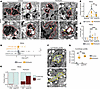 Figure 3
PEX5cKO phagocytes exhibit intralysosomal crystals and cytosolic curvilinear profiles. (A) Representative transmission electron micrographs of PEDLs indicated with a imaged phagocyte outlined in red. Yellow asterisks mark PEDLs fusing with lipid droplets, evocative of lipophagy. Yellow arrows indicate intralysosomal crystal clefts. Scale bar: 1.0 μm. (B) PEDL-positive cell quantification as fraction of total cells imaged. Individual data points correspond to biological replicates. Square and error bar correspond to mean and SD, respectively. (C) PEDL count per cell. Data points correspond to outliers and number of cells assessed are given below each box plot. (D) Area, in μm2, per crystal-free PEDL grouped by genotype and condition. PEDL count and median area are indicated in parentheses. Data points correspond to outliers. (E) Fraction of summed PEDLs corresponding to crystal-free and -positive PEDLs, grouped by genotype and condition. Crystal-positive PEDL counts are indicated below stacked bars. Crystal-free and -positive sums are indicated in parentheses. (F) Representative transmission electron micrographs of curvilinear profiles detected in phagocytes within corpus callosum after CPZ exposure. Green arrowheads indicate representative curvilinear profiles. Yellow border surrounds cluster of curvilinear profiles. Scale bars: 1.0 μm. (G) Curvilinear profile–positive cells as fraction of total cells imaged. Individual data points correspond to biological replicates. All representative images were acquired from corpus callosum. Quantifications only used cells imaged from corpus callosum. (B, C, and G) Statistical analysis for included ANOVA followed by Tukey’s HSD. Adjusted P values are indicated as follows: NS indicates P > 0.05; *P < 0.05, **P < 0.01, ***P < 0.001, ****<0.0001. (D) Unpaired, 2-tailed t test, *P < 0.05.
Interestingly, relative to controls, PEDLs were scarcer in PEX5cKO phagocytes (Figure 3, B and C) and had smaller areas (0.65 μm2 and 0.51 μm2 median areas in CPZ and post-CPZ, respectively) (Figure 3D). Moreover, PEX5cKO phagocytes had a higher incidence of crystal clefts within PEDLs (Figure 3E), suggestive of impaired lipid extraction from lysosomes, leading to lipid accumulation and crystal precipitation. Thus, loss of PEX5 and peroxisome integrity present with findings suggestive of impaired intracellular lipid processing after debris engulfment, including lipophagy disruption and accumulation of intralysosomal crystals.
In addition to intralysosomal crystal accumulation, we observed the formation of hypodense, curvilinear profiles within PEX5cKO phagocytes during and after CPZ exposure (Figure 3F), with greater than 50% of PEX5cKO phagocytes in the post-CPZ condition presenting with the same profiles (Figure 3G). Pathology reports described the occurrence of laminar profiles in brain phagocytes in cases with adrenoleukodystrophy that were hypothesized to consist of lipid deposits with very-long-chain fatty acids (23, 24). The enrichment of curvilinear profiles in PEX5cKO phagocytes therefore raises the possibility of a convergence in pathologies between brain phagocytes in CPZ-fed PEX5cKO mice and adrenoleukodystrophy.
PEX5cKO DMAMs exhibit exacerbated GAL3 response and lysosome turnover. Intralysosomal crystals can compromise lysosome integrity and induce cell stress (19). Accordingly, PEX5cKO samples had a significantly higher number of cycling microglia (Figure 1G), suggestive of higher microglial turnover secondary to cell death from lysosome injury. Additionally, snRNA-Seq revealed an increase in Lgals3 expression in the DMAM2 state enriched in PEX5cKO samples (Figure 1E). Lgals3 encodes for galectin 3 (GAL3), a glycoprotein-binding factor involved in lysosome damage response (25, 26). Whereas Lgals3 was almost undetectable in homeostatic and intermediate microglial clusters, Lgals3 achieved low expression in DMAM0 and interferon-responsive microglia clusters, and intermediate and high expression in DMAM1 and DMAM2 clusters, respectively (Figure 1E). The expression pattern for Lgals3 is consistent with previous reports describing GAL3 upregulation in activated, but not resting, microglia (27). Consistent with the paucity of DMAMs at the baseline condition, immunofluorescence analysis demonstrated that GAL3+ cells were nearly undetectable in both control and PEX5cKO baseline samples (Figure 4, A and B). In the CPZ arm, GAL3+ cell counts significantly increased, reflecting the emergence of DMAMs during demyelination. In the post-CPZ arm, GAL3+ cell counts dropped, consistent with a resolution in demyelination (Figure 4, A and B). Overall, GAL3+ staining correlated with the expected dynamics for DMAM cell counts associated with CPZ use.
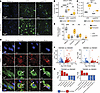 Figure 4
Exacerbated GAL3 response and lysosome turnover in PEX5cKO DMAMs. (A) Representative micrographs for GAL3 immunofluorescence within corpus callosum. Nuclei are stained with Hoescht dye. Scale bar: 25 μm. (B) GAL3+ cell count per mm2 of corpus callosum. Individual data points correspond to biological replicates. (C) Average GAL3 fluorescence integrated density (Int. Den.) per GAL3+ cell. Individual data points correspond to biological replicates. (D) Representative micrographs of GAL3+ cells with punctae (arrows), condensed (arrowheads), and mixed staining patterns, which frequently colocalize with LAMP1 staining (asterisk). Scale bar = 5 μm. (E) Percentage of GAL3+ cells subdivided by staining pattern represented in D. Individual data points correspond to biological replicates. Color corresponds to genotype, and data point shape corresponds to condition. (F) Upregulated (red) (–log10 adjusted P > 2.0; log2 fold change > 0.25) and downregulated (blue) (–log10 adjusted P > 2.0; log2 fold change < –0.25) DEGs detected in the DMAM2 subcluster relative to DMAM0 (left) and DMAM1 (right) subclusters, respectively. (G) Top 3 enriched and reduced KEGG pathways in DMAM2 relative to DMAM0 (left) and DMAM1 (right) subclusters, respectively. (A–E) Representative images were acquired from corpus callosum. Quantifications only used cells imaged from corpus callosum. (B and C) Statistical analysis included ANOVA followed by Tukey’s HSD. (E) FDR-adjusted, 2-tailed t test. Adjusted P values are indicated as follows: NS indicates P > 0.05; *P < 0.05, ** P < 0.01, *** P < 0.001, **** P < 0.0001. p.adj., adjusted P value.
GAL3+ cell counts did not substantially differ between the PEX5cKO and control samples under CPZ and post-CPZ conditions (Figure 4B). However, in agreement with the transcriptomic analysis, PEX5 depletion increased GAL3 staining intensity per cell relative to controls after CPZ-mediated demyelination (Figure 4C). Thus, PEX5 KO promoted a shift favoring GAL3-high expressing DMAMs, congruent with the enrichment of Lgals3-high expressing DMAM2 cluster in PEX5cKO samples.
In addition to increased GAL3 expression, PEX5cKO DMAMs also exhibited greater formation of intracellular GAL3+ punctae that frequently colabeled with lysosomal-associated membrane protein 1 (LAMP1) (Figure 4, D and E). After lysosome injury, GAL3 localizes to the exposed lysosomal lumen, enabling a signaling cascade driving lysosome repair and turnover (28). GAL3 upregulation and robust formation of GAL3+ punctae in PEX5cKO DMAMs suggested an intact response to lysosome injury expected with intralysosomal crystals detected with TEM. Accordingly, using DEG and pathway enrichment analyses between clusters, we observed that relative to both DMAM1 and DMAM0, the DMAM2 cluster was significantly enriched for the lysosome gene pathway, which is compatible with elevated lysosome turnover secondary to injury and expected with an activated, GAL3-dependent injury response. (Figure 4, F and G, and Supplemental Table 4).
Thus, transcriptomic and imaging data indicate PEX5 KO and loss of peroxisome integrity undermine lysosome-mediated degradation of lipids traceable through intralysosomal crystals, GAL3 upregulation and redistribution, and increased lysosome turnover.
Myelin-debris uptake in PEX5cKO macrophages can partially reproduce the DMAM2 cluster-associated signature. Our data indicate that DMAMs responding to demyelination depend on PEX5 for mitigating crystal accumulation. A primary function of DMAMs is myelin-debris clearance. To assess whether perturbations in PEX5cKO DMAMs were unmasked by myelin-debris uptake, we asked whether challenging PEX5cKO macrophages with myelin debris could replicate DMAM2 cluster-associated signatures.
We generated bone marrow–derived macrophages from control and PEX5cKO littermates. In all conditions, culture medium was supplemented with 4-hydroxytamoxifen to enable PEX5 depletion. Macrophages were supplemented with purified myelin debris for 24 hours and 72 hours and collected for bulk RNA-Seq. Myelin debris–naive macrophages (resting) served as baseline references (Supplemental Figure 3A).
Principal component analysis (PCA) and DEG analysis demonstrated that PEX5 KO had a subdued impact under baseline conditions, with minimal separation between resting macrophage transcriptomes (Supplemental Figure 3B), consistent with our findings in vivo where PEX5cKO and control homeostatic microglia remained comparable. Next, after myelin-debris engulfment, macrophage transcriptomes diverged significantly between the PEX5cKO and control genotypes (Supplemental Figure 3B), with the number of DEGs increasing to 244 at 24 hours, and further increasing to 1,115 after 72 hours of myelin-debris exposure (Supplemental Figure 3C and D, and Supplemental Table 5). The higher DEG count in bone marrow–derived macrophages relative to DMAMs likely reflected a higher sensitivity to transcriptomic changes afforded by deeper bulk sequencing relative to snRNA-Seq and inherent differences between bone marrow–derived macrophages and microglia and between in vitro and in vivo conditions. However, 16 of 87 DEGs upregulated in the DMAM2 cluster relative to DMAM1 were also upregulated in PEX5cKO macrophages relative to control after 72 hours of myelin exposure (Supplemental Figure 3E). Importantly, the shared DEGs included Gpnmb and Lgals3 (Supplemental Figure 3, E and F). Additionally, pathway enrichment analysis exhibited enrichment for lysosome pathways in PEX5cKO macrophages relative to controls across both time points of myelin-debris exposure, as had been seen with DMAM2 (Supplemental Figure 3G).
Interestingly, Apoe expression was not affected by PEX5 status in bone marrow–derived macrophages, either at baseline or following myelin-debris exposure, indicative that reliance of Apoe expression on PEX5 remains context or cell-type dependent (Supplemental Figure 3F). However, Ingenuity pathway upstream regulator activity analysis inferred impaired APOE activity at both time points of myelin-debris exposure (Supplemental Figure 3H), indicating that although Apoe expression remained intact in PEX5cKO macrophages, APOE-related pathways were deficient, including reduced expression of Abca1 (Supplemental Figure 3F). Finally, gene set enrichment analysis of transcriptional signatures derived from published snRNA-Seq datasets demonstrated that foamy microglia signatures were enriched in PEX5cKO macrophages relative to control post–myelin debris uptake (Supplemental Figure 3I and Supplemental Table 6), consistent with the exacerbated lipid laden phenotype we observed in vivo in PEX5cKO DMAMs.
In summary, myelin-debris uptake in PEX5cKO bone marrow–derived macrophages can partially reproduce the molecular signature associated with the DMAM2 cluster, indicating that myelin debris uptake in PEX5cKO phagocytes is a contributing factor to DMAM2 cluster emergence.
Emergence of the DMAM2 cluster in PEX5cKO samples correlates with impaired remyelination. To assess the impact of DMAM disruption on remyelination, we analyzed the oligodendroglia lineage within the snRNA-Seq dataset. Our dataset included OPCs and 9 subclusters of Mbp+ oligodendrocytes (Supplemental Figure 4, A and C, and Supplemental Table 7). Cell-marker annotation elucidated committed oligodendrocyte progenitors and newly formed oligodendrocytes notable for Frm4da and Tcf7l2 enrichment (Supplemental Figure 4, A and C); myelin-forming oligodendrocytes (MFOLs), which upregulated Man1a and Synpr and myelin genes including Mog and Mobp (Supplemental Figure 4, A and C); and mature oligodendrocytes (MOL), which downregulated immature marker Pcdh7 and upregulated the genes Il33 and Ptgds associated with MOL subtype 5/6 (MOL5/6) or the gene Anln associated with MOL subtype 2 (MOL2) (Supplemental Figure 4, A and C). We also detected 2 additional variations of MOL5/6 notable for enrichment of Adgrv1 (Adgrv1+ MOL5/6) and Clca4a (Clca4a+ MOL5/6).
In the CPZ arm, we observed the emergence of a demyelination-associated oligodendrocyte (DOL) cluster notable for enrichment for Tenm4 expression and only weak expression of MOL5/6 and MOL2 markers (Supplemental Figure 4, A and C). Two additional clusters emerged—Sox6-high DOLs (Sox6+ DOL) and interferon-responsive oligodendrocytes—with interferon pathway gene upregulation (Supplemental Figure 4, A and C). Interestingly, pseudotime analysis indicated that DOLs emerged from MFOLs in the context of CPZ exposure, suggesting that continual exposure to CPZ shifts MFOLs from the MOL lineage and toward the DOL state (Supplemental Figure 4F).
PEX5cKO status did not significantly affect cell cluster fractions when assessing fold-change relative to controls (Supplemental Figure 4, B, D, and E). Moreover, pseudobulk analysis between PEX5cKO and controls across clusters revealed relatively few DEGs (Supplemental Table 8). Interestingly, DOLs demonstrated a marked upregulation of Apod gene expression (Supplemental Figure 4, G–I), which is associated with oligodendrocyte stress response during ischemia (29, 30) and is suggestive of an elevated stress-promoting environment secondary to PEX5 KO in DMAMs.
Immunofluorescence analysis demonstrated that SOX10+, ASPA+ oligodendrocyte cell counts and PDGFRα+ OPCs remained comparable between PEX5cKO and controls across the baseline, CPZ, and post-CPZ conditions (Figure 5). However, we detected reduced myelin basic protein (MBP) staining in PEX5cKO samples relative to controls (Figure 6, A and B) in the CPZ and post-CPZ conditions. The MBP deficit between PEX5cKO and controls indicated a disruption in remyelination, which begins by 6 weeks of CPZ-diet consumption (15). TEM analysis validated a reduction in myelinated axon counts in PEX5cKO relative to the control, most prominently in the post-CPZ arm (Figure 6, C and D). Likewise, within the post-CPZ condition, we observed an elevated myelin g-ratio in PEX5cKO samples relative to controls, which is consistent with impaired remyelination (Figure 6, E and F). Furthermore, we observed an aggravated burden of injured axons detectable as deposits of synaptophysin in the corpus callosum of PEX5cKO animals relative to controls during remyelination, which is indicative of a higher incidence of axon damage associated with impaired remyelination (Supplemental Figure 4, J and K) (31).
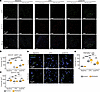 Figure 5
Oligodendrocyte density remains comparable between PEX5cKO and control genotypes across conditions. (A) Representative confocal micrographs for ASPA and SOX10 immunofluorescence. Nuclei are stained with Hoescht dye. Scale bar: 75 μm. (B) SOX10+ cell count per mm2 in corpus callosum. (C) ASPA+, SOX10+ cell count per mm2 in corpus callosum. (D) Representative confocal micrographs for PDGFRα+ immunofluorescence. Nuclei are stained with Hoescht dye. Scale bar: 10 μm. (E) PDGFRα+ cell count per mm2 in corpus callosum. A–E) Representative images were acquired from corpus callosum. Quantifications only used cells imaged from corpus callosum. Individual data points per box plot correspond to biological replicates. (B, C, and E) Statistical analysis for included ANOVA followed by Tukey’s HSD, Adjusted P values are indicated as follows: NS indicates P > 0.05; ***P < 0.001, ****P < 0.0001.
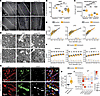 Figure 6
PEX5 deficiency in microglia impairs myelin-debris clearance and remyelination. (A) Representative confocal micrographs for MBP immunofluorescence. Nuclei are stained with Hoescht dye. White dotted lines correspond to corpus callosum borders. Scale bars: 75 μm. (B) MBP+ percent area fluorescence. Individual data points correspond to biological replicates. (C) Myelinated axon count per mm2 of tissue. Number of micrographs analyzed are given below each box plot. (D) Representative transmission electron micrographs of myelinated axons. Scale bar: 2.0 μm. (E) Myelinated axon g-ratio distribution across axon diameters. Lines correspond to linear regression. Number of myelinated axons analyzed are given and colored according to genotype. (F) Myelinated axon g-ratio binned across axon diameters rounded to the nearest 0.1 decimal. Number of myelinated axons analyzed are given below each box plot. (G) Representative confocal micrographs for IBA1, GAL3, and dMBP immunofluorescence within the corpus callosum. Nuclei are stained with Hoescht dye. Scale bar: 10 μm. (H) dMBP+ area fluorescence (fluor.) per IBA1+, GAL3+ cell assessed. Data points correspond to biological replicates. (I) Average gene expression of Igf1 scaled across biological replicates per immune subcluster detected within the CPZ condition. Dot color and size correspond to scaled gene expression and percentage expressed, respectively. (B and C) Statistical analysis included ANOVA followed by Tukey’s HSD comparison. (F) FDR-adjusted, 2-tailed t test. Adjusted P values are indicated as follows: NS indicates P > 0.05; *P < 0.05, **P < 0.01, ***P < 0.001, ****P < 0.0001. (H) Unpaired, 2-tailed t test, *P < 0.05. (A–H) Representative images were acquired from corpus callosum. Quantifications only used cells imaged from corpus callosum. (C, E, and F) Mice used per genotype for baseline, CPZ, and post-CPZ conditions were 2, 3, and 4, respectively.
Impaired myelin-debris clearance or loss of pro-remyelination factors provided by microglia can undermine remyelination (8). Accordingly, within DMAMs, we observed a marked accumulation of degraded myelin basic protein (dMBP), a marker for myelin debris, suggestive of a disruption in myelin-debris clearance (Figure 6, G and H). We also observed a decrease in pro-remyelinating factor Igf1 expression in PEX5cKO DMAMs relative to controls (Figure 6I).
In summary, we report that loss of PEX5 and peroxisome integrity in DMAMs profoundly disrupts DMAM homeostasis and has adverse consequences reflected in impaired remyelination driven in part by loss of pro-remyelinating factors and impaired myelin-debris clearance.


Copyright © 2026 American Society for Clinical Investigation
ISSN: 0021-9738 (print), 1558-8238 (online)