
Go to JCI Insight
  • About
  • Editors
  • Consulting Editors
  • For authors
  • Journal stats
  • Publication ethics
  • Publication alerts by email
  • Advertising
  • Job board
  • Contact
  • Clinical Research and Public Health
  • Current issue
  • Past issues
  • By specialty
    • COVID-19
    • Cardiology
    • Gastroenterology
    • Immunology
    • Metabolism
    • Nephrology
    • Neuroscience
    • Oncology
    • Pulmonology
    • Vascular biology
    • All ...
  • Videos
    • ASCI Milestone Awards
    • Video Abstracts
    • Conversations with Giants in Medicine
  • Reviews
    • View all reviews ...
    • The cGAS-STING pathway: DNA sensing in health and disease (Jun 2026)
    • Neurodegeneration (Mar 2026)
    • Clinical innovation and scientific progress in GLP-1 medicine (Nov 2025)
    • Pancreatic Cancer (Jul 2025)
    • Complement Biology and Therapeutics (May 2025)
    • Evolving insights into MASLD and MASH pathogenesis and treatment (Apr 2025)
    • Microbiome in Health and Disease (Feb 2025)
    • View all review series ...
  • Viewpoint
  • Collections
    • In-Press Preview
    • Clinical Research and Public Health
    • Research Letters
    • Letters to the Editor
    • Editorials
    • Commentaries
    • Editor's notes
    • Reviews
    • Viewpoints
    • 100th anniversary
    • Top read articles

  • Current issue
  • Past issues
  • Specialties
  • Reviews
  • Review series
  • ASCI Milestone Awards
  • Video Abstracts
  • Conversations with Giants in Medicine
  • In-Press Preview
  • Clinical Research and Public Health
  • Research Letters
  • Letters to the Editor
  • Editorials
  • Commentaries
  • Editor's notes
  • Reviews
  • Viewpoints
  • 100th anniversary
  • Top read articles
  • About
  • Editors
  • Consulting Editors
  • For authors
  • Journal stats
  • Publication ethics
  • Publication alerts by email
  • Advertising
  • Job board
  • Contact
Top
  • View PDF
  • Download citation information
  • Send a comment
  • Terms of use
  • Standard abbreviations
  • Need help? Email the journal
  • Top
  • Abstract
  • Introduction
  • Physiological functions of neddylation
  • Pathological alteration of neddylation in cancer
  • Other human diseases
  • Small-molecule inhibitors of neddylation enzymes
  • Small-molecule inhibitors of deneddylation enzymes
  • Clinical trials of neddylation E1 inhibitors
  • Challenges in clinical translation of neddylation inhibitors
  • Opportunities and future perspectives
  • Conflict of interest
  • Funding support
  • Supplemental material
  • Footnotes
  • References
  • Version history
  • Article usage
  • Citations to this article

Advertisement

Review Open Access | 10.1172/JCI206924

Protein neddylation as a therapeutic target: challenges and opportunities

Shizhen Zhang,1,2 Huiyin Lan,3 and Yi Sun1,4,5,6,7

1Cancer Institute and

2Department of Breast Surgery of the Second Affiliated Hospital, Zhejiang University School of Medicine, Hangzhou, China.

3Department of Radiation Oncology, Zhejiang Cancer Hospital, Hangzhou Institute of Medicine, Chinese Academy of Sciences, Zhejiang Key Laboratory of Particle Radiotherapy Equipment, Hangzhou, China.

4Institute of Translational Medicine, Zhejiang University School of Medicine, Hangzhou, China.

5Zhejiang University Cancer Center, Hangzhou, China.

6Research Center for Life Science and Human Health, Binjiang Institute of Zhejiang University, Hangzhou, China.

7State Key Laboratory of Transvascular Implantation Devices, Second Affiliated Hospital, Zhejiang University School of Medicine, Hangzhou, China.

Address correspondence to: Yi Sun, Institute of Translational Medicine, Zhejiang University School of Medicine, Hangzhou 310029, China. Phone: 86.15257195968; Email: yisun@zju.edu.cn.

Authorship note: SZ and HL contributed equally to this work.

Find articles by Zhang, S. in: PubMed | Google Scholar |

1Cancer Institute and

2Department of Breast Surgery of the Second Affiliated Hospital, Zhejiang University School of Medicine, Hangzhou, China.

3Department of Radiation Oncology, Zhejiang Cancer Hospital, Hangzhou Institute of Medicine, Chinese Academy of Sciences, Zhejiang Key Laboratory of Particle Radiotherapy Equipment, Hangzhou, China.

4Institute of Translational Medicine, Zhejiang University School of Medicine, Hangzhou, China.

5Zhejiang University Cancer Center, Hangzhou, China.

6Research Center for Life Science and Human Health, Binjiang Institute of Zhejiang University, Hangzhou, China.

7State Key Laboratory of Transvascular Implantation Devices, Second Affiliated Hospital, Zhejiang University School of Medicine, Hangzhou, China.

Address correspondence to: Yi Sun, Institute of Translational Medicine, Zhejiang University School of Medicine, Hangzhou 310029, China. Phone: 86.15257195968; Email: yisun@zju.edu.cn.

Authorship note: SZ and HL contributed equally to this work.

Find articles by Lan, H. in: PubMed | Google Scholar

1Cancer Institute and

2Department of Breast Surgery of the Second Affiliated Hospital, Zhejiang University School of Medicine, Hangzhou, China.

3Department of Radiation Oncology, Zhejiang Cancer Hospital, Hangzhou Institute of Medicine, Chinese Academy of Sciences, Zhejiang Key Laboratory of Particle Radiotherapy Equipment, Hangzhou, China.

4Institute of Translational Medicine, Zhejiang University School of Medicine, Hangzhou, China.

5Zhejiang University Cancer Center, Hangzhou, China.

6Research Center for Life Science and Human Health, Binjiang Institute of Zhejiang University, Hangzhou, China.

7State Key Laboratory of Transvascular Implantation Devices, Second Affiliated Hospital, Zhejiang University School of Medicine, Hangzhou, China.

Address correspondence to: Yi Sun, Institute of Translational Medicine, Zhejiang University School of Medicine, Hangzhou 310029, China. Phone: 86.15257195968; Email: yisun@zju.edu.cn.

Authorship note: SZ and HL contributed equally to this work.

Find articles by Sun, Y. in: PubMed | Google Scholar

Authorship note: SZ and HL contributed equally to this work.

Published August 3, 2026 - More info

Published in Volume 136, Issue 15 on August 3, 2026
J Clin Invest. 2026;136(15):e206924. https://doi.org/10.1172/JCI206924.
© 2026 Zhang et al. This work is licensed under the Creative Commons Attribution 4.0 International License. To view a copy of this license, visit http://creativecommons.org/licenses/by/4.0/.
Published August 3, 2026 - Version history
View PDF
Abstract

Protein neddylation is an evolutionarily conserved posttranslational modification that conjugates NEDD8 to its substrate, catalyzed by an E1-activating enzyme, E2-conjugating enzyme, and E3 ligase. Neddylation is essential for cellular homeostasis, and its dysregulation has been implicated in diverse human diseases, including cancer, neurodegenerative diseases, and metabolic disorders, making the process a promising therapeutic target. In this Review, we systematically summarize the biochemical activity and biological functions of neddylation; its alterations in human diseases, particularly in cancers; and its validation as an attractive target for cancer therapy. We provide an overview on the discovery of neddylation inhibitors and the progress of MLN4924 (pevonedistat) and TAS4464 clinical trials and critically evaluate the core challenges and emerging opportunities for therapeutic strategies targeting neddylation.

Introduction

Neddylation is an evolutionarily conserved posttranslational modification that conjugates the ubiquitin-like protein neural precursor cell–expressed developmentally downregulated protein 8 (NEDD8) to target substrates (1). Neddylation is structurally and mechanistically similar to ubiquitylation, with both modifications employing a three-enzyme cascade of E1-activating, E2-conjugating, and E3 ligase enzymes. However, key differences exist: ubiquitylation primarily drives substrate for proteasomal degradation via K48-linked chains or alters substrate functions through the K63 linkage, whereas neddylation mainly alters the subcellular localization, stability, and function of its substrates (2, 3).

The neddylation modification begins with ATP-dependent activation of NEDD8 by the E1 enzyme Nedd8-activating enzyme (NAE, an NAE1-UBA3 heterodimer), forming a thioester bond. NEDD8 is then transferred to the catalytic cysteine of an E2 enzyme (UBE2M or UBE2F). Finally, an E3 ligase (e.g., RBX1 or RBX2) mediates the transfer of NEDD8 to a lysine residue on the substrates, which include cullins and noncullin proteins (4, 5). In addition, the scaffold-type E3 ligases defective in cullin neddylation 1–5 (DCN1–DCN5) cooperate with RBX1 or RBX2 to facilitate cullin neddylation (6).

The reverse process is deneddylation, which is catalyzed by deneddylases, including the COP9 signalosome (CSN), sentrin-specific protease 8 (SENP8, also known as DEN1 or NEDP1), ataxin-3, ubiquitin-specific peptidase 21 (USP21), and ubiquitin C-terminal hydrolase L3 (UCH-L3) (3, 4). The CSN complex is the major deneddylase, cleaving NEDD8 from both cullin and noncullin substrates (7). It binds tightly to deneddylated cullin-RING ligases (CRLs), sterically hindering the RBX1-E2 interaction to maintain CRLs in an inactive state. Substrate binding to the CRL competes with CSN, promoting reneddylation and CRL reactivation (8). Conversely, SENP8 shows high specificity for NEDD8 on noncullin proteins, acting as a complementary deneddylase to CSN (9, 10) (Figure 1, middle).

The neddylation modification and its physiological functions.Figure 1

The neddylation modification and its physiological functions. The center of the figure shows the neddylation/deneddylation cascade, and images on the left and right show physiological functions regulated by neddylation.

Cullin family proteins represent the best-characterized physiological substrates of neddylation. RBX1 couples with UBE2M to neddylate cullin-1–4 (CUL1–CUL4), whereas RBX2 couples with UBE2F to neddylate CUL5 (5). While CUL7 is not modified by neddylation under experimental conditions that induce robust neddylation of canonical cullins (11), a recent study showed that RBX1 and UBE2F neddylate CUL9 (12). Cullins are scaffold components of CRLs, the largest family of ubiquitin E3 ligases, and cullin neddylation induces conformational changes that activate CRLs to ubiquitylate approximately 20% of cellular proteins for proteasomal degradation (13, 14). The noncullin substrates of neddylation include oncogenes, tumor suppressors, ribosomal proteins, histones, transcription factors, and E3 ligases, underscoring the pleiotropic effects of neddylation (3, 4). Thus, by acting both directly on its substrates and indirectly through CRLs, neddylation is a master regulator of protein function and turnover, affecting embryonic development, immune function, mitochondrial function and energy metabolism, signal transduction, epigenetic modulation, stress responses, and stem cell maintenance, among other functions (13, 15) (Figure 1). Supplemental Tables 1 and 2 list all neddylation and deneddylation enzymes and their reported substrates (supplemental material available online with this article; https://doi.org/10.1172/JCI206924DS1).

Since the discovery of NEDD8 in 1992 (16), landmark studies have linked neddylation dysregulation to diverse pathologies (for reviews, see refs. 3, 17). The discovery of the first-in-class NAE inhibitor MLN4924 (pevonedistat) in 2009 (18) advanced neddylation research from basic biology to clinical trials. This Review focuses on the physiological functions of neddylation; its dysregulation in human diseases, particularly cancer; drug discovery efforts and clinical trials of neddylation inhibitors; and finally, the challenges and opportunities in the field of neddylation research.

Physiological functions of neddylation

Neddylation orchestrates multiple essential biological processes to maintain homeostasis and normal physiology, including embryogenesis, immune function, metabolism, signal transduction, epigenetic modulation, stress responses, and stem cell maintenance (3, 19) (Figure 1).

Embryonic development, organogenesis, and stem cell maintenance. Neddylation is essential for mammalian development. Global knockout of Uba3 causes embryonic lethality in mice (20). Similarly, knockout of either E3 ligase Rbx1 or Rbx2 results in embryonic lethality without mutual compensation, highlighting their nonredundant functions (21, 22). Tissue-specific knockout studies have shown critical roles for neddylation in neural development (22), neuronal migration (23, 24), cerebral cortex formation (25), postnatal brain cognitive function (26), and heart development (27). Neddylation also modulates stem cell homeostasis, self-renewal, and differentiation through distinct CRLs. For example, CRL1FBXW7 maintains embryonic and neural stem cell properties by degrading Notch and c-MYC (28). CRL1β-TrCP inhibits differentiation of embryonic stem cells into neural stem cells by targeting RE1-silencing transcription factor (REST) for degradation (29). CRL2VHL sustains hematopoietic stem cell quiescence through HIF-1α degradation (30), whereas CRL3SPOP and CRL4DCAF5 suppress stem cell self-renewal by degrading NANOG and SOX2, respectively (31, 32). Finally, CRL5ASB4 promotes endothelial/trophoblast differentiation via ID2 degradation (33). Thus, by modulating the activation of these CRLs, neddylation is indispensable for early embryogenesis, organ formation, and precise control of stem cell populations.

Immune function. Neddylation modulates both innate and adaptive immunity. Briefly, neddylation has been shown to facilitate neutrophil recruitment in acute injury (34) and proinflammatory cytokine secretion by macrophages (35), but it differentially regulates inflammatory responses of neutrophils and macrophages (36) and affects DC function and survival (37–39). In adaptive immunity, neddylation regulates T cell proliferation, response, cytokine production, and maturation (40–42) and is required for the maintenance of Tregs (43).

Mitochondrial function and metabolism. Neddylation influences mitochondrial dynamics through CRL1β-TrCP-mediated mitofusin-1 degradation (44) and supports fatty acid β-oxidation by stabilizing the electron transport chain proteins ETFA and ETFB (45). Neddylation also plays a role in systemic metabolism. For example, phosphoenolpyruvate carboxykinase 1 neddylation enhances gluconeogenesis (46); neddylation stabilizes PPARγ and SREBP1c to regulate lipid metabolism (47–49); and UBE2M-mediated tripartite motif containing 21 (TRIM21) neddylation controls obesity-induced inflammation and metabolic disorders (50). Finally, neddylation activation of CRL3SPOP and CRL3KCTD10 affects glutamine and cystine metabolism by targeting their transporters, ASCT2 and SLC7A11, respectively (51–53).

Signal transduction and epigenetic modulation. Neddylation modulates several key signaling pathways. These include NF-κB signaling, via CRL1-mediated IκB degradation or CRL5-mediated TRAF6 activation (34, 54), and RTK/MAPK signaling, in which c-Cbl–mediated neddylation stabilizes TGFβRII (55) but destabilizes EGFR (56). Neddylation also affects RAS/ERK signaling through UBE2M-mediated neddylation of SHC, promoting ERK activation (40). In addition, neddylation contributes to epigenetic regulation by affecting DNA methylation via the DNMT3b-CUL4A interaction (57) and histone modifications through CUL4A-DDB1–mediated methylation of histone H3 (58), and it negatively regulates H3K9me3 homeostasis through CRL5ASB7 (59).

Stress responses. Neddylation plays an essential role in cellular responses to stress conditions. For example, neddylation participates in response to hypoxia through CRL2VHL- or CRL5-mediated HIF-1α degradation (60, 61), to oxidative stress via CRL3KEAP1-mediated NRF2 degradation (62, 63), and to DNA damage and repair through the p53/MDM2 axis, DNA-PKcs activation, and histone H4 neddylation (64–66). During nucleolar stress, neddylation of RPL11 and RPS14 modulates p53 activity, helping cells adapt to ribosomal dysfunction (67–69).

Pathological alteration of neddylation in cancer

The neddylation pathway is frequently hyperactivated in multiple cancer types, including lung (70), liver (71), colorectal (72), breast (73), esophageal squamous cell carcinoma (74), intrahepatic cholangiocarcinoma (75), and glioblastoma (76), often driven by overexpression of NEDD8 or neddylation-catalyzing enzymes. Clinically, neddylation hyperactivation is positively correlated with poor survival of patients with cancer, and elevated expression of neddylation enzymes serves as an independent predictor of reduced survival in several cancer cohorts (77). The consistent upregulation of neddylation components across diverse malignancies underscores their fundamental role in promoting tumorigenesis and positions them as attractive therapeutic targets as well as diagnostic biomarkers (3, 78, 79) (Figure 2A).
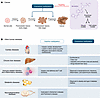
Dysregulated neddylation modification in human diseases.Figure 2

Dysregulated neddylation modification in human diseases. (A) Cancer: Overactivation of neddylation promotes tumorigenesis, which can be targeted by neddylation inhibitors. (B) Other human diseases: Dysregulated neddylation is also involved in many other human diseases, as indicated.

Neddylation promotes tumorigenesis. Hyperactivation of the neddylation pathway promotes tumorigenesis by producing sustained activation of CRLs, which in turn ubiquitylate and degrade critical tumor suppressor proteins, such as p21, p27 and p53, thus accelerating cell cycle progression and uncontrolled growth (70, 80–82). Beyond canonical K48-linked degradation, CRLs also catalyze noncanonical ubiquitin linkages, most notably K63 chains, which typically alter substrate trafficking or signaling without causing destruction (83). Neddylation-driven CRL activation directly influences ubiquitin linkage selection: in cancer, hyperneddylation enhances K48-linked ubiquitylation to degrade tumor suppressors (70, 80–82), while also promoting K63-linked ubiquitylation to stabilize oncoproteins such as Akt, thereby fostering oncogenic signaling and therapy resistance (84). This dual regulation positions neddylation as a central signaling hub for tumor initiation, progression, and metastasis beyond mere protein turnover. Neddylation further supports cancer cell survival by inhibiting apoptosis via targeting the proapoptotic protein NOXA for degradation and blocking the extrinsic apoptosis pathway (74, 85). Neddylation directly modifies and stabilizes several oncogenic proteins, including HER2 (73), Hu antigen R (HuR) (86), and the small GTPase RHEB (87). Furthermore, neddylation facilitates metabolic reprogramming (51), DNA damage response evasion (88), and therapeutic resistance across various cancers (19). Finally, by modulating SOX2 levels via CRL1FBXW2, neddylation regulates cancer stem cells, which are critical for tumor initiation, metastasis, and relapse (89, 90).

Deneddylating enzymes are also implicated in tumorigenesis. For example, elevated CSN subunit 5 (CSN5) promotes p27 degradation through SCFSkp2 hyperactivation, driving G1/S progression and proliferation. Furthermore, CSN5 stabilizes oncoproteins such as HIF-1α and c-Jun by facilitating CRL recycling, thereby enhancing angiogenesis and inflammatory signaling (91).

Targeting neddylation for anticancer therapy: preclinical evidence. Genetic evidence from tissue-specific knockout mouse studies supports neddylation as a promising therapeutic target. For instance, in a KrasG12D-driven lung cancer model, Rbx2 deletion markedly suppressed tumorigenesis by activating multiple tumor suppressor pathways, including accumulation of p21, p27, NOXA, IκBα, and DEPTOR (92). In the KrasG12D pancreatic ductal adenocarcinoma model, Ube2f deletion blocked acinar-to-ductal metaplasia and PanIN progression by disrupting CRL5Asb11-mediated ubiquitylation and degradation of Diras2, an inhibitor of RAS, thereby inactivating the MAPK–c-Myc axis (93). Liver-specific Ube2f knockout alleviated steatosis and tumorigenesis induced by Pten loss through inactivation of the mTORC1 signal via blocking of Rheb neddylation (87), and prostate-specific Rbx2 knockout suppresses prostate tumorigenesis induced by Pten loss via PI3K/AKT/mTOR inactivation (94).

The antitumor efficacy of small molecule–mediated neddylation inhibition has been firmly established across diverse preclinical models, including cell lines, xenografts, genetically engineered mouse models, and patient-derived xenografts. In models of lung cancer, the NAE inhibitor MLN4924 suppresses proliferation, migration, and motility of cancer cells in vitro and inhibits tumor formation and metastasis in xenograft models (70). MLN4924 alone or with the estrogen receptor degrader fulvestrant markedly inhibits ER-positive breast cancer growth both in vitro and in vivo (95). Combining MLN4924 with inhibitors of PKM2, ASCT2, or SLC7A11 effectively blocks breast cancer growth, highlighting a promising combinational targeting strategy (44, 51, 53). Combining MLN4924 with the TOP1 inhibitor irinotecan has synergistic effects in patient-derived organoid and xenograft models of colorectal cancer (CRC) (88). The NAE inhibitor compound 26 also exhibits potent antitumor activity in CRC and leukemia xenografts (96). MLN4924 exerts antitumor effects via CRL inactivation and induction of autophagy and apoptosis in a xenograft model of liver cancer (97). MLN4924 also suppresses tumor growth in subcutaneous esophageal cancer xenografts without notable toxicity (74) and suppresses orthotropic glioma xenograft growth (76). Importantly, MLN4924 upregulates PD-L1 expression in malignant cells, indicating potential synergistic benefits when combined with immune checkpoint blockade therapies (98, 99).
Other human diseases

Beyond cancer, dysregulated neddylation is emerging as a key pathological promoter in a wide range of nonmalignant diseases in heart and liver as well as immune-related infectious, metabolic, and neurodegenerative diseases (Figure 2B).

Cardiac development and chemotherapy-induced cardiac injury. Neddylation is essential for heart development and homeostasis, with its components highly expressed in embryonic hearts but declining postnatally (27, 100). Disruption of this pathway, whether through perinatal interference or cardiomyocyte-specific Nae1 deletion, impairs cardiac development and leads to lethal cardiomyopathy in mice (27, 101). In the adult mouse heart, genetic deletion of Rbx2 represses mitophagy, facilitates the accumulation of damaged mitochondria, and perturbs metabolic homeostasis, ultimately triggering dilated cardiomyopathy and heart failure (102). In contrast to this requirement for normal development and function, neddylation may be hyperactivated in the setting of cardiotoxicity. MLN4924 has shown therapeutic potential in mitigating doxorubicin-induced cardiotoxicity in mice by preserving mitochondrial function, reducing apoptosis and oxidative stress, and improving contractile performance of cardiomyocytes, while limiting fibrosis (103). Thus, targeting neddylation appears to be a promising strategy for reducing doxorubicin-induced cardiac injury.

Liver diseases. The essential role of neddylation in liver biology is underscored by the finding that liver-specific knockout of Nedd8 or Uba3 in mice results in postnatal lethality accompanied by fatty liver and cellular senescence (45). However, while neddylation is indispensable for normal liver development, its chronic or excessive activation is increasingly recognized as a driver of liver pathology. Indeed, in liver disease states, neddylation is broadly upregulated. For example, both NAE1 expression and global neddylation are elevated during human liver fibrosis, whether it originates from hepatitis B infection or alcohol abuse (104). Mechanistically, neddylation of EphB1 enhances its kinase activity, promoting hepatic stellate cell activation in a mouse model of CCl4-induced fibrosis (105). Neddylation of mitochondrial electron transfer proteins (ETFA and ETFB) protects against fasting-induced steatosis, whereas its dysregulation promotes metabolic dysfunction–associated progression of steatotic liver disease (MASLD) (45). Consistent with this finding, MLN4924 enhances fatty acid oxidation and reduces steatosis in an MASLD mouse model, suggesting therapeutic potential (106). Neddylation also contributes to disease progression through posttranscriptional regulation: modification of SRSF3 at lysine 11 promotes its degradation, which is implicated in the progression of metabolic dysfunction–associated steatohepatitis and cirrhosis (107). Furthermore, neddylation is dramatically upregulated in acetaminophen-induced liver injury (AILI), a common cause of acute liver failure, and MLN4924 ameliorated hepatic necrosis and promoted liver regeneration in both clinical biopsies and mouse models of AILI, indicating its potential as a novel therapeutic agent for this disease (108). Similarly, DI-1859, an inhibitor of the co-E3 ligase DCN1, protects mice from AILI by causing NRF2 accumulation (109). Collectively, targeting overactivated neddylation could offer a novel therapeutic strategy across liver diseases.

Immune-related infection and inflammatory diseases. Neddylation exerts context-dependent effects on immunity, acting as a double-edged sword that requires precise regulation. In innate immunity, neddylation is essential for antiviral defense. For example, in mouse models, Nedd8 or Ube2m deficiency compromises resistance to viruses including HSV-1 (110, 111). Conversely, neddylation overactivation is detrimental in the setting of bacterial infection, and its inhibition, whether through Ube2m deletion or MLN4924 treatment, curbs excessive inflammation in sepsis models and restores vascular function by preserving RhoA signaling (112, 113). This regulatory role extends to the chronic infection setting. In Staphylococcus aureus biofilm-associated periprosthetic joint infection (PJI), neddylation drives the expansion of immunosuppressive myeloid-derived suppressor cells and M2 macrophages (114); the neddylation inhibitor TAS4464 reverses these effects (114).

Neddylation also drives inflammation via CRL-mediated IκB degradation and NF-κB activation, thus promoting proinflammatory cytokine production (115). In a rat model of diabetic retinopathy, cullin-3 neddylation promotes Nrf2 degradation, exacerbating ROS-induced disruption of blood-retinal barrier, and MLN4924 treatment attenuates retinal damage and inflammation in diabetic rats, highlighting its therapeutic promise (116). In cerebral ischemia, Nae1, Uba3, and Ube2m are upregulated, and MLN4924 treatment reduces neutrophil infiltration and preserves integrity of the blood-brain barrier, thus mitigating brain injury (117). In the same ischemia model, Rbx2 is induced, and injection of a recombinant adenoviral vector expressing human RBX2 protects against brain damage induced by ischemia and reperfusion (118).

In the setting of autoimmune diseases, neddylation regulates pathogenic immune responses. For example, in a murine model of lupus, neddylation promotes double-negative (DN) T cell accumulation, whereas Ube2m deletion or MLN4924 treatment reduces DN T cells and attenuates the disease (119). NAE1 is upregulated in CD4+ T cells from patients with multiple sclerosis, and MLN4924 alleviates experimental autoimmune encephalomyelitis (120). We recently found that deletion of Rbx1 or Ube2m in Tregs causes an early-onset fatal autoimmune disorder in mice, indicating their critical role in Treg fitness (43, 121).

Metabolic diseases. Clinical data show elevated expression of NAE1, NEDD8, and neddylated cullin proteins in individuals with obesity and T2DM, indicating overactivation of the neddylation pathway (46, 122). Mechanistically, neddylation promotes adipogenesis and lipid accumulation by stabilizing PPARγ (48). Our collaborative study further identified that UBE2M promotes TRIM21 neddylation, leading to VHL degradation and subsequent HIF-1α accumulation, driving IL-1β production in macrophages and exacerbating obesity-induced inflammation (50). MLN4924 treatment blocks PPARγ neddylation and reduces high-fat diet–induced obesity in mice (48).

Neurodegenerative disorders. Physiological neddylation supports neuronal function, and its disruption exacerbates neurodegeneration (123). A whole-genome CRISPR screen in a human stem cell model of Alzheimer’s disease (AD) identified neddylation as a modulator of cellular aging and neurodegeneration (124). In hippocampal neurons from patients with AD, NEDD8 mislocalizes to the cytoplasm. NAE1 is involved in amyloid precursor protein processing, and neddylation of presenilin promotes amyloid-β production, a hallmark of AD pathology (125–127). Furthermore, relevant to Parkinson’s disease (PD), neddylation regulates Parkin E3 ligase activity (128), and its dysregulation leads to accumulation of toxic proteins, which contributes to PD pathogenesis (129).

Small-molecule inhibitors of neddylation enzymes

Given the essential role of neddylation in cellular homeostasis and its association, upon abnormal activation, with many human diseases, targeting neddylation presents an attractive therapeutic strategy. Since the discovery of the first neddylation inhibitor, MLN4924 (pevonedistat), in 2009 (18), the development of small-molecule inhibitors targeting neddylation enzymes has advanced rapidly, and these inhibitors have become the core of neddylation-targeted therapies (130). Neddylation therapeutics can be subcategorized into inhibitors of E1 (NAE), E2 (UBE2M or UBE2F, including E2-E3 interactions), or E3 (RBX1 or RBX2) and deneddylases (Table 1).

Table 1

Small-molecule inhibitors of neddylation/deneddylation enzymes

E1 (NAE) inhibitors. As the rate-limiting enzyme of neddylation cascade, NAE is the most well-characterized potential therapeutic target. The NAE inhibitor MLN4924 forms a covalent adduct with NEDD8 that mimics the NEDD8-AMP intermediate, thereby blocking NAE activity and the downstream neddylation cascade (131). This inhibition leads to accumulation of CRL tumor suppressive substrates and triggers anticancer effects (e.g., cell cycle arrest, apoptosis, senescence, autophagy) in a cell type–dependent manner (3). MLN4924 has demonstrated broad antitumor activity in preclinical models of both hematological and solid malignancies (132).

However, MLN4924 exhibits several neddylation-independent “off-target” effects that may broaden its therapeutic potential, while also posing some unanticipated challenges. Examples include inducing EGFR dimerization to activate RAS/MAPK and PI3K/AKT signaling, enhancing glycolysis by promoting PKM2 tetramerization, attenuating IL-17A–induced NF-κB activation and sensitizing cancer cells to TRAIL-induced apoptosis (for review, see ref. 133).

TAS4464, a structural analog of MLN4924, is a more selective and potent NAE inhibitor, with an IC50 value of 0.96 nM. TAS4464 exerts greater inhibitory effects than MLN4924 in both enzyme assays and cells, making it a promising agent for treating hematologic and solid tumors (134, 135).

Beyond MLN4924 and TAS4464, numerous structural analogs of MLN4924, such as compound 2, compound 7, ABP1, and ABP A3, have been identified (130). Other classes of compounds with moderate-to-high NAE-inhibitory activity include nonadenosine sulfamate analogs (e.g., LZ3 and HA-1141) and noncovalent inhibitors (e.g., the natural product 6,6’-biapigenin and rhodium [III] complexes), all of which are still in the preclinical stage (130).

HA-1141, a small molecule that directly binds to UBA3, was identified through virtual screening targeting the UBA3-UBE2F interface (136). HA-1141 exerts dual antitumor mechanisms by canonically inhibiting E1 to block neddylation of CUL1–CUL5, while unexpectedly inducing a noncanonical ER stress response that activates the PKR-ATF4-ISR axis to inhibit protein synthesis and mTORC1 activity. This combined effect potently inhibits proliferation of lung cancer cells and tumor growth in xenograft models (136).

E2 inhibitors. Targeting the E2-conjugating enzymes UBE2M and UBE2F provides a strategy for branch-specific inhibition of neddylation. While direct inhibition of these enzymes has been hampered by their structural dynamics and shallow active sites (137), recent advances have focused on disrupting E1-E2 (UBA3-UBE2F) and E2-E3 (UBE2M-DCN1) interactions, offering a promising alternative approach for inhibitor discovery (136, 138, 139). HA-9104, discovered via virtual screening of the UBA3-UBE2F interface, binds UBE2F to block CUL5 neddylation, leading to NOXA accumulation and apoptosis. It also forms DNA adducts via its 7-azaindole group, causing DNA damage and G2/M arrest, and sensitizes lung cancer cells to radiation (139).

DCN1 forms a complex with UBE2M to enhance cullin neddylation (140). The prototypical inhibitor NAcM-HIT and its optimized analog NAcM-OPT specifically disrupt this interaction and inhibit neddylation of CUL1 and CUL3 without affecting other cullins (138, 141). Subsequent development has yielded more potent and selective tools, including WS-383, a highly potent reversible inhibitor (IC50 = 11 nM) that stabilizes CRL substrates, including p21, p27, and NRF2 (142), and the DI-series compounds (DI-591, DI-404), which exhibit exquisite selectivity for DCN1 and inhibit CUL3 neddylation without cytotoxicity (143, 144). Follow-up studies led to the discovery of covalent inhibitors DI-1548 and DI-1859, which achieve low nanomolar potency (up to 1,000-fold greater than their predecessor); DI-1859 shows in vivo efficacy by protecting against AILI via NRF2 stabilization (109, 145). A recent review provides a complete list of DCN1 inhibitors (6). Collectively, these E2-E3 interaction inhibitors provide valuable tools for dissecting branch-specific neddylation functions and offer a more targeted therapeutic alternative to upstream E1 inhibitors.

E3 inhibitors. Targeting neddylation E3 ligases presents greater challenges than inhibiting E1 or E2 enzymes, primarily due to the difficulties of disrupting protein-protein interactions and the diversity of E3 family members (130). Through a pilot AlphaScreen-based high-throughput screen (HTS) for inhibitors of CUL5 neddylation, catalyzed by NAE/UBE2F/RBX2, we identified gossypol, a phenolic compound derived from the cotton plant, as a first-in-class inhibitor that binds both RBX1 and RBX2, blocks neddylation of CUL1 and CUL5, and stabilizes NOXA and MCL-1, leading to synergistic tumor suppression when combined with MCL-1 inhibitors (146). Clinical candidates remain elusive, but emerging chemical probes targeting specific CRLs offer proof of concept for this underexplored therapeutic avenue (147).

Dual-targeting inhibitors. Dual-targeting inhibitors that simultaneously block neddylation and other oncogenic pathways represent an emerging strategy to enhance efficacy and circumvent resistance. WS-384 was reported as an orally active dual inhibitor of DCN1/UBE2M and the demethylase LSD1, which effectively induces cell cycle arrest, DNA damage, and apoptosis in non–small cell lung cancer (NSCLC) models (148). However, future rational combinations of neddylation inhibitors with other anticancer drugs should be mechanism-driven, ideally via a synthetic lethality-like mechanism for maximal efficacy.

Small-molecule inhibitors of deneddylation enzymes

CSN5 inhibitors. Several types of CSN5 inhibitors have been reported. High-throughput screening identified a weak inhibitor (CSN5i-1a), cocrystal structure-guided optimization of which yielded CSN5i-2, and further pharmacokinetics (PK) optimization produced CSN5i-3 (149). CSN5i-3 inhibits cullin-1 deneddylation with an IC50 of 5.8 nM, exhibits excellent selectivity and oral bioavailability, and suppresses growth of cancer cells and xenograft tumors (149). Notably, CSN5i-3 acts via an unprecedented “orthosteric molecular glue” mechanism: it binds cooperatively with NEDD8-conjugated substrate to the CSN active site, coordinating catalytic zinc and contacting both CSN5 and NEDD8, thus achieving high potency and selectivity without intrinsic affinity for the free enzyme (150). In addition to CSN5i-3, 2-aminothiazole-4-carboxylic acids were identified as CSN5 inhibitors that downregulate PD-L1 in cancer cells, whereas shikonins were found to be nanomolar CSN5 inhibitors that upregulate PD-L1 in cancer cells (151). Most recently, an azaindole metallo-CSN5 inhibitor was reported with nanomolar CSN5 inhibitory activity, which increased cullin-1 neddylation and showed synergistic anticancer effects with PARP inhibitors by enhancing DNA damage (152). Moreover, targeting deneddylation indirectly by modulating CRL-CSN complex formation with small molecules can regulate CRL neddylation and activation, thereby sensitizing cancer cells to the neddylation inhibitor MLN4924 (153).

SENP8 inhibitors. Through virtual HTS, five active SENP8 inhibitor candidates have been identified, with PubChem CIDs of 17300927, 2957665, 2955496, 17299262, and 1109711. These molecules are awaiting further validation and characterization (154).

UCH-L1/UCH-L3 inhibitors. TCID (4,5,6,7-Tetrachloroindan-1,3-dione), a selective UCH-L3 inhibitor, was identified from a UCH-L1–targeted screen. The compound has an IC50 = 0.6 μM against UCH-L3 with approximately 125-fold selectivity over UCH-L1 (155). Since both UCH-L1 and UCH-L3 function as dual-function deubiquitinases/deneddylases (156, 157), TCID may serve as a dual inhibitor for both processes with unknown biological activities.

Clinical trials of neddylation E1 inhibitors

While numerous preclinical studies have been conducted to evaluate the above described neddylation inhibitors (130), only two E1 inhibitors, MLN4924 (also known as pevonedistat in clinical trials) and TAS4464, have been advanced to clinical trials to date, and none of them has yet received FDA approval, highlighting the early stage of clinical translation of neddylation inhibitors (Table 2).

Table 2

Clinical trials of E1 inhibitors MLN4924/pevonedistat and TAS4464

MLN4924 has been evaluated across a wide range of hematologic and solid tumors in phase I–III trials. The first-in-human phase I study, performed in patients with acute myeloid leukemia (AML) and myelodysplastic syndromes (MDS), established its safety, tolerability, and modest single-agent activity (158). Subsequent investigations in relapsed/refractory multiple myeloma and lymphoma (159), metastatic melanoma (160), and advanced nonhematologic malignancies (161) confirmed its clinical feasibility and consistent PK profile across ethnic groups (162).

PK studies showed that MLN4924 is primarily metabolized by CYP3A4 and is a P-glycoprotein substrate. However, precise drug-drug interaction studies revealed no clinically meaningful effects when coadministered with moderate or strong CYP3A/P-gp inhibitors (163) or with the CYP3A inducer rifampin (164). Metabolic clearance is the major elimination route, with near-complete recovery of a radiolabeled dose within one week, providing clinical dosing strategies (165).

In pediatric patients with cancer, MLN4924 combined with the chemotherapeutics azacitidine and fludarabine showed no meaningful antileukemic activity in relapsed/refractory AML (166). In contrast, its combination with irinotecan and temozolomide yielded promising responses in pediatric solid tumors, warranting further investigation (167). In adult AML, MLN4924 combined with azacitidine demonstrated preclinical synergy and encouraging activity in a phase Ib trial (168). This led to a global phase II study in higher-risk MDS, chronic myelomonocytic leukemia (CMML), or low-blast AML, where the combination improved survival, with the most pronounced benefit in the MDS subgroup (169). Based on these results, MLN4924 received FDA Breakthrough Therapy designation for higher-risk MDS (170). However, the subsequent phase III PANTHER trial failed to meet its primary endpoint, showing no improvement over azacitidine alone in higher-risk MDS/CMML (171). Similarly, a phase II study in TP53-mutated AML found no cytogenetic responses with this combination (172).

Several studies report investigations of MLN4924 combination therapies. In relapsed/refractory AML/MDS, MLN4924 combined with the HDAC inhibitor belinostat showed modest but notable activity (173). In advanced solid tumors, combinations with docetaxel or carboplatin/paclitaxel were well tolerated and yielded durable responses in pretreated patients (174). The triplet regimen of azacitidine, venetoclax, and MLN4924 demonstrated encouraging preliminary efficacy in relapsed/refractory AML (175) and in MDS or CMML after failure with hypomethylating agents (176). Additional trials were conducted with moderate efficacy in relapsed NSCLC when combined with docetaxel (177) and in platinum-refractory advanced gastric cancer when combined with capecitabine and oxaliplatin (178). Despite these efforts, Takeda did not announce plans to continue MLN4924 development during its investor conferences or in financial reports between 2022 and 2025 (179). Furthermore, no new clinical trials have been initiated since 2021, suggesting that the program may have been discontinued.

TAS4464, another NAE inhibitor, showed potent antitumor activity in preclinical hematologic and solid tumor models without causing marked weight loss in mice (135). A first-in-human phase I study was subsequently conducted in patients with advanced solid tumors to evaluate its safety, PK, pharmacodynamics (PD), and preliminary efficacy (180). However, the TAS4464 showed dose-limiting liver toxicity, and even at the highest doses tested (up to 56 mg/m²), the drug failed to reach pharmacologically active levels predicted from preclinical studies. These results precluded adequate assessment of its antitumor efficacy, and the trial was terminated (180).

Challenges in clinical translation of neddylation inhibitors

Despite the strong promise of neddylation as an anticancer target, clinical translation has faced substantial hurdles, underscoring the need for deeper biological insight and strategic innovation (Figure 3A).
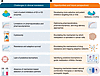
Challenges and opportunities for neddylation-targeted therapy.Figure 3

Challenges and opportunities for neddylation-targeted therapy. (A) Challenges and (B) opportunities for neddylation-targeted therapy.

Lack of potent and selective E2 or E3 inhibitors. Currently, there are no potent and selective small-molecule inhibitors targeting the neddylation E2 enzyme UBE2F or the E3 ligase RBX2. While HA-9104 was reported as a UBE2F-based E2 inhibitor that blocks CUL5 neddylation, it has the off-target effect of triggering the DNA damage response by forming DNA adducts via its 7-azaindole group (139).

Limitations on PK and PD. Optimal properties of PK and PD are essential for clinical success, but neddylation inhibitors often fall short. On the PK side, early inhibitors like compound 7 (a DCN1-UBE2M inhibitor) demonstrated potent biochemical activity but suffered from rapid microsomal metabolism, leading to poor in vivo stability and low bioavailability (141). Although later analogs improved oral exposure and stability, issues with tissue penetration and target engagement remain. On the PD side, poor correlation between drug exposure and response complicates dose optimization (181). While neddylation inhibition increases CRL substrates (in theory for both tumor suppressors and oncogenic proteins), the selective accumulation of tumor suppressor proteins (such as p21, p27, NOXA) seen in preclinical studies does not reliably predict efficacy, and no standardized method exists to assess target engagement clinically. These uncertainties hinder optimal dosing and clinical translation.

Therapeutic window. As neddylation E1 inhibitors, both MLN4924 and TAS4464 block the entire neddylation pathway to inactivate all CRLs, leading to, in theory, the accumulation of hundreds of CRL substrates as well as many noncullin substrates. This universal blockage of neddylation modification could be the root of their cytotoxicity and highlights the need for selective inhibitors downstream of E1.

As noted above, dose-limiting hepatotoxicity emerged as a major obstacle for TAS4464, leading to its discontinuation in a phase I study (180). It is unclear why the toxicity occurs particularly in the liver. Advanced models, such as human liver organoids, will be essential to elucidate underlying mechanism of toxicity and to guide the design of safer next-generation inhibitors.

Resistance and adaptive survival. Development of drug resistance in tumor cells presents another key challenge. In breast cancer, PTEN loss confers resistance to MLN4924 (182). In addition, as expected, treatment-induced mutations in UBA3 also confer resistance to MLN4924 (183). Other contributors to resistance and adaptive survival could be attributable to some tumor-promoting off-target effects of MLN4924, such as activation of the EGFR signal by triggering its dimerization (184) and enhancing glycolysis via PKM2 tetramerization to support survival of breast cancer cells (44). Mapping these context-dependent adaptive networks will be critical for developing effective combinatorial strategies.

Lack of predictive biomarkers. The absence of reliable predictive biomarkers represents a major barrier to precision oncology applications, limiting the identification of patients who would most likely benefit from neddylation inhibitors. Consequently, response rates remain low in unselected cohorts, limiting the translational application (158, 159, 162). Systematic proteomic and functional genomic approaches are urgently needed to identify and validate neddylation-related biomarkers for clinical decision-making.

Mechanism-based selection of combination partners. Given limited monotherapy efficacy, rational combination strategies represent a high-priority direction. Encouraging preclinical studies have shown that combining neddylation inhibitors with ABCG2 inhibitors can reverse resistance to MLN4924, while combinations with immunotherapies can enhance antitumor immune responses by modulating the tumor microenvironment (185). Mechanism-guided combinations with immunotherapies or other targeted agents, prioritized with refined preclinical models, will be critical to clinical success.
Opportunities and future perspectives

Over the past decade, targeting protein neddylation has advanced from foundational biological discovery to early-stage clinical evaluation (3, 19). A growing body of evidence has established neddylation as a critical player in cancer and other human diseases, reinforcing its promise as a therapeutic target (3). The development of MLN4924, a first-in-class NAE inhibitor, provided an invaluable tool for dissecting neddylation biology and delivered clinical proof of concept in patients with cancer. Nevertheless, its modest single-agent activity and association with inherent cytotoxicity underscores the complexities of targeting such a fundamental pathway and highlights the urgent need for refined strategies.

Several opportunities or priorities emerge for advancing both mechanistic understanding and neddylation-targeted therapeutics in responses to the challenges (Figure 3B).

First, to improve efficacy and minimize off-target toxicity, the field must move beyond pan-E1 inhibition. Promising strategies include the development of selective inhibitors targeting downstream E2s, E3s, or protein-protein interactions such as DCN1-UBE2M (142). Furthermore, innovative modalities like proteolysis-targeting chimeras (PROTACs) and molecular glues could be leveraged to degrade core aberrantly activated components of the neddylation enzymes (e.g., NAE1, UBA3, UBE2M, UBE2F, RBX1, or RBX2) (186).

Second, potent inhibitors should be optimized via structure-activity relationship studies with better PK or PD, along with optimizing drug delivery approaches (e.g., prodrugs) (187).

Third, while it is well established that neddylation is overactivated in a variety of human cancers, there remains a dearth of knowledge regarding the precise underlying mechanisms at the levels of gene amplification, transcription, translation, or posttranslation. Elucidation of the mechanisms is required to guide cancer selective targeting.

Fourth, systematic efforts utilizing single-cell multi-omics and functional genomics are urgently needed to elucidate the underlying mechanisms of developing drug resistance and mapping the context-dependent adaptive networks.

Fifth, systematic efforts using global proteomics and functional genomics are needed to identify and validate predictive biomarkers in an effort to stratify patients who are most likely to benefit from neddylation inhibition.

Sixth, the mechanism-based rational combination therapies should be prioritized and optimized using advanced human-relevant models, such as organoids and organ-on-a-chip platforms, to better assess efficacy and toxicity prior to clinical translation. Identification and validation of synergistic targets via HTS of chemical libraries or genome-wide CRISPR screens should also be pursued.

Finally, broadening investigation to nononcological indications, including fibrotic diseases, viral infections, and aging-related disorders, will likely reveal novel therapeutic applications. The causal relationships must be established, given that current evidence linking neddylation dysregulation to these diseases remains largely correlative (104, 122). Genetically engineered mouse models with tissue-specific deletion or overexpression of key neddylation components should be developed to address this gap. Furthermore, despite accumulating preclinical evidence supporting the efficacy of MLN4924 in obesity, MASLD, lupus, and doxorubicin-induced cardiotoxicity (48, 103, 106, 119), no corresponding clinical trials have been initiated, underscoring an urgent need to advance these indications.

In conclusion, neddylation remains a target of substantial promise, but translating this approach into clinical therapies will require deeper biological insight, better drug design, and more sophisticated clinical strategies. The journey from fundamental discovery to clinical application continues, a testament to the enduring value of investing in basic and translational science.

Conflict of interest

The authors have declared that no conflict of interest exists.

Funding support

This work was funded in part by the National Natural Science Foundation of China.

  • Grants U22A20317 and 92253203 to YS.
  • Grants 82473005 and 82202838 to SZ.
  • Grant 82102947 to HL.
Supplemental material

View Supplemental data

Footnotes

Copyright: © 2026, Zhang et al. This is an open access article published under the terms of the Creative Commons Attribution 4.0 International License.

Reference information: J Clin Invest. 2026;136(15):e206924. https://doi.org/10.1172/JCI206924.

References
  1. Liakopoulos D, et al. A novel protein modification pathway related to the ubiquitin system. EMBO J. 1998;17(8):2208–2214.
    View this article via: CrossRef PubMed Google Scholar
  2. Yang X, et al. Targeting ubiquitination in disease and therapy. Signal Transduct Target Ther. 2025;10(1):424.
    View this article via: CrossRef PubMed Google Scholar
  3. Zhang S, et al. Protein neddylation and its role in health and diseases. Signal Transduct Target Ther. 2024;9(1):85.
    View this article via: CrossRef PubMed Google Scholar
  4. Enchev RI, et al. Protein neddylation: beyond cullin-RING ligases. Nat Rev Mol Cell Biol. 2015;16(1):30–44.
    View this article via: CrossRef PubMed Google Scholar
  5. Huang DT, et al. E2-RING expansion of the NEDD8 cascade confers specificity to cullin modification. Mol Cell. 2009;33(4):483–495.
    View this article via: CrossRef PubMed Google Scholar
  6. Zhou W, et al. DCN-type NEDD8 E3 ligases: Structure, biological function and small-molecule inhibitor. Pharmacol Res. 2026;225:108151.
    View this article via: CrossRef PubMed Google Scholar
  7. Echalier A, et al. Insights into the regulation of the human COP9 signalosome catalytic subunit, CSN5/Jab1. Proc Natl Acad Sci U S A. 2013;110(4):1273–1278.
    View this article via: CrossRef PubMed Google Scholar
  8. Emberley ED, et al. Deconjugation of Nedd8 from Cul1 is directly regulated by Skp1-F-box and substrate, and the COP9 signalosome inhibits deneddylated SCF by a noncatalytic mechanism. J Biol Chem. 2012;287(35):29679–29689.
    View this article via: CrossRef PubMed Google Scholar
  9. Schwechheimer C. NEDD8-its role in the regulation of Cullin-RING ligases. Curr Opin Plant Biol. 2018;45(pt a):112–119.
    View this article via: CrossRef PubMed Google Scholar
  10. Chan Y, et al. DEN1 deneddylates non-cullin proteins in vivo. J Cell Sci. 2008;121(pt 19):3218–3223.
    View this article via: CrossRef PubMed Google Scholar
  11. Hopf LVM, et al. Structure of CRL7FBXW8 reveals coupling with CUL1-RBX1/ROC1 for multi-cullin-RING E3-catalyzed ubiquitin ligation. Nat Struct Mol Biol. 2022;29(9):854–862.
    View this article via: CrossRef PubMed Google Scholar
  12. Horn-Ghetko D, et al. Noncanonical assembly, neddylation and chimeric cullin-RING/RBR ubiquitylation by the 1.8 MDa CUL9 E3 ligase complex. Nat Struct Mol Biol. 2024;31(7):1083–1094.
    View this article via: CrossRef PubMed Google Scholar
  13. Zhao Y, et al. Targeting Neddylation pathways to inactivate cullin-RING ligases for anticancer therapy. Antioxid Redox Signal. 2014;21(17):2383–2400.
    View this article via: CrossRef PubMed Google Scholar
  14. Baek K, et al. NEDD8 and ubiquitin ligation by cullin-RING E3 ligases. Curr Opin Struct Biol. 2021;67:101–109.
    View this article via: CrossRef PubMed Google Scholar
  15. Zhang M, et al. Neddylation: from regulatory mechanisms to clinical implications in cancer [published online November 12, 2025]. J Adv Res. https://doi.org/10.1016/j.jare.2025.11.010.
  16. Kumar S, et al. Identification of a set of genes with developmentally down-regulated expression in the mouse brain. Biochem Biophys Res Commun. 1992;185(3):1155–1161.
    View this article via: CrossRef PubMed Google Scholar
  17. Fu DJ, et al. Pevonedistat targeting NEDDylation activating enzyme for human diseases: Underlying mechanisms, clinical studies, and future directions. Pharmacol Res. 2026;225:108134.
    View this article via: CrossRef PubMed Google Scholar
  18. Soucy TA, et al. An inhibitor of NEDD8-activating enzyme as a new approach to treat cancer. Nature. 2009;458(7239):732–736.
    View this article via: CrossRef PubMed Google Scholar
  19. Deng N, et al. Decoding neddylation in malignancies: molecular mechanisms, biological functions, therapeutic resistance, and clinical potential. Cell Death Dis. 2026;17(1):37.
    View this article via: CrossRef PubMed Google Scholar
  20. Tateishi K, et al. The NEDD8 system is essential for cell cycle progression and morphogenetic pathway in mice. J Cell Biol. 2001;155(4):571–579.
    View this article via: CrossRef PubMed Google Scholar
  21. Tan M, et al. RBX1/ROC1 disruption results in early embryonic lethality due to proliferation failure, partially rescued by simultaneous loss of p27. Proc Natl Acad Sci U S A. 2009;106(15):6203–6208.
    View this article via: CrossRef PubMed Google Scholar
  22. Tan M, et al. SAG/RBX2/ROC2 E3 ubiquitin ligase is essential for vascular and neural development by targeting NF1 for degradation. Dev Cell. 2011;21(6):1062–1076.
    View this article via: CrossRef PubMed Google Scholar
  23. Simo S, Cooper JA. Rbx2 regulates neuronal migration through different cullin 5-RING ligase adaptors. Dev Cell. 2013;27(4):399–411.
    View this article via: CrossRef PubMed Google Scholar
  24. Decker SC, et al. Uncoupling neocortical neuron fate and migration via a Let-7-RBX2 axis. Proc Natl Acad Sci U S A. 2026;123(17):e2528396123.
    View this article via: CrossRef PubMed Google Scholar
  25. Zhang L, et al. Neddylation is critical to cortical development by regulating Wnt/β-catenin signaling. Proc Natl Acad Sci U S A. 2020;117(42):26448–26459.
    View this article via: CrossRef PubMed Google Scholar
  26. Vogl AM, et al. Neddylation inhibition impairs spine development, destabilizes synapses and deteriorates cognition. Nat Neurosci. 2015;18(2):239–251.
    View this article via: CrossRef PubMed Google Scholar
  27. Zou J, et al. Neddylation mediates ventricular chamber maturation through repression of Hippo signaling. Proc Natl Acad Sci U S A. 2018;115(17):4101–4110.
    View this article via: CrossRef PubMed Google Scholar
  28. Takeishi S, et al. Ablation of Fbxw7 eliminates leukemia-initiating cells by preventing quiescence. Cancer Cell. 2013;23(3):347–361.
    View this article via: CrossRef PubMed Google Scholar
  29. Westbrook TF, et al. SCFbeta-TRCP controls oncogenic transformation and neural differentiation through REST degradation. Nature. 2008;452(7185):370–374.
    View this article via: CrossRef PubMed Google Scholar
  30. Takubo K, et al. Regulation of the HIF-1alpha level is essential for hematopoietic stem cells. Cell Stem Cell. 2010;7(3):391–402.
    View this article via: CrossRef PubMed Google Scholar
  31. Wang X, et al. AMPK promotes SPOP-mediated NANOG degradation to regulate prostate cancer cell stemness. Dev Cell. 2019;48(3):345–360.
    View this article via: CrossRef PubMed Google Scholar
  32. Zhang C, et al. Proteolysis of methylated SOX2 protein is regulated by L3MBTL3 and CRL4DCAF5 ubiquitin ligase. J Biol Chem. 2019;294(2):476–489.
    View this article via: CrossRef PubMed Google Scholar
  33. Townley-Tilson WH, et al. The ubiquitin ligase ASB4 promotes trophoblast differentiation through the degradation of ID2. PLoS One. 2014;9(2):e89451.
    View this article via: CrossRef PubMed Google Scholar
  34. Zhu Z, et al. Nedd8 modification of Cullin-5 regulates lipopolysaccharide-induced acute lung injury. Am J Physiol Lung Cell Mol Physiol. 2017;313(1):L104–L114.
    View this article via: CrossRef PubMed Google Scholar
  35. Chang FM, et al. Inhibition of neddylation represses lipopolysaccharide-induced proinflammatory cytokine production in macrophage cells. J Biol Chem. 2012;287(42):35756–35767.
    View this article via: CrossRef PubMed Google Scholar
  36. Xiong X, et al. SAG/RBX2 E3 ubiquitin ligase differentially regulates inflammatory responses of myeloid cell subsets. Front Immunol. 2018;9:2882.
    View this article via: CrossRef PubMed Google Scholar
  37. Mathewson N, et al. Neddylation plays an important role in the regulation of murine and human dendritic cell function. Blood. 2013;122(12):2062–2073.
    View this article via: CrossRef PubMed Google Scholar
  38. Cheng M, et al. Inhibition of neddylation regulates dendritic cell functions via Deptor accumulation driven mTOR inactivation. Oncotarget. 2016;7(24):35643–35654.
    View this article via: CrossRef PubMed Google Scholar
  39. El-Mesery M, et al. MLN4924 sensitizes monocytes and maturing dendritic cells for TNF-dependent and -independent necroptosis. Br J Pharmacol. 2015;172(5):1222–1236.
    View this article via: CrossRef PubMed Google Scholar
  40. Jin HS, et al. Neddylation pathway regulates T-cell function by targeting an adaptor protein Shc and a protein kinase Erk signaling. Proc Natl Acad Sci U S A. 2013;110(2):624–629.
    View this article via: CrossRef PubMed Google Scholar
  41. Mathewson ND, et al. SAG/Rbx2-dependent neddylation regulates T-cell responses. Am J Pathol. 2016;186(10):2679–2691.
    View this article via: CrossRef PubMed Google Scholar
  42. Wu D, et al. E3 Ligase Rbx1 orchestrates thymus development and fate determination of αβ-γδ T cells. Research (wash d c). 2025;8:0774.
    View this article via: PubMed CrossRef Google Scholar
  43. Wu D, et al. The Ube2m-Rbx1 neddylation-Cullin-RING-Ligase proteins are essential for the maintenance of regulatory T cell fitness. Nat Commun. 2022;13(1):3021.
    View this article via: CrossRef PubMed Google Scholar
  44. Zhou Q, et al. Inhibiting neddylation modification alters mitochondrial morphology and reprograms energy metabolism in cancer cells. JCI Insight. 2019;4(4):e121582121582.
    View this article via: JCI Insight CrossRef PubMed Google Scholar
  45. Zhang X, et al. Hepatic neddylation targets and stabilizes electron transfer flavoproteins to facilitate fatty acid β-oxidation. Proc Natl Acad Sci U S A. 2020;117(5):2473–2483.
    View this article via: CrossRef PubMed Google Scholar
  46. Gonzalez-Rellan MJ, et al. Neddylation of phosphoenolpyruvate carboxykinase 1 controls glucose metabolism. Cell Metab. 2023;35(9):1630–1645.
    View this article via: CrossRef PubMed Google Scholar
  47. Ju UI, et al. Neddylation of sterol regulatory element-binding protein 1c is a potential therapeutic target for nonalcoholic fatty liver treatment. Cell Death Dis. 2020;11(4):283.
    View this article via: CrossRef PubMed Google Scholar
  48. Park HS, et al. PPARγ neddylation essential for adipogenesis is a potential target for treating obesity. Cell Death Differ. 2016;23(8):1296–1311.
    View this article via: CrossRef PubMed Google Scholar
  49. Ge M, et al. MLN4924 treatment diminishes excessive lipid storage in high-fat diet-induced non-alcoholic fatty liver disease (NAFLD) by stimulating hepatic mitochondrial fatty acid oxidation and lipid metabolites. Pharmaceutics. 2022;14(11):2460.
    View this article via: CrossRef PubMed Google Scholar
  50. Lu X, et al. UBE2M-mediated neddylation of TRIM21 regulates obesity-induced inflammation and metabolic disorders. Cell Metab. 2023;35(8):1390–1405.
    View this article via: CrossRef PubMed Google Scholar
  51. Zhou Q, et al. Neddylation inhibition induces glutamine uptake and metabolism by targeting CRL3SPOP E3 ligase in cancer cells. Nat Commun. 2022;13(1):3034.
    View this article via: CrossRef PubMed Google Scholar
  52. Zhou Q, et al. CRL3 E3 ligase regulates glutamine and cystine metabolisms. Protein Cell. 2024;15(12):867–871.
    View this article via: CrossRef PubMed Google Scholar
  53. Zhou Q, et al. The CRL3KCTD10 ubiquitin ligase-USP18 axis coordinately regulates cystine uptake and ferroptosis by modulating SLC7A11. Proc Natl Acad Sci U S A. 2024;121(28):e2320655121.
    View this article via: CrossRef PubMed Google Scholar
  54. Read MA, et al. Nedd8 modification of cul-1 activates SCF(beta(TrCP))-dependent ubiquitination of IkappaBalpha. Mol Cell Biol. 2000;20(7):2326–2333.
    View this article via: CrossRef PubMed Google Scholar
  55. Zuo W, et al. c-Cbl-mediated neddylation antagonizes ubiquitination and degradation of the TGF-β type II receptor. Mol Cell. 2013;49(3):499–510.
    View this article via: CrossRef PubMed Google Scholar
  56. Oved S, et al. Conjugation to Nedd8 instigates ubiquitylation and down-regulation of activated receptor tyrosine kinases. J Biol Chem. 2006;281(31):21640–21651.
    View this article via: CrossRef PubMed Google Scholar
  57. Shamay M, et al. De novo DNA methyltransferase DNMT3b interacts with NEDD8-modified proteins. J Biol Chem. 2010;285(47):36377–36386.
    View this article via: CrossRef PubMed Google Scholar
  58. Higa LA, et al. CUL4-DDB1 ubiquitin ligase interacts with multiple WD40-repeat proteins and regulates histone methylation. Nat Cell Biol. 2006;8(11):1277–1283.
    View this article via: CrossRef PubMed Google Scholar
  59. Zhou L, et al. ASB7 is a negative regulator of H3K9me3 homeostasis. Science. 2025;389(6757):309–316.
    View this article via: CrossRef PubMed Google Scholar
  60. Sufan RI, Ohh M. Role of the NEDD8 modification of Cul2 in the sequential activation of ECV complex. Neoplasia. 2006;8(11):956–963.
    View this article via: CrossRef PubMed Google Scholar
  61. Tan M, et al. SAG/ROC2/RBX2 is a HIF-1 target gene that promotes HIF-1 alpha ubiquitination and degradation. Oncogene. 2008;27(10):1404–1411.
    View this article via: CrossRef PubMed Google Scholar
  62. McMahon M, et al. Keap1-dependent proteasomal degradation of transcription factor Nrf2 contributes to the negative regulation of antioxidant response element-driven gene expression. J Biol Chem. 2003;278(24):21592–21600.
    View this article via: CrossRef PubMed Google Scholar
  63. Cullinan SB, et al. The Keap1-BTB protein is an adaptor that bridges Nrf2 to a Cul3-based E3 ligase: oxidative stress sensing by a Cul3-Keap1 ligase. Mol Cell Biol. 2004;24(19):8477–8486.
    View this article via: CrossRef PubMed Google Scholar
  64. Watson IR, et al. Chemotherapy induces NEDP1-mediated destabilization of MDM2. Oncogene. 2010;29(2):297–304.
    View this article via: CrossRef PubMed Google Scholar
  65. Guo Z, et al. HUWE1-dependent DNA-PKcs neddylation modulates its autophosphorylation in DNA damage response. Cell Death Dis. 2020;11(5):400.
    View this article via: CrossRef PubMed Google Scholar
  66. Ma T, et al. RNF111-dependent neddylation activates DNA damage-induced ubiquitination. Mol Cell. 2013;49(5):897–907.
    View this article via: CrossRef PubMed Google Scholar
  67. Sundqvist A, et al. Regulation of nucleolar signalling to p53 through NEDDylation of L11. EMBO Rep. 2009;10(10):1132–1139.
    View this article via: CrossRef PubMed Google Scholar
  68. Xirodimas DP, et al. Ribosomal proteins are targets for the NEDD8 pathway. EMBO Rep. 2008;9(3):280–286.
    View this article via: CrossRef PubMed Google Scholar
  69. Mahata B, et al. Recruitment of RPL11 at promoter sites of p53-regulated genes upon nucleolar stress through NEDD8 and in an Mdm2-dependent manner. Oncogene. 2012;31(25):3060–3071.
    View this article via: CrossRef PubMed Google Scholar
  70. Li L, et al. Overactivated neddylation pathway as a therapeutic target in lung cancer. J Natl Cancer Inst. 2014;106(6):dju083.
    View this article via: CrossRef PubMed Google Scholar
  71. Yu J, et al. Overactivated neddylation pathway in human hepatocellular carcinoma. Cancer Med. 2018;7(7):3363–3372.
    View this article via: CrossRef PubMed Google Scholar
  72. Xie P, et al. The covalent modifier Nedd8 is critical for the activation of Smurf1 ubiquitin ligase in tumorigenesis. Nat Commun. 2014;5:3733.
    View this article via: CrossRef PubMed Google Scholar
  73. Xia X, et al. Neddylation of HER2 inhibits its protein degradation and promotes breast cancer progression. Int J Biol Sci. 2023;19(2):377–392.
    View this article via: CrossRef PubMed Google Scholar
  74. Chen P, et al. Neddylation inhibition activates the extrinsic apoptosis pathway through ATF4-CHOP-DR5 axis in human esophageal cancer cells. Clin Cancer Res. 2016;22(16):4145–4157.
    View this article via: CrossRef PubMed Google Scholar
  75. Gao Q, et al. Neddylation pathway is up-regulated in human intrahepatic cholangiocarcinoma and serves as a potential therapeutic target. Oncotarget. 2014;5(17):7820–7832.
    View this article via: CrossRef PubMed Google Scholar
  76. Hua W, et al. Suppression of glioblastoma by targeting the overactivated protein neddylation pathway. Neuro Oncol. 2015;17(10):1333–1343.
    View this article via: CrossRef PubMed Google Scholar
  77. Zhou L, Jia L. Targeting protein neddylation for cancer therapy. Adv Exp Med Biol. 2020;1217:297–315.
    View this article via: PubMed CrossRef Google Scholar
  78. Sun J, et al. Inhibiting neddylation: A new strategy for tumor therapy. J Pharm Anal. 2025;15(5):101140.
    View this article via: CrossRef PubMed Google Scholar
  79. Zhou L, et al. Protein neddylation and its alterations in human cancers for targeted therapy. Cell Signal. 2018;44:92–102.
    View this article via: CrossRef PubMed Google Scholar
  80. Li L, et al. Validation of NEDD8-conjugating enzyme UBC12 as a new therapeutic target in lung cancer. EBioMedicine. 2019;45:81–91.
    View this article via: CrossRef PubMed Google Scholar
  81. Cui D, et al. FBXW7 confers radiation survival by targeting p53 for degradation. Cell Rep. 2020;30(2):497–509.
    View this article via: CrossRef PubMed Google Scholar
  82. Su Y, et al. Glucose-induced CRL4COP1-p53 axis amplifies glycometabolism to drive tumorigenesis. Mol Cell. 2023;83(13):2316–2331.
    View this article via: CrossRef Google Scholar
  83. Rahman S, Wolberger C. Breaking the K48-chain: linking ubiquitin beyond protein degradation. Nat Struct Mol Biol. 2024;31(2):216–218.
    View this article via: CrossRef PubMed Google Scholar
  84. Han F, et al. The critical role of AMPK in driving Akt activation under stress, tumorigenesis and drug resistance. Nat Commun. 2018;9(1):4728.
    View this article via: CrossRef PubMed Google Scholar
  85. Zhou W, et al. Neddylation E2 UBE2F promotes the survival of lung cancer cells by activating CRL5 to degrade NOXA via the K11 linkage. Clin Cancer Res. 2017;23(4):1104–1116.
    View this article via: CrossRef PubMed Google Scholar
  86. Embade N, et al. Murine double minute 2 regulates Hu antigen R stability in human liver and colon cancer through NEDDylation. Hepatology. 2012;55(4):1237–1248.
    View this article via: CrossRef PubMed Google Scholar
  87. Zhang F, et al. RHEB neddylation by the UBE2F-SAG axis enhances mTORC1 activity and aggravates liver tumorigenesis. EMBO J. 2025;44(4):1185–1219.
    View this article via: CrossRef PubMed Google Scholar
  88. Sun Y, et al. Targeting neddylation sensitizes colorectal cancer to topoisomerase I inhibitors by inactivating the DCAF13-CRL4 ubiquitin ligase complex. Nat Commun. 2023;14(1):3762.
    View this article via: CrossRef PubMed Google Scholar
  89. Yin Y, et al. The FBXW2-MSX2-SOX2 axis regulates stem cell property and drug resistance of cancer cells. Proc Natl Acad Sci U S A. 2019;116(41):20528–20538.
    View this article via: CrossRef PubMed Google Scholar
  90. Fu L, et al. Regulation of stem cells by cullin-RING ligase. Adv Exp Med Biol. 2020;1217:79–98.
    View this article via: PubMed CrossRef Google Scholar
  91. Du W, et al. Targeting the COP9 signalosome for cancer therapy. Cancer Biol Med. 2022;19(5):573–590.
    View this article via: CrossRef PubMed Google Scholar
  92. Li H, et al. Inactivation of SAG/RBX2 E3 ubiquitin ligase suppresses KrasG12D-driven lung tumorigenesis. J Clin Invest. 2014;124(2):835–846.
    View this article via: JCI CrossRef PubMed Google Scholar
  93. Chang Y, et al. The UBE2F-CRL5(ASB11)-DIRAS2 axis is an oncogene and tumor suppressor cascade in pancreatic cancer cells. Dev Cell. 2024;59(10):1317–1332.
    View this article via: CrossRef Google Scholar
  94. Tan M, et al. Depletion of SAG/RBX2 E3 ubiquitin ligase suppresses prostate tumorigenesis via inactivation of the PI3K/AKT/mTOR axis. Mol Cancer. 2016;15(1):81.
    View this article via: CrossRef PubMed Google Scholar
  95. Jia X, et al. Neddylation inactivation facilitates FOXO3a nuclear export to suppress estrogen receptor transcription and improve fulvestrant sensitivity. Clin Cancer Res. 2019;25(12):3658–3672.
    View this article via: CrossRef PubMed Google Scholar
  96. Xiong C, et al. Development of potent NEDD8-activating enzyme inhibitors bearing a pyrimidotriazole scaffold. J Med Chem. 2021;64(9):6161–6178.
    View this article via: CrossRef PubMed Google Scholar
  97. Luo Z, et al. The Nedd8-activating enzyme inhibitor MLN4924 induces autophagy and apoptosis to suppress liver cancer cell growth. Cancer Res. 2012;72(13):3360–3371.
    View this article via: CrossRef PubMed Google Scholar
  98. Zhou S, et al. Neddylation inhibition upregulates PD-L1 expression and enhances the efficacy of immune checkpoint blockade in glioblastoma. Int J Cancer. 2019;145(3):763–774.
    View this article via: CrossRef PubMed Google Scholar
  99. Zhang S, et al. PD-L1 induction via the MEK-JNK-AP1 axis by a neddylation inhibitor promotes cancer-associated immunosuppression. Cell Death Dis. 2022;13(10):844.
    View this article via: CrossRef PubMed Google Scholar
  100. Kamitani T, et al. Characterization of NEDD8, a developmentally down-regulated ubiquitin-like protein. J Biol Chem. 1997;272(45):28557–28562.
    View this article via: CrossRef PubMed Google Scholar
  101. Zou J, et al. Transient inhibition of neddylation at neonatal stage evokes reversible cardiomyopathy and predisposes the heart to isoproterenol-induced heart failure. Am J Physiol Heart Circ Physiol. 2019;316(6):1406–1416.
    View this article via: CrossRef PubMed Google Scholar
  102. Wang W, et al. Ubiquitin ligase RBX2/SAG regulates mitochondrial ubiquitination and mitophagy. Circ Res. 2024;135(3):39–56.
    View this article via: PubMed CrossRef Google Scholar
  103. Chen KH, et al. The NEDD8 activating enzyme inhibitor MLN4924 mitigates doxorubicin-induced cardiotoxicity in mice. Free Radic Biol Med. 2024;219:127–140.
    View this article via: CrossRef PubMed Google Scholar
  104. Zubiete-Franco I, et al. Deregulated neddylation in liver fibrosis. Hepatology. 2017;65(2):694–709.
    View this article via: CrossRef PubMed Google Scholar
  105. Li R, et al. Neddylation of EphB1 regulates its activity and associates with liver fibrosis. Int J Mol Sci. 2023;24(4):3415.
    View this article via: CrossRef PubMed Google Scholar
  106. Serrano-Maciá M, et al. Neddylation inhibition ameliorates steatosis in NAFLD by boosting hepatic fatty acid oxidation via the DEPTOR-mTOR axis. Mol Metab. 2021;53:101275.
    View this article via: CrossRef PubMed Google Scholar
  107. Kumar D, et al. Degradation of splicing factor SRSF3 contributes to progressive liver disease. J Clin Invest. 2019;129(10):4477–4491.
    View this article via: JCI CrossRef PubMed Google Scholar
  108. Gil-Pitarch C, et al. Neddylation inhibition prevents acetaminophen-induced liver damage by enhancing the anabolic cardiolipin pathway. Cell Rep Med. 2024;5(7):101653.
    View this article via: CrossRef PubMed Google Scholar
  109. Zhou H, et al. Selective inhibition of cullin 3 neddylation through covalent targeting DCN1 protects mice from acetaminophen-induced liver toxicity. Nat Commun. 2021;12(1):2621.
    View this article via: CrossRef PubMed Google Scholar
  110. Zhang X, et al. Neddylation is required for herpes simplex virus type I (HSV-1)-induced early phase interferon-beta production. Cell Mol Immunol. 2016;13(5):578–583.
    View this article via: CrossRef PubMed Google Scholar
  111. Kong X, et al. Type I interferon/STAT1 signaling regulates UBE2M-mediated antiviral innate immunity in a negative feedback manner. Cell Rep. 2023;42(1):112002.
    View this article via: CrossRef PubMed Google Scholar
  112. Wen X, et al. Inhibition of the neddylation E2 enzyme UBE2M in macrophages protects against E. coli-induced sepsis. J Biol Chem. 2025;301(1):108085.
    View this article via: CrossRef PubMed Google Scholar
  113. Gupta D, et al. MLN4924, a neddylation inhibitor, improves the vascular reactivity but causes early mortality in polymicrobial sepsis: effect on vascular RhoA/ROCK signaling. Cardiovasc Toxicol. 2025;25(9):1304–1320.
    View this article via: CrossRef PubMed Google Scholar
  114. Peng KT, et al. TAS4464, a neddylation inhibitor, mitigates Staphylococcus aureus-induced periprosthetic joint infection by modulating immunosuppressive cell functions. Biomed Pharmacother. 2025;192:118622.
    View this article via: CrossRef PubMed Google Scholar
  115. Fu Z, et al. Inhibition of neddylation plays protective role in lipopolysaccharide-induced kidney damage through CRL-mediated NF-κB pathways. Am J Transl Res. 2019;11(5):2830–2842.
    View this article via: PubMed Google Scholar
  116. Chen Y, et al. Inhibition of Cullin3 neddylation alleviates diabetic retinopathy by activating Nrf2 signaling to combat ros-induced oxidative stress and inflammation. Inflammation. 2025;48(5):3194–3205.
    View this article via: CrossRef PubMed Google Scholar
  117. Yu H, et al. The NEDD8-activating enzyme inhibitor MLN4924 reduces ischemic brain injury in mice. Proc Natl Acad Sci U S A. 2022;119(6):e2111896119.
    View this article via: CrossRef PubMed Google Scholar
  118. Yang GY, et al. Attenuation of ischemia-induced mouse brain injury by SAG, a redox-inducible antioxidant protein. J Cereb Blood Flow Metab. 2001;21(6):722–733.
    View this article via: CrossRef PubMed Google Scholar
  119. Zhang Y, et al. Neddylation is a novel therapeutic target for lupus by regulating double negative T cell homeostasis. Signal Transduct Target Ther. 2024;9(1):18.
    View this article via: CrossRef PubMed Google Scholar
  120. Kim K, et al. Cell type-specific transcriptomics identifies neddylation as a novel therapeutic target in multiple sclerosis. Brain. 2021;144(2):450–461.
    View this article via: CrossRef PubMed Google Scholar
  121. Wu D, Sun, YThe functional redundancy of neddylation E2s and E3s in modulating the fitness of regulatory T cells. Research. 2023;6:0212.
    View this article via: CrossRef PubMed Google Scholar
  122. Yu M, et al. Emerging role of NEDD8-mediated neddylation in age-related metabolic diseases. Ageing Res Rev. 2024;94:102191.
    View this article via: CrossRef PubMed Google Scholar
  123. Govindarajulu M, et al. Role of neddylation in neurodegenerative diseases. NeuroSci. 2022;3(4):533–545.
    View this article via: CrossRef PubMed Google Scholar
  124. Saurat N, et al. Genome-wide CRISPR screen identifies neddylation as a regulator of neuronal aging and AD neurodegeneration. Cell Stem Cell. 2024;31(8):1162–1174.
    View this article via: CrossRef PubMed Google Scholar
  125. Chen Y, et al. Neddylation dysfunction in Alzheimer’s disease. J Cell Mol Med. 2012;16(11):2583–2591.
    View this article via: CrossRef PubMed Google Scholar
  126. Chen Y, et al. APP-BP1 mediates APP-induced apoptosis and DNA synthesis and is increased in Alzheimer’s disease brain. J Cell Biol. 2003;163(1):27–33.
    View this article via: CrossRef PubMed Google Scholar
  127. Li J, et al. SEL-10 interacts with presenilin 1, facilitates its ubiquitination, and alters A-beta peptide production. J Neurochem. 2002;82(6):1540–1548.
    View this article via: CrossRef PubMed Google Scholar
  128. Um JW, et al. Neddylation positively regulates the ubiquitin E3 ligase activity of parkin. J Neurosci Res. 2012;90(5):1030–1042.
    View this article via: CrossRef PubMed Google Scholar
  129. Xiong H, et al. Parkin, PINK1, and DJ-1 form a ubiquitin E3 ligase complex promoting unfolded protein degradation. J Clin Invest. 2009;119(3):650–660.
    View this article via: JCI CrossRef PubMed Google Scholar
  130. Qin X, et al. Discovery of small molecule inhibitors of neddylation catalyzing enzymes for anticancer therapy. Biomed Pharmacother. 2024;179:117356.
    View this article via: CrossRef PubMed Google Scholar
  131. Brownell JE, et al. Substrate-assisted inhibition of ubiquitin-like protein-activating enzymes: the NEDD8 E1 inhibitor MLN4924 forms a NEDD8-AMP mimetic in situ. Mol Cell. 2010;37(1):102–111.
    View this article via: CrossRef PubMed Google Scholar
  132. Fu DJ, Wang T. Targeting NEDD8-activating enzyme for cancer therapy: developments, clinical trials, challenges and future research directions. J Hematol Oncol. 2023;16(1):87.
    View this article via: CrossRef PubMed Google Scholar
  133. Mao H, Sun Y. Neddylation-independent activities of MLN4924. Adv Exp Med Biol. 2020;1217:363–372.
    View this article via: PubMed CrossRef Google Scholar
  134. Ochiiwa H, et al. TAS4464, a NEDD8-activating enzyme inhibitor, activates both intrinsic and extrinsic apoptotic pathways via c-Myc-mediated regulation in acute myeloid leukemia. Oncogene. 2021;40(7):1217–1230.
    View this article via: CrossRef PubMed Google Scholar
  135. Yoshimura C, et al. TAS4464, a highly potent and selective inhibitor of NEDD8-activating enzyme, suppresses neddylation and shows antitumor activity in diverse cancer models. Mol Cancer Ther. 2019;18(7):1205–1216.
    View this article via: CrossRef PubMed Google Scholar
  136. Li Y, et al. Discovery of a small molecule inhibitor of cullin neddylation that triggers ER stress to induce autophagy. Acta Pharm Sin B. 2021;11(11):3567–3584.
    View this article via: CrossRef PubMed Google Scholar
  137. Zlotkowski K, et al. A small-molecule microarray approach for the identification of E2 enzyme inhibitors in ubiquitin-like conjugation pathways. SLAS Discov. 2017;22(6):760–766.
    View this article via: CrossRef PubMed Google Scholar
  138. Scott DC, et al. Blocking an N-terminal acetylation-dependent protein interaction inhibits an E3 ligase. Nat Chem Biol. 2017;13(8):850–857.
    View this article via: CrossRef PubMed Google Scholar
  139. Xu T, et al. A small molecule inhibitor of the UBE2F-CRL5 axis induces apoptosis and radiosensitization in lung cancer. Signal Transduct Target Ther. 2022;7(1):354.
    View this article via: CrossRef PubMed Google Scholar
  140. Kurz T, et al. Dcn1 functions as a scaffold-type E3 ligase for cullin neddylation. Mol Cell. 2008;29(1):23–35.
    View this article via: CrossRef PubMed Google Scholar
  141. Hammill JT, et al. Discovery of an orally bioavailable inhibitor of defective in cullin neddylation 1 (DCN1)-mediated cullin neddylation. J Med Chem. 2018;61(7):2694–2706.
    View this article via: CrossRef PubMed Google Scholar
  142. Wang S, et al. Development of highly potent, selective, and cellular active triazolo[1,5- a]pyrimidine-based inhibitors targeting the DCN1-UBC12 protein-protein interaction. J Med Chem. 2019;62(5):2772–2797.
    View this article via: CrossRef PubMed Google Scholar
  143. Zhou H, et al. A potent small-molecule inhibitor of the DCN1-UBC12 interaction that selectively blocks cullin 3 neddylation. Nat Commun. 2017;8(1):1150.
    View this article via: CrossRef PubMed Google Scholar
  144. Zhou H, et al. High-affinity peptidomimetic inhibitors of the DCN1-UBC12 protein-protein interaction. J Med Chem. 2018;61(5):1934–1950.
    View this article via: CrossRef PubMed Google Scholar
  145. Zhou H, et al. Targeting DCN1-UBC12 protein-protein interaction for regulation of neddylation pathway. Adv Exp Med Biol. 2020;1217:349–362.
    View this article via: PubMed CrossRef Google Scholar
  146. Yu Q, et al. Gossypol inhibits cullin neddylation by targeting SAG-CUL5 and RBX1-CUL1 complexes. Neoplasia. 2020;22(4):179–191.
    View this article via: CrossRef PubMed Google Scholar
  147. Henneberg LT, et al. Activity-based profiling of cullin-RING E3 networks by conformation-specific probes. Nat Chem Biol. 2023;19(12):1513–1523.
    View this article via: CrossRef PubMed Google Scholar
  148. Li A, et al. Discovery of WS-384, a first-in-class dual LSD1 and DCN1-UBC12 protein-protein interaction inhibitor for the treatment of non-small cell lung cancer. Biomed Pharmacother. 2024;173:116240.
    View this article via: CrossRef PubMed Google Scholar
  149. Schlierf A, et al. Targeted inhibition of the COP9 signalosome for treatment of cancer. Nat Commun. 2016;7:13166.
    View this article via: CrossRef PubMed Google Scholar
  150. Shi H, et al. CSN5i-3 is an orthosteric molecular glue inhibitor of COP9 signalosome. Nature. 2026;652(8112):1375–1383.
    View this article via: CrossRef PubMed Google Scholar
  151. Yan YH, et al. Discovering new metallo-deubiquitinase CSN5 inhibitors by a non-catalytic activity assay platform. J Med Chem. 2024;67(16):14649–14667.
    View this article via: CrossRef PubMed Google Scholar
  152. Lei P, et al. Discovery of new azaindole metallo-deubiquitinase CSN5 inhibitors. J Med Chem. 2025;68(6):6748–6765.
    View this article via: CrossRef PubMed Google Scholar
  153. Zhang X, et al. Suramin and NF449 are IP5K inhibitors that disrupt inositol hexakisphosphate-mediated regulation of cullin-RING ligase and sensitize cancer cells to MLN4924/pevonedistat. J Biol Chem. 2020;295(30):10281–10292.
    View this article via: CrossRef PubMed Google Scholar
  154. Chen JJ, et al. Identifying de-NEDDylation inhibitors: Virtual high-throughput screens targeting SENP8. Chem Biol Drug Des. 2019;93(4):590–604.
    View this article via: CrossRef PubMed Google Scholar
  155. Liu Y, et al. Discovery of inhibitors that elucidate the role of UCH-L1 activity in the H1299 lung cancer cell line. Chem Biol. 2003;10(9):837–846.
    View this article via: CrossRef PubMed Google Scholar
  156. Hemelaar J, et al. Specific and covalent targeting of conjugating and deconjugating enzymes of ubiquitin-like proteins. Mol Cell Biol. 2004;24(1):84–95.
    View this article via: CrossRef PubMed Google Scholar
  157. Wada H, et al. Cleavage of the C-terminus of NEDD8 by UCH-L3. Biochem Biophys Res Commun. 1998;251(3):688–692.
    View this article via: CrossRef PubMed Google Scholar
  158. Swords RT, et al. Pevonedistat (MLN4924), a First-in-Class NEDD8-activating enzyme inhibitor, in patients with acute myeloid leukaemia and myelodysplastic syndromes: a phase 1 study. Br J Haematol. 2015;169(4):534–543.
    View this article via: CrossRef PubMed Google Scholar
  159. Shah JJ, et al. Phase I study of the novel investigational NEDD8-activating enzyme inhibitor pevonedistat (MLN4924) in patients with relapsed/refractory multiple myeloma or lymphoma. Clin Cancer Res. 2016;22(1):34–43.
    View this article via: CrossRef PubMed Google Scholar
  160. Bhatia S, et al. A phase I study of the investigational NEDD8-activating enzyme inhibitor pevonedistat (TAK-924/MLN4924) in patients with metastatic melanoma. Invest New Drugs. 2016;34(4):439–449.
    View this article via: CrossRef PubMed Google Scholar
  161. Sarantopoulos J, et al. Phase I study of the investigational NEDD8-activating enzyme inhibitor pevonedistat (TAK-924/MLN4924) in patients with advanced solid tumors. Clin Cancer Res. 2016;22(4):847–857.
    View this article via: CrossRef PubMed Google Scholar
  162. Handa H, et al. Pevonedistat in East Asian patients with acute myeloid leukemia or myelodysplastic syndromes: a phase 1/1b study to evaluate safety, pharmacokinetics and activity as a single agent and in combination with azacitidine. J Hematol Oncol. 2022;15(1):56.
    View this article via: CrossRef PubMed Google Scholar
  163. Faessel H, et al. Effect of CYP3A inhibitors on the pharmacokinetics of pevonedistat in patients with advanced solid tumours. Br J Clin Pharmacol. 2019;85(7):1464–1473.
    View this article via: CrossRef PubMed Google Scholar
  164. Zhou X, et al. Phase 1 study to evaluate the effects of rifampin on pharmacokinetics of pevonedistat, a NEDD8-activating enzyme inhibitor in patients with advanced solid tumors. Invest New Drugs. 2022;40(5):1042–1050.
    View this article via: CrossRef PubMed Google Scholar
  165. Zhou X, et al. Phase I study assessing the mass balance, pharmacokinetics, and excretion of [14C]-pevonedistat, a NEDD8-activating enzyme inhibitor in patients with advanced solid tumors. Invest New Drugs. 2021;39(2):488–498.
    View this article via: CrossRef PubMed Google Scholar
  166. Tarlock K, et al. Feasibility of pevonedistat combined with azacitidine, fludarabine, cytarabine in pediatric relapsed/refractory AML: Results from COG ADVL1712. Pediatr Blood Cancer. 2023;70(12):e30672.
    View this article via: CrossRef PubMed Google Scholar
  167. Foster JH, et al. Phase 1 study of NEDD8 activating enzyme inhibitor pevonedistat in combination with chemotherapy in pediatric patients with recurrent or refractory solid tumors (ADVL1615). Eur J Cancer. 2024;209:114241.
    View this article via: CrossRef PubMed Google Scholar
  168. Swords RT, et al. Pevonedistat, a first-in-class NEDD8-activating enzyme inhibitor, combined with azacitidine in patients with AML. Blood. 2018;131(13):1415–1424.
    View this article via: CrossRef PubMed Google Scholar
  169. Sekeres MA, et al. Randomized phase 2 trial of pevonedistat plus azacitidine versus azacitidine for higher-risk MDS/CMML or low-blast AML. Leukemia. 2021;35(7):2119–2124.
    View this article via: CrossRef PubMed Google Scholar
  170. Takeda. Takeda announces US FDA breakthrough therapy designation granted for pevonedistat for the treatment of patients with higher-risk myelodysplastic syndromes (HR-MDS). https://www.takeda.com/newsroom/newsreleases/2020/takeda-announces-us-fda-breakthrough-therapy-designation-granted-for-pevonedistat-for-the-treatment-of-patients-with-higher-risk-myelodysplastic-syndromes-hr-mds/ Updated July 30, 2020. Accessed May 27, 2026.
  171. Ades L, et al. Pevonedistat plus azacitidine vs azacitidine alone in higher-risk MDS/chronic myelomonocytic leukemia or low-blast-percentage AML. Blood Adv. 2022;6(17):5132–5145.
    View this article via: CrossRef PubMed Google Scholar
  172. Saliba AN, et al. Pevonedistat with azacitidine in older patients with TP53-mutated AML: a phase 2 study with laboratory correlates. Blood Adv. 2023;7(11):2360–2363.
    View this article via: CrossRef PubMed Google Scholar
  173. Maher KR, et al. A phase I study of MLN4924 and belinostat in relapsed/refractory acute myeloid leukemia or myelodysplastic syndrome. Cancer Chemother Pharmacol. 2025;95(1):24.
    View this article via: CrossRef PubMed Google Scholar
  174. Lockhart AC, et al. Phase Ib study of pevonedistat, a NEDD8-activating enzyme inhibitor, in combination with docetaxel, carboplatin and paclitaxel, or gemcitabine, in patients with advanced solid tumors. Invest New Drugs. 2019;37(1):87–97.
    View this article via: CrossRef PubMed Google Scholar
  175. Murthy GSG, et al. A phase I study of pevonedistat, azacitidine, and venetoclax in patients with relapsed/refractory acute myeloid leukemia. Haematologica. 2024;109(9):2864–2872.
    View this article via: PubMed CrossRef Google Scholar
  176. Short NJ, et al. A phase 1/2 study of azacitidine, venetoclax and pevonedistat in newly diagnosed secondary AML and in MDS or CMML after failure of hypomethylating agents. J Hematol Oncol. 2023;16(1):73.
    View this article via: CrossRef PubMed Google Scholar
  177. Qin A, et al. A phase II trial of pevonedistat and docetaxel in patients with previously treated advanced non-small-cell lung cancer. Clin Lung Cancer. 2024;25(2):128–134.
    View this article via: CrossRef PubMed Google Scholar
  178. Shoji H, et al. Phase I study of pevonedistat combined with capecitabine and oxaliplatin in patients with platinum-refractory advanced gastric cancer. Sci Rep. 2025;16(1):692.
    View this article via: CrossRef PubMed Google Scholar
  179. Takeda. Investors. https://wwwtakedacom/investors/overview/. Accessed April 27, 2026.
  180. Yamamoto N, et al. A first-in-human, phase 1 study of the NEDD8 activating enzyme E1 inhibitor TAS4464 in patients with advanced solid tumors. Invest New Drugs. 2021;39(4):1036–1046.
    View this article via: CrossRef PubMed Google Scholar
  181. Kim HS, et al. Improvement of oral bioavailability of pyrazolo-pyridone inhibitors of the interaction of DCN1/2 and UBE2M. J Med Chem. 2021;64(9):5850–5862.
    View this article via: CrossRef PubMed Google Scholar
  182. Du MG, et al. The absence of PTEN in breast cancer is a driver of MLN4924 resistance. Front Cell Dev Biol. 2021;9:667435.
    View this article via: CrossRef PubMed Google Scholar
  183. Milhollen MA, et al. Treatment-emergent mutations in NAEβ confer resistance to the NEDD8-activating enzyme inhibitor MLN4924. Cancer Cell. 2012;21(3):388–401.
    View this article via: CrossRef PubMed Google Scholar
  184. Zhou X, et al. Blockage of neddylation modification stimulates tumor sphere formation in vitro and stem cell differentiation and wound healing in vivo. Proc Natl Acad Sci U S A. 2016;113(21):2935–2944.
    View this article via: CrossRef PubMed Google Scholar
  185. Tang H, et al. The double-edged effects of MLN4924: rethinking anti-cancer drugs targeting the neddylation pathway. Biomolecules. 2024;14(7):738.
    View this article via: CrossRef PubMed Google Scholar
  186. Lin CT, et al. Machine learning in targeted protein degradation drug design: a technical review of PROTACs and molecular glues. Drug Discov Today. 2026;31(1):104563.
    View this article via: CrossRef PubMed Google Scholar
  187. Fralish Z, et al. The landscape of small-molecule prodrugs. Nat Rev Drug Discov. 2024;23(5):365–380.
    View this article via: CrossRef PubMed Google Scholar
  188. Chen JJ, et al. Mechanistic studies of substrate-assisted inhibition of ubiquitin-activating enzyme by adenosine sulfamate analogues. J Biol Chem. 2011;286(47):40867–40877.
    View this article via: CrossRef PubMed Google Scholar
  189. Lukkarila JL, et al. Identification of NAE inhibitors exhibiting potent activity in leukemia cells: exploring the structural determinants of NAE specificity. ACS Med Chem Lett. 2011;2(8):577–582.
    View this article via: CrossRef PubMed Google Scholar
  190. An H, Statsyuk AV. Development of activity-based probes for ubiquitin and ubiquitin-like protein signaling pathways. J Am Chem Soc. 2013;135(45):16948–16962.
    View this article via: CrossRef PubMed Google Scholar
  191. An H, Statsyuk AV. An inhibitor of ubiquitin conjugation and aggresome formation. Chem Sci. 2015;6(9):5235–5245.
    View this article via: CrossRef PubMed Google Scholar
  192. Zhang S, et al. Effective virtual screening strategy toward covalent ligands: identification of novel NEDD8-activating enzyme inhibitors. J Chem Inf Model. 2014;54(6):1785–1797.
    View this article via: CrossRef PubMed Google Scholar
  193. Leung CH, et al. A natural product-like inhibitor of NEDD8-activating enzyme. Chem Commun (Camb). 2011;47(9):2511–2513.
    View this article via: CrossRef PubMed Google Scholar
  194. Dong S, et al. Discovery of novel deoxyvasicinone derivatives with benzenesulfonamide substituents as multifunctional agents against Alzheimer’s disease. Eur J Med Chem. 2024;264:116013.
    View this article via: CrossRef PubMed Google Scholar
  195. Li X, et al. Flavokawain A induces deNEDDylation and Skp2 degradation leading to inhibition of tumorigenesis and cancer progression in the TRAMP transgenic mouse model. Oncotarget. 2015;6(39):41809–41824.
    View this article via: CrossRef PubMed Google Scholar
  196. Zhong HJ, et al. A metal-based inhibitor of NEDD8-activating enzyme. PLoS One. 2012;7(11):e49574.
    View this article via: CrossRef PubMed Google Scholar
  197. Zhong HJ, et al. A Rhodium(III) complex as an inhibitor of neural precursor cell expressed, developmentally down-regulated 8-activating enzyme with in vivo activity against inflammatory bowel disease. J Med Chem. 2017;60(1):497–503.
    View this article via: CrossRef PubMed Google Scholar
  198. Zhong HJ, et al. Structure-based repurposing of FDA-approved drugs as inhibitors of NEDD8-activating enzyme. Biochimie. 2014;102:211–215.
    View this article via: CrossRef PubMed Google Scholar
  199. Wu KJ, et al. Structure-based identification of a NEDD8-activating enzyme inhibitor via drug repurposing. Eur J Med Chem. 2018;143:1021–1027.
    View this article via: CrossRef PubMed Google Scholar
  200. Lu P, et al. Discovery of a novel NEDD8 activating enzyme inhibitor with piperidin-4-amine scaffold by structure-based virtual screening. ACS Chem Biol. 2016;11(7):1901–1907.
    View this article via: CrossRef PubMed Google Scholar
  201. Ma H, et al. Discovery of benzothiazole derivatives as novel non-sulfamide NEDD8 activating enzyme inhibitors by target-based virtual screening. Eur J Med Chem. 2017;133:174–183.
    View this article via: CrossRef PubMed Google Scholar
  202. Lu P, et al. A novel NAE/UAE dual inhibitor LP0040 blocks neddylation and ubiquitination leading to growth inhibition and apoptosis of cancer cells. Eur J Med Chem. 2018;154:294–304.
    View this article via: CrossRef PubMed Google Scholar
  203. Ni S, et al. Discovery of candesartan cilexetic as a novel neddylation inhibitor for suppressing tumor growth. Eur J Med Chem. 2020;185:111848.
    View this article via: CrossRef PubMed Google Scholar
  204. Hammill JT, et al. Piperidinyl ureas chemically control defective in cullin neddylation 1 (DCN1)-mediated cullin neddylation. J Med Chem. 2018;61(7):2680–2693.
    View this article via: CrossRef PubMed Google Scholar
  205. Zhou W, et al. Development of phenyltriazole thiol-based derivatives as highly potent inhibitors of DCN1-UBC12 interaction. Eur J Med Chem. 2021;217:113326.
    View this article via: CrossRef PubMed Google Scholar
  206. He ZX, et al. Discovery of potent and selective 2-(Benzylthio)pyrimidine-based DCN1-UBC12 inhibitors for anticardiac fibrotic effects. J Med Chem. 2022;65(1):163–190.
    View this article via: CrossRef PubMed Google Scholar
  207. Short NJ, et al. Azacitidine and venetoclax with or without pevonedistat in patients with newly diagnosed acute myeloid leukemia. Leuk Lymphoma. 2025;66(3):458–468.
    View this article via: CrossRef PubMed Google Scholar
Version history
  • Version 1 (August 3, 2026): Electronic publication

Article tools

  • View PDF
  • Download citation information
  • Send a comment
  • Terms of use
  • Standard abbreviations
  • Need help? Email the journal

Metrics

  • Article usage
  • Citations to this article

Go to

  • Top
  • Abstract
  • Introduction
  • Physiological functions of neddylation
  • Pathological alteration of neddylation in cancer
  • Other human diseases
  • Small-molecule inhibitors of neddylation enzymes
  • Small-molecule inhibitors of deneddylation enzymes
  • Clinical trials of neddylation E1 inhibitors
  • Challenges in clinical translation of neddylation inhibitors
  • Opportunities and future perspectives
  • Conflict of interest
  • Funding support
  • Supplemental material
  • Footnotes
  • References
  • Version history
Advertisement
Advertisement

Copyright © 2026 American Society for Clinical Investigation
ISSN: 0021-9738 (print), 1558-8238 (online)

Sign up for email alerts